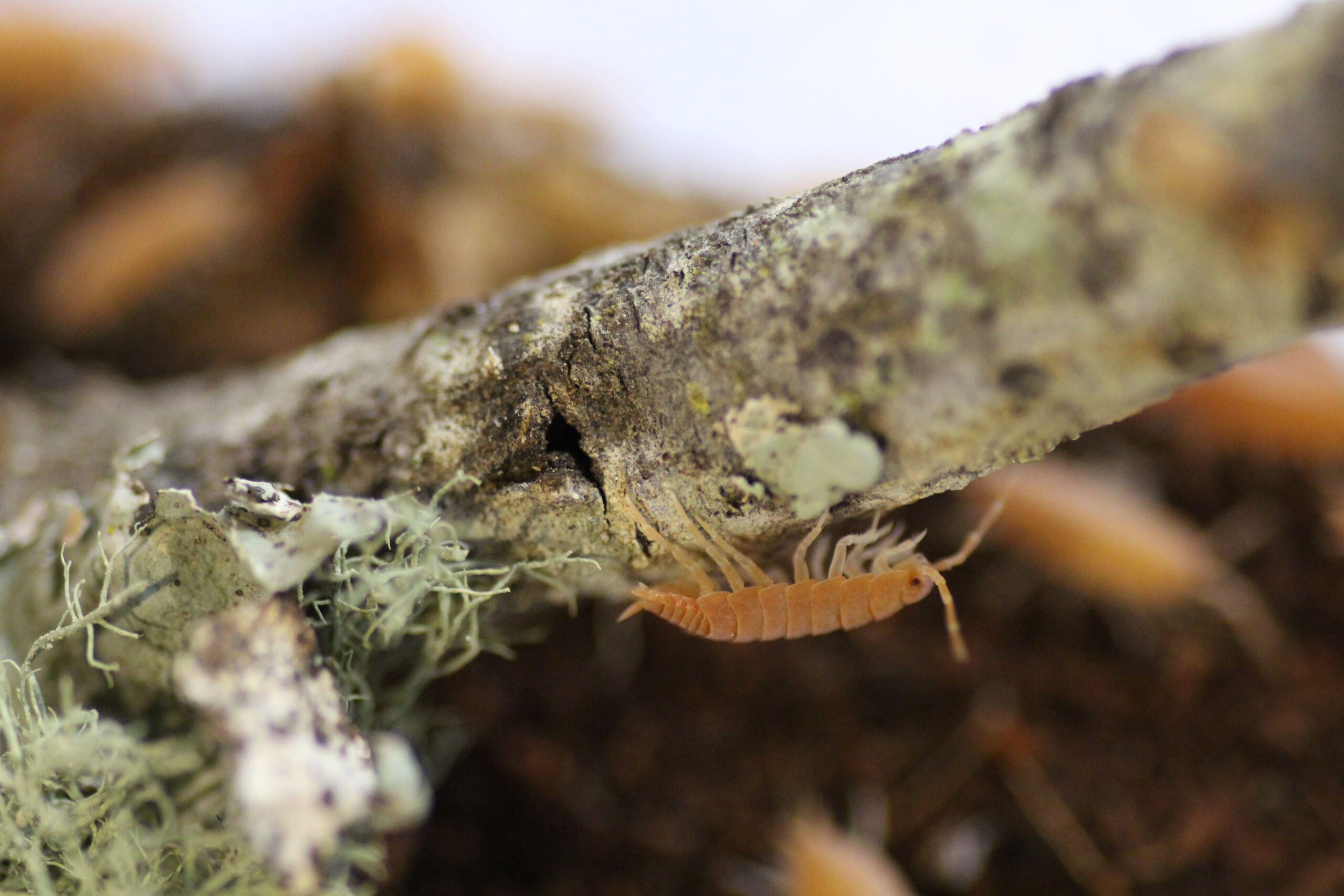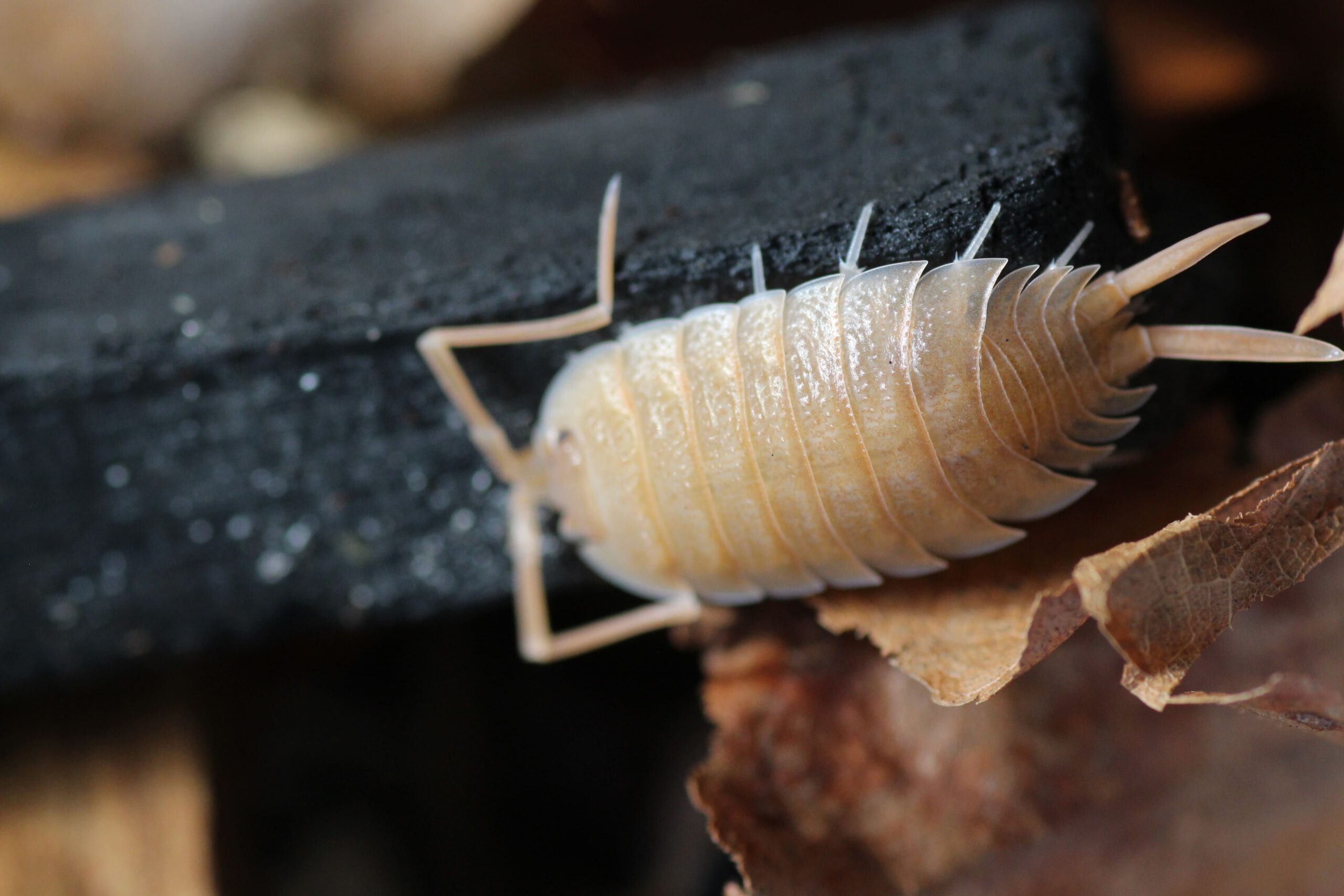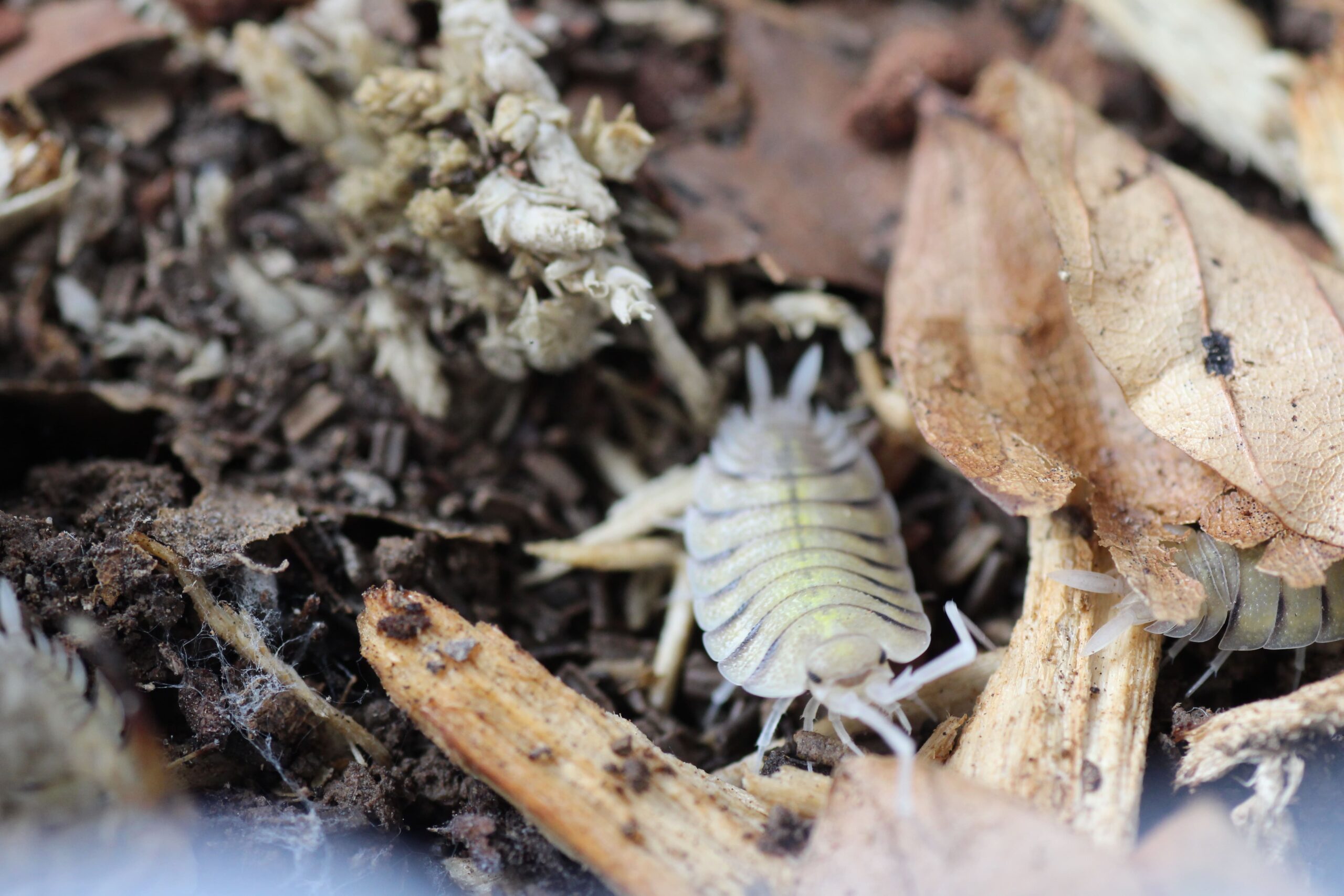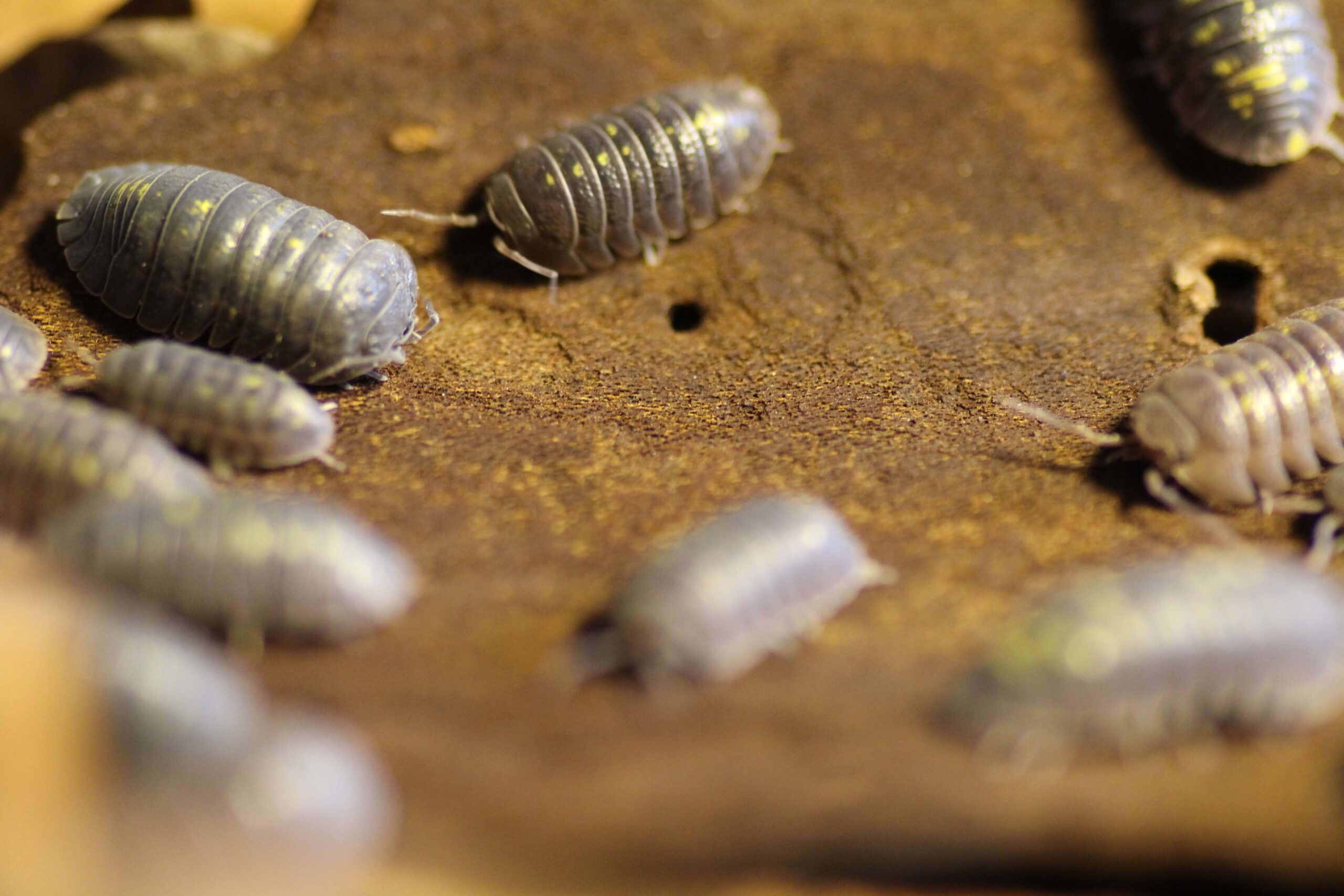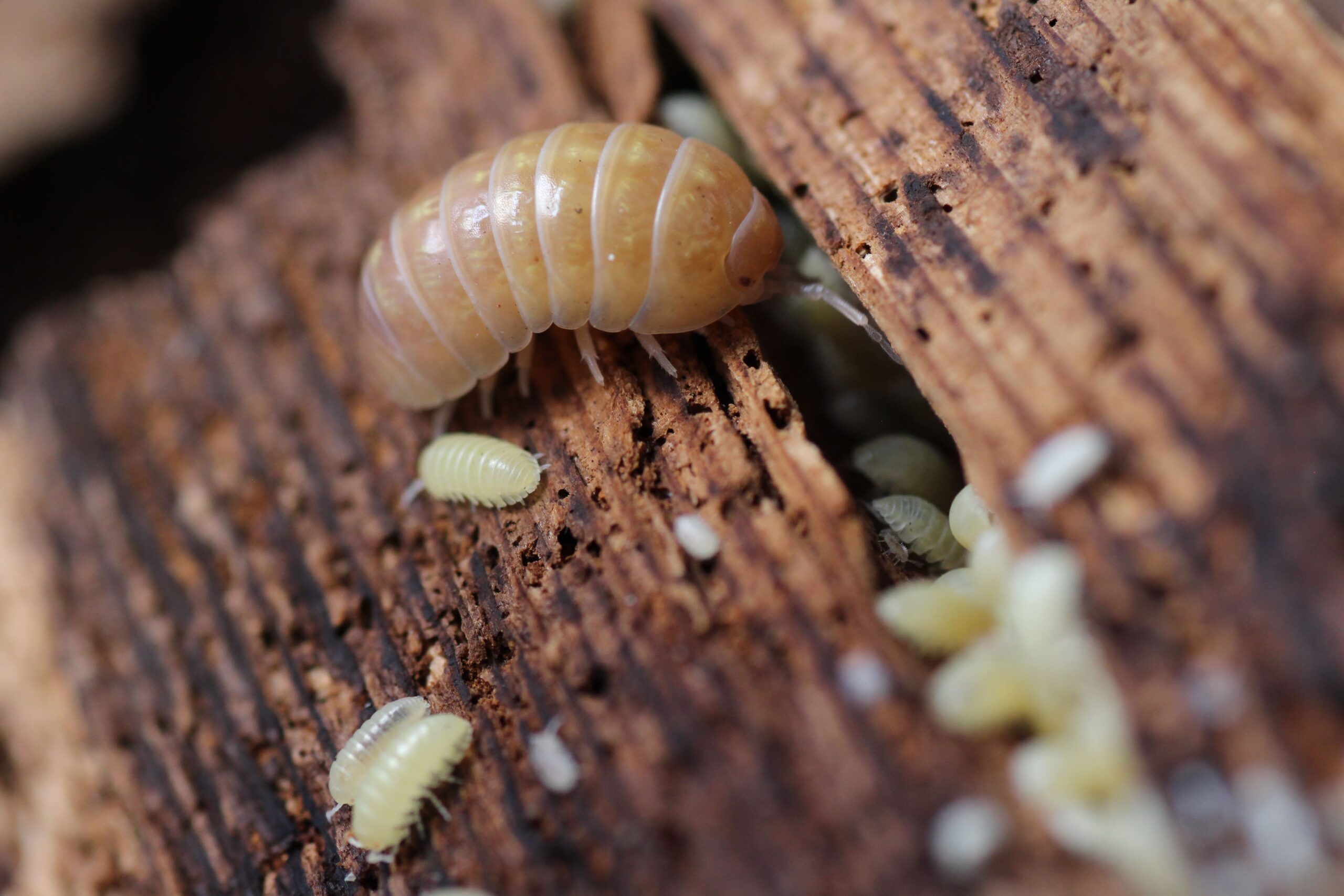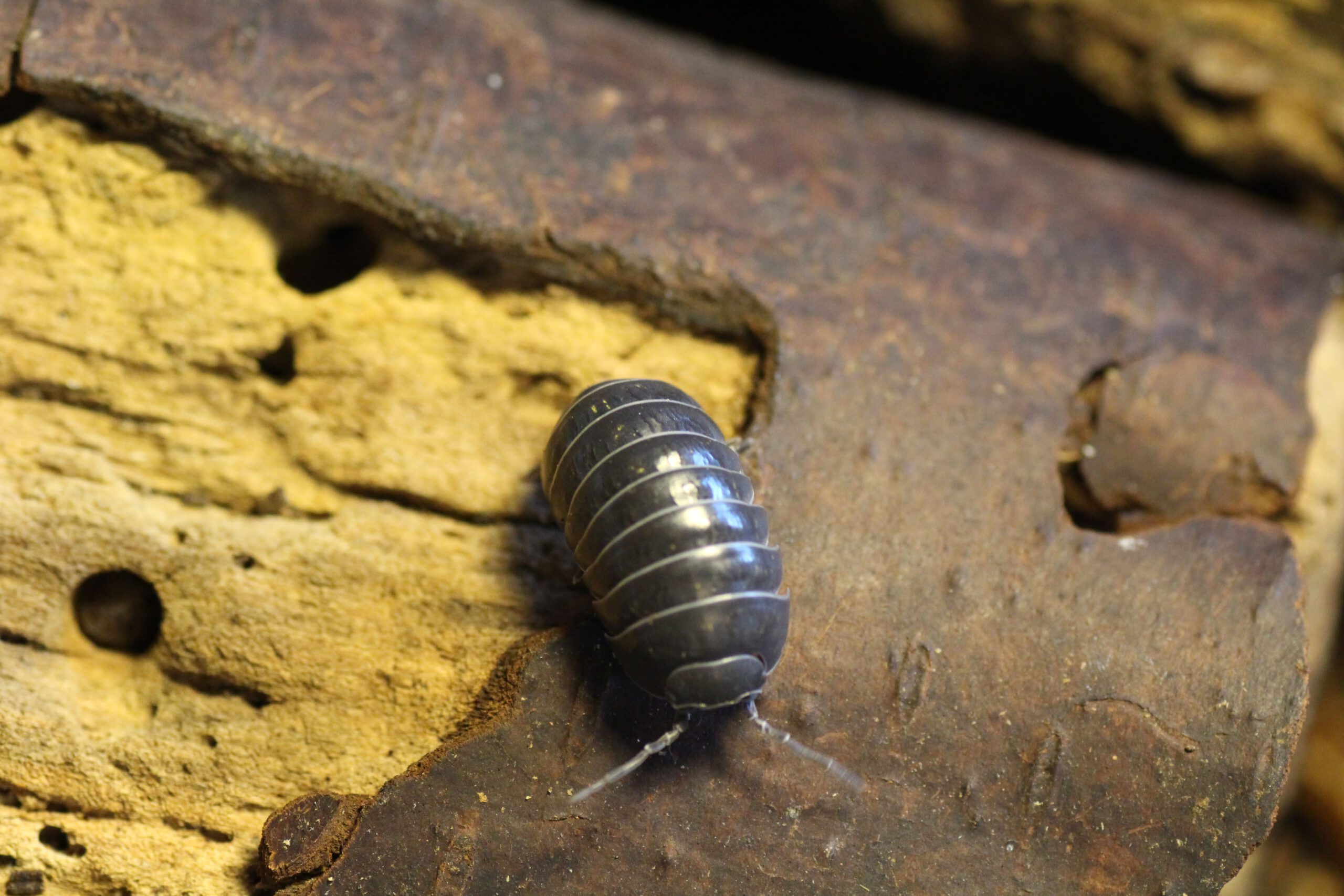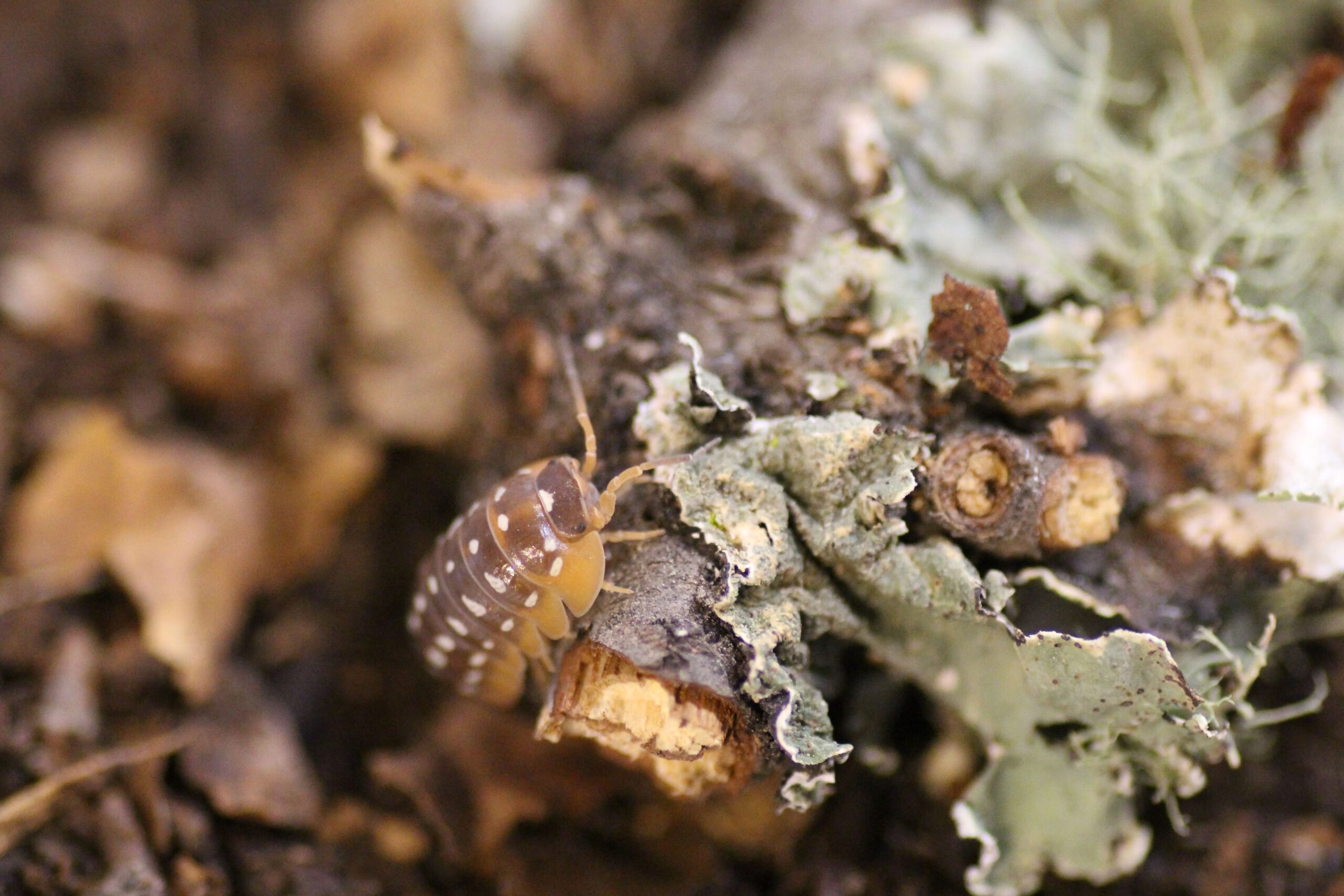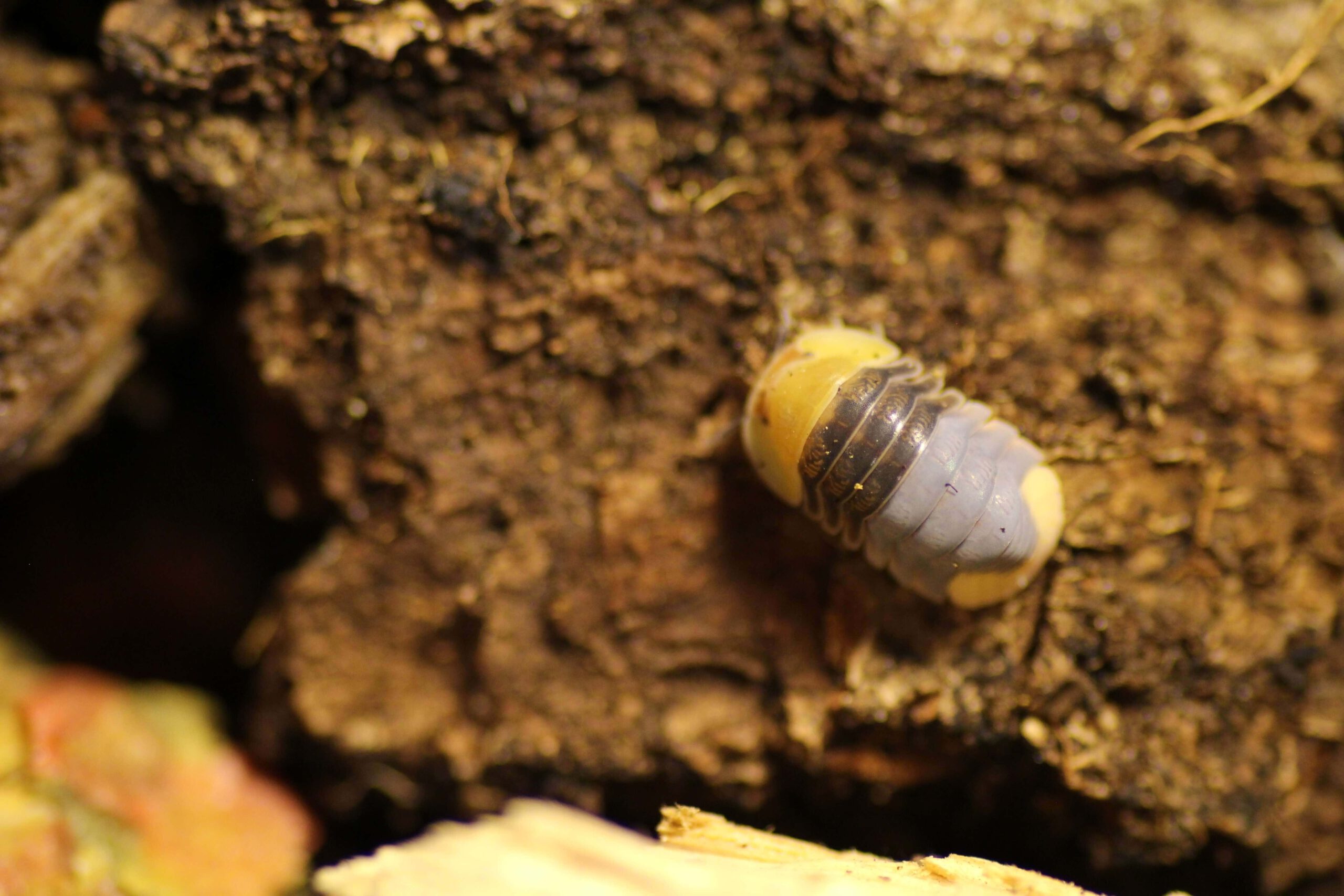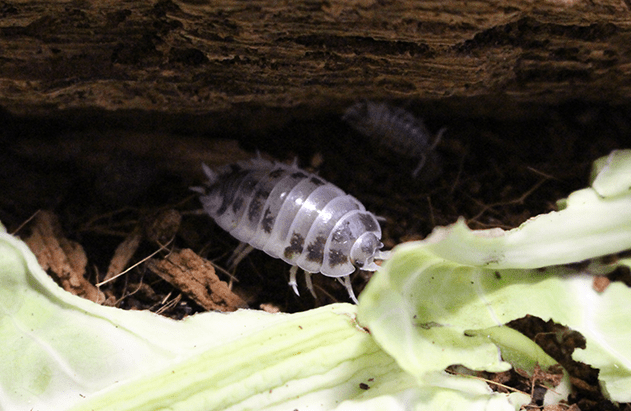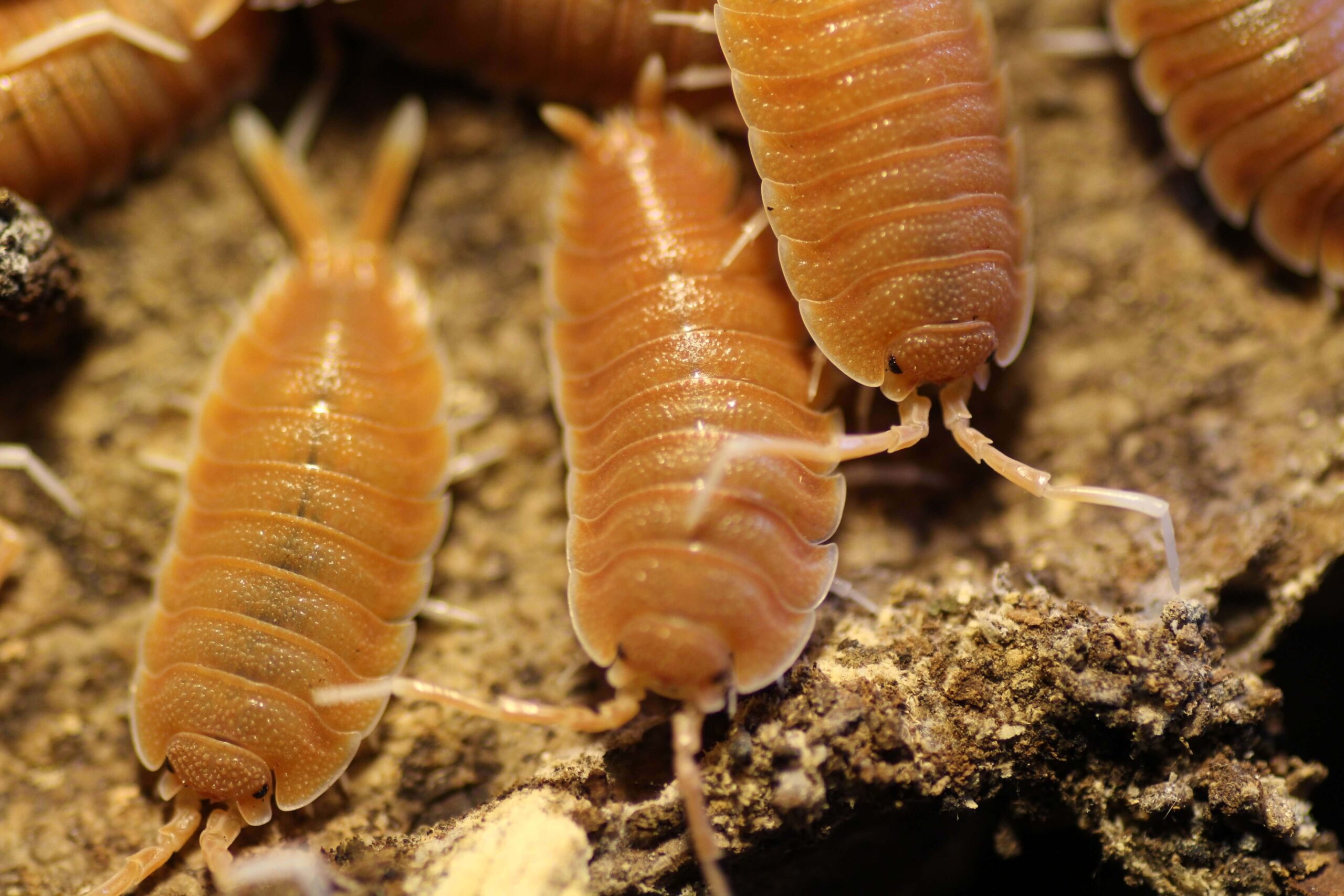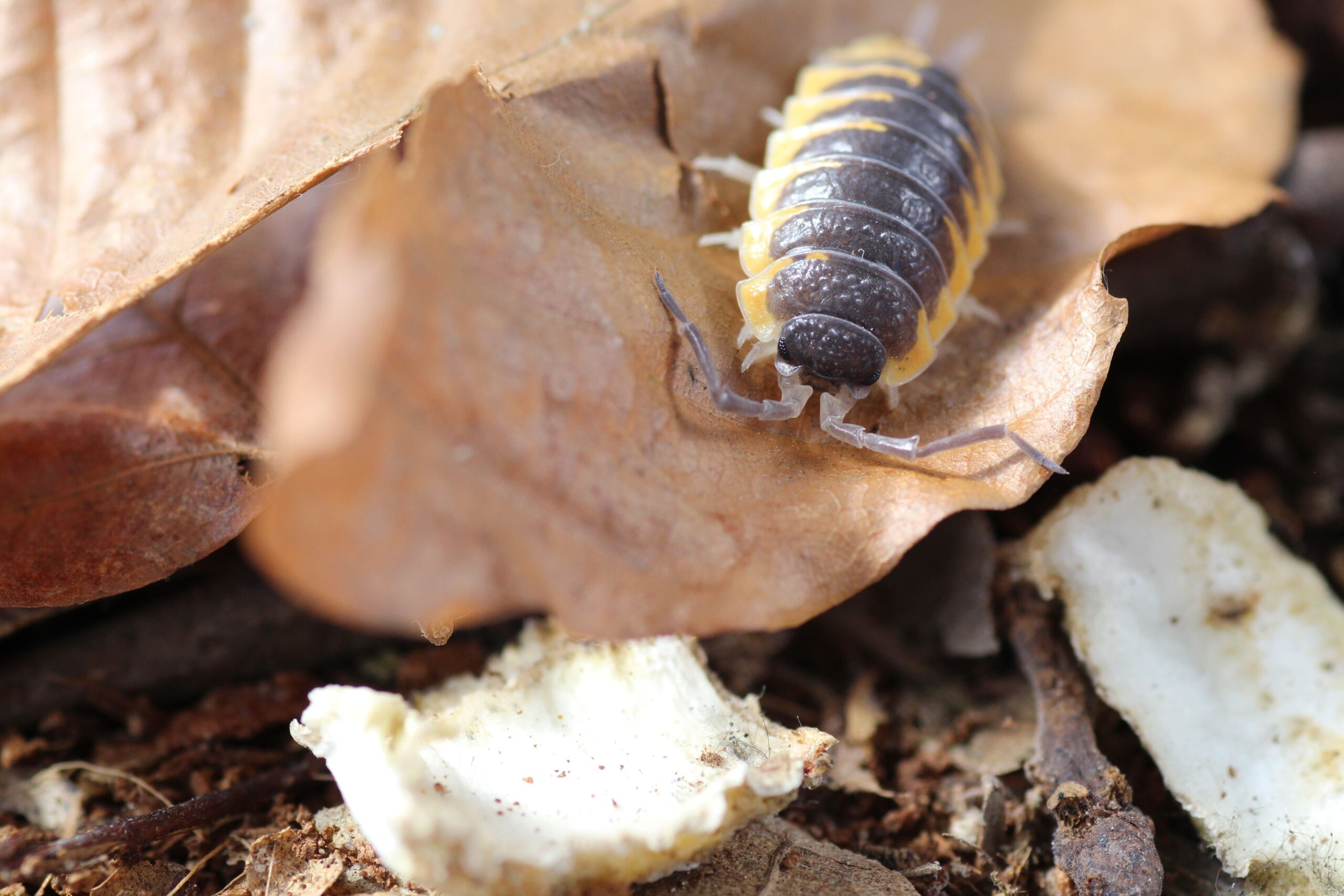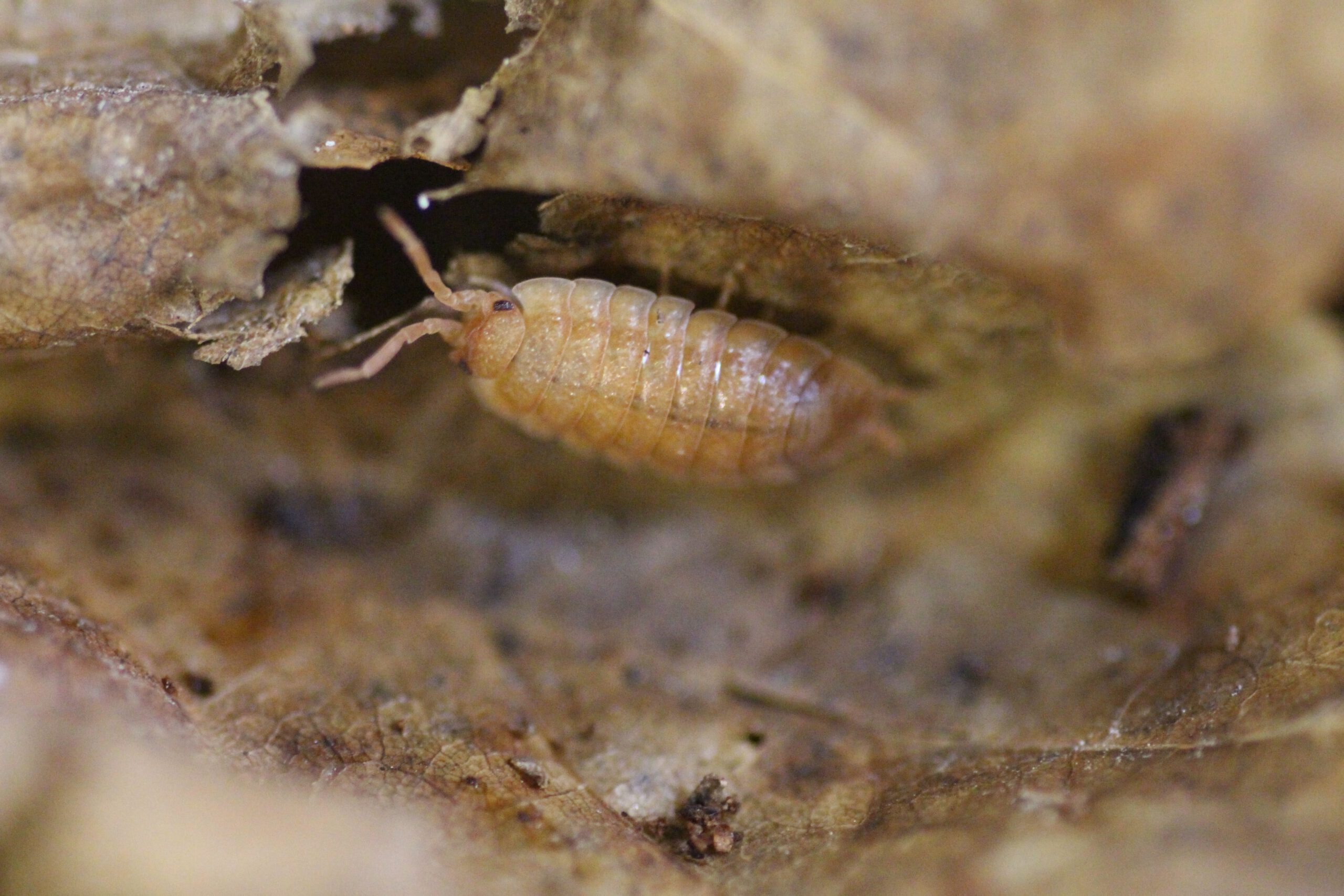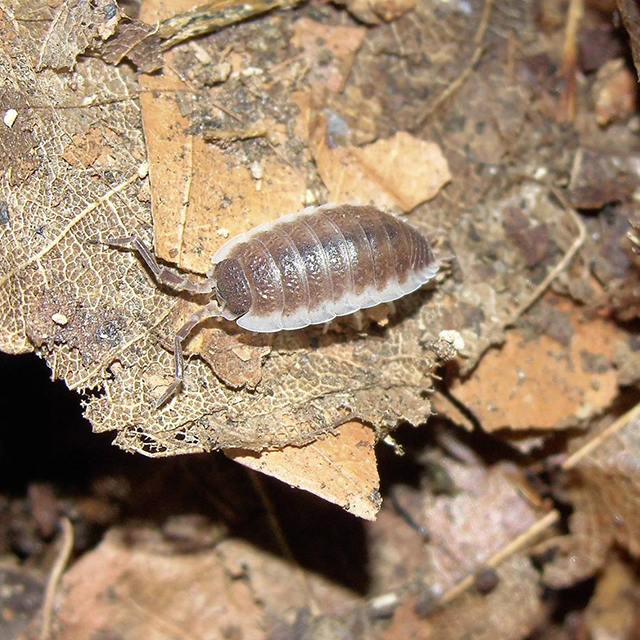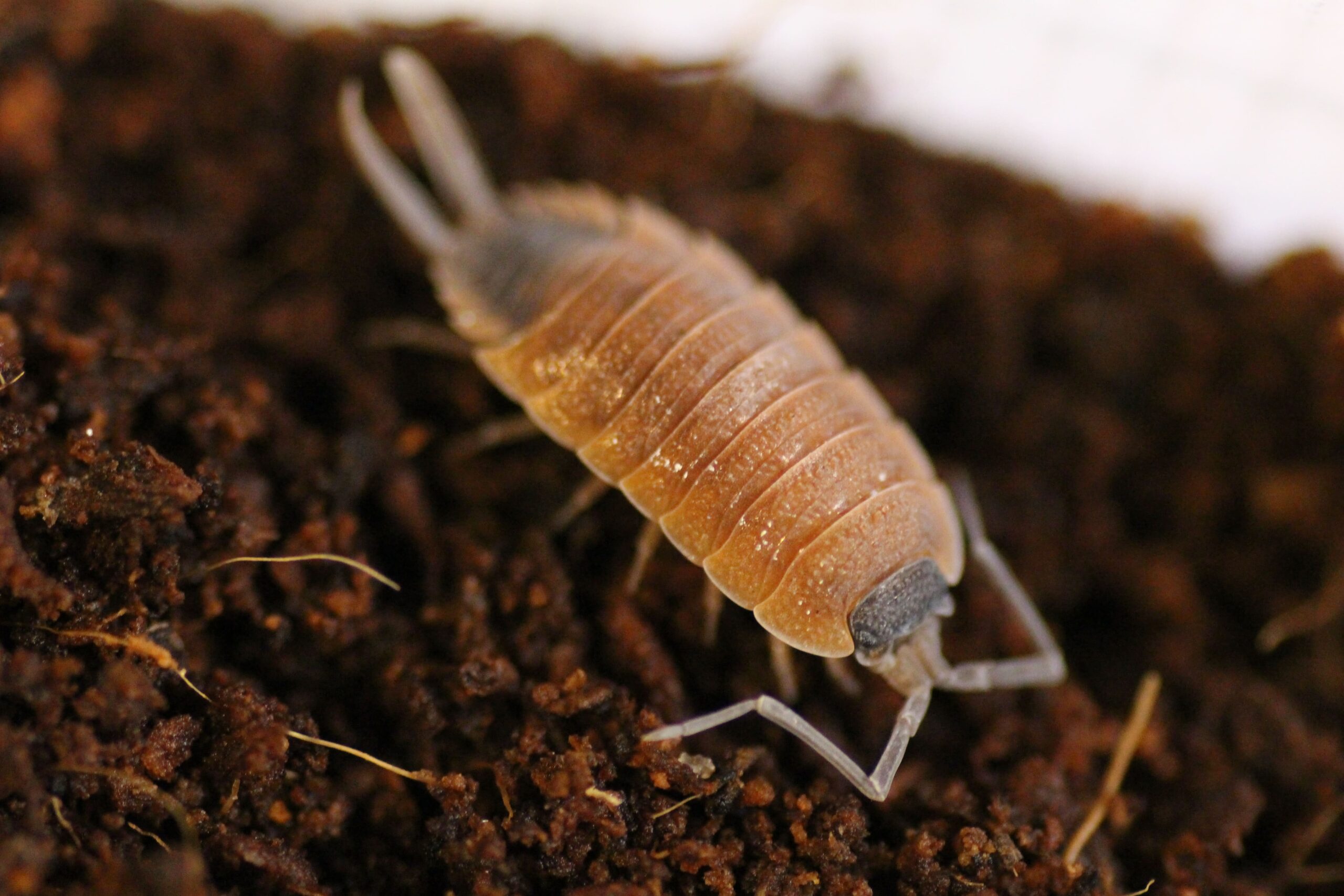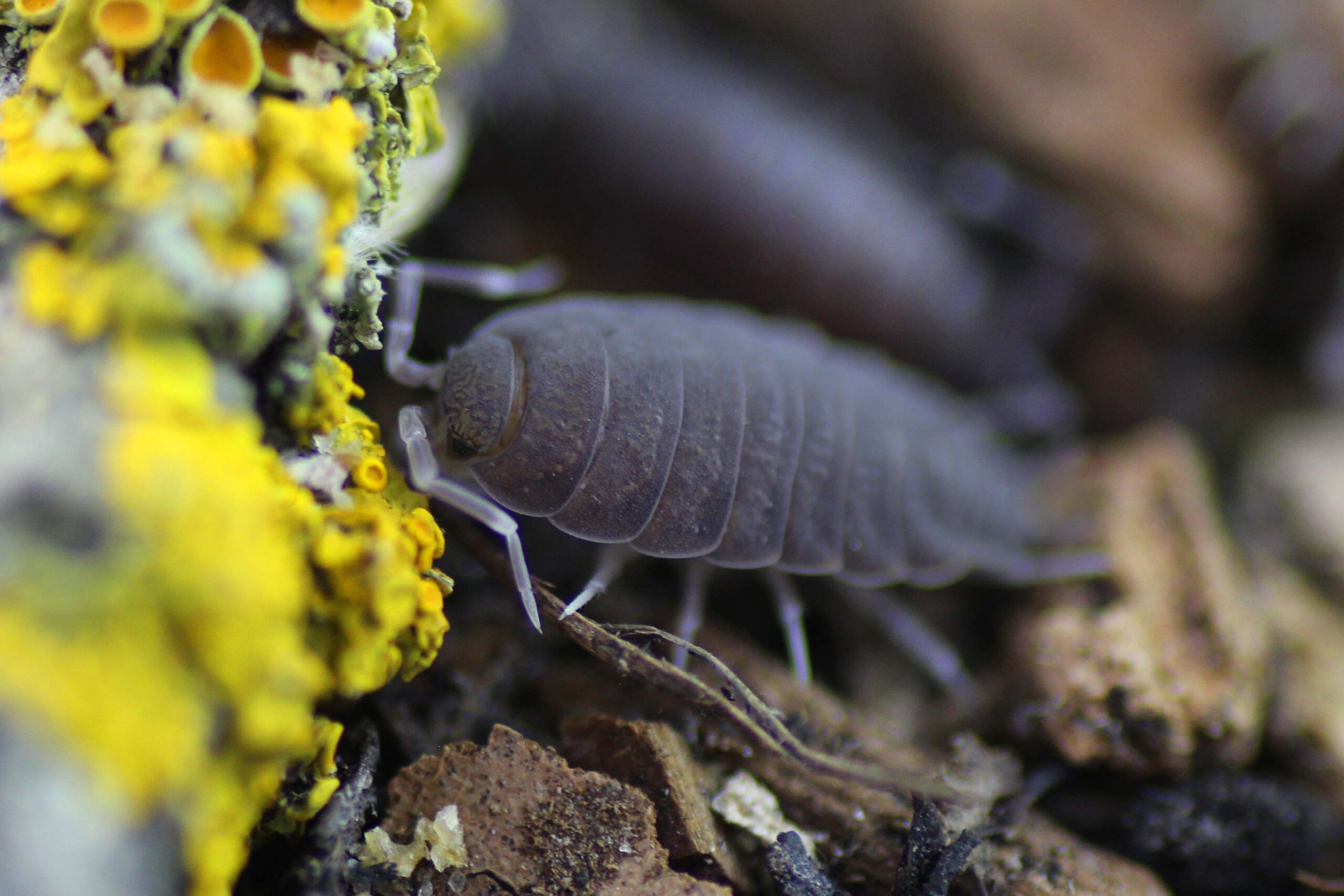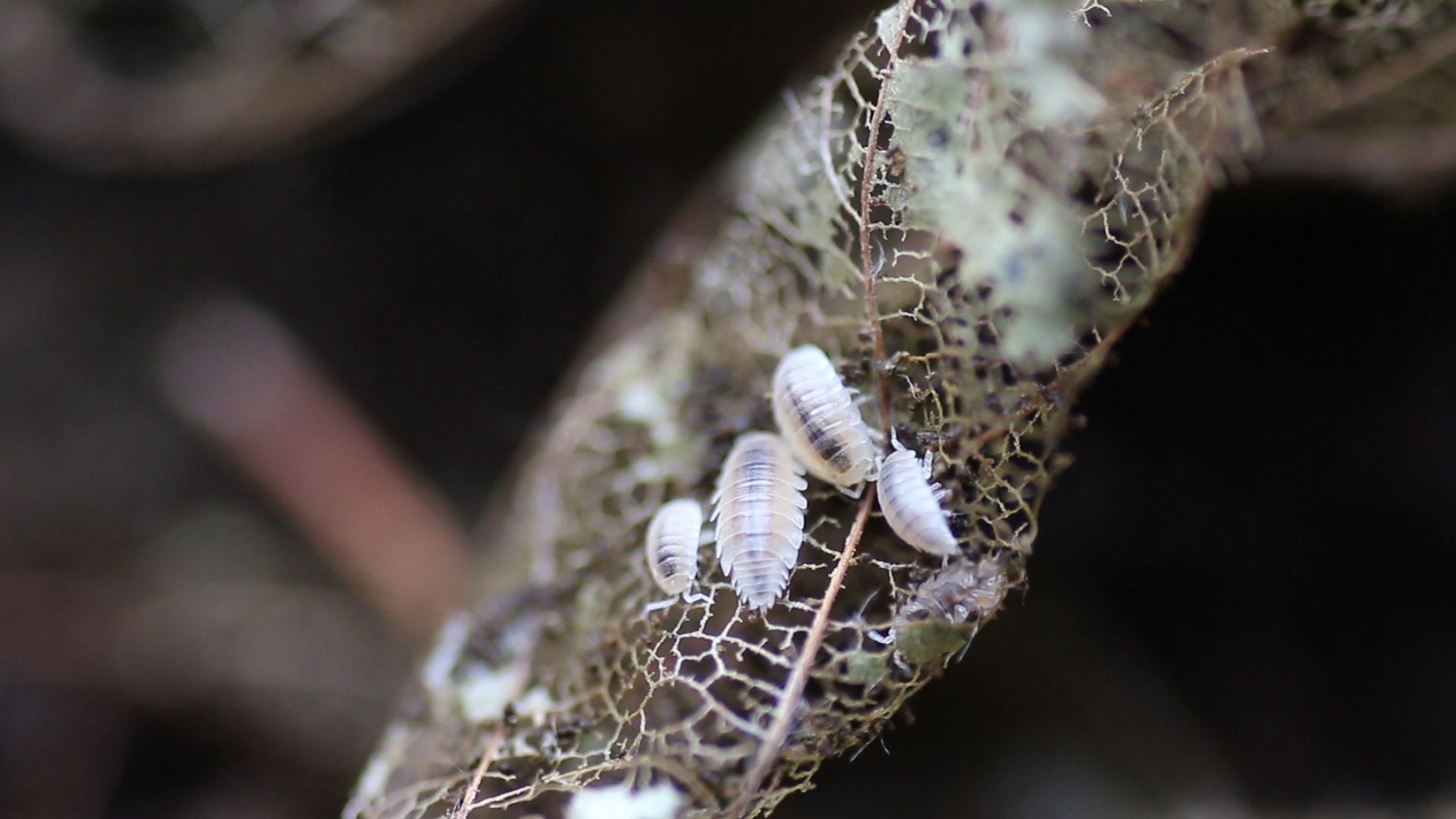
Terrarium: Find out how best to set up your terrarium here.
Food: A balanced diet is the key to successful keeping.
Reproduction: Here I describe the sex differences and breeding of your pets.
-
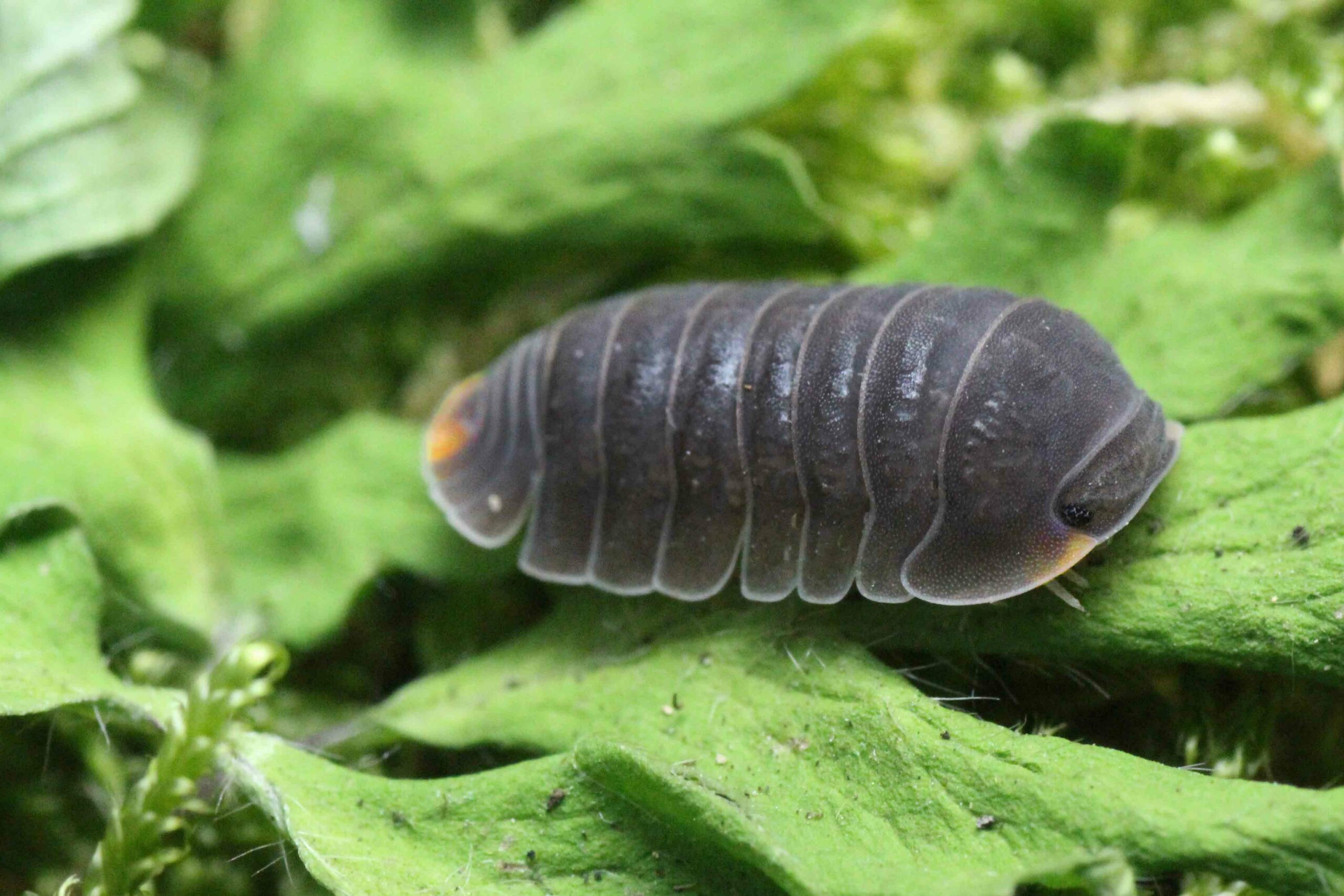 Keeping report Isopods
Keeping Cubaris murina
-
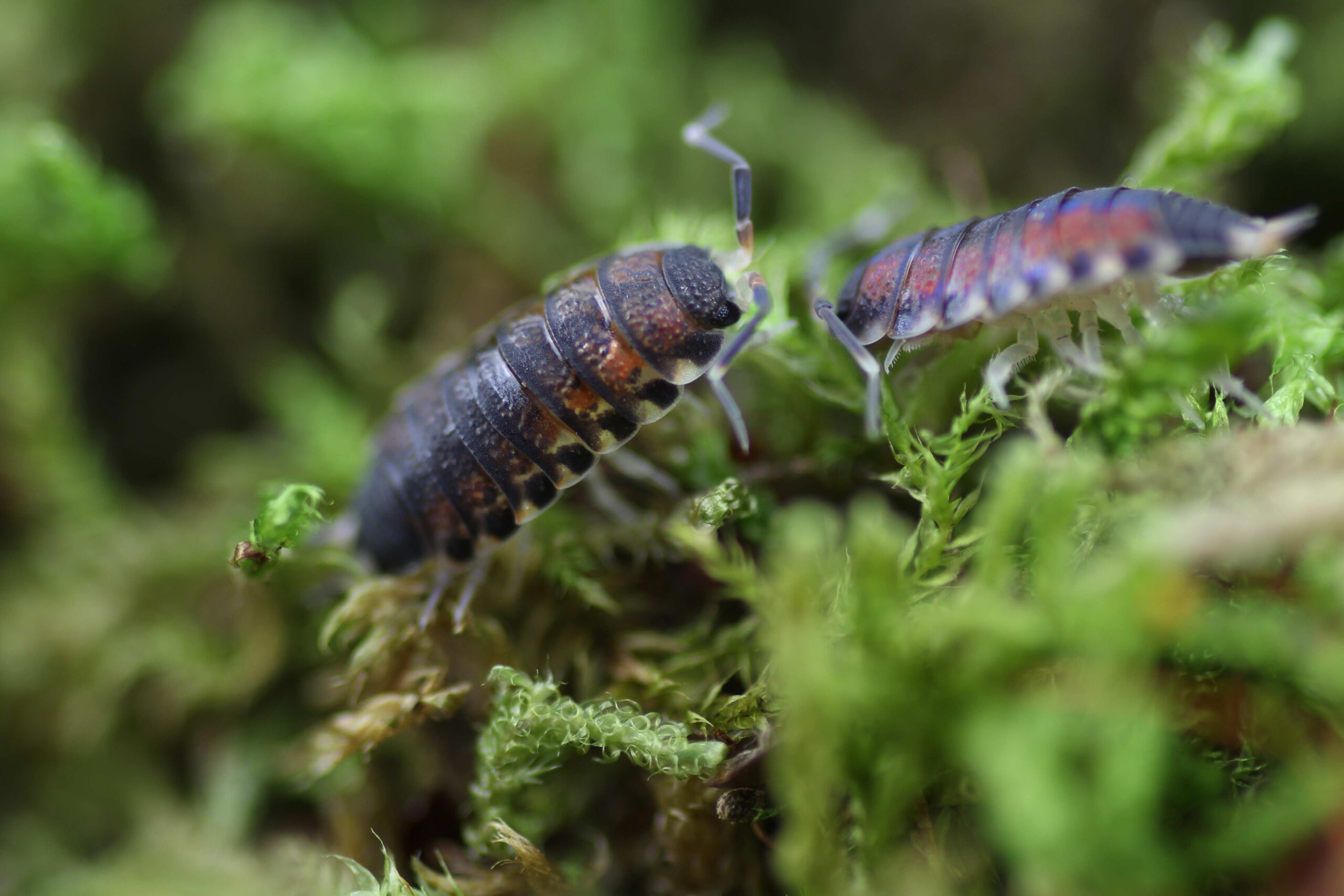 Keeping report Isopods
Keeping Philosciidae spec. “Northern Thailand”
-
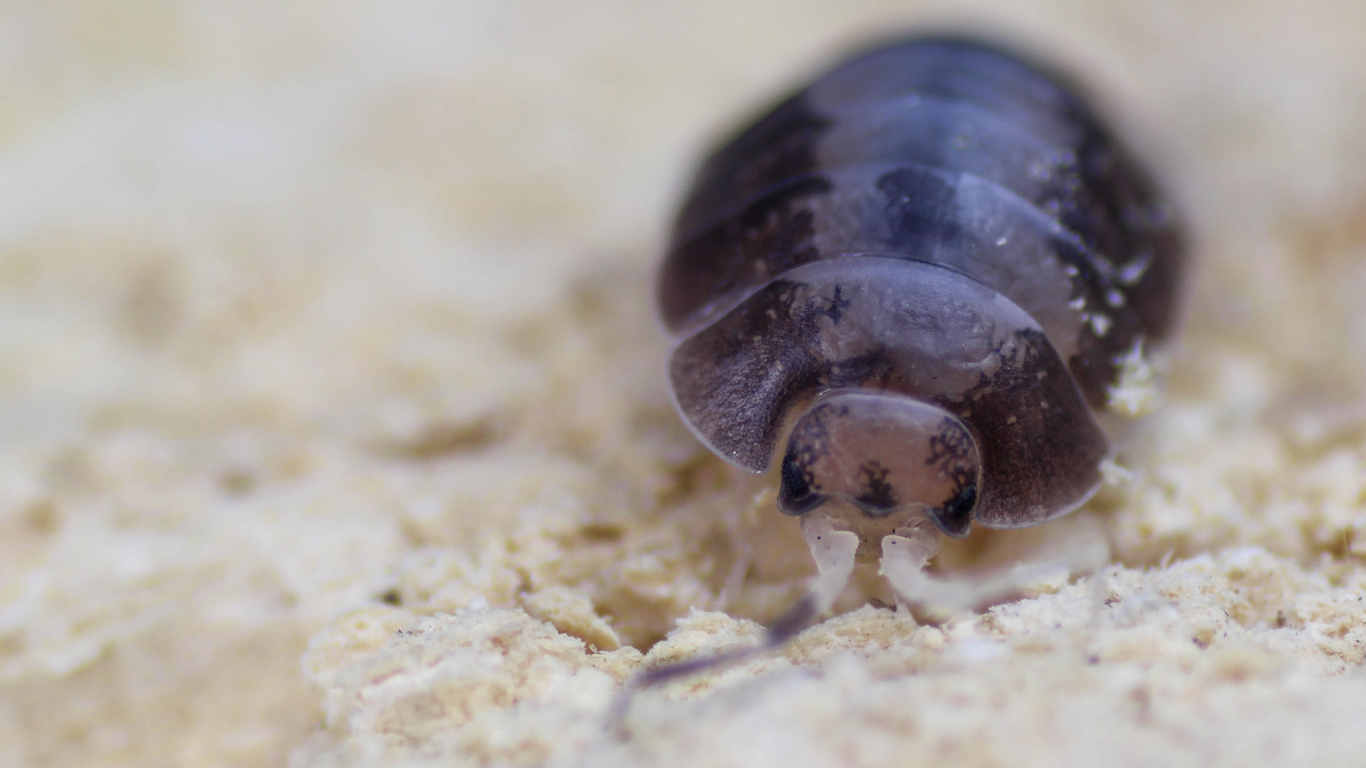 Keeping report Isopods
Caring for Porcellio laevis “Milkback”
-
 Keeping report Isopods
Caring for Armadillidium corcyraeum
-
Keeping report Isopods
Keeping Periscyphis sp. “Hallaniyat Island”
-
Keeping report Isopods
Caring for Armadillidium versicolor
-
Keeping report Isopods
Caring for Porcellio laevis “Black”
-
Keeping report Isopods
Caring for Porcellio laevis “White”
-
Keeping report Isopods
Keep Cuban isopods in orange
-
Keeping report Isopods
Caring for Porcellio bolivari nicklesi
-
Keeping report Isopods
Caring for Porcellio bolivari
-
Keeping report Isopods
Caring for Armadillidium gestroi
-
Keeping report Isopods
Caring for Armadillidium granulatum
-
Keeping report Isopods
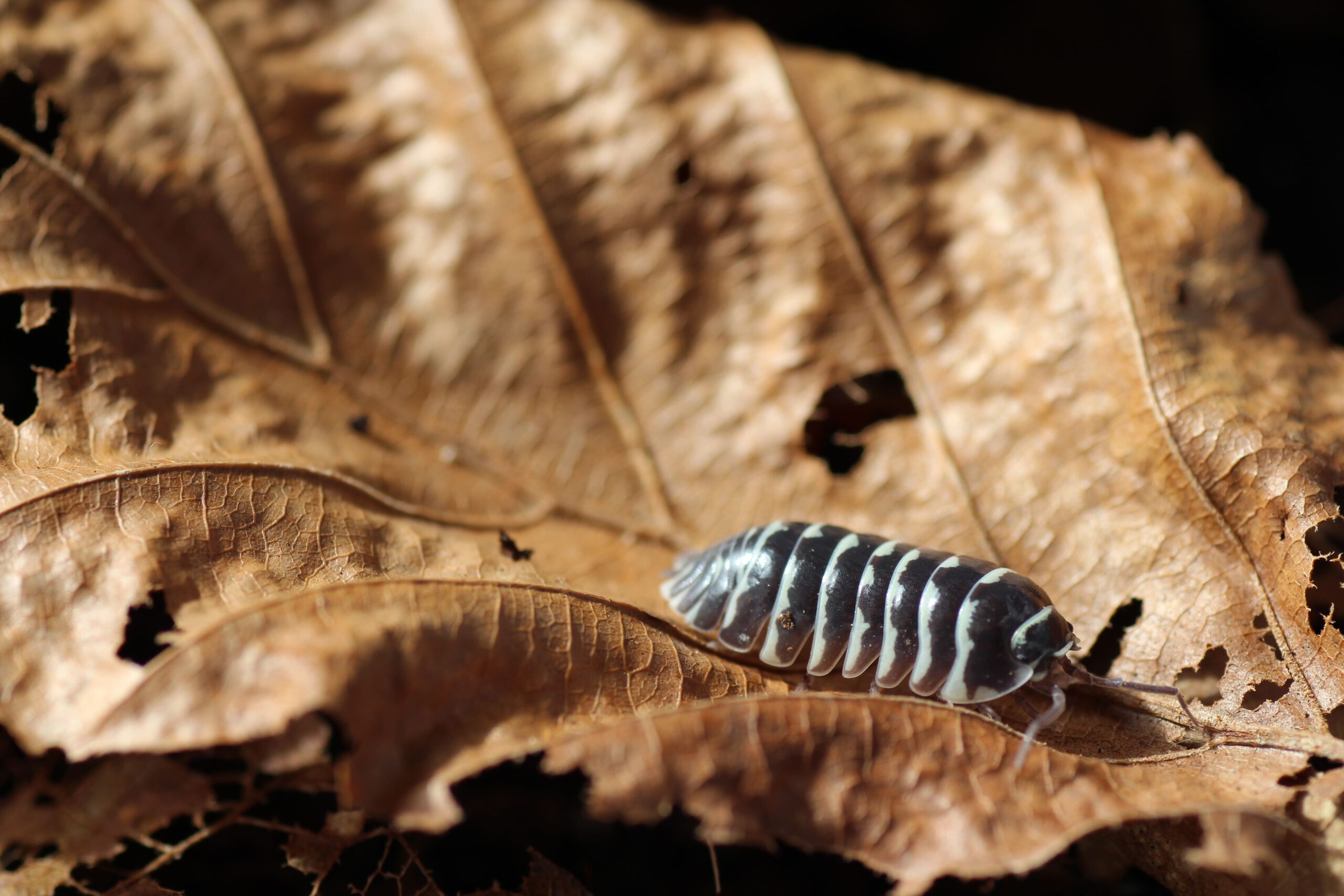
Keeping Zebra Roll-A-Lassels – Armadillidium maculatum
-
Keeping report Isopods
Caring for Armadillidium klugii “Montenegro”
-
Keeping report Isopods
Caring for Armadillidium nasatum
-
 Keeping report Isopods
Caring for Armadillo officinalis
-
Keeping report Isopods
Caring for Merulanella bicolorata
-
Keeping report Isopods
Caring for Armadillidium spec. “Albania”
-
Keeping report Isopods
Caring for Armadillidium spec. “Albino”
-
Keeping report Isopods
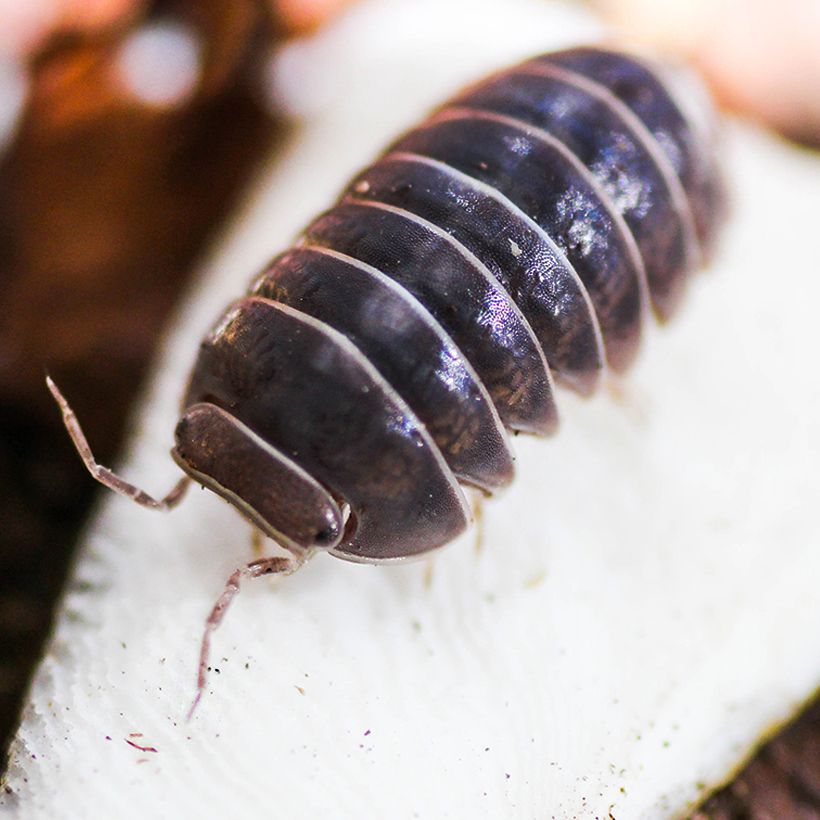
Caring for Armadillidium vulgare
-
Keeping report Isopods
Caring for Armadillidium werneri
-
Keeping report Isopods
Keeping a Rubber Ducky – Cubaris spec. in a terrarium
-
 Keeping report Isopods
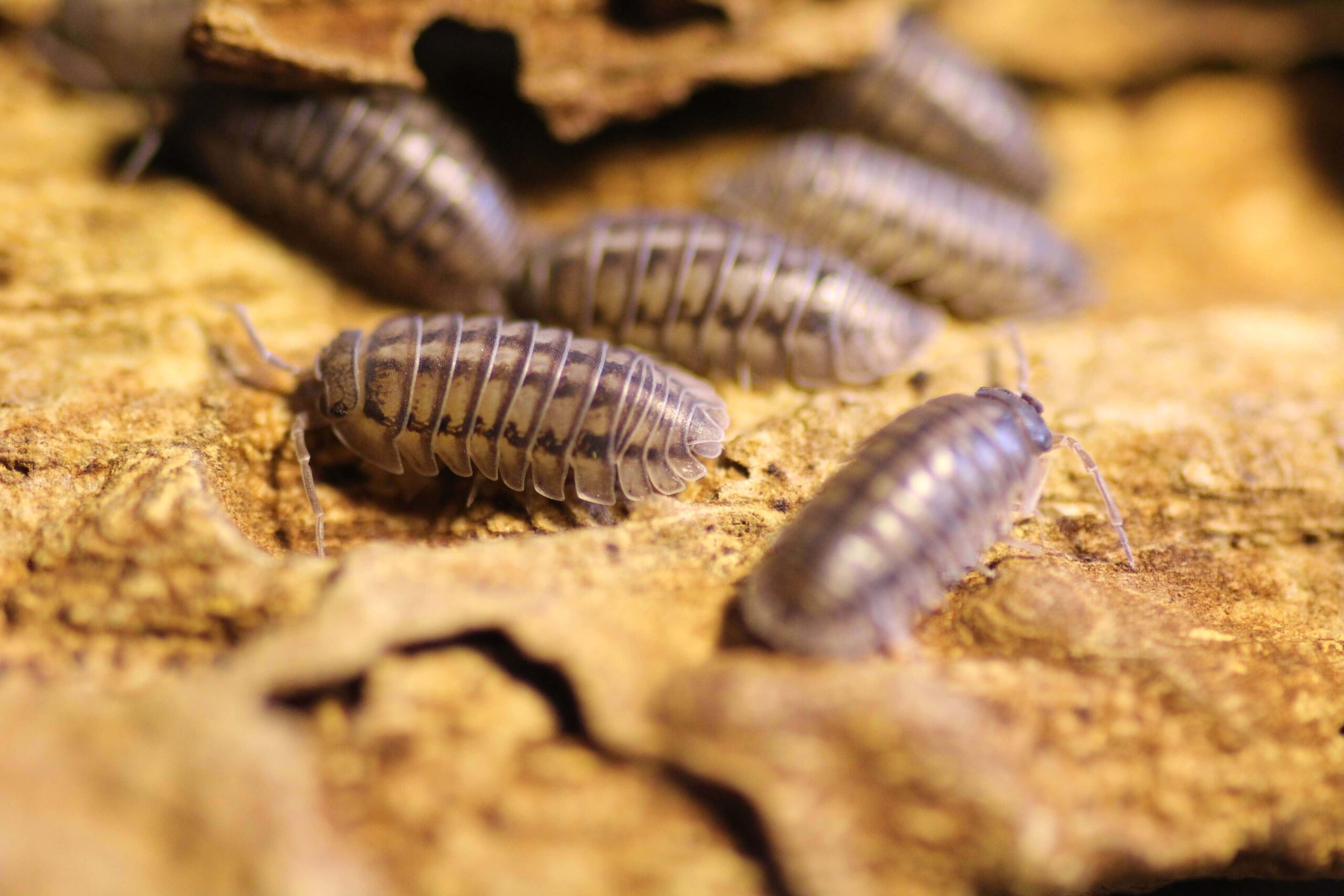
Oniscus asellus – Keeping Woodlice
-
Keeping report Isopods
Caring for Porcellio expansus
-
Keeping report Isopods
Caring for Porcellio hoffmannseggi
-
Keeping report Isopods
Caring for Porcellio haasi
-
Keeping report Isopods
Caring for Porcellio laevis “Orange”
-
 Keeping report Isopods
Keeping Panda Isopods – Porcellio laevis “Panda”
-
Keeping report Isopods
Caring for Porcellio magnificus
-
Keeping report Isopods
Caring for Porcellio ornatus
-
Keeping report Isopods
Caring for Porcellio scaber “Orange”
-
Keeping report Isopods
Caring for Porcellio spec. “Morocco”
-
 Keeping report Isopods
Caring for Porcellio spec. “Sevilla”
-
Keeping report Isopods
Caring for Porcellio silvestri
-
Keeping report Isopods
Keeping Cuban isopods – Porcellionides pruinosus
-
 Keeping report Isopods
Keeping White Isopods – Trichorhina tomentosa