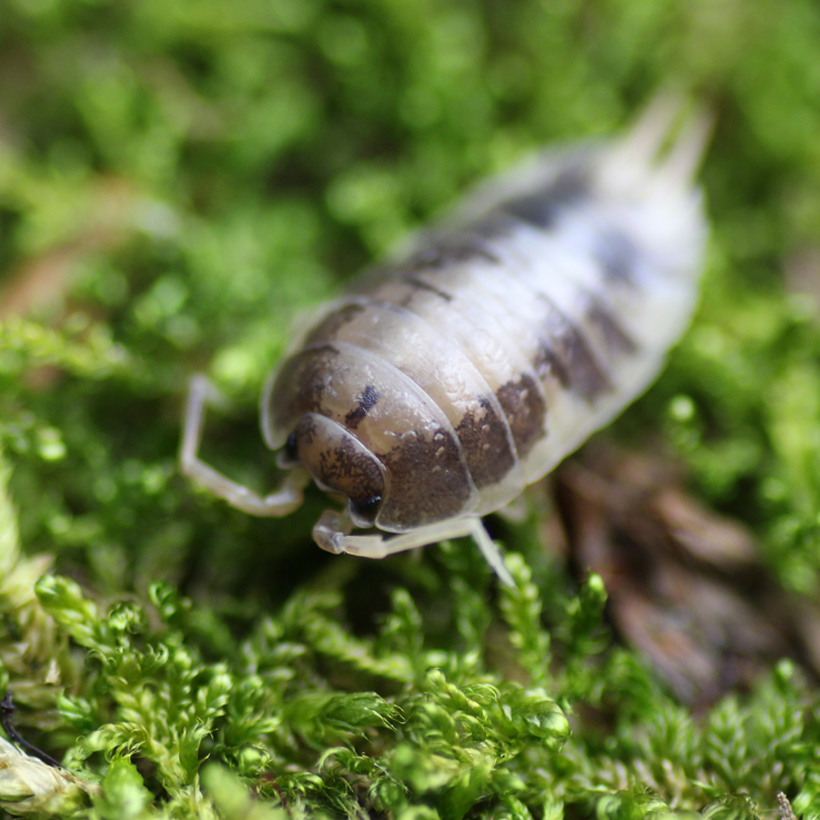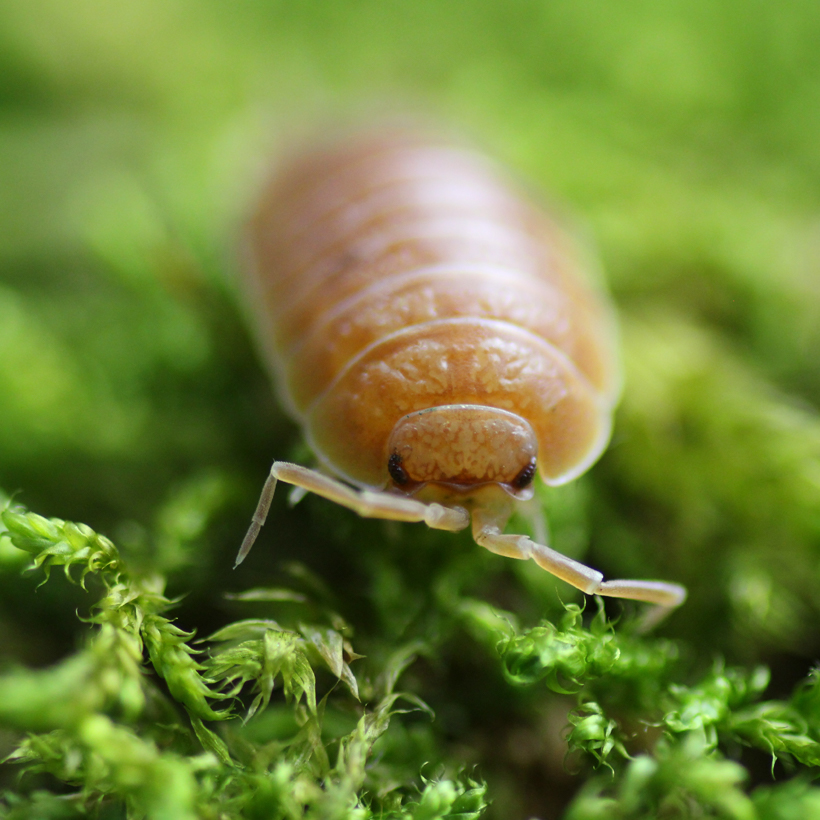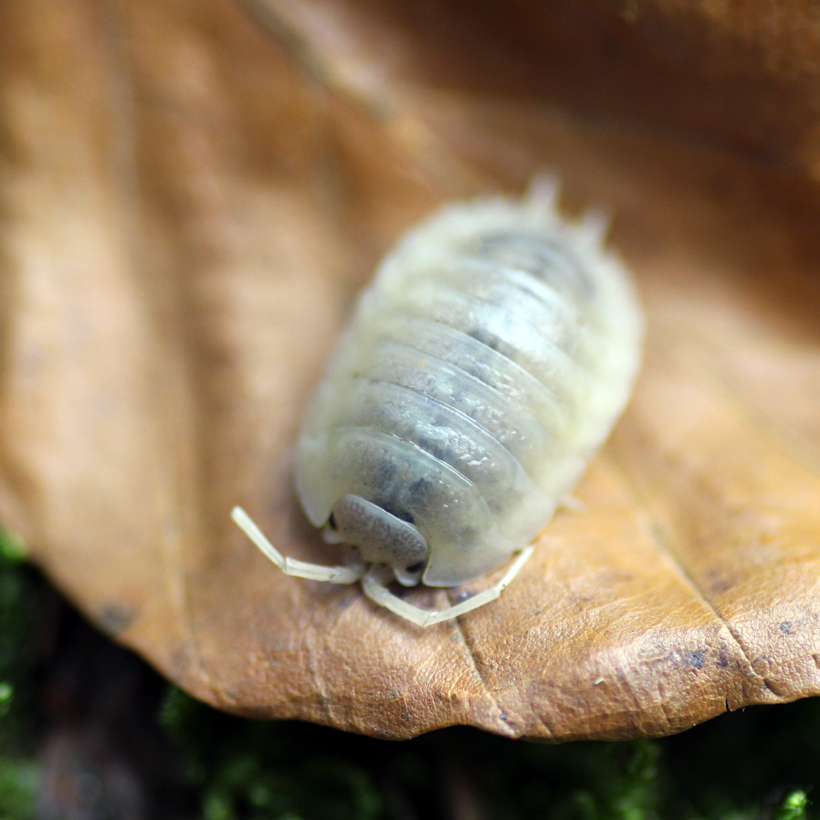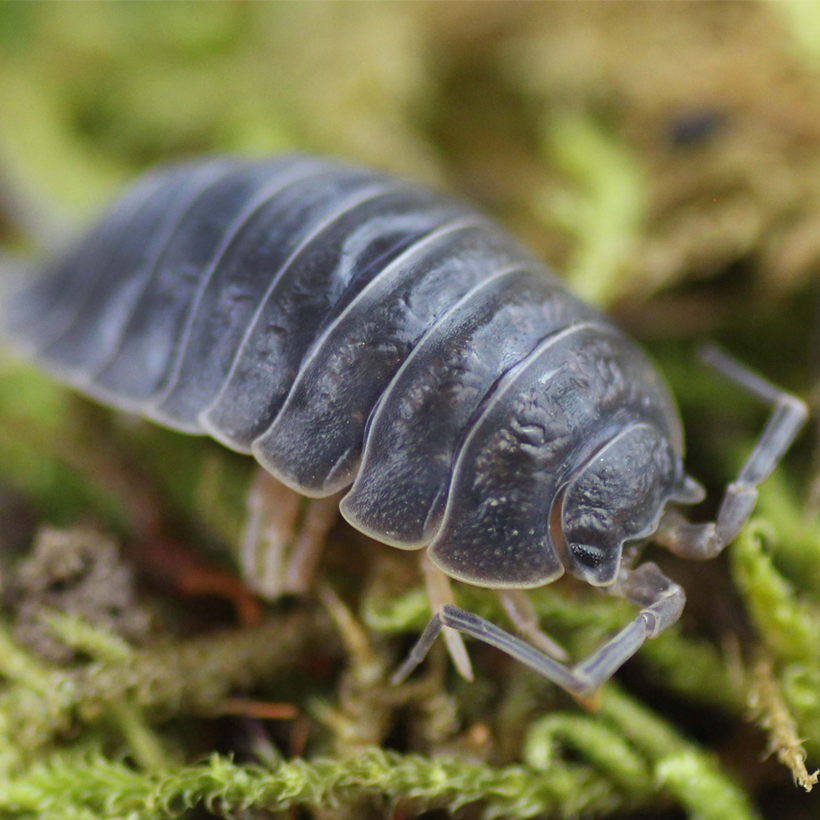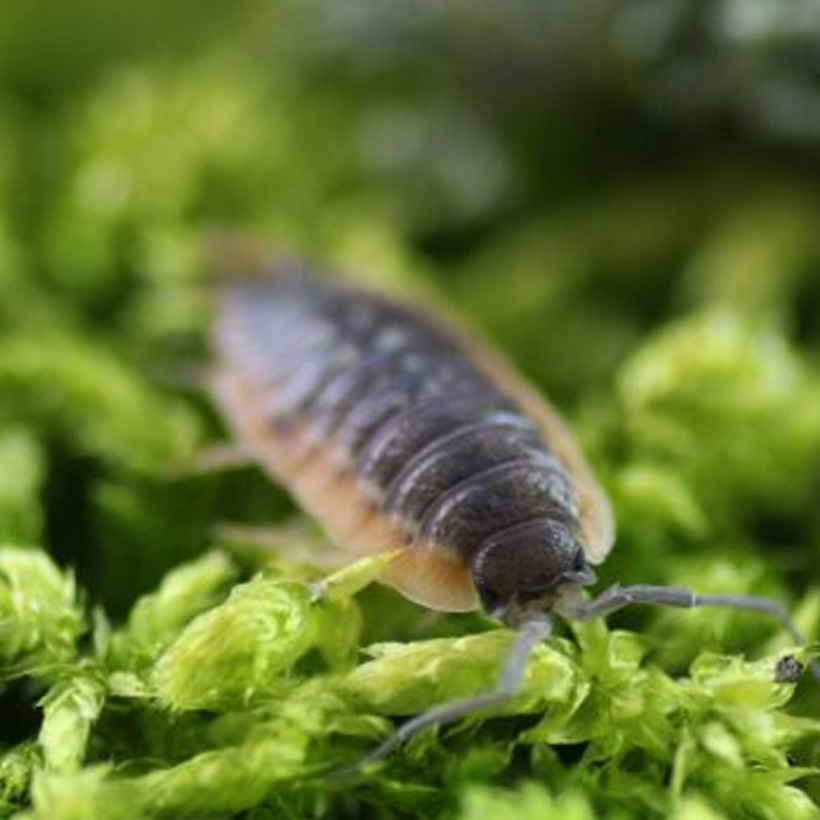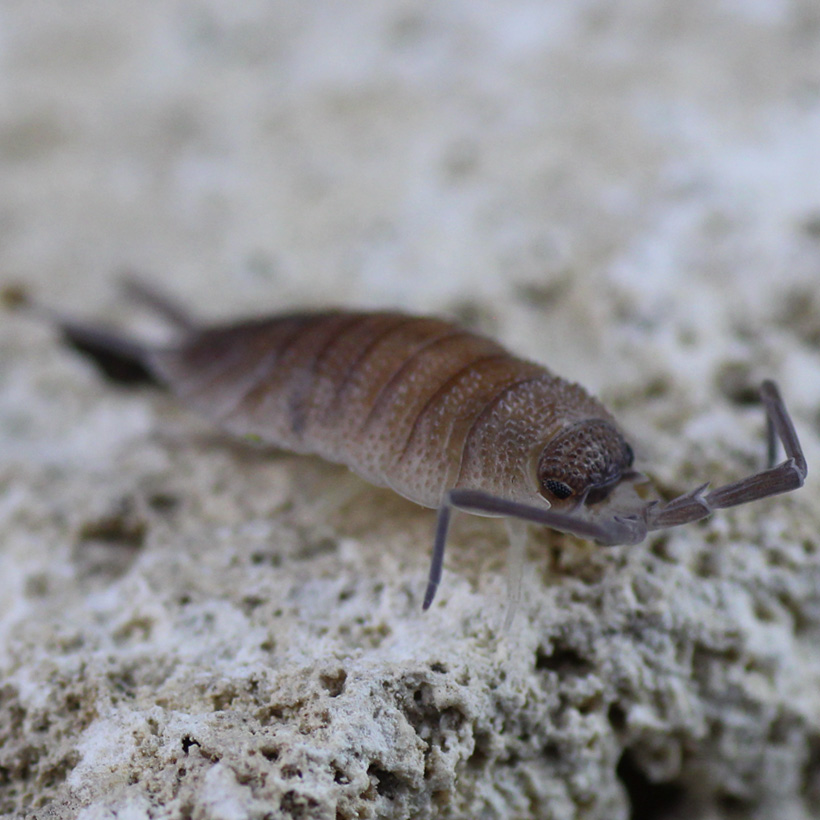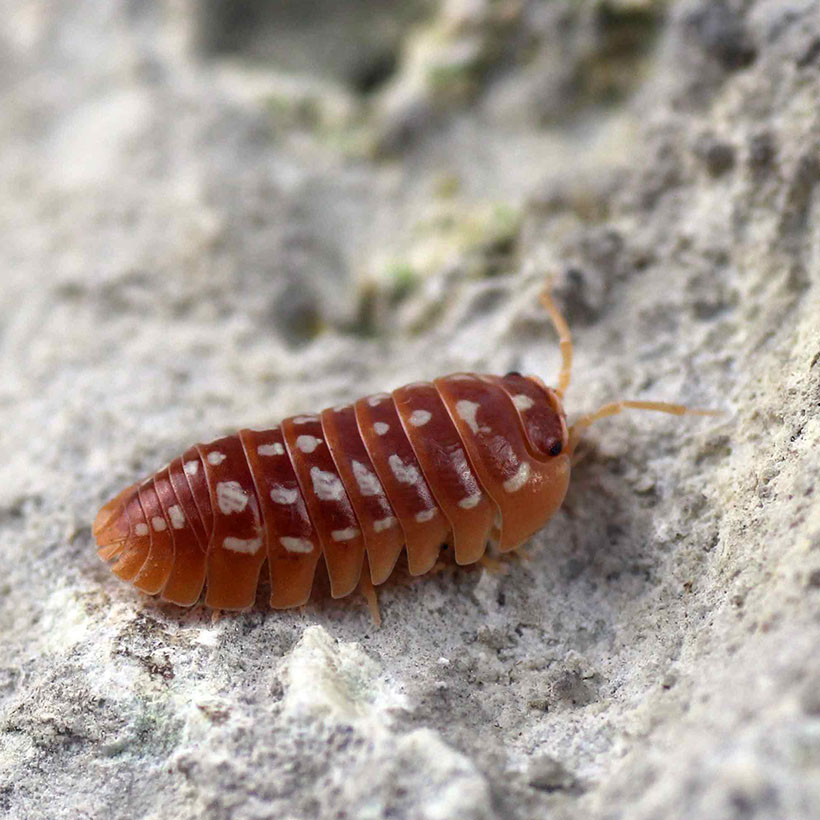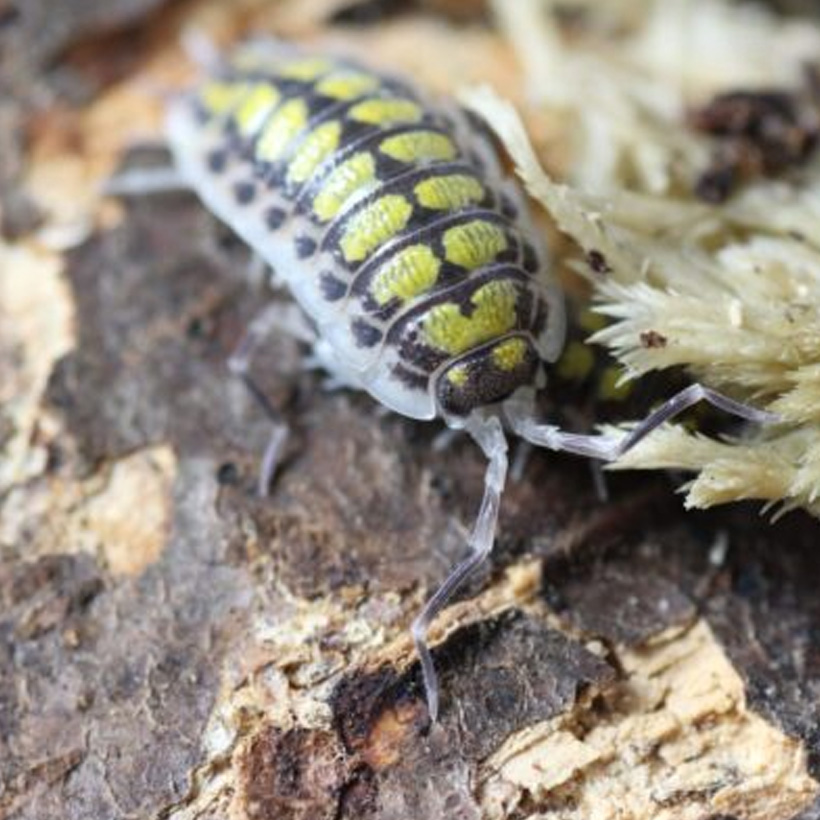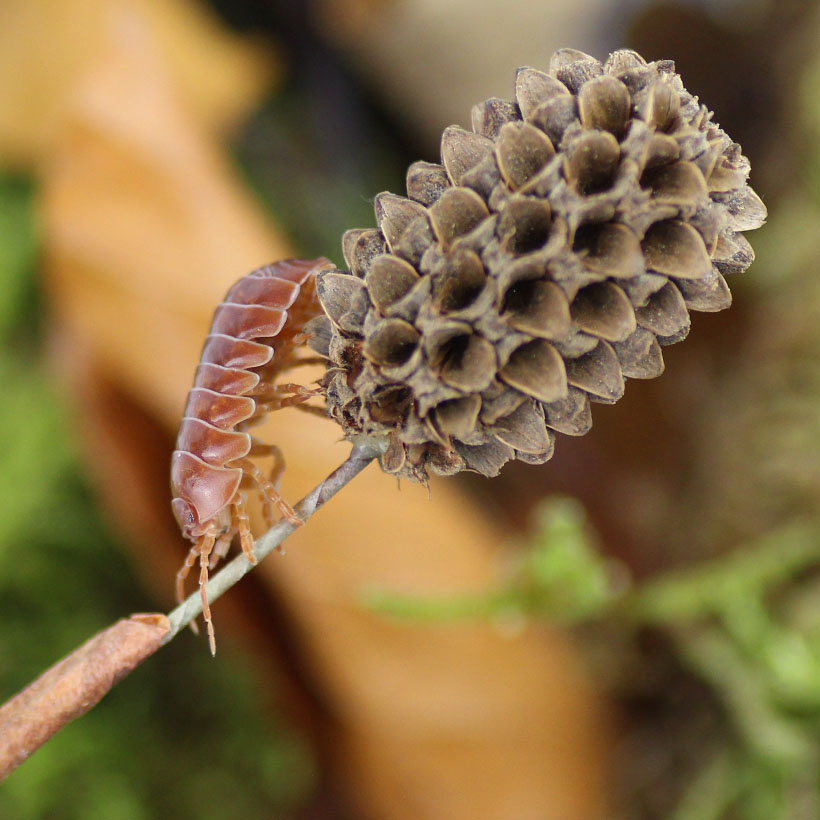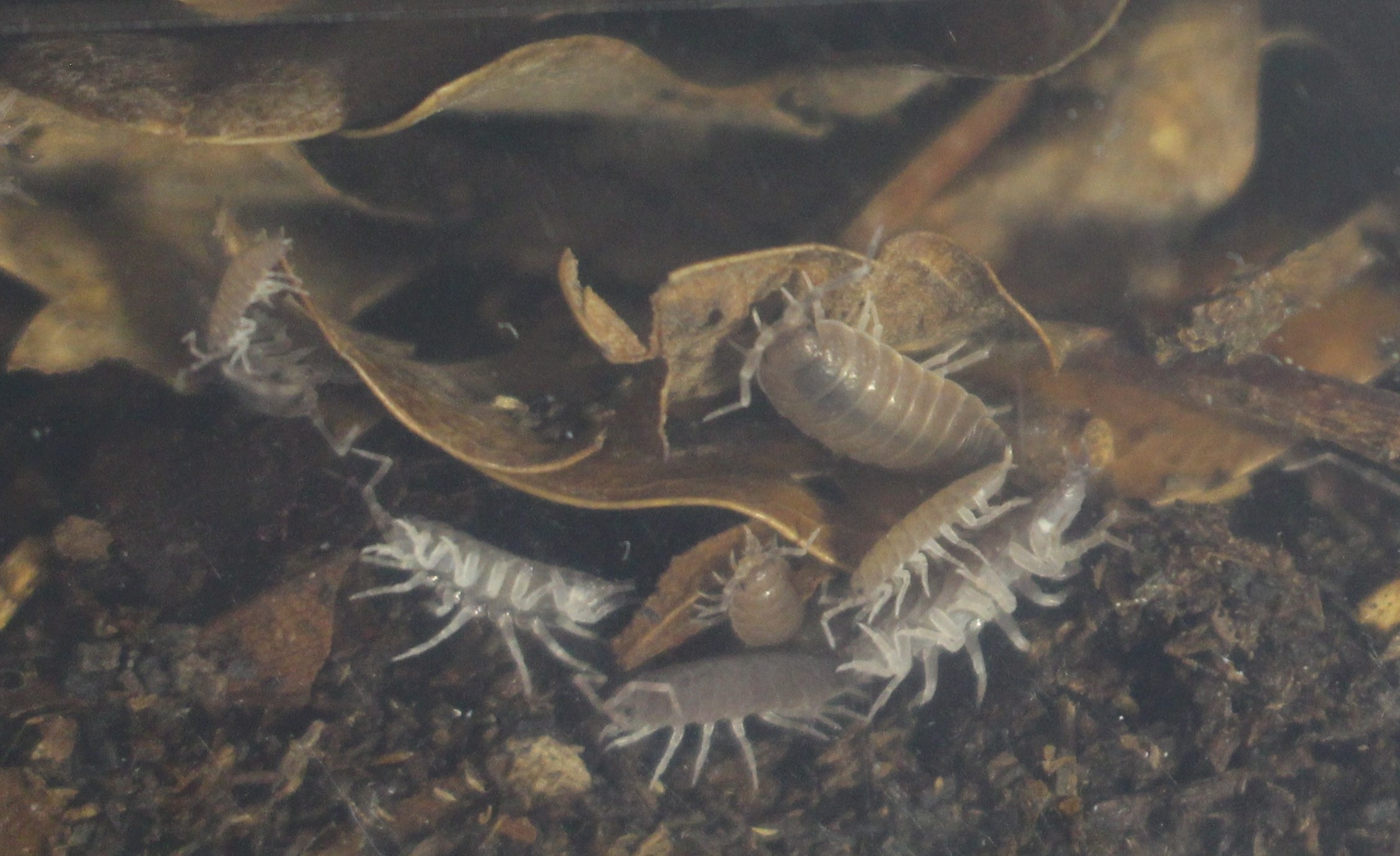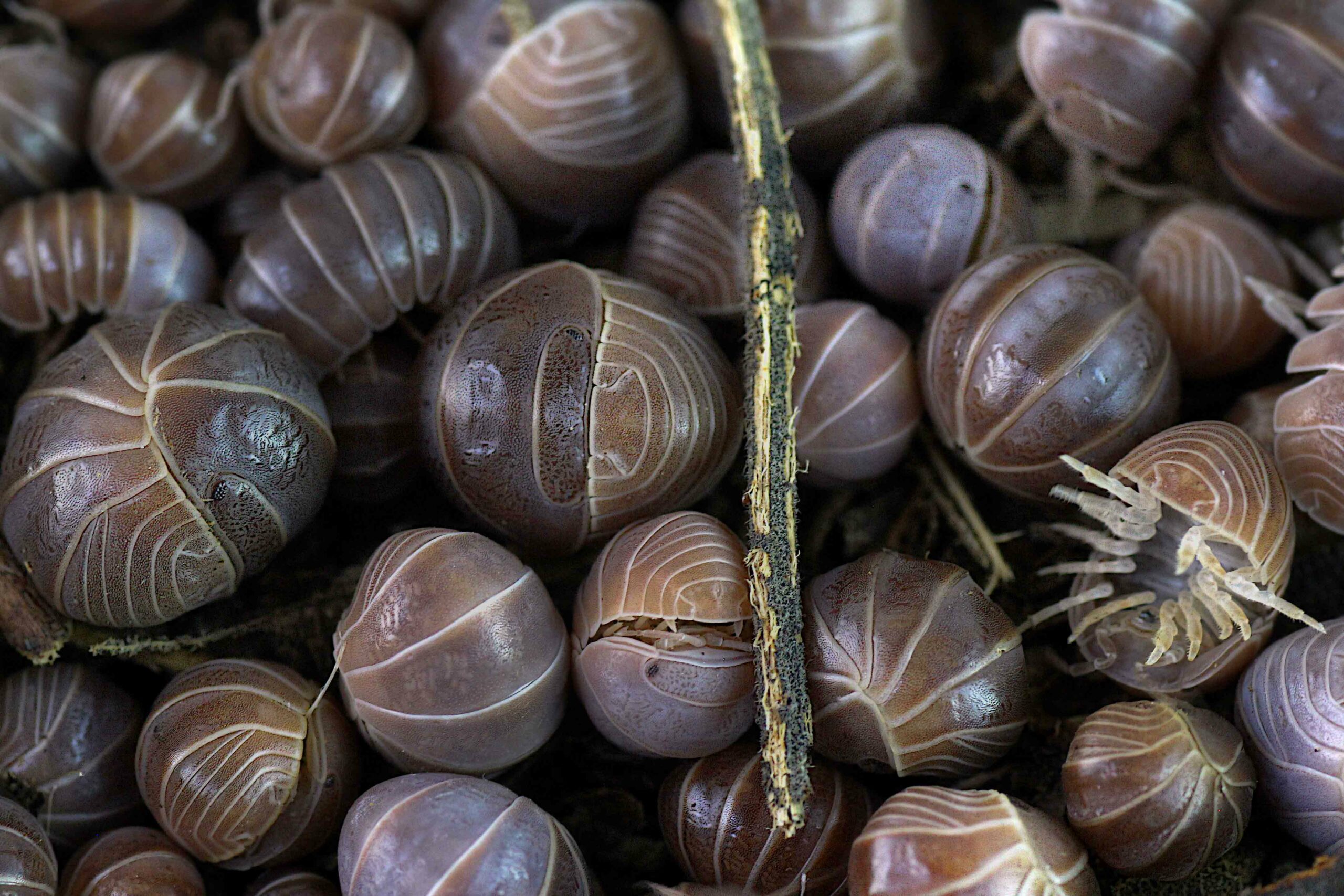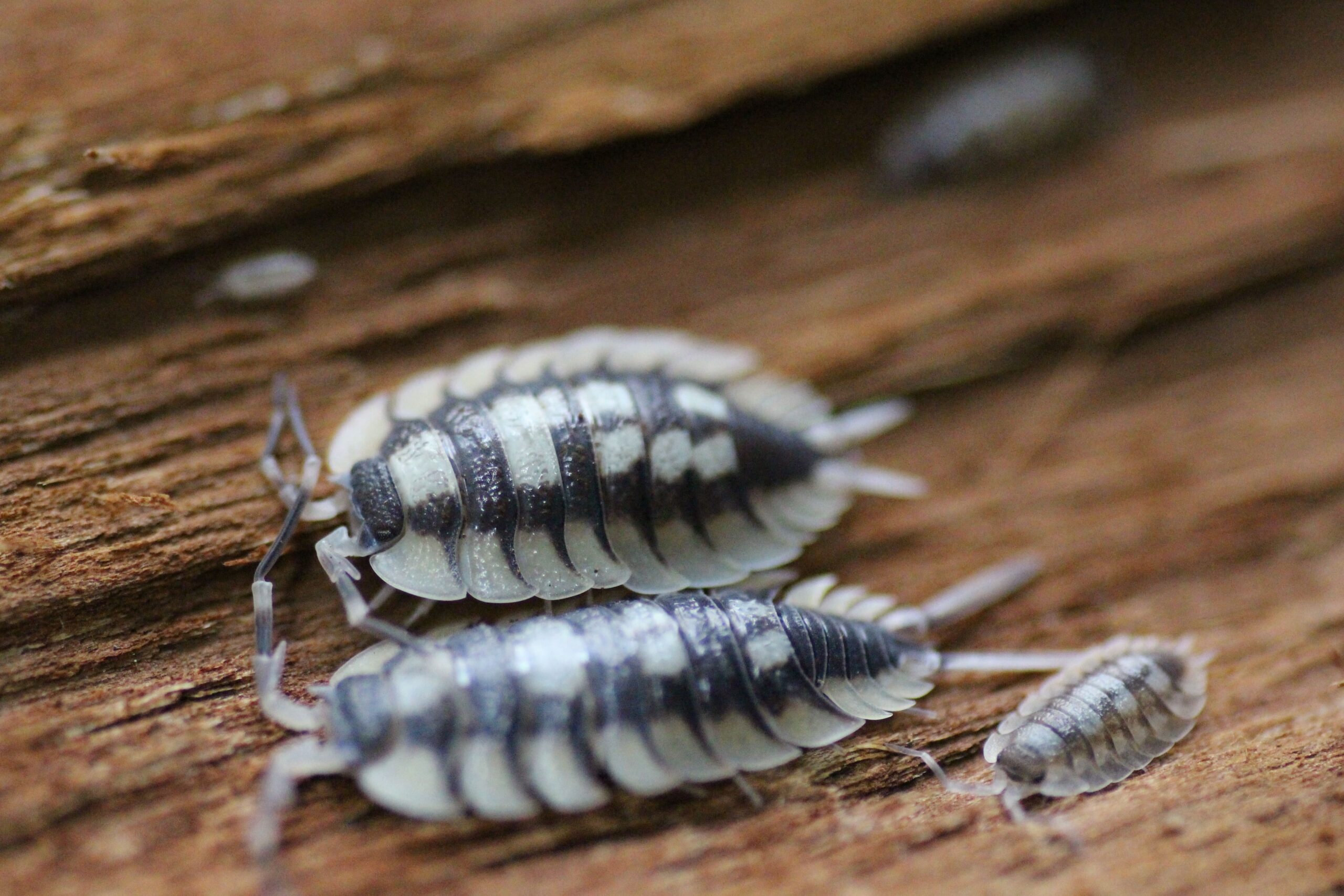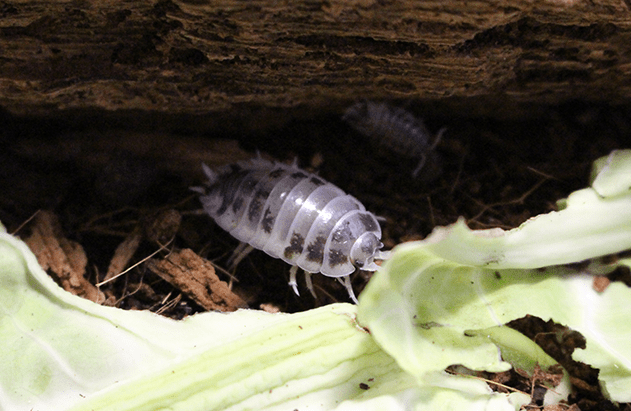


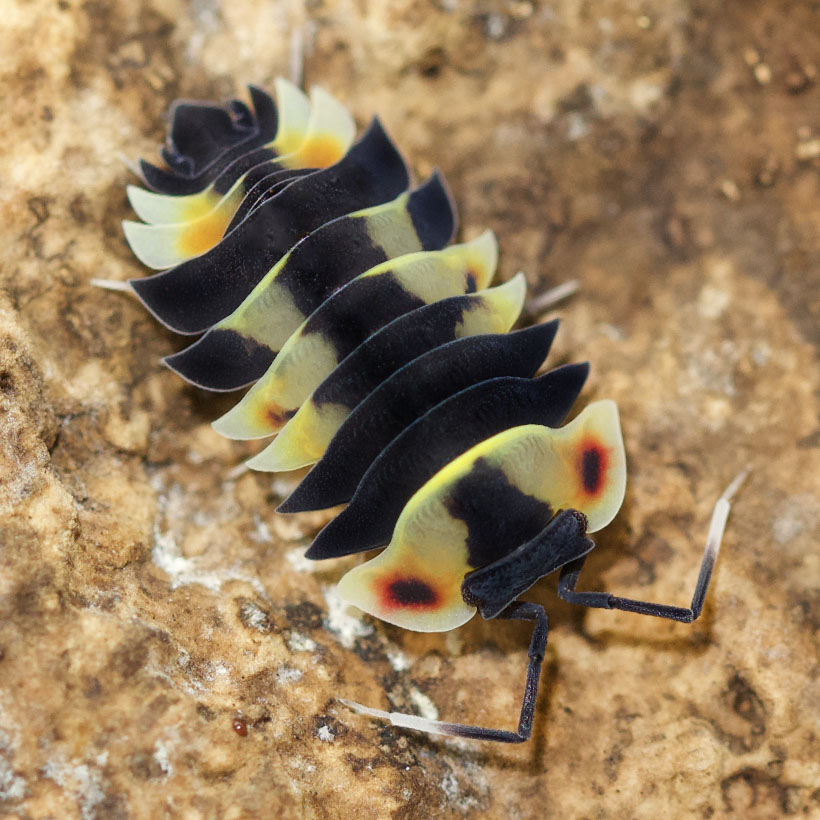
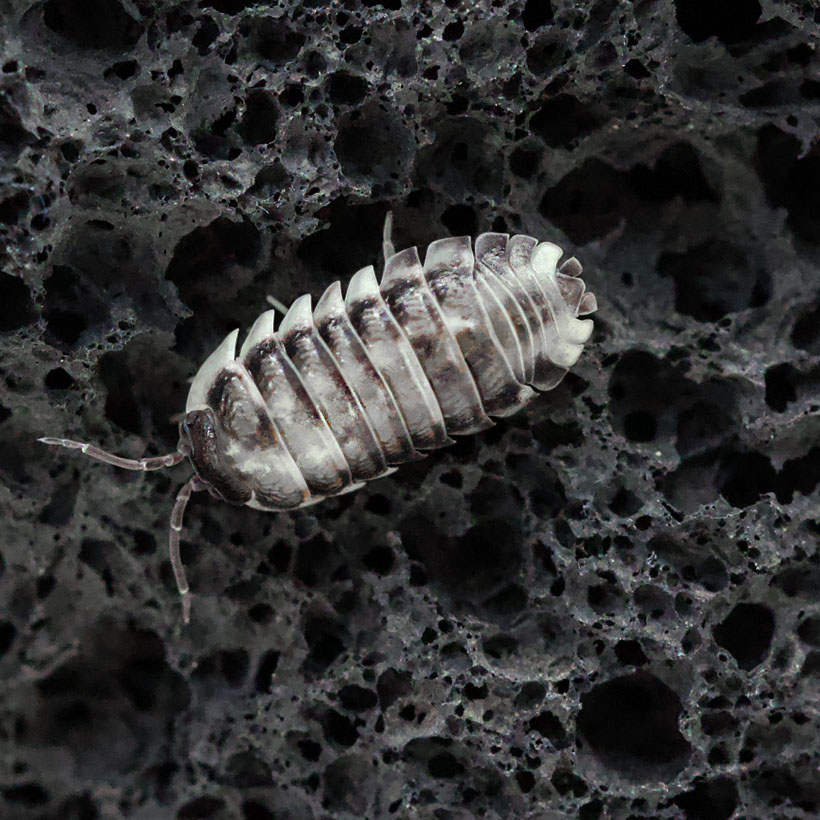
If you want to keep panda isopods, you can look forward to lively creatures with striking black-and-white markings. Porcellio laevis “Panda” is easy to observe and often reproduces quickly with proper care. It’s important to provide space, leaves, and a moist hiding spot.
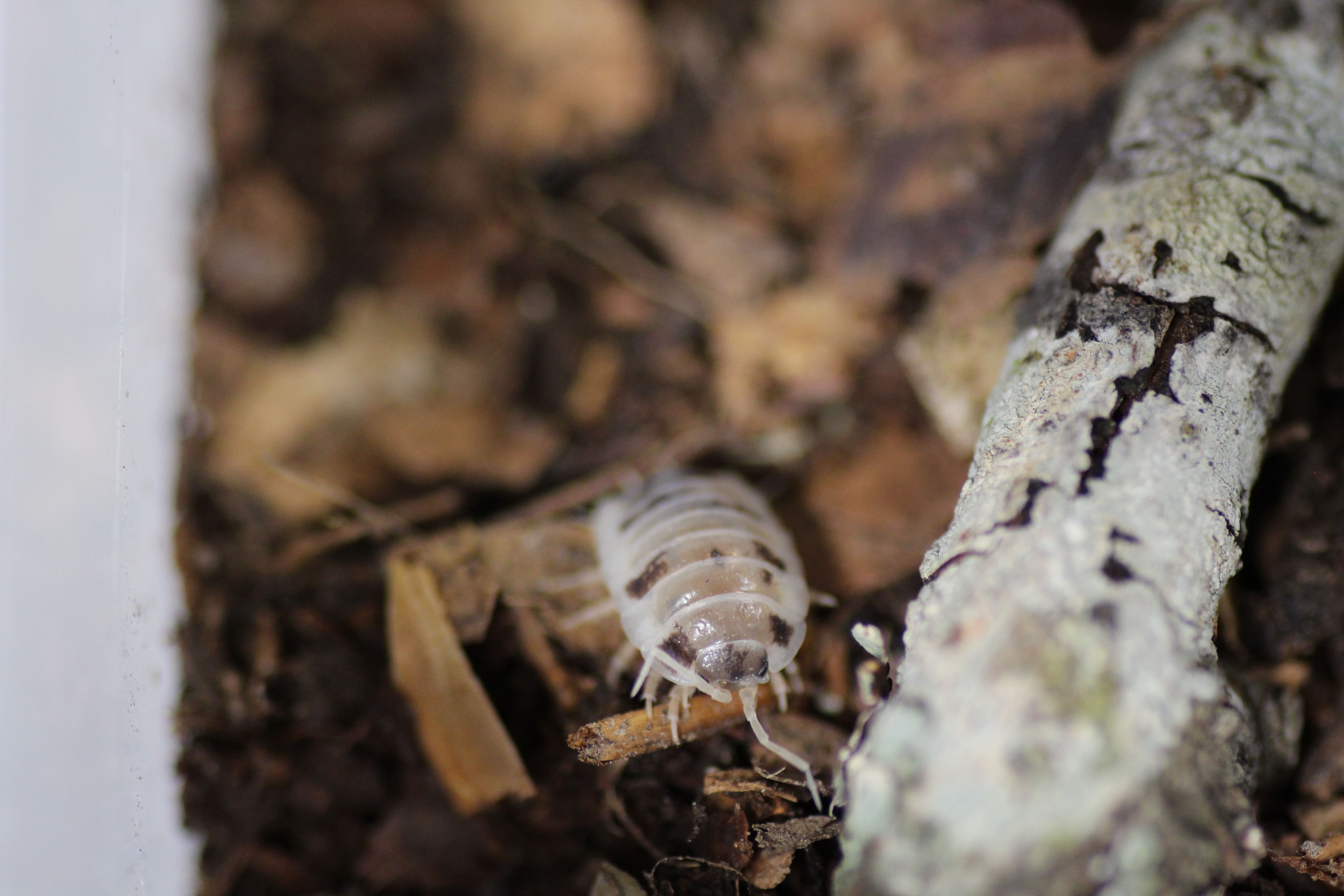
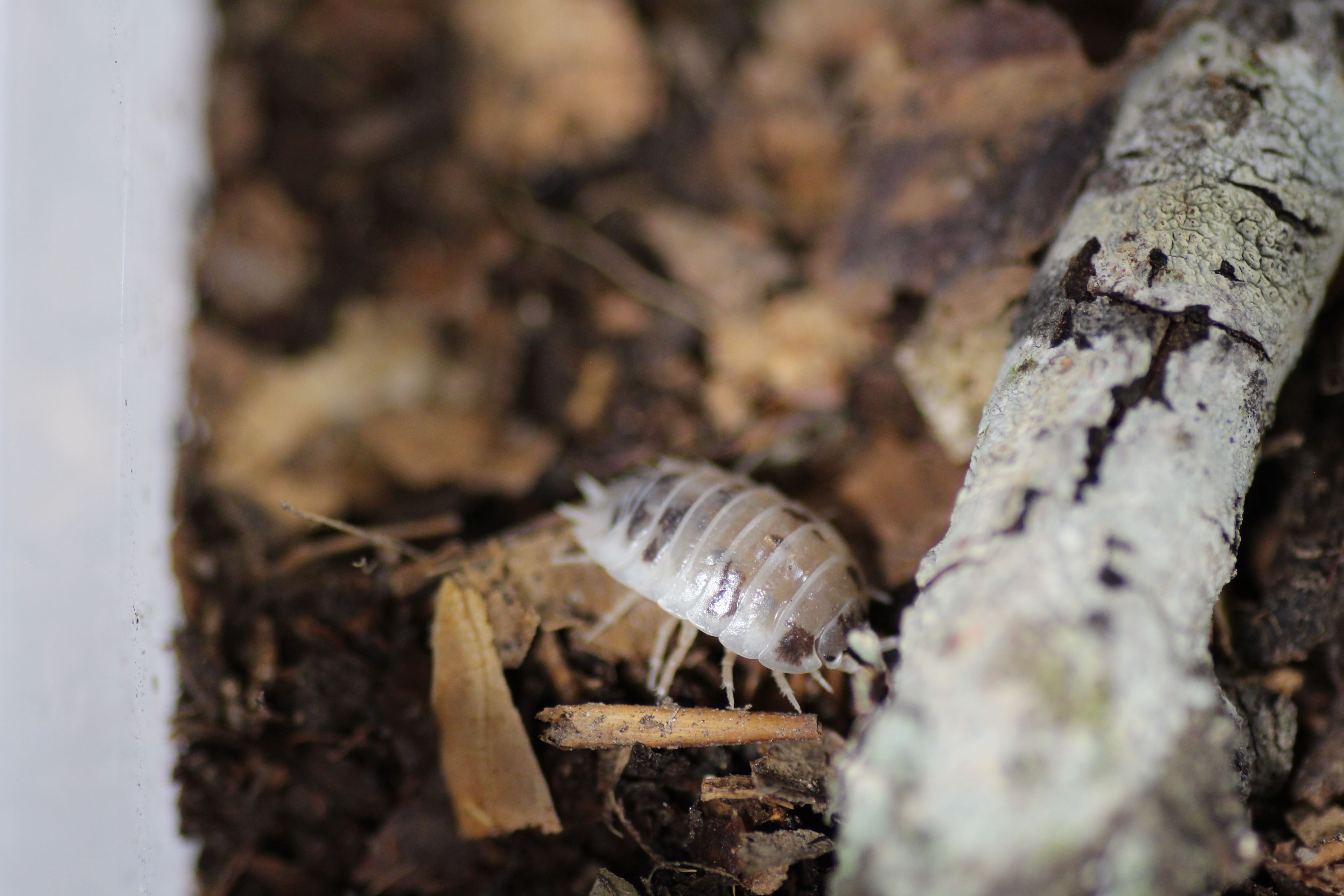
Panda Isopods at a Glance
| Temperature | 18–26 °C – as a guideline, out of direct sunlight |
| Size | up to about 2.3 cm |
| Keeping | A group in a well-ventilated enclosure or terrarium |
| Basic food | Leaves, white-rotten hardwood, and nutrient-rich substrate |
| Important | Moist hiding spots, fresh air, and a source of calcium |
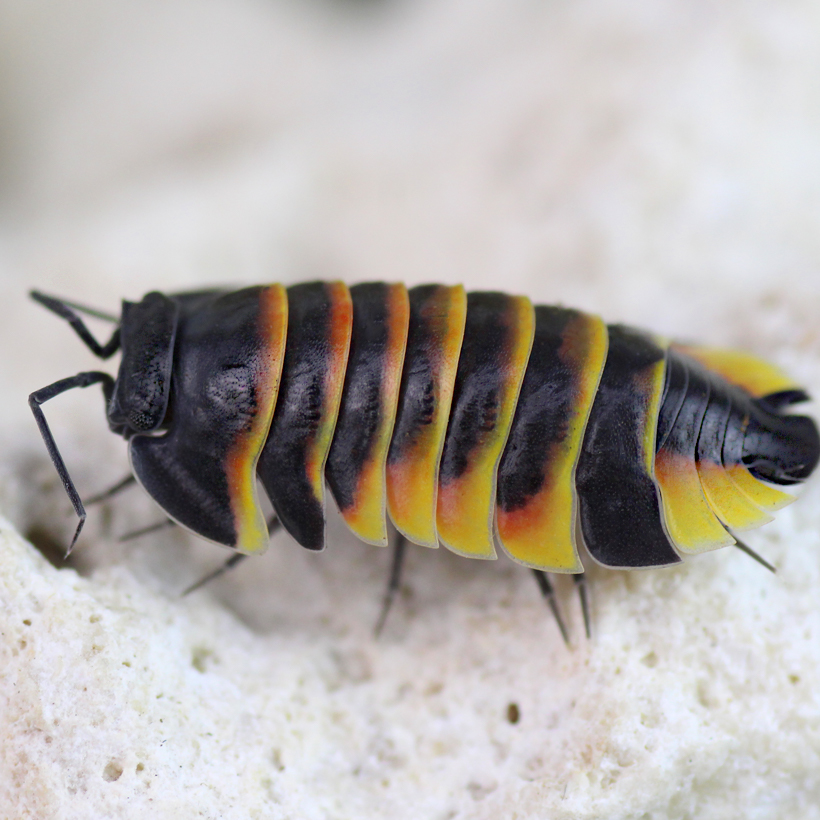
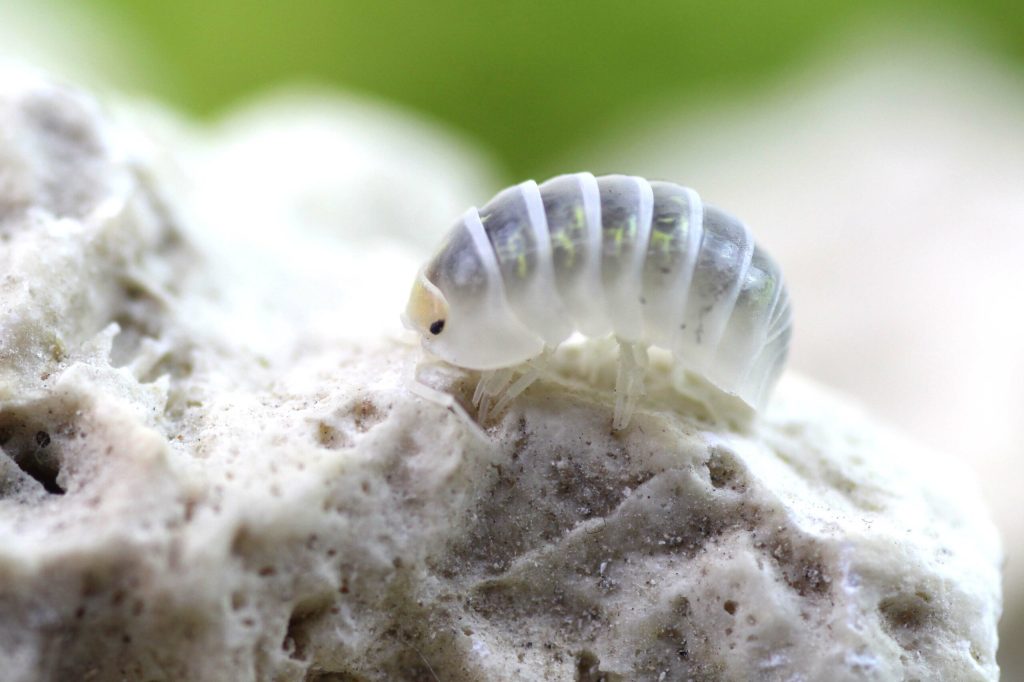
You can also find this breed under the names “Dalmatian Dwarf” or “Dairy Cow.” It should not be confused with the “Panda King” Cubaris, which are also available. The black-and-white markings can vary from animal to animal.
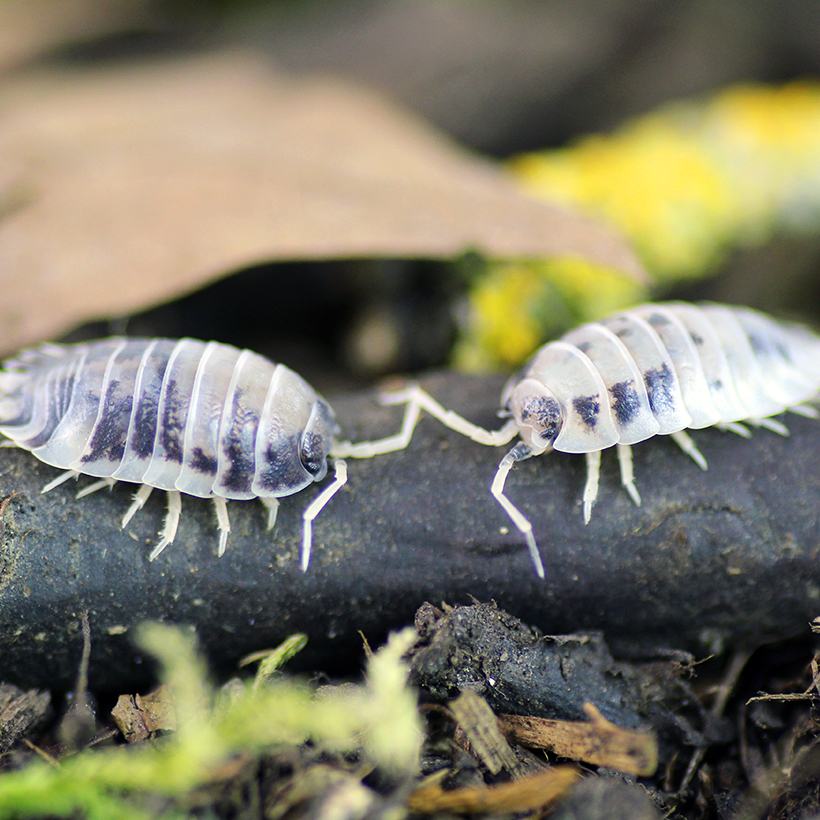
Porcellio laevis “Panda”
Porcellio laevis Panda – the popular black and white isopod morph Porcellio laevis “Panda” is a cultivated color morph of Porcellio laevis. This particular color morph is known under many…
In stock
Keeping Panda Isopods: The Right Setup
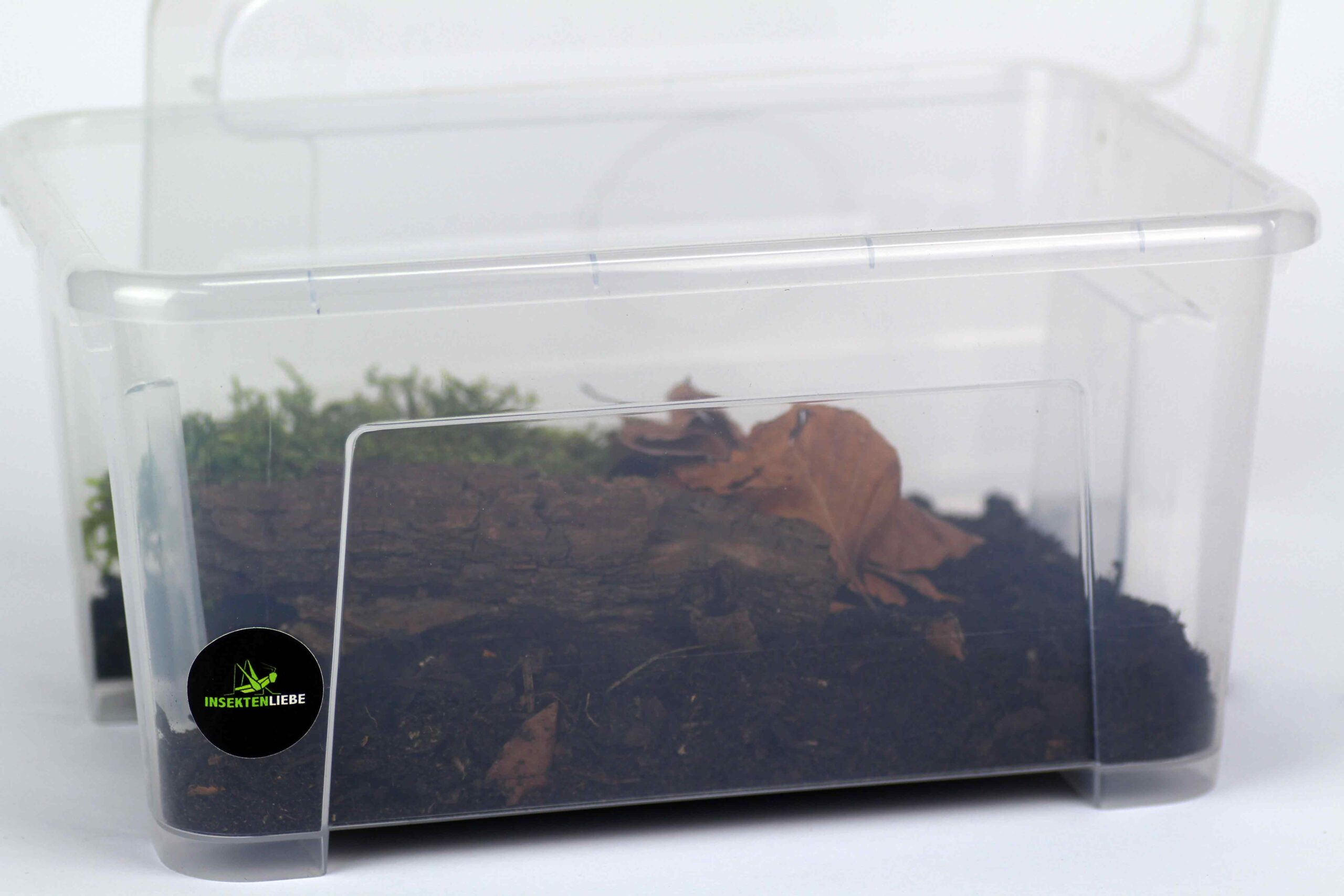
A small group can start out in a ventilated enclosure of about five liters or more. Usable floor space and hiding spots are more important than height. Plan ahead for a larger enclosure or a second group if you have many young animals growing up.
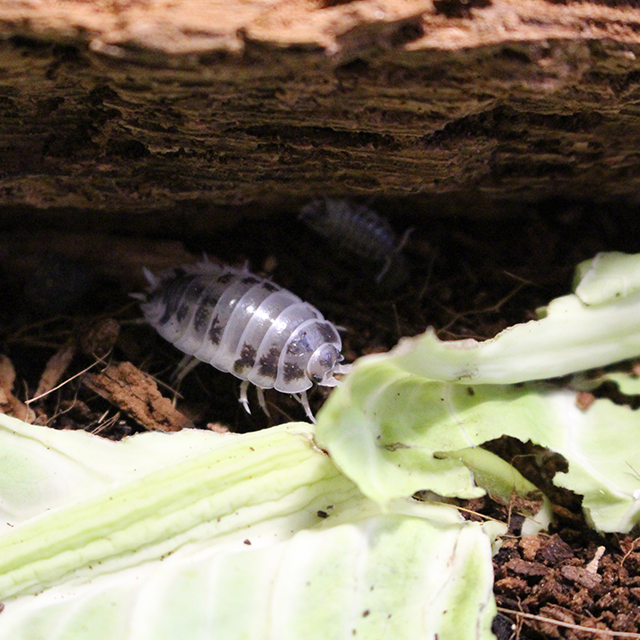
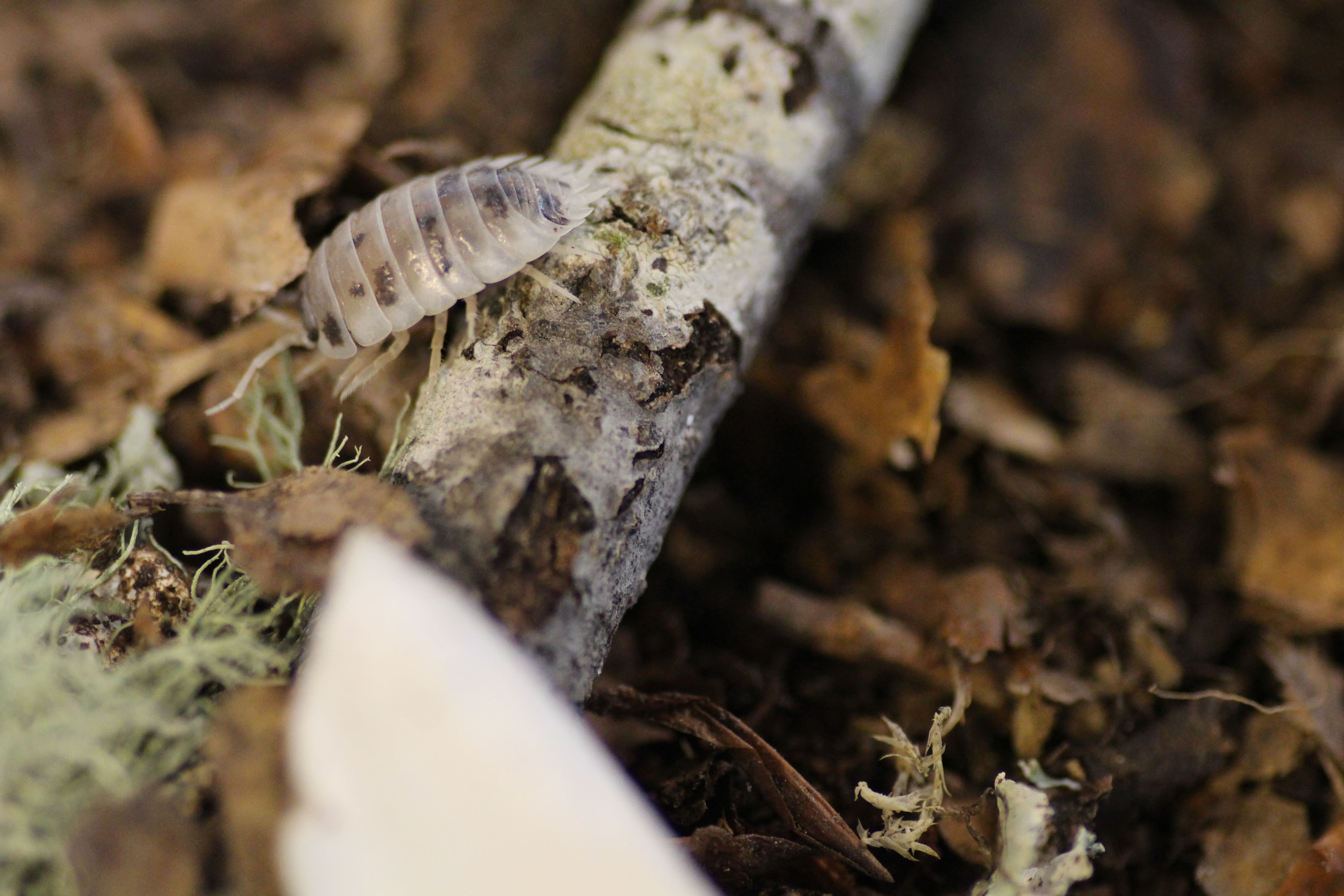
A layer of deciduous forest humus several centimeters thick, containing white-rotted wood and leaves, serves as a habitat and food source. Cover the ground with more leaves and place a piece of bark on top to serve as a hiding place. One side should remain slightly moist at all times; on the other side, the surface can dry out.
The Assel Complete Set makes it easy to get started if you don’t already have a setup. Choose the right model. A suitable existing box will also work—you don’t need an elaborate display terrarium for panda isopods.
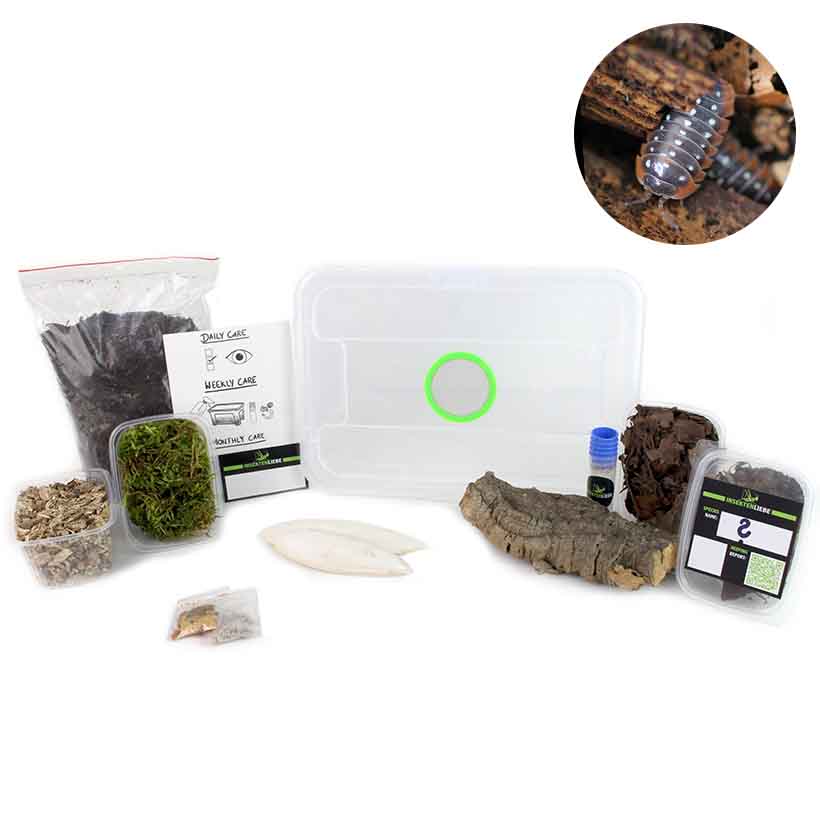
Insektenliebe Isopod complete set
Start your Isopod adventure – Choose your complete Insektenliebe Isopod set The complete Insektenliebe Isopod set is just right for you if you are interested in the exciting world of…
What do panda isopods eat?
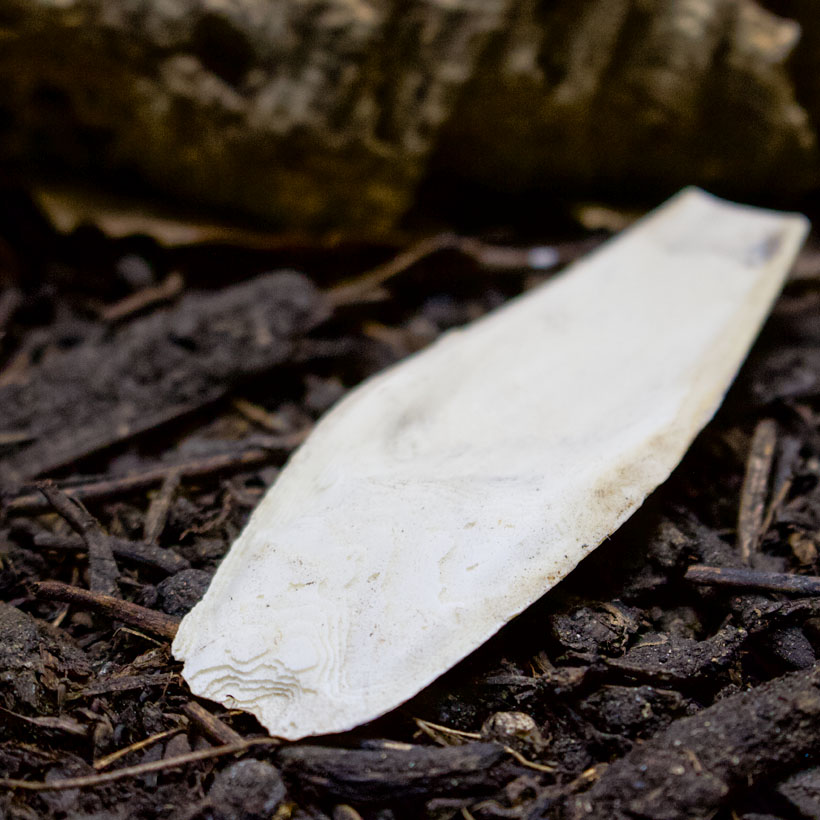
For isopods, leaves serve as both food and shelter. They should always be available. Decaying hardwood leaves supplement their basic diet. A small cuttlebone provides the animals with additional calcium. Pure coconut humus and vegetables alone cannot replace this basic diet.
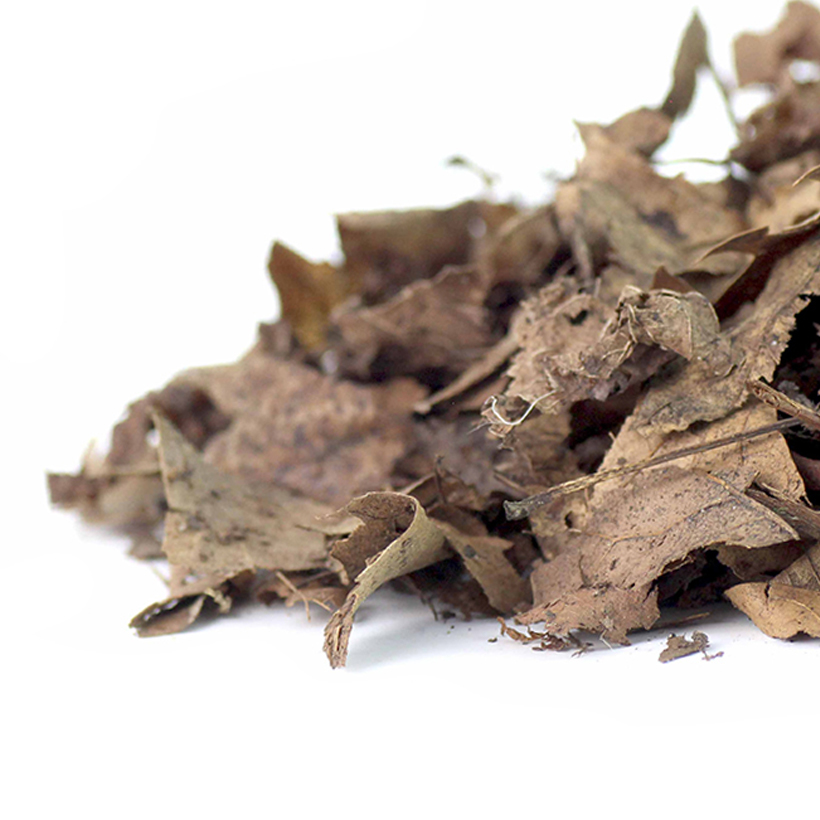
Fodder leaves
Staple food for many invertebrates.
Start by placing a very small portion of supplemental food in an easily accessible spot. Check the next day to see what’s left, and adjust the amount accordingly. Remove any perishable leftovers promptly. More food does not automatically lead to healthier young animals.
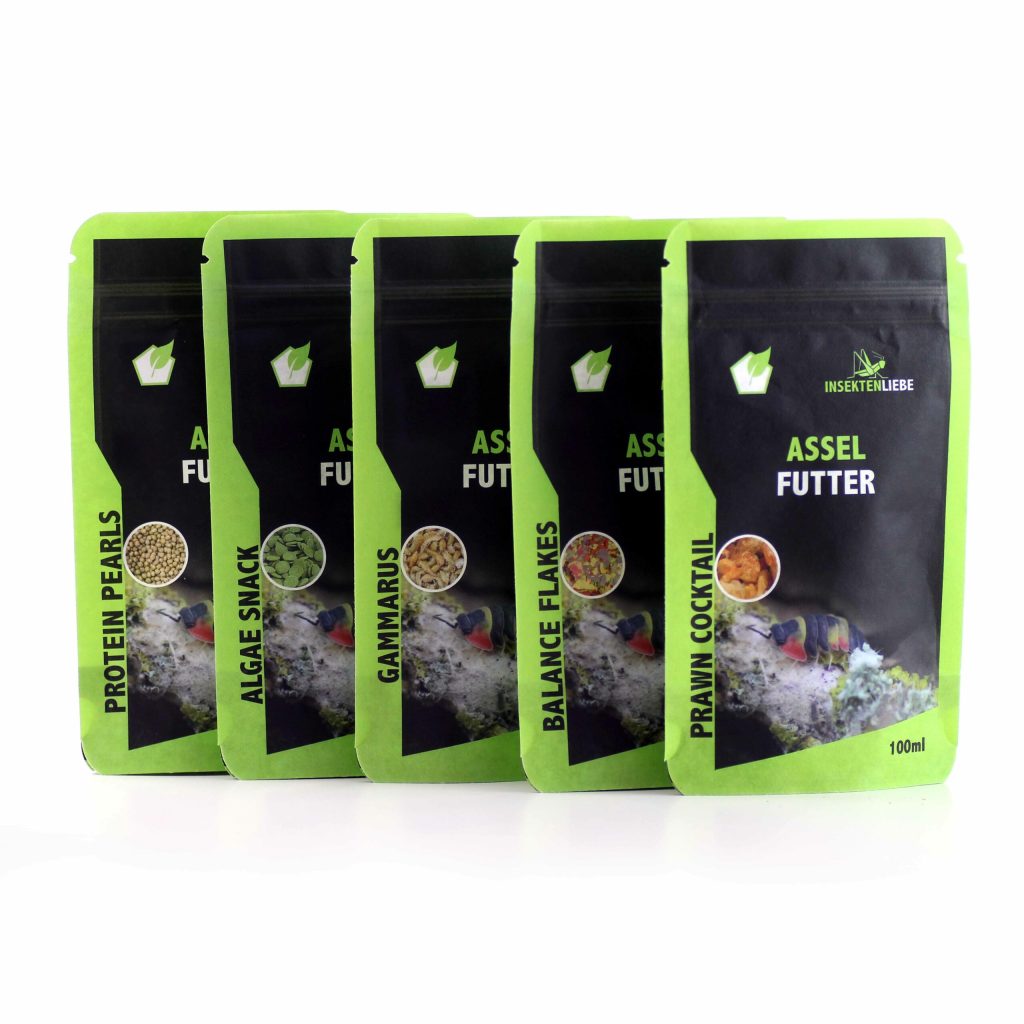
Isopod food
Perfectly complementary Isopod food in a resealable zip bag!
Panda isopods often devour supplemental food voraciously. It’s interesting to watch, but that’s no reason to cover the entire box with food. Even small pieces of carrot or sweet potato make for a good occasional treat. Leaves and wood should still form the basis of their diet.
Moisture and Daily Checks
If you want to keep panda isopods, check the damp spot under the leaves regularly. It should be moist, but not soggy. At suitable room temperatures, a spot out of direct sunlight is sufficient. A heater is not necessary in that case.
Check for food scraps and observe where the group gathers. It’s normal to find individual animals under the bark. If many animals suddenly crowd around the lid, check for moisture, fresh air, and warmth. A fixed spray volume cannot be applied to every box.
Recruits and Service as Ground Police
Panda isopods can reproduce rapidly. Add leaves and space in a timely manner instead of just giving them more and more supplemental food. When changing the substrate, leave some of the old substrate in place. This helps protect young isopods, which are easily overlooked.
As floor-dwelling creatures, they aren’t automatically suitable for every animal. These robust, voracious Isopods shouldn’t be placed with delicate young animals or freshly molted invertebrates without careful consideration. For beginners, a separate Isopod box is a good, manageable option. In dry terrariums, they also lack a suitable, moist hiding spot.
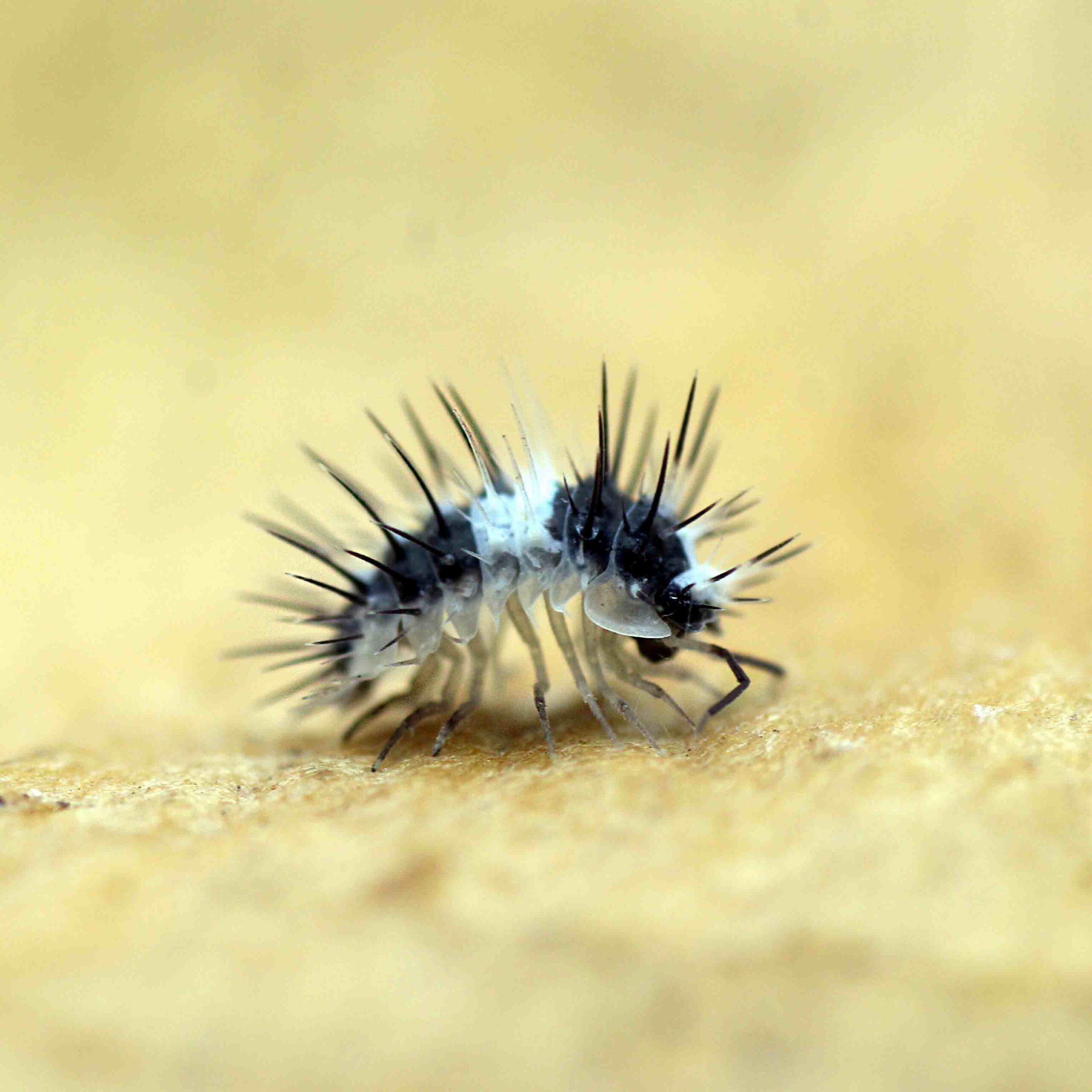
Recommended Reading: Springtails as Tiny Roommates
Here’s how to care for these tiny soil helpers and, if needed, start your own colony.
Discover More Isopods
Here you’ll find a selection from our store. Before purchasing, make sure the specific species’ needs are compatible with your terrarium.
-
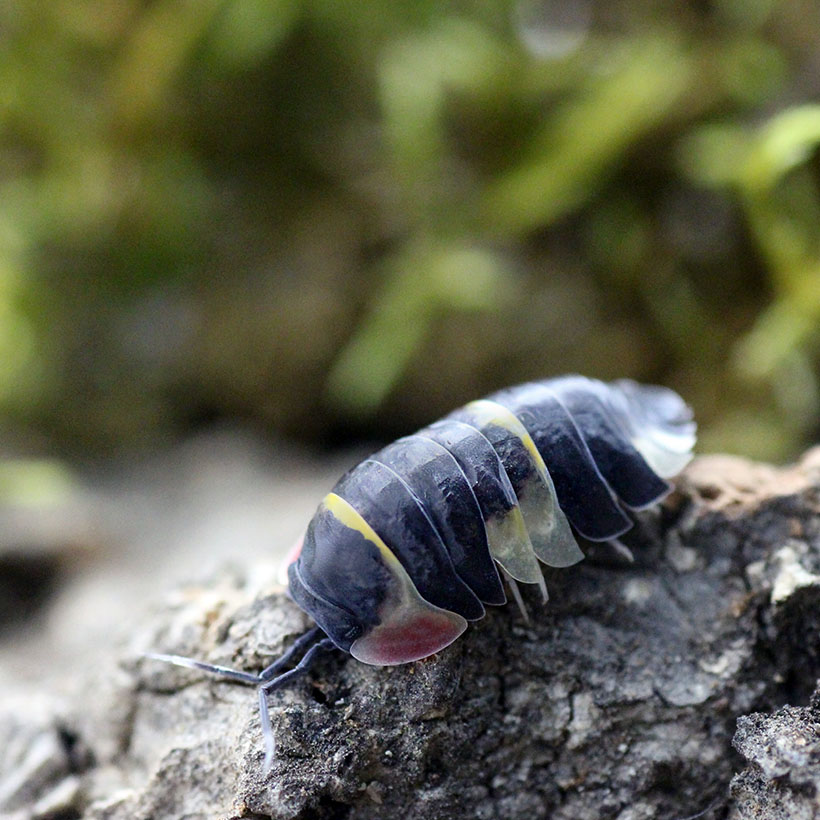
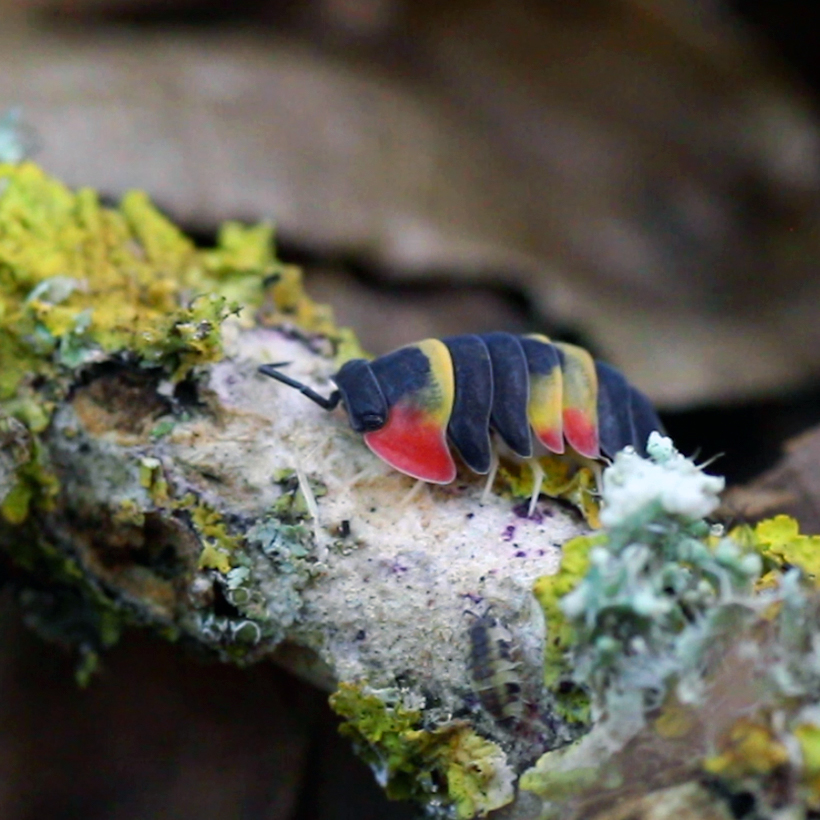
Ardentiella spec. “Pastel”
Price range: 18,00 € through 160,00 € incl. VAT, plus shipping -
Ardentiella spec. “Tricolour”
Price range: 18,00 € through 160,00 € incl. VAT, plus shipping
Still unsure? Feel free to ask us your question in the comments section below the article.