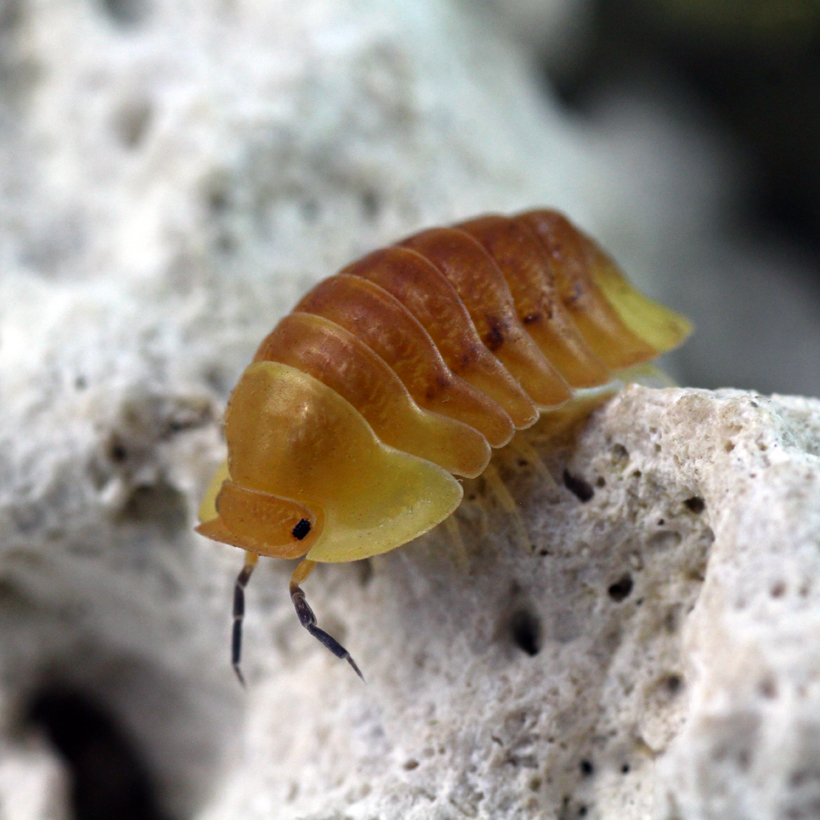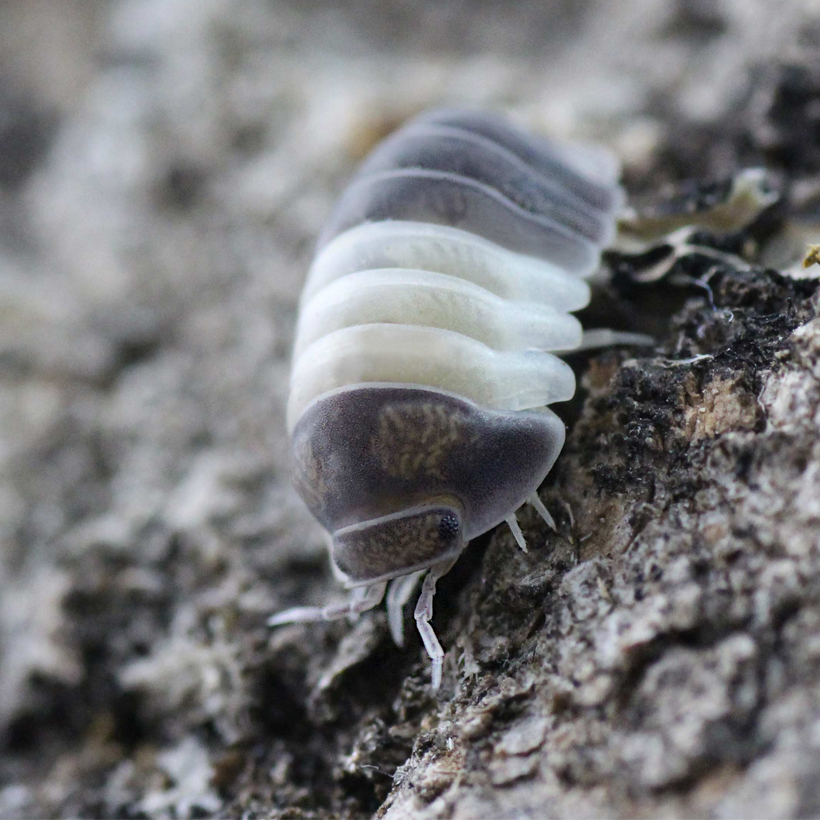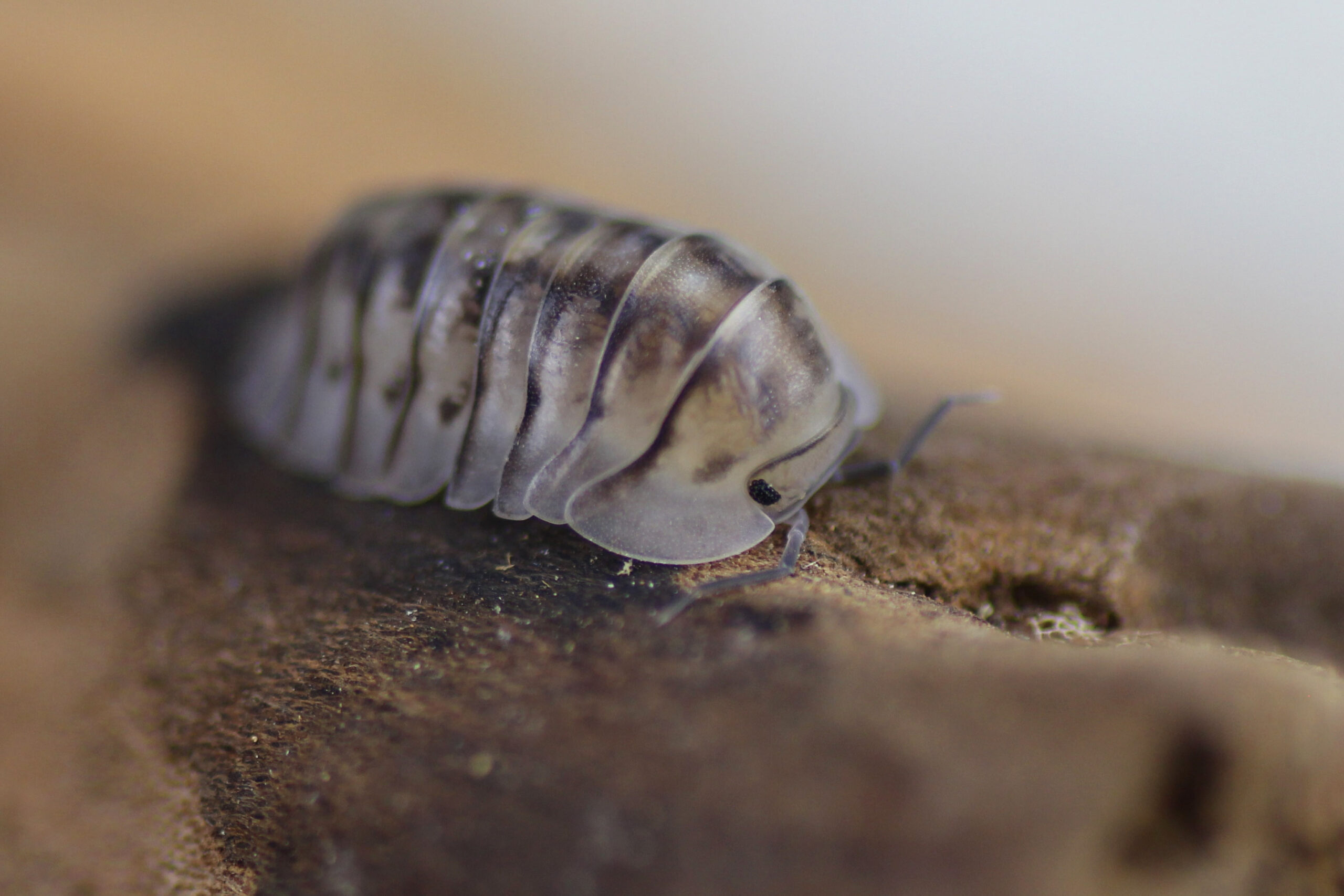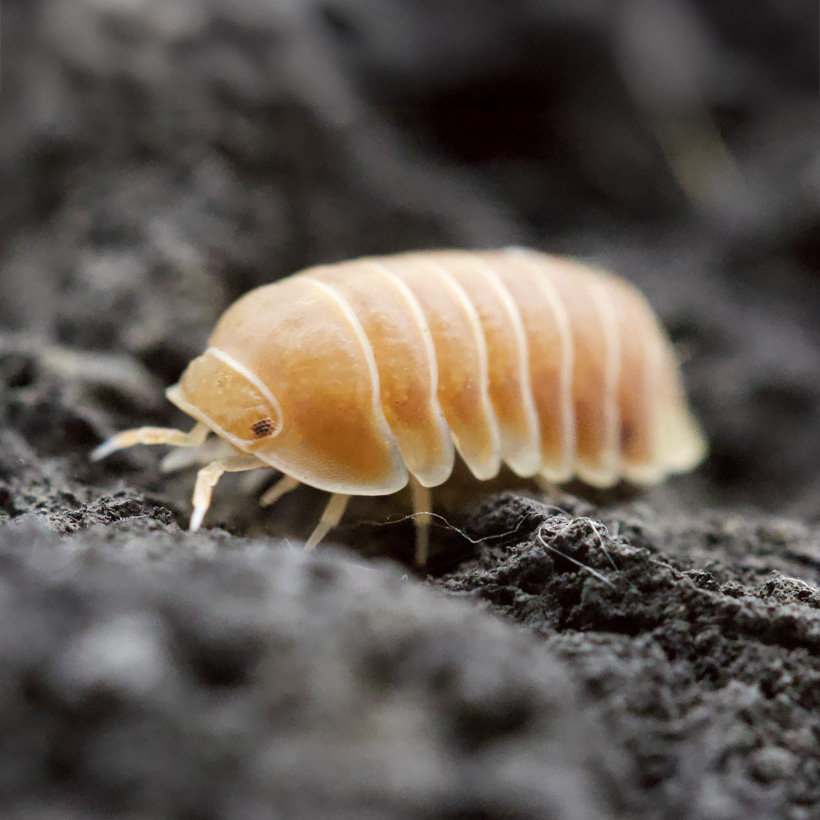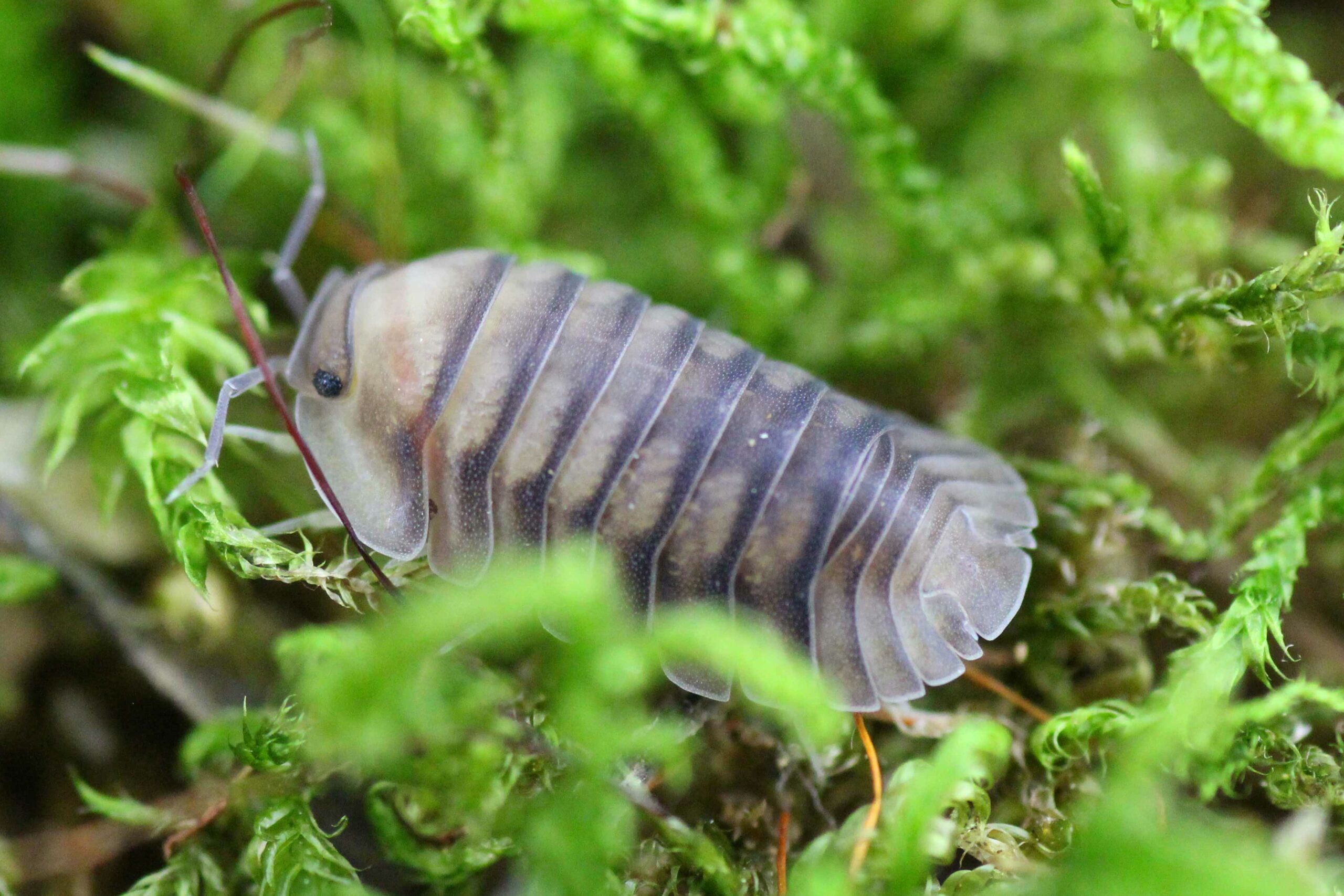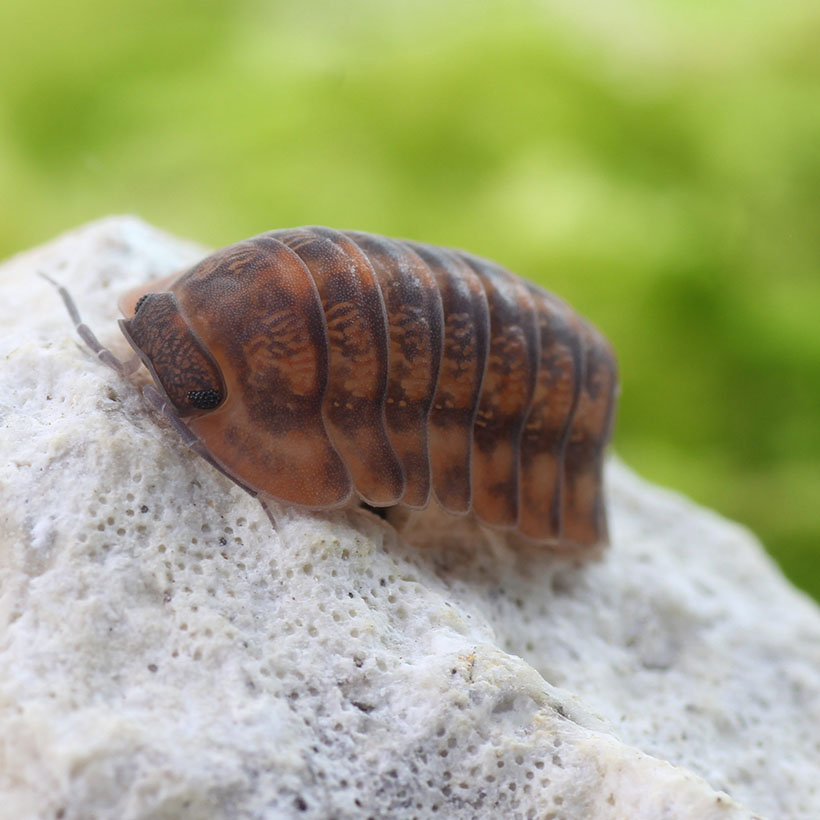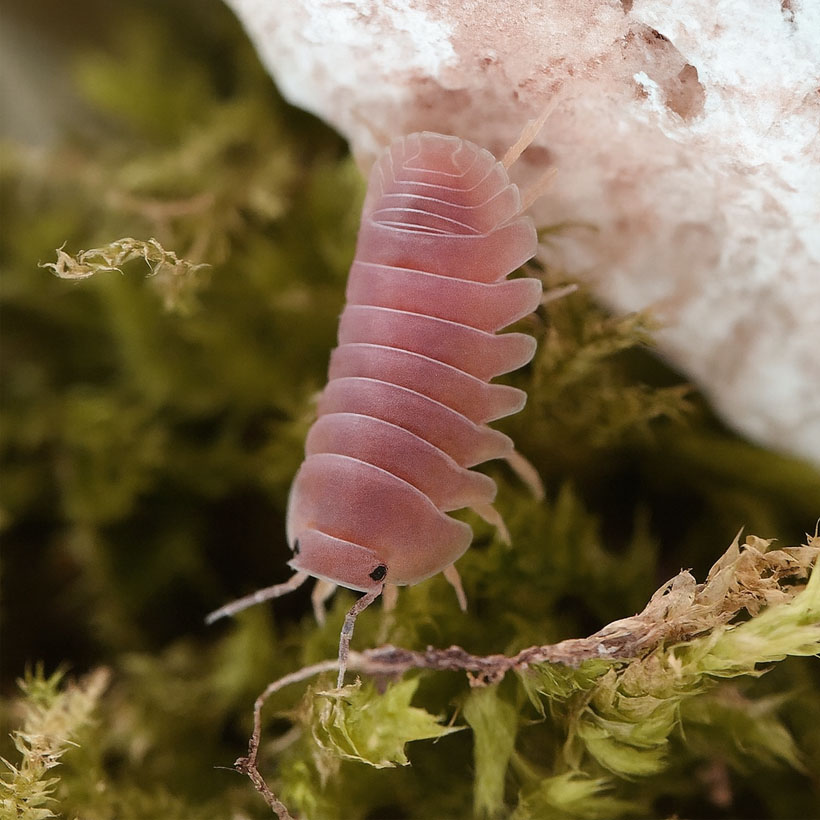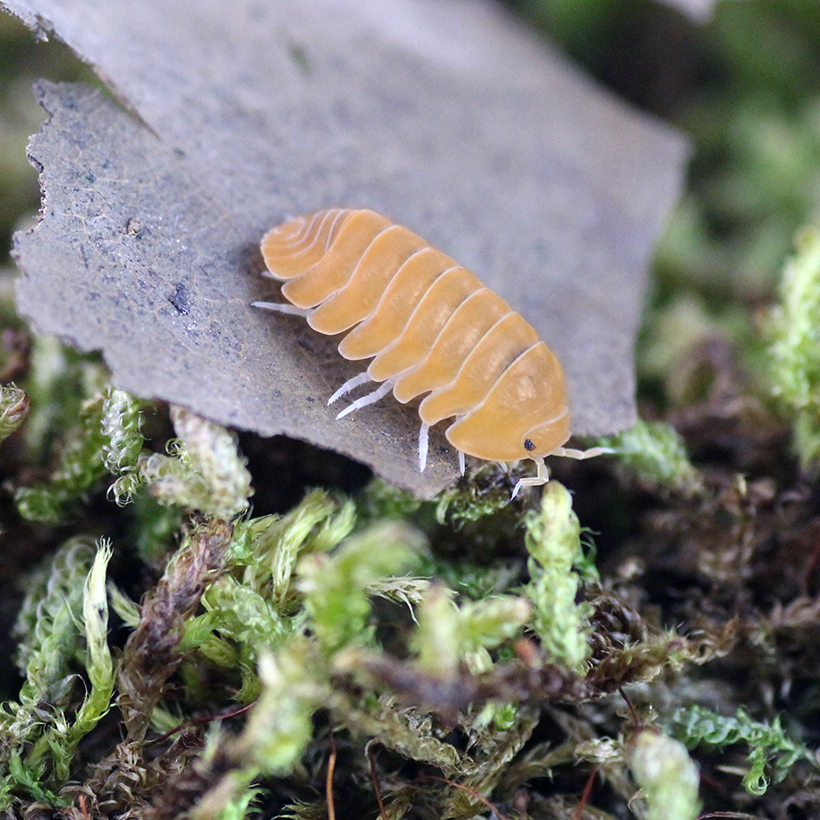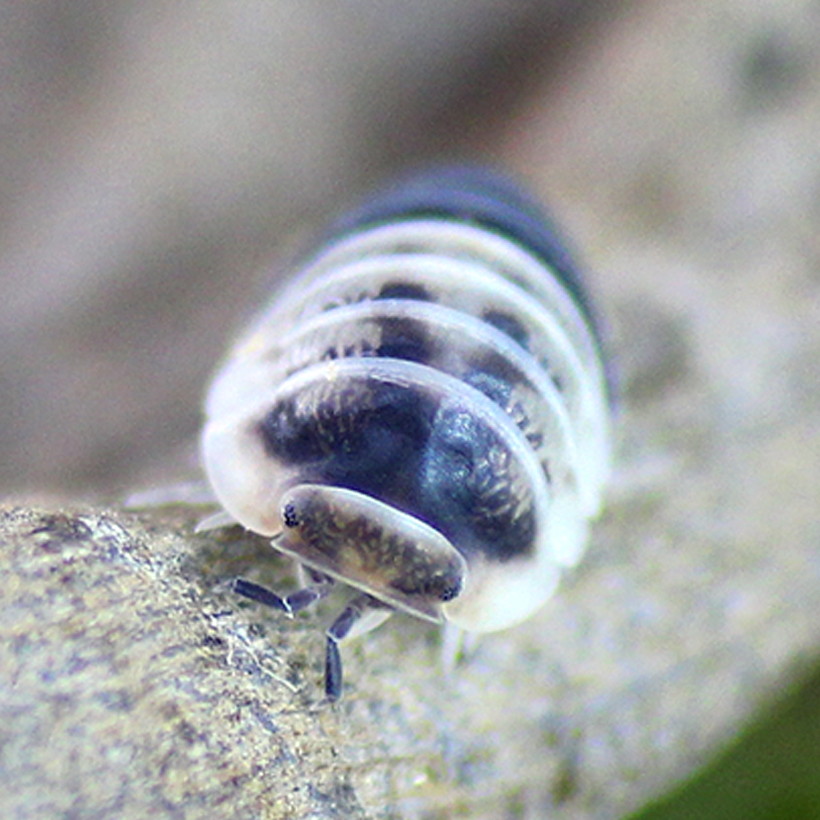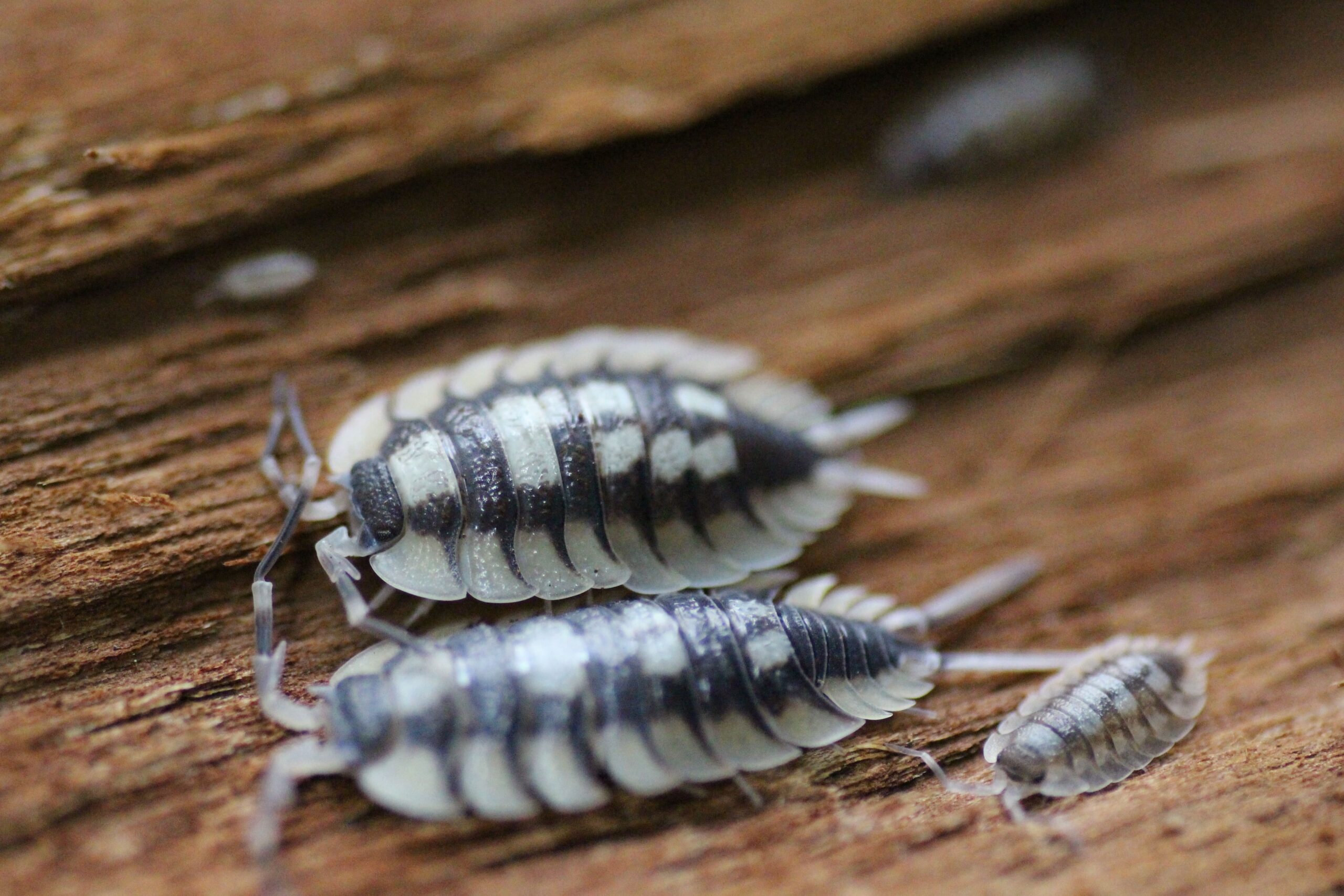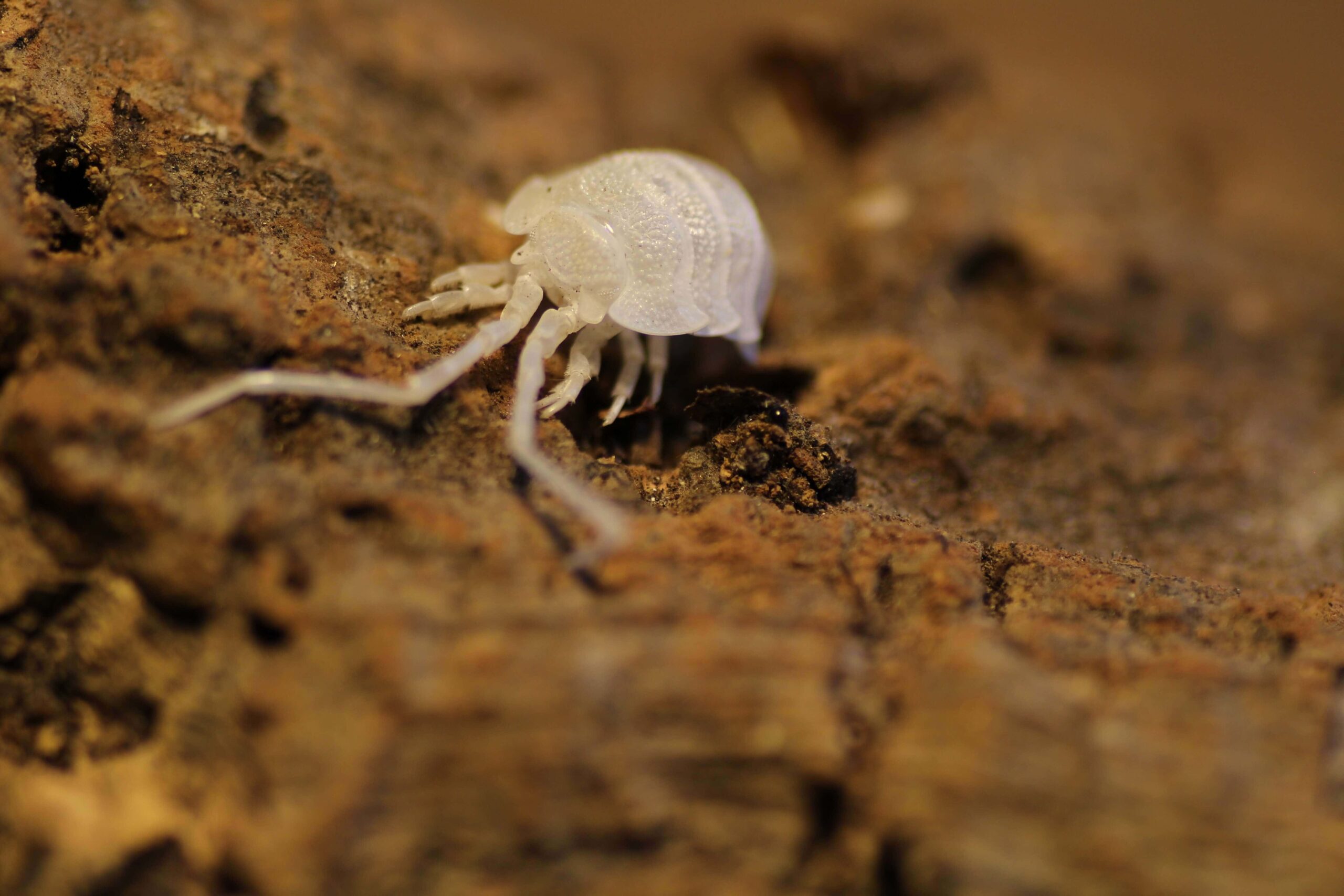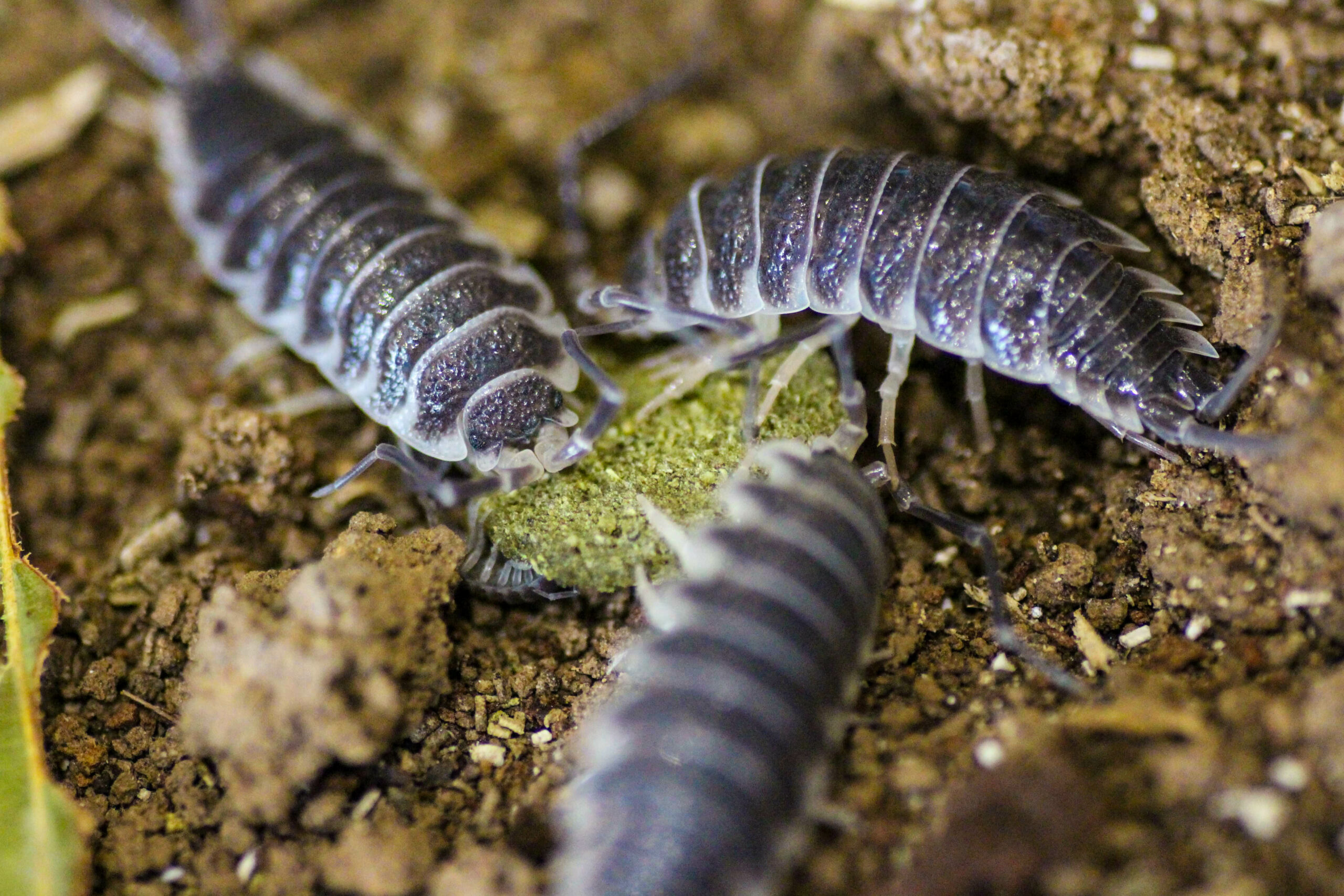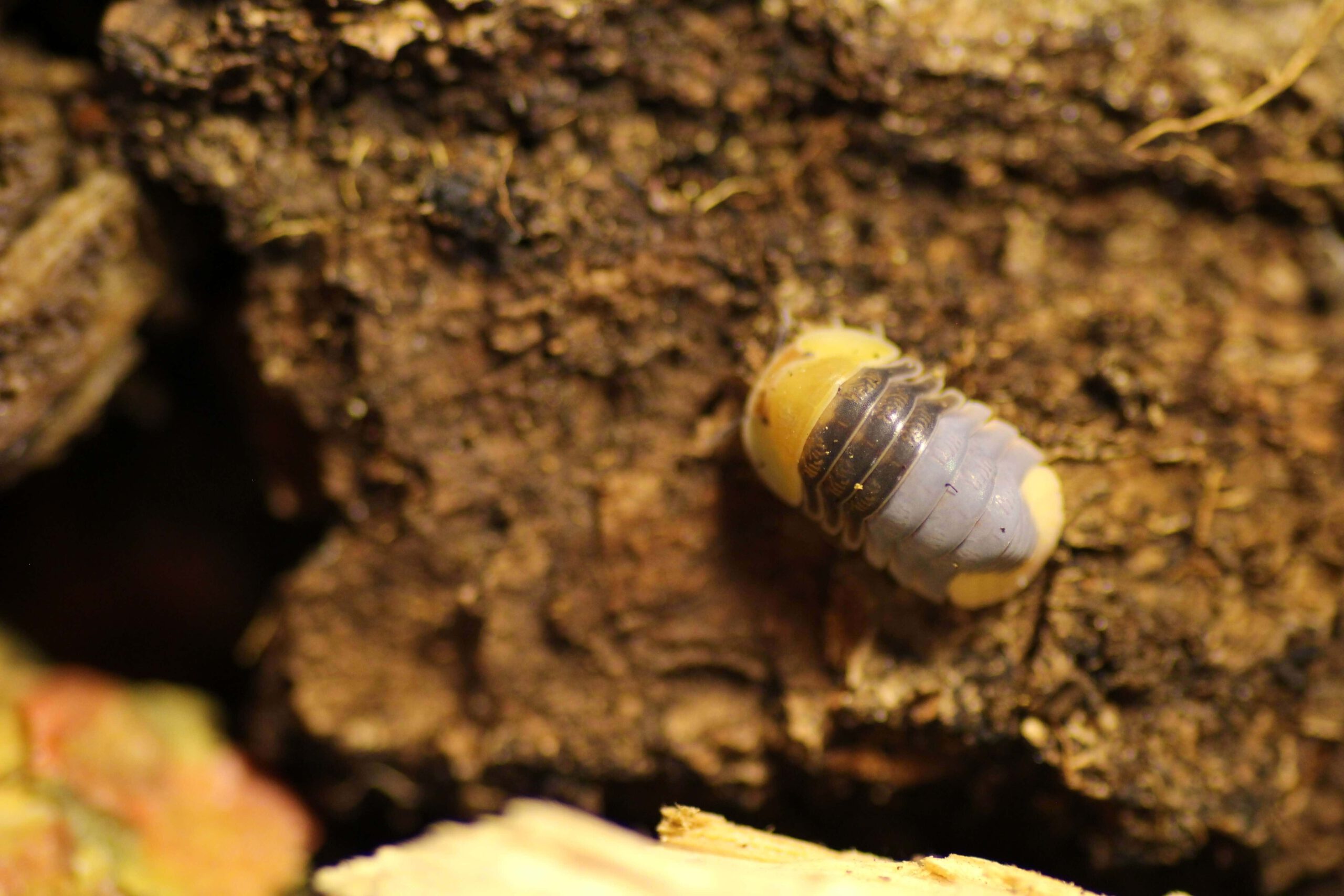


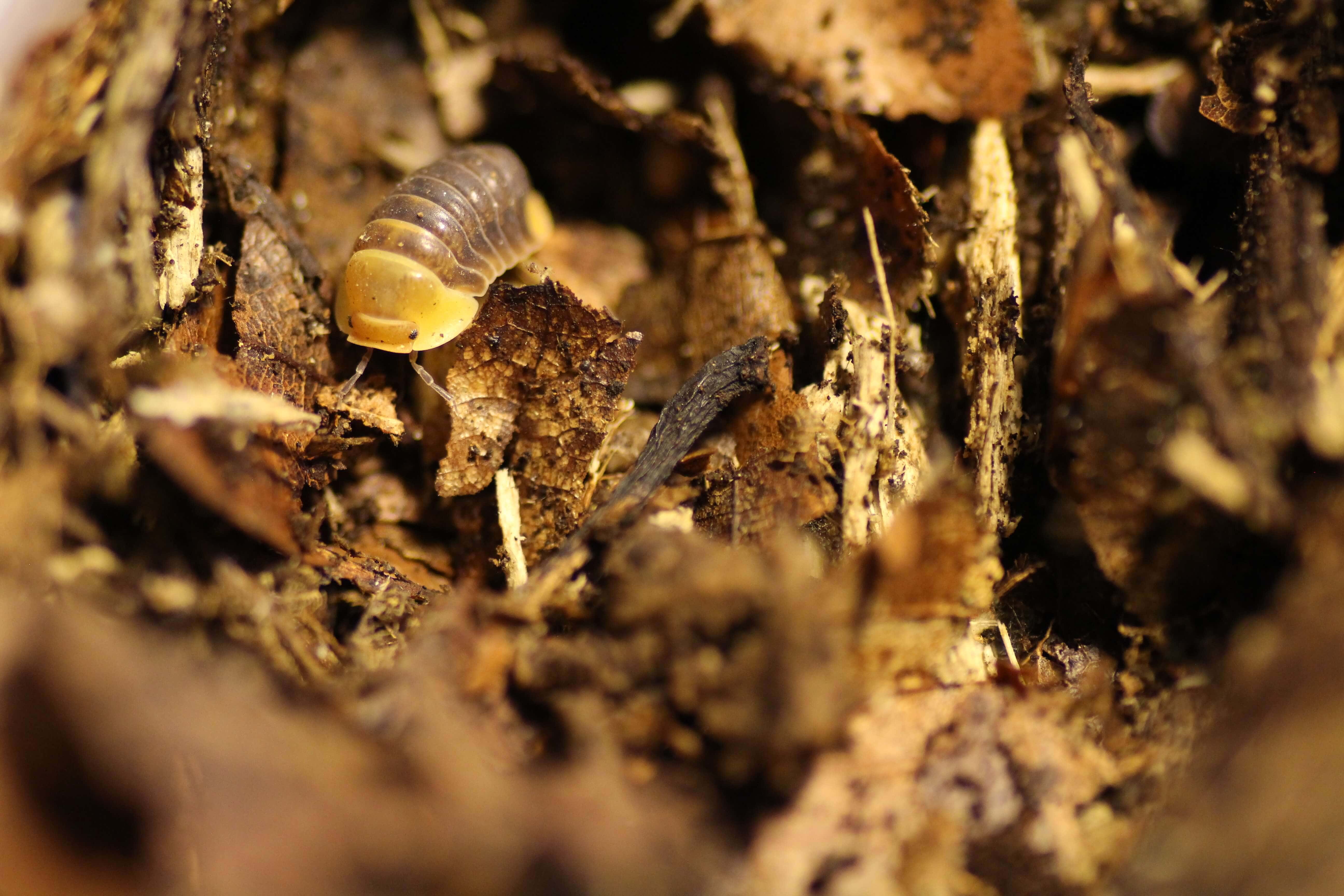
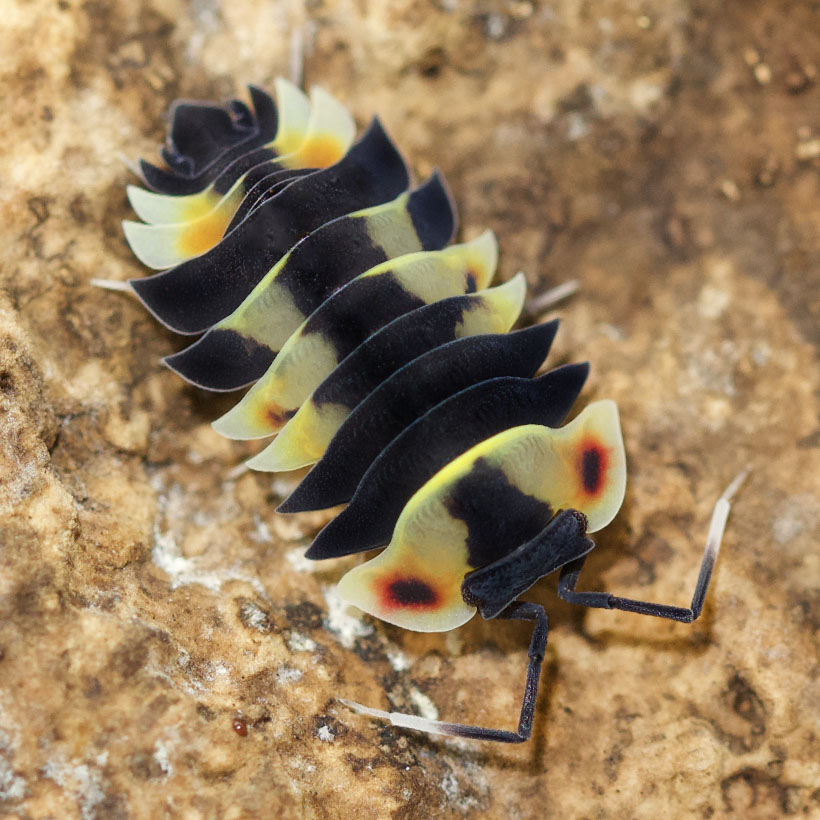
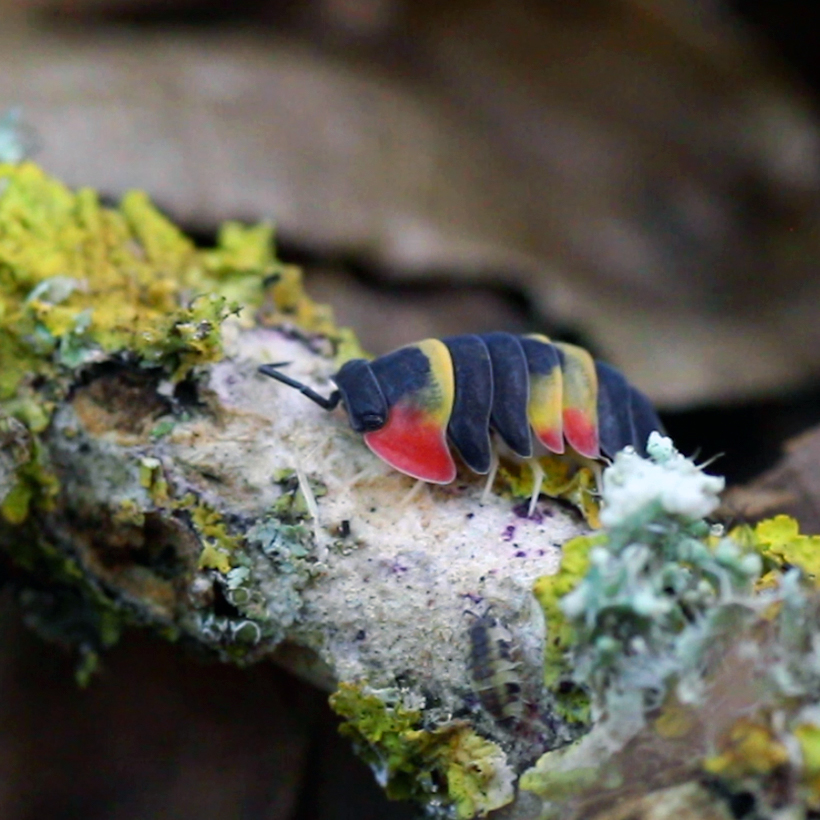
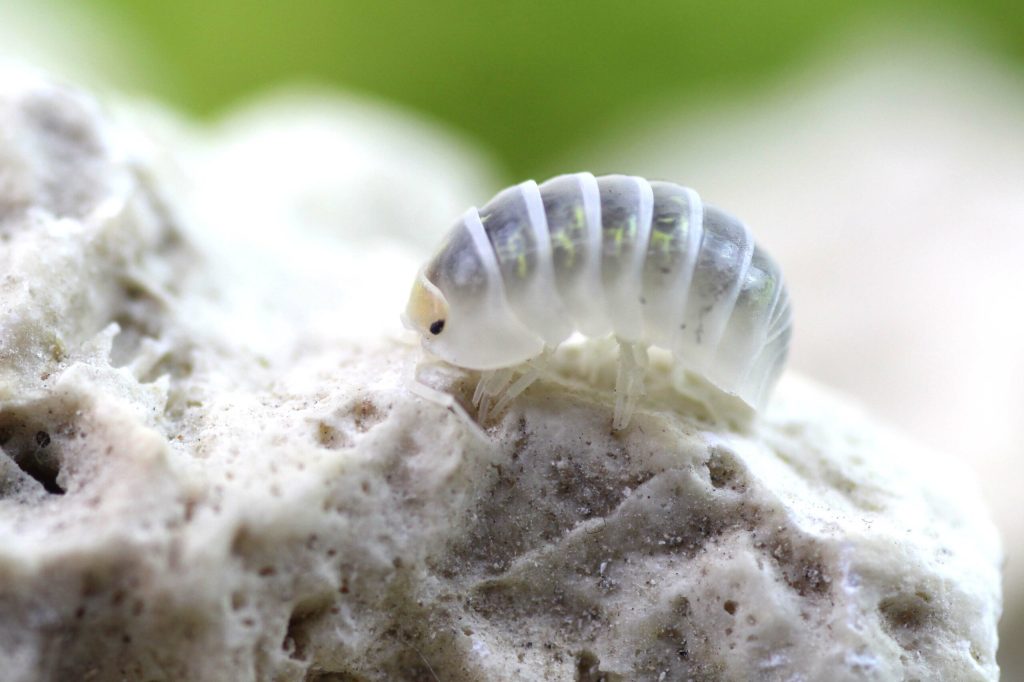
Want to keep rubber ducky isopods? Their distinctive yellow facial markings make them easily recognizable. Above all, be patient: A new group needs peace and quiet, consistent humidity, and well-prepared substrate.
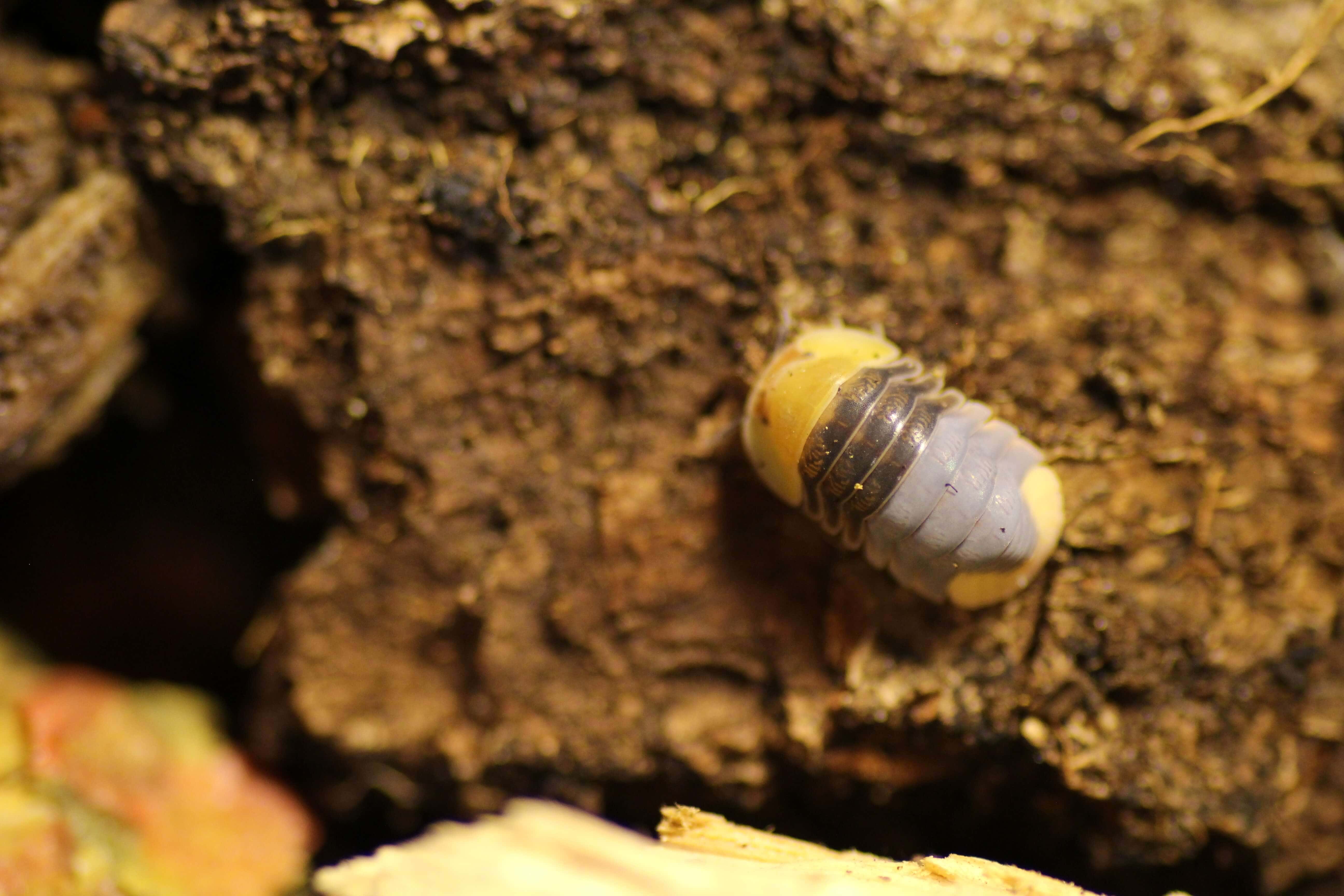
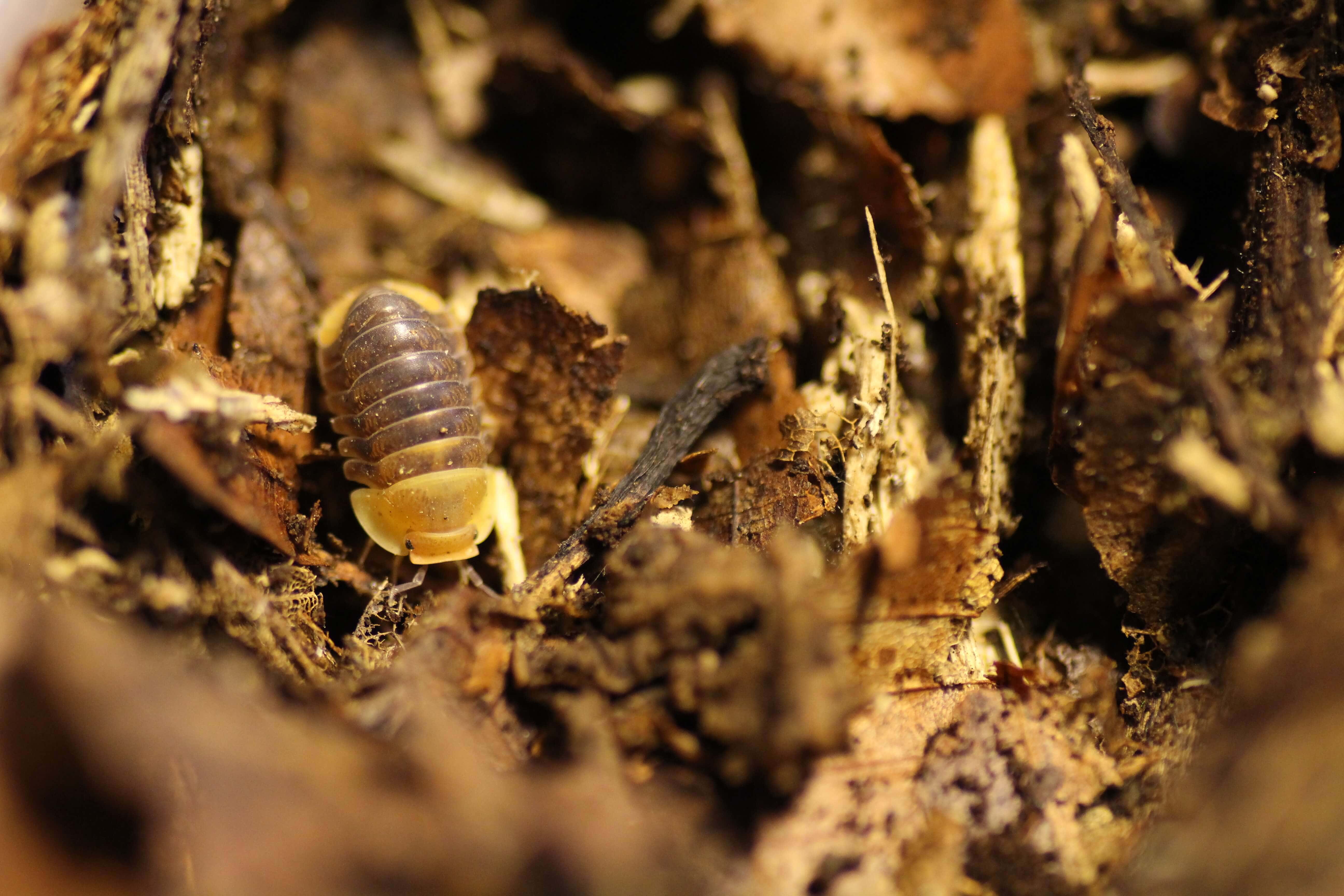
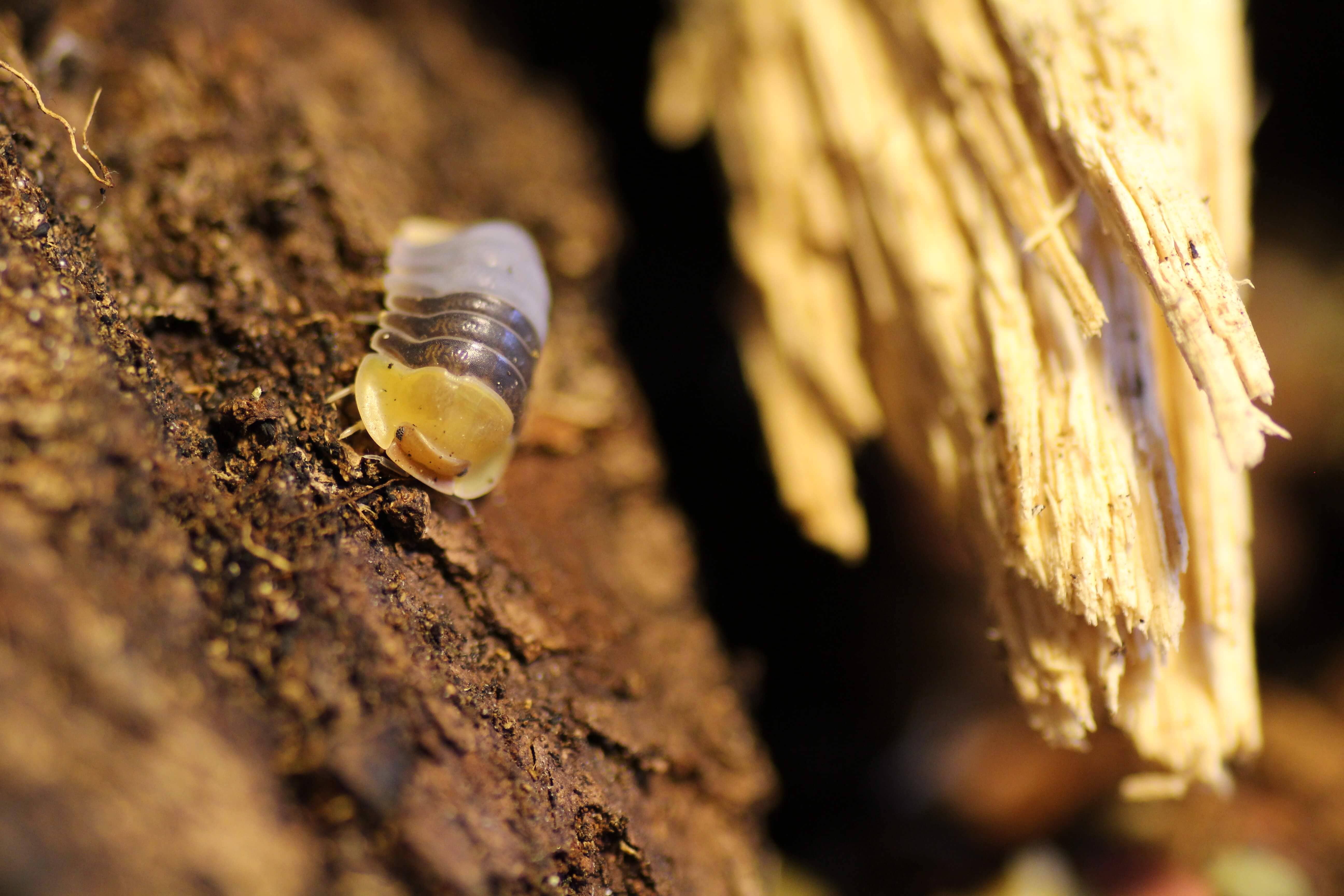
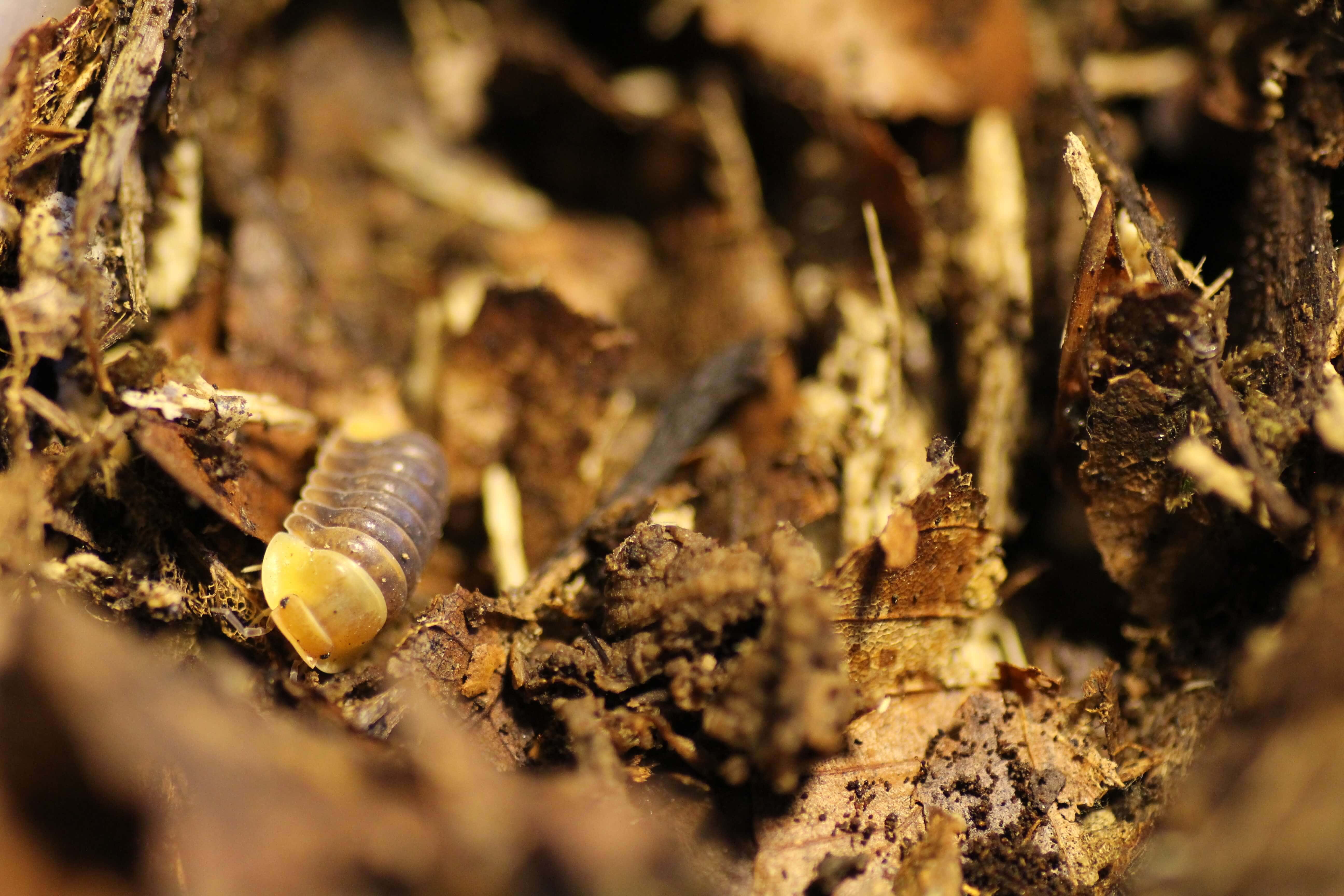
Rubber Ducky at a Glance
| Temperature | about 24–26 °C—as a guideline, without direct sunlight |
| Size | up to about 1.8 cm |
| Keeping | A group in a well-ventilated enclosure or terrarium |
| Basic food | Leaves, white-rotten hardwood, and nutrient-rich substrate |
| Important | Moist hiding spots, fresh air, and a source of calcium |
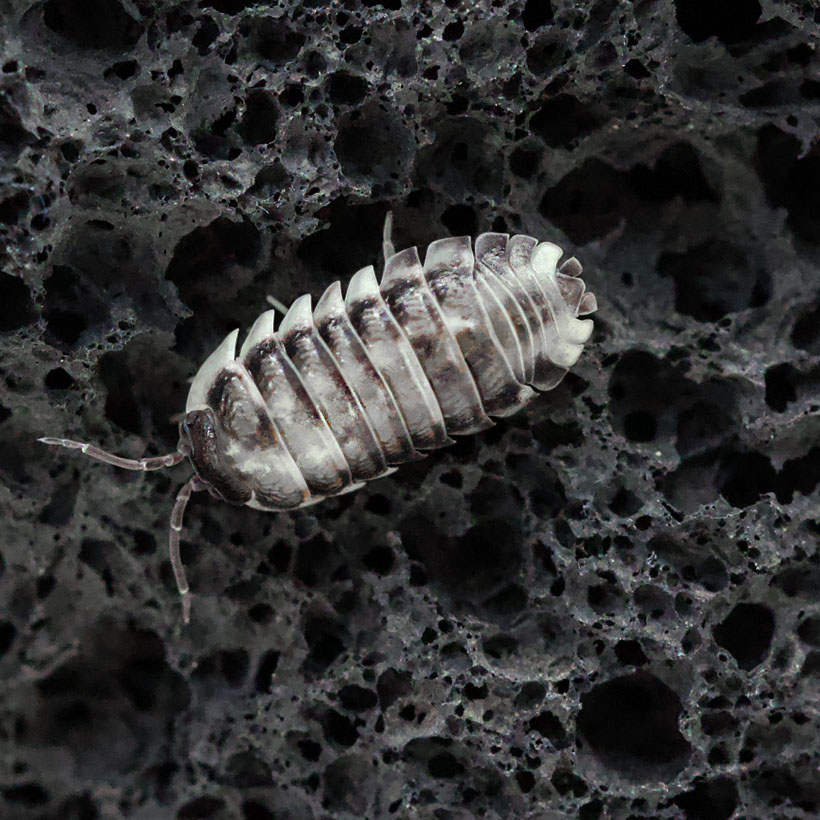
In the shop, you’ll find these animals listed as Cubaris spec. “Rubber Ducky.” The name refers to the variety from Thailand that’s well-known among hobbyists. The older report still listed them as Isopoda spec. These animals aren’t a quick fix for cleaning a terrarium; rather, they require their own, somewhat more demanding care regimen.
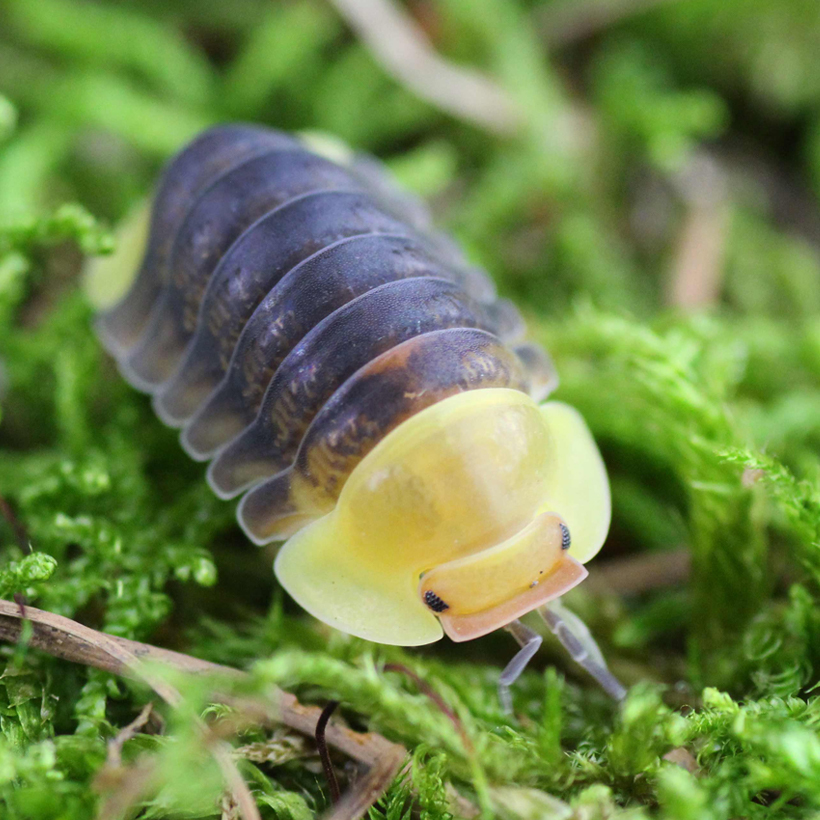
Cubaris spec. “Rubber Ducky”
Cubaris “Rubber Ducky” – Probably the most famous Isopod in terraristics Cubaris spec. “Rubber Ducky” is one of the best known and at the same time most fascinating species of…
Taking Care of a Rubber Ducky: Preparing a Quiet Home
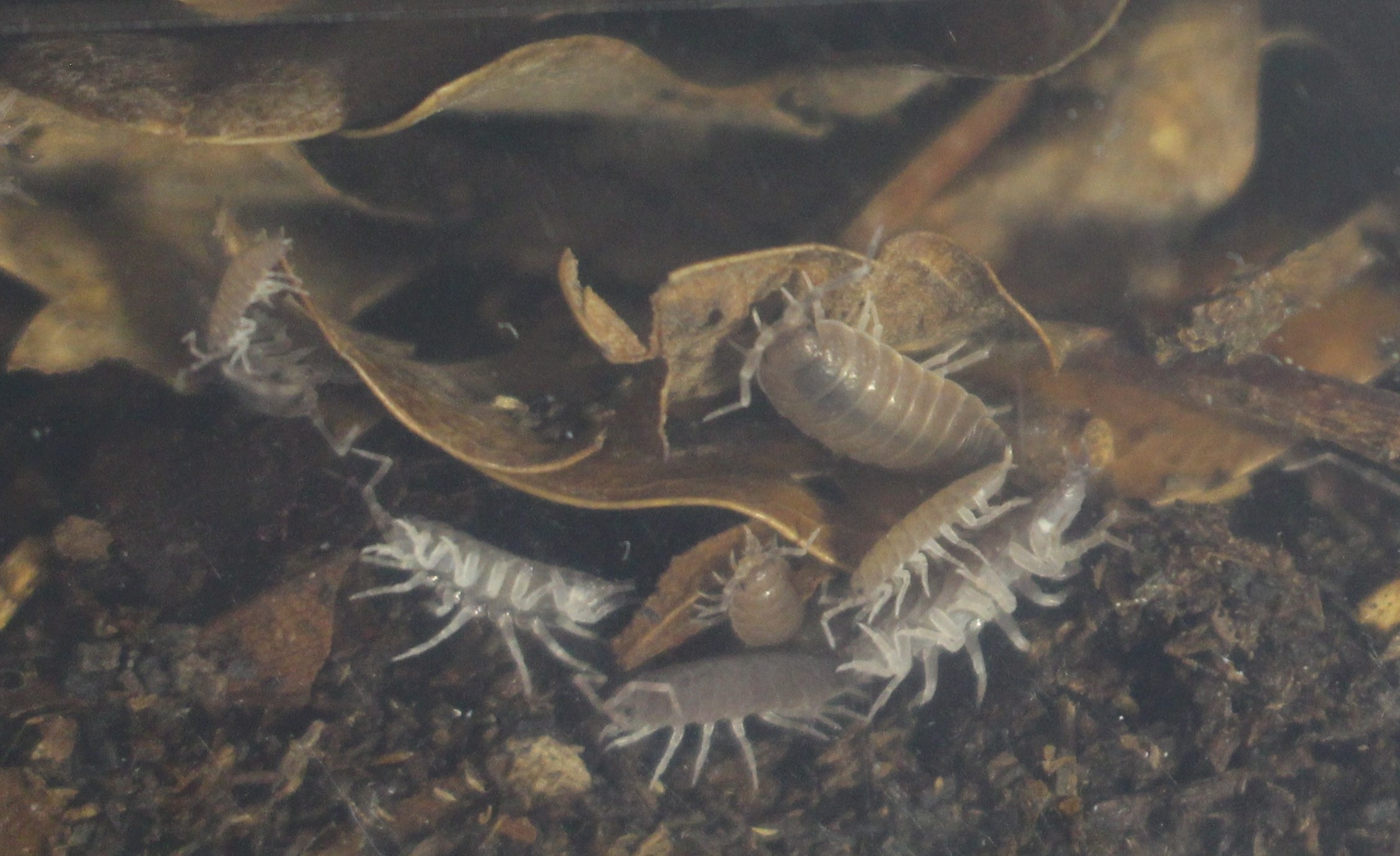
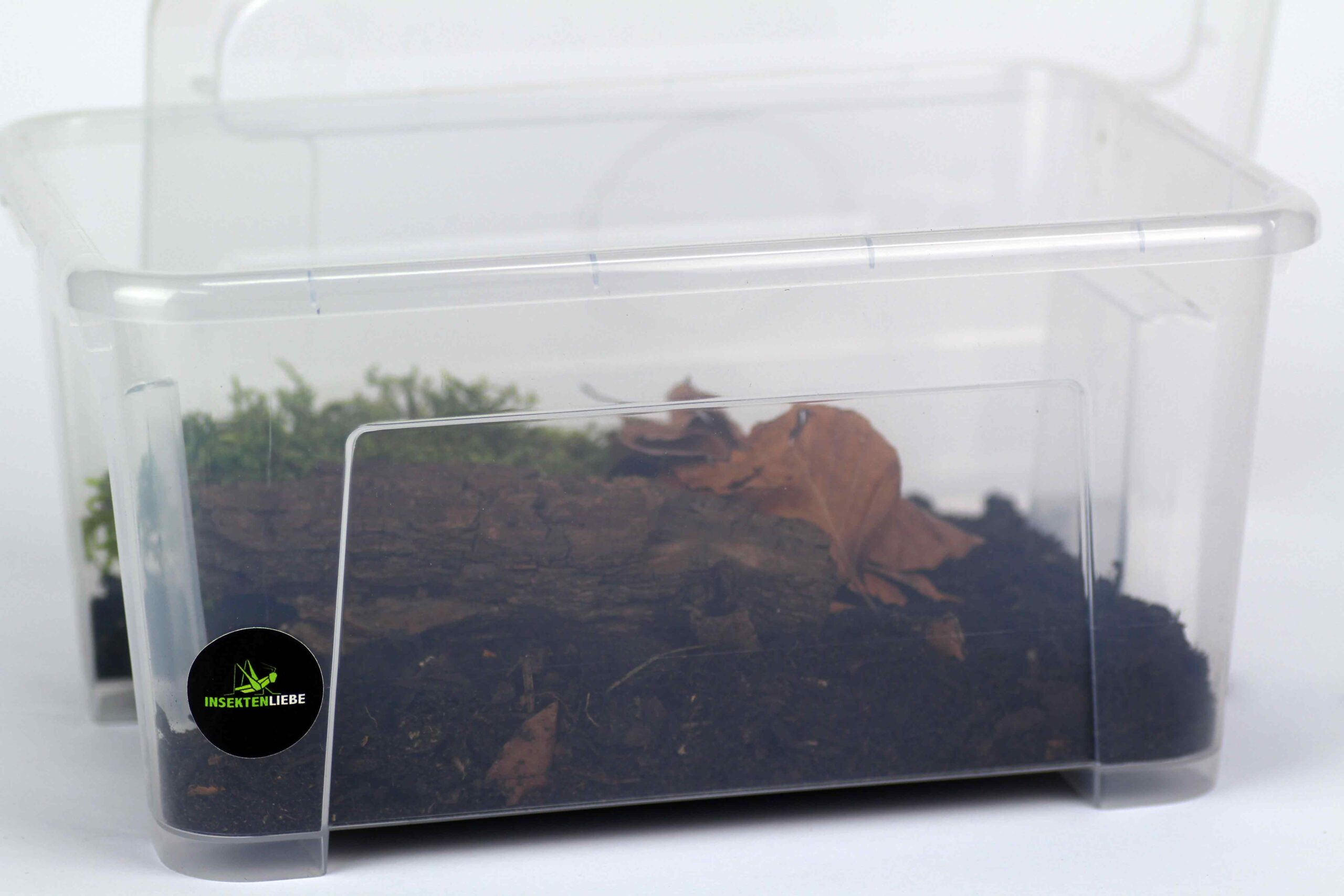
For a starter group, choose a box that closes securely, has a sufficient base area, and features well-ventilated openings. A layer of several centimeters of loose deciduous forest humus, white-rotted wood, and shredded leaves forms the base. Add a layer of leaves and pieces of bark on top to serve as hiding places.
The soil must retain moisture without becoming mushy. Pure coconut humus does not provide enough nutrients. A large, moist area under moss and leaves, as well as a less moist area, give the animals a choice. The shelter area must not be allowed to dry out completely either.
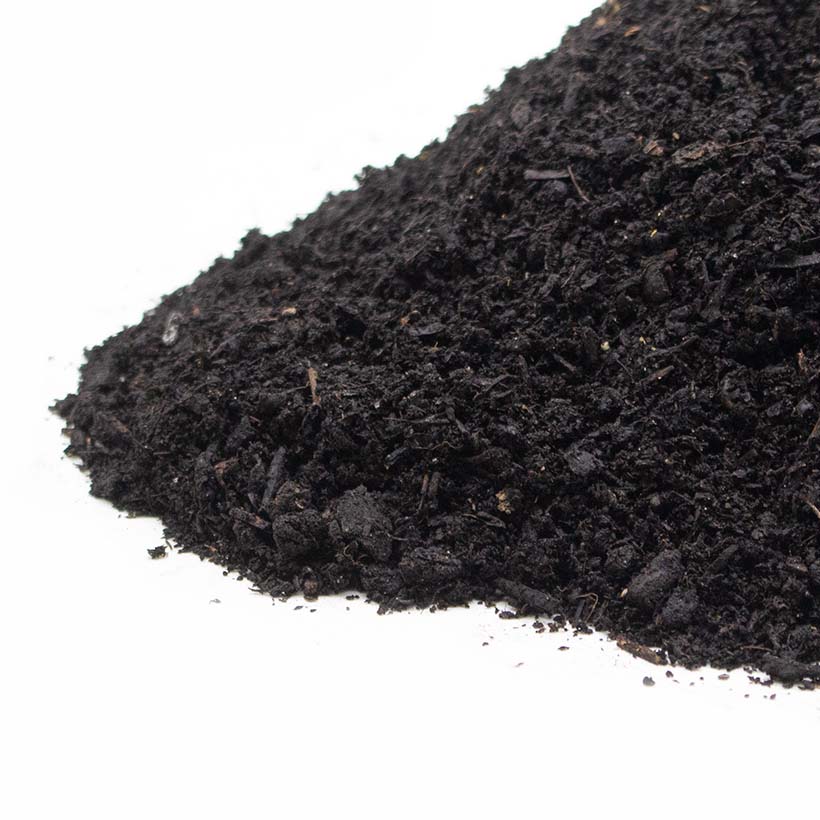
Forest humus
Forest humus – Natural forest soil for your terrarium With the forest humus You’re bringing a piece of natural forest soil right into your terrarium. This high-quality substrate comes from…
Keep an Eye on Humidity and Temperature
If you want to keep Rubber Ducky, you should observe the box for a few days before introducing the animals. Does the damp corner remain moist even between checks? Is there a supply of fresh air without the soil drying out too quickly? Measure the temperature where the animals will be kept and avoid direct sunlight.
Water the damp area sparingly as needed. A fixed daily watering schedule doesn’t work for every terrarium. Permanently wet walls, standing water, or a musty odor are signs that you should check the care and ventilation. If your room is already warm enough, you don’t need an additional heat source.
Banana peels should not be placed in the tank as a “heating source.” Decaying food cannot be reliably measured out or used to regulate temperature. A water conditioner is also not an absolute necessity; what matters most is using suitable, uncontaminated water.
Food for Rubber Ducky Isopods
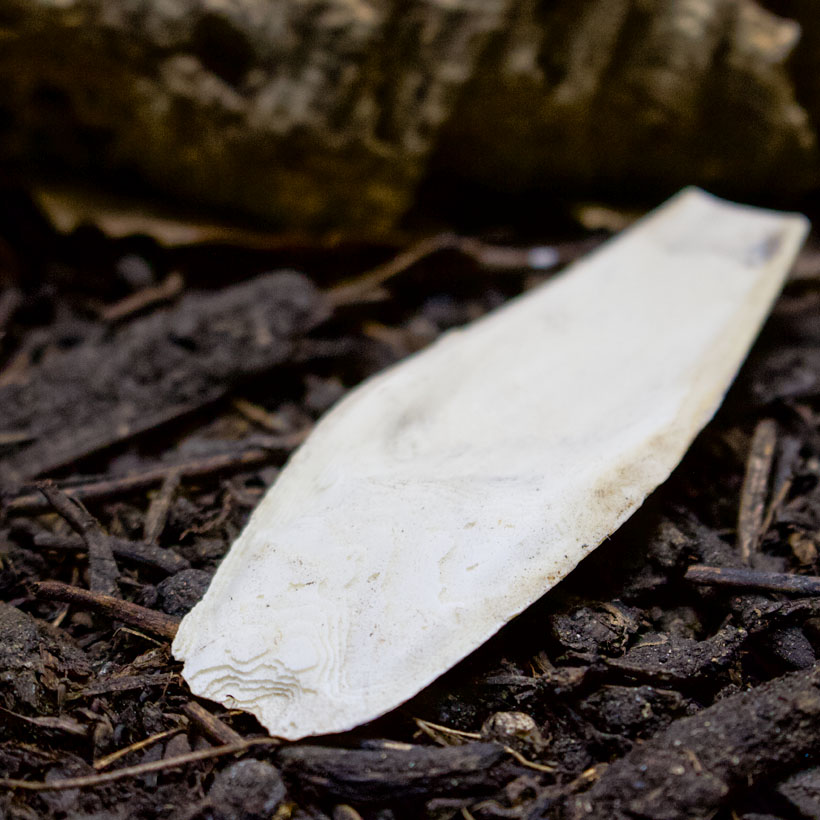
For isopods, leaves serve as both food and shelter. They should always be available. Decaying hardwood leaves supplement their basic diet. A small cuttlebone provides the animals with additional calcium. Pure coconut humus and vegetables alone cannot replace this basic diet.
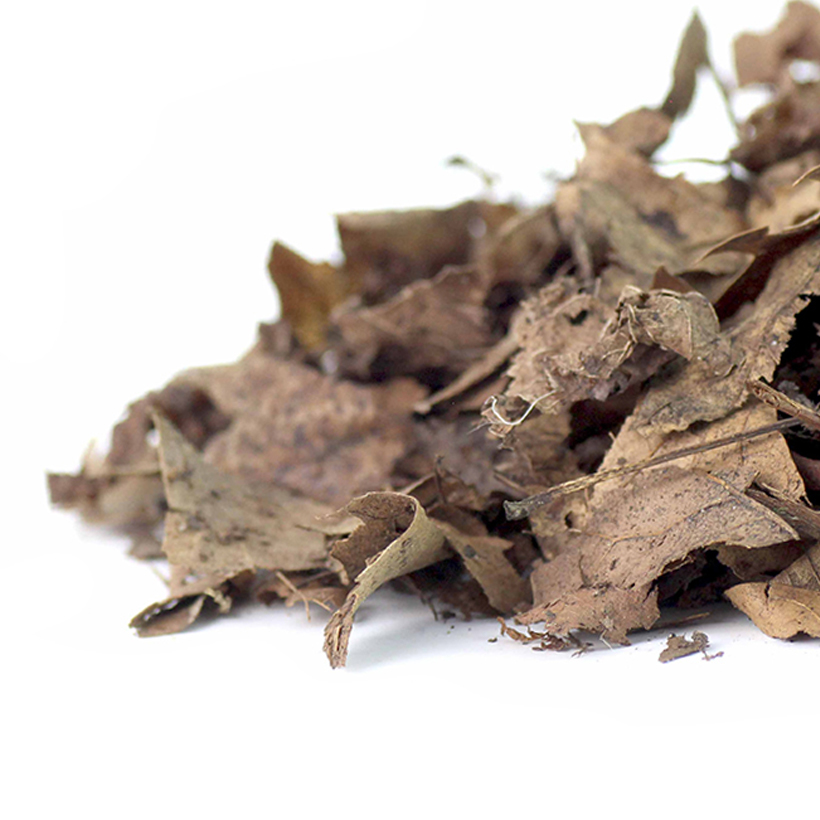
Fodder leaves
Staple food for many invertebrates.
Start by placing a very small portion of supplemental food in an easily accessible spot. Check the next day to see what’s left, and adjust the amount accordingly. Remove any perishable leftovers promptly. More food does not automatically lead to healthier young animals.
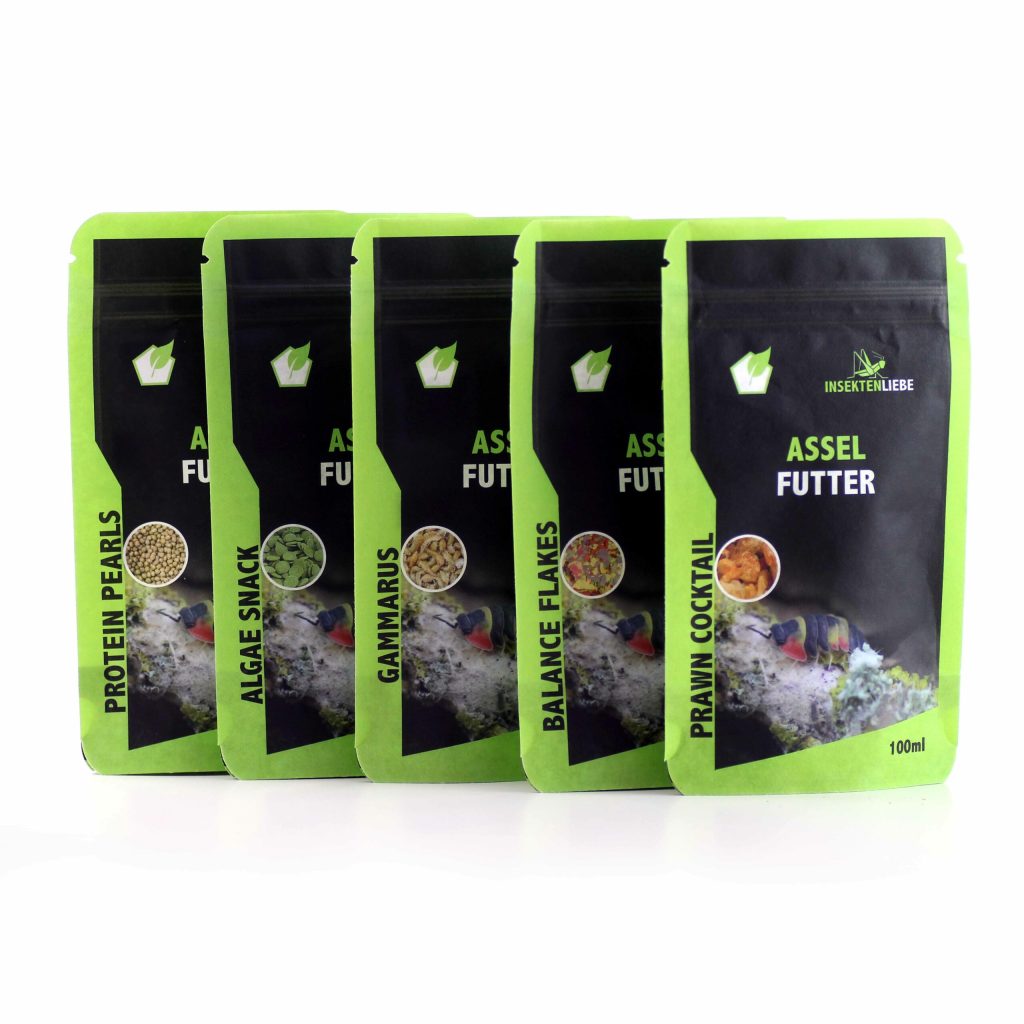
Isopod food
Perfectly complementary Isopod food in a resealable zip bag!
Breeding Rubber Ducky: Patience Is Key
Try to disturb the group as little as possible. Rubber duckies can stay hidden in the soil and under bark for a long time. So just because you rarely see the animals doesn’t automatically mean something is wrong. Check individual hiding spots carefully, and don’t dig up the entire enclosure on a regular basis.
It can take months for a new generation to develop. There is no set waiting period or guaranteed number of young animals. Do not introduce other species of woodlice, and do not remove any animals until the colony is clearly growing steadily.
What should you do if the group isn’t growing?
First, check the soil moisture, temperature, leftover food, and the size of the starter group. Don’t rush out to buy new animals or additional equipment right away. Often, patience and consistent care are the better next steps. If you experience losses, photos of the enclosure and the measurements you’ve taken will help us work together to assess the situation.
Recommended Reading: Springtails as Tiny Roommates
Here’s how to care for these tiny soil helpers and, if needed, start your own colony.
Discover More Isopods
Here you’ll find a selection from our store. Before purchasing, make sure the specific species’ needs are compatible with your terrarium.
-
Ardentiella spec. “Pastel”
Price range: 18,00 € through 160,00 € incl. VAT, plus shipping -
Ardentiella spec. “Tricolour”
Price range: 18,00 € through 160,00 € incl. VAT, plus shipping
Still unsure? Feel free to ask us your question in the comments section below the article.