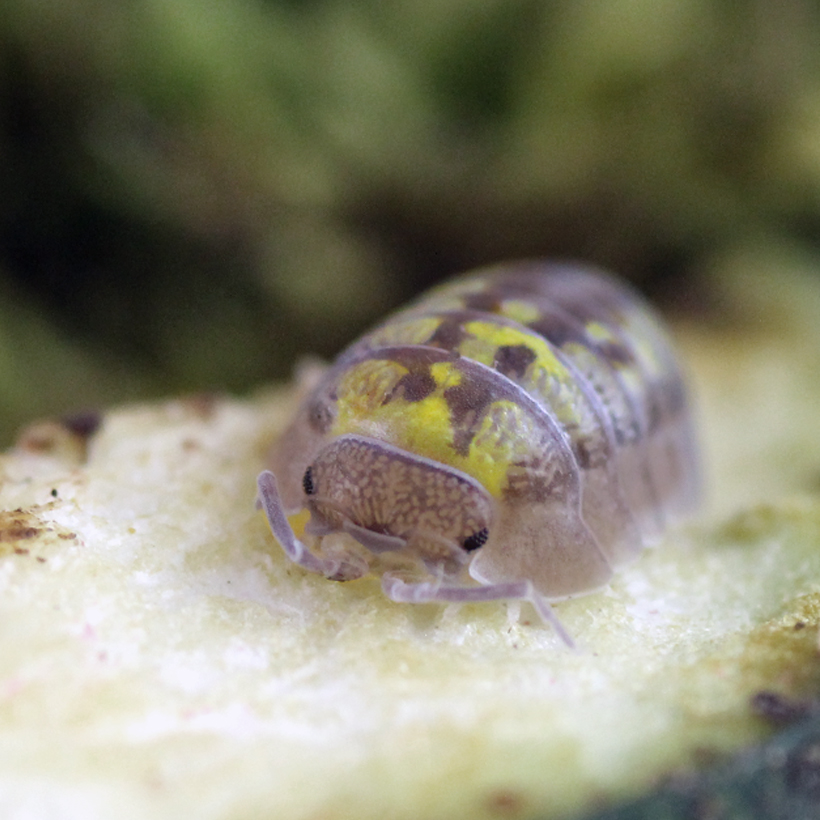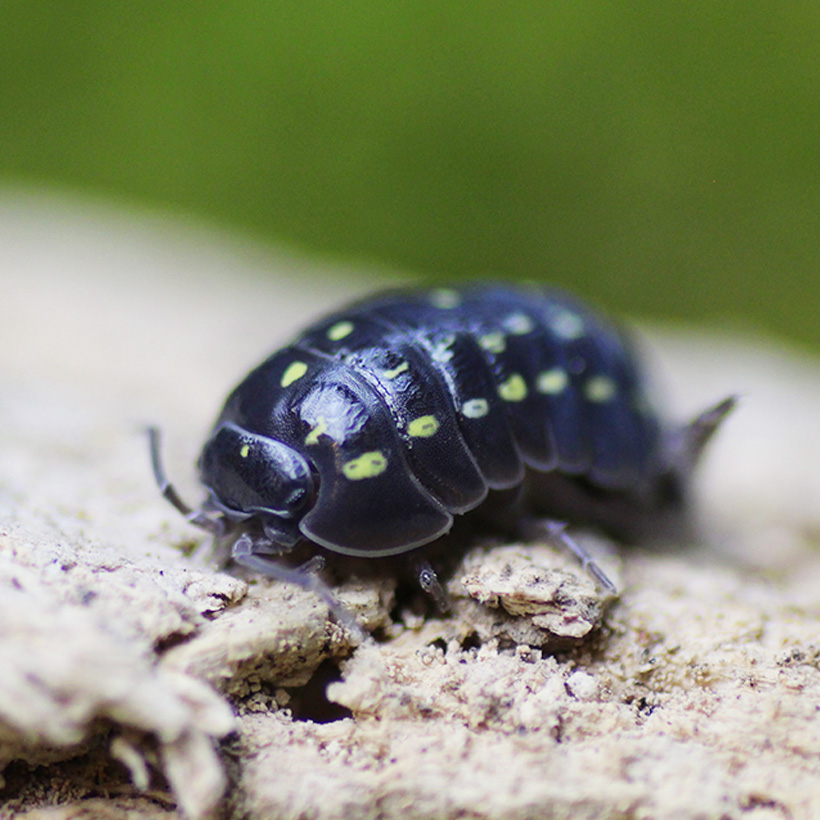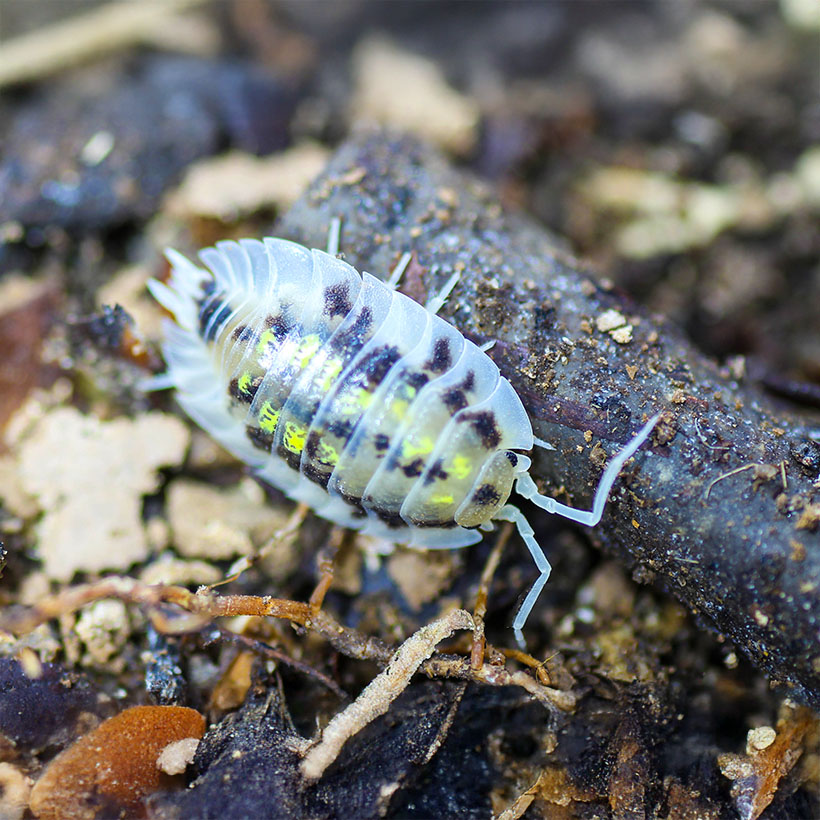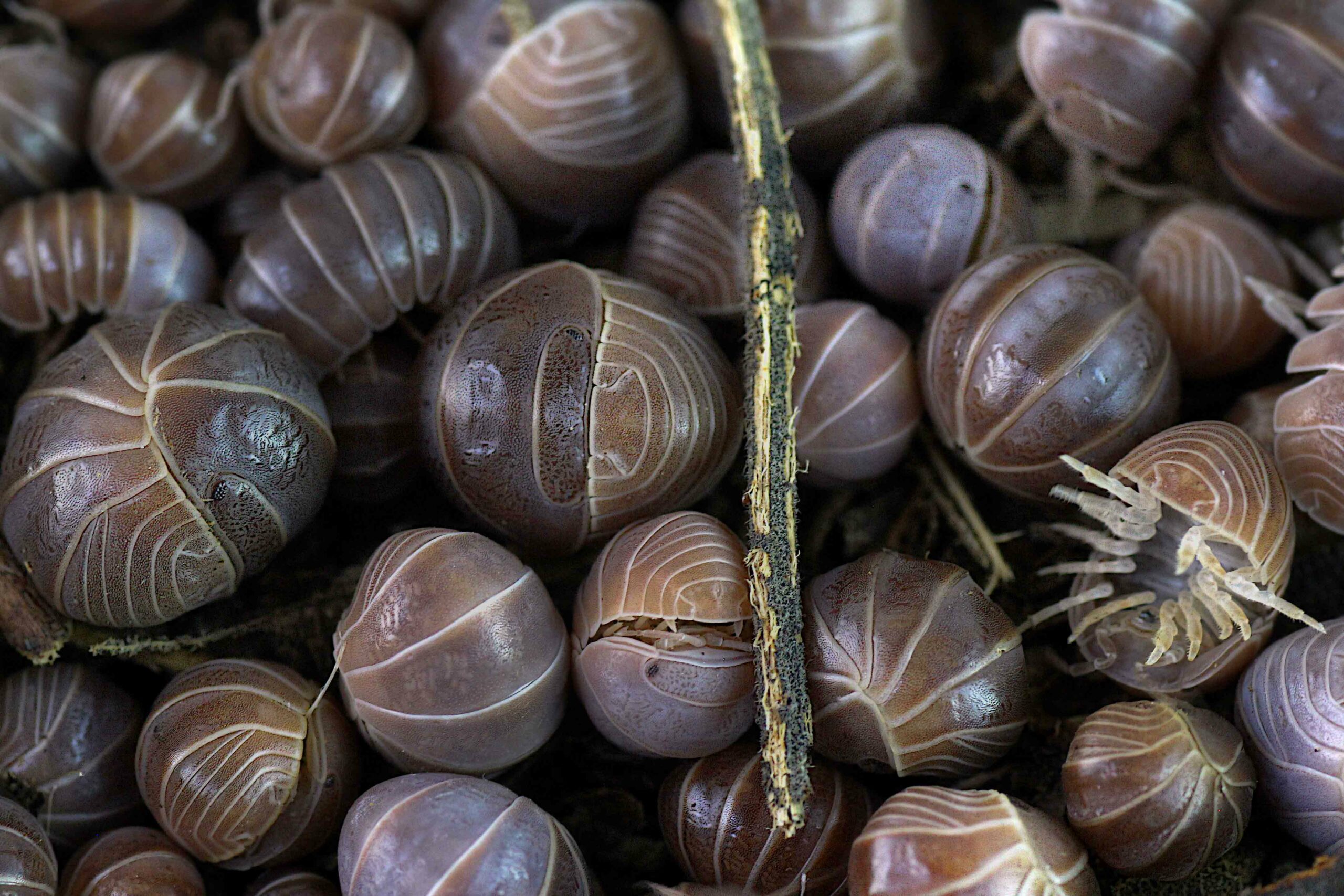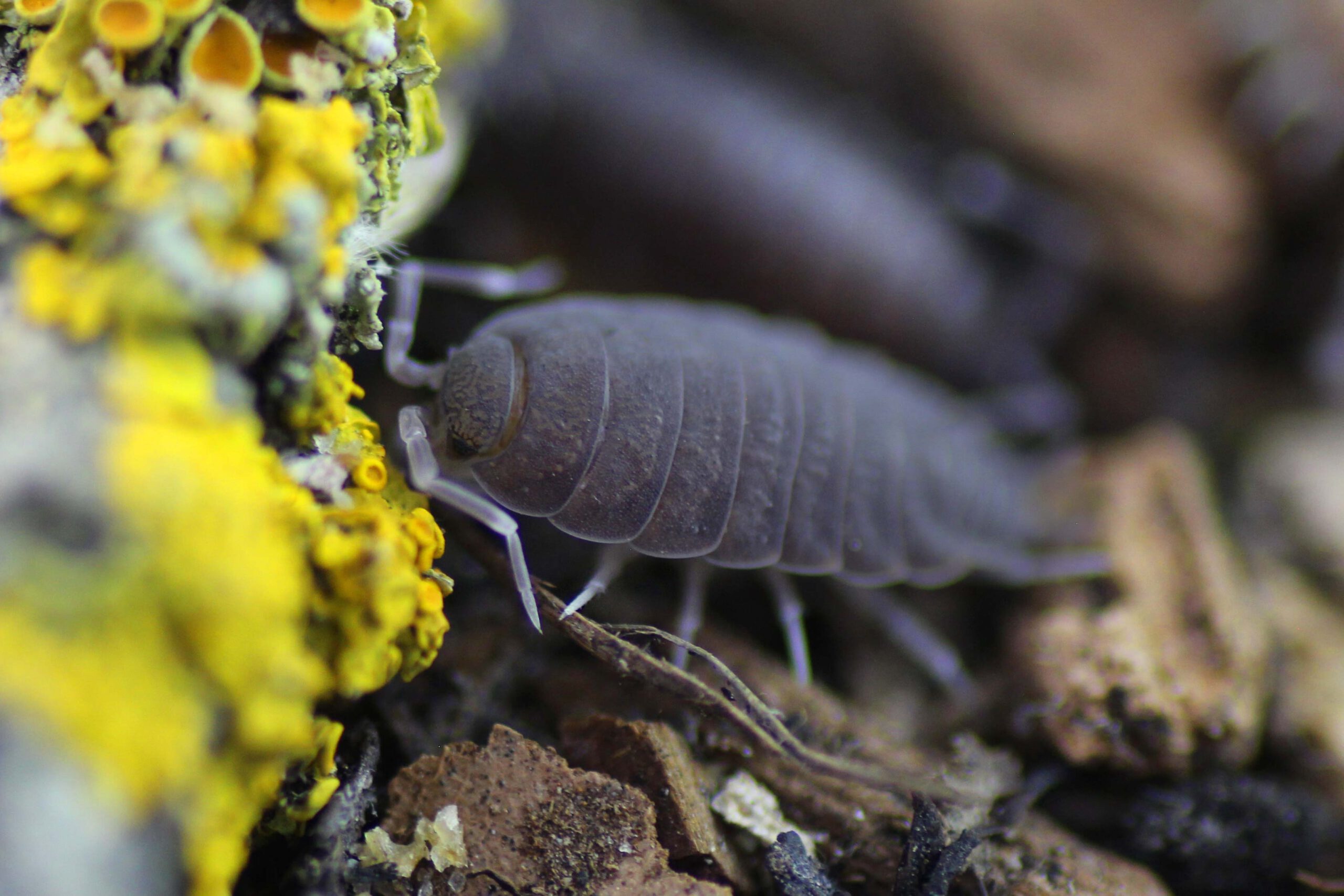


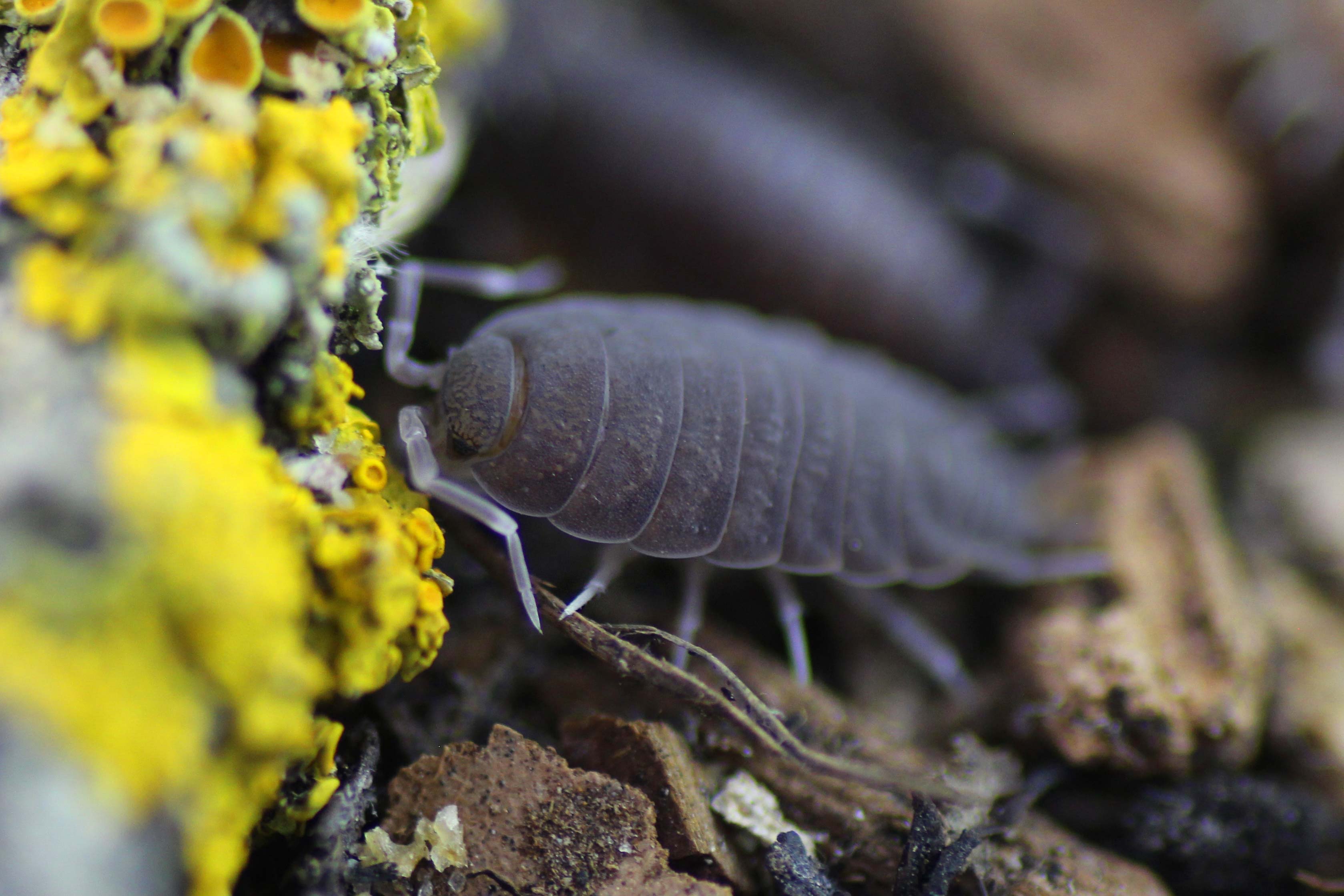
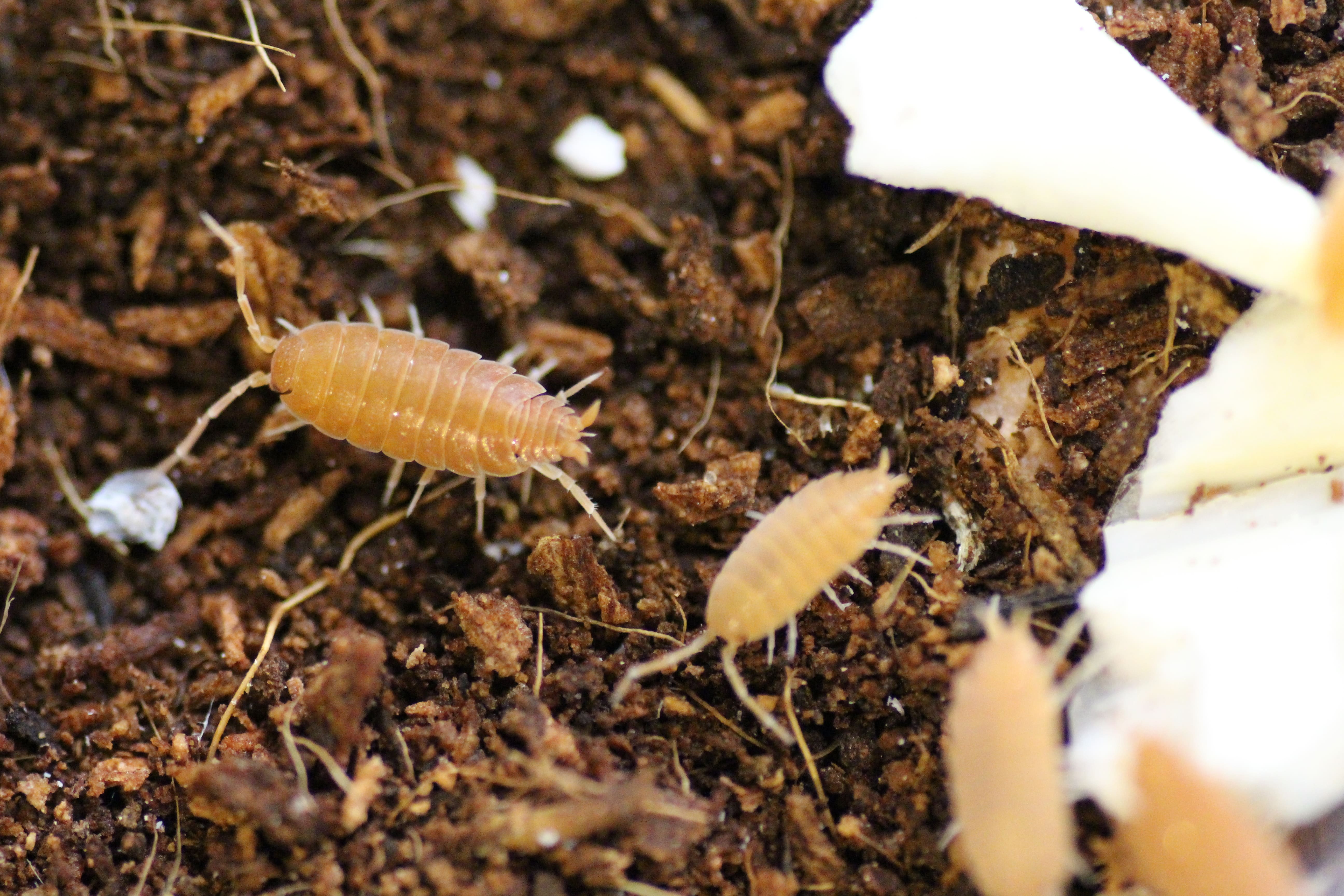
Cuban isopods are nimble, have a hearty appetite, and reproduce quickly when well cared for. Porcellionides pruinosus is therefore well-suited for its own isopod box and can help keep the substrate clean in suitable terrariums. Make sure to provide plenty of leaves, moist hiding spots, and space for offspring right from the start.
An Overview of Cuban Isopods
| Temperature | 23–26 °C – as a guideline, without direct sunlight |
| Size | up to about 1.2 cm |
| Keeping | A group in a well-ventilated enclosure or terrarium |
| Basic food | Leaves, white-rotten hardwood, and nutrient-rich substrate |
| Important | Moist hiding spots, fresh air, and a source of calcium |
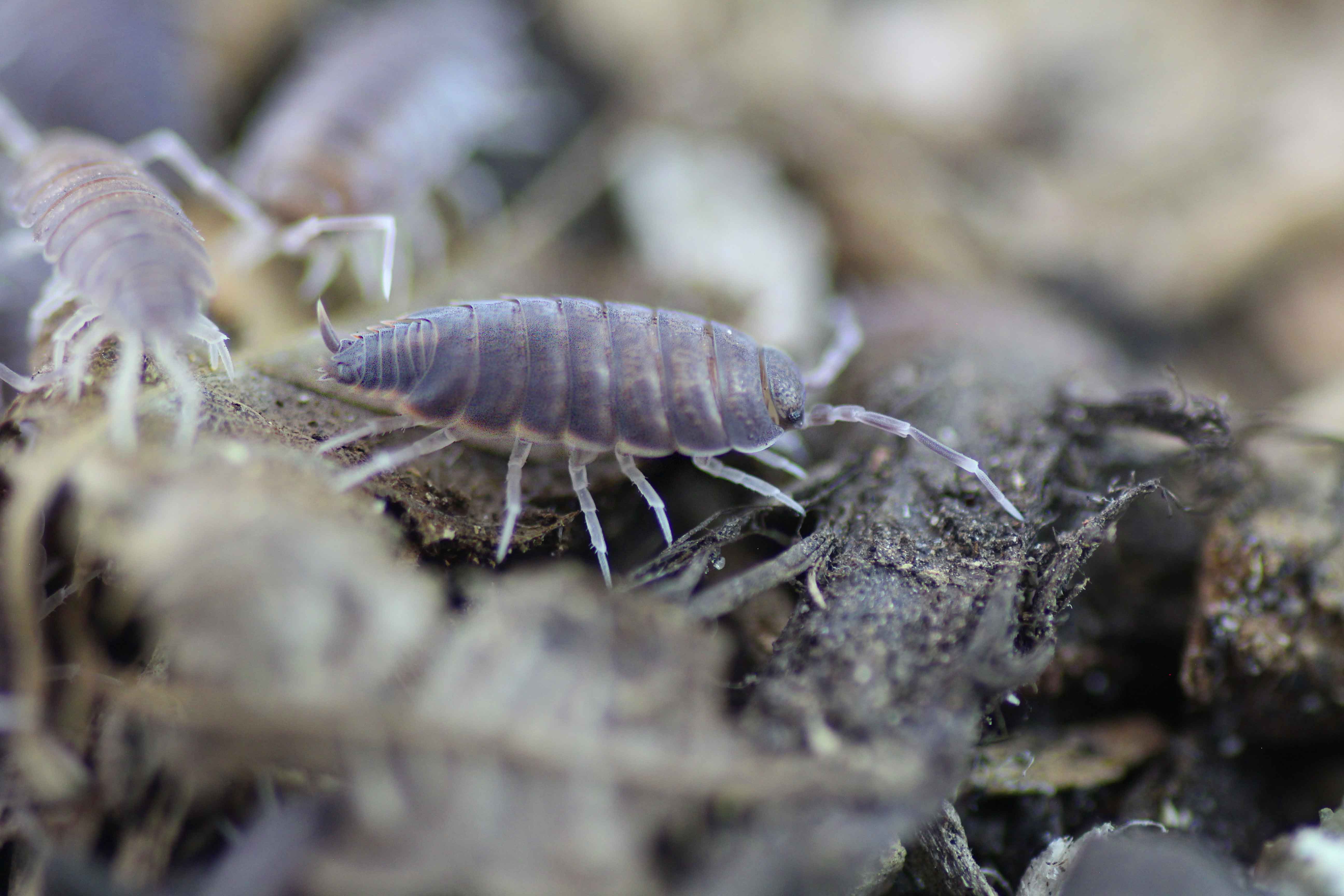
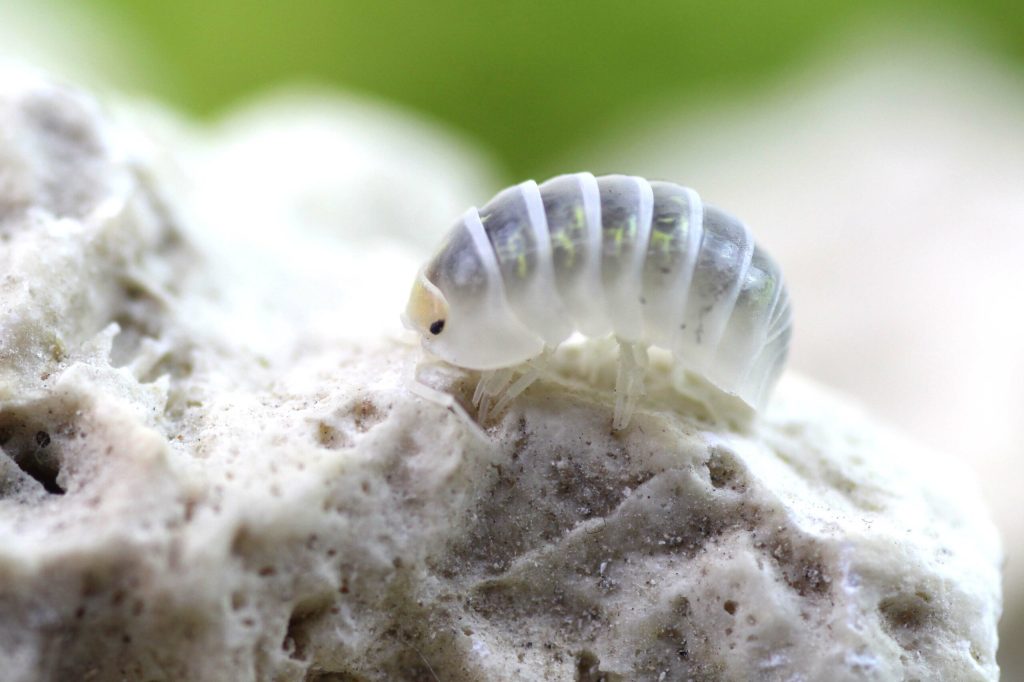
The common name “Cuban isopod” is not a reliable indicator of origin. The species is widely distributed. In addition to the gray form, the store also carries orange specimens. Both require appropriate housing; their color does not replace the need for a customized care plan.
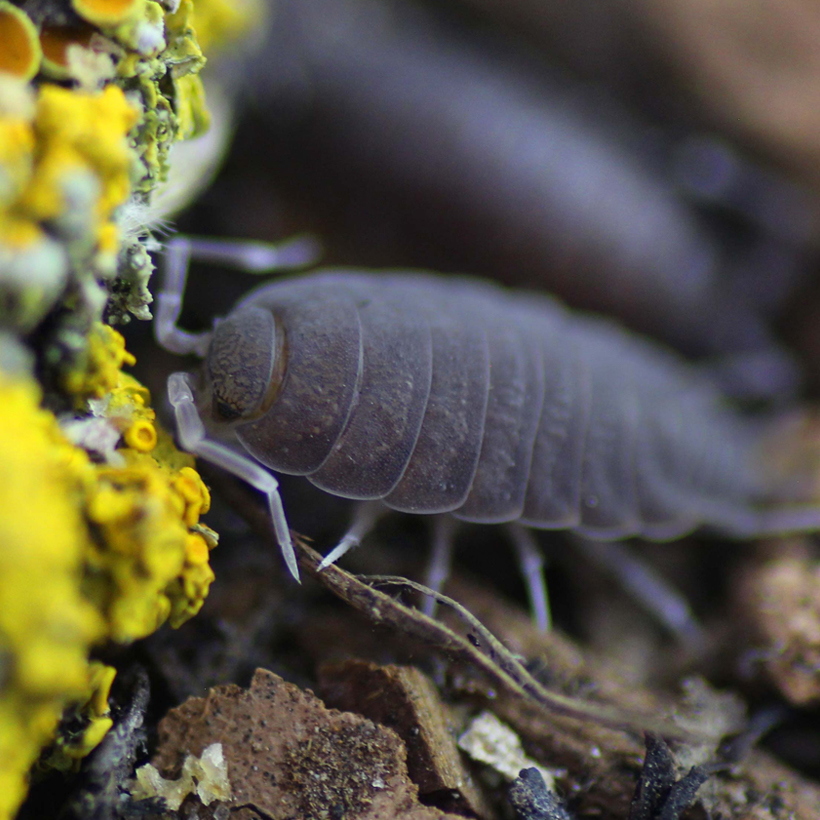
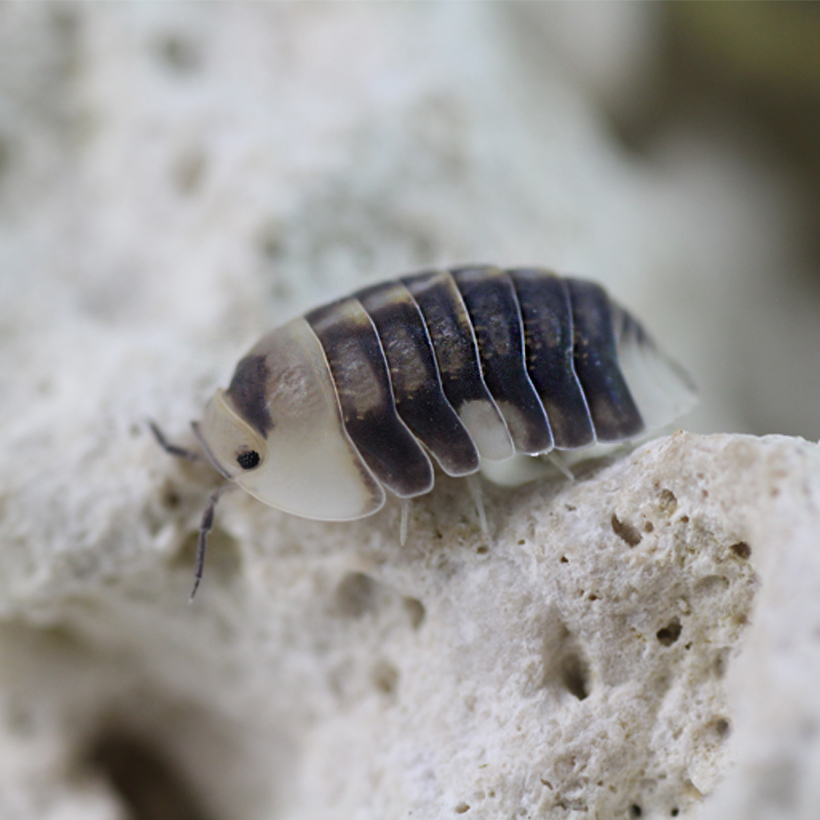
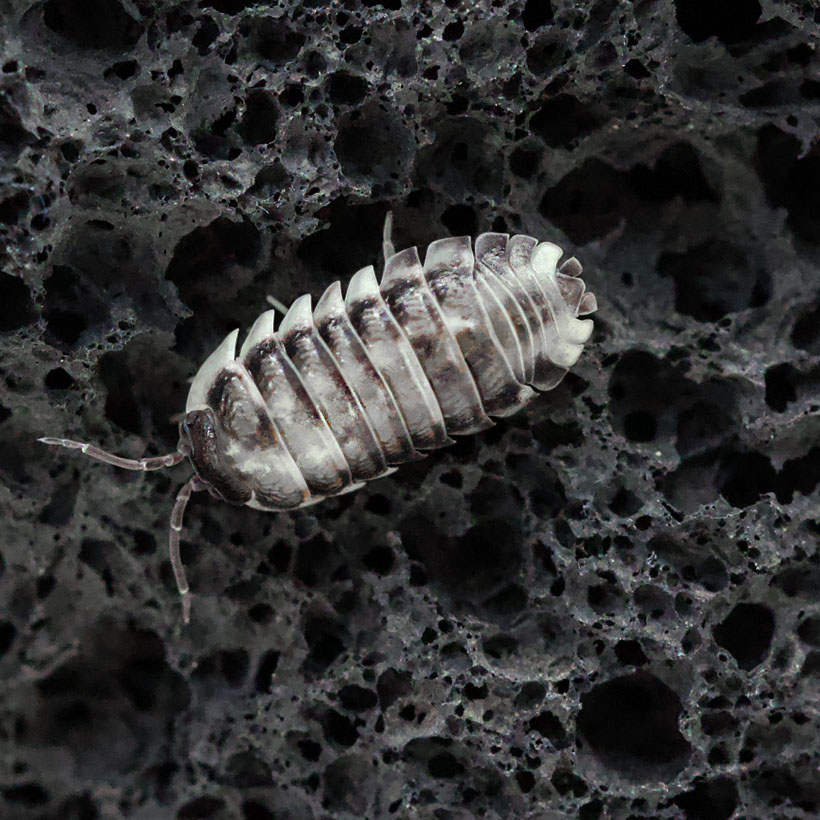
Porcellionides pruinosus “Cuban isopod”
Brief description:
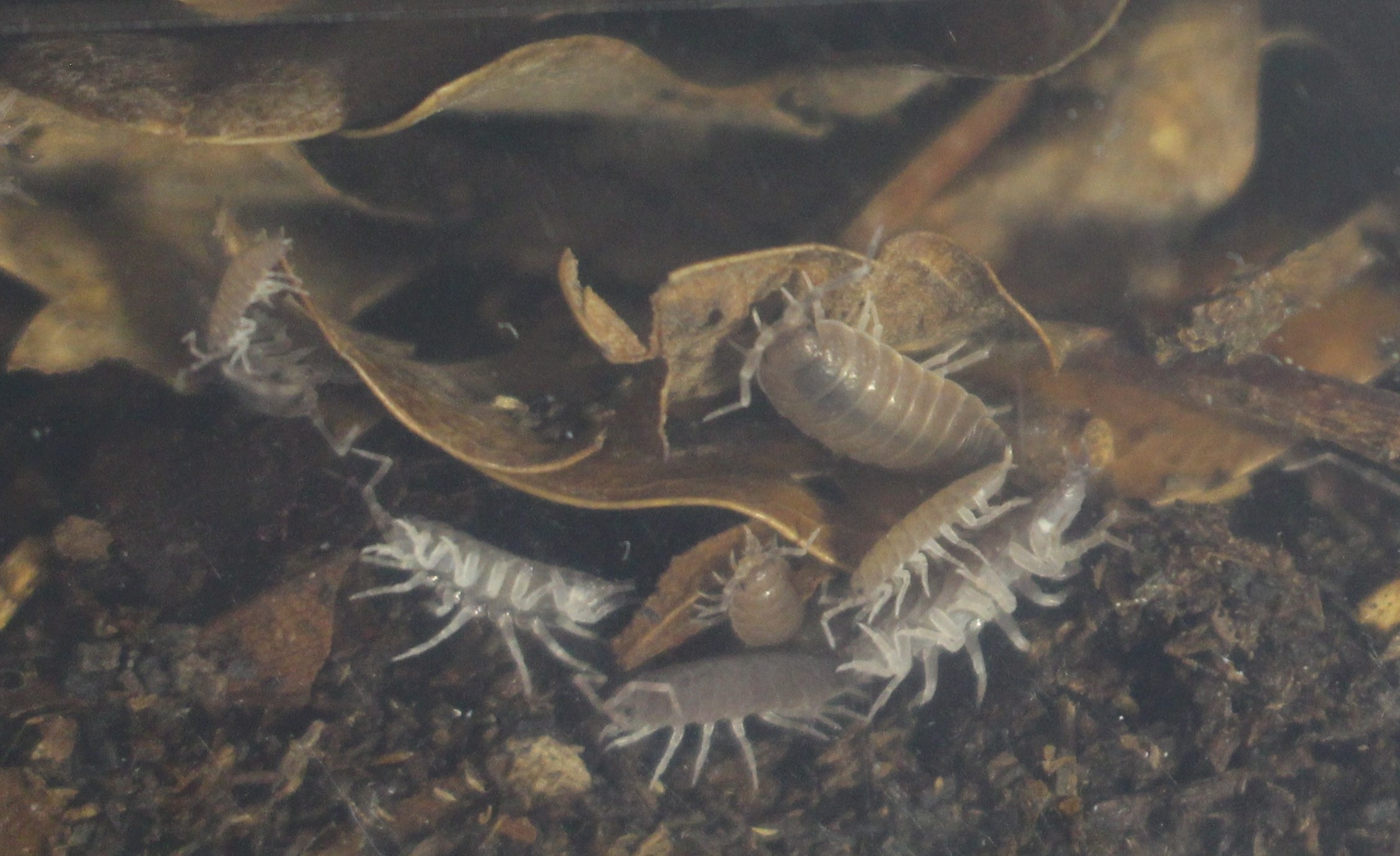
The ground color of this species is gray. The legs and antennae are white-grey in color.
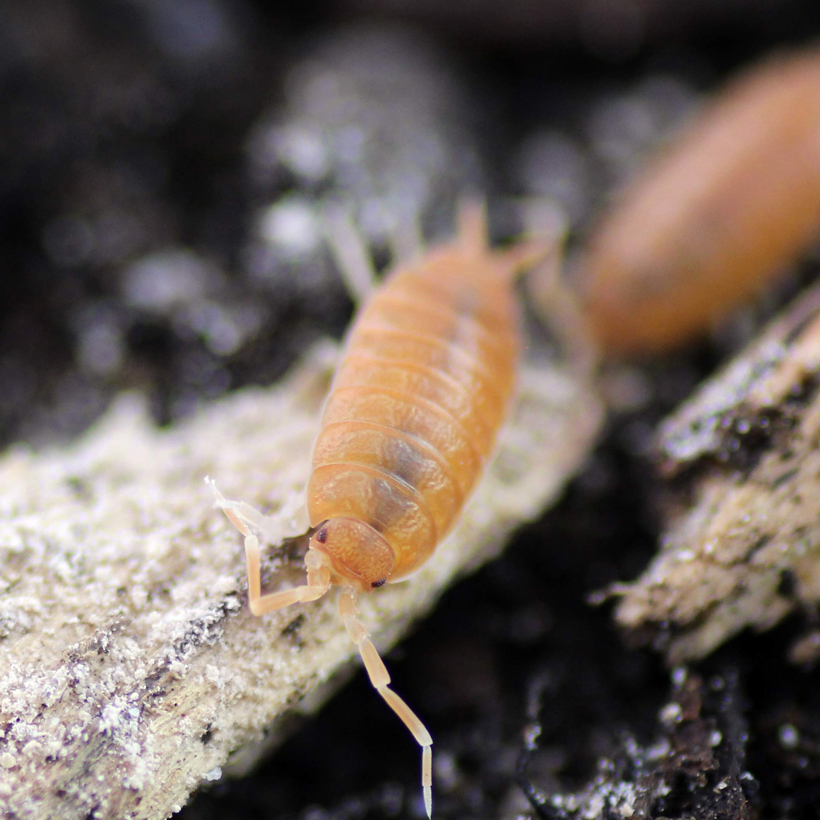
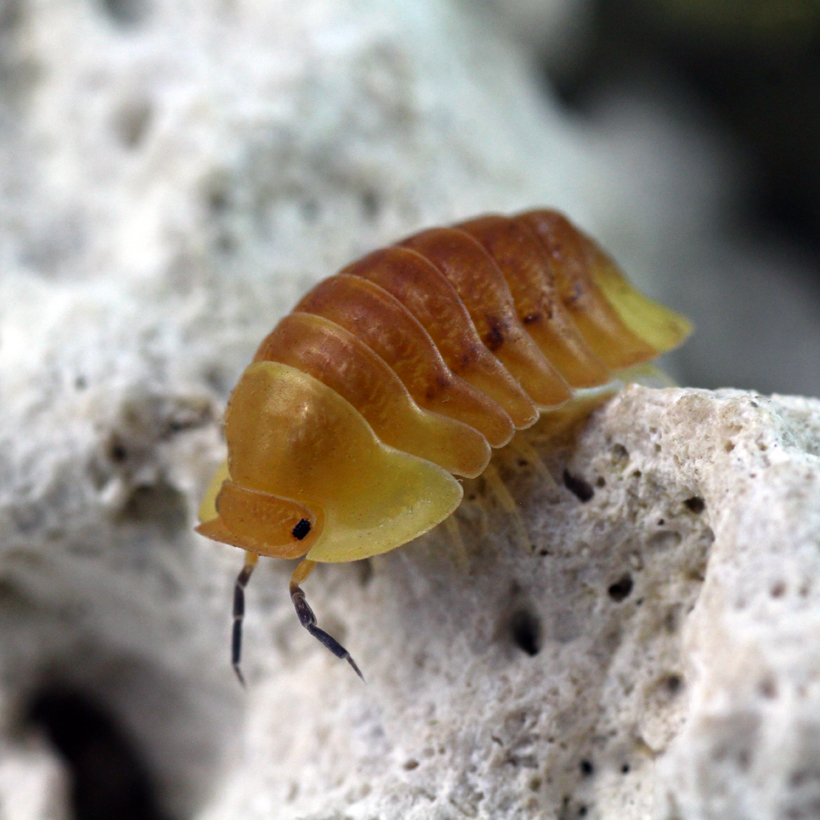
Porcellionides pruinosus “Cuban Isopods Orange”
Brief description: The basic color of this color morph is orange. The legs are white, the antennae orange. This color morph originated from Porcelliondies pruinosus and has been available in…
Keeping Cuban isopods: Container and substrate
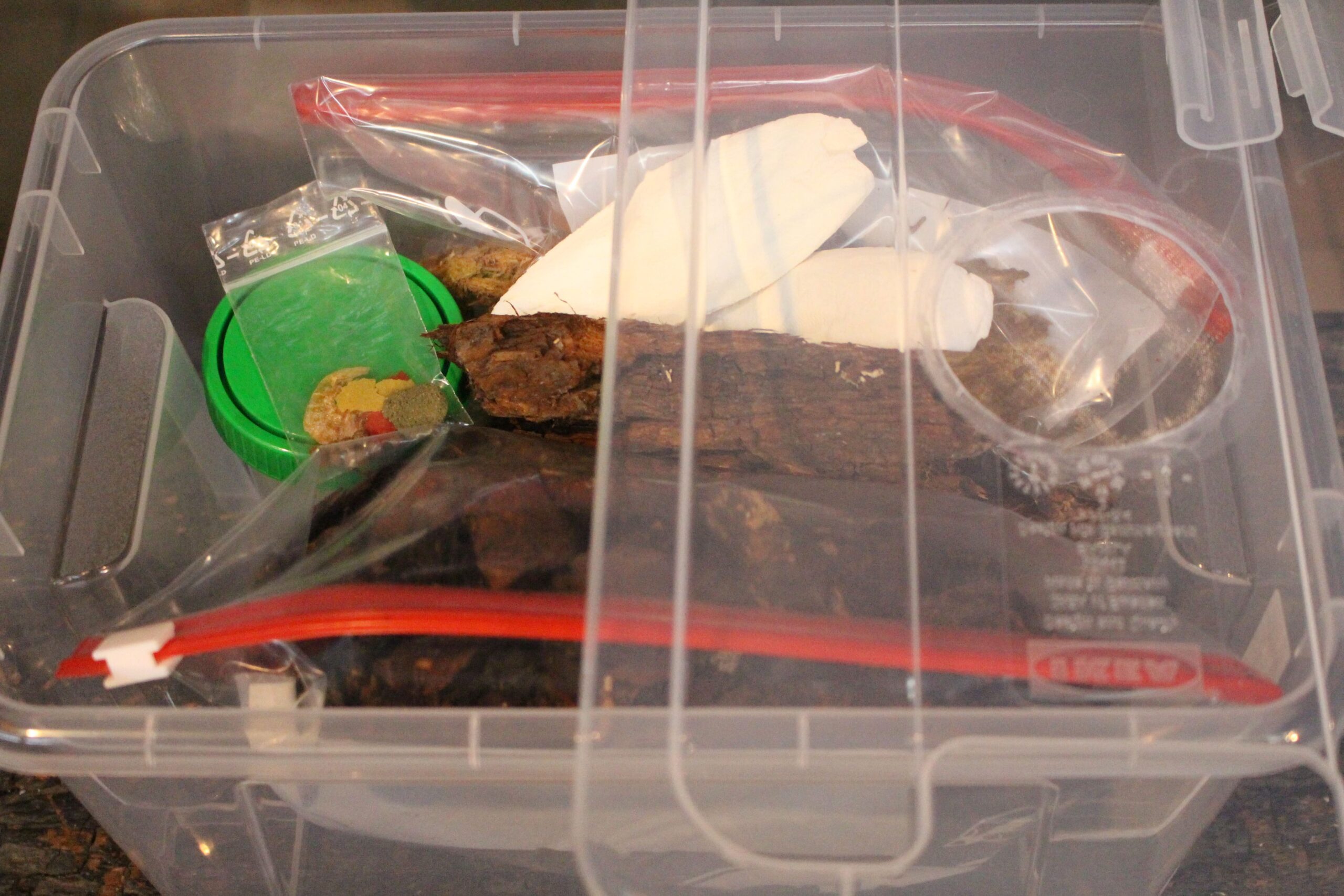
A well-sealed, ventilated box is suitable for a starter colony. Use the floor space to create a moist zone and a less moist zone. As the colony grows, it makes more sense to use a larger container than to keep the colony increasingly crowded.
Fill the enclosure with loose deciduous forest humus and wood in the early stages of decay. A thick layer of leaves serves as food and cover. Pieces of bark provide additional hiding spots. Secure ventilation openings with fine mesh so that young animals cannot escape.
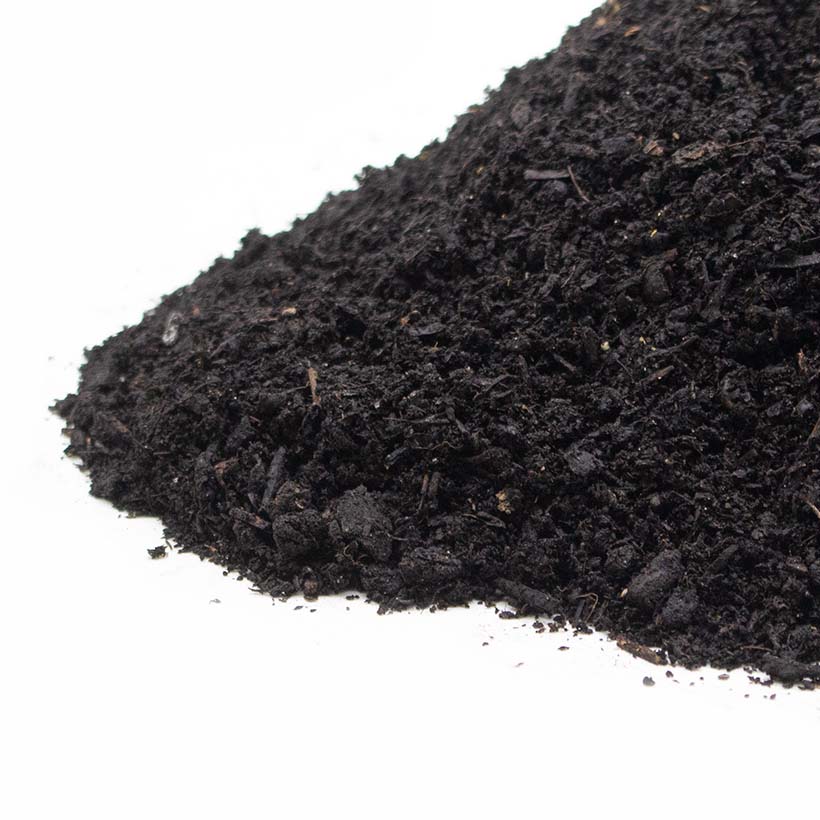
Forest humus
Forest humus – Natural forest soil for your terrarium With the forest humus You’re bringing a piece of natural forest soil right into your terrarium. This high-quality substrate comes from…
Humidity and Temperature for Cuban Isopods
One corner remains slightly damp at all times, while the other side is allowed to dry out on the surface. Check the soil beneath the leaves. If you only mist the leaves, the soil may still become too dry. Therefore, water the soil directly as needed.
The temperatures listed are practical guidelines. It’s important to choose a spot out of direct sunlight, because small enclosures can heat up quickly. If the room temperature is right, you won’t need any additional heating. Extra heat is not a suitable substitute for food and proper care.
Food for Porcellionides pruinosus
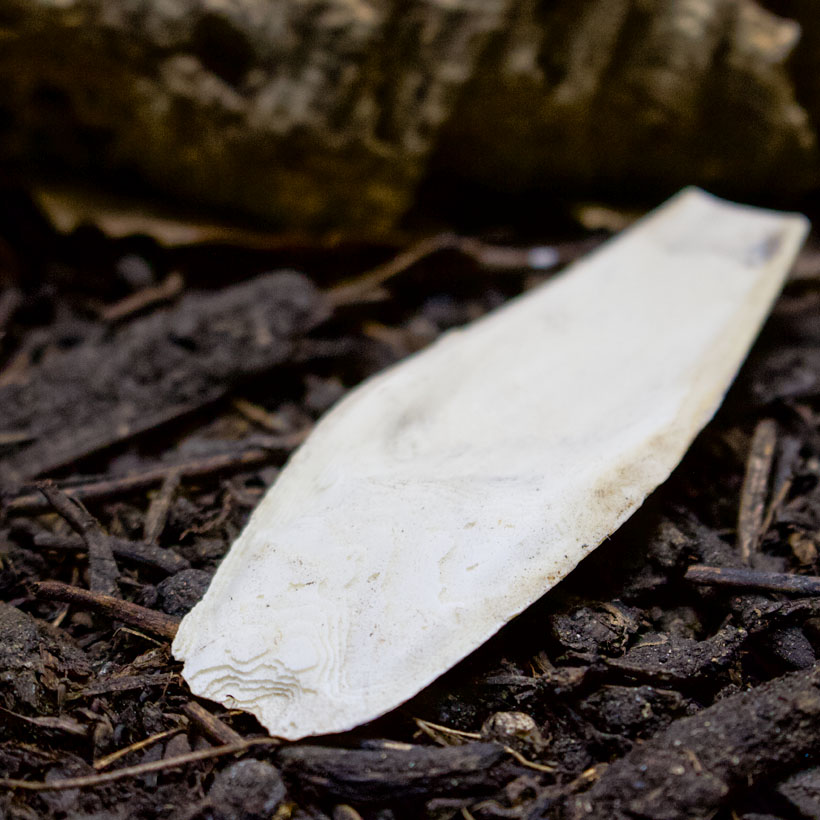
For isopods, leaves serve as both food and shelter. They should always be available. Decaying hardwood leaves supplement their basic diet. A small cuttlebone provides the animals with additional calcium. Pure coconut humus and vegetables alone cannot replace this basic diet.
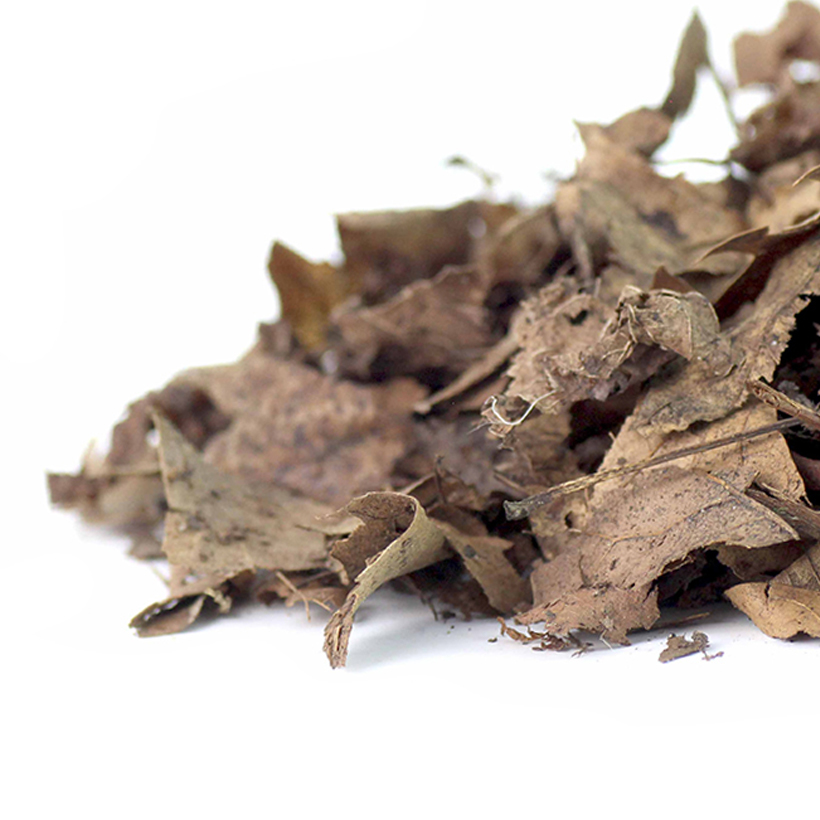
Fodder leaves
Staple food for many invertebrates.
Start by placing a very small portion of supplemental food in an easily accessible spot. Check the next day to see what’s left, and adjust the amount accordingly. Remove any perishable leftovers promptly. More food does not automatically lead to healthier young animals.
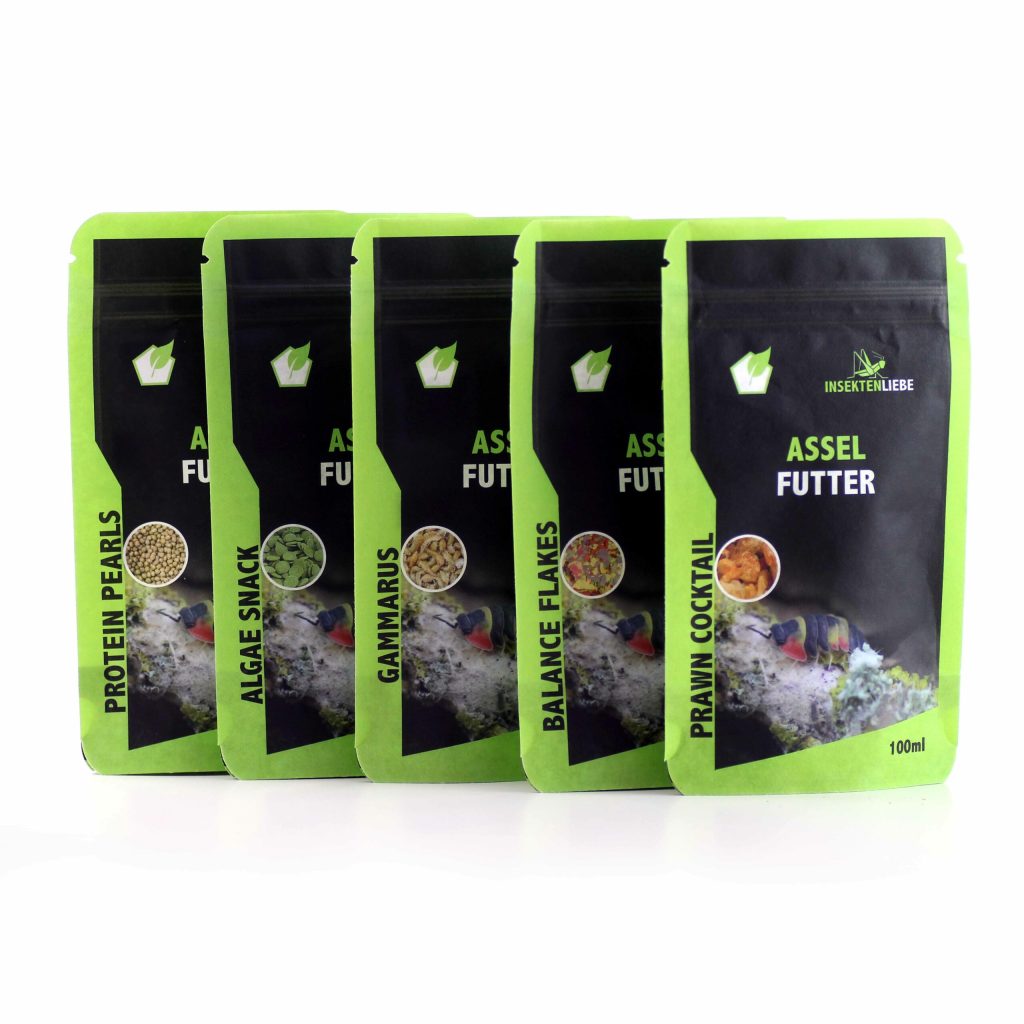
Isopod food
Perfectly complementary Isopod food in a resealable zip bag!
Cuban isopods can quickly consume small portions of vegetables or protein-rich supplemental food. However, a small portion is easier to manage than a large amount all at once. Adjust the amount you feed based on the actual size of your colony.
Offspring: Keeping Track of the Population
Rapid reproduction is useful if you want a stable reserve population. However, it also requires regular checks. Replace any eaten foliage and divide the colony if the box becomes significantly overcrowded. Only give animals away to owners with suitable housing, and do not release them into the wild.
To maintain the colony, it is sufficient to set aside a portion of the animals and the colonized substrate. A complete substrate change all at once is usually unnecessary. Remove used material in small batches and watch for tiny juveniles.
Are Cuban Isopods a good fit for my terrarium pet?
The substrate must be suitable for the climate and the inhabitants. A one-size-fits-all recommendation is unsuitable for sensitive young animals and freshly molted invertebrates. Observe the combination carefully, and if in doubt, keep a separate woodlouse box. Springtails may be the simpler first addition for small, moist soil areas.
You can also use Cuban isopods to remove larger food scraps yourself. If the population grows too large and the supplemental food isn’t being consumed, reduce the amount of food first. Buying additional animals won’t solve any care issues.
Recommended Reading: Springtails as Tiny Roommates
Here’s how to care for these tiny soil helpers and, if needed, start your own colony.
Discover More Isopods
Here you’ll find a selection from our store. Before purchasing, make sure the specific species’ needs are compatible with your terrarium.
-
Ardentiella spec. “Pastel”
Price range: 18,00 € through 160,00 € incl. VAT, plus shipping -
Ardentiella spec. “Tricolour”
Price range: 18,00 € through 160,00 € incl. VAT, plus shipping
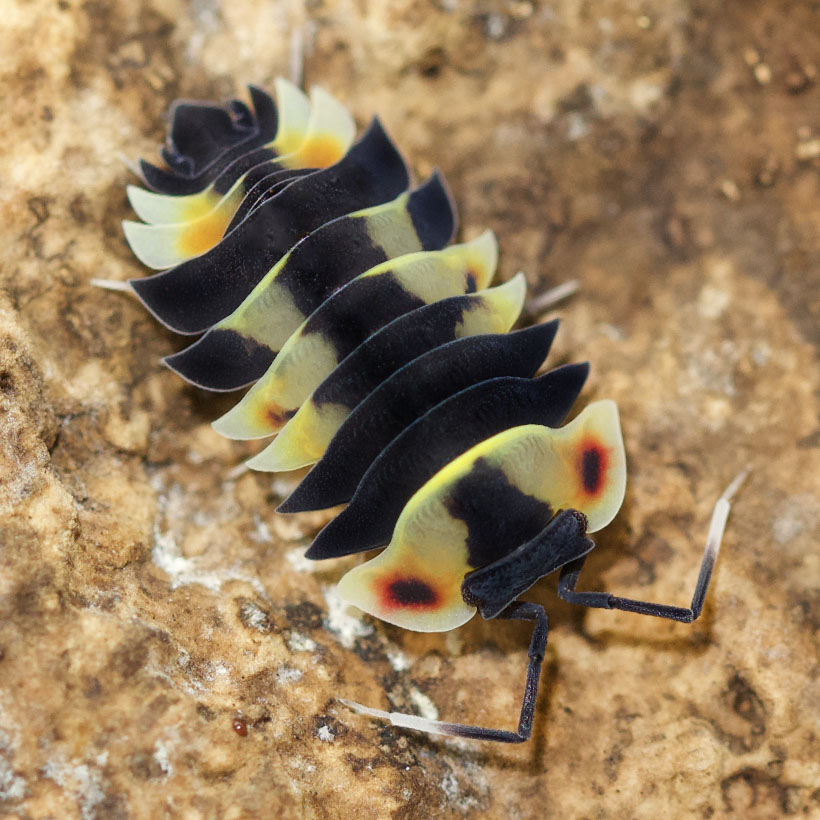
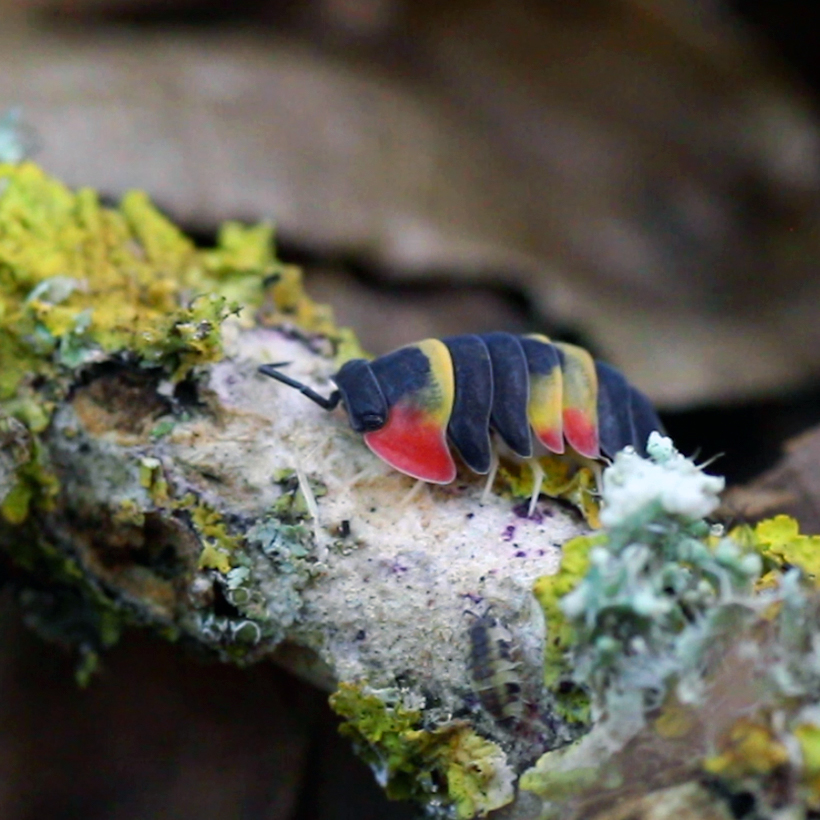
Still unsure? Feel free to ask us your question in the comments section below the article.