

| Origin | Cosmopolitan |
| Temperature | 18–26 °C |
| Size | up to 2.3 cm |
Behavior:
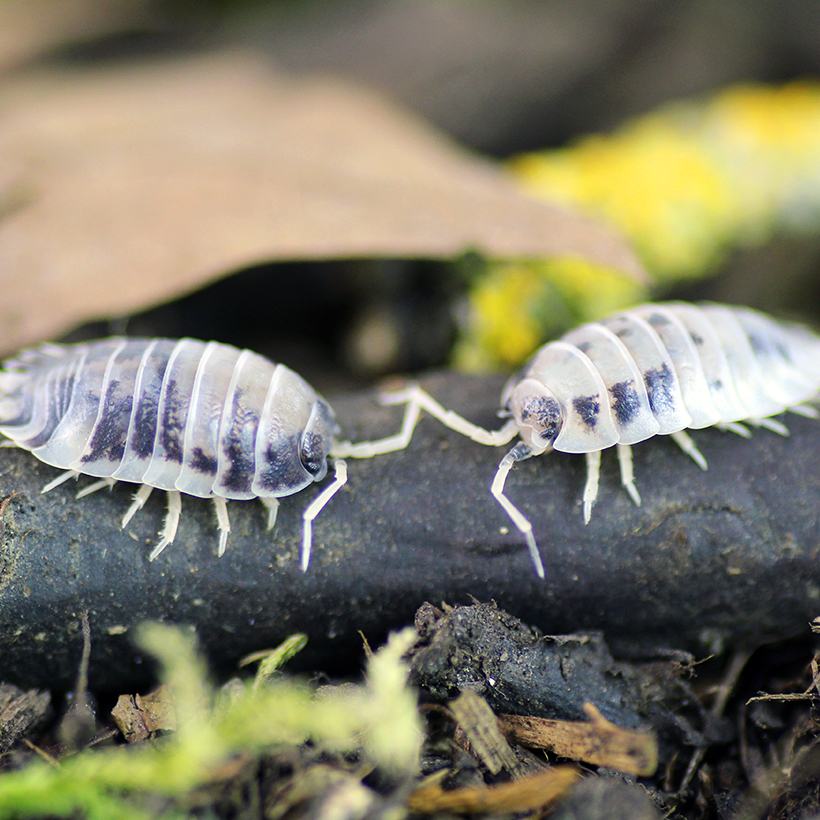
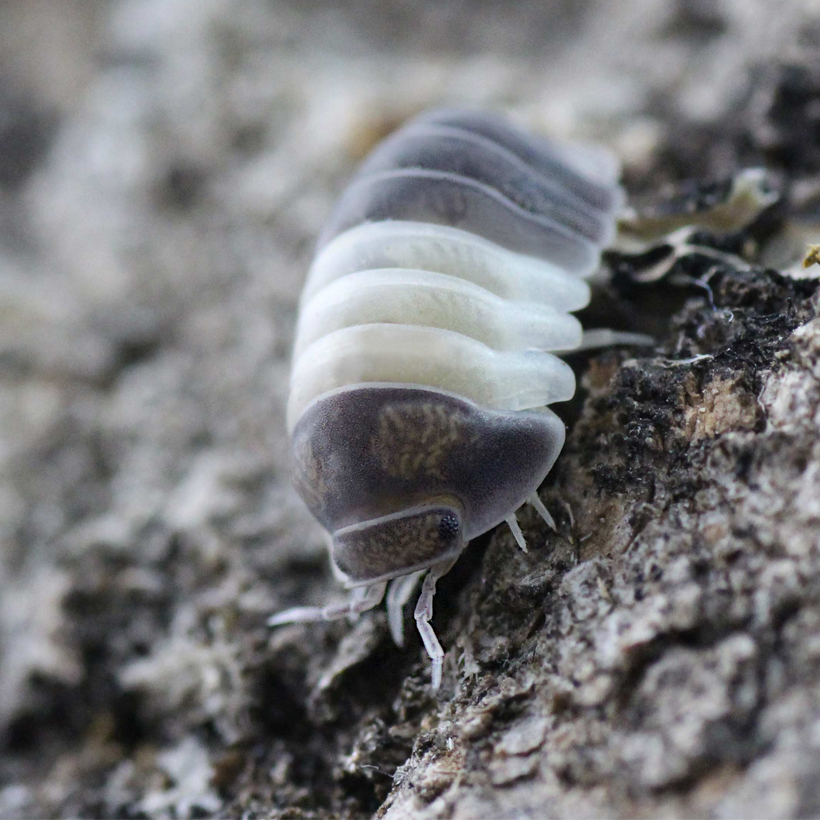
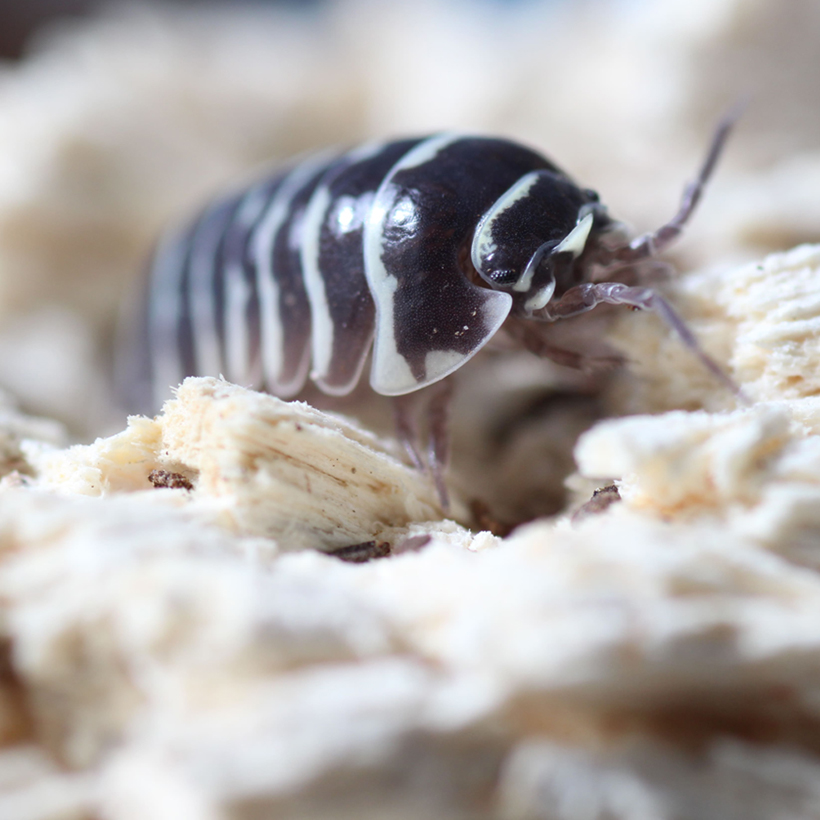
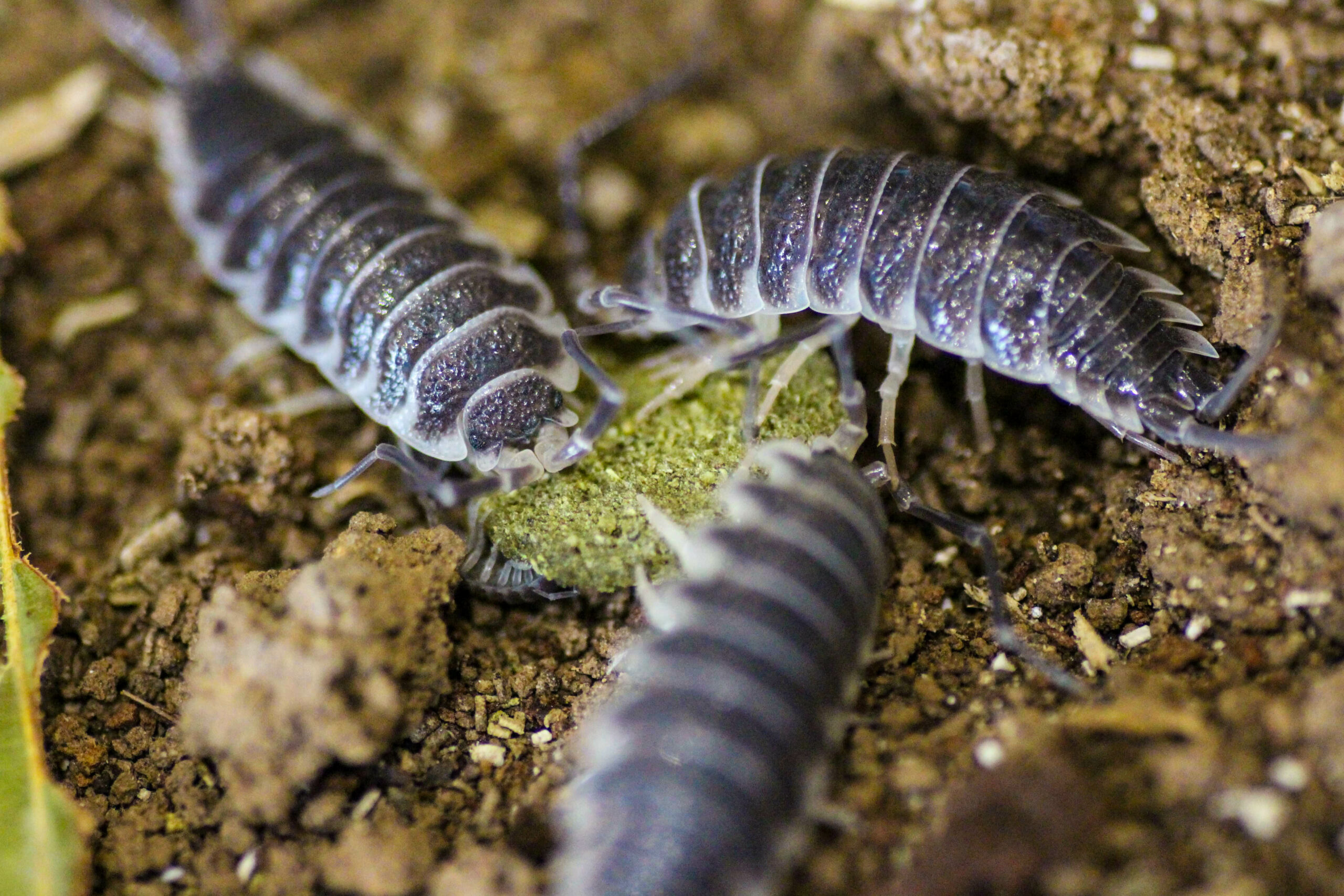
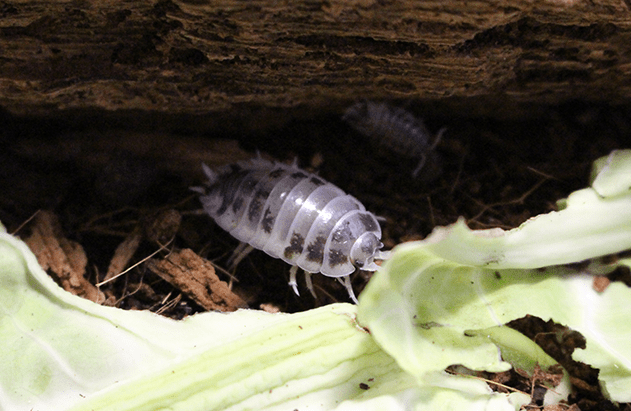
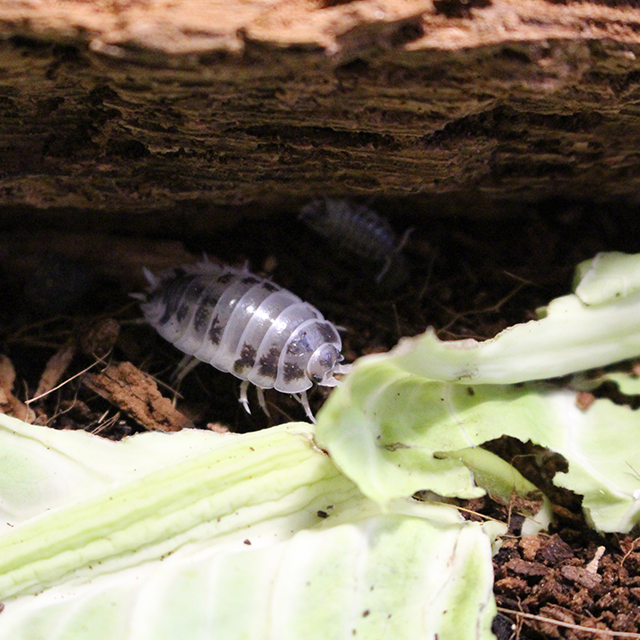
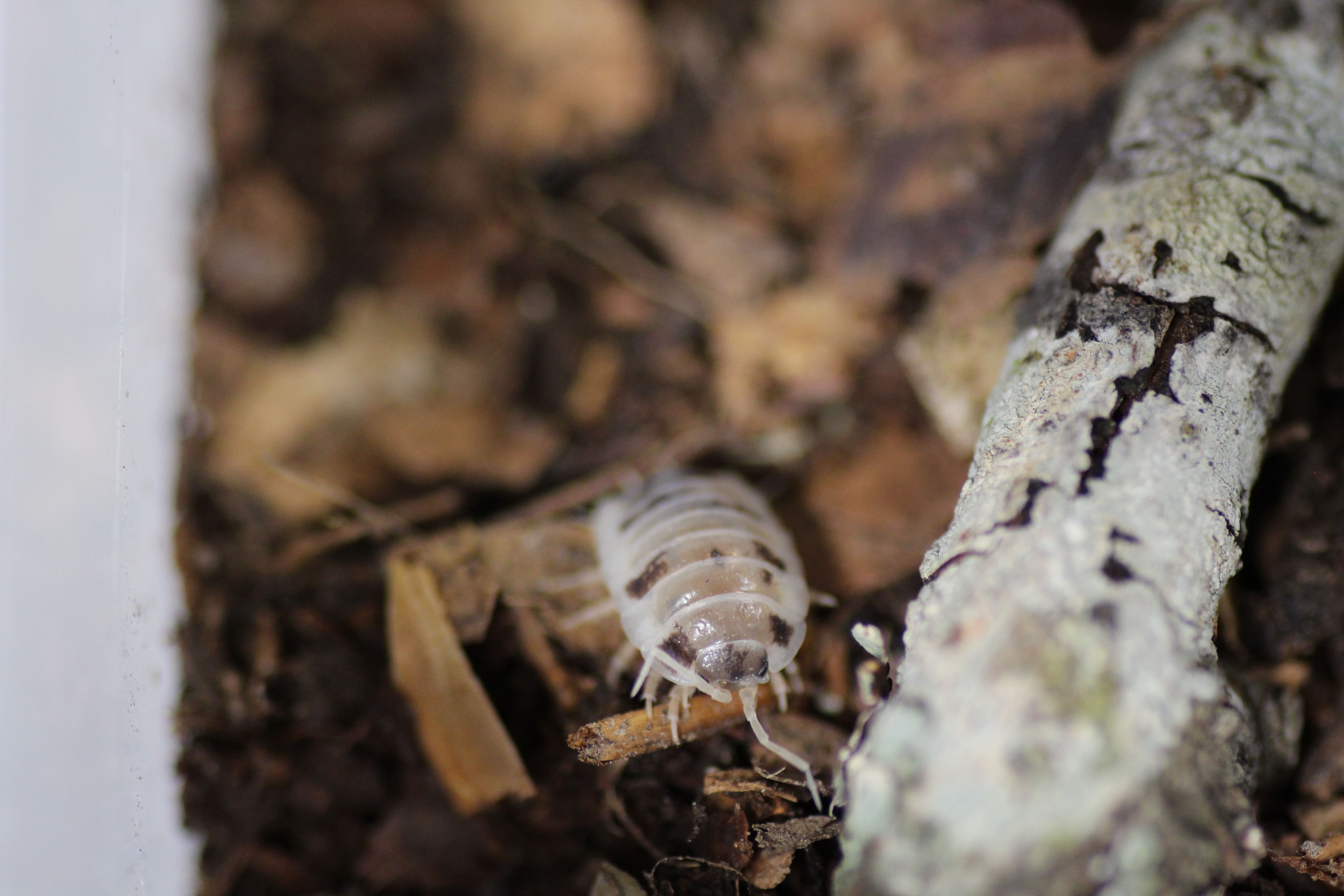
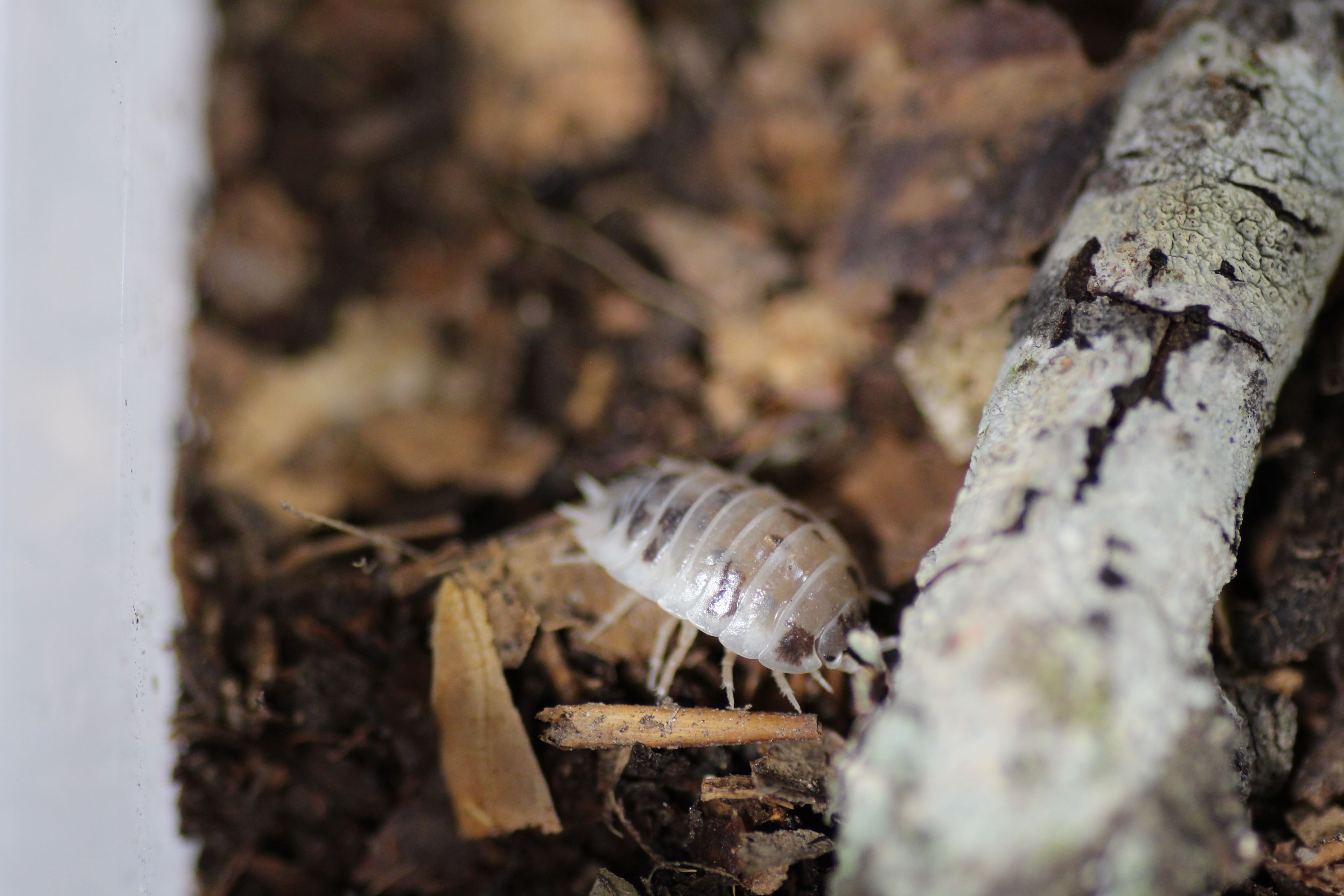
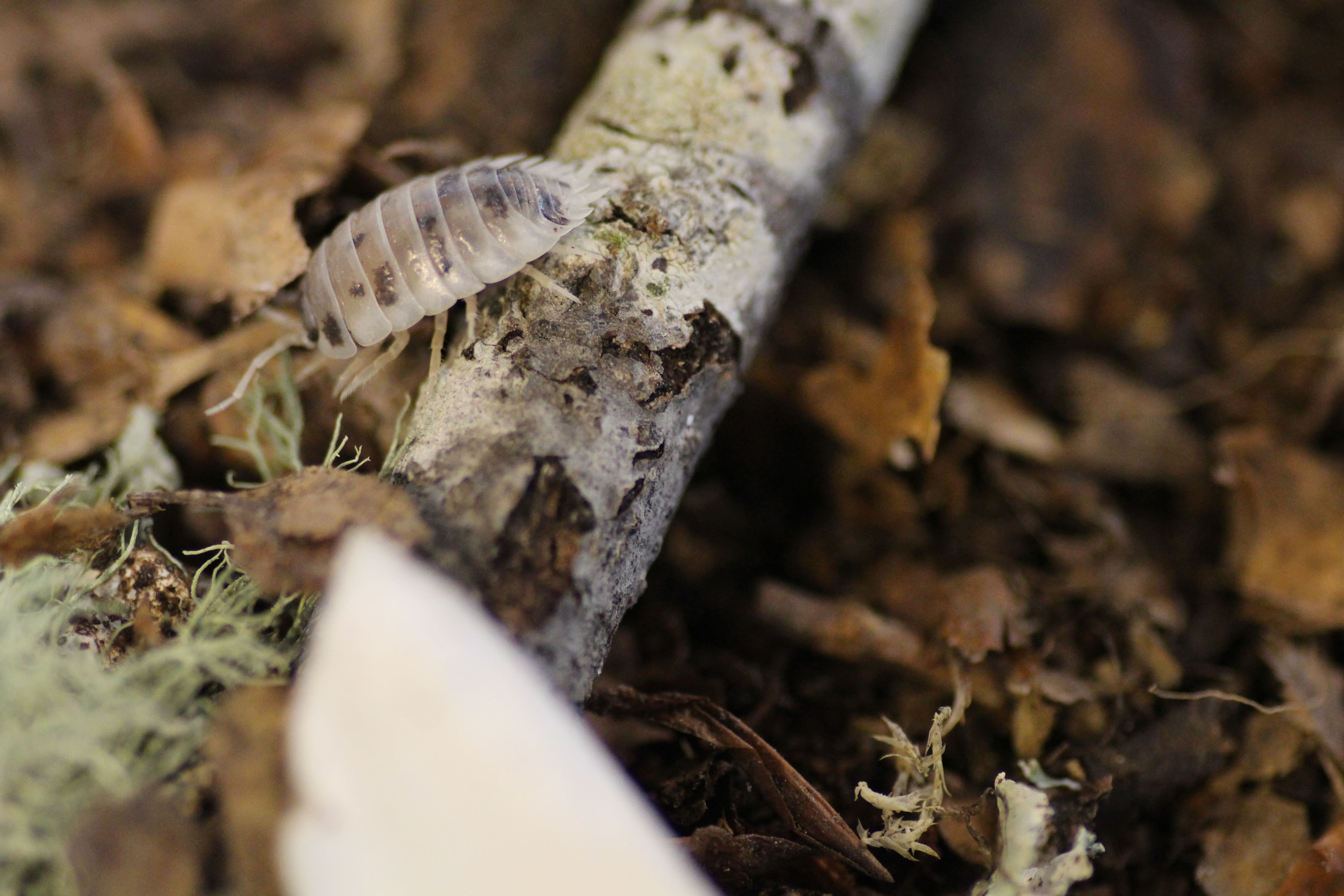
The Panda Isopod is a diurnal species and is therefore a perfect guest for anyone who would like to study the behavior of the animals. As a rule, they are always to be found and move lively through the Isopods tank. I feed them axolotl food every 2 weeks and it is always a spectacle when all the Isopods greedily pounce on it. Sometimes the Isopods even carry the sticks into their hiding place to nibble on them in peace.
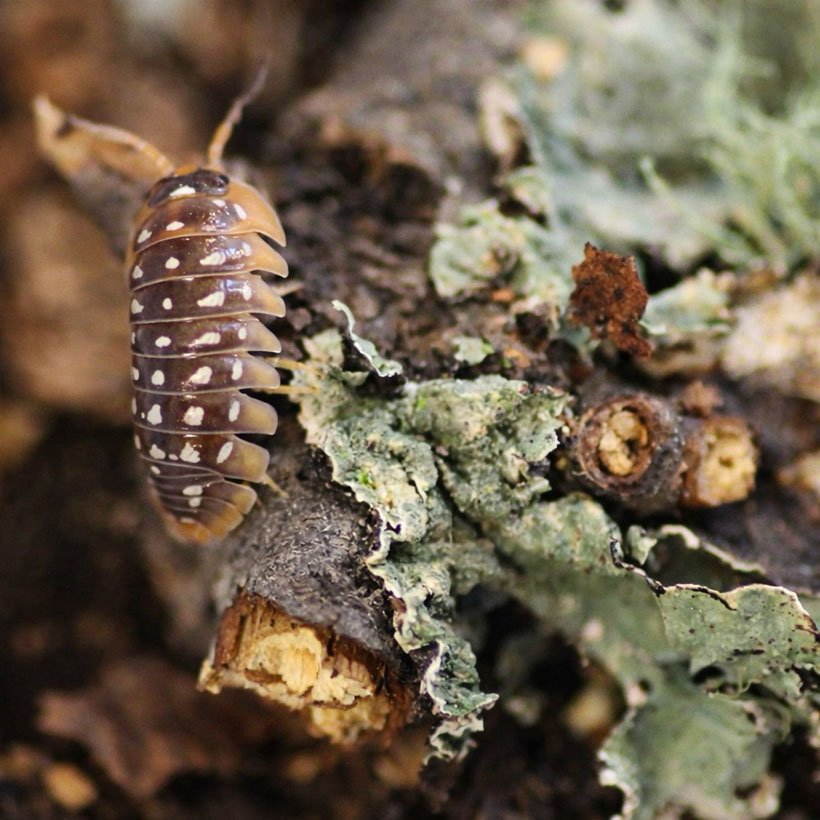
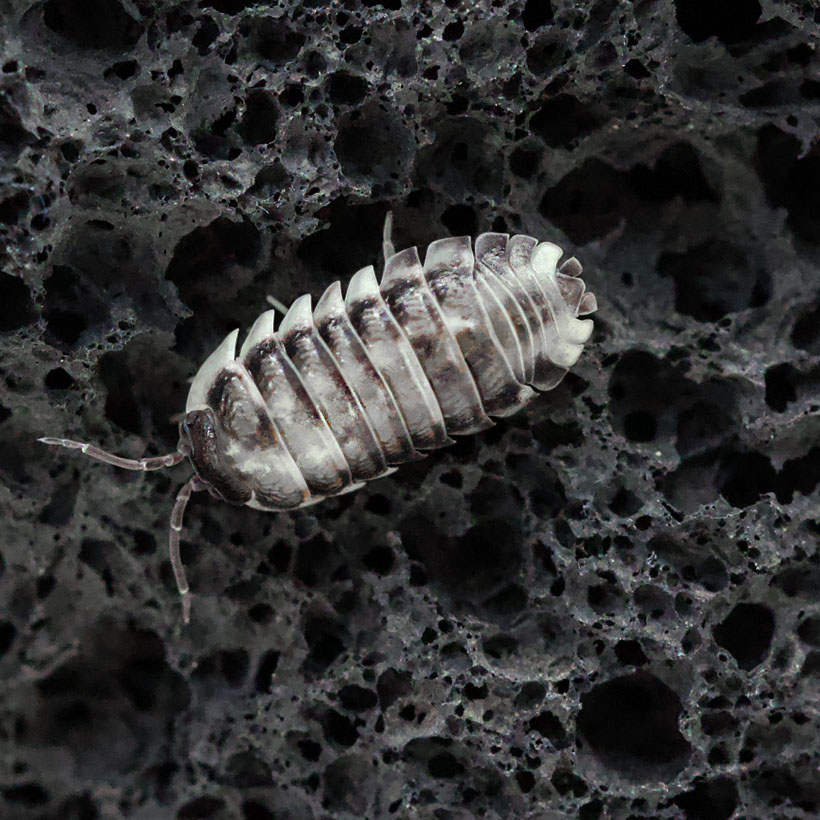
Dalmatian woodlice are not fazed by anything. As soon as there is a piece of sweet potato in the box, they pounce on it greedily and you can make some great observations. In this way, I look for different colors in the Isopods and sort out the ones that seem conspicuous to me. These can be, for example, animals with a conspicuously high proportion of white, or, which is also relatively common, those with a completely black base coloration.
Breeding:
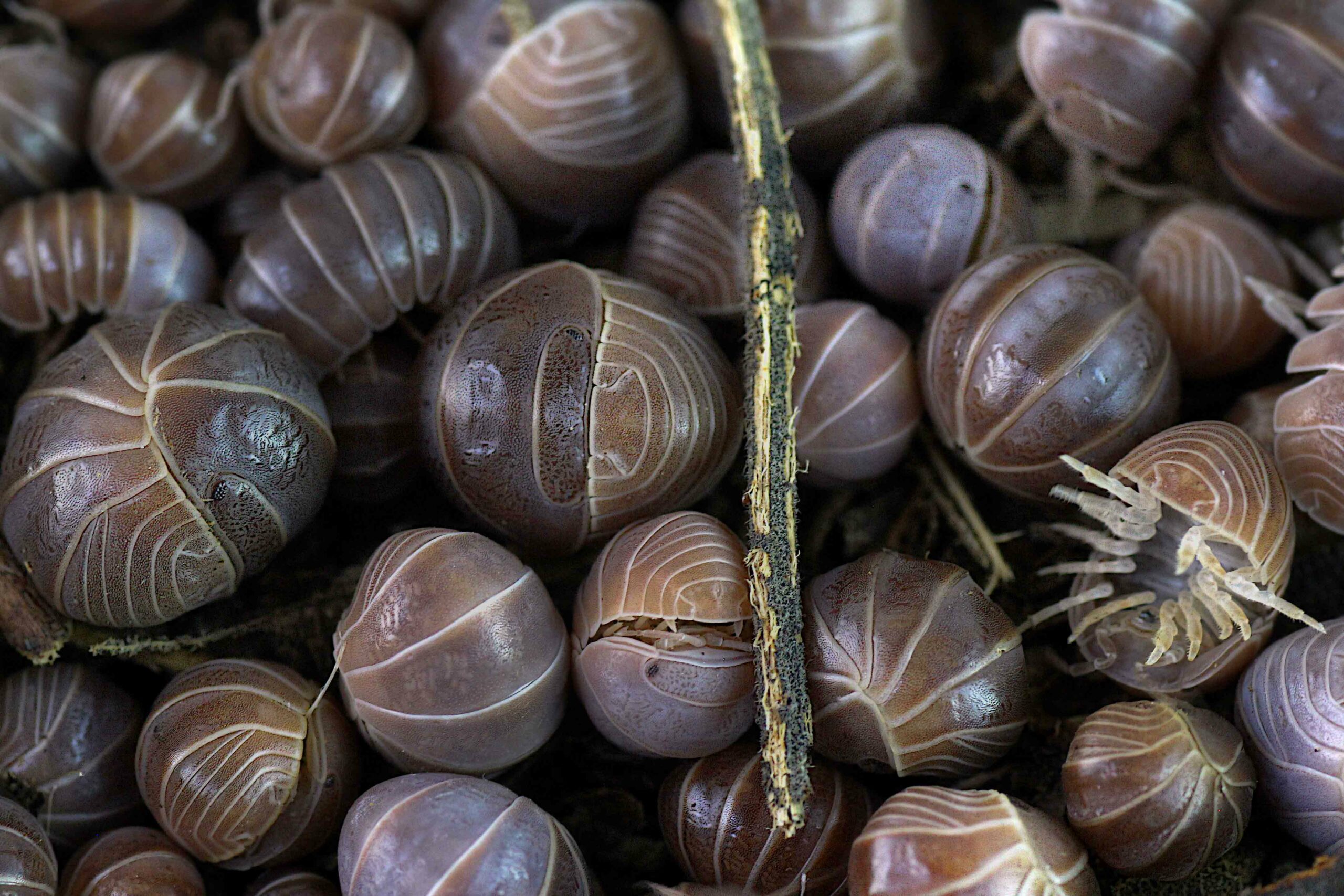
The Isopods do not have to be fully grown to have offspring. The Panda Isopod is a very prolific species and you will have your own offspring relatively quickly. The development time is approx. 7-8 months. It is therefore also suitable as a food animal and, what is even more interesting for me, for quick results in color breeding.
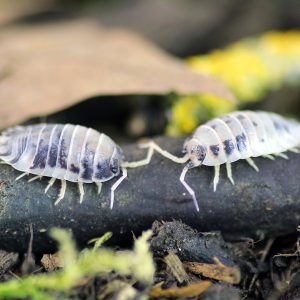
Porcellio laevis “Panda”
Porcellio laevis Panda – the popular black and white isopod morph Porcellio laevis “Panda” is a cultivated color morph of Porcellio laevis. This particular color morph is known under many…
In stock
Special Features:
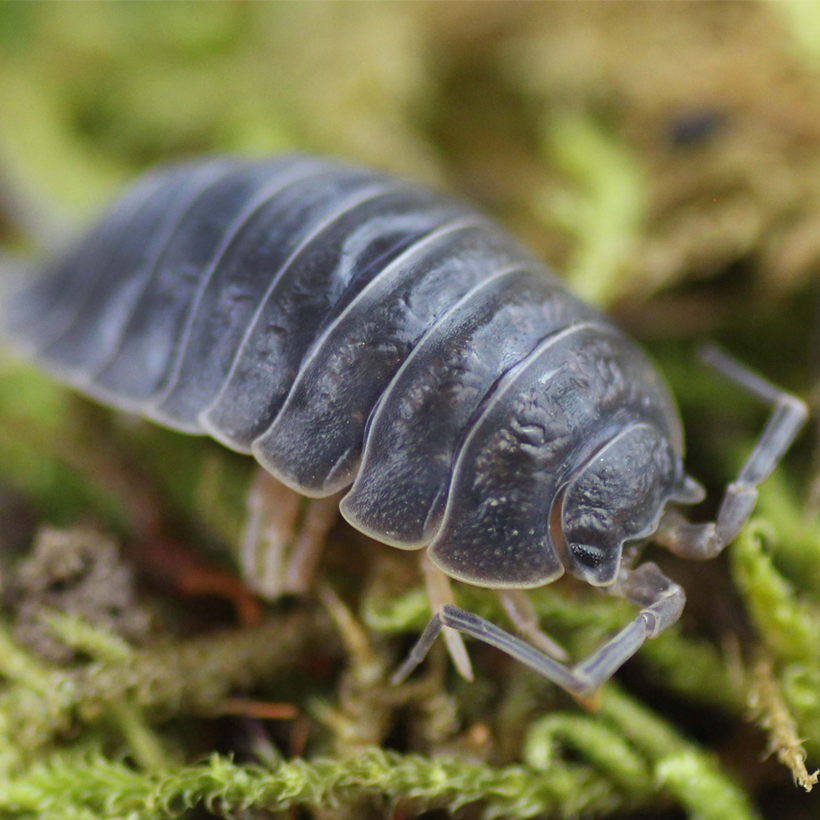
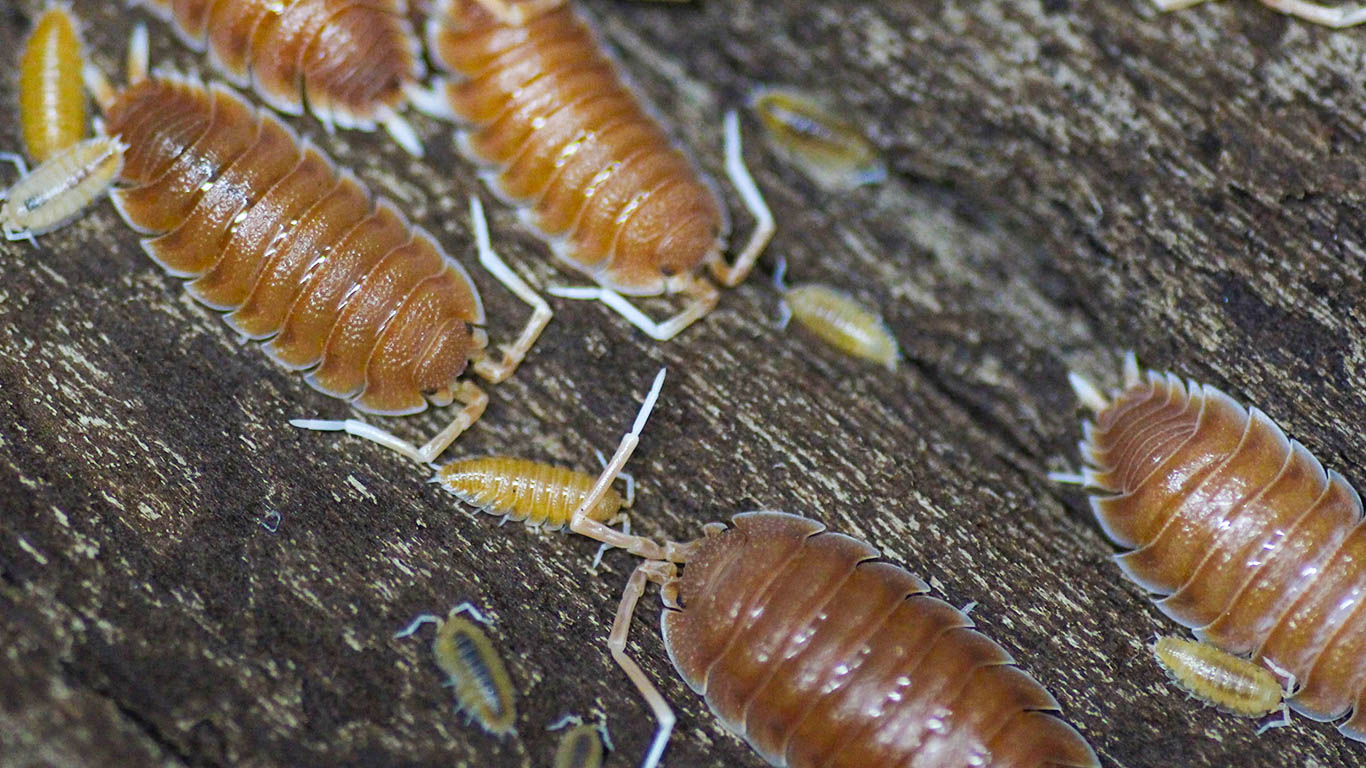
Porcellio laevis Panda has many names:
- Dalmatian woodlice
- Porcellio laevis “dalmatian”
- Porcellio laevis“dairy cow“
- Porcellio laevis “Dalmatian”
It is always the same species!
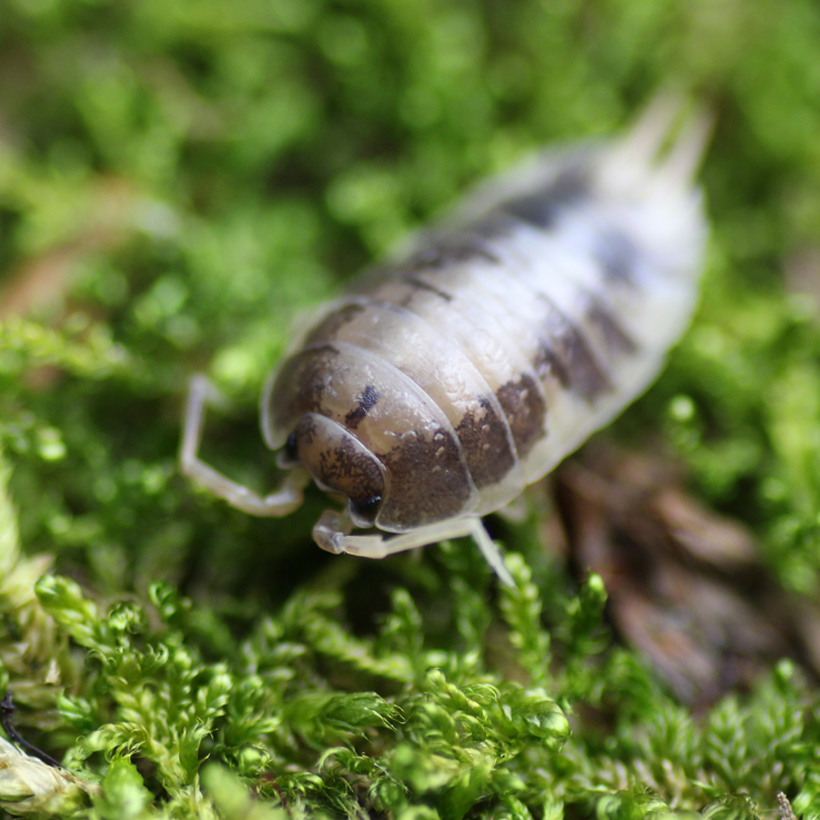
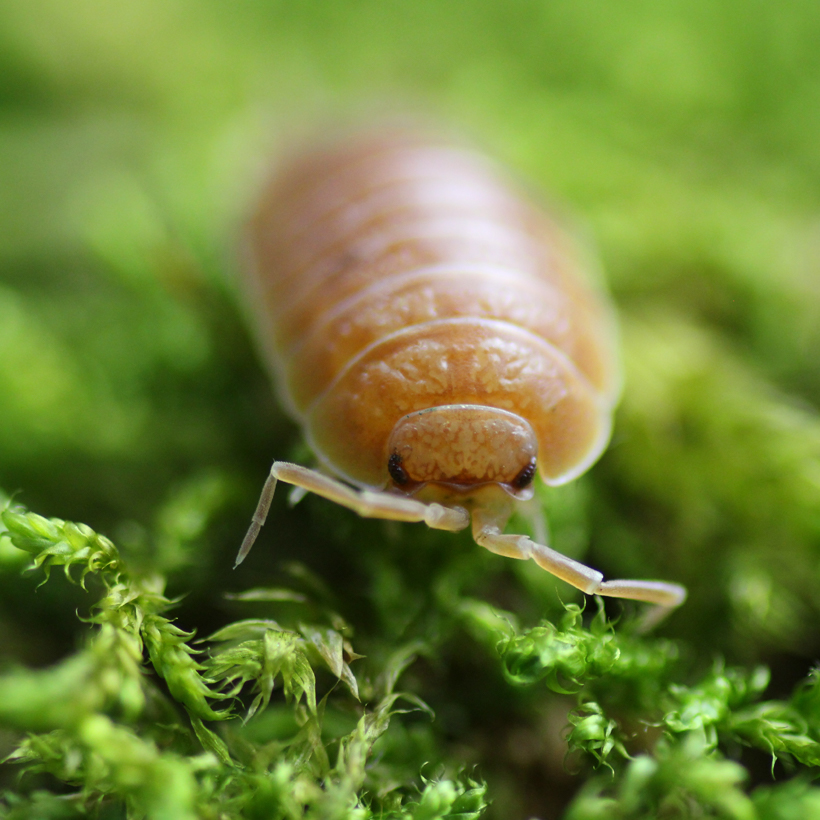
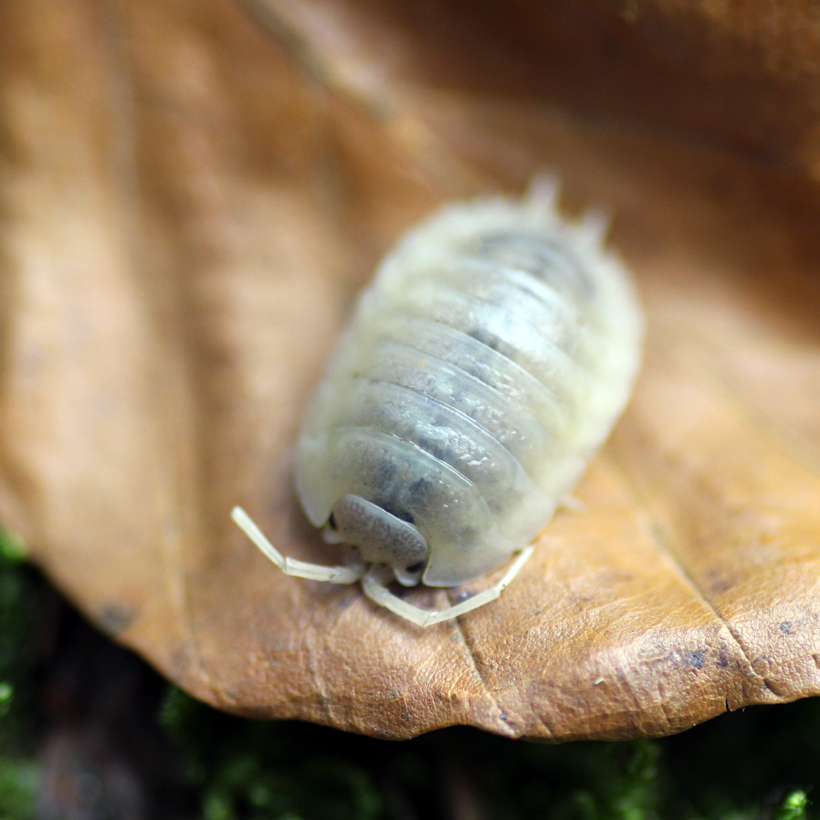
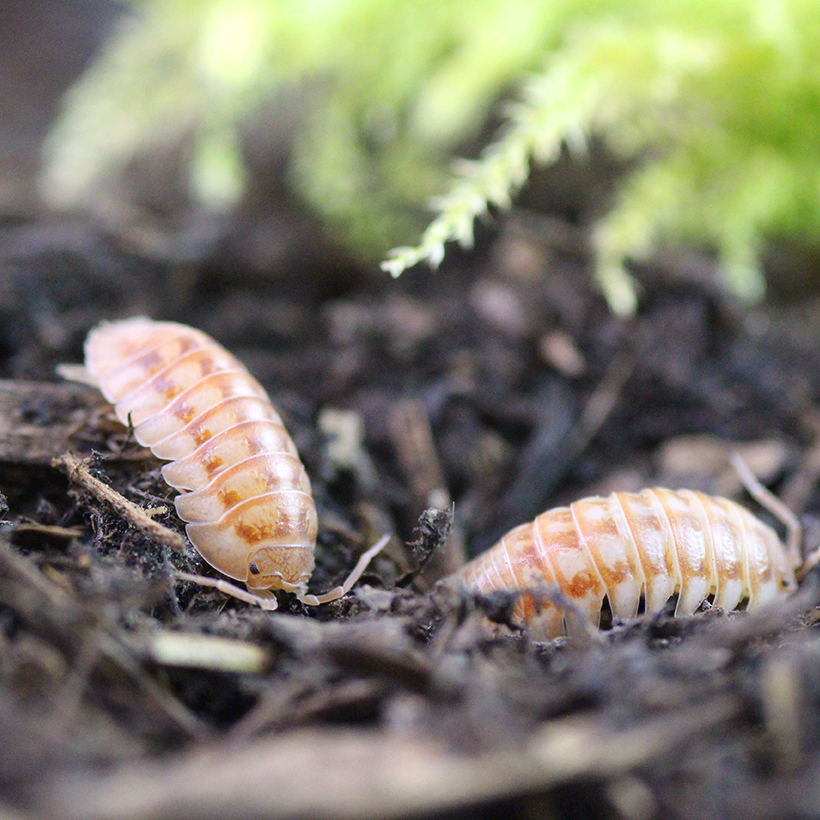
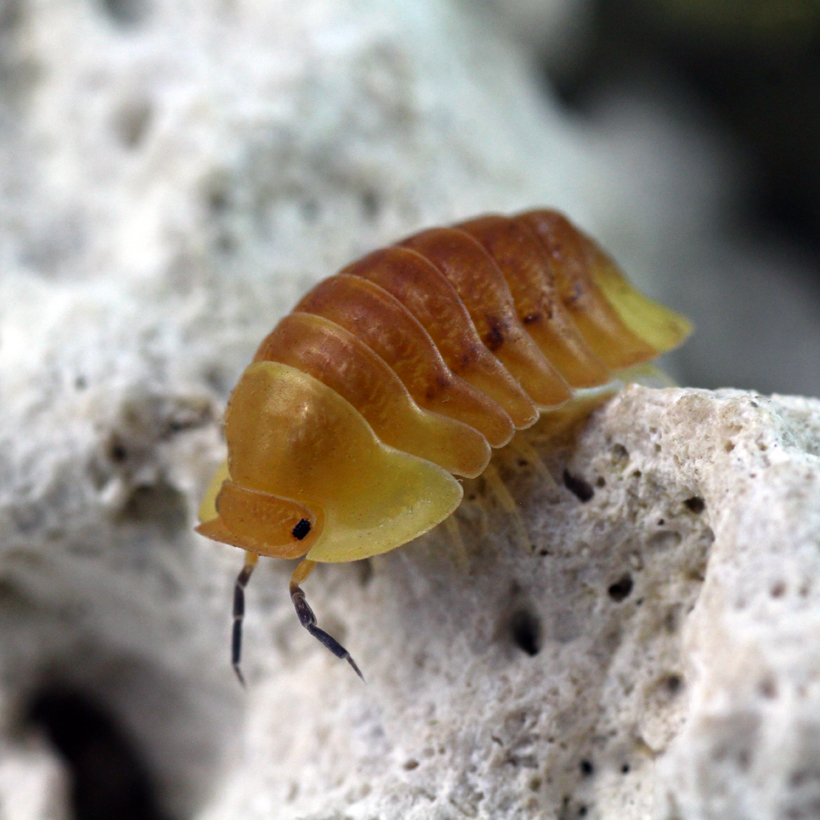
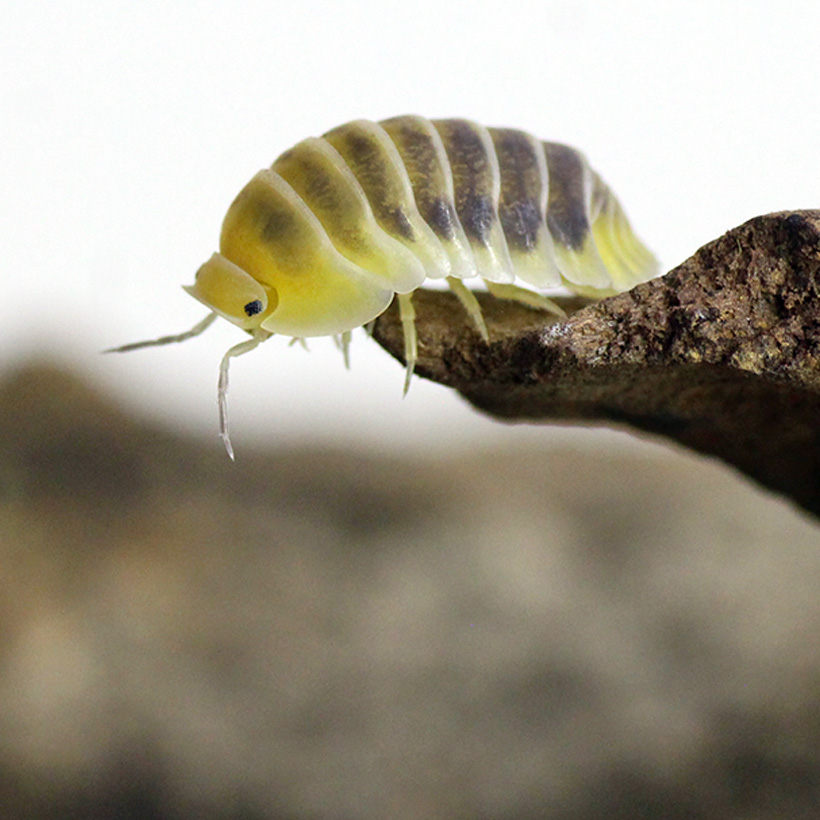
There are different color variants such as Porcellio laevis “super orange” or “white”, but all color morphs are perfect beginner animals due to their daytime activity and relatively undemanding keeping conditions and their stately size.
Tip: They can tolerate very high humidity, so they’re also suitable for humid terrariums, such as snail tanks.