Color experiment box
12,00 € incl. VAT, plus shipping
Sales Unit: 12 animals
Sales Unit: 12 animals

Simple

Cosmopolitan

< 23 mm

18°C – 26°C
Color Experiment Box – Discover the Diversity of Porcellio laevis
What happens when you keep different color variants of the same woodlouse species together and breed them over several generations? With our Color Experiment Kit, you can find out exactly that!
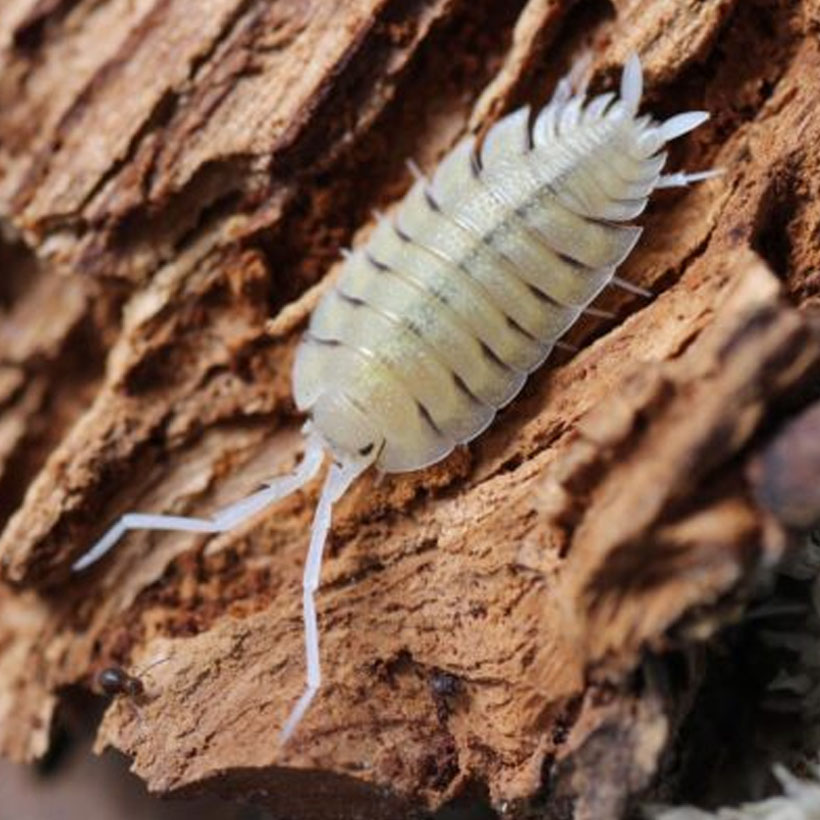
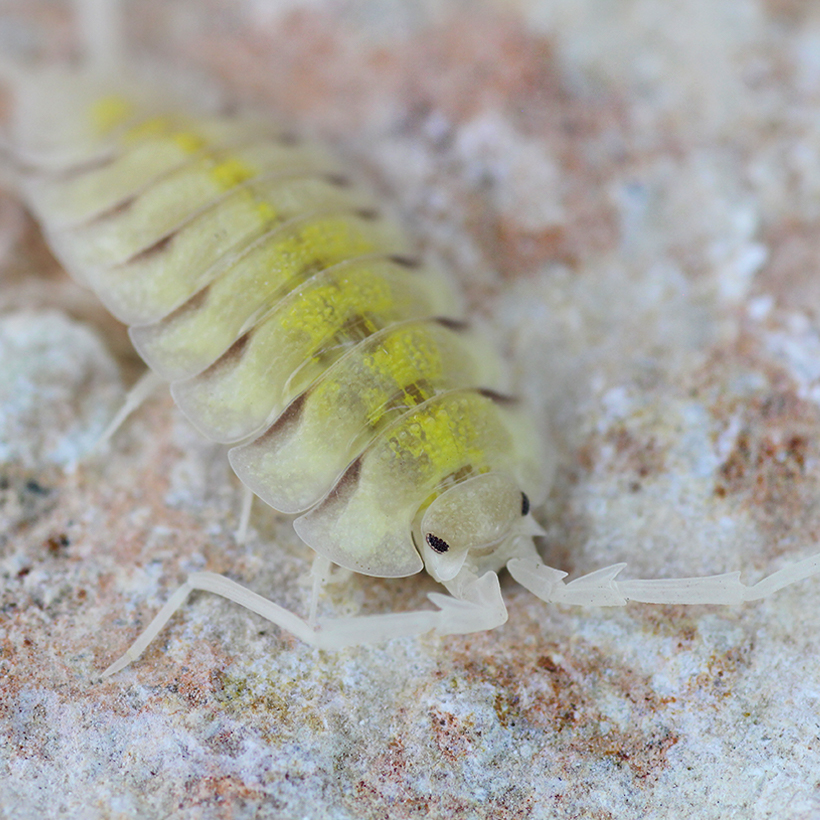
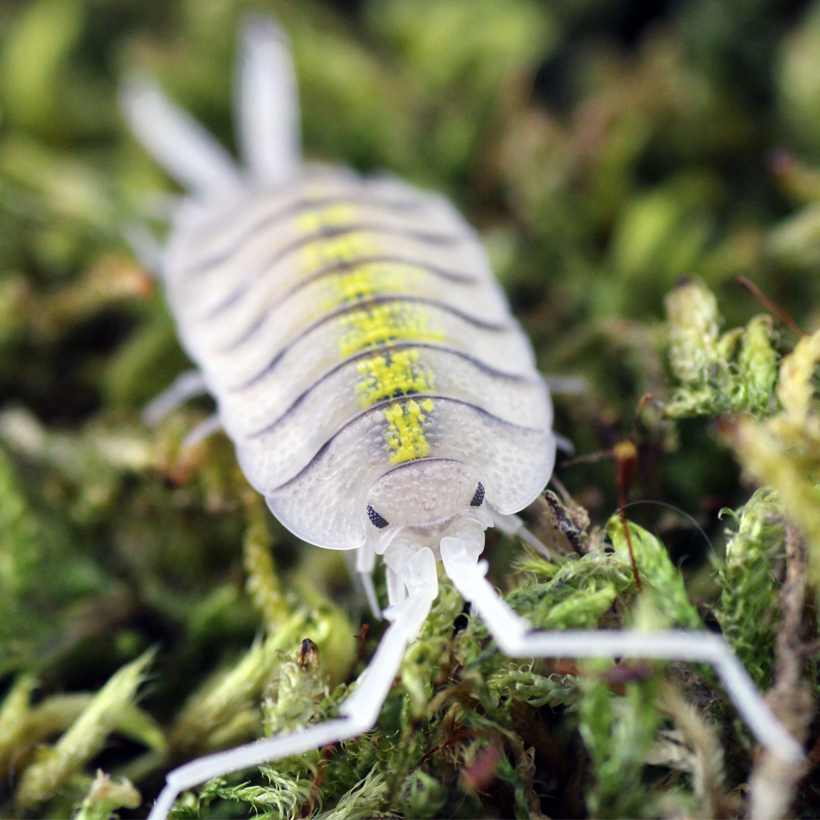
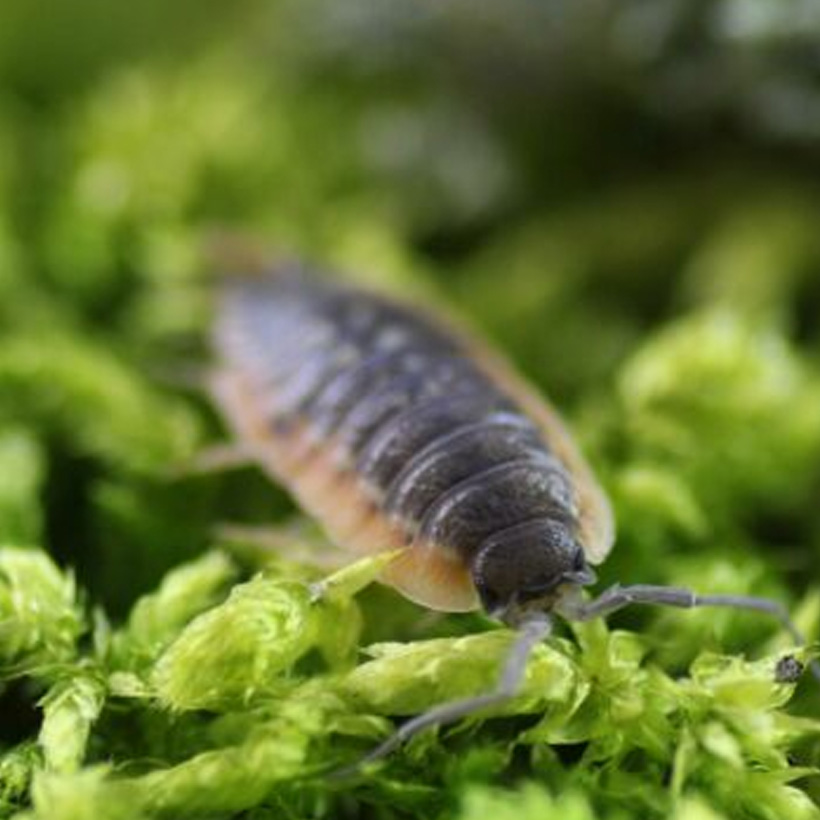
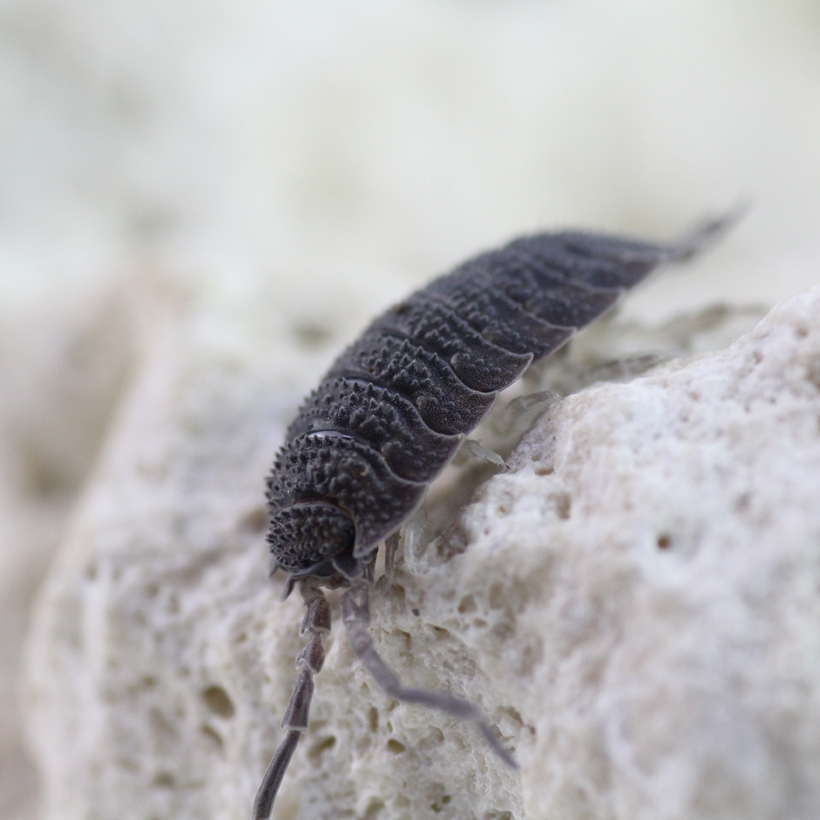
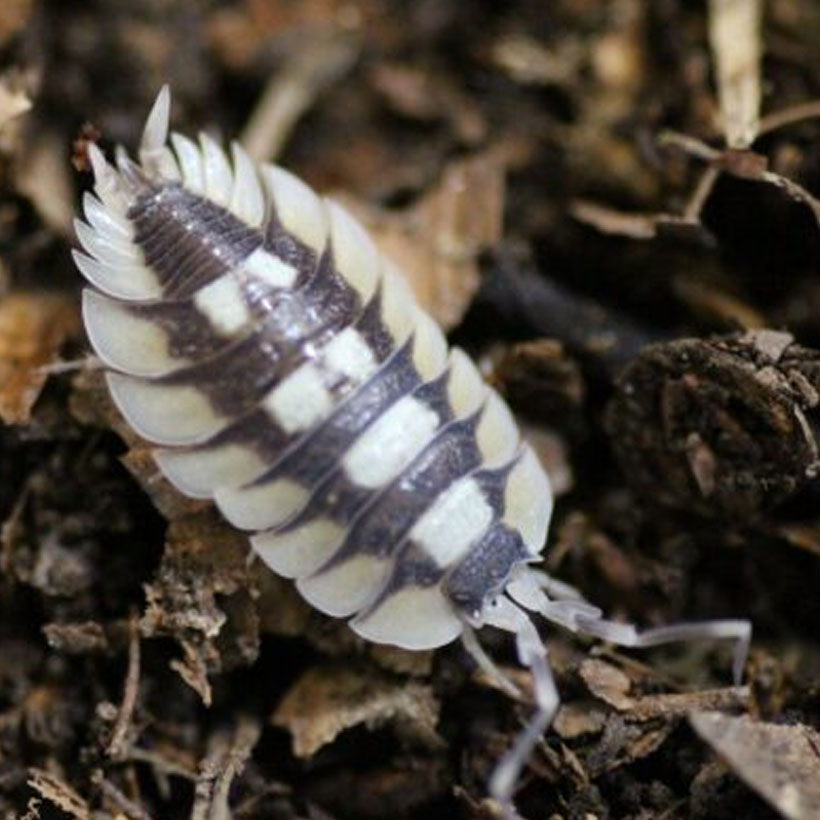
You’ll receive a varied assortment of Porcellio laevis, a hardy and prolific species of woodlouse. We’ll select animals from different color variations, without specifying a particular combination.
That makes every box a little surprise package. After all, you don’t know exactly beforehand which animals you’ll get and how your colony will develop later on.
Your Own Color Experiment with Isopods
The idea behind the Color Experiment Box is simple: You place the Porcellio laevis included in the box together in a terrarium and let the colony grow.
With a little patience, you can observe how the animals reproduce and what traits appear in their offspring.
Things get especially exciting when the first young animals begin to grow up. That’s because, in a mixed breeding program, different genetic traits can come together.
However, it is impossible to predict which color traits will appear in the offspring. Some traits may be preserved over several generations, while others may occur less frequently or disappear from the visible appearance.
That’s exactly what makes this experiment so fascinating: You get to watch your woodlouse colony develop right before your eyes.
What’s inside the Color Experiment Box?
You will receive 12 live Porcellio laevis from a mixed population of various color variations.
We put the boxes together, and the contents may vary from box to box.
We deliberately do not specify any particular color variations or fixed mixing ratios. This ensures that each box is unique, allowing you to start your own breeding project.
All the animals included belong to the species Porcellio laevis.
Porcellio laevis – perfect for your breeding project
Porcellio laevis is one of the easier woodlouse species to keep in terrariums. These animals are active, will eat a variety of organic foods, and reproduce well under suitable conditions.
That is why this species is also suitable for beginners who want to try their hand at breeding woodlice for the first time.
To thrive, these animals need nutrient-rich substrate, plenty of hiding places, and a constant source of moisture.
You should keep part of the substrate moist, while allowing other areas to remain slightly drier. This way, the Isopods can choose between different conditions on their own.
Here’s how to start your color experiment
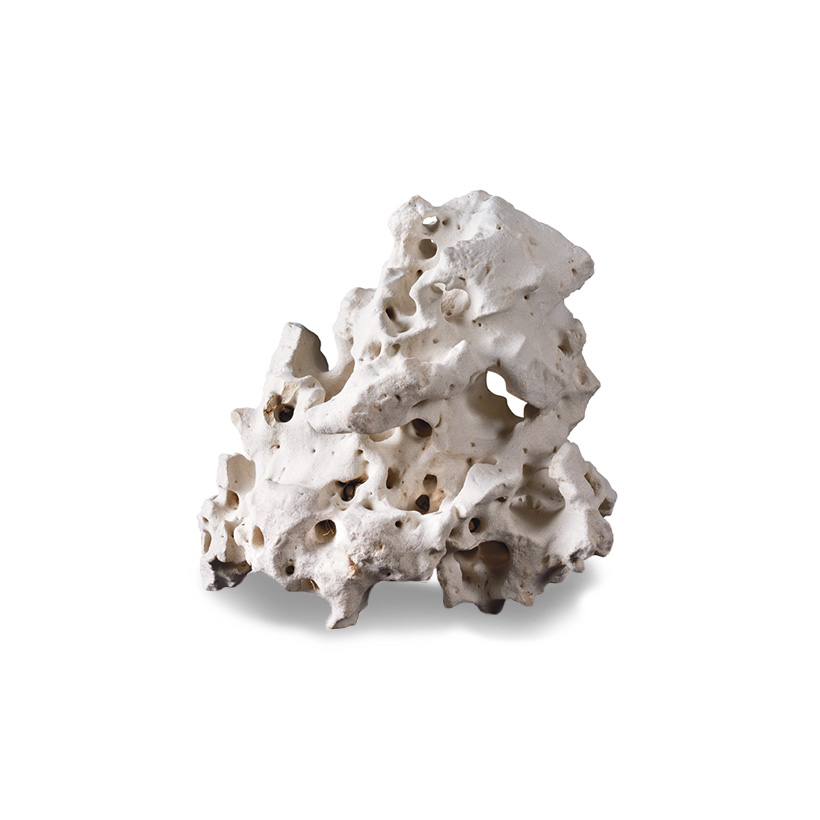
First, set up a terrarium or a suitable breeding box with forest humus, food leaves, and white-rotted wood. Then add cork or other hiding places.
Once the tank is set up, you can add your Porcellio laevis.
Feed the animals regularly and provide them with a suitable source of calcium. Also, make sure the moist area doesn’t dry out completely.
Now comes the most exciting part: Observe your colony over the course of several months.
For example, you can document which traits appear in the young animals and how their frequency changes over time.
Our tip: Take photos of your colony regularly. This will allow you to compare its development over several generations and spot changes more easily.
Advantages at a glance
- A varied mix of Porcellio laevis
- 12 live Isopods per box
- Different color variations without a set combination
- An Exciting Breeding Project for Beginners and Experienced Woodlouse Keepers
- A hardy and prolific species of woodlouse
- Interesting observations spanning several generations
- Each box is customized individually
Frequently Asked Questions About the Color Experiment Box
What color options are included?
You will receive a mix of different Porcellio laevis. The exact composition varies and is not determined by specific color variations.
How many Isopods will I get?
A Color Experiment Box contains 12 live Porcellio laevis.
Do new color variations emerge during breeding?
There’s no guarantee. The traits that the offspring exhibit depend on the genetic makeup of their parents. That’s why this experiment is particularly interesting if you observe the development over several generations.
Is the Color Experiment Box suitable for beginners?
Yes. Porcellio laevis is a relatively easy-to-care-for species of woodlouse when kept under suitable conditions.
Can I keep the animals together permanently?
Yes. The Porcellio laevis in the package can form a colony together and reproduce.
Accessories to Go with Your Color Experiment Box
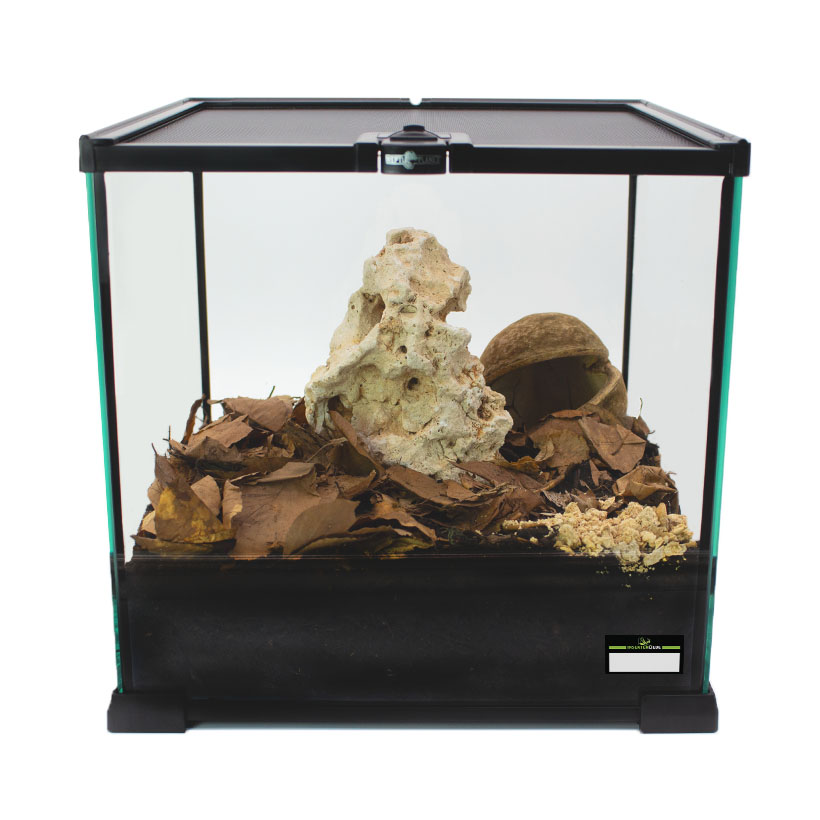
Isopod Terrarium Complete Set – provides you with a practical foundation for keeping your Porcellio laevis in a properly set-up terrarium.
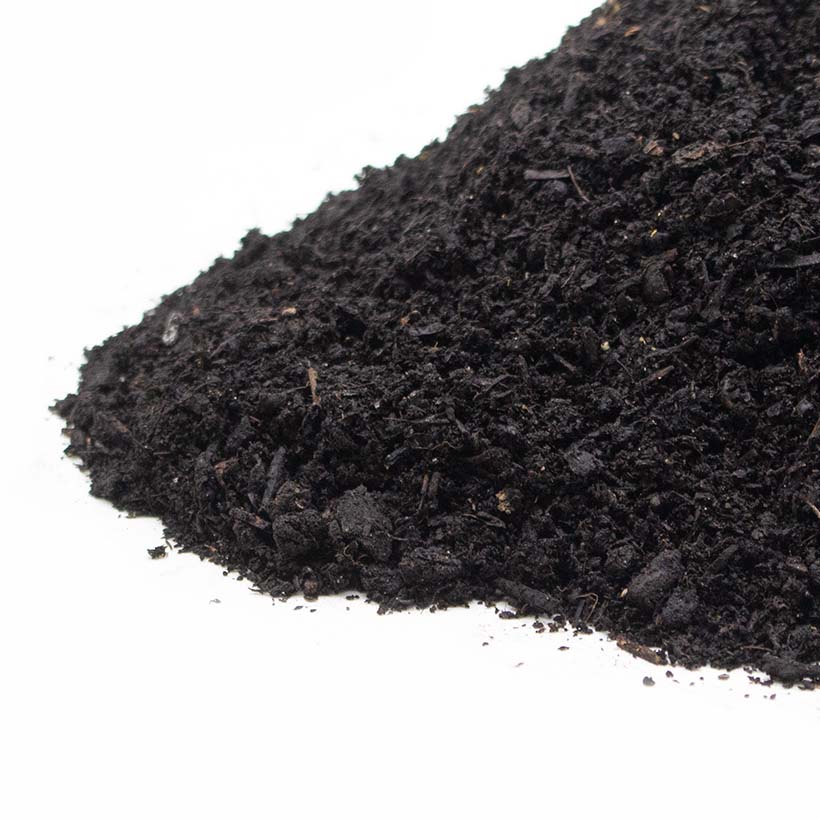
Forest humus —creates a natural, burrowable substrate and promotes a suitable soil environment.
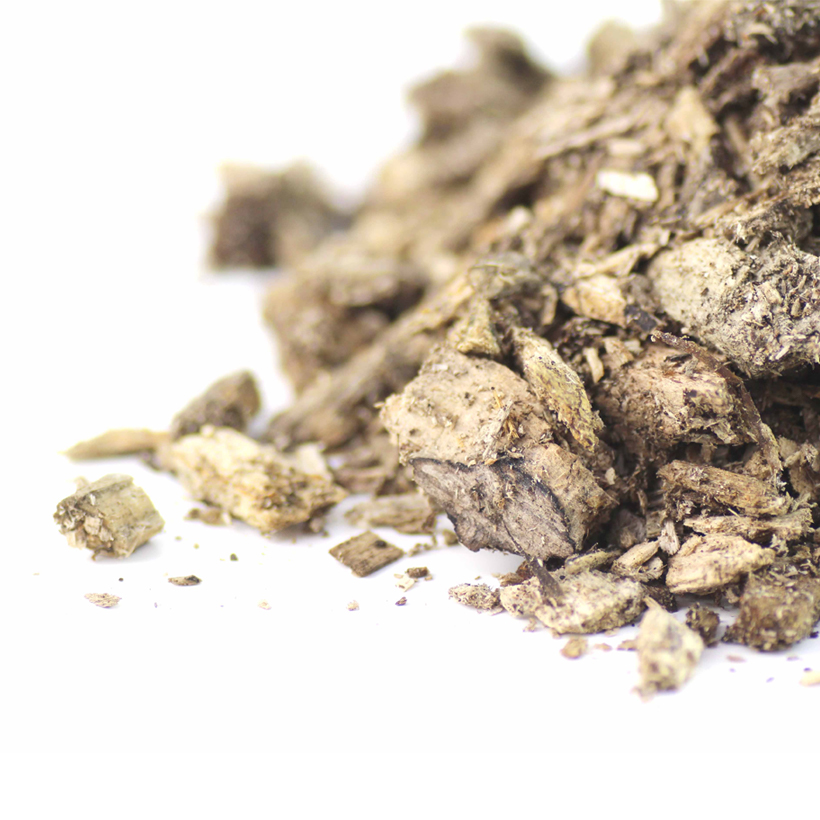
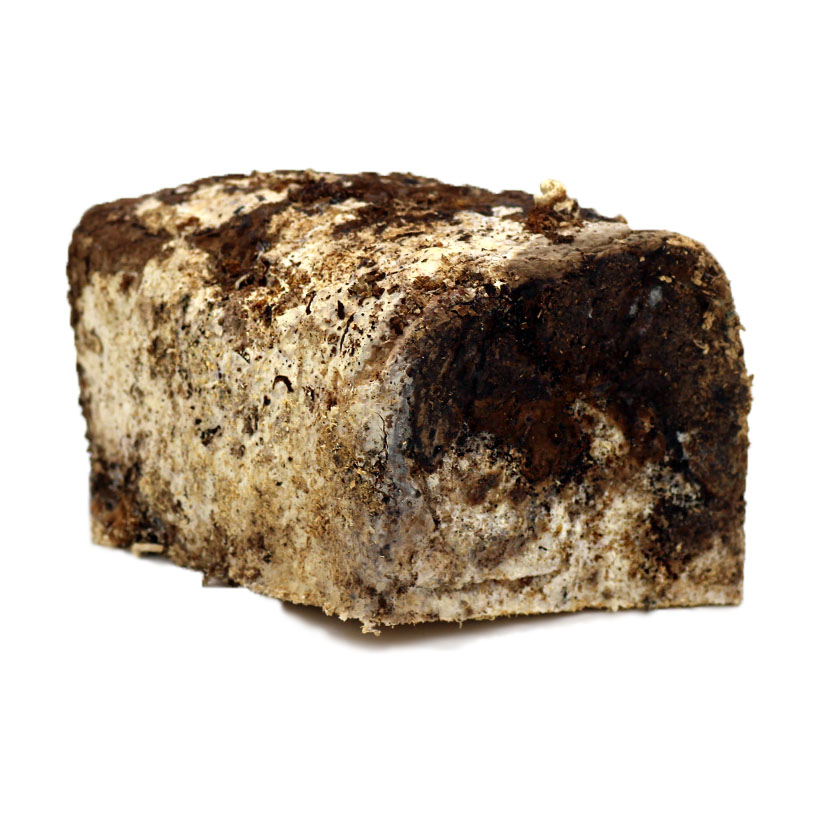
White-rotten wood —serves as a natural food source and provides Isopods with additional structure in the substrate.
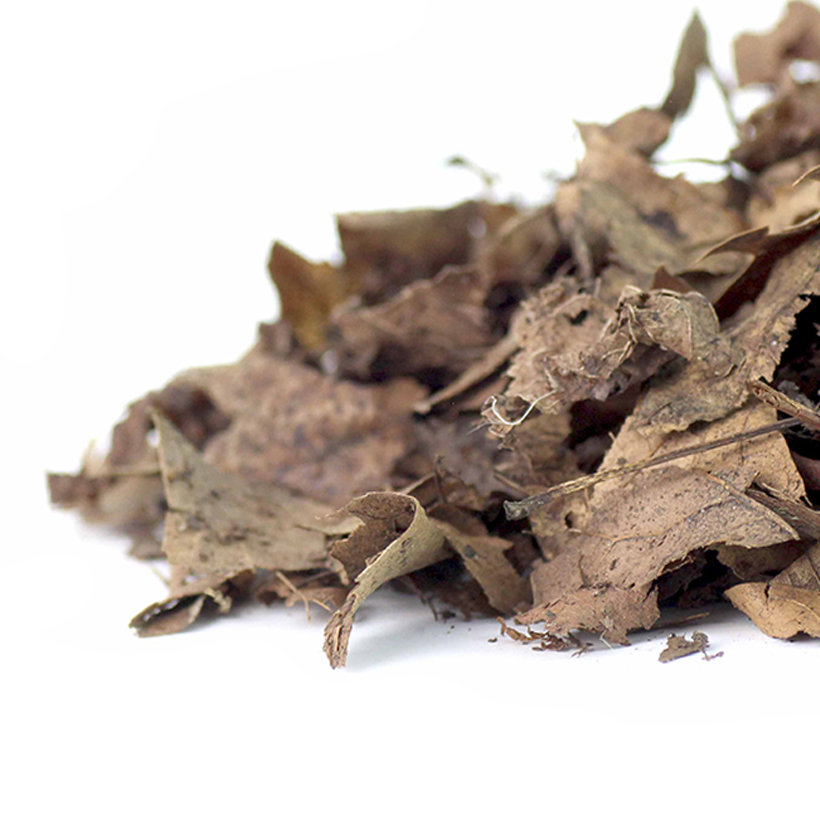
Leaves for food —these are part of the basic care for your woodlouse colony and are gradually broken down by the animals.
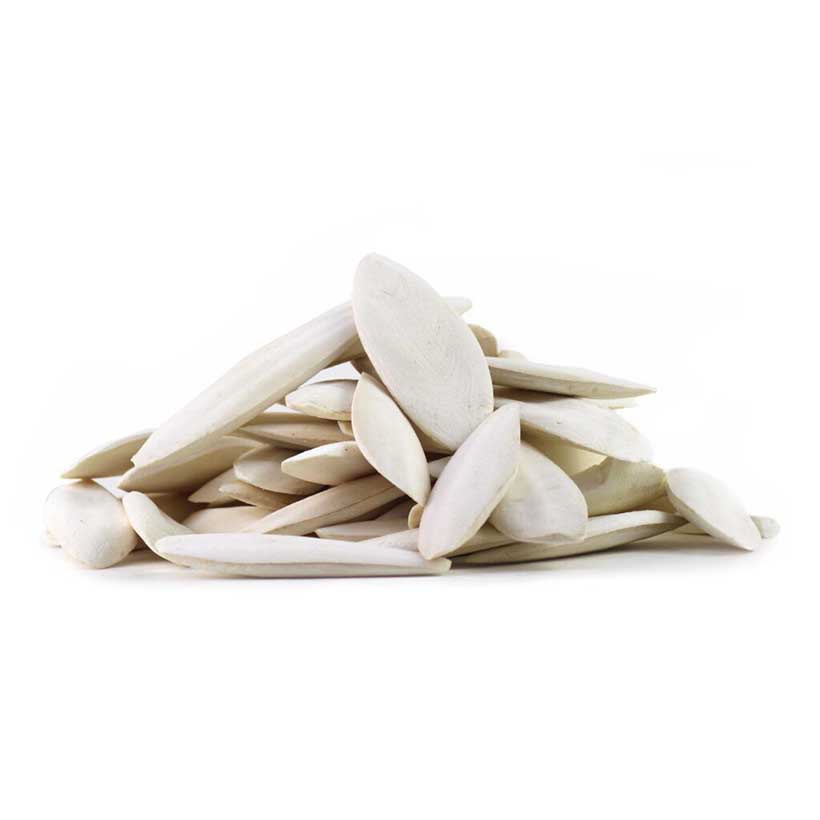
Cuttlefish shells —provide calcium, which your Isopods need, among other things, to build their shells.
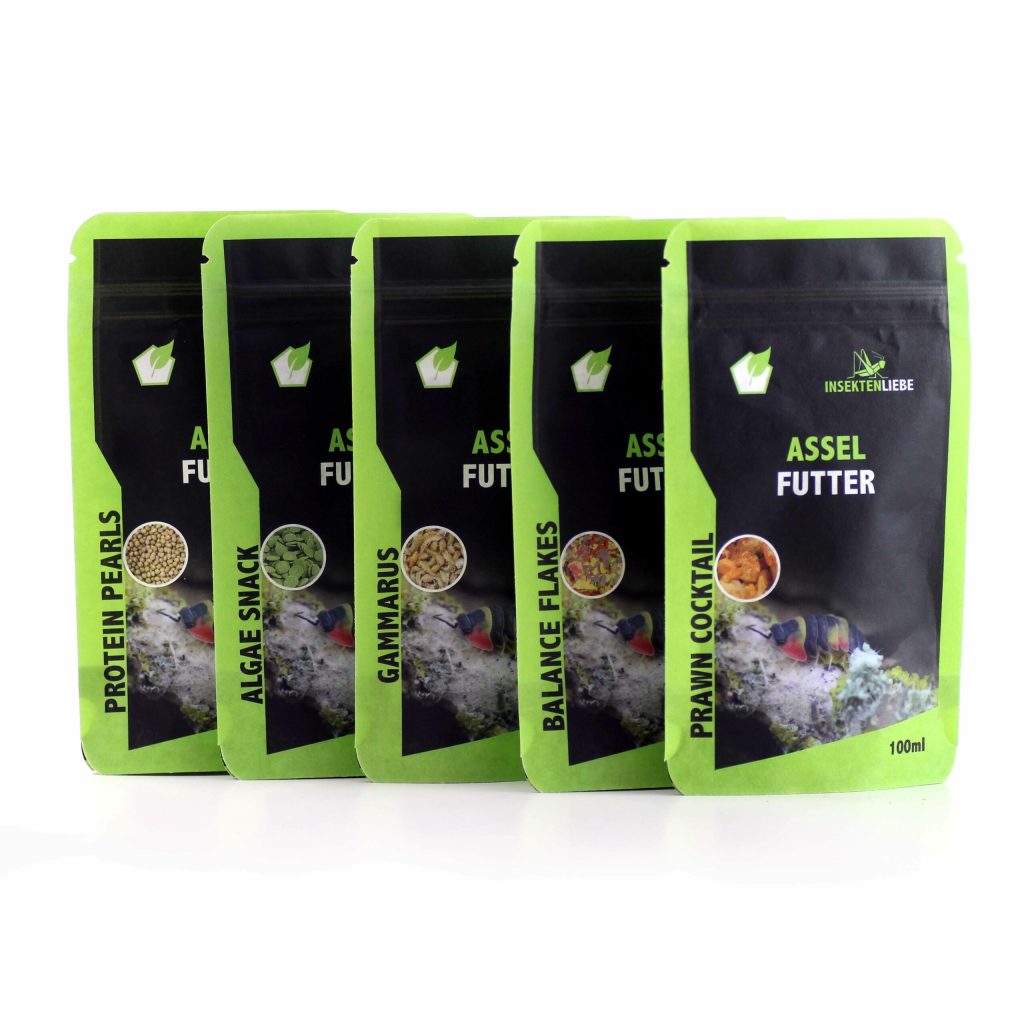
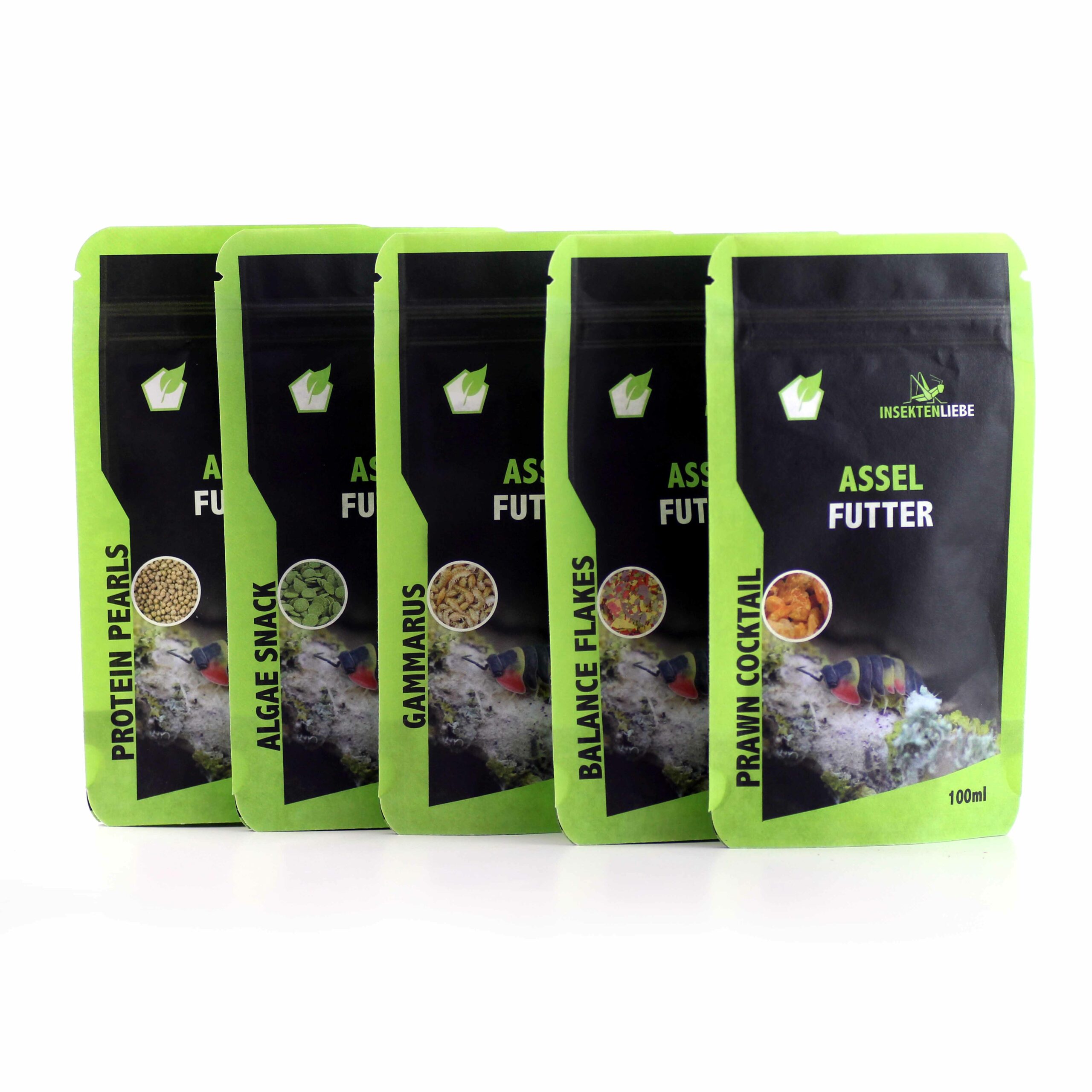
Isopod Food – supplements the natural diet of your Porcellio laevis with additional nutrients.
A small box full of possibilities
With the Color Experiment Box, you’re not just bringing home a group of Isopods. You’re starting your own observation and breeding project, whose development you can track over many generations.
What traits will be evident in your offspring? Which ones will remain the same, and which ones will change?
Find out for yourself and start your own color experiment with Porcellio laevis!