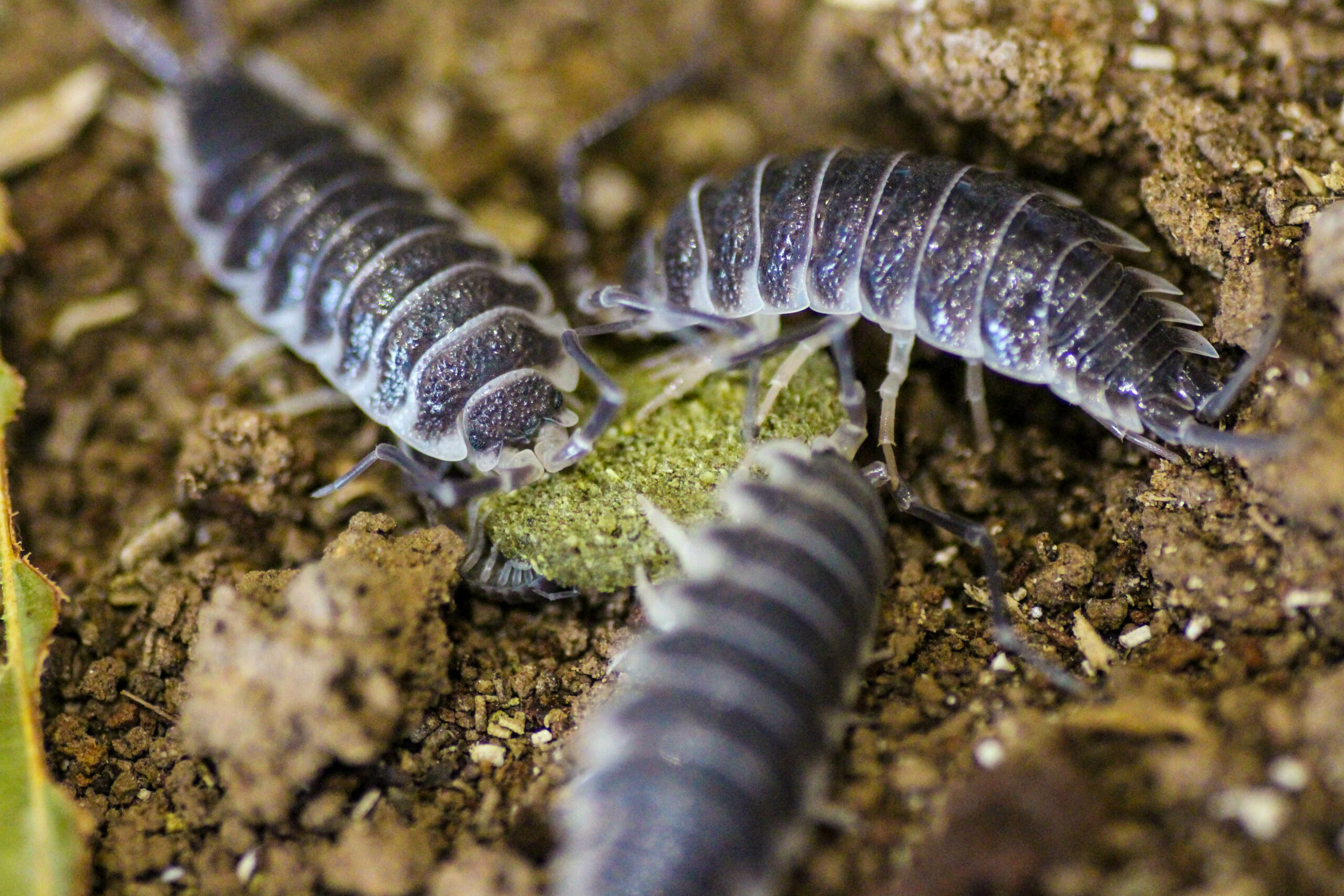


Worm food starts with the substrate: leaves and white-rotten wood should always be in the bin. Add vegetables and supplemental food in small portions. Here’s how to care for your Isopods without constantly overfeeding them.
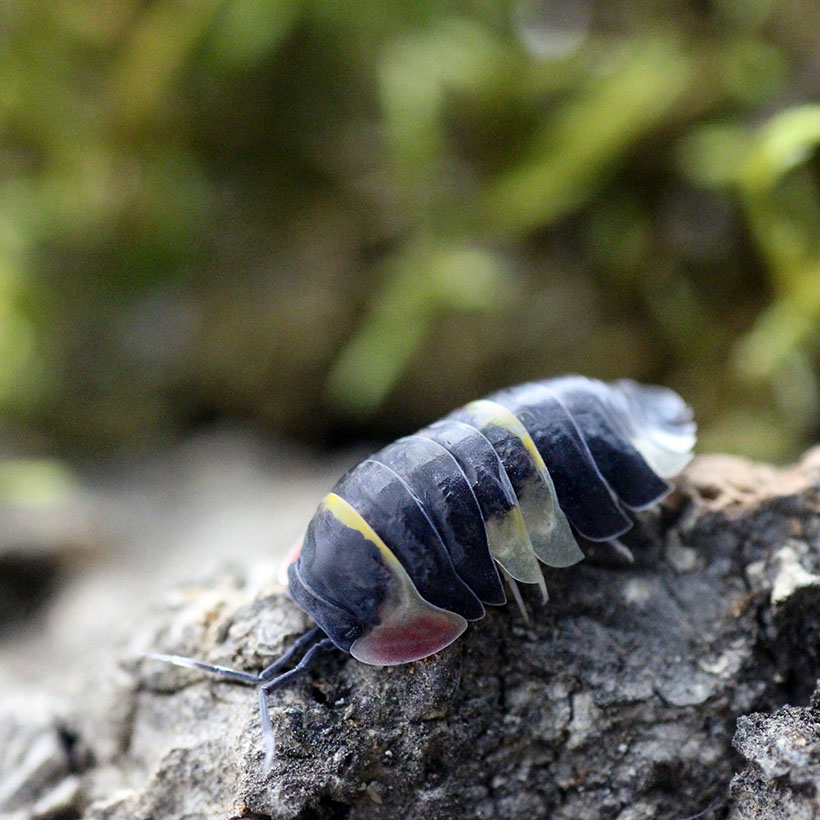
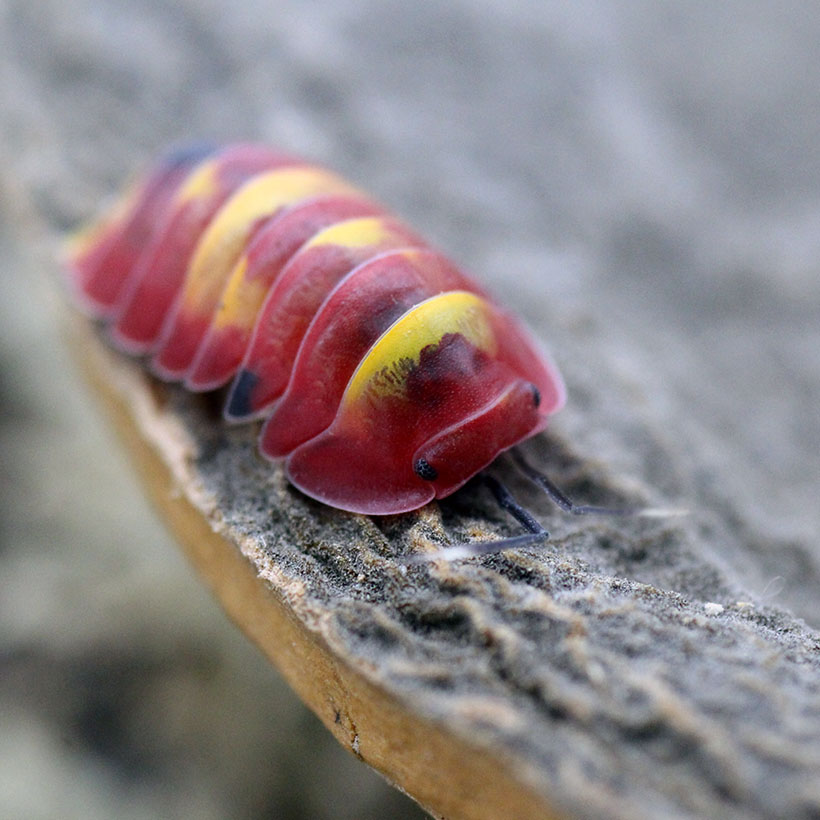
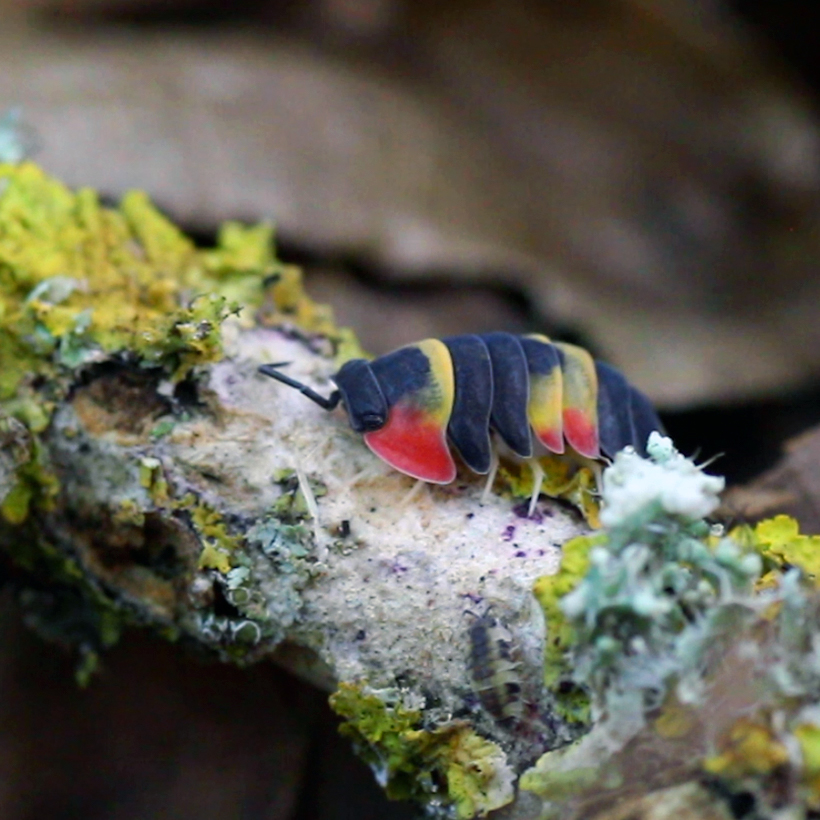
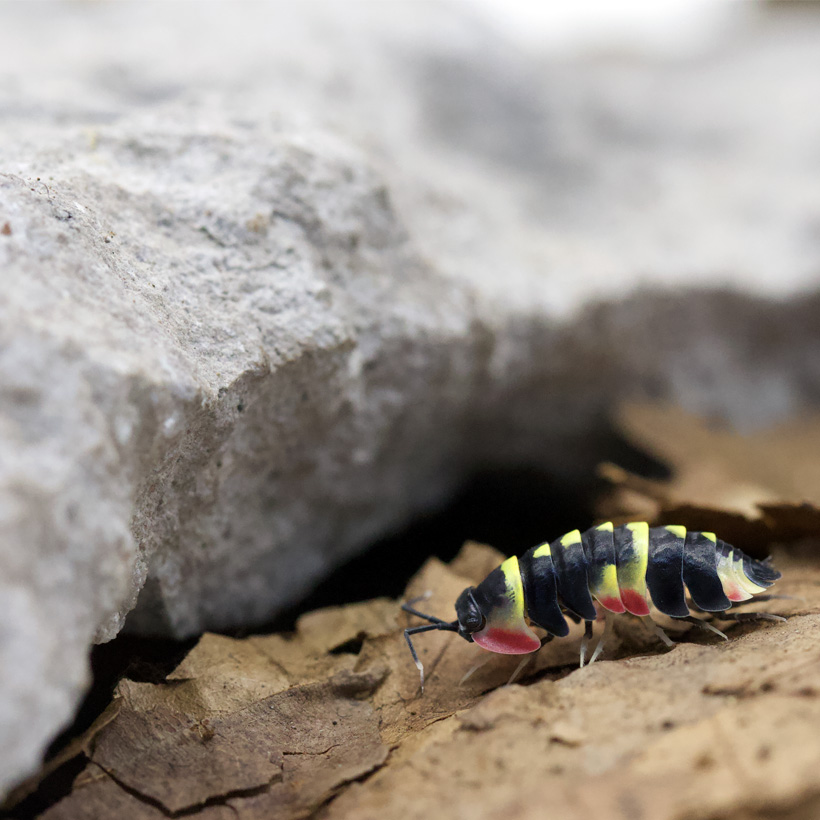
Whether it’s zebra stick insects, Porcellio laevis “Panda,” or Cubaris “Rubber Ducky”: Observe what your group actually eats. The appropriate amount also depends on the number of animals, their size, and their activity level.
Food for minks as a staple: leaves and wood
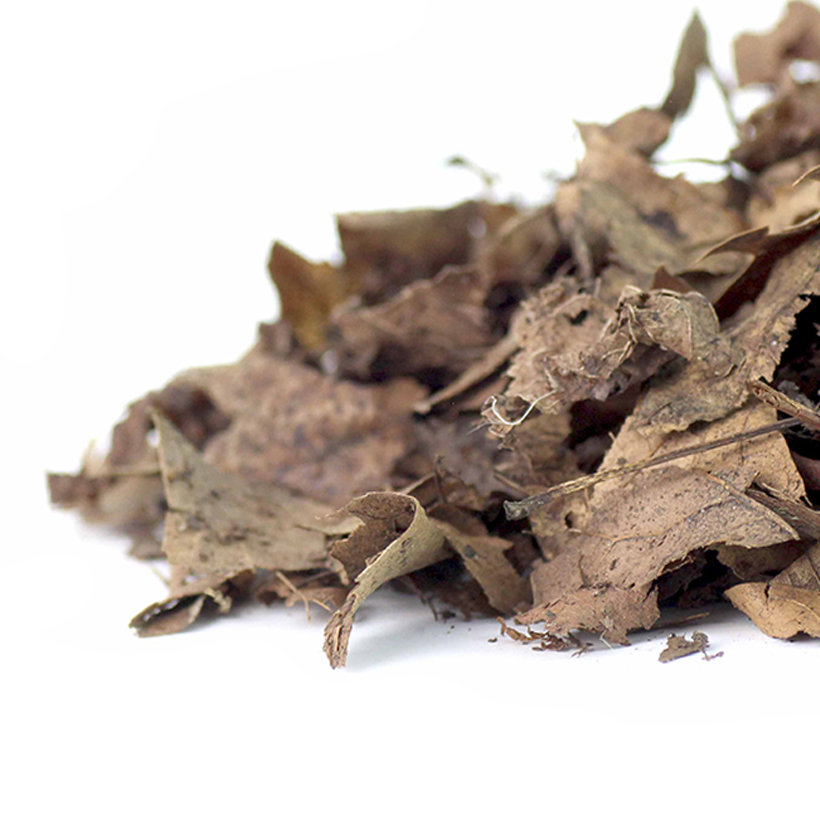
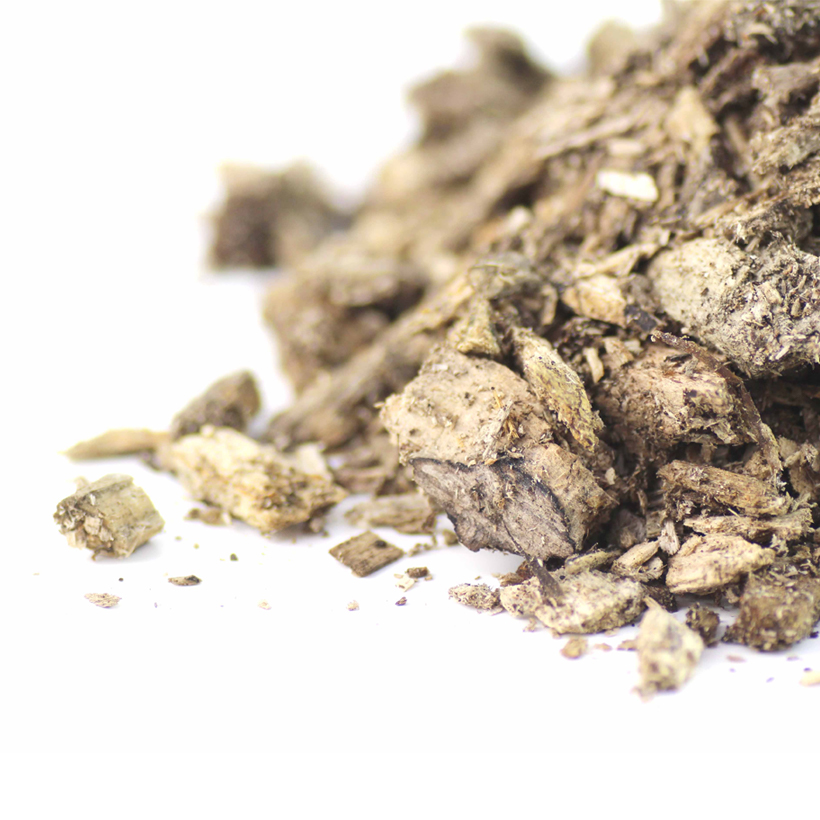
In nature, many land isopods feed on dead plant material and the vegetation growing on it. Therefore, suitable leaves and decomposed hardwood should always be available in the terrarium. A slice of cucumber is not a substitute for this substrate.
Spread a loose layer of leaves and mix shredded white-rot wood into a suitable substrate. Refill before the supply runs out. Use uncontaminated material. Fresh, resinous, or treated wood is not an alternative.
Our feed leaves and white-rotten wood are great for supplementing or replenishing your setup. If both are already included in the complete set, you don’t need to order any duplicates to get started.
What kind of supplemental food is best?
Small pieces of carrot, zucchini, or sweet potato are easy to monitor and remove. Wash the vegetables and serve them plain. Start with a small amount in an easily accessible spot. Perishable leftovers won’t sit around for days.
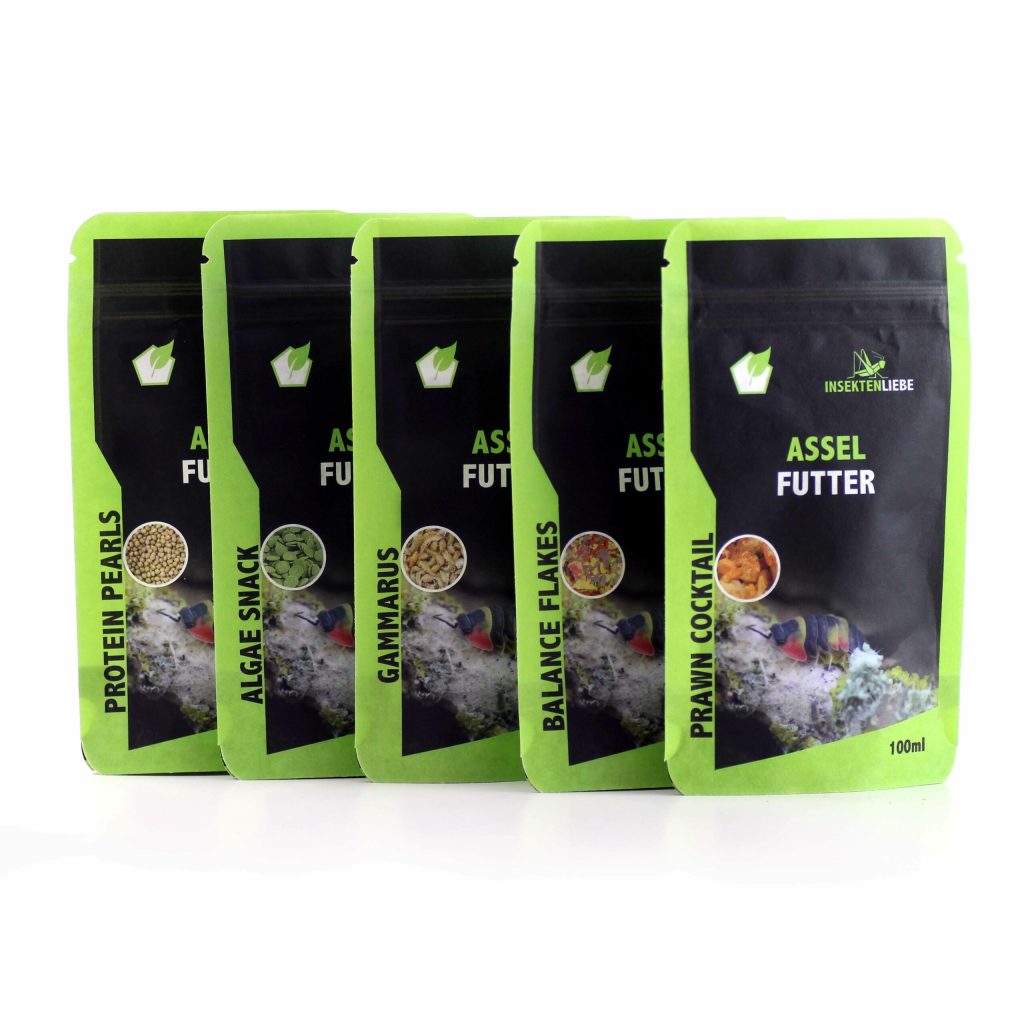
For supplemental feeding, we offer Isopod food in several varieties. Balance Flakes can be finely ground, and Gammarus can also be crushed. This is convenient for small juveniles. However, a value pack containing all varieties is not a must-buy; a small, suitable supplement is enough to try out.
Here’s my take on it: Porcellio ornatus often eats protein-rich food more eagerly than Armadillidium klugii. This is just an observation, not a set feeding schedule for all individuals of these species. If your group isn’t eating much, reduce the portion size instead of constantly adding more food.
Calcium is part of a healthy diet
Isopods need calcium for their exoskeletons. A suitable source of calcium supplements their diet. Cuttlefish bone is a practical option for this. If the set already includes cuttlefish bone, use that supply first. However, a single failed molt does not indicate a calcium deficiency.
Fine cuttlebone powder is an alternative to cuttlebone pieces. Use it sparingly, depending on the product, rather than covering the entire substrate with powder. It is not a substitute for leaves, wood, or adequate moisture.
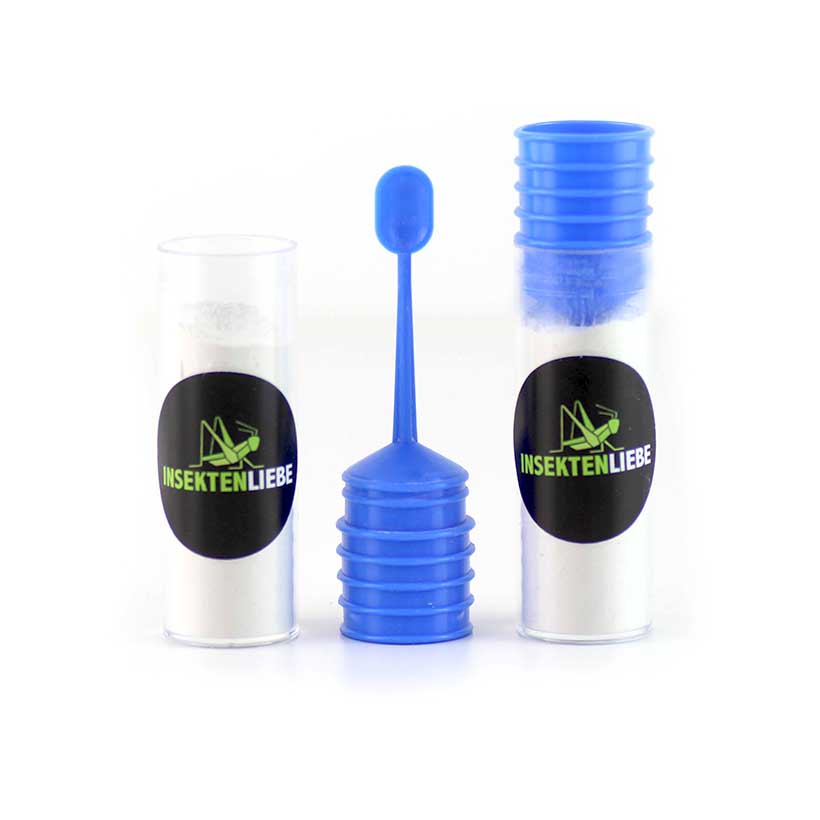
Measuring Out Food for Your Guinea Pig: How to Find the Right Amount
- When introducing supplemental food, start with a small portion in a fixed location.
- Check the amount collected and its condition no later than the next day. If it spoils quickly, check it sooner.
- Remove leftovers before they get too moldy, and make the next portion smaller.
- If everything is eaten quickly and the group is growing, adjust the amount carefully.
- Leaves and wood remain available regardless of the additional portions.
A rigid schedule like “protein every three days” doesn’t work for every group. Nor can you guarantee a large number of offspring just by providing an extra feeding. Just keep track of your observations: What did you offer, how much was left over, and how big is the group, roughly?
When the food gets moldy or is ignored
Mold on supplemental feed is, first and foremost, a reason to check the portion size and storage time. Remove the affected area and check for moisture and ventilation. Springtails can help, but overfeeding is not without consequences.
Just because you rarely see Isopods eating doesn’t automatically mean they’re starving. Many feed while sheltered under leaves. However, if the animals become noticeably weak or die repeatedly, check the entire setup and seek help in determining the cause.
YOUR READING TIP · Questions About Keeping Isopods
Consider moisture, shrinkage, and typical problems in relation to one another.
YOUR READING TIP · Caring for Baby Isopods
This way, you can feed even the tiniest babies without overfeeding them.
Still unsure? Feel free to ask us your question in the comments section below the article.

Leave a Reply
You must be logged in to post a comment.