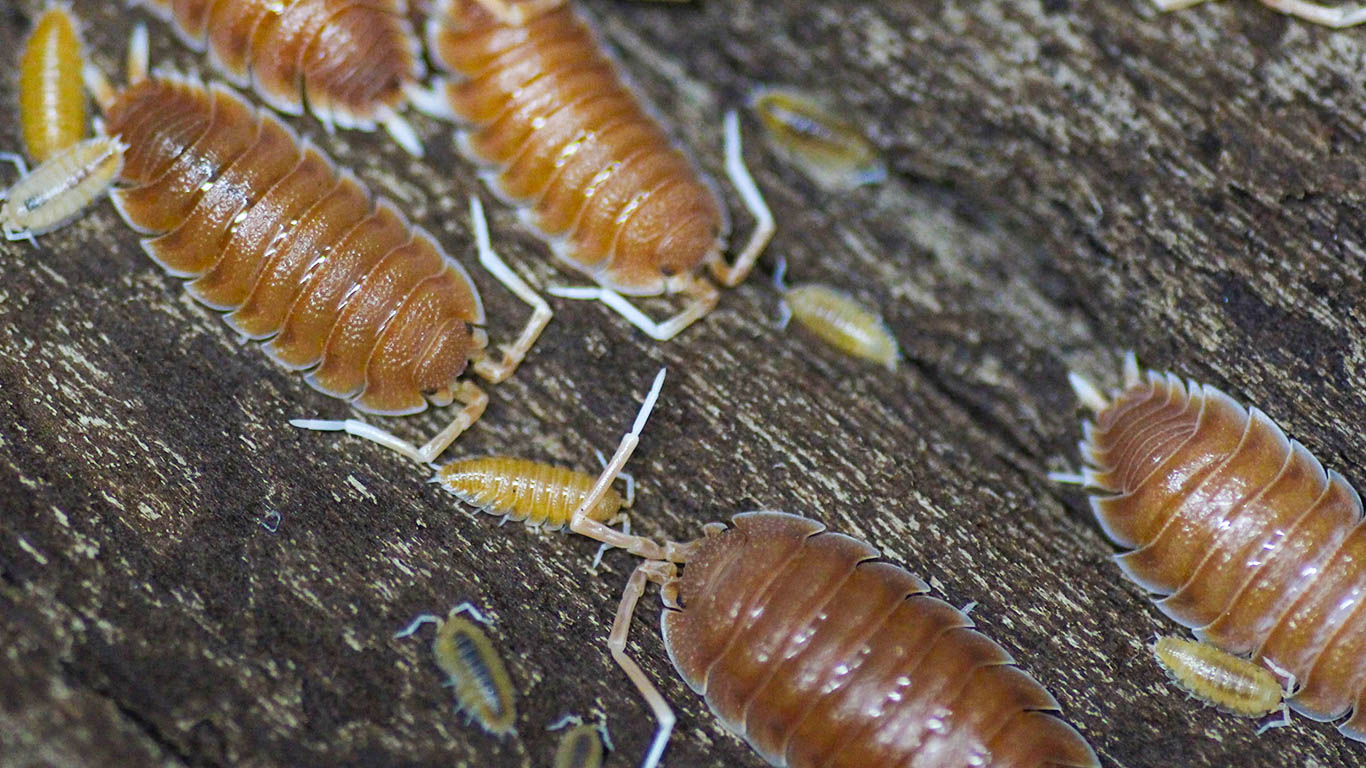


Spotted baby woodlice? Most of the time, all they need right now is peace and quiet, a suitable, damp hiding spot, and accessible food. Here’s how to care for the young in your existing container and what mistakes to avoid.
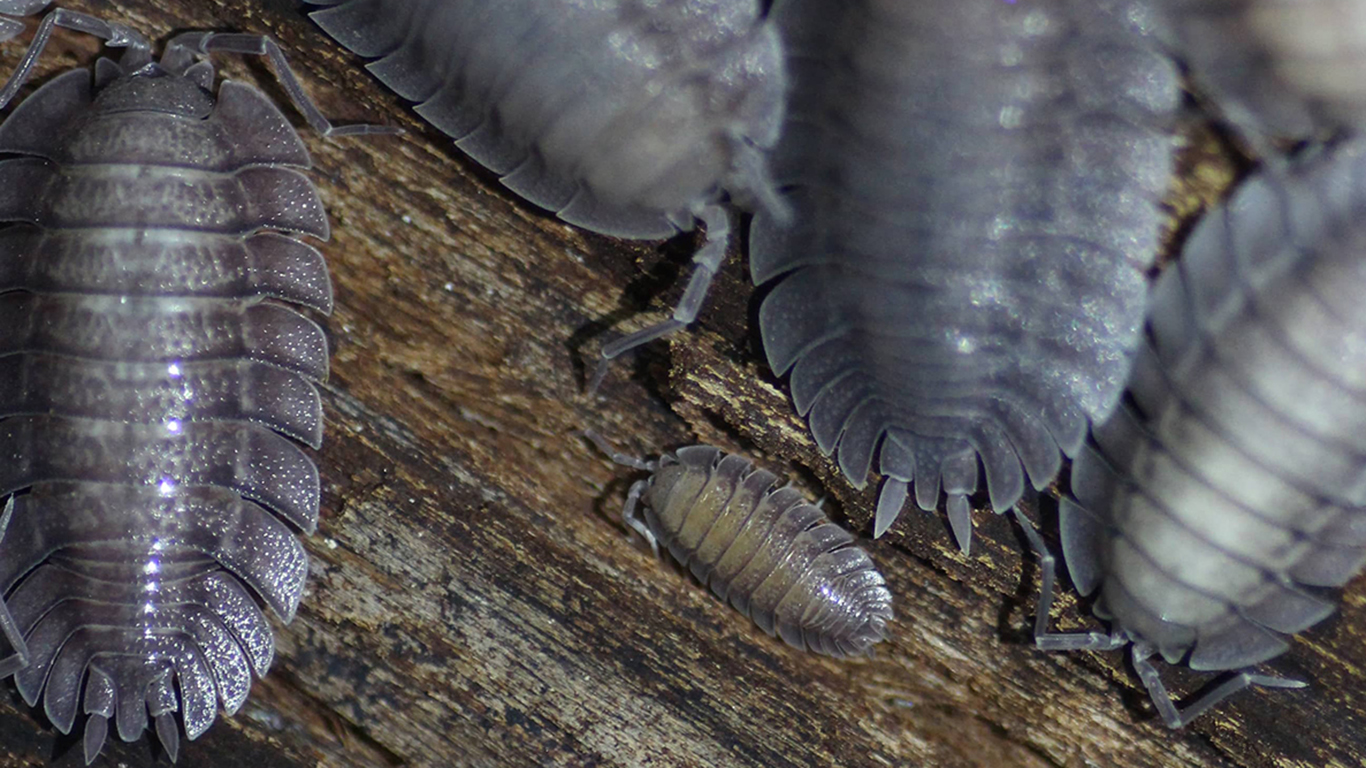
These tiny creatures are often light in color and are barely noticeable among the leaves and soil. In the case of *Porcellio laevis* “Panda,” a group can grow significantly; with slower-growing species, the pattern is different. A fixed schedule for all Isopods is therefore of little use.
Where do baby woodlice come from?
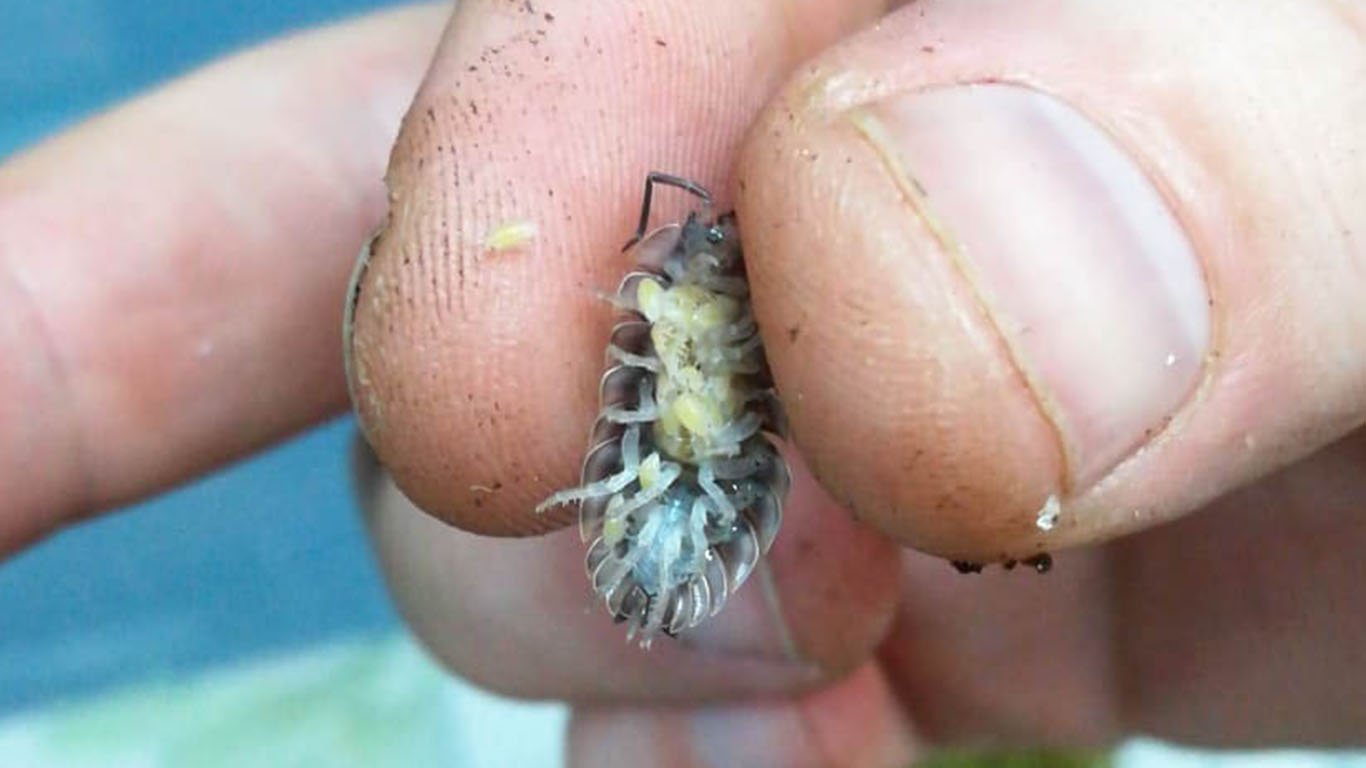
The females carry eggs and early larval stages in a brood pouch on their undersides. Only then do the young Isopods emerge into their surroundings. They are therefore not simply laid as exposed eggs among the plants.
How long the gestation period lasts and how many young are born depends, among other things, on the species, age, and conditions. Therefore, specific numbers of weeks are not a reliable way to predict the outcome for your group. Do not constantly pick up a pregnant female to check on her.
Should I leave the baby woodlice in the parent container?
In a suitable species tank, the juveniles can usually remain with the group. An additional rearing tank is not necessarily required. Constantly removing tiny animals also carries risks.
First, check the escape barriers: Openings that keep adult animals in may be too large for the young. Leaves or wood close to the edge can also create climbing routes. If the group is growing rapidly, plan for additional space in advance.
Preparing Moisture and Hiding Places
Provide a consistently suitable moist area with loose substrate and cover. Check not only the surface but also carefully beneath it. Avoid standing water and, depending on the species, allow for less moist areas. Thoroughly soaking the substrate is no substitute for regular monitoring.
Light pieces of bark and leaves provide a place to hide. If you lift a hiding spot, gently put it back and check the surface it rests on. Heavy stones must not tip over or sink. Egg cartons are not a good long-term solution in areas that are constantly damp because they can disintegrate and grow moldy.
YOUR READING TIP · Setting Up an Isopod Terrarium
Prepare a damp corner, substrate, and hiding spots appropriate for the species.
What do baby woodlice eat?
Leaves, white-rotten wood, and suitable substrate must also remain accessible in the hiding spots. Crumbled material creates many small feeding sites. You don’t need to scatter large amounts of crumbled food all over the floor.
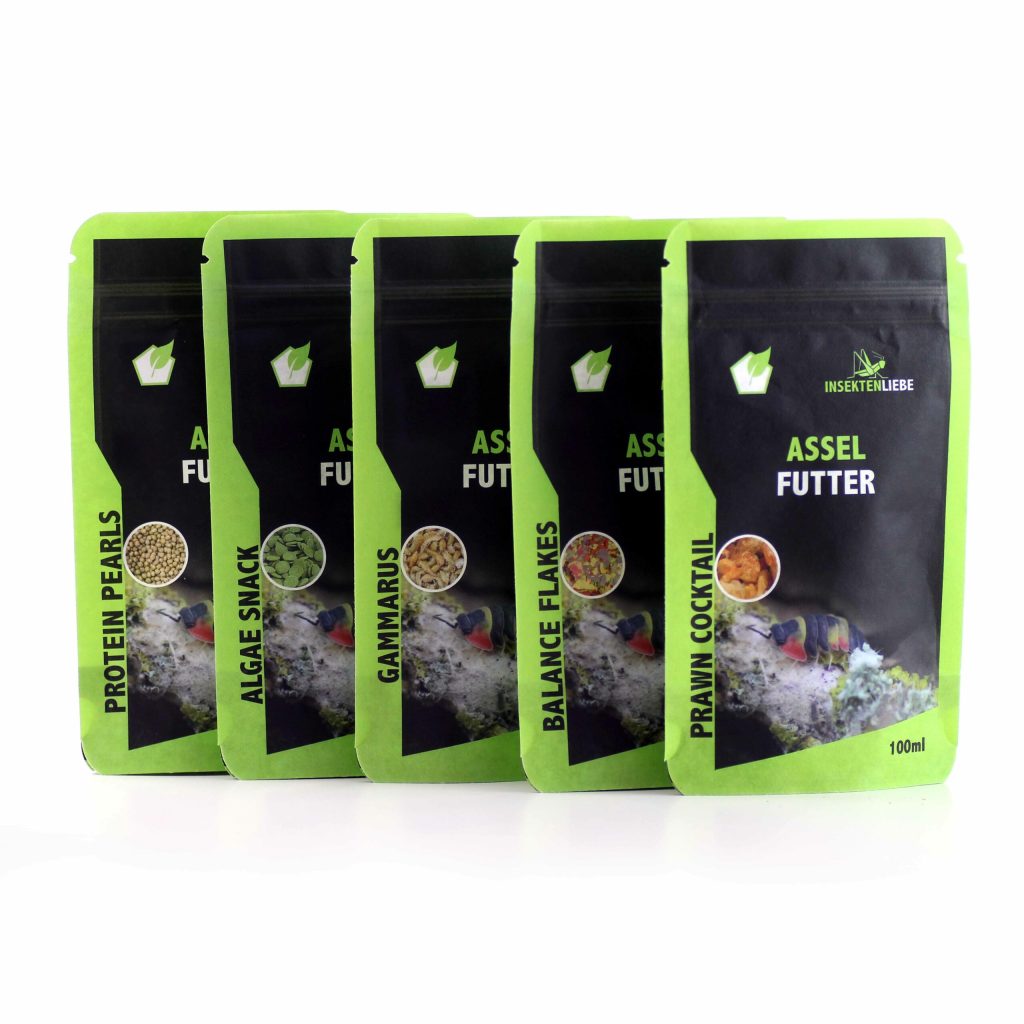
As a small supplement, you can finely grind some Balance Flakes from our Isopod food line. Start by offering a very small portion that’s easy to control. The young don’t need a full selection of all varieties; you can simply chop up any suitable food you have on hand.
The next day, check to see how much of the supplement is left. Remove any perishable leftovers promptly. More food does not make up for poor housing conditions. A suitable source of calcium should be available for the entire group.
Here’s How to Gently Monitor Your Youngsters
- Focus on a specific feeding spot instead of searching the entire ground.
- Shine the light briefly and take a photo through the wall if the animals are visible there.
- Every time you remove leaves or substrate, check for young animals.
- Make a note of any abnormalities, and if there are any losses, also check the temperature, moisture levels, and any changes.
You don’t have to see every young animal at every check. A magnifying glass or a zoomed-in version of an existing cell phone photo is often enough. If several animals die, don’t just treat it as normal attrition: Check the conditions and seek assistance if the cause is unclear.
YOUR READING TIP · When the woodlouse colony grows
Plan ahead for additional space and responsible transfer.
Still unsure? Feel free to ask us your question in the comments section below the article.
Leave a Reply
You must be logged in to post a comment.