

Questions about keeping isopods often don’t come up until you’re actually caring for them: Why do they hide? How moist should the substrate be? And what can you do if the group starts to multiply rapidly? Here you’ll find answers and guidance on what to do next.
One rule applies to all answers: The species matters. Zebra isopods, panda isopods, and rubber duckies have different needs. So observe your group and check the relevant care guide instead of copying values without verifying them.
Questions About Keeping Isopods Before You Begin
Which type is best for beginners?
Zebra isopods and Porcellio laevis “Panda” are good options for beginners if you’re prepared to care for them. Panda isopods can reproduce rapidly. Therefore, plan for a larger enclosure or a responsible rehoming arrangement. Expensive or rare species aren’t automatically more difficult to care for; what matters most are their specific needs and your capabilities.
YOUR READING TIP · Isopods as Pets
What expectations, caregiving responsibilities, and preparations are involved in getting started.
Which box do I need?
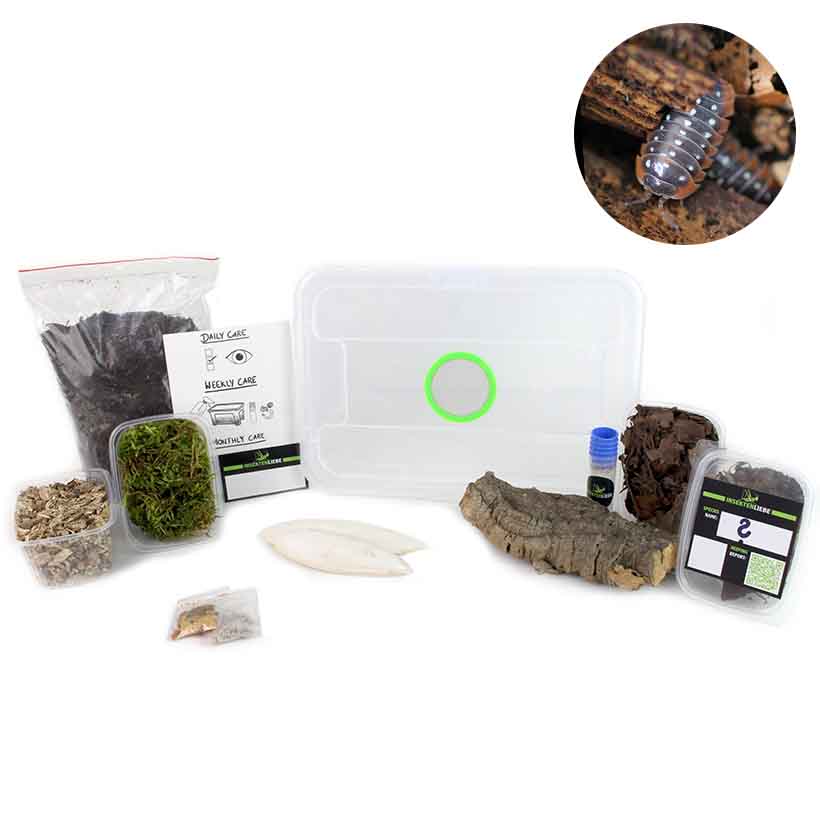
For small starter groups of suitable species, our 5-liter isopod starter kit is one option. A larger floor area makes it easier to distribute hiding spots and areas with varying levels of moisture. However, this does not specify a fixed space requirement for each species or for twelve animals. Also check whether your existing enclosure closes securely and is adequately ventilated.
When selecting a set, be sure to choose between versions that include accessories, those without accessories, and those that explicitly list specific animal species. The presence of accessories alone does not mean that animals are included.
YOUR READING TIP · Setting Up an Isopod Terrarium
Compare glass and plastic sets and plan your decor step by step.
Can I keep different species or other animals together?
Keeping them separate usually makes things clearer. In mixed groups, one species may outcompete the other. Similar temperature requirements alone are not enough: competition for food, hiding places, and the risk to eggs or newly molted animals are also factors to consider.
Isopods are ground-dwelling creatures, and they can utilize organic debris in suitable terrariums. However, they do not replace cleaning or monitoring. For this reason, there is no universally safe list of species for a snail terrarium. Let us know the snail species, setup, and conditions before you add any animals. Even as food animals, Isopods aren’t automatically suitable for every predator.
Caring for Isopods: Humidity, Heat, and Housing
Woodlouse Care: How Often Should I Moisten the Substrate?
Check the damp hiding spot and the floor beneath it. Damp does not mean there is standing water in the substrate. In addition, depending on the species, the group needs areas that are less moist. How often watering is needed depends on the room, ventilation, and the height of the soil surface. Condensation on the wall alone is not a reliable indicator of whether the soil is properly watered.
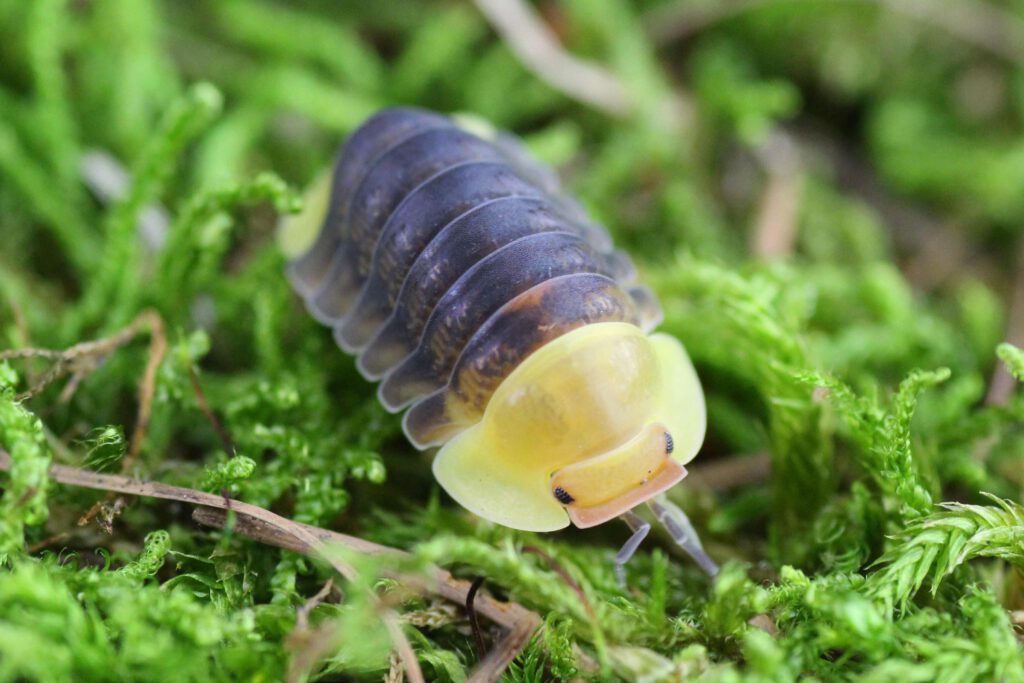
For Zebra Rollassels, it’s a good idea to have a damp corner next to a drier surface. Rubber Duckys need a differently prepared, more humid environment. So don’t just copy a misting schedule from another tank.
Are a heater, a lamp, and springtails required?
First, measure the temperature at the actual location. If it’s suitable for the species, you won’t need any additional heating. Direct sunlight can cause a terrarium to heat up significantly. LEDs also give off heat, so check their effect on the terrarium. A lamp is primarily useful for plants or for better observation.
Corydoras are a possible addition. They can break down organic debris, but they won’t solve problems caused by excessive moisture or overfeeding. You don’t necessarily have to buy more fish to get things off to a good start.
Do I need to sterilize forest soil?
Use uncontaminated, suitable material. Brief heating or freezing does not provide a universal guarantee against all unwanted organisms. If you cannot assess the source or treatment history, choose pre-prepared terrarium material. Fresh, resinous wood and treated garden materials do not belong in the box. A solid mixture is also not suitable for every species of woodlouse.
Questions About Keeping Isopods in Everyday Life
What do isopods eat, and how much?
Leaves and white-rotten wood provide a constant food source. Feed supplemental food sparingly. Check the next day to see what’s left, and remove any perishable or moldy remains. Small groups often need much less than you might initially think. More protein is not a universal solution for a lack of offspring.
YOUR READING TIP · How to Properly Serve Donkey Feed
Combine a balanced diet, calcium, and small additional portions in a sensible way.
Why do I hardly see any animals, or any young ones?
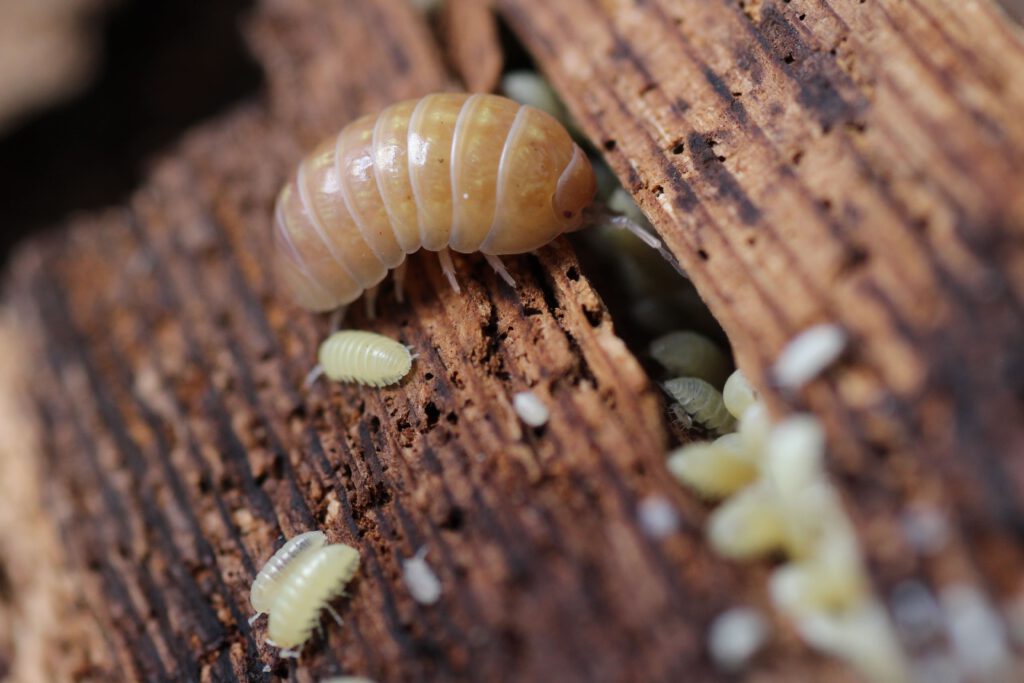
Isopods are often found under leaves, in wood, or in the soil. A small group can quickly disappear in a larger container. Feel free to check a feeding site, but avoid constantly digging around. Development time, sex, age, and the season can all influence reproduction. The absence of offspring does not indicate a disease or a specific sex.
Problems with Isopod Care: What to Do If You Find Mold or Notice Losses?
First, remove any affected food scraps and check the humidity, air circulation, and any recent changes. A single death can have many possible causes; you should investigate repeated losses promptly. Do not purchase new animals or minerals based on mere suspicion. Record the species, group size, temperature, and any changes, and take photos of the entire setup.
If the substrate is heavily contaminated, it may be a good idea to have a prepared replacement container on hand. Carefully transfer the animals, checking the leaves and soil for young ones as you do so. Simply adjusting the ventilation won’t solve every problem.
What should I do if I have a lot of kids?
If necessary, expand the space and arrange for suitable buyers. Do not withhold basic feed or water. Do not abandon any animals, and do not introduce predators as a means of automatically controlling the population.
YOUR READING TIP · Regulating Woodlice Populations Responsibly
Five Practical Steps for a Growing Group.
Keeping Isopods: Setting Up the Habitat (Video)
Still unsure? Feel free to ask us your question in the comments section below the article.


Leave a Reply
You must be logged in to post a comment.