
-
Ophistreptus guineensis “chocolate millipede”
Price range: 11,95 € through 14,95 € incl. VAT, plus shipping -

Archispirostreptus gigas “Giant millipede”
Price range: 14,00 € through 17,00 € incl. VAT, plus shipping -
Africa Giant Bundle
Original price was: 61,95 €.59,99 €Current price is: 59,99 €. -
Benoitolus siamensis
Original price was: 10,99 €.5,99 €Current price is: 5,99 €. incl. VAT, plus shipping
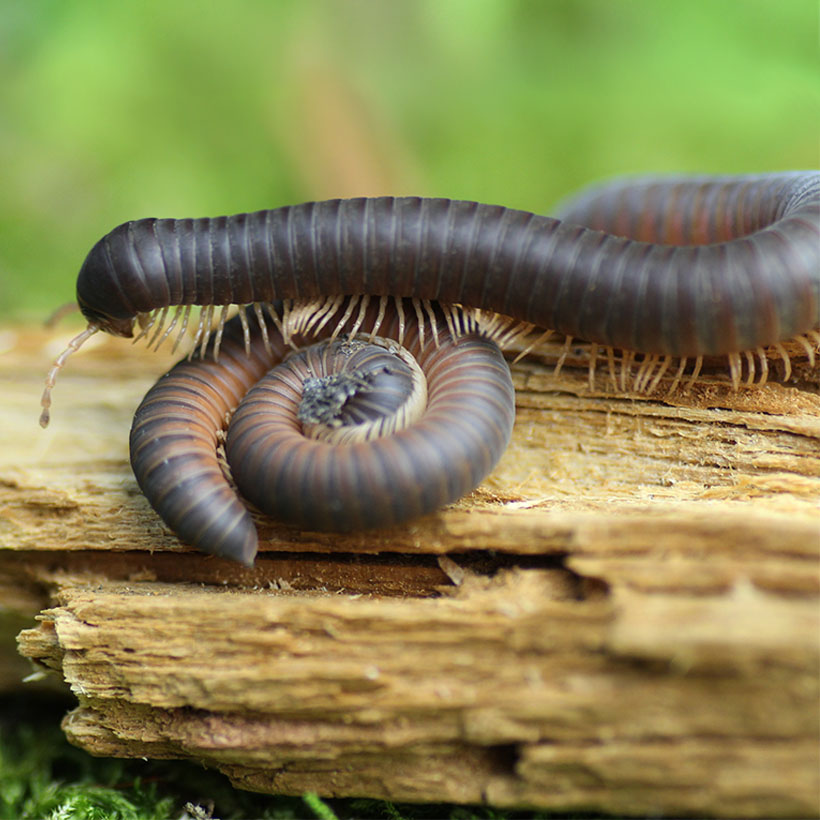
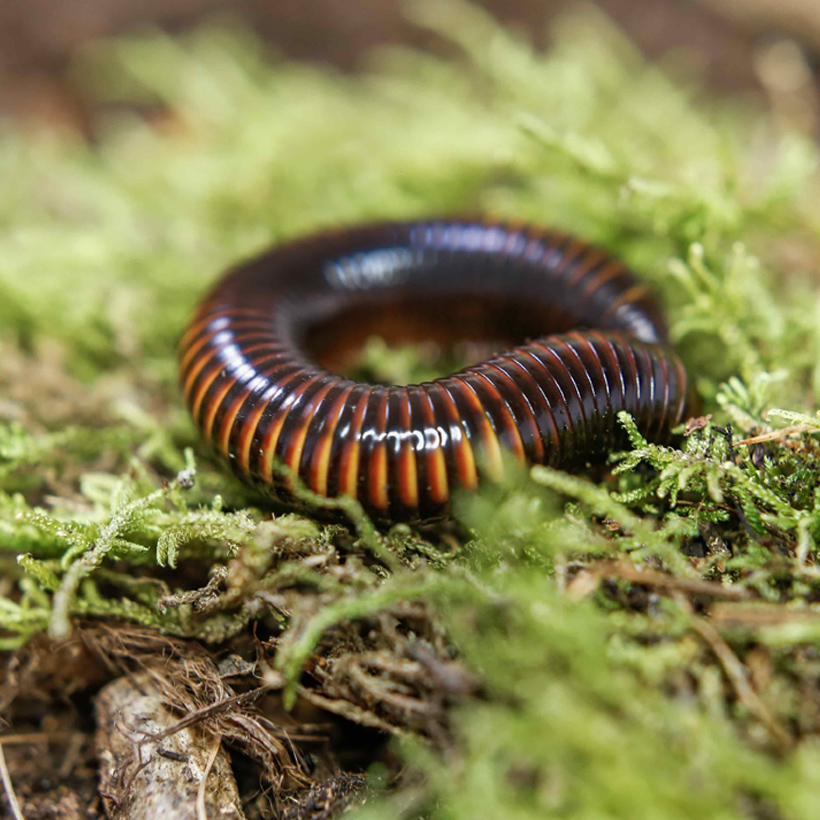
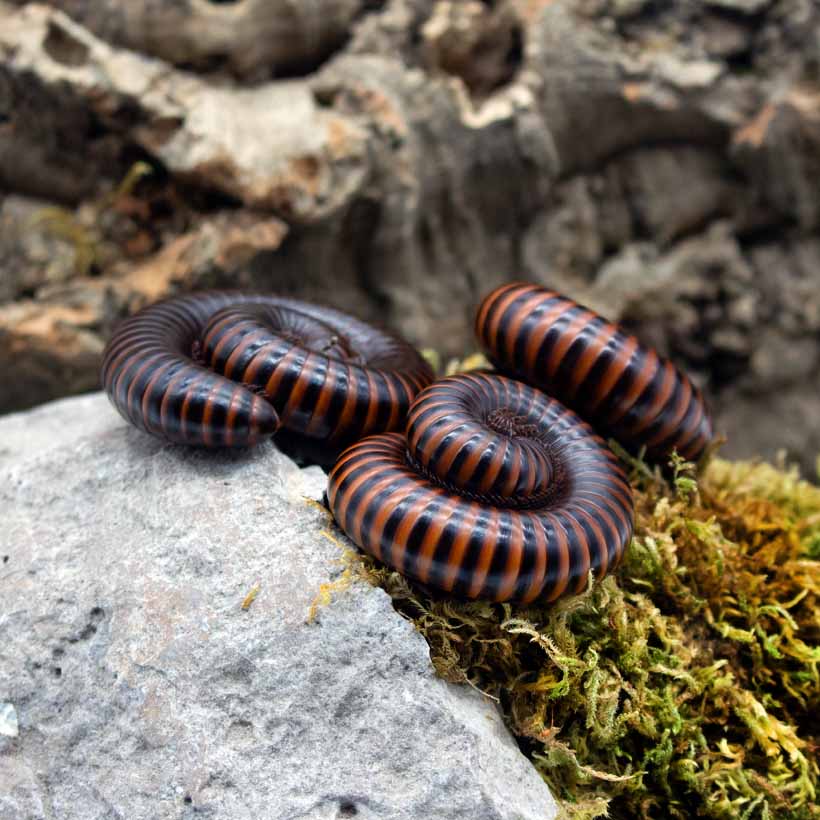
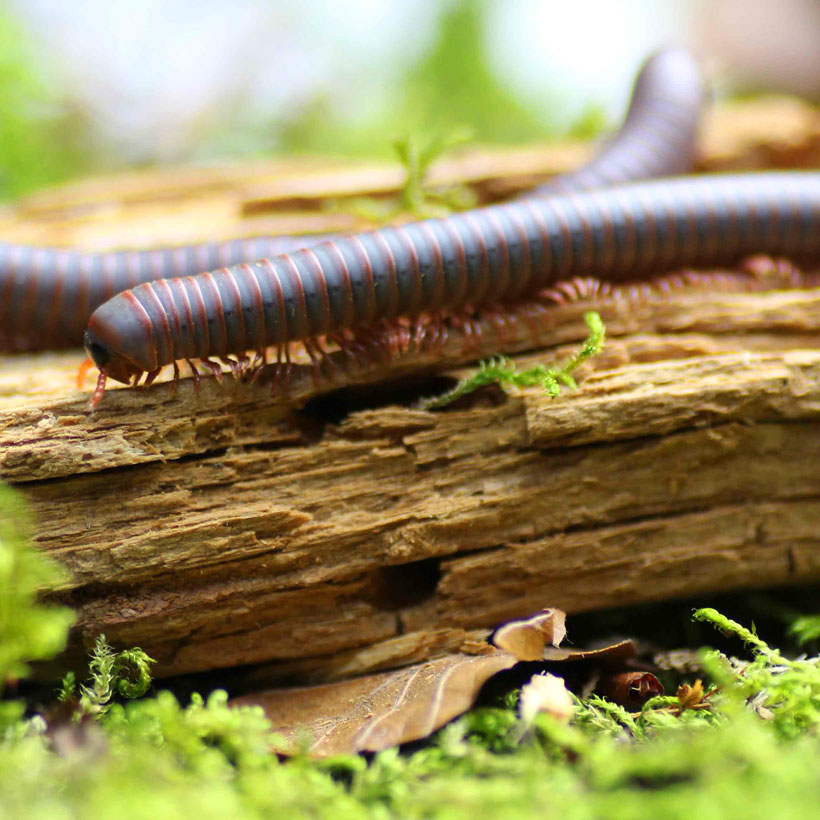
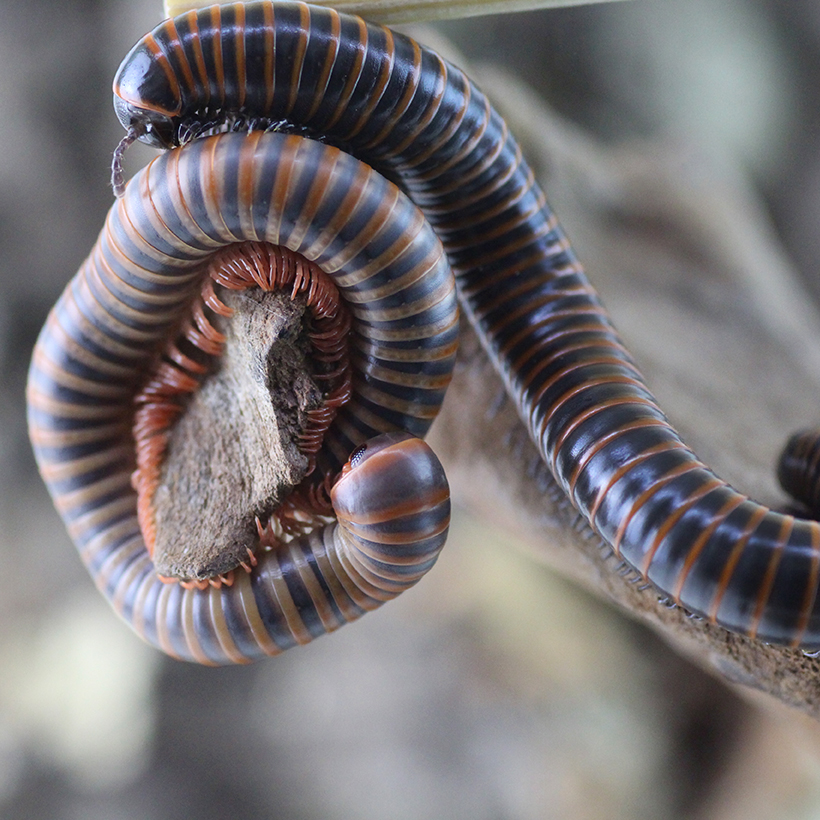
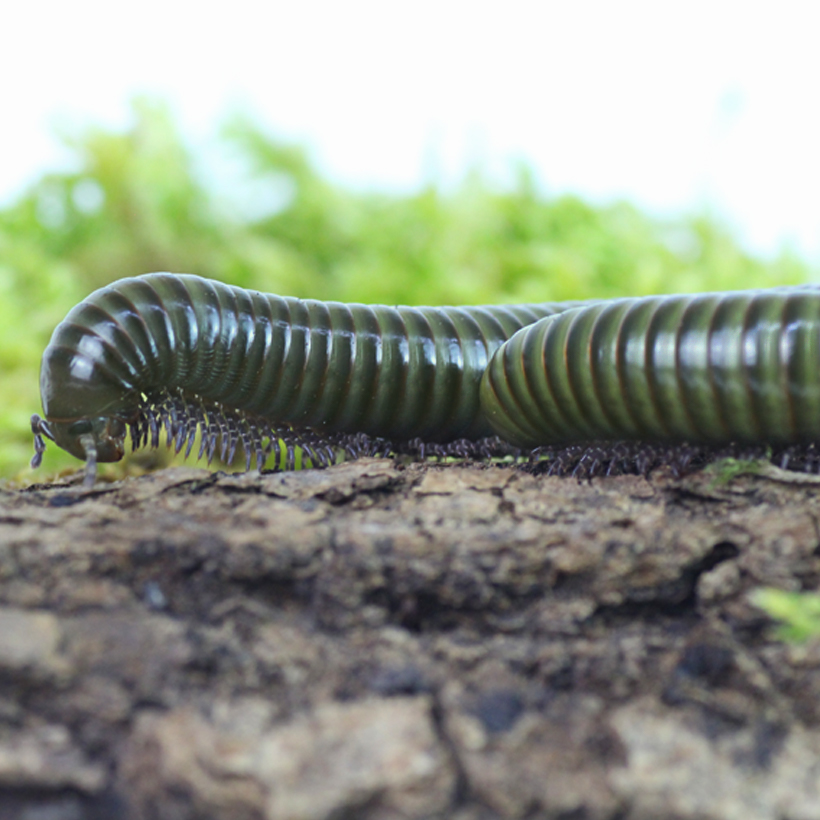
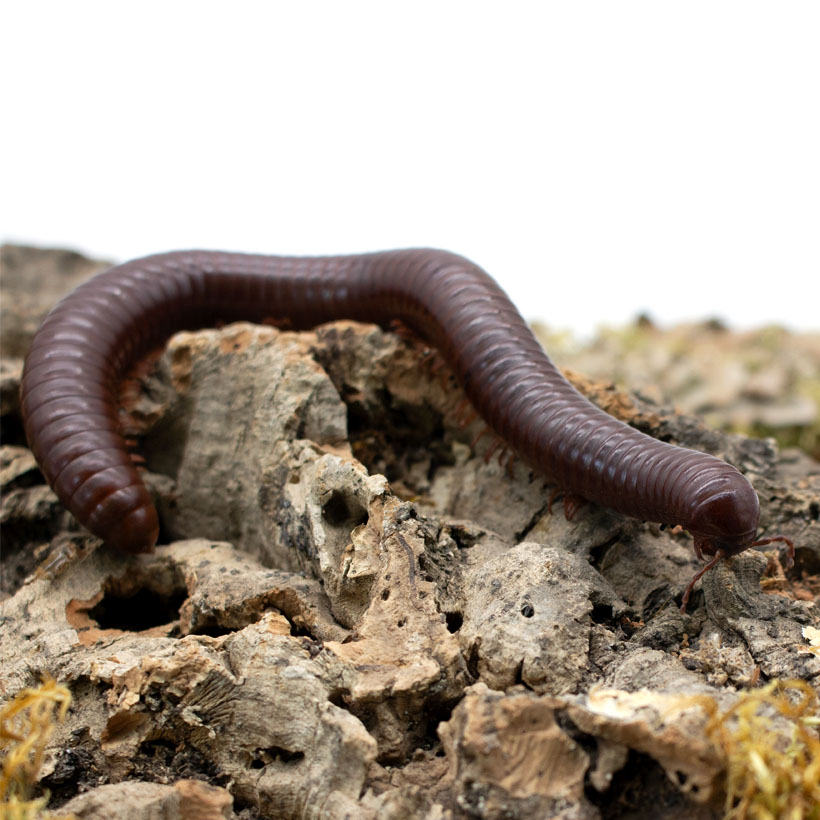
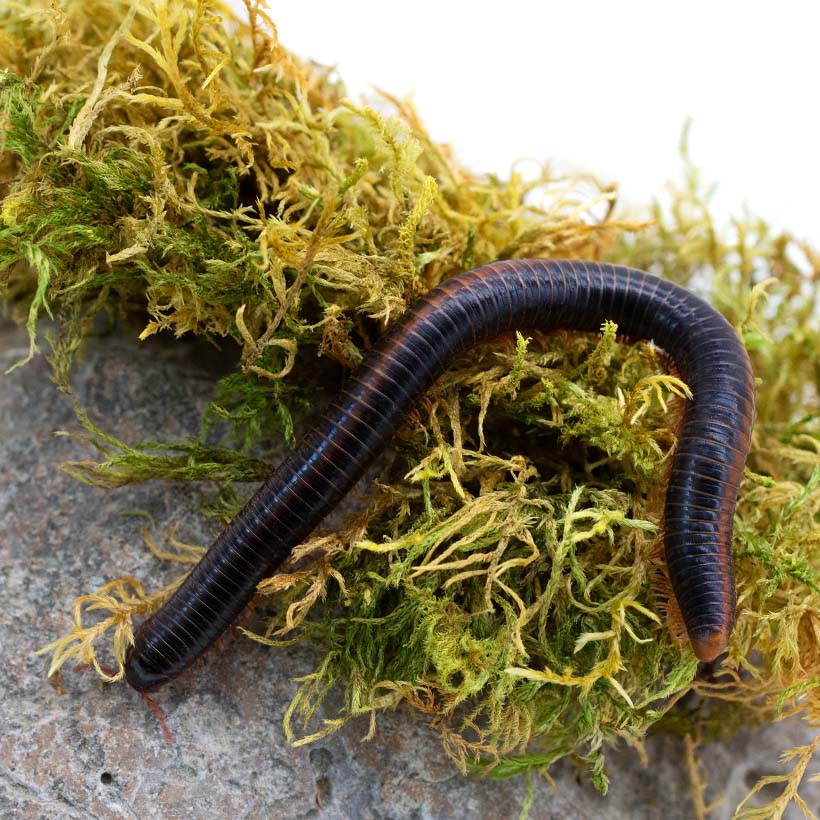
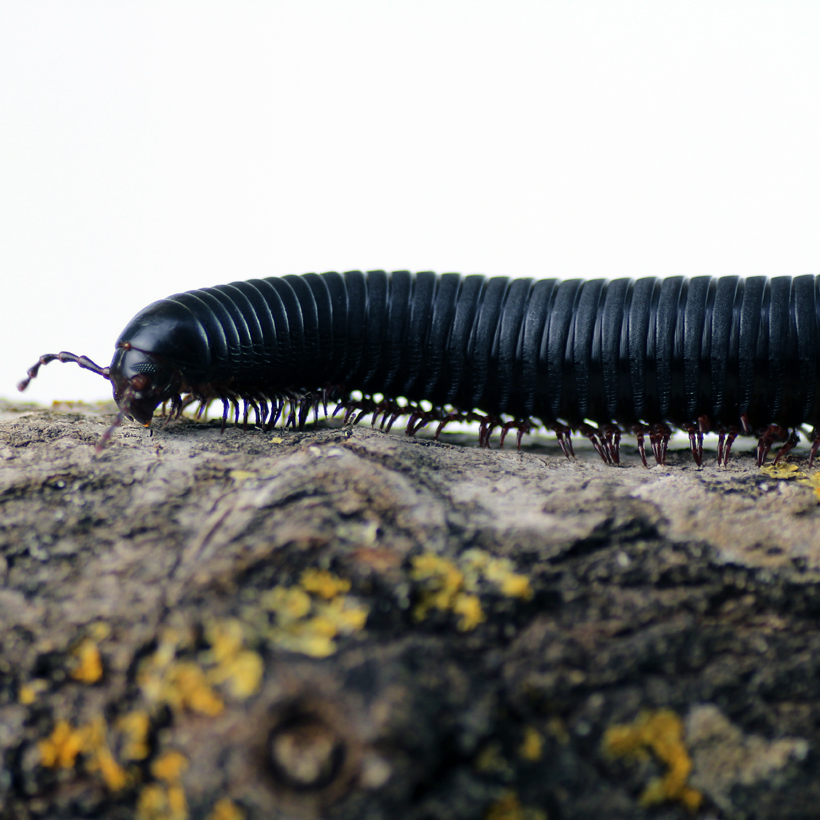
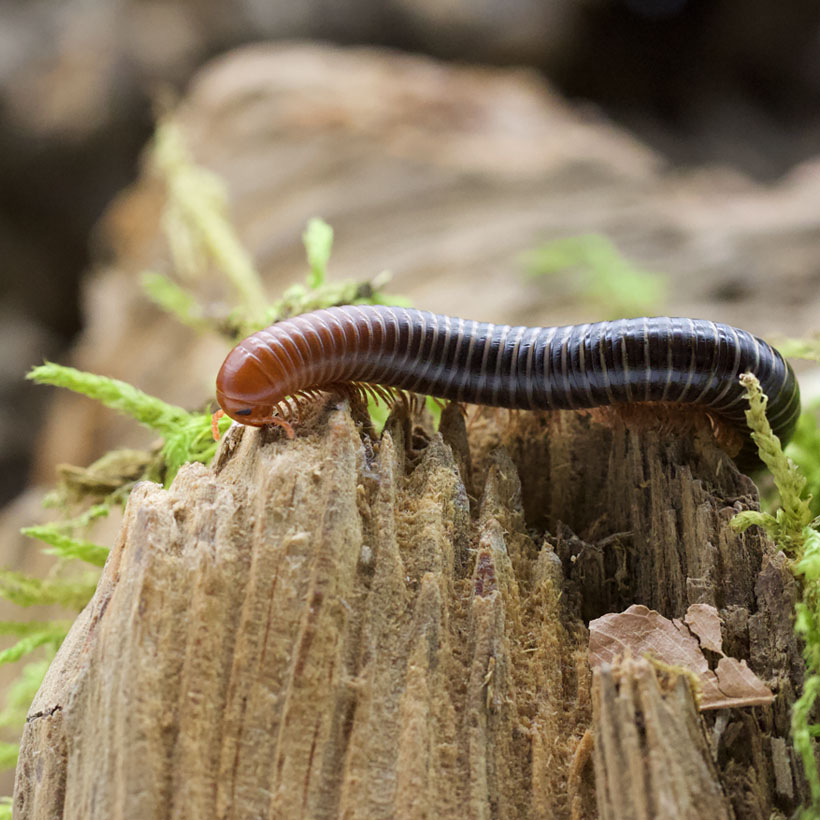
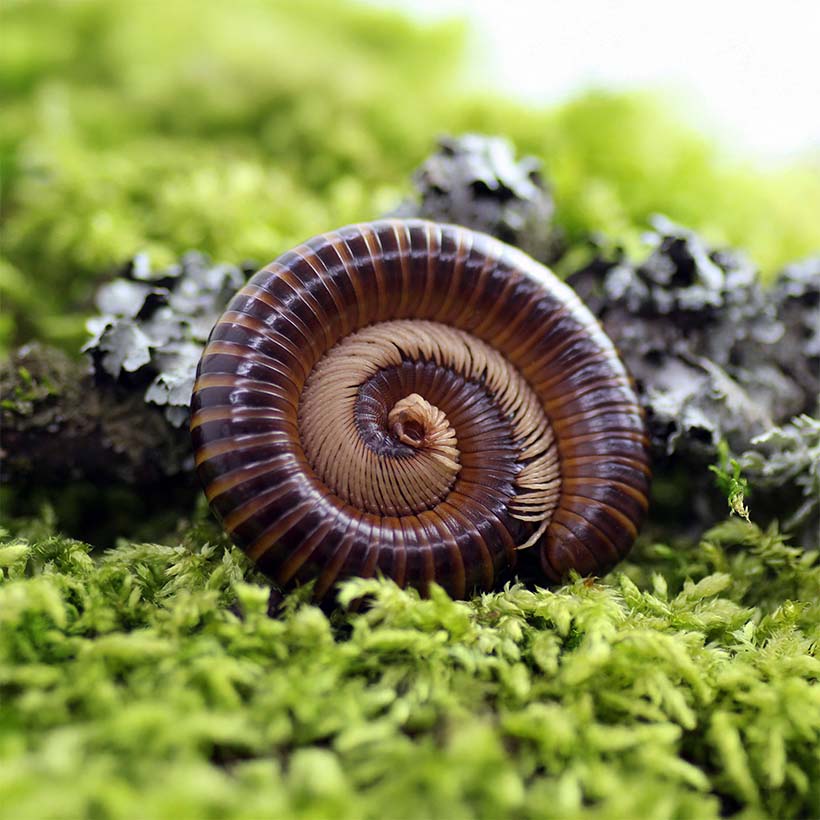
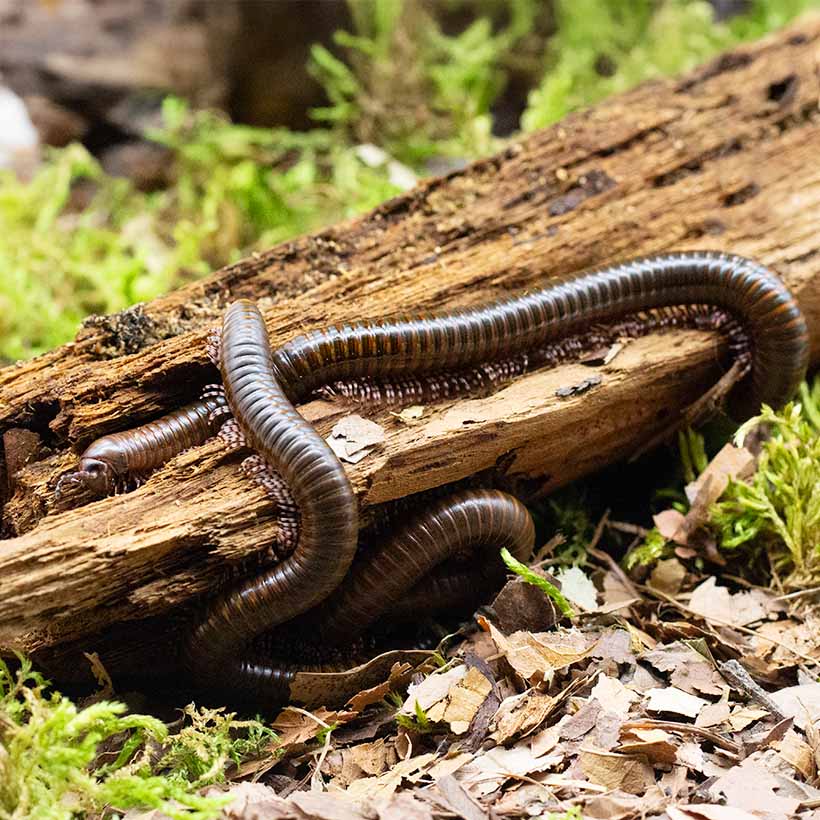
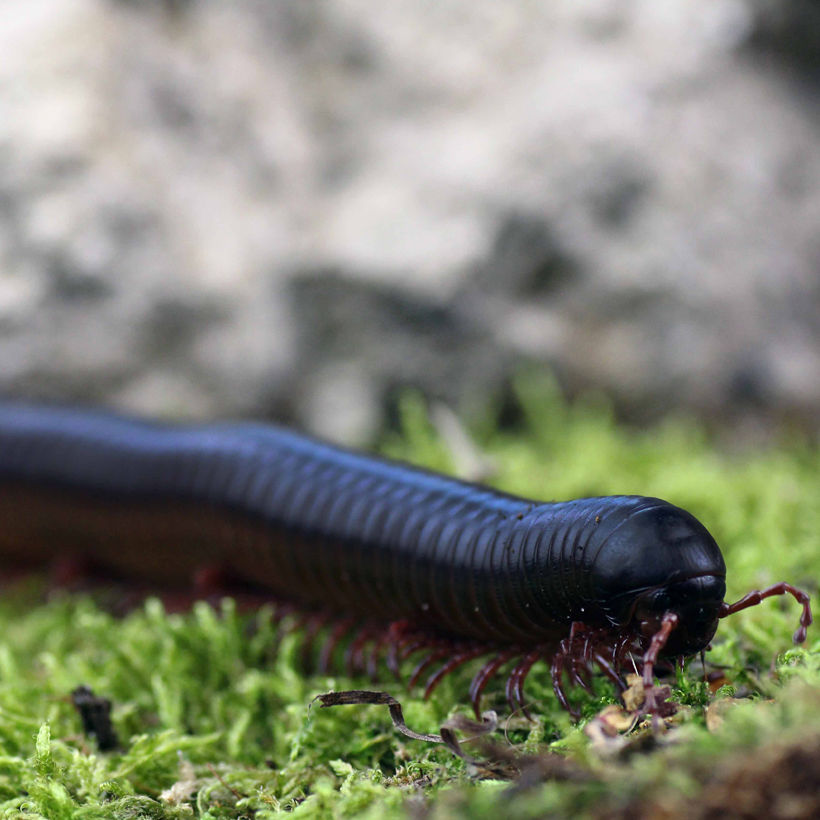
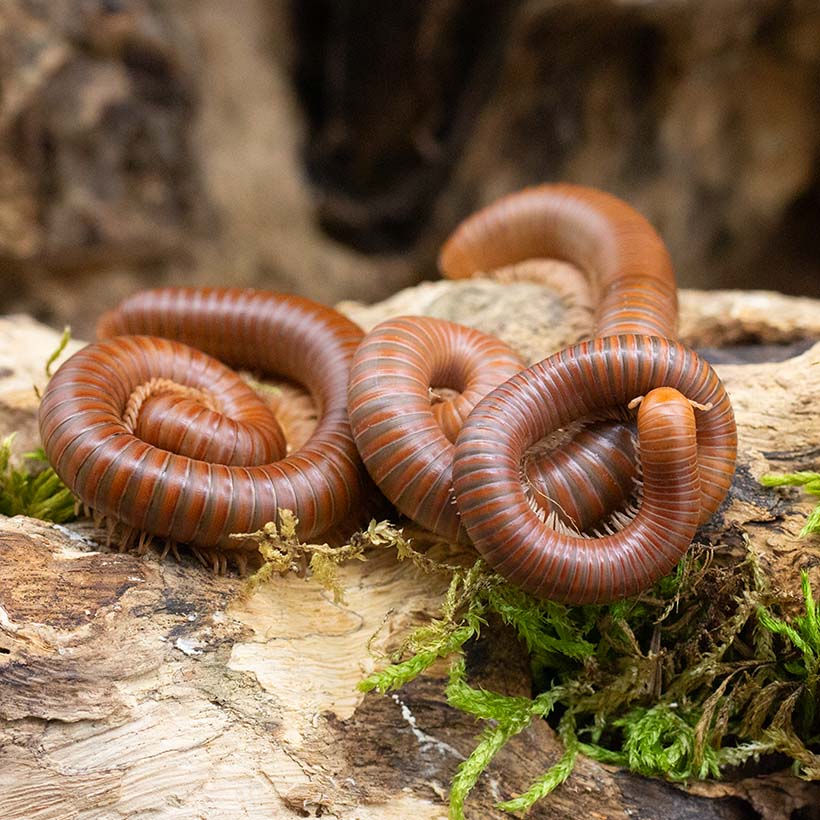
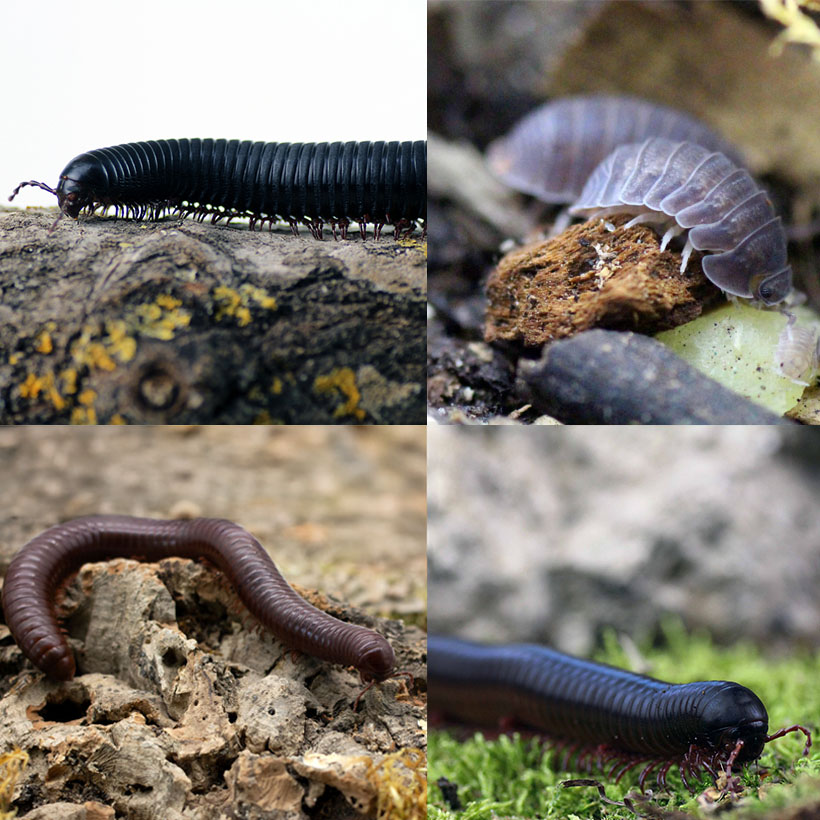
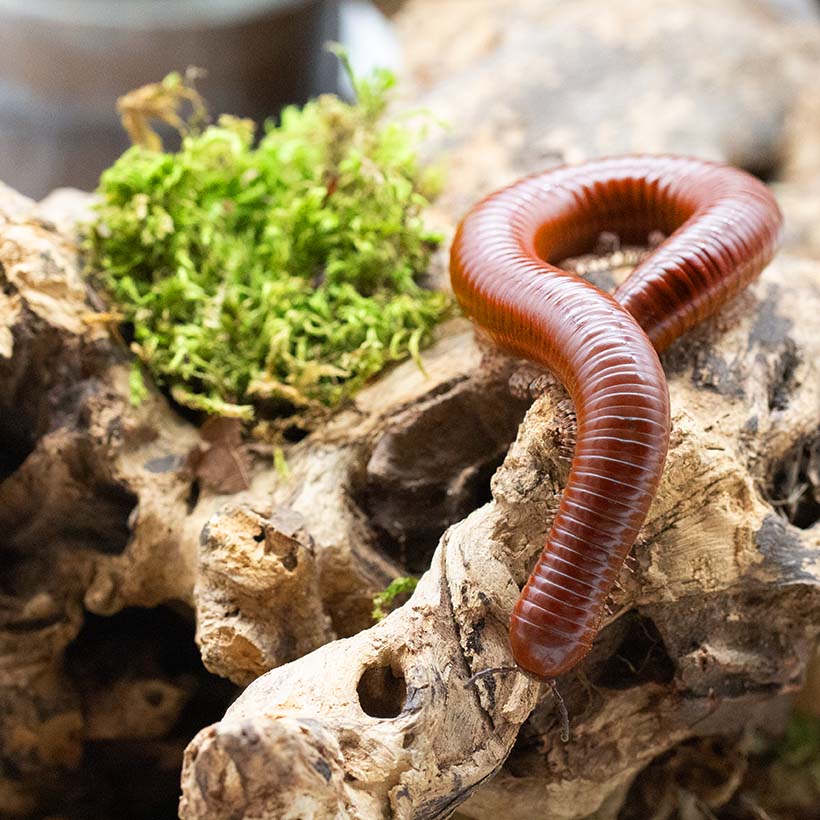
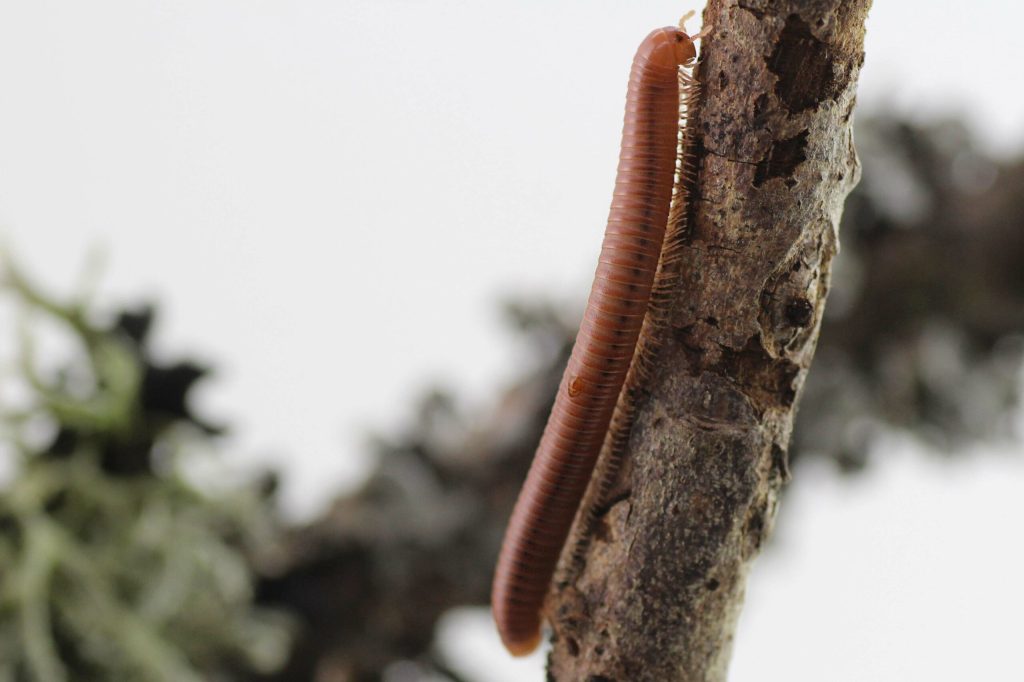
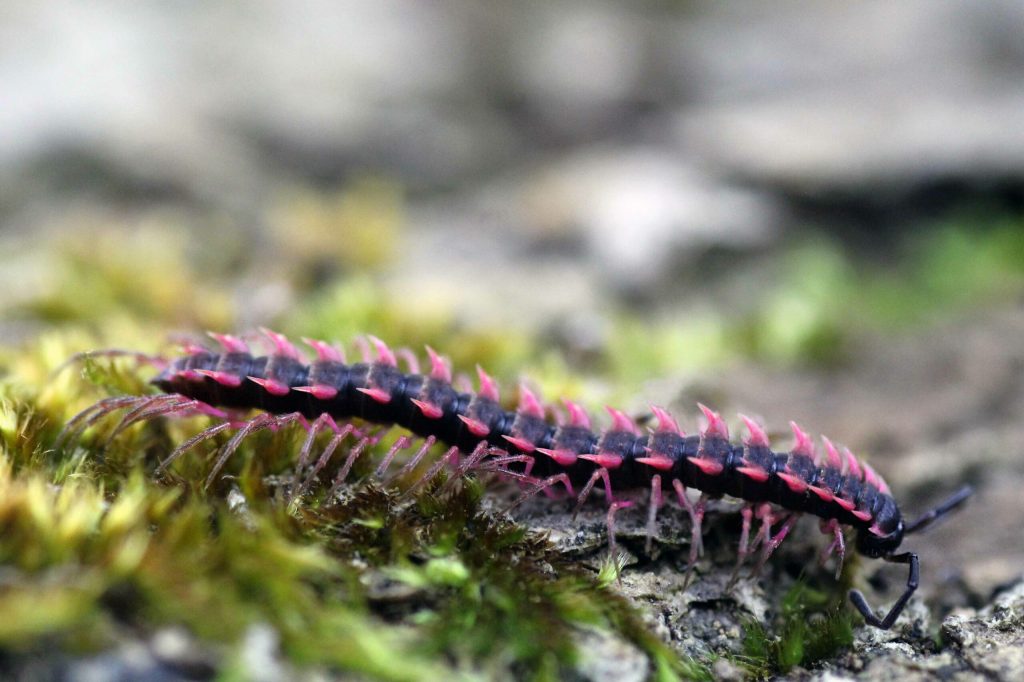
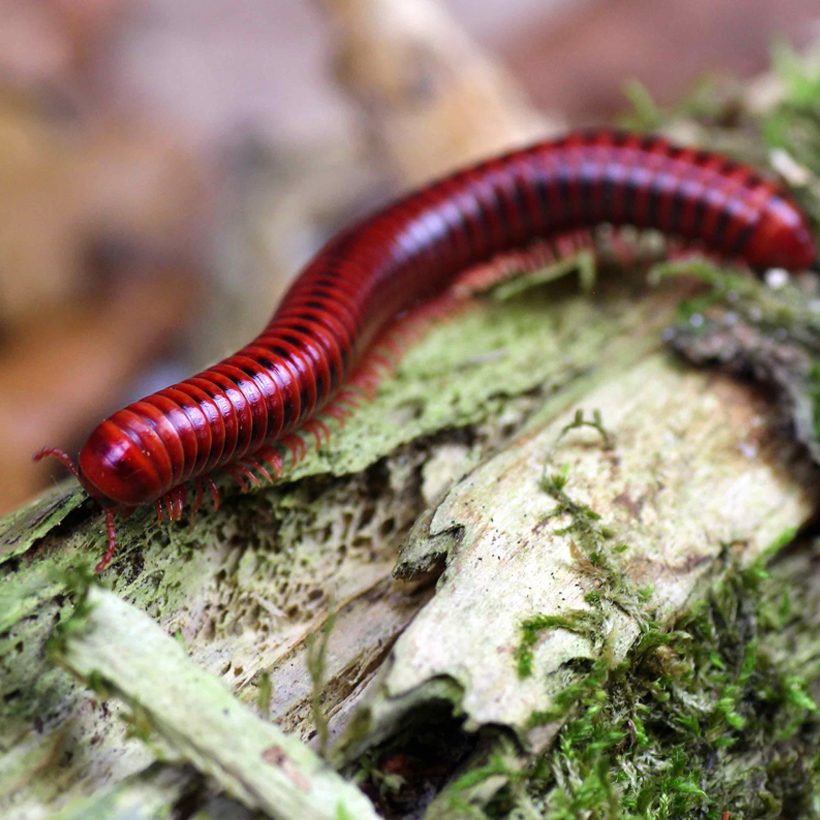
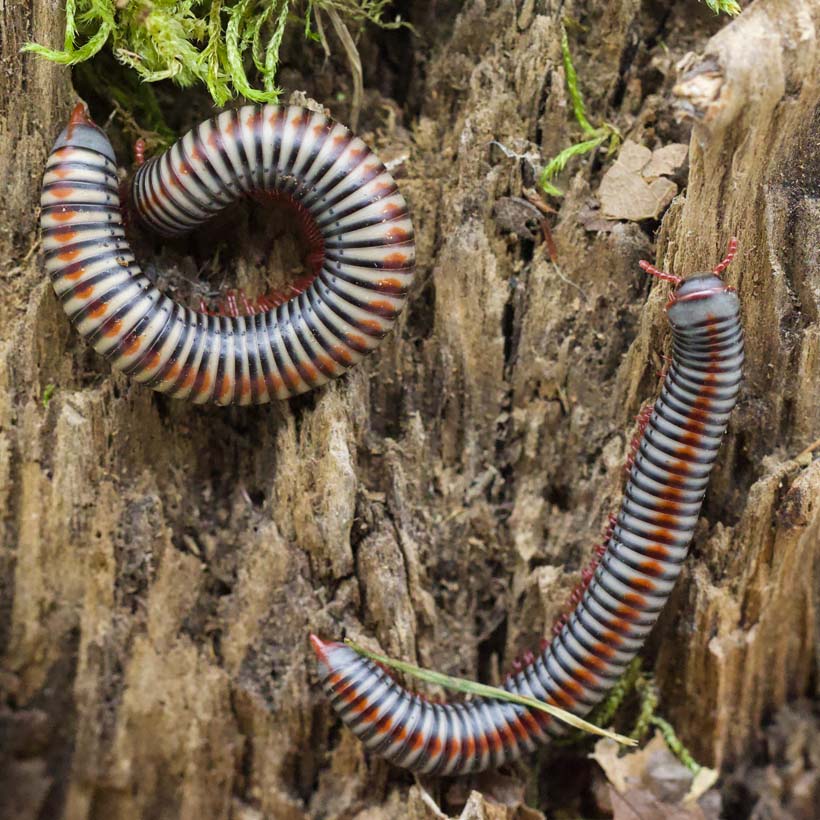
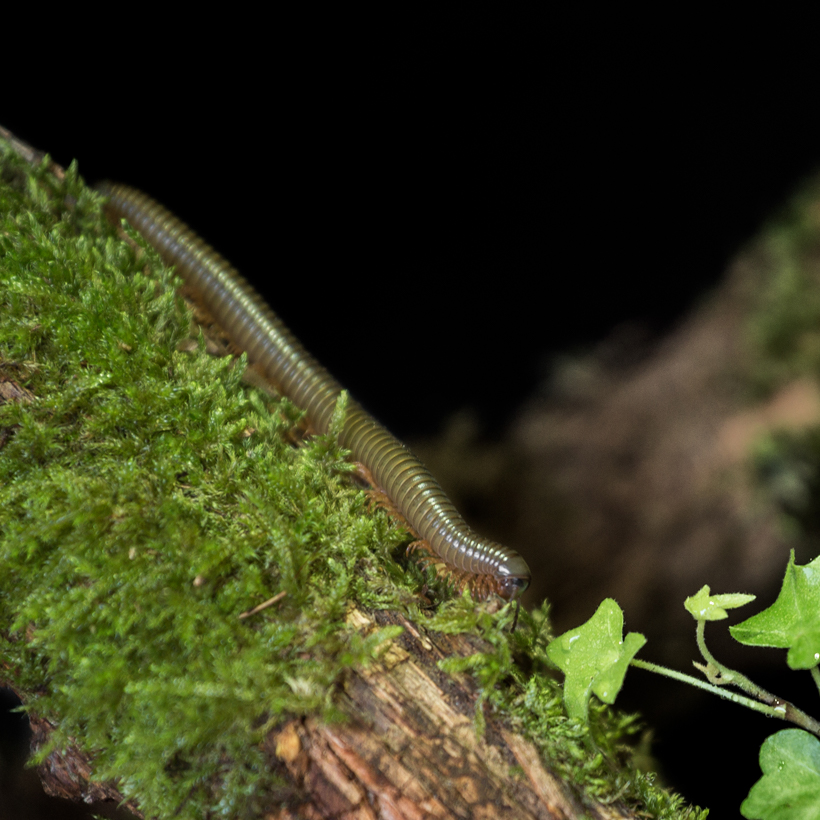
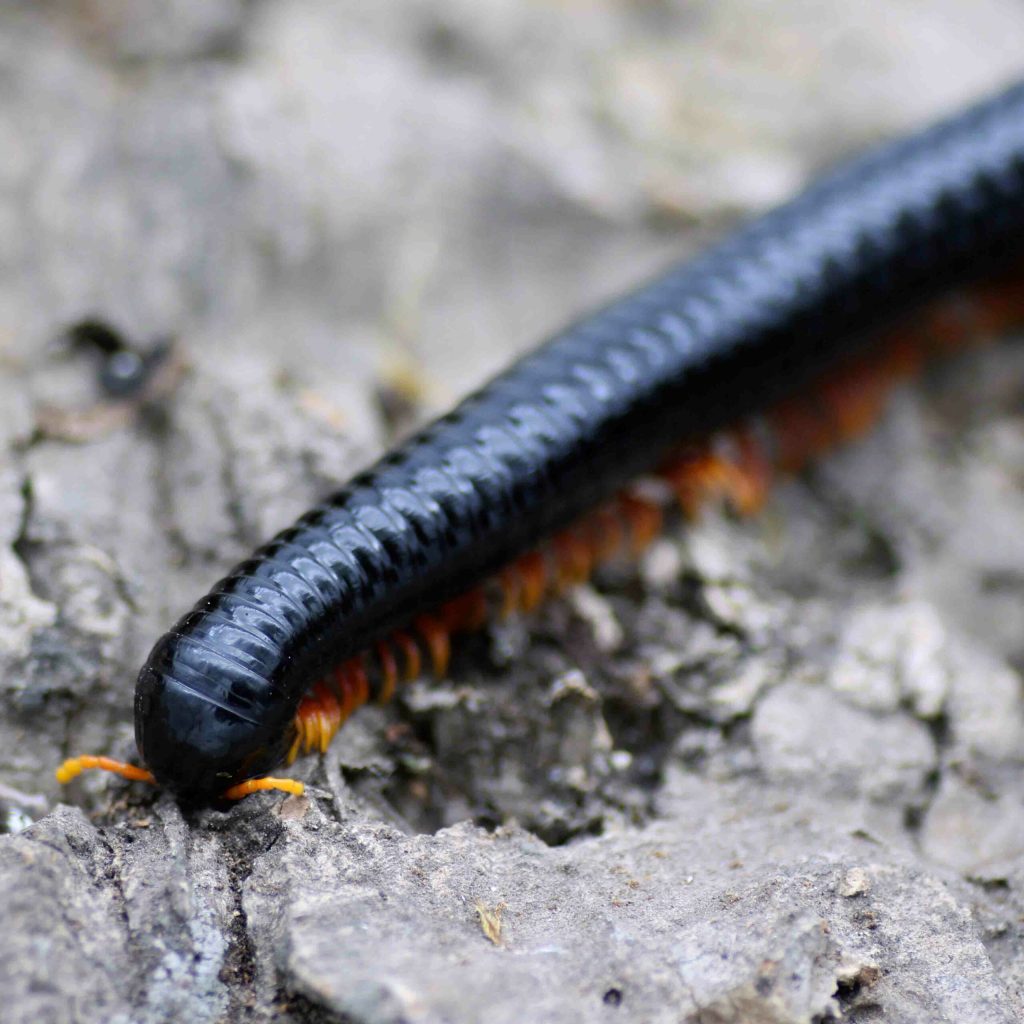
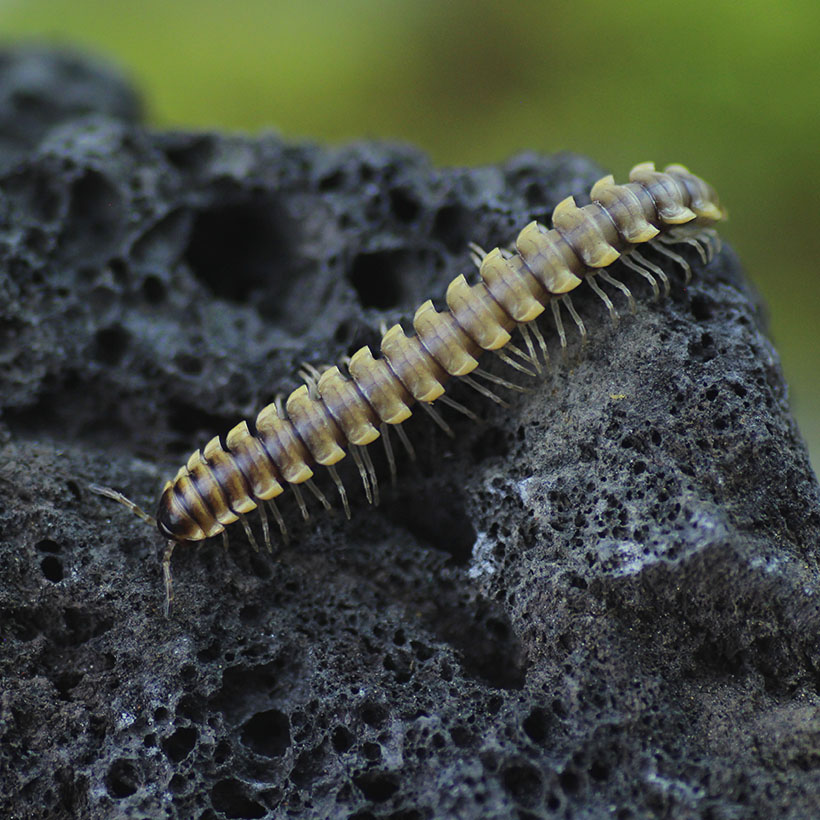
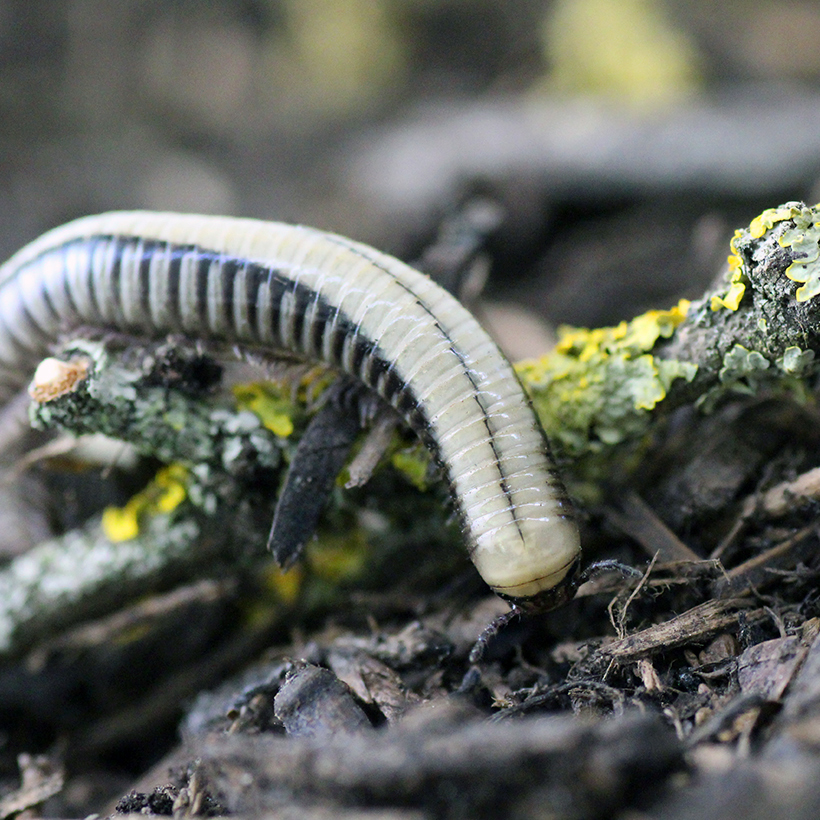
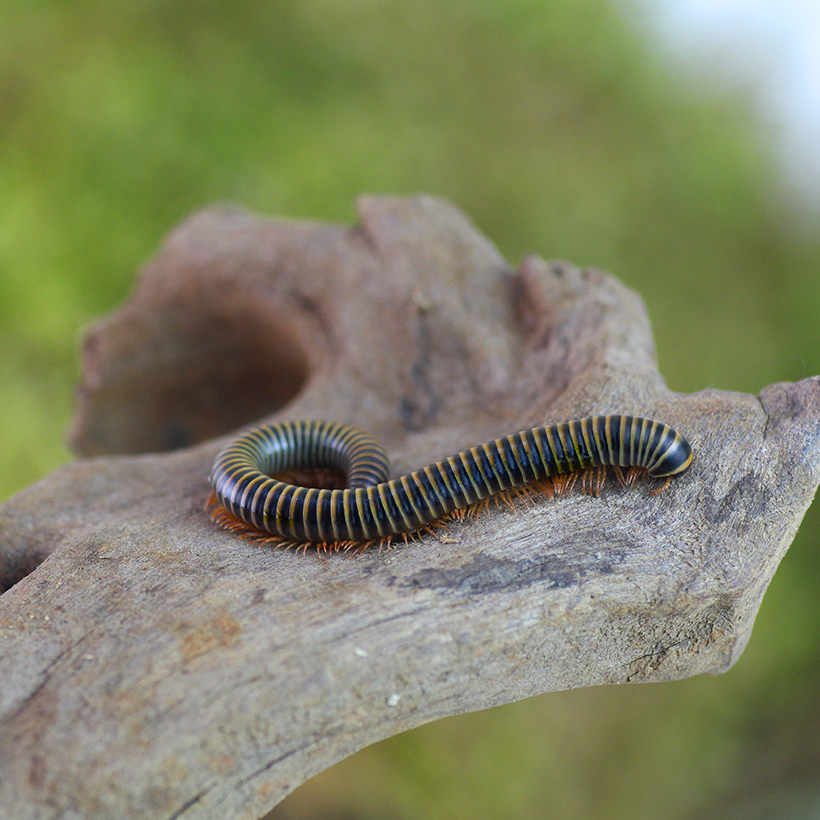
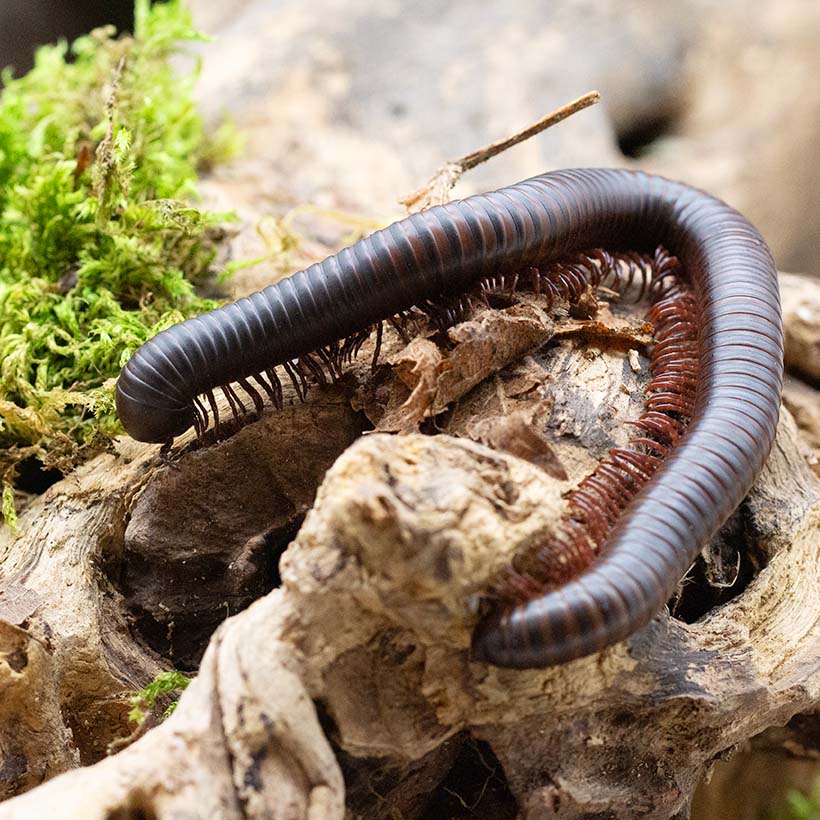
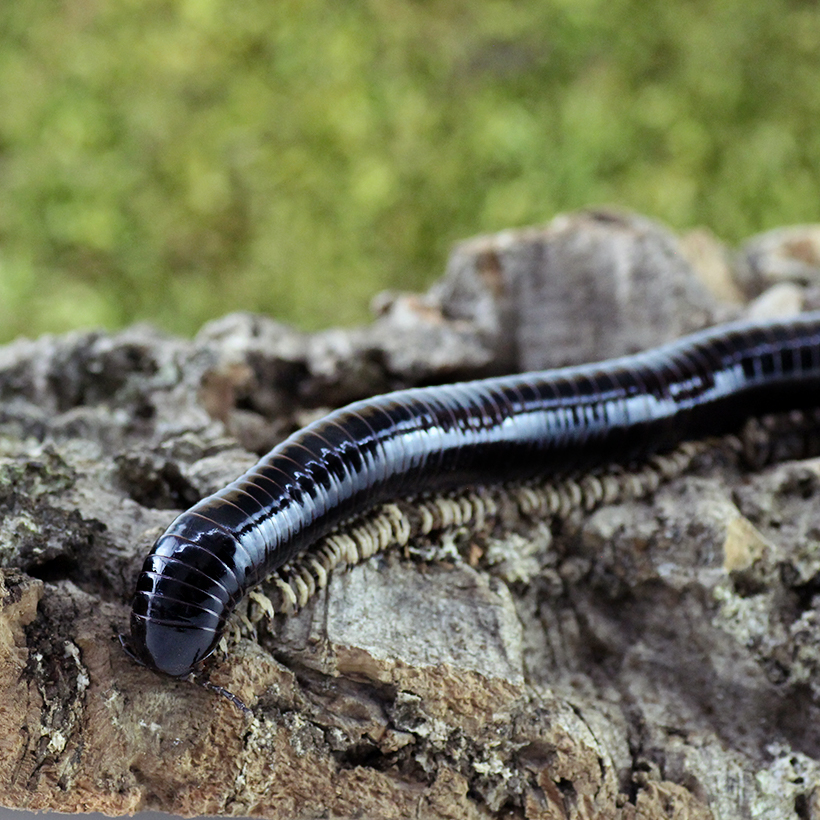
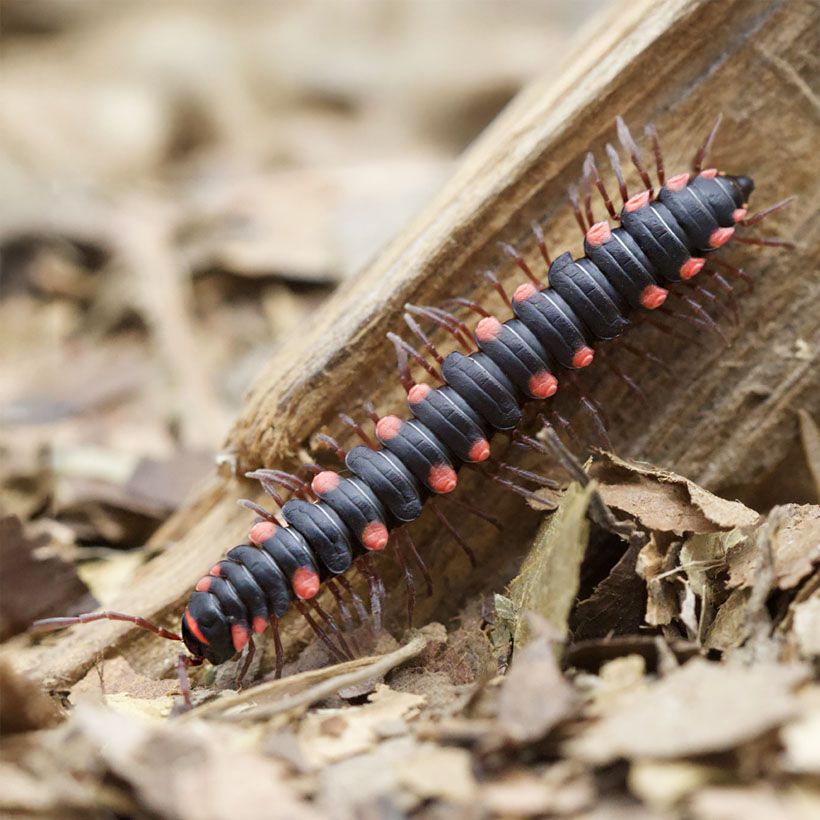
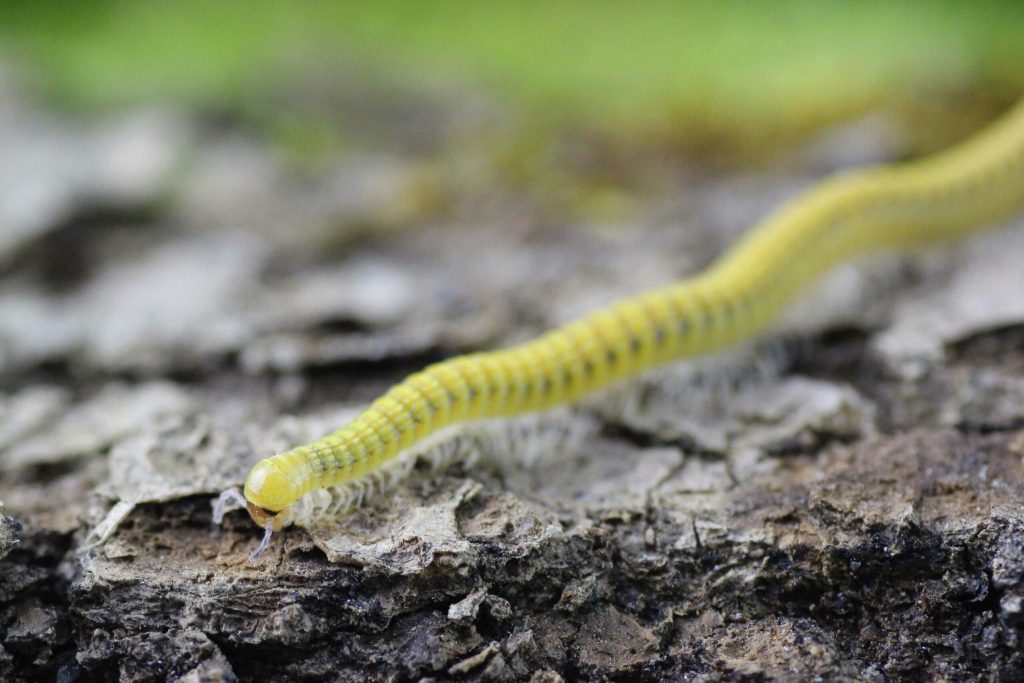
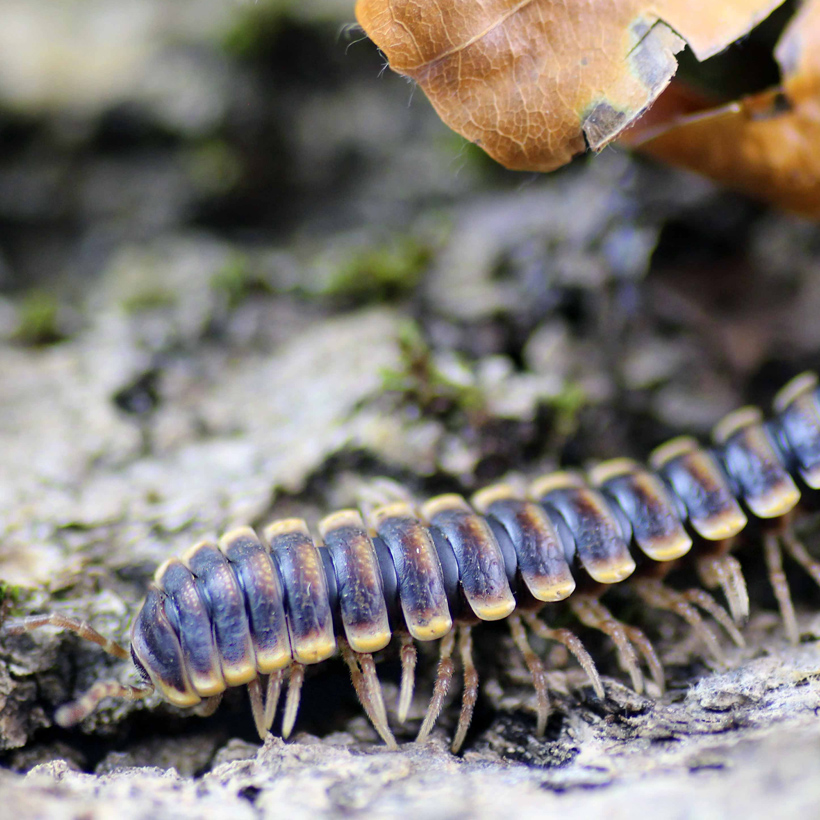
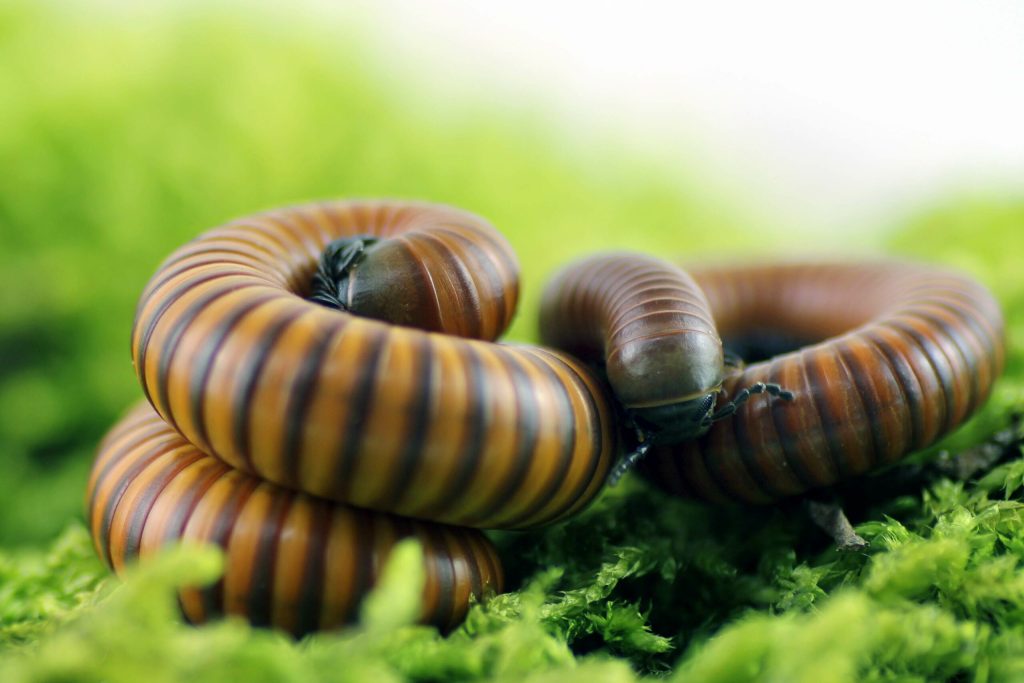
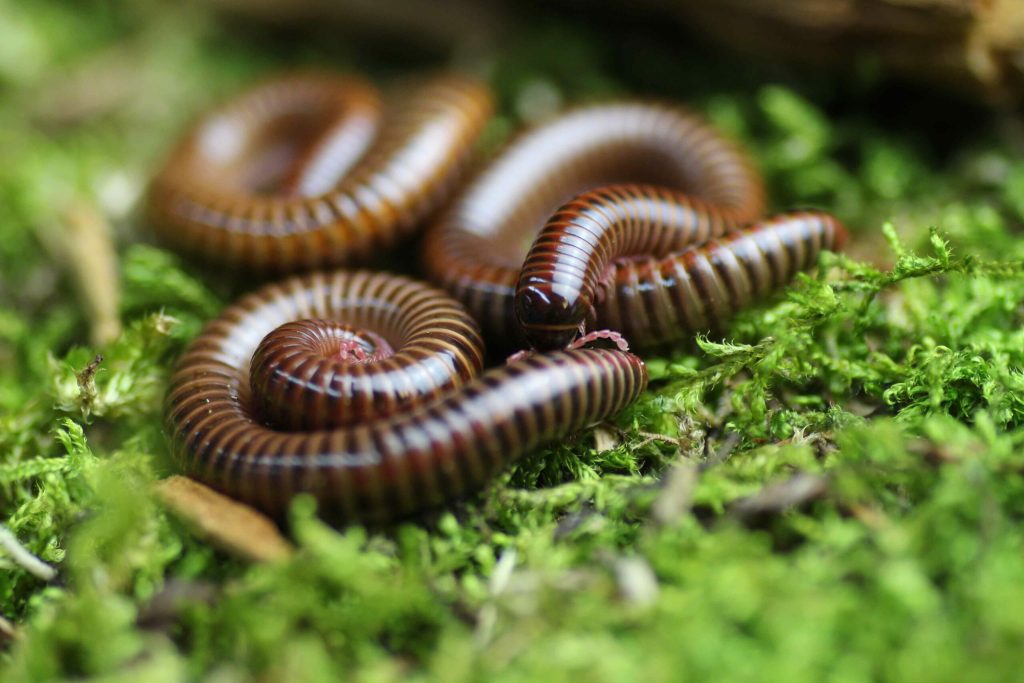
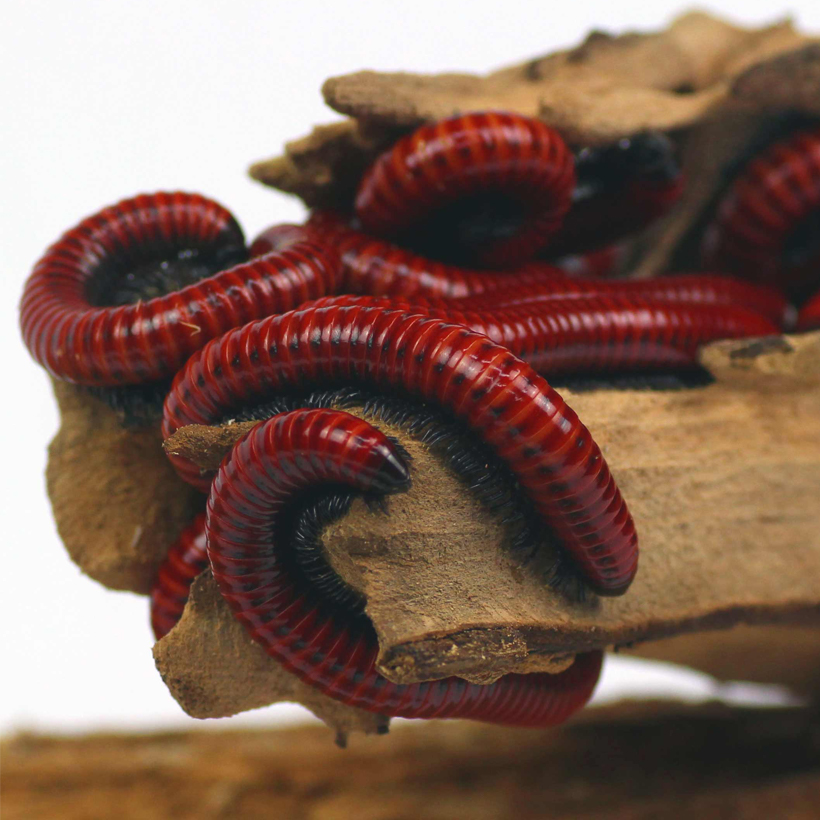
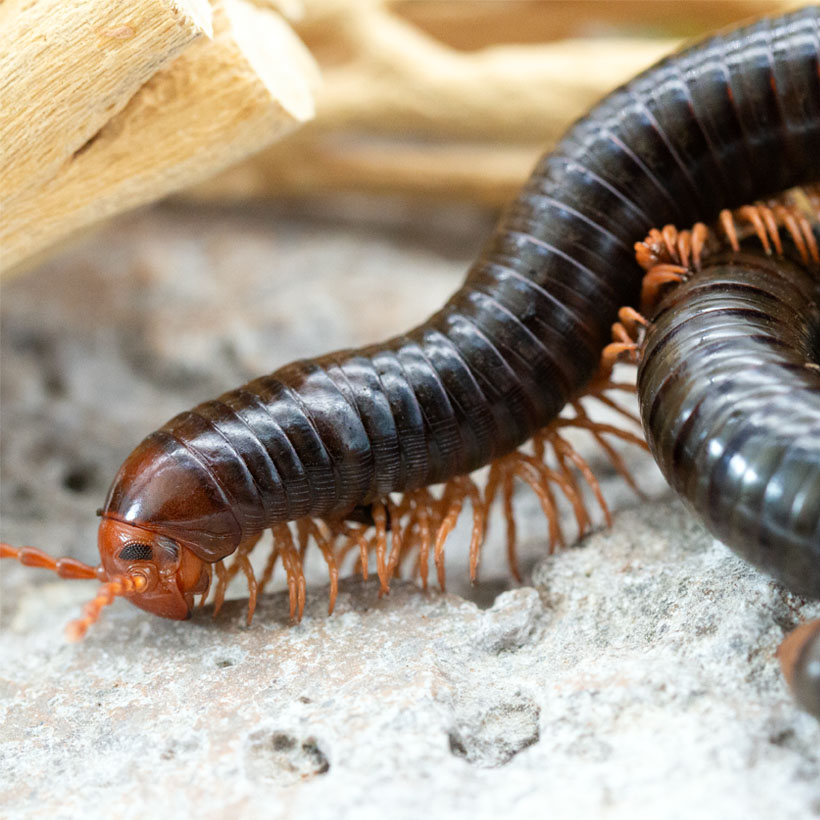
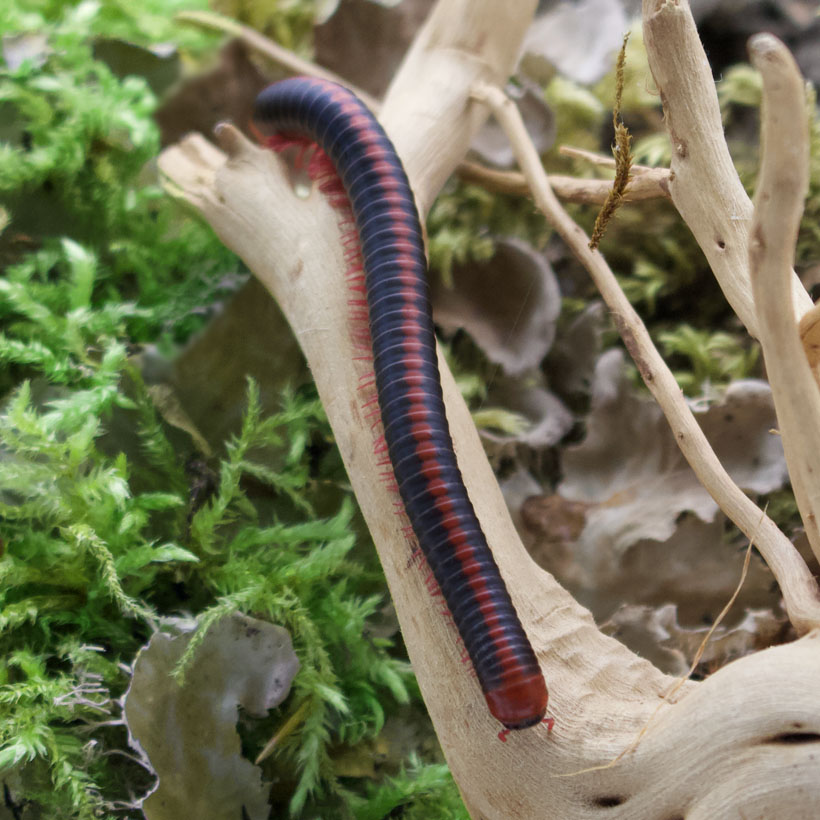
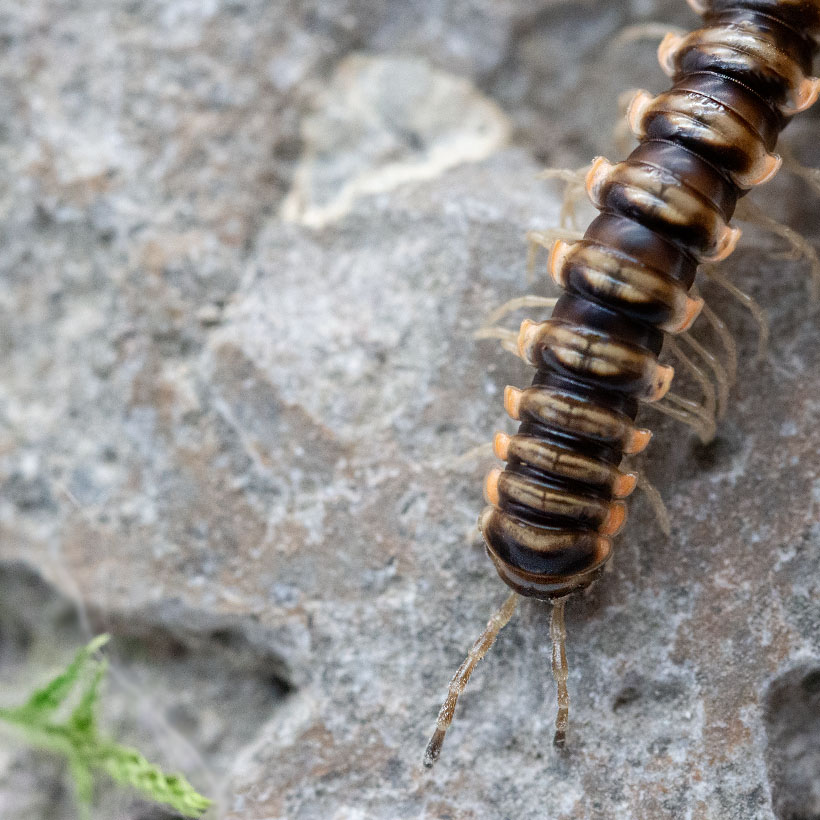
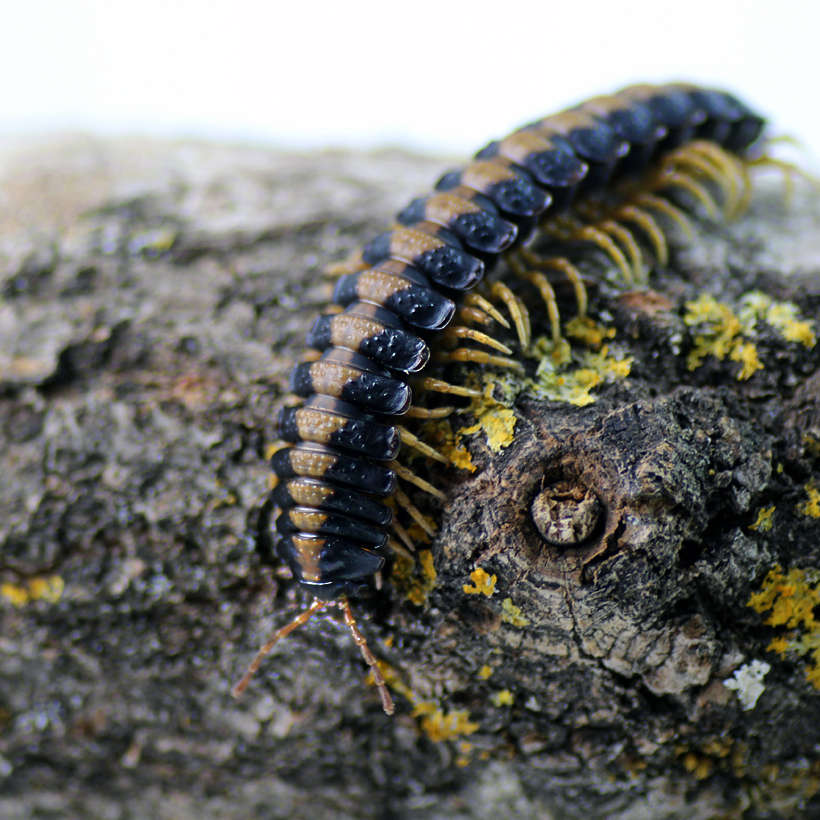
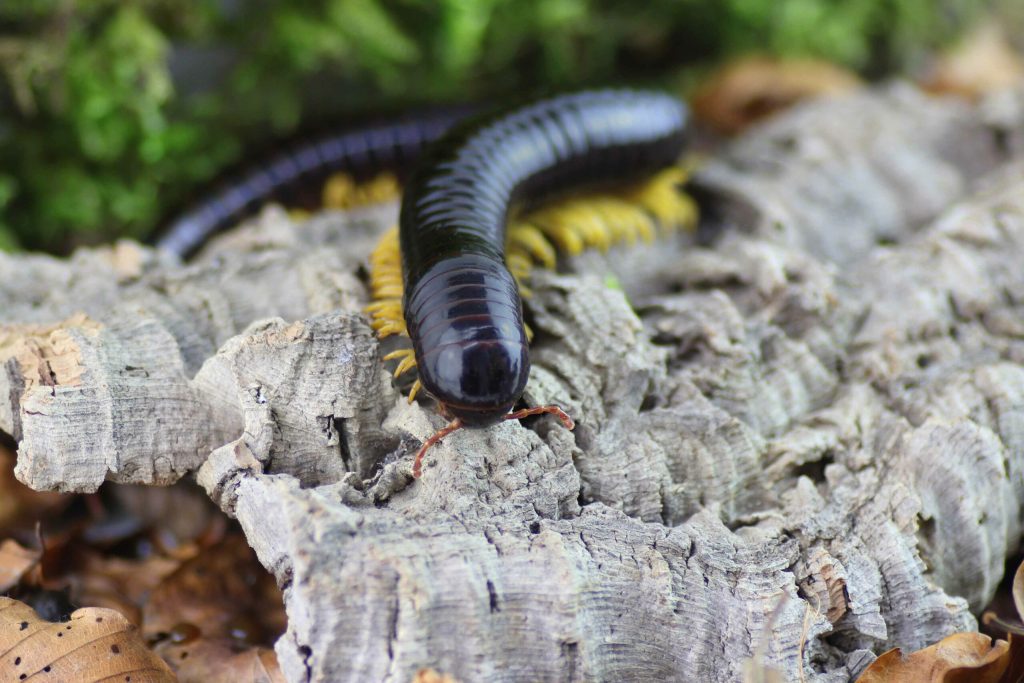
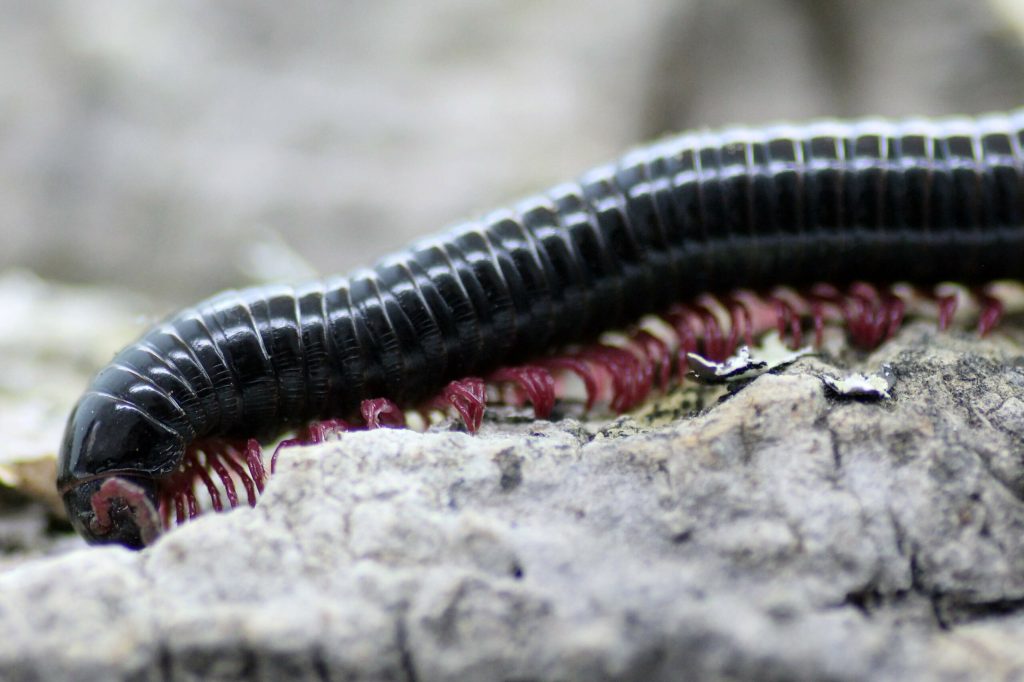
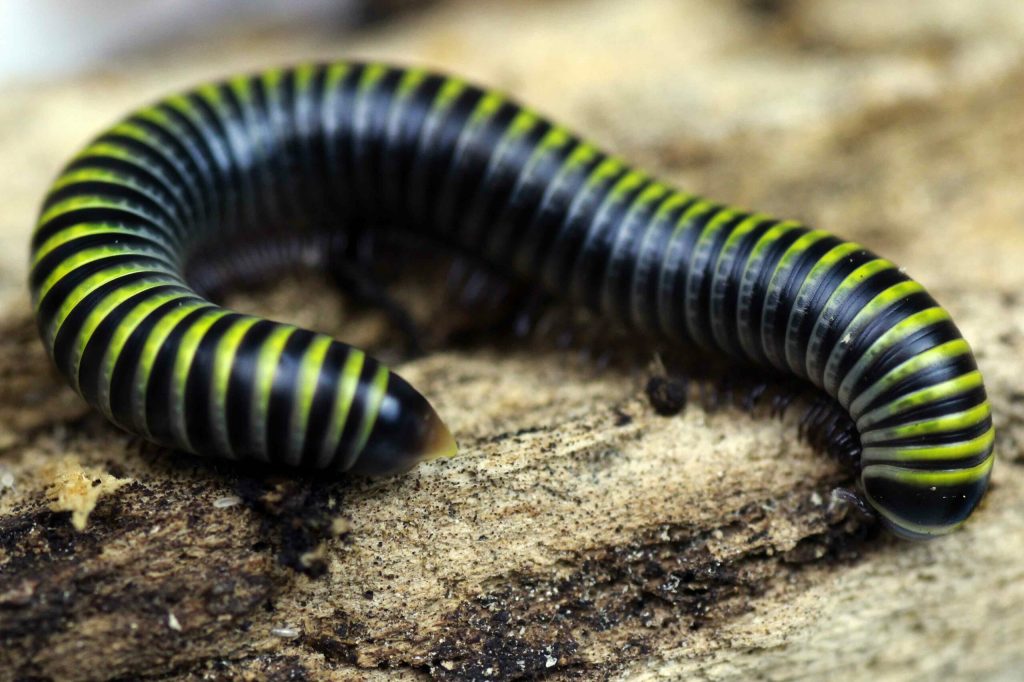
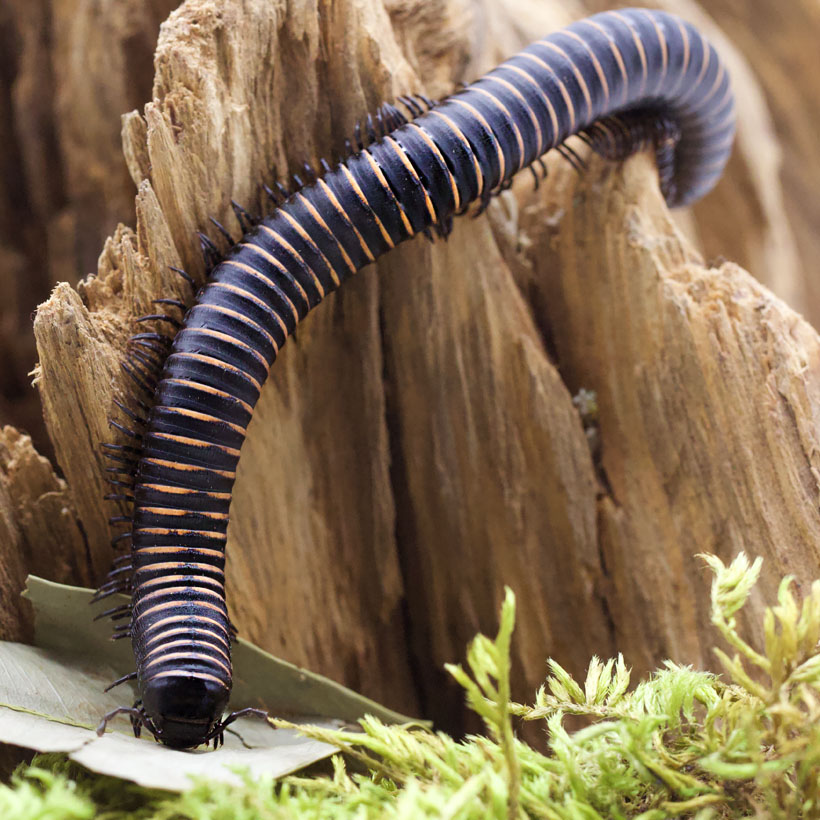
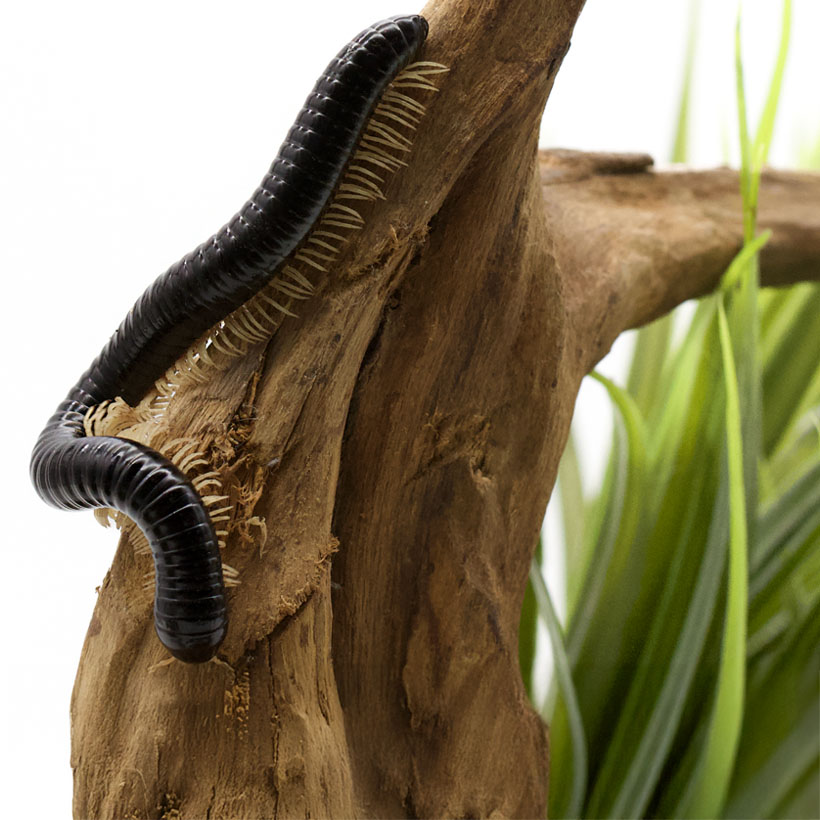
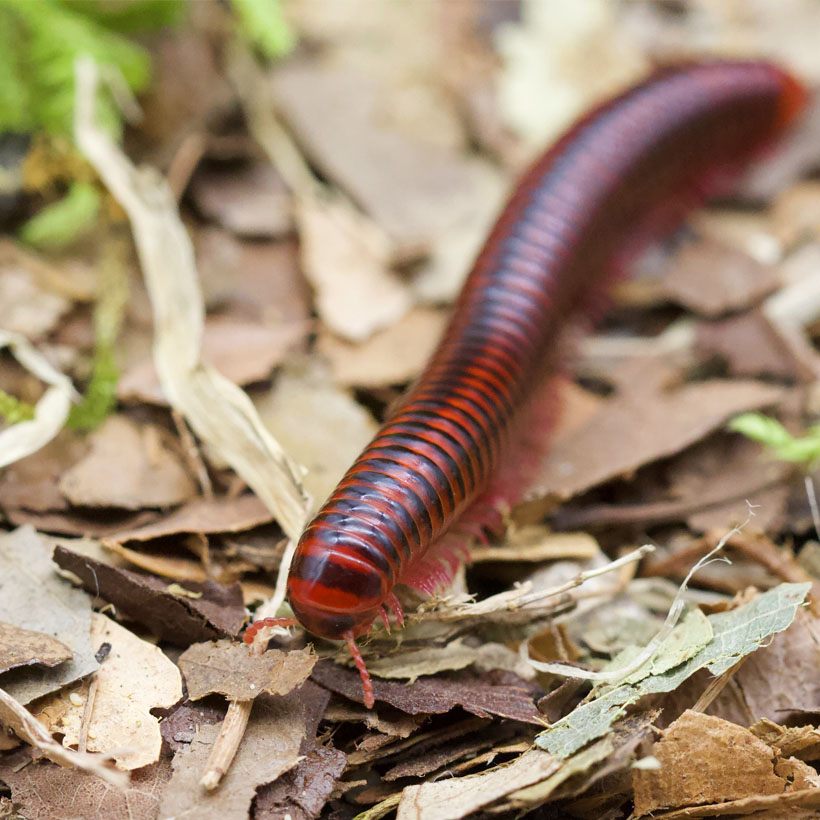
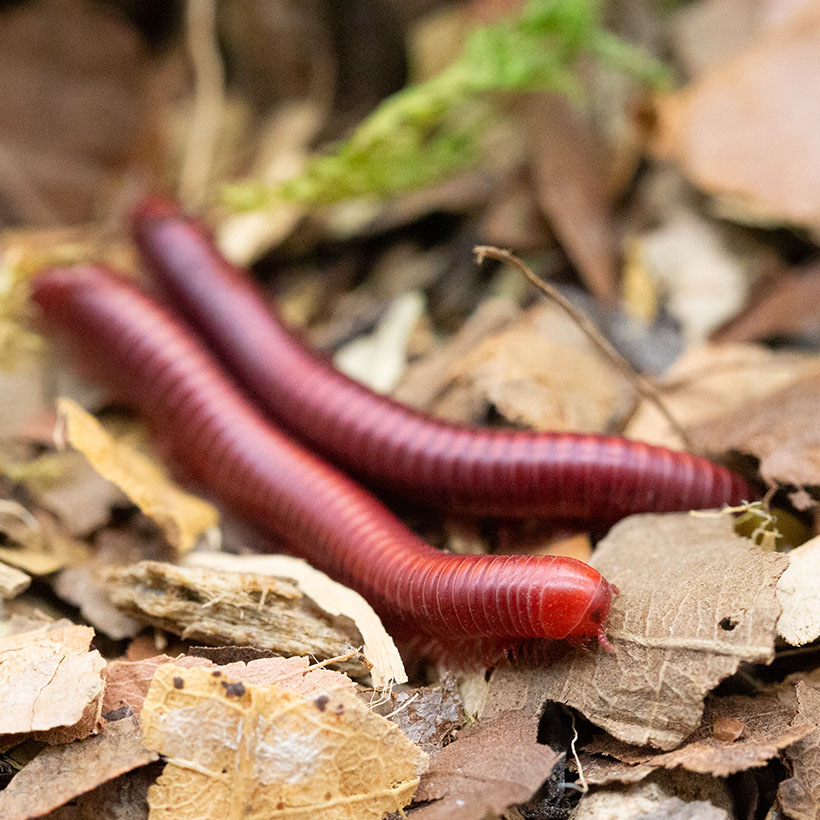
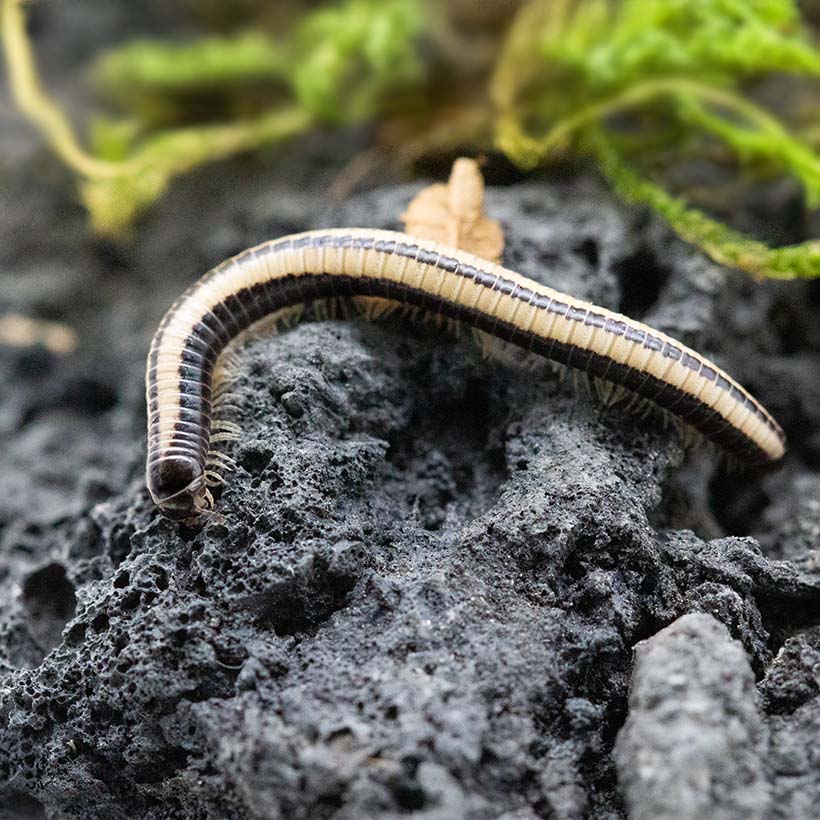
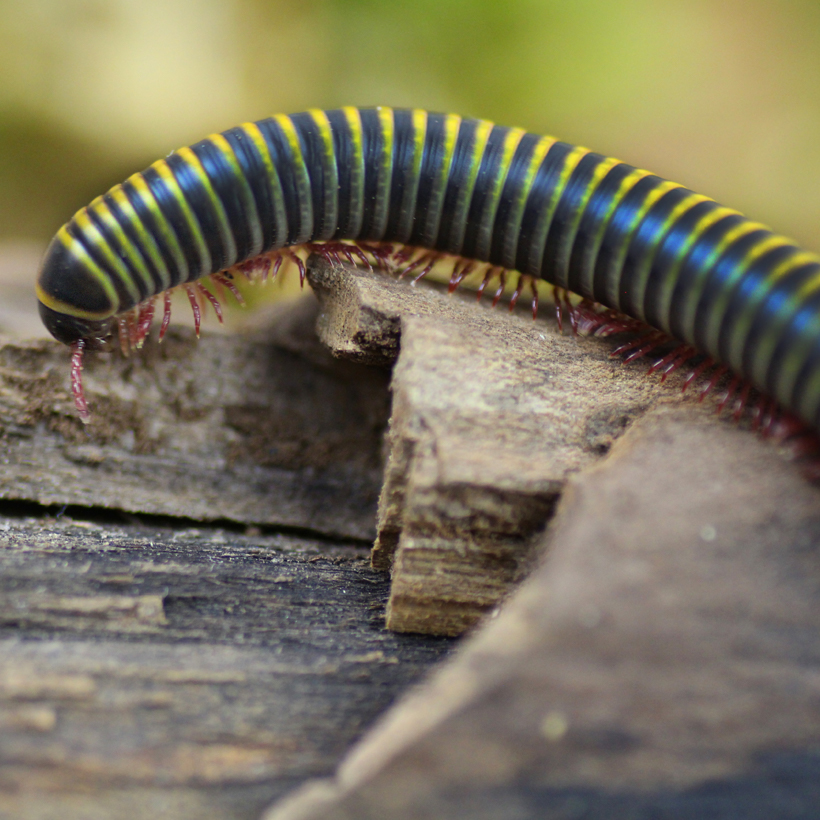
Millipede
Where do millipedes get their name?
Anyone who can put two and two together knows where millipedes get their name. However, they’ve been called millipedes for a long time, even though the first species that actually has a thousand legs wasn’t discovered until 2021. The specimen of the newly discovered species Eumillipes persephone has 1,306 legs! So the name “millipede” is finally justified—at least for this species.
They belong to the class Diplopoda, which simply means “double-legged.” Over the course of their evolution, which spanned 450 million years, pairs of segments fused together. Each fused segment has two pairs of legs, which gives the body greater stability and helps the animals climb and dig.
Are millipedes dangerous?
Millipedes feed primarily on dead plant matter and act as important decomposers in nature. They have a predominantly vegetarian diet, are not predators, and keep a low profile as much as possible. Their main predators are birds, scorpions, and reptiles. As a result, millipedes are naturally very cautious animals, always on the lookout for threats. When danger looms, they curl up into a ball and remain that way until the danger has passed. Their vulnerable body parts, such as their underside and head, are protected at the center of the ball.
To do this, they secrete a substance known as a defensive secretion through the openings on the sides of their body rings. This secretion, which is usually brownish in color, has a foul odor and leaves yellowish-brown to purple stains on the skin. The secretion is harmless, but it should not come into contact with the nose, eyes, or mouth.
What are millipedes like as pets?
Millipedes are very interesting to observe and relatively easy to care for
as
pets. You can keep them in terrariums or even in old aquariums, even without lighting. Since their main food source consists of leaves and white rot, these two components should also be included in the substrate. Most species also don’t require heating and do just fine at room temperature. This means you need very few supplies, save money, and still have beautiful, exotic pets!
Glossy Giants of the Forest Floor
Millipedes are large, colorful detritivores that feed on leaf litter and decaying wood, enriching the substrate in the process.
Their peaceful nature and low-maintenance requirements make them excellent pets—even for beginners.