Unident. spec. “African Grey”
9,99 € incl. VAT, plus shipping
(from 5 SU = 10% Discount, from 10 SU = 15% Discount)
(from 5 SU = 10% Discount, from 10 SU = 15% Discount)
In stock

Simple

Nigeria

< 120 mm

22°C – 25°C
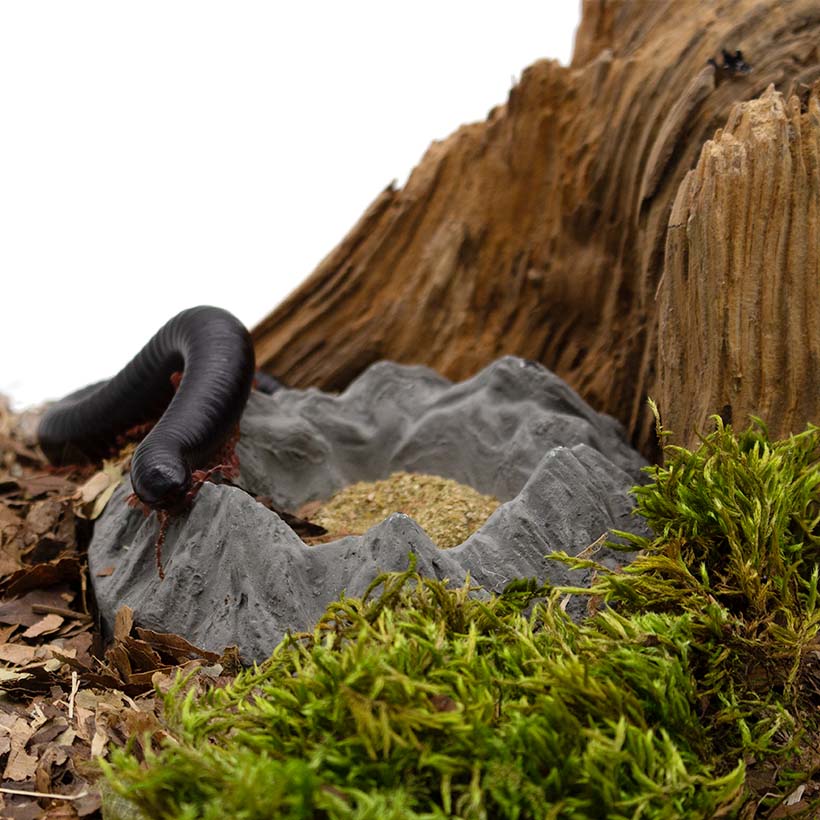
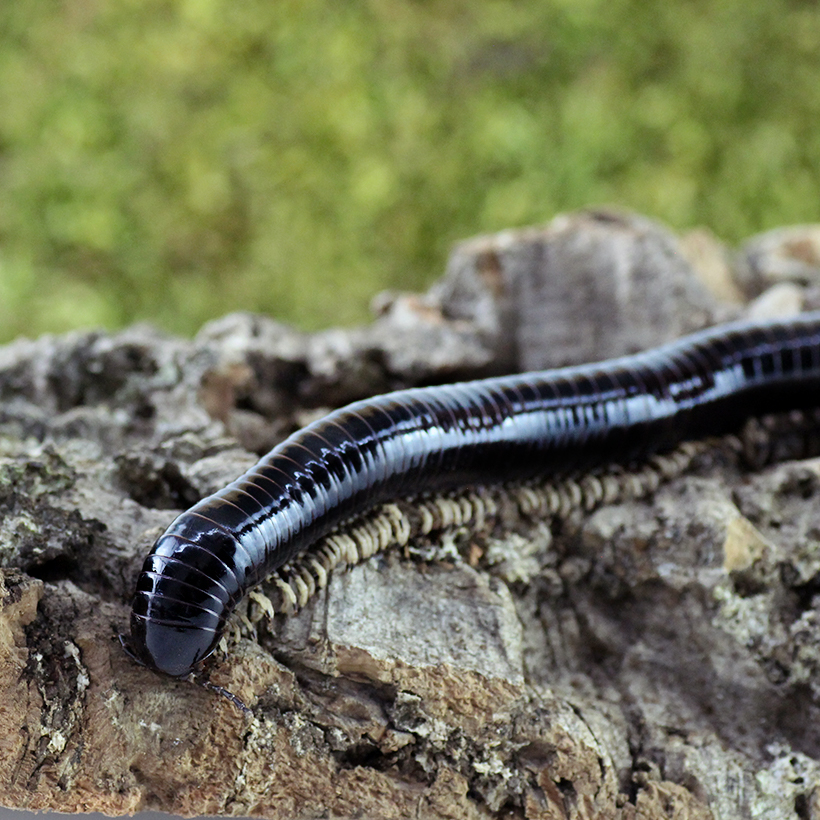
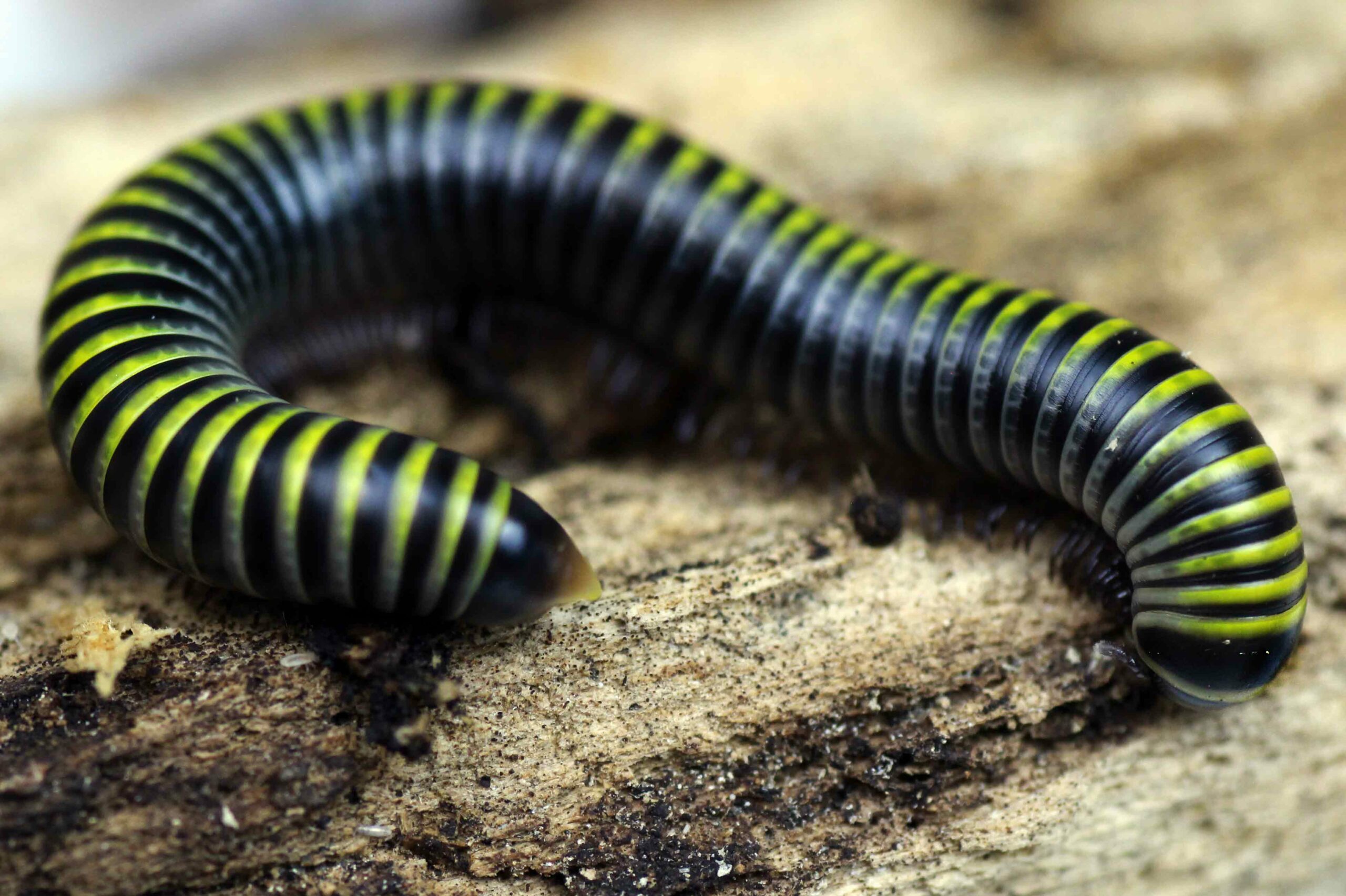
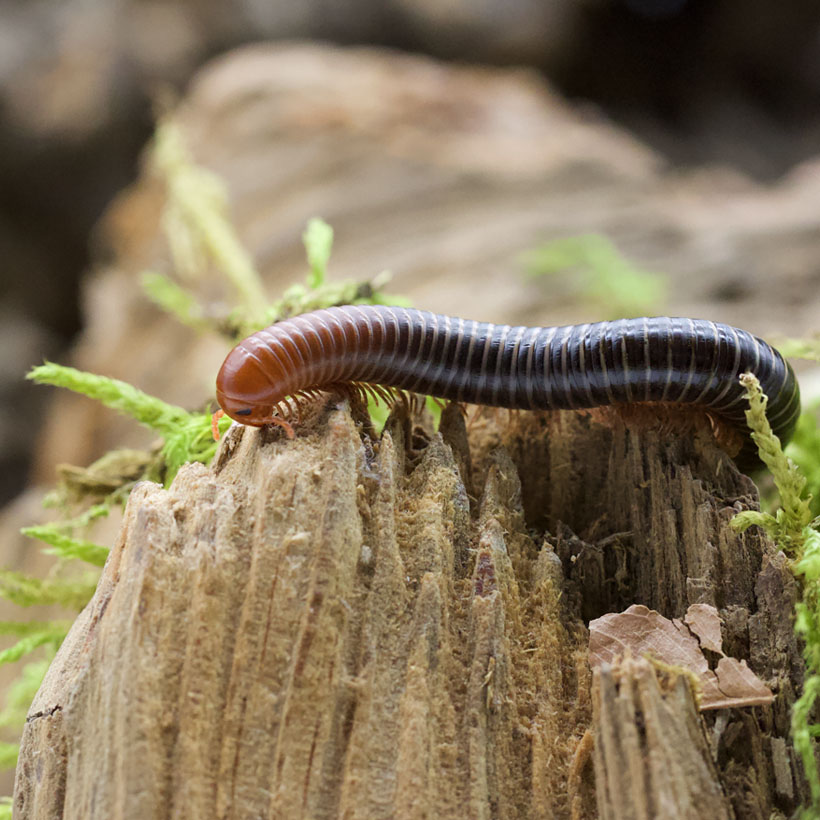
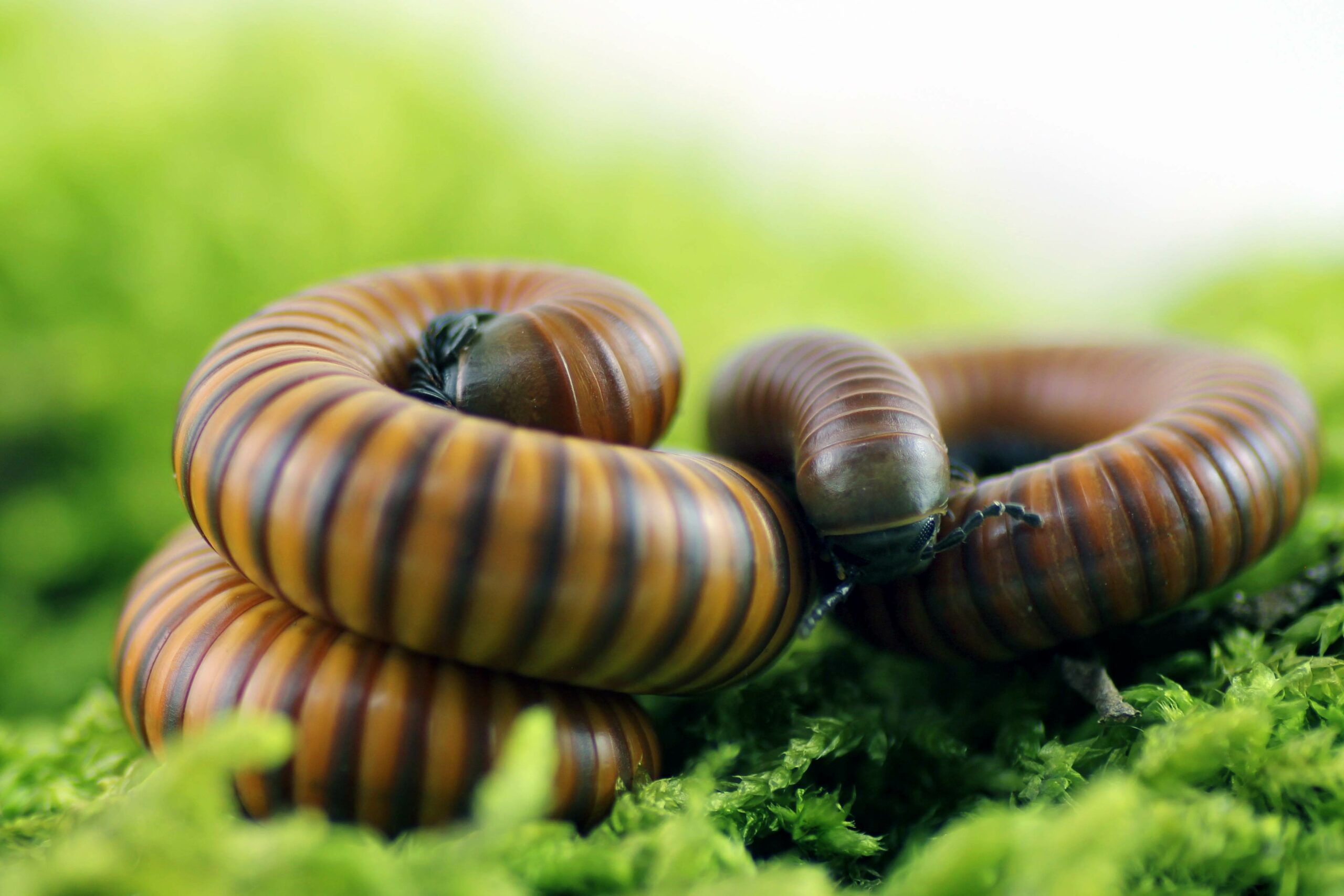
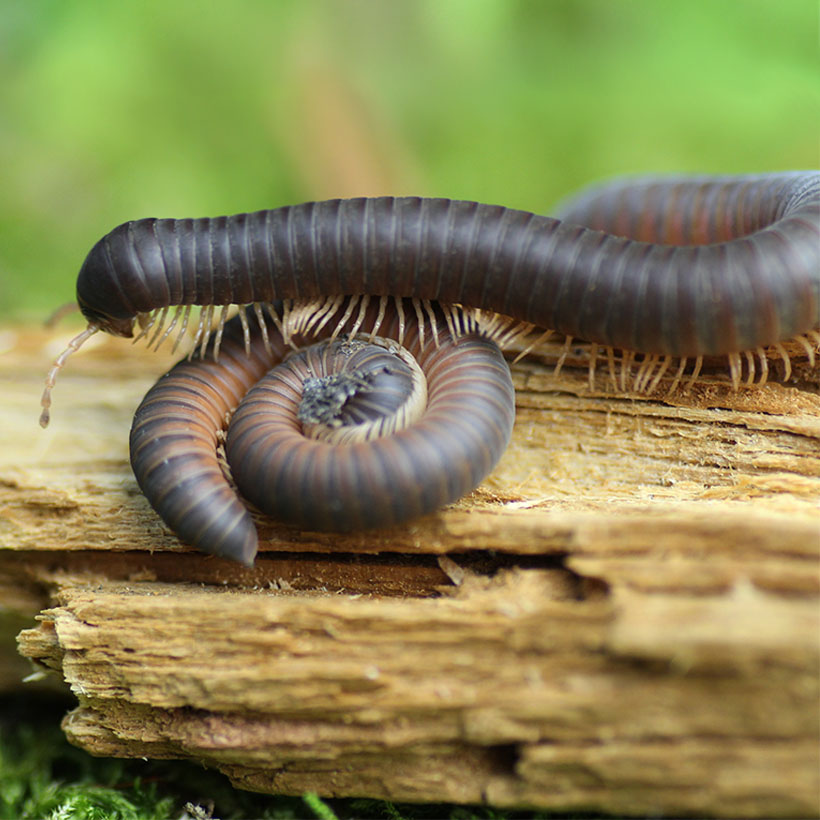
Unidentified species “African Grey” – the silver-gray millipede from Africa
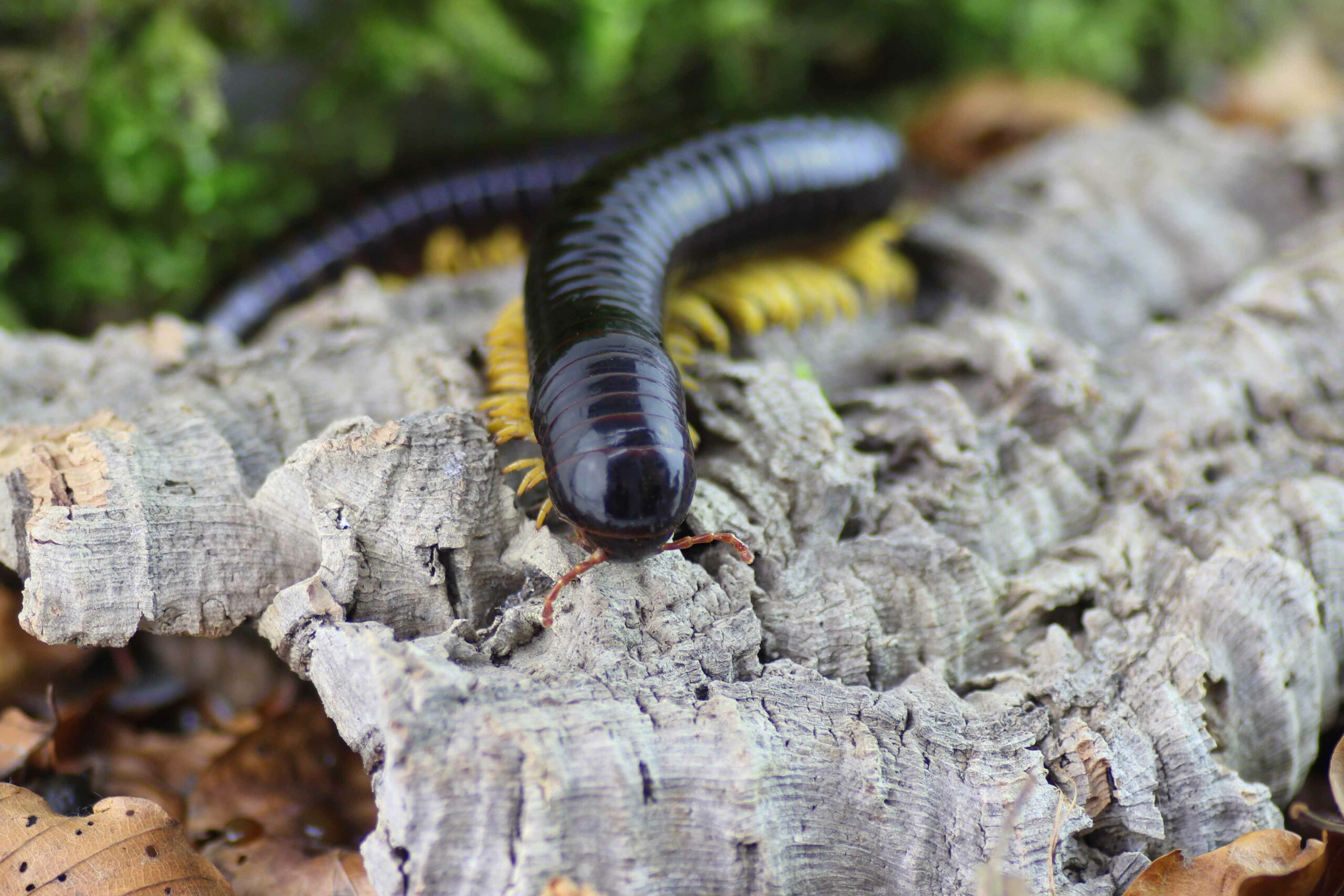
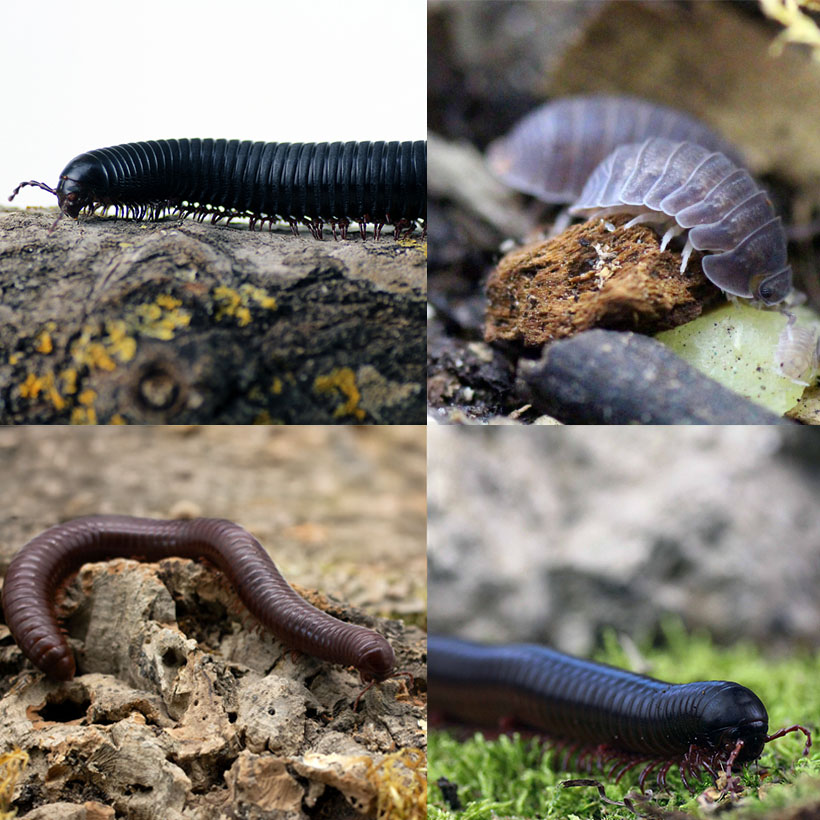
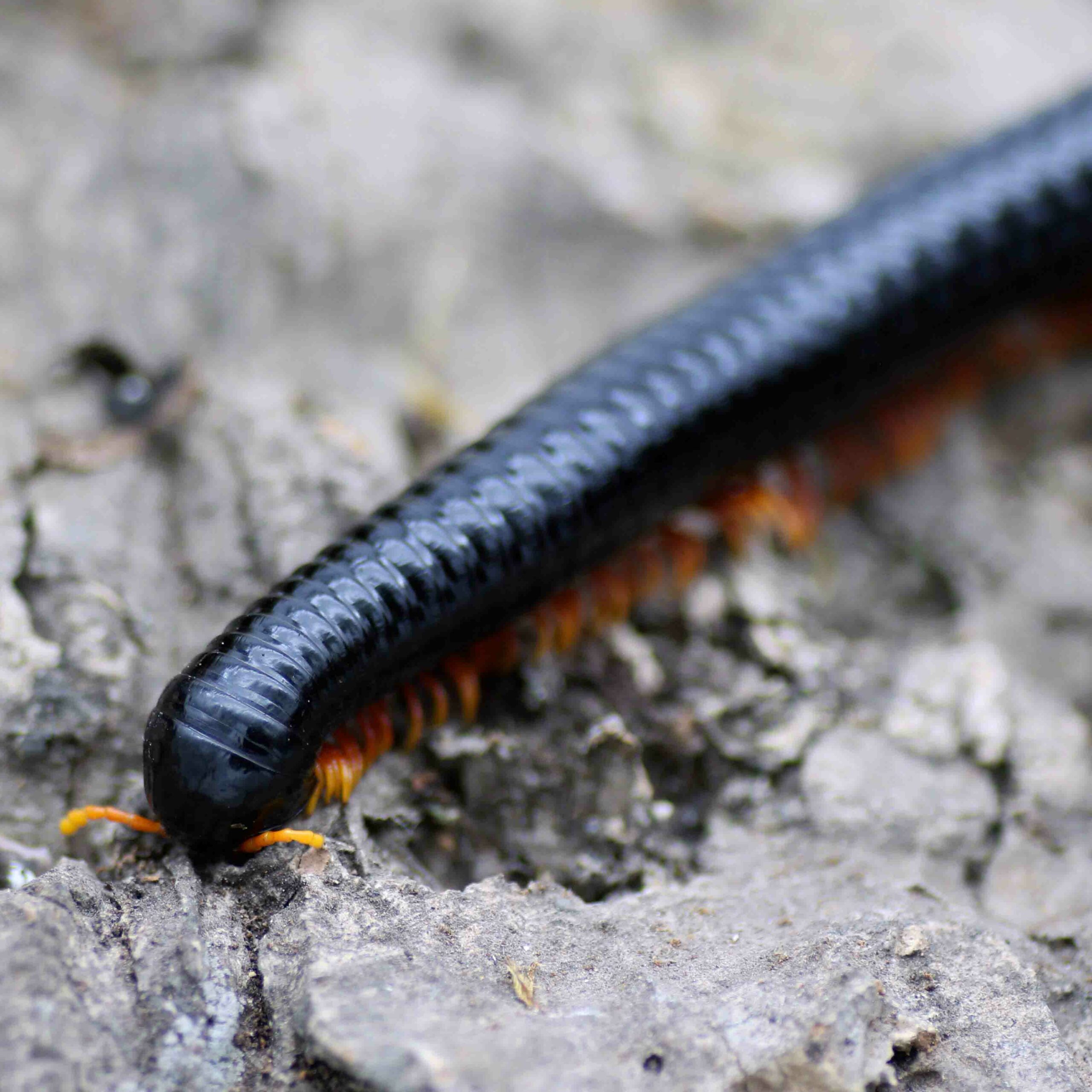
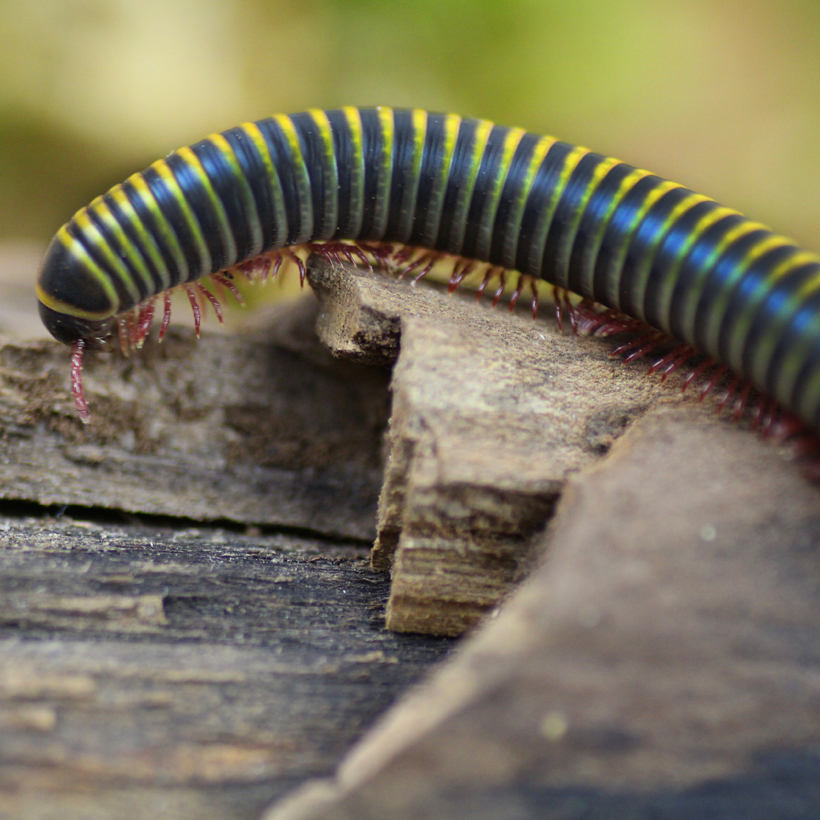
With its silver-gray to gray-brown coloration, it has Unidentified species “African Grey” an exceptionally elegant appearance. While many African millipedes stand out with their bold shades of red, orange, or brown, this species features a much more subtle color palette.
Its evenly segmented body and numerous legs are particularly striking as the animal moves slowly across leaves, wood, and the forest floor. This creates the characteristic waves of movement along its body.
However, the designation “Unident. spec.” already makes it clear that this is not a scientifically determined species name. “African Grey” is the name used in the terrarium hobby to refer to this African form, which has not yet been definitively identified.
For this reason, we deliberately refrain from assigning it a specific genus, an exact range, or other species-specific characteristics until a definitive identification has been made.
However, this is not an obstacle to keeping them. Under the right conditions, these animals are easy to care for and display the interesting digging, feeding, and exploratory behaviors that make large African millipedes so fascinating.
What does Unidentified species “African Grey” ?
“Unident.” stands for ” unidentified.”
This is important because a trade name must not be confused with a valid scientific species name.
At Unidentified species “African Grey” So we know that this is an African millipede. However, we cannot definitively identify it at the species level.
The term “African Grey” primarily describes the animals’ characteristic appearance and also makes it possible to recognize this variety within the terrarium hobby.
Until a scientifically sound identification is available, this cautious designation makes more sense than hastily assigning a species name to the animal.
Silver-gray instead of bright and colorful
Its most striking feature is its subtle coloration.
Depending on the animal and the lighting , its body appears silver-gray, gray, or gray-brown. This creates a calm, almost metallic overall impression.
This coloration stands out particularly beautifully in a natural forest terrarium with brown leaf litter, dark substrate, and wood.
However, “African Grey” should not be understood as a precisely defined color standard. Individual birds may appear slightly lighter or darker.
A quiet inhabitant of the forest floor
Unidentified species “African Grey” is a peaceful millipede.
The animals spend a large part of their active time searching the ground for edible plant material.
As they do so, they run through the layer of leaves, examine pieces of wood, and regularly disappear completely into the substrate.
This is exactly the behavior you should take into account when setting things up.
A millipede terrarium doesn’t thrive on as many decorations as possible. What’s crucial is a deep, nutrient-rich substrate.
The substrate serves as both a habitat and a food source
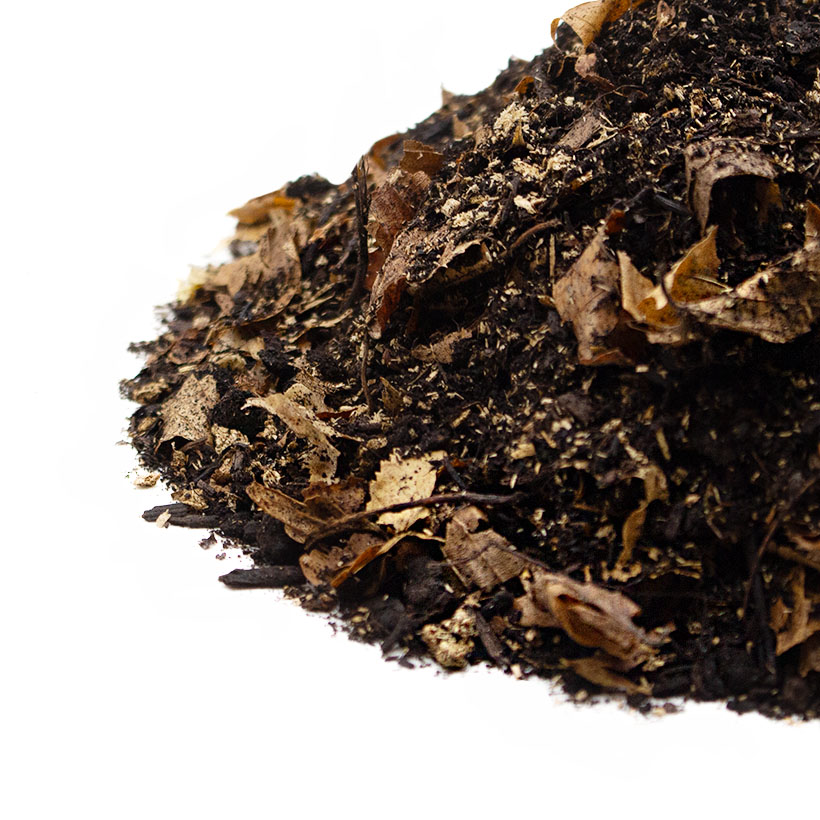
For Unidentified species “African Grey” We recommend our special millipede substrate.
It contains fermented leaves and wood affected by white rot. As a result, it serves not only as a substrate suitable for burrowing but also as an important food source.
Because millipedes are decomposers.
They break down dead and already decomposed plant material, thereby contributing to the further decomposition of organic matter in nature.
For terrarium keeping, this means that the substrate is an essential part of the diet.
Our millipede substrate should therefore not be mixed with other substrates. Doing so would simply reduce the proportion of usable organic material.
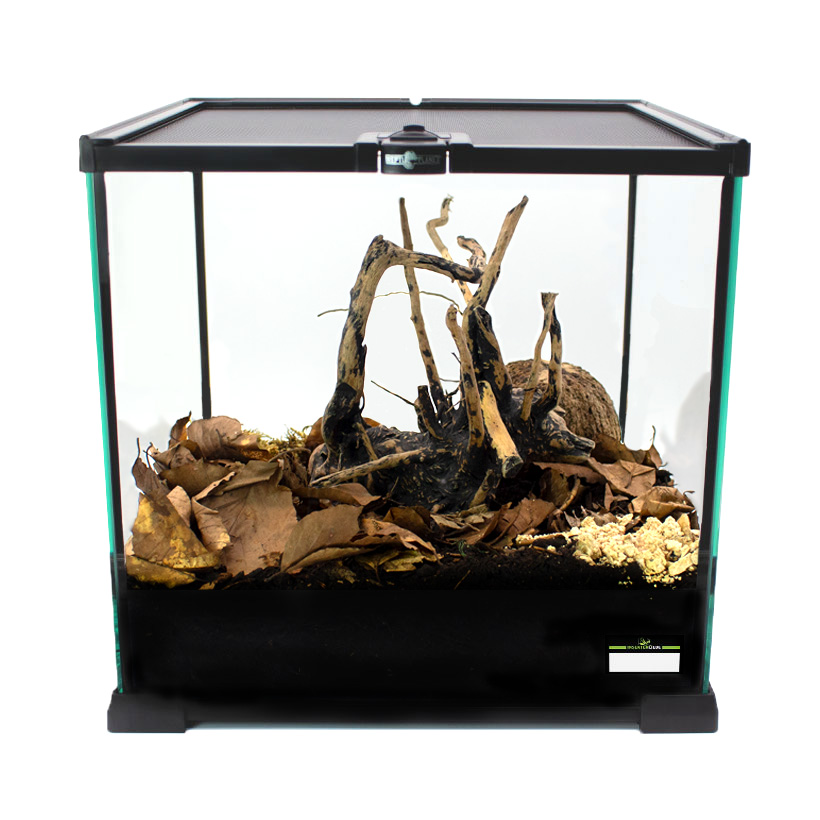
Fill with at least 10–15 cm of substrate
The substrate should be at least 10–15 cm deep. For larger animals and a terrarium suitable for them, it can certainly be even deeper.
This is because millipedes regularly burrow themselves completely underground.
There, they look for suitable humid areas, retreat, and molt safely underground.
At the same time, a natural moisture gradient develops in a deep substrate.
The surface may dry out slightly in some places, while the deeper areas remain moist for longer.
Food leaves belong in the terrarium at all times
In addition, there should be a generous layer of fallen leaves on the ground.
The leaves serve several purposes at once.
It serves as a natural food source, provides cover, and at the same time reduces evaporation from the substrate beneath it.
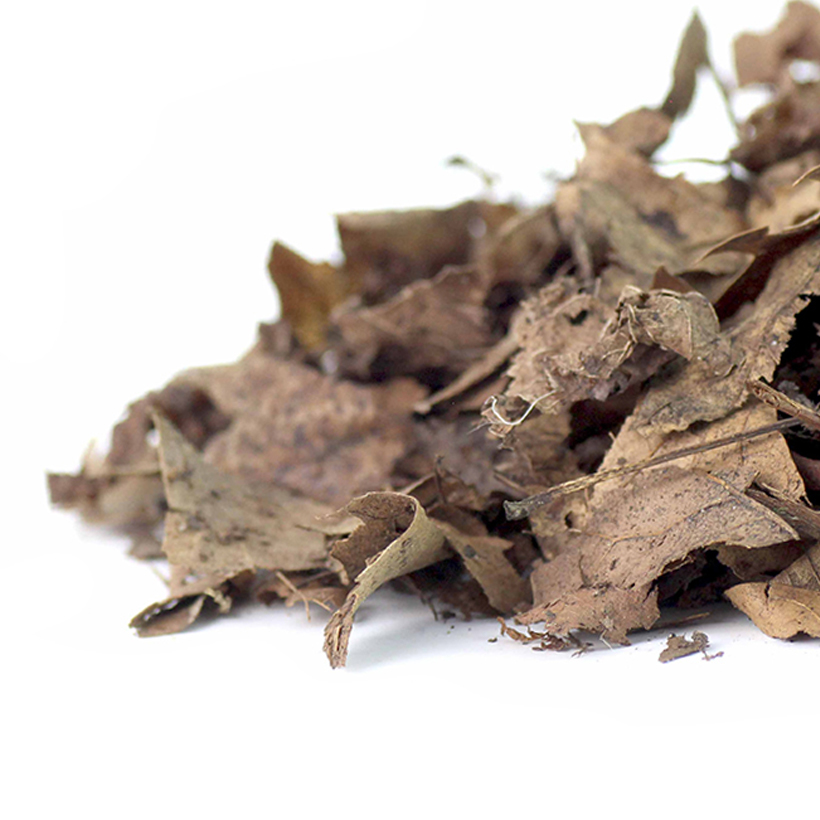
Over time, the leaves continue to decompose and are eaten by millipedes.
That’s why you should add new content regularly.
So a forest floor with a thick layer of leaf litter not only looks natural but also serves an important practical purpose.
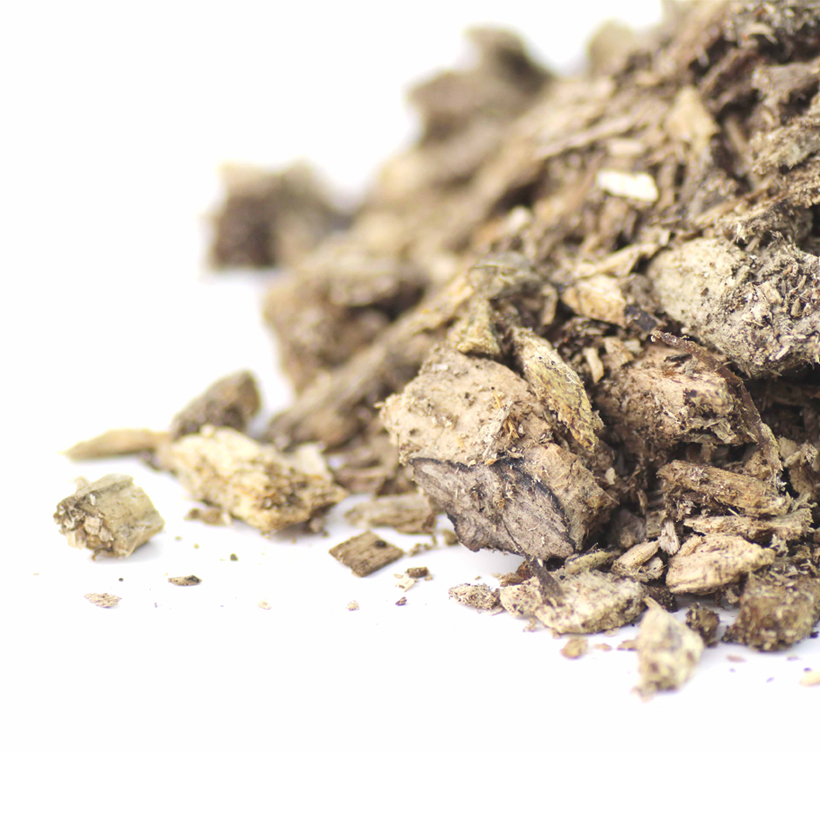
White-rot-decayed wood as an important component of the diet
White rot-infected wood is also part of the basic supply.
This is wood that has already decomposed significantly and has become soft and, in some places, brittle.
It is clearly different from hard, dry branches, which are used solely for decoration.
White-rotten wood can be placed directly on the substrate or partially buried.
This allows the animals to gradually utilize it.
Vegetables complement a natural diet
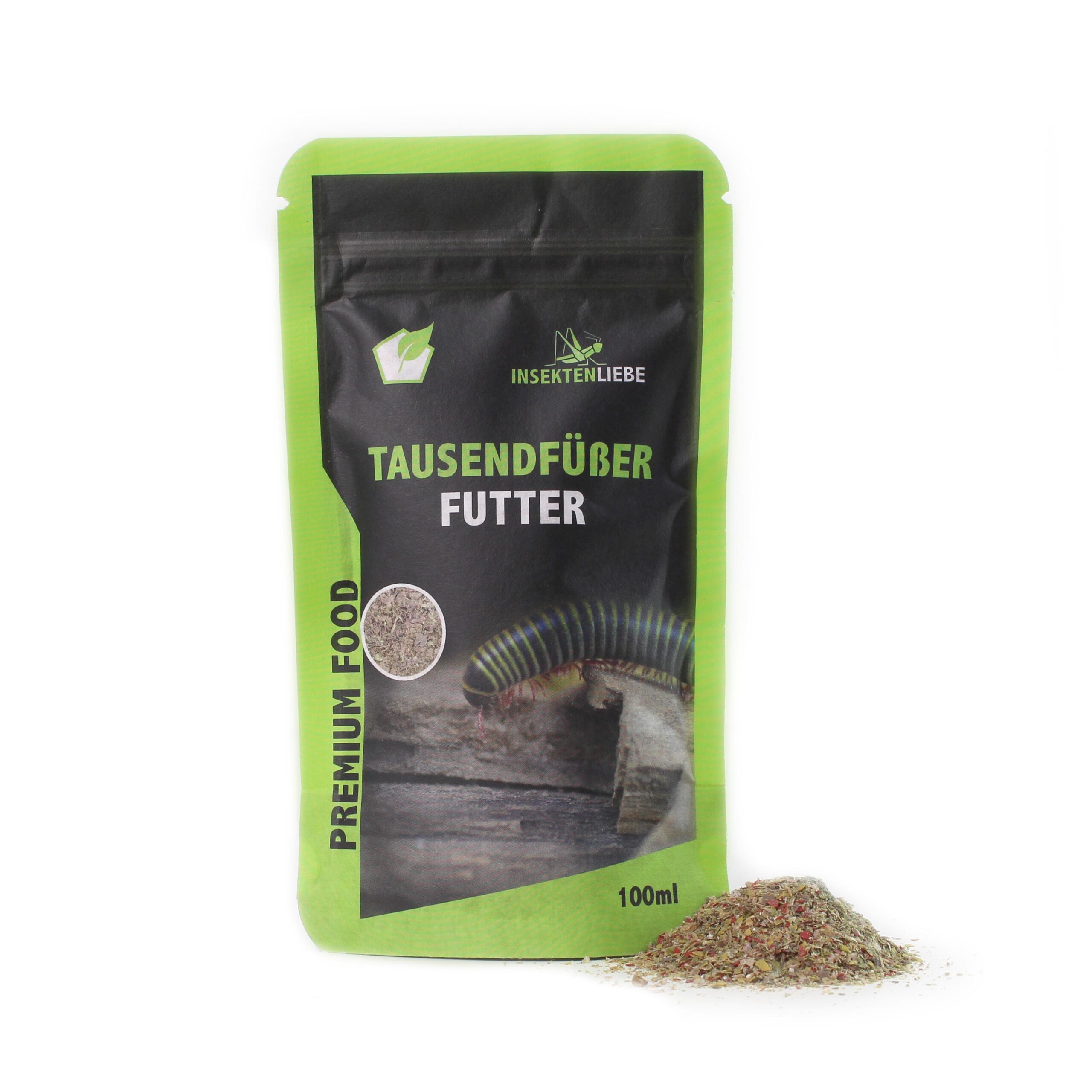
You can also offer a variety of vegetables.
The following, for example, are particularly suitable:
- Zucchini
- Carrot
- Parsnip
- Pumpkin
- Sweet potato
- Cucumber
You can also offer some fruit from time to time.
However, fresh vegetables remain a supplemental food.
Their diet continues to consist primarily of high-quality millipede substrate, fallen leaves, and white-rotted wood.
As a result, the diet is much more closely aligned with the natural lifestyle of a decomposer.
Use animal protein only sparingly
Occasionally, a small amount of protein-rich food can also be offered.
For this purpose, gammarus or suitable fish food are used in the millipede diet, for example.
However, such food should not be left in the terrarium all the time or in large quantities.
They are a supplement, not a main source of nutrition.
In addition, uneaten food must be removed promptly so that it does not spoil in the humid terrarium.
Offer an additional source of calcium
A cuttlebone can remain in the terrarium indefinitely.
This provides the animals with an additional source of calcium that they can access on their own when needed.
The cuttlefish bone is easy to check and can be replaced if necessary.
Keep it warm and even
Since the exact species has not been identified, particularly precise species-specific temperature data should be viewed with caution.
For keeping this African species, we recommend a temperature range of approximately 23–27 °C.
At night, the temperature can drop a little.
However, you shouldn’t keep the animals unnecessarily warm.
Stable conditions and a suitable microclimate in the substrate are crucial.
Do not place a heating mat under the terrarium
You should avoid using a heating mat under the terrarium if you have millipedes.
If it gets too hot or dry for the animals on the surface, they usually retreat to deeper layers of soil.
There, they can expect cooler and more humid conditions.
With underfloor heating, however, it would be exactly the opposite: the deeper the animal digs, the warmer it gets.
If additional heat is needed, the entire substrate should therefore never be heated from below.
Keep the soil moist, but avoid waterlogging
The substrate requires a constant level of moisture.
However, the terrarium should not be equally damp throughout.
A difference in humidity allows the animals to choose where they want to stay.
One area can therefore be moistened slightly more, while another is allowed to dry out more on the surface.
The deeper layers should continue to maintain a good level of moisture.
On the other hand, waterlogging and permanently soggy soil should be avoided.
Good ventilation remains important
Humidity should not be confused with stagnant air.
Even a humid millipede terrarium needs regular air circulation.
Good ventilation helps maintain a stable soil environment and prevents extremely damp and stuffy conditions from developing over time.
For this reason, humidity should be regulated primarily through the substrate and not by closing the ventilation openings.
Burying things is part of natural behavior
If your Unidentified species “African Grey” If it has suddenly disappeared, there is no reason to worry at first.
Some millipedes spend long periods of time underground.
This is especially important during molting.
To do this, the animal retreats to a sheltered area of the substrate. There, it sheds its old exoskeleton, and the new one must then harden completely.
During this time, the millipede is particularly vulnerable.
Therefore, never dig up animals that have been buried.
Group housing is possible
Unidentified species “African Grey” can generally be kept in a group with other members of its species.
To do this, there must be sufficient space and, above all, enough food in the substrate.
As the number of animals increases, the substrate is broken down more quickly.
Food leaves and white-rotten wood should therefore be checked and replenished regularly.
This ensures that even a small group remains well-cared-for in the long term.
An interesting decomposer—but not a traditional “ground police”
Millipedes are important decomposers. They break down and recycle dead plant material.
Nevertheless, we would Unidentified species “African Grey” Do not simply view them as traditional “ground police” for any social terrarium.
Large millipedes have specific requirements regarding substrate depth, nutrition, moisture, and space.
For this reason, they should be kept as individual terrarium animals, with a habitat specifically tailored to their needs.
Advantages at a glance
- Unidentified species “African Grey”
- African form, not yet clearly identified
- Elegant silver-gray to gray-brown coloration
- Peaceful Behavior
- An Interesting Decomposer
- Group housing is possible
- At least 10–15 cm of substrate depth
- Operating temperature range: approximately 23–27 °C
- Evenly moist substrate
- A humidity gradient is recommended
- Good ventilation is important
- Avoid waterlogging
- Millipede substrate as a habitat and food source
- Provide food leaves on a permanent basis
- White-rot-decayed wood as an important staple food
- Vegetables only as a supplemental food
- Offer protein occasionally and in moderation
- A source of calcium is recommended
- Molting takes place in the substrate, where the insect is protected
- Never dig up animals that have been buried
- Do not place a heating mat under the terrarium
Suitable accessories for your setup
Millipede Terrarium Complete Set – offers ample floor space and allows for a deep layer of substrate for digging, hiding, and molting.
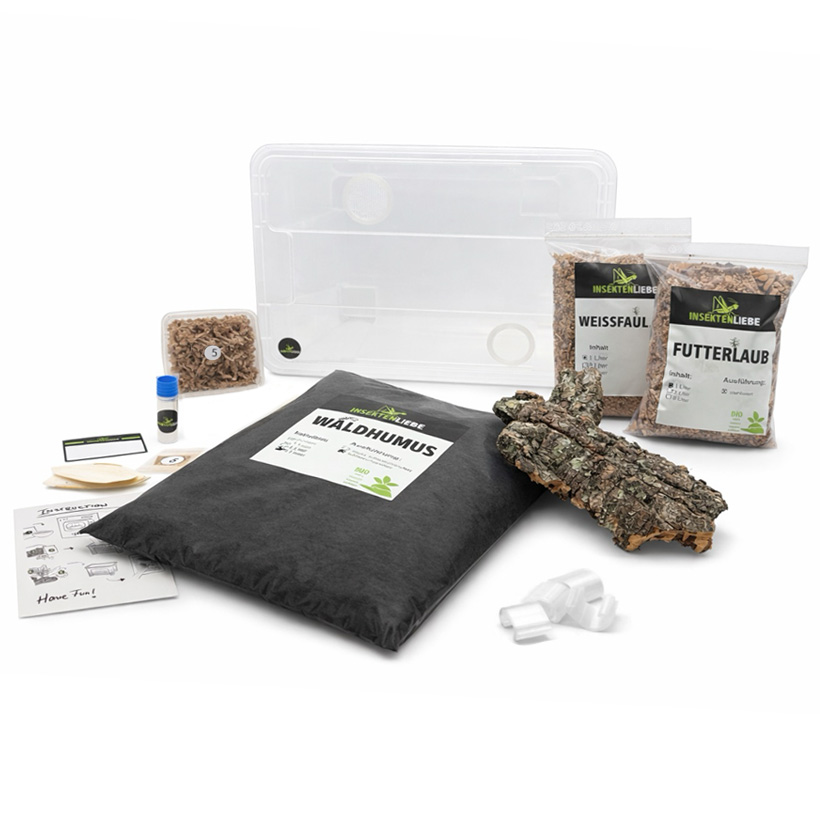
Insektenliebe Millipede Starter Kit – provides a basic set of supplies tailored to keeping large millipedes.
Millipede substrate —serves both as a burrowing habitat and an important food source made from fermented leaves and white-rotted wood.
Leaves for feeding —provide a natural, long-lasting food source, offer cover, and protect the substrate beneath from drying out too quickly.
White-rot wood —one of the most important natural food components—can be added directly to the substrate or partially mixed into it.
Insektenliebe Futterfels – ideal for presenting vegetables and other supplemental foods in a clean manner and keeping them off the damp substrate.
Conclusion
Unidentified species “African Grey” is an exceptionally beautiful African millipede that stands out not for its bold, striking colors, but for its subtle silver-gray to gray-brown coloration.
Since the exact species has not yet been determined, we are deliberately refraining from making supposedly precise, species-specific statements that cannot be scientifically substantiated. For their care, we therefore base our approach on the needs of the African form we are raising here.
The focus is on a substrate layer at least 10–15 cm deep made of millipede substrate. This is supplemented with plenty of decaying leaves and white-rotted wood. Vegetables round out their diet, while small amounts of animal protein can be offered occasionally.
At approximately 23–27 °C, with good soil moisture and adequate ventilation, it is possible to Unidentified species “African Grey” Take good care of it.
This makes “African Grey” particularly appealing to owners who are looking for a peaceful millipede with an unusually subdued coloration and who also value a terrarium designed to resemble its natural habitat.