Your cart is currently empty!
Keeping report Isopods
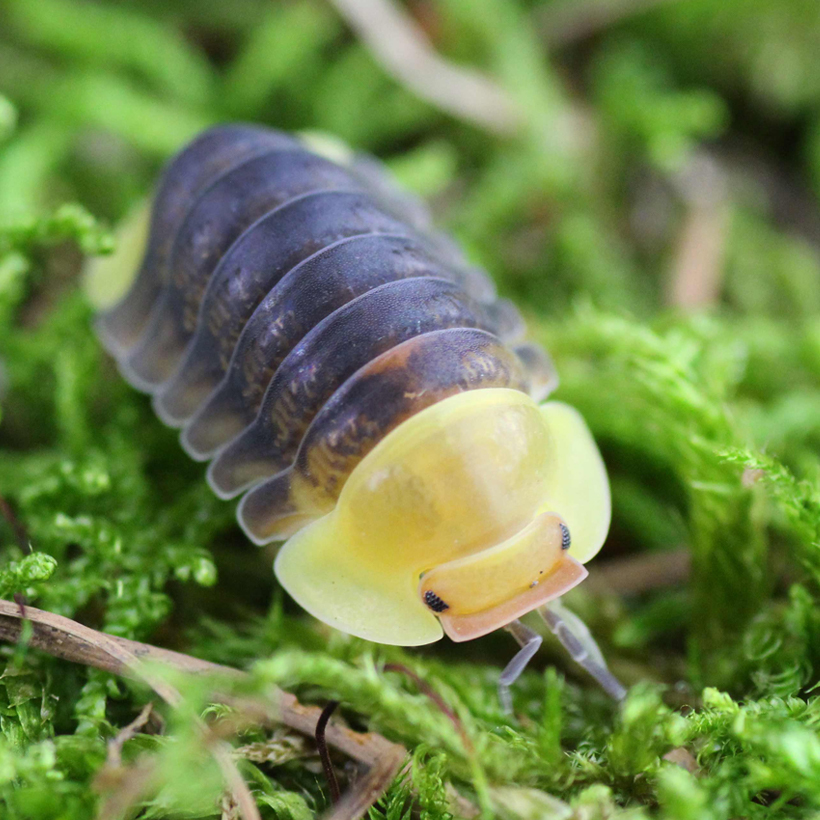
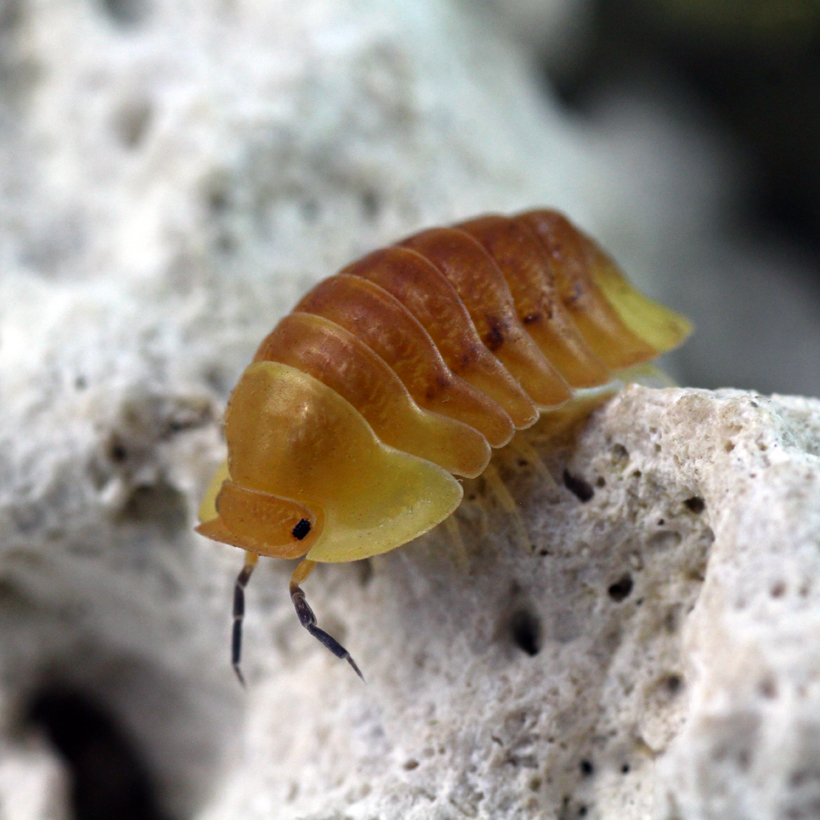
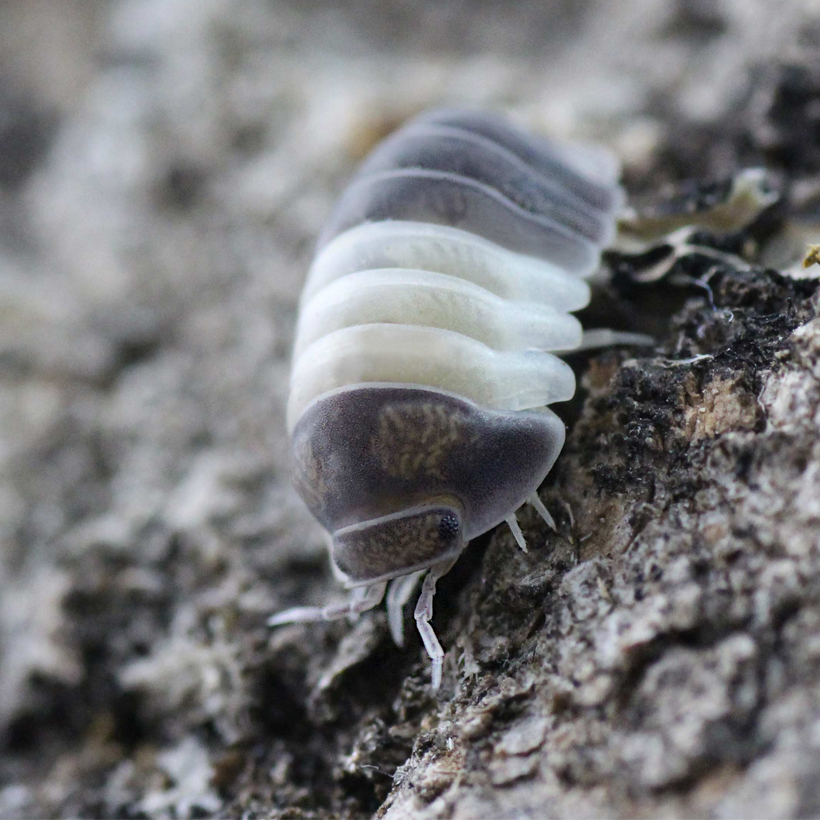
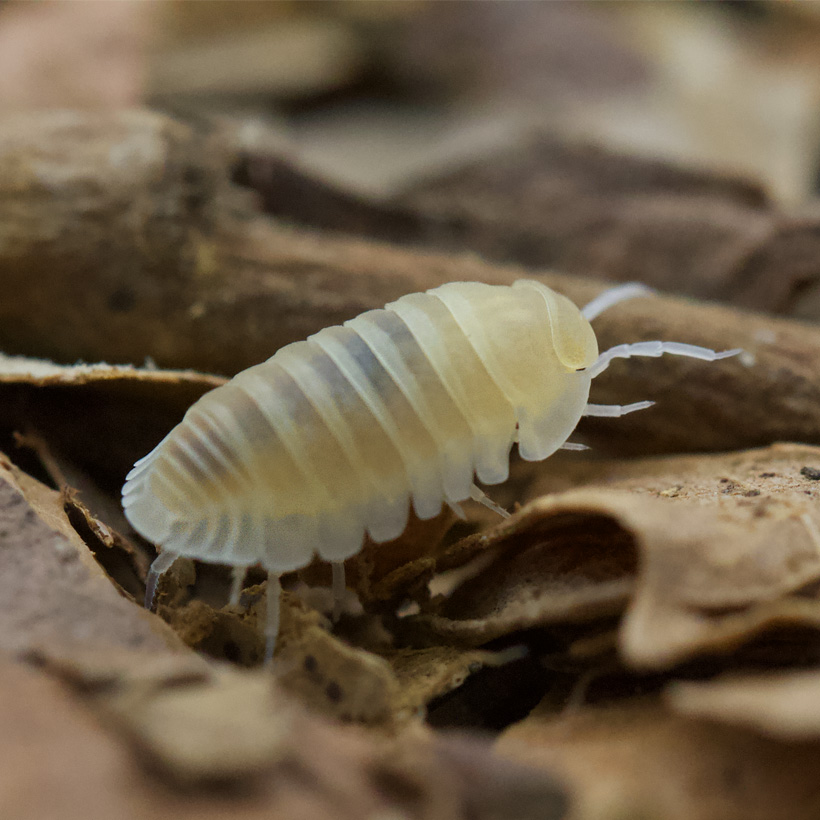
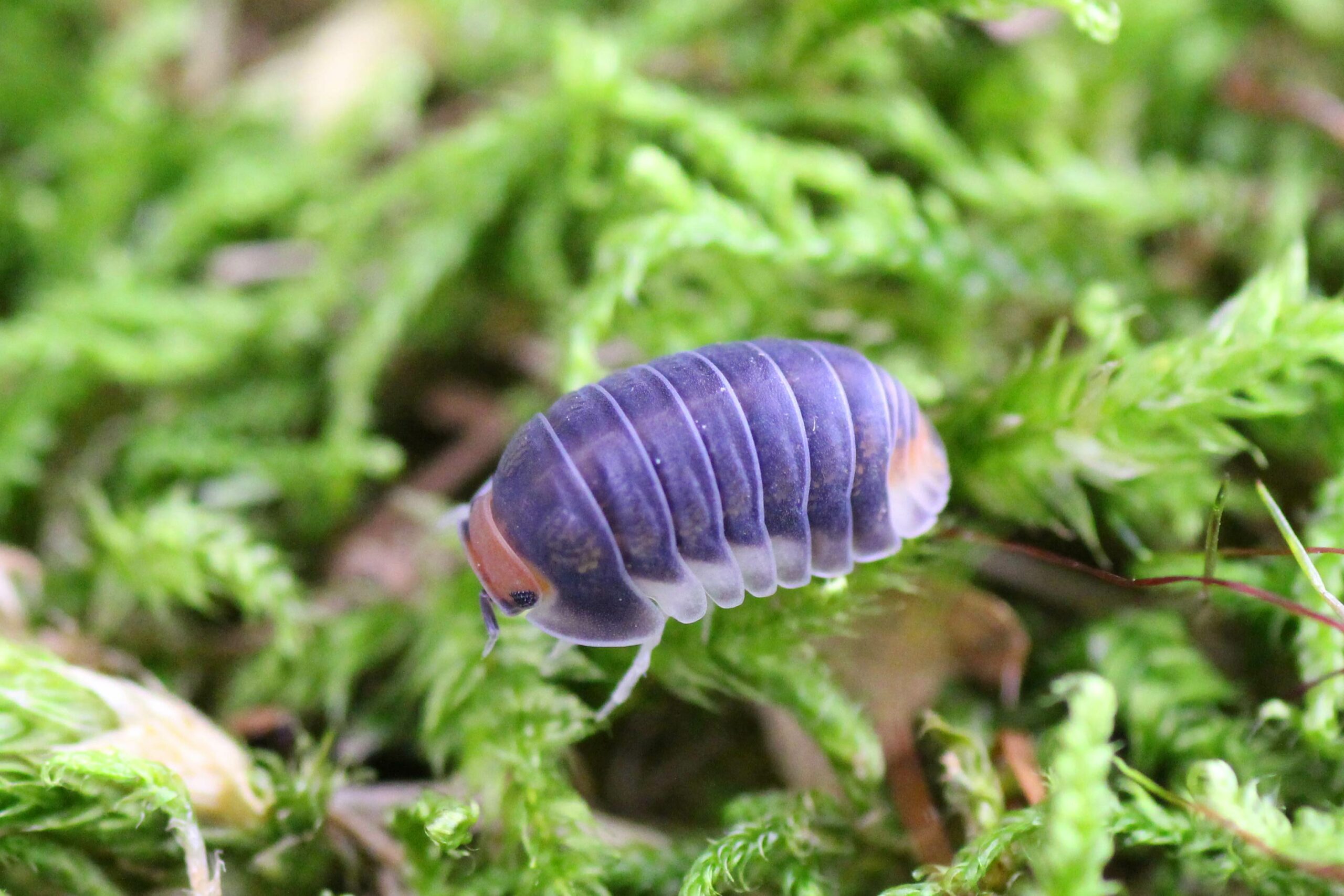
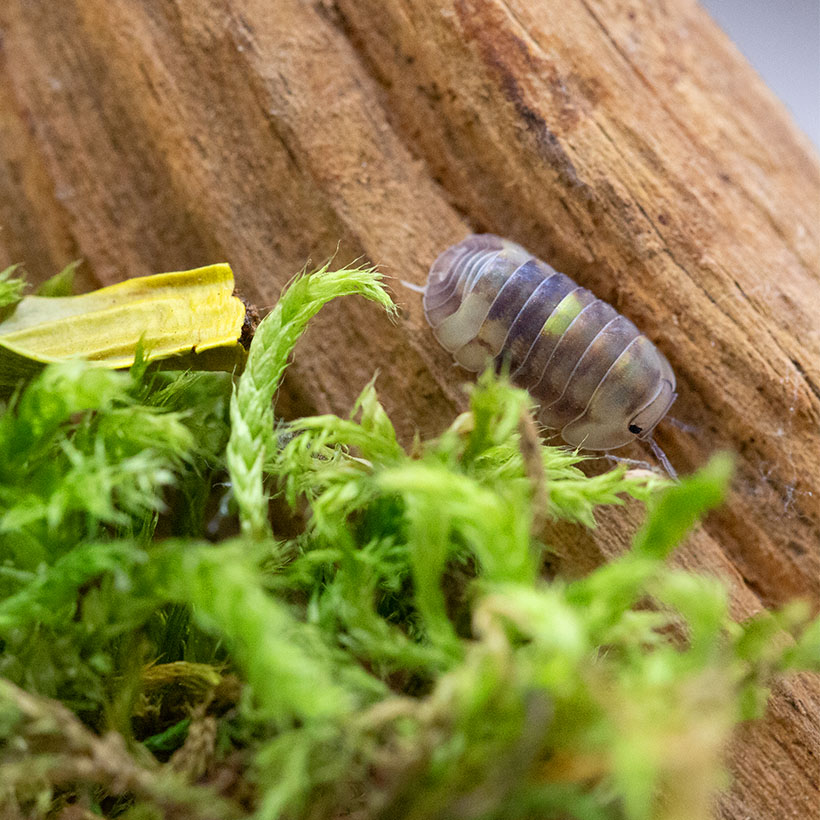
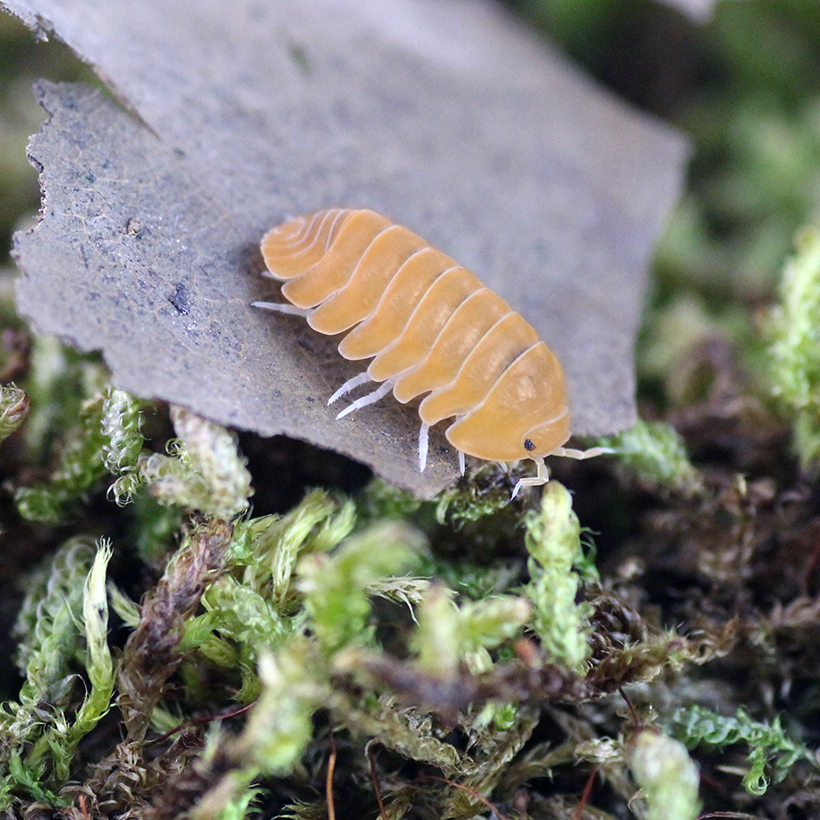
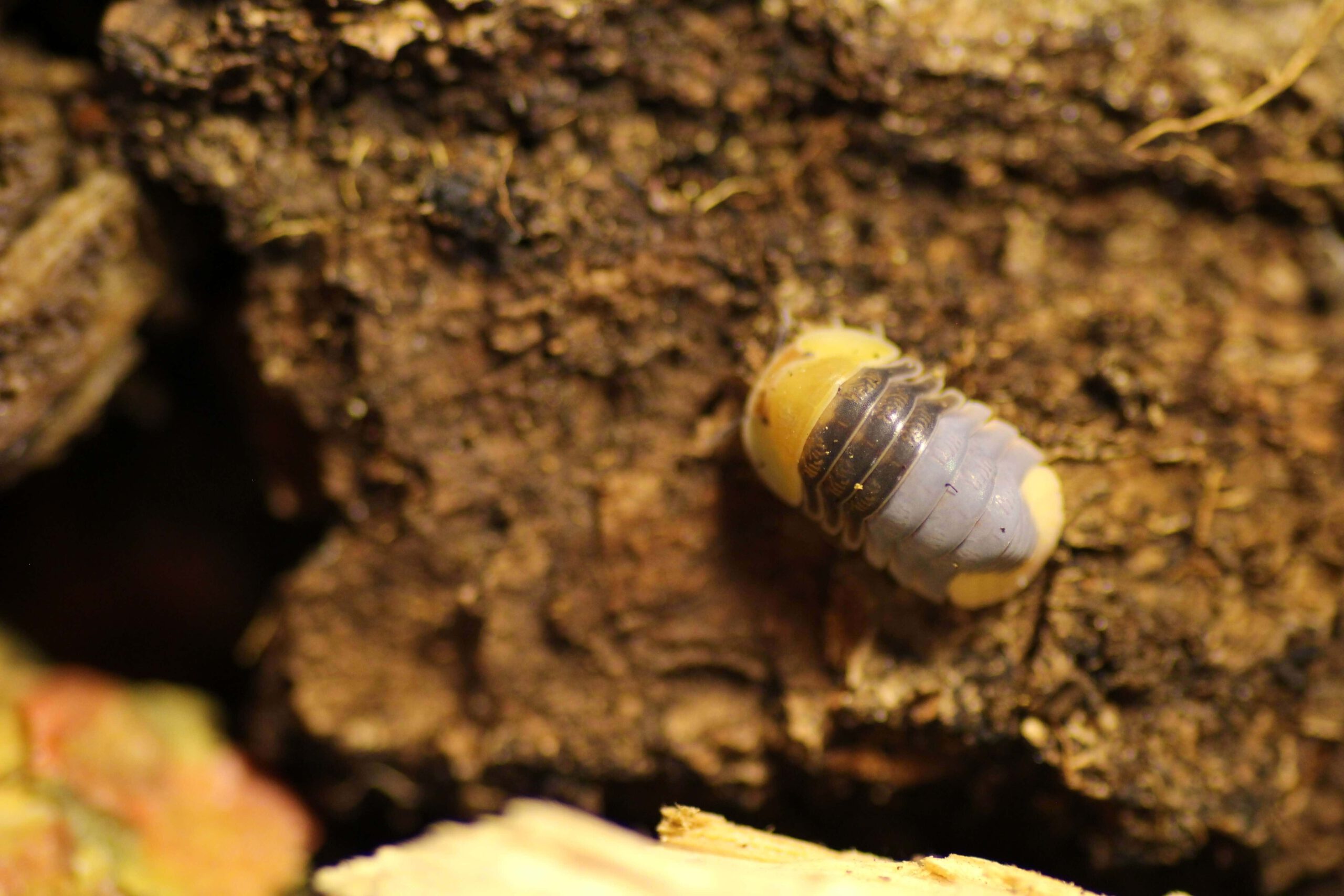
Isopoda spec. “Rubber Ducky”
Written by

on
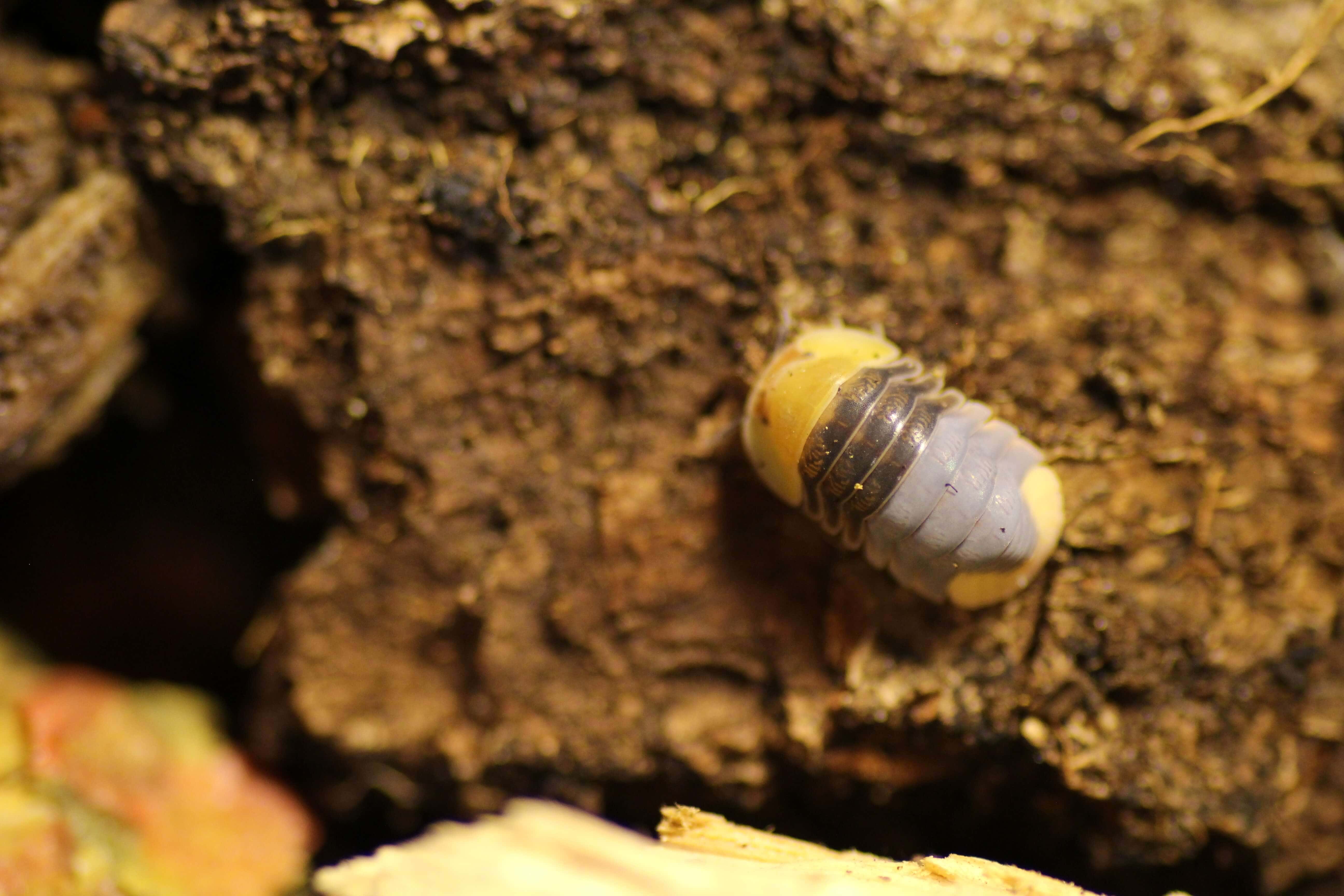
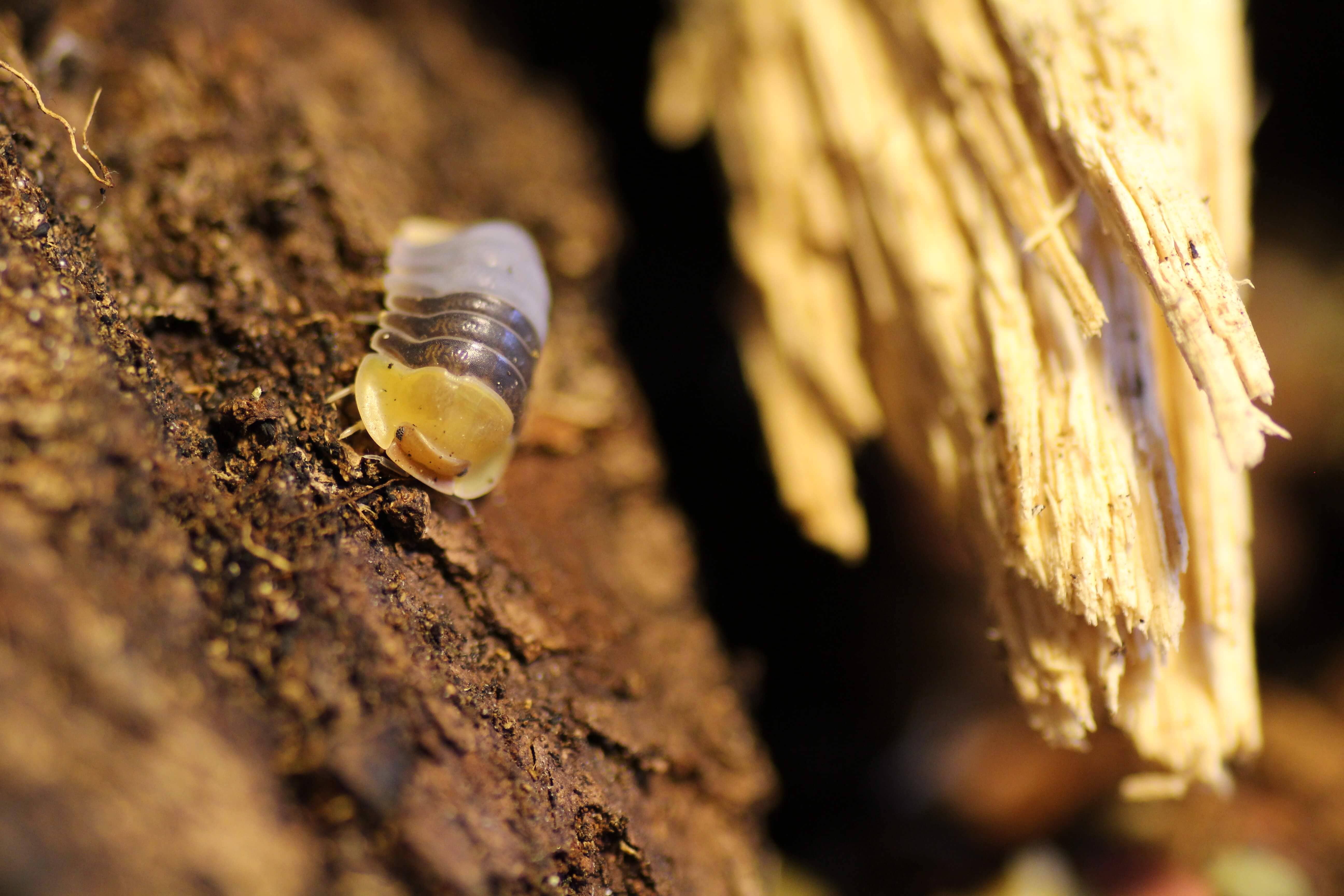
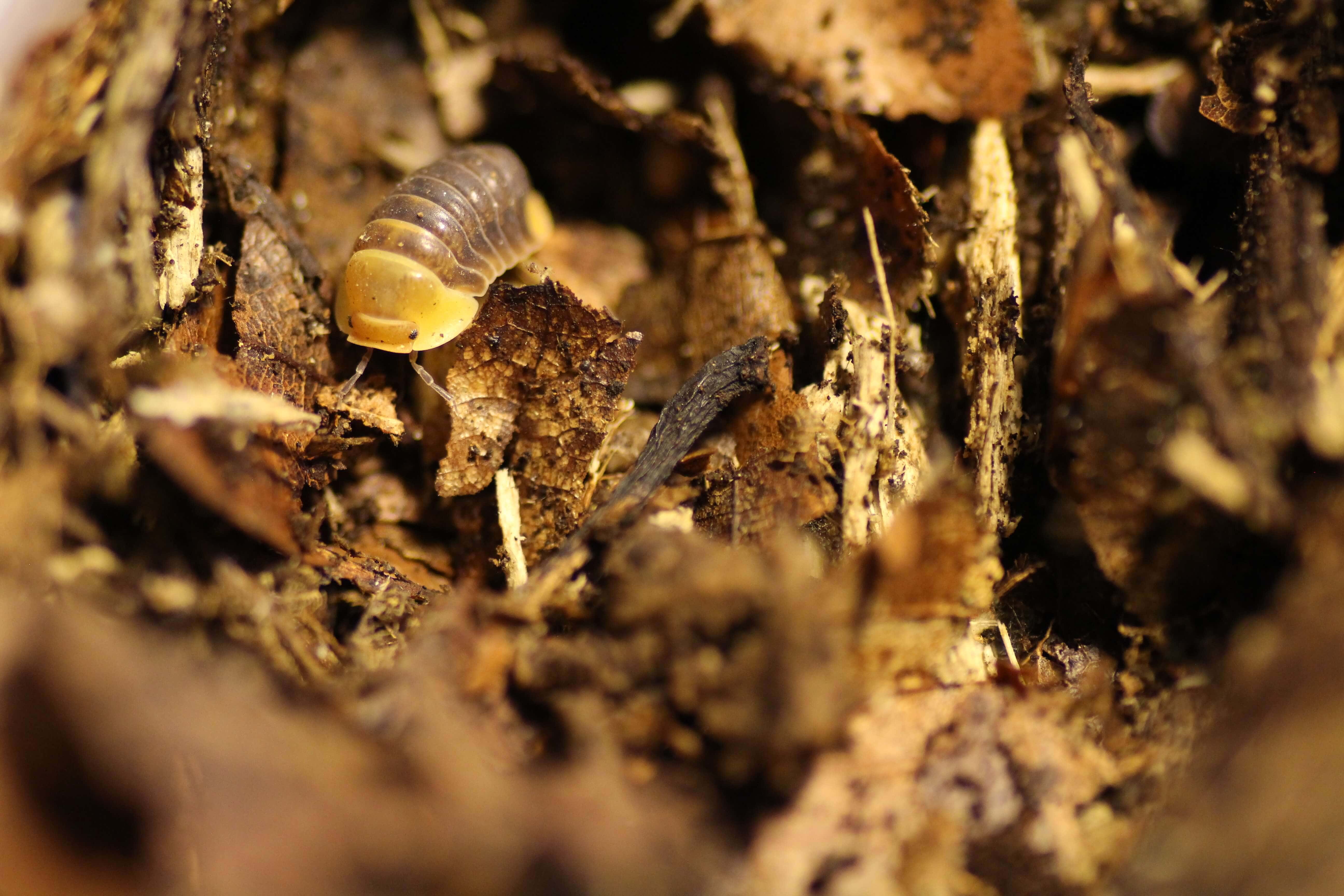
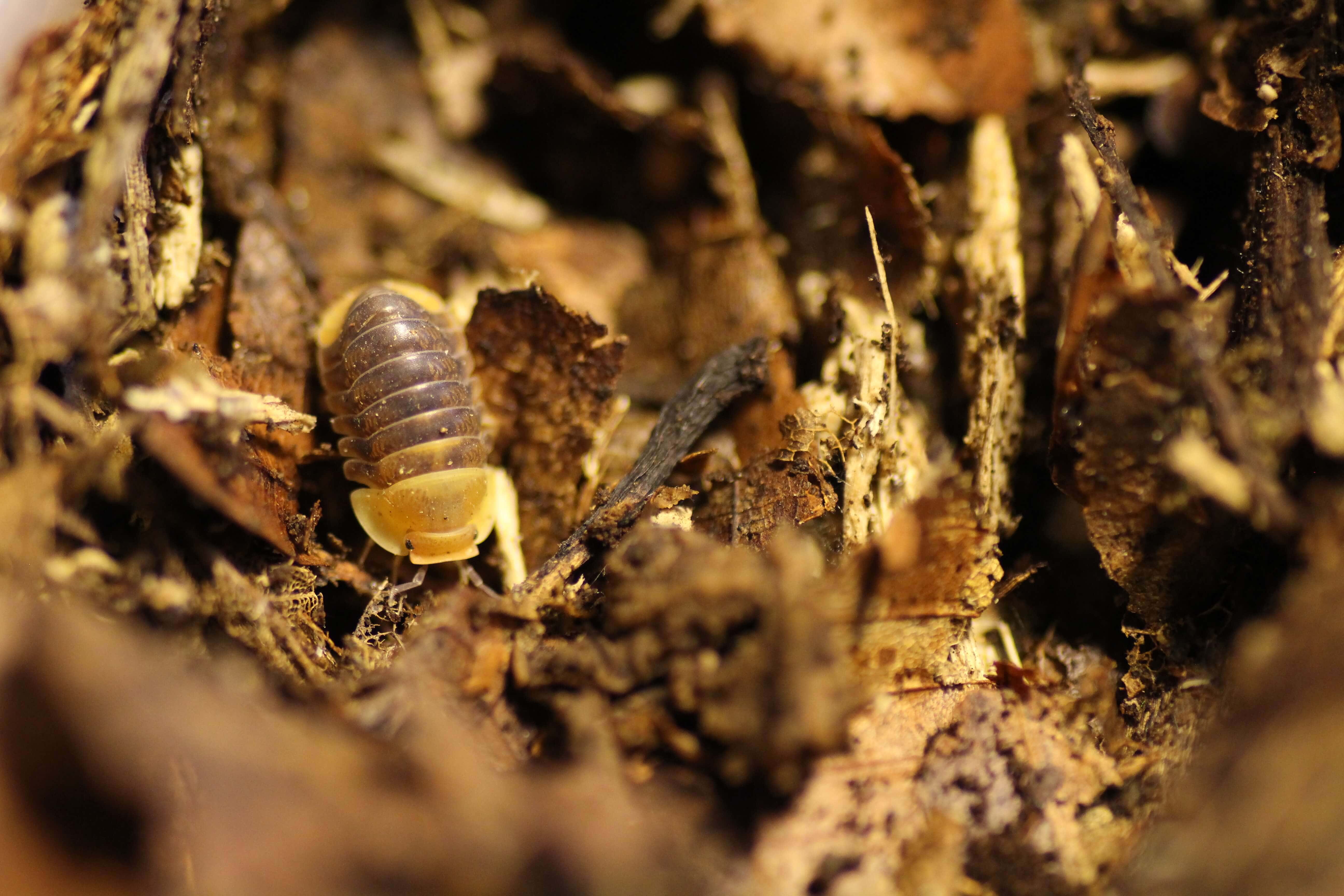
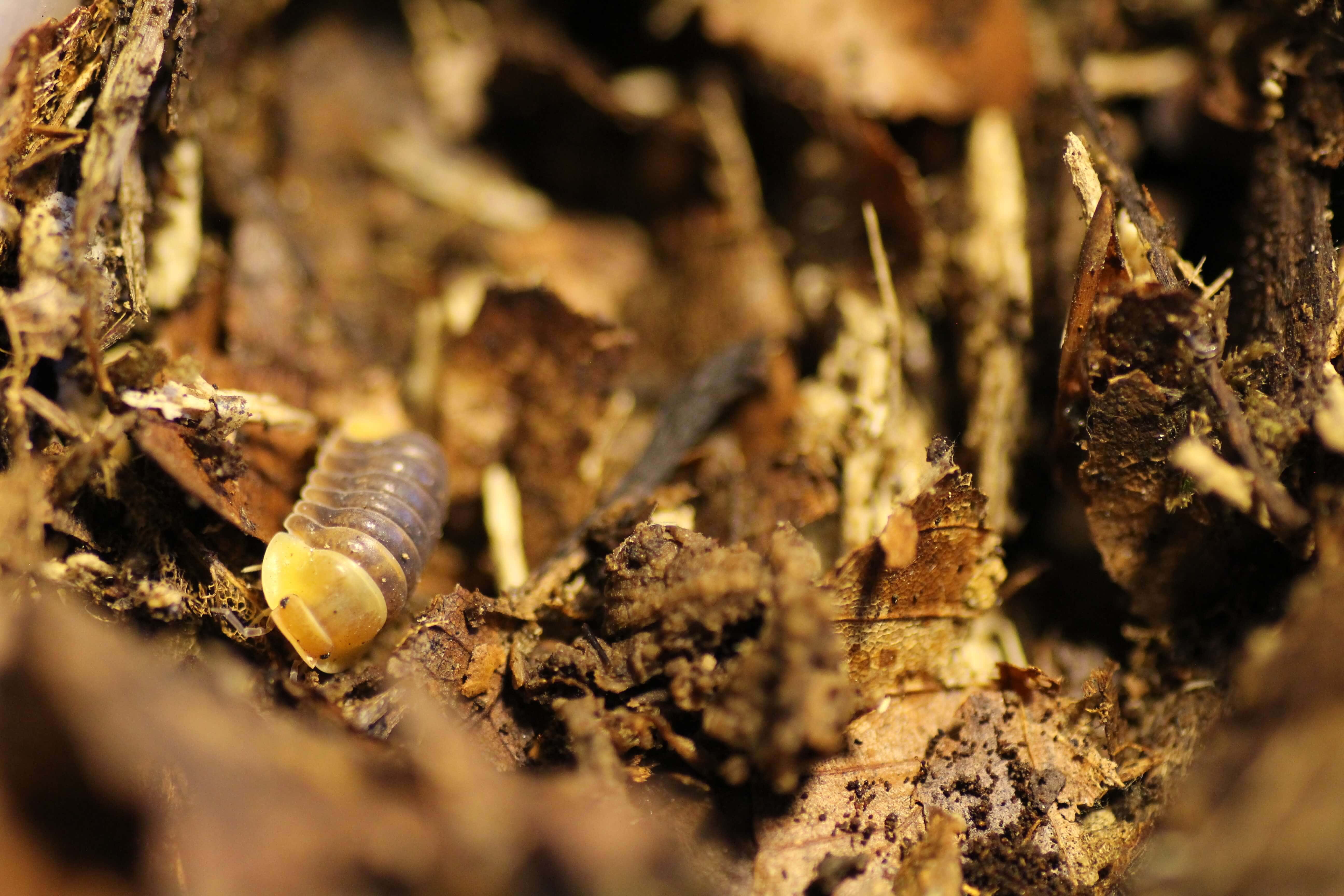
| Origin | Thailand |
| Temperature | 26 °C |
| Size | 2.0 cm |
Behavior:
Isopoda spec. “Rubber Ducky” is very active and often on the move.
Another funny anecdote about how the Rubber Ducky’s got their name.
Breeding:
The following information does not originate from me but is based on other breeders.
A mixture of natural coconut substrate, which helps to increase the humidity in the terrarium, has proved to be the perfect substrate, while the other half is made up of conventional forest soil.
In addition, pieces of banana peel should provide a good basis for nutrition and also increase the temperature through the decomposition process. It goes without saying that only organic bananas should be used.
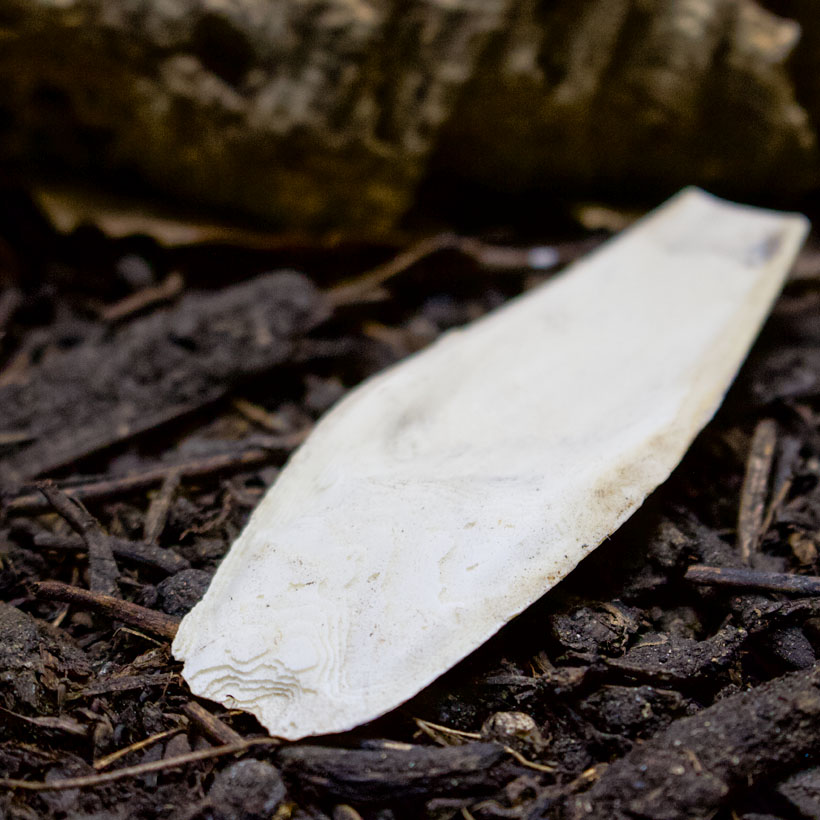
In addition, a large piece of bark, dead wood and cuttlebone should not be missing.
A corner in the container should be kept moist, a corner of spaghnum moss is suitable for this as a constantly moist spot in the box. Otherwise, the Isopoda spec. “Rubber Ducky” breeding tank should be sprayed daily. The spray water should be treated with a water conditioner that removes ammonia, chlorine and chloramines.
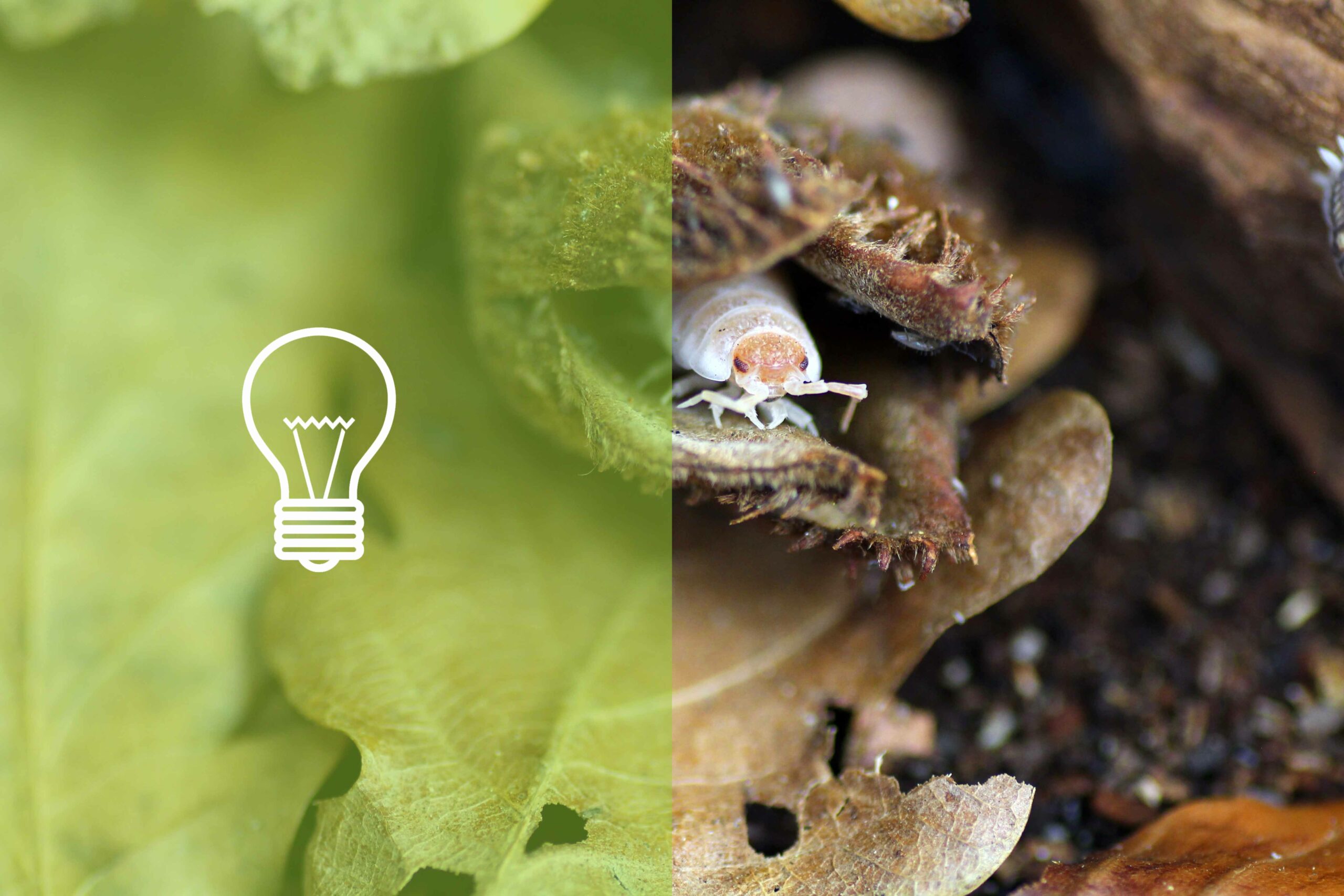
Zucchini, carrots, sweet potatoes, Repashy Morning Wood and leaves of the tropical almond tree have proven to be very promising as food.
Repashy Morning Wood and leaves of the tropical sea almond tree can be purchased on the Internet or you can go to a well-stocked aquarium store. Repashy Morning Wood is a gel mixture that is normally used for fish that scrape their food from wood and stones. Sea almond leaves are also used as fish food and are added to the water to inhibit fungus.
The temperature should be above room temperature. You can experiment yourself and create different heat and climate zones in the Isopoda spec. “Rubber Ducky” tank. This increases the choice of suitable places for the Isopods in the breeding box.
Isopoda spec. “Rubber Ducky” are relatively new to the isopod hobby. The animals on offer, if you can find any at all, are relatively expensive. Breeding successes to date have been relatively laborious, as the animals have a very slow development time and few offspring.
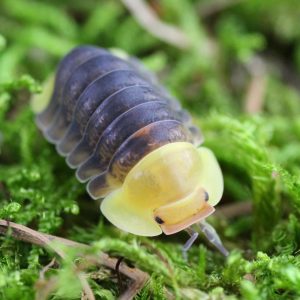
Cubaris spec. “Rubber Ducky”
Price range: 10,00 € through 95,00 € incl. VAT, plus shipping
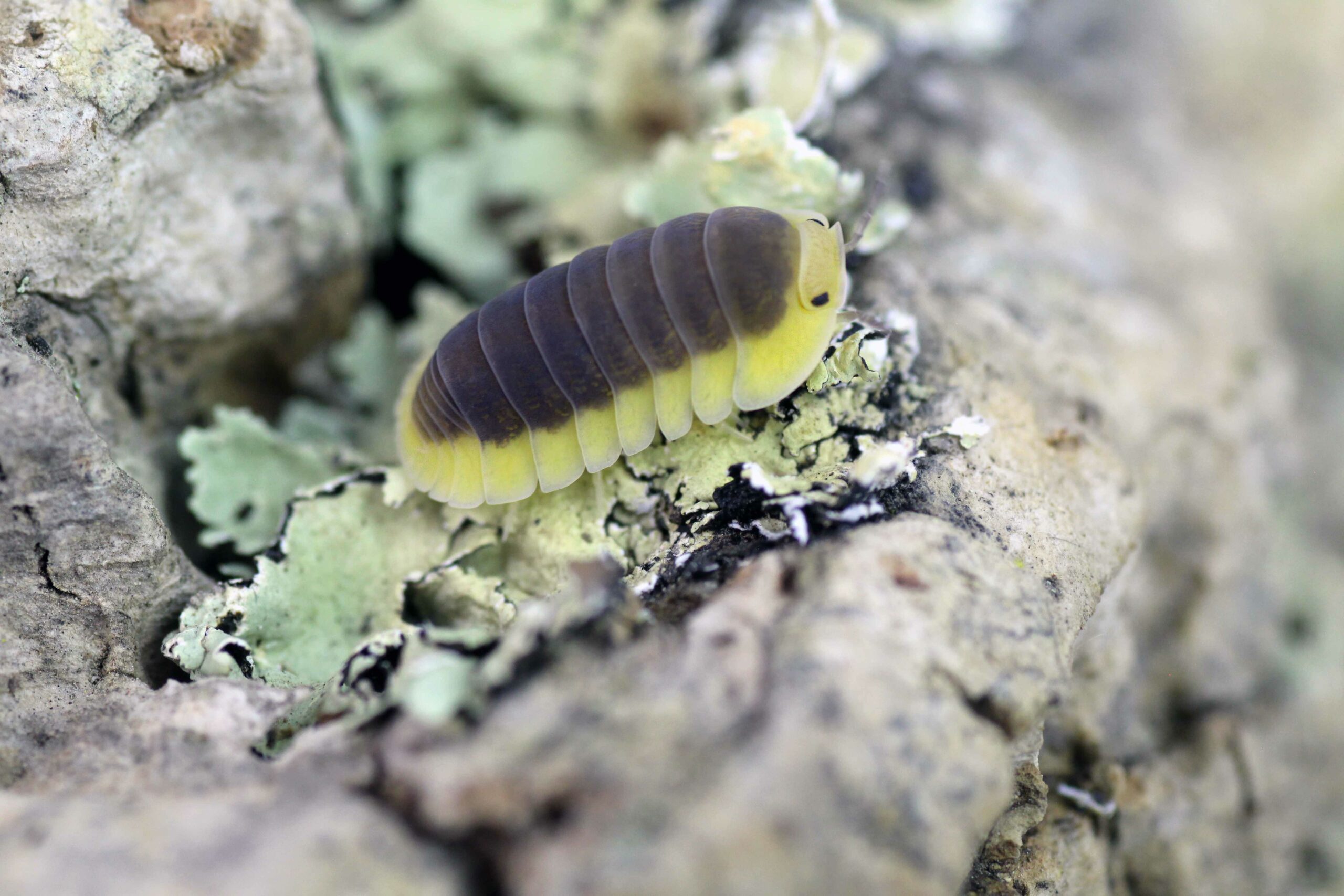
Brief description: The ground color is dark brown. The 1st segment and the pleon are yellow. The legs and antennae of this species are dark brown. This color constellation and…
Special features:
Duck face look with very short antennae. They are really fast on the move.
More information will follow!