


Isopods as pets let you experience nature on a small scale: They hide under leaves, break down wood, and eventually surprise you with tiny offspring. If you enjoy observing them and caring for them regularly, a group of isopods might be a good fit for you.
Children can also learn a lot from this experience. However, an adult must remain responsible for their care and safe housing. Isopods are animals meant to be observed, not constantly taken out of their container.
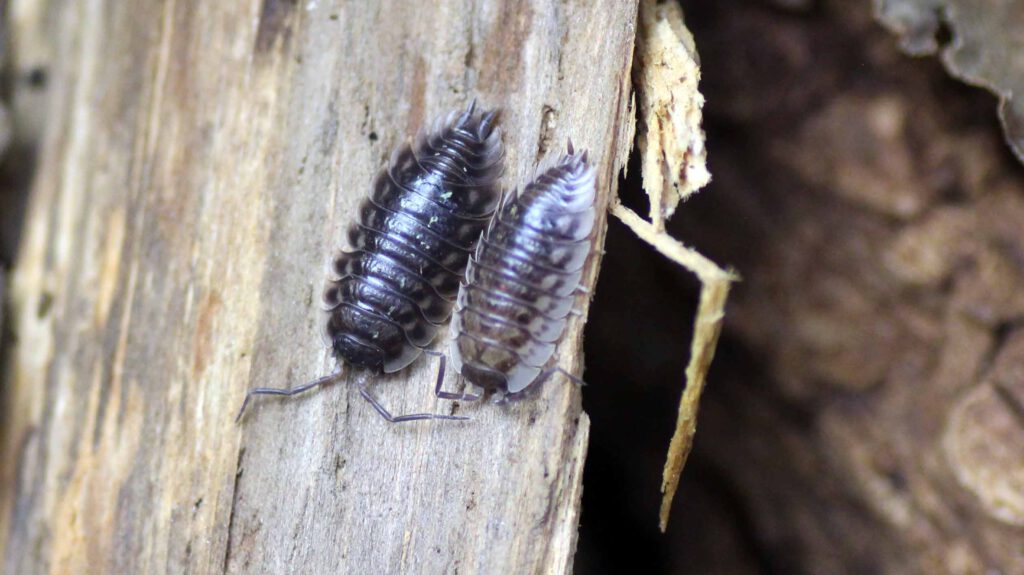
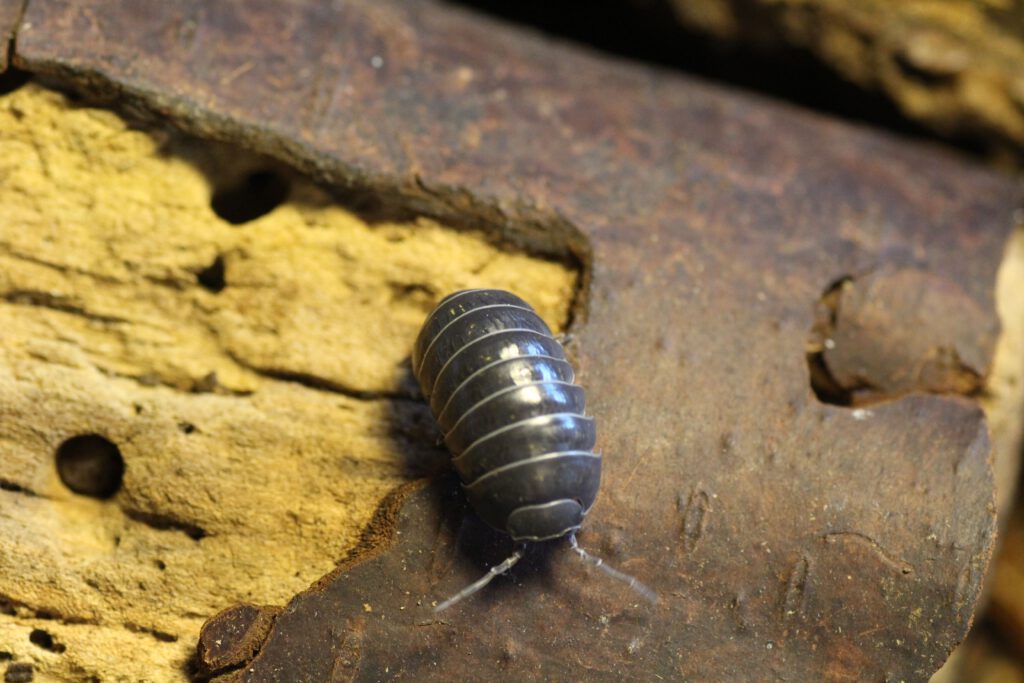
Are Isopods a good fit as pets for your daily life?
You’ll need a suitable location, a securely closed and well-ventilated box, and time for regular check-ins. The effort involved may be manageable, but it’s not zero. The animals still need the right level of humidity, even when you’re short on time.
Don’t expect every species to be out and about during the day. Some groups are more likely to show themselves in quiet surroundings or at feeding stations. If you want animals that are constantly visible, you should discuss this expectation before making a purchase. A larger or more expensive group of animals is no guarantee of this.
Which Isopods are good for beginners?
Zebra isopods or Porcellio laevis “Panda” can be good options for beginners. Be sure to read the relevant care guide first. Panda isopods can reproduce rapidly; be sure to plan for the space they’ll need later on. Cubaris “Rubber Ducky” requires different preparation and is not a suitable substitute.
Local isopods are also wonderful to observe outdoors. Carefully lift a piece of wood and then put it back down. If you’re just starting out with a specific group, captive-bred specimens are a practical choice. Do not randomly collect animals or materials from unknown or protected areas.

Isopod or pill bug?
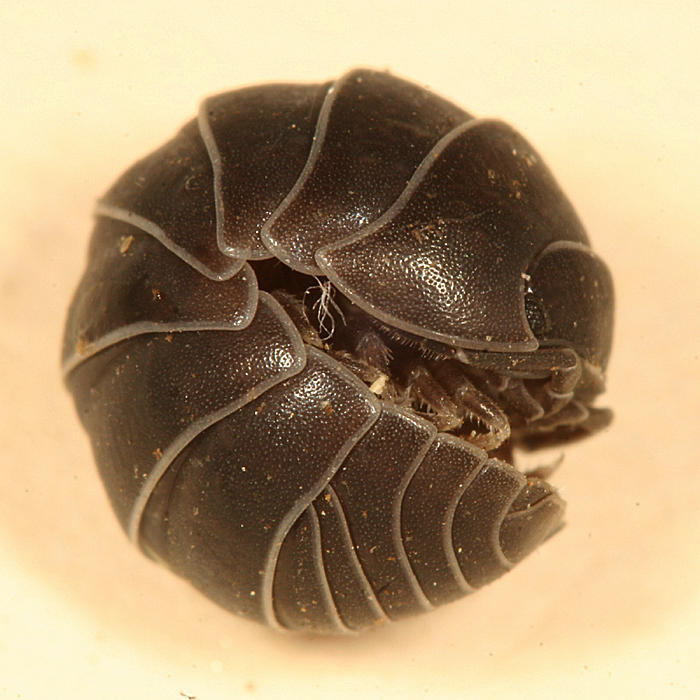
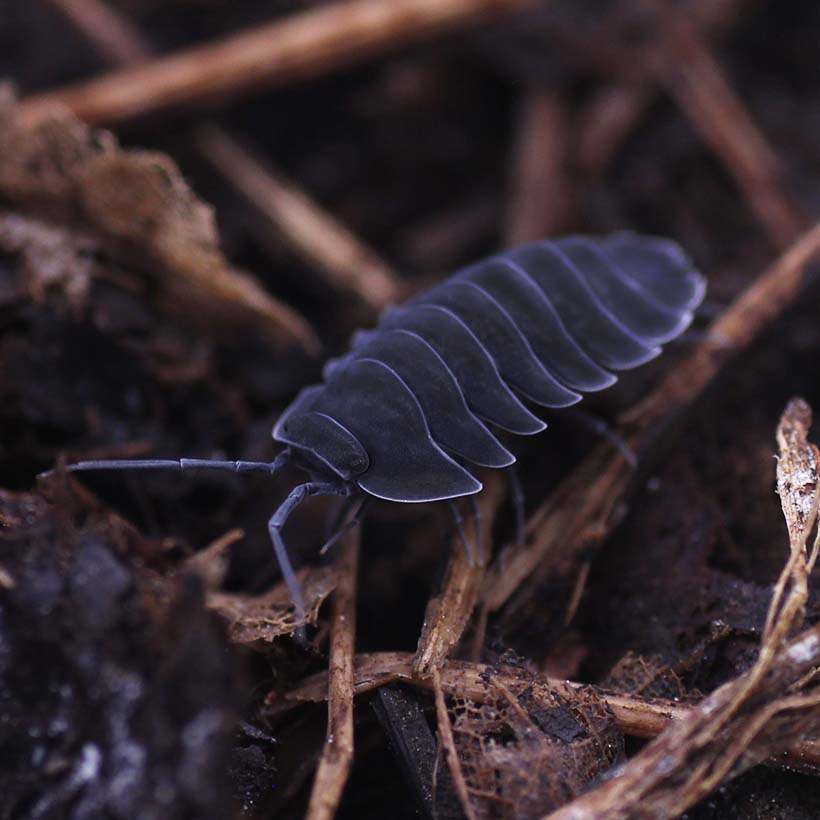
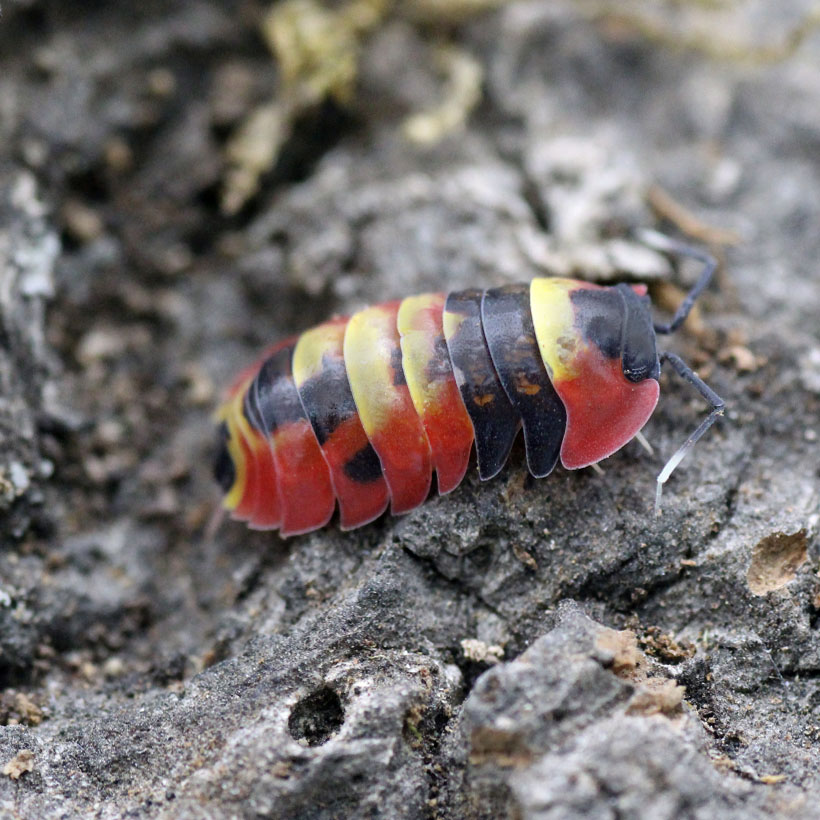
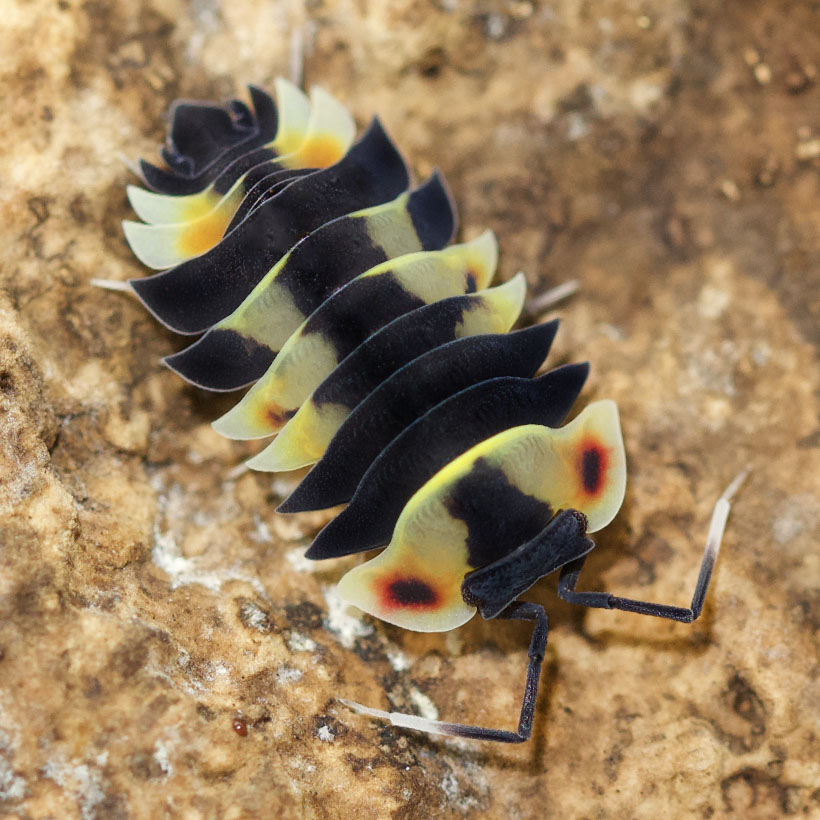
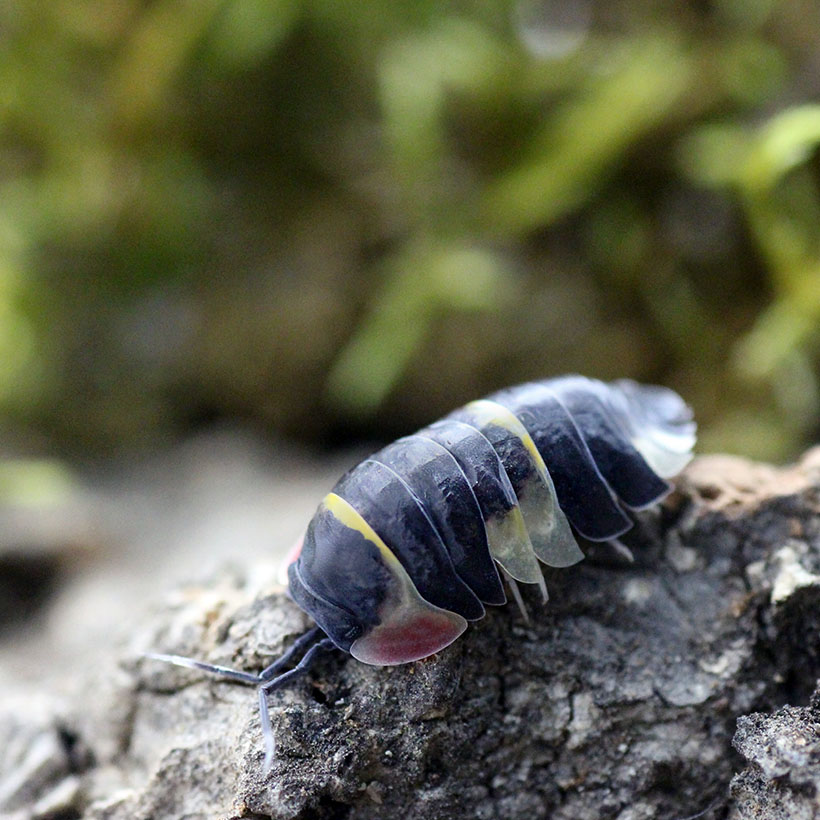
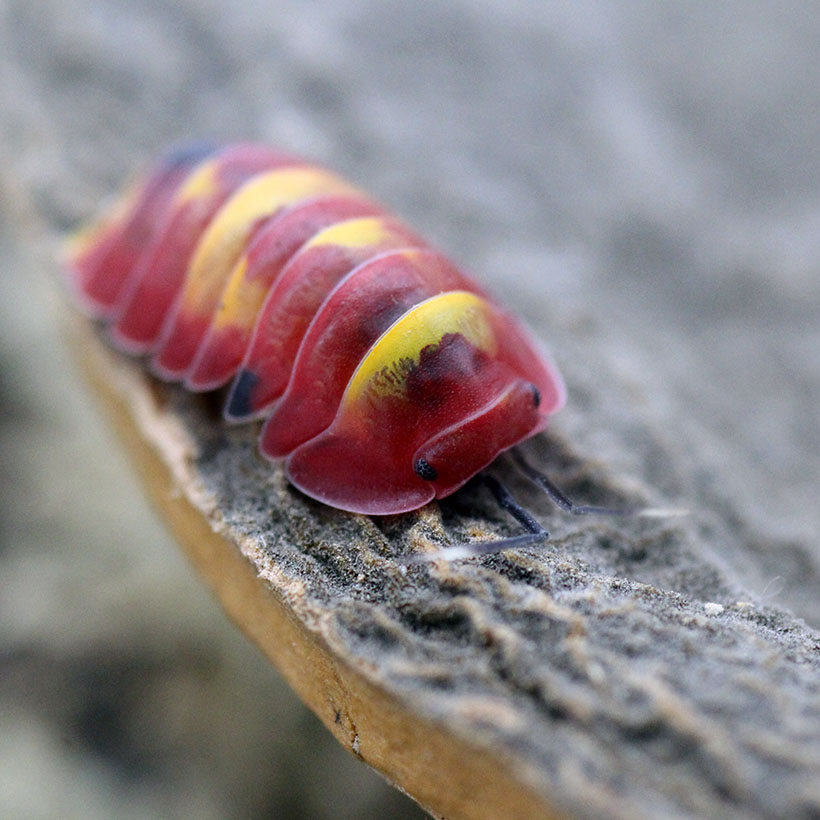
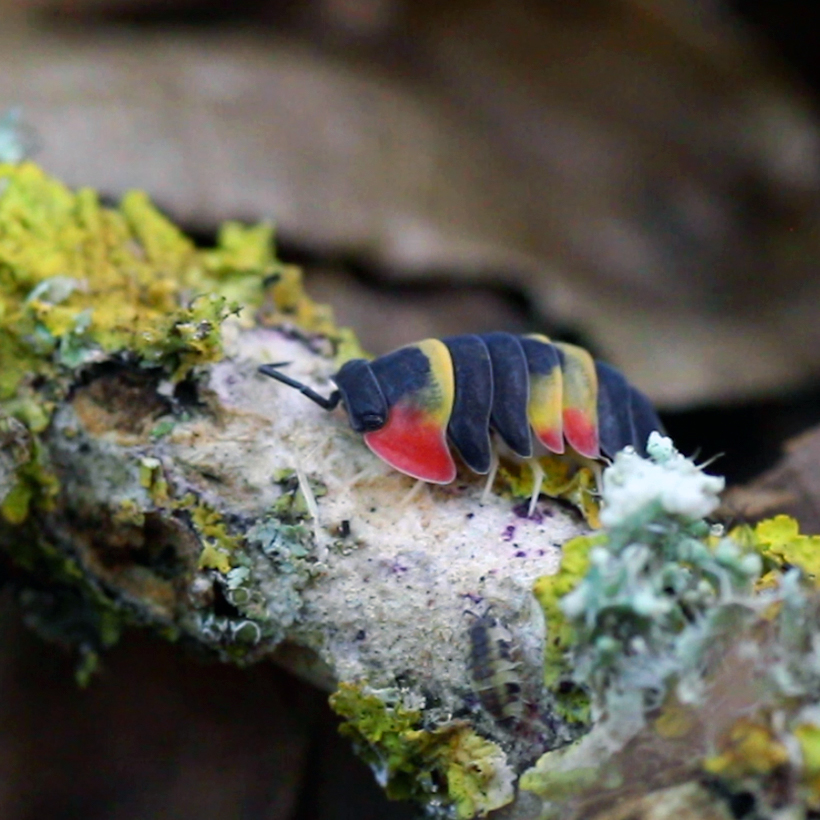
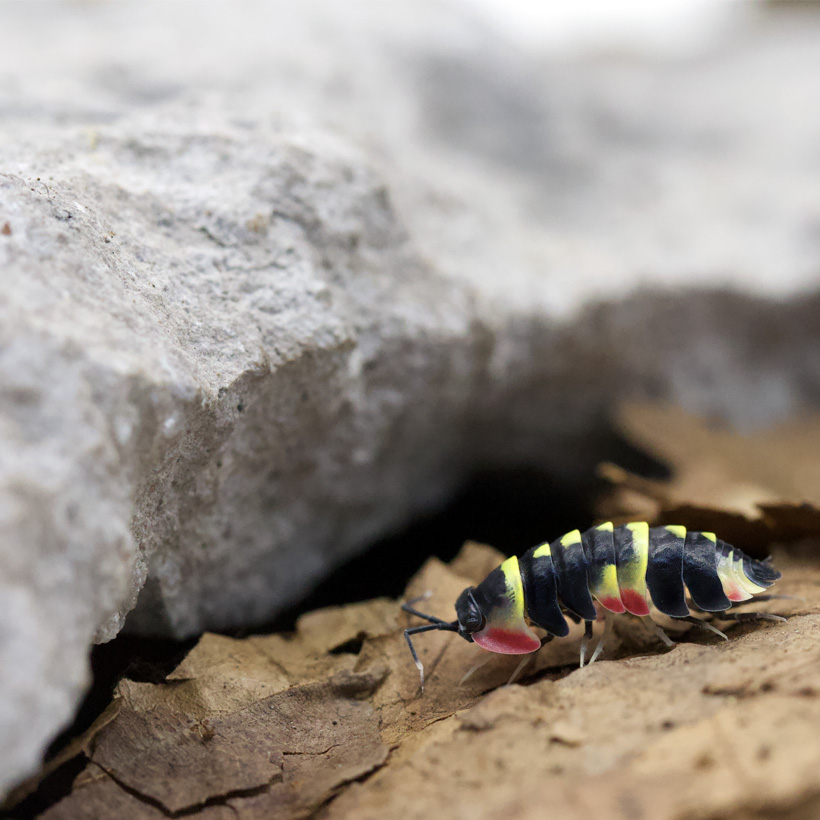
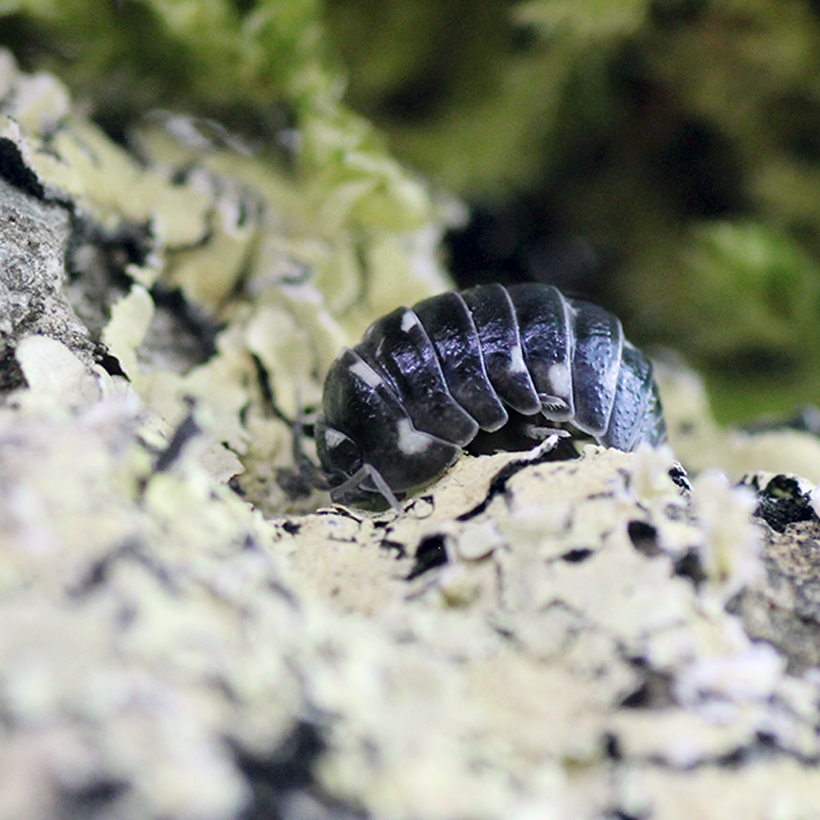
Not every animal that curls up into a ball is an Isopod. Pill bugs belong to the millipede family and differ in anatomy and needs. The two comparison photos show examples. Don’t rely solely on whether you can see a head on a closed ball to identify them.

Keeping Isopods: Preparing Your Home
A suitable plastic box you already have may be sufficient. It’s important to ensure the container is escape-proof, allows for air circulation, and has enough usable floor space. Smooth walls alone do not make a container safe. Also check the lid and the size of the openings to make sure they’re safe for young animals.
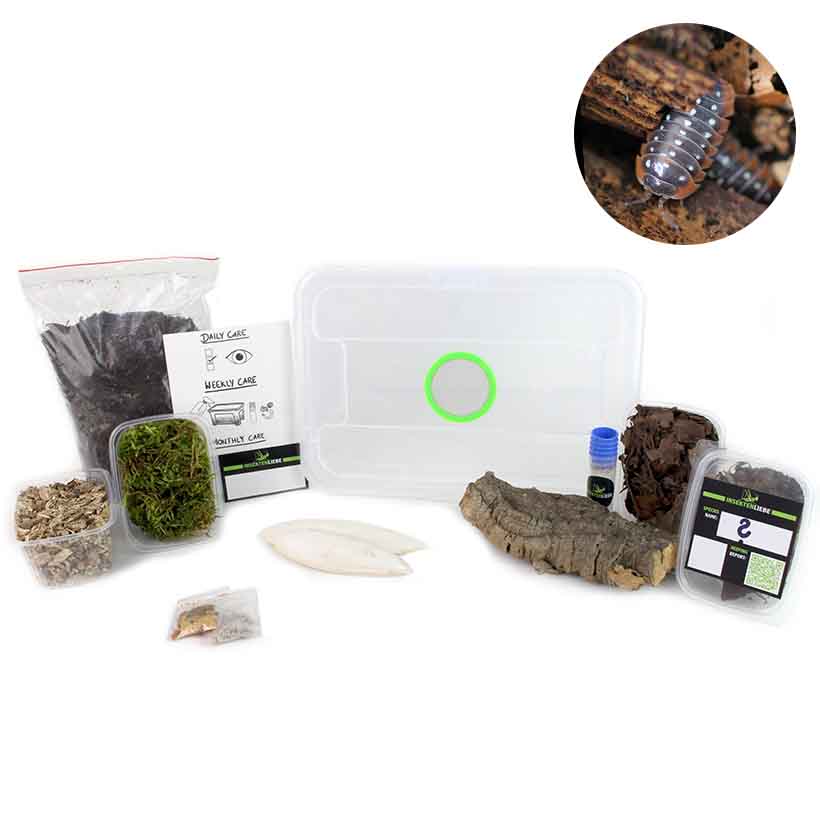
If you don’t want to gather the materials individually, you can start with our complete Isopod kit. The 5-liter box is a good option for small starter groups of compatible species. Choose the version carefully: “with accessories” does not automatically mean “with animals.”
YOUR READING TIP · Setting Up an Isopod Terrarium
Check out the larger set and the all-glass terrarium as well.
Feeding and Caring for Isopods as Pets
Leaves and wood affected by white rot are part of their basic diet. A suitable substrate, hiding places, and a source of calcium round out the setup. Check small additional portions regularly and remove perishable leftovers promptly.
Check the damp retreat area, even beneath the surface. Adjust the humidity in the other areas to suit the species. A one-size-fits-all watering schedule for all containers won’t work. Location, ventilation, and floor height all affect water requirements.
YOUR READING TIP · How to Properly Serve Donkey Feed
What should always be available, and what should be used sparingly.
Isopods as Pets While on Vacation
Find someone who can check on the condition and moisture levels. Show them exactly where water is needed and how little extra food you’re giving beforehand. A brief written guide with a photo will help.
A cool basement or a jelly is no substitute for proper care. Moving the plant to a new location without testing it first can make conditions worse. Therefore, avoid experimenting right before you leave.
Developing young talent is part of the plan
A small group can grow significantly. Discuss additional space and responsible rehoming early on. Do not abandon animals. If you’re unsure, photos of the setup and details about the species and group size will help us advise you.
YOUR READING TIP · Controlling Woodlice Populations
Here’s how to keep planning for a growing group.
Still unsure? Feel free to ask us your question in the comments section below the article.
Leave a Reply
You must be logged in to post a comment.