Sale!
Ardentiella spec. “Quadcolor”
Price range: 18,00 € through 160,00 € incl. VAT, plus shipping

Medium

Vietnam

< 20 mm

22°C – 28°C
Ardentiella spec. “Quadcolor” – Four colors, one work of art
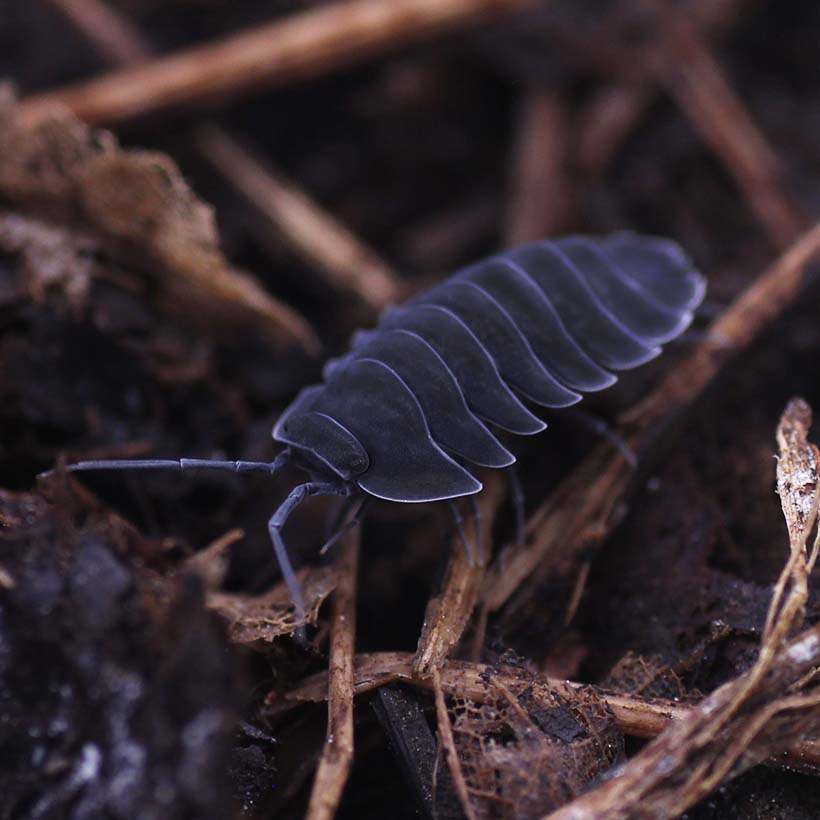
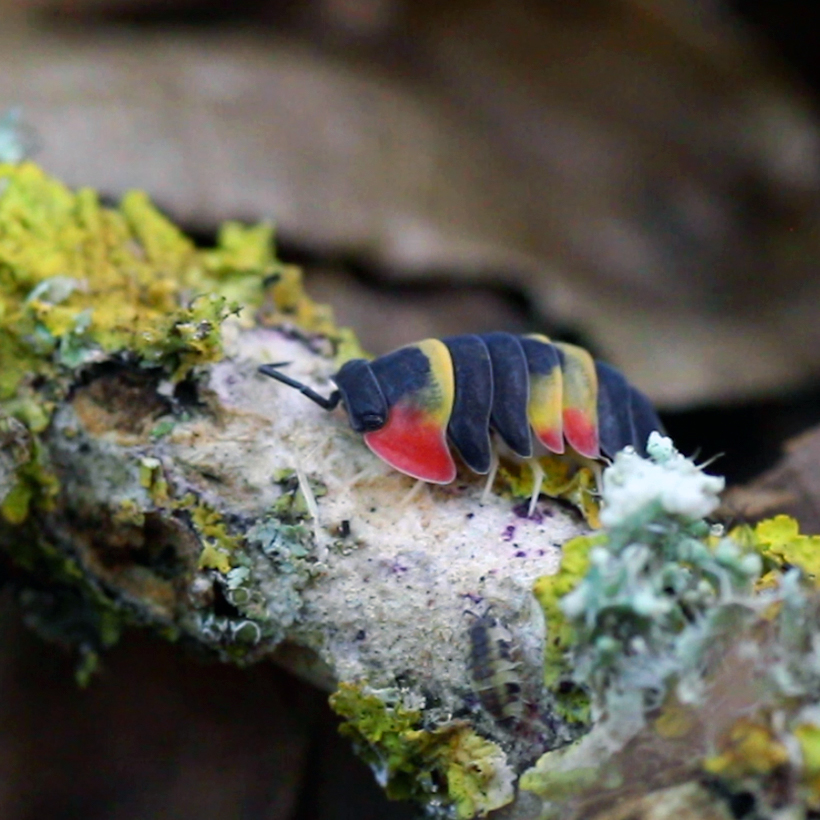
Ardentiella spec. “Quadcolor” is one of the most spectacular tropical Isopods. Even at first glance, you immediately understand why this species is so popular among collectors.
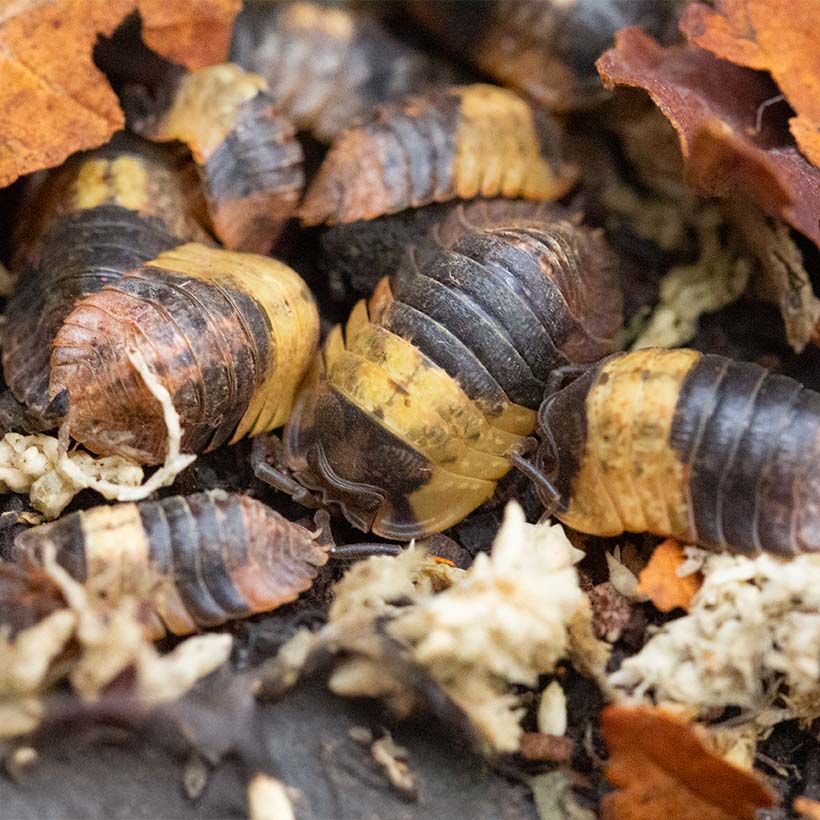
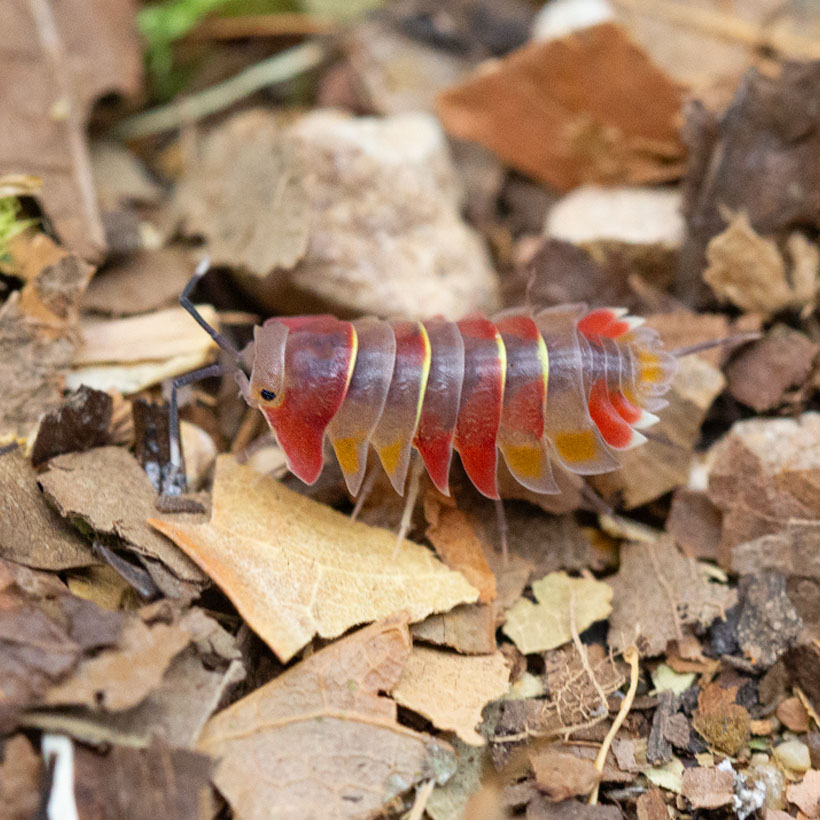
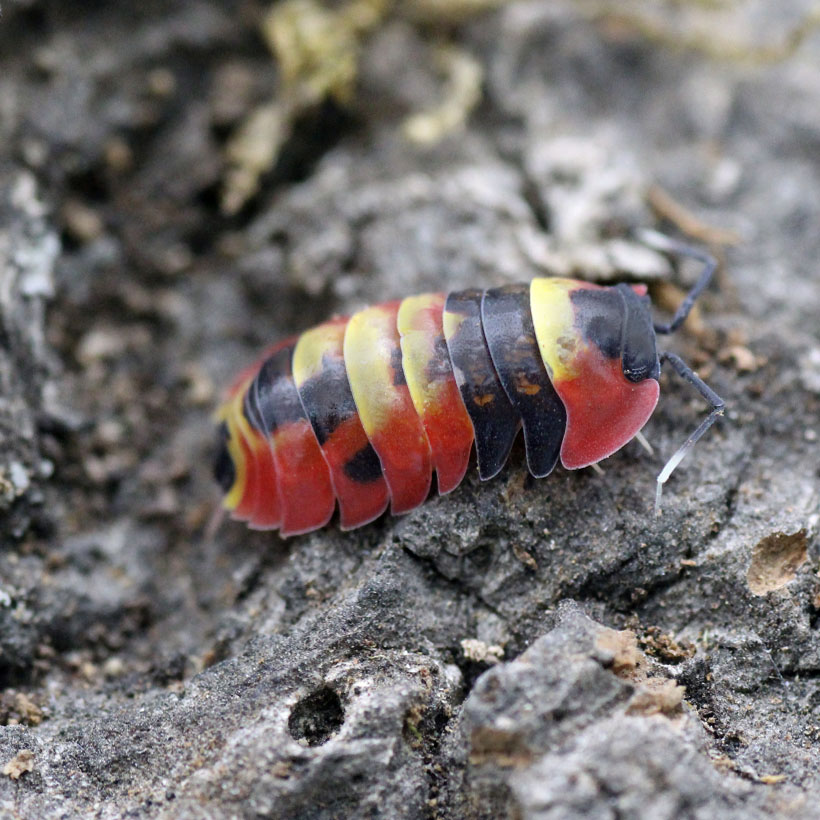
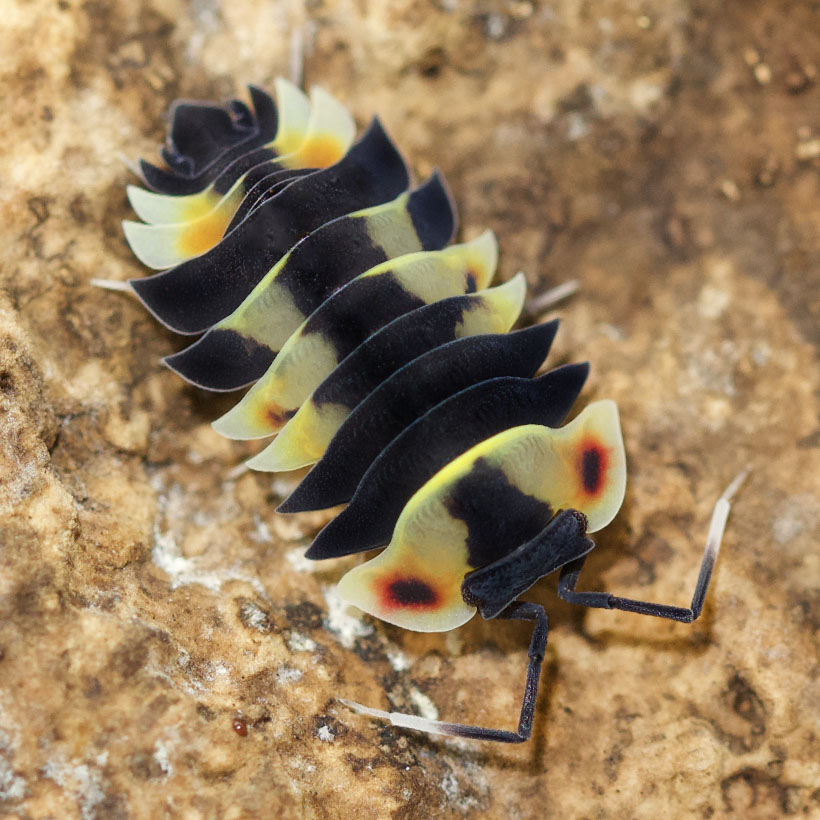
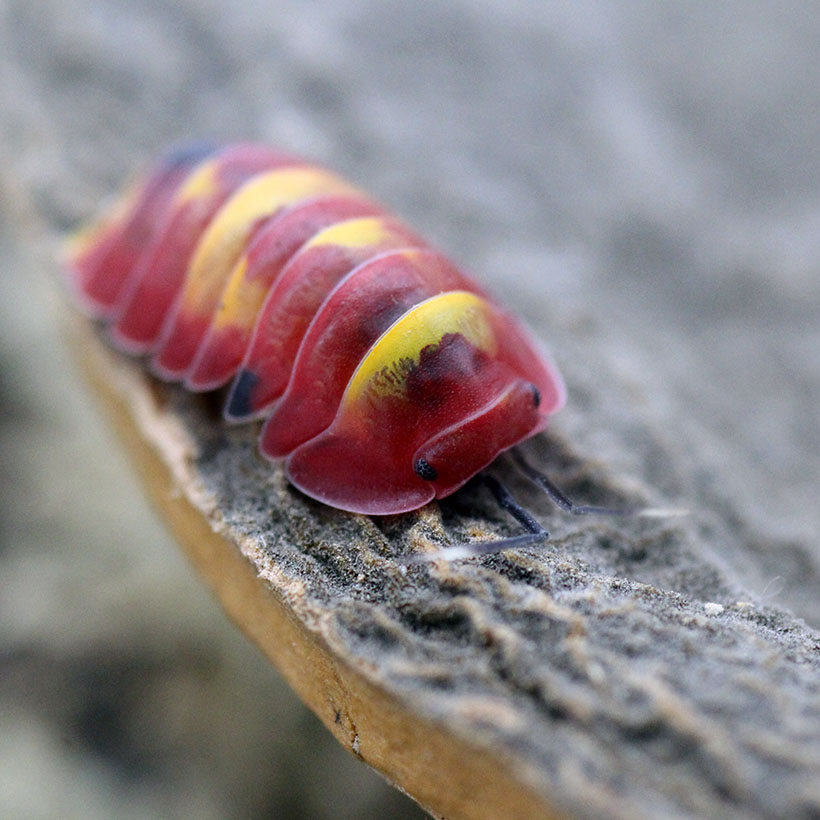
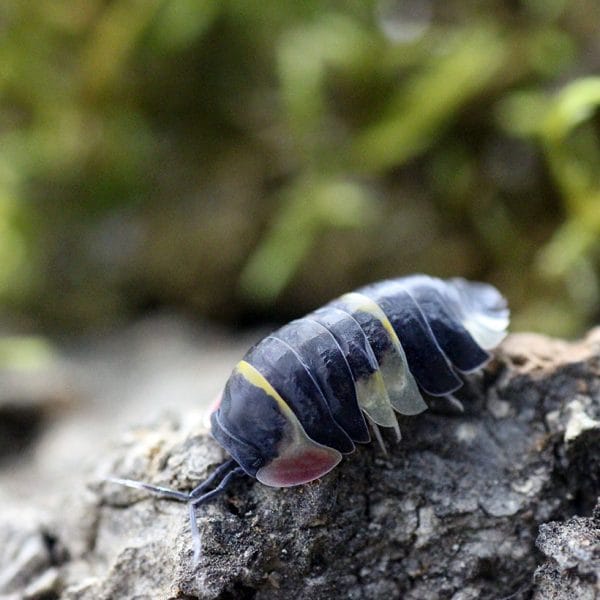
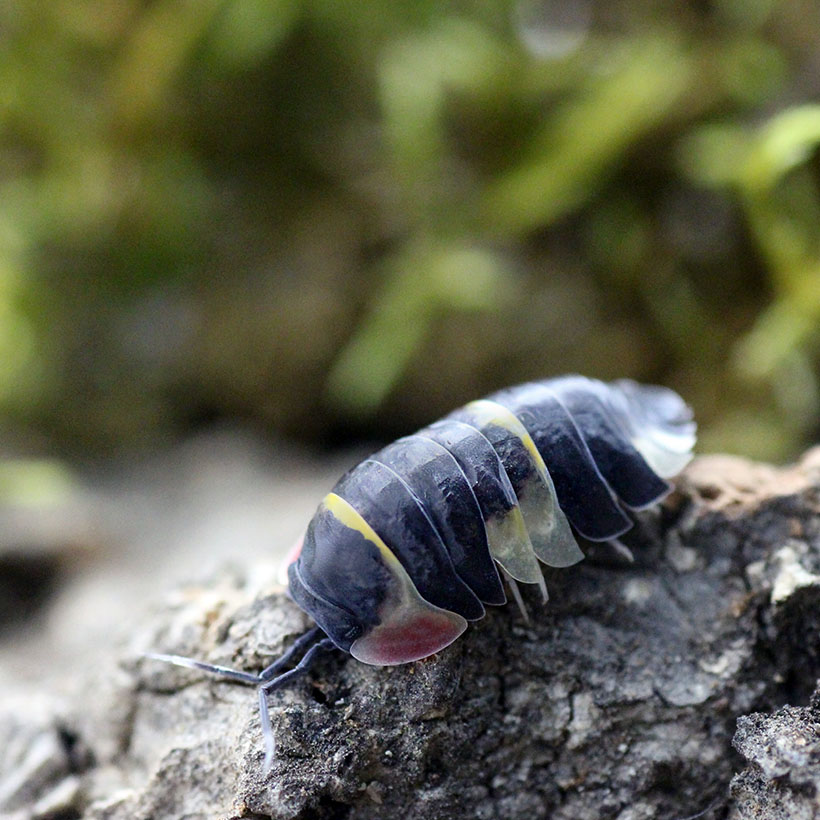
The animals not only have a single striking color, but several intense shades at the same time. This is exactly where the name “Quadcolor” came from. The combination of white, yellow, orange and dark areas creates an almost unreal look.
Adult animals in particular look like small painted armored creatures moving slowly through the foliage. Each animal has a slightly different pattern, which means that no two groups ever look identical.
Four colors on a single animal
In contrast to many other tropical Isopods, the effect of Ardentiella spec. “Quadcolor” constantly light. Depending on light, humidity and moulting, different colors become more prominent.
Some animals show more white, others appear much more yellow or more orange. It is precisely this variability that makes the species so exciting for observation and breeding.
In addition, the animals have a broad and strong body shape, which makes the colors appear even more intense than in narrower species.
Surprisingly active and often visible
Many premium Isopods hide permanently, but Quadcolor is surprisingly open and active. Especially after spraying, many animals often appear on the surface at the same time.
Then they climb over pieces of wood, sit on moss or actively walk through the foliage in search of food. This makes the entire terrarium appear much livelier than with many other tropical species.
This species also loves vertical structures. Branches, pieces of cork and raised areas are regularly used, which is why the animals are often much more visible than classic ground dwellers.
Terrarium size and set-up
A well-ventilated tropical setup with plenty of structure and climbing opportunities is suitable for keeping them. They work particularly well:
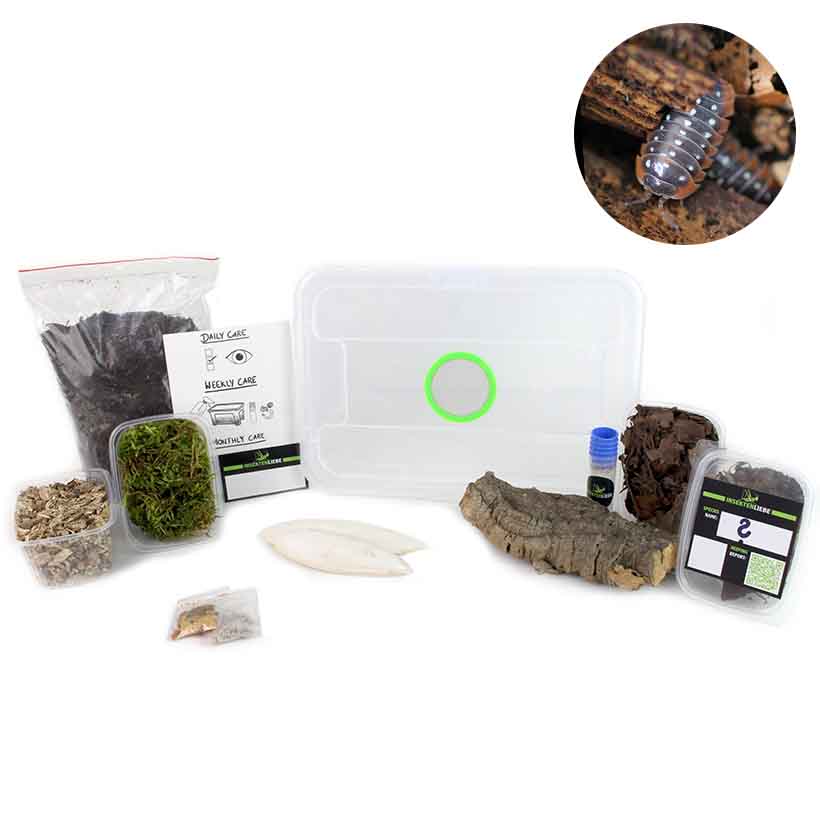
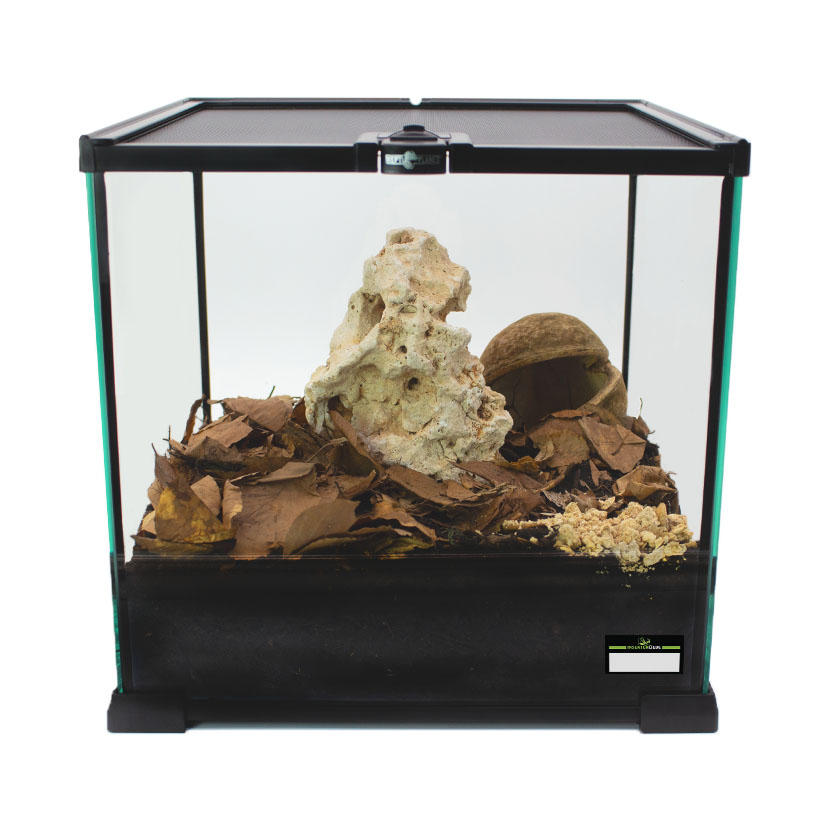
- Isopod Terrarium Complete Set
- Repto Terra Sky
- larger BraPlast boxes
The furnishings should be as natural and varied as possible. The following have proved particularly successful:
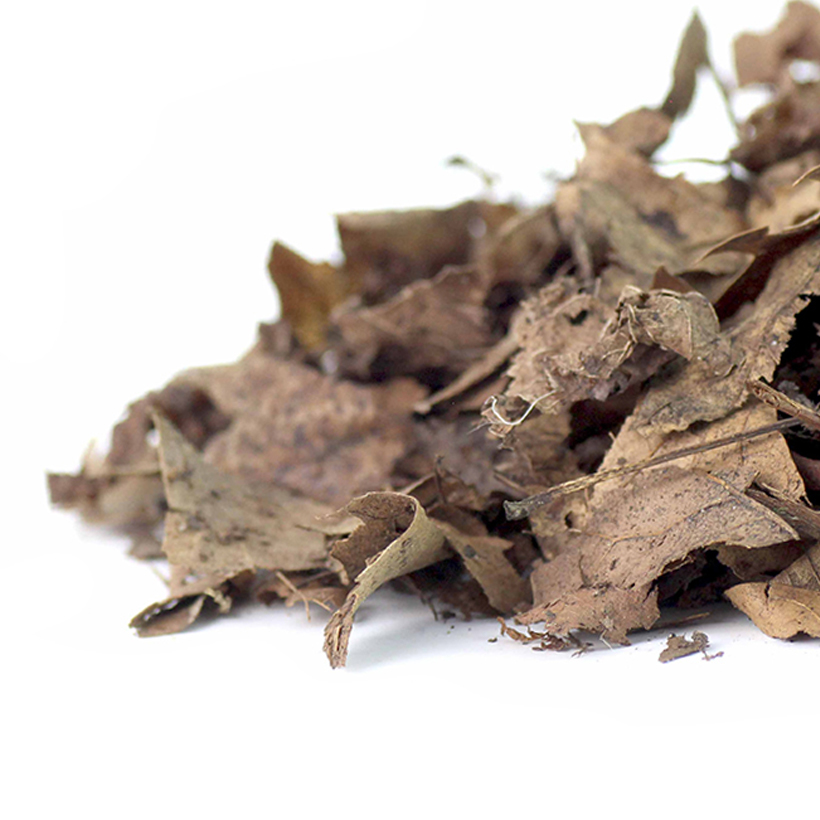
- Thick layers of foliage
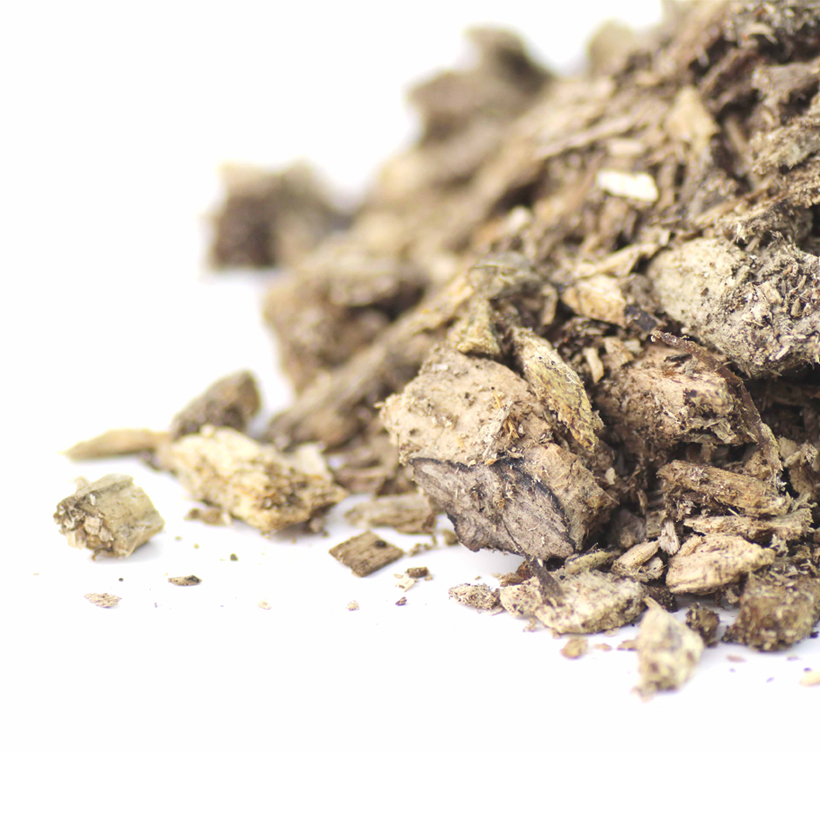
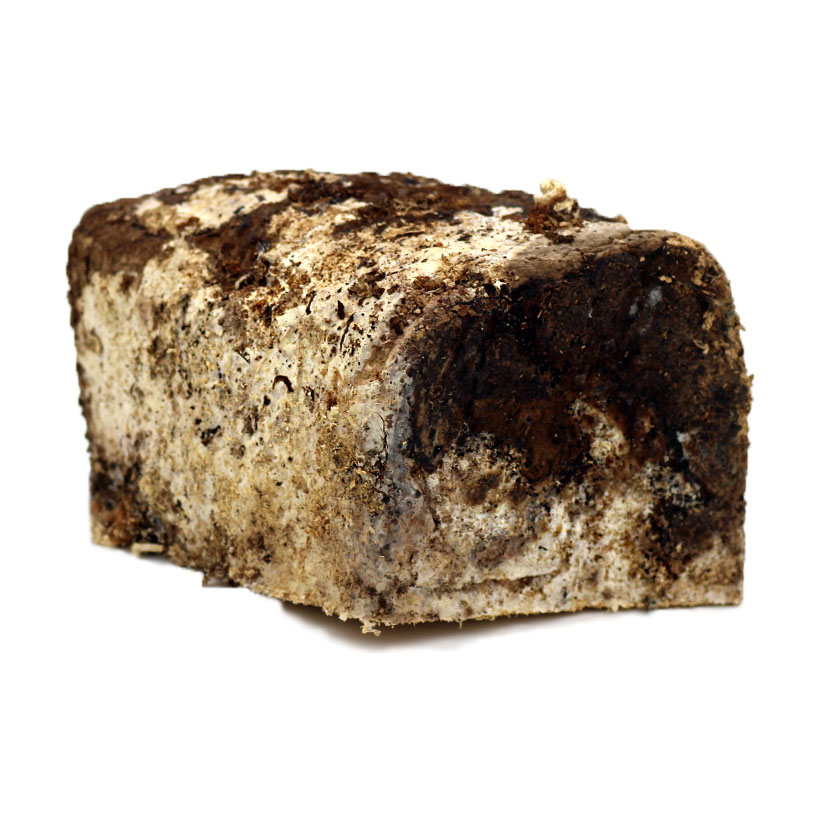
- white rotten wood
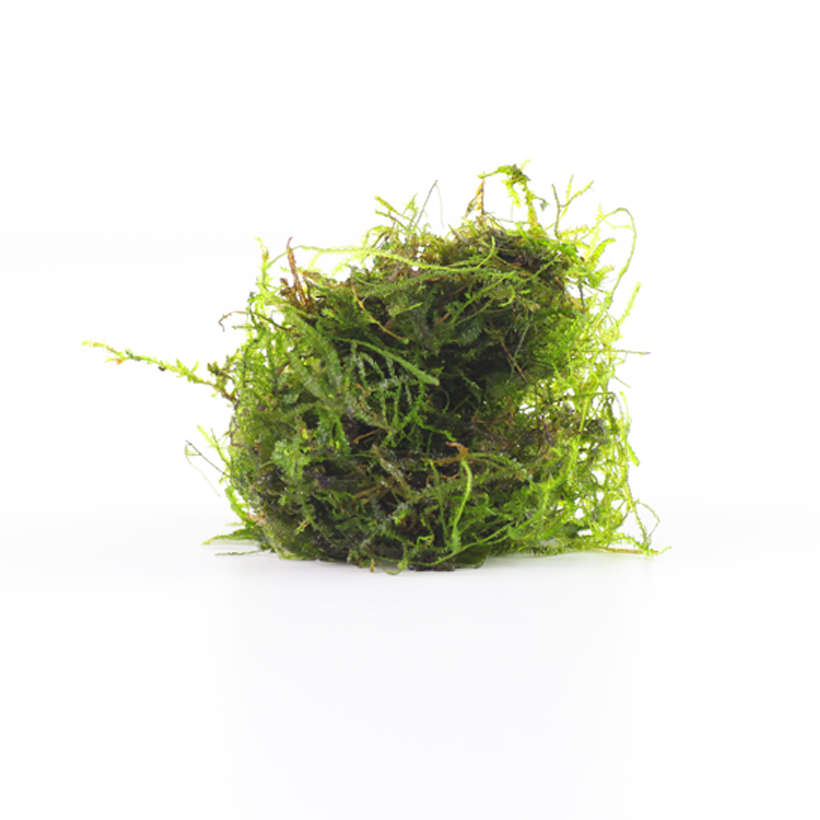
- large areas of moss
- Cork pieces
- Branches and spiderwood
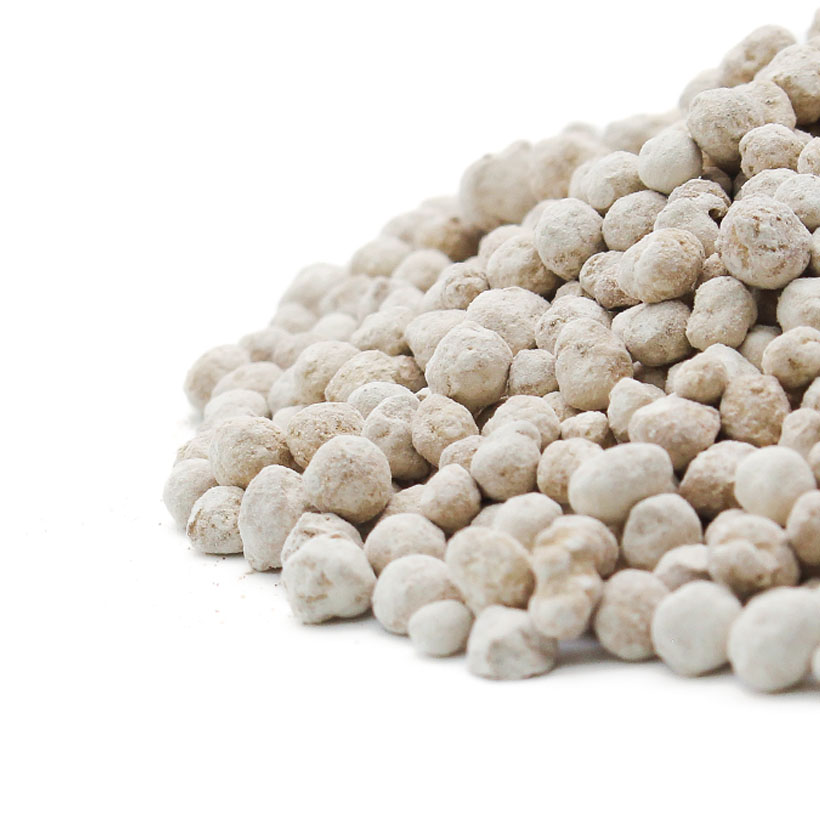
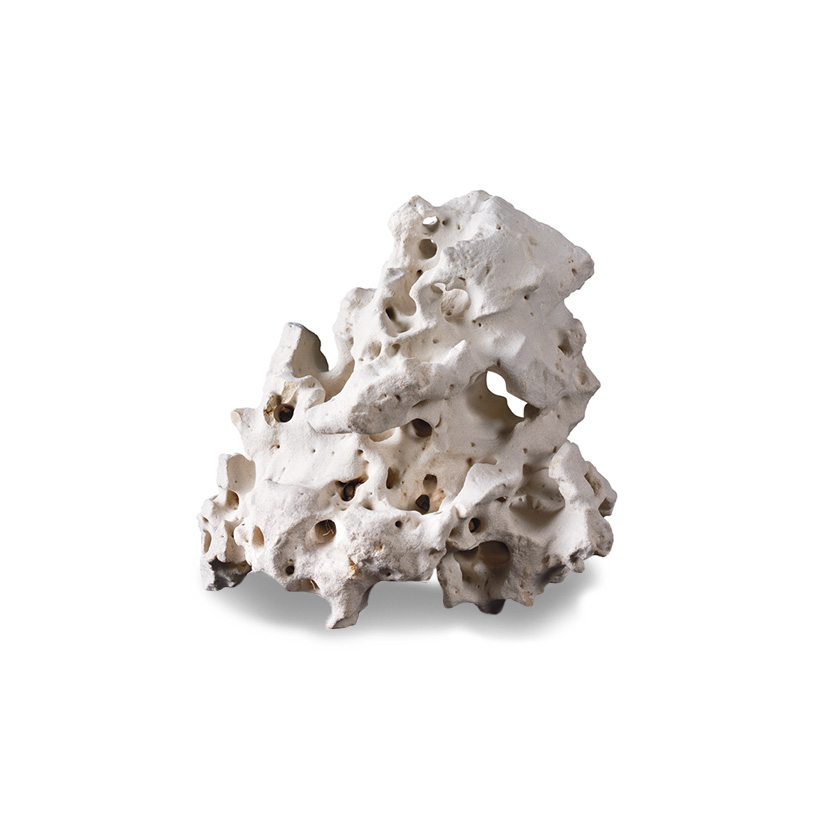
- Lime granulate
Elevated climbing areas in particular are actively used, as the animals are surprisingly fond of climbing and often stay above the ground.
Substrate and microclimate
For a stable setup, we recommend a mixture of:
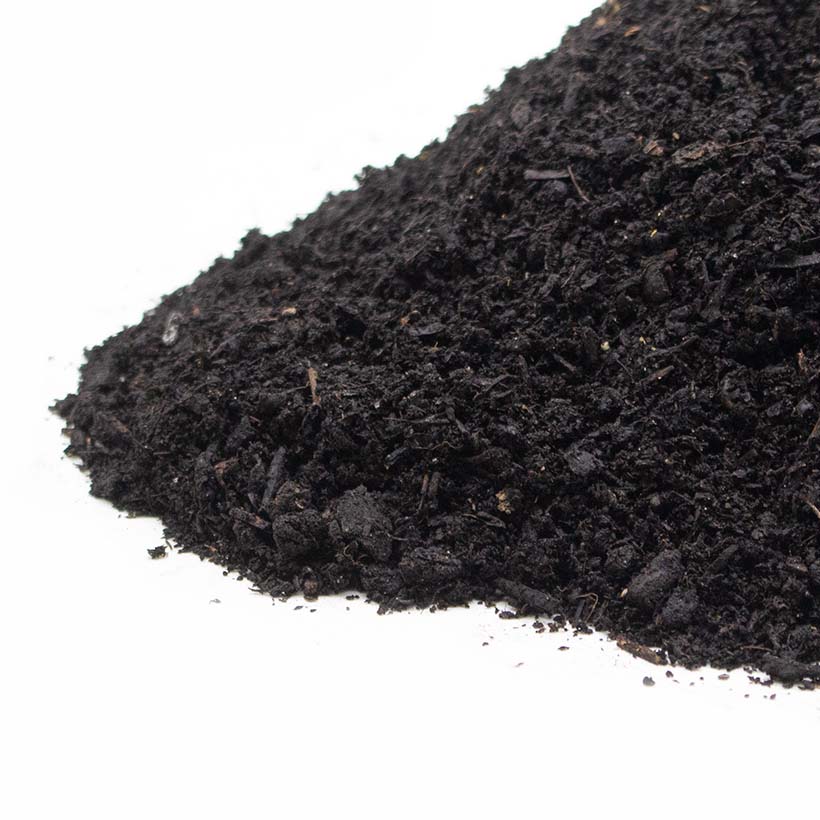
- Forest humus
- white rotten wood
- Fodder leaves
- Lime granulate
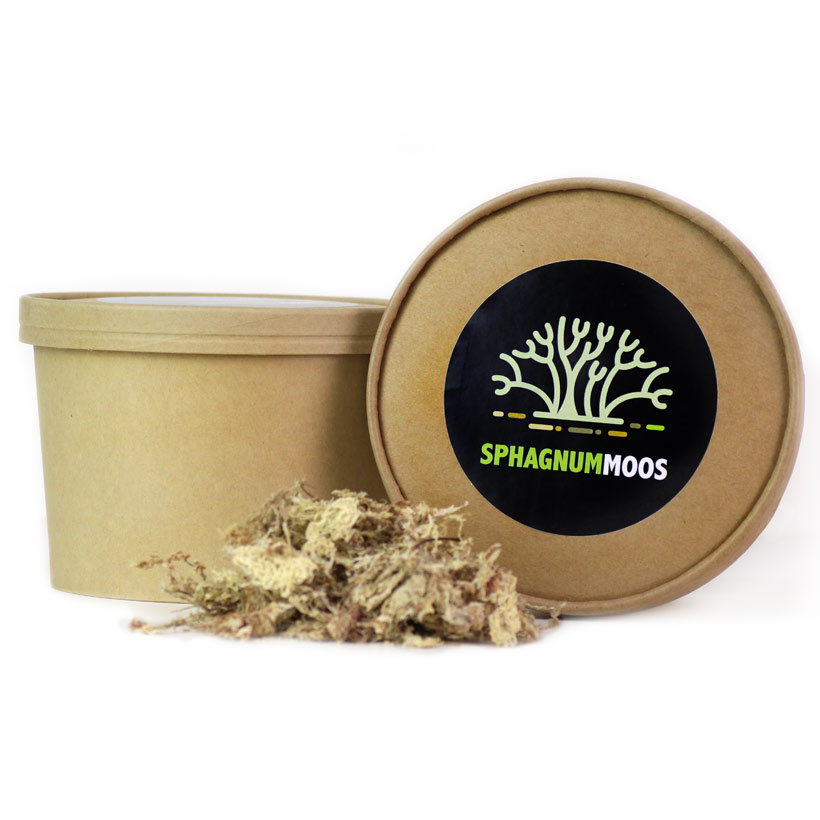
- some sphagnum moss
The substrate should remain loose and at the same time be permanently slightly moist. However, waterlogging should be avoided as the animals prefer high humidity rather than wet soil.
A large, moist moss corner also helps to keep the microclimate stable.
Climate and care
For successful keeping, you should adhere to the following values:
- Temperature: 22-28 °C
- Humidity: 80-90 %
The animals like high humidity, but at the same time strong ventilation is also important. It is precisely this combination that makes keeping them somewhat more challenging than with simple isopod species.
With a GLORIA fine sprayer the moisture can be distributed particularly finely, which often makes the animals more active immediately.
Feeding
Ardentiella spec. “Quadcolor” feeds mainly on organic material and requires permanent foliage and rotten wood. They also like to be eaten:
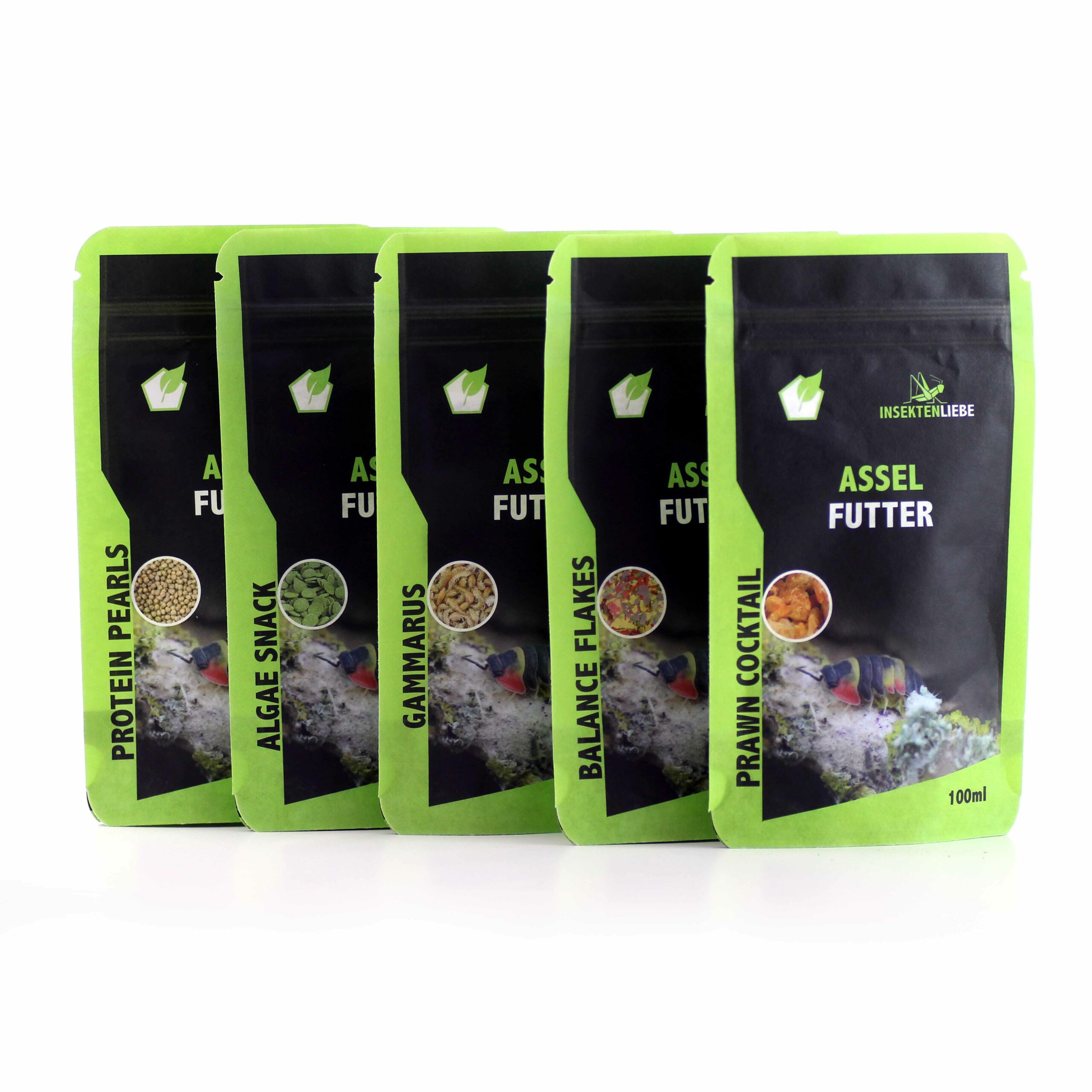
- Woodlouse food
- Gammarus
- Vegetables
- Fish food
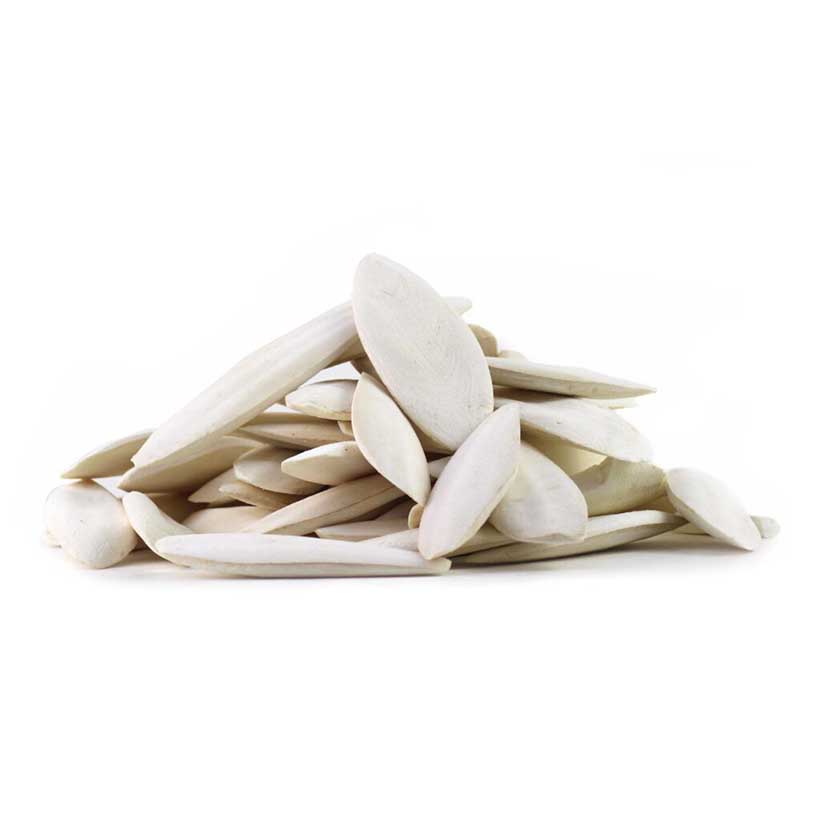
- Cuttlebone
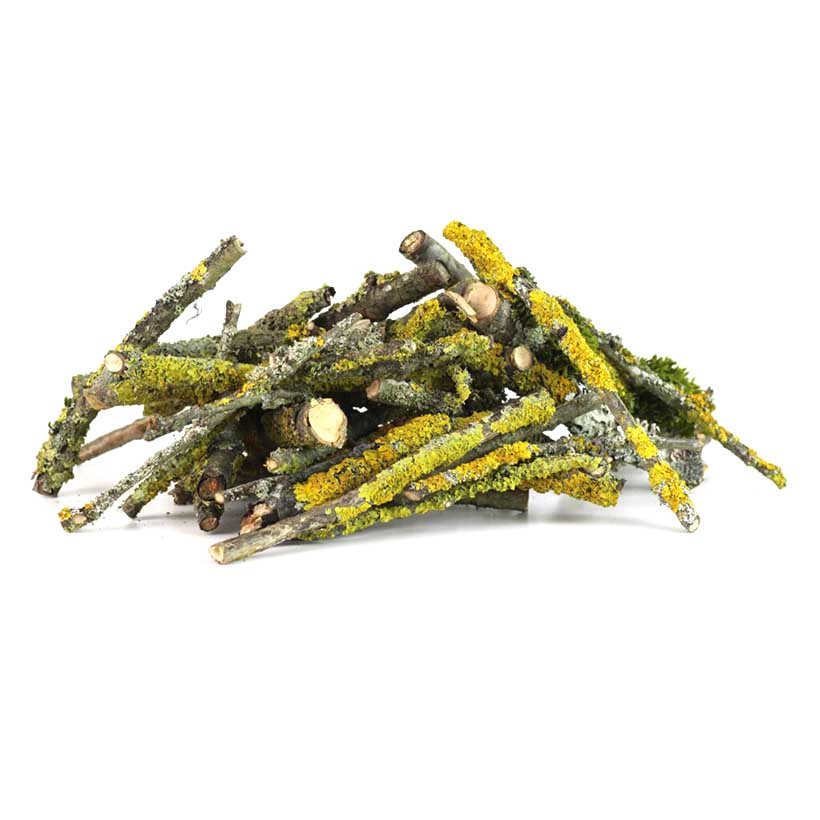
- Lichens
A good calcium supply is particularly important so that the animals can build up their exoskeleton properly.
Offspring
Under stable conditions Ardentiella spec. “Quadcolor” reliable, but slower than many simpler isopod species.
Well-established bioactive setups significantly promote breeding, as stable conditions prevail there permanently. Juveniles initially hide deep in the foliage and only fully show their intense coloration later.
Important points on posture
- High humidity is important
- Strong ventilation required at the same time
- Many climbing structures recommended
- Lots of foliage and wood required
- Particularly active premium type
- More suitable for advanced holders
Suitable accessories for your setup
We recommend a stable and natural setup:
- Fodder foliage – most important staple food
- White rotten wood – Food and hiding place at the same time
- Forest humus – natural substrate
- Lime granules – supports the shell structure
- Sphagnum moss – stabilizes the humidity
- Spiderwood – perfect climbing structure
- cuttlebone – additional source of calcium
- GLORIA fine sprayer – Controlled humidity
- Isopod terrarium complete set – ideal for tropical premium species
This creates a lively tropical setup in which the animals can fully display their extraordinary colors and active behavior.
Conclusion
Ardentiella spec. “Quadcolor” is without doubt one of the most impressive tropical Isopods ever. The four intense colors, the active behavior and the strong body shape make this species a real premium animal for special terrariums.
Anyone looking for unusual Isopods that are not only rare but also permanently exciting to observe will have a lot of fun with this species.
Perfect combined with
-
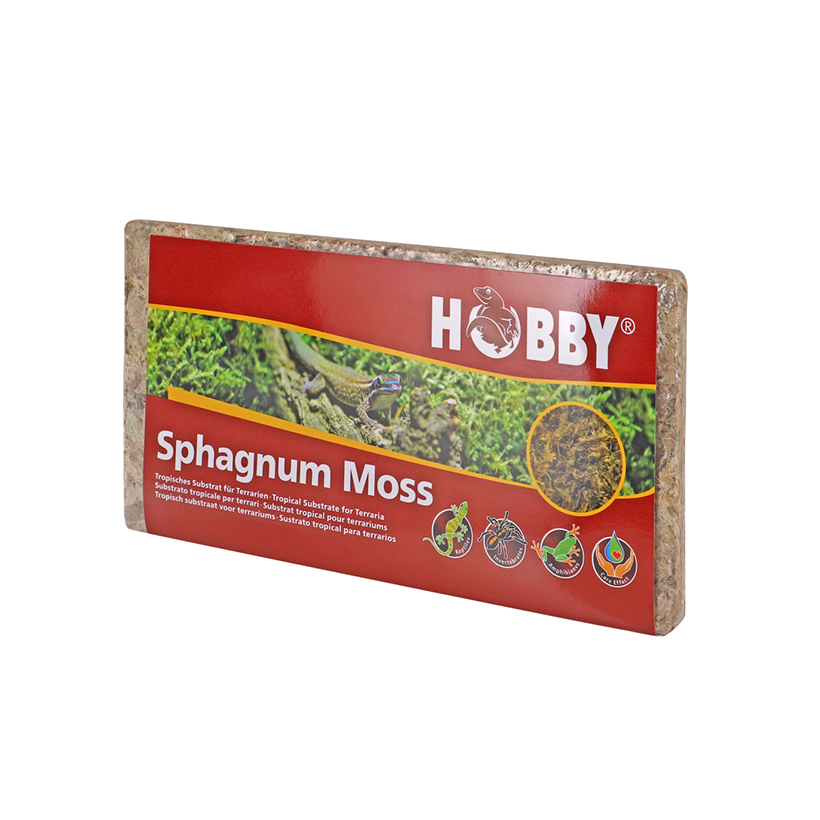
Hobby Sphagnum Moss
Original price was: 7,69 €.5,69 €Current price is: 5,69 €. incl. VAT, plus shipping -

Lime granulate
Price range: 0,49 € through 3,90 € incl. VAT, plus shipping
(from 10 SU = 10% Discount, from 50 SU = 15% Discount, from 100 SU = 20% Discount)
Sales Unit: 1 unit