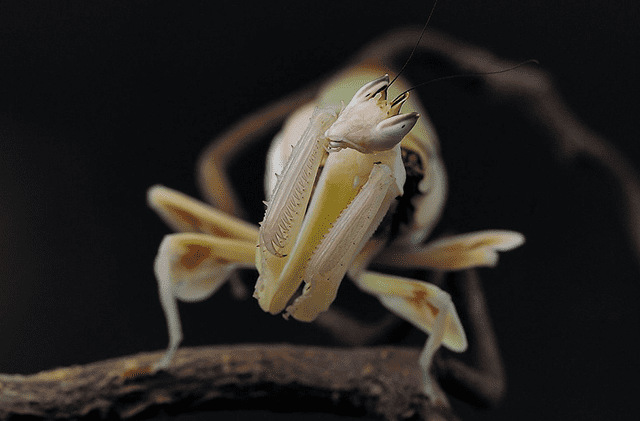


An orchid mantis looks like a small flower—yet it remains an alert ambush hunter. If you want to keep Hymenopus coronatus, good ventilation, a suitable climate, and ample space for molting are more important than decorative flowers. Breeding them requires significantly more planning than simply keeping a single specimen.
Orchid Mantis at a Glance
| Origin | Southeast Asia, including Malaysia |
| Size | Males about 2.5–3 cm, females about 6–8 cm |
| Keeping | Individually; also separate young animals as a precaution |
| Temperature | About 25–30 °C during the day, slightly cooler at night |
| Air humidity | About 60–80% as a guideline, with good ventilation and drying |
| Terrarium | For an adult female, for example, 20 × 20 × 30 cm, with usable height |
The white-and-pink coloration can vary among individual plants and at different stages of development. You cannot reliably order a specific color based on the pink accents. A real orchid is also not necessary for growing this plant. Choose your setup based on stability and ease of care.
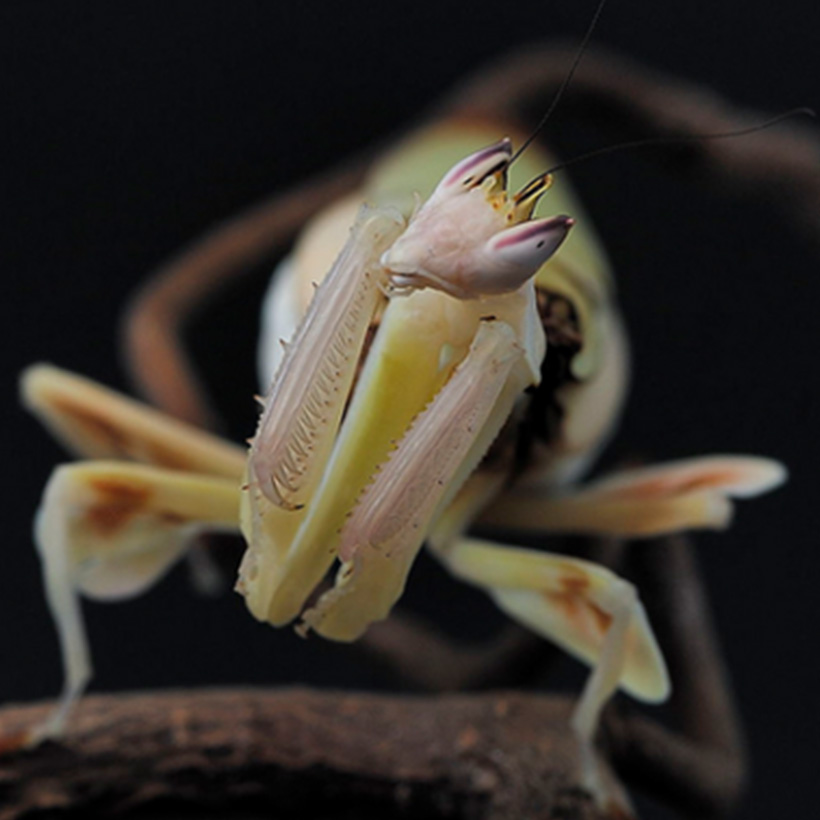
Hymenopus coronatus “Orchid Mantis”
Its flower-like appearance makes it one of the most beautiful mantids of all.
The Terrarium for Your Orchid Mantis
Young animals are easier to feed and monitor in a small, well-ventilated rearing box. They need safe places to climb and an easily accessible spot to hang upside down. As the animal grows, it is moved to a taller container.
As a general guideline, the enclosure should be at least three times as tall as the mantis’s body length. There must also be sufficient clear space beneath the molting area. Substrate, branches, and leaves must not block this space. For large females, a terrarium about 30 cm tall is practical.
A BraPlast container with dual ventilation is suitable for appropriate rearing sizes. However, always check the actual usable height for your animal. A larger terrarium may be necessary for a fully grown female.
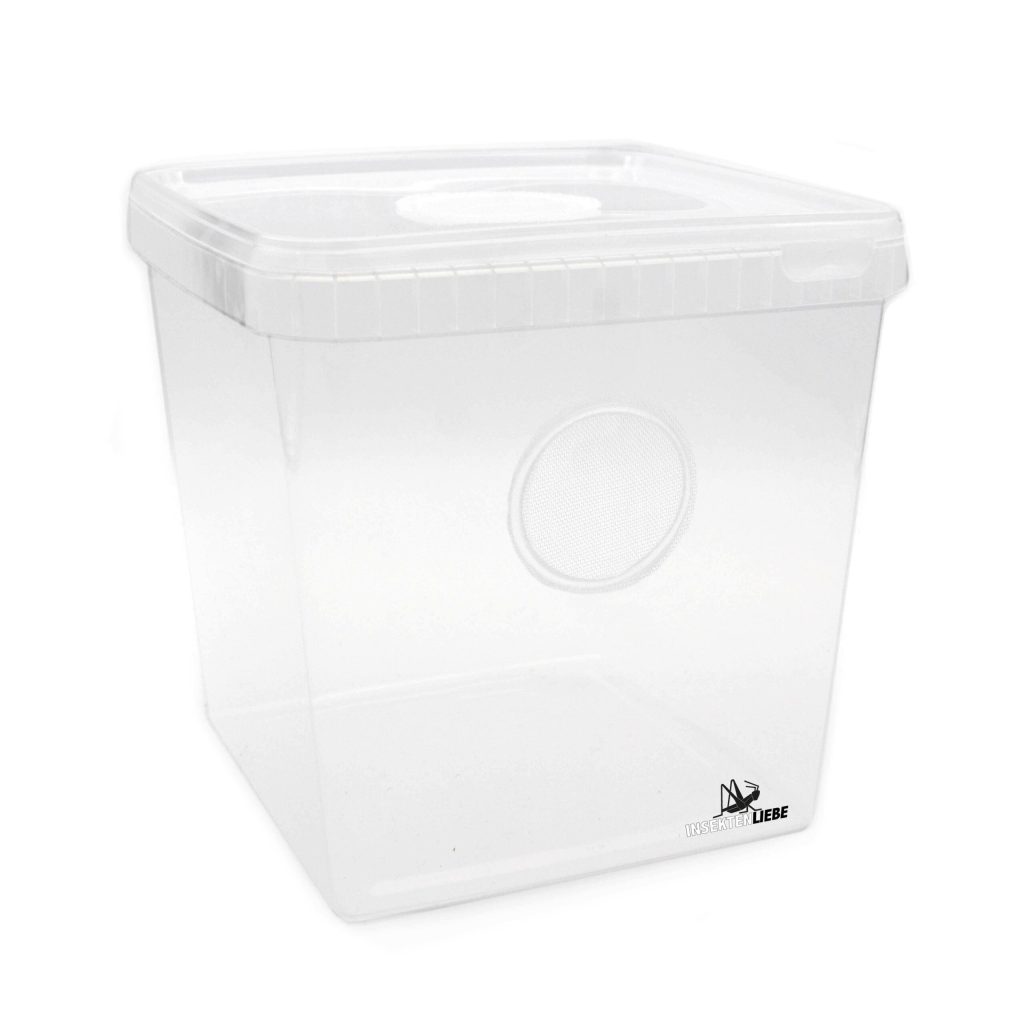
BraPlast can with double ventilation
BraPlast Tank with Dual Ventilation – More Fresh Air for Your Invertebrates The BraPlast container with dual ventilation is a practical and safe housing solution for a wide variety of…
Recommended Reading: The Right Mantid Terrarium
Here’s how to assess size, ventilation, and open space before buying a new terrarium.
Climate and Water: Humid, but not stuffy
Check the temperature where the orchid mantis is sitting. A warm spot with good air circulation is better than a container that stays constantly wet. The values listed are guidelines; direct sunlight can cause small boxes to overheat very quickly.
Spray sparingly on the equipment or side walls so that small droplets are within reach. Do not force the animal to drink by spraying directly on it. Allow wet surfaces to dry between sprayings. Adjust the frequency based on ventilation, room conditions, and pen size.
Persistent moisture is particularly problematic for small nymphs. A hygrometer alone does not indicate whether there is enough fresh air. Therefore, also check for condensation, the substrate, and the animal’s condition. Additional heat is only necessary if the measured temperatures are too low.
What does an orchid mantis eat?
Choose live prey based on the actual size of your mantis. Young nymphs should be fed small fruit flies; as they grow, larger fruit flies and, later on, golden flies or blowflies are suitable. Larval stages are only a guideline, not a fixed portion size.
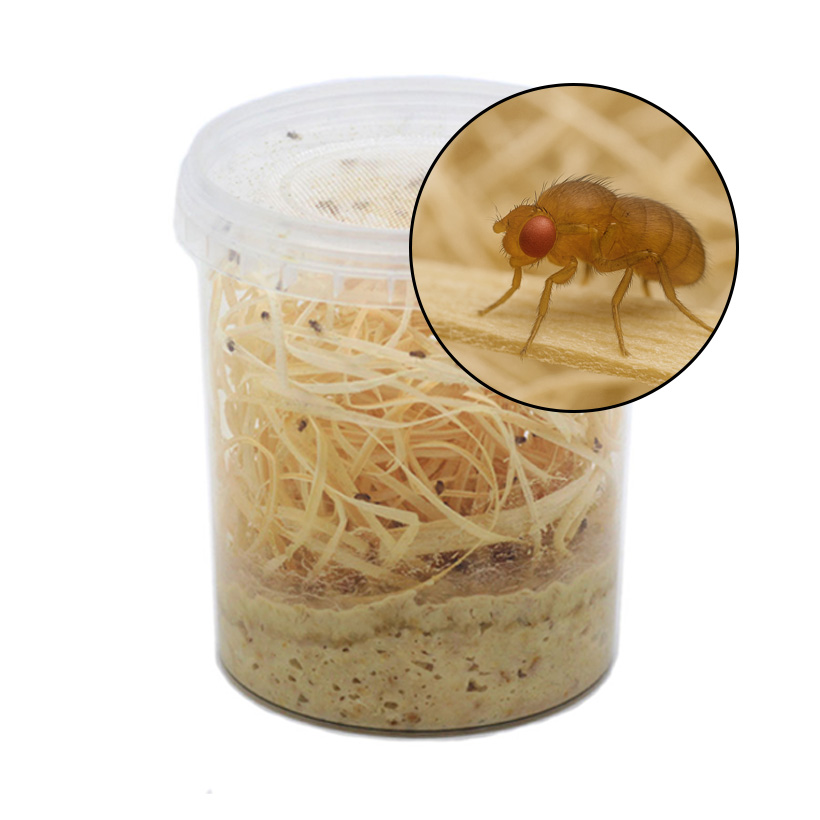
Small fruit fly “ant”
Small fruit fly “ant” – the perfect live food for tiny hunters When young animals are still too small for larger feed insects, the right prey size is crucial. The…
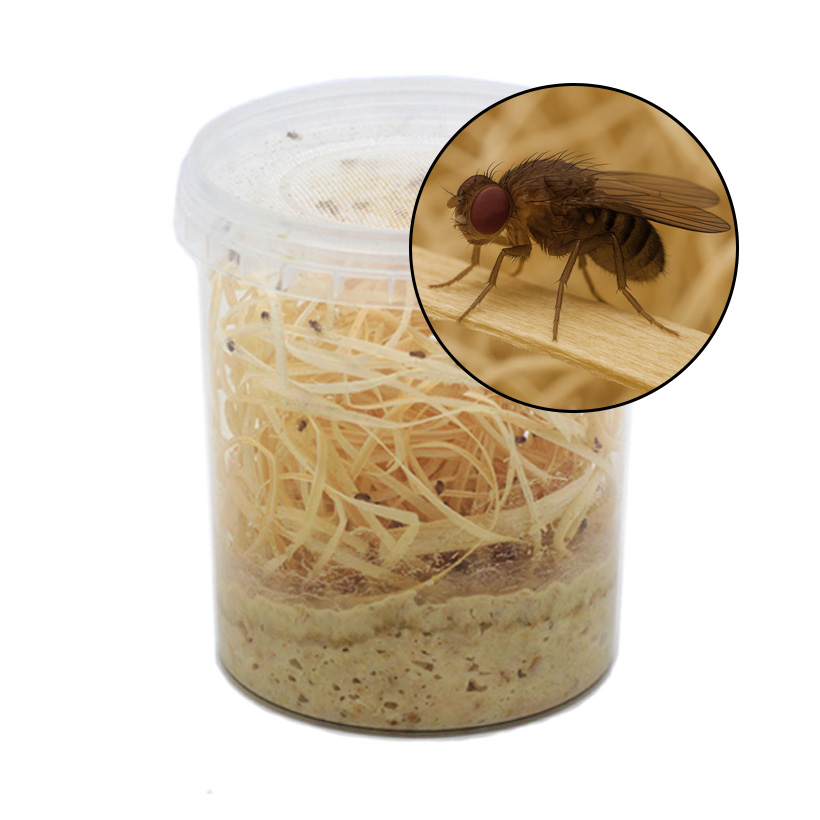
Large fruit fly
Large Fruit Fly – Active, Nutritious, and Easy to Feed The large fruit fly (Drosophila hydei) is one of the most popular food sources in the terrarium hobby. It cannot…
For larger animals, goldflies and blowflies are useful food sources. Start by adding just a few and observe how they are caught. Remove any uneaten insects, especially before a molt. A well-filled abdomen is not a reason to continue feeding immediately.
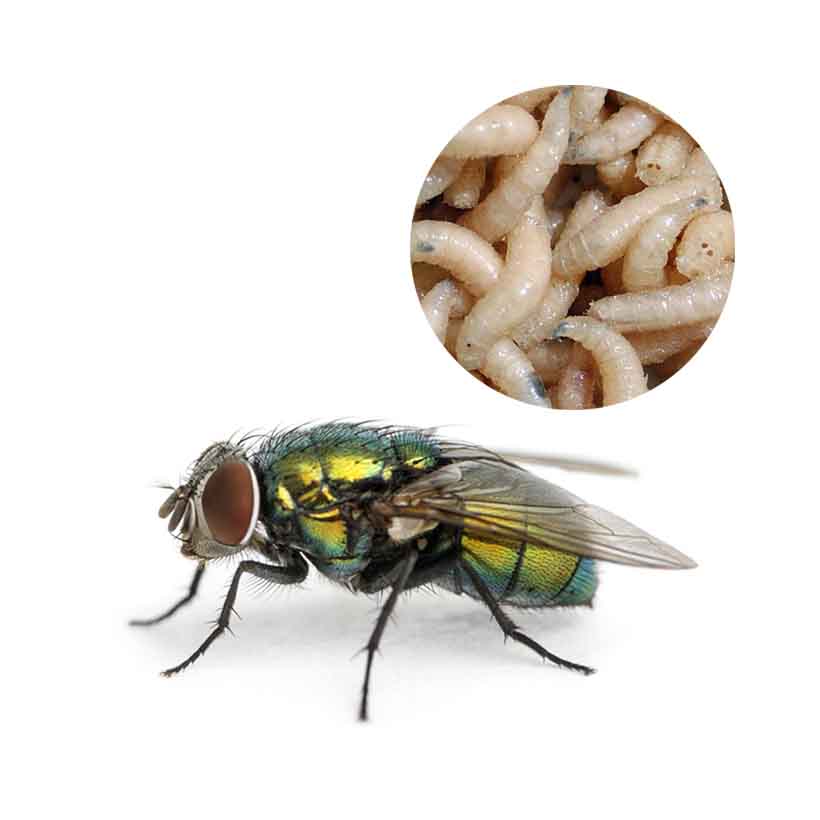
Gold flies
Gold Flies – Fresh, Nutritious, and Simple Gold flies are among the most popular live foods in the terrarium hobby. They are ideal for jumping spiders starting at about FH5…
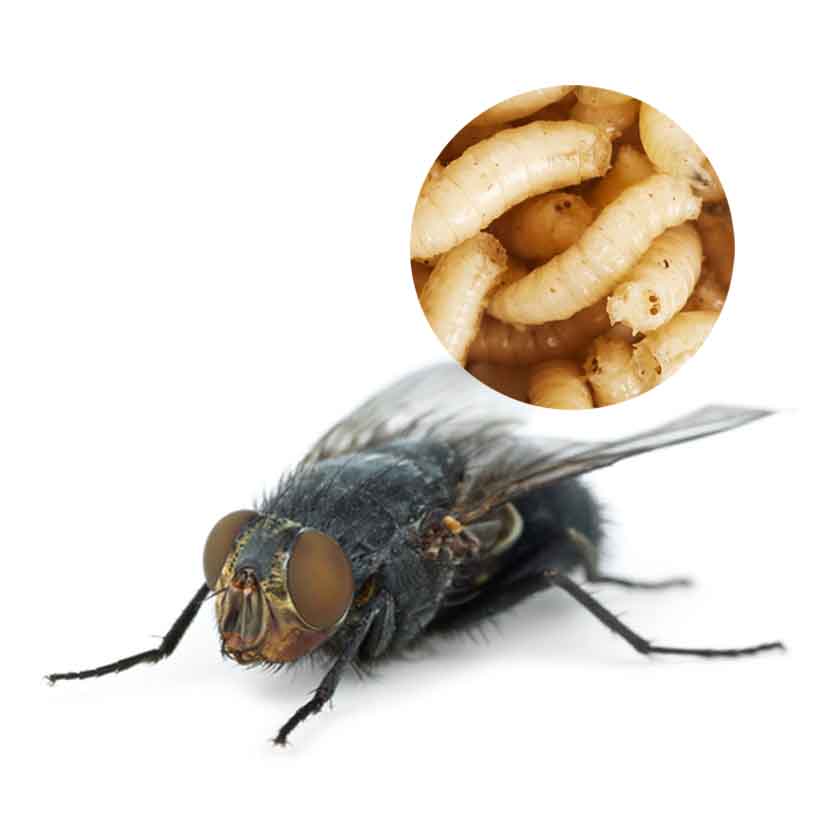
Blowflies
Blowflies – A Convenient Food Source for Jumping Spiders, Mantises, and Tarantulas Blowflies are among the most practical food sources for many invertebrates. They are a particularly good food source…
Shedding and Gentle Care
Before molting, the orchid mantis may refuse food and remain in one spot for a longer period of time. Leave it undisturbed during this time. After molting, it needs time to harden; do not force it to move or eat. Instead, check the space beneath its perch to make sure it’s clear.
Regularly remove food scraps from easily accessible areas. A complete rearrangement is usually not necessary. Slow movements and minimal disturbances make maintenance easier. The small adult males are good fliers—secure the room before opening it.
Sex and Reproduction in Hymenopus coronatus
Females grow considerably larger than males. In young animals that are large enough, the sexes can be distinguished, among other things, by the visible abdominal segments: females have six, while males have eight. The coloration on the neck can also be helpful, but should not be the only distinguishing feature.
Recommended Reading: Sex Determination in Mantises
Photos and characteristics will help you correctly identify the abdominal segments and other differences.
Males develop more quickly. Therefore, it’s not a given that animals from the same hatch will be ready to mate at the same time later on. For general care, you don’t need to influence this development by restricting food or using extreme temperatures.
Mating should be handled by experienced keepers. The female should be well cared for; the male needs a place to retreat to. Even with proper preparation, cannibalism is still possible. After successful mating, separate the animals again as soon as the male has released his grip.
Ootheca and Hatching
An ootheca is a mantis’s egg case. Keep it in its original orientation in a ventilated container, leaving enough space underneath for the hatching nymphs. In previous breeding reports, hatching was observed to occur in about four to six weeks at temperatures of approximately 25–30 °C. This is not a guarantee for every ootheca.
Avoid direct exposure to moisture and stagnant air. Before hatching, prepare many small rearing containers and a sufficient supply of fruit flies. Only when you have a plan in place to care for all the young insects will what starts as an exciting observation turn into a responsibly managed breeding program.
Discover More Mantises
Here you’ll find a selection from our store. Before purchasing, make sure the specific species’ needs are compatible with your terrarium.
-
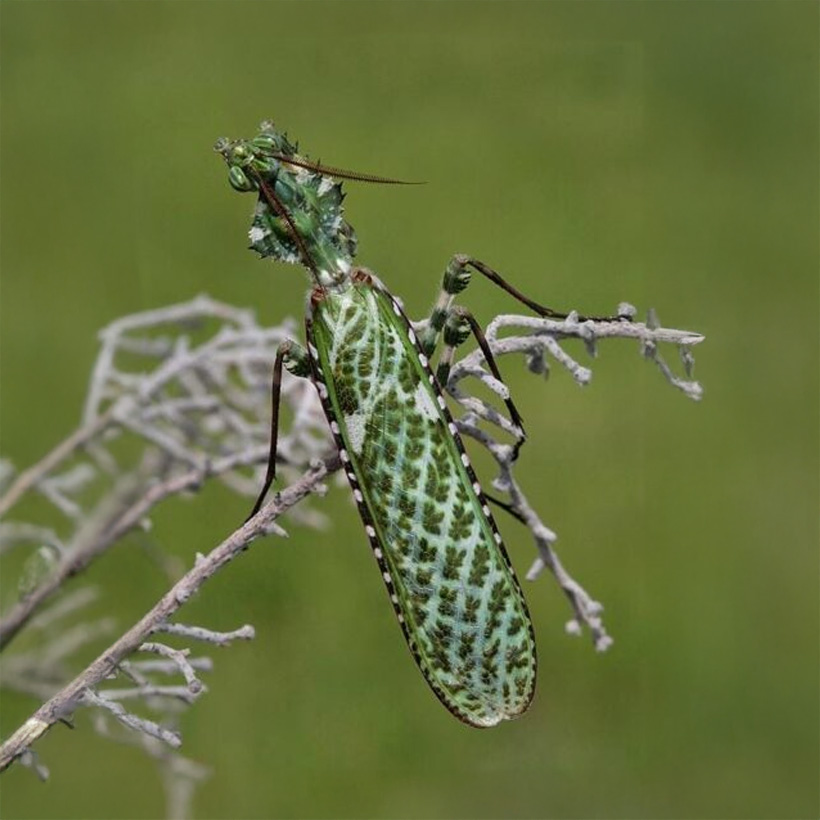
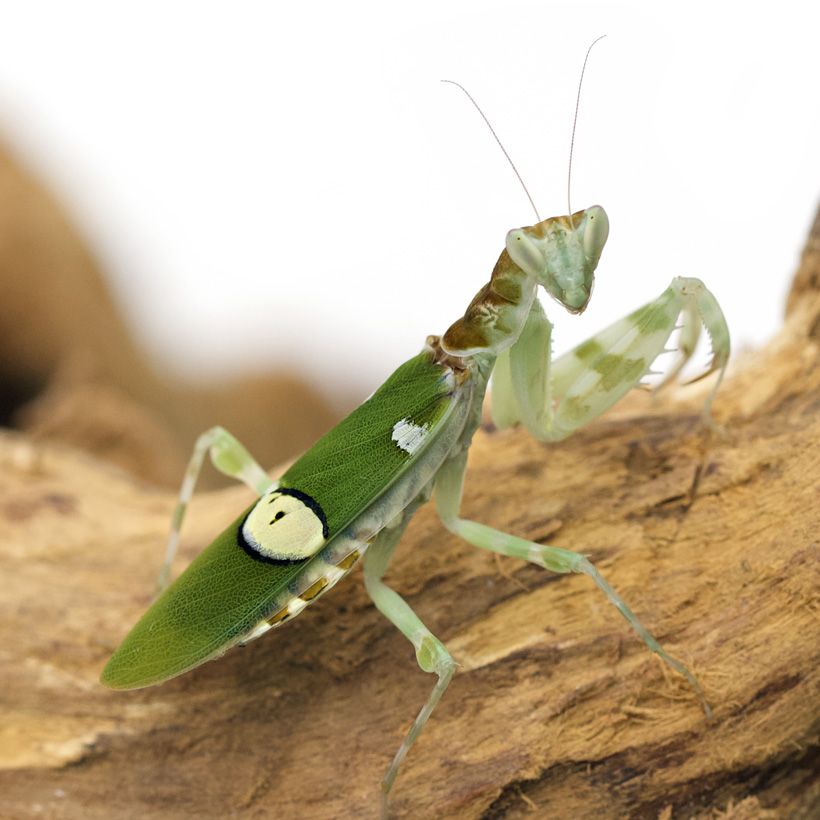
Creobroter spec. “Yunnan”
Price range: 9,50 € through 11,00 € incl. VAT, plus shipping
Still unsure? Feel free to ask us your question in the comments section below the article.