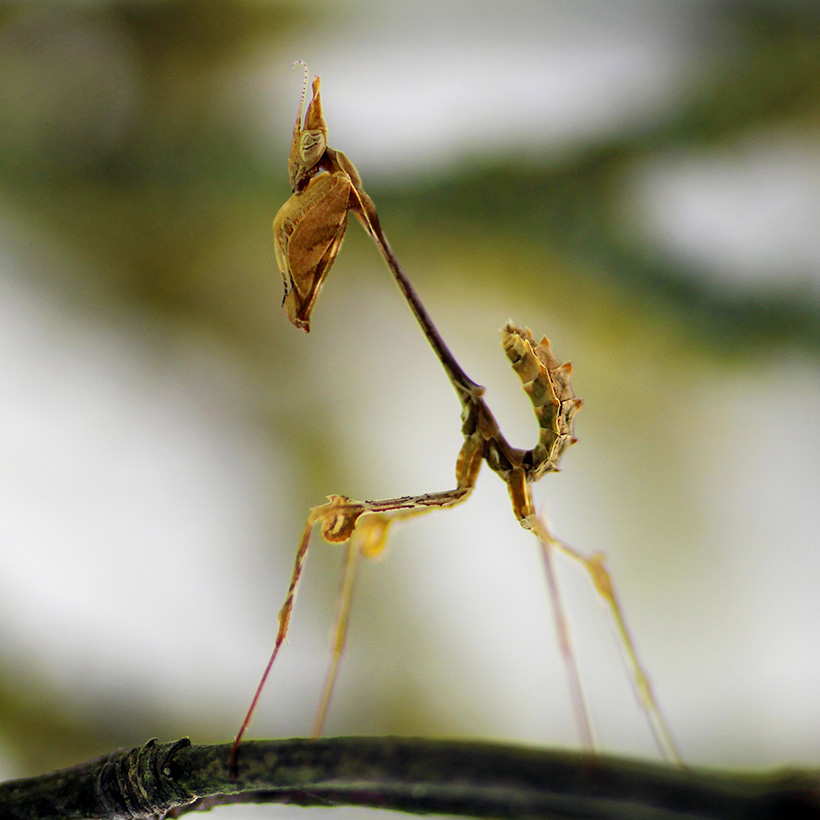
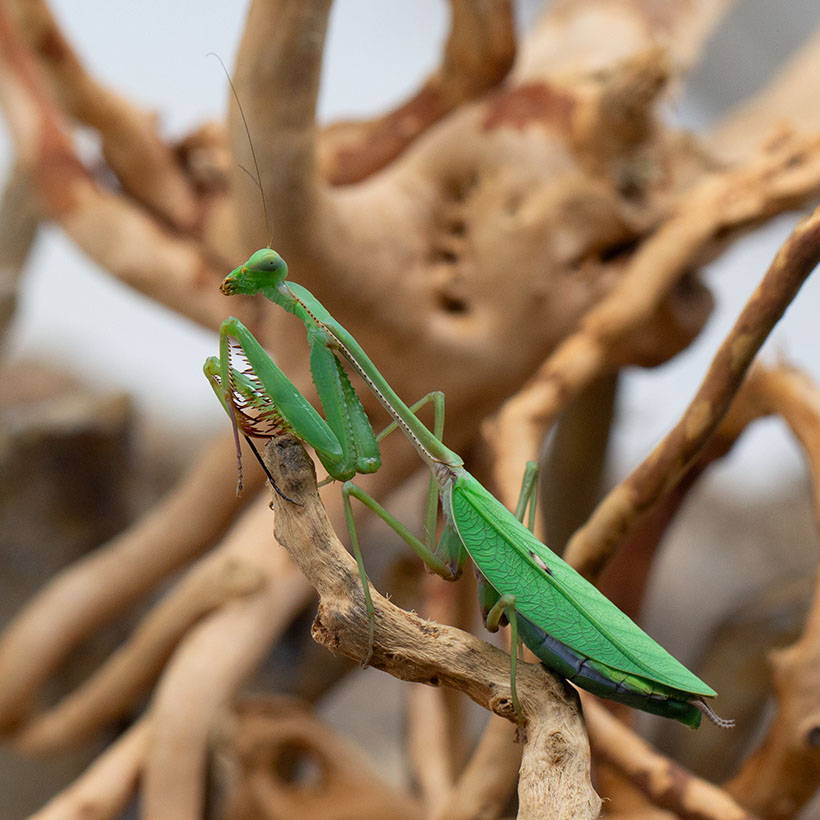
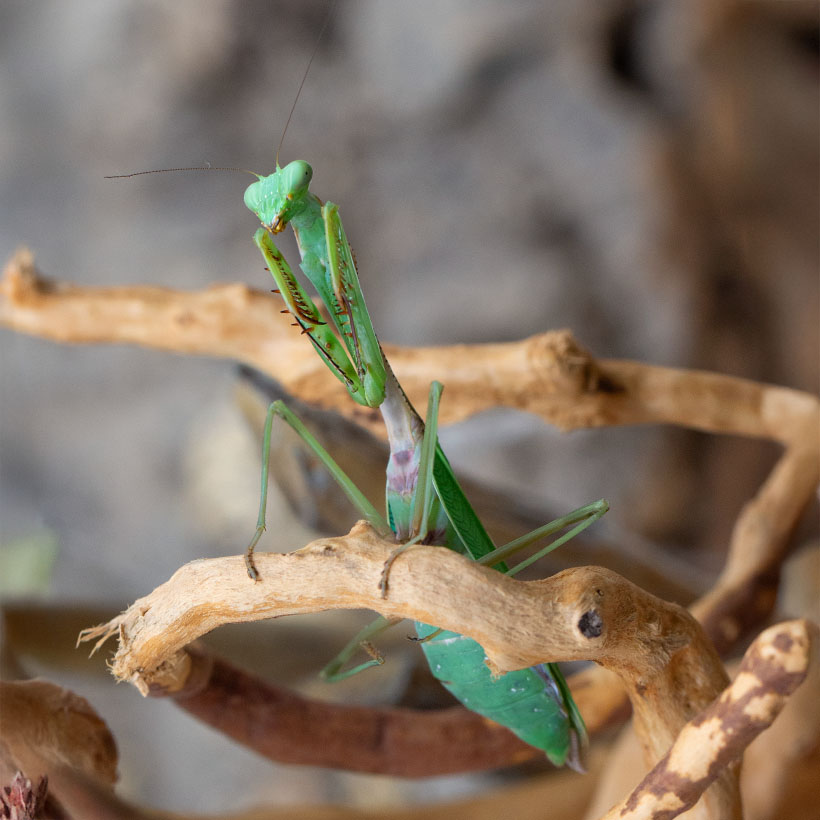
Camelomantis spec.
15,00 € incl. VAT, plus shipping

Medium

Malaysia

< 80 mm

25°C – 28°C
Camelomantis spec. – The Elegant Hunter from the Tropical Rainforest
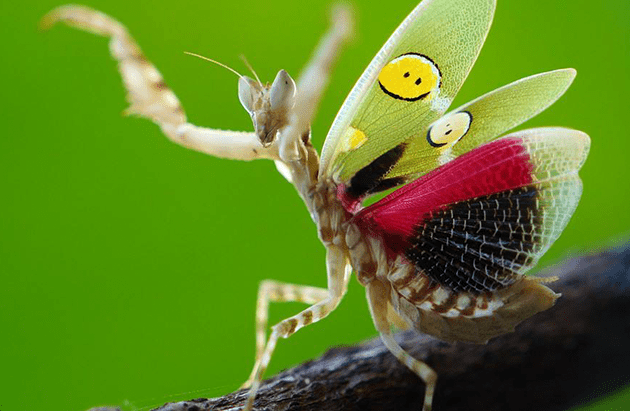
She sits almost motionless among the leaves. Her green legs blend in with her surroundings. Only her head moves slowly as she searches for prey. But as soon as a fly gets close enough, she strikes with lightning speed. Camelomantis spec. is a beautiful praying mantis that fascinates with its camouflage and hunting behavior.
These
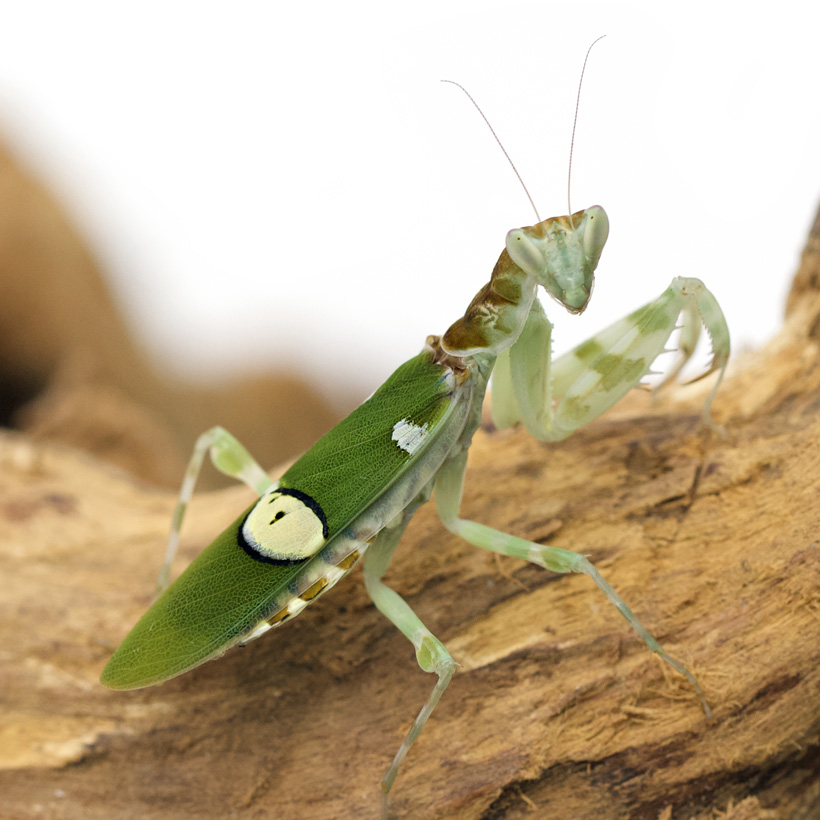
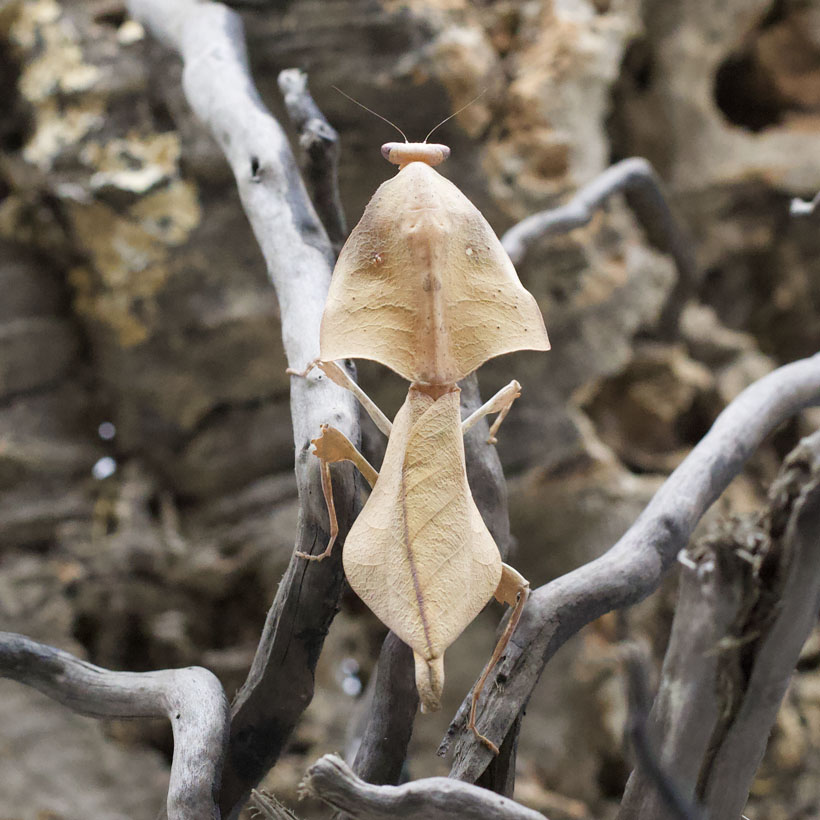
animals come from the warm forests of Asia. There, they live among twigs and leaves. Their green color helps them hide from predators while waiting for prey.
Her behavior is particularly fascinating. That’s because Camelomantis observes her surroundings very closely. She turns her head and follows every movement.
Since the exact species has not yet been determined, the animals are labeled “spec.” As a result, their size, color, and care requirements may vary slightly depending on their origin.
A green praying mantis with perfect camouflage
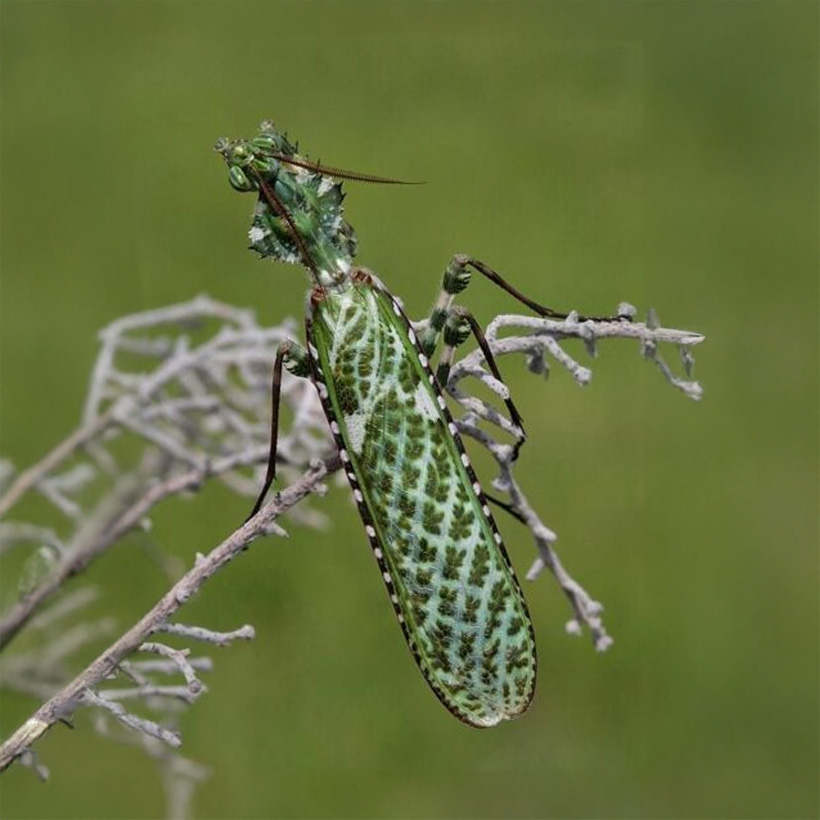
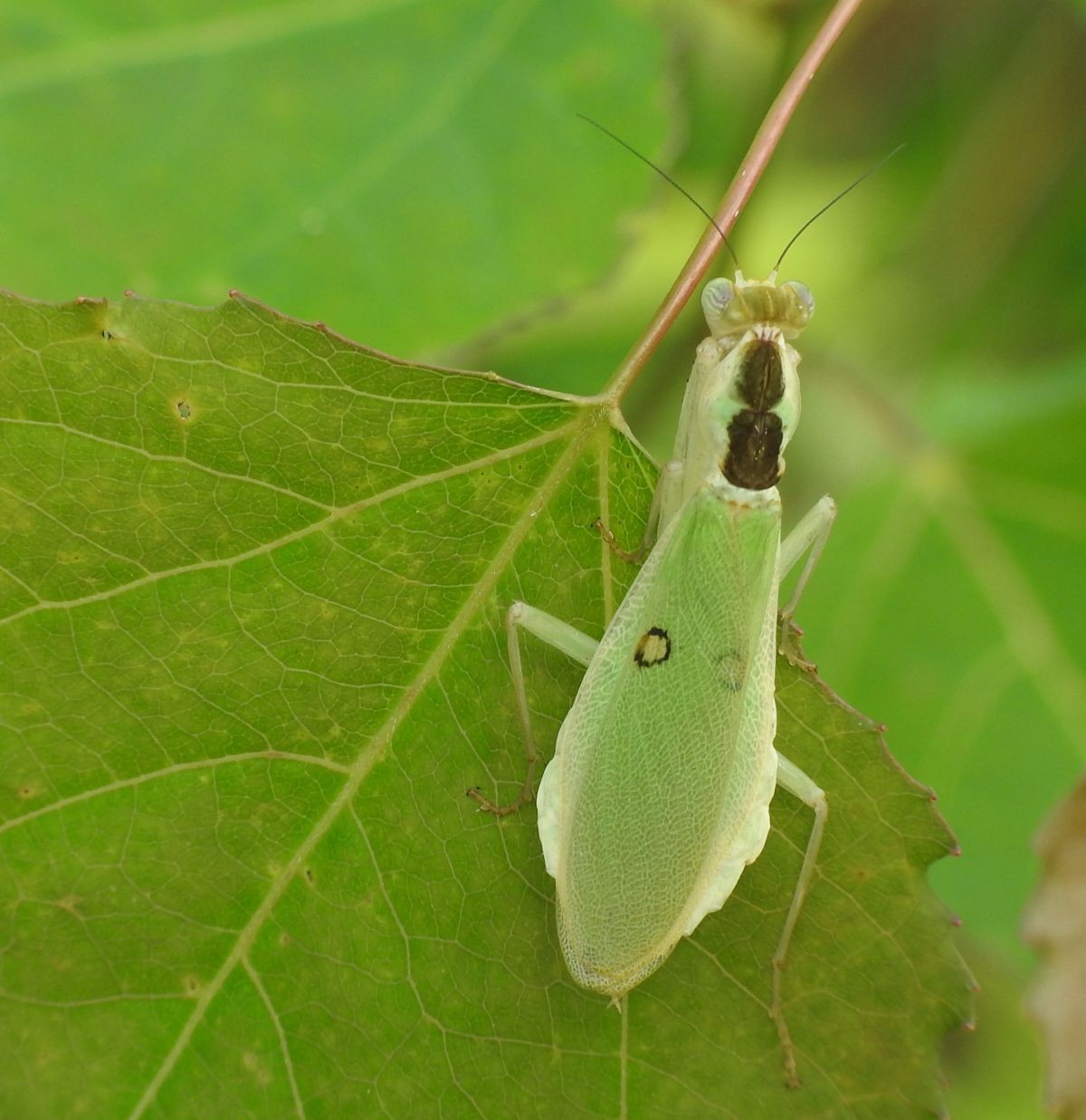
Camelomantis has a slender body, long legs, and powerful capture legs. It is usually green in color, which makes it virtually invisible among fresh leaves.
The mantis’s movable head is particularly striking. This allows the mantis to closely observe its surroundings without having to turn its entire body.
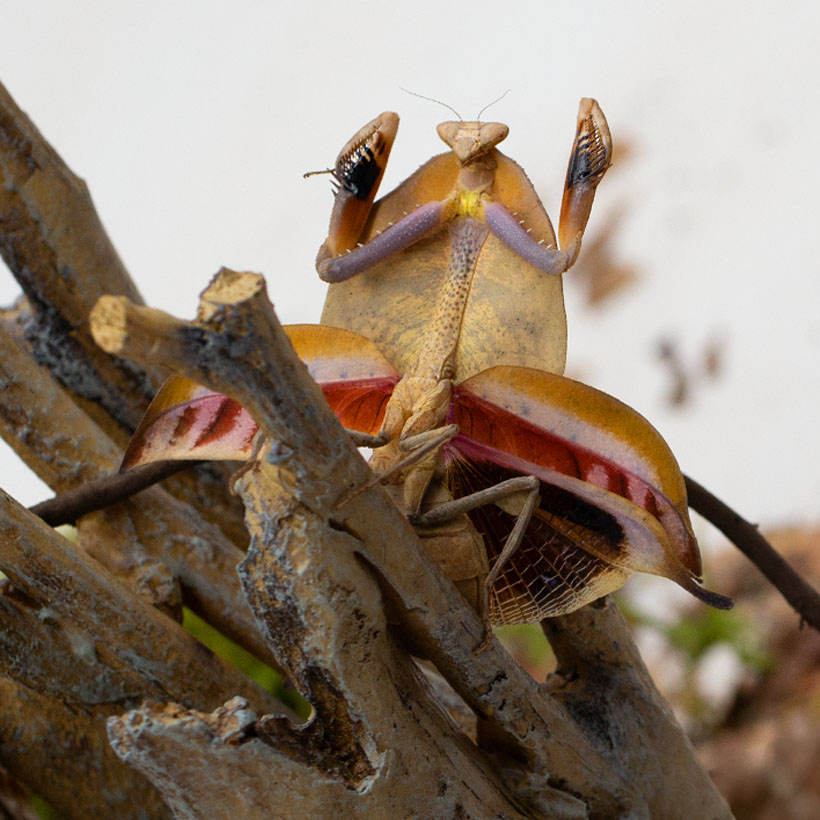
Their tentacles are also real tools. They have small spines on them that allow them to hold their prey securely.
She often stays in one spot for a long time. Only when a prey animal approaches does she become active.
It is precisely this behavior that makes observing the animal so fascinating. Even the smallest movements reveal a great deal about the animal.
How big does Camelomantis spec. get?
Camelomantis is one of the medium-sized to larger praying mantises.
In some species, the females reach about 7 to 8 cm. The males are usually slightly smaller and have a slimmer body.
However, the size may vary depending on the species. Therefore, these values are only a rough guide.
Young animals grow by molting several times. As they do so, their bodies gradually get bigger.
After their final molt, the insects are fully grown. By then, their wings are also fully developed.
The Right Terrarium for Camelomantis spec.
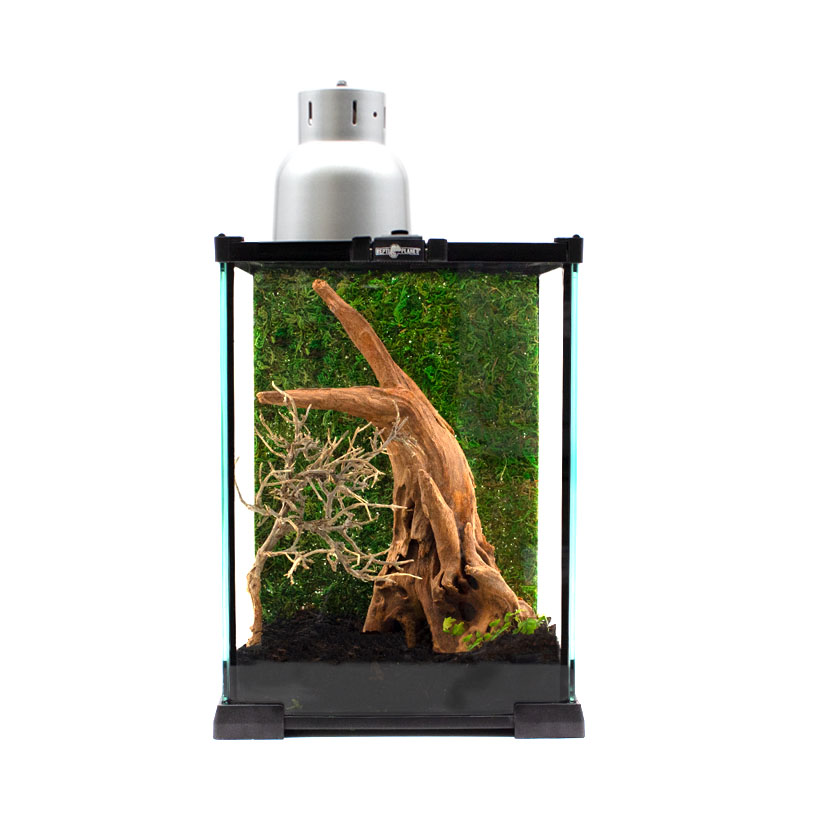
For an adult specimen, we recommend a terrarium measuring at least 20 × 20 × 30 cm. Height is particularly important.
This is because praying mantises hang upside down when they molt. To do this, they need enough open space beneath where they sit.
Set up the terrarium with thin twigs and sturdy climbing structures. You can also add real plants. This will create plenty of places for them to perch and hunt.
A blanket that stays in place is especially important. Fine gauze works well for this, as long as it is safe for the animal’s feet.
Also, make sure there is good air circulation. Stagnant, humid air can lead to problems.
A densely planted terrarium may look nice, but you should still leave enough open space for shedding.
Temperature and Humidity
Camelomantis is native to warm regions. That is why it needs a suitable climate.
As a general guideline, a temperature of 25 to 28 °C is suitable during the day. At night, the temperature may drop slightly.
When it comes to humidity, you can start by aiming for 65 to 80 percent. However, you should adjust these levels based on your pets’ origins and behavior.
Above all, it is important to maintain the right balance between humidity and fresh air.
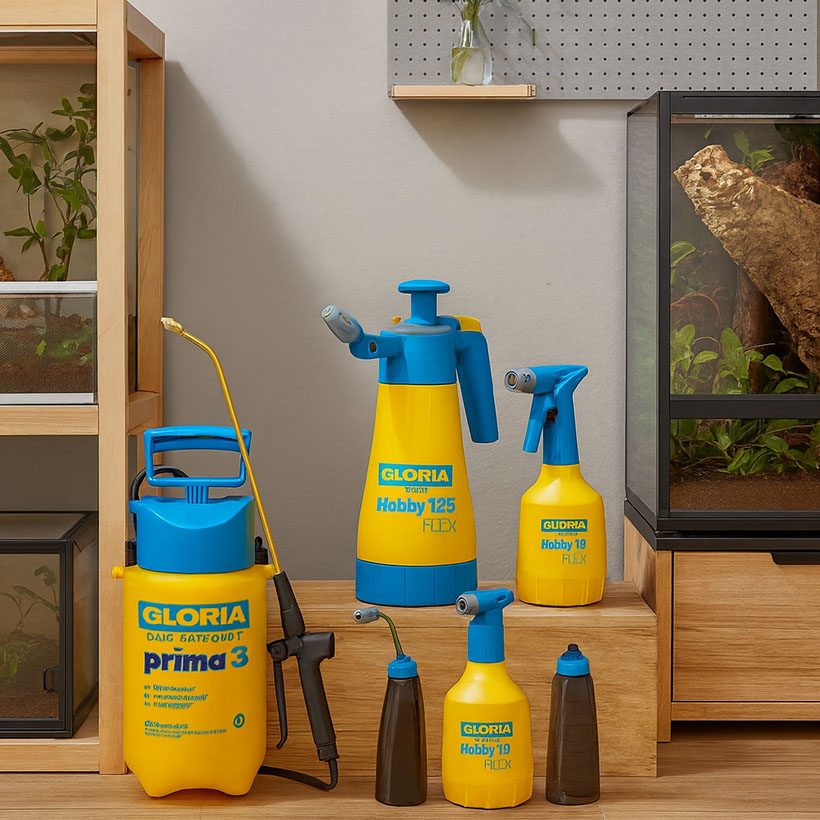
Therefore, spray a little water on the plants and branches as needed. This allows the mantis to take in small droplets.
Afterward, the surfaces should be allowed to dry again.
Avoid constantly wet walls and stagnant air, however, as both can make keeping them difficult.
What does Camelomantis spec. eat?
Camelomantis is a ambush hunter. It waits quietly for prey and captures it with its powerful capture arms.
Flies are particularly well-suited because their movement stimulates the hunting instinct.
Young insects need small prey. With each molt, you can gradually adjust the size of the food insects.
Suitable options include, for example:
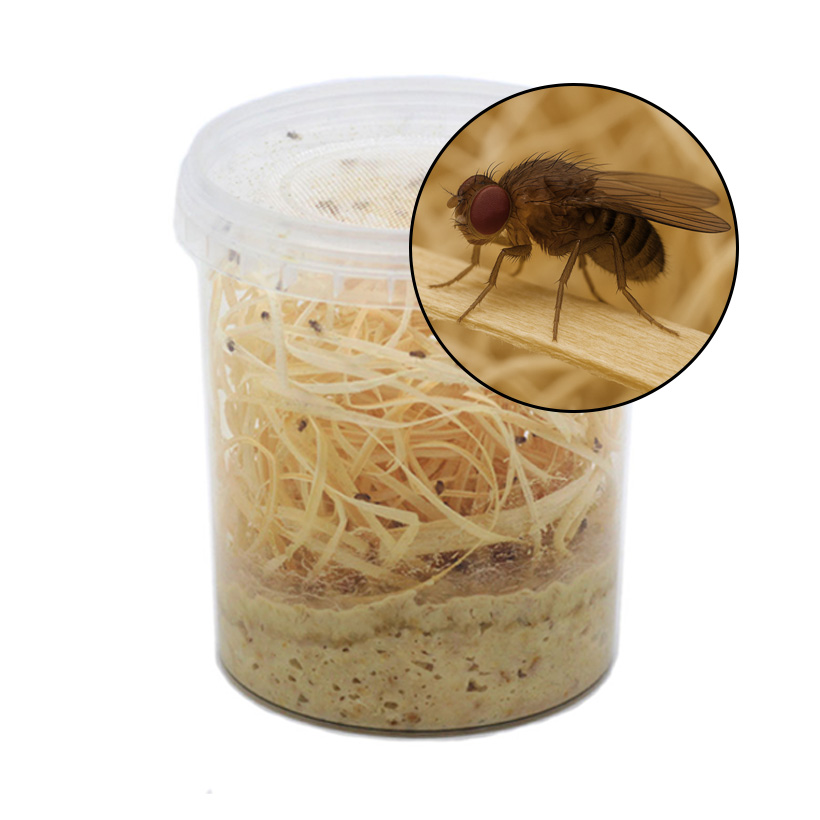
- Large fruit flies for young mantises (L1–L3)
- Golden flies for growing mantises (L4–L6)
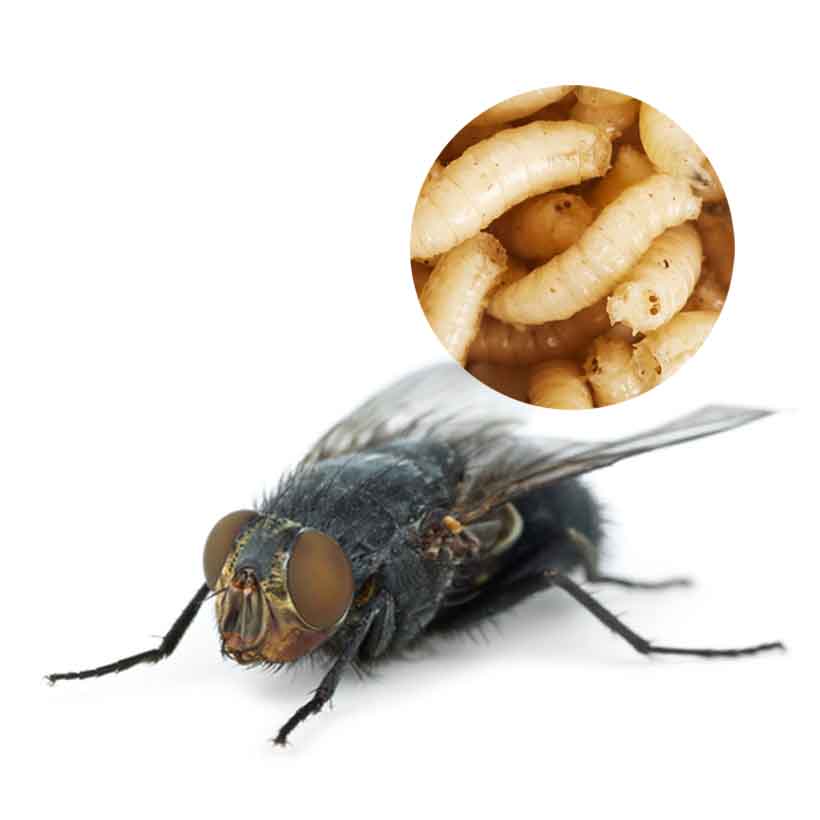
- Blowflies for larger nymphs and adults
- Small crickets as a supplement, provided they are appropriate for the mantis’s size
Always offer only as much food as the mantis needs. Too many food items can cause stress.
You should remove any remaining feed animals, especially before a molt.
Molting—an important part of development
Like all praying mantises, Camelomantis grows by molting.
To do this, it hangs upside down in a safe spot. Then it slowly sheds its old skin.
This is a very sensitive phase. That’s why you shouldn’t disturb the animal during this time.
It’s also important to have enough space. This is because the mantis needs to be able to hang freely downward.
Before molting, many animals eat less. Some even stop eating altogether.
During this time, remove any remaining food animals and maintain the appropriate conditions in the terrarium.
After molting, the new body still needs time to harden. Therefore, wait to feed it again until the animal is steady on its feet and using its tentacles normally.
Why You Should Keep Camelomantis Alone
Praying mantises are hunters. That’s why they may sometimes view other mantises as prey.
For this reason, we recommend keeping them alone.
That way, each animal has its own space. It also makes it easier for you to see if it’s eating and growing well.
Older animals, in particular, are at increased risk of injuring or eating one another.
That’s why having your own terrarium is the safest choice.
Is Camelomantis spec. suitable for beginners?
Camelomantis may also be of interest to keepers who have already gained some experience with praying mantises.
However, you should know the most important basics.
This includes the right temperature, good ventilation, and enough space for shedding.
You also need to be able to provide suitable feed animals in the right size.
If you keep these points in mind, you’ll be able to closely observe your mantis’s development and behavior.
It’s precisely their stealthy hunting style that makes them such fascinating creatures for anyone who enjoys spending time in front of their terrarium.
Benefits at a Glance
- Green Praying Mantis from Asia
- Slender body with beautiful camouflage coloring
- Fascinating hunting behavior
- Flexible head and powerful capture legs
- Females in some species are about 7 to 8 cm long
- Males are usually smaller and slimmer
- Terrarium size: 20 × 20 × 30 cm as a guideline
- Requires plenty of safe places to climb
- Daytime temperature: about 25 to 28 °C
- Humidity: approximately 65 to 80% as a guideline
- Eats live flies and other suitable insects
- Keeping as a single specimen is recommended
- Fun to watch
Suitable accessories for your setup
Mantid Terrarium Complete Set – provides an adult Camelomantis with space to climb, hunt, and molt.
Repto Tree Vine – creates natural climbing paths and safe places to perch.
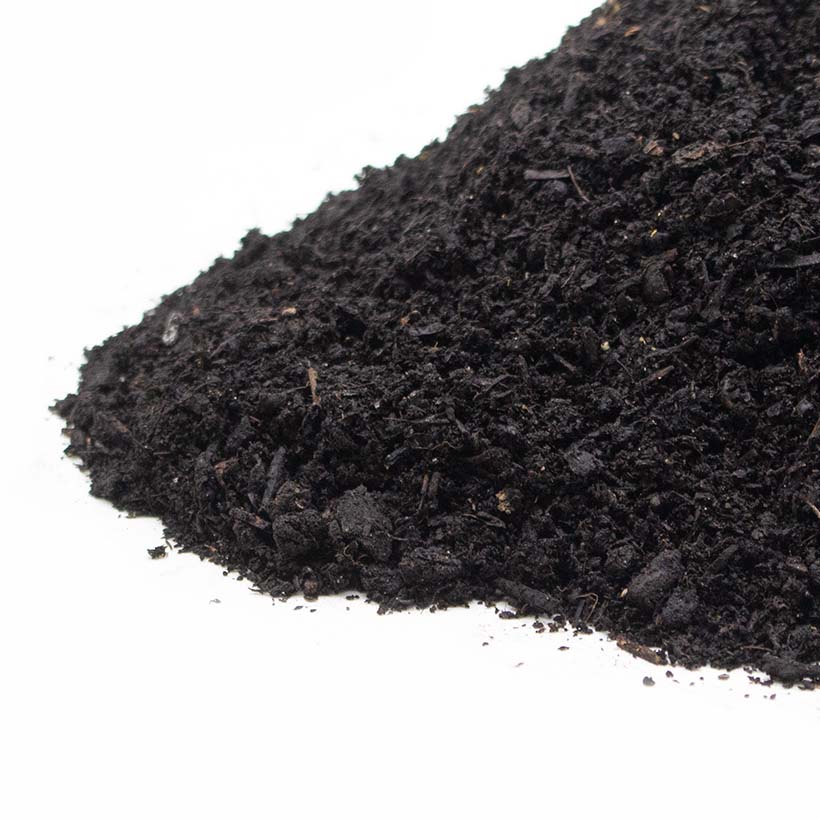
Forest Humus – forms a natural soil layer and helps retain moisture.
Repto Compact LED 3.5 W – provides light in the terrarium and beautifully highlights plants and twigs.
Large fruit flies – suitable as live food for young Camelomantis of the appropriate size.
Blowflies —provide larger animals with active prey and encourage natural hunting behavior.
Conclusion: A beautiful mantis with fascinating behavior
Camelomantis spec. is a special praying mantis for anyone who enjoys observing their pets’ behavior.
Its green color provides good camouflage. At the same time, its fast tentacles make every hunt an exciting experience.
In addition, you can make their habitat look nice by adding twigs, plants, and good ventilation.
Above all, it is important to provide the right temperature, sufficient humidity, and plenty of open space for shedding.
If you keep these points in mind, you’ll lay a solid foundation for the posture of this elegant hunter.
Discover Camelomantis spec. and bring a piece of the tropics into your terrarium.
Perfect combined with
-
Repto Compact LED
Original price was: 15,99 €.14,39 €Current price is: 14,39 €. incl. VAT, plus shipping