Sale!
Hymenopus coronatus “Orchid Mantis”
Price range: 17,50 € through 22,50 € incl. VAT, plus shipping

Medium

Malaysia

< 80 mm

25°C – 30°C
Hymenopus coronatus – camouflage as a perfect flower
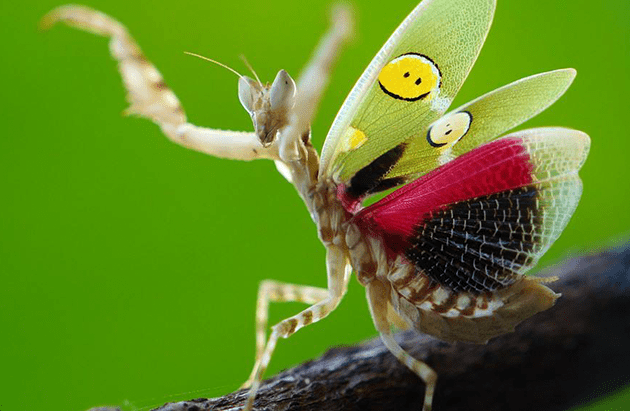
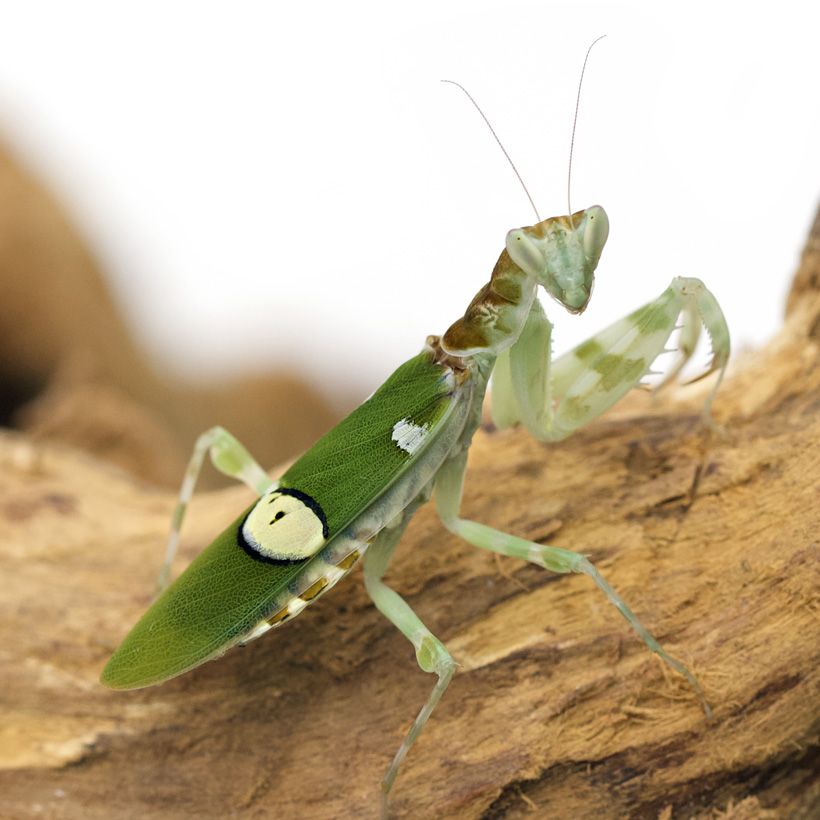
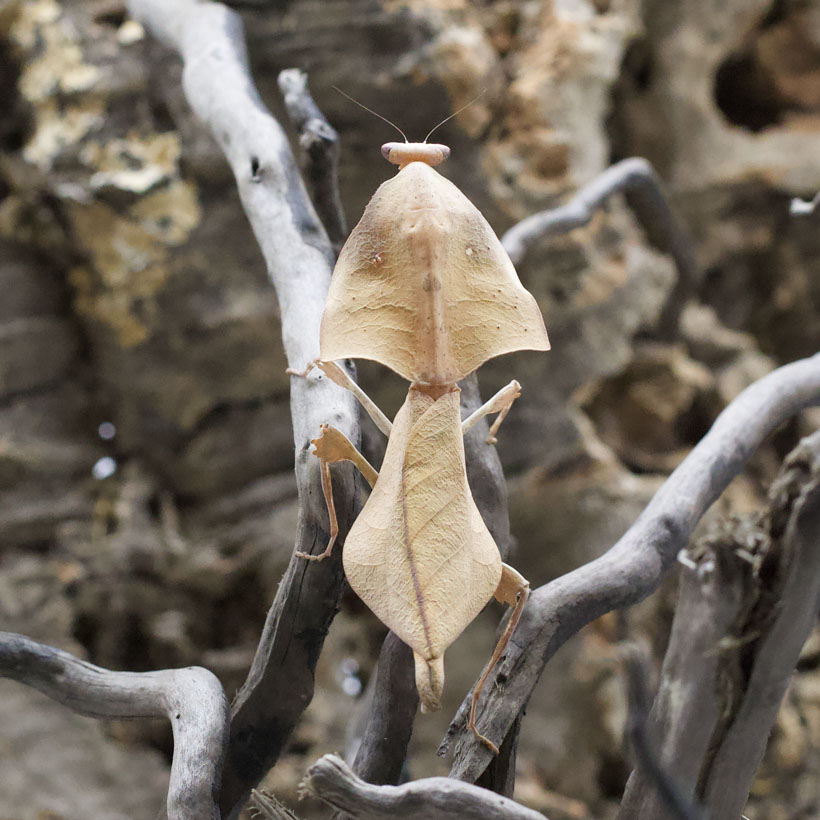
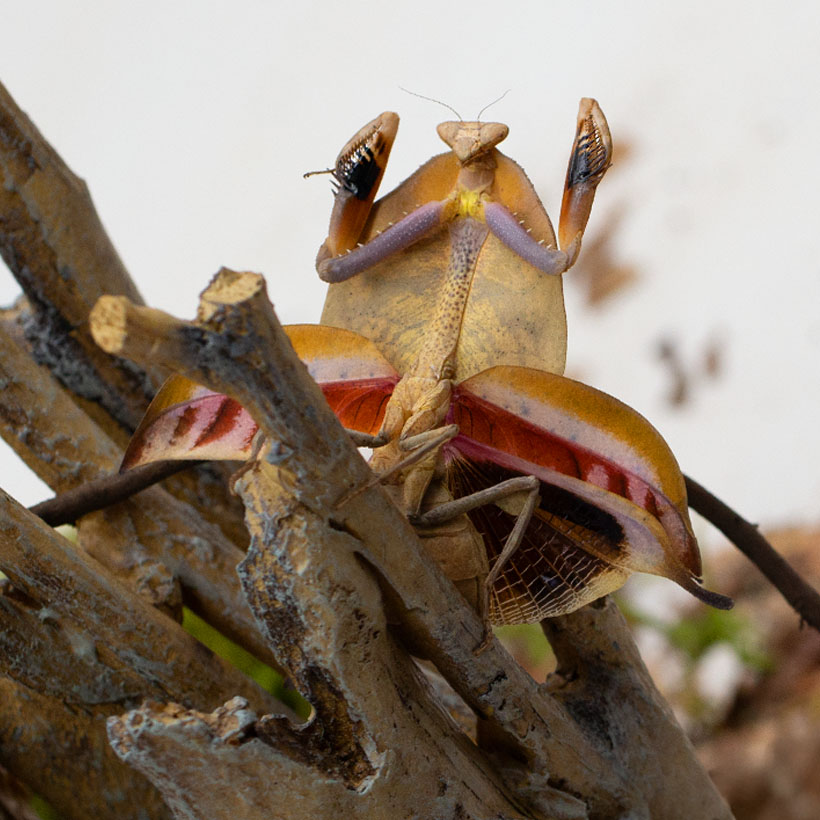
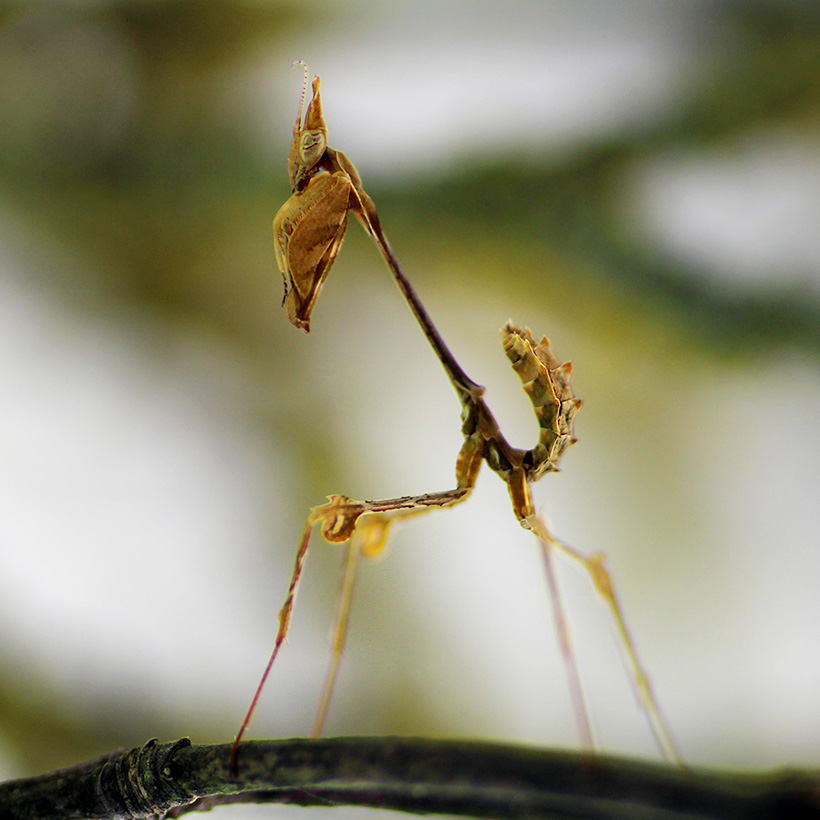
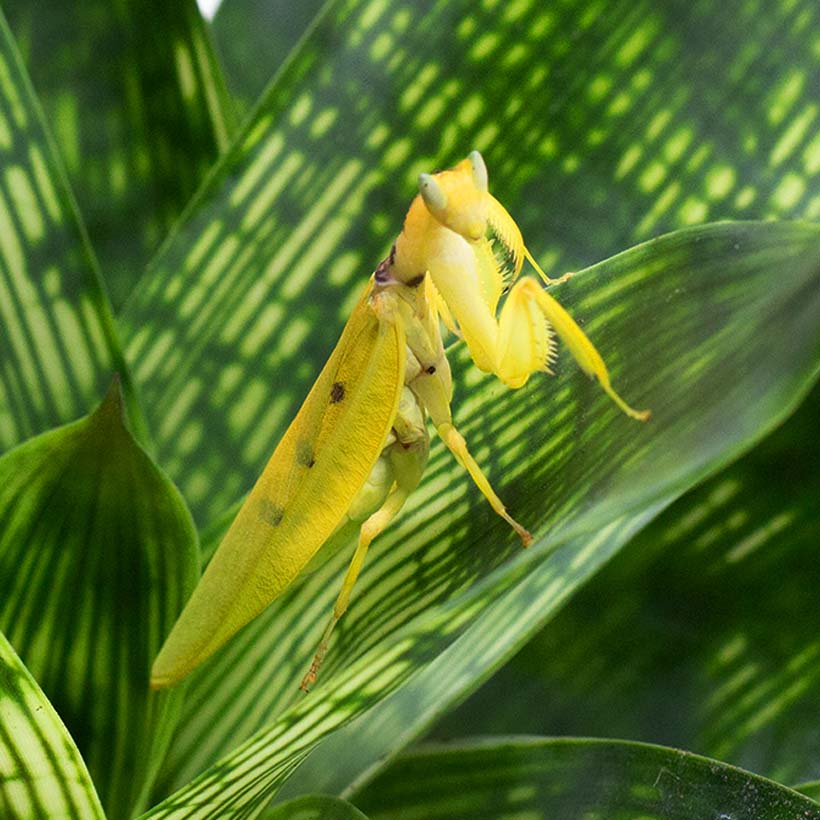
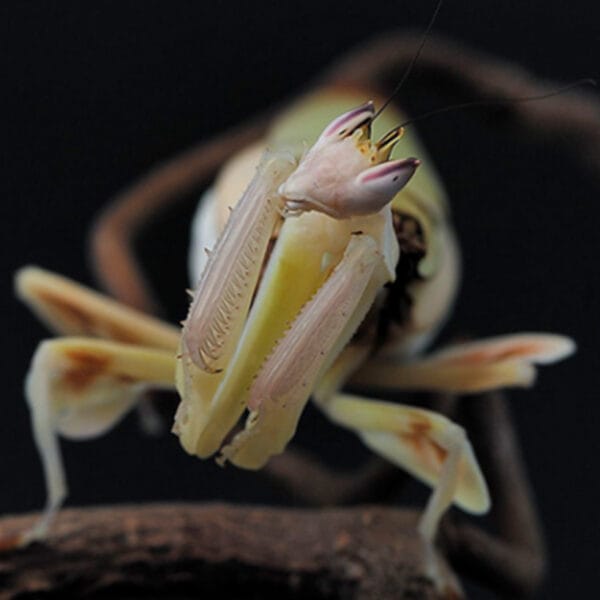
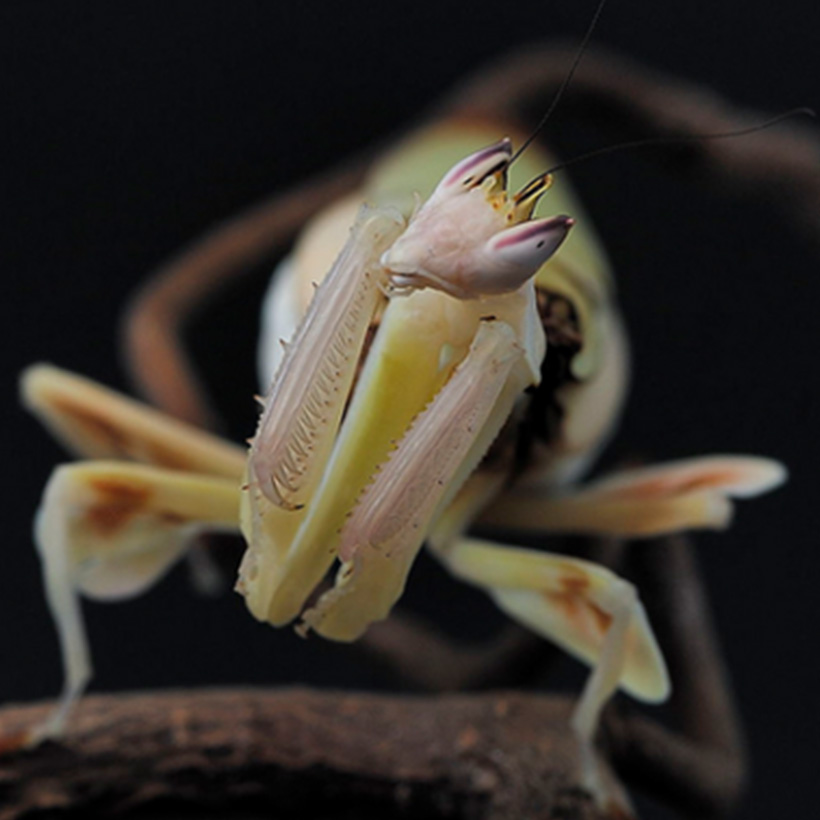
Hymenopus coronatusbetter known as orchid mantisis undoubtedly one of the most impressive praying mantises of all. Even at first glance, it becomes clear why this species is so popular worldwide. The animals look amazingly similar to a tropical flower, while their colors can range from white to pink to soft yellow tones.
This makes the mantid look more like an exotic orchid flower than an insect. It also uses this camouflage in nature, as potential prey is attracted by the supposed flower and thus comes directly within reach of its tentacles.
Adult females in particular develop a spectacular appearance and are therefore one of the absolute highlights of keeping mantids.
Calm, elegant and fascinating to watch
The orchid mantis is usually quiet and moves much less than many other mantid species. Instead of actively searching for food, it waits patiently for passing prey.
However, as soon as a food animal approaches, the situation changes abruptly. The tentacles shoot forward in a flash, while the prey is seized within seconds.
What is particularly exciting is that the animals often remain on raised perches, giving them the appearance of a real flower. This is precisely why this species is often kept in display terrariums.
Impressive differences between females and males
With Hymenopus coronatus the sexes differ significantly more than in many other mantid species.
Females reach sizes of up to 8 cm and develop the typical flower-like appearance. At the same time, they have strong tentacles and a much more massive physique.
Males, on the other hand, remain much smaller and usually only reach around 2.5 to 3 cm. On the other hand, they are much slimmer and much more active.
It is precisely this difference in size that makes the species particularly interesting.
Terrarium and furnishings
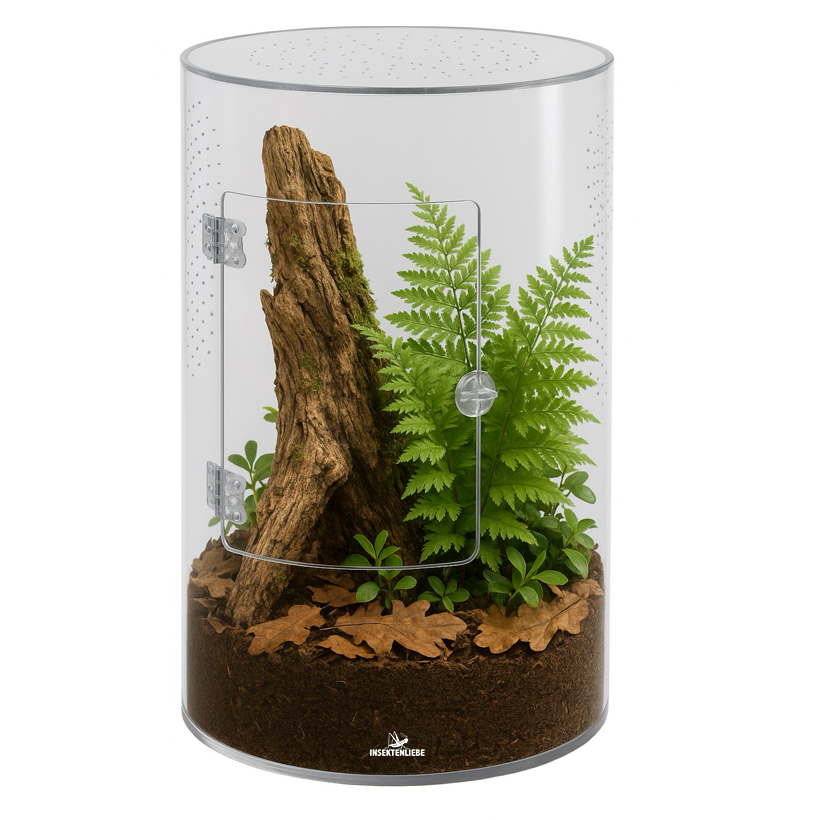
For the orchid mantis, both the stage of development and the sex determine the appropriate terrarium size. Males remain significantly smaller than females, measuring about 2.5–3 cm, while females can reach up to 8 cm.
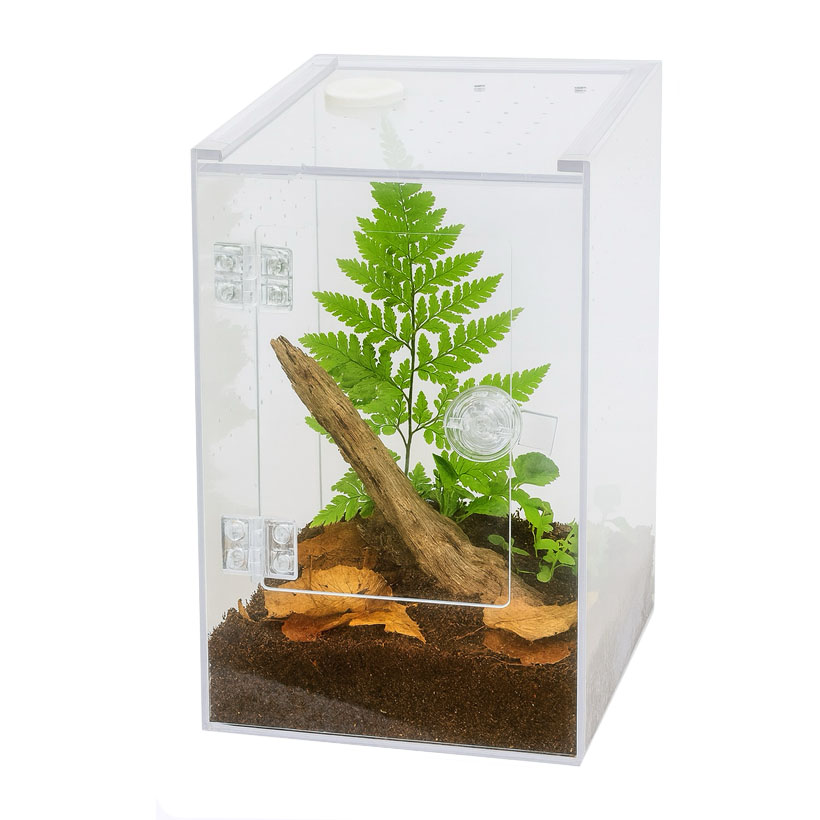
When choosing an unidentified young animal, also take into account the adult size of a female. As a guideline for the final dimensions, we use about three body lengths for length and width, and four for height. At 8 cm, that comes to roughly 24 × 24 × 32 cm before setting up the terrarium. A tall terrarium measuring 30 × 30 × 40 cm offers more flexibility for this purpose.
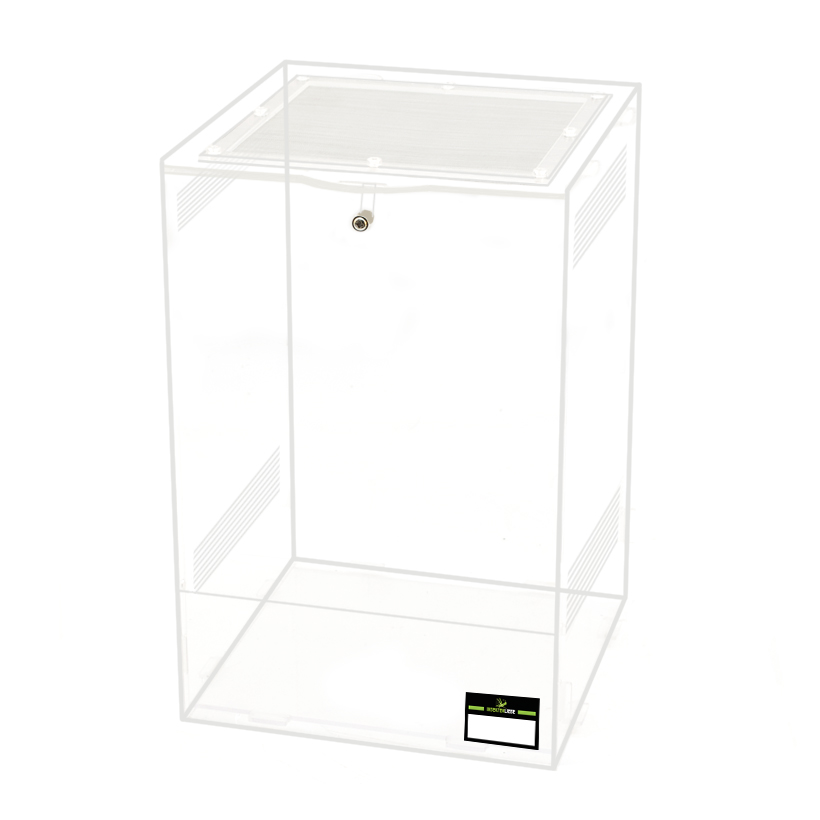
The Mantid Complete Set, measuring 20 × 20 × 30 cm, is therefore not a one-size-fits-all long-term solution for every female. For small nymphs, a compact rearing container is a good starting point. Before subsequent molts, check whether there is still enough usable height.
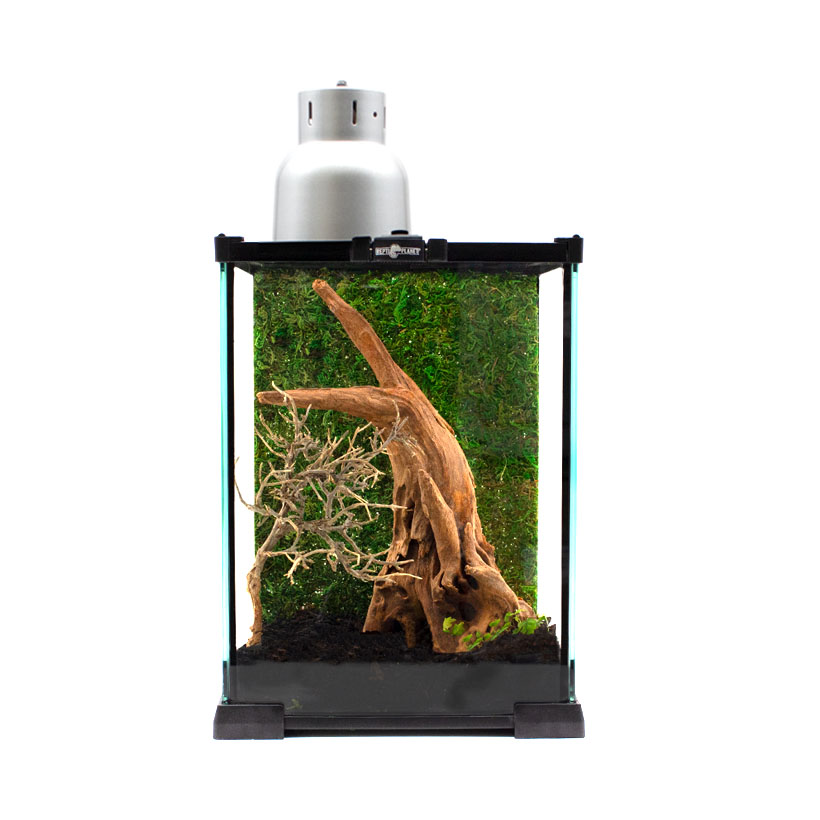
Provide textured perches at the top and sturdy, thin branches. Keep at least two body lengths of space clear below; it’s better to leave some extra room. Plants and decorations must not block the molting area. Even in a more humid environment, air must be able to circulate through the terrarium.
YOUR READING TIP
A terrarium that’s right for your orchid mantis
Here you’ll learn how to factor in free molting space, ventilation, and the animal’s future size when making your selection.
Climate and care
The species originates from the tropical regions of Southeast Asia, which is why warm temperatures and increased humidity are particularly important.
They have proven themselves:
- Temperature: 25-30 °C
- Humidity: 70-80 %
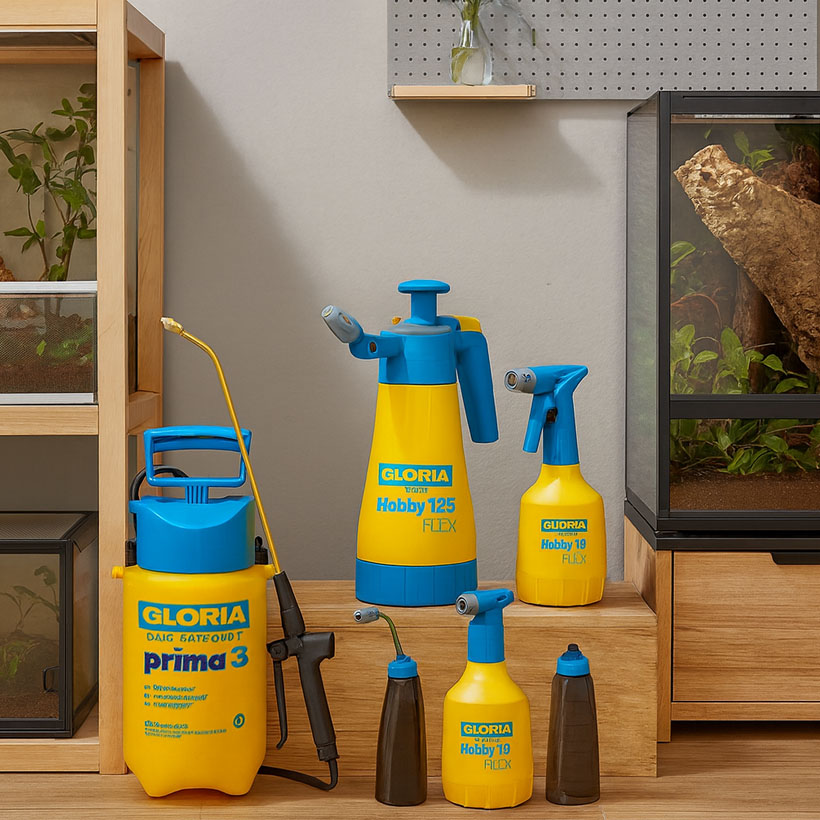
Regular spraying ensures that the animals can drink while at the same time creating a stable microclimate. Nevertheless, the terrarium should remain well ventilated so that no stagnant air forms.
With a GLORIA fine sprayer the moisture can be distributed particularly finely, creating optimum conditions.
Feeding
The orchid mantis has a pronounced hunting instinct and has no problem accepting various food animals.
Particularly suitable are:
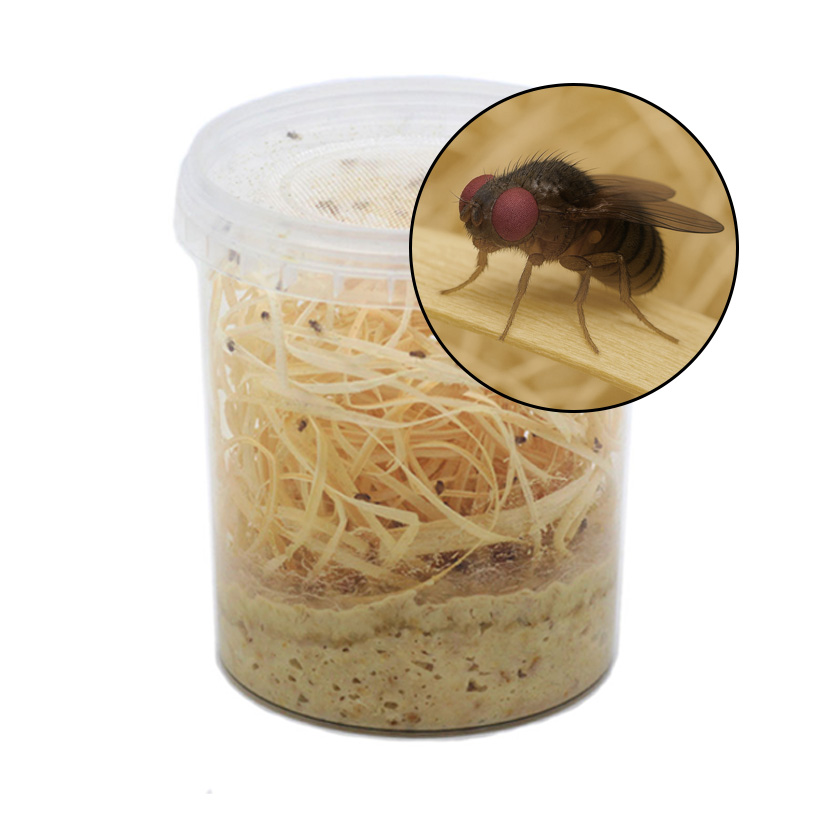
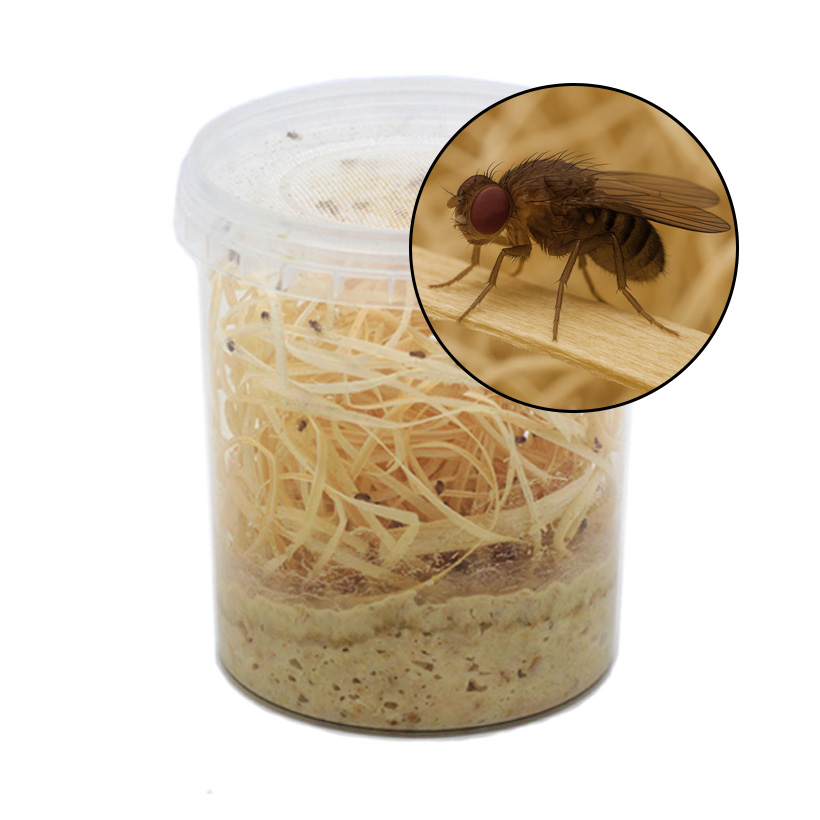
- Fruit flies
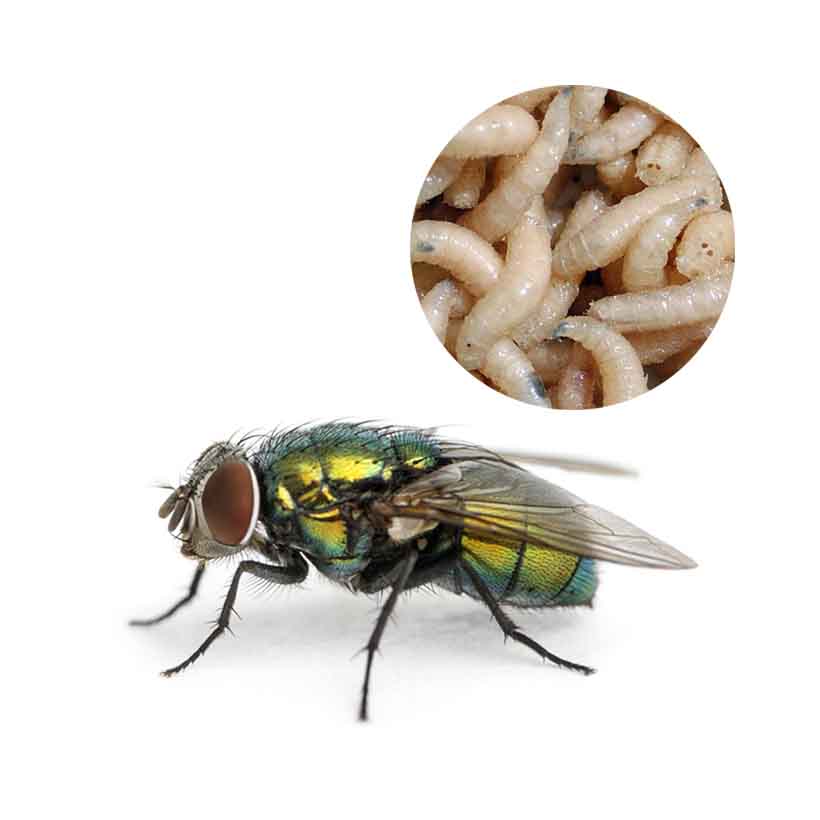
- Gold flies
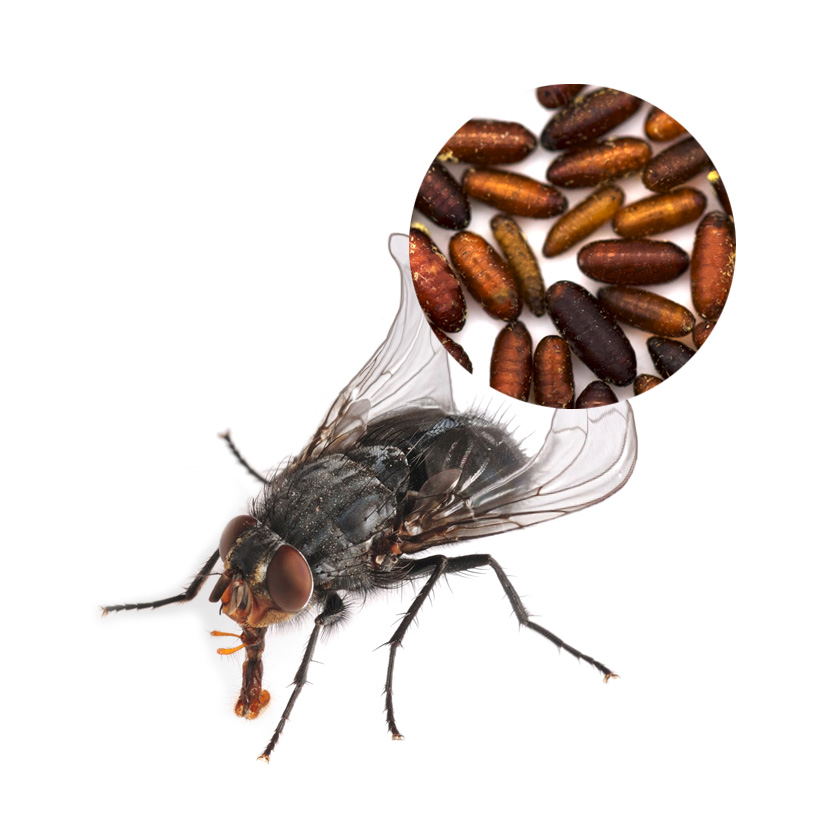
- Blowflies
- Terfly
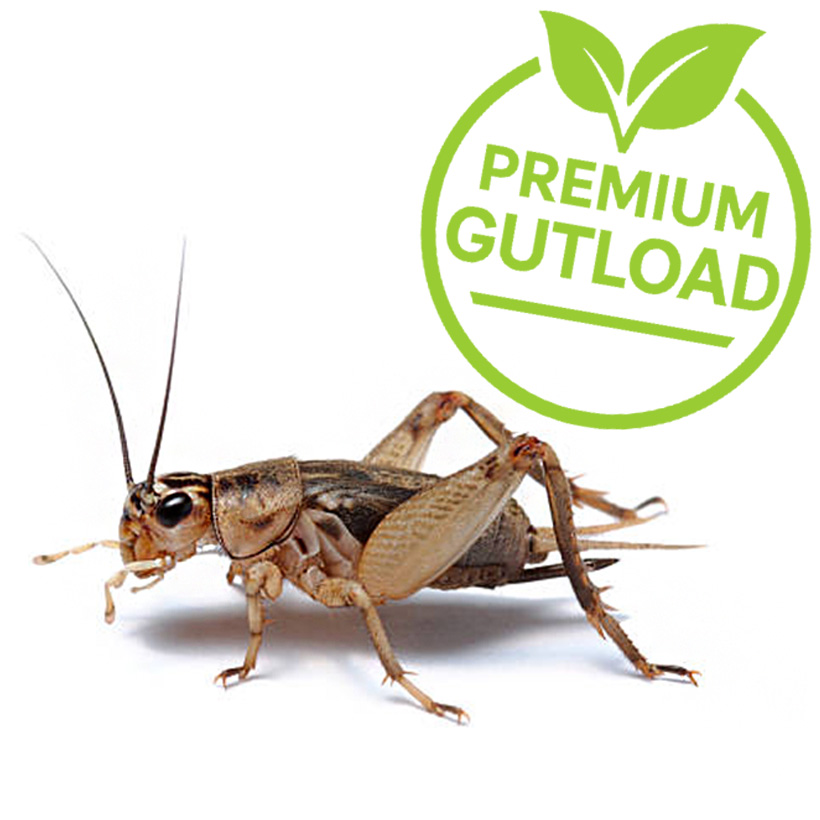
- small crickets
Flying food animals in particular encourage natural hunting behavior, while at the same time making the animals more active.
Offspring
Under suitable conditions Hymenopus coronatus successfully reproduce. After mating, the female lays several oothecae, from which numerous young can later hatch.
The small nymphs initially look very different from the adults. It is only with the subsequent moults that the famous flower look develops more and more, making the animals more impressive from moult to moult.
This development in particular is one of the most exciting aspects of the attitude.
Important points on posture
- Well ventilated high terrarium
- Warm temperatures required
- High humidity is important
- Many raised seats
- Flying food animals ideal
- Spectacular flower camouflage
Suitable accessories for your setup
We recommend that you keep them successfully:
- Praying Mantis Terrarium Complete Set – Check the size based on the mantis’s stage of development and sex; allow for more space for large females
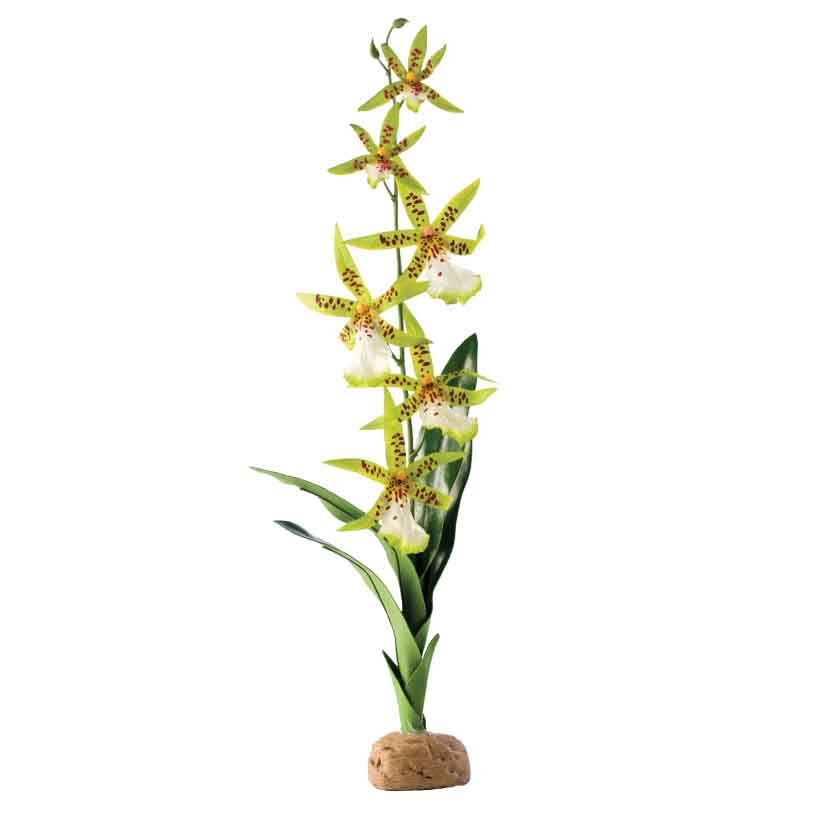
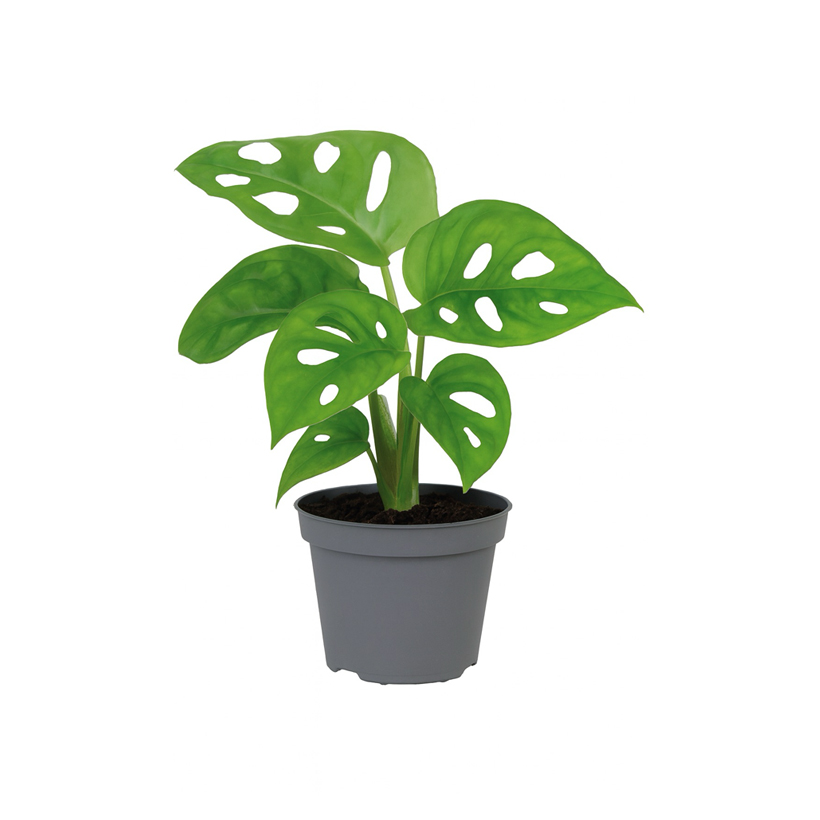
- Exo Terra Spider Orchid – Flower as a seat
- Banana style – Natural structure and seating
- GLORIA fine sprayer – optimum humidity
- Gold flies – ideal food animal
- Terfly – varied food
- Fruit flies – perfect for young animals
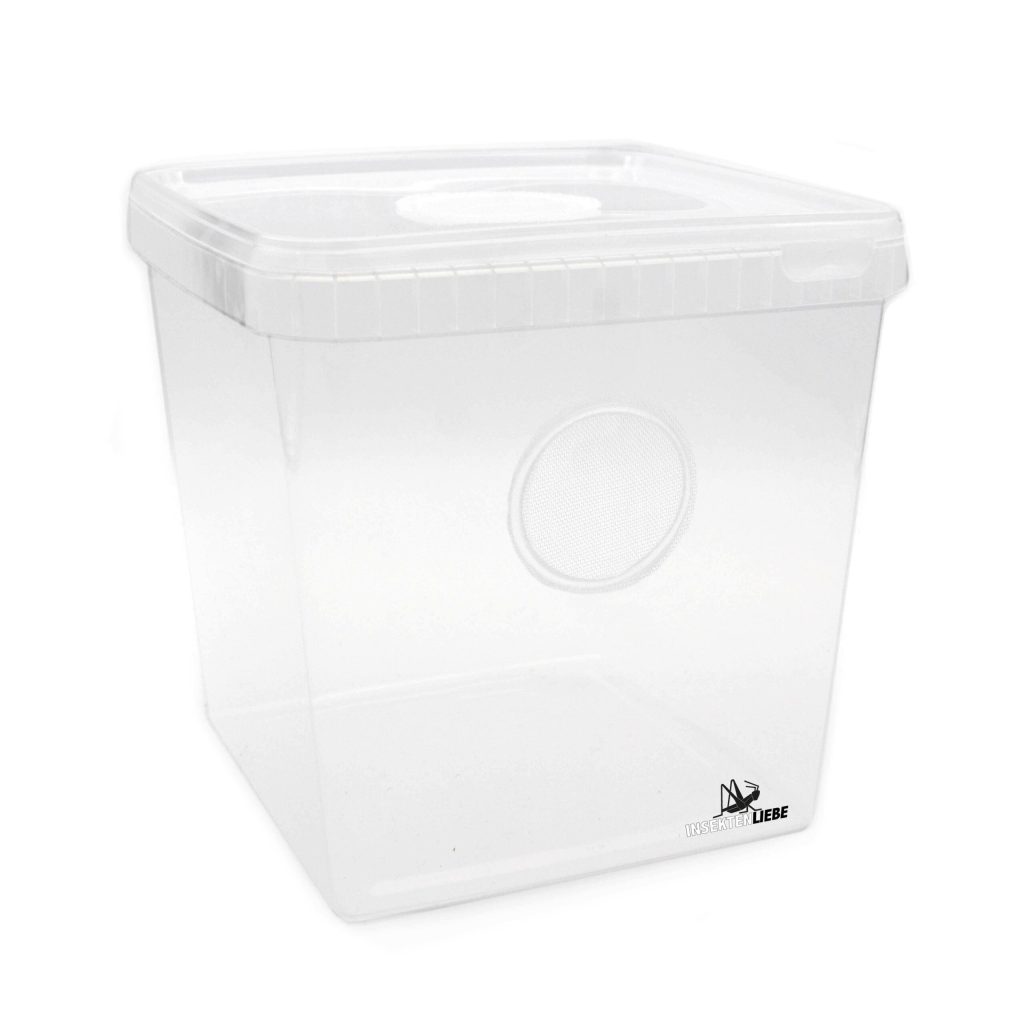
- BraPlast tin – ideal for breeding
This creates a stable and near-natural terrarium, while the animals can show off their extraordinary beauty and exciting behavior in the best possible way.
Conclusion
Hymenopus coronatus is considered by many terrarium keepers to be the most beautiful praying mantis of all. The extraordinary flower camouflage, the elegant appearance and the fascinating hunting behavior make this species a real highlight.
If you are looking for a mantid that even non-terrarians will immediately love, the orchid mantis enjoy for a long time. Between flowers and plants, it impressively demonstrates how creative and fascinating nature can be.
Perfect combined with
-
Exo Terra Spider Orchid
Original price was: 20,39 €.13,99 €Current price is: 13,99 €. incl. VAT, plus shipping