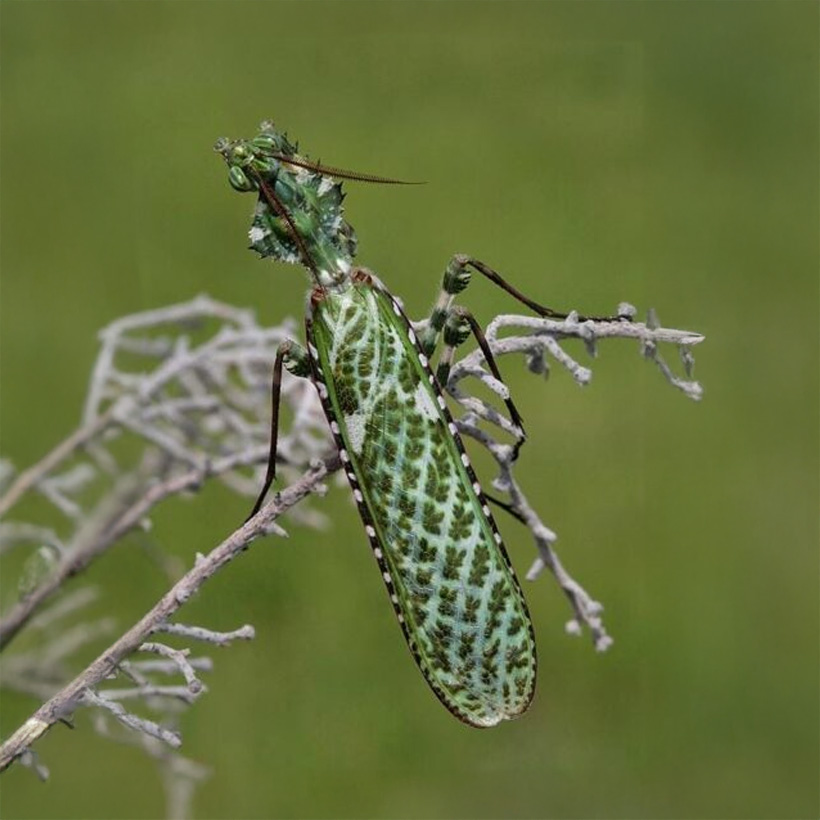
Helvia cardinalis “Yellow Orchid Mantis”
26,00 € incl. VAT, plus shipping

Medium

Malaysia

< 50 mm

24°C – 28°C
Helvia cardinalis – the Yellow Orchid Mantis with Fascinating Floral Camouflage
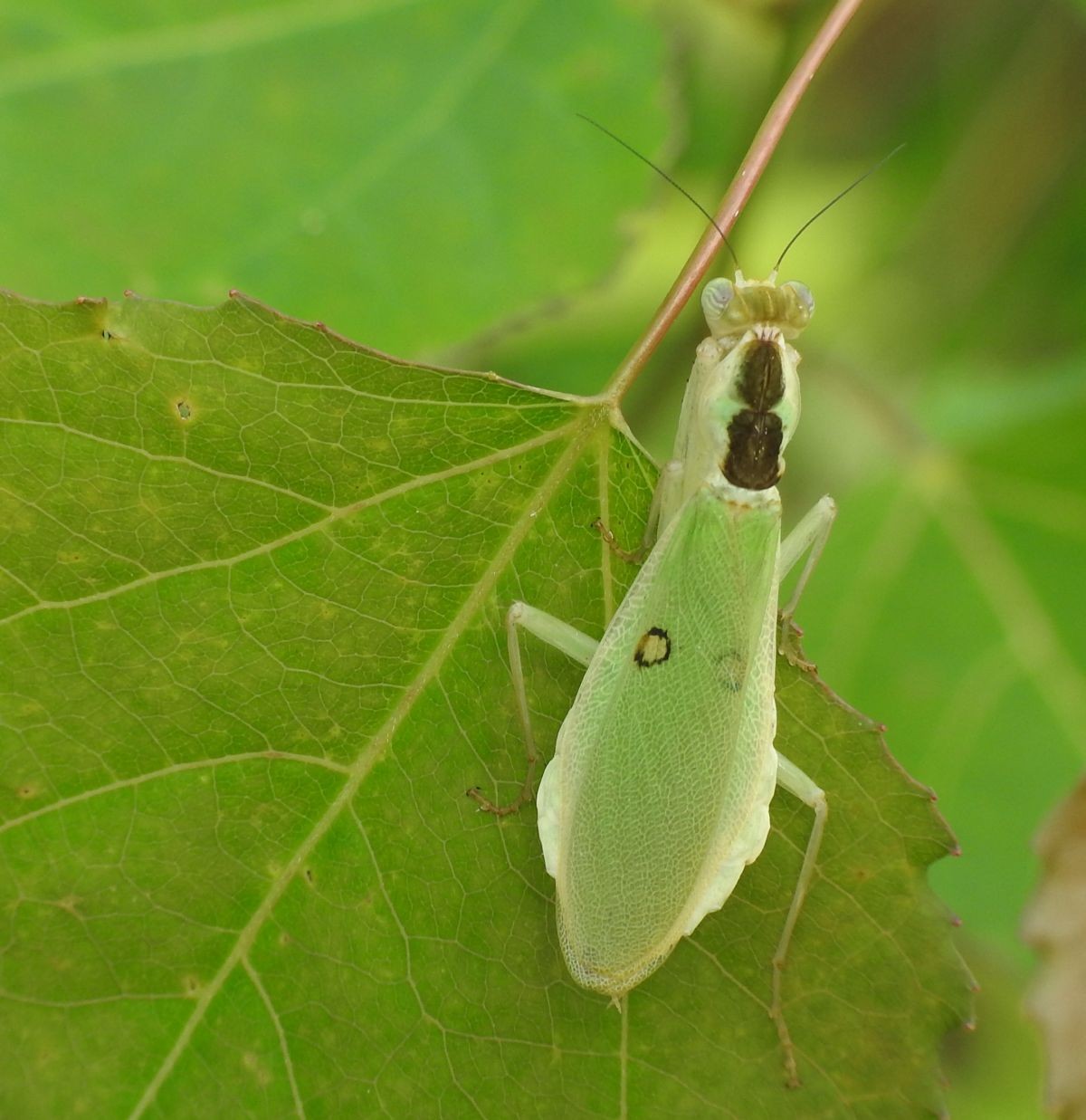
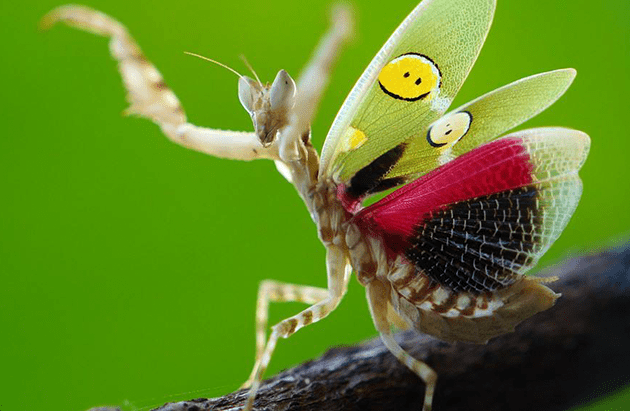
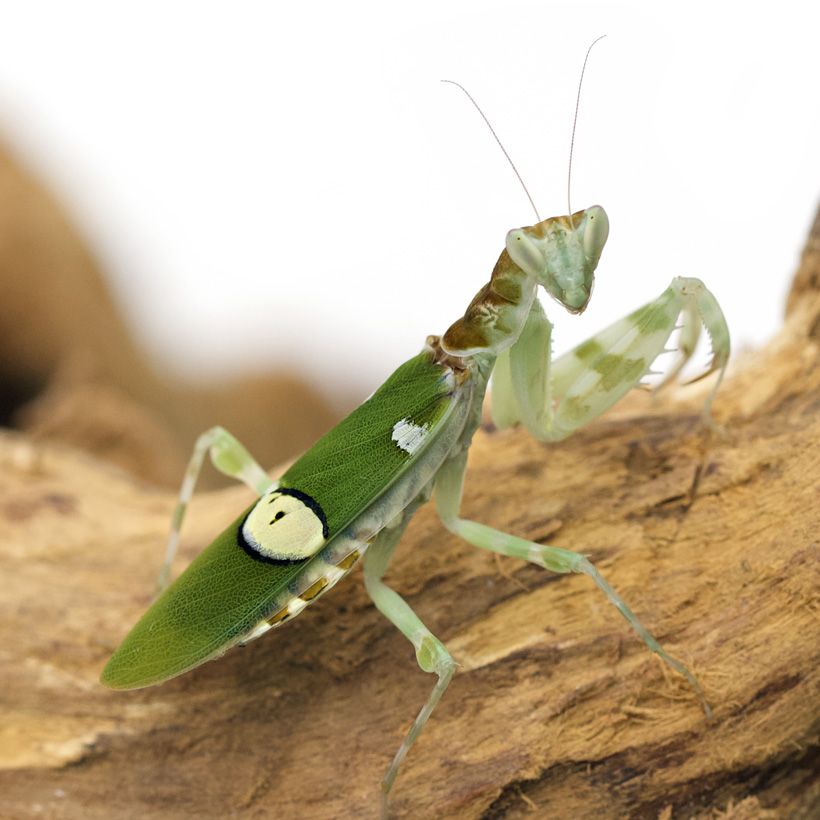
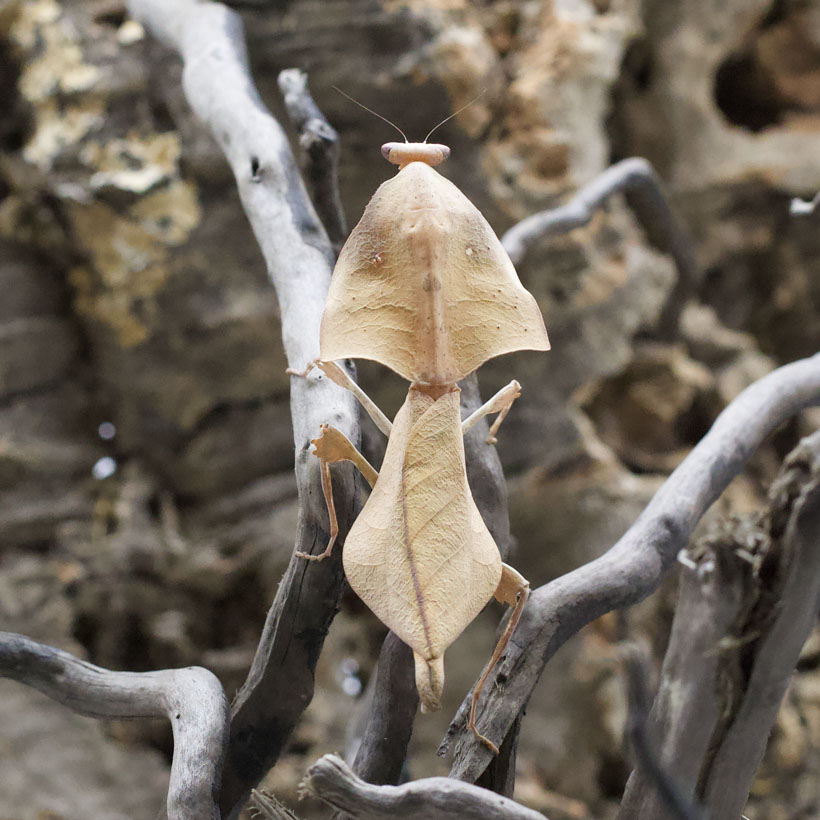
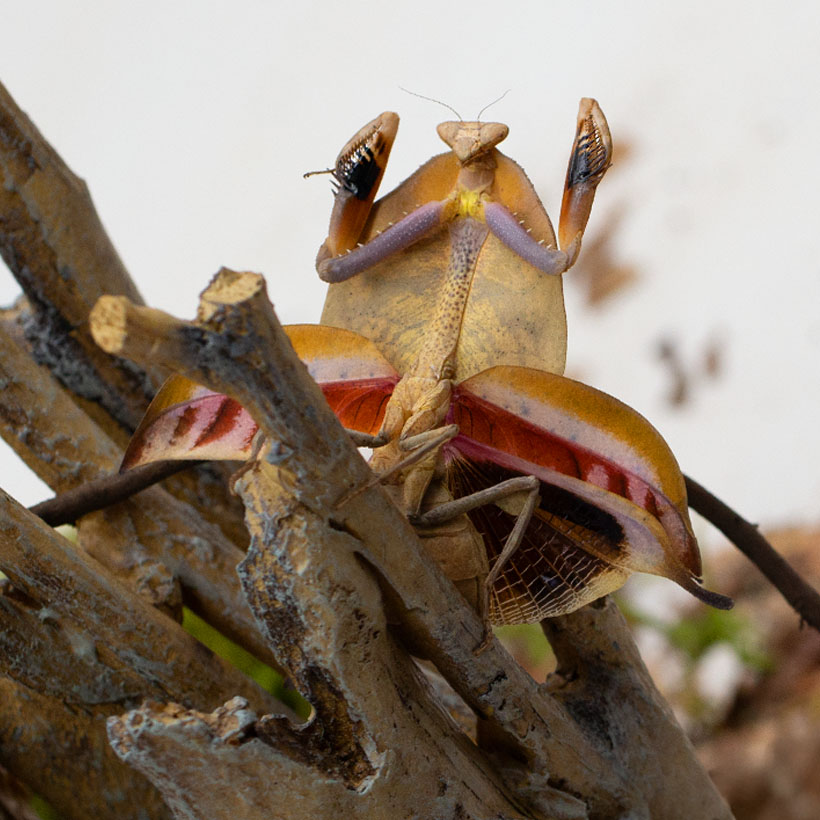
The yellow orchid mantis (Helvia cardinalis) is one of the most extraordinary mantises in Southeast Asia. With its bright yellow coloration, flower-like body shape, and elegant appearance, it resembles an exotic orchid blossom.
But behind this beautiful camouflage lies a skilled hunter. While other praying mantises actively search for prey, Helvia cardinalis relies primarily on patience. She waits in suitable spots for insects to fly by and strikes with her catching arms in a flash.
Of particular interest is its close relationship to the well-known orchid mantis, *Hymenopus coronatus*. Both belong to the family Hymenopodidae, but differ significantly in body shape and coloration.
While Hymenopus coronatus is best known for its white-and-pink flower mimicry, Helvia cardinalis captivates with its predominantly yellow appearance.
This rarer flower mantis is therefore of particular interest to experienced keepers who already have experience with tropical mantises.
A rare flower mantis from Malaysia
The natural habitat of Helvia cardinalis is in the tropical regions of Southeast Asia, particularly on the Malay Peninsula.
There, it inhabits warm, plant-rich habitats and prefers to stay among the vegetation.
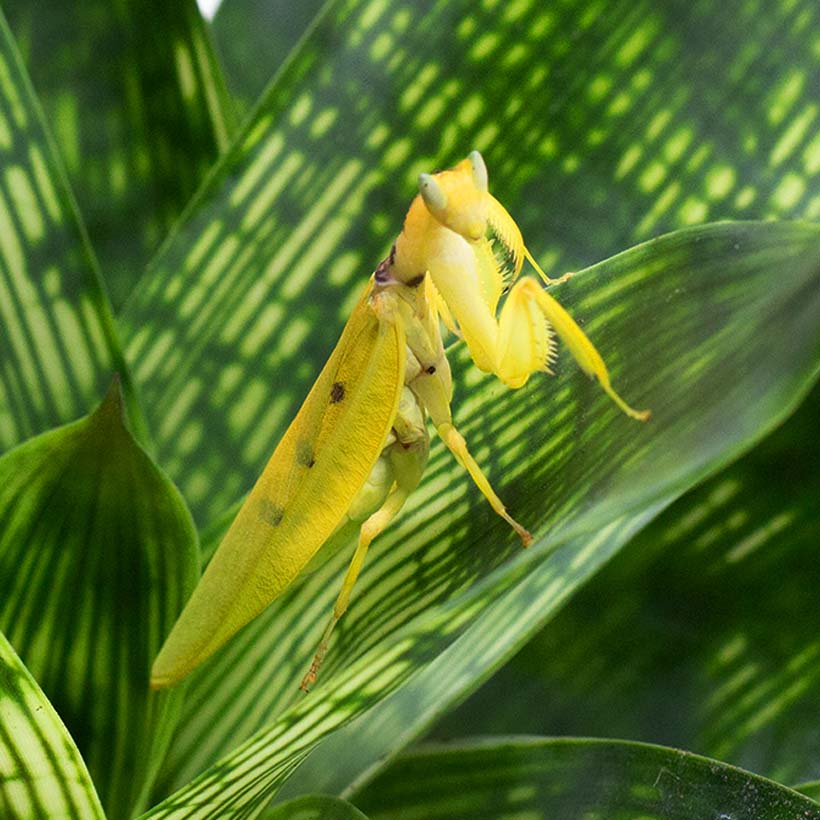
Its yellowish color helps it blend in better among the leaves and flowers.
Unlike some green-colored praying mantises, their camouflage does not simply consist of looking like a leaf. Instead, their appearance resembles parts of a flower.
This allows it to hide in its surroundings while waiting for suitable prey.
Formerly known as Parymenopus davisoni
An interesting detail concerns the scientific name.
The species was first described by Carl Stål in 1877 as Helvia cardinalis.
Later, the female was named Parymenopus davisoni .
For a long time, both names were treated as separate species.
It was not until a taxonomic study conducted in 2015 that it became clear that they were the same species.
Since Helvia cardinalis is the older name, it takes precedence according to the rules of zoological nomenclature.
Therefore, the scientific name currently in use is Helvia cardinalis Stål, 1877.
However, in older care guides and in the terrarium hobby, you’ll still find the yellow orchid mantis listed under the name Parymenopus davisoni.
Yellow like a tropical flower
Its most striking feature is its extraordinary color.
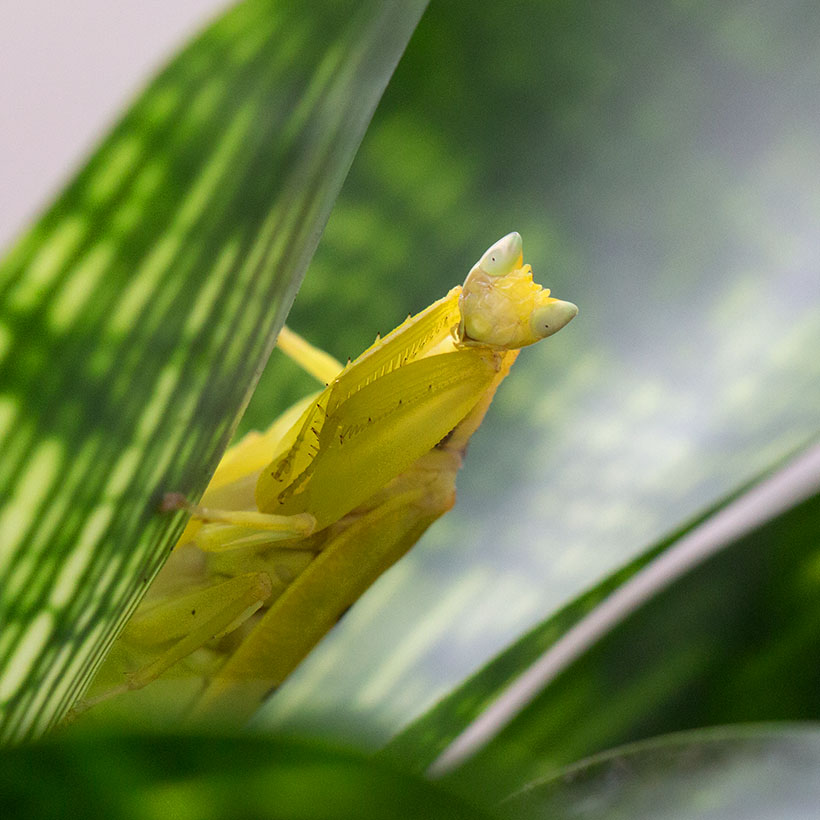
Adult females are often a vivid yellow to yellow-green. This makes them clearly distinguishable from most other mantis species.
The appendages on the body and the distinctive shape of the legs are also particularly interesting.
These help to blur the animal’s contours.
The eyes are slightly pointed, while the body as a whole remains relatively slender.
Coloration and appearance can vary significantly depending on age and sex.
Females and males look different
Helvia cardinalis exhibits pronounced sexual dimorphism.
The females grow significantly larger and stronger than the males.
As a practical guide to size:
- Females: approximately 4–5 cm
- Males: approximately 2.5–3.5 cm
Females have a broader abdomen and appear more compact overall.
Males, on the other hand, are significantly slimmer and have well-developed wings in the adult stage.
This makes them much more agile.
This difference in size also plays an important role later on during mating.
A patient hunter among the flowers
The yellow orchid mantis belongs to the group known as flower mantises.
These mantis-like insects use their distinctive body shape and coloration to blend in with flower-rich vegetation.
They often remain in a suitable spot for an extended period of time.
As soon as a prey animal comes within range, the tentacles are shot forward at lightning speed.
The sharp spines on its legs hold the insect in place.
The prey is then eaten immediately.
It is precisely this combination of exceptional camouflage and lightning-fast hunting behavior that makes Helvia cardinalis so fascinating.
Why This Species Is Not Suitable for Beginners
Although the yellow orchid mantis remains relatively small, it is not one of the easiest mantises to care for.
This species is more sensitive to unsuitable housing conditions than many hardy species suitable for beginners.
It is particularly important to maintain the right balance between temperature, humidity, and ventilation, as well as to ensure that molting occurs without complications.
Conditions that are too dry can cause problems.
However, terrariums that are constantly damp and poorly ventilated are also unsuitable.
For this reason, we recommend Helvia cardinalis primarily to keepers who already have experience with tropical mantises.
The Right Terrarium for Helvia cardinalis
For an adult female, we recommend a well-ventilated terrarium measuring at least approximately 20 × 20 × 30 cm.
A taller terrarium provides additional safety during molting.
This is because mantises hang upside down during molting and need to be able to shed their old exoskeleton downward.
To do that, they need enough free space.
As a general guideline, there should be at least twice the animal’s body length of free space below the molting area.
It is also particularly important to have a suitable gauze covering on the ceiling.
The mantis can hold on to it securely.
The setup should not be too dense
For Helvia cardinalis, an open layout is recommended.
Thin twigs, natural branches, and suitable plants provide numerous places to sit and hunt.
However, the terrarium should not be completely filled with decorations.
The mantis needs plenty of space, especially in the upper area.
Branches that are too close together can interfere with molting.
That’s why you should always make sure there’s enough space between the preferred perches and the substrate.
24–28 °C for a tropical climate
We recommend a temperature of approximately 24–28 °C during the day.
A slightly warmer area can be provided, as long as the animals can seek out cooler spots at any time.
At night, the temperature may drop moderately.
Bright lighting helps maintain a natural day-night rhythm.
However, you should make sure that the terrarium doesn’t overheat.
Small terrariums, in particular, can quickly become too warm under high-wattage lamps.
That is why it is especially important to check the temperature regularly.
Humidity between 60 and 80%
For Helvia cardinalis, we recommend a relative humidity of approximately 60–80%.
However, the humidity should not be kept at a single level all the time.
A natural transition makes much more sense.
After spraying, the humidity initially rises. It may then drop slightly again due to the existing ventilation.
This results in wetter and drier periods.
For many tropical mantis species, it is precisely this interplay that is more favorable than surfaces that remain constantly wet.
Why Ventilation Is Especially Important
Although the yellow orchid mantis requires high humidity, it cannot tolerate constantly stagnant, damp air.
That is why the terrarium should have sufficiently large ventilation openings.
A combination of side or bottom ventilation and a well-permeable roof surface is particularly suitable.
This allows the air to be continuously replaced.
At the same time, the leaves and branches dry off again after spraying.
This reduces the risk of mold growth and poor sanitary conditions.
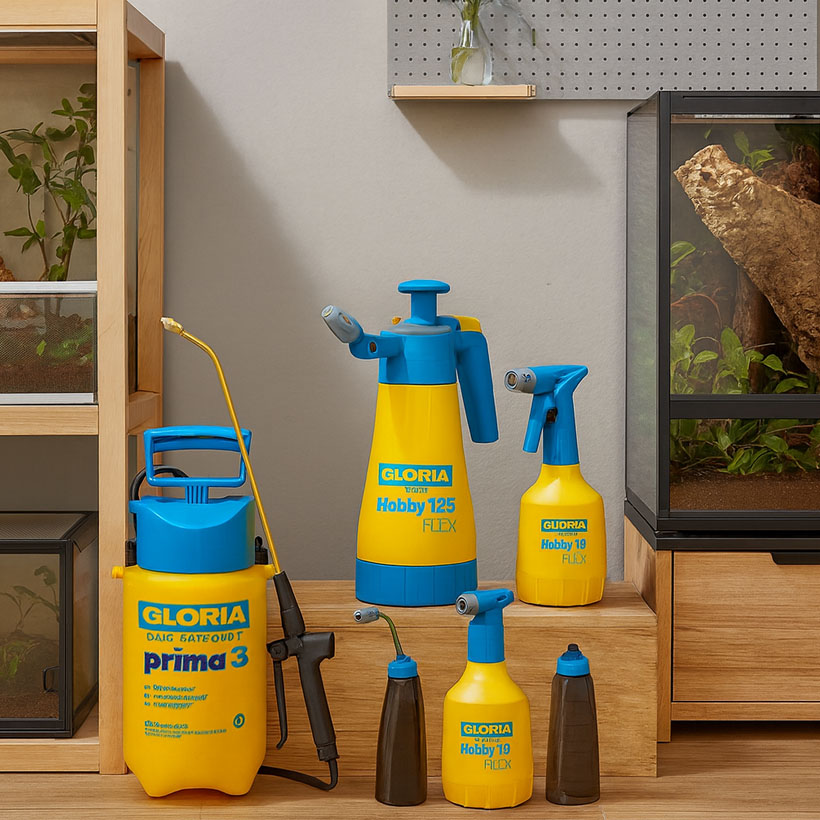
Spraying Properly and Providing Water
The animals can drink small droplets of water from leaves and other surfaces.
That’s why you should lightly mist the terrarium regularly.
It is sufficient to moisten only certain areas.
You don’t need to spray the mantis directly.
Afterward, the surfaces should be allowed to dry again.
It is not necessary to keep the interior constantly wet.
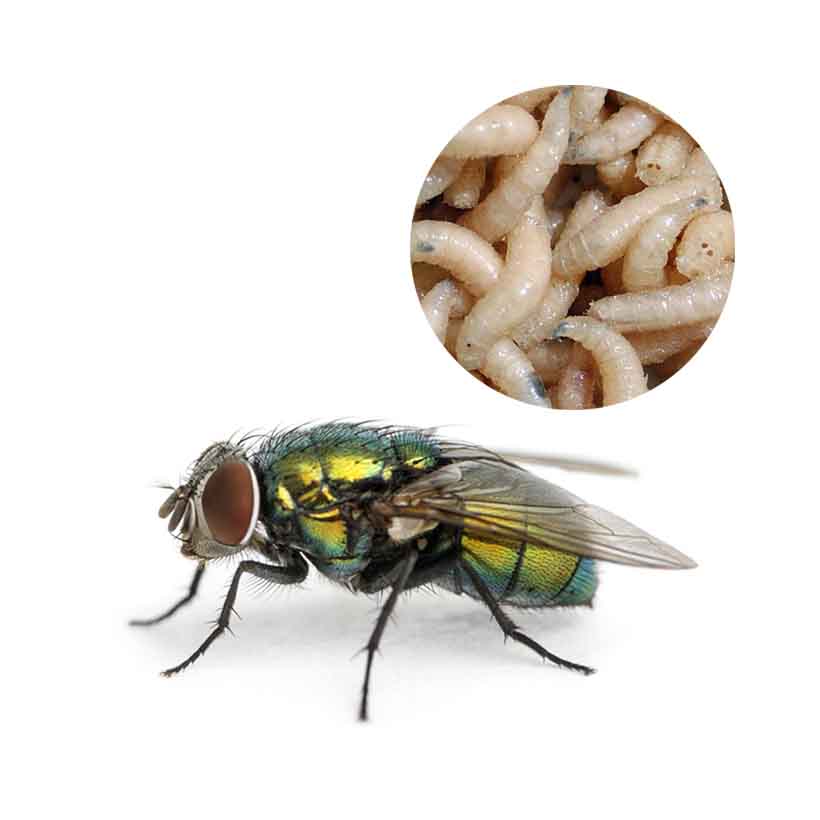
Flies belong on the menu
Helvia cardinalis depends on live prey.
Flying insects are particularly well-suited for this purpose.
The type of live food offered depends on the mantis’s size and stage of development.
For the different stages, we recommend:
L2–L3: Large fruit flies (Drosophila hydei)
L4–L5: Terfly
Starting at L6: gold flies and, later, suitable larger flies
When doing this, you should always make sure that the prey matches the animal’s actual size.
Male juveniles, in particular, often require smaller prey items than females of the same age.
Why Flies Are Particularly Well-Suited
Flies are particularly well suited to the hunting behavior of a flower mantis.
They actively move around the terrarium and regularly land on twigs or plants.
This encourages the mantis to catch its prey naturally.
In addition, flies of the appropriate size can be offered.
A combination of smaller and larger fly species is particularly practical, as it allows the size of the food to be adjusted to the respective stage of development.
Molting is the most delicate stage
Like all mantis, Helvia cardinalis grows through several molts.
In the process, the old outer shell is stripped away.
Before molting, the mantis often eats less and looks for a suitable spot in the upper part of the terrarium.
There, she hangs herself upside down.
She then leaves the old outer shell.
During this phase, she must not be disturbed under any circumstances.
Even immediately after molting, she needs plenty of rest until her new shell has fully hardened.
Keeping them individually is the safest option
Although some keepers report housing flower mantises in groups during certain stages of development, we generally recommend keeping Helvia cardinalis individually.
This is because this species, too, can exhibit cannibalistic behavior.
The risk increases, especially when dealing with animals of different sizes.
Keeping birds individually also prevents competition for food and preferred perches.
This is a key advantage, especially for more sensitive types.
Breeding Only Under Controlled Conditions
Breeding Helvia cardinalis requires experience.
Since the females grow significantly larger than the males, there is always a risk of cannibalism.
Therefore, the female should be fed sufficiently before a planned mating.
The male must also be fully grown and sexually mature.
During mating, there should be enough space so that the male can retreat if necessary.
Unsupervised long-term cohabitation is not recommended.
Oothecae and Offspring
After successful mating, the female can lay several oothecae.
These are protective egg capsules in which the offspring develop.
In husbandry reports, the Yellow Orchid Mantis is described as producing approximately 15–30 nymphs per ootheca.
The development time depends, among other things, on temperature and humidity.
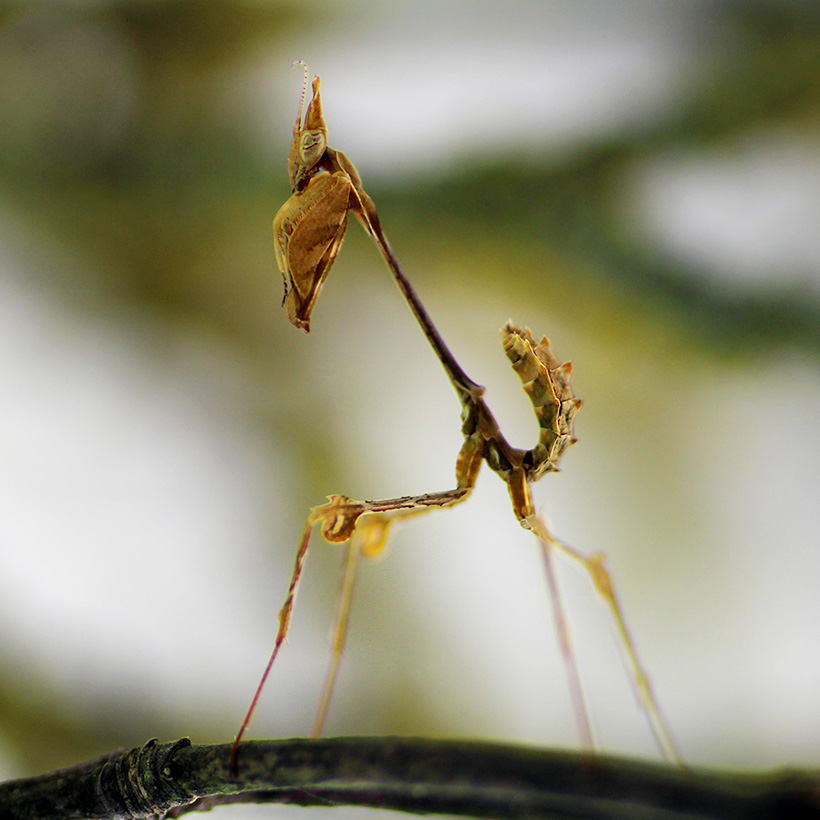
Newly hatched young look very different from adult animals.
At first, they have a striking orange-and-black coloration.
It resembles small ants and can help deter potential predators.
It is only as it continues to develop that the yellow mantis begins to take on its characteristic appearance.
Advantages at a glance
- Helvia cardinalis Stål, 1877
- German name: Yellow orchid mantis
- Formerly also known as Parymenopus davisoni
- Family Hymenopodidae
- Native to Southeast Asia, particularly Malaysia
- Unusual yellow floral mimicry
- Females approximately 4–5 cm
- Males approximately 2.5–3.5 cm
- Pronounced sexual dimorphism
- Ambush hunter with lightning-fast capture arms
- Terrarium: at least approximately 20 × 20 × 30 cm
- Temperature 24–28 °C
- Humidity 60–80%
- Good ventilation is especially important
- Sufficient space for molting
- Preferred flying food insects
- Keeping them individually is recommended
- Breeding is possible
- Difficulty level: Moderate to challenging
Suitable accessories for your setup
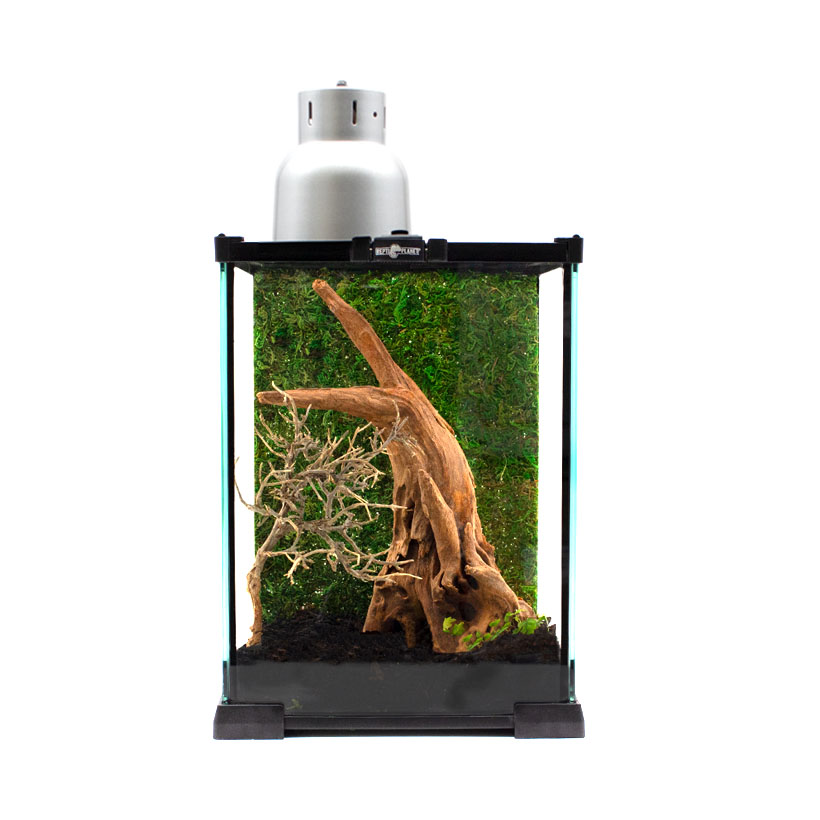
Mantid Terrarium Complete Set – provides a well-ventilated enclosure with sufficient height and suitable climbing surfaces for safe molting.
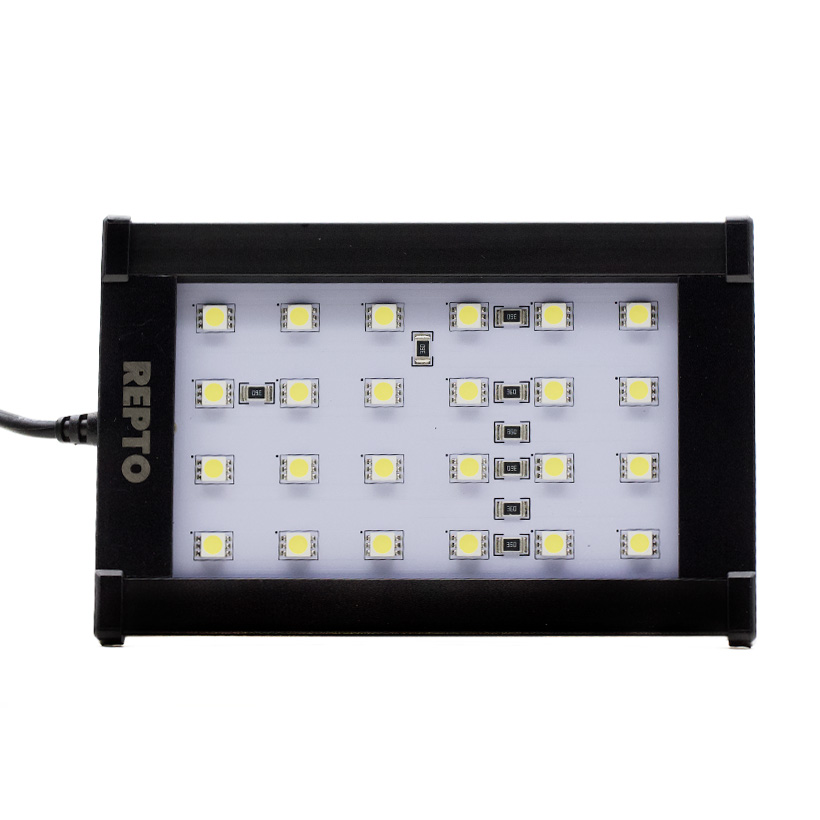
Repto Flat LED – provides bright daylight and supports a natural day-night cycle. Depending on the room temperature, additional heat may be required.
INSEKTENLIEBE Hygro-Therm – enables reliable control of temperature and humidity.
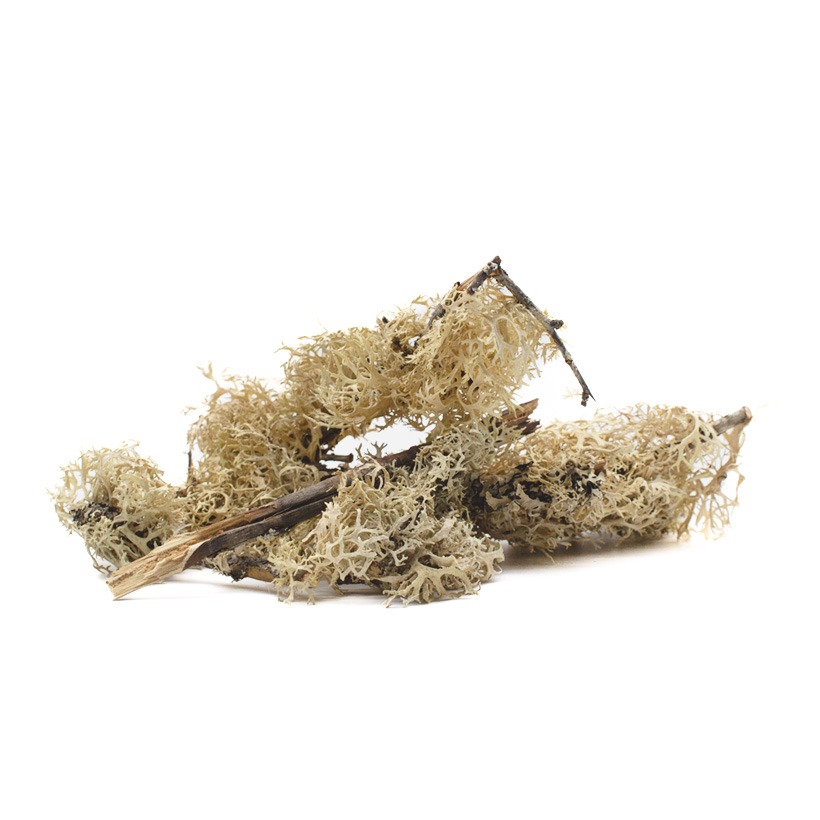
Moss branches —create natural perches and provide mantises with suitable opportunities to lie in wait and hunt.
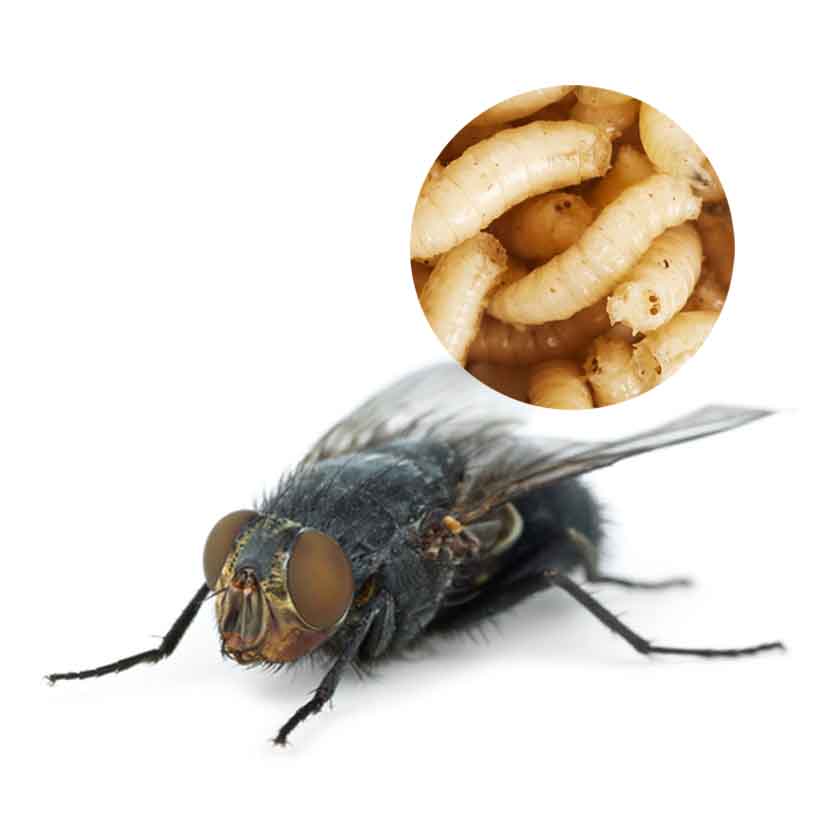
Goldflies —are particularly suitable for later developmental stages and encourage natural hunting behavior.
Blowflies —offer adult females larger, actively flying prey.
Conclusion: A yellow flower hunter for experienced mantis keepers
Helvia cardinalis is one of the most extraordinary flower mantises in the terrarium hobby.
Their bright yellow color, elegant body shape, and fascinating hunting behavior make them a real eye-catcher.
Its taxonomic history is also particularly interesting. Many keepers still know the species by its former name Parymenopus davisoni.
For successful care, we recommend a well-ventilated terrarium measuring at least 20 × 20 × 30 cm, temperatures of 24–28 °C, and humidity levels between 60 and 80%.
It is also important to provide sufficient open moulting areas and suitable flying food insects.
Since the Yellow Orchid Mantis can be more sensitive to unsuitable housing conditions, we recommend it primarily to keepers with experience caring for tropical mantis.
Anyone who meets these requirements will find that Helvia cardinalis is a fascinating flower hunter whose extraordinary camouflage and hunting behavior never fail to captivate.
Perfect combined with
-
Repto Flat LED
Original price was: 29,99 €.26,99 €Current price is: 26,99 €. incl. VAT, plus shipping