Small fruit fly “ant”
3,99 € incl. VAT, plus shipping
Category: Livefood
SKU:
403
More information
Quantity550 ml
g110
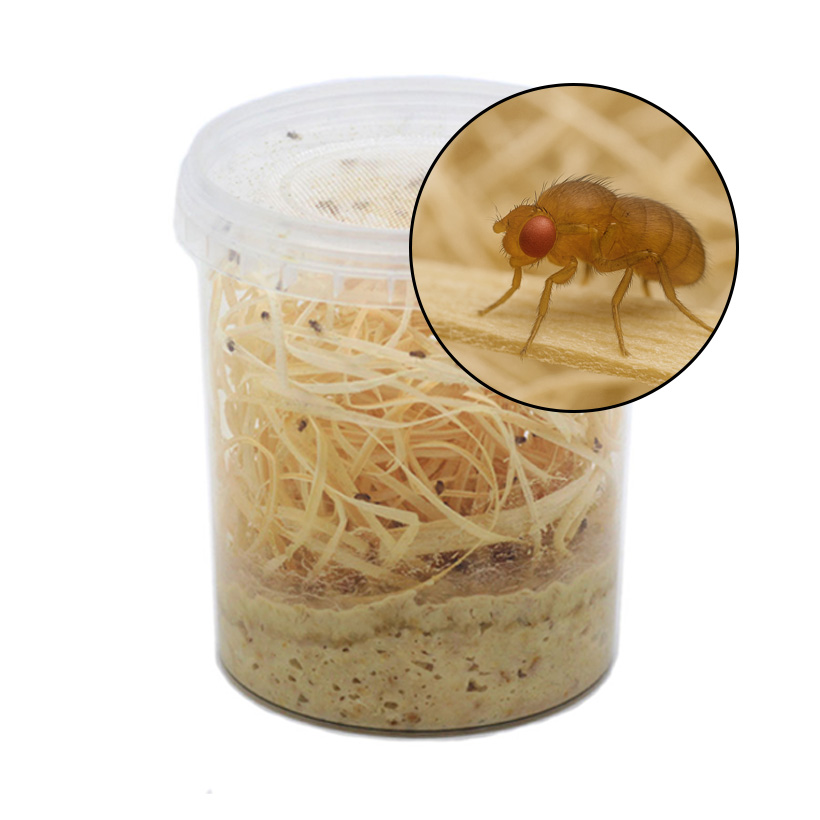
Small fruit fly “ant” – the perfect live food for tiny hunters
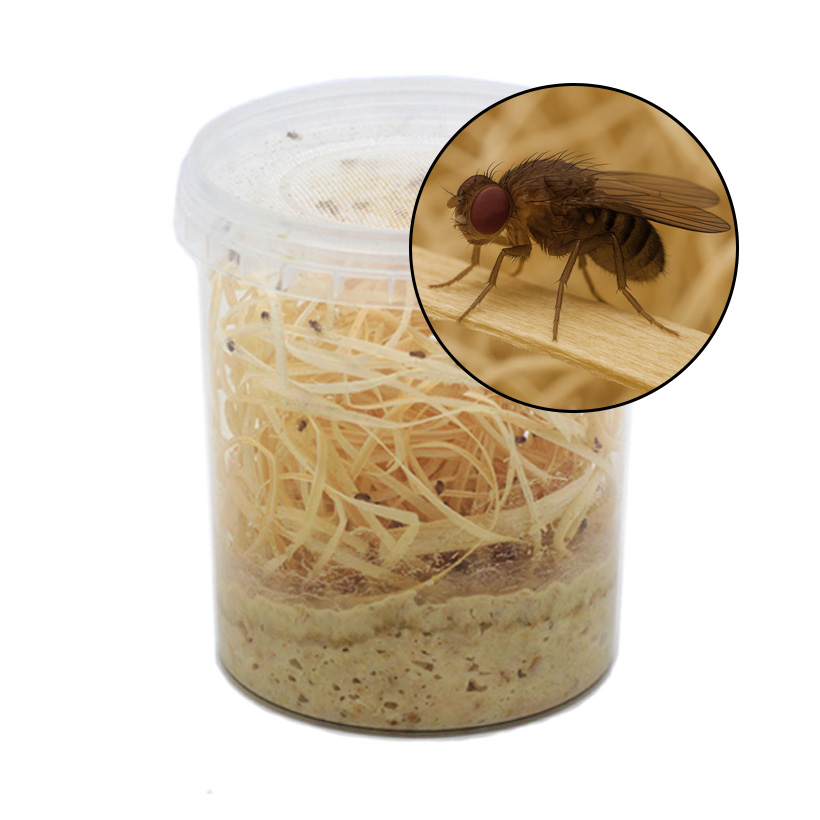
When young animals are still too small for larger feed insects, the right prey size is crucial. The small fruit fly “ant” (Drosophila melanogaster) is perfect for this purpose. Due to its small size, it is an ideal live food source for young jumping spiders, small mantises, tiny geckos, poison dart frogs, and many other small terrarium animals.
What makes this species unique, however, is not just its size. The small fruit fly “Ameise” lacks fully developed wings and therefore cannot fly away. Instead, it moves nimbly across surfaces, sometimes hopping. This makes it an attractive prey for small predators and, at the same time, makes it much easier to feed.
Ideal for the early stages of development
The selection of suitable prey is limited, especially for very young animals. A prey item should not be too large, but it should move enough to be recognized as prey.
This is where the small fruit fly, “Ameise,” really shows its strength.
Young jumping spiders and mantises, in particular, react quickly to the movements of small fruit flies. At the same time, these animals can independently track down and capture their prey.
This makes Drosophila melanogaster ideal for breeding.
Unable to fly, and therefore easy to feed
Normal fruit flies can quickly fly away when the container is opened. With a flightless breeding strain, however, handling is much easier.
The small fruit fly, known as the “ant,” is constantly running and hopping around. This allows you to remove the required amount from the breeding container in a more controlled manner and then feed it to your animals right away.
This is a big advantage, especially with small rearing tanks, because you only need a few live feed animals at a time.
Movement awakens the hunting instinct
Live food does more than just provide an animal with nourishment; it also allows the animal to engage in natural hunting behavior.
The small fruit flies are constantly moving around inside the container. This makes them easily detectable by visually hunting animals such as jumping spiders.
The animal can observe, track, and ultimately catch the prey on its own. In this way, feeding combines a prey size that meets the animal’s needs with natural activity.
Especially handy for young jumping spiders
Drosophila is one of the most important food sources for raising small jumping spiders.
While larger animals can later switch to larger flies, mealworms, or other food insects, for example, small developmental stages require prey of a correspondingly small size.
The small fruit fly, often called an “ant,” is therefore an excellent food source for young jumping spiders. You should always adjust the number of prey items based on the size and developmental stage of your spider.
Also for mantises, geckos, and amphibians
Of course, Drosophila melanogaster is not exclusively suitable for jumping spiders.
Even small mantises benefit from the small size of the prey. You can also use the fruit flies to feed appropriately sized geckos and amphibians.
This makes the small fruit fly, often called an “ant, ” particularly interesting if you keep various small terrarium animals or young animals.
Raising your own Drosophila is easy
Would you like to feed small fruit flies on a regular basis? If so, you can use an existing culture to start new ones.
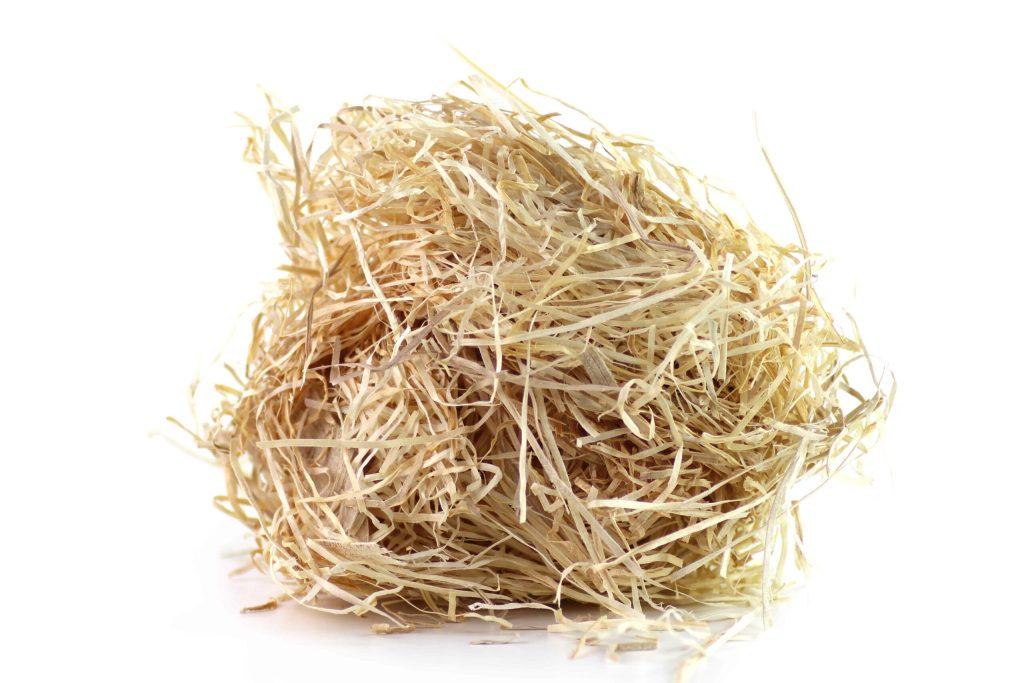
To do this, you’ll need a suitable breeding container, an appropriate growth medium, and enough structure inside. Our wood shavings, for example, provide the flies with additional surfaces to walk on.
At room temperature, a culture develops relatively quickly. Under the right conditions, new adult fruit flies often appear after about 10–14 days.
This allows you to have a regular supply of fresh live food by planting several crops at staggered intervals.
Drosophila Instant Mix makes breeding particularly easy
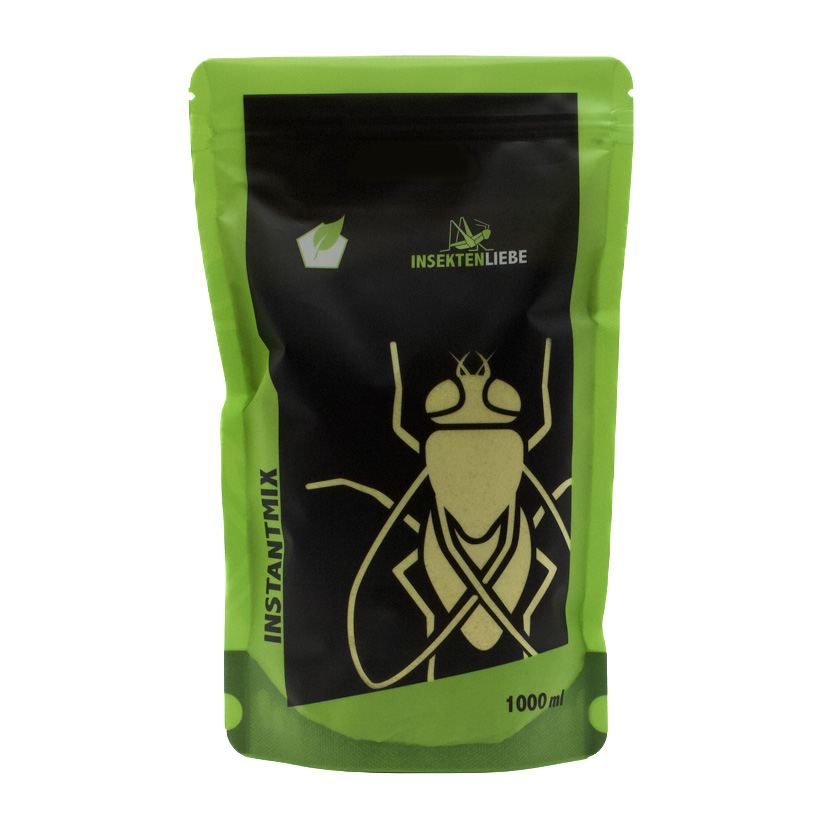
For hassle-free breeding at home, you can use our Drosophila Instant Mix.
Simply mix the ready-to-use breeding powder with water. Then add wood shavings to the container and transfer some of your existing fruit flies to the new batch.
This way, you can build on an existing culture rather than having to buy new feed animals for every feeding.
Advantages at a glance
- Drosophila melanogaster
- Non-flying breed
- Very small prey animal
- Ideal for raising young animals
- Particularly suitable for young jumping spiders
- Also suitable for small mantises
- Suitable for small geckos and amphibians
- Easy to Use
- Can’t just fly away
- Lively movements encourage natural hunting behavior
- Breeding your own offspring is easy
- New flies will emerge under suitable conditions after about 10–14 days
- Well suited for multiple staggered breeding cycles
The Right Accessories for Your Live Feed Animals
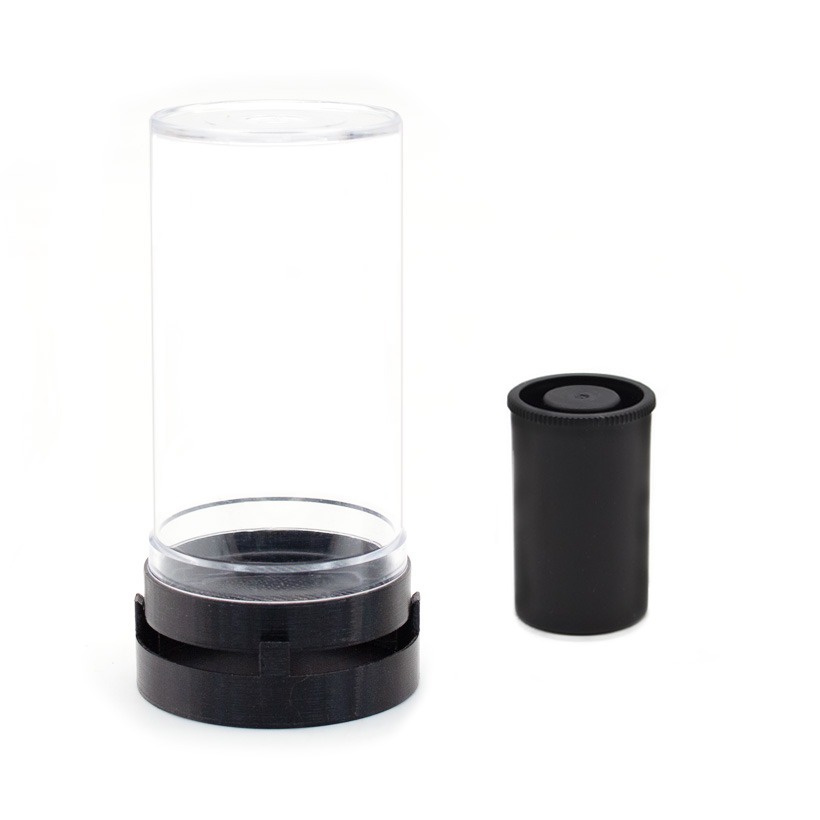
Drosophila Starter Kit – includes the basic supplies you need to start your own fruit fly cultures and regularly raise new live food.
Drosophila Instant Mix – serves as a ready-to-use food base for new Drosophila cultures and makes breeding your own flies particularly easy.
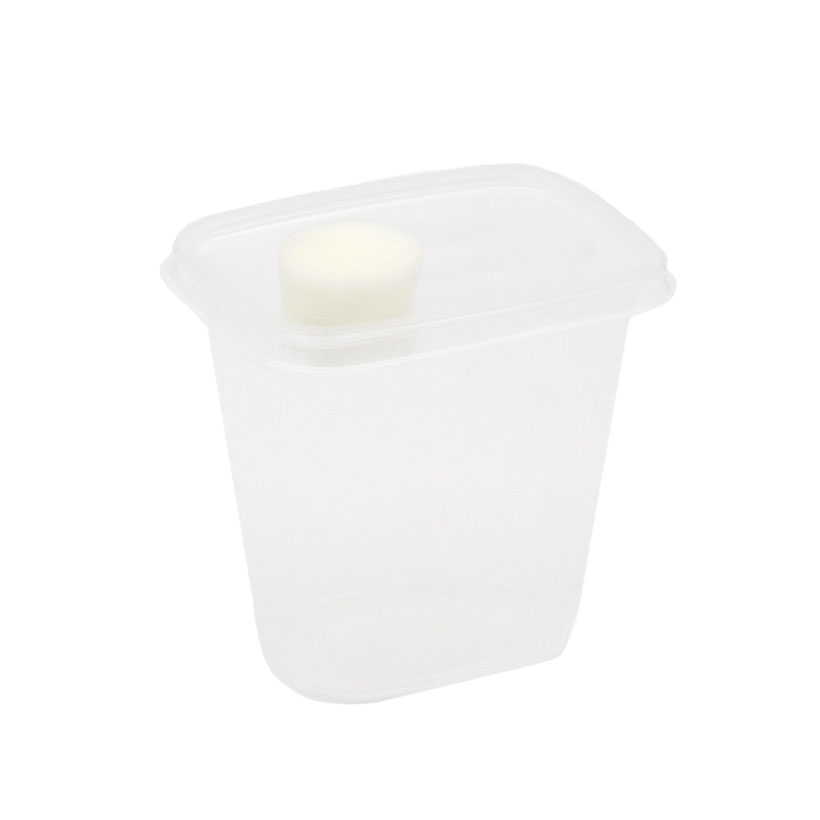
Drosophila Beaker 500 ml – provides the perfect container for your fruit fly culture and allows you to start multiple cultures at different times.
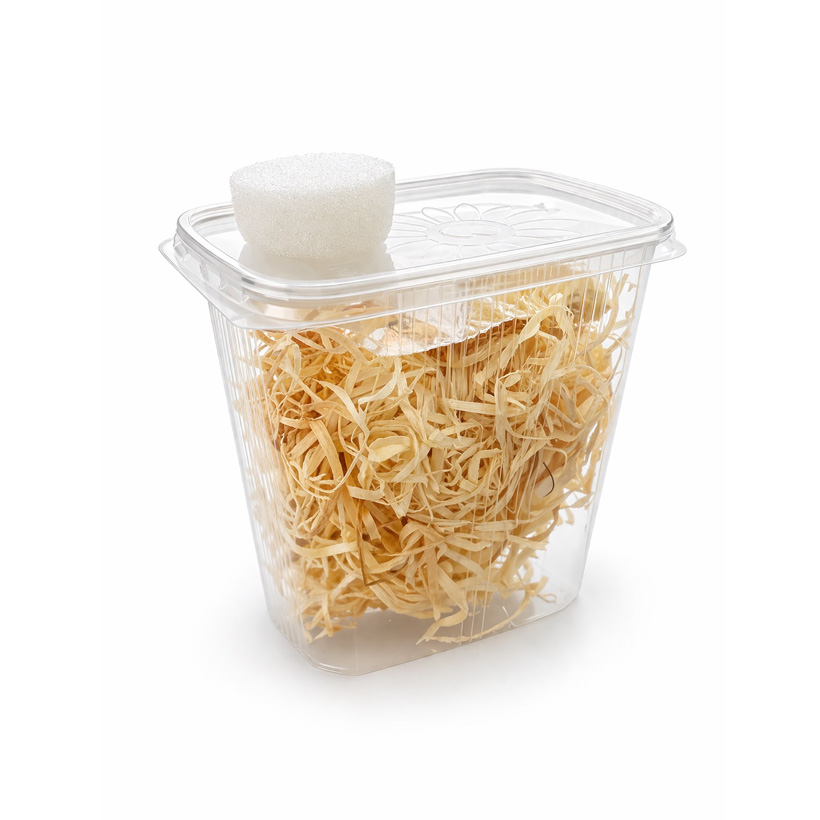
Wood shavings —create additional walking surfaces inside the rearing container and prevent the flies from constantly sitting directly on the rearing medium.
MilbenEx for Drosophila hydei – helps you deal with feed mite problems and is particularly useful for Drosophila cultures.
Large fruit fly – Drosophila hydei offers you a larger food source alternative once your young animals outgrow Drosophila melanogaster.
Conclusion
The small fruit fly, commonly known as the “ant” (Drosophila melanogaster), is particularly useful when even common feed insects are still too large. Its small size makes it an important live food source for raising young jumping spiders, mantises, and other small terrarium animals.
Since this breed cannot fly, handling it is pleasantly straightforward. Their quick, sometimes hopping movements nevertheless make them an interesting catch.
Another advantage is how easy it is to breed them. With Drosophila Instant Mix, breeding cups, and wood shavings, you can use an existing culture to start new batches. This ensures you always have a steady supply of fresh live food in exactly the size that particularly small predators need.
Perfect combined with
-

MiteEx for Drosophila hydei
5,99 € – 14,99 €Price range: 5,99 € through 14,99 € incl. VAT, plus shipping -
Drosophila cup 500ml
0,99 € incl. VAT, plus shipping
(from 5 SU = 5% Discount, from 10 SU = 10% Discount, from 20 SU = 15% Discount)