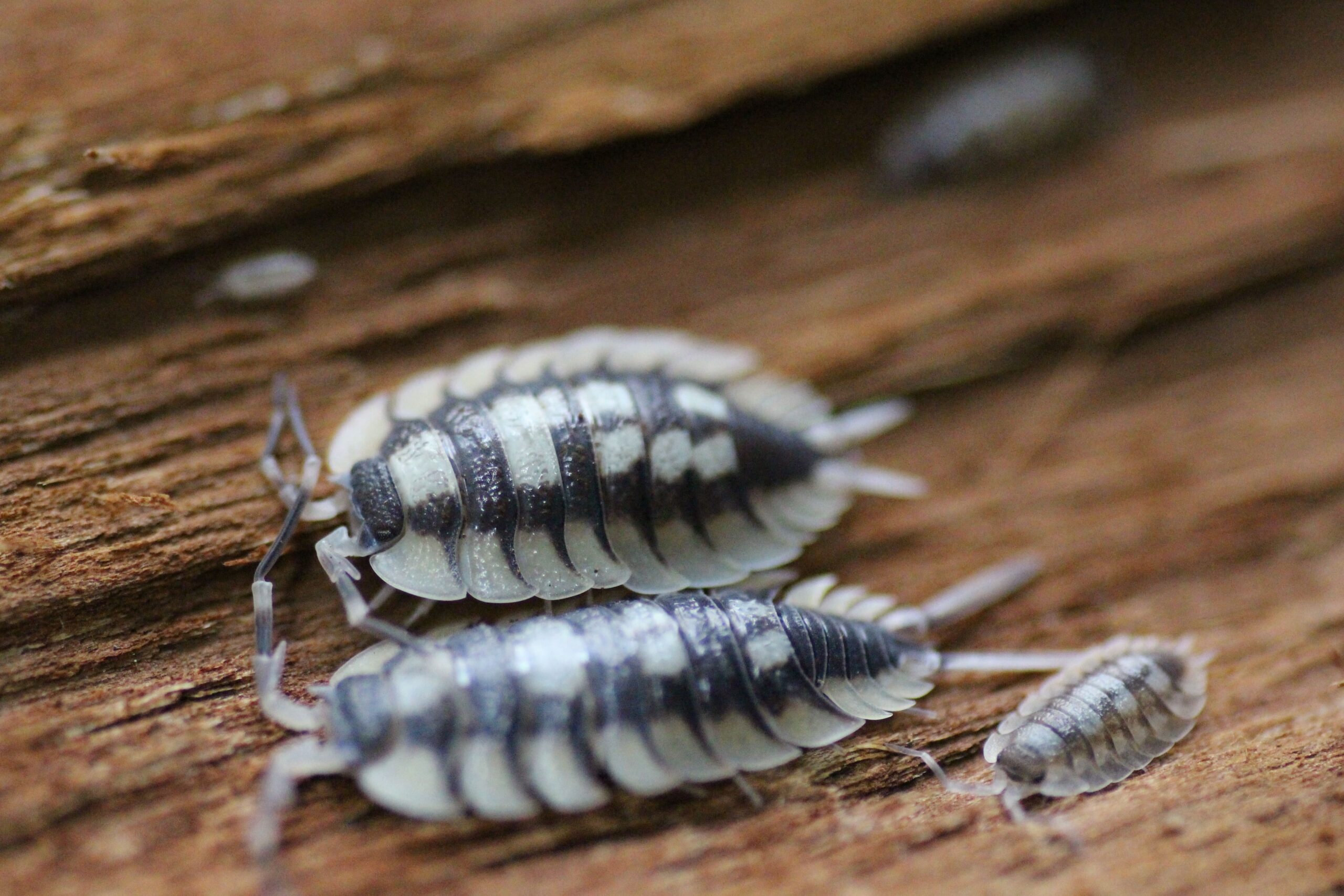


The reproductive behavior of Isopods is fascinating: The female initially carries her young safely on her body. Before you plan to breed them, however, you should also know how to tell the sexes apart and how to care for a growing group.
This article explains the life cycle of commonly kept land isopods. The species and housing conditions influence their development. Therefore, specific information regarding age, litter size, or duration cannot be applied to every isopod.
Determining Gender: Look at the Underside
For animals that are large enough, the sexes can be distinguished based on the structures on the underside of the rear part of the body. To do this, a clear view and a reference image appropriate for the species are important. A general rule based on body size or color is not sufficient.
If possible, let the animal crawl into a transparent container on its own and observe it from below. A magnifying glass or an enlarged photo can be helpful. Keep the observation brief, avoid letting it dry out, and do not squeeze the Isopod between your fingers.
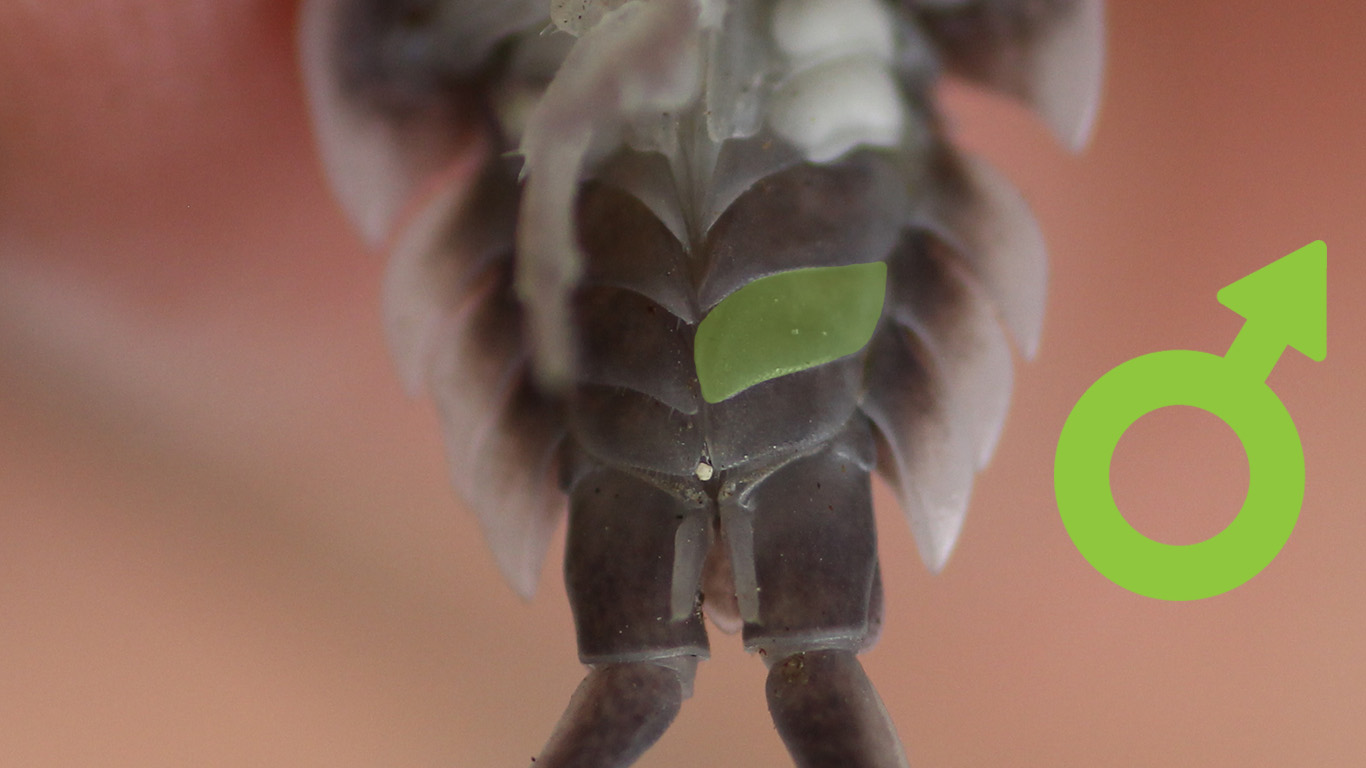
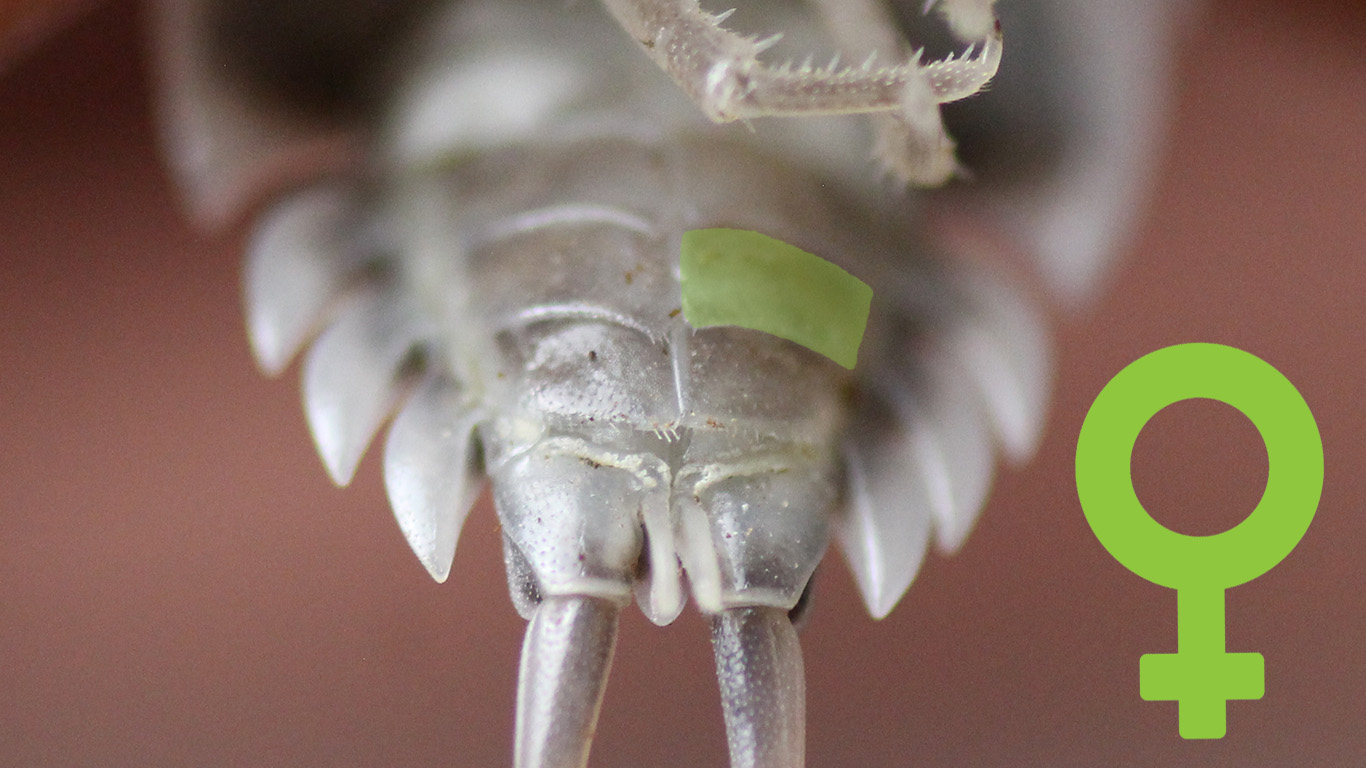
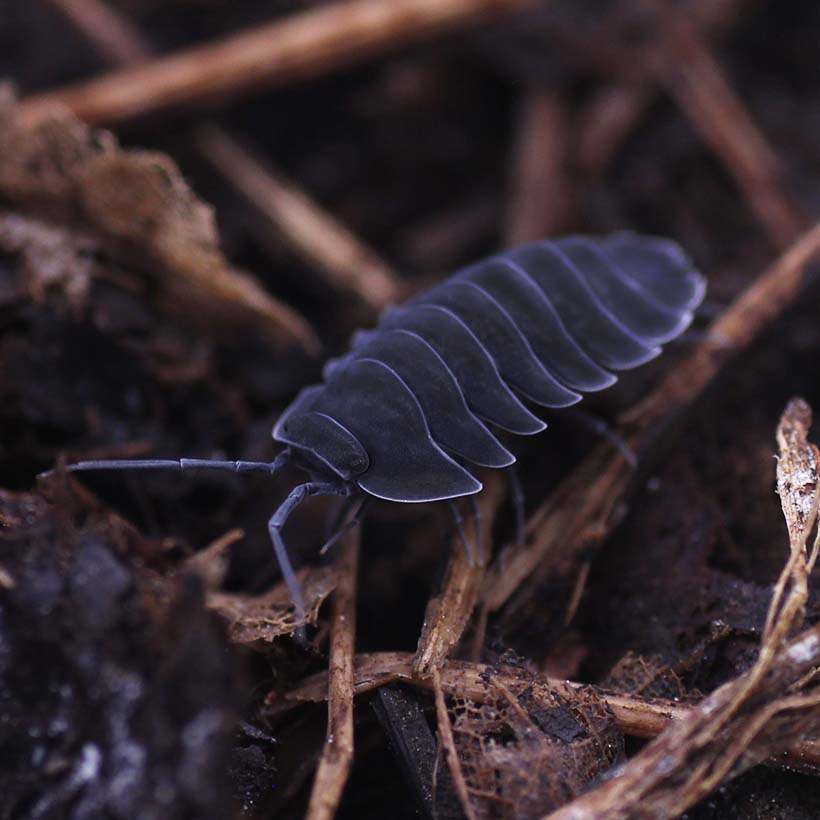
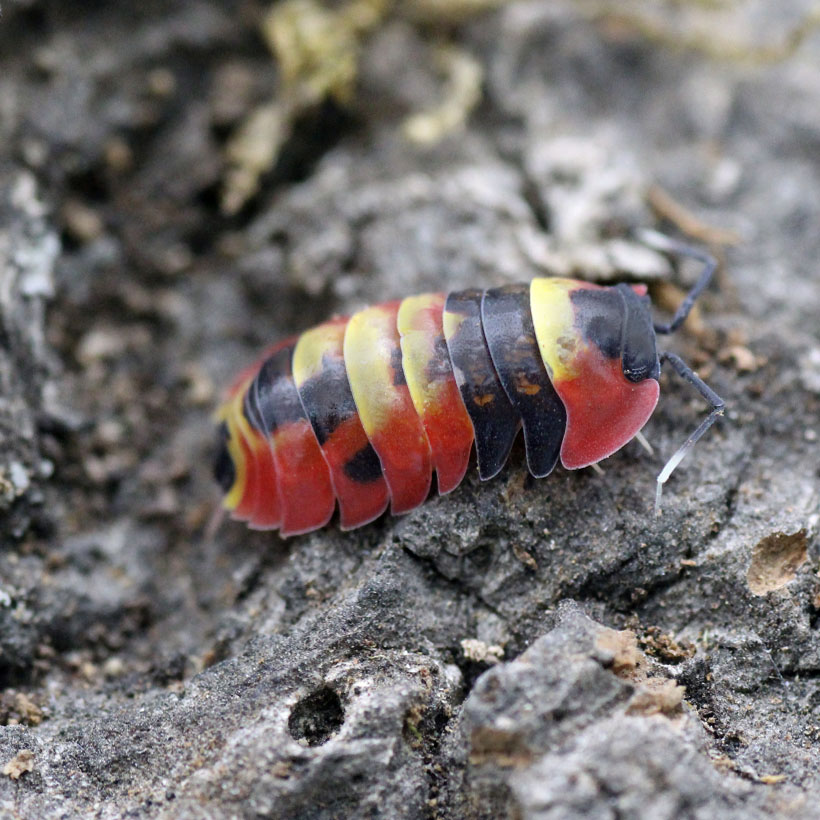
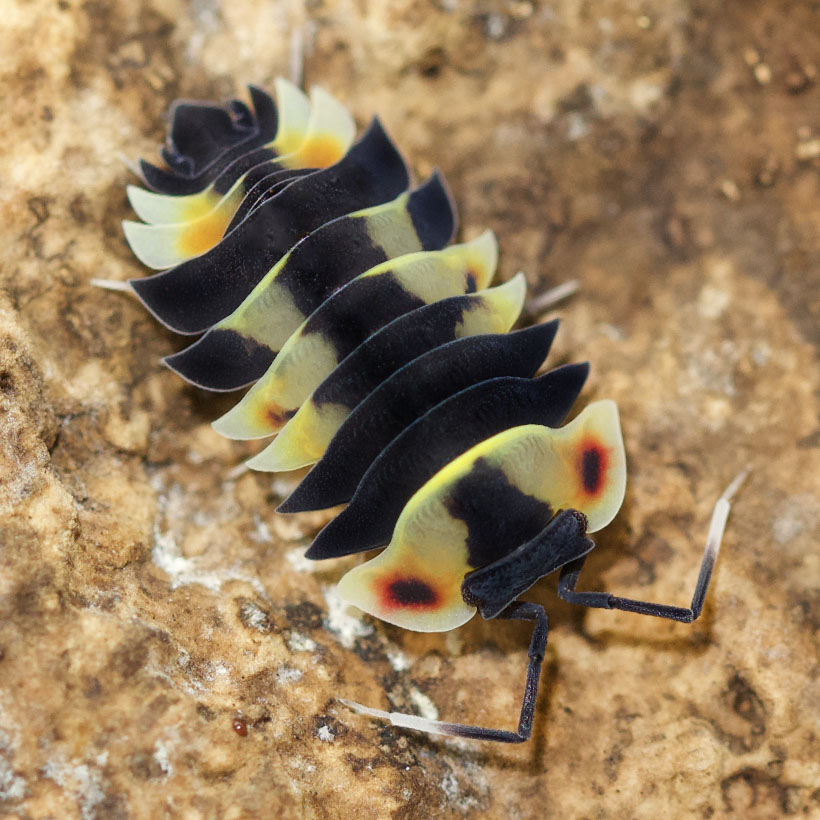
The following comparison images provide additional clues for certain species. Longer uropods—the appendages at the end of the body—can be helpful for identifying some Porcellio species. However, they are not a universal sex test for all Isopods. You must also consider color differences on a species-by-species basis.
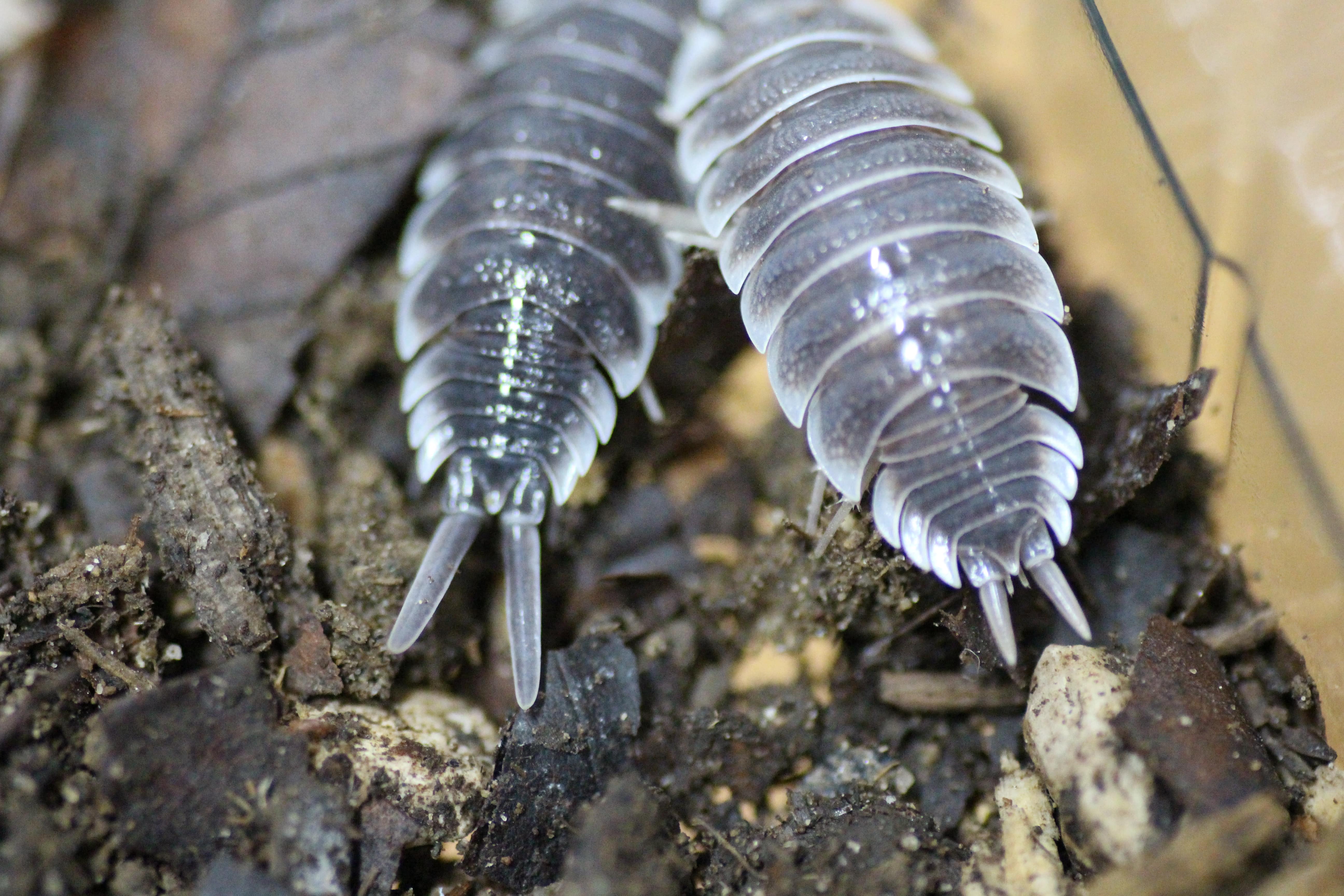
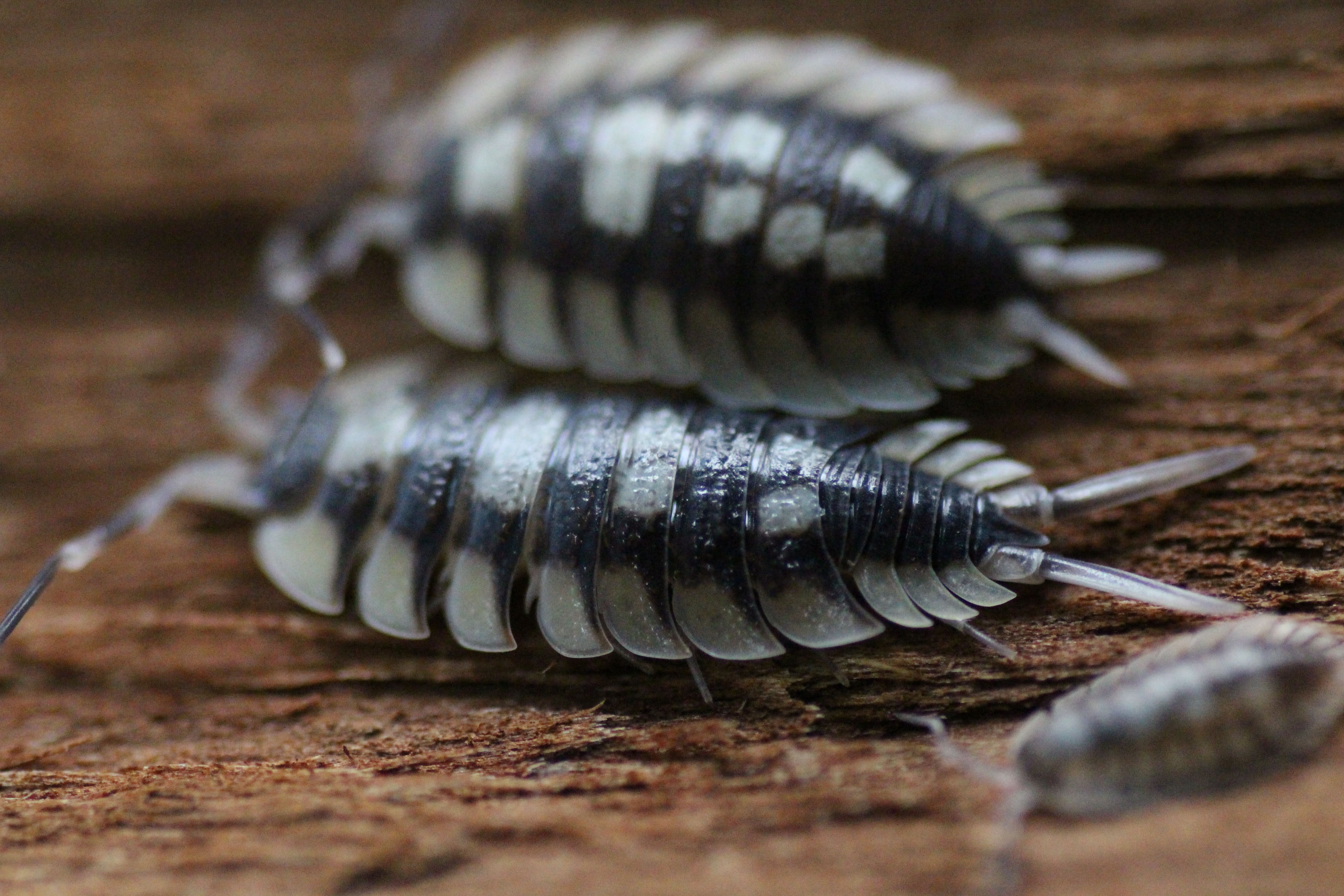
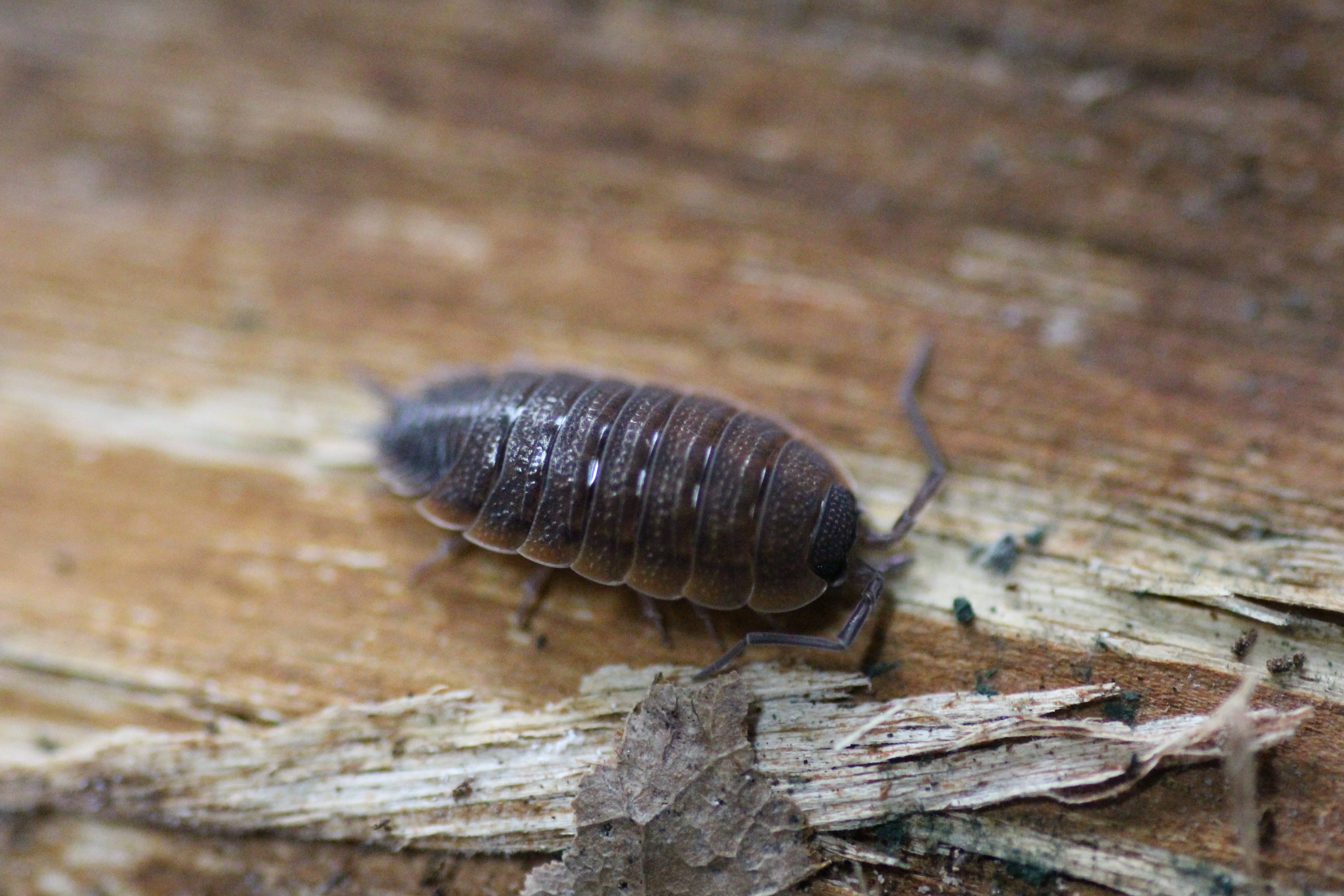
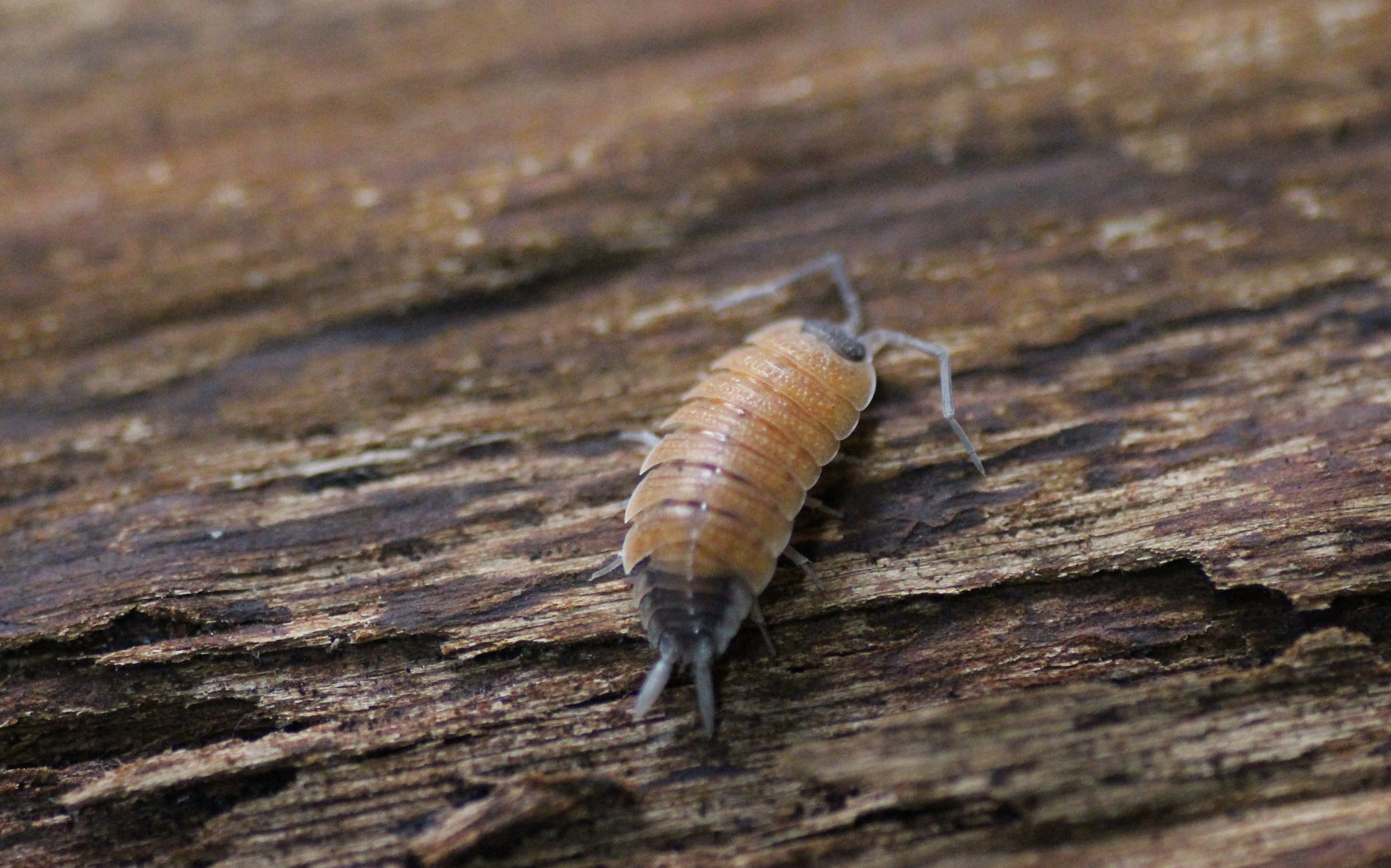
The brood pouch in the reproduction of Isopods
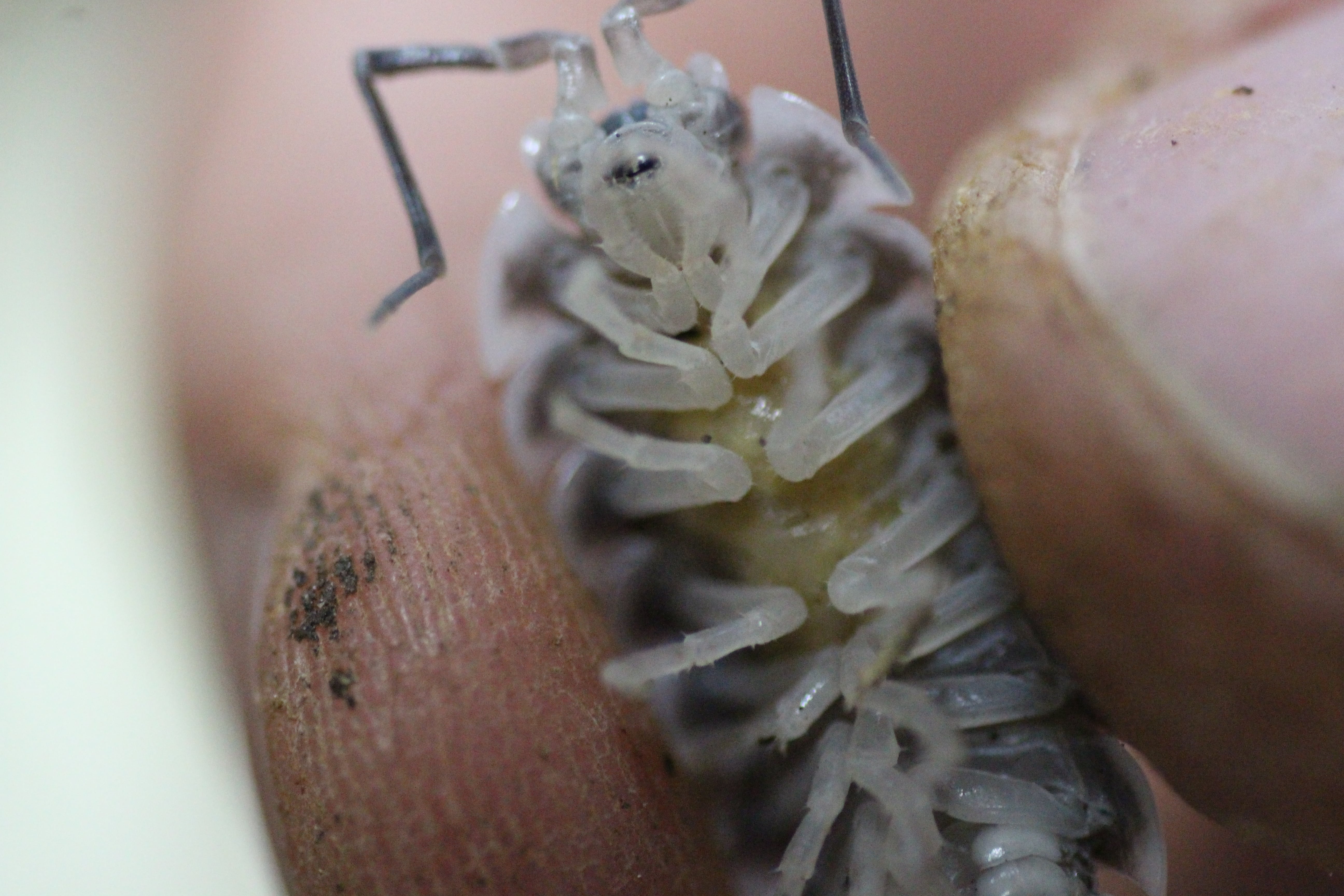
A visible brood pouch containing offspring indicates that the animal is a female. Conversely, the absence of a brood pouch does not necessarily mean you are looking at a male: females do not always keep it visible.
Inside the brood pouch, the eggs and early larval stages develop in a protected environment. By the time the young leave the pouch, they already resemble adult Isopods. Therefore, later on, look for them among leaves and in damp hiding places without disturbing the structure.
Observe mating without intervening
A male may remain on top of the female for an extended period of time. Such observations are interesting, but they are neither definitive proof of successful fertilization nor a reason to separate the animals.
I have also observed my animals moving their hind legs against the female’s body plates. It is not possible to determine with certainty what exactly this movement means in each individual case based solely on observation. Give the group some space and let them rest.
Reproduction in Isopods: Planning for Offspring Responsibly
Leaves, wood affected by white rot, a suitable source of calcium, and adequate humidity are all part of their diet. Protein-rich food should be supplemented in small amounts. A large amount of food or higher temperatures do not guarantee healthy offspring.
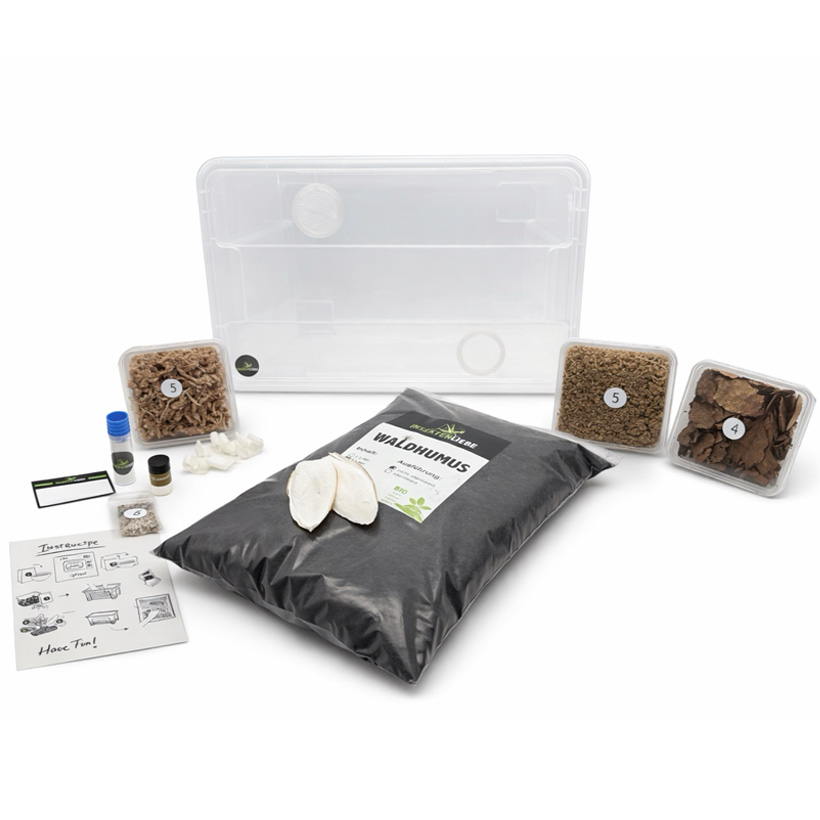
Porcellio laevis “Panda” can reproduce rapidly under the right conditions. Therefore, prepare a second suitable box or more space before you run out of room. If you already have a suitable container, you don’t need to buy a new set. The Isopod Complete Set L is one option if you’re looking for a larger, ready-to-use box; accessories and animals should be considered separately.
When Isopods don’t reproduce
First, check whether the animals are sexually mature, whether both sexes are present, and whether the conditions are suitable for the species. A young group needs time. The absence of offspring alone does not indicate a nutrient deficiency.
Do not change temperature, feed, and humidity all at once. Record the initial conditions, correct any obvious problems, and observe the results. If there are losses or significantly weakened animals, determining the cause takes precedence over breeding goals.
YOUR READING TIP · Caring for Baby Isopods
How everyday life changes after the first young appear.
YOUR READING TIP · Controlling Woodlouse Populations
Find responsible homes for litters without withholding food or abandoning them.
Still unsure? Feel free to ask us your question in the comments section below the article.


Leave a Reply
You must be logged in to post a comment.