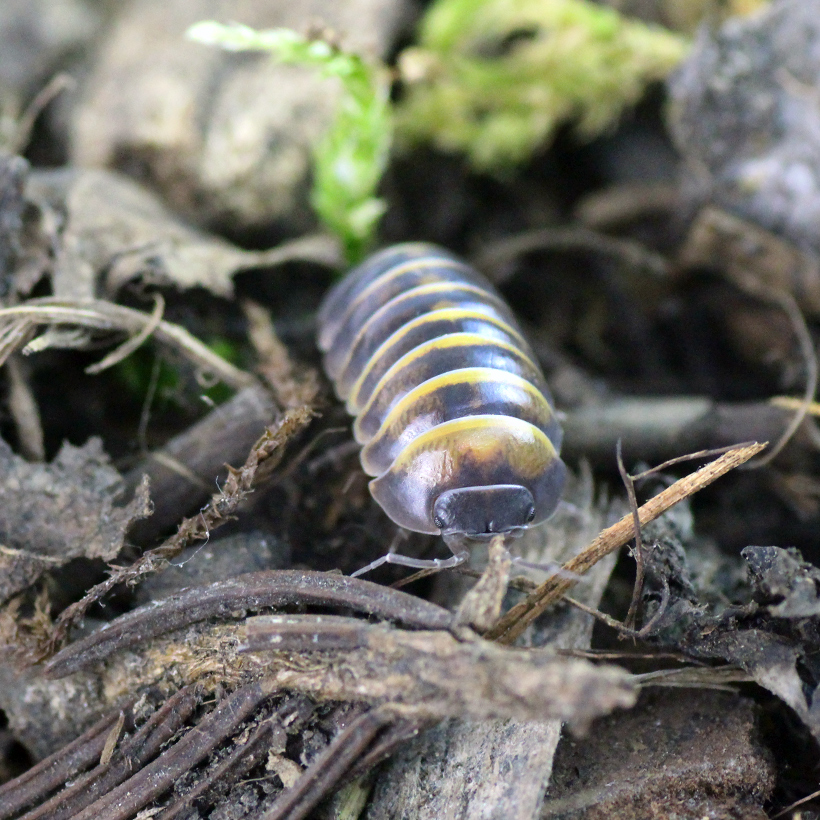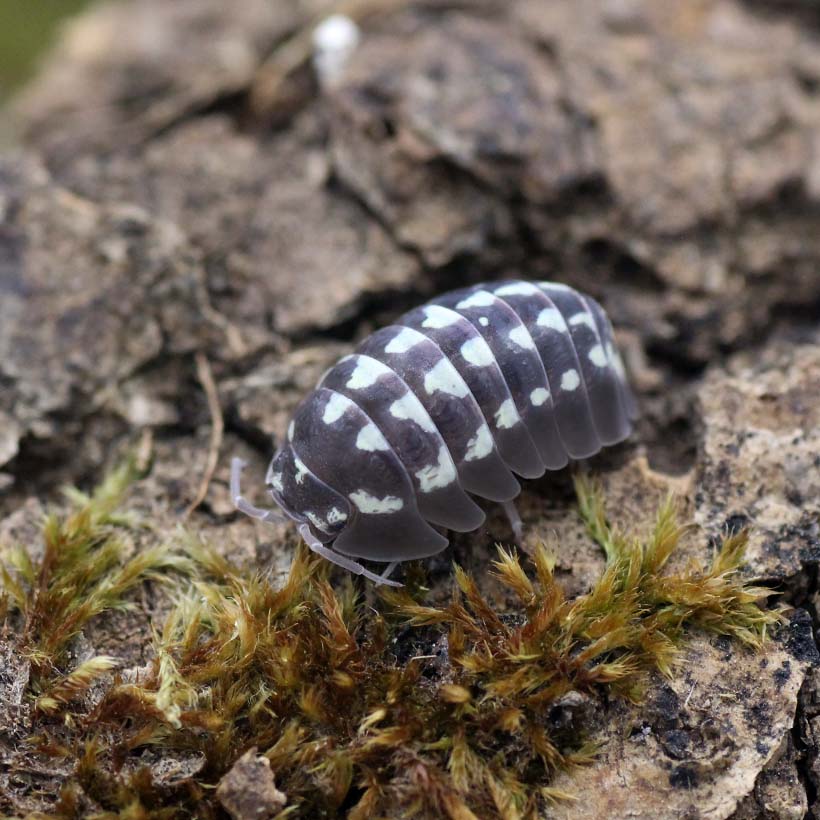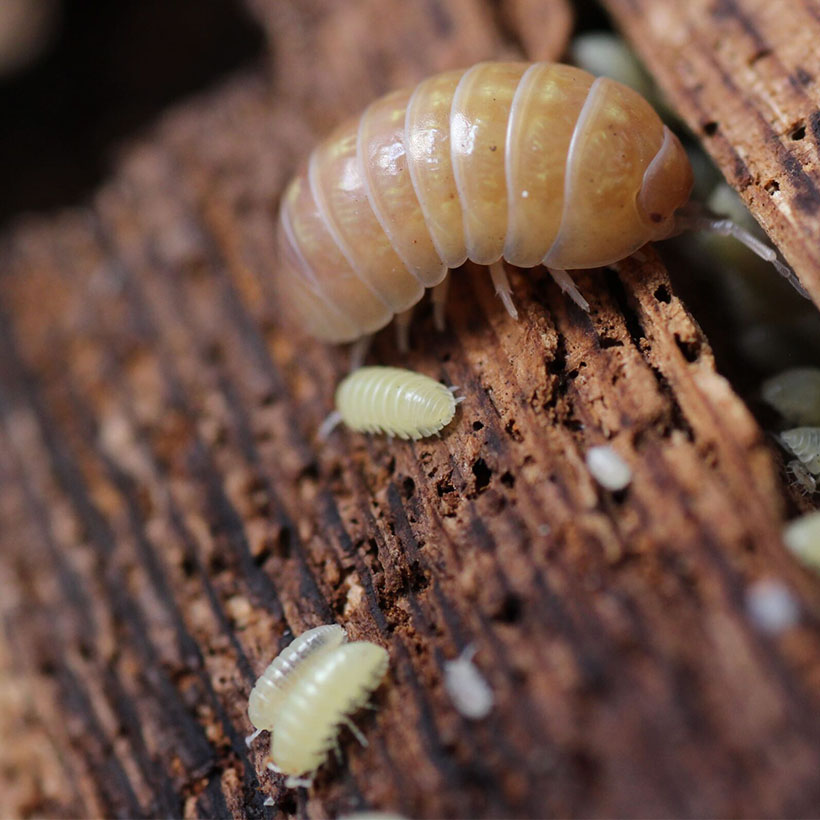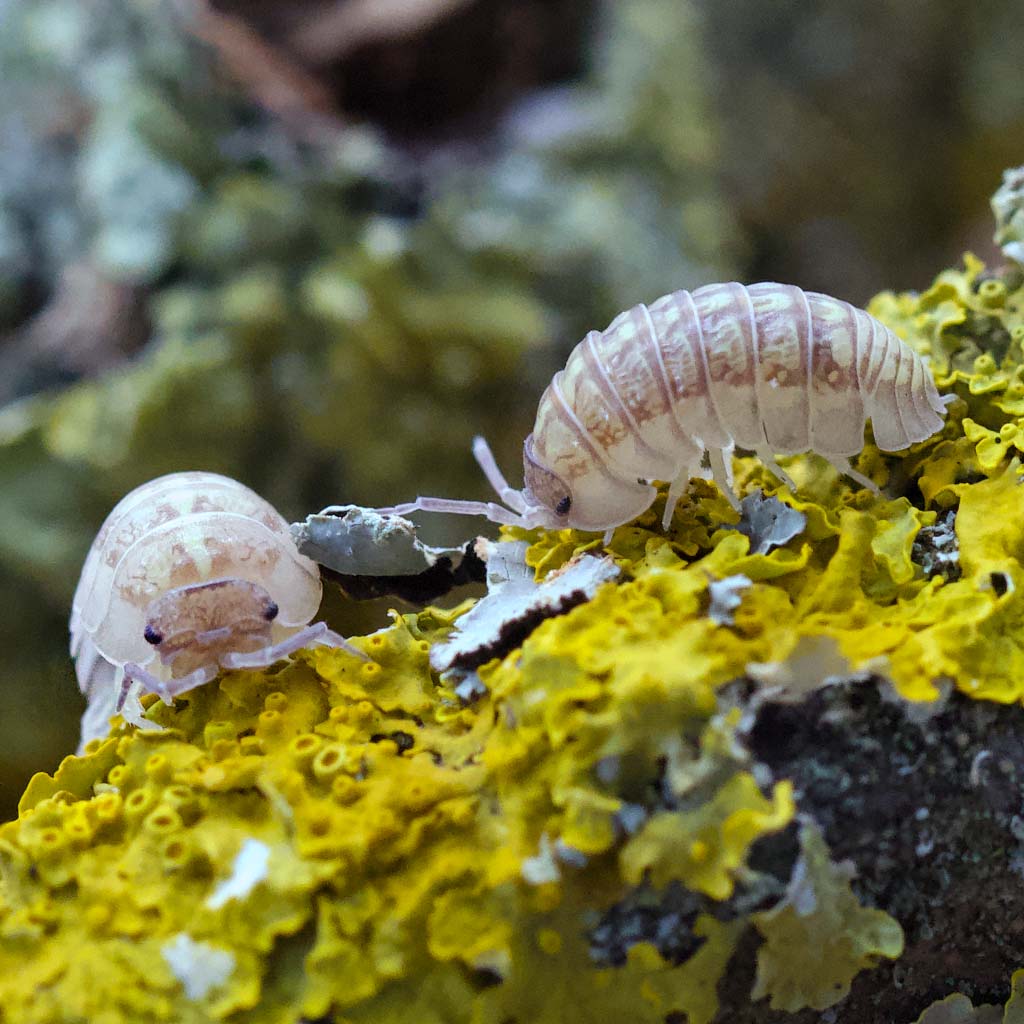


| Origin | Cosmopolitan |
| Temperature | 18-24 °C |
| Size | up to 1.8 cm |
Behavior:
Very happy to hide and often found singly. Description
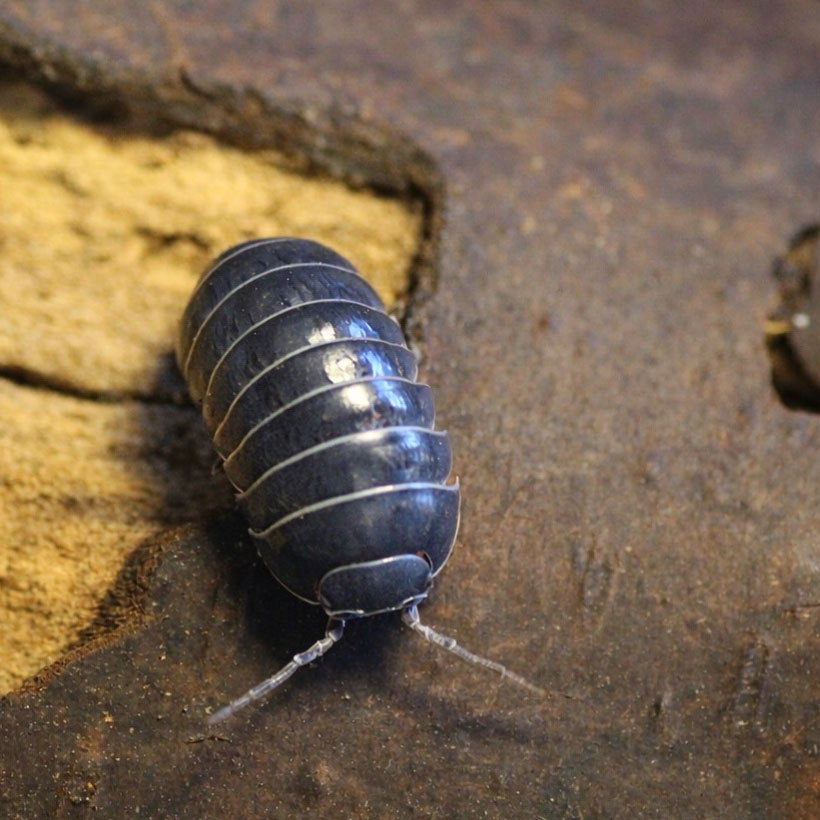
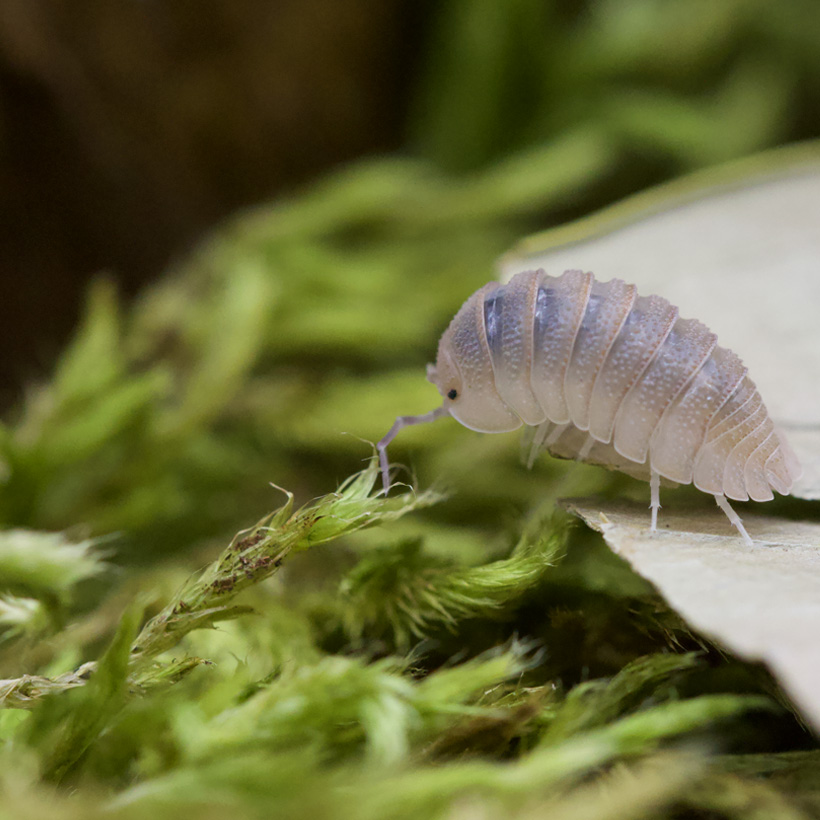
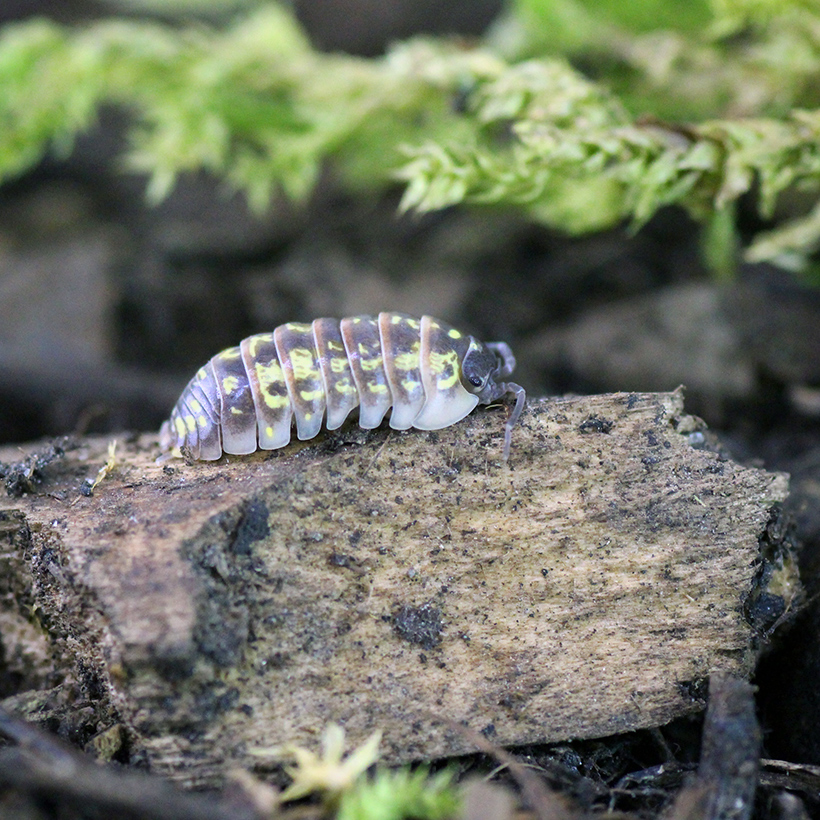
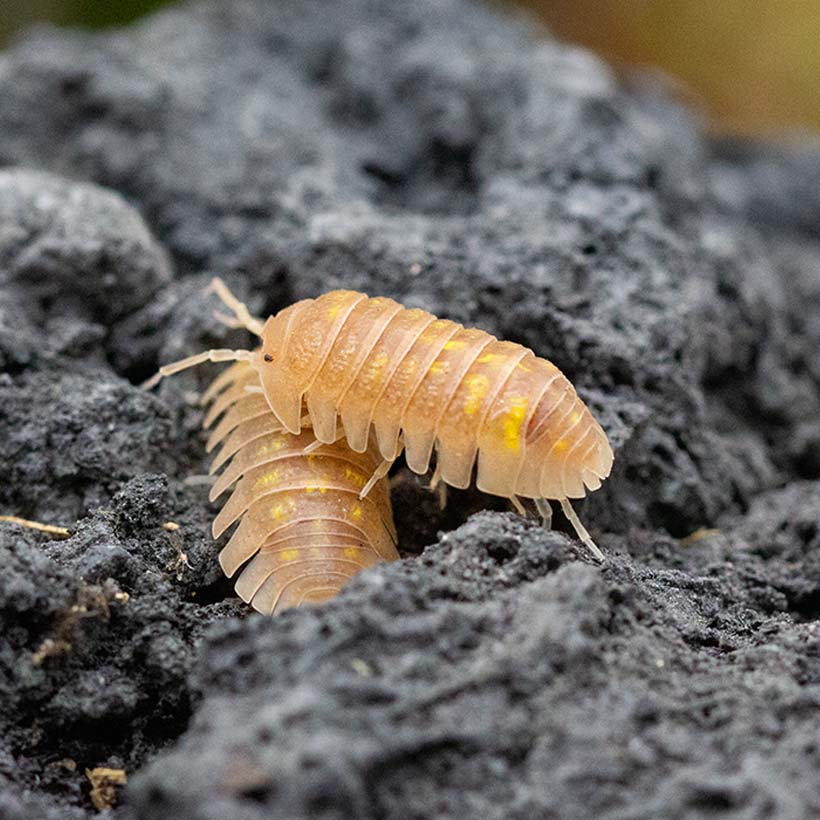
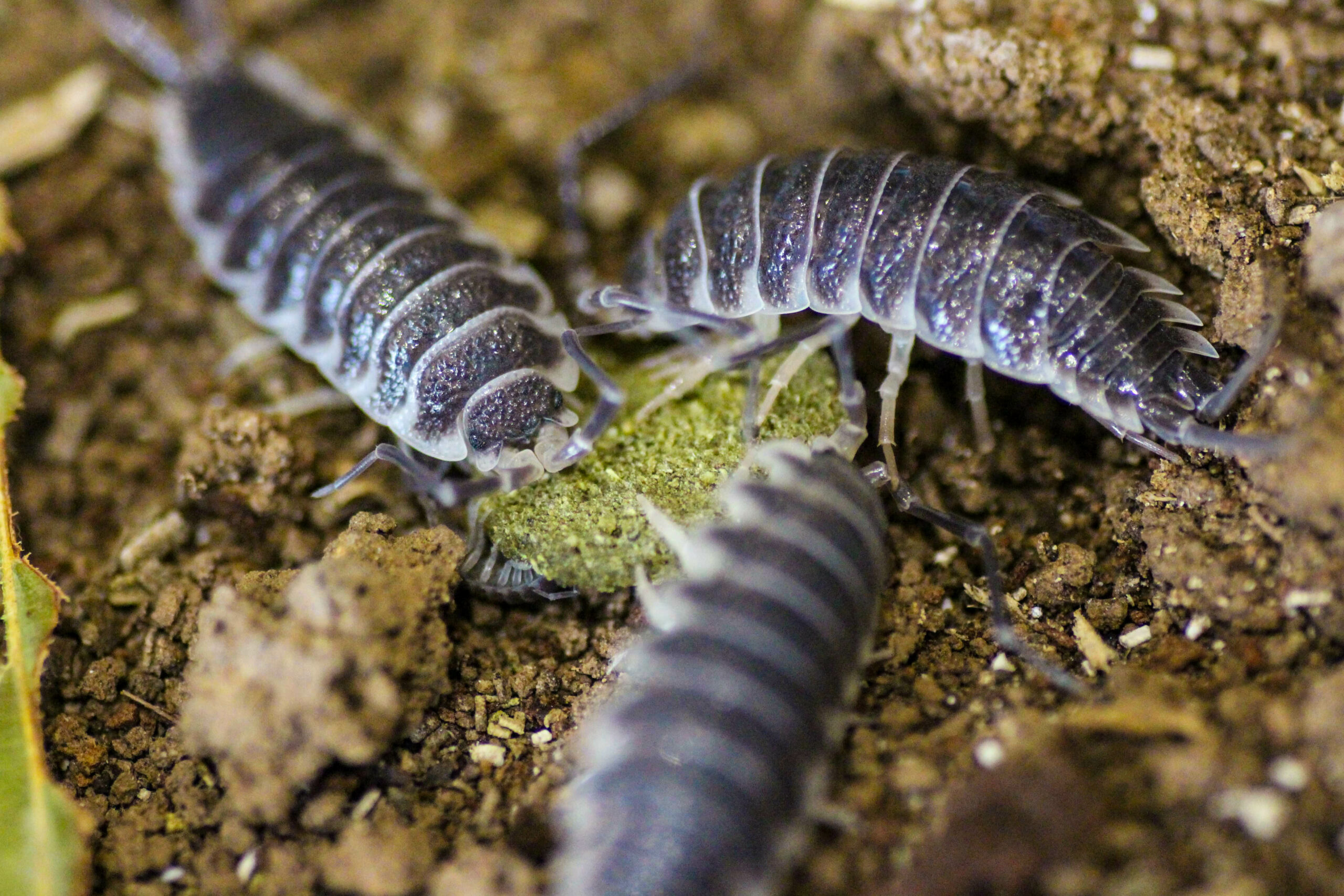
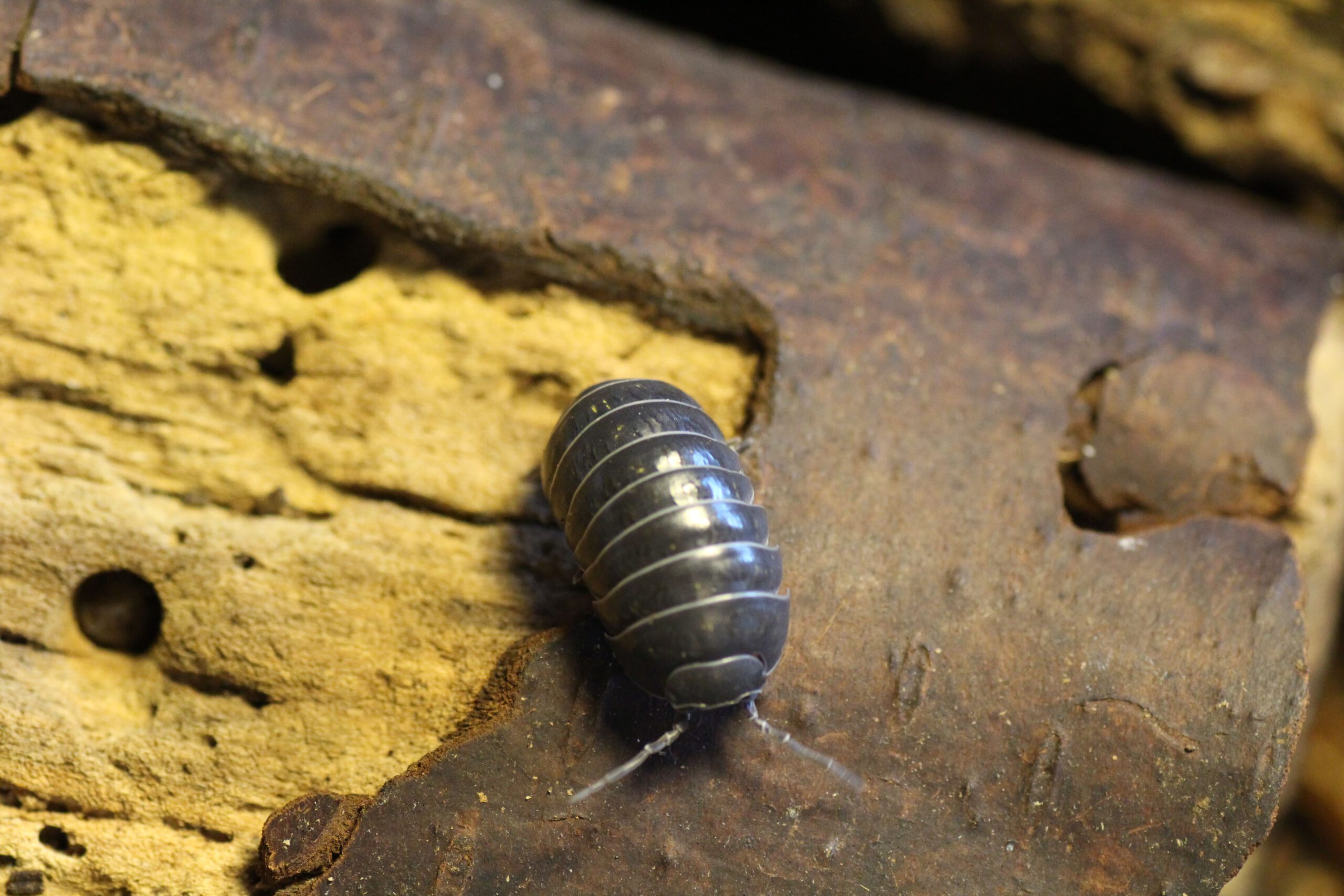
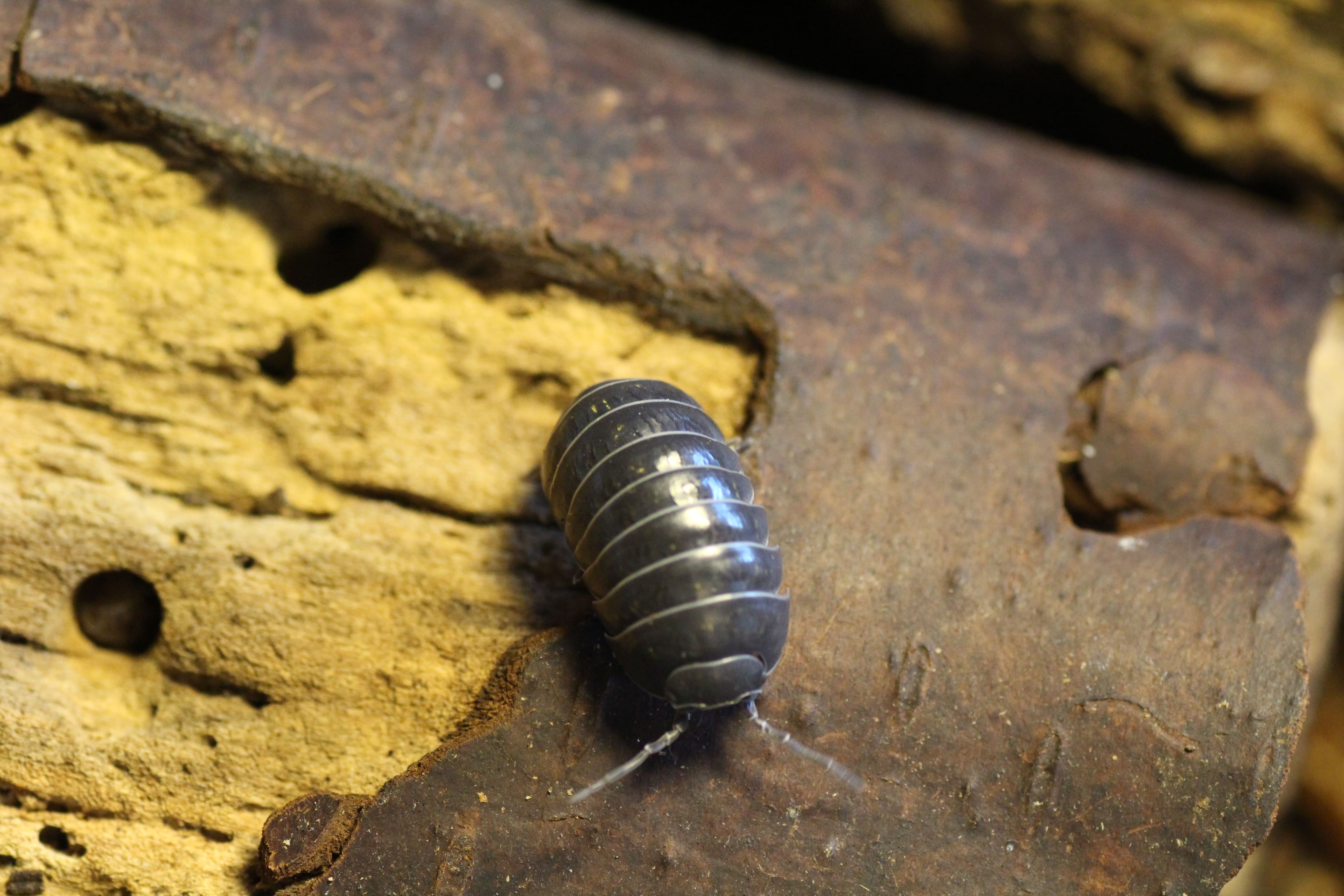
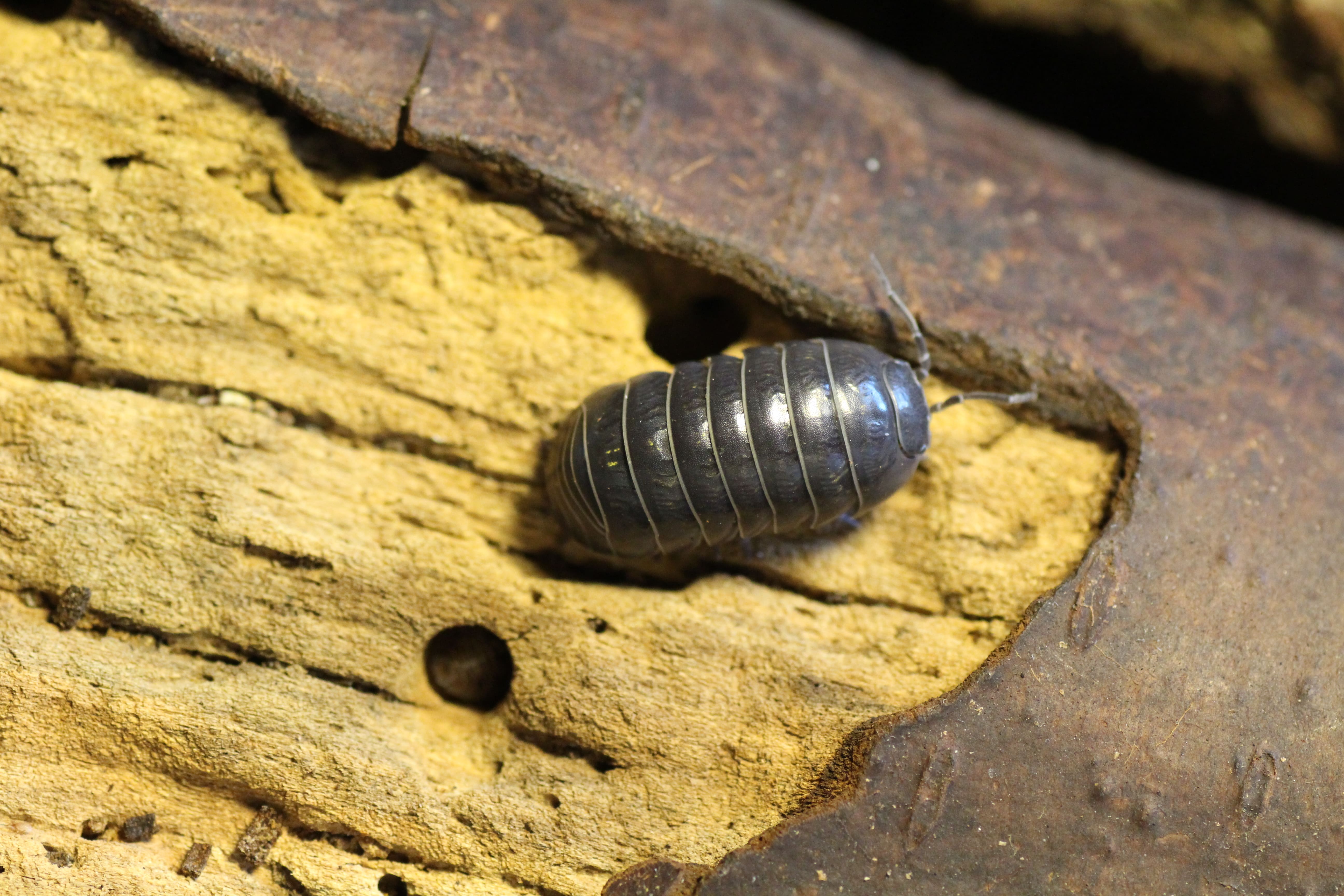
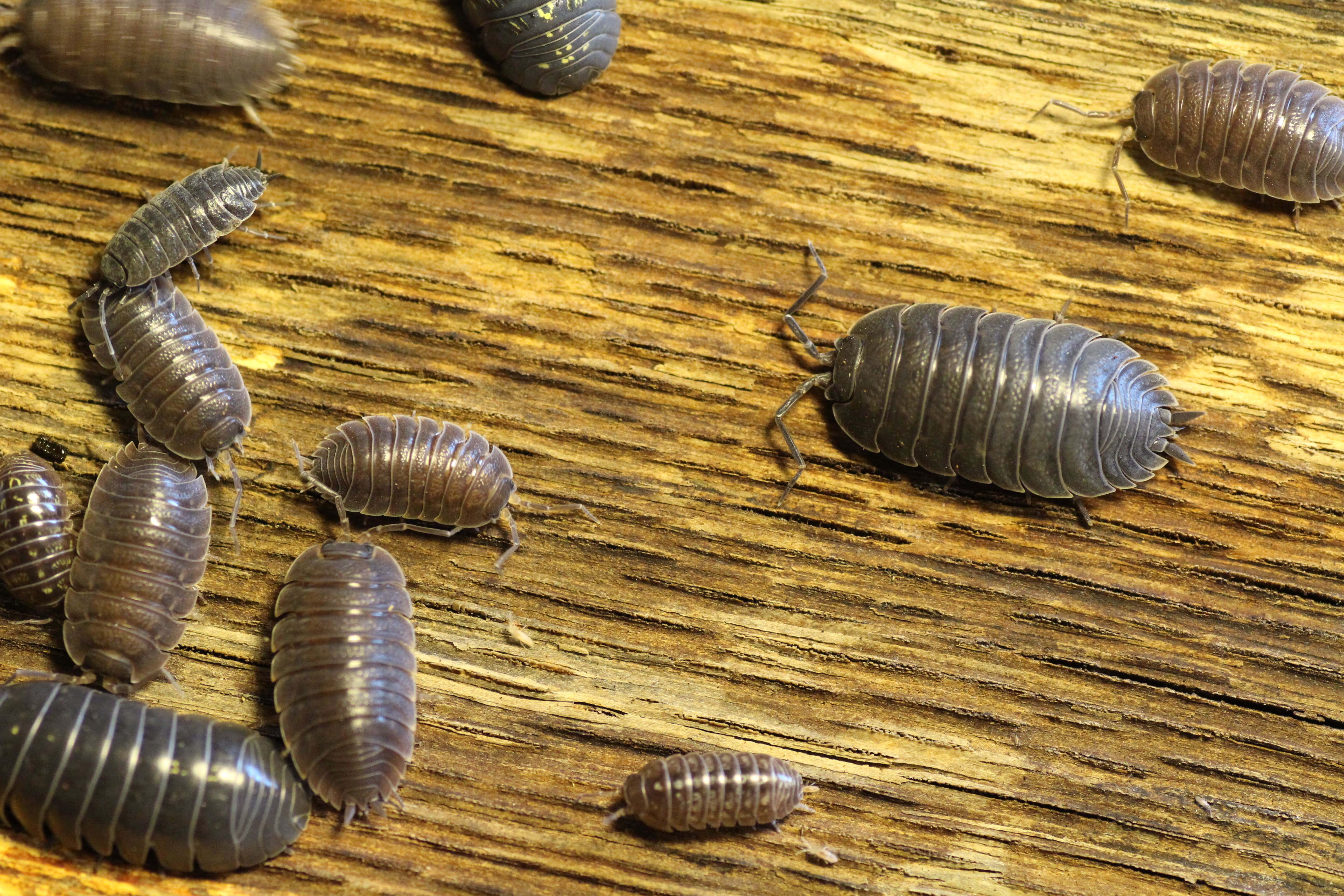
Armadillidium vulgare have the Ability to curl up in case of danger. I am often asked what the exact difference is to Armadillidium nasatum or Armadillidium depressum, both of which can also be found here. You can recognize it very clearly by the gap that appears when Aramdillidium nasatum and Armadillidium depressum curl up. With of Armadillidium vulgare, the entire body closes when curled up.
As the animals are very well researched and have proven themselves as pets for a long time, they have been found to have a life expectancy of up to 3 years. This is relatively long compared to other Armadillidium species that I keep. In my experience, they die after about 1.5 years.
Breeding:
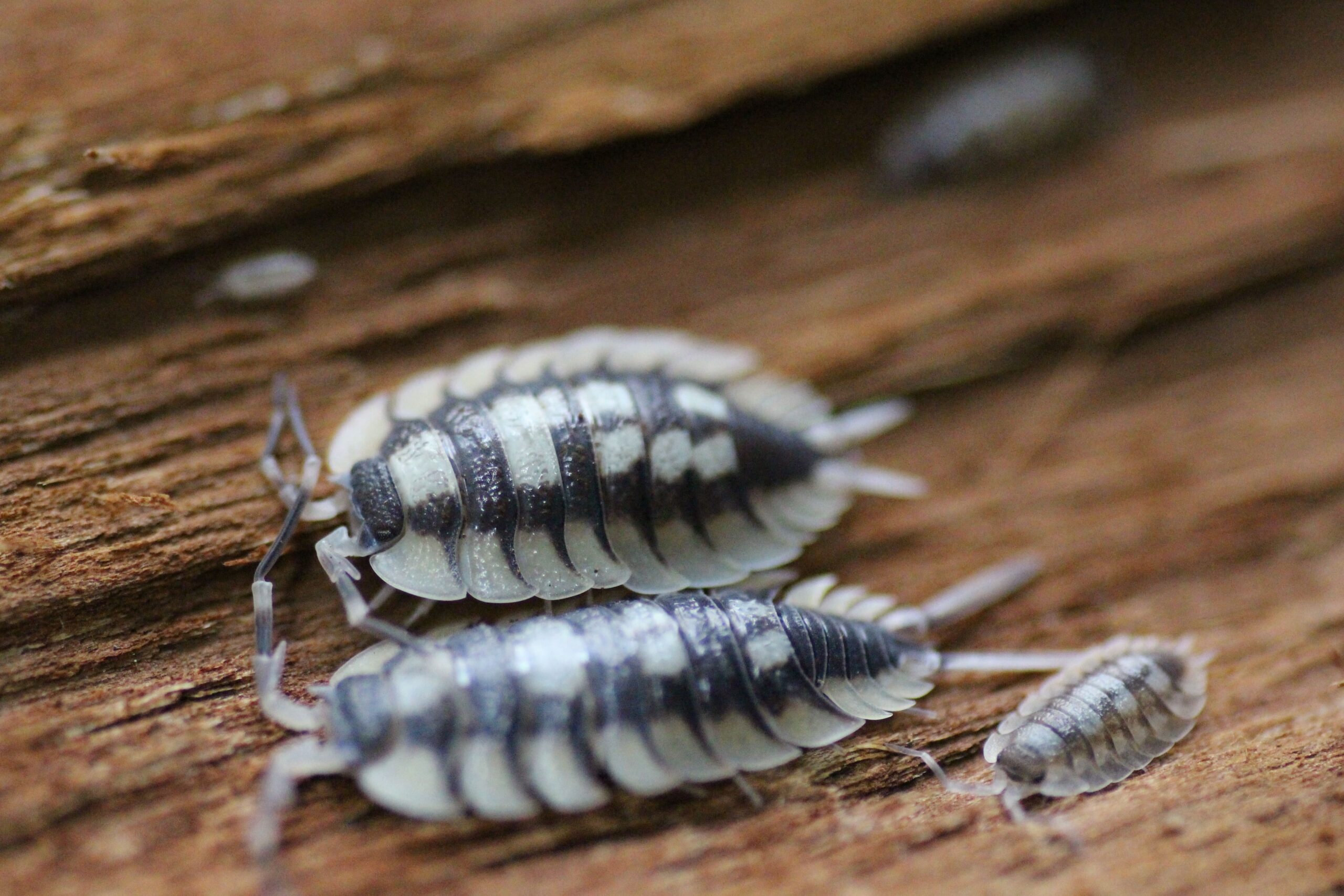
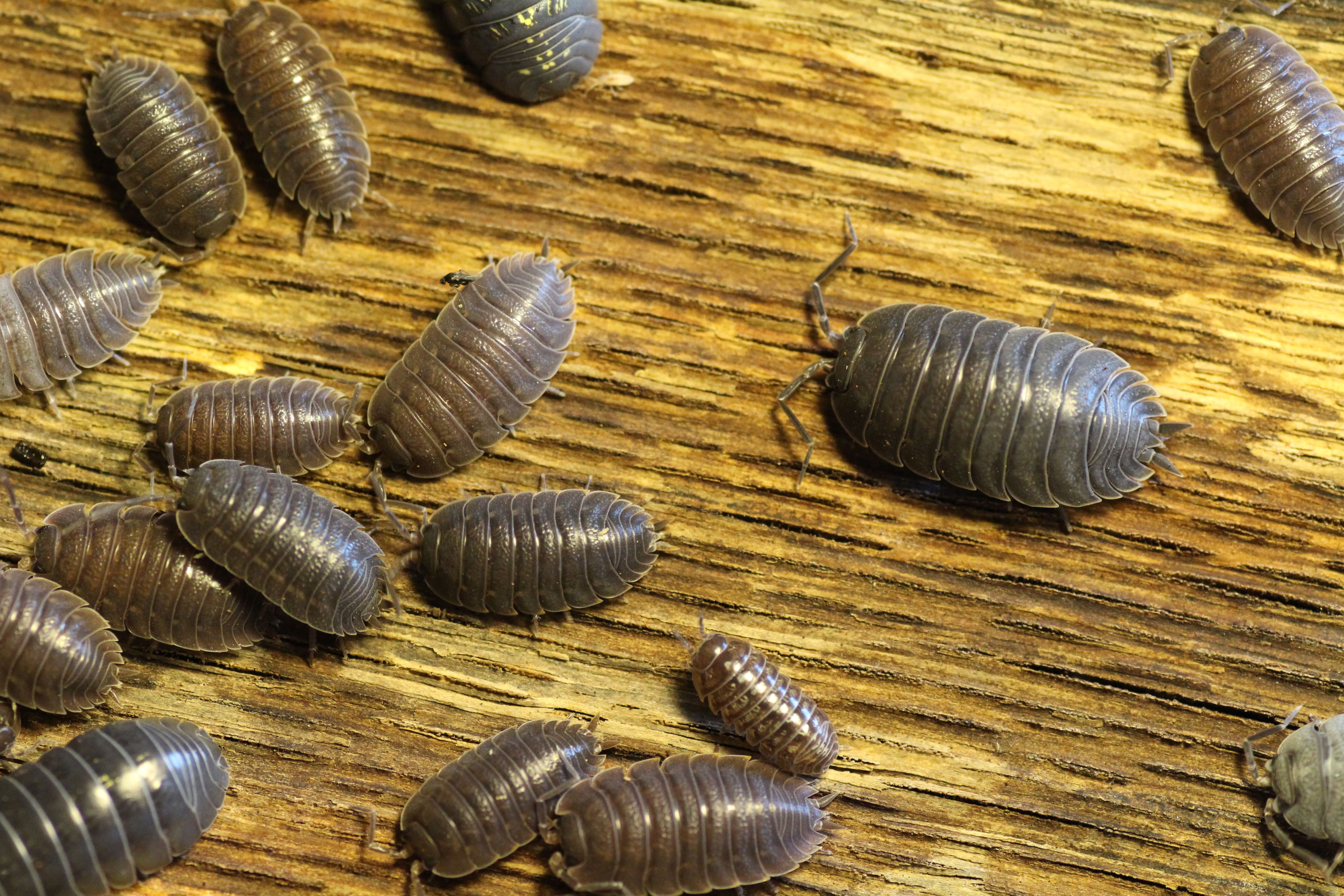
Armadillidium vulgare pairs can sometimes persist for up to a few days before the female’s receptive period begins. Males are more attracted to females with a larger appearance. Probably because this promises them a longer reproductive period. Outdoors, mating can be observed in spring, right at the first warmer days. In captivity, they mate all year round at room temperatures.
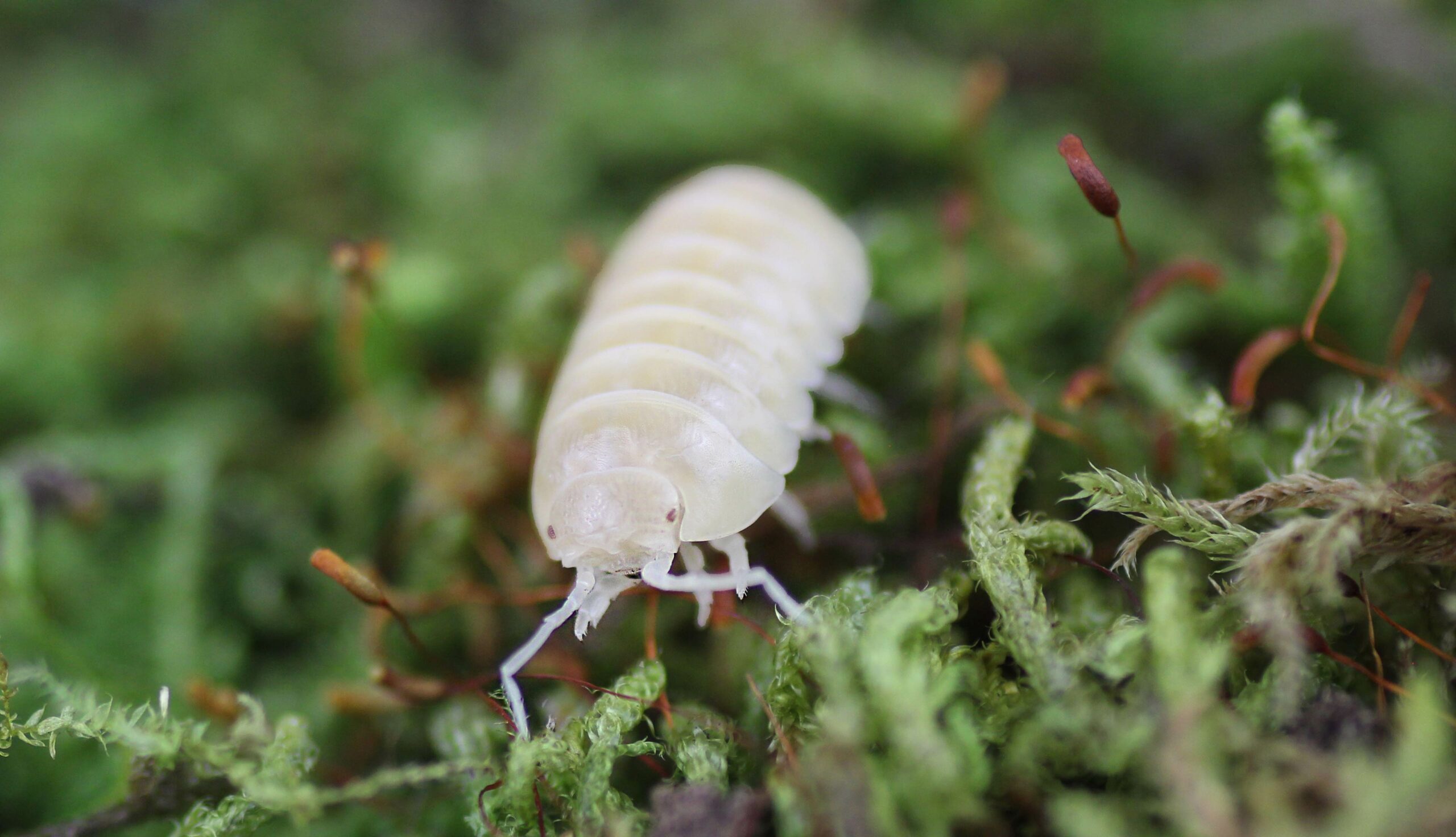
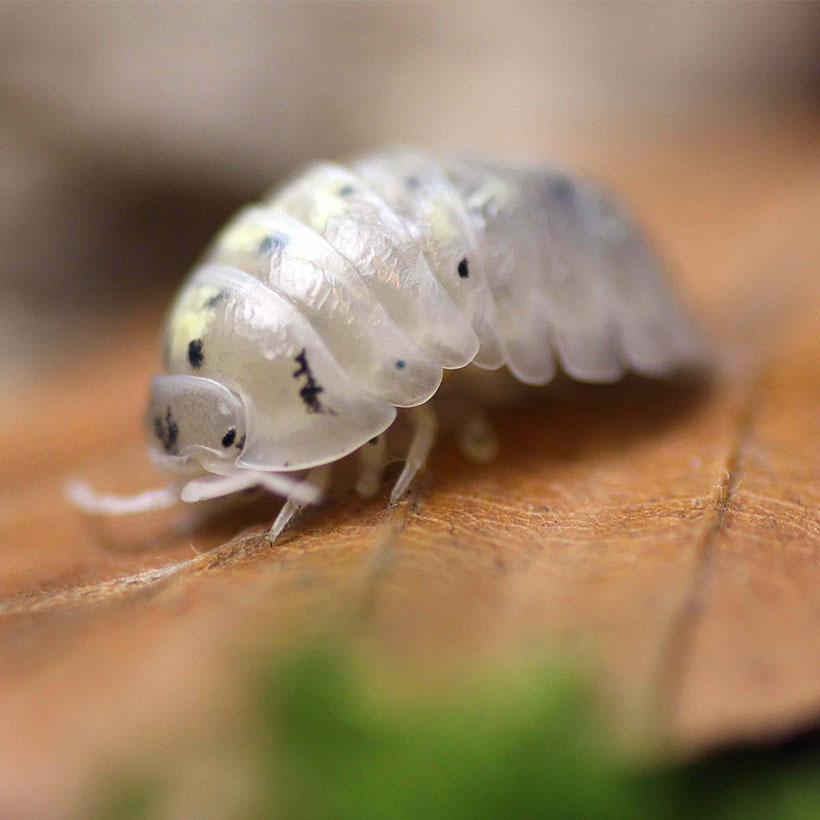
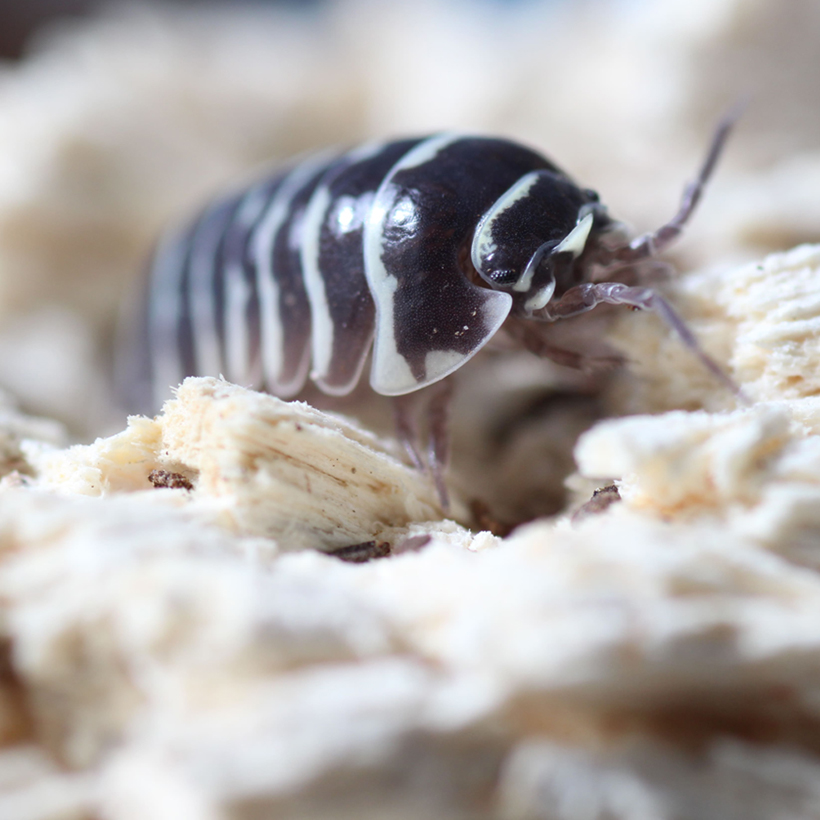
Armadillidium vulgare
Armadillidium vulgare withstands drier conditions better than many other isopod species and is found on calcareous soils and coastal areas.
Out of stock
Special features:
Armadillidium vulgare withstands drier conditions better than many other isopod species and is found on calcareous soils and coastal areas. It therefore makes sense for this species to enrich the deciduous forest humus soil with garden lime. There it feeds mainly on decaying plant material, but also on lichens and algae found on tree bark.
They are able to regulate the temperature through their own behavior. In the wild, they prefer bright sunshine and low temperatures. As soon as the temperature rises, however, they remain in the dark. Temperatures below -2 ° C or above 36 ° C are fatal.
It is less susceptible to cold during the night and can go into torpor in winter in order to survive in temperatures that would actually be fatal for it.
More information will follow!