Porcellio laevis “Black”
12,00 € incl. VAT, plus shipping
Sales Unit: 12 animals
Sales Unit: 12 animals

Simple

Cosmopolitan

< 23 mm

18°C – 26°C
Porcellio laevis “Black” – ideal species for beginners
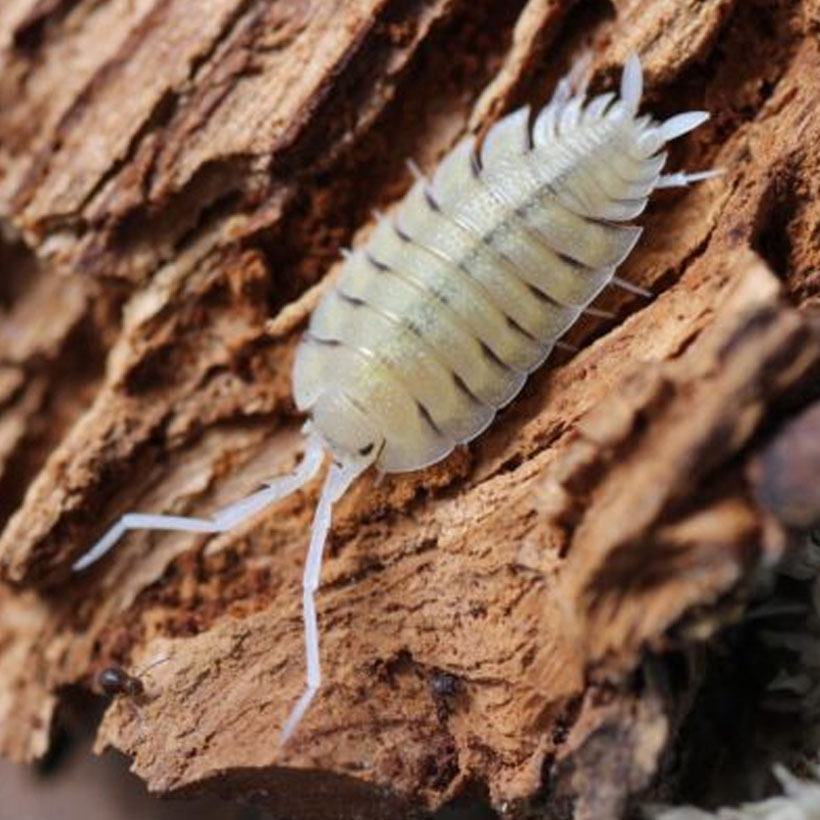
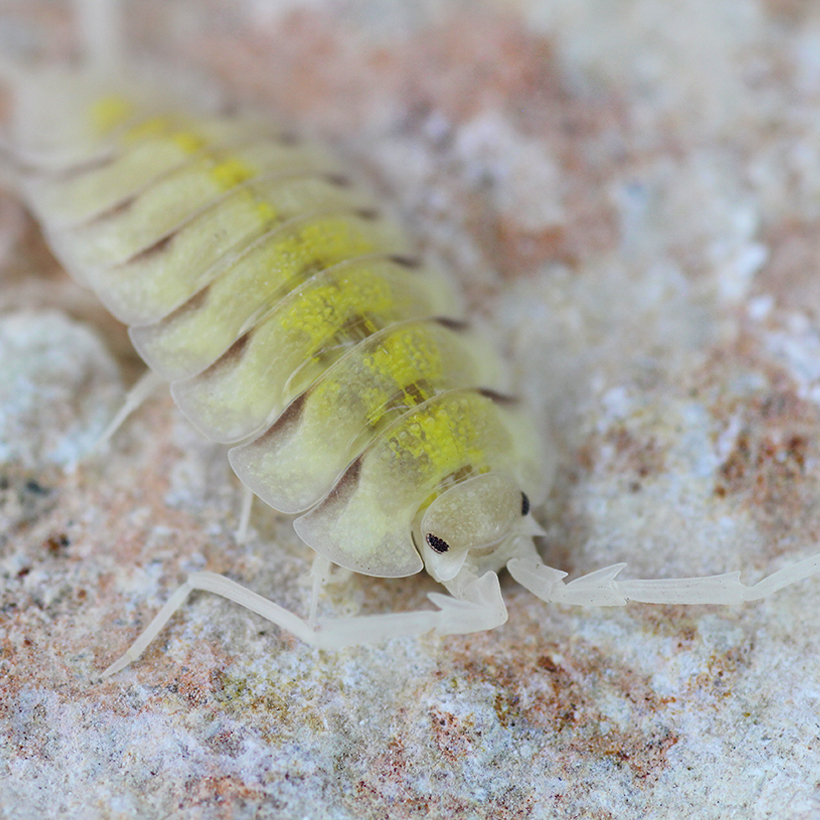
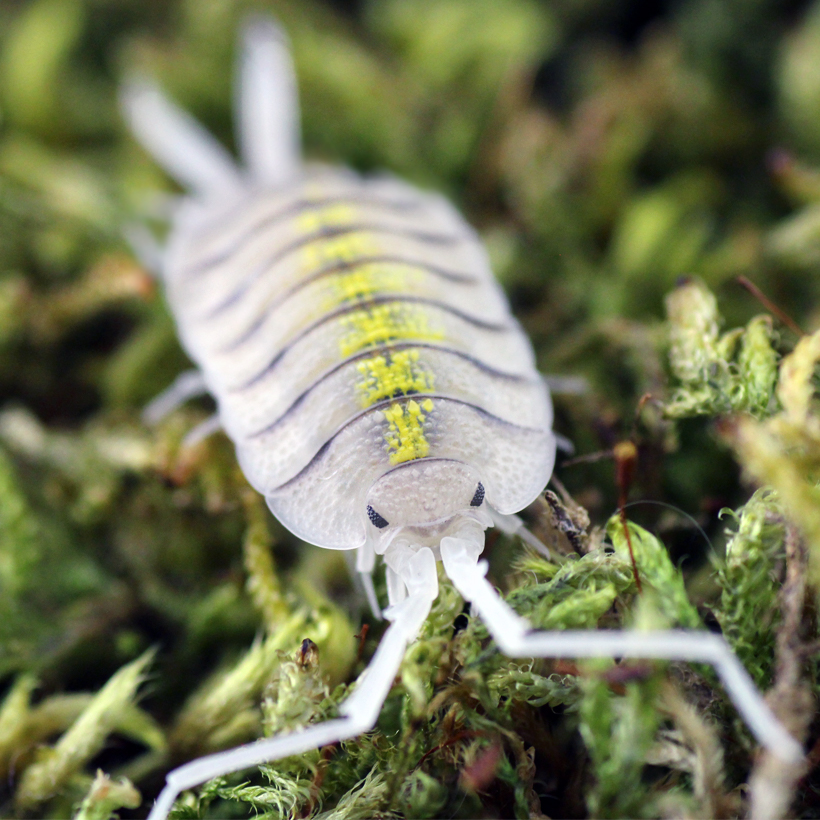
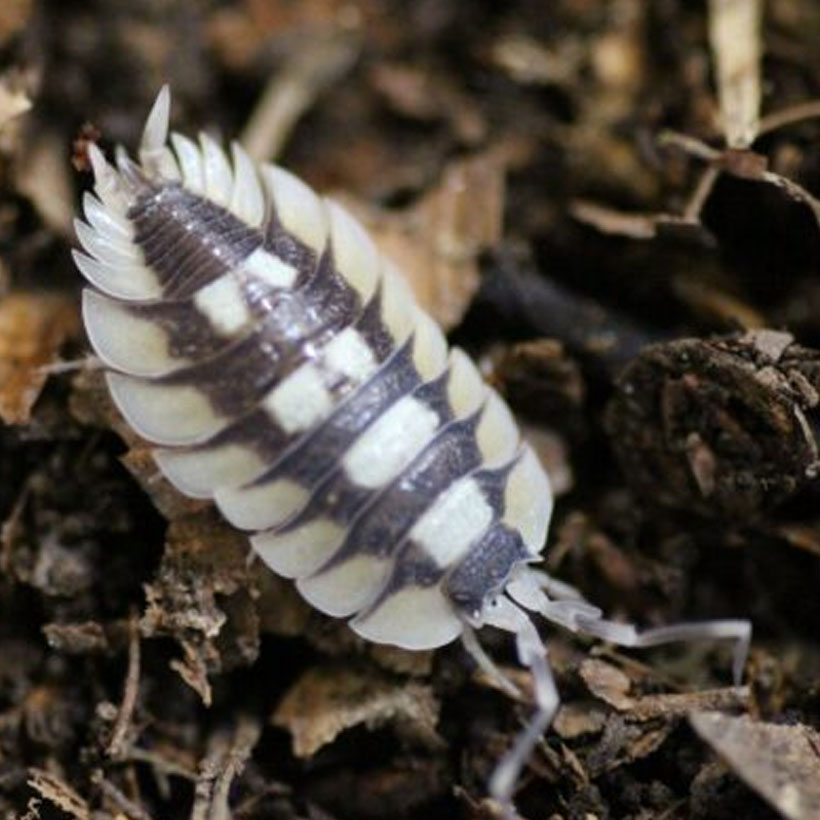
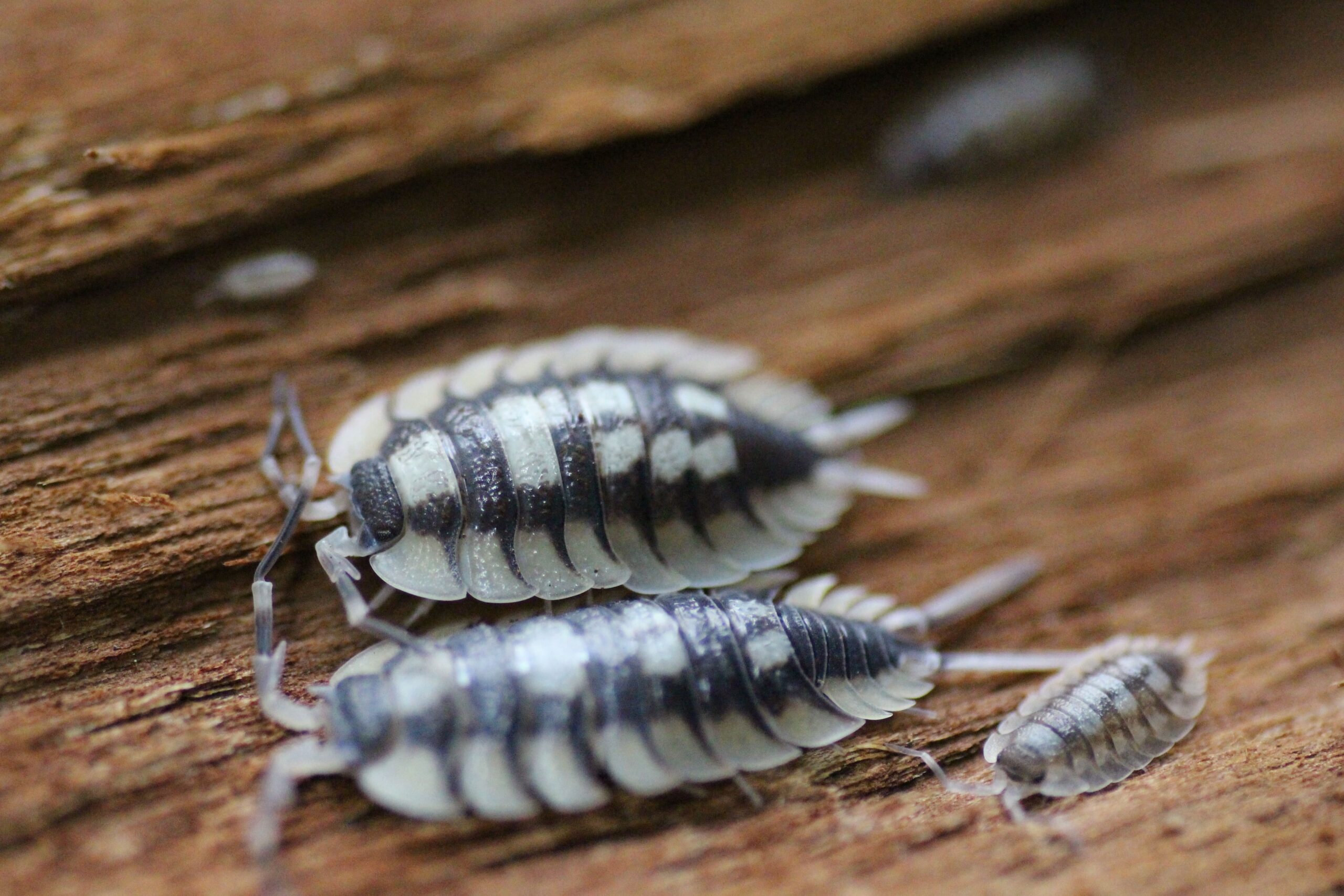
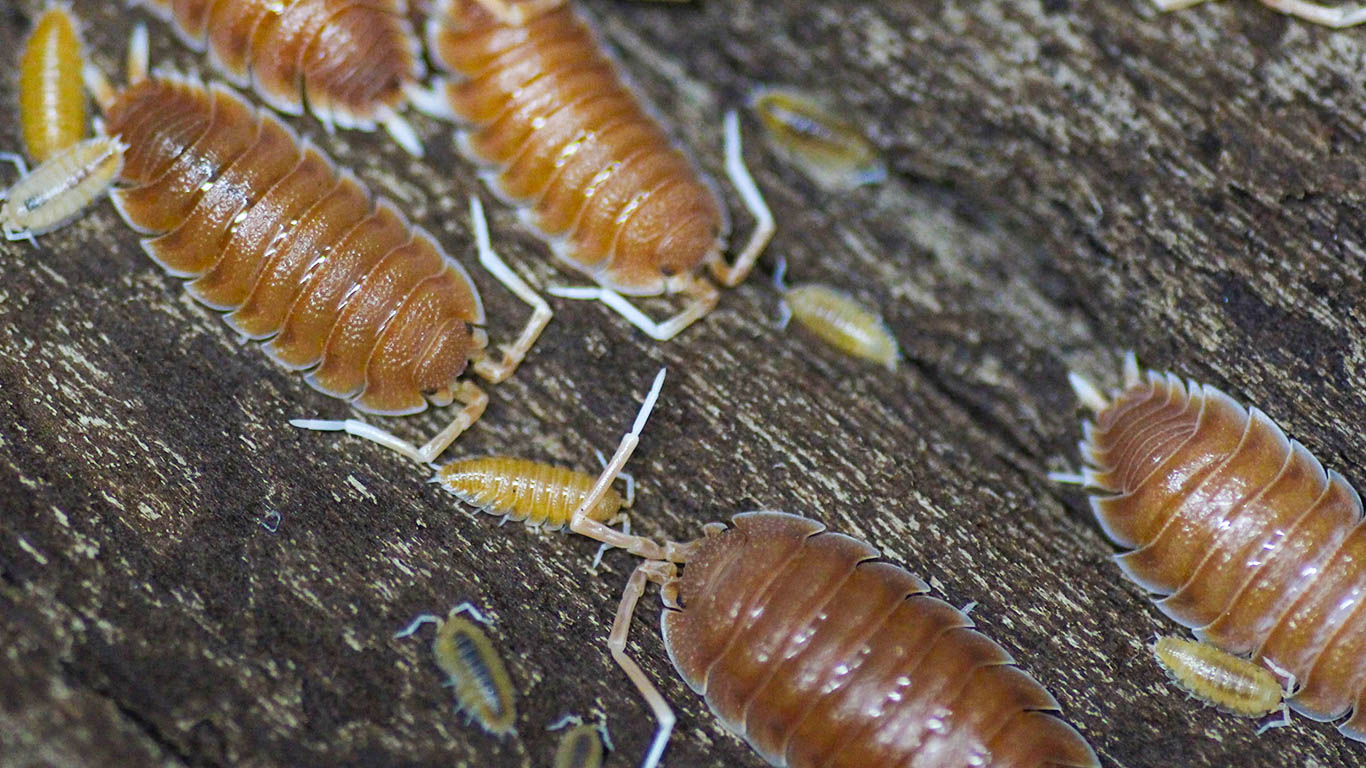
The breeding box in which we keep the Porcellio laevis “Black” is the most colorful in our entire stock. The animals are heterozygous “Milkback” and “Panda”. This means that they carry the genes of the other P. laevis color morphs and their offspring are therefore totally different. Porcellio laevis “Black” can grow up to 2.3 cm and has a development time of around 7-8 months. It is very prolific!
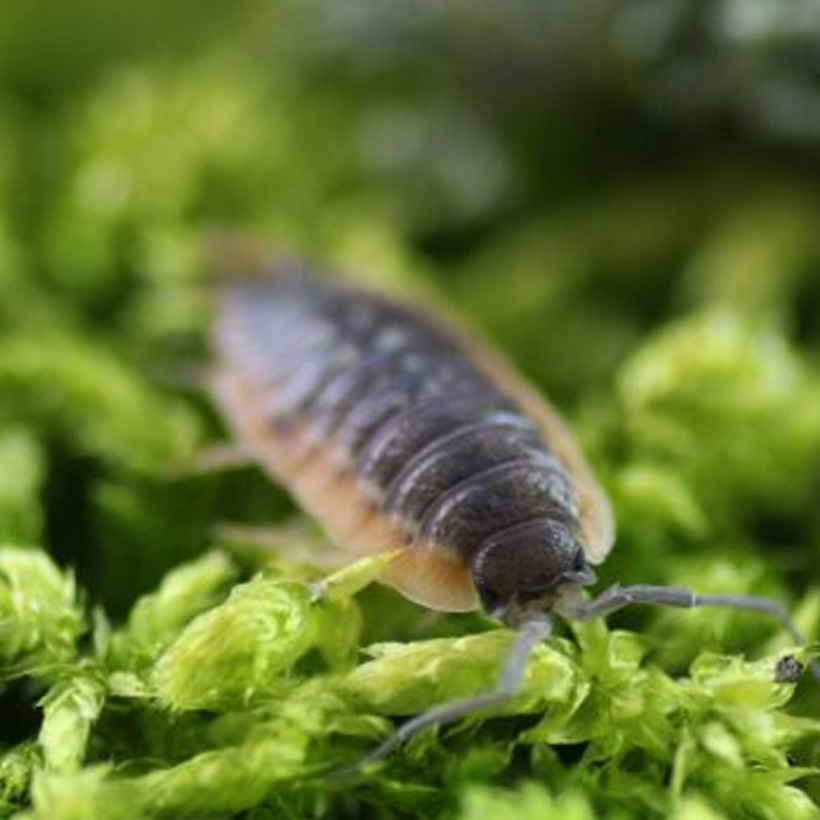
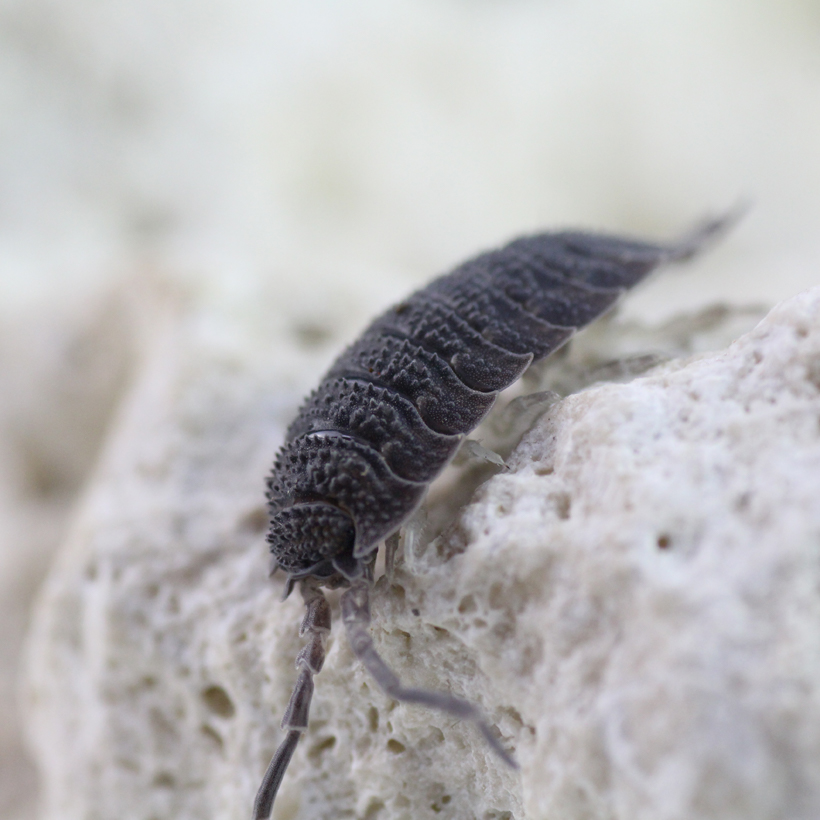
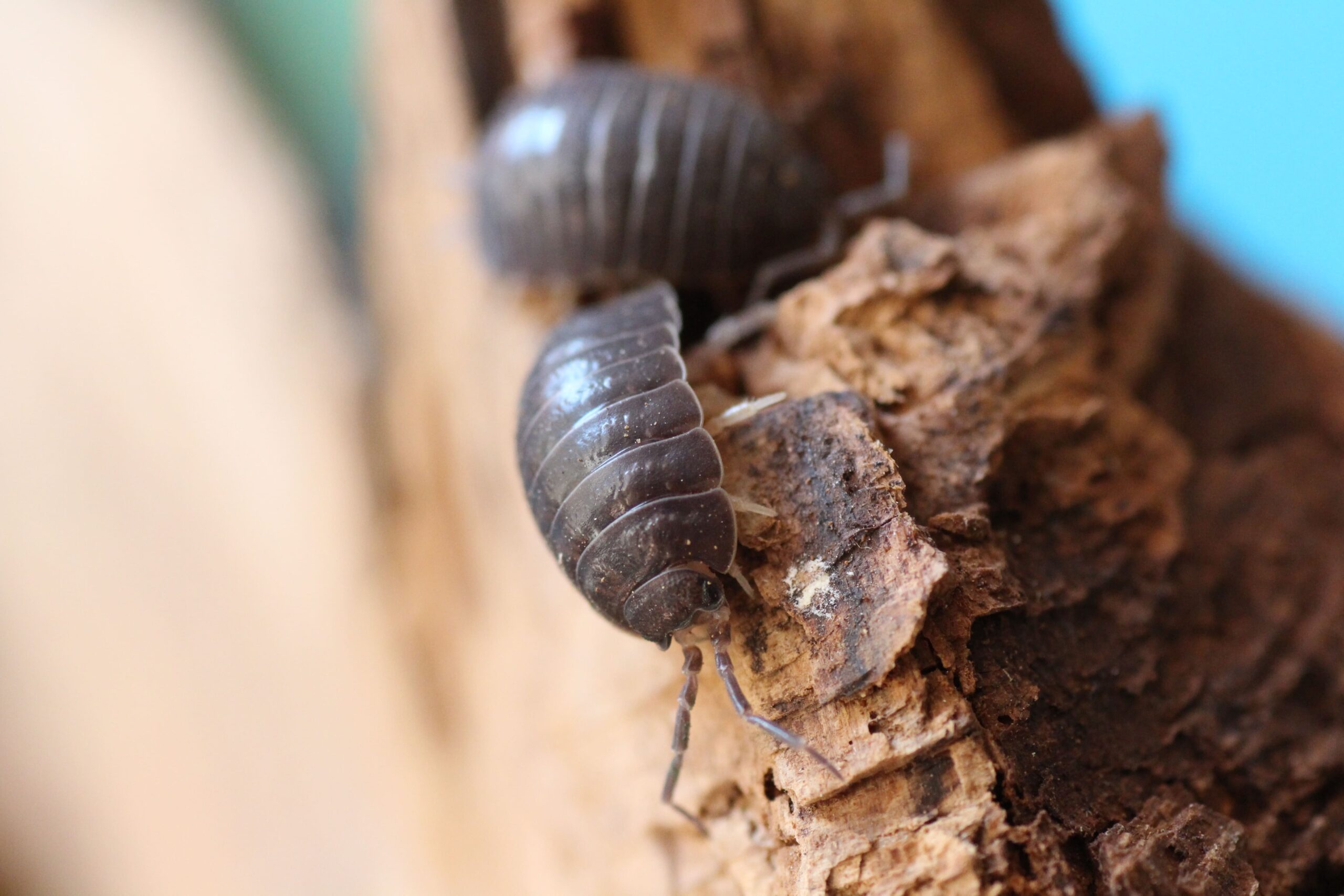
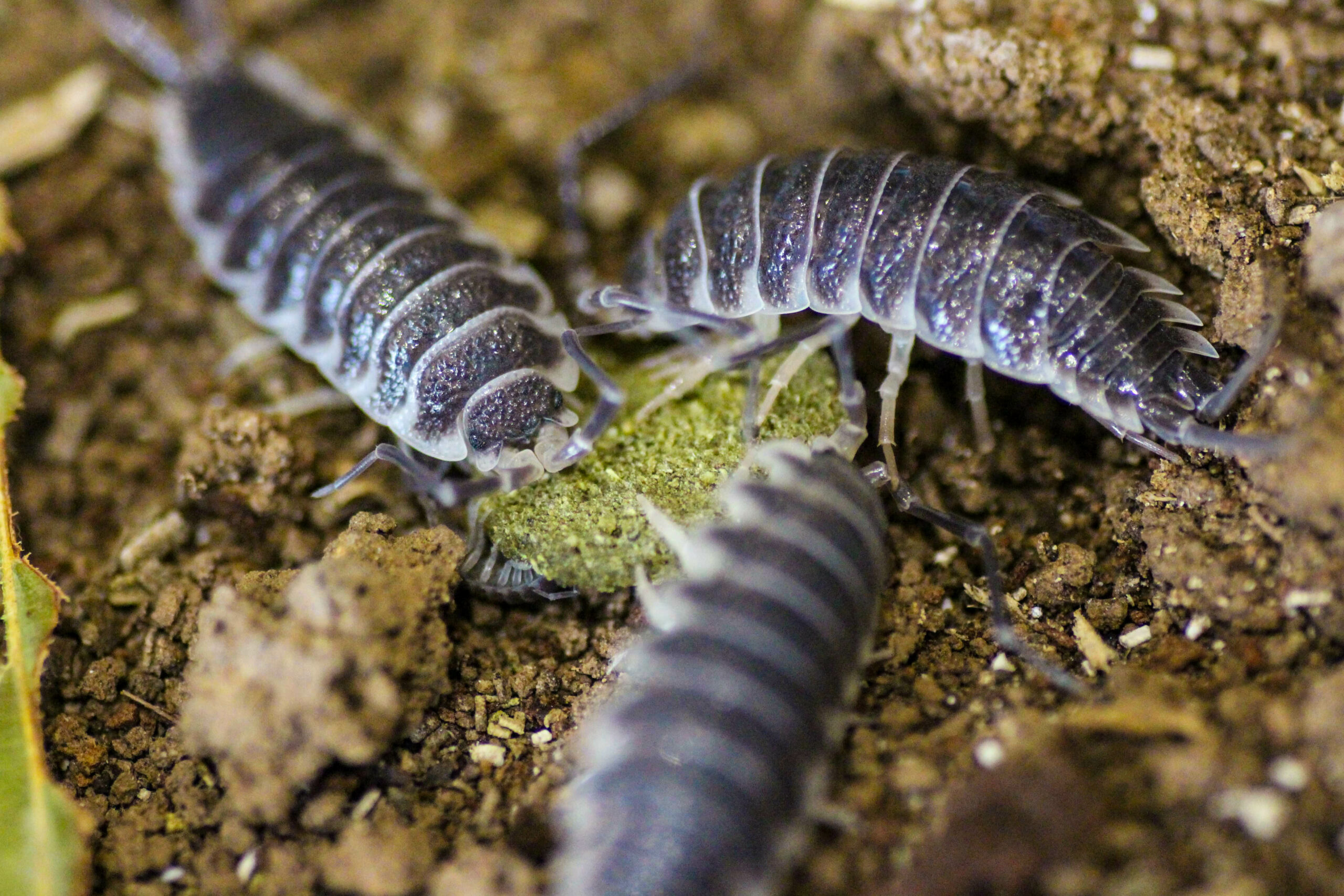
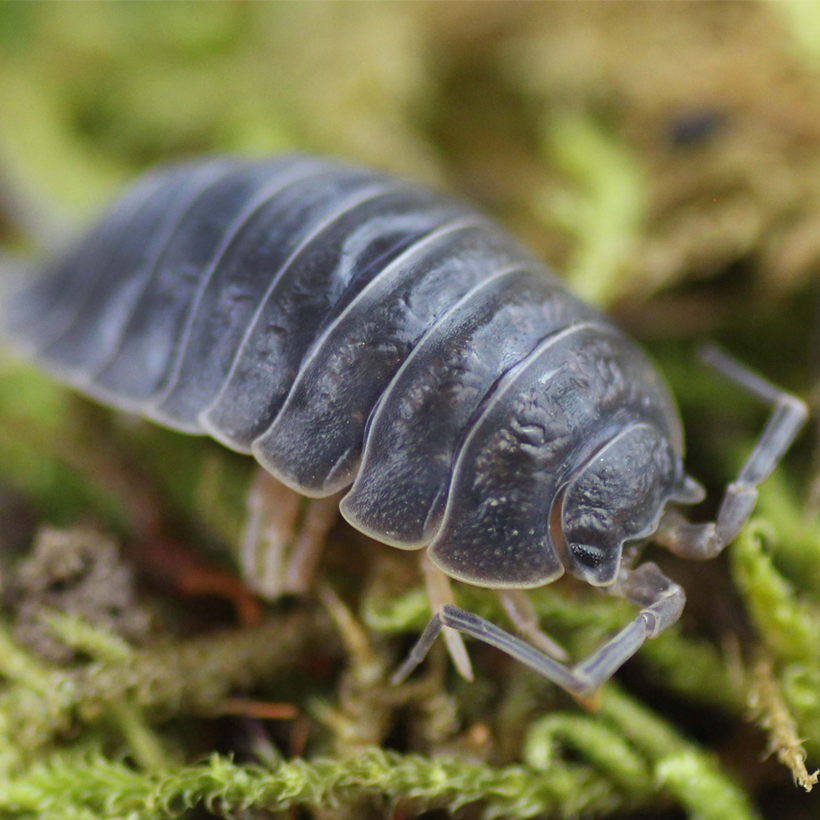
Porcellio laevis “Black” has a flat, broad body. The basic color is dark grey to black. They have gray antennae and white legs.
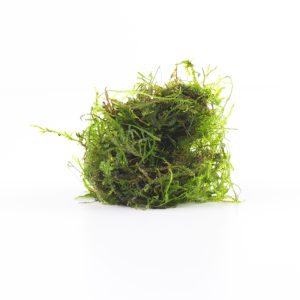
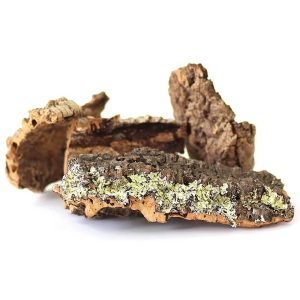
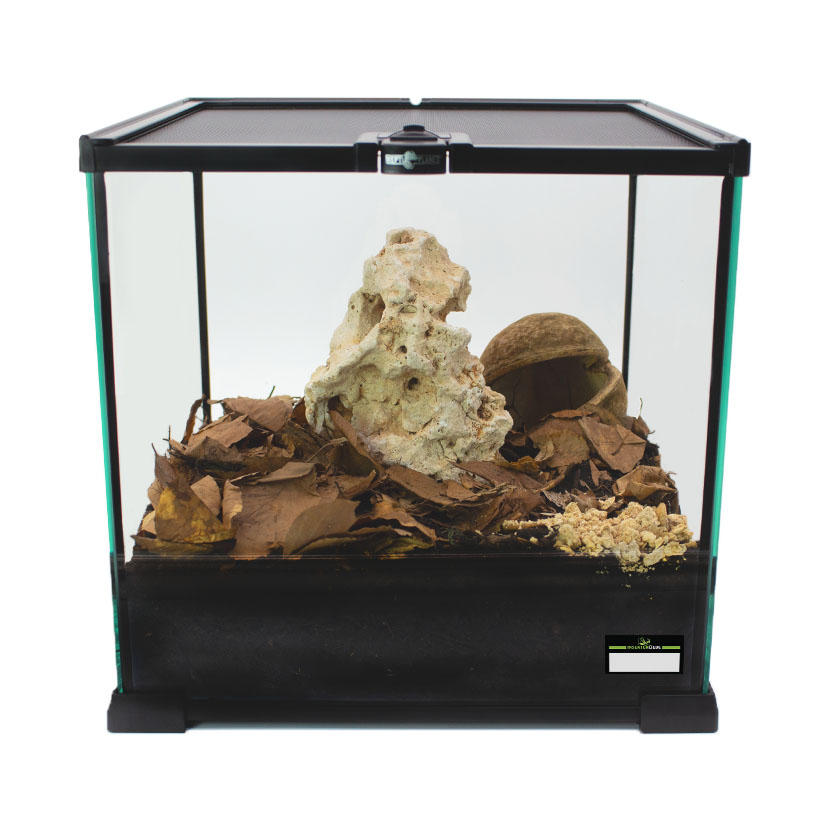
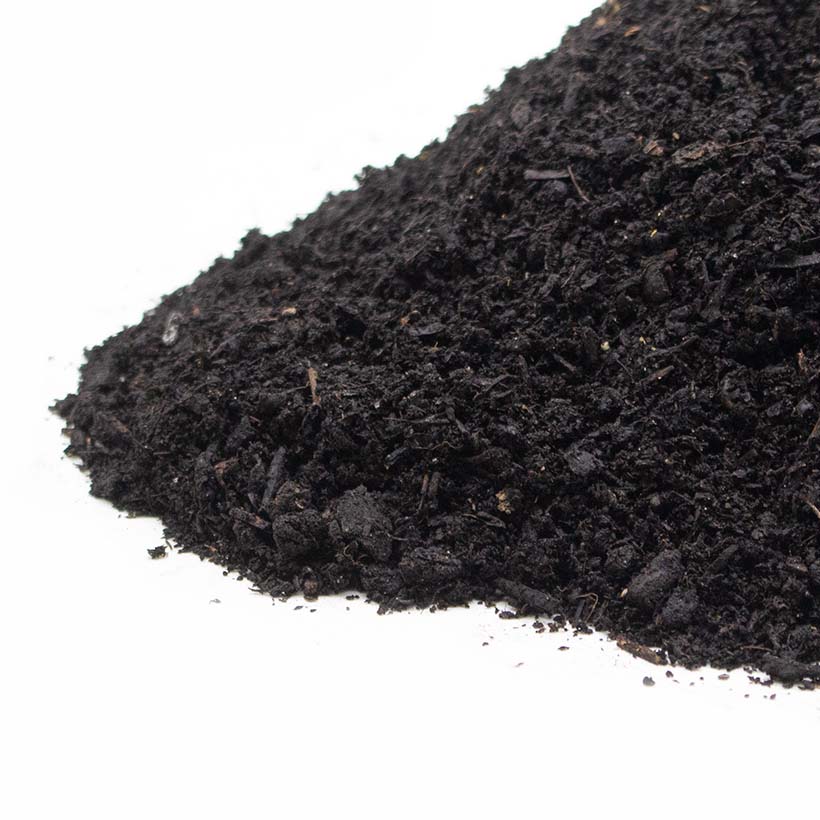
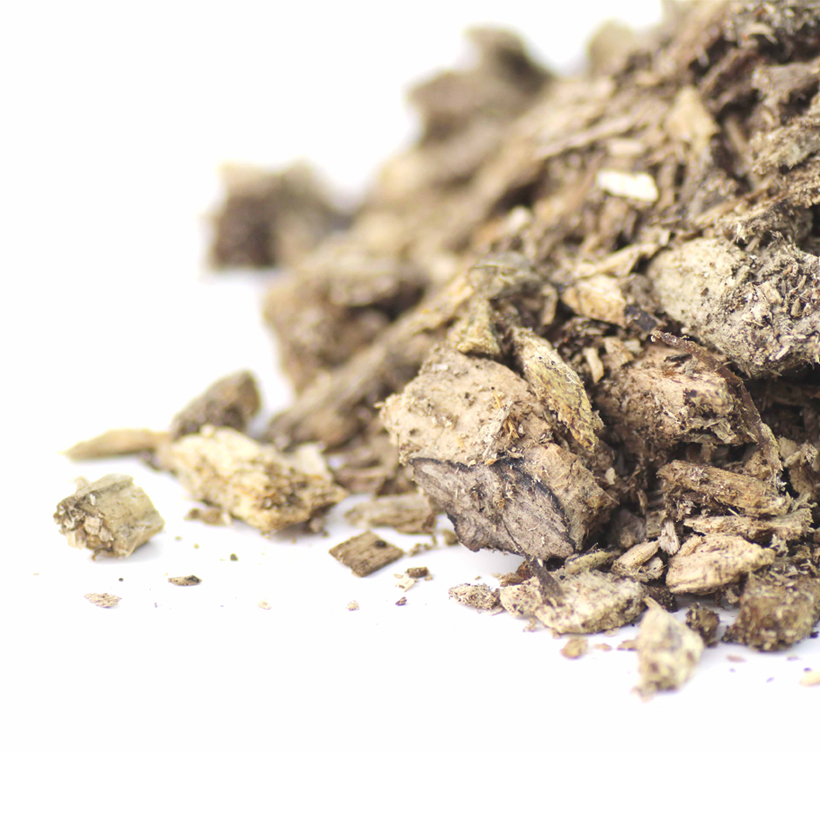
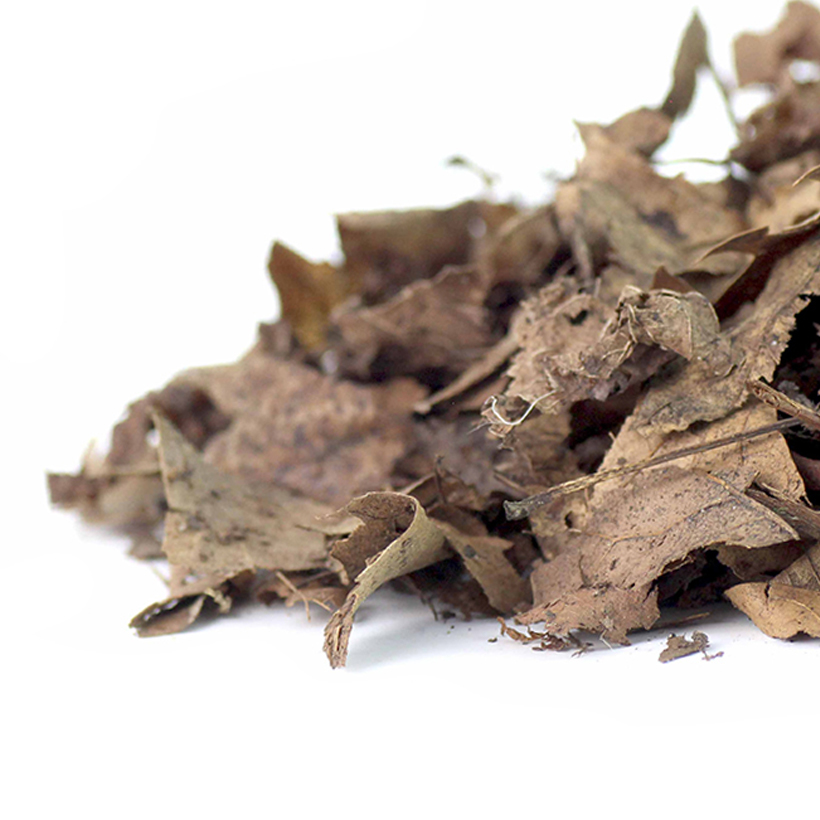
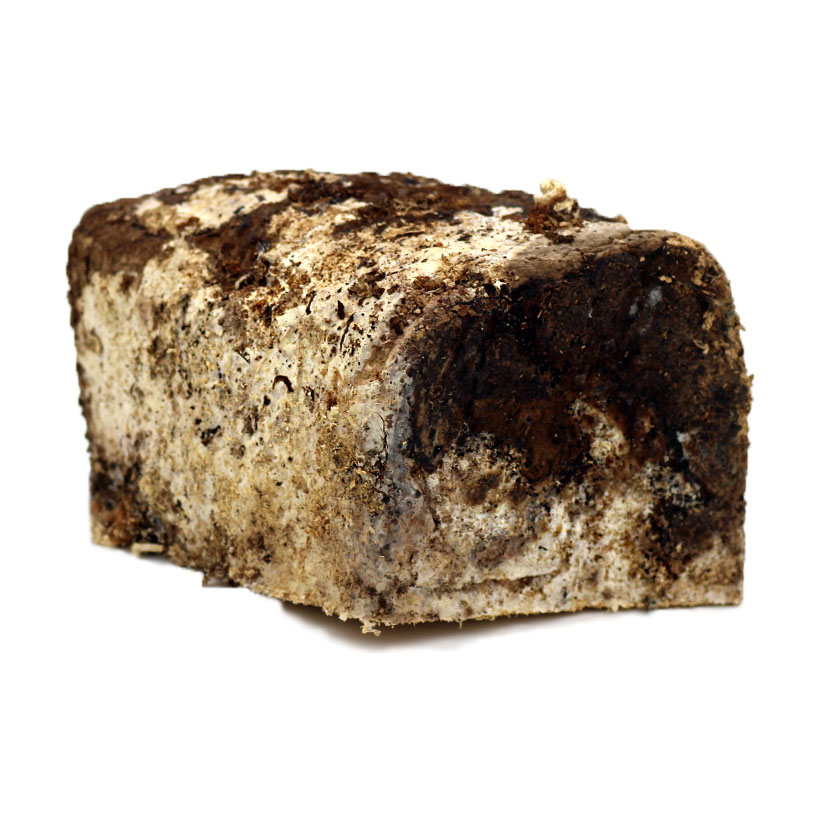
The animals live in the litter layer of deciduous forests, which is why an attempt should also be made to recreate this habitat in the terrarium. A mixture of leaves, soil, white rotten wood and lime is used as a substrate. A layer of mosses, pieces of bark and leaves is placed on top of the substrate so that the animals can find hiding places and the substrate does not dry out so quickly. The humidity in the tank should be around 50-70%, whereby care should be taken to ensure that the substrate is always moist but not wet. Porcellio laevis “Black” is a very robust isopod species and can also be kept at higher humidity levels if waterlogging is avoided. Isopods are most active at temperatures between 18 and 26°C. Porcellio laevis “Black” can generally be observed frequently, as this isopod species is active during the day. With an appropriate stocking density, you can always spot some when you look into the tank.
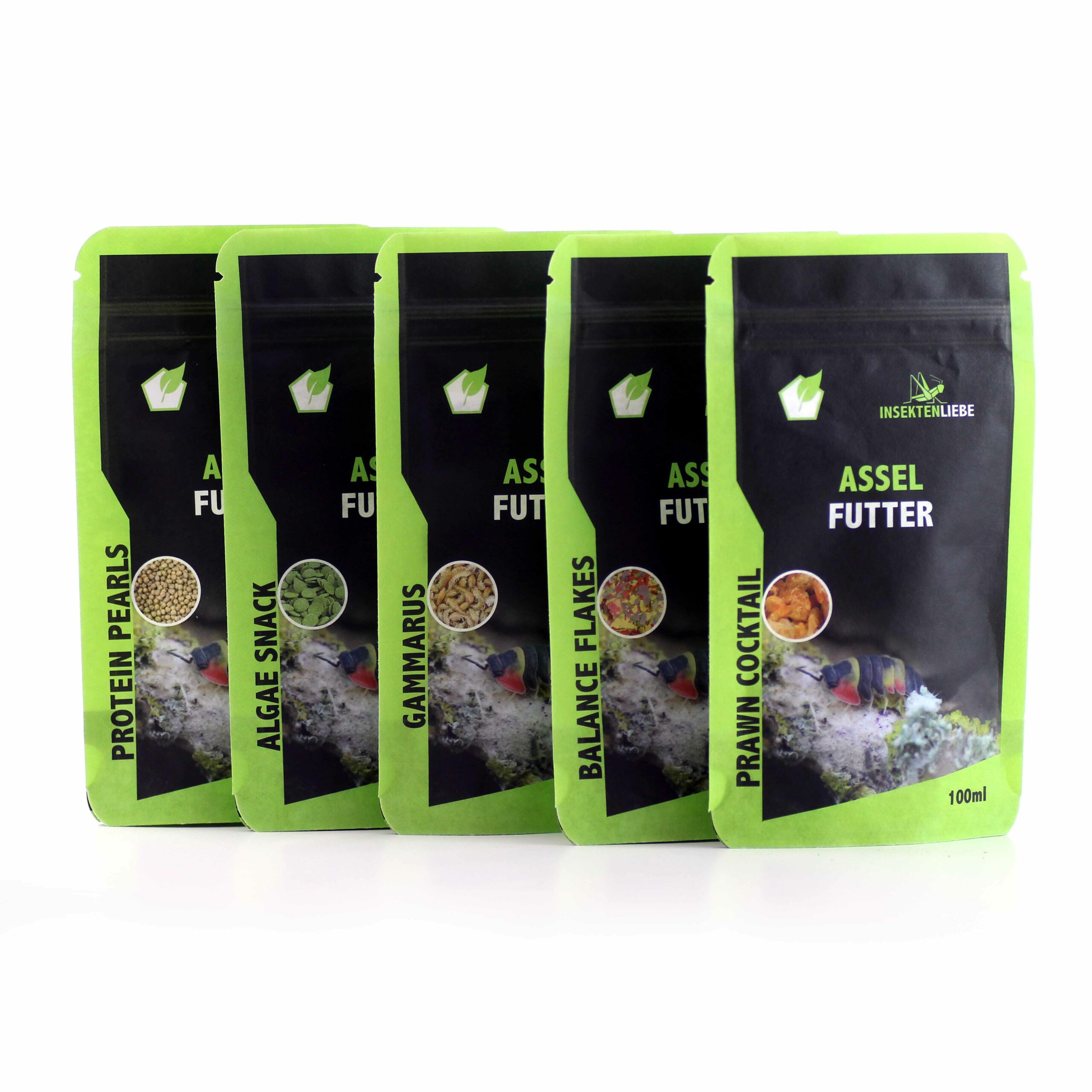
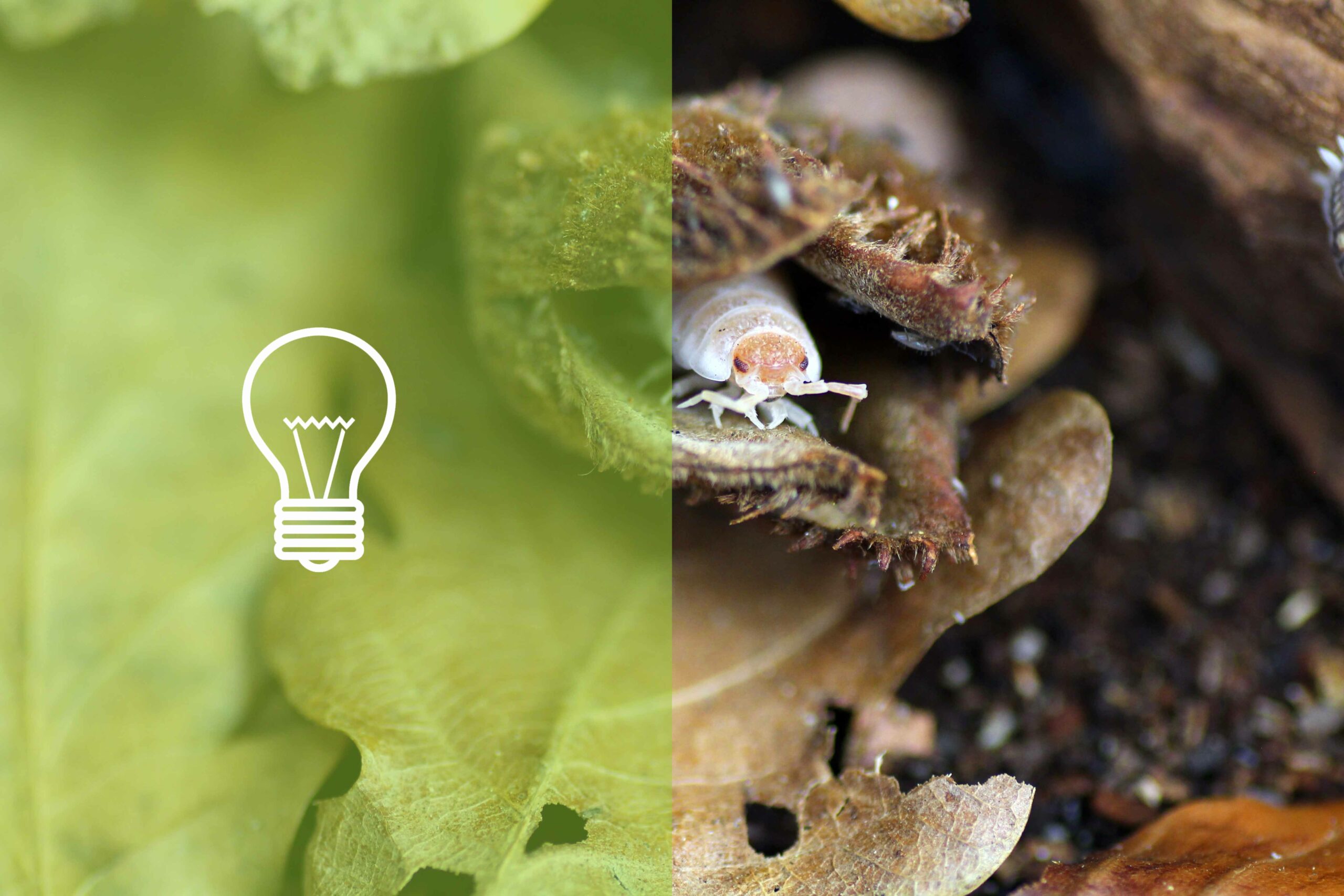
Porcellio laevis “Black” are an excellent addition to various tanks. For example, they can be safely socialized with snails, millipedes, phasmids, beetles and the like. Many people also keep them in reptile tanks as health police, as they eat leftover food and occasionally serve as food for the reptiles. Theoretically, the organic material contained in the substrate would suffice as food for the Isopods, as this is also the animals’ main food in nature. In the terrarium, however, they are also very happy to eat vegetables, flowers, fruit and isopod food.
Perfect combined with
-
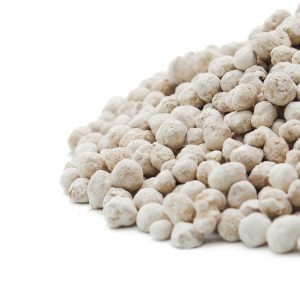
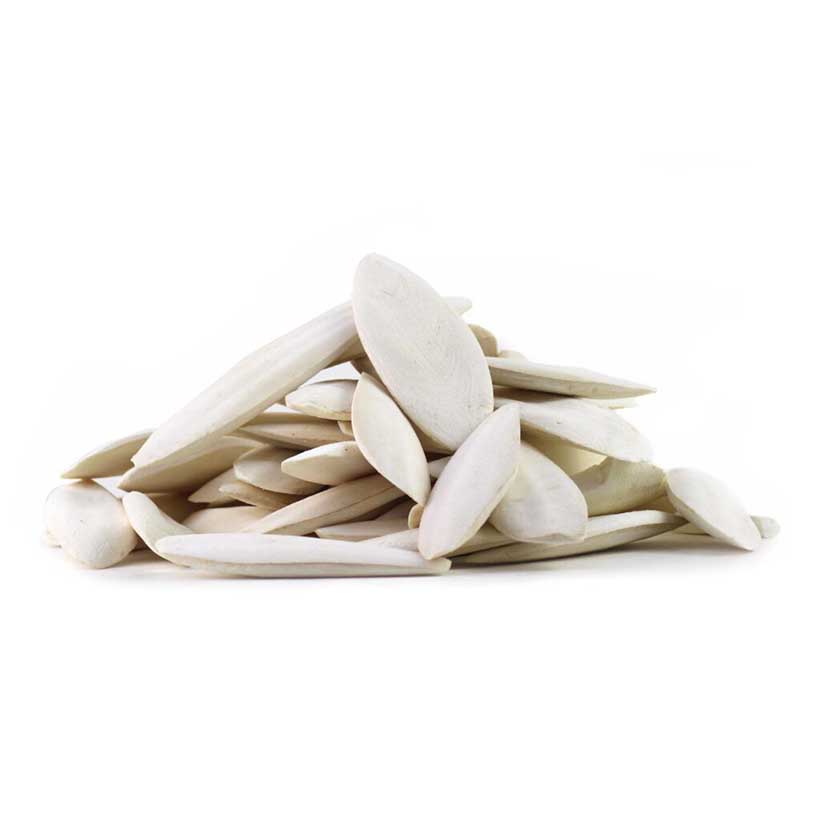
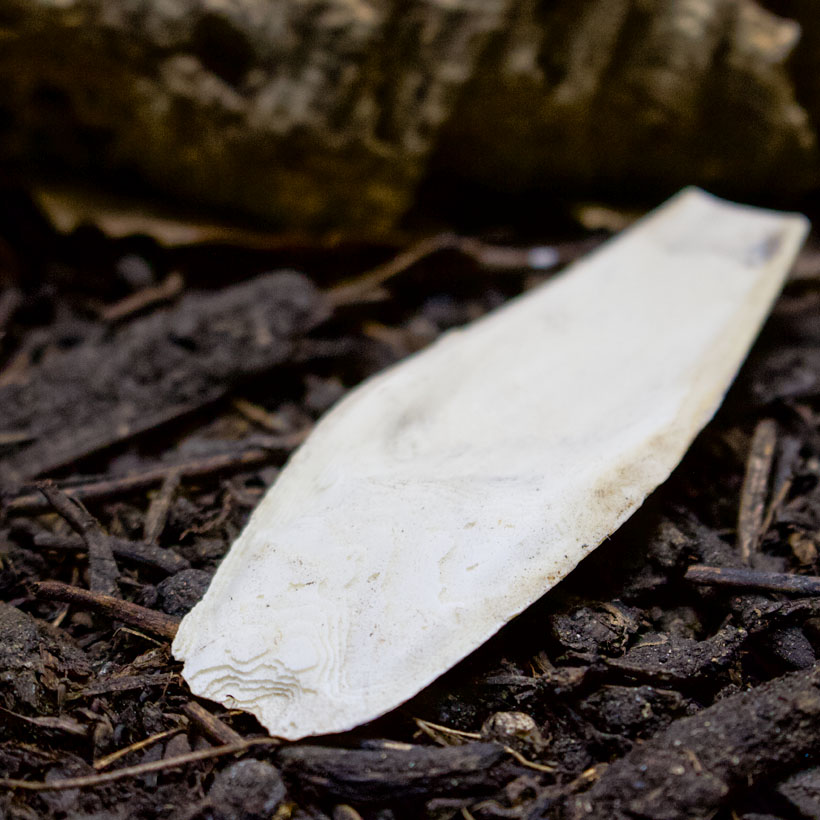
Lime granulate
Price range: 0,49 € through 3,90 € incl. VAT, plus shipping
(from 10 SU = 10% Discount, from 50 SU = 15% Discount, from 100 SU = 20% Discount)
Sales Unit: 1 unit