Millipede Substrate
14,00 € incl. VAT, plus shipping
Millipede Substrate – Substrate and Natural Food Source in One
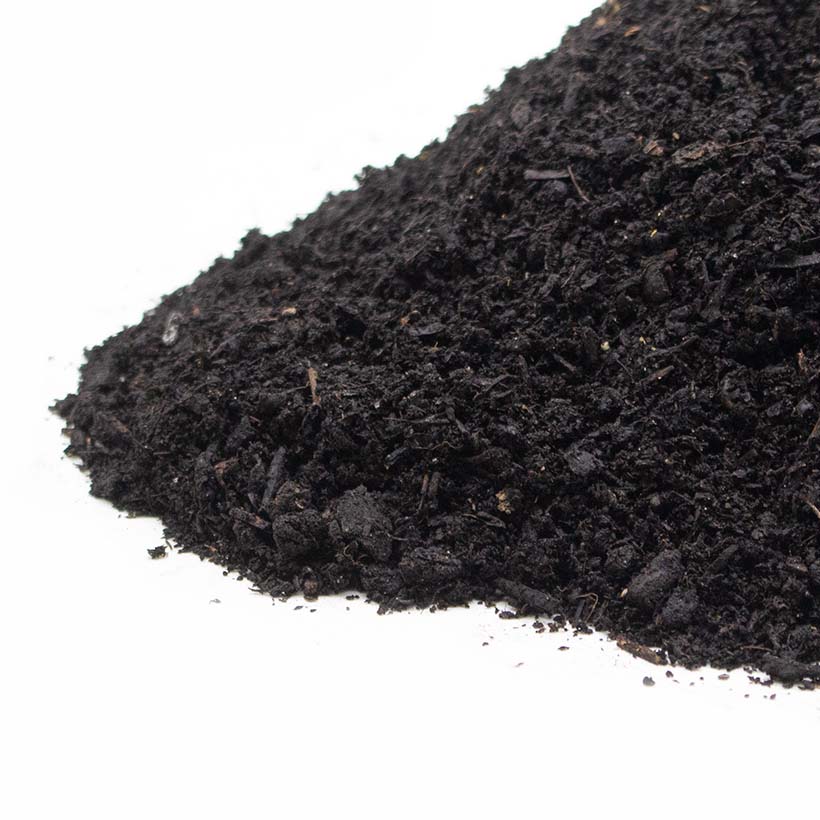
For millipedes, the substrate is much more than just the floor of their terrarium. Many species spend a large part of their lives in it, digging tunnels, retreating to molt, and consuming components of the substrate as food. That’s exactly why we’ve developed our millipede substrate specifically for these unique ground-dwelling creatures.
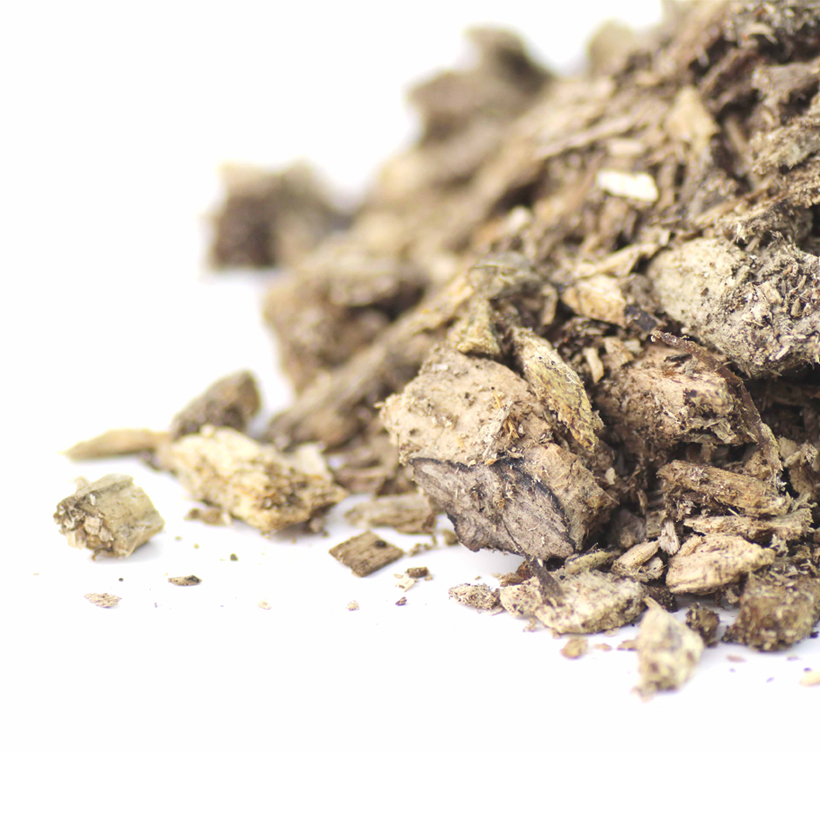
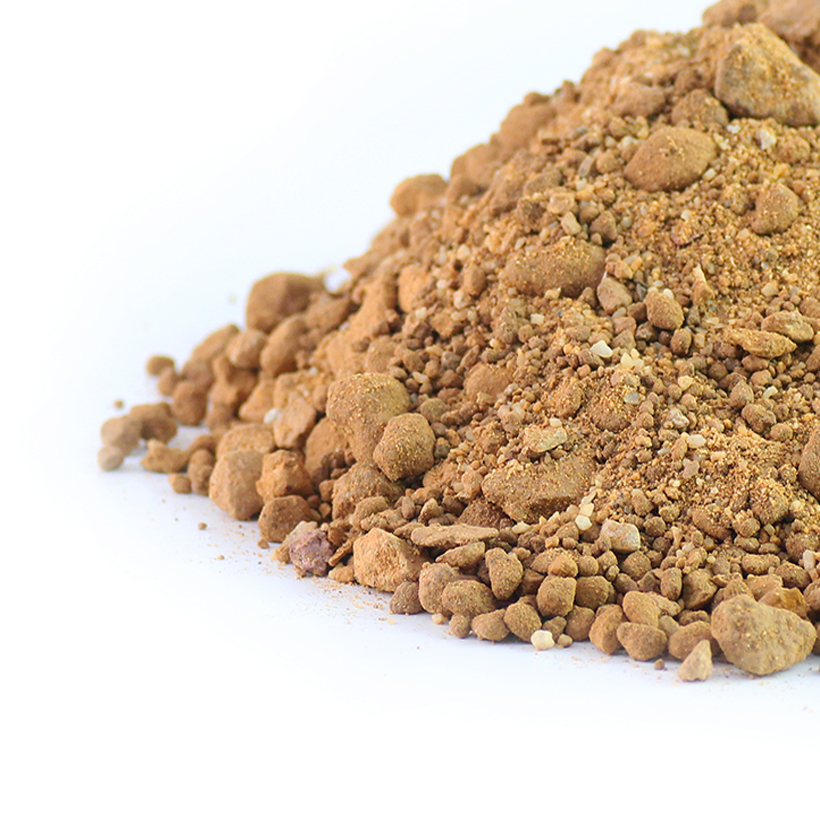
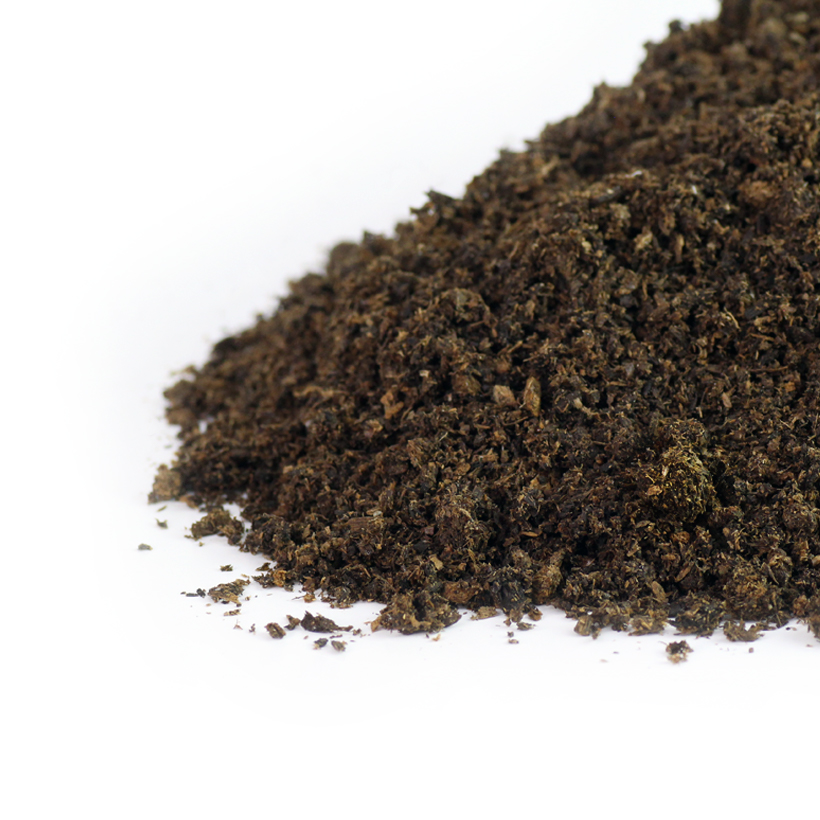
The foundation is a finely structured humus produced by the continued fermentation of our fallen leaves. White-rotted wood serves as another important food source.
This creates a loose, nutrient-rich substrate that serves as both a habitat and a food source.
More than just ordinary terrarium substrate
A millipede does not need decorative substrate, but rather a substrate that suits its natural way of life.
That is why our millipede substrate is not simply made up of regular soil. It contains organic material that the animals can further break down and utilize.
This makes a crucial difference: The substrate itself becomes an important part of the care routine.
Fermented leaves as a valuable base
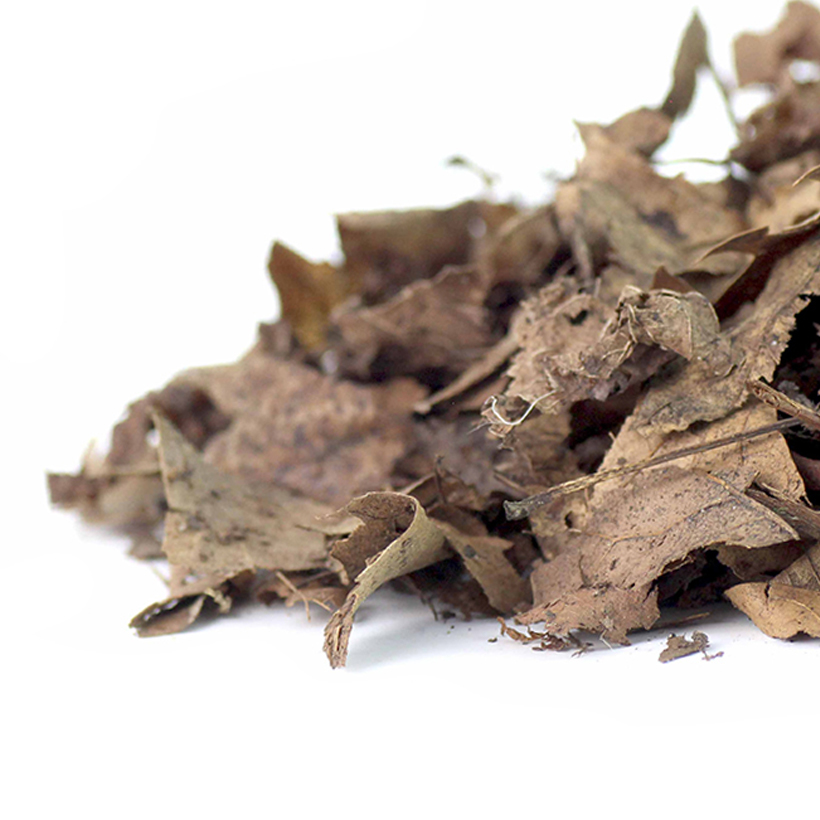
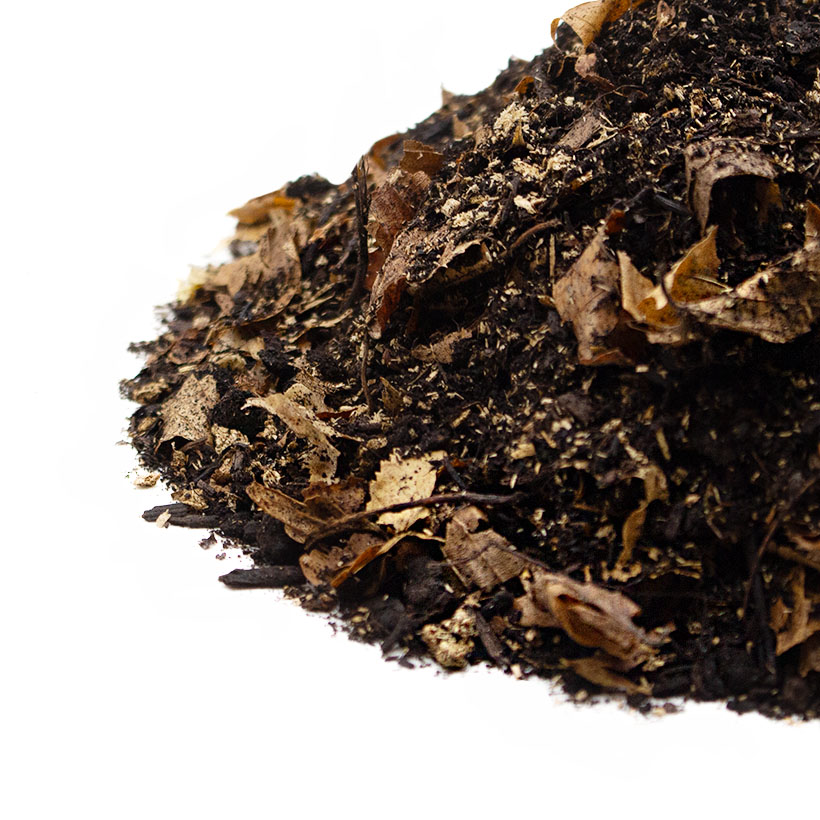
For our millipede substrate, we use further-fermented fallen leaves.
During this natural process, the solid structures of the foliage are gradually broken down. This results in fine humus made up of decomposed plant material, which can be utilized by primary decomposers such as millipedes.
As a result, the substrate contains, among other things, cellulose and other plant fibers.
So instead of simply living on the substrate, the animals can actively use it and break it down further.
With white rot
In addition to fermented leaves, our millipede substrate also contains white-rotten wood.
This highly decomposed wood is soft and can be utilized by many soil-dwelling decomposers. At the same time, it supplements the fermented leaf litter with additional natural organic material.
It is precisely this combination that makes the substrate a versatile base for a millipede terrarium.
Perfect for digging and hiding
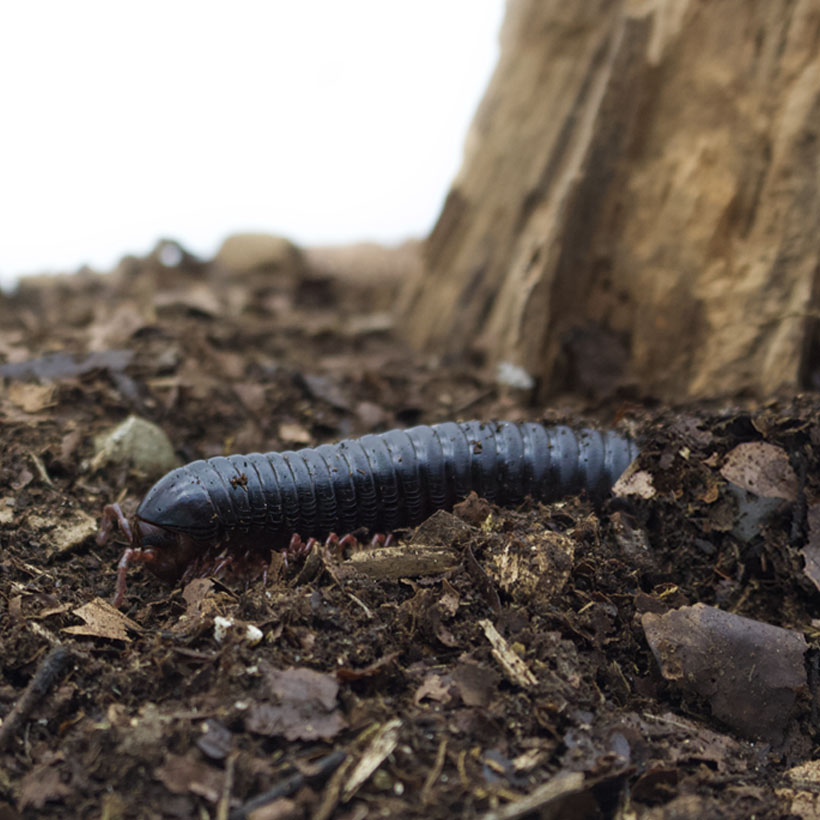
Millipedes do not live exclusively on the surface. They regularly burrow into the ground, where they create tunnels and hiding places.
That is why our millipede substrate remains loose and has a fine texture.
This allows the animals to burrow on their own and create natural hiding places. At the same time, the substrate provides protection and allows them to engage in their natural behaviors.
A sufficiently deep layer of substrate is therefore particularly important when keeping millipedes.
Especially important during molting as well
Many millipedes retreat deep into the substrate to molt. There, they need peace and quiet and a suitable, sheltered area.
That’s why you should never completely disturb the substrate unnecessarily if an animal hasn’t been seen at the surface for a long time.
If you haven’t seen a millipede for a while, it doesn’t necessarily mean it’s gone. It may have retreated deep into the millipede substrate.
Retains moisture while remaining light and airy
Many millipedes need a substrate that can retain a certain amount of moisture.
The millipede substrate absorbs water, thereby promoting a suitable microclimate within the soil. At the same time, its loose structure ensures that the millipedes can move around easily.
However, you should always adjust how moist you keep the substrate based on the specific species of millipede you’re caring for.
You should avoid prolonged waterlogging.
Do not dilute with other substrates
Our millipede substrate is already tailored to the animals’ needs. Therefore, we recommend not mixing it with other substrates.
For example, by using coconut co-compost or other low-nutrient fillers, you would reduce the proportion of usable organic material.
Especially when it comes to millipedes, as much of the existing substrate as possible should actually be beneficial to the animals.
In this way, the substrate serves as both a habitat and a natural food source.
Also of interest to isopods
It’s not just millipedes that benefit from decomposed leaves and wood affected by white rot.
The millipede substrate also provides an ideal environment for many species of woodlice. The animals can hide in it while also finding organic material they can use as food.
This makes the substrate particularly suitable for natural-style setups for ground-dwelling organisms and decomposers.
When does the substrate need to be replaced?
Since the millipede substrate also serves as a food source, your animals will consume it over time.
That’s perfectly normal and even desirable.
Over time, however, the structure changes. When there is hardly any usable material left and the substrate consists increasingly of feces, you should replace the used substrate with fresh substrate.
This is how you can ensure that your animals continue to have access to plenty of suitable materials.
Advantages at a glance
- Specially designed for millipedes
- Both substrate and a natural food source
- From further-fermented autumn leaves
- With white rot
- Contains natural plant-based ingredients
- Rich in cellulose and plant fibers
- Loose and easy to dig into
- Enables natural pathways and resting areas
- Retains moisture
- Promotes a suitable microclimate in the substrate
- Also suitable for many Isopods
- Should not be mixed with other substrates
- Used material can be replaced with fresh substrate on a regular basis
Suitable accessories for your setup
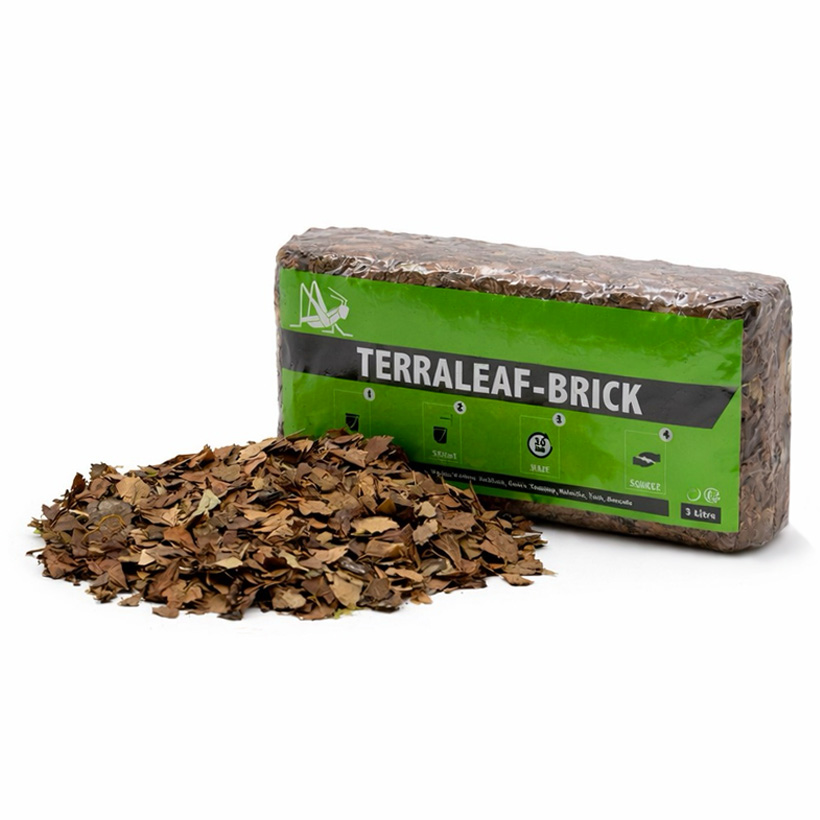
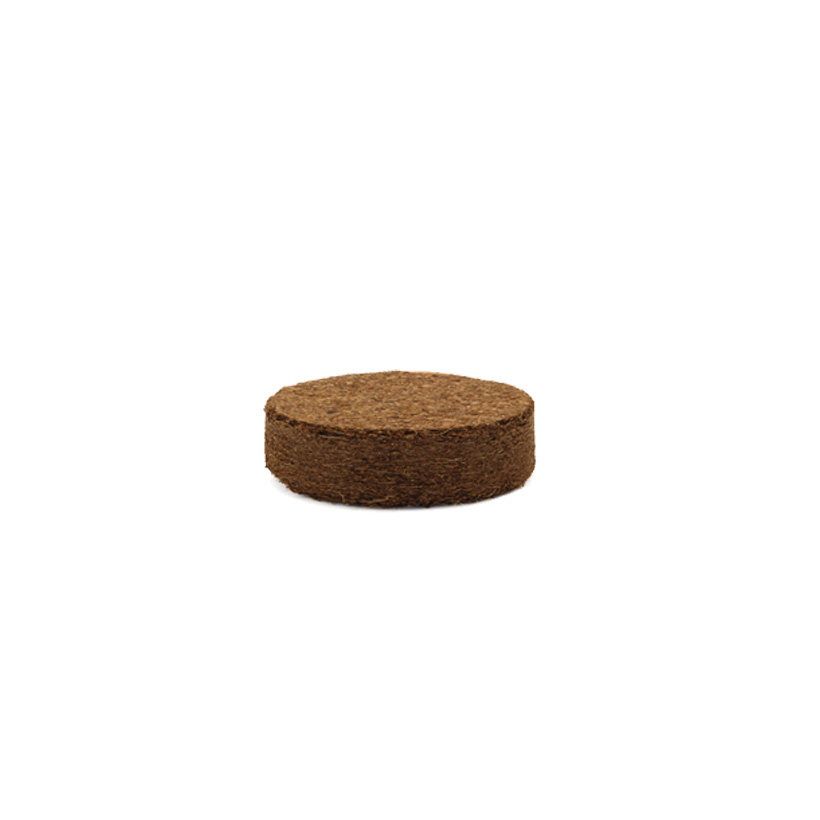
Insektenliebe Terraleaf-Brick – adds a layer of natural leaves to the millipede substrate and also serves as an additional food source.
White-rot wood —provides additional highly decomposed wood and can be regularly incorporated as an important part of the diet.
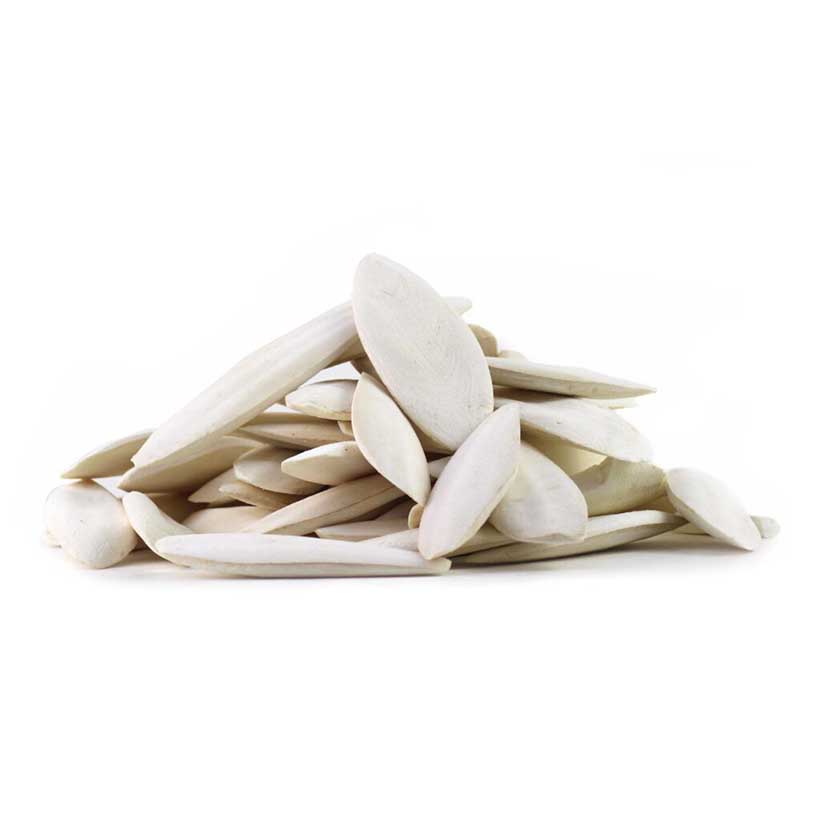
Cuttlefish bones —provide an additional source of calcium and can be left in the terrarium on a permanent basis.
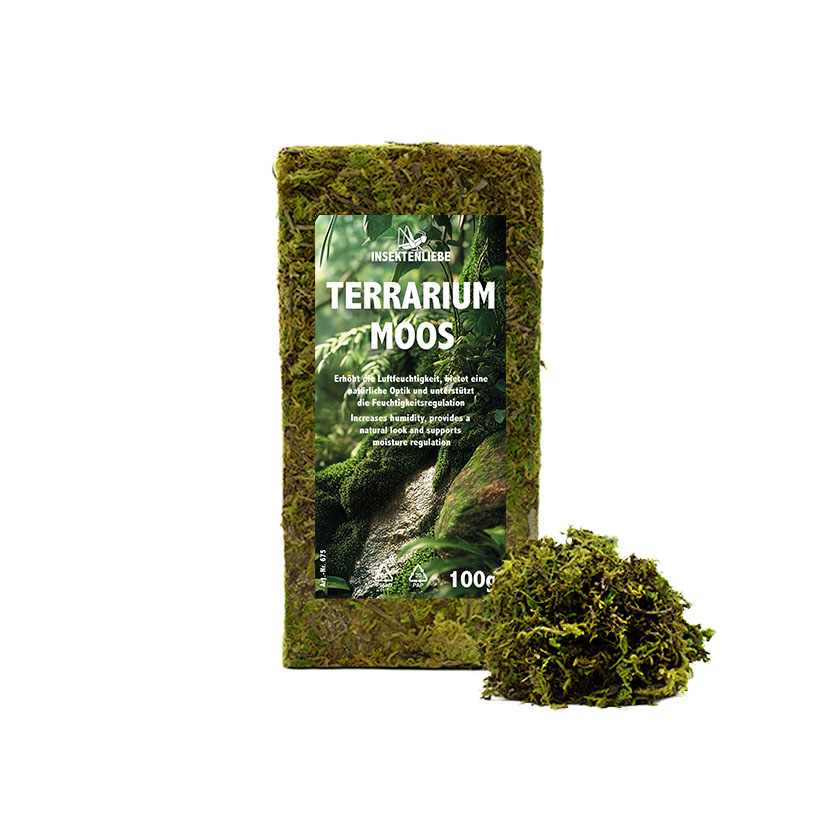
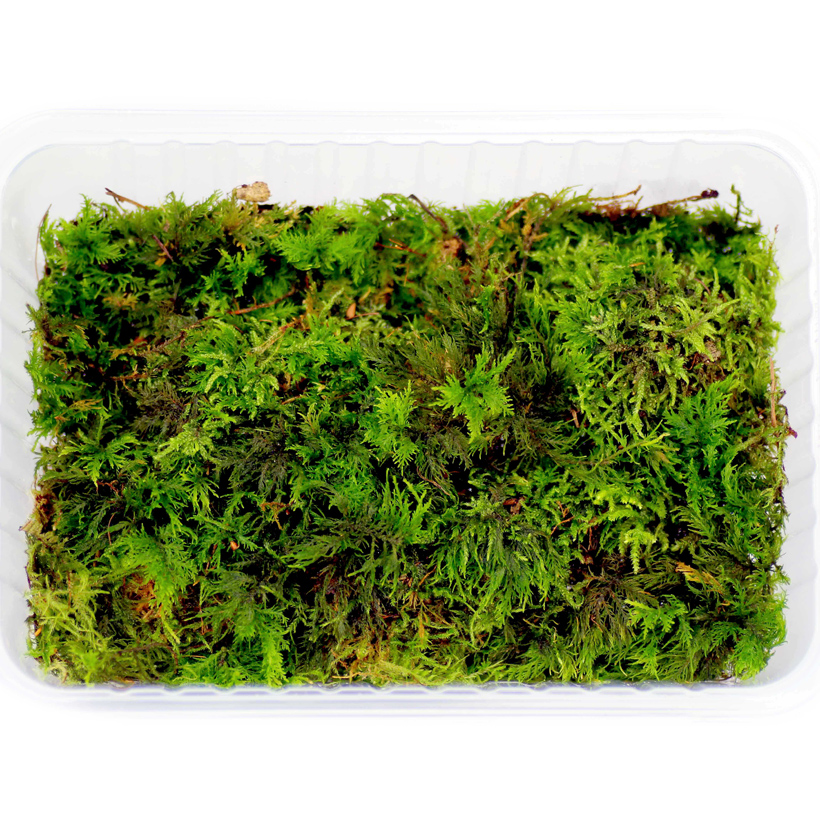
Insektenliebe Terrarium Moss – ideal for creating specific moist areas while also providing natural hiding spots.
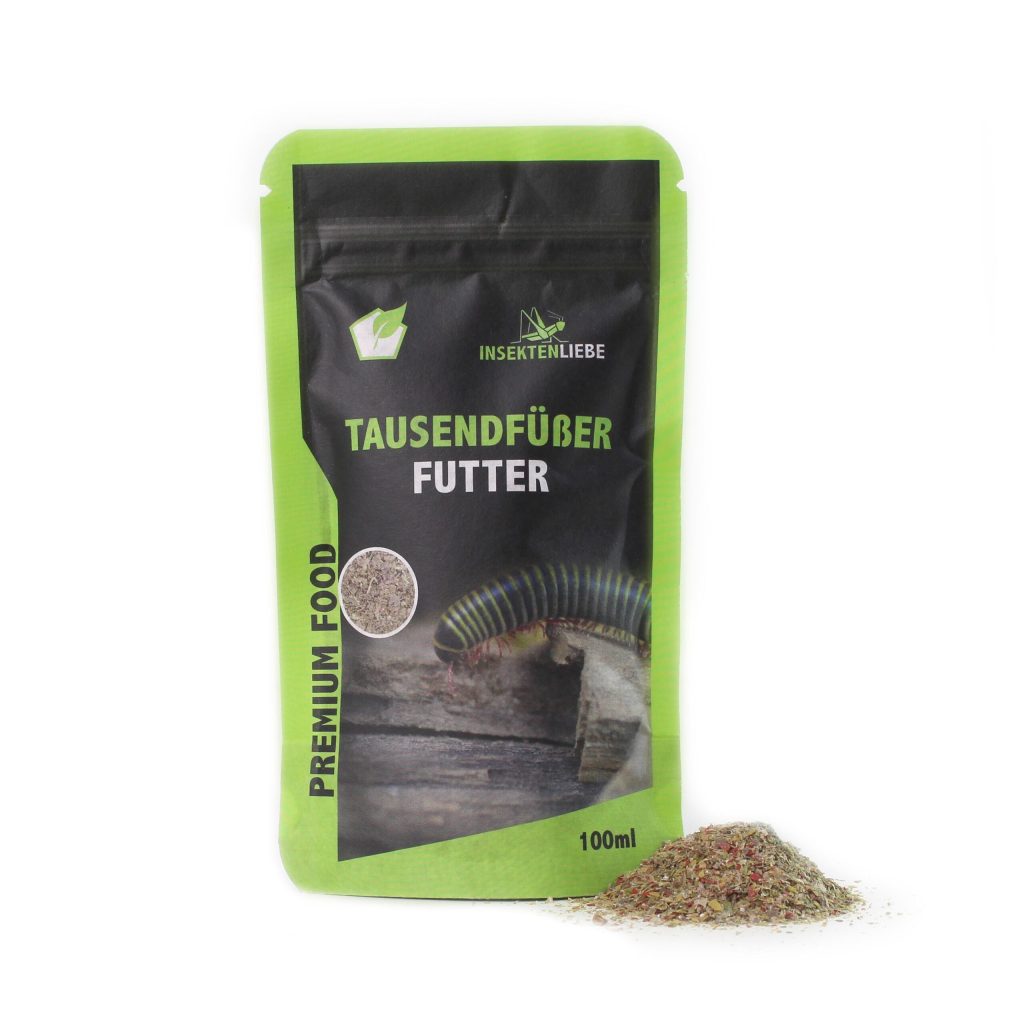
Millipede food —provides variety in addition to the natural substrate and is also suitable for many other soil-dwelling decomposers.
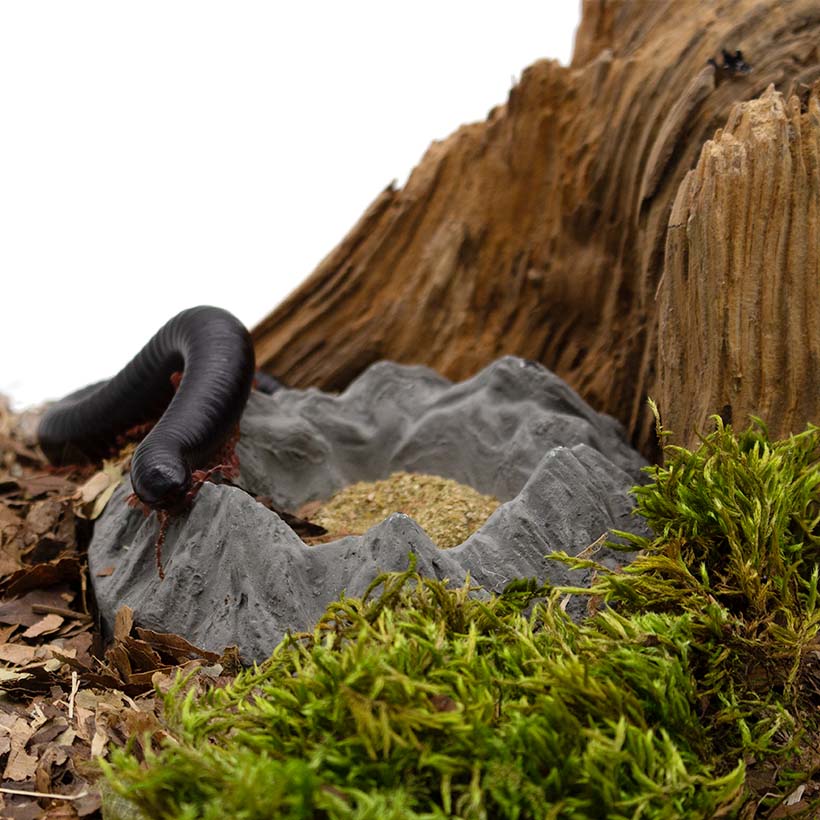
Insektenliebe Futterfels – provides a sturdy and natural feeding station where you can offer supplemental food in a clean way without scattering it directly onto the substrate.
Conclusion
The millipede substrate is not just soil for the terrarium. It combines habitat, shelter, and a natural food source.
Further-fermented fallen leaves provide decomposed plant material, while white-rotten wood rounds out the mixture. At the same time, the substrate remains loose enough for your millipedes to dig, create tunnels, and retreat completely.
Since the animals gradually break down the substrate, it changes over time. That is precisely part of its function. Once the usable material has been largely depleted, you should replenish or replace the millipede substrate, thereby providing your animals with a fresh, natural base again.
Perfect combined with
-
Insektenliebe Terrarium Moss
Price range: 4,99 € through 16,99 € incl. VAT, plus shipping -
Insektenliebe Terraleaf Brick
Original price was: 8,99 €.6,99 €Current price is: 6,99 €. incl. VAT, plus shipping