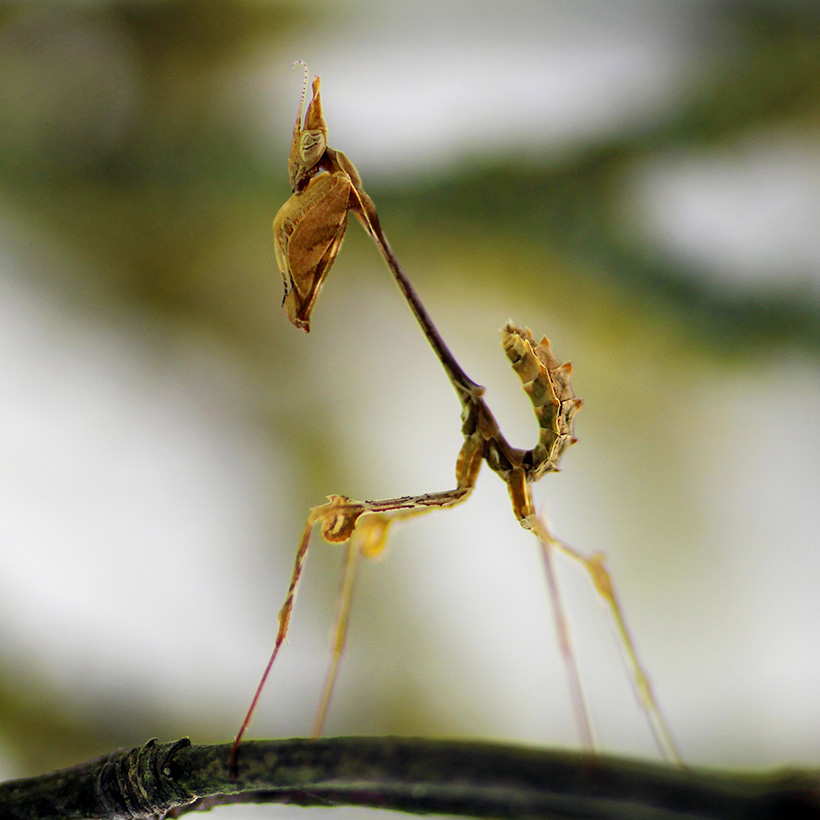
Pseudacanthops lobipes
28,00 € incl. VAT, plus shipping

Medium

Peru

< 40 mm

25°C – 28°C
Pseudacanthops lobipes – The Master of Bark Camouflage
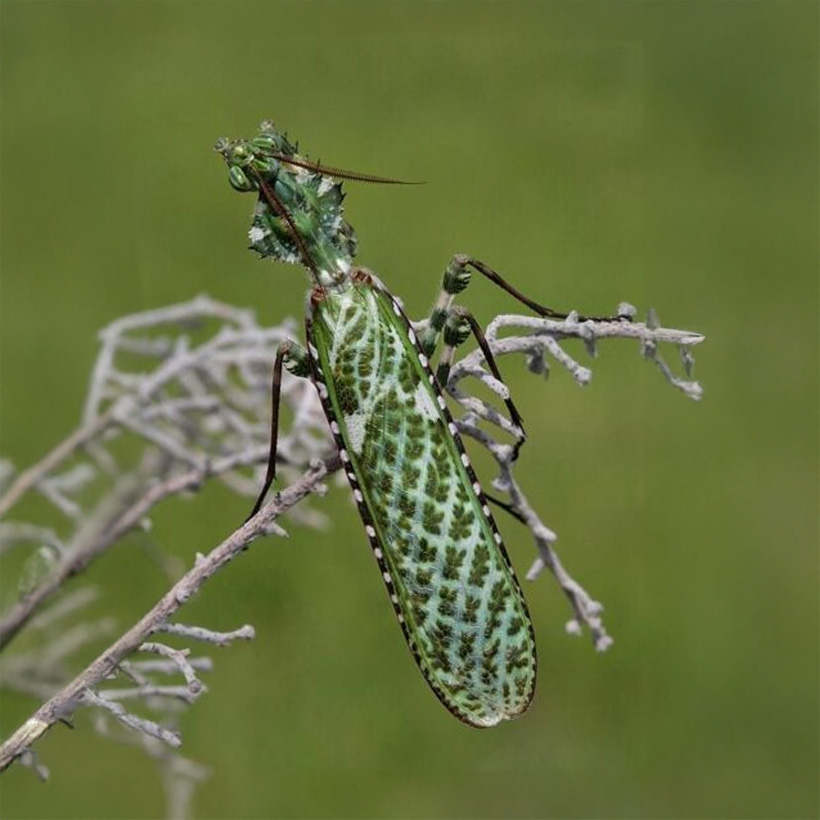
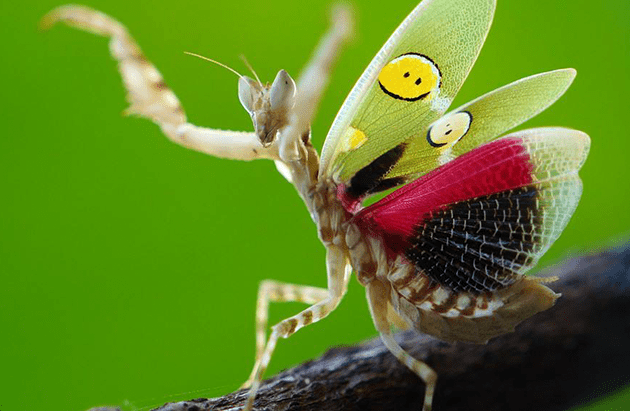
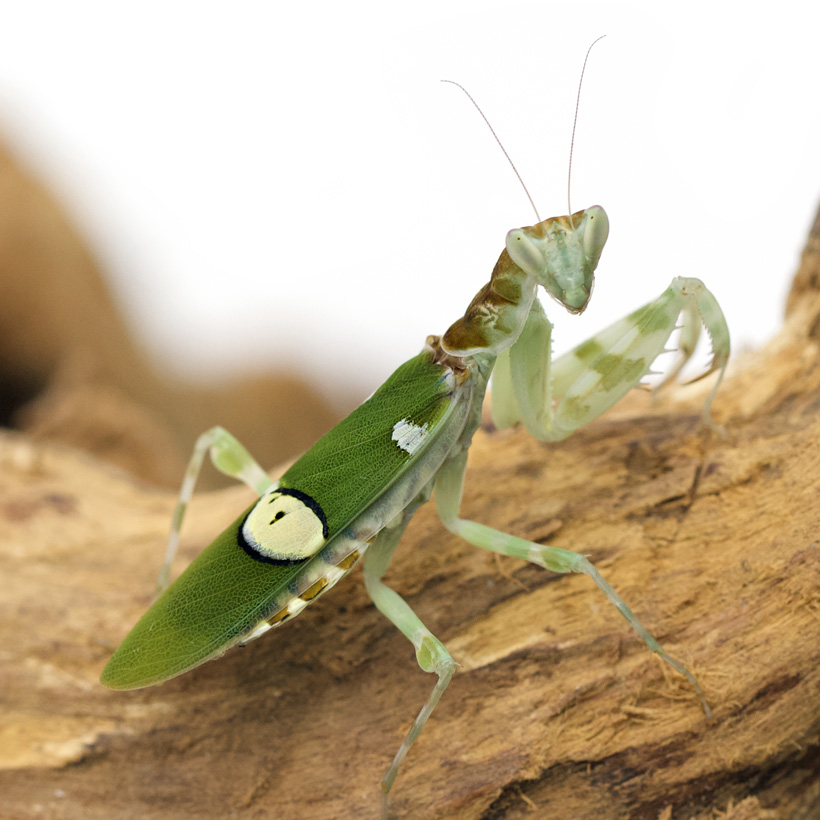
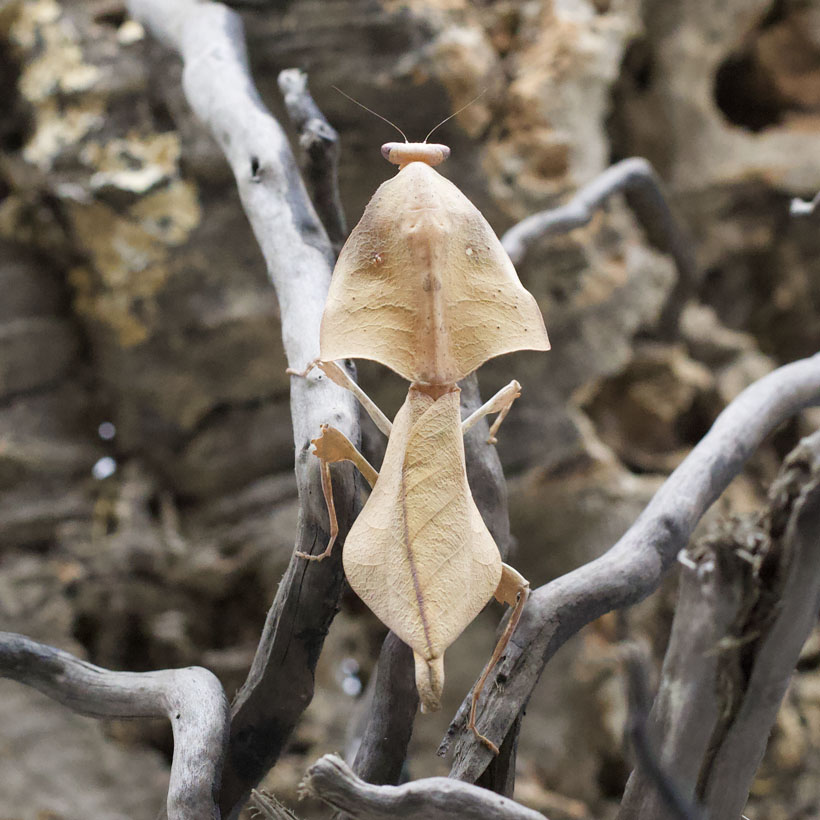
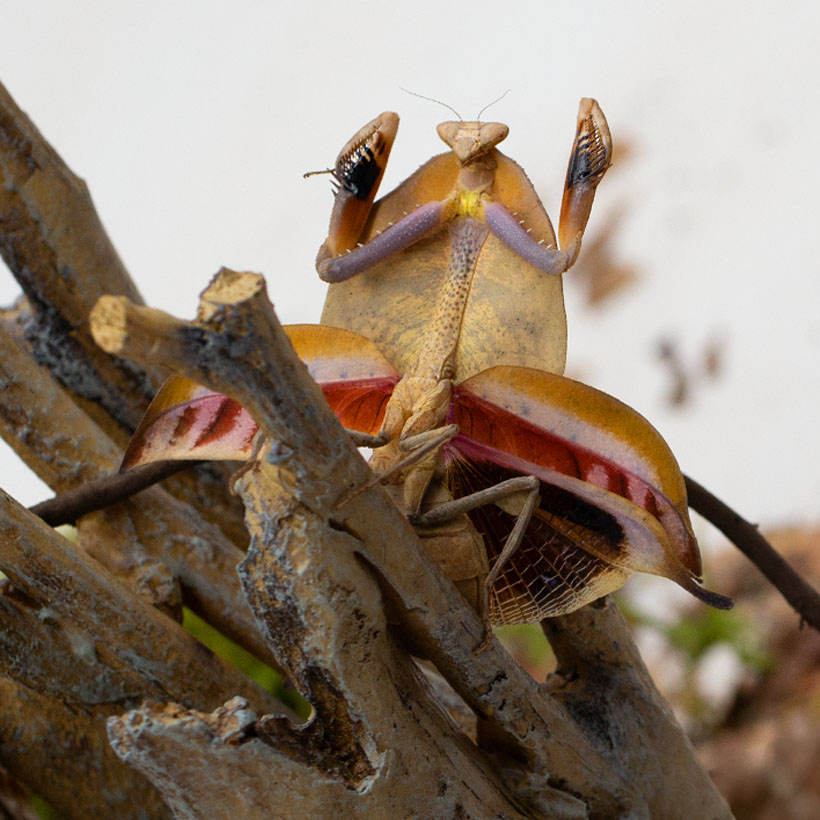
Is it a piece of old tree bark, or is it actually a praying mantis? With Pseudacanthops lobipes, you sometimes have to look very closely. That’s because its body looks as if it were made of dark wood, small lichens, and dry leaves. Even from a short distance, this extraordinary mantis is barely recognizable among the twigs.
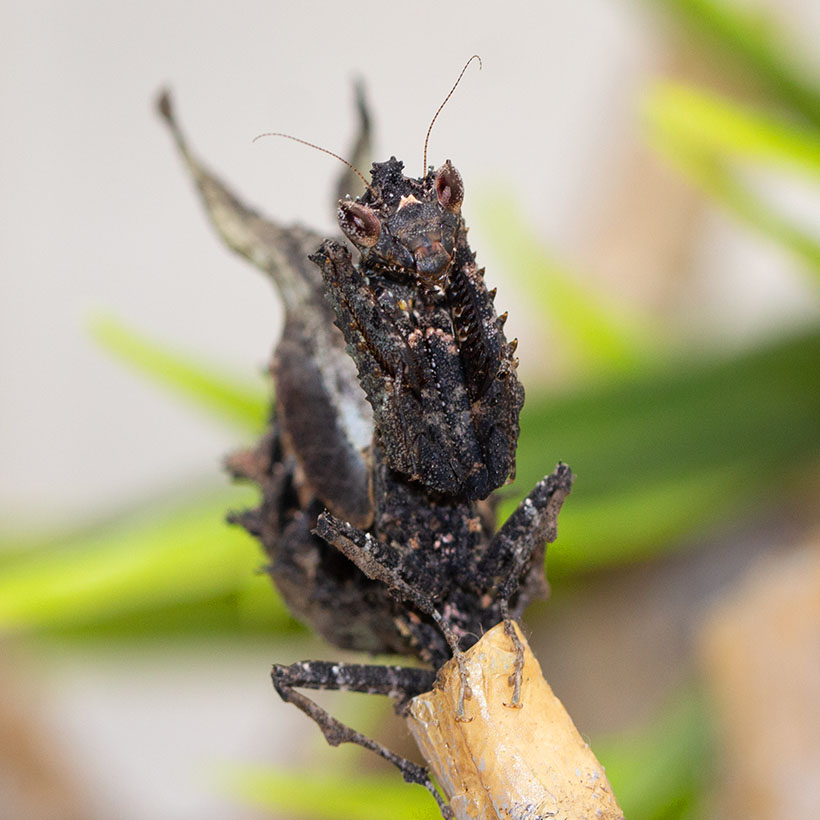
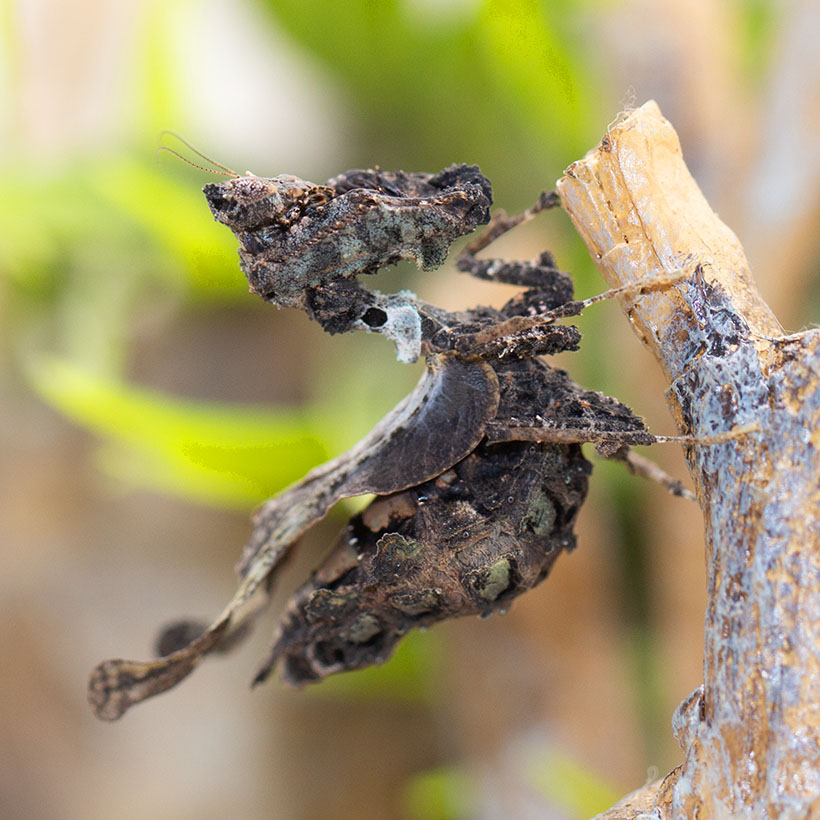
Its dark brown, gray, and black hues blend perfectly with old bark. It also has many small protrusions that break up its body shape. As a result, it doesn’t look like an insect, but rather like a part of its surroundings.
Her behavior is particularly fascinating. Although she often sits still for long periods, she observes her surroundings very closely. As soon as a fly approaches, she snaps her tentacles at it with lightning speed.
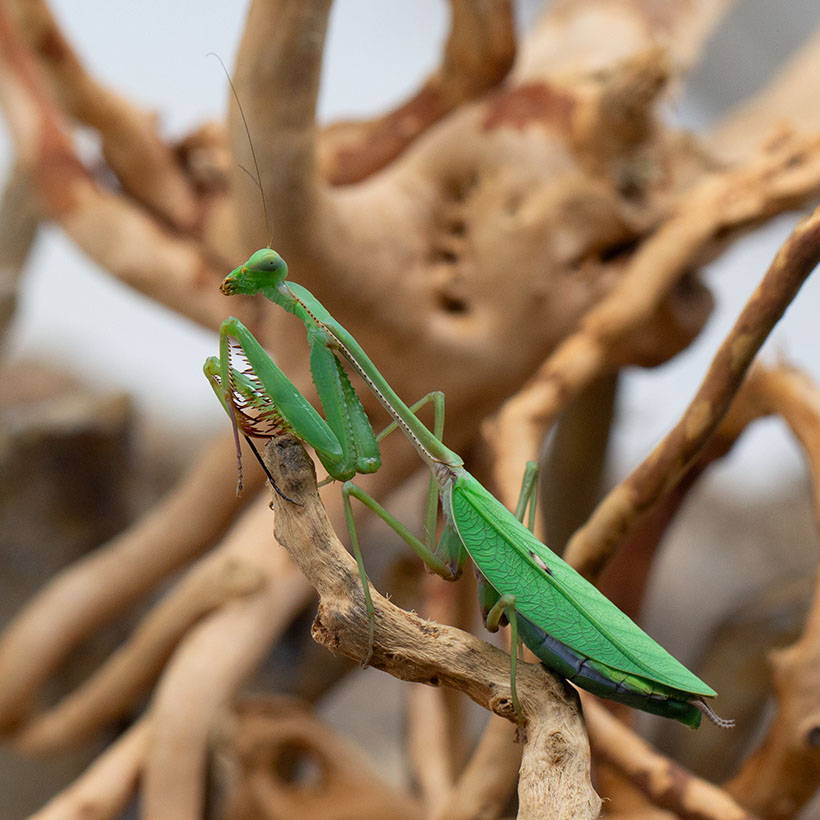
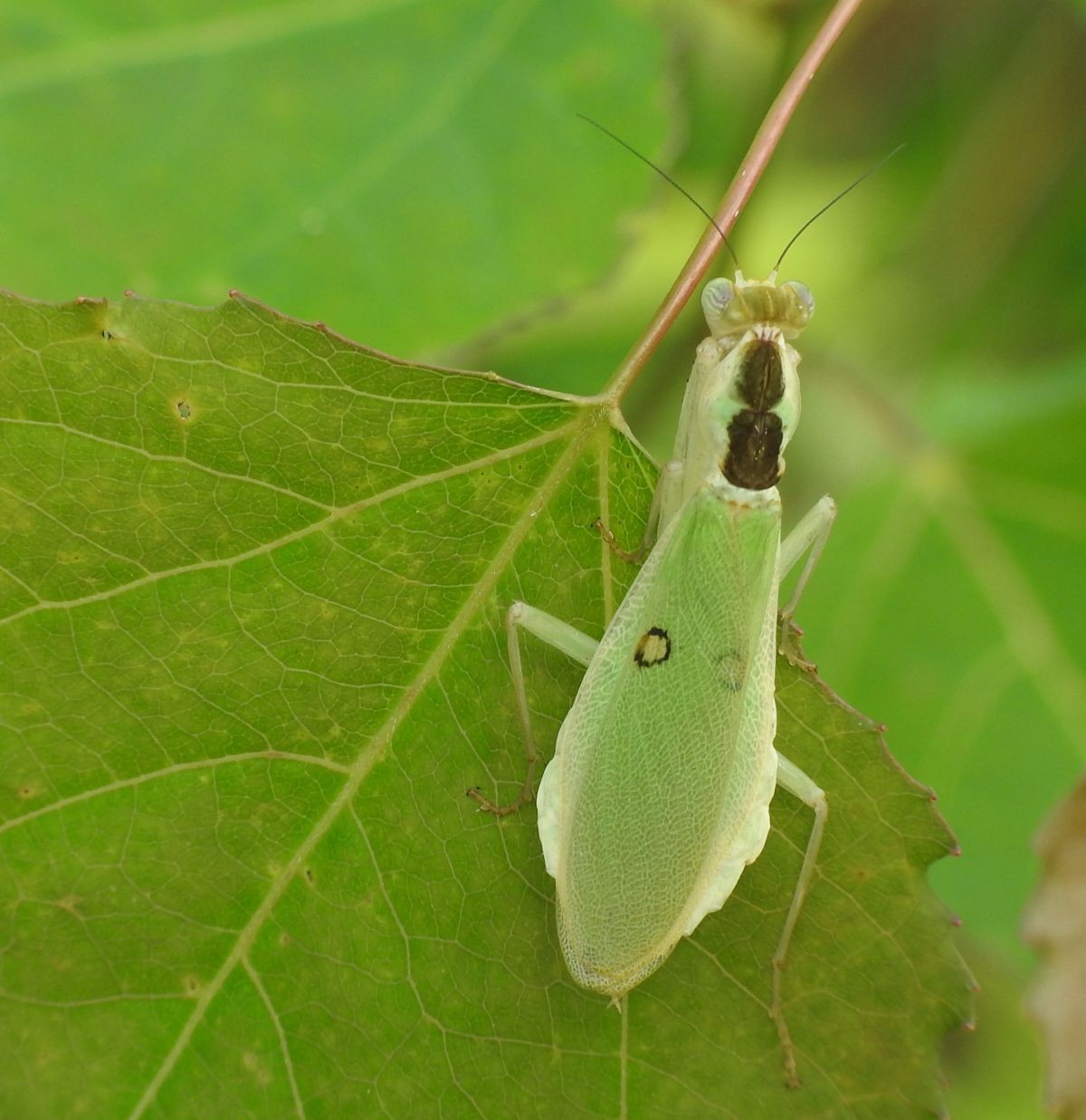
Pseudacanthops lobipes is native to South America and is one of the most fascinating masters of camouflage among praying mantises. While other species stand out with their bright colors, this mantis captivates with its unusual shape.
A praying mantis that looks like old tree bark
The most striking feature of Pseudacanthops lobipes is its rough and irregular body shape.
There are small projections, particularly on the legs, head, and abdomen. This causes the animal’s outline to blend in with the background.
Its color also helps with camouflage. Dark brown tones alternate with gray and lighter patches. Some areas even look like small patches of lichen on an old branch.
The head is particularly interesting. The large eyes are set between small protrusions, giving the mantis an almost prehistoric appearance.
She can also move her head and watch her surroundings closely.
When she perches close to a branch, her camouflage becomes particularly obvious. That’s because she then looks almost like a piece of dead bark.
How big does Pseudacanthops lobipes get?
Pseudacanthops lobipes is one of the smaller to medium-sized praying mantises.
Adult females reach a body length of about 4 cm. Males, on the other hand, can grow slightly longer and usually appear much slimmer.
However, the size of individual animals may vary.
During their development, mantises molt several times. As a result, their body shape and appearance change as they grow older.
After their final molt, the insects are fully grown and have fully developed wings.
It is especially wonderful to watch the development from a small nymph to an adult.
The Right Terrarium for Pseudacanthops lobipes
For an adult specimen, we recommend a terrarium measuring 20 × 20 × 30 cm.
Height is particularly important here. This is because praying mantises hang upside down during molting and need plenty of open space.
Set up the terrarium with thin twigs, cork bark, and natural branches. This will create plenty of places for them to perch and hunt.
Dark pieces of bark and weathered twigs blend in particularly well with this species’ natural camouflage.
You can also use suitable plants. These provide additional seating and help retain moisture in the terrarium.
However, you shouldn’t arrange the furnishings too densely. That’s because there needs to be enough space for shedding beneath their favorite perches.
A well-ventilated blanket that stays securely in place is also important. That’s why a suitable gauze blanket is particularly well-suited for this purpose.
Temperature and Humidity
This species is native to the warm regions of South America. Therefore, it requires a suitable climate even in a terrarium.
A good starting point is 25 to 28 °C during the day. At night, the temperature can drop to about 20 to 24 °C.
As for humidity, you can start by aiming for 70 to 80 percent.
However, good ventilation is just as important as sufficient humidity. This is because stagnant, humid air over time can lead to problems.
So, if necessary, spray a little water on the branches and plants. This will create small droplets that the mantis can drink from.
Afterward, the surfaces should be allowed to dry a little.
Here’s how to create a warm, humid environment without keeping the terrarium constantly wet.
What does Pseudacanthops lobipes eat?
Pseudacanthops lobipes is a skilled ambush hunter. It waits quietly for suitable prey and then strikes with lightning speed.
Flying insects are particularly well-suited for this purpose. Their movement stimulates the hunting instinct.
Young animals initially need very small feed insects. With each molt, you can gradually increase the size of their prey.
Suitable feed animals include, for example:
- Drosophila melanogaster for very young nymphs
- Drosophila hydei for larger juveniles
- Houseflies for growing mantises
- Blowflies for larger mantises, provided they are the right size
- Small cockroaches as an occasional supplement
- Wax moths as a change of pace for suitable larger animals
Make sure the prey isn’t too big. Strong prey can injure the mantis.
You should also remove any remaining live food before a molt.
Molting—a particularly important moment
Like all praying mantises, Pseudacanthops lobipes grows by molting.
During this process, the mantis hangs upside down from a twig or the ceiling of the terrarium. It then slowly sheds its old exoskeleton.
That’s why the mantis needs enough free space below it.
The right level of humidity also plays an important role. If conditions are too dry, molting can become more difficult.
However, you should not spray or touch the animal directly during this phase.
Before molting, many mantises eat less. Some even stop eating altogether.
Therefore, remove any leftover prey and avoid unnecessary disturbances.
After molting, the new exoskeleton needs some time to harden. Therefore, wait to feed the animal again until it is sitting securely and responding normally.
Why Keeping Them Alone Is the Better Choice
Pseudacanthops lobipes is a hunter. That’s why it may view other praying mantises as prey.
For this reason, we generally recommend keeping them alone.
This way, you can feed each animal individually and better monitor its development.
Plus, you’ll avoid getting hurt by other mantises.
A separate terrarium is the safest choice, especially for larger nymphs and adults.
Who is Pseudacanthops lobipes suitable for?
This species is particularly interesting for keepers who already have some experience with praying mantises.
This is because Pseudacanthops lobipes requires a warm and humid climate. At the same time, the terrarium must be well-ventilated.
You should also be able to provide suitable live food in various sizes.
If you keep these points in mind, you’ll be able to observe their behavior wonderfully.
Their camouflage, in particular, makes them an extraordinary terrarium pet. After all, sometimes you won’t even notice them until they move their head or reach for prey.
Advantages at a glance
- Rare Praying Mantis from South America
- Perfect camouflage resembling old tree bark
- Shades of dark brown, gray, and black
- Small protrusions on the body and legs
- Distinctive head with large eyes
- Fascinating hunting behavior
- Females are about 4 cm long
- Males are usually slimmer and sometimes slightly longer
- A 20 × 20 × 30 cm terrarium is recommended
- Daytime temperature about 25 to 28 °C
- Relative humidity: approximately 70 to 80%
- Requires good ventilation
- Eats various live feed insects
- Keeping them individually is recommended
- Particularly interesting for more experienced mantis keepers
Suitable accessories for your setup
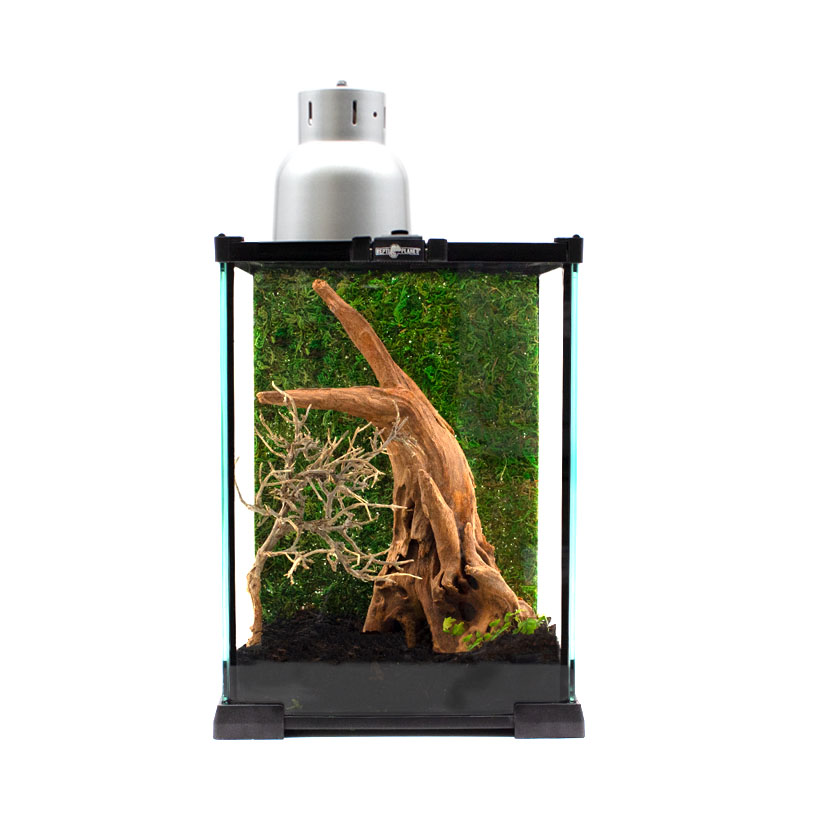
Mantid Terrarium Complete Set – includes the terrarium with matching furnishings, substrate, and lighting. This provides a solid foundation for keeping Pseudacanthops lobipes.
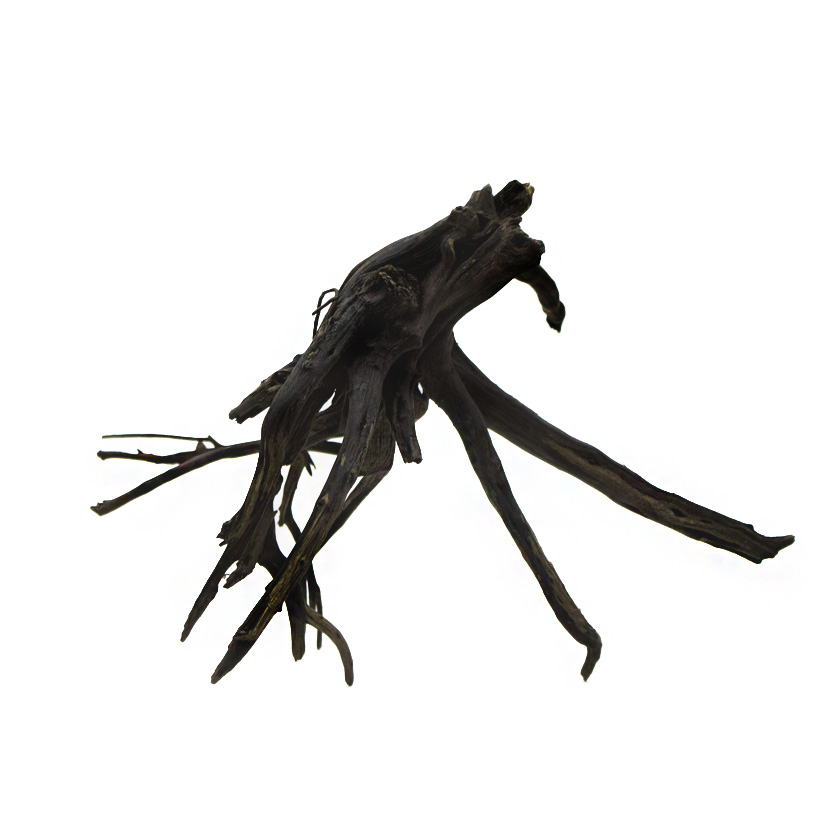
Black Spider Root – complements the complete set with dark, branched wooden structures, among which the mantis—camouflaged to look like bark—stands out particularly well.
Insektenliebe Cork Back Wall – offers a rough surface that visually complements the mantis’s distinctive bark-like camouflage and provides additional climbing surfaces.
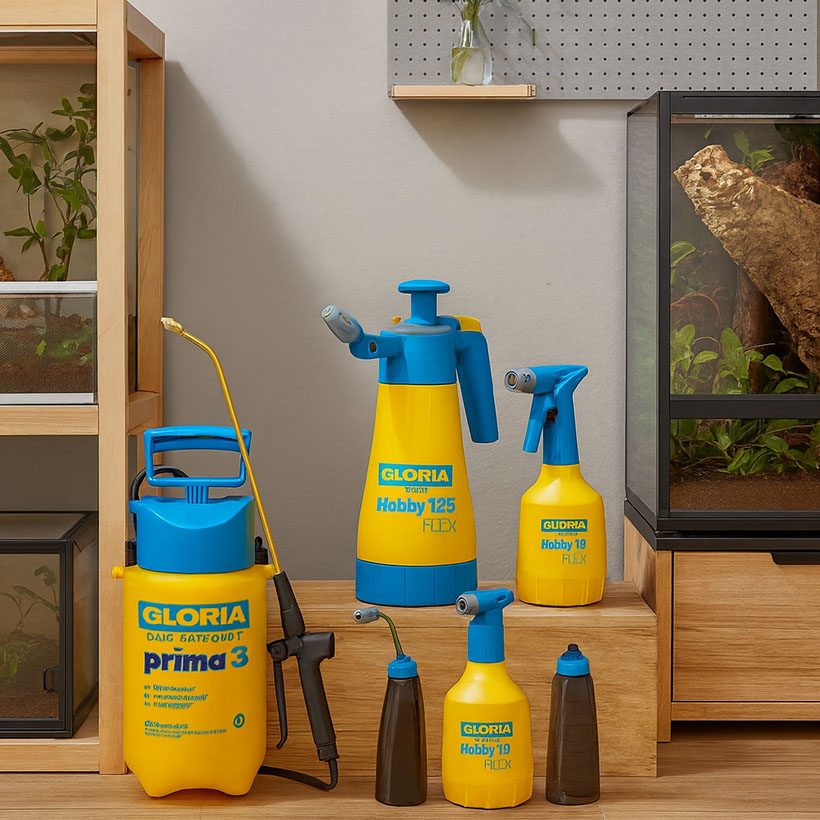
GLORIA Pressure Sprayers – allow for fine misting of the enclosure, enabling you to precisely apply the necessary humidity.
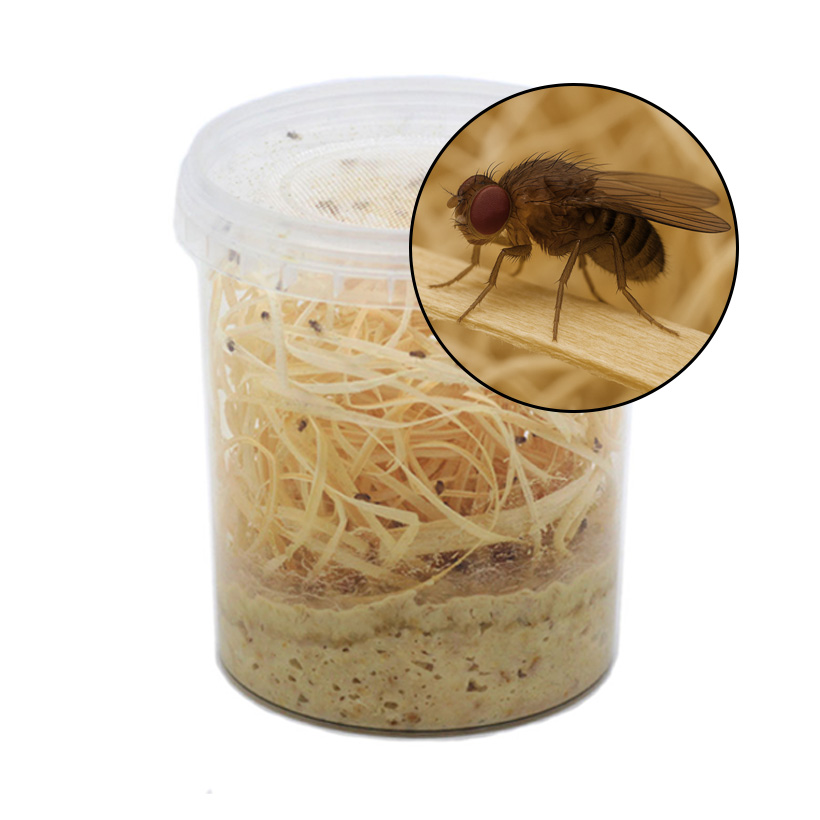
Large fruit flies —are suitable as live prey for growing mantises in the L2/3 stage.
BraPlast container with dual ventilation —offers a convenient way to temporarily raise young mantises individually.
Conclusion: A mantis that captivates with its camouflage
Pseudacanthops lobipes is an extraordinary praying mantis that stands out for its perfect bark camouflage.
Its dark, irregular body makes it almost blend in with the old branches. At the same time, its quick catching movements create moments of suspense.
In addition, their natural habitat can be beautifully recreated using cork bark, twigs, and suitable plants.
Above all, good ventilation, appropriate temperature, and enough space for shedding are important.
If you keep these points in mind, you’ll lay a good foundation for caring for this special mantis.
Discover Pseudacanthops lobipes and witness a praying mantis that can hide in its surroundings like no other.