Pnigomantis medioconstricta
15,00 € incl. VAT, plus shipping

Medium

Indonesia

< 90 mm

25°C – 30°C
Pnigomantis medioconstricta – The Impressive Double-Shielded Mantis from Indonesia
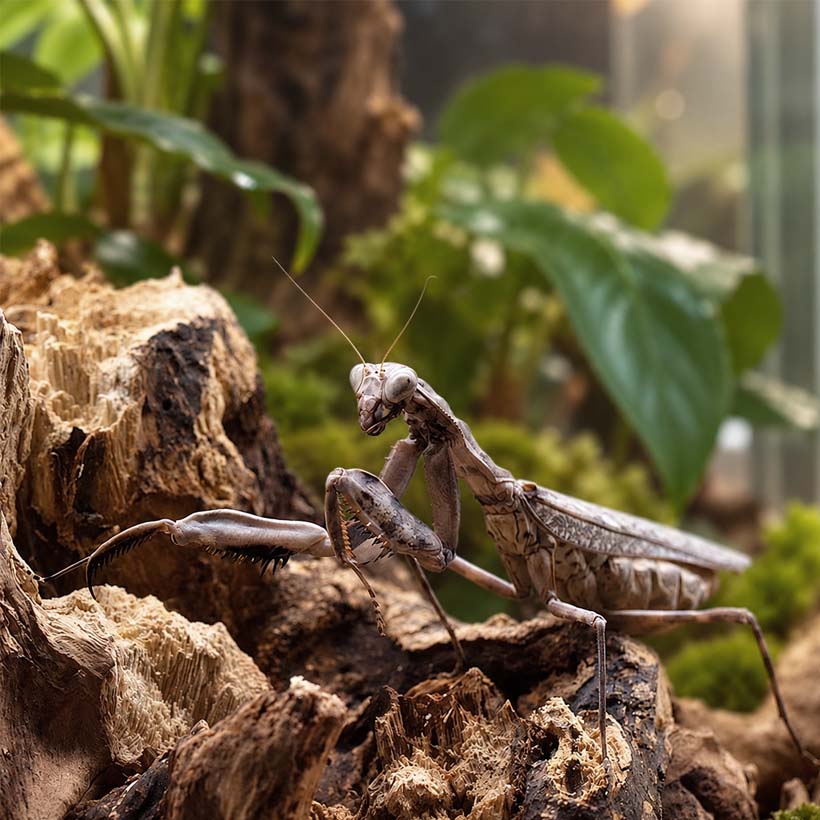
Powerful capture arms, an alert gaze, and an unusually shaped neck shield: Pnigomantis medioconstricta is a praying mantis that immediately catches the eye. Its hunting behavior is particularly fascinating. This large mantis doesn’t always wait patiently for its prey to land right in front of it. When a good opportunity arises, it can also actively go after a prey item.
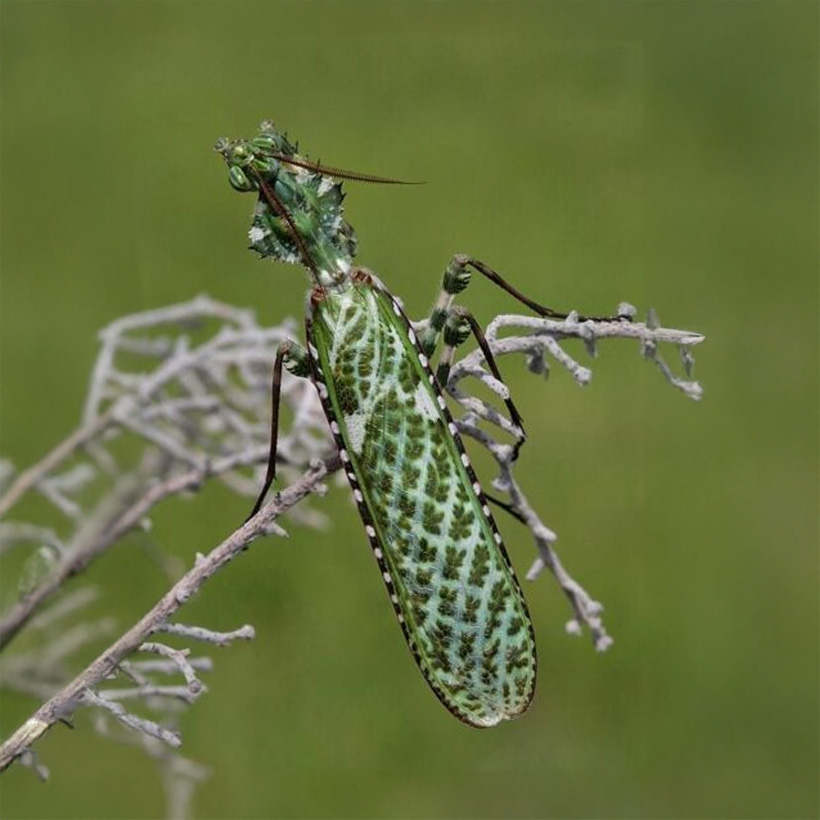
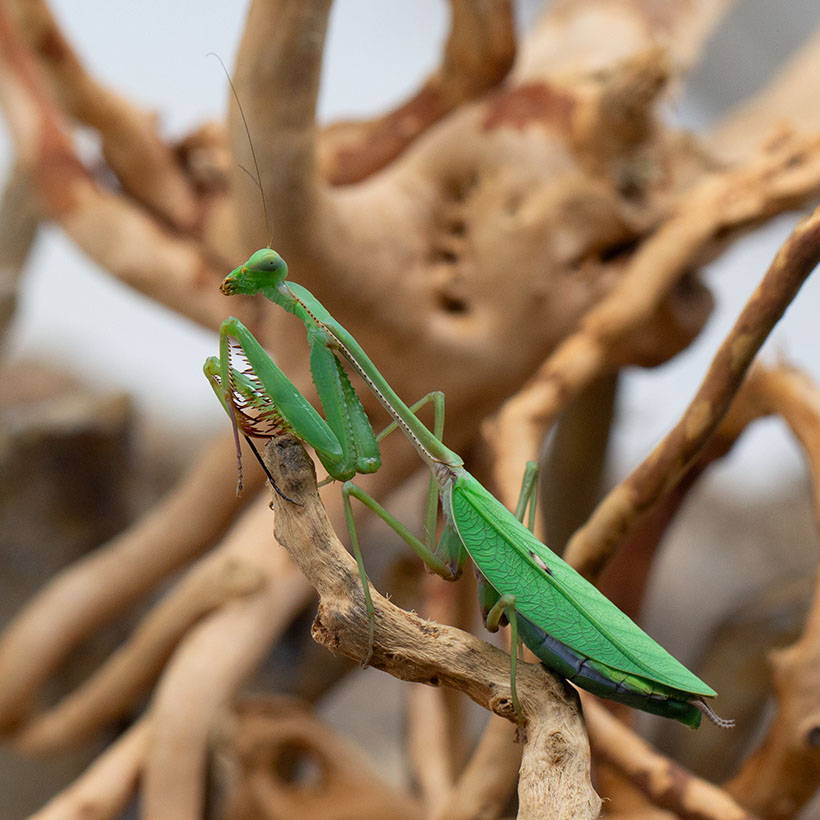
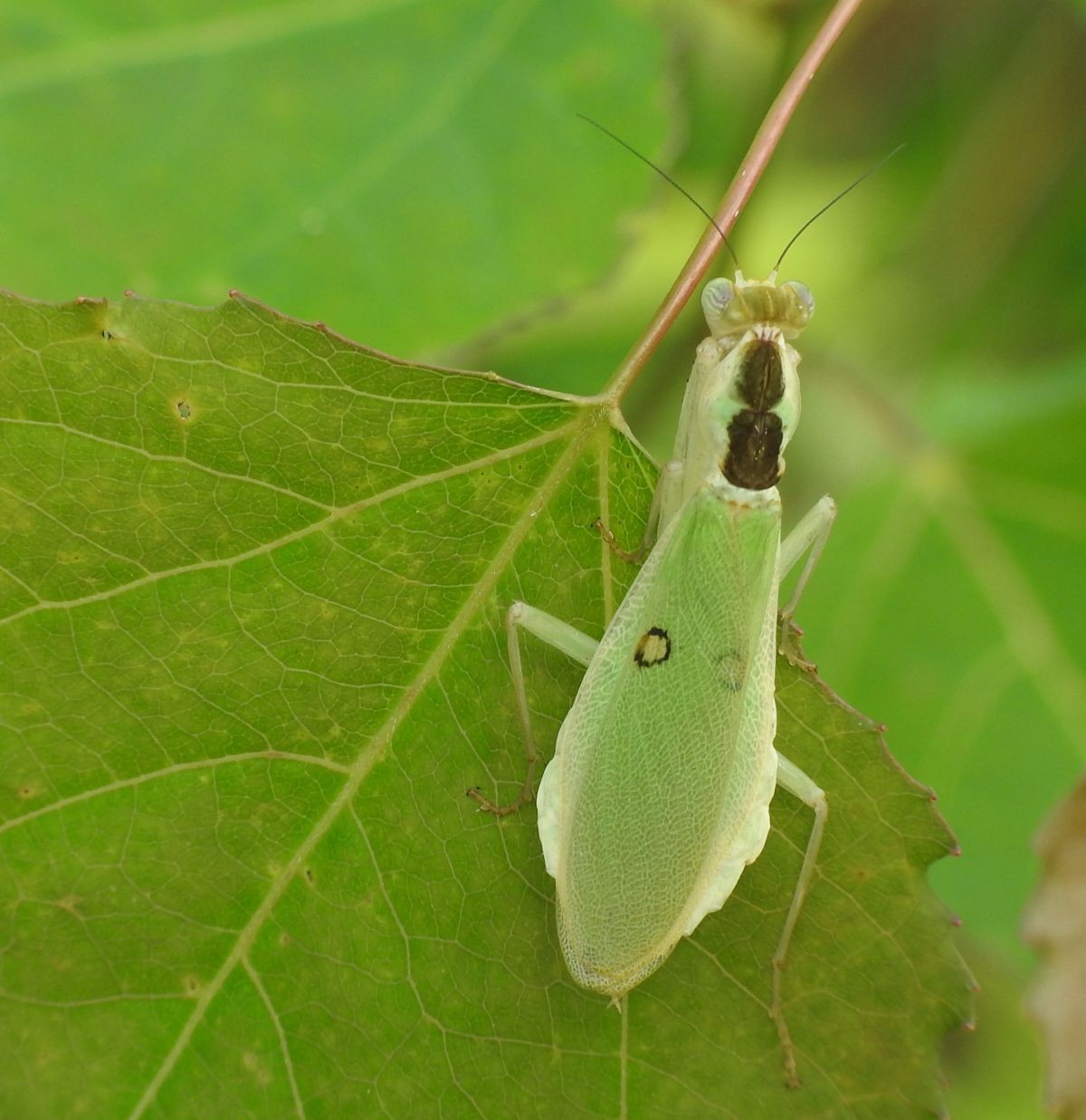
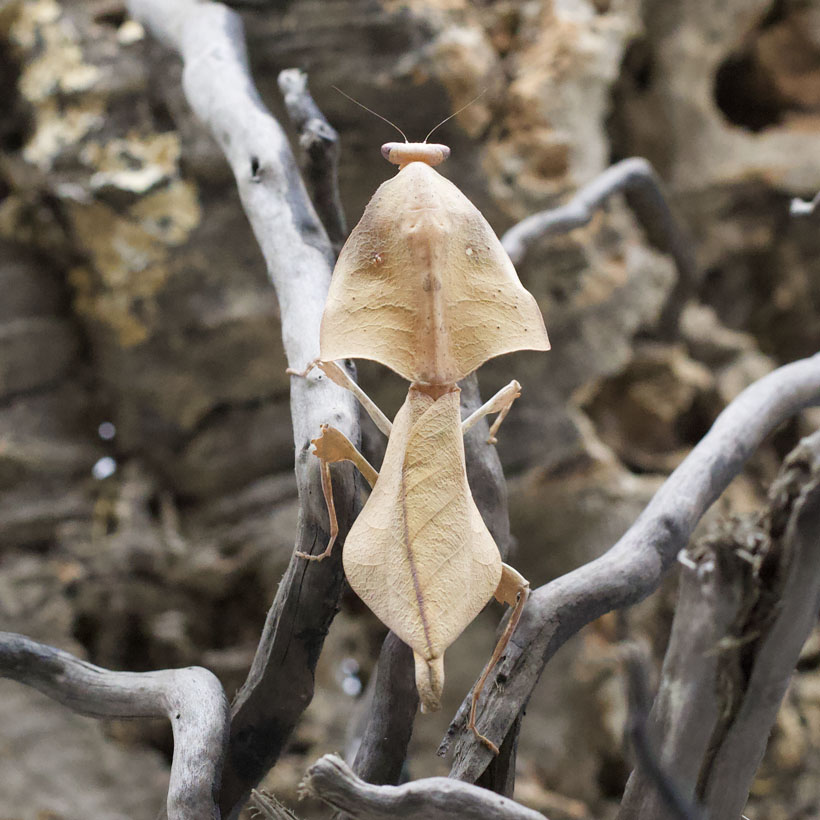
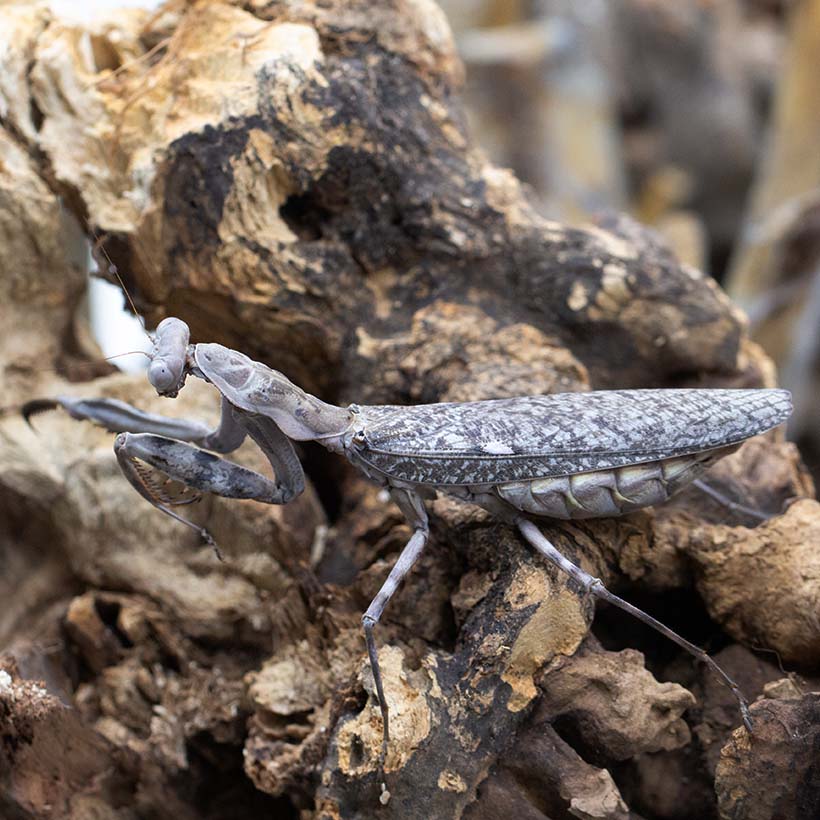
This species is native to Indonesia and is also known as the double-shield mantis. It owes its name to the distinctive shape of its neck shield, which is wider at two points and narrower in the middle, creating a shape that resembles two small shields.
In addition, Pnigomantis medioconstricta has a robust body and strong tentacles. This allows it to securely hold even larger prey.
Anyone who enjoys watching praying mantises will find a particularly fascinating hunter here.
Two shields and a robust body
The most striking feature of this species is its distinctive neck shield. It is located directly behind the head and has two lateral protrusions.
This is what clearly distinguishes Pnigomantis medioconstricta from many other praying mantises.
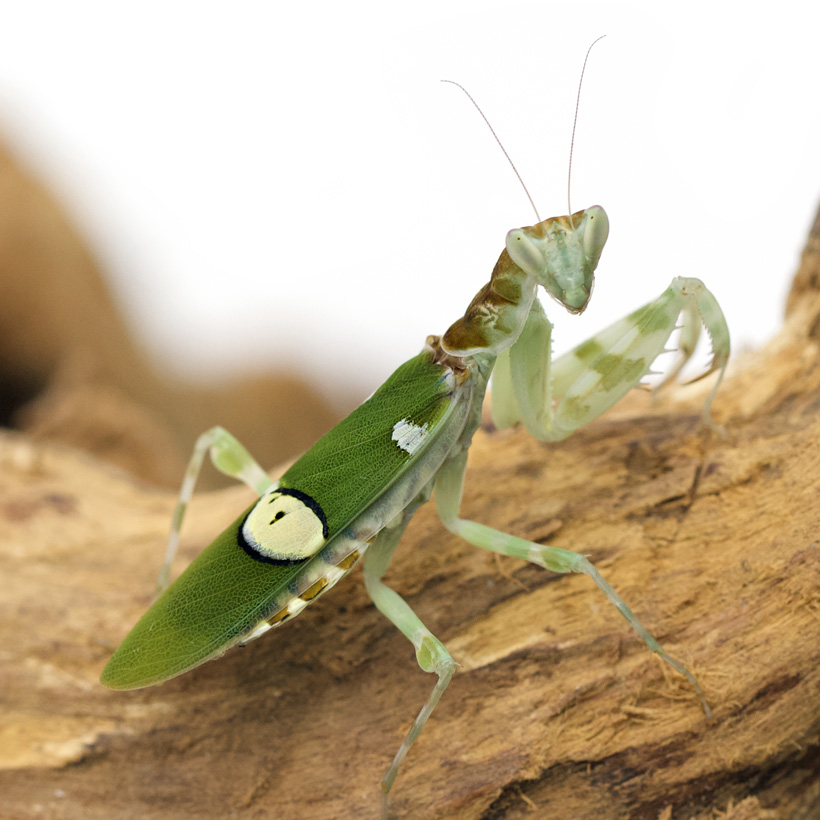
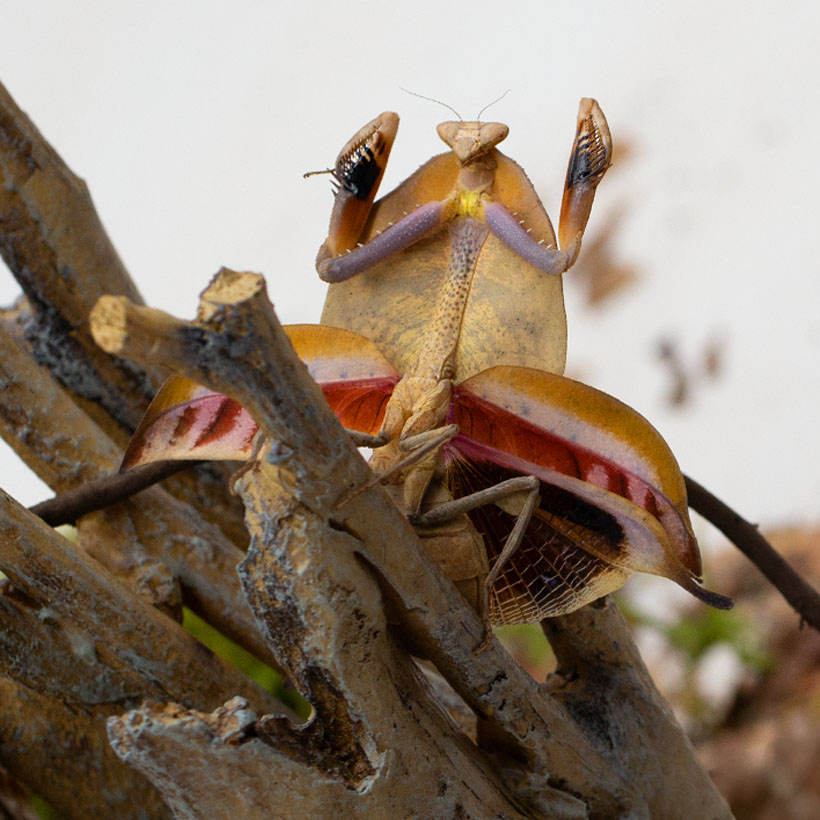
Their color is also interesting. These animals can have green, brown, or gray hues. Their appearance depends, among other things, on their age and the individual animal.
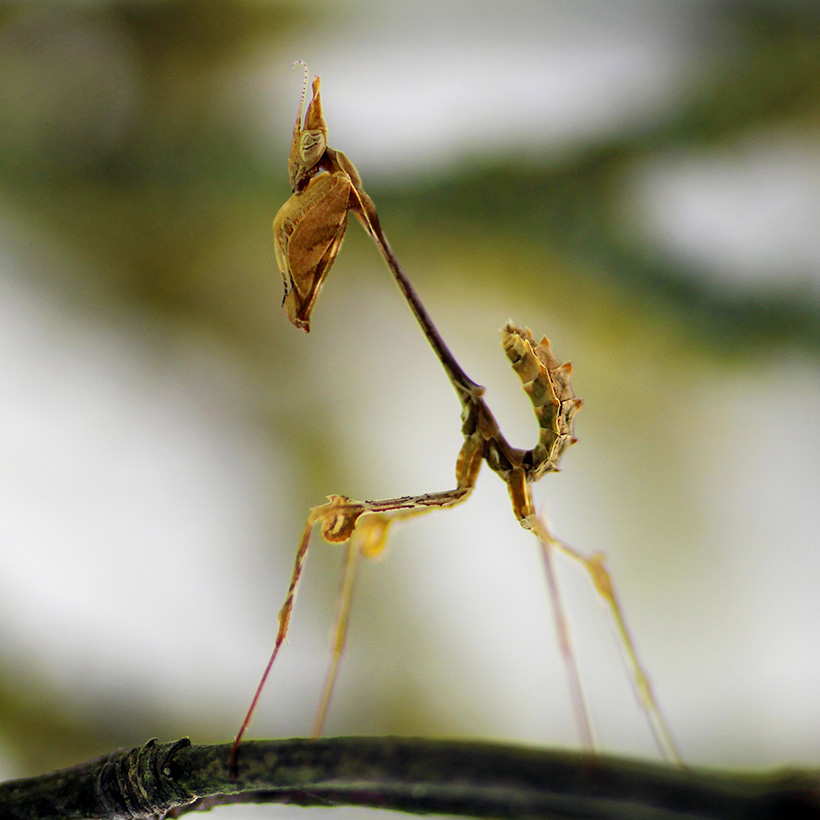
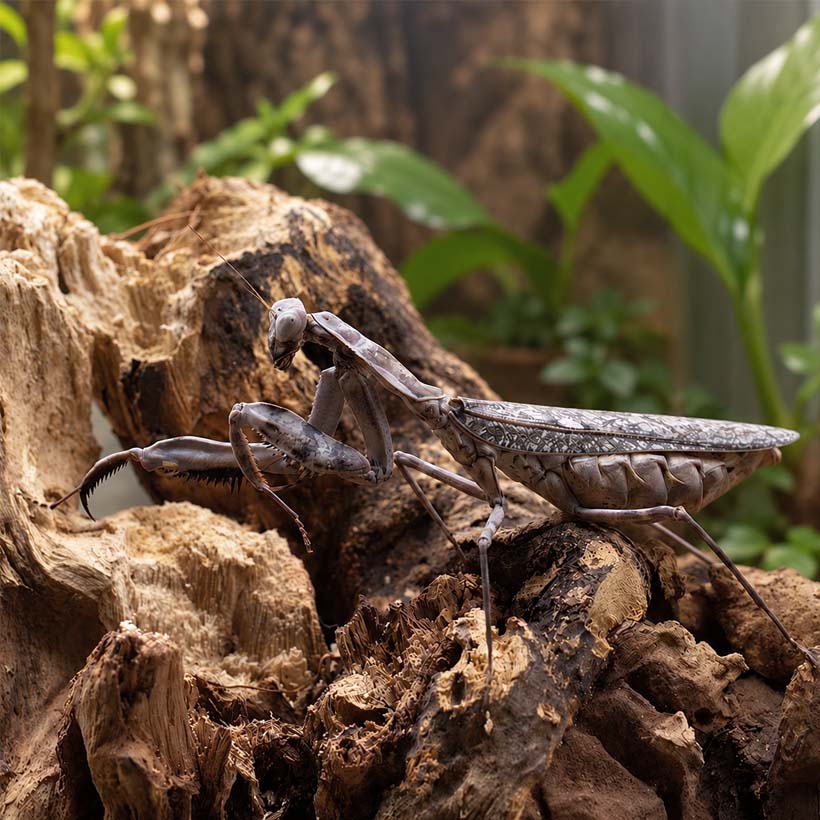
Young mantises often appear lighter in color. Adult mantises, on the other hand, tend to be gray or brown.
Its powerful legs are particularly impressive. With them, the mantis can hold onto even the most defensive prey.
How big does Pnigomantis medioconstricta grow?
The double-shield mantis is one of the larger species of praying mantises.
Adult animals usually reach a body length of about 7 to 9 cm. Females tend to have a sturdier build, while males often appear somewhat slimmer.
During their development, these animals molt several times. As a result, their appearance changes as they grow older.
After their final molt, the insects are fully grown and have fully developed wings.
This development in particular is fascinating to watch. After all, a small nymph gradually transforms into a powerful praying mantis.
The Right Terrarium for the Double-Shelled Mantis
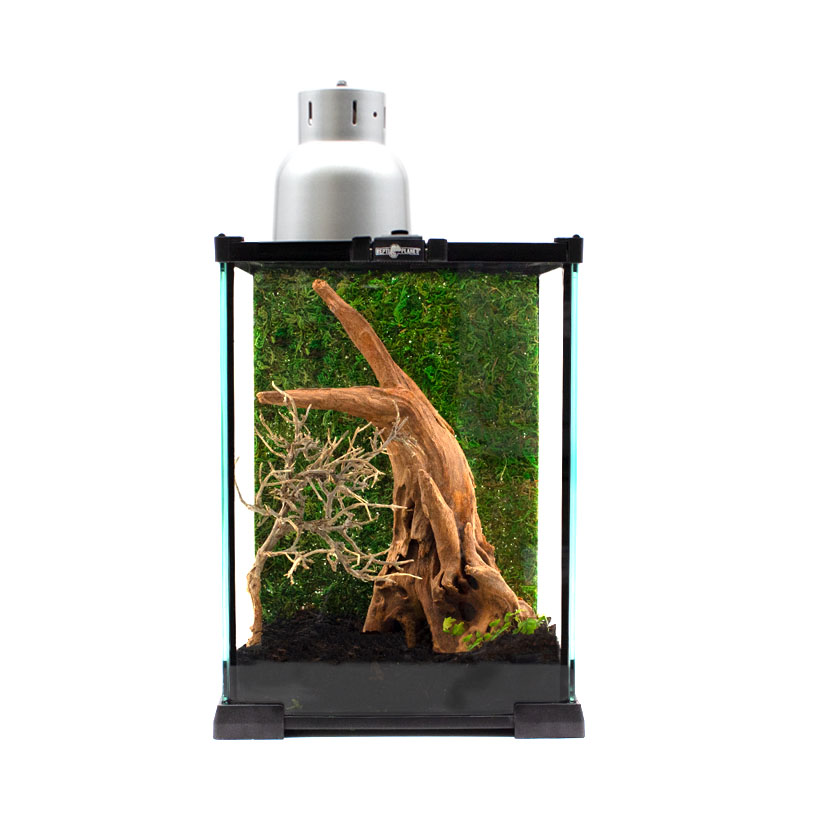
For an adult animal, we recommend a terrarium measuring at least 20 × 20 × 40 cm. A tank measuring 30 × 30 × 40 cm offers even more space.
Height is particularly important. This is because the mantis hangs upside down during molting.
That is why there must be enough free space under her seat.
Set up the terrarium with sturdy branches and suitable climbing structures. You can also use real plants to create natural perches.
A well-ventilated ceiling that provides a secure hold is especially important, since that is where many praying mantises spend a large part of their time.
However, make sure the plants don’t grow too densely. After all, the animal needs enough space to molt freely.
Temperature and Humidity
Pnigomantis medioconstricta is native to warm regions of Indonesia. Therefore, it requires appropriate temperatures in the terrarium as well.
During the day, temperatures between 25 and 30 °C are ideal. At night, the temperature can drop slightly.
As for humidity, aim for about 60 to 80 percent.
However, good ventilation is just as important as humidity. This is because constantly damp air without proper air exchange can lead to problems.
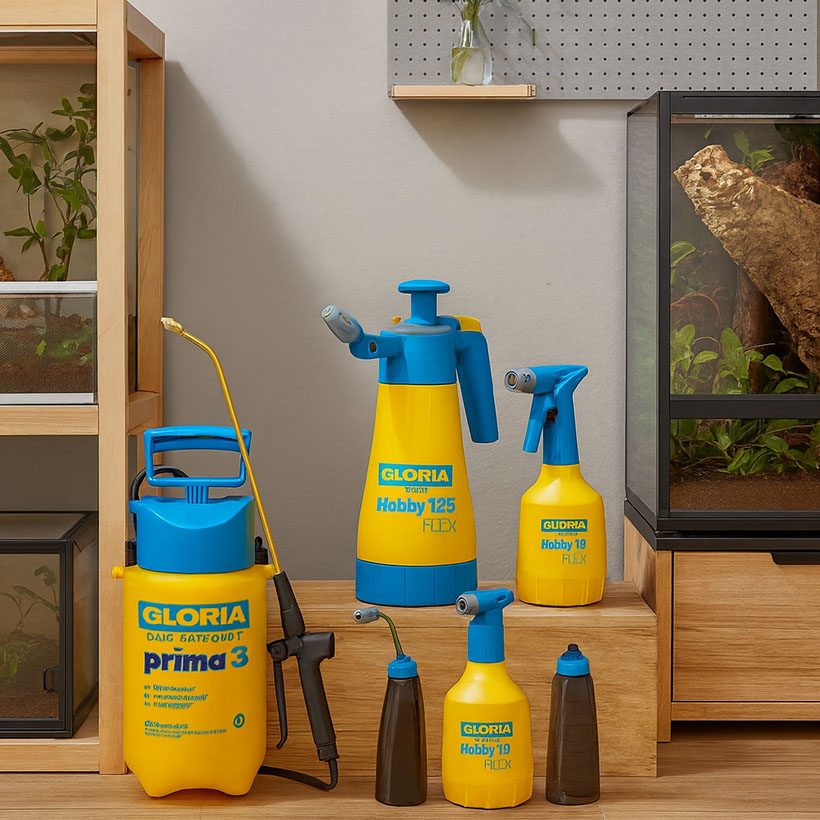
Therefore, spray a little water on the decor as needed. This creates small droplets that the mantis can drink from.
Afterward, the surfaces should be allowed to dry again.
This prevents the terrarium from remaining constantly wet.
A hunter with a big appetite
The double-shielded mantis has a robust body and strong capture arms. This allows it to overpower a wide variety of prey insects.
Its hunting behavior is particularly fascinating. It closely observes its prey and strikes with lightning speed when the opportunity arises.
Young mantises require small prey insects. With each molt, you can gradually increase the size of their prey.
Suitable feed animals include, for example:
- Large fruit fly for young nymphs
- Houseflies for growing insects
- Blowflies for larger nymphs
- Crickets and field crickets of appropriate size
- Cockroaches as high-protein food sources
- Grasshoppers for large and adult insects
Make sure the prey is the right size for your mantis. Prey that is too large can injure the mantis.
You should also remove any remaining feed insects before molting.
Molting—Adequate Space Is Essential
Like all praying mantises, Pnigomantis medioconstricta grows through regular molts.
To do this, the animal hangs upside down in a safe place. It then slowly sheds its old skin.
That is why the mantis needs enough free space below it.
It is also particularly important to maintain the right level of humidity. This is because conditions that are too dry can make shedding more difficult.
However, you should not spray or touch the animal directly during this phase.
Many mantises eat less before molting. Therefore, a brief break from eating isn’t necessarily a cause for concern.
After molting, the new exoskeleton needs time to harden. Therefore, wait to feed the animal again until it is sitting securely and responding normally.
Keeping this species alone is particularly important
Pnigomantis medioconstricta is a fierce hunter. Therefore, there is a high risk of cannibalism, even among other praying mantises.
For this reason, you should always keep the animals separately.
This will help you avoid injuries and give you more control over feeding.
Caution is advised, especially with adult females, as they can grab you very quickly and with great force.
Even when planning a mating, you should therefore proceed with caution and not leave the animals together unsupervised.
Is Pnigomantis medioconstricta suitable for beginners?
The double-shield mantis is considered quite hardy among experienced breeders.
That’s why it may also be suitable for owners who have already had some experience with praying mantises.
However, there are a few important points you should keep in mind.
This species requires sufficient warmth, good ventilation, and enough space for molting.
It can also overpower larger prey and has a strong hunting instinct.
If you take these needs into account, you’ll be able to observe its behavior and development very well.
Advantages at a glance
- Giant Praying Mantis from Indonesia
- Also known as the double-shield mantis
- Distinctive neck shield with two bulges
- Robust body and powerful capture legs
- Exciting and active hunting behavior
- May come in shades of green, brown, and gray
- Body length usually about 7 to 9 cm
- Terrarium size: at least 20 × 20 × 40 cm
- Daytime temperature about 25 to 30 °C
- Humidity approximately 60 to 80%
- Eats a variety of live feed insects
- Suitable for keepers with some experience with mantises
- Must be kept alone
Suitable accessories for your setup
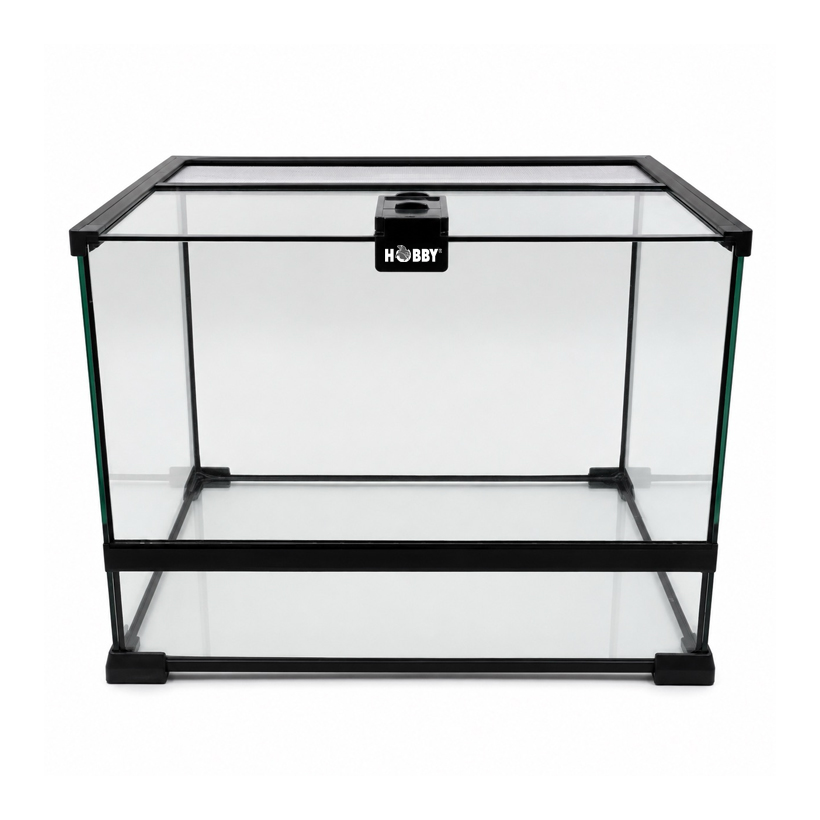
Terra Fix & Easy Nano Line – provides adult double-shield mantises with enough height for climbing, hunting, and molting.
Repto Tree Vine – creates sturdy climbing paths and natural perches in the upper part of the terrarium.
Forest Humus – forms a natural substrate and helps retain moisture.
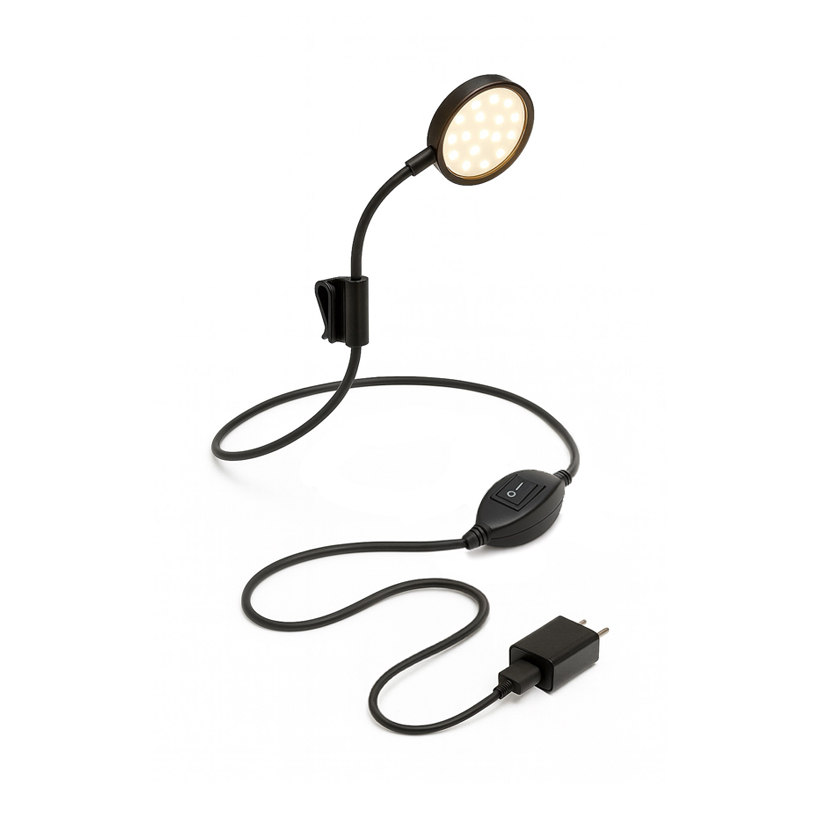
Repto Compact LED 3.5 W – provides bright lighting and highlights the natural decor.
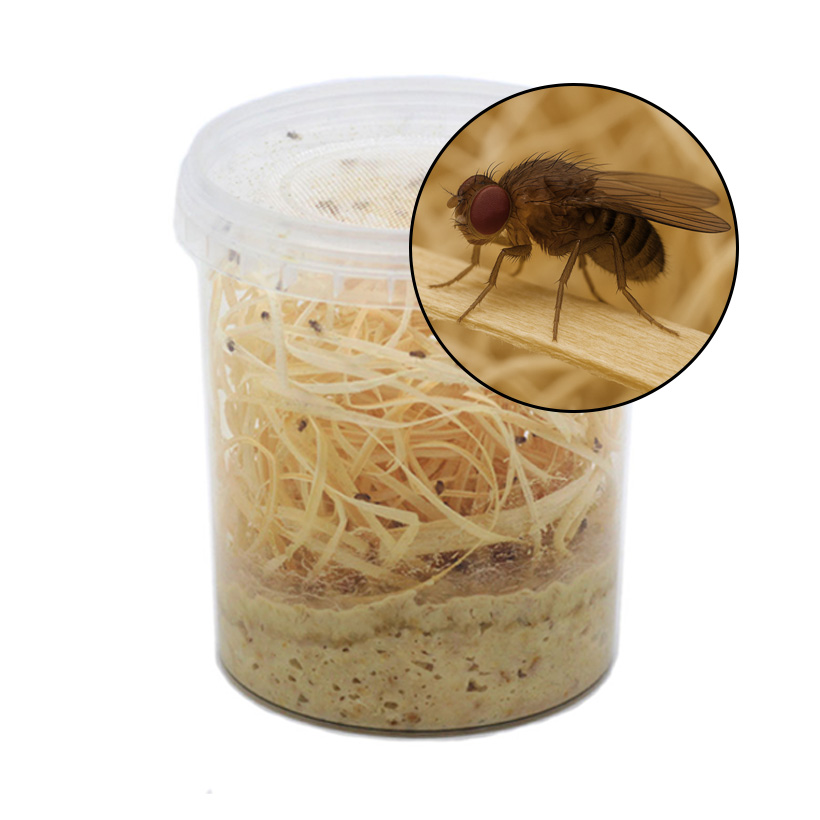
Large fruit flies —are suitable as live food for young nymphs.
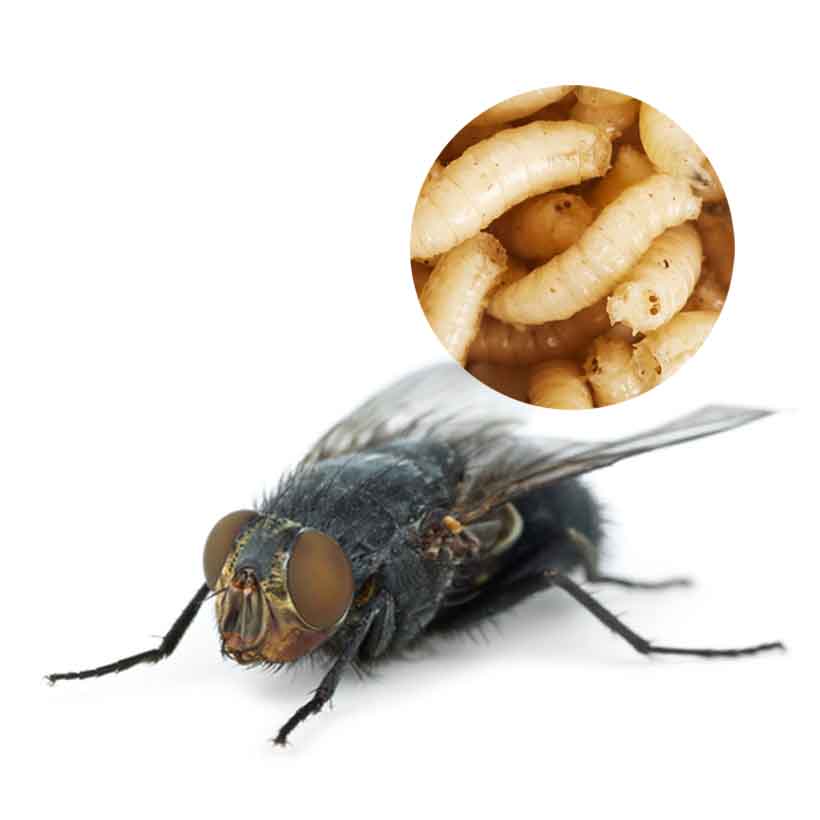
Blowflies —provide larger animals with active prey and encourage natural hunting behavior.
Conclusion: A powerful mantis with a distinctive appearance
Pnigomantis medioconstricta is an impressive praying mantis for anyone who loves powerful hunters.
Its distinctive neck shield makes it easy to recognize. At the same time, its strong tentacles and alert behavior make for exciting moments.
In addition, you can make their habitat look nice by adding twigs, plants, and a tall terrarium.
Above all, it is important to provide sufficient warmth, good ventilation, and enough space for shedding.
If you keep these points in mind, you’ll lay a solid foundation for caring for this extraordinary mantis.
Perfect combined with
-
Repto Compact LED
Original price was: 15,99 €.14,39 €Current price is: 14,39 €. incl. VAT, plus shipping