Sibylla pretiosa
12,99 € incl. VAT, plus shipping

Medium

Tanzania

25°C – 32°C
Sibylla pretiosa – The Bizarre Beauty from Africa
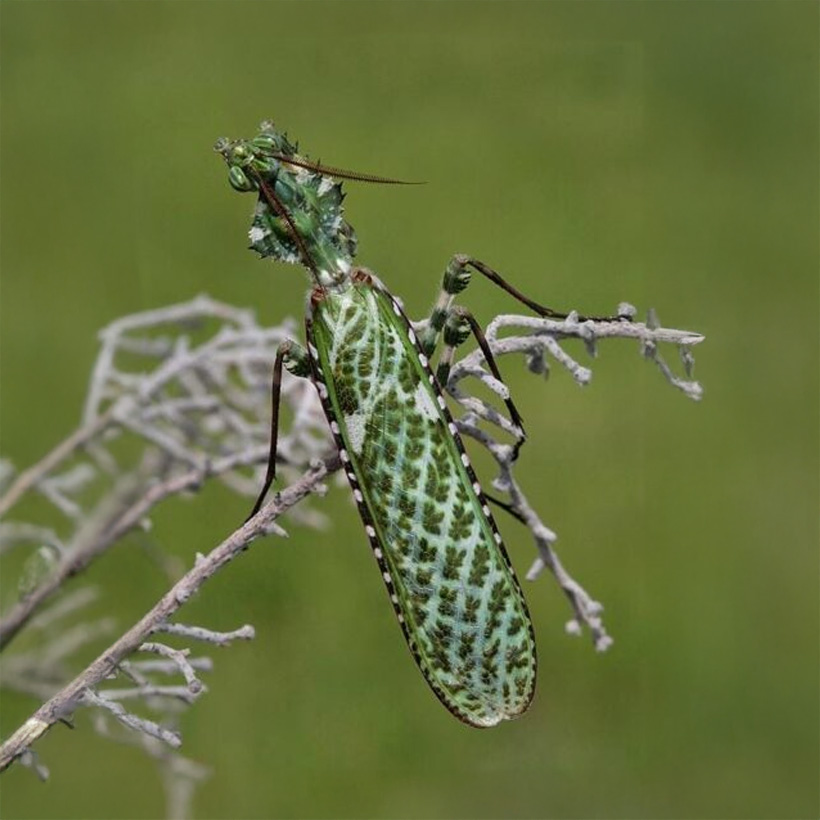
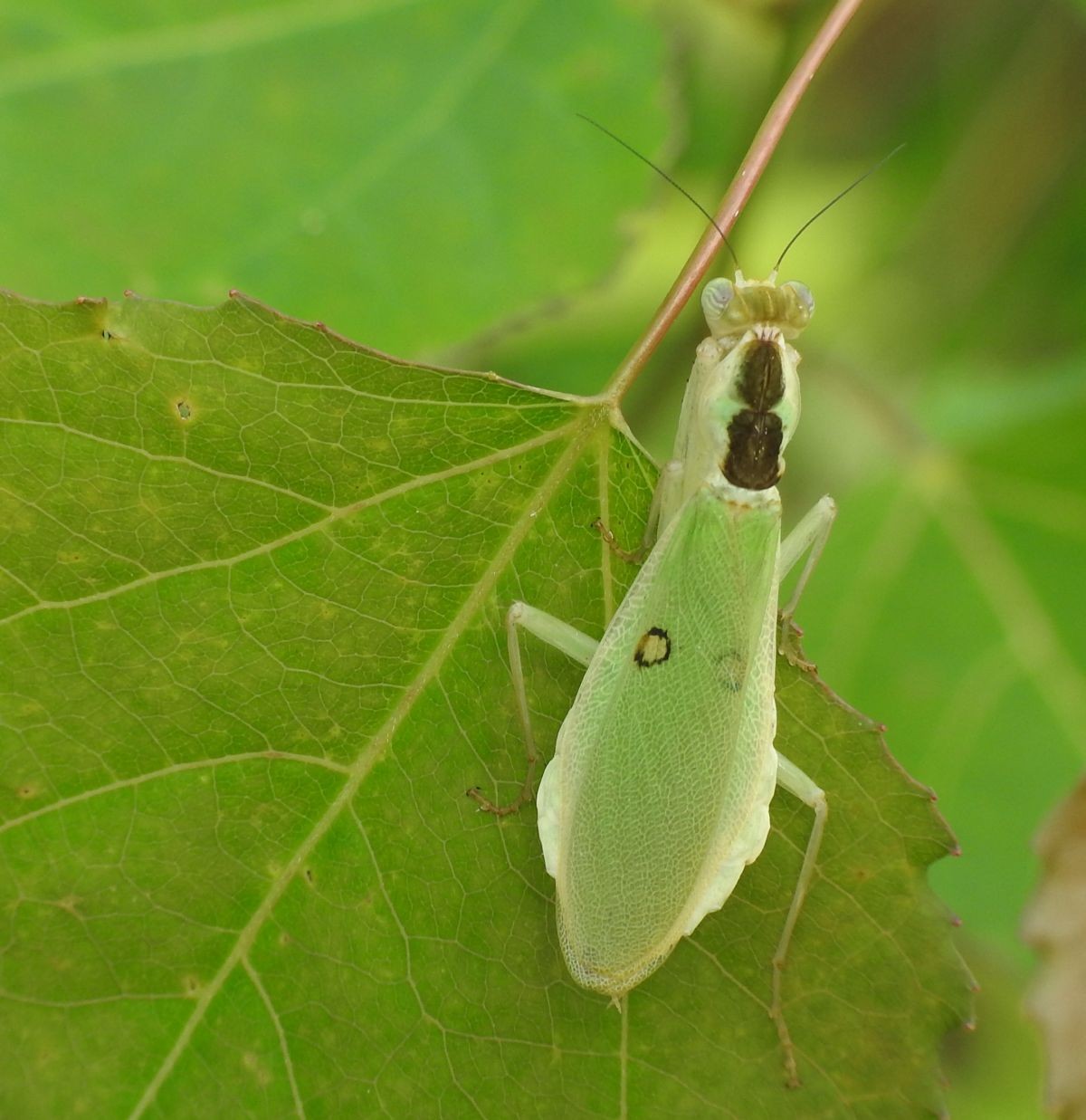
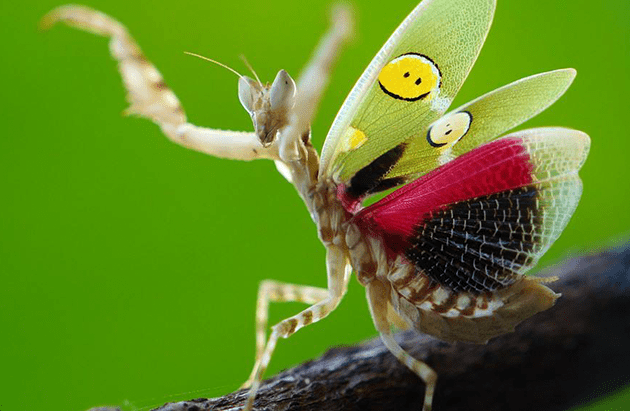
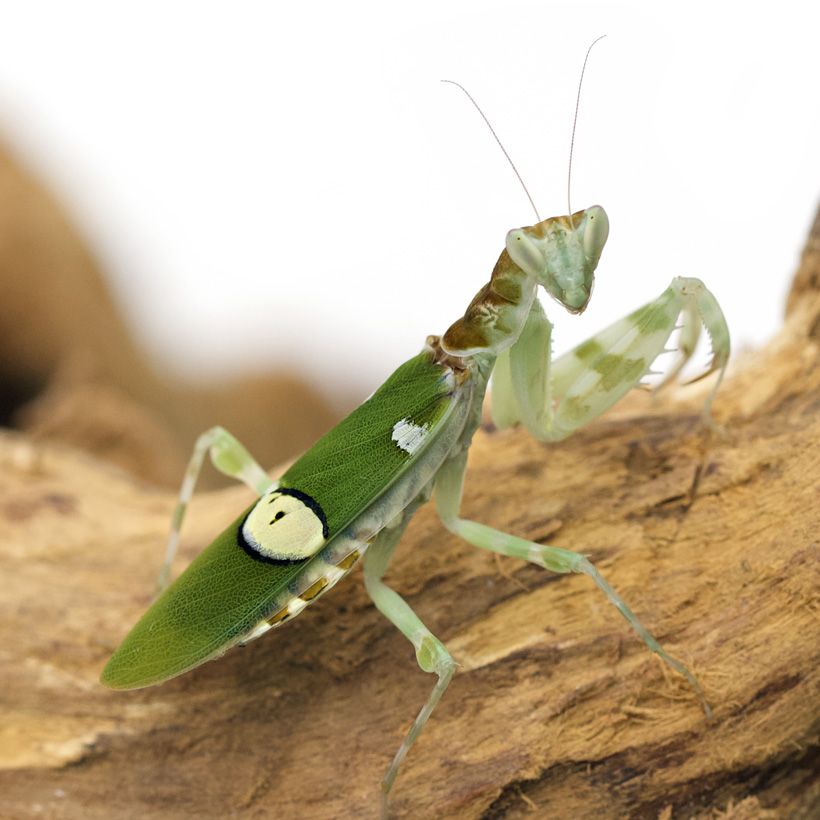
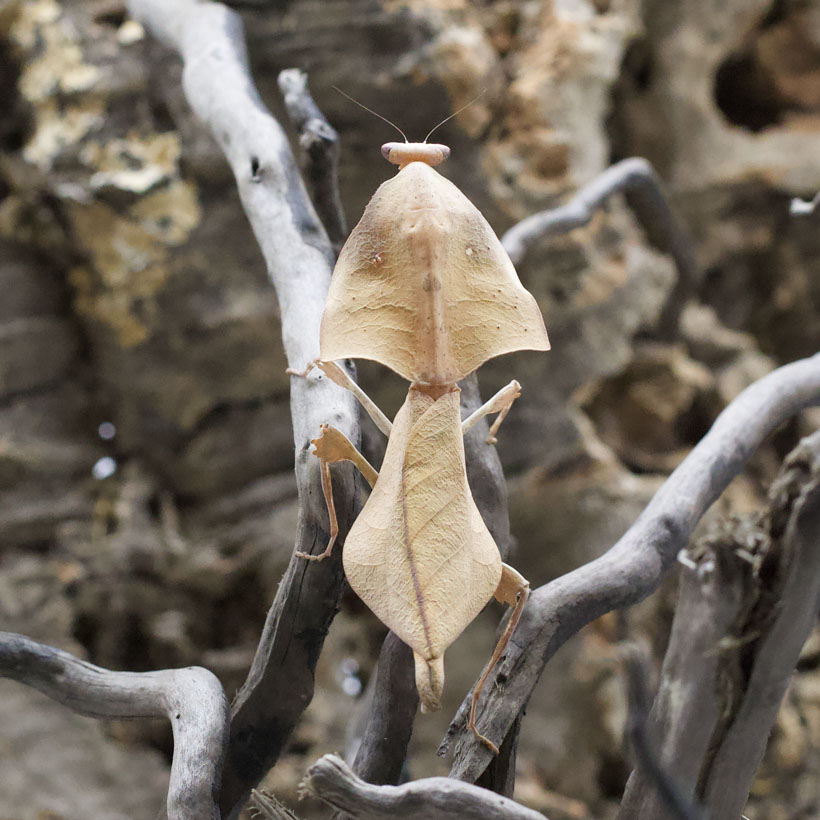
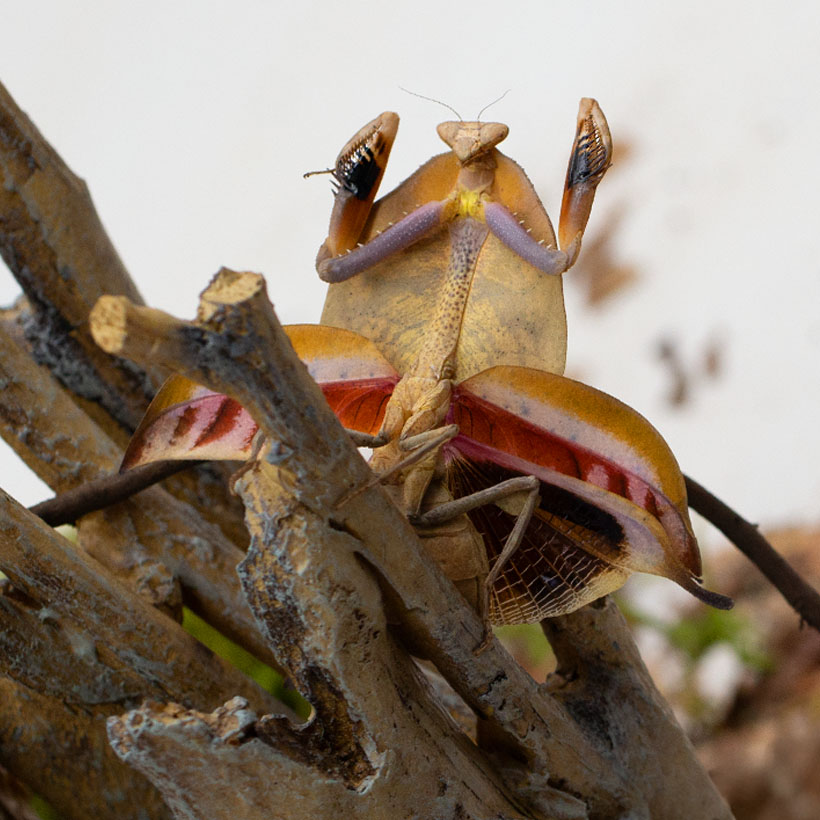
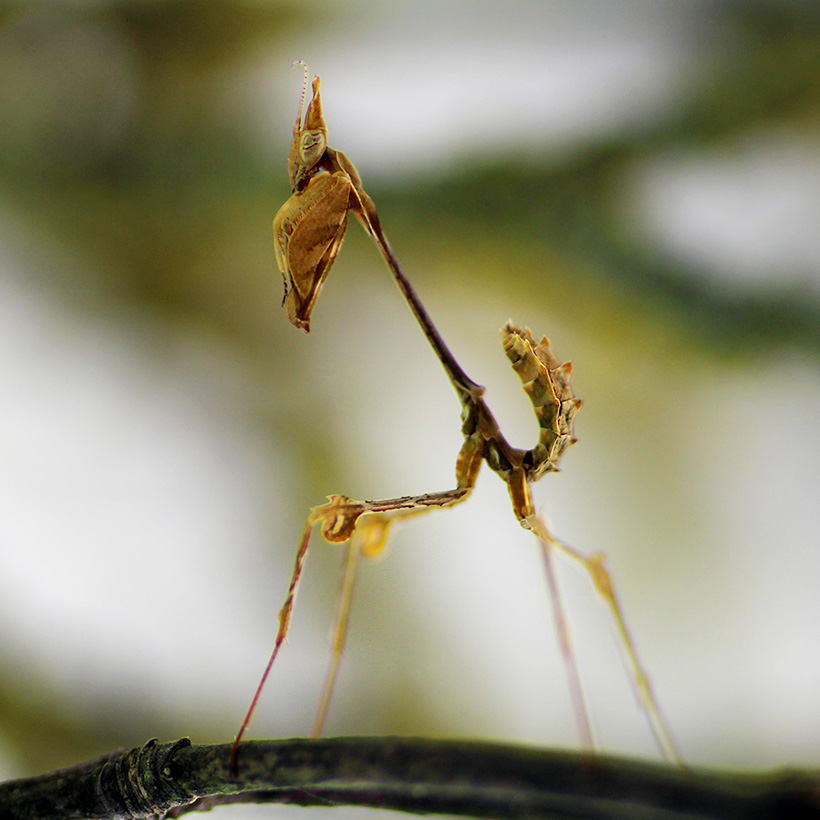
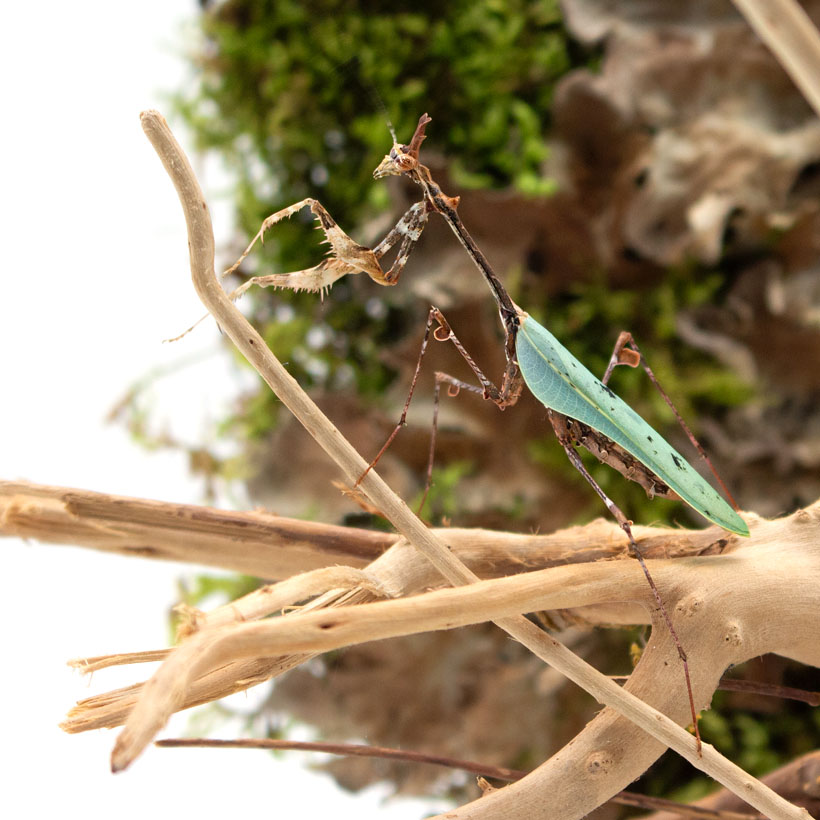
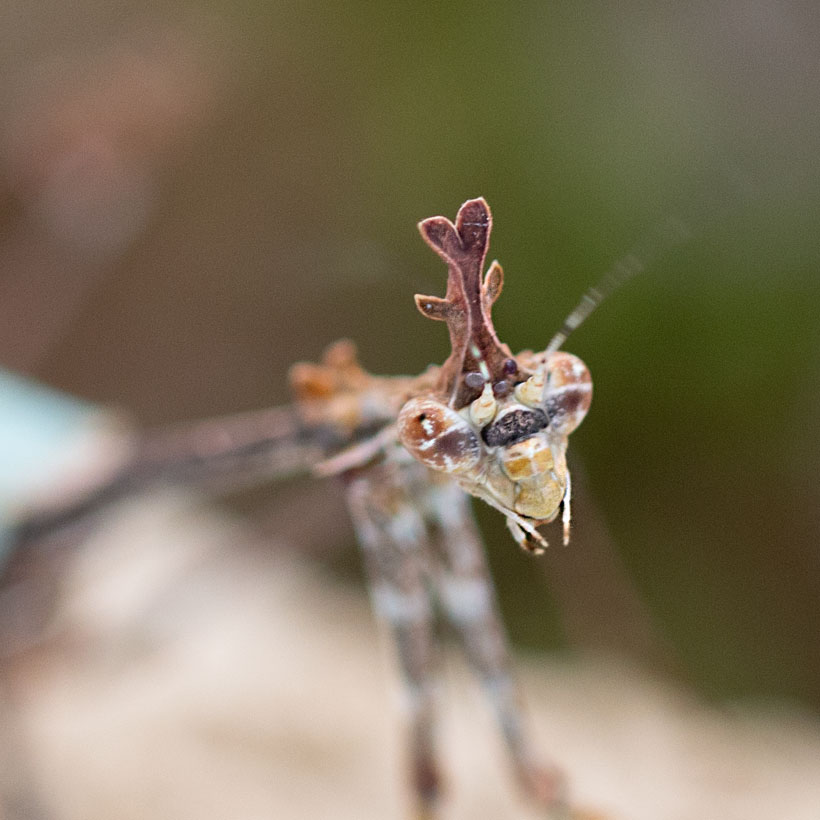
Sibylla pretiosa is one of those mantises that makes you look twice. Its slender body, long legs, and unusual shape allow it to blend almost seamlessly into its surroundings among branches and leaves. Add to that its elegant yet alert hunting behavior, which makes it particularly fascinating to watch in the terrarium.
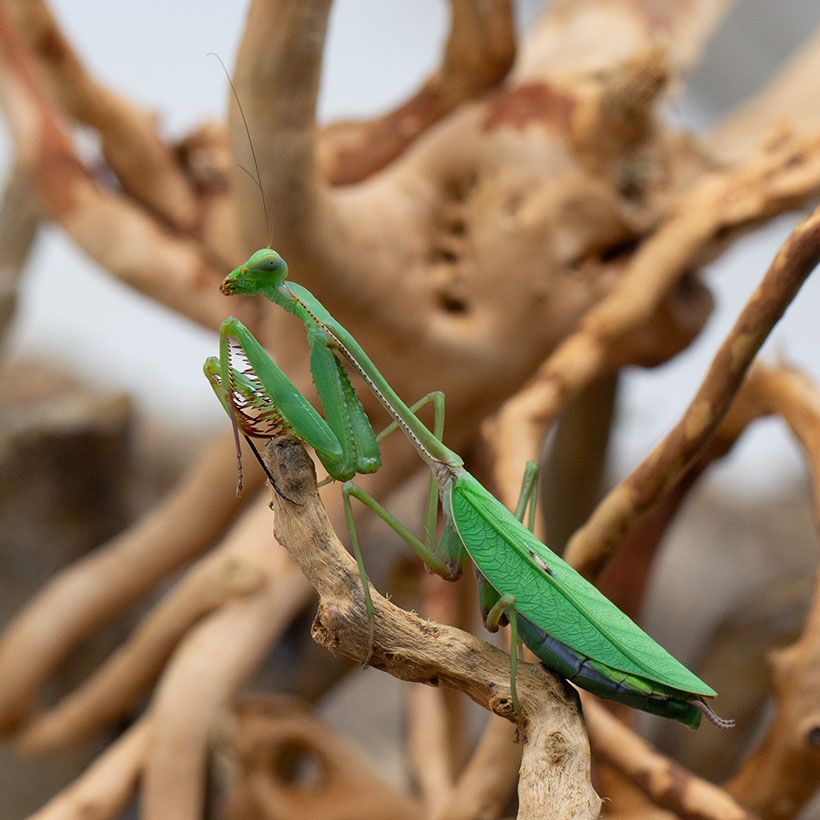
This species is native to Africa, where it primarily inhabits warm habitats with trees and shrubs. Instead of waiting motionless on the ground, it prefers to stay up high in the vegetation. That’s why you should provide it with plenty of branches and plants in the terrarium for it to climb on and walk around on.
It is also particularly interesting to see how their needs change as they develop. Young larvae prefer slightly cooler and more humid conditions, while older individuals can tolerate significantly higher temperatures.
A mantis with extraordinary camouflage
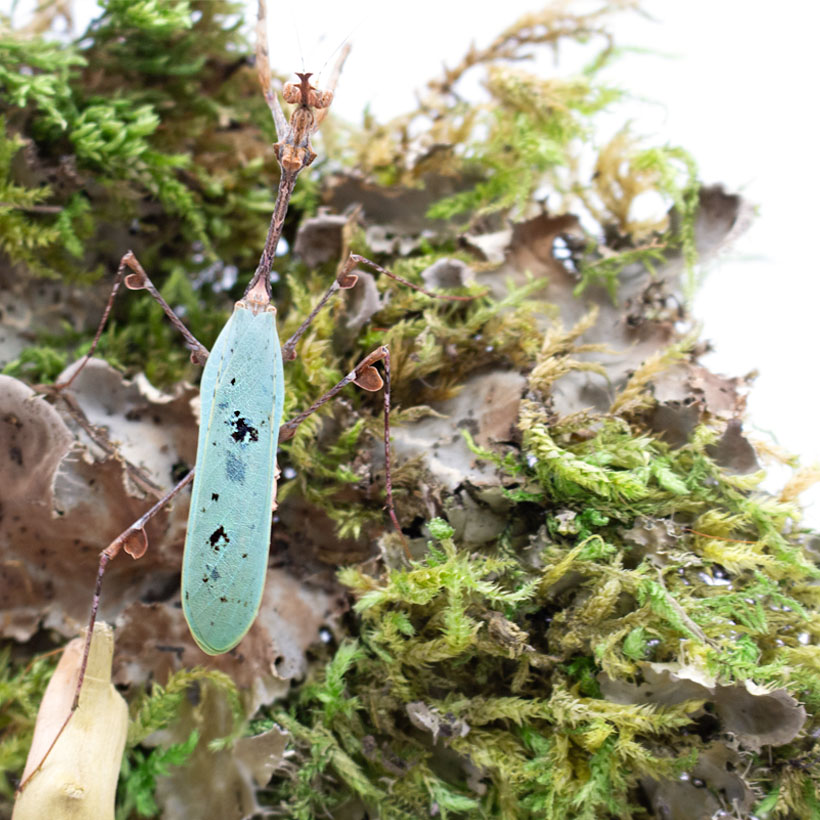
The body shape of Sibylla pretiosa differs significantly from that of many classic mantises. Its slender body and long limbs make its contours appear blurred, making it difficult to spot among thin branches and plants.
At the same time, this species can move very quickly. Adult individuals, in particular, are surprisingly fast, while fully grown males can also be very active fliers.
It is precisely this combination of camouflage, elegance, and sudden movement that makes this species so interesting.
Posture changes with age
For Sibylla pretiosa, you should adjust the climate to the respective larval stage. Young animals, in particular, are sensitive to excessively high temperatures.
As a general guideline, we recommend:
- L1/2: 23–25 °C and 60–75% humidity
- L3/4: 25–27 °C and 60–75% humidity
- L5/6: 26–29 °C and 60–70% humidity
- L7/8: 26–31 °C and 55–70% humidity
It is particularly important to note that young animals in L1/2 should not be exposed to temperatures above 27 °C for extended periods, as they can be very sensitive to such conditions.
In addition, the terrarium should always be well-ventilated. Humidity is important, but it should not result in stagnant, damp air.
Create different temperature zones
Instead of heating the entire terrarium evenly, you should place the heat source on one side. This creates a warm zone, while the opposite side remains slightly cooler.
This allows the Sibylla pretiosa to choose the area that is most comfortable for it at any given time. At the same time, you can better replicate the natural temperature gradient in its habitat.
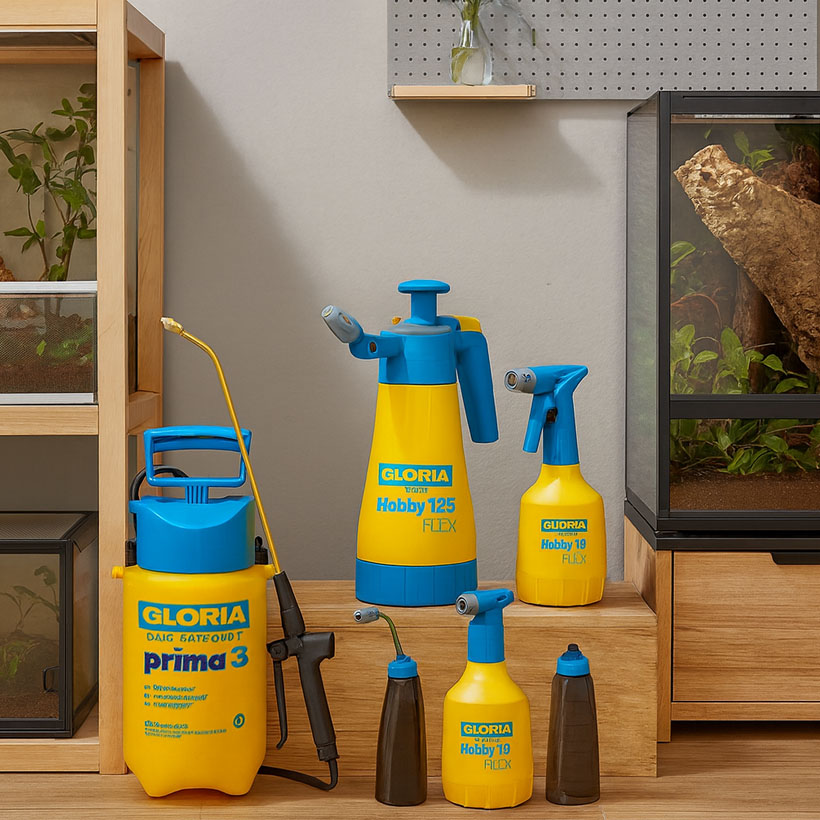
Light misting also provides drinking water, as the animals like to lap up droplets from leaves and other surfaces.
Plenty of space for safe molting
As with other mantises, the setup is particularly important for successful molting. To do this, Sibylla pretiosa hangs upside down and needs sufficient free space beneath it.
Therefore, allow for at least twice the animal’s body length as free space below. In addition, the ceiling or interior should provide enough secure spots for the animal to hold on to.
Branches and plants can be used to add structure to the terrarium, but they should not completely block the molting area.
The Right Food for Every Stage of Development
The size of the prey also changes as the larvae grow. Small larvae need prey that is small and easy to reach, while older larvae can overpower larger prey.
They have proven themselves:
- L1/2: Drosophila melanogaster and Drosophila hydei
- L3/4: Drosophila hydei and the ovenfish
- L5/6: Goldflies and Ovenfish
- L7/8: Blowflies and Cockroaches
In general, Sibylla pretiosa will also eat cockroaches. However, for fertilized adult females, we recommend feeding them flies instead. We have had better results with this method in terms of producing beautiful, well-formed oothecae.
Group Housing Only with Caution
Young Sibylla pretiosa can be raised together at first, provided there is enough space and, above all, sufficient food.
However, starting from the presubadult stage, we recommend separating the females because the risk of cannibalism increases. Males, on the other hand, can still be kept together later on, provided the conditions are right.
Especially when raising mantises in a group, you should still observe them regularly, because mantises remain hunters and individual animals may develop differently.
Breeding and Mating
Breeding Sibylla pretiosa is particularly exciting. Females can lay an ootheca approximately every 7 days. Oothecae can form even without prior mating; however, of course, only fertilized oothecae produce young.
The female should be well-fed before mating. We recommend mating the female about 3–4 weeks after her adult molt. The male, on the other hand, can be introduced as early as about 2–3 weeks after his adult molt.
The male exhibits an interesting behavior shortly before mating. Once he has recognized the female, his antennae often begin to tremble much more noticeably.
The entire mating process can last about 4–5 hours, while the actual copulation usually takes about 30–60 minutes.
From the ootheca to the next generation
Females like to attach their oothecae to the undersides of leaves or other relatively flat surfaces.
Temperatures of about 25–29 °C and humidity levels of 60–70% are suitable for the oothecae. At the same time, good ventilation is important to prevent moisture from accumulating over time.
Depending on the temperature, the young hatch after about 4–6 weeks. A well-developed and fertilized ootheca can produce about 25–40 young.
After that, the life cycle begins again, and the newly hatched larvae should be kept in a slightly cooler environment.
Advantages at a glance
- Extraordinary African Mantis
- A very distinctive body shape and camouflage
- Fascinating Hunting Behavior
- Adult males are keen to fly
- Young animals can be raised together at first
- Interesting color and body development
- Females regularly produce oothecae
- Approximately 25–40 young per fertilized ootheca are possible
- An Exciting Species for Breeding Projects
- Of particular interest to more experienced mantis owners
Suitable accessories for your setup
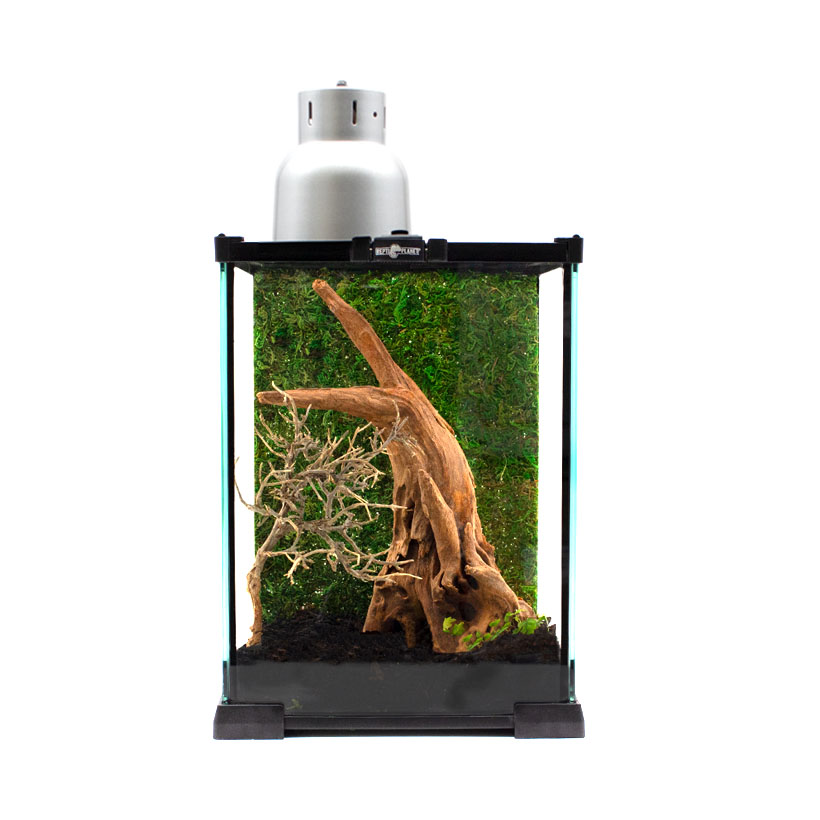
Mantid Terrarium Complete Set –offers plenty of viewing space and ample opportunities for a structured setup.
Suitable Live Food – allows you to choose the right food size for each larval stage.
Repto Tree Vine – creates additional structure and natural climbing surfaces in the terrarium.
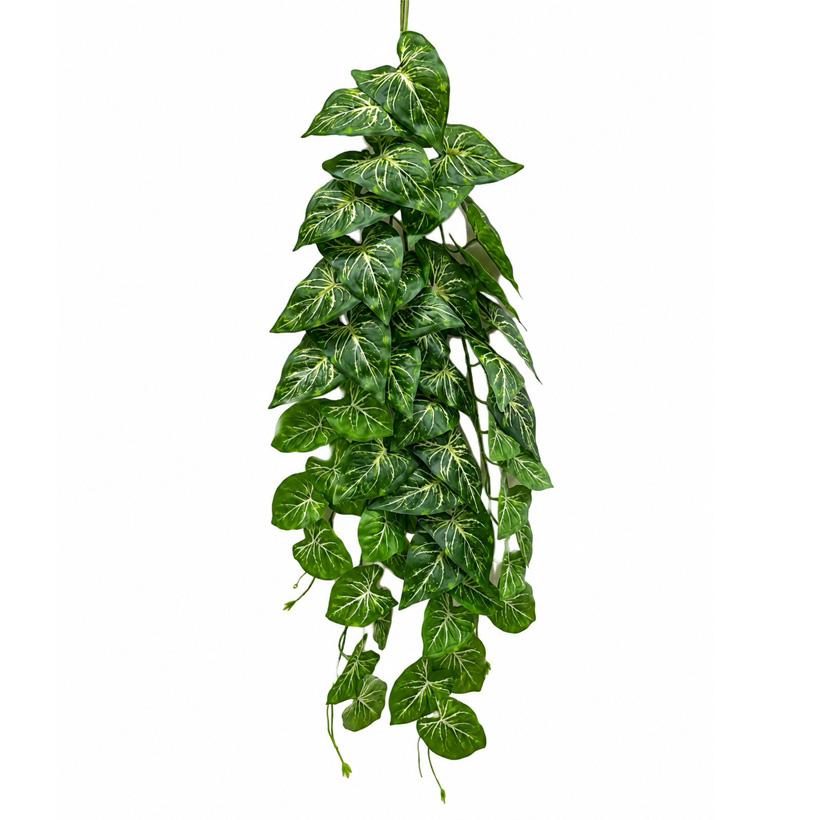
Hobby Heartleaf Hanging Plant – provides cover and additional surfaces for climbing and molting.
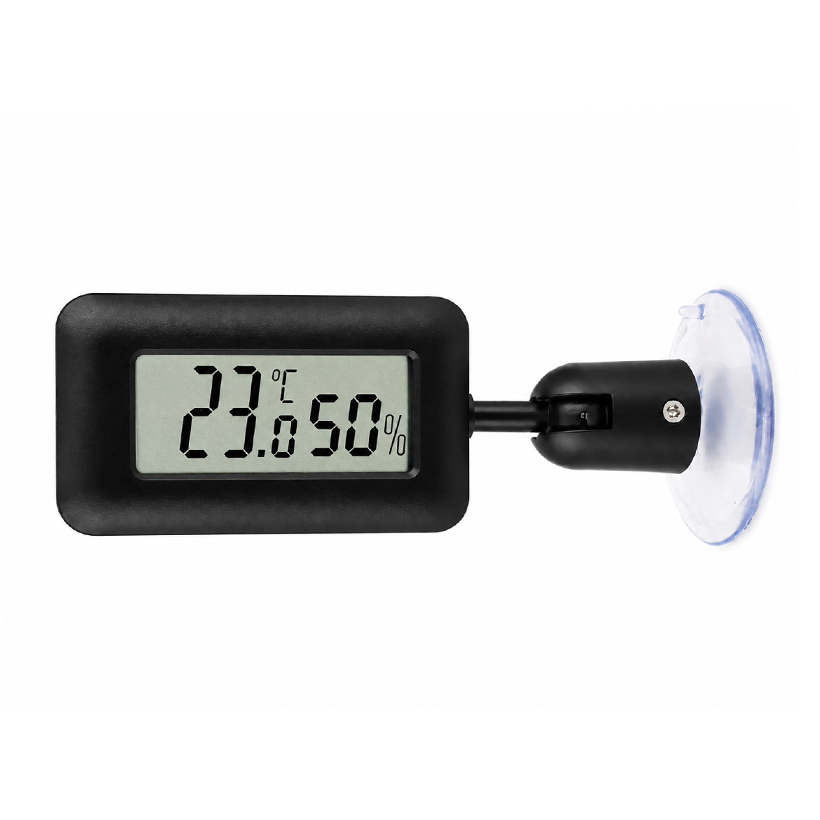
Insektenliebe Hygro-Therm – reliably monitors temperature and humidity.
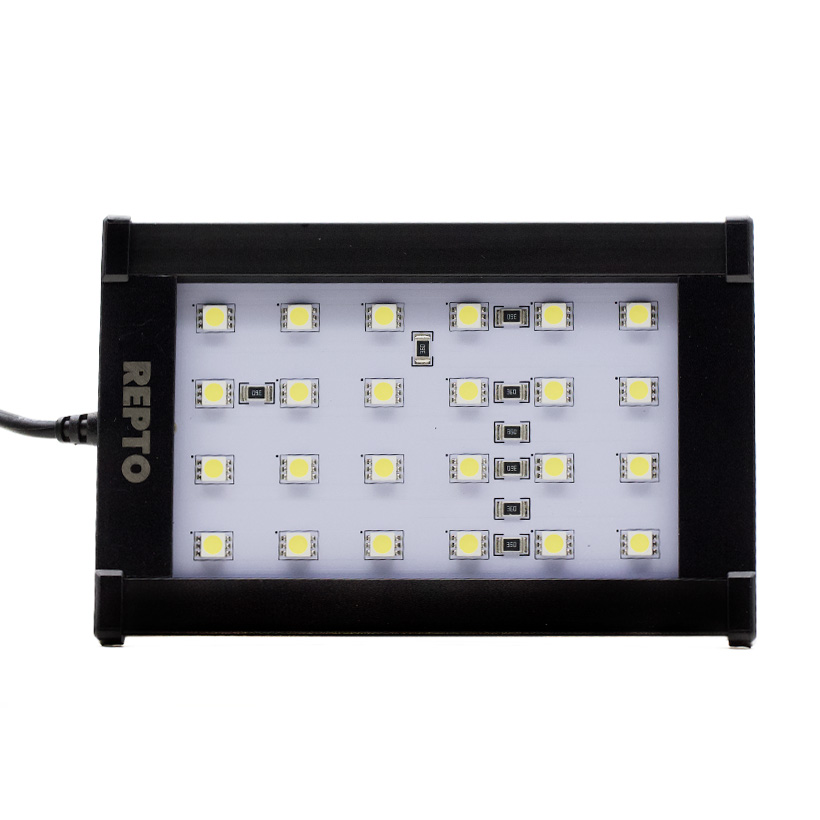
Repto Flat LED – ensures bright illumination of the terrarium.
Conclusion
Sibylla pretiosa is no ordinary mantis. Its bizarre body shape, excellent camouflage, and swift movements make it a species that always offers something new to discover in the terrarium.
Their development is particularly fascinating, as both the size of their food and the appropriate temperature conditions change as they grow older. If you take these differences into account, ensure good ventilation, and provide enough space for molting, you’ll end up with an extraordinary species of African mantis that’s a delight to both keep and breed.
Perfect combined with
-
Repto Flat LED
Original price was: 29,99 €.26,99 €Current price is: 26,99 €. incl. VAT, plus shipping