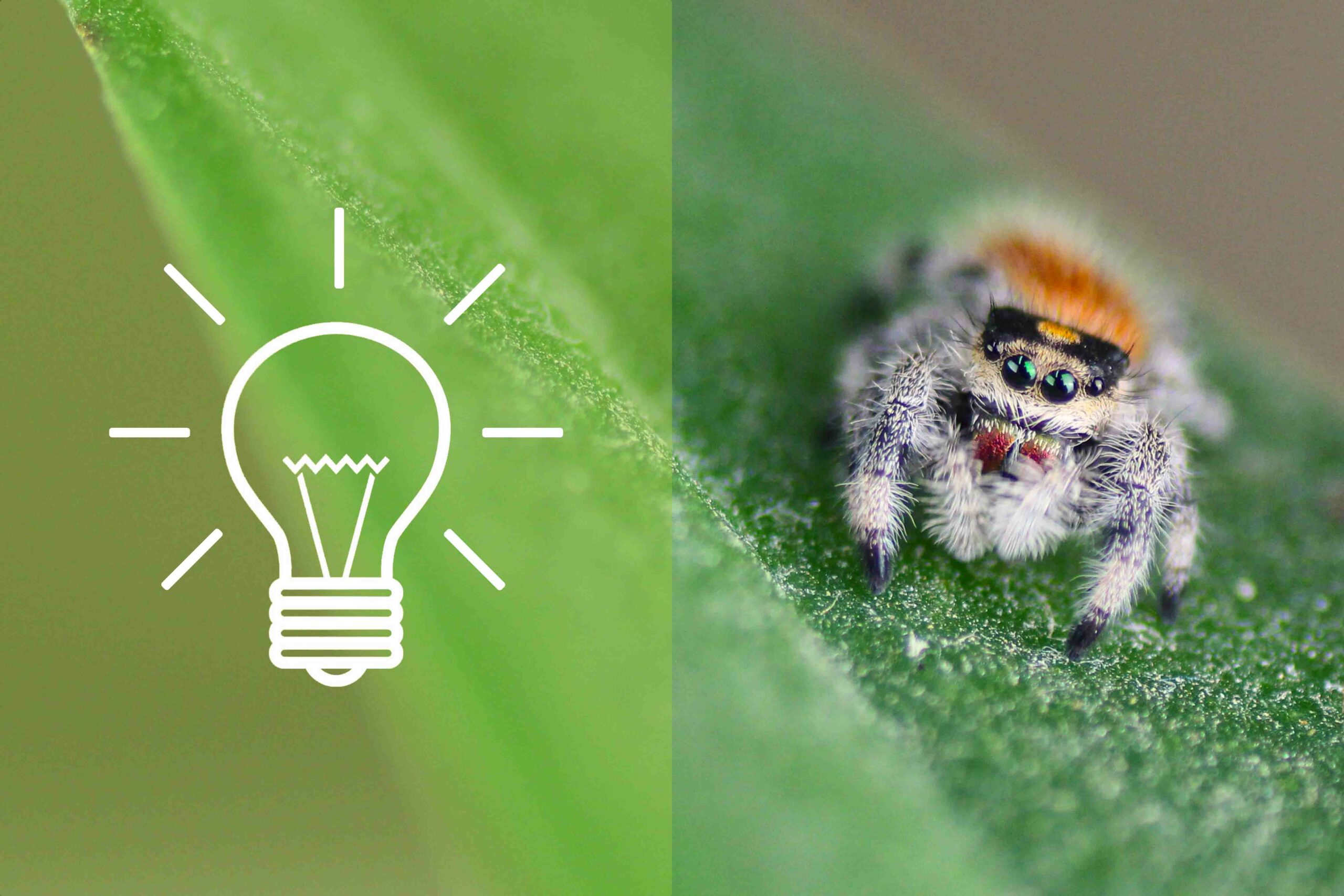


Is your jumping spider not eating, staying in its web, or suddenly acting differently? This jumping spider FAQ will help you take a closer look and decide what to do next. Often, all you need at first is patience and careful observation—not new supplies.
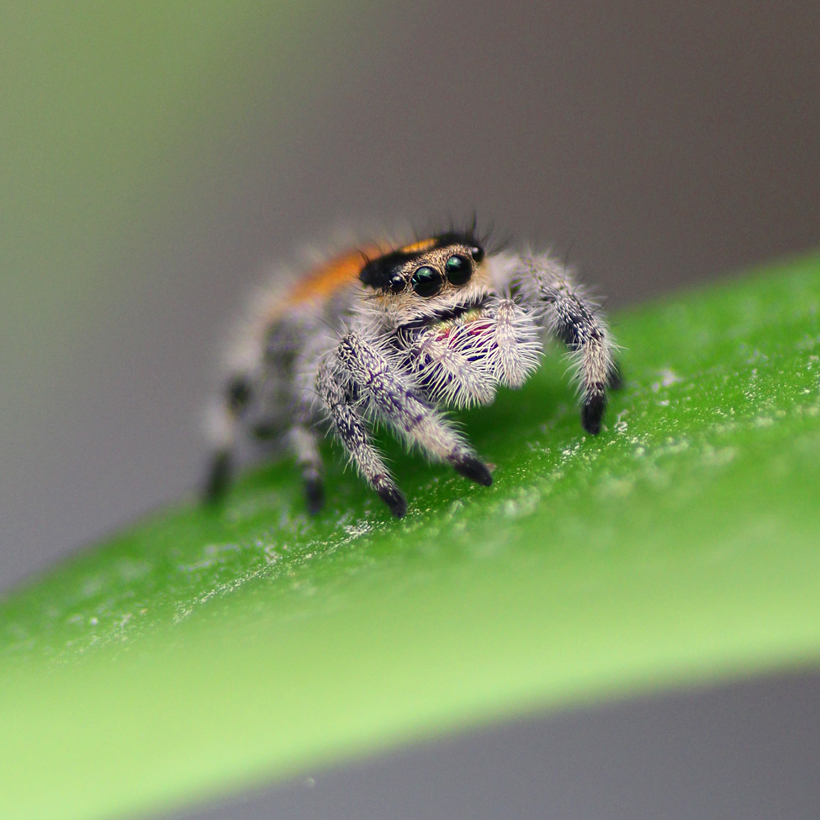
We encounter many questions regarding Phidippus regius, such as the “Soroa” and “Bahamas” forms. The basic principles also apply to other jumping spiders. However, temperature, humidity, and food size must always be appropriate for the specific species and its stage of development. A Hyllus diardi is therefore not simply a larger Phidippus regius.
YOUR READING TIP · Keeping Jumping Spiders: The Basics
Are you setting up your first pet enclosure? In our beginner’s guide, you’ll find information on setup, climate, and the right products from our selection.
My jumping spider isn’t eating: What should I check first?
A pet that skips a meal on its own isn’t necessarily a cause for alarm. The key factor is whether there are also changes in its physical condition and behavior. Make a note of the last successful feeding and the last molt. That way, you can compare specific observations rather than just counting days.
- Examine the web: If a juvenile has retreated into a dense, sealed burrow, molting may be imminent. Leave the web intact and remove any free-roaming prey.
- Check the abdomen: A well-filled abdomen can explain why the animal has stopped eating. If, on the other hand, it becomes increasingly narrow or sunken and the animal appears weak, you should seek help immediately.
- Check the environment: Do the day-night cycle and the measured temperature match your species’ needs? Are there small, accessible water droplets? Avoid direct sunlight, and don’t change multiple conditions at once.
- Observe the prey: A single, appropriately sized prey item is sufficient for a test. If the spider ignores it or backs away, remove it. Do not place prey directly into the web.
What kinds of live food are suitable for my jumping spider?
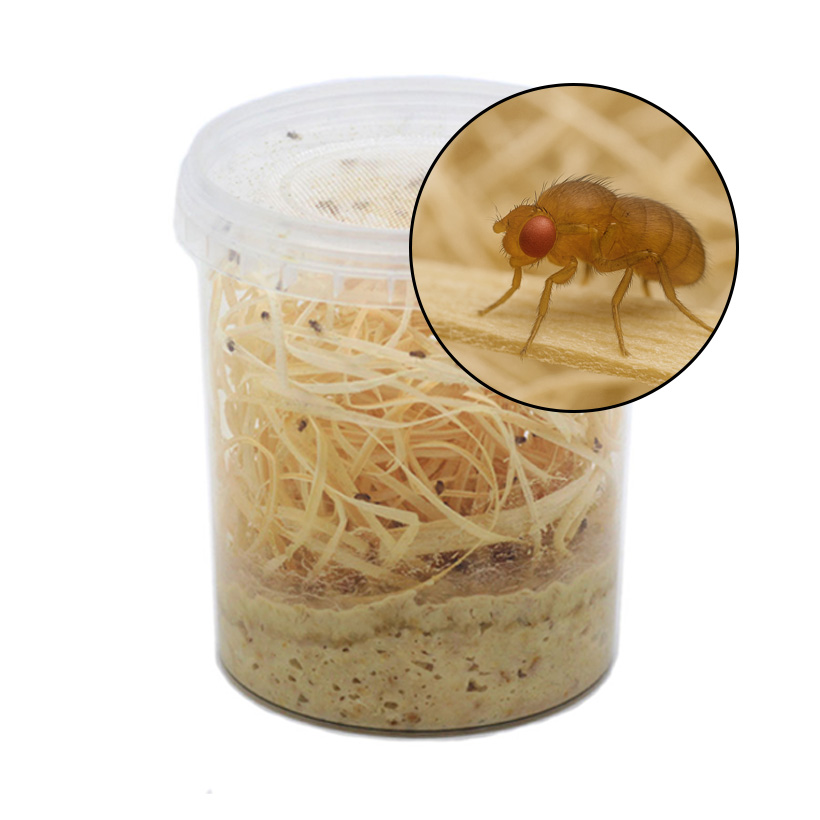
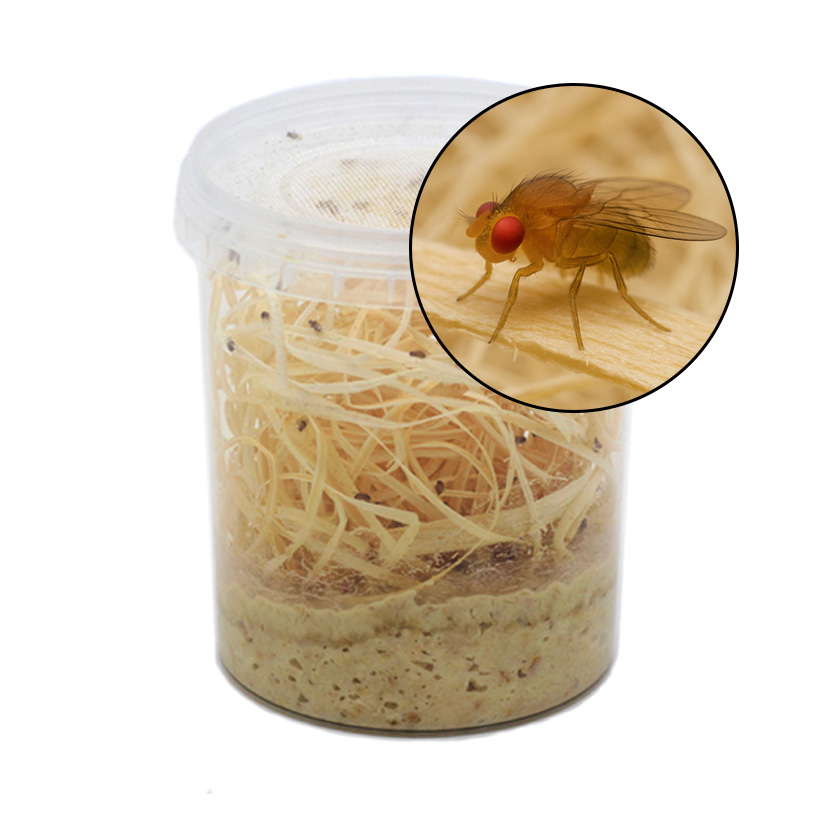
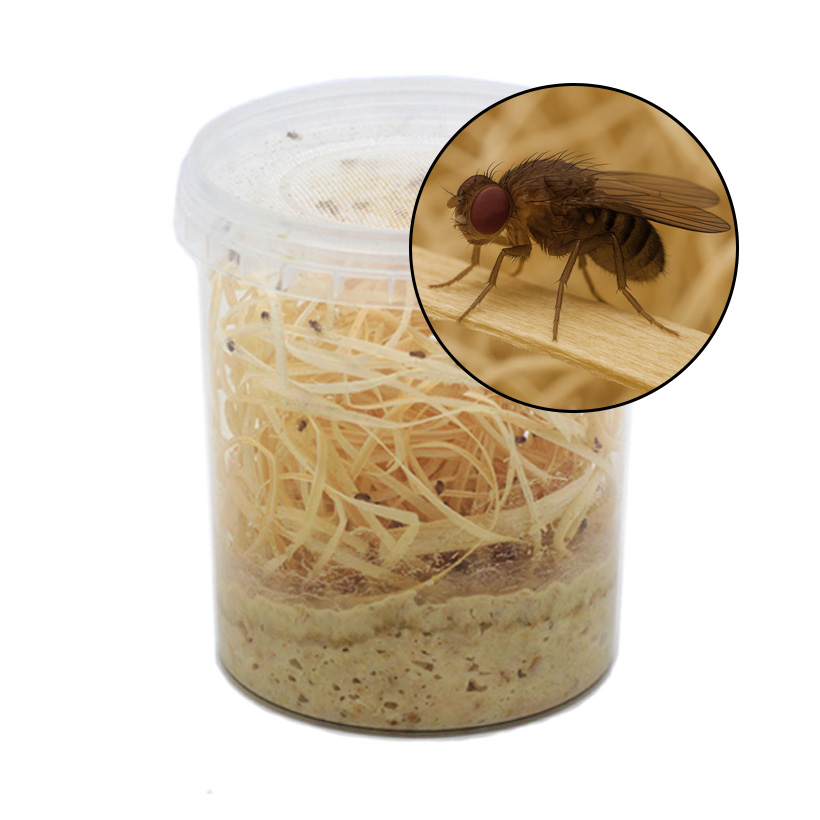
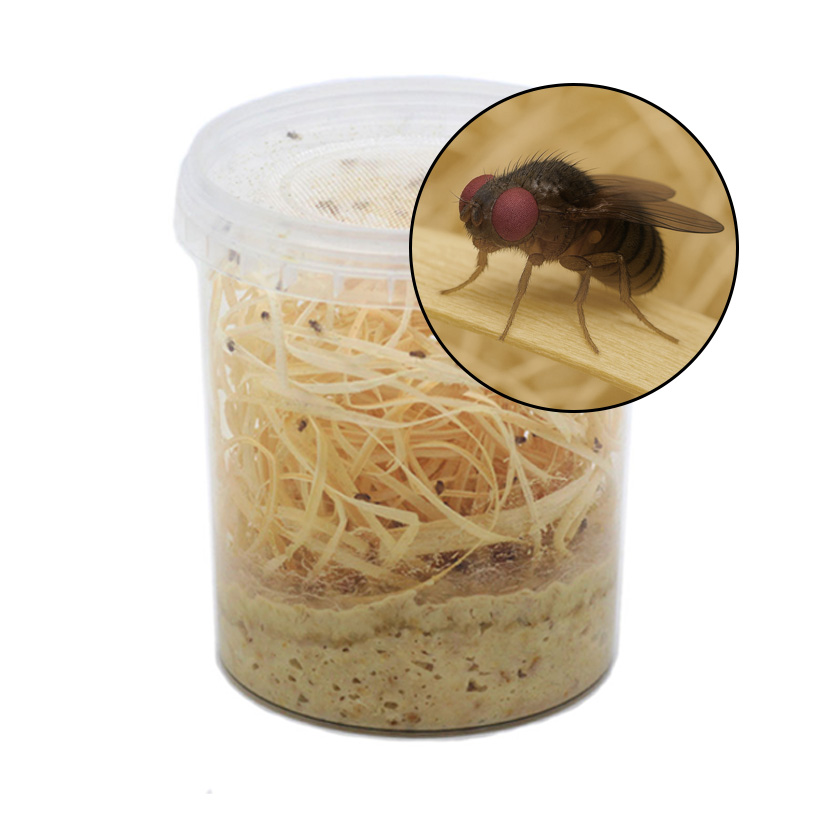
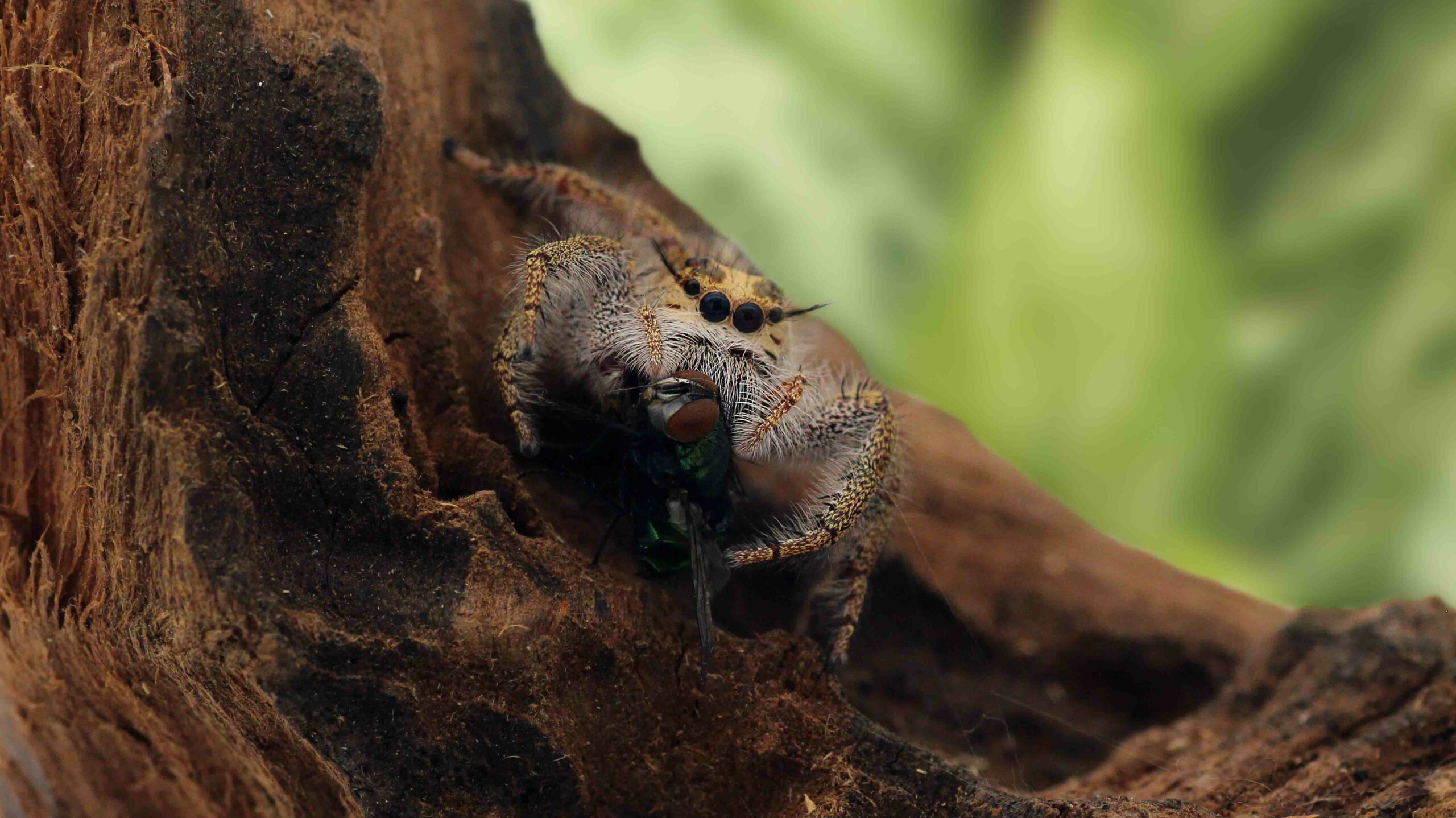
Small fruit flies are suitable for young Phidippus. Larger juveniles can handle larger fruit flies; for even larger individuals, houseflies are also an option. Actual size and hunting ability matter more than a rigid fruit fly size limit. “Ant” and “Turkish glider” are small fruit fly varieties, while the Large Fruit Fly and “Big” are larger alternatives. You don’t need to use them all at the same time.
YOUR READING TIP · Consider food size and the mouth structure together
As a supplement to the jumping spider FAQ, the feeding guide categorizes prey animals by their stage of development and suggests suitable alternatives.
Jumping Spider FAQ on Molting: When Do Calm and Patience Help?
Why has my jumping spider been sitting in its web for days?
The web serves as a refuge, a place to molt, and—for females—also a place to lay eggs. The duration alone does not, therefore, reveal the cause. Check from the outside to see if the conditions are suitable. Do not open the burrow to inspect it, and do not spray directly inside. Even a spider that has just moved in needs time to settle in.
When can I start feeding it again after it molts?
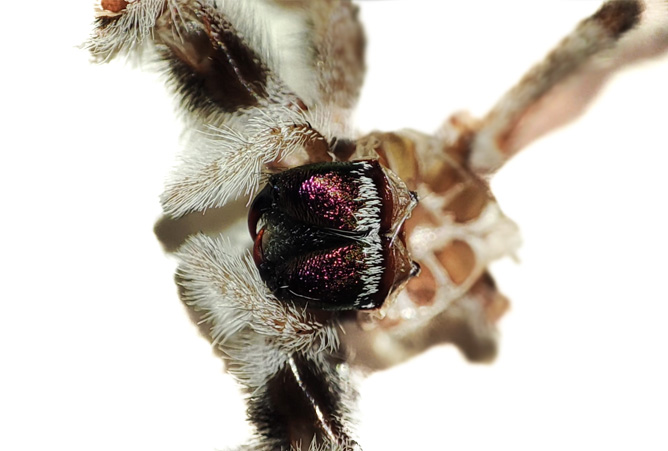
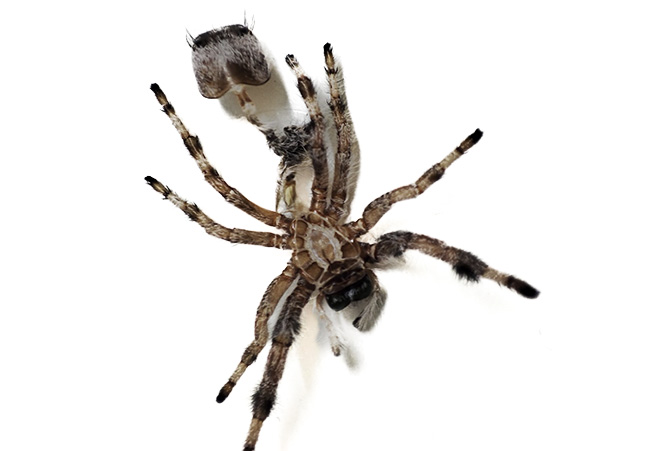
The new body and fangs need time to harden. Wait until the animal emerges on its own and is moving confidently; do not feed it immediately after it sheds its skin. The right time depends on the stage of development. Afterward, start by offering small, easy-to-handle prey. If you’re unsure, a photo and the known molting date are more helpful than a general estimate of hours.
Should I remove an old skin from the web?
Only if it is freely accessible without disturbing the animal or its burrow. You don’t have to take apart an intact web to remove the skin. Shedding is also not an opportunity for a major terrarium overhaul.
Can a lost leg grow back?
In young spiders, a leg may regrow with subsequent molts. However, there is no guarantee that the regrowth will be complete. After their final molt, jumping spiders typically do not molt again; therefore, such regeneration is not to be expected in an adult. Observe whether it can grip, drink, and catch prey with confidence. Do not pull on any remaining skin, and do not automatically assume that the loss of a leg is due to a specific humidity issue.
Terrarium: Air, Water, and Tiny Roommates
Do I have to keep the humidity at the same level all the time?
No. A hygrometer shows a snapshot that fluctuates after watering and throughout the day. The key factors are the conditions specific to your species, access to water, and proper air circulation. A uniform value of 55 or 70 percent for all jumping spiders would be too general. Therefore, don’t keep the entire terrarium constantly damp just to achieve a specific reading.
Does it really make sense to have ventilation in two places?
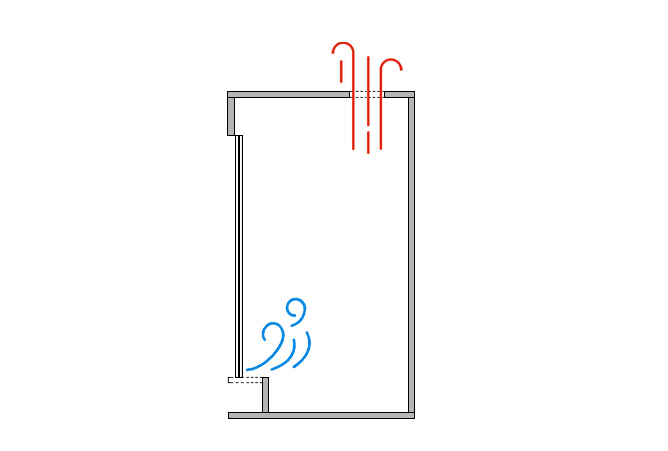
Separate ventilation openings promote air exchange. However, their size and position must be appropriate for the container. Even with two ventilation openings, an excessively damp container can be problematic. Therefore, check for condensation and wet areas. Do not simply close the vent to increase humidity.
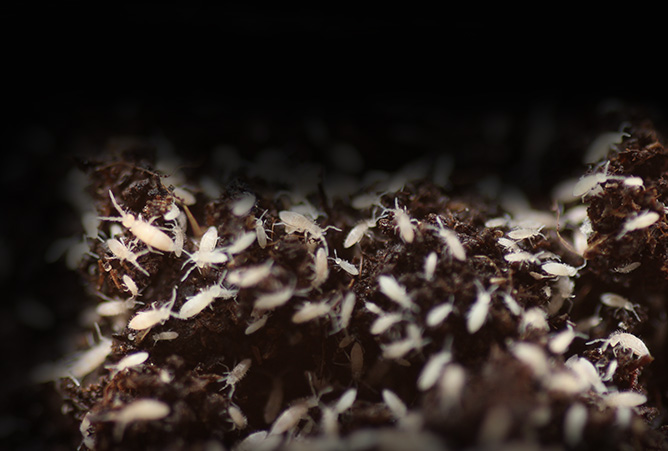
Are small white spots in a terrarium automatically harmful mites?
No. First, you need to determine what kind of animals you’re seeing and where they’re located. Remove any food scraps within reach, check food storage containers, and inspect areas that are excessively damp. Springtails can feed on organic debris, but they are not a treatment for an infestation on the animal. If they’re not present, that doesn’t automatically mean they’re the cause. If you see clusters right next to the spider, take close-up photos; don’t use mite sprays or home remedies based on suspicion alone.
When can my young pet move into a larger terrarium?
As soon as the new enclosure is the right size for the spider and is escape-proof. Check door gaps, cable openings, and ventilation for the spider and its prey. FH6 is not a general approval. You should be able to observe the spider and monitor its food intake. An existing, suitable rearing container may continue to be used.
YOUR READING TIP · Furniture That Fits Your Space
Here we show you climbing surfaces, hiding spots, and containers. This way, you’ll only buy what your pet actually needs.
Questions About Keeping Jumping Spiders: Care, Age, and Breeding
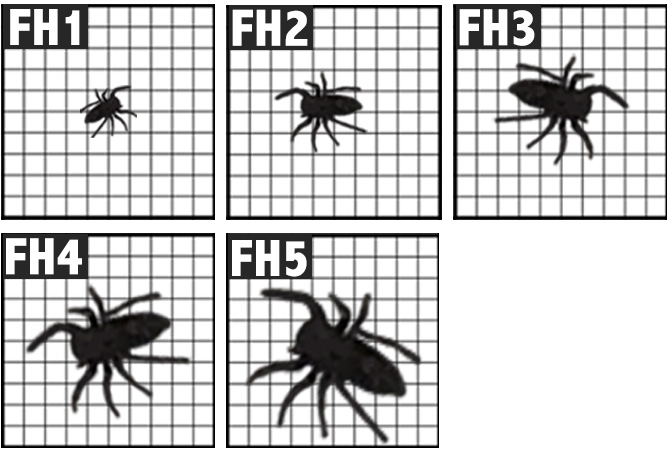
What do FH, juvenile, subadult, and adult mean?
FH stands for “feeding stage” and refers to a developmental stage between molts, not an age in weeks. The method of counting may vary among breeders; be sure to ask when purchasing. “Juvenile” means young and not yet sexually mature; “subadult” refers to one molt before maturity; and “pre-subadult” refers to two molts before that. “Adult” means sexually mature. “Sling” or “spiderling” refers to a young spider. Two spiders at the same FH stage do not necessarily have to be the same size.
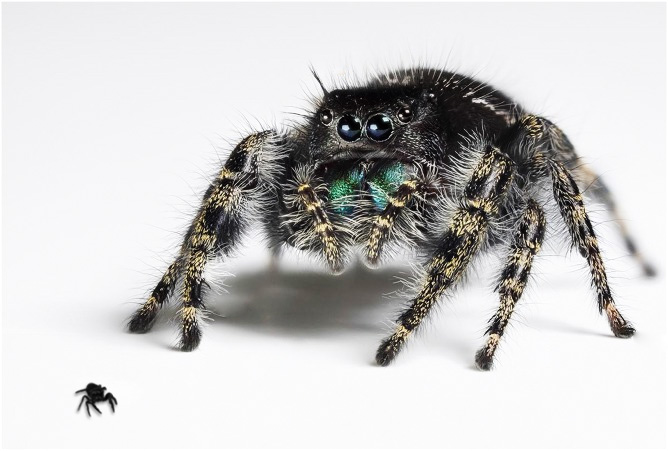
My female is building an egg case, even though I haven’t mated her. What does that mean?
Even without mating, females can lay eggs. However, if a female is acquired as an adult, the possibility of a previous mating cannot be ruled out. A single mating may be sufficient to produce several fertilized clutches. Leave the female undisturbed at first and determine her history. If offspring are possible, plan ahead for escape-proof rearing containers and very small food; do not release young animals outdoors.
How much longer will my jumping spider live?
A spider’s remaining lifespan cannot be reliably determined based on its size or color. Species, sex, and age at the time of acquisition all play a role. Therefore, ask about the hatching date and the last molt, if known. An adult male is not a young spider with plenty of growth ahead of it. It is not possible to predict a specific lifespan or the number of future cocoons for an individual spider.
Is your question missing from the jumping spider FAQ?
Please send us the species name, developmental stage, date of the last molt, and date of the last successful feeding. Include the measured temperature, your watering schedule, and photos of the animal as well as the entire tank. Also describe when you first noticed any changes. This will allow us to provide targeted advice rather than recommending a product based on guesswork.
In the event of an open wound, bodily fluid leakage, or a significant loss of mobility, do not wait for a response in the comments. Seek expert help immediately; for injuries, go to a veterinary practice that specializes in invertebrates if possible. A description alone is no substitute for an examination.
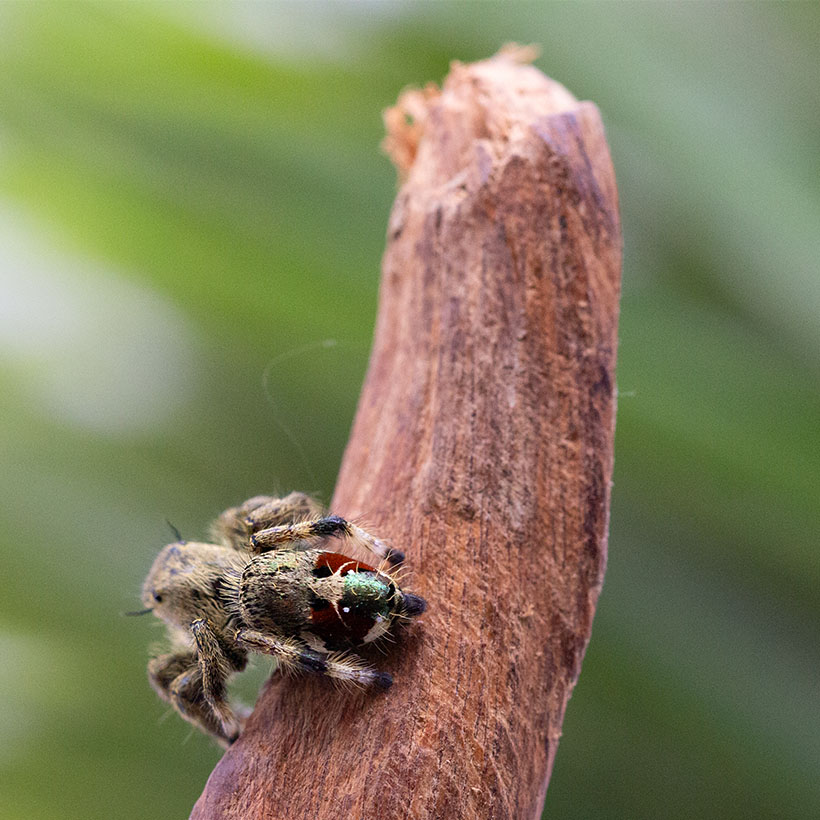
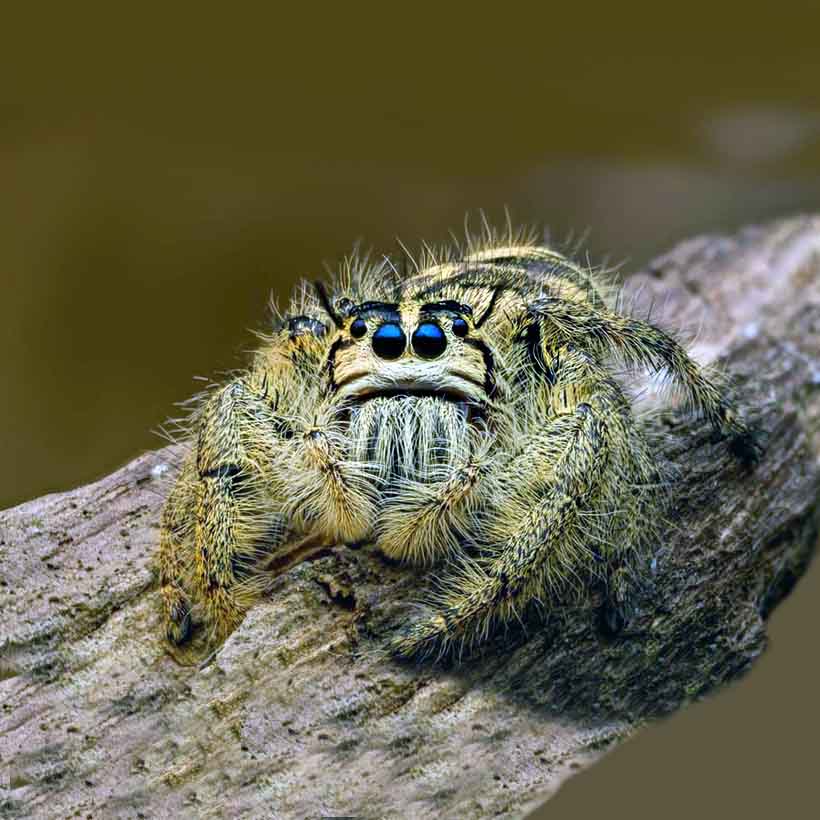
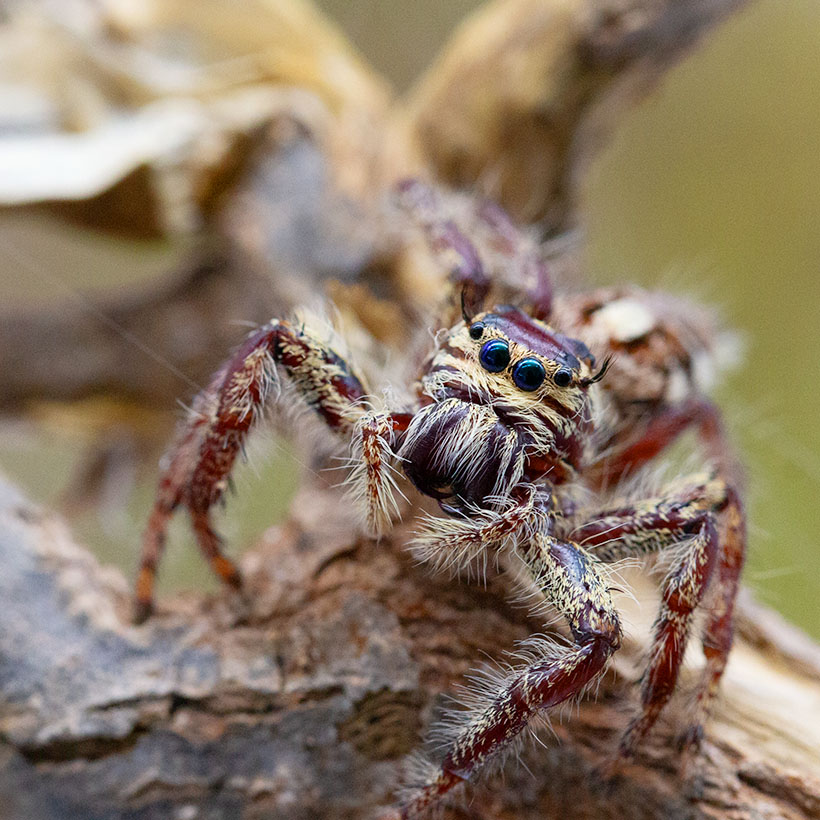
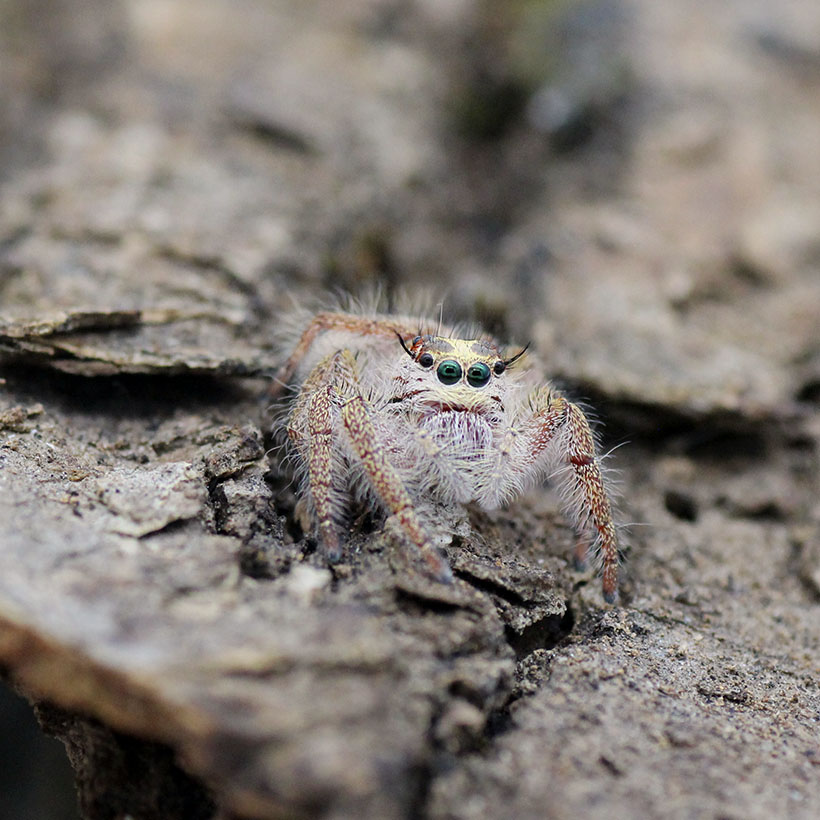
Many thanks to Nadine for the photos and her insights for this jumping spider FAQ.
Still unsure? Feel free to ask us your question in the comments section below the article.

Leave a Reply
You must be logged in to post a comment.