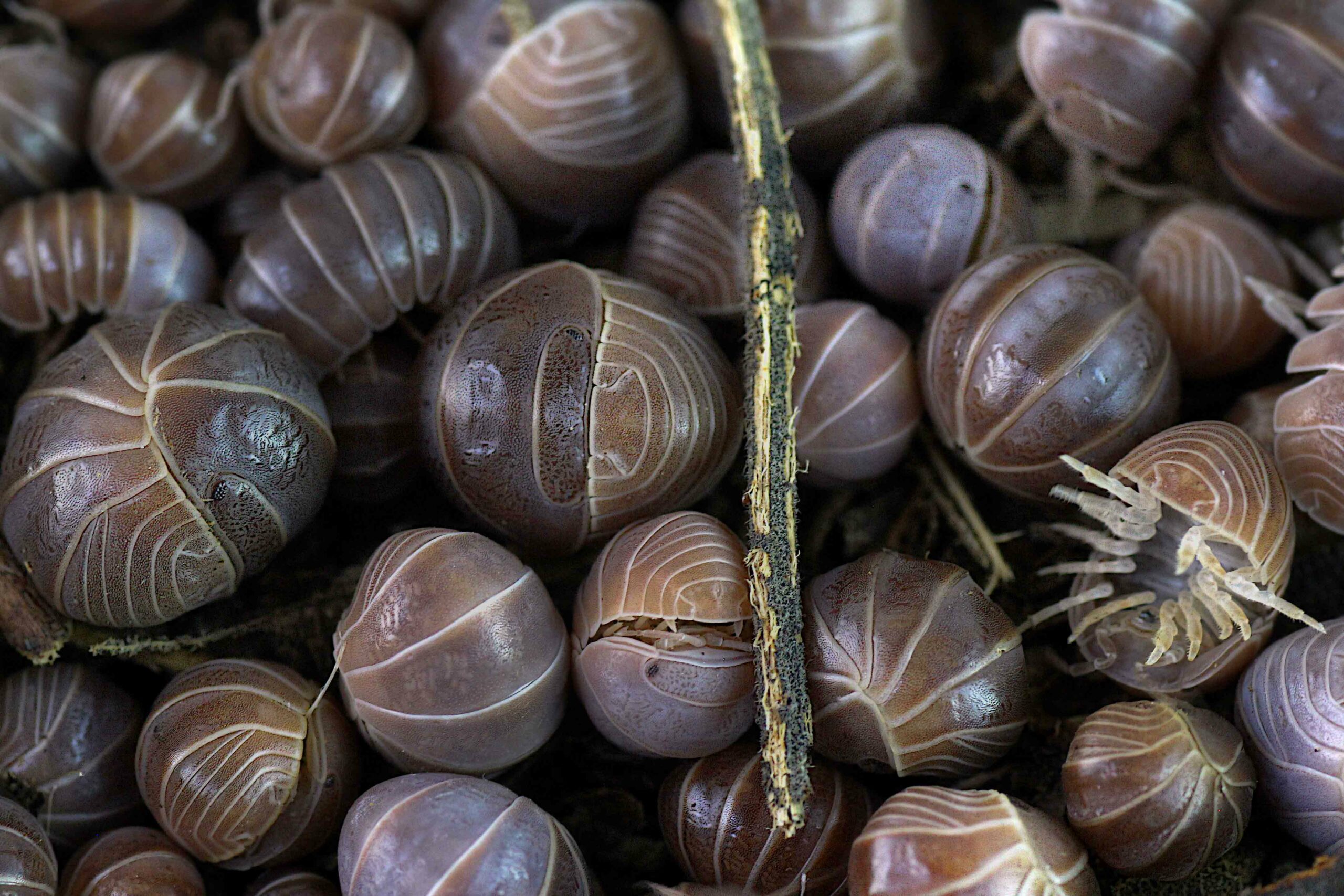


If you decide to keep Isopods as pets, you will inevitably have offspring. What to do if the Isopod terrarium gets too full? In this article, you will find background information and tips on how to keep your isopod population under control and avoid overpopulation.
Consequences of too many Isopods in the terrarium
When you discover Isopod babies in your terrarium for the first time, it’s always a great feeling. You are happy and get confirmation that you have maintained the correct husbandry parameters. A bond develops with the offspring and you care about each individual animal. How can this lead to problems? The problem is overstocking. Breeding sometimes not only gets out of hand, but can also collapse completely due to overpopulation. This causes the female Isopods to hit a genetic emergency stop and become infertile. In this way, a breeding strain that is doing very well can come to a complete standstill. This is comparable to an ant colony losing its queen. So far, however, we have only observed this phenomenon in Armadillidium species, which produce huge numbers of offspring once they reach a certain breeding strain size and then suddenly collapse.
So how do you control the number of Isopods? There are various ways to prevent overpopulation in the terrarium.
Release animals into the wild
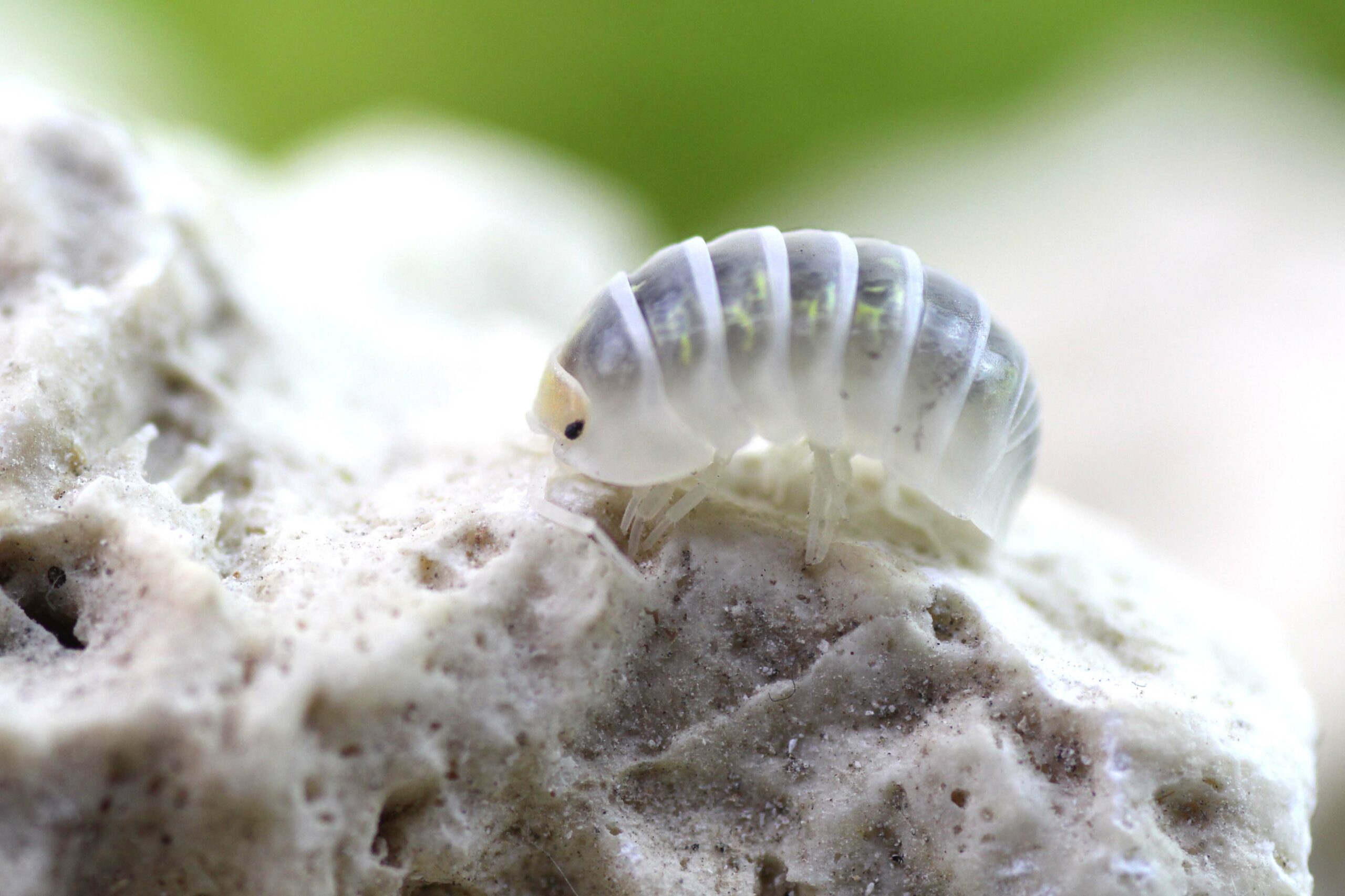
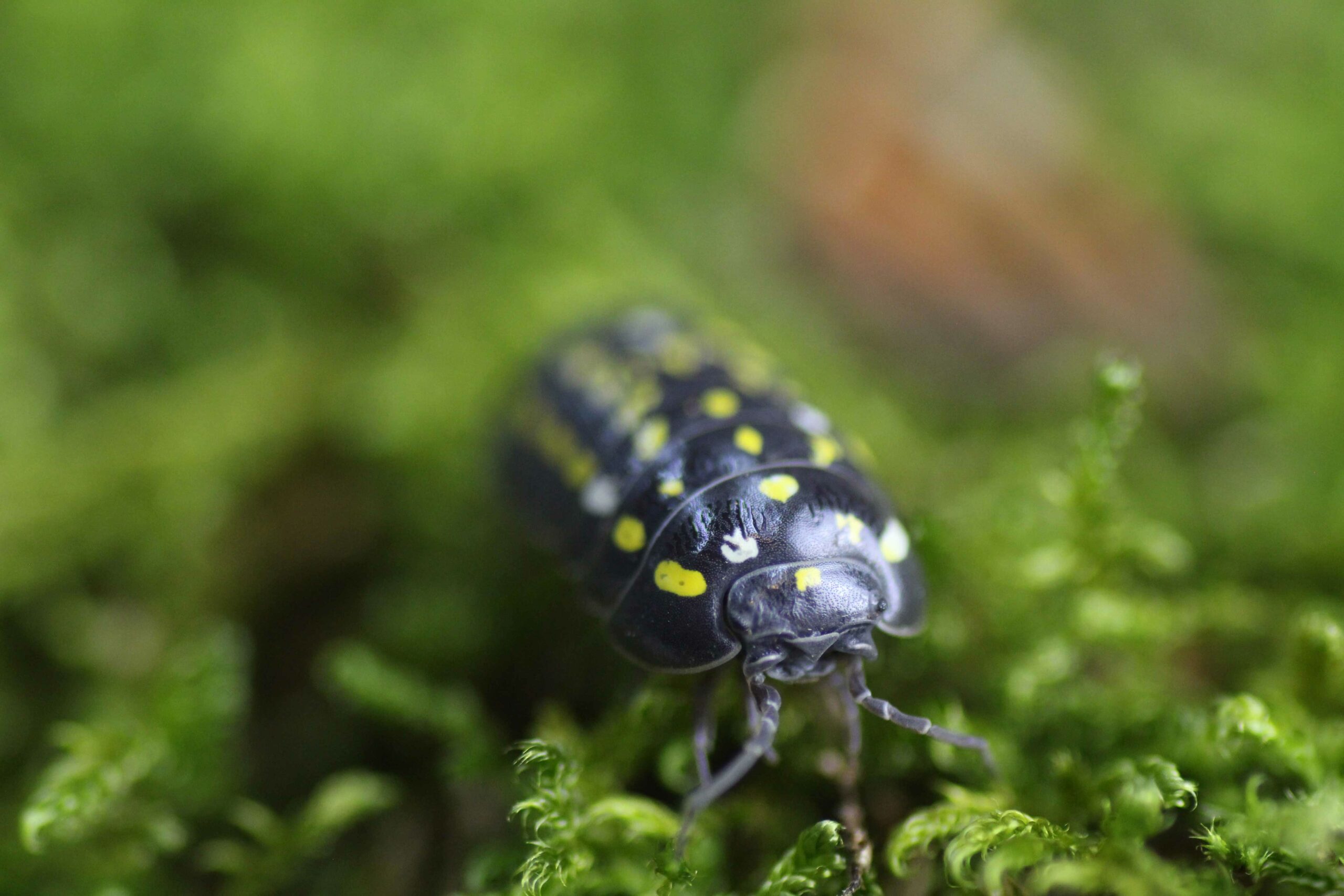
The easiest way to control your isopod population is to release native species. This topic is generally very controversial. We consulted the local veterinary office in advance, which confirmed in writing that releasing native Isopods in the forest is not a problem. However, veterinary offices in other regions may see things differently, so it is advisable to consult them beforehand. Of course, you also need to be sure that the isopod species you are keeping are native. The color variants are irrelevant, as mutations also occur in nature and very quickly mix with the natural color forms and thus become relative again. You should look for a suitable place to release them into the wild beforehand. A piece of white rotten wood in the forest or a compost heap in the garden is ideal. Everyone should check what is native to their country and region. For all isopod keepers living in Germany, we suggest the following species:
woodlouse (Armadillidium)
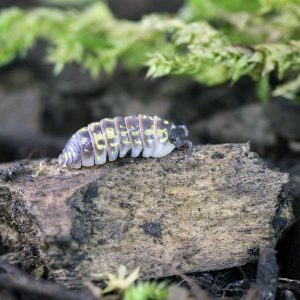
Armadillidium versicolor “Slovenia”
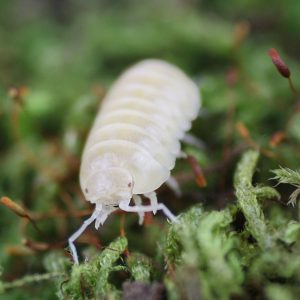
Armadillidium vulgare “T-Albino”
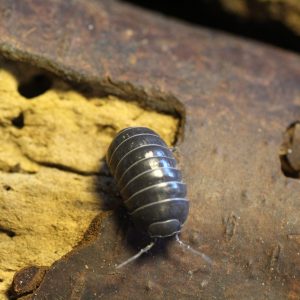
Armadillidium vulgare
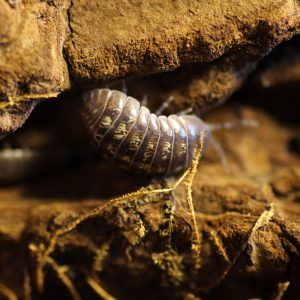
Armadillidium vulgare “yellow”
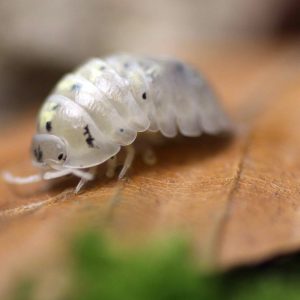
Armadillidium vulgare “Magic Potion”

Armadillidium vulgare “Red”
Woodlice (Porcellio)
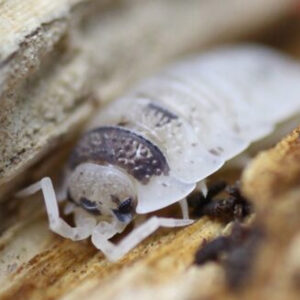
Porcellio scaber “Dalmation”
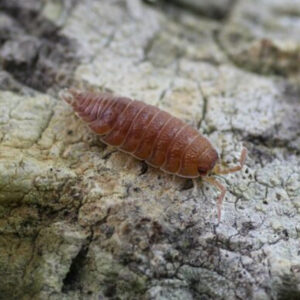
Porcellio scaber “Orange”
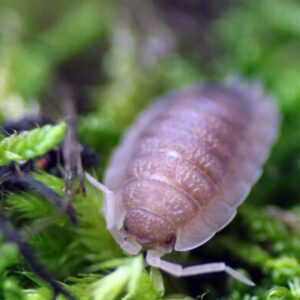
Porcellio scaber “Ghost”
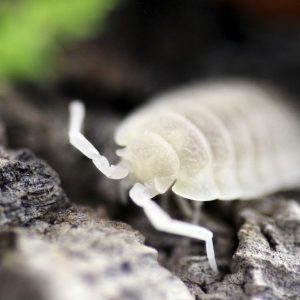
Porcellio scaber “White Out”
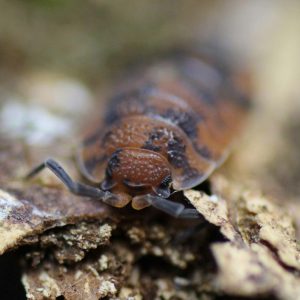
Porcellio scaber “Lava”
Other Isopods (Oniscus, Cylisticus)
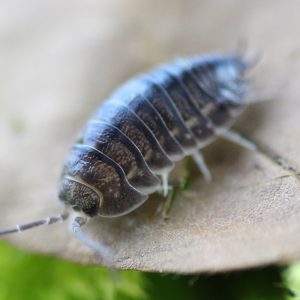
Cylisticus convexus
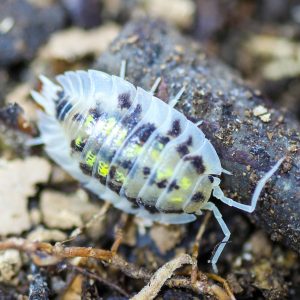
Oniscus asellus “Mardi Gras”
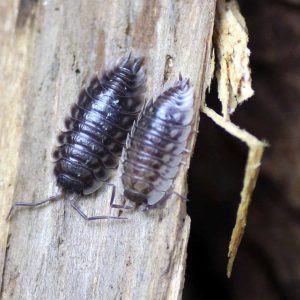
Oniscus asellus “woodlouse”
Putting your offspring in good hands
On the one hand, you can raise the animals to a certain size and then pass them on to like-minded friends or swap them. Some pet shops will also be interested in healthy and strong offspring. It is best to inform yourself before breeding and make contact. You may find someone in advance who is permanently interested in your species of isopod.
We also regularly look for offspring of certain species.

We are interested in your offspring!
✓ Isopods, mantids or diplopods
✓ Purchase or exchange
✓ Contact us
There are various platforms on the internet where you can offer your animals, some of which are reputable. The same applies to regular pet fairs in various cities. If it doesn’t work out for you to give away your offspring regularly, you should think about alternatives.
Adjust the amount of food
If you feed more sparingly, the number of newborn Isopods will inevitably decrease. The reduction per litter can be 20-40 Isopods. The number of animals adapts very well to their environment. This can also be observed wonderfully in the forest. While the number of Isopods on a large white rotten trunk can be in the hundreds, under sparse conditions only a few Isopods can be found. If you deprive the Isopods of food to a minimum, they will stop reproducing and only the strongest will survive. This approach requires a certain amount of self-discipline and is not suitable for everyone. After all, you buy animals to look after them and give them a carefree life. As cruel as this may sound at first, it is a good way to grow a healthy breeding stock in the long term.
Use predators
Our forests are of course also home to the natural predators of our Isopods. If we take a closer look at them, we can find a few suitable animals that can also be kept in a woodlouse terrarium. Perhaps some of you have already brought in a pseudoscorpion with a few forest utensils. Don’t worry, the 4.5 mm would-be scorpion does not have a venomous sting. It merely resembles a scorpion and belongs to the order of arachnids. However, it not only decimates the mites in the terrarium but also feeds on the newborn Isopods and sucks them out spider-style. Another predator that roams our forests is the centipede. It is a 5 cm large, nocturnal hunter and grabs medium-sized Isopods at lightning speed.
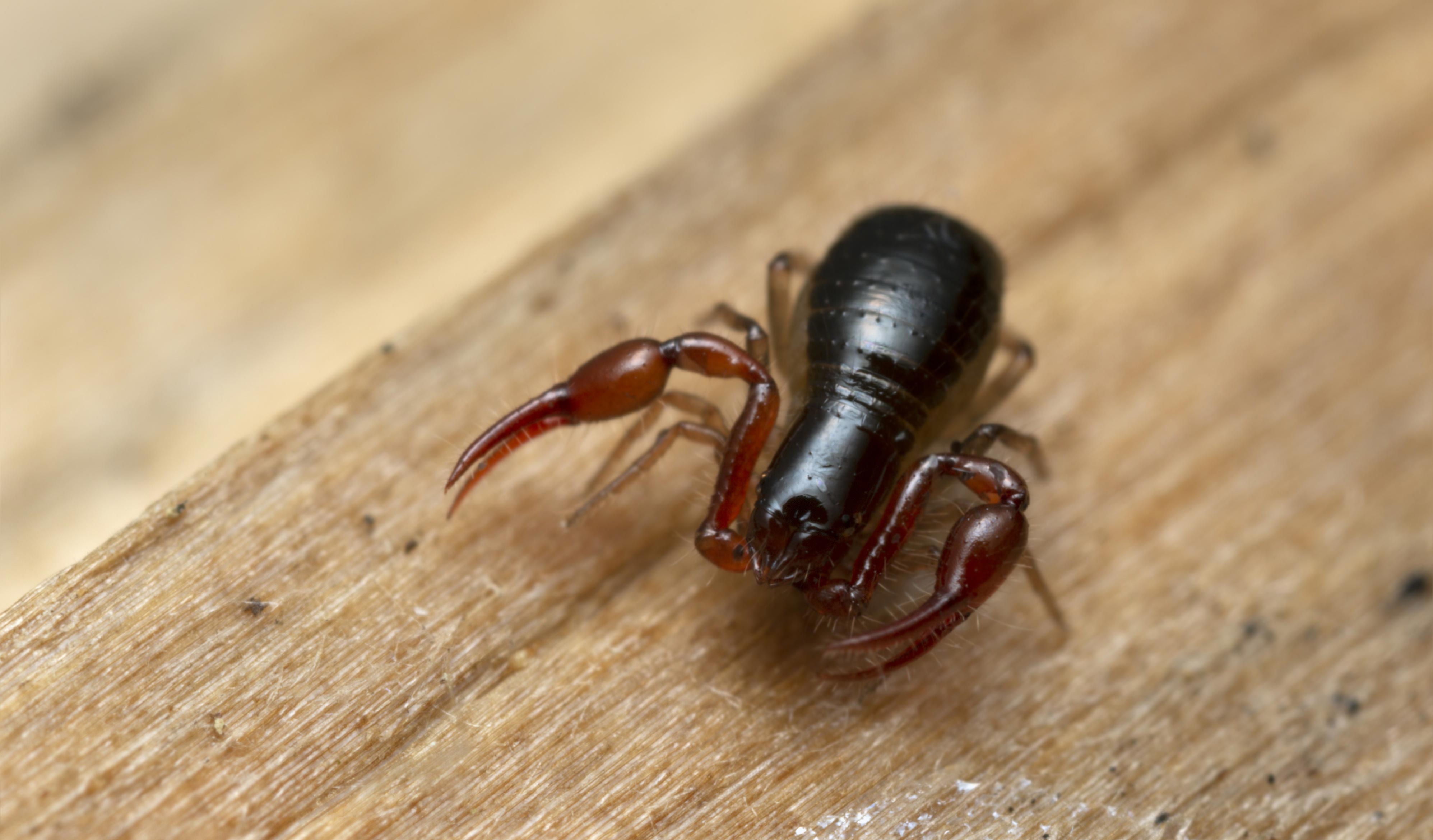

Both predators fit perfectly into our isopod terrarium in terms of husbandry parameters and have no problems adapting. However, if the stocking is already so advanced that there are hundreds of Isopods in the terrarium, both species come too late. They should be introduced with 30-50 animals so that the stocking is balanced. Personally, I would always introduce between five and ten animals.
Competition prevents overpopulation
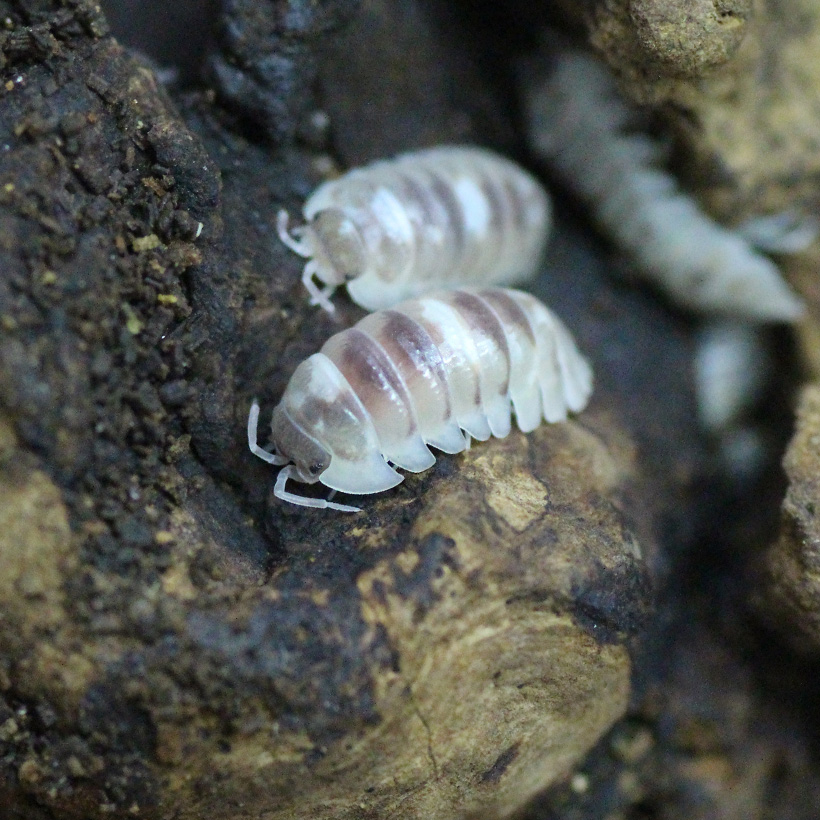
Finally, we come to a very effective way of preventing overpopulation. When introducing “white Isopods” into our Isopod terrariums, we noticed that they prevent overpopulation of the actual Isopod species. White Isopods have a high reproduction rate and are therefore a food competitor.

They are hardly noticeable as they like to stay in the substrate and only come to the surface occasionally when feeding vegetables. A collapse of the white Isopods due to overpopulation cannot occur. The isopod population of the actual isopod species will still increase and you will get a nice breeding group. In addition, you will not reach an overpopulation where you are faced with dangers such as a complete collapse.
Do you have further questions or disagree? Please write them in the comments!


Leave a Reply
You must be logged in to post a comment.