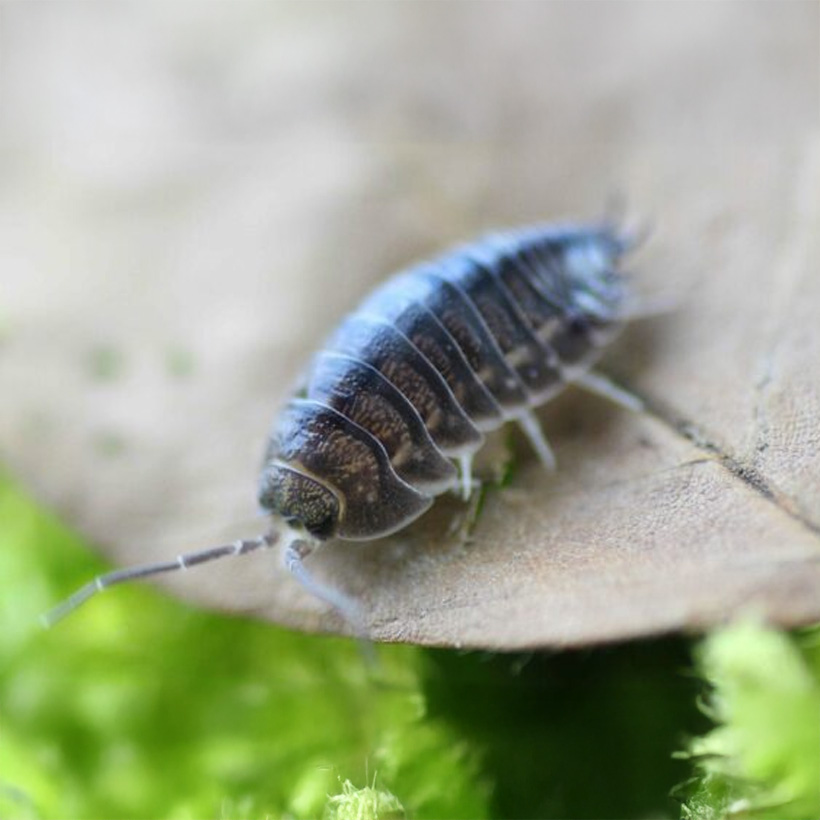
Cylisticus convexus
19,00 € incl. VAT, plus shipping

Simple

Cosmopolitan

< 20 mm

15°C – 28°C
Cylisticus convexus – the urban woodlouse that can curl up into a ball
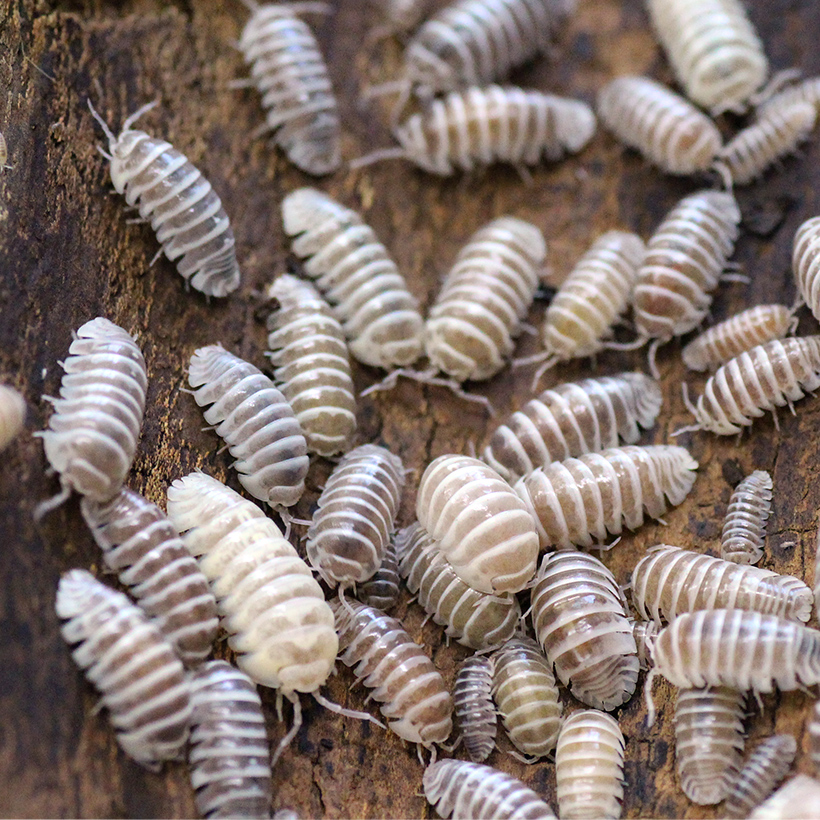
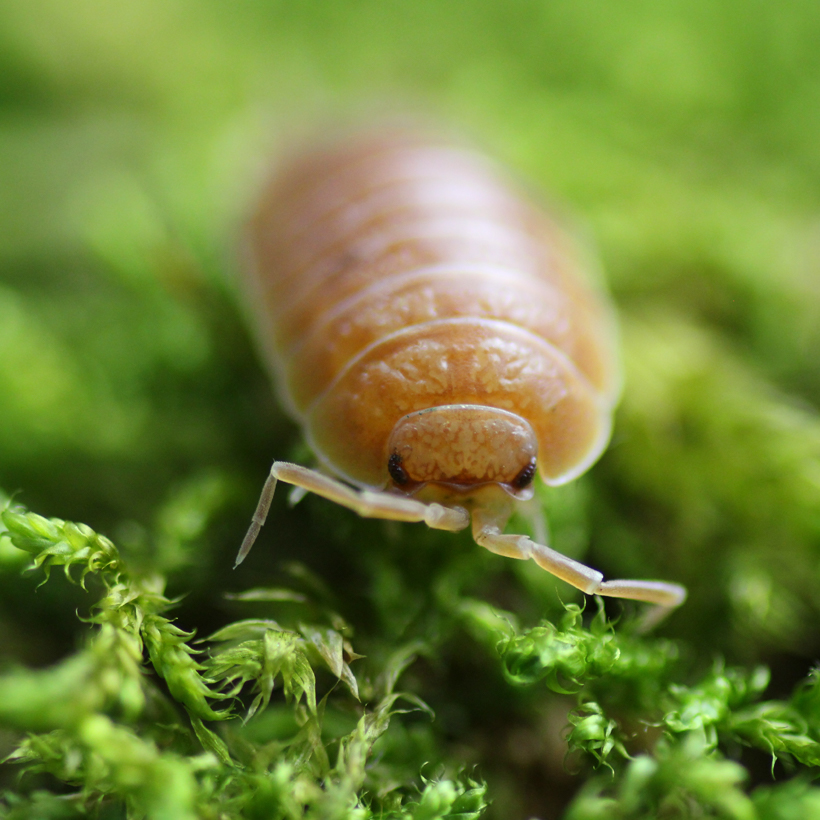
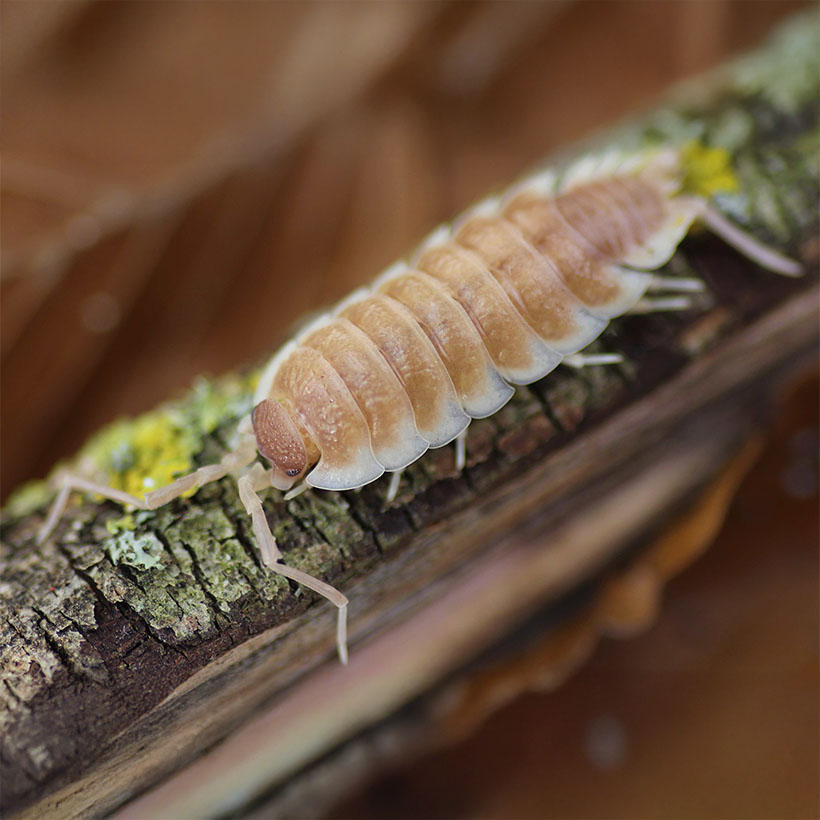
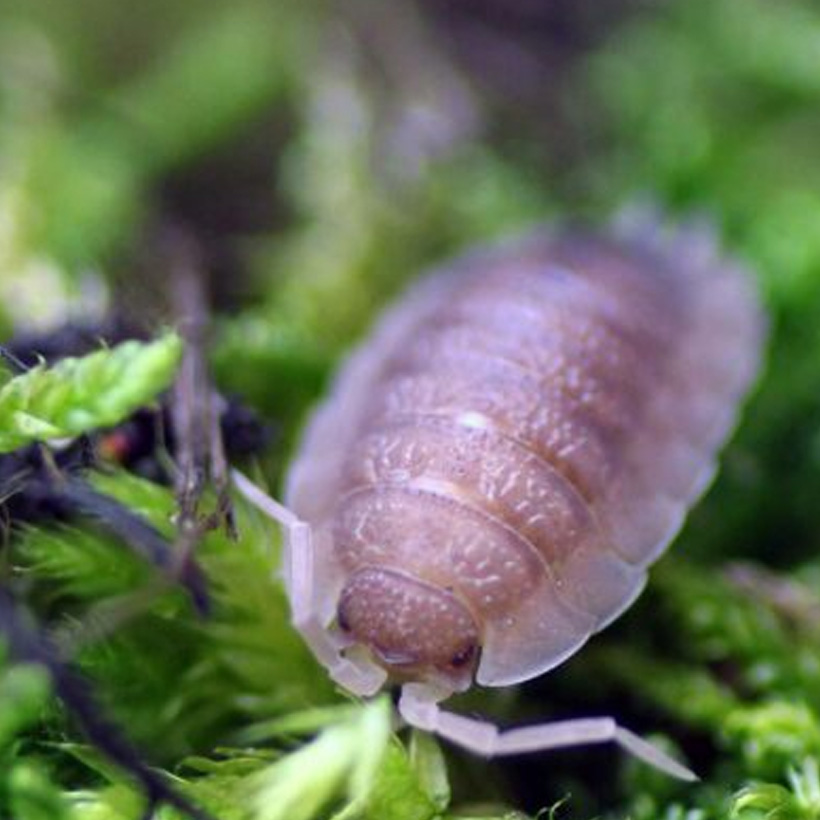
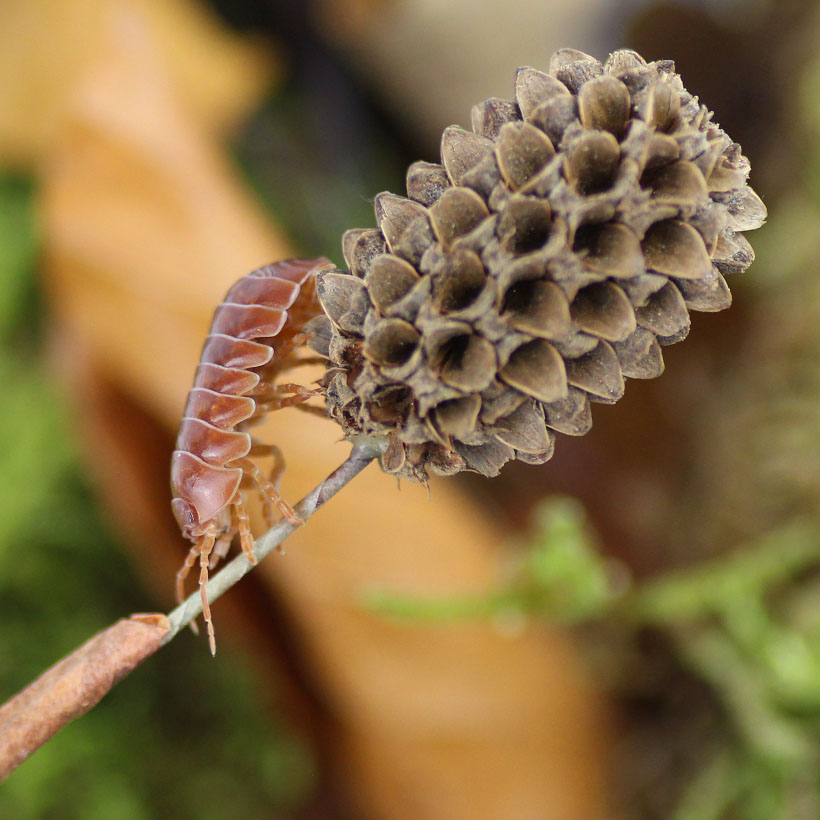
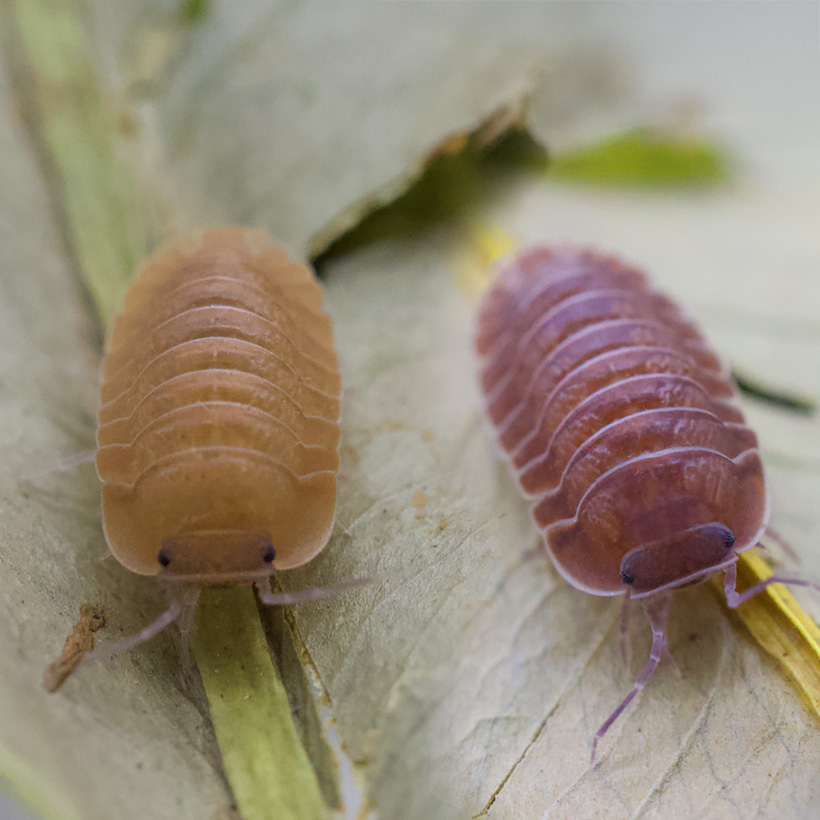
At first glance, *Cylisticus convexus* looks like a pill bug. When disturbed, the urban woodlouse curls up into a ball. However, its antennae and the pointed appendages at its rear remain visible. This is how you can tell it apart from the similar-looking pill bugs of the genus *Armadillidium *.
This species is also found in Germany. Its name reflects where it is found: for example, it can be found in gardens and other areas shaped by human activity. It uses sheltered hiding spots under rocks and decaying wood. You can recreate such hiding spots in a terrarium using flat cork bark and a loose layer of leaves.
Setting Up a Terrarium for Cylisticus convexus
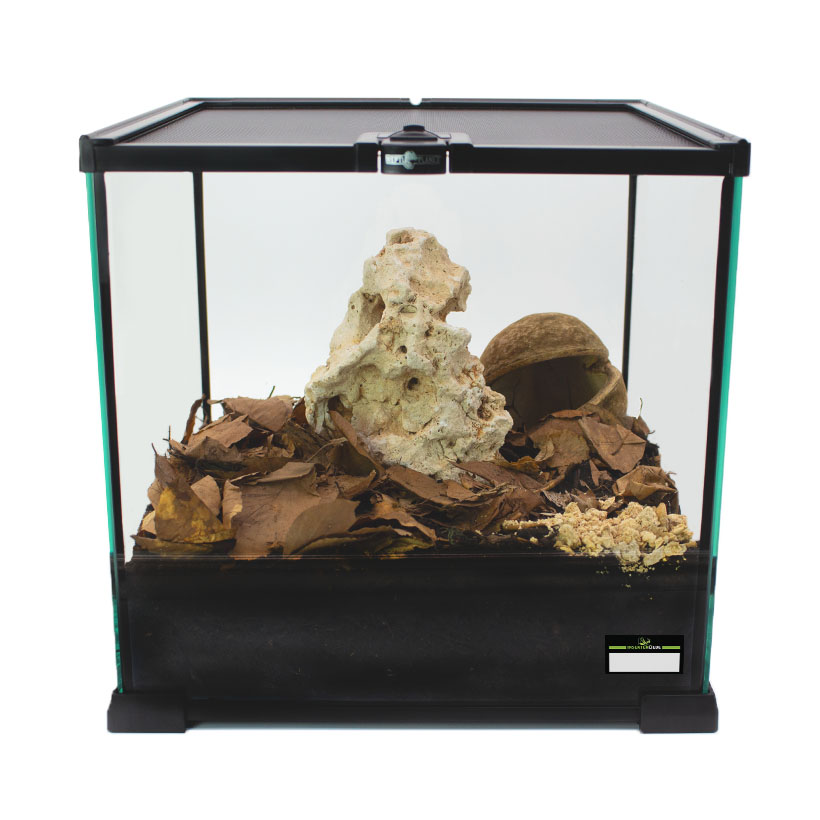
A well-ventilated box with a secure lid is suitable for a group. Set up the bottom so that the Isopods can move between a moister hiding spot and a drier area.
- Add substrate: Use a loose, humus-rich substrate. Spread leaves and some white-rotted wood on top.
- Keep one corner moist: Moisten the soil on one side. A little moss can help retain moisture there for longer.
- Moisten the other side less: This will keep that area drier. It’s better to moisten specific spots rather than spray the entire box.
- Provide hiding spots on both sides: Place flat pieces of cork on the floor so that the Isopods can retreat underneath them.
Check the moisture level under the leaves as well. The surface may already look dry, but the soil underneath may still be moist. Keep the ventilation openings clear and make sure water isn’t pooling anywhere.
What does the urban woodlouse eat?
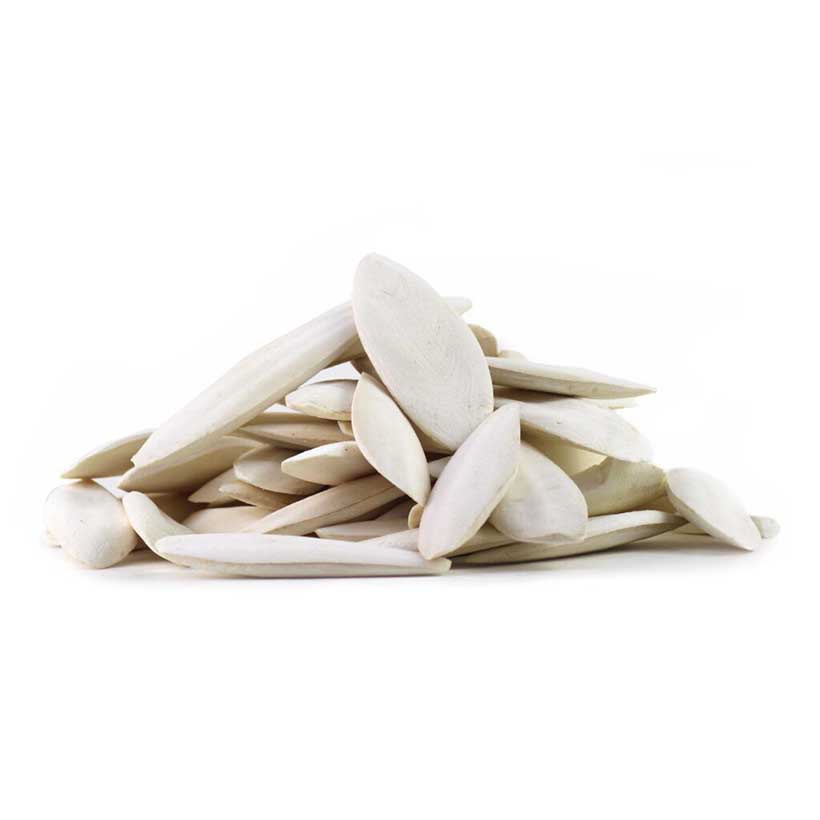
Dead leaves and decaying wood form the base of the woodlouse terrarium. Leave both in the tank and replenish them as the layer gets thinner. You can also provide a piece of cuttlebone as a source of calcium.
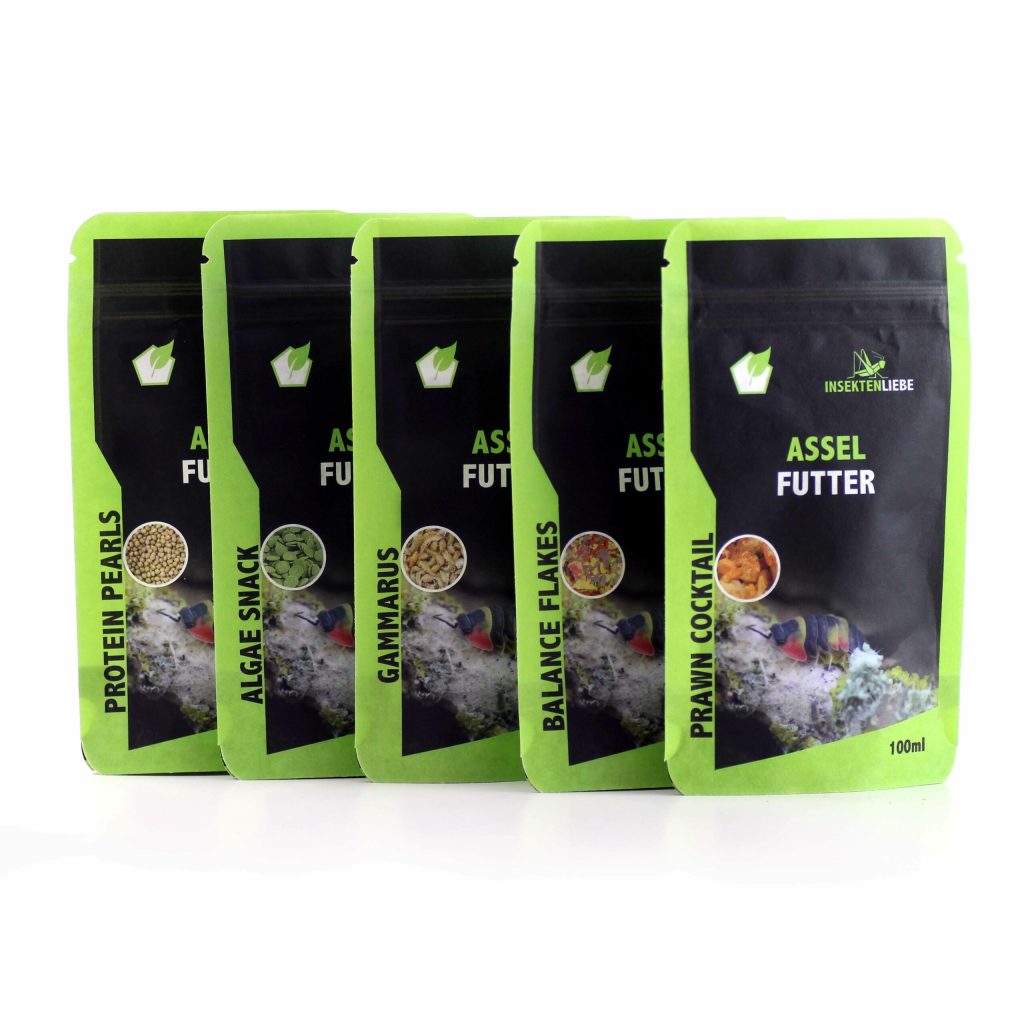
Start by giving the rabbits extra food in small amounts. Having a designated feeding area will help you see how much the group is actually eating. Remove any damp or moldy leftovers right away.
The Right Accessories for Your Isopods
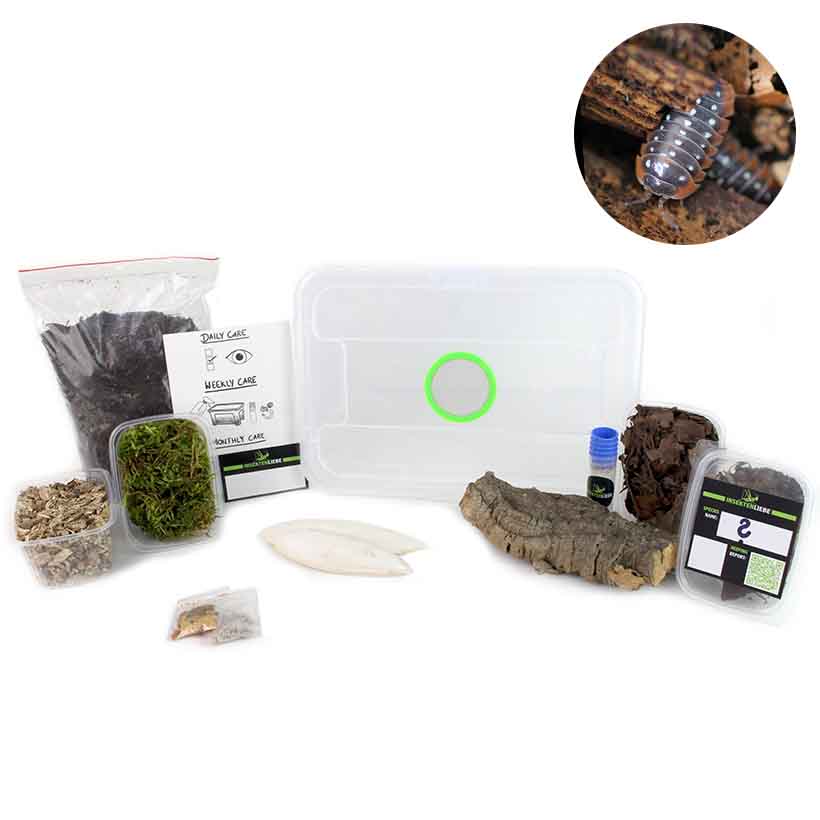
Insektenliebe Isopod Starter Kit – the version with accessories already includes the ventilated box, substrate, leaves, white-rotted wood, cuttlebone, moss, and cork bark. You’ll only need the following food and material supplements for refills or for setting up your own tank.
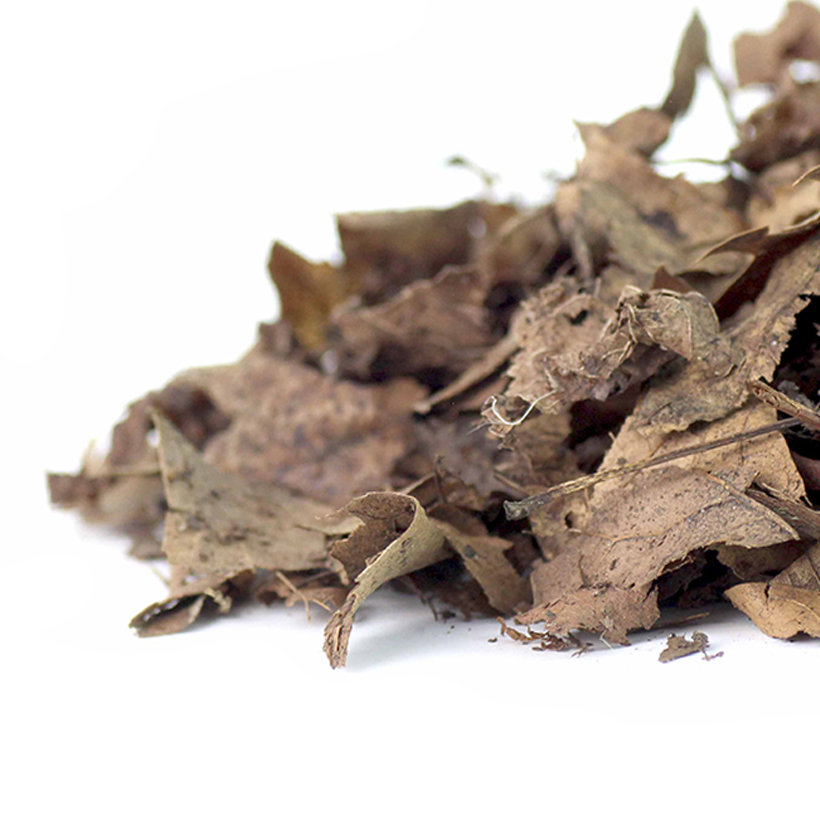
Leaves for food —serve as food and form a loose layer on the ground, under which Isopods find shelter.
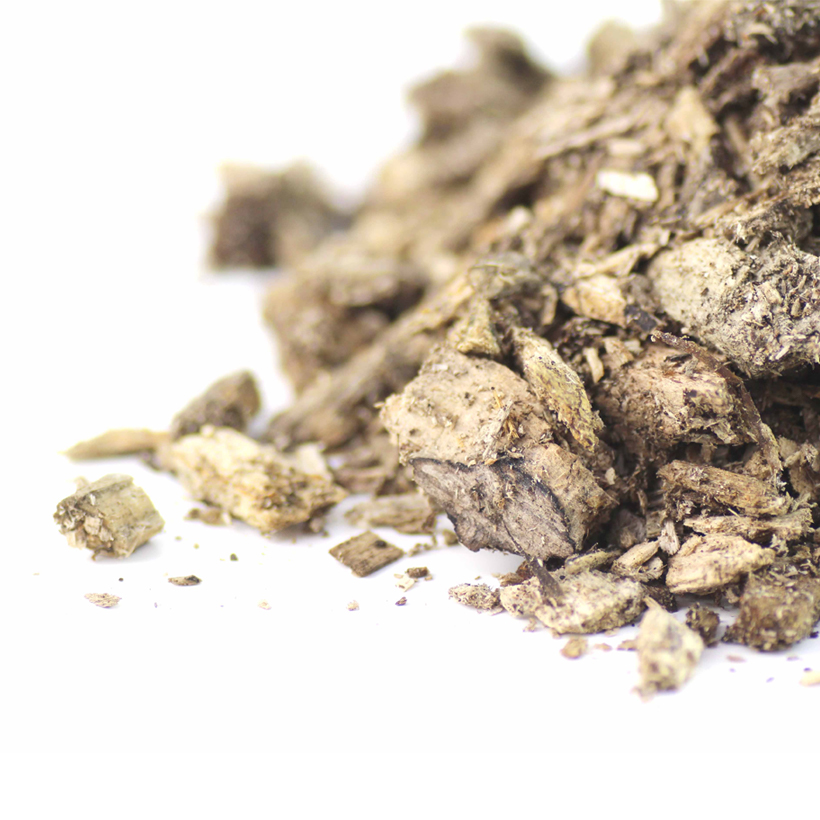
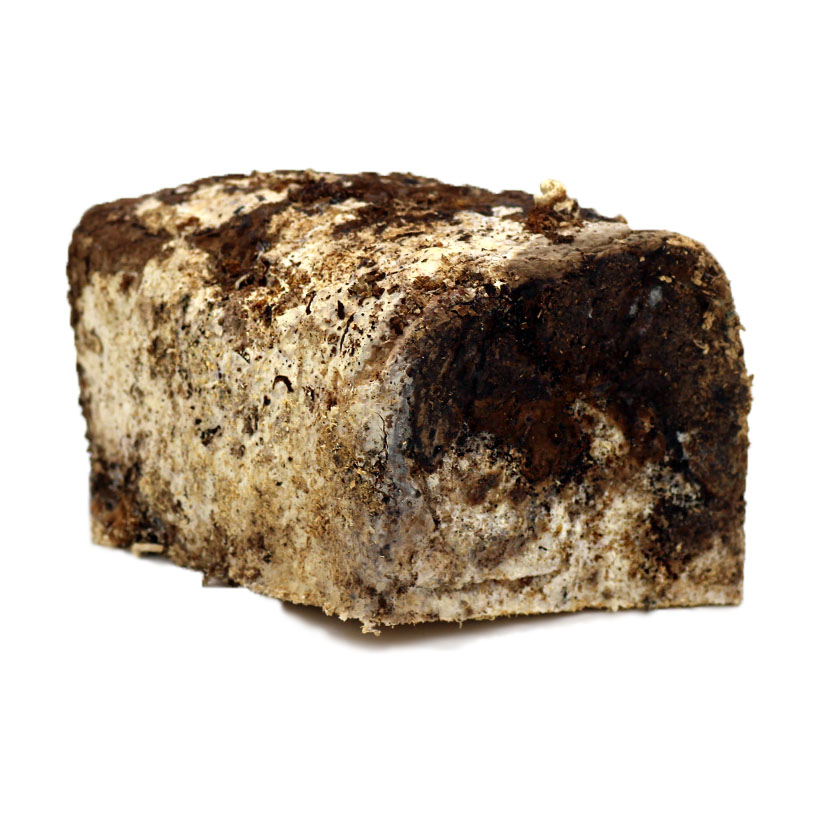
White-rotted wood —adds to the leaf litter. You can scatter small pieces on the ground or work them in lightly.
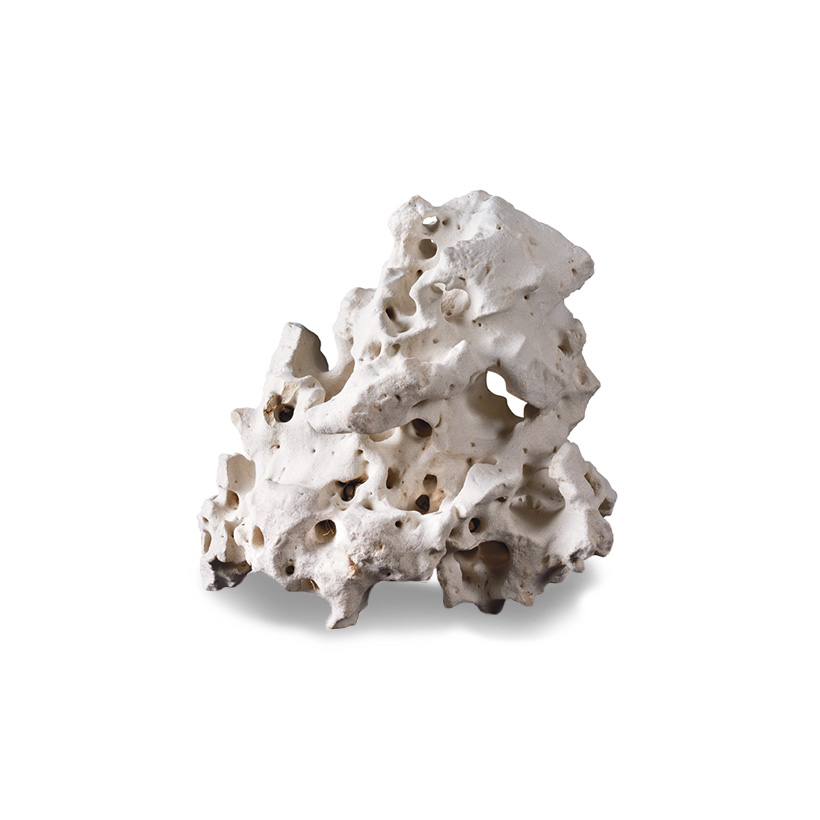
Cuttlefish bones —a source of calcium that you can place in the tank in small pieces.
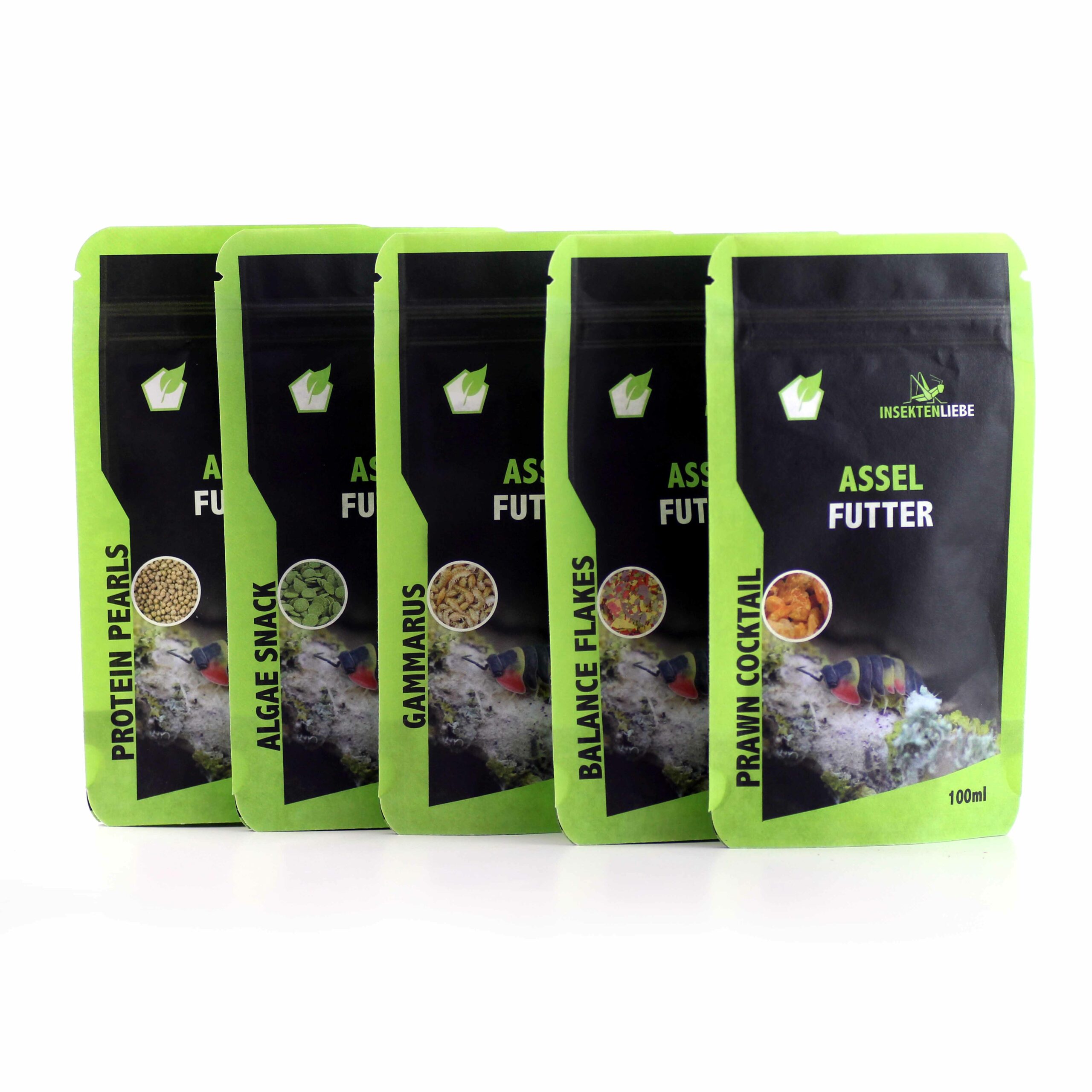
Isopod Feed – suitable for economical supplemental feeding and can be portioned according to group size.
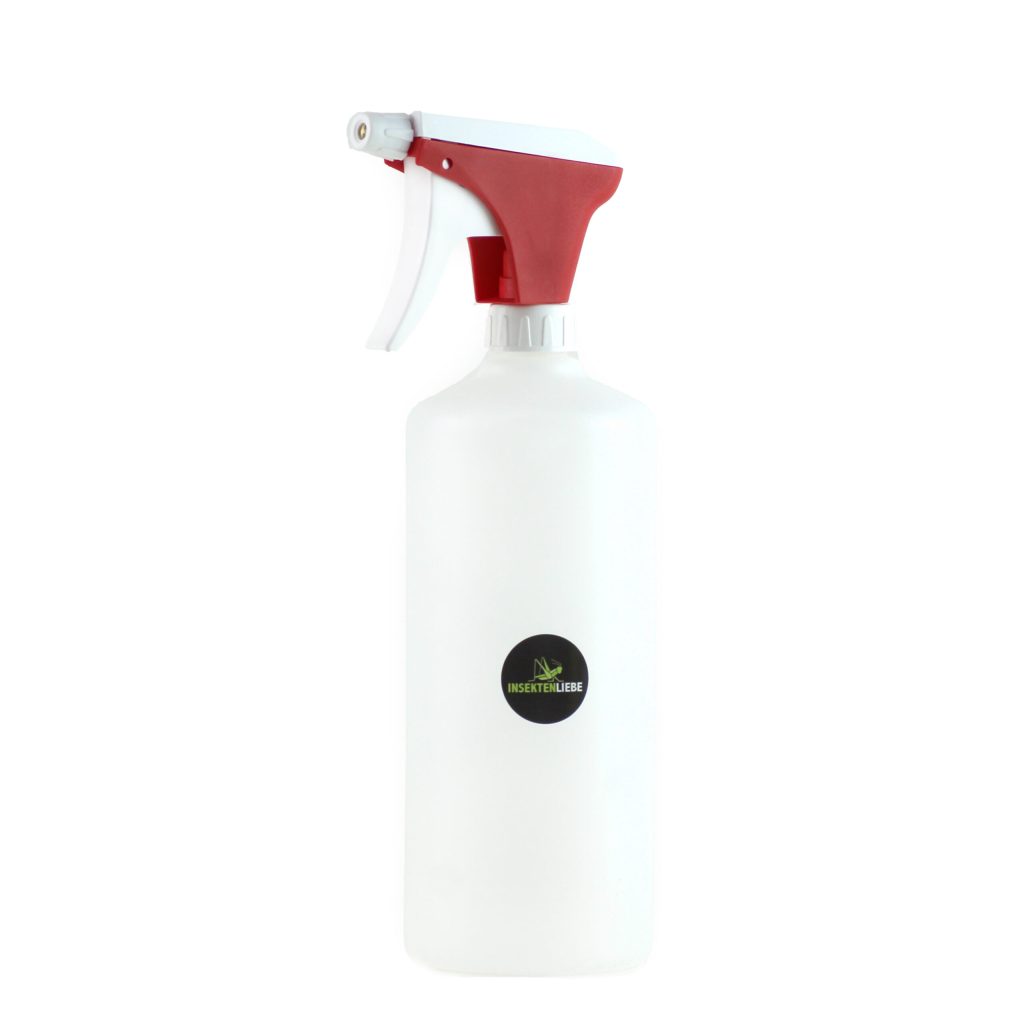
Insektenliebe 1-Liter Spray Bottle – helps you target specific damp spots without soaking the entire box.
Conclusion: A woodlouse with distinctive rolling behavior
With Cylisticus convexus, it’s worth taking a closer look at the details: even when curled up, the antennae and abdominal appendages remain visible. By adding leaves, shallow hiding spots, and two areas with different levels of humidity, you can create a tank where you can easily observe the group.