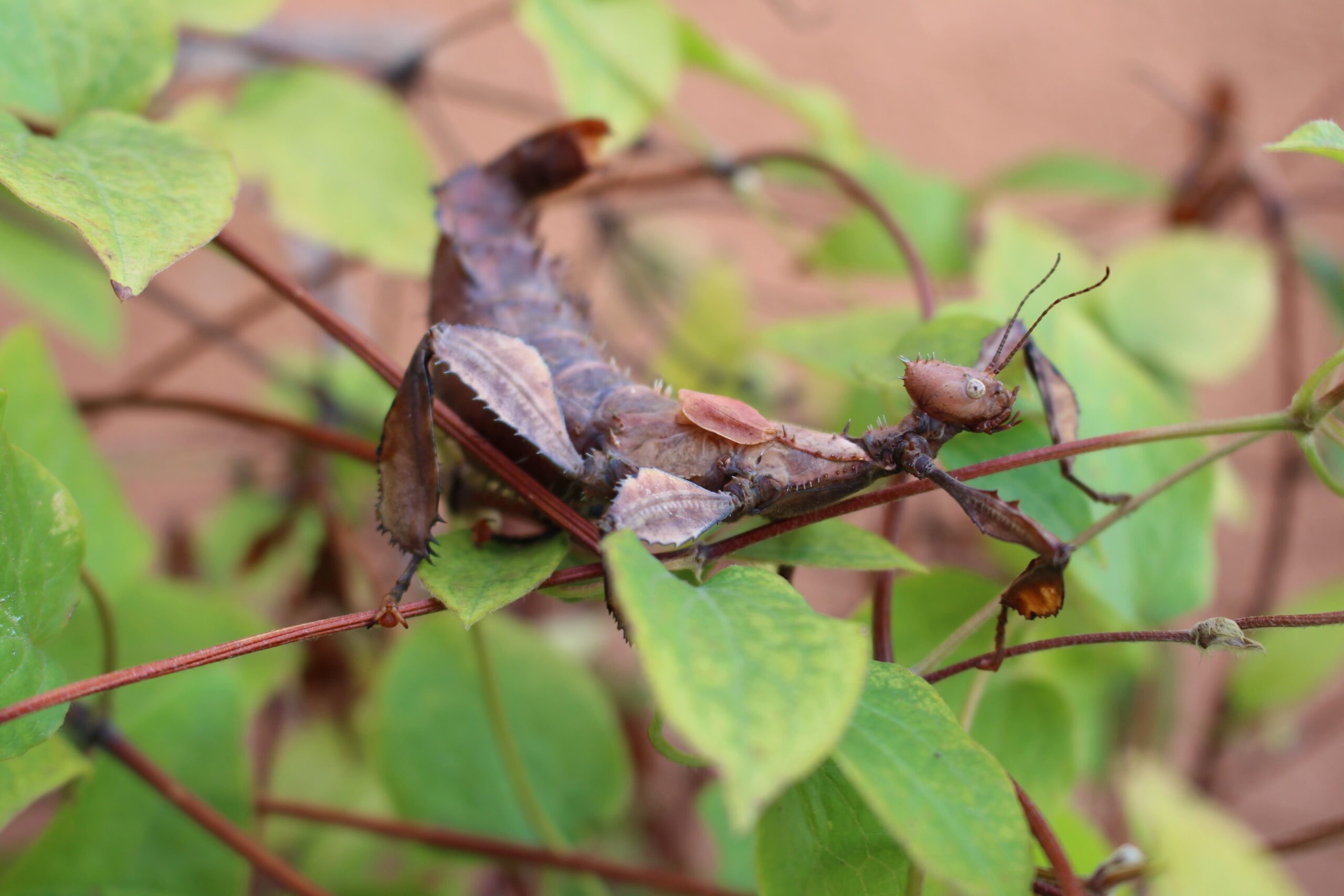


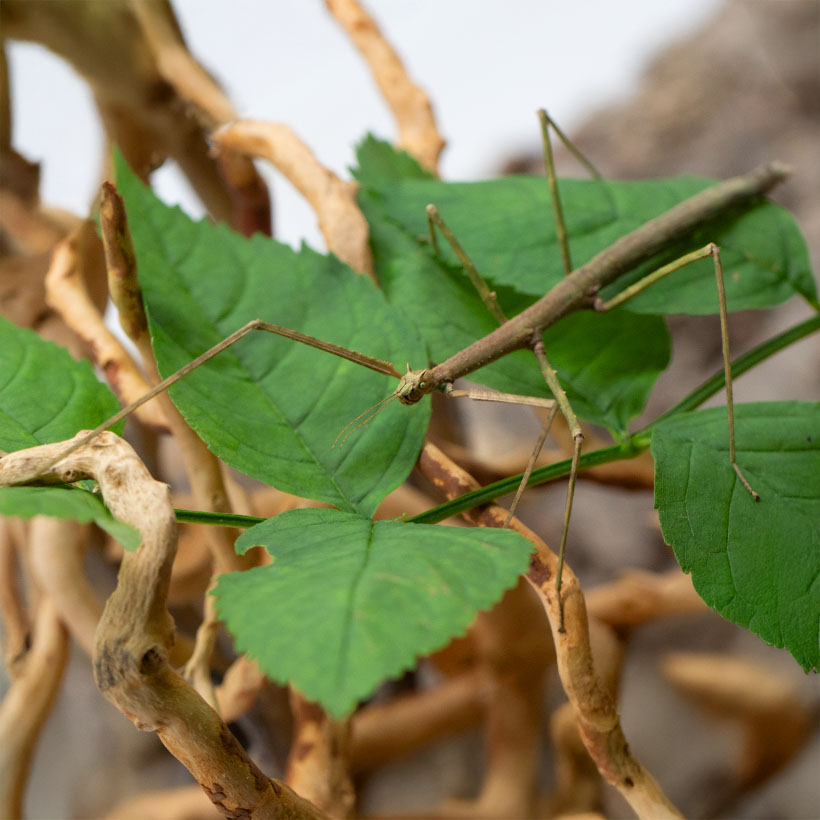
Extatosoma tiaratum, the Australian ghost grasshopper, looks like a dry leaf among the twigs. It feeds on plants and needs, above all, fresh, uncontaminated foliage as well as enough open space to molt. Even before you buy one, you should know where you can get food for it year-round.
Extatosoma tiaratum at a Glance
| Origin | Australia |
| Size | Females about 14 cm, males about 10 cm |
| Temperature | About 22–26 °C; growth is slower at cooler temperatures |
| Terrarium | High, well-ventilated, and with open hanging spaces |
| Food | Suitable, uncontaminated leaves, such as blackberry leaves |
| Young Talent | Possible even without males |
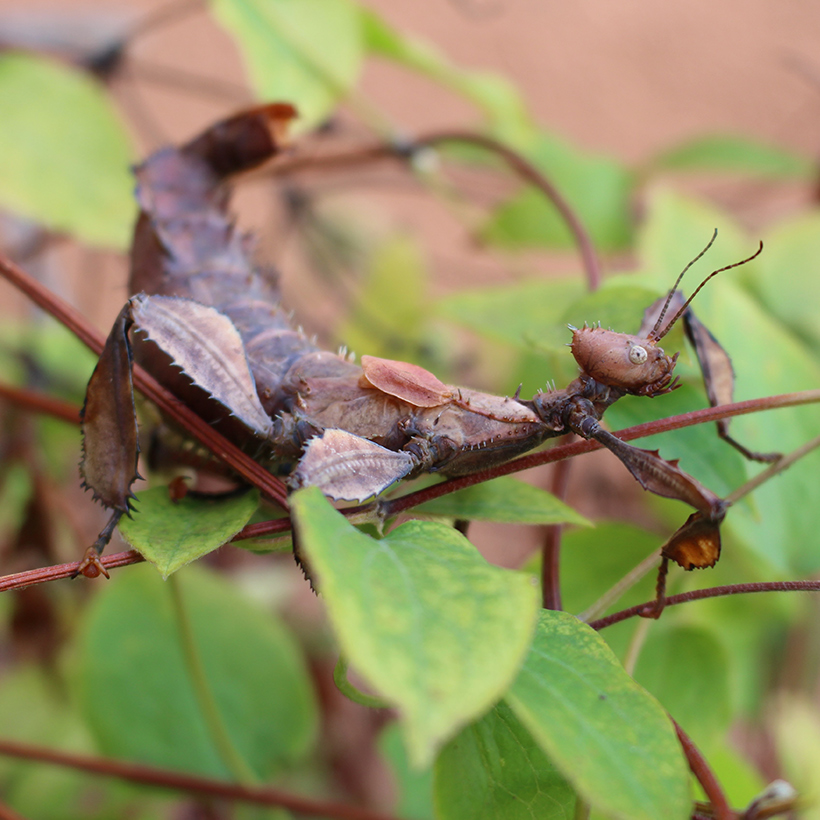
Terrarium and molting spots
The animals hang upside down to molt. Therefore, there must be significantly more space available under the branches than the animal’s body length. A tall terrarium is more suitable than a shallow container. In the previous report, a tank measuring 50 × 50 × 60 cm was used for a group; the size of the tank and the number of animals must be appropriate for one another.
Arrange the feeding branches so that they are within reach but do not completely block the perches. Ventilation openings ensure air circulation. A bright spot without direct sunlight is often sufficient; you only need additional heat if the room is too cool.
Food plants for Extatosoma tiaratum
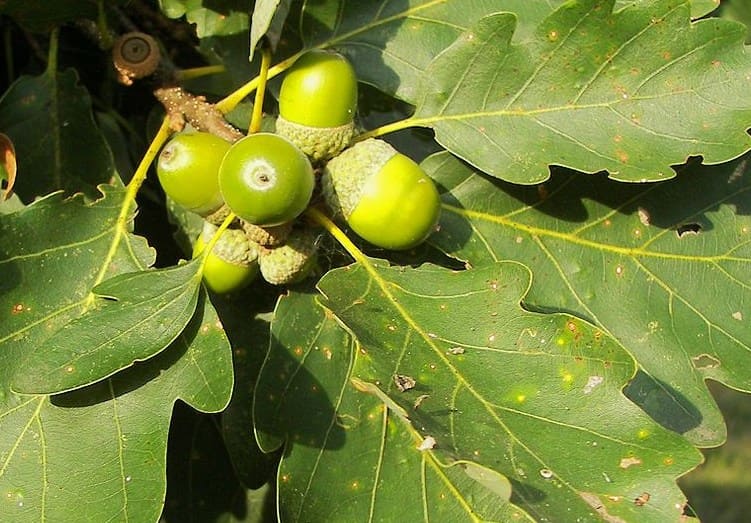
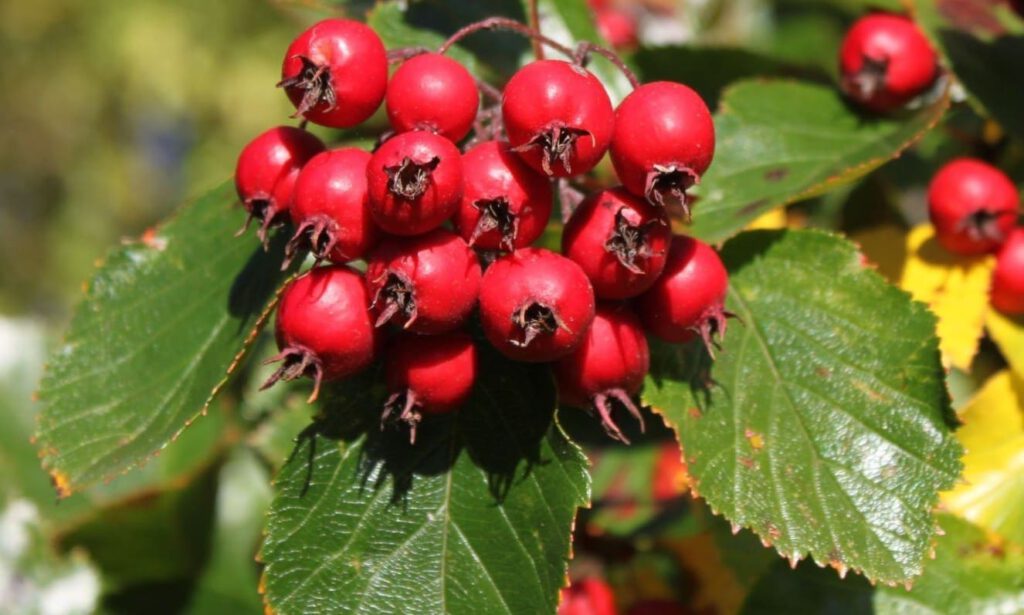
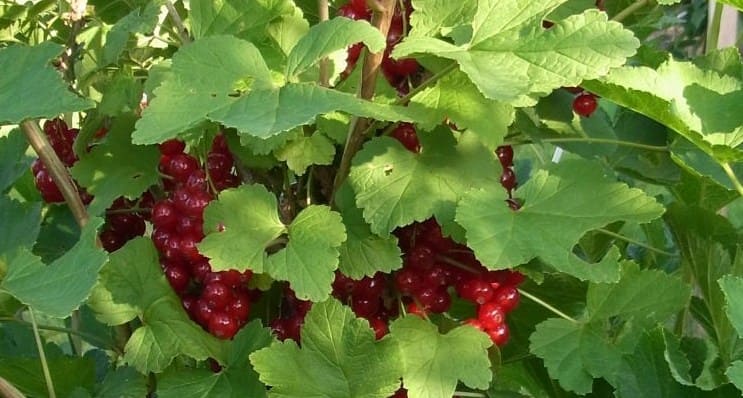
Blackberry leaves are a tried-and-true staple. Suitable raspberry, rose, or oak leaves are also used in pet care. Don’t experiment with unfamiliar plants. The leaves must be guaranteed to be free of contaminants: Washing does not reliably remove pesticides that may be present in the plant.
Place the twigs in water to keep them fresh. Cover the opening of the container around the stems to prevent young animals, in particular, from falling in and drowning. Replace dried-out twigs promptly, and check them for animals and eggs before disposing of them.
Drinking and Skinning
Fine droplets on the leaves can be used for drinking. Carefully mist the area and then let it dry again. Constantly humid air without ventilation is no substitute for a suitable climate.
Do not touch or move the animal while it is molting. If it does not move from its original spot afterward, give it time to harden. If you need to move it, let it walk onto a branch on its own; never pull on its legs while holding it.
Eggs and Offspring
Females can lay viable eggs even without mating. Therefore, even if you have only one female, plan ahead for how you will care for any potential offspring. Development within the egg takes several months and can vary significantly depending on conditions.
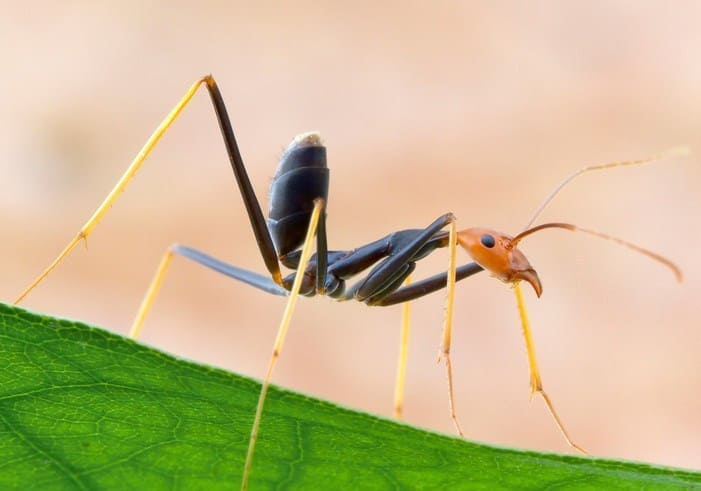
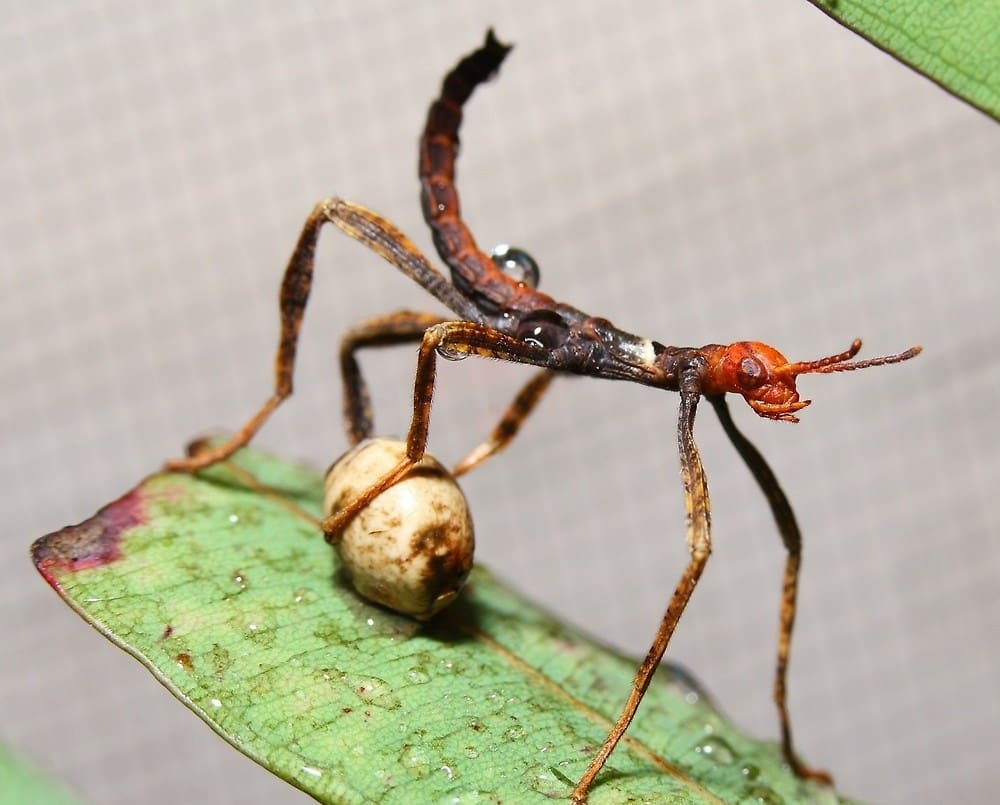
Newly hatched animals initially resemble ants and are very active. They need carefully secured ventilation openings and accessible, suitable leaves. Do not carelessly remove eggs along with the soil, and never release animals or eggs outdoors.
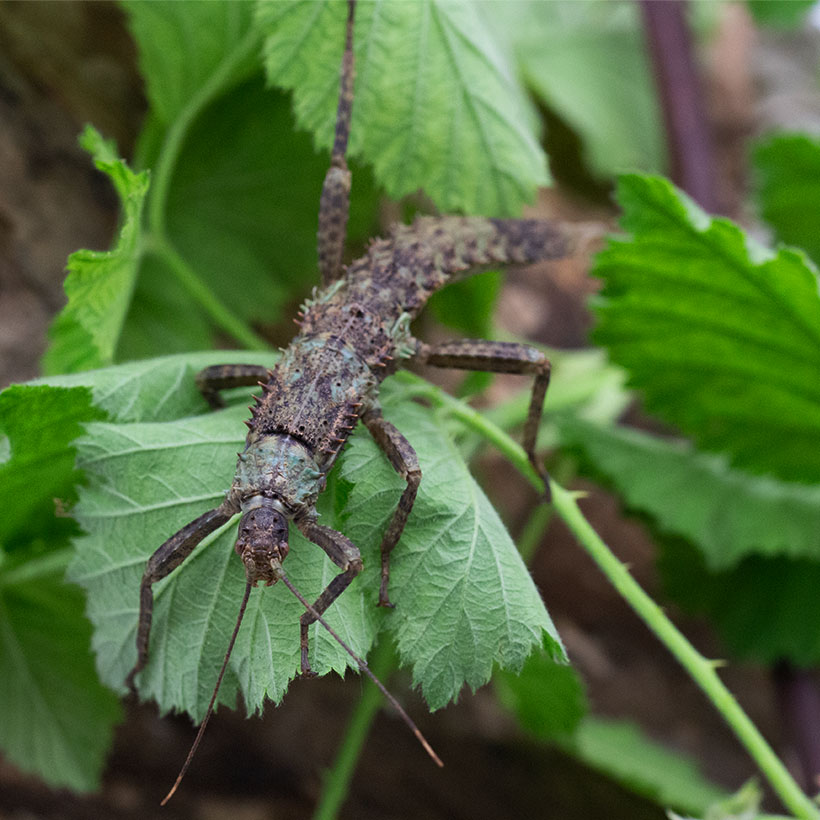
The distinctive “Lichen” model is also available in the store. Choose based on the current product description; the basic needs for food, air circulation, and space to molt remain crucial.
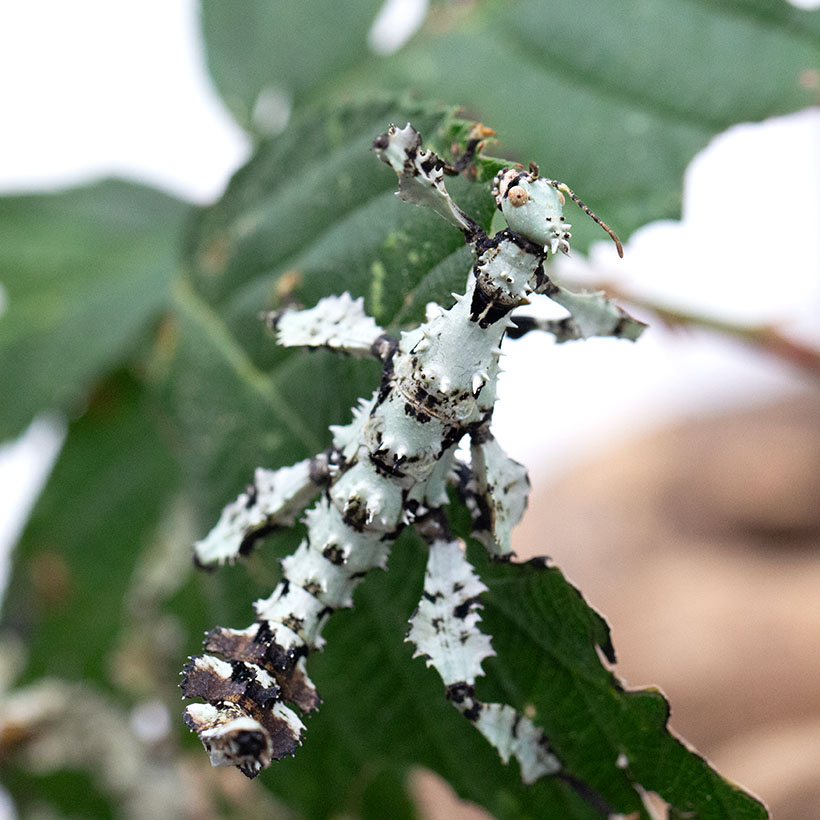
Extatosoma tiaratum “Lichen”
Extatosoma tiaratum “Lichen” – camouflage in perfection Extatosoma tiaratum “Lichen” is a special color and pattern form of the well-known Australian ghost insect. The animals originally come from Australia, where…
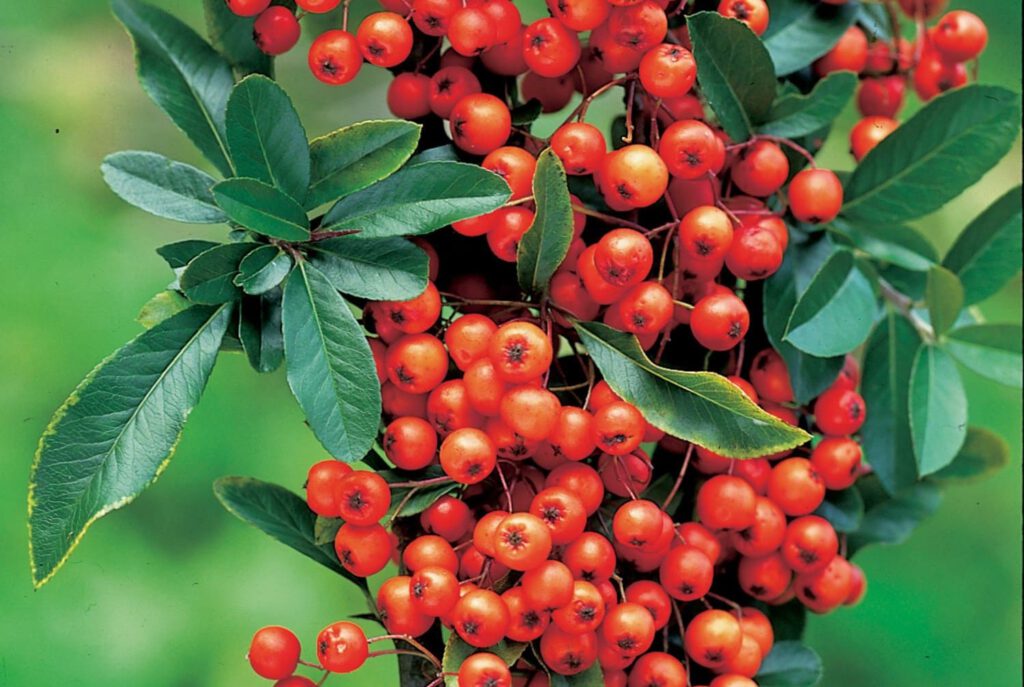
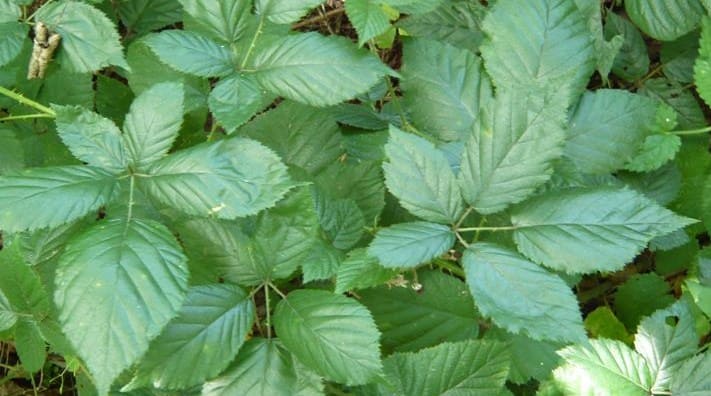
Blackberry (Rubus allegheniensis)
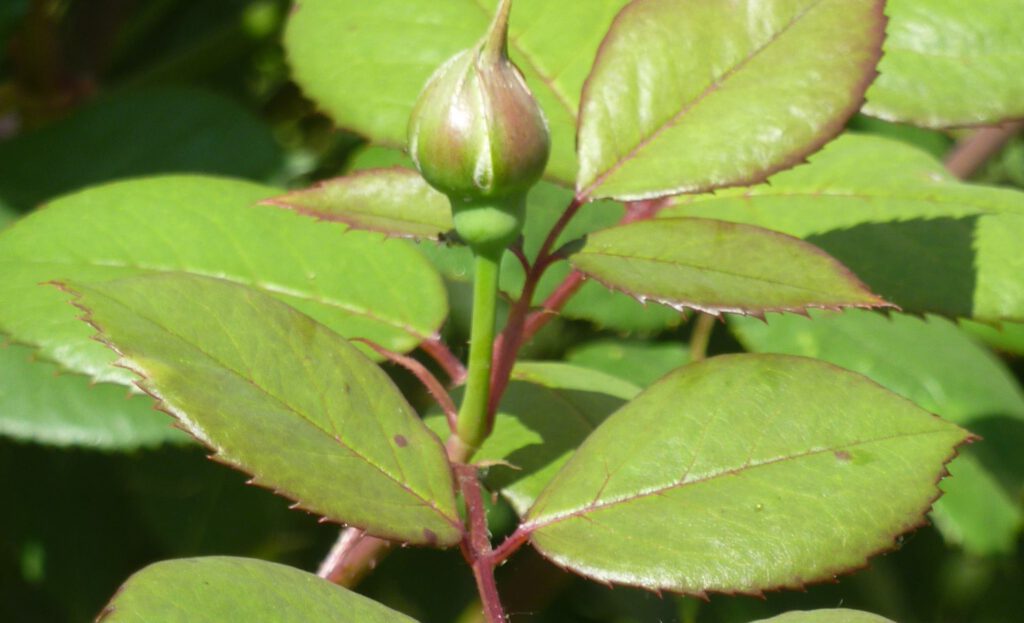
Rose (Rosa)
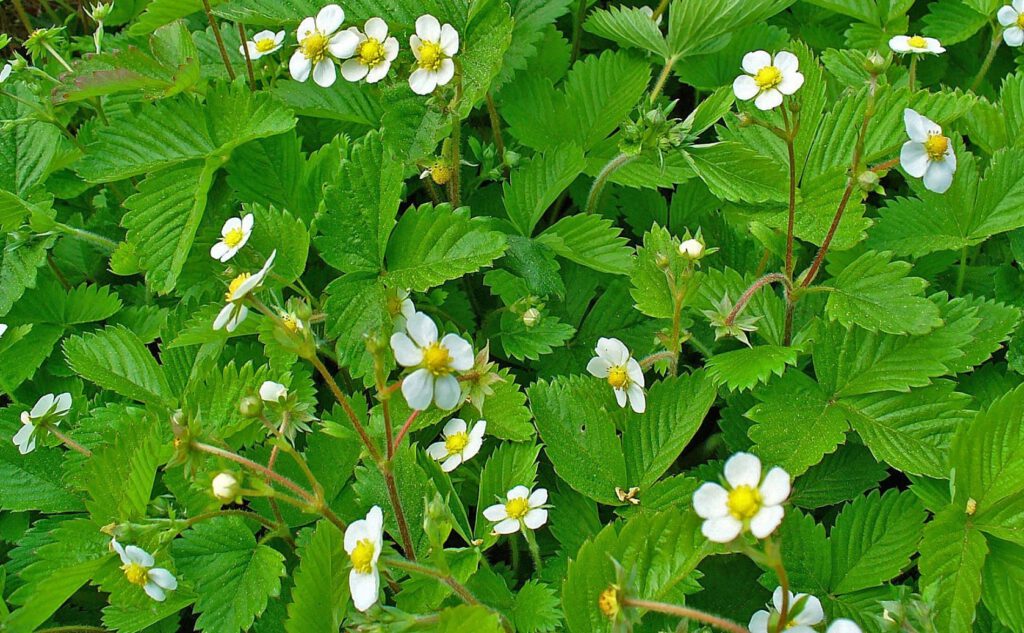
Wild rose (Rosa sp.)
Discover More Phasmidans
Here you’ll find a selection from our store. Compare the specific needs of each species with your existing terrarium.
-
Annam Stick Insect
Original price was: 12,00 €.9,00 €Current price is: 9,00 €. incl. VAT, plus shipping -
Changing Leaf Complete Set
Original price was: 41,89 €.39,99 €Current price is: 39,99 €.

Still unsure? Feel free to ask us your question in the comments section below the article.