

Rearing *Drosophila melanogaster* is handy if you regularly need small feed animals for young mantises or jumping spiders. By starting fresh batches at regular intervals, you’ll be better supplied. A single cup won’t provide a steady supply of flies.
Which small fruit flies are suitable?
Drosophila melanogaster are small fruit flies measuring just a few millimeters in length. For terrarium keeping, there are domesticated strains that are easier to handle than the wild, flying form. The key factor is whether your young animal can already grasp its prey securely.
Here you’ll find the small fruit fly “Ant” and the “Turkish Glider.” Keep the breeding lines separate and label your cups. That way, you can keep track of the characteristics and age of your cultures.
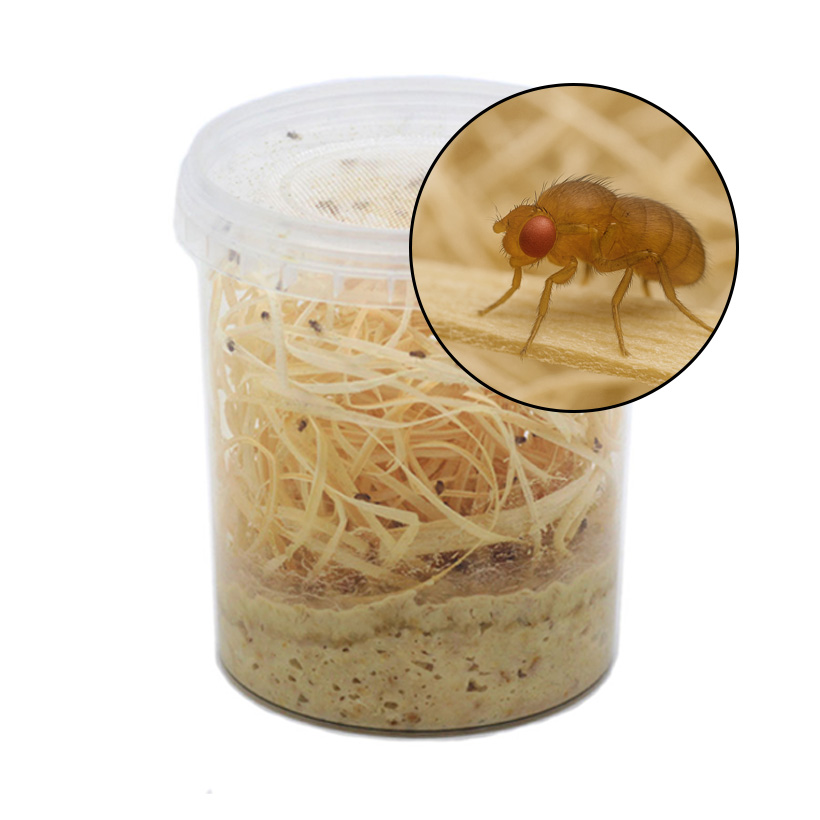
Small fruit fly “ant”
Small fruit fly “ant” – the perfect live food for tiny hunters When young animals are still too small for larger feed insects, the right prey size is crucial. The…
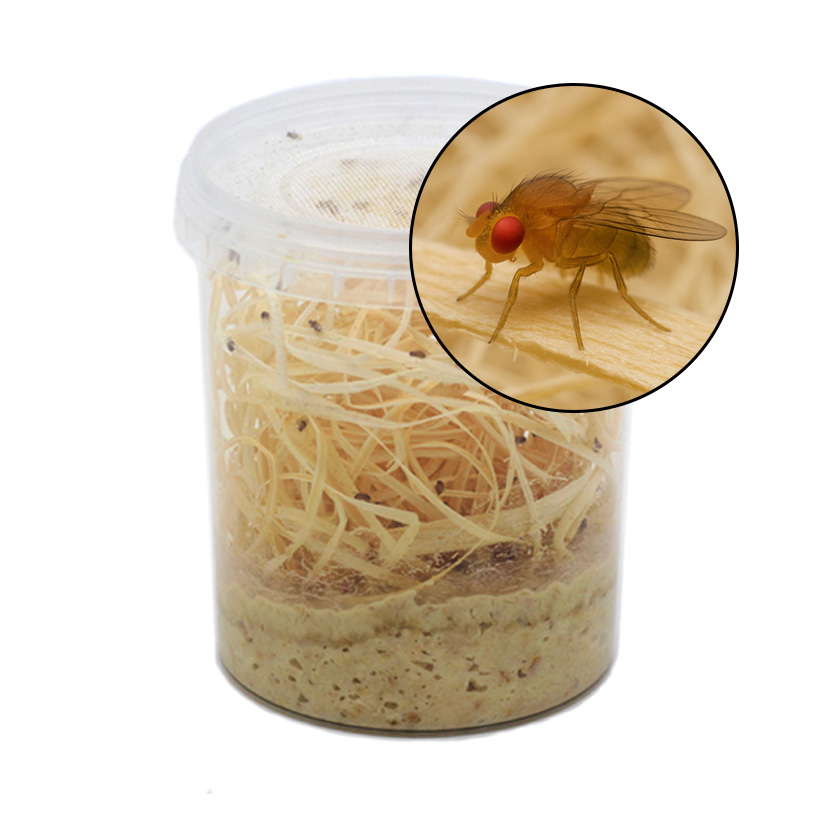
Small fruit fly “Turkish glider”
Gliding fruit flies for active hunters The small fruit fly “Turkish glider” (Drosophila melanogaster) is a special breeding form that is ideal for flying insectivores. Unlike completely wingless variants, the…
Breeding Drosophila melanogaster: What You’ll Need
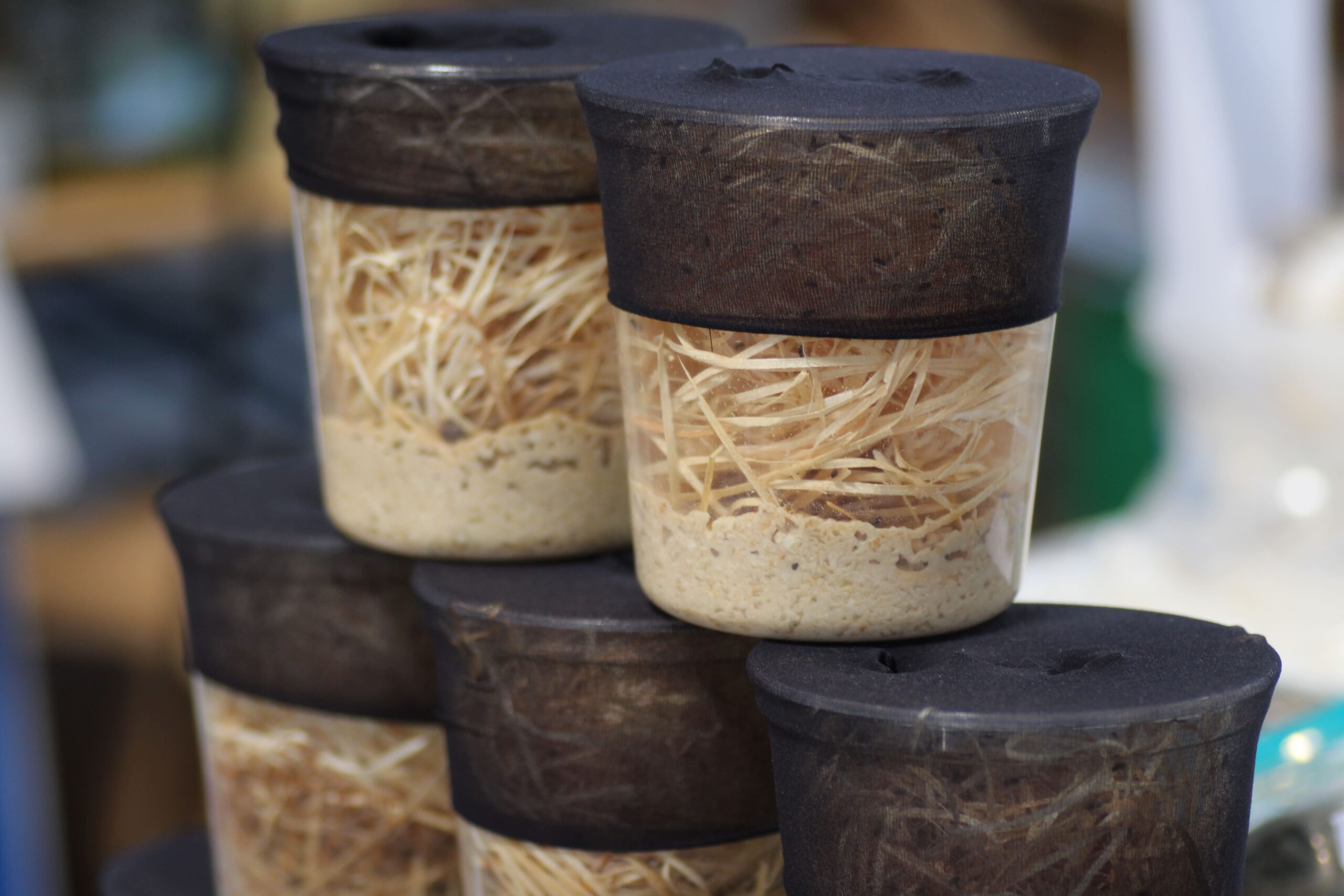
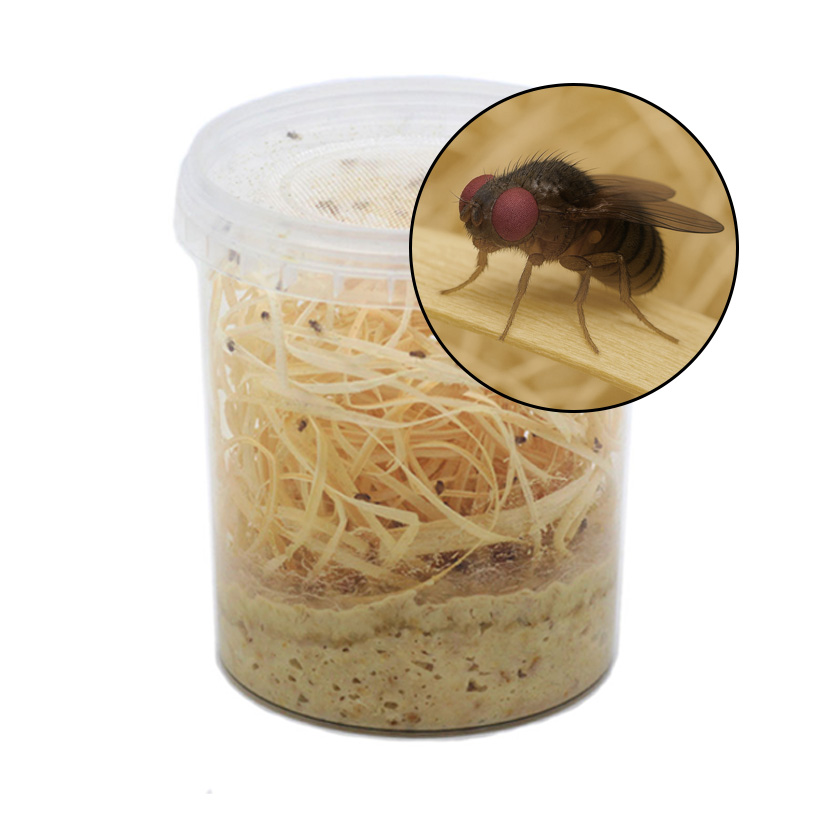
You’ll need a clean cup with a leak-proof, breathable lid, a suitable growing medium, and a dry surface for the mushrooms to grow on. For a small batch, a cup with a capacity of about 500 ml is sufficient. Reused containers should be thoroughly cleaned and completely dried.
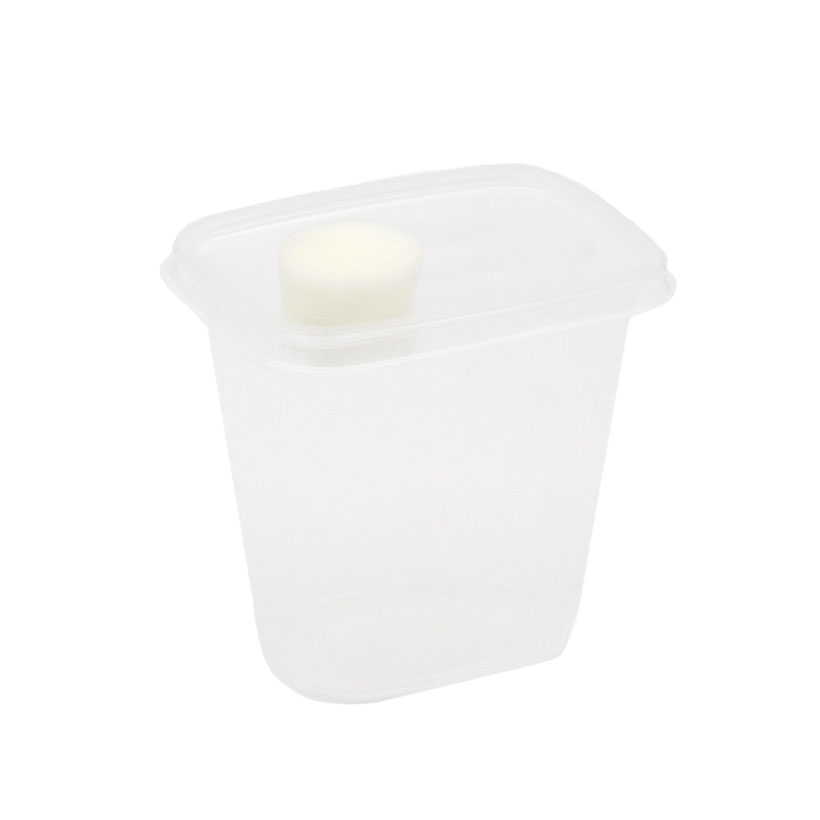
A ready-made Drosophila instant mix makes it easy to compare your first attempts. Prepare it according to the current package instructions. The mixture should be moist but not runny. Let the warm substrate cool completely before adding the flies.
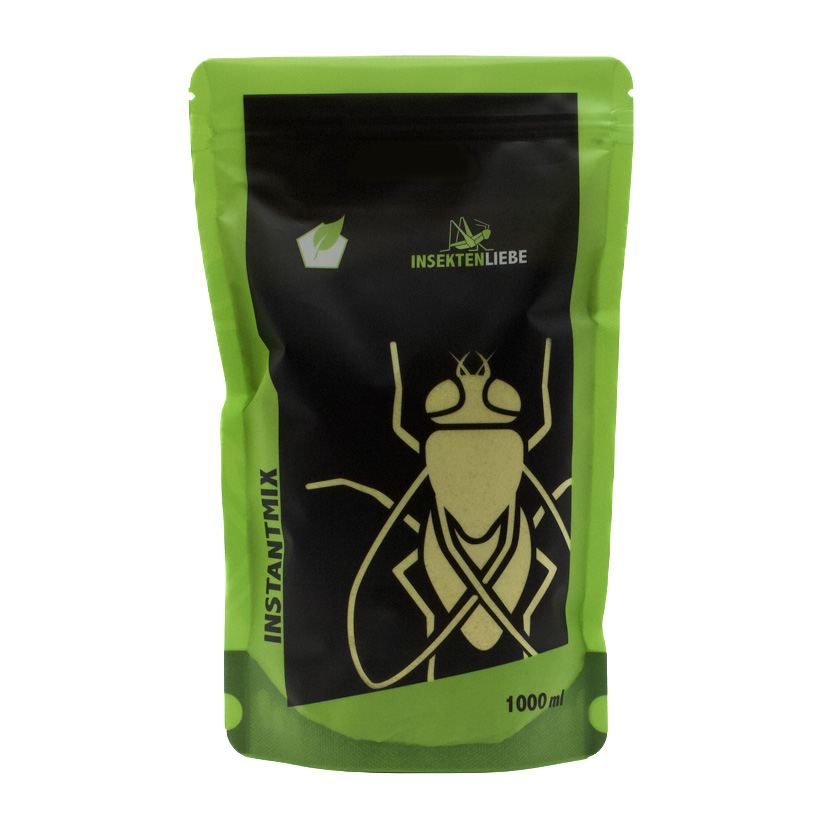
Drosophila instant mix
Drosophila instant mix: Optimize your breeding effectively Drosophila instant mix is your ideal partner to take fruit fly breeding activities to a new level and provide your terrarium animals with…
Place some untreated wood shavings inside as a walking surface. This should provide the flies with traction without pushing the lid open. The top rim of the cup stays clean and dry. Additional heating is not necessary if the room temperature is suitable.
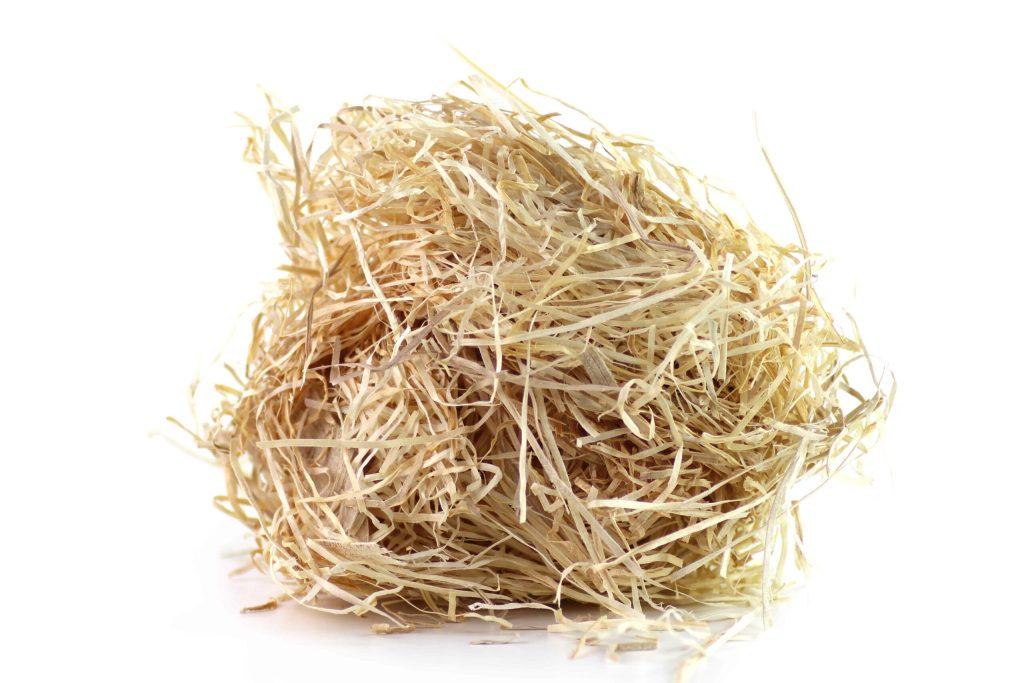
Wood wool
Untreated wood wool in plastic bags.
Start a new fruit fly experiment
Transfer about 20–40 flies from a healthy, still-active culture into the prepared beaker. Seal it immediately and note the date and culture type. Do not use a culture that is heavily infested with maggots or has a foul odor as a starting point.
Adult flies lay eggs in the culture medium. These develop into larvae, which later pupate in drier areas. Only then does the next generation of flies hatch. That’s why you need to plan ahead and have at least one backup batch.
Temperature and Incubation Time
| Temperature | Orientation: From Egg to Fly |
| About 18 °C | About three weeks, often slower |
| About 21 °C | About two to two and a half weeks |
| About 25 °C | Usually about ten to twelve days |
These times are approximate and depend, among other things, on the breeding method, feed, and stocking density. For everyday care, a temperature of about 20–25 °C is easy to manage. Direct sunlight and excessive heat do not reliably speed up breeding but can actually harm the fish. The table is therefore not a recommendation to breed at the highest possible temperature.
If you want to culture Drosophila melanogaster, it’s best to start small cultures regularly. A weekly schedule is a good place to start. Then adjust it based on your actual needs and the progress of your culture dishes.
Mites, mold, and drying porridge
Keep work surfaces and cups clean, and separate old cultures from new ones. Small, fresh cultures are easier to monitor than cups that have been left for too long. In the event of a severe mite infestation, start over with a clean reserve culture instead of spreading the infestation to all the cups.
If the mash becomes dry, check the location and ventilation. Do not add water indiscriminately, as the animals can get stuck in free liquid or sticky mash. A foul odor and collapsing cultures are a reason to start over and check the mixing ratio.
Feeding Fruit Flies to Mantises and Jumping Spiders
Gently tap the flies down, briefly open the cup, and transfer a small amount to a clean intermediate container. From there, you can feed them in measured portions. Make sure no breeding mash gets into the terrarium.
Watch to see if the juvenile will eat the flies. Leave it undisturbed during the molting phase. Vitamin or calcium powders intended for reptiles should not automatically be added to the diet of mantises or jumping spiders.
Recommended Reading: Breeding Larger Fruit Flies
If the little flies become too small, the report on Drosophila hydei will show you the next step.
Recommended Reading: Storing Store-Bought Live Feed
Don’t have your own brood? Here’s how to care for your small supply until it’s time to feed them.
Discover more feed animals
Here you’ll find a selection from our store. Before purchasing, make sure the specific species’ needs are compatible with your terrarium.
-

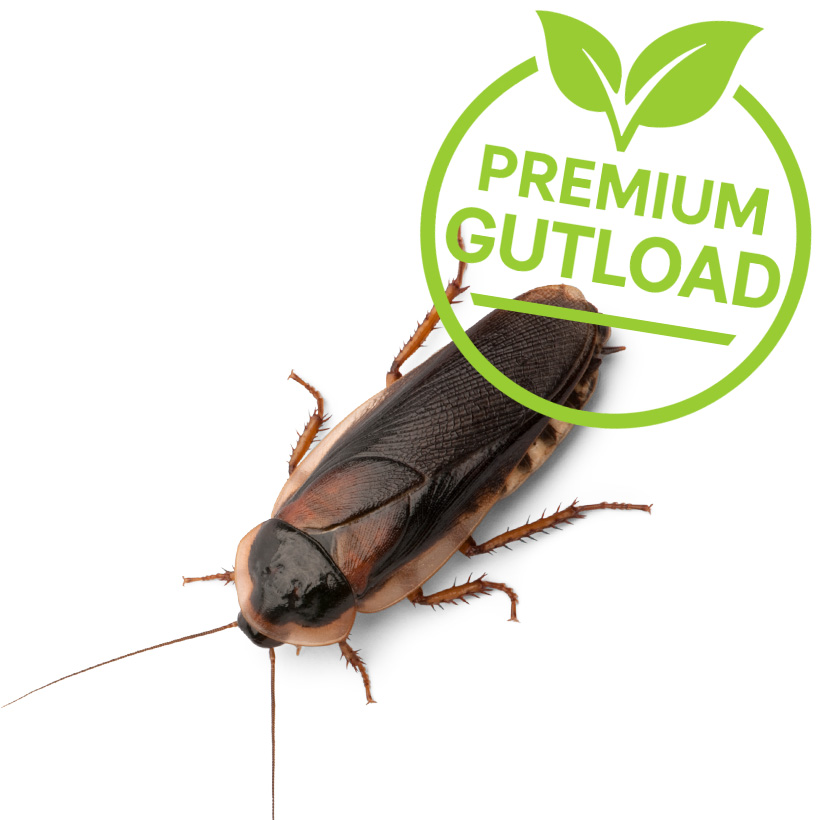
Blaptica dubia “Argentine forest cockroach”
Price range: 3,99 € through 39,99 € incl. VAT, plus shipping -
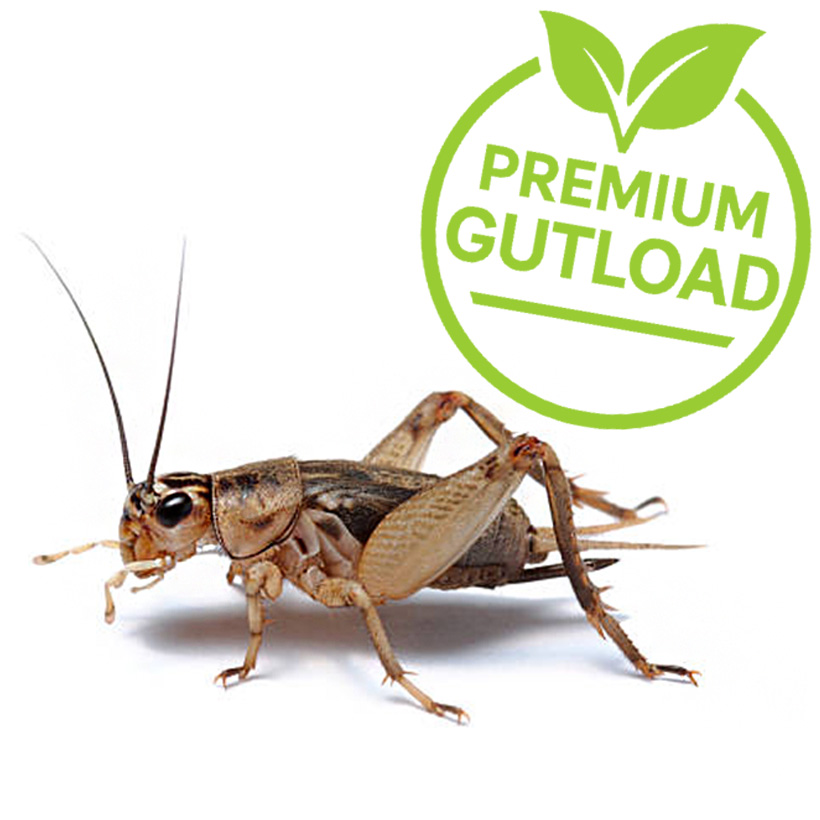
Cricket
Original price was: 3,99 €.2,99 €Current price is: 2,99 €. incl. VAT, plus shipping
Still unsure? Feel free to ask us your question in the comments section below the article.