

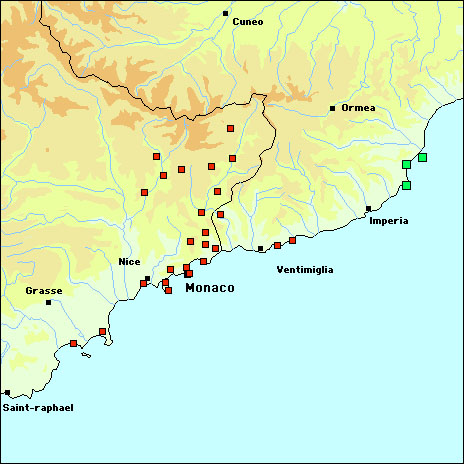
| Origin | Cosmopolitan |
| Temperature | 18-26 °C |
| Size | up to 2.3 cm |
Behavior:
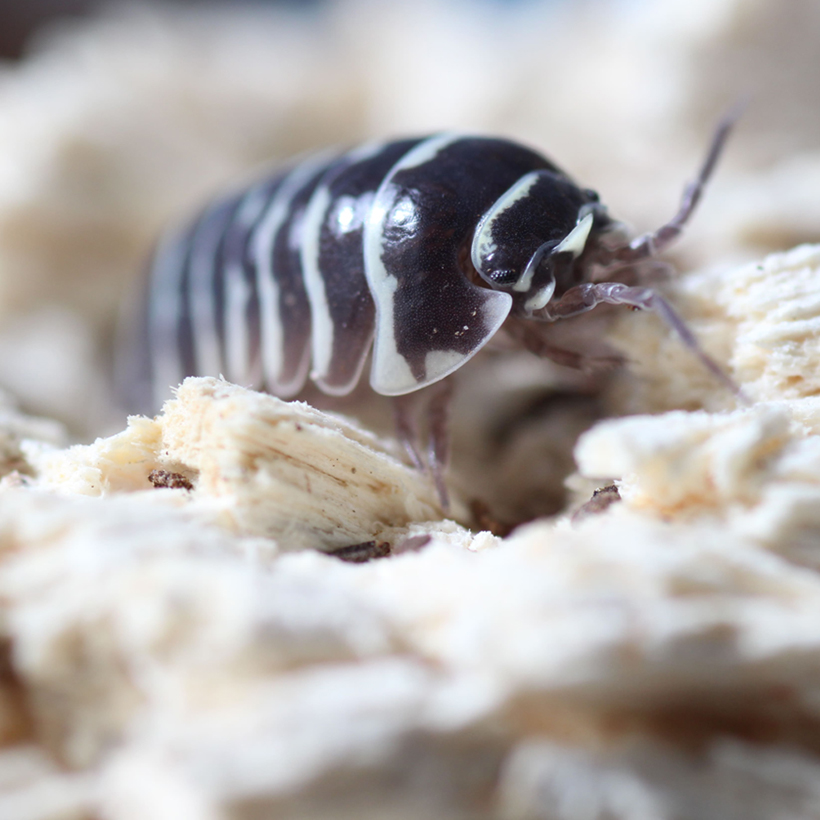
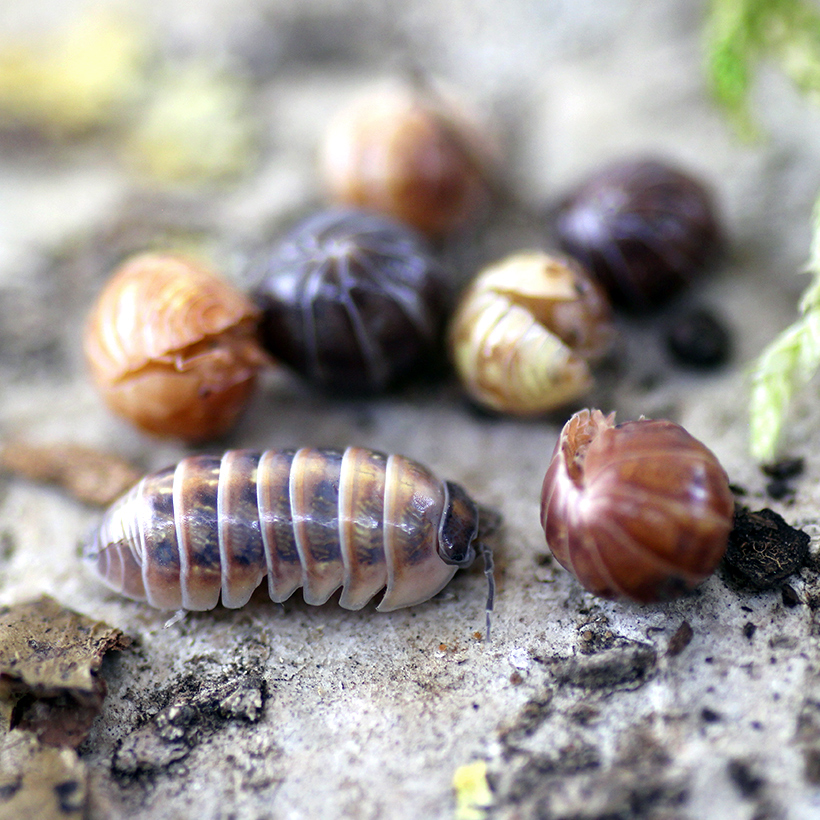
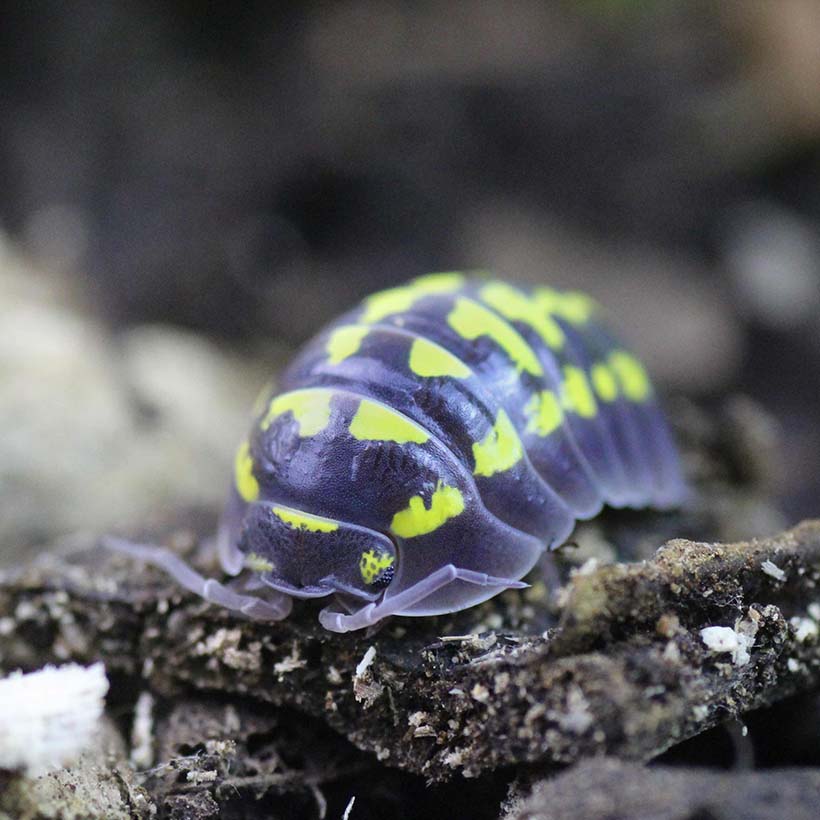
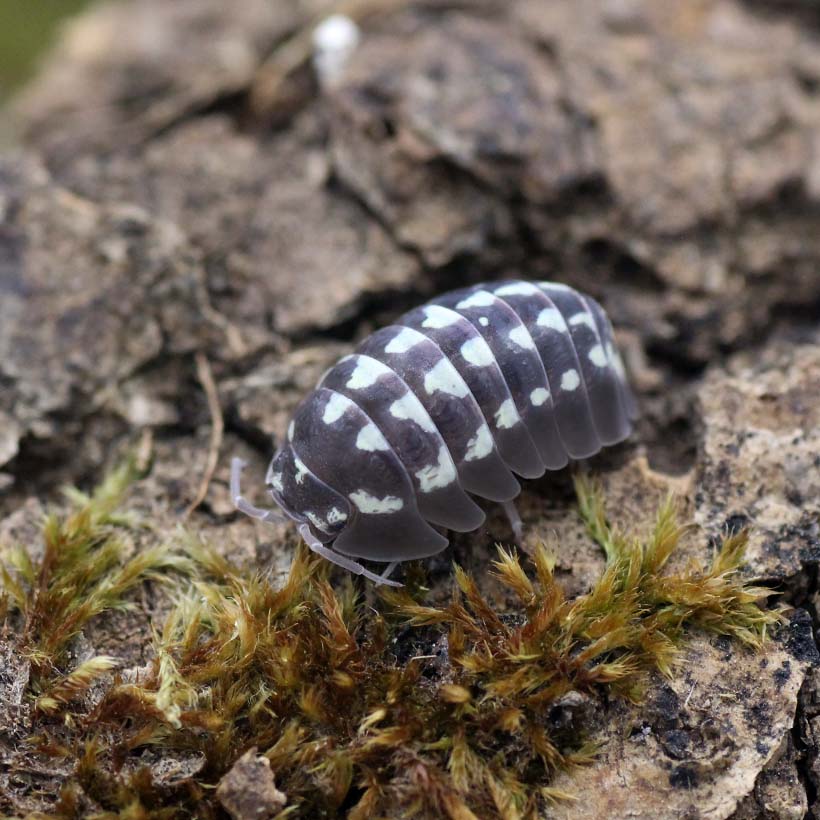
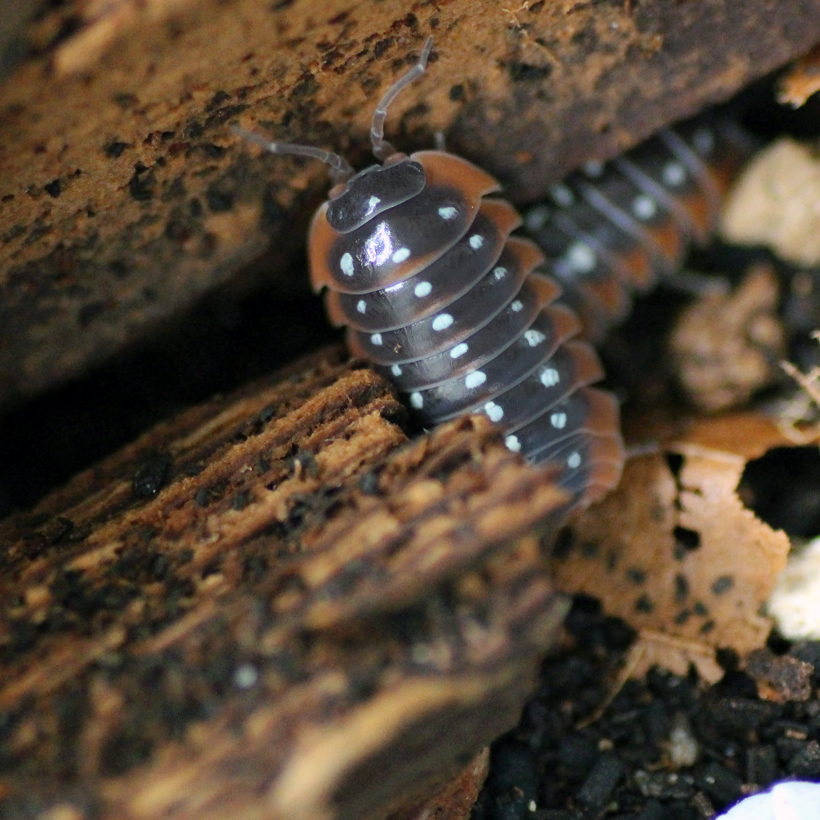
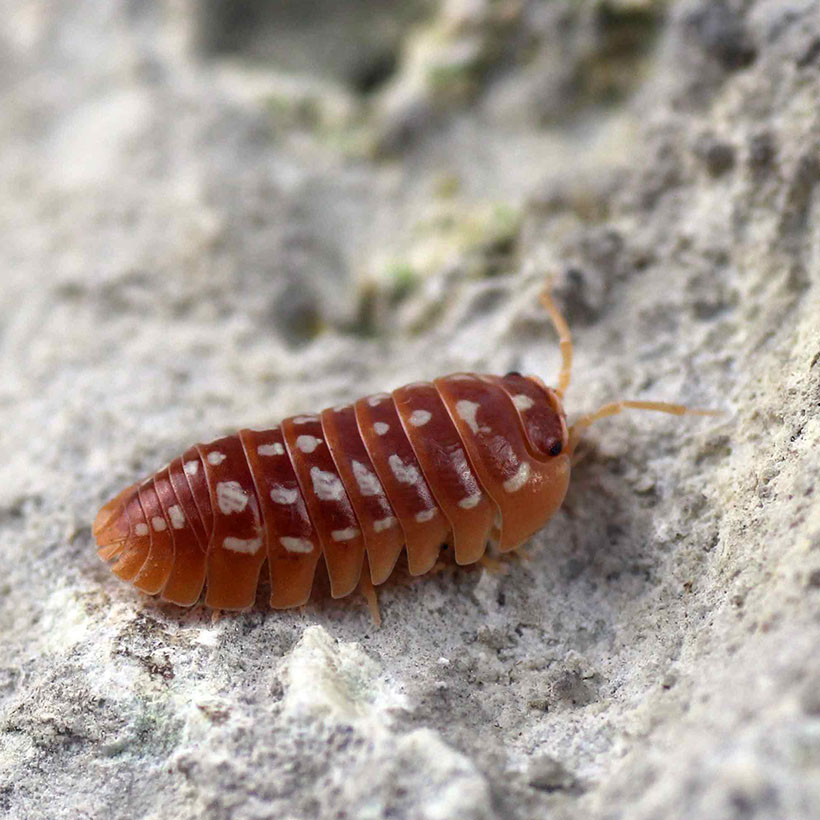
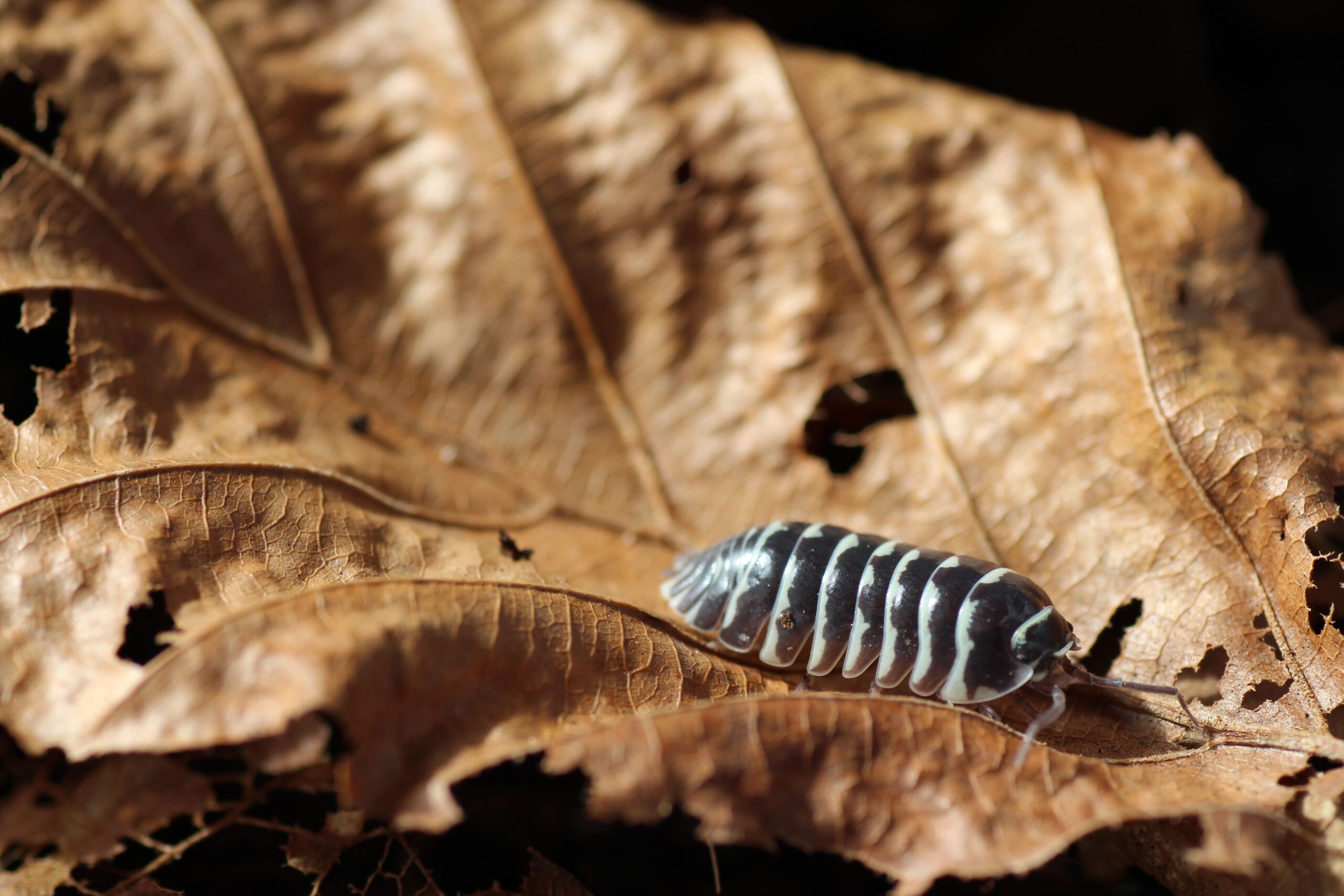
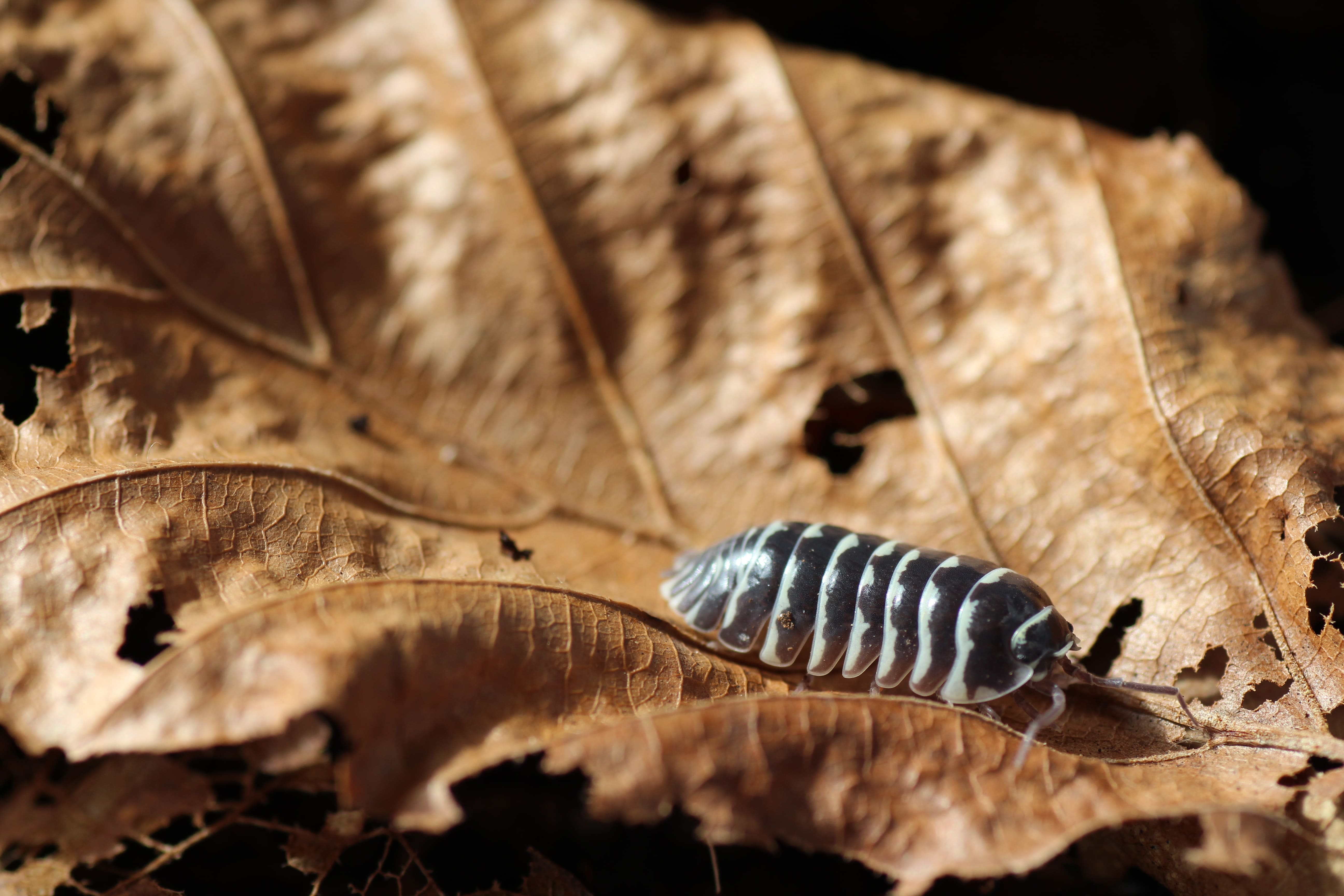
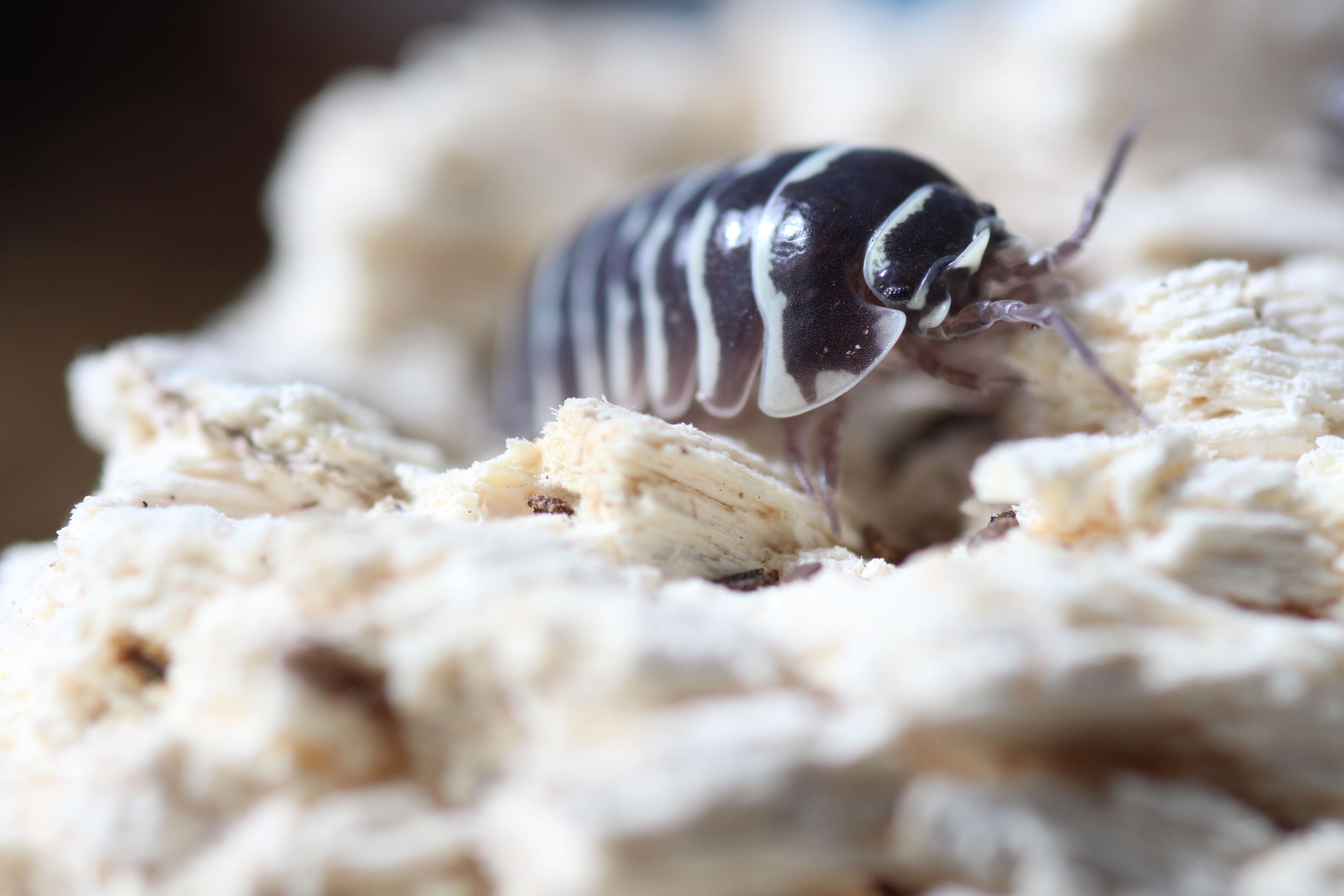
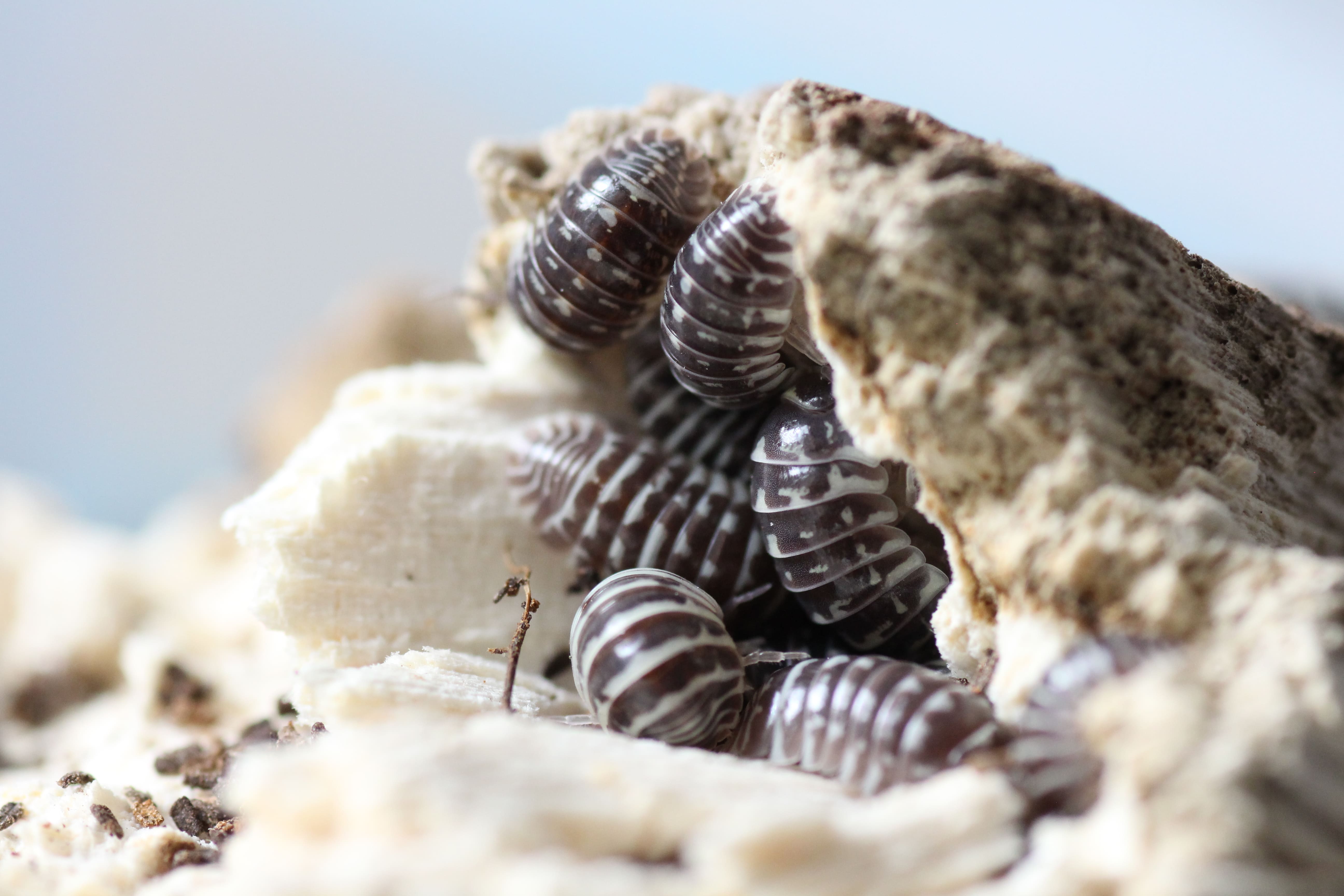
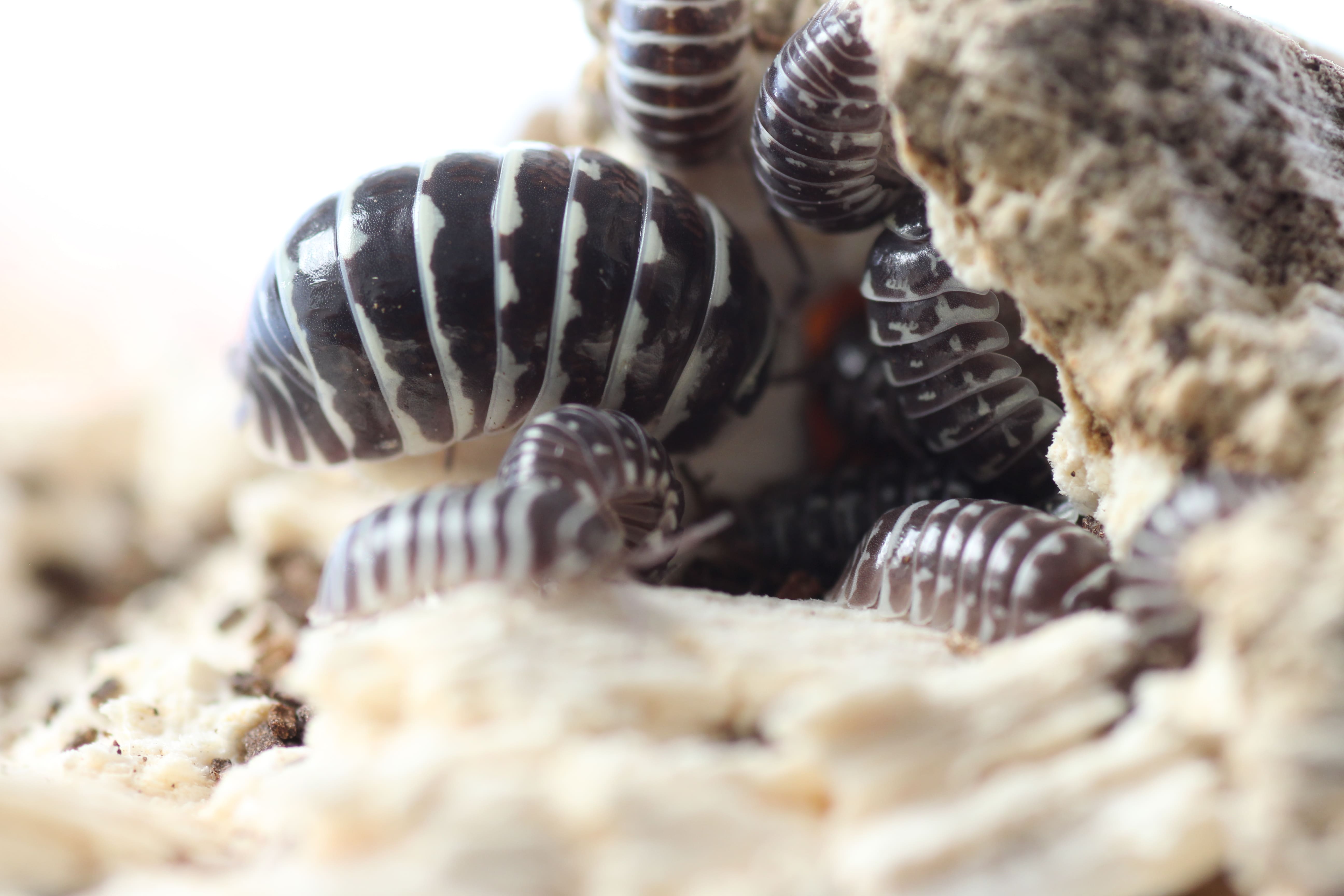
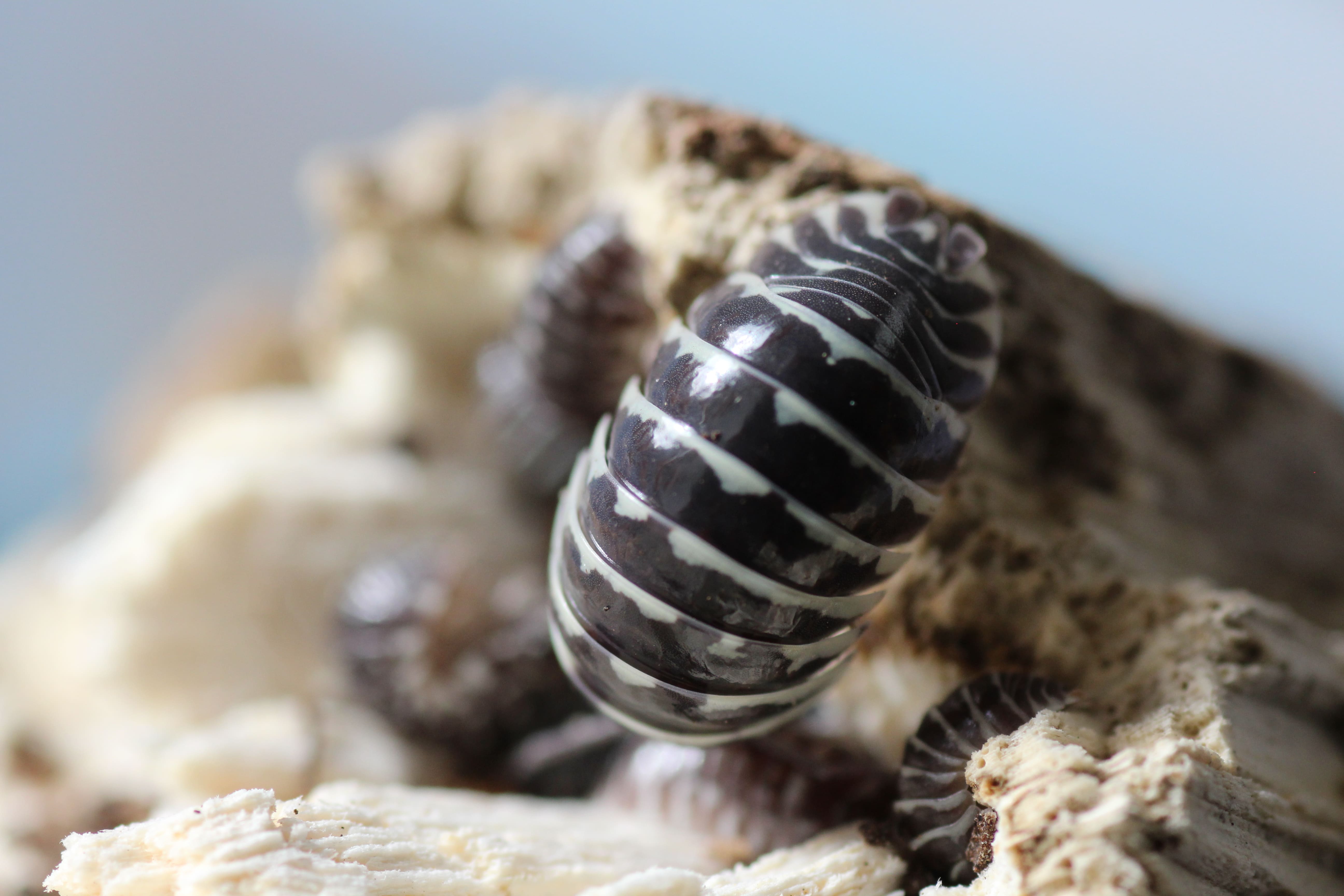
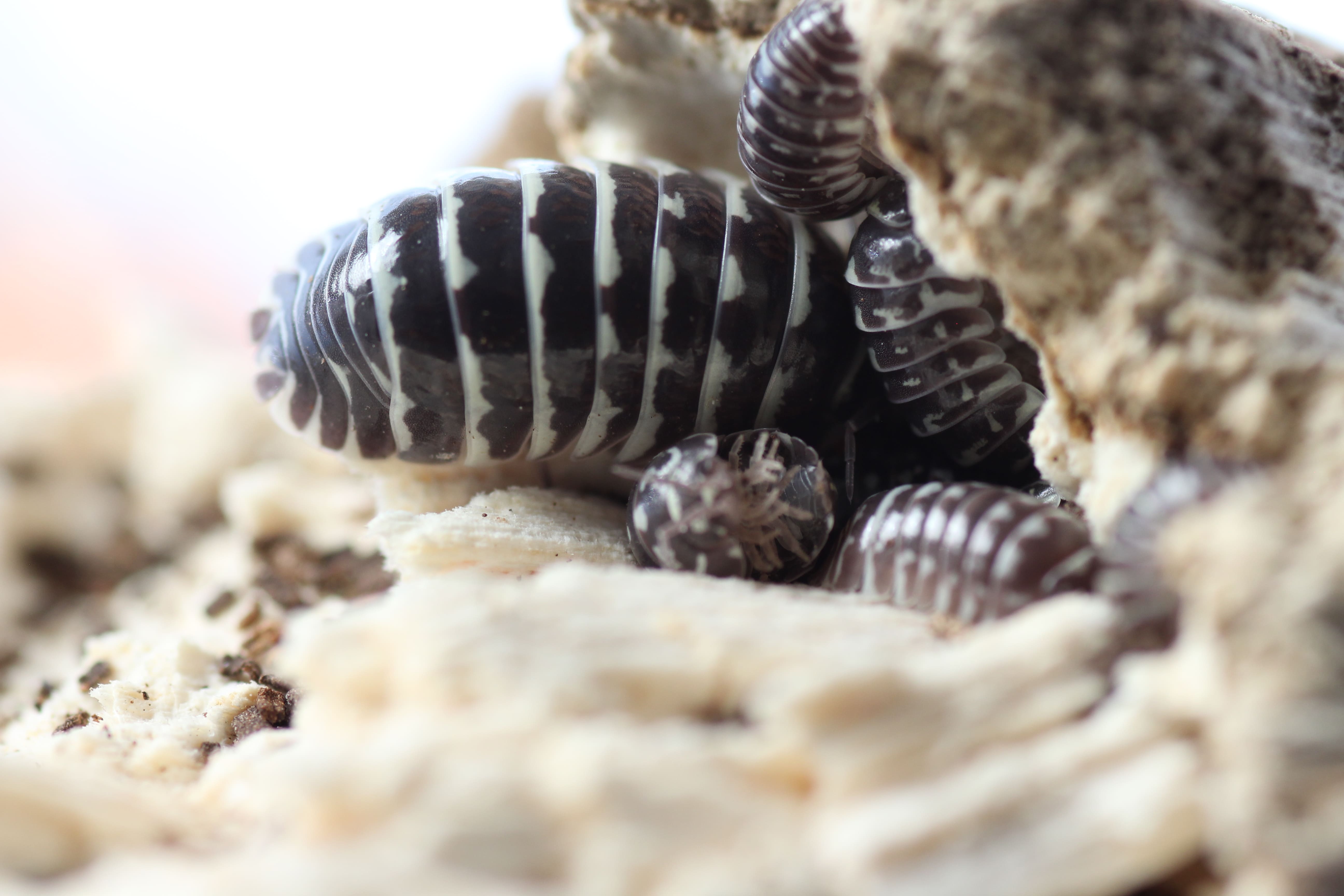
With its bright white stripes on the black base coloration, the zebra Isopod is an absolute highlight among Isopods. In some Isopods, the white stripes are yellow and they look like a mixture of Armadillidium gestroi and the zebra Isopods. So far I have not succeeded in breeding this color pattern. Let’s see if someone succeeds in the future.
Armadillidium maculatum is a very showy species. However, it depends a little on the number of animals. In a large tank with few Isopods you will hardly see anything. That’s why I always recommend taking a few more animals for the first stocking so that you get to see something. Alternatively, you can of course be patient until your own stock has multiplied sufficiently.
Breeding:
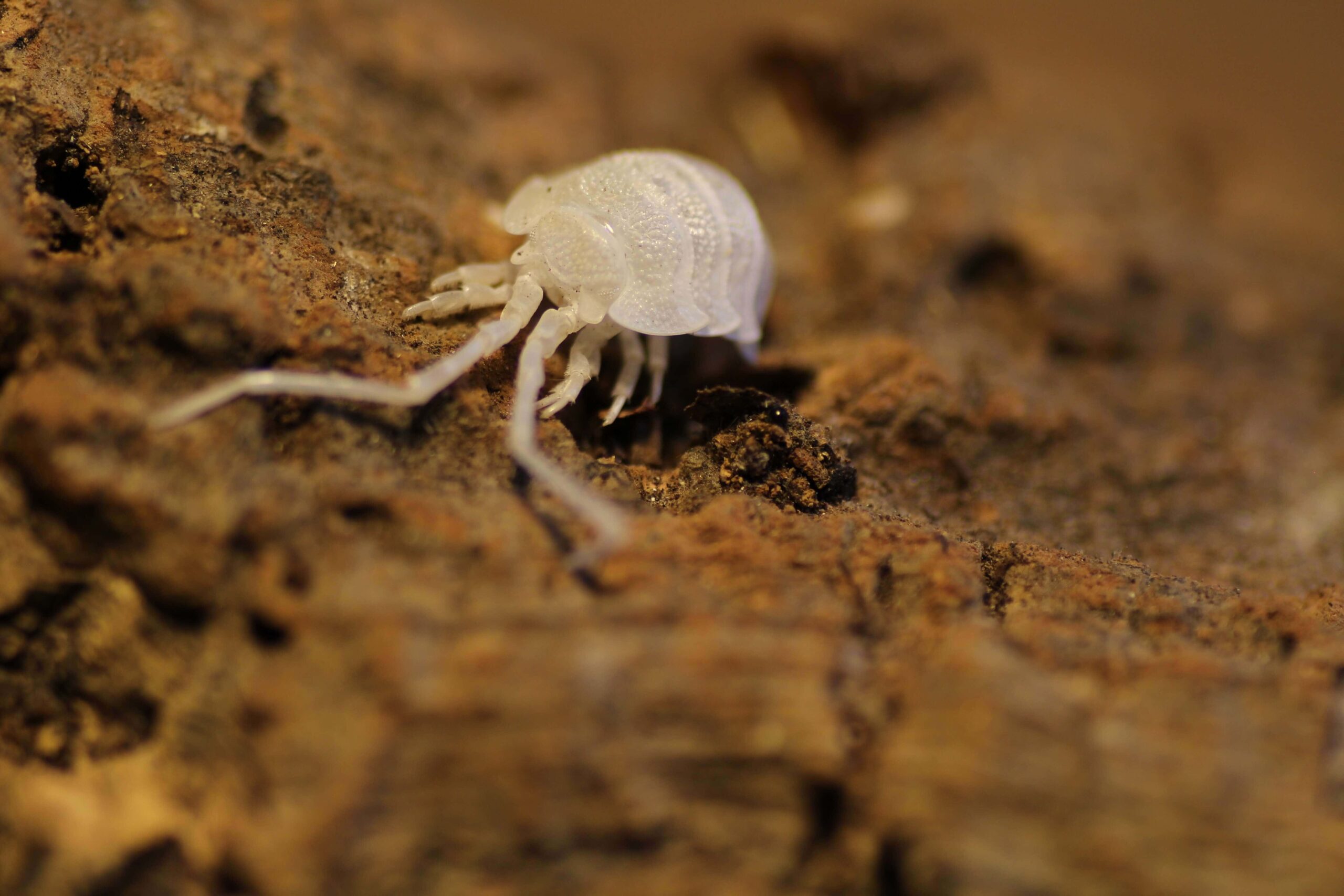
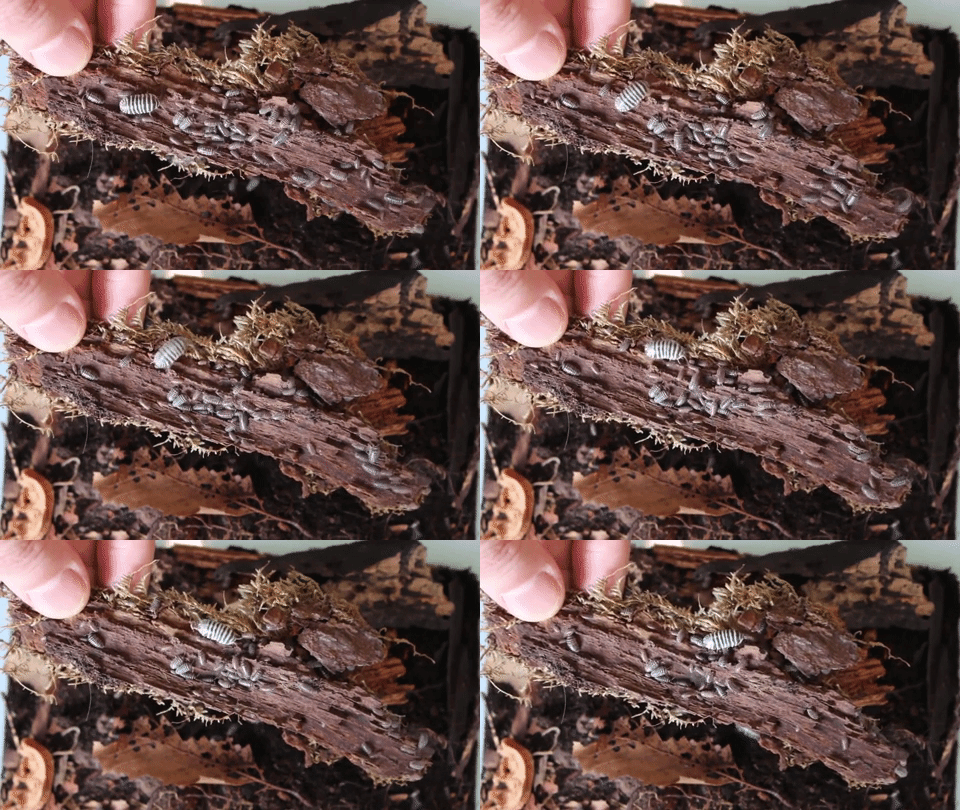
This species is quick and easy to propagate. A generation can be produced within 6 months under optimal conditions.
Special features:
The “zebras” are a great species, especially for newcomers. Breeding is generally easy and the zebra woodlice are very common on the surface.
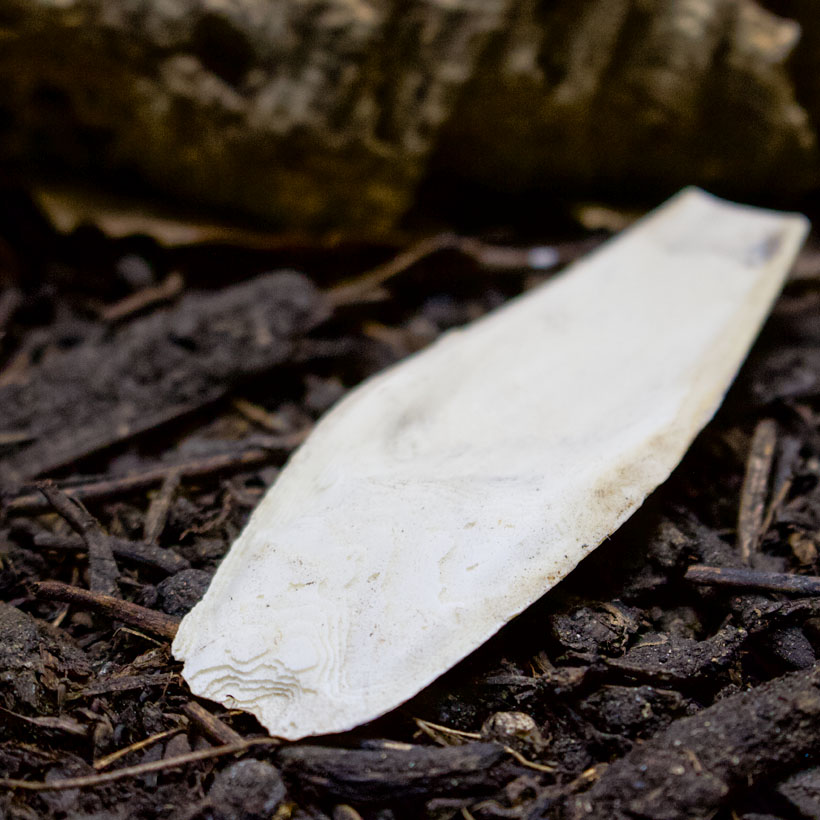
It is often said that as soon as the stocking density becomes too high, the animals stop reproducing. I cannot confirm this. As long as you meet their basic needs and offer them enough white rotten wood, foliage and cuttlefish, there are no problems. Similar to the Armadillidium klugii “Montenegro”, they much prefer to eat leaves and dead wood than food such as vegetables or fruit.
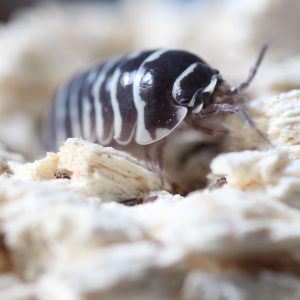
Armadillidium maculatum “Zebra woodlouse”
Brief description: Armadillidium maculatum, also known as the zebra woodlouse, is a medium-sized isopod species from the Mediterranean region and southern France. The animals grow up to 1.8 cm in…
In stock
They are also very reluctant to eat protein and only eat it occasionally. For this reason, I inoculate the substrate for this species with tropical springtails. These utilize the leftovers and prevent the formation of mould.
Tip: Offer enough sepia.
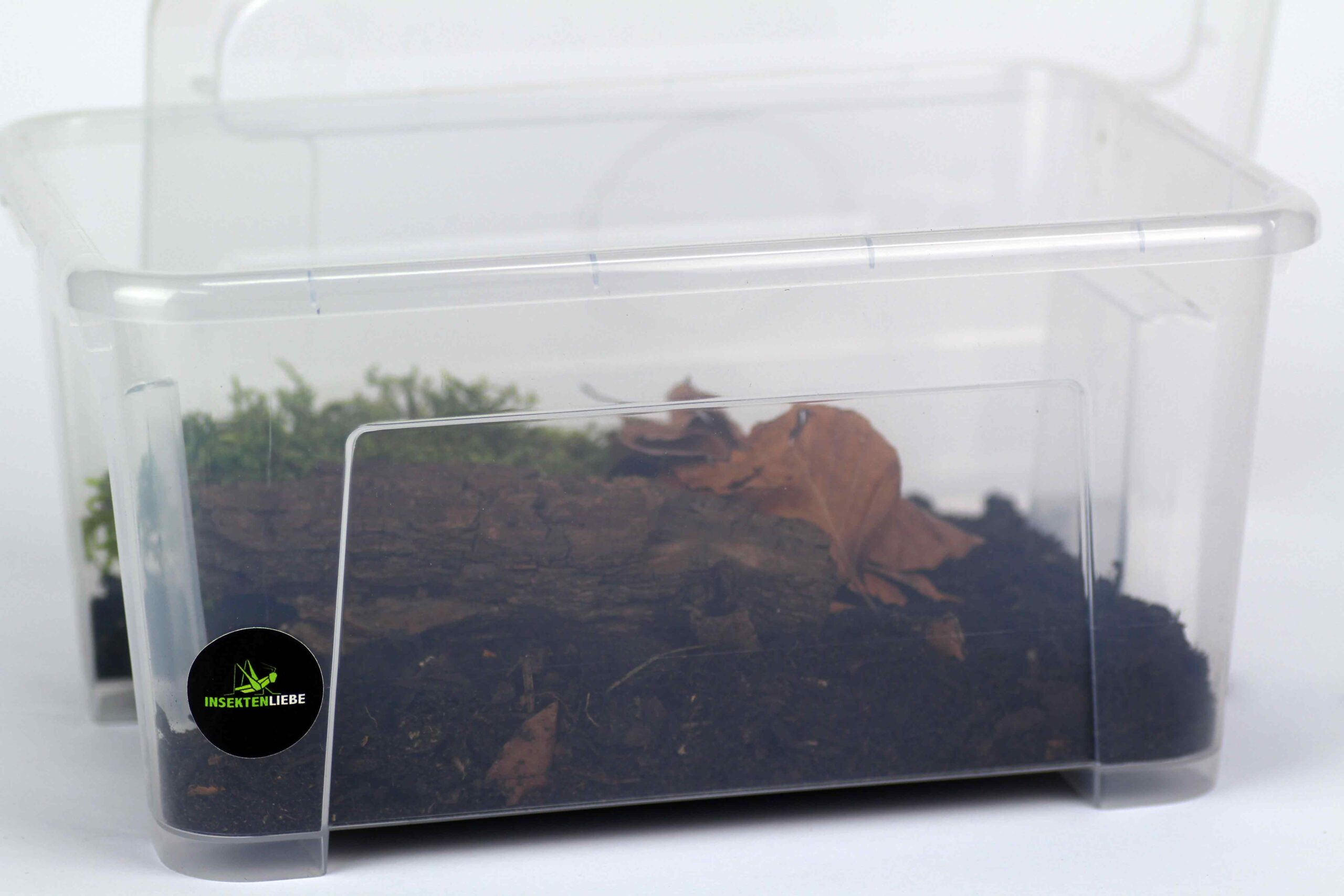
Armadillidium maculatum “Zebra woodlouse” is also available in the complete Insektenliebe Isopod set.
More information will follow!