


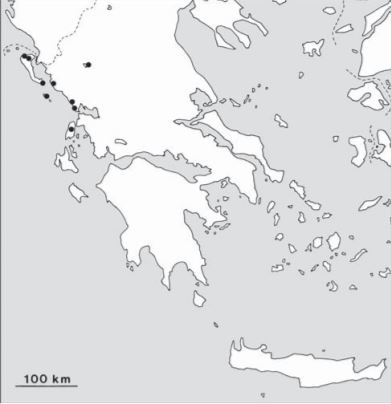
| Origin | Greece |
| Temperature | 20-25 °C |
| Size | 1.5-1.8 cm |
Behavior:
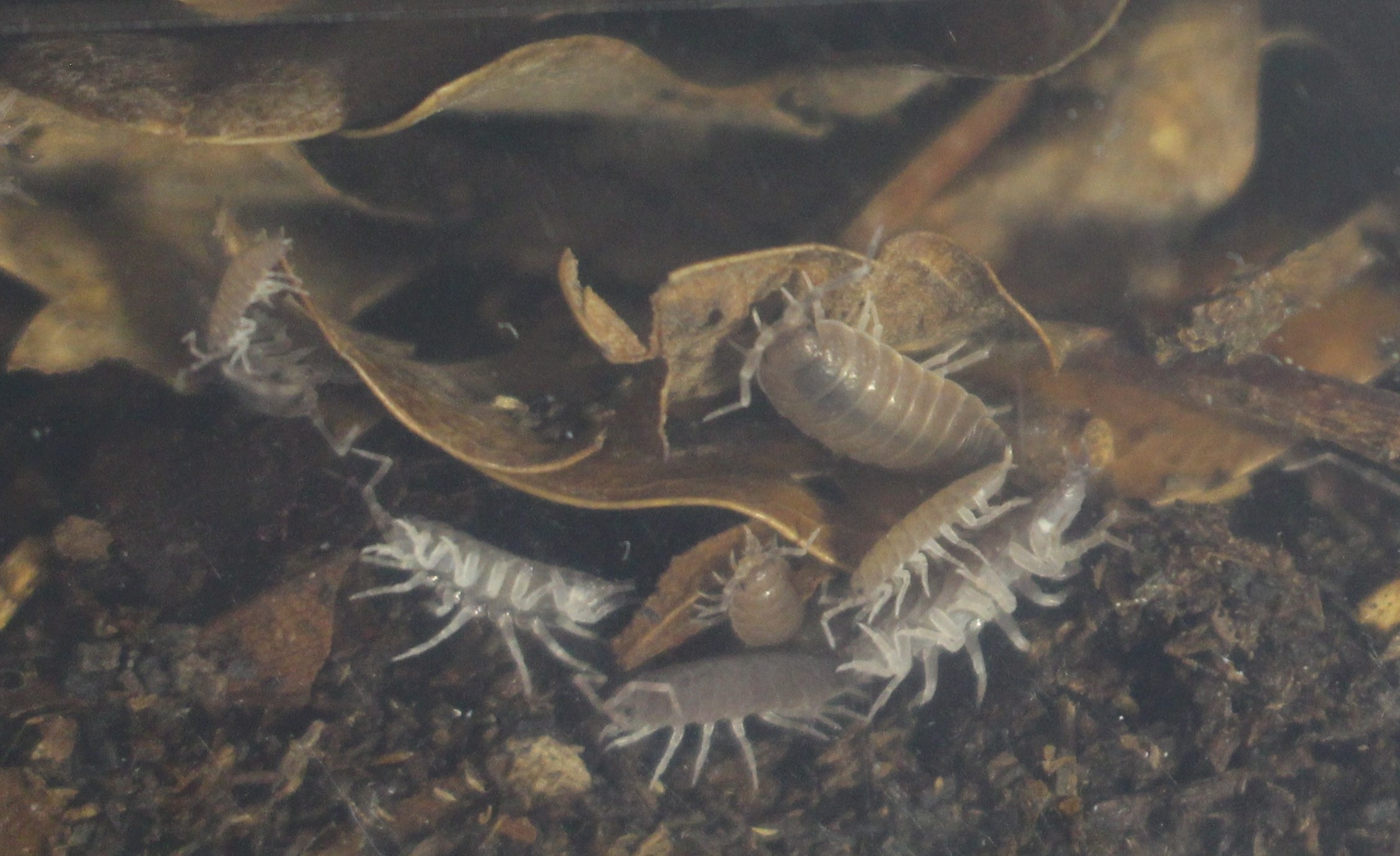
Armadillidium corcyraeum, like all woodlice species, typically like to be found under foliage but are more common on the surface than Porcellio species. They are great to watch as they eat their favorite food, beech and oak leaves.
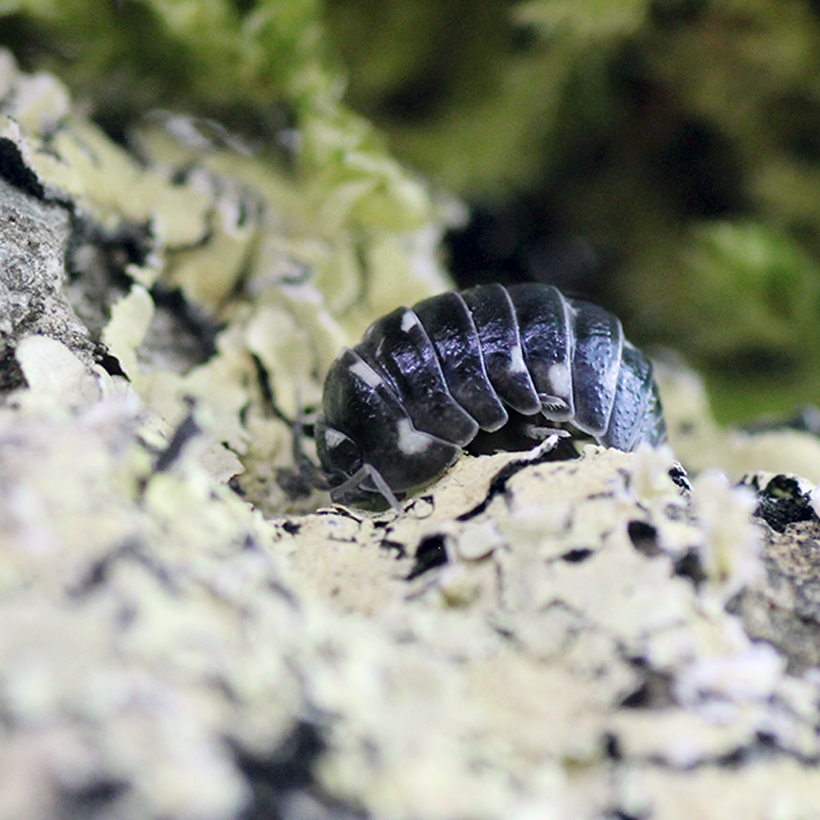
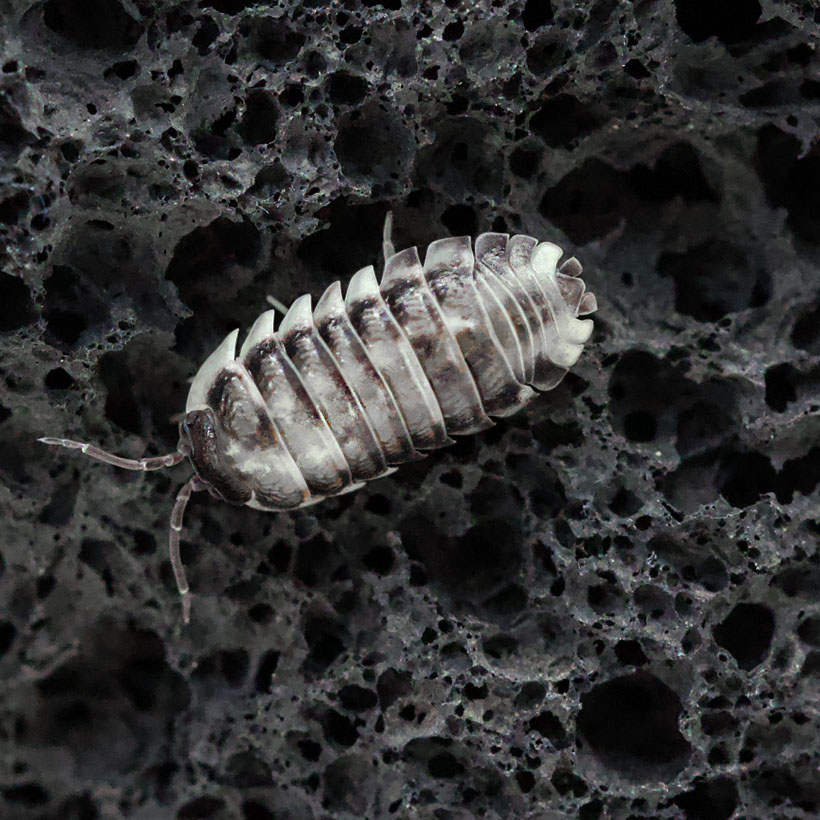
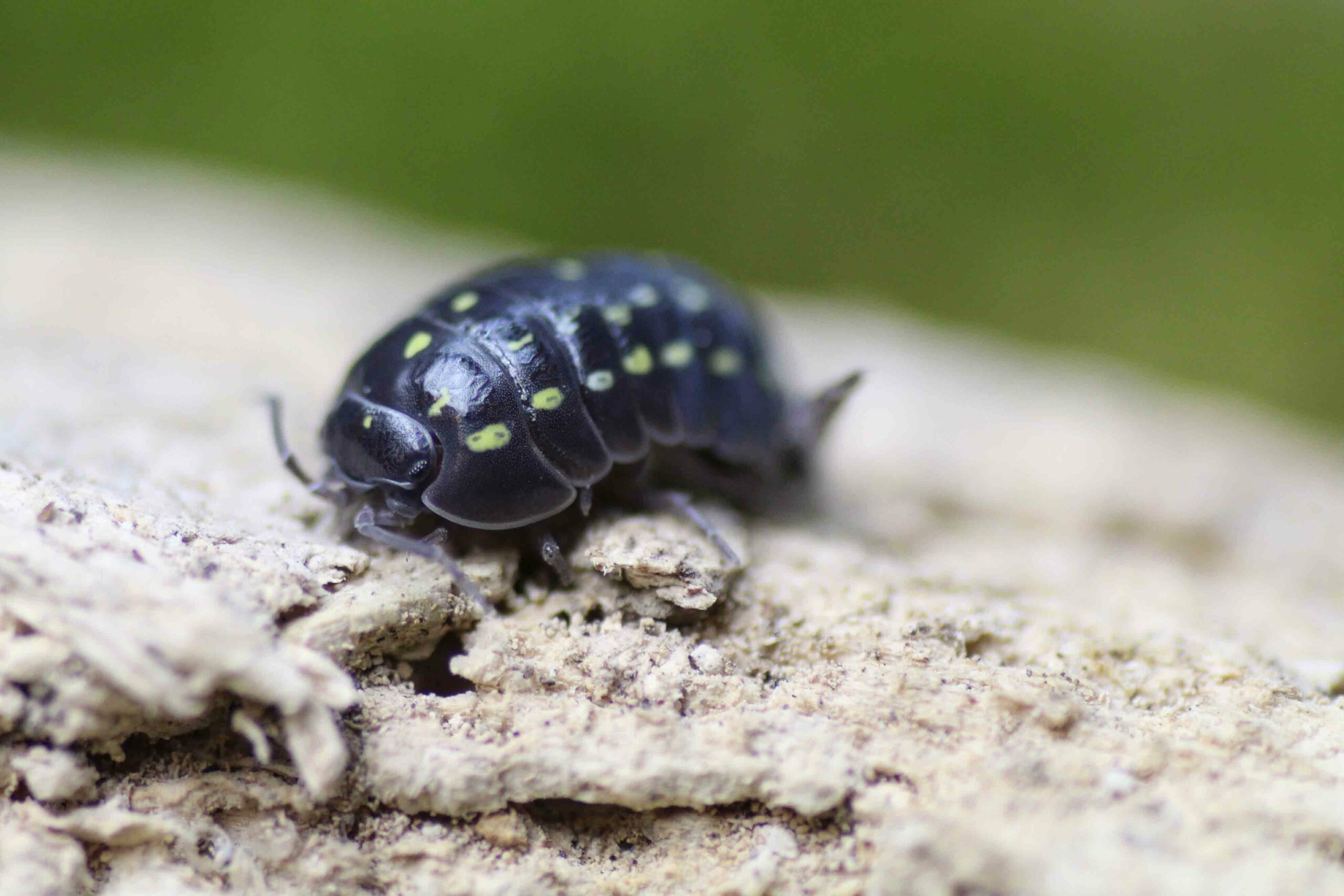
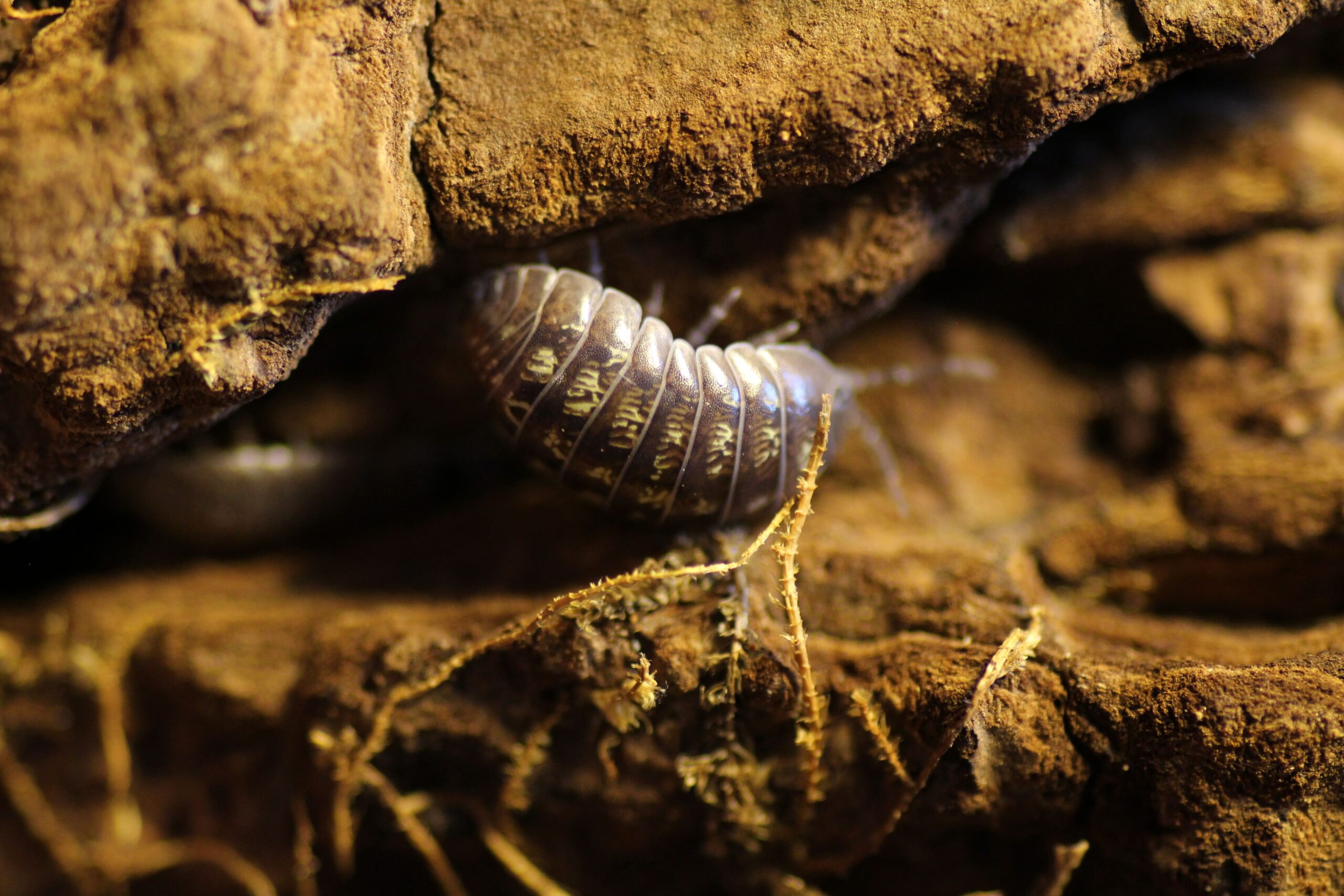
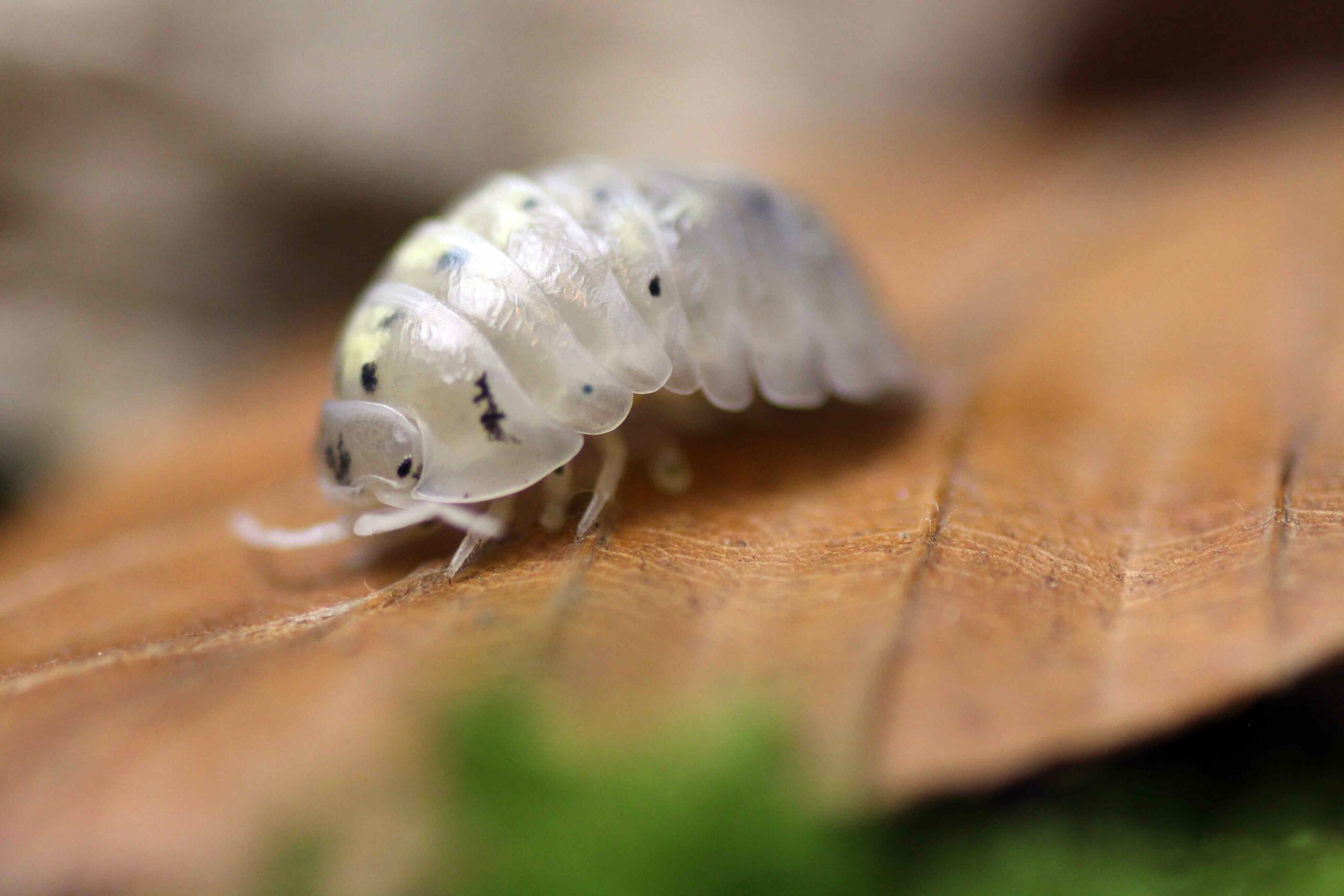
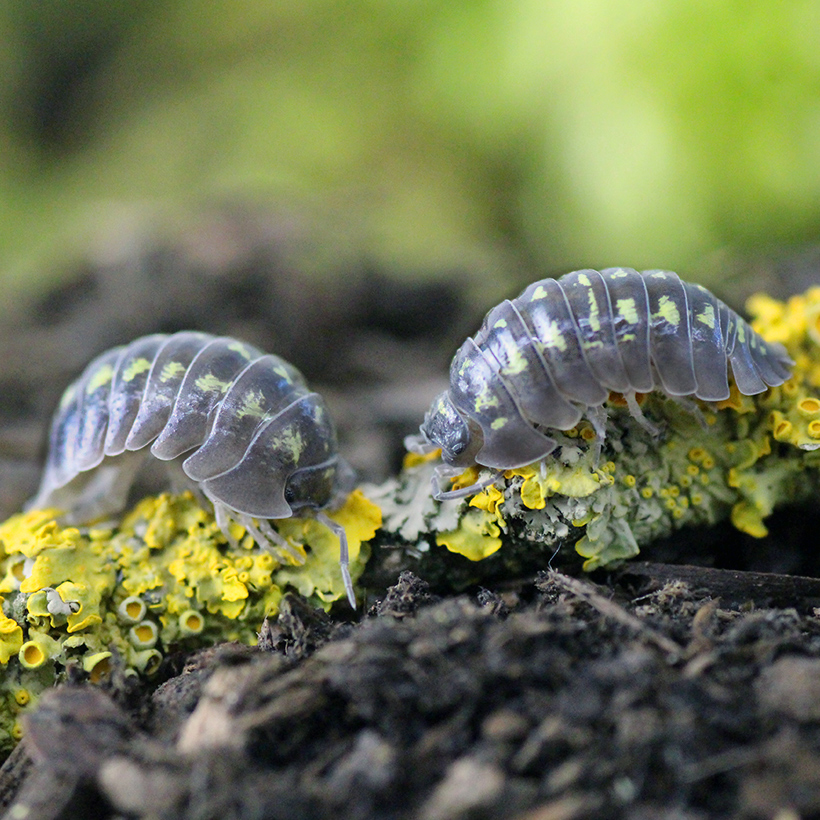
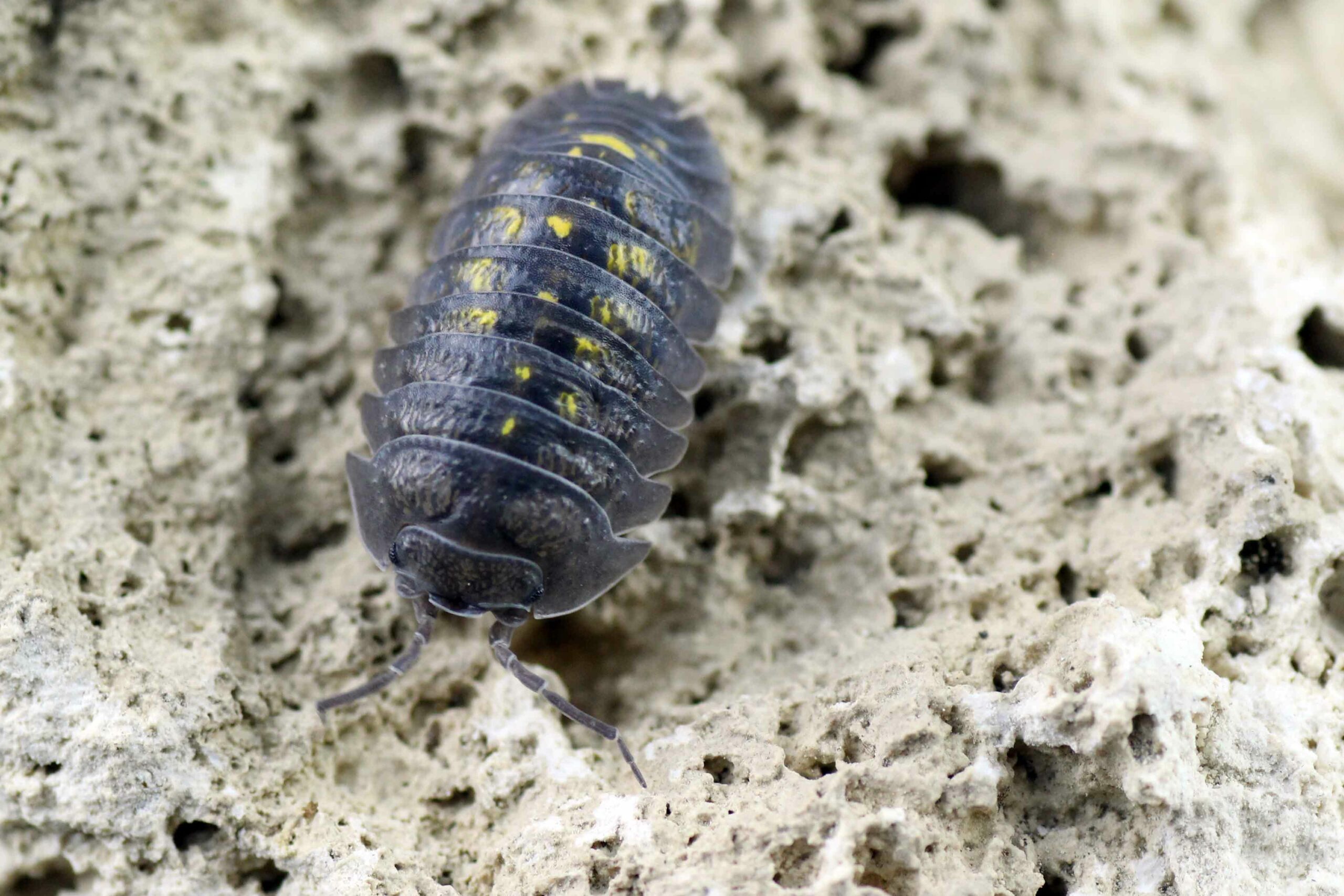
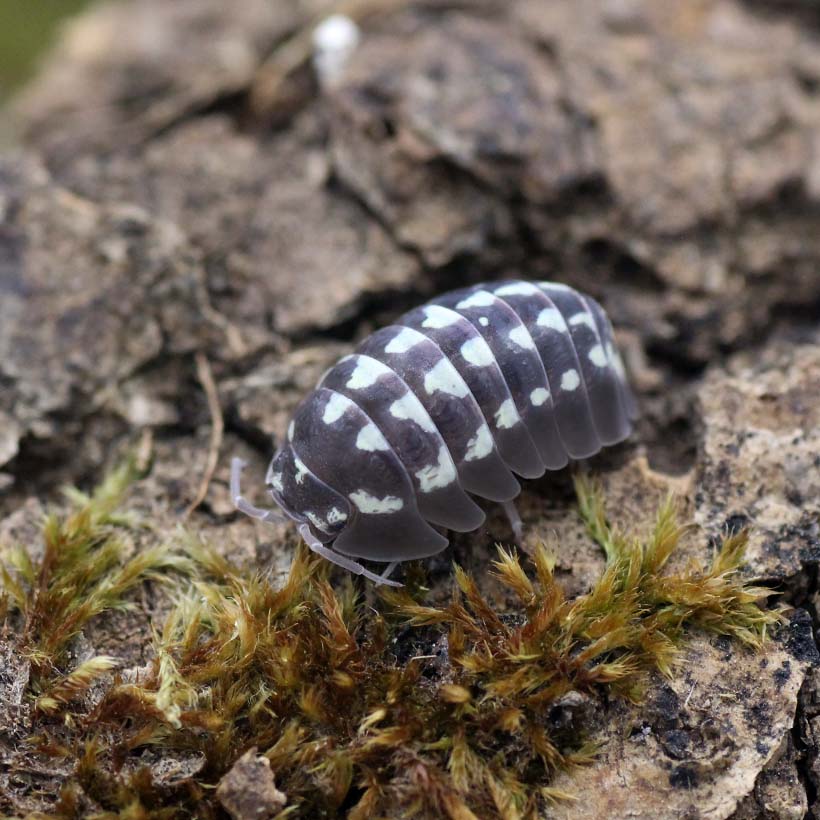
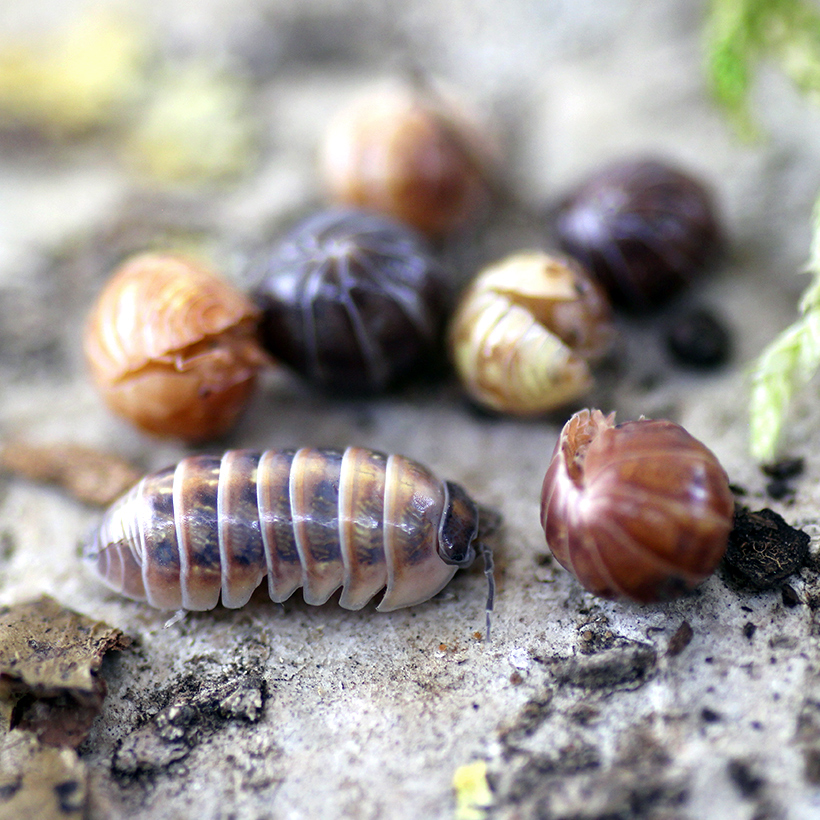
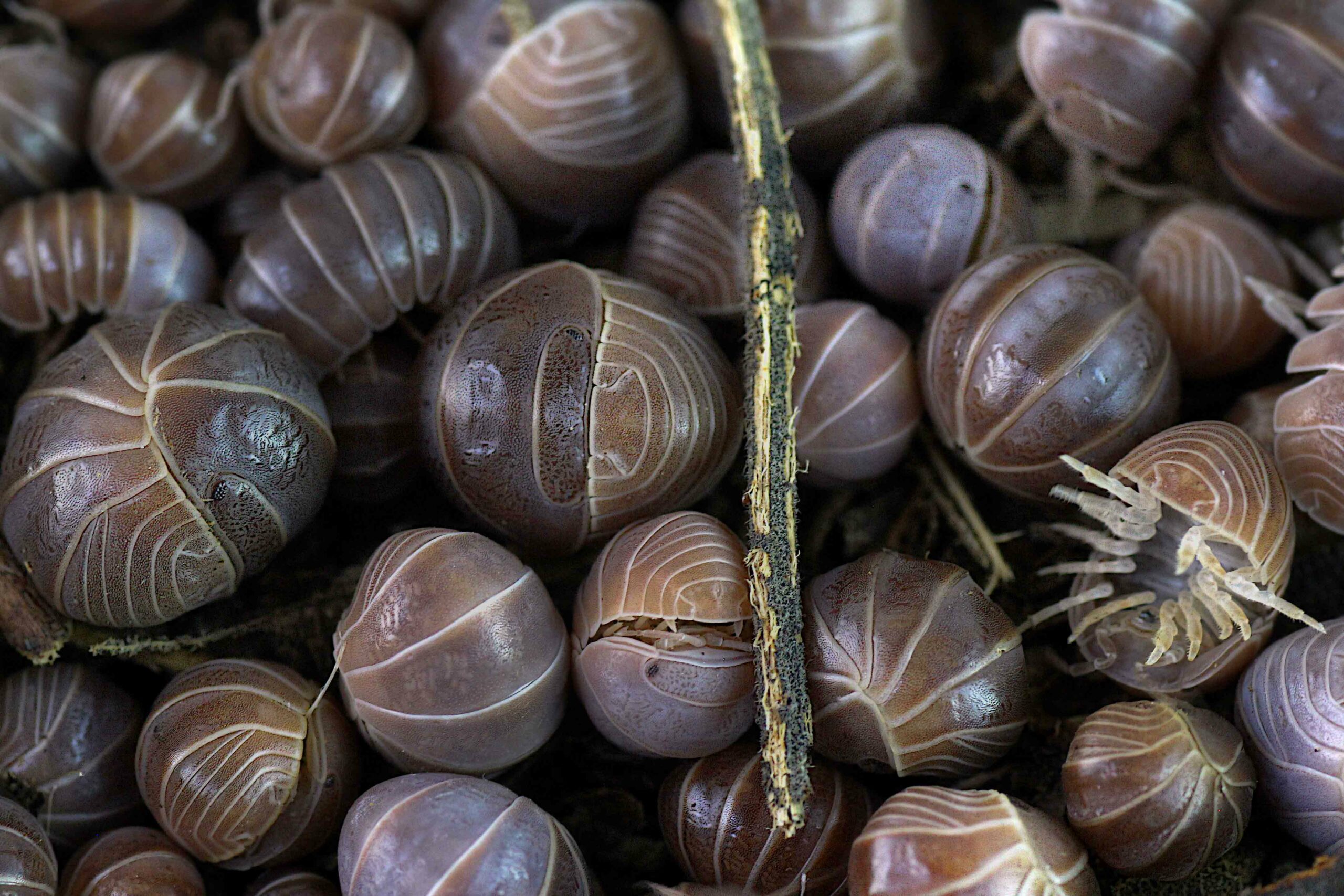
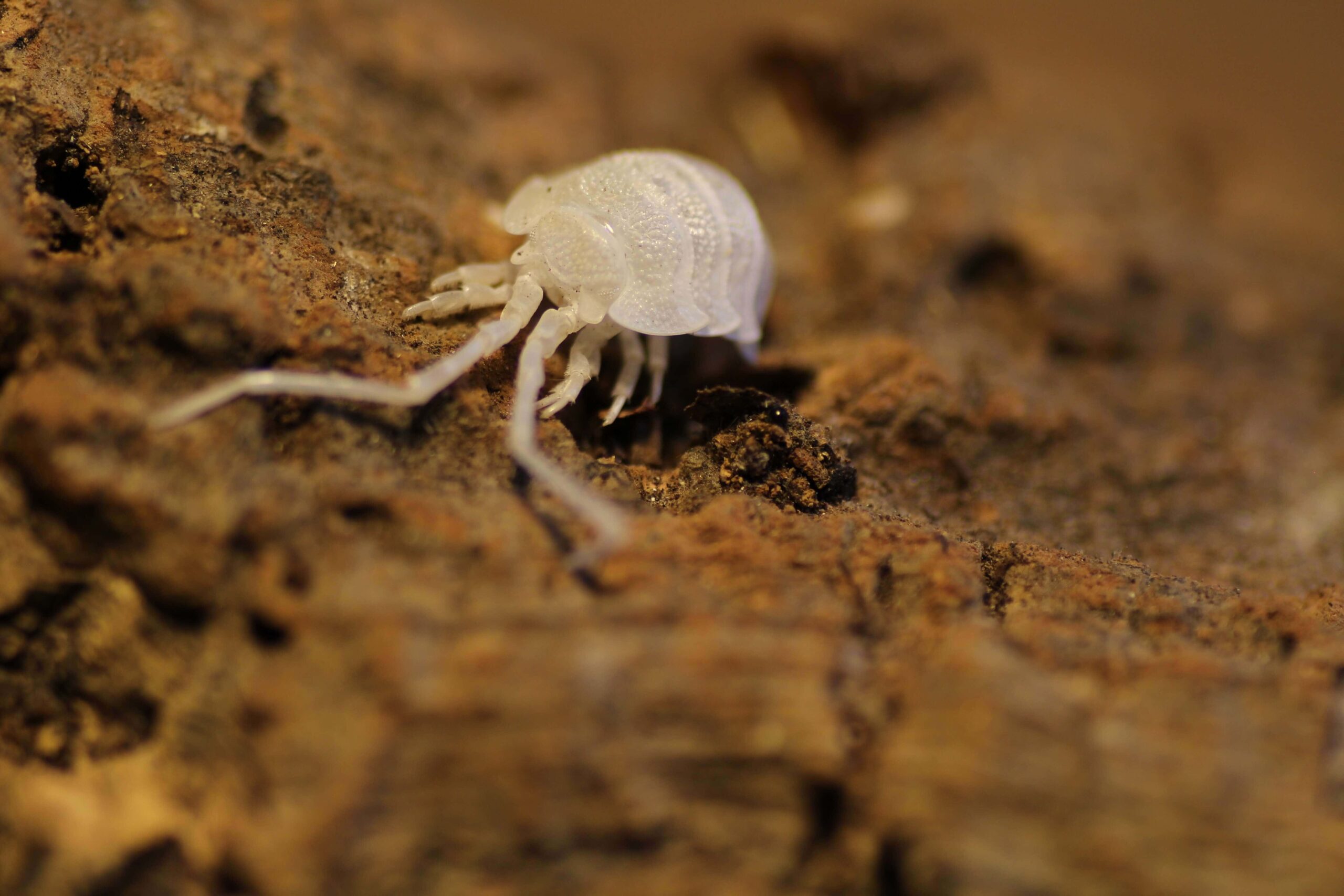
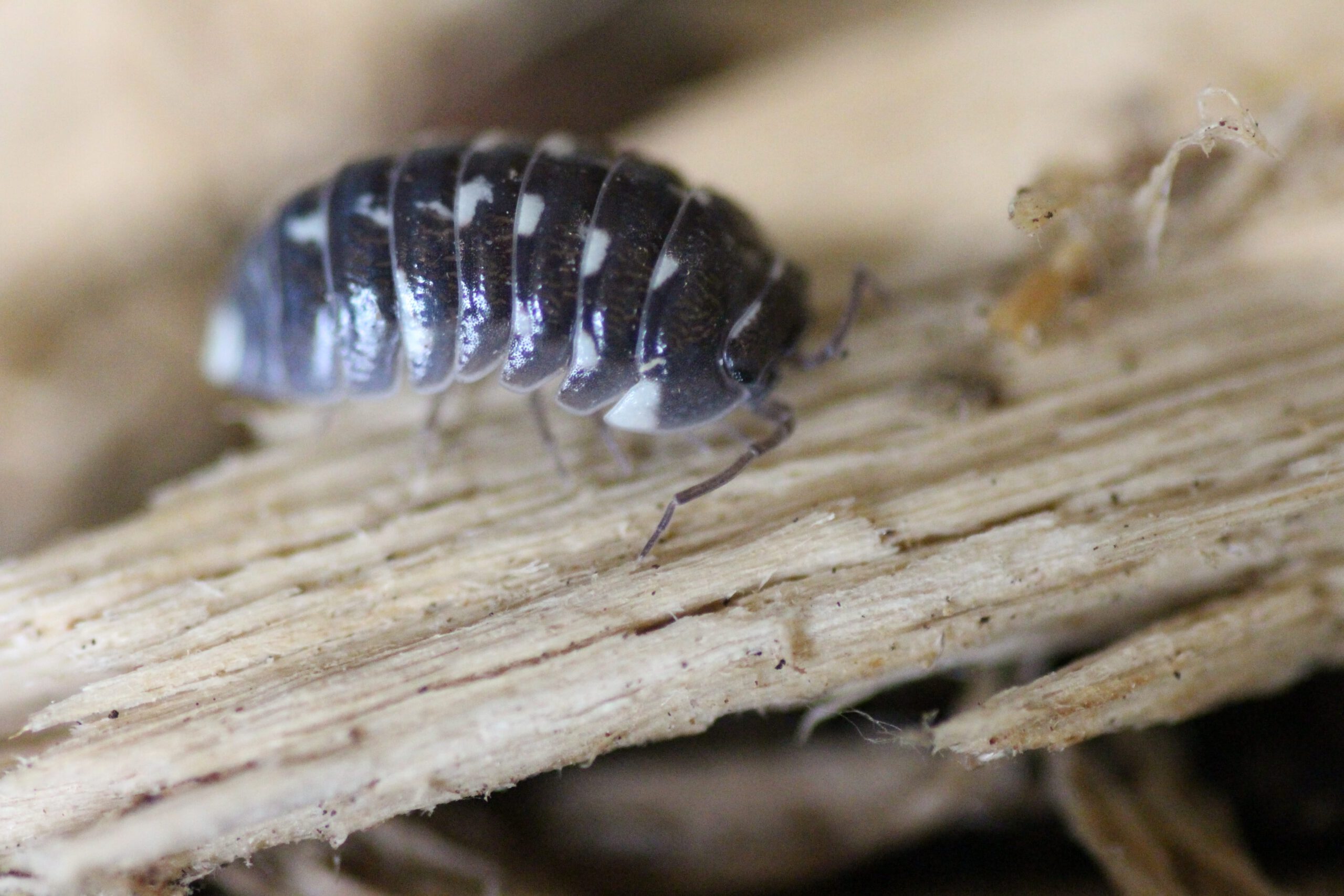
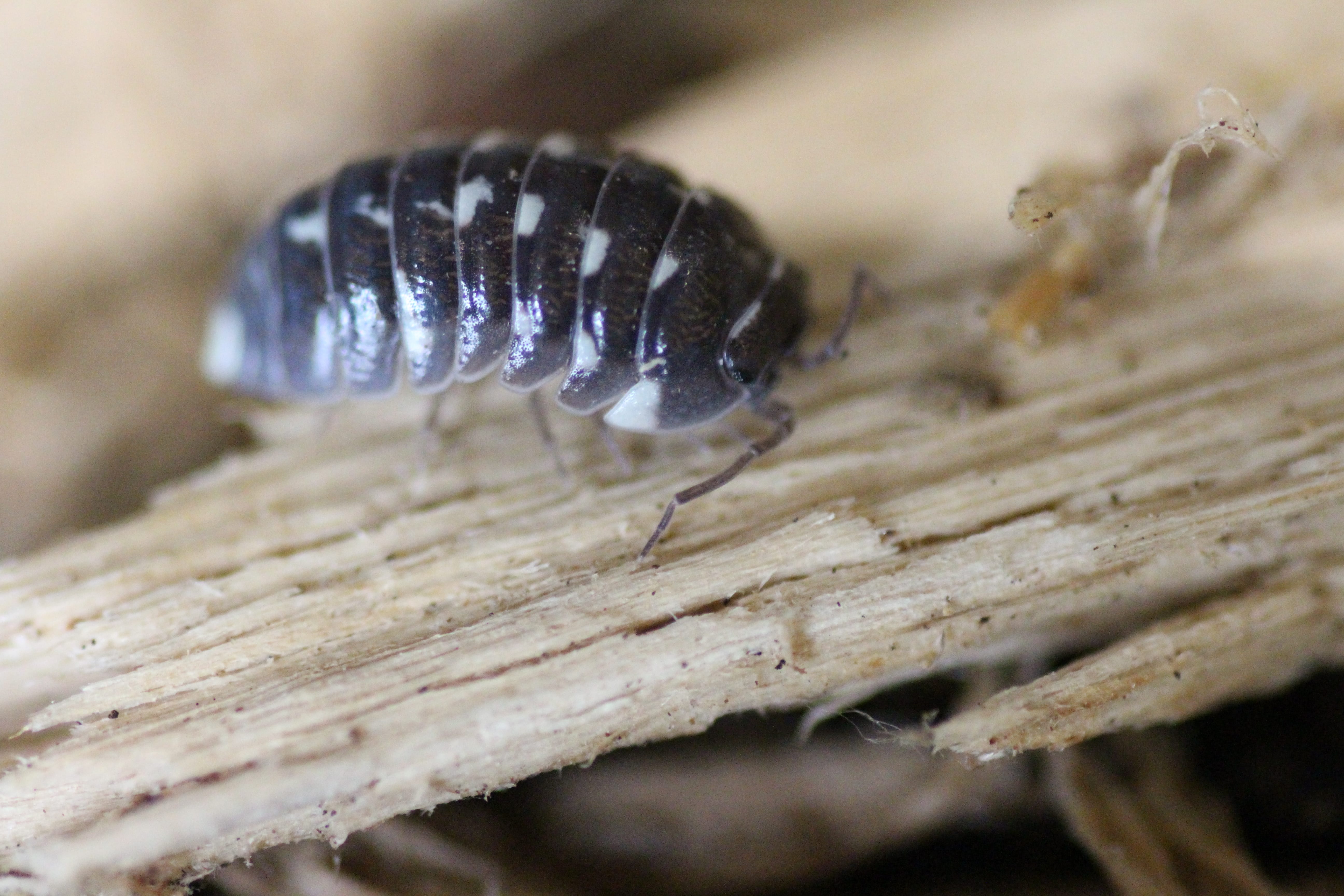
The basic coloration of the adults ranges from grey-black. Many specimens have three rows of white spots on their dorsal plates, rarely also a white band. The young isopods often have a brownish basic coloration, which darkens as they reach adulthood.
Breeding:
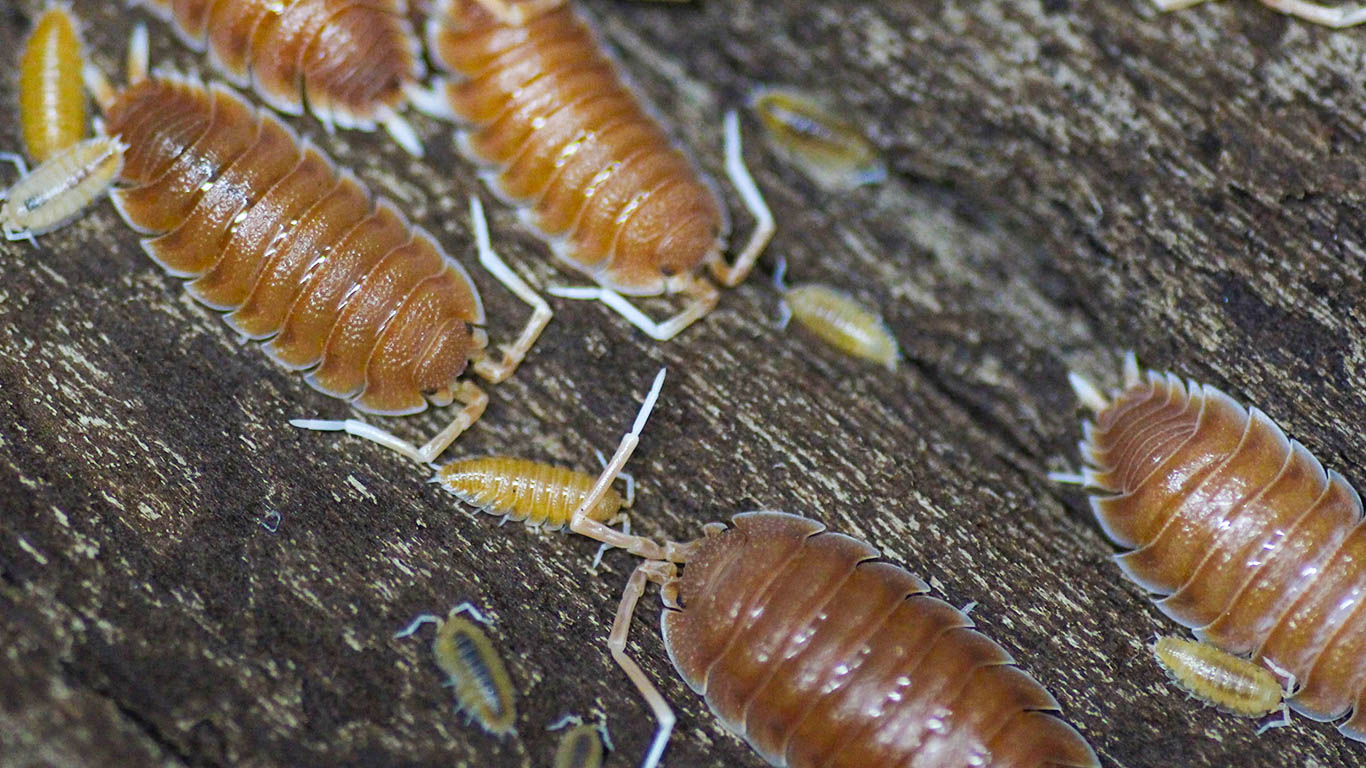
The young isopods can be reared with an average development time. Rearing the young is very easy and causes hardly any losses. The offspring rate is also at a high level. I am therefore very confident that this relatively new species of isopod will establish itself very well in our hobby.
Armadillidium corcyraeum
A beautiful species of woodlouse from Greece.
Out of stock
Special features :
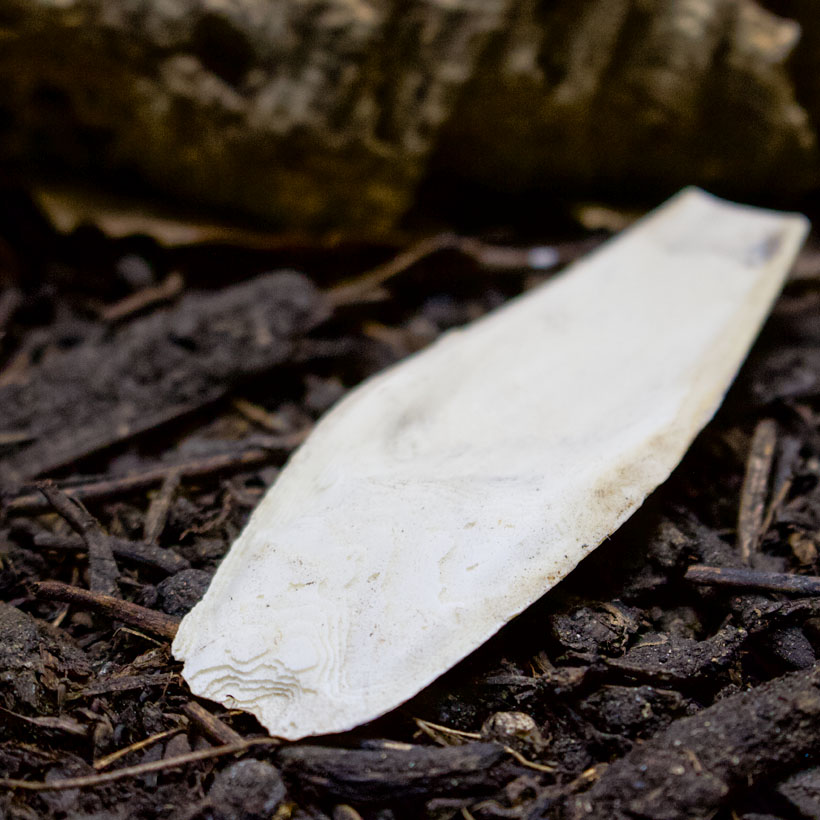
Armadillidium corcyraeum like to eat leaves and they often hide under them. Other food is only accepted sporadically but should be offered from time to time. Especially if the number of Isopods in the tank increases, you should definitely increase the protein food ration offered. This should be done carefully to suppress cannibalism as far as possible.
The appearance of this Isopod is absolutely fascinating. It looks a bit like Armadillidium maculatum “zebra woodlouse”, but its basic coloration varies and instead of white stripes it has white spots. In terms of character, it is a lot more patient than the zebra woodlouse, which satisfies my own urge to observe.
Tip: The substrate can be completely sprayed and kept “tobacco moist”. I cover the surface almost completely with leaves. I leave a small corner free for the protein supply.
More information will follow!