Hierodula spec. “Kalimantan Blue”
11,90 € incl. VAT, plus shipping

Simple

Borneo

< 95 mm

25°C – 28°C
Hierodula spec. “Kalimantan Blue” – an extraordinary mantis from Borneo
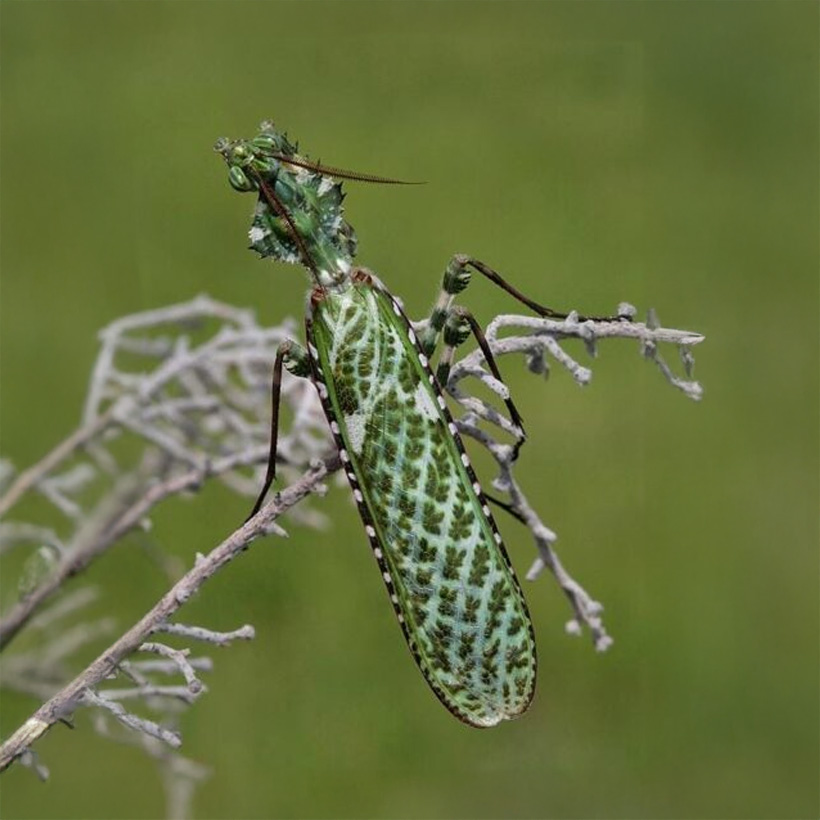
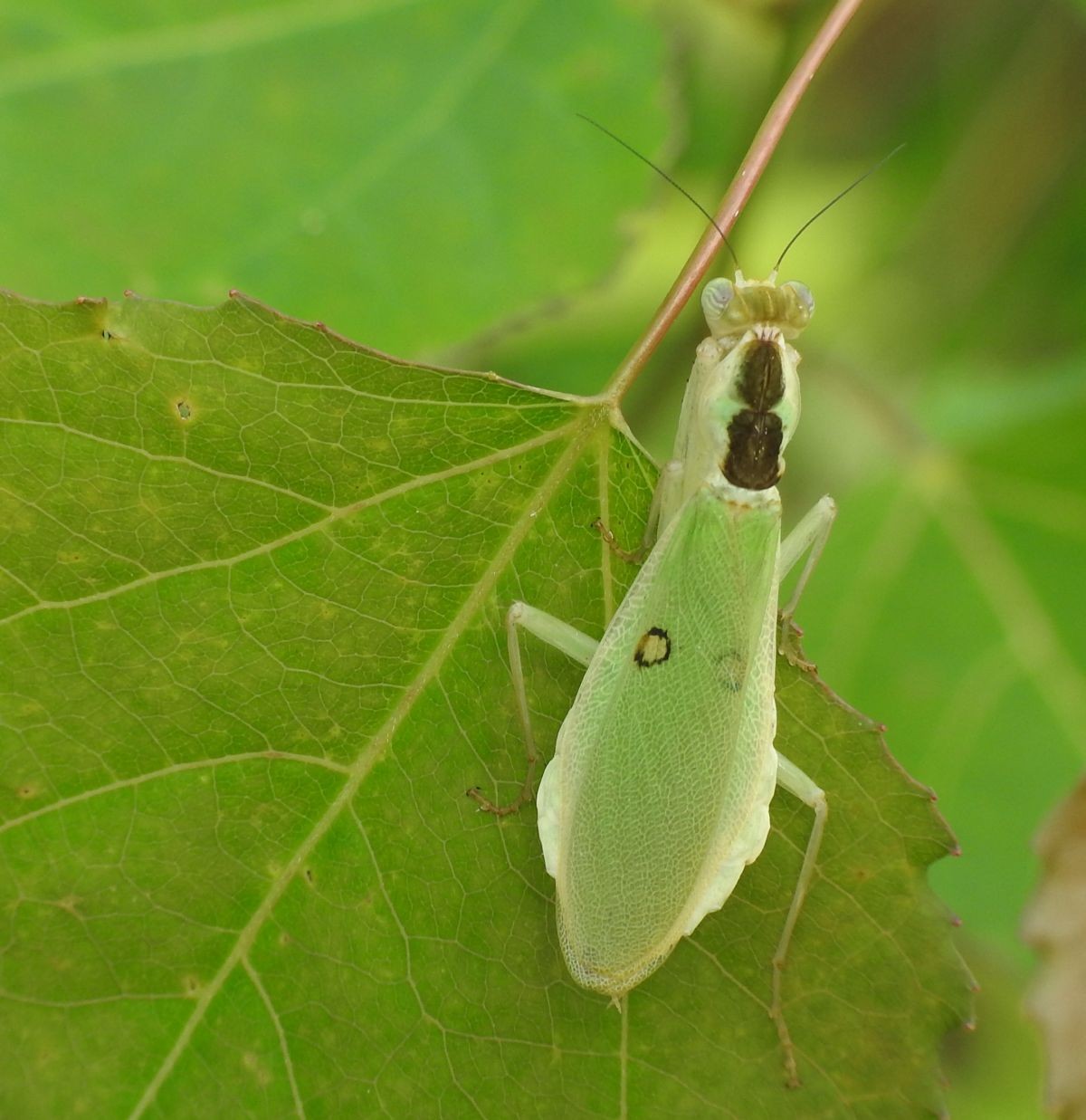
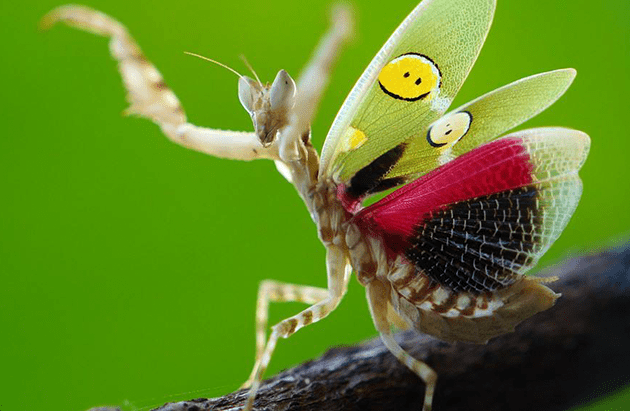
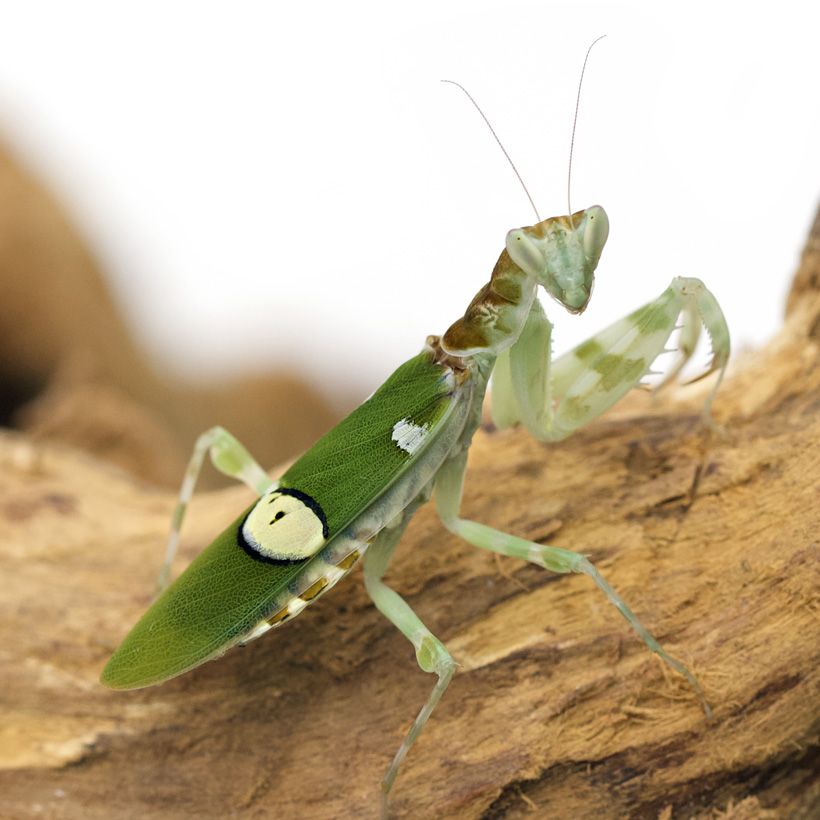
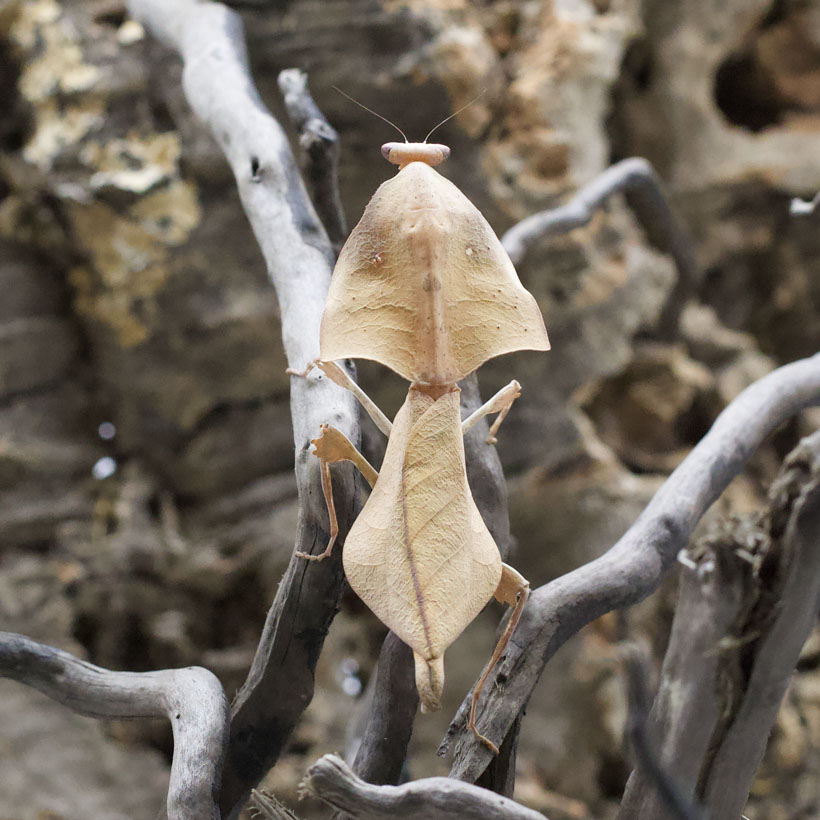
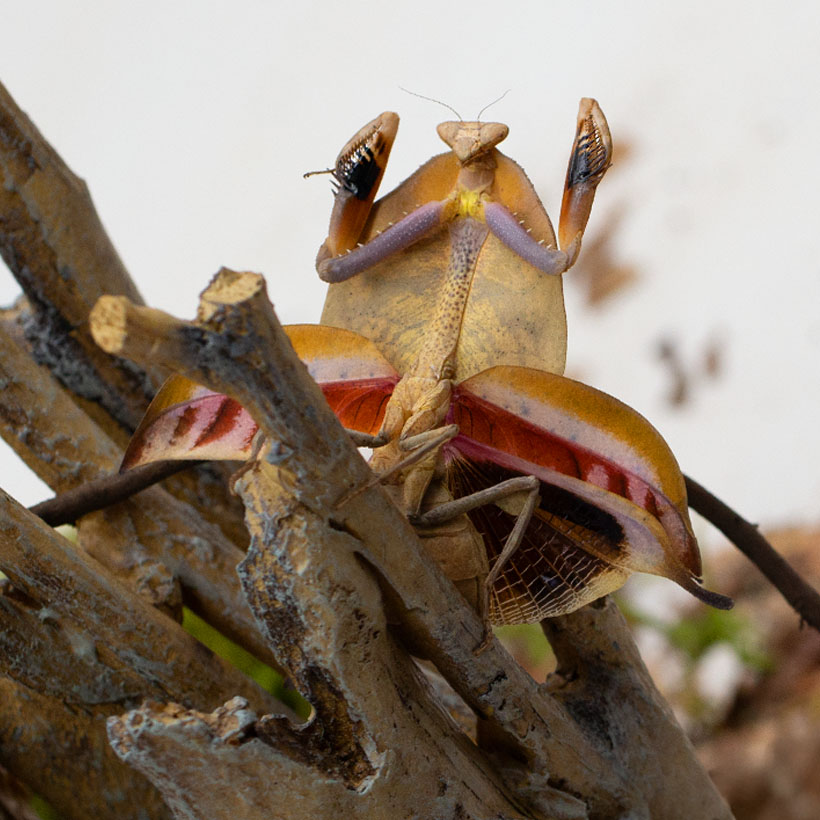
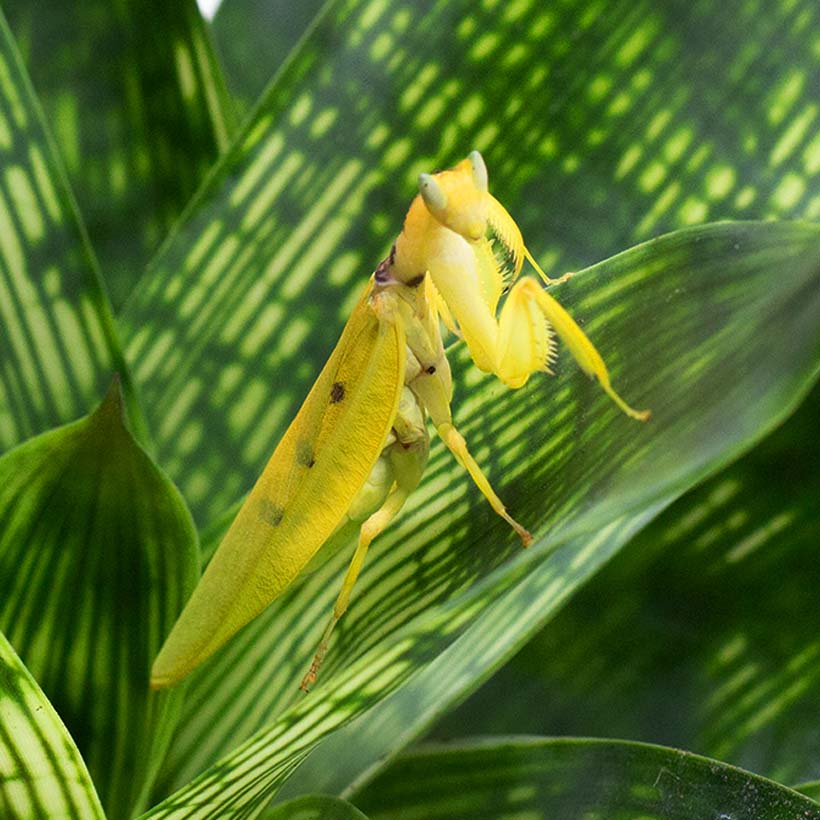
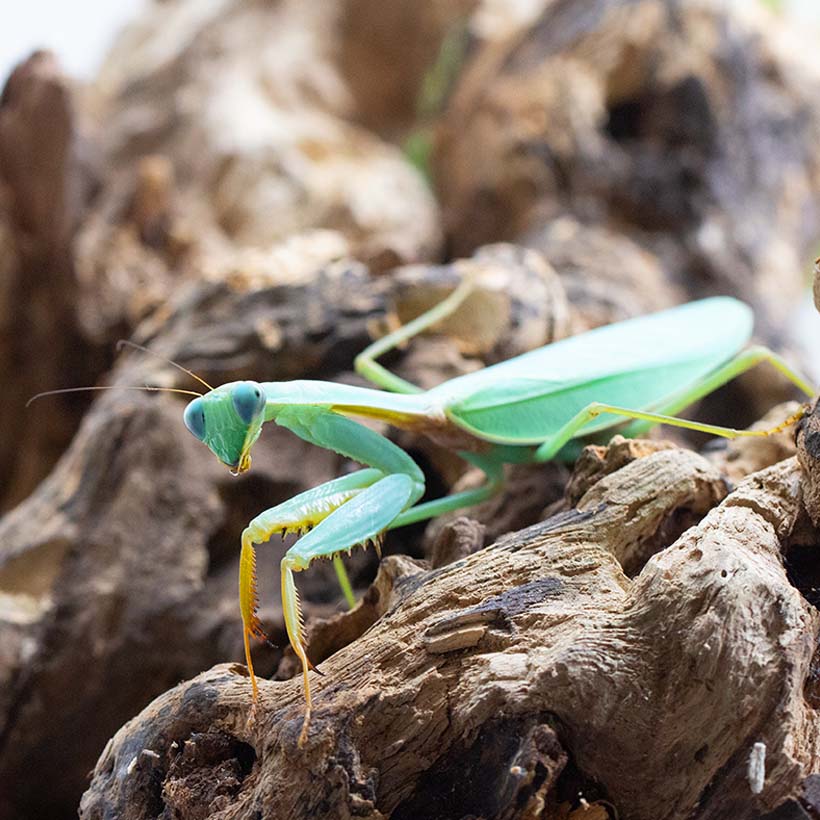
Hierodula spec. “Kalimantan Blue” is a rare and particularly attractive mantis from Kalimantan on Borneo. Its robust build, broad appearance, and interesting greenish to blue-green coloration make it a real eye-catcher in the terrarium.
However, accuracy is important when it comes to naming. “Kalimantan Blue” is not a scientifically described species. In the terrarium hobby, these animals are listed as Hierodula spec. “Kalimantan Blue .” The abbreviation “sp.” indicates that the animals are clearly assigned to the genus Hierodula, but the exact species has not yet been definitively determined.
This designation is particularly appropriate for Hierodula from Borneo. The genus is scientifically difficult to identify, and several forms found there have not yet been clearly described or classified. For this reason, we have deliberately chosen not to simply assign Hierodula spec. “Kalimantan Blue” to a known Hierodula species.
The Distinctive Coloration of Hierodula spec. “Kalimantan Blue”
The addition of “Blue” makes this breeding line particularly interesting. The specimens can display attractive greenish, blue-green, and, in some cases, turquoise-like hues.
However, you should keep in mind that these are living animals. Their exact coloration and its intensity may therefore vary from animal to animal. In addition, their appearance may change as they develop.
It is precisely this variability that makes raising them particularly exciting, because it is not always possible to fully predict the adult coloration of a young animal.
A robust representative of the genus Hierodula
Hierodula are among the sturdily built mantis-like insects. Hierodula spec. “Kalimantan Blue” also has the typical build of a large Hierodula.
Females develop a significantly sturdier body and a voluminous abdomen. Males, on the other hand, remain slimmer and appear lighter overall.
There is currently no scientifically validated maximum size for the captive-bred form known as “Kalimantan Blue.” For this reason, we have deliberately chosen not to include size data for other Hierodula species.
From tropical Kalimantan on Borneo
The designation “Kalimantan” refers to the Indonesian part of the island of Borneo.
Various species of the genus Hierodula are found there in tropical habitats. For this reason, we also aim to provide a warm, tropical climate when keeping Hierodula spec. “Kalimantan Blue.”
However, “tropical” does not mean constantly wet. Rather, the terrarium should be lightly moistened on a regular basis and then allowed to dry out partially again. At the same time, good ventilation ensures the necessary air exchange.
About 25–28 °C for a warm environment
For terrarium care, we recommend a daytime temperature of approximately 25–28 °C. The temperature may drop slightly at night.
However, the entire terrarium does not need to be exactly the same temperature. A heat source or lighting from above creates a warmer area, while slightly cooler zones form further down.
This allows Hierodula spec. “Kalimantan Blue” to choose between different temperature ranges on its own.
These temperatures are practical guidelines for terrarium care and not scientifically determined optimal values for a species that has already been clearly identified.
Combining Humidity and Fresh Air
When it comes to humidity, the interplay of various factors is more important than a single percentage value.
Lightly mist the terrarium regularly so that small water droplets form on the leaves, branches, and other surfaces. These can also serve as a source of drinking water.
However, excess moisture should then be able to escape again. You should avoid constantly wet panes, a completely saturated substrate, and stagnant, damp air.
That is why good ventilation is one of the most important factors in keeping them.
A tall terrarium for Hierodula spec. “Kalimantan Blue”
Praying mantises like Hierodula spend a large part of their lives perched high up on plants and branches.
For an adult, we therefore recommend a terrarium measuring approximately 30 × 30 × 45 cm. The height is particularly important.
Branches, twigs, and plants provide various perching spots. At the same time, however, you shouldn’t fill the terrarium completely with decorations.
This is because the mantis needs not only places to climb but also enough open space for molting.
Enough space for safe molting
A praying mantis molts upside down.
To do this, Hierodula spec. “Kalimantan Blue” attaches itself to a suitable surface and then sheds its old skin as it moves downward.
There must therefore be sufficient space below the molting area. As a general guideline, the space should be at least approximately twice the animal’s body length.
This is especially important for larger nymphs. Plants and branches should therefore be arranged carefully to create several suitable molting sites.
An impressive ambush hunter
Hierodula spec. “Kalimantan Blue” exhibits the typical hunting behavior of large mantis.
The mantis often sits quietly among branches and plants, observing its surroundings. When a suitable prey comes within range, the mantis locks onto it.
Then the powerful catching legs strike with lightning speed. The spines on the catching legs hold the prey securely in place while it is being eaten.
It is precisely this hunting behavior that makes observing Hierodula spec. “Kalimantan Blue” particularly fascinating.
The food grows with your mantis
The size of the prey should always match the mantis’s current stage of development.
Small nymphs start with appropriately small prey items, such as fruit flies. Larger flies can then be offered.
As the body size increases, suitable options include, for example, goldflies, blowflies, or appropriately sized cockroaches.
You shouldn’t just stick to a fixed feeding schedule. Also pay attention to your mantis’s nutritional status and adjust the amount of food accordingly.
Flies encourage natural hunting behavior
Flies are particularly well-suited as food for Hierodula spec. “Kalimantan Blue.”
They move through different areas of the terrarium, which allows them to reach a mantis perched on a higher ledge. At the same time, their movements stimulate the mantis’s natural hunting behavior.
This gives you a particularly good view of how the mantis first locks onto its prey and then seizes it with its catching legs.
Of course, the size of the flies must always match the size of the mantis.
Be especially vigilant before a molt
When Hierodula spec. “Kalimantan Blue” is preparing to molt, it may suddenly stop eating.
During this phase, you should remove any remaining prey from the terrarium. At the same time, the mantis needs rest.
After molting, the new exoskeleton is still soft at first. The walking legs also take some time to harden completely. That’s why you shouldn’t offer large prey items right away.
Only once the animal has fully recovered can you resume feeding it as usual.
Keeping Hierodula spec. “Kalimantan Blue” in Single-Specimen Tanks
We generally recommend keeping Hierodula spec. “Kalimantan Blue” in individual tanks.
Praying mantises are predatory insects. Therefore, there is always the possibility that a member of the same species will be viewed as prey.
Differences in size and molting can be particularly critical. A freshly molted animal can barely defend itself and would be defenseless against a member of its own species.
Keeping them individually also makes it easier to monitor their food intake, development, and molting.
Reproduction and Oothecae
For targeted mating, adult males and females are placed together under controlled conditions.
The female should be well-fed beforehand. Nevertheless, you should keep an eye on the mating, as cannibalism can occur even during this process.
After successful mating, the female later produces oothecae. The eggs are protected within a mass that is initially foam-like but subsequently hardens.
We have deliberately chosen not to provide specific information on the number of hatchlings or the incubation period for Hierodula spec. “Kalimantan Blue.” As long as the exact species has not been scientifically identified, it would not be appropriate to simply adopt the breeding data from another Hierodula species.
Why We Deliberately Write Hierodula spec. “Kalimantan Blue”
The scientific classification of Hierodula species in Borneo is complicated.
Recent studies from Kalimantan show that several Hierodula forms occur there that have not yet been unambiguously assigned to a described species. Even older identifications of various Hierodula species from Borneo are, in some cases, viewed critically by the scientific community.
Therefore, it would not be scientifically sound to assign a specific species name based solely on appearance, coloration, or origin.
The designation Hierodula spec. “Kalimantan Blue,” on the other hand, clearly indicates what we know and what has not yet been conclusively clarified.
Advantages at a Glance
- Hierodula spec. “Kalimantan Blue”
- Place of origin: Kalimantan/Borneo
- Scientific classification currently unclear
- Large and robust mantis
- Attractive greenish to blue-green coloration
- Coloration may vary from individual to individual
- Tropical husbandry
- About 25–28 °C during the day as a practical temperature range
- For adult animals, approximately 30 × 30 × 45 cm
- A tall, well-ventilated terrarium
- At least approximately twice the body length as free space for molting
- Pronounced ambush and hunting behavior
- Prey size should be adjusted according to the animal’s developmental stage
- Housing individually is recommended
Suitable accessories for your setup
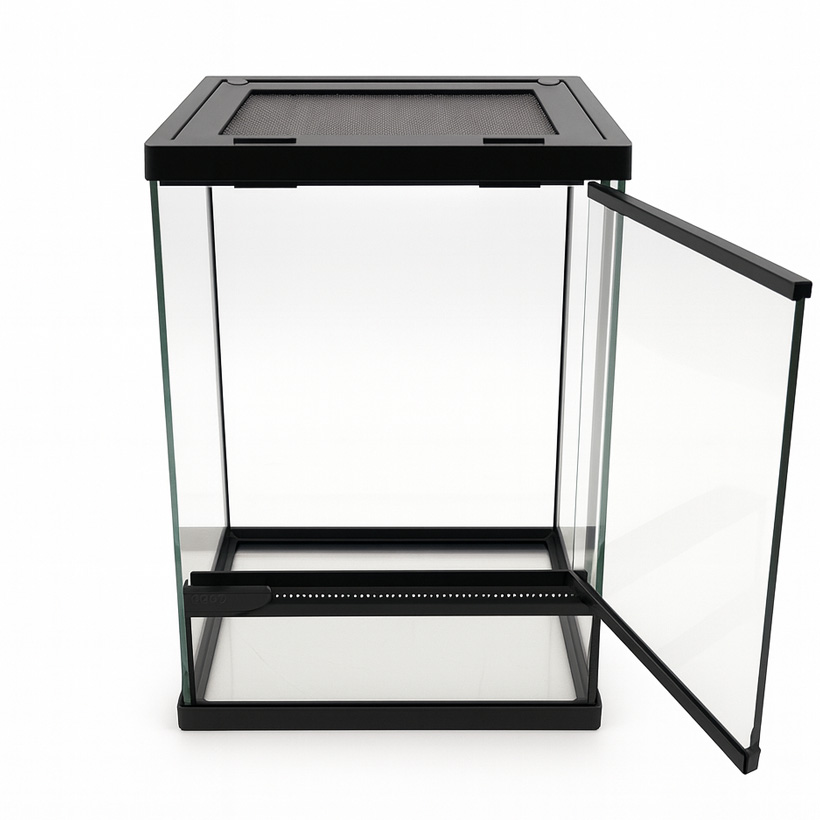
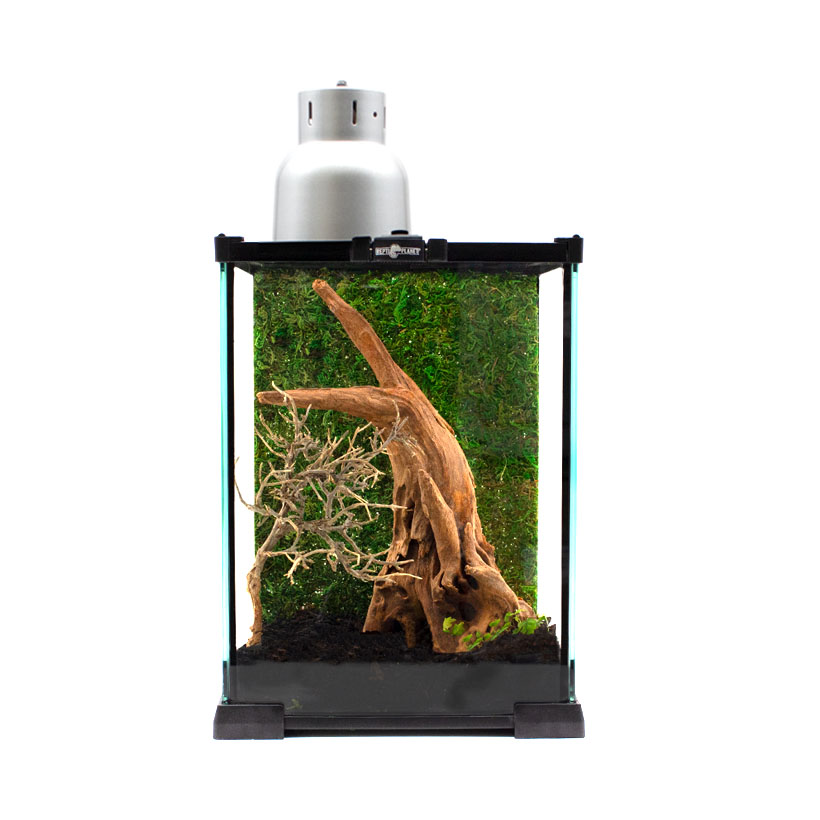
Repto Terra Sky – provides an adult Hierodula spec. “Kalimantan Blue” with sufficient height, good ventilation, and space for safe molting.
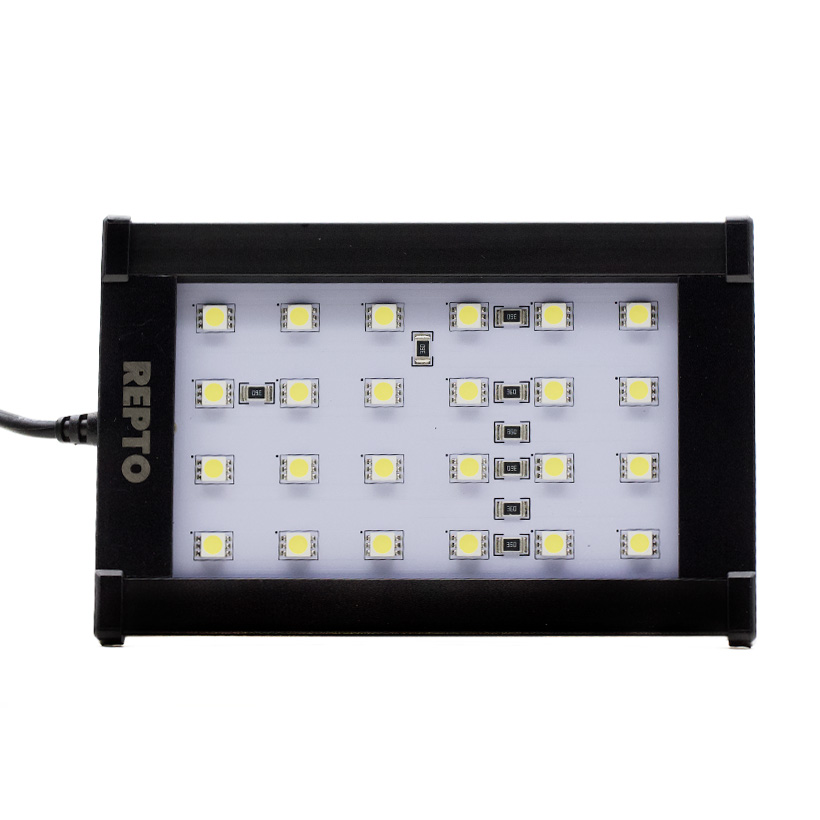
Repto Flat LED – provides bright lighting while creating a warmer area in the upper part of the terrarium.
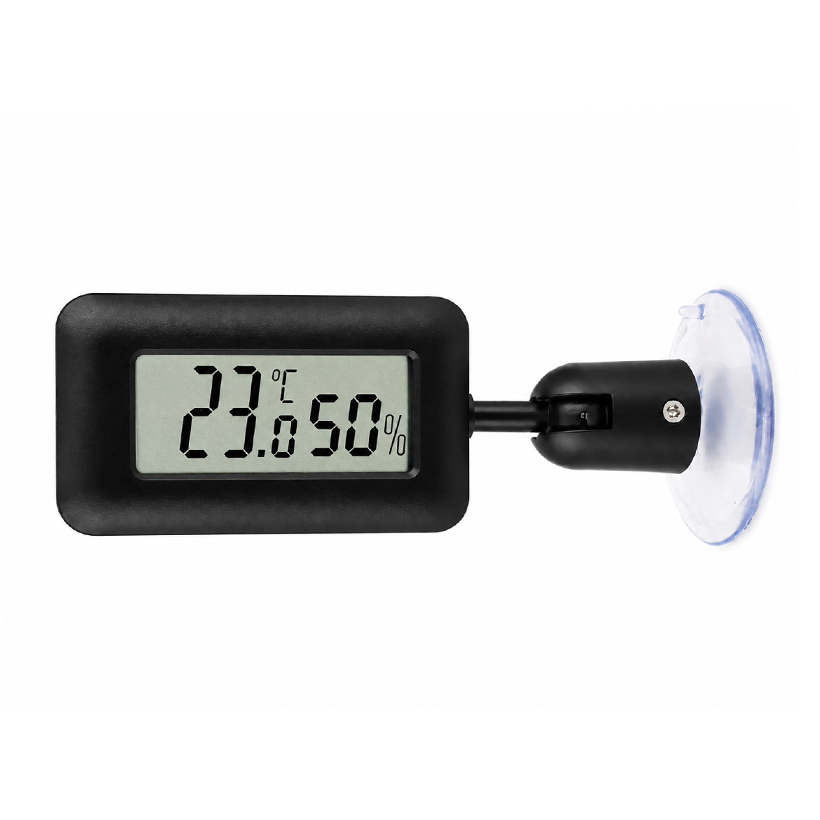
INSEKTENLIEBE Hygro-Therm – allows you to reliably control temperature and humidity.
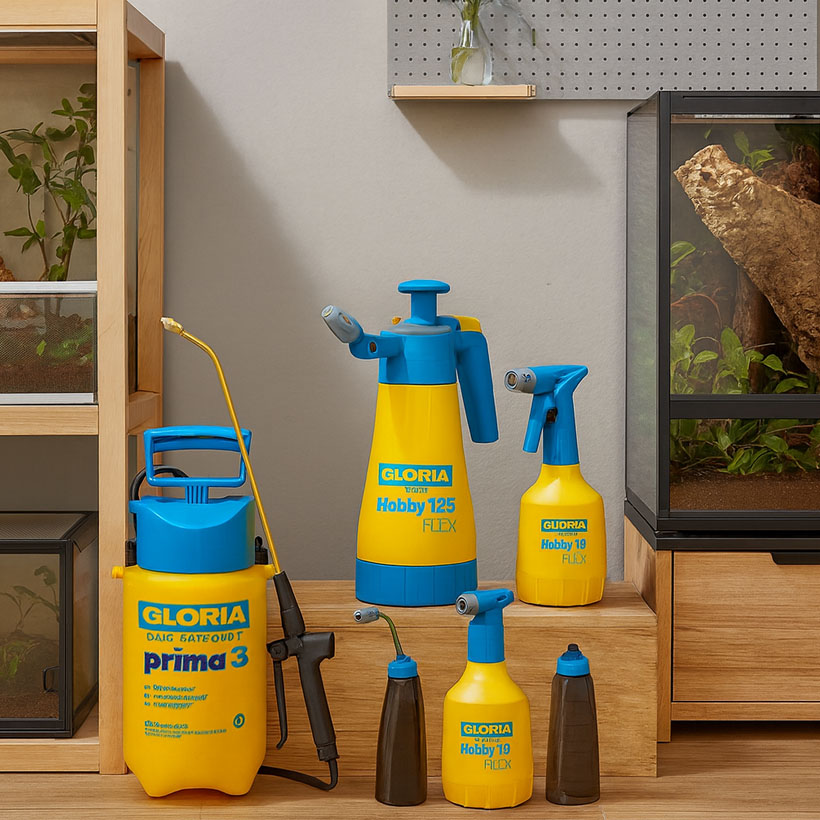
GLORIA Spray Bottles – produce fine water droplets, allowing for controlled misting of plants and furnishings.
Real vines—provide additional places to sit and climb and add natural textures to the upper part of the terrarium.
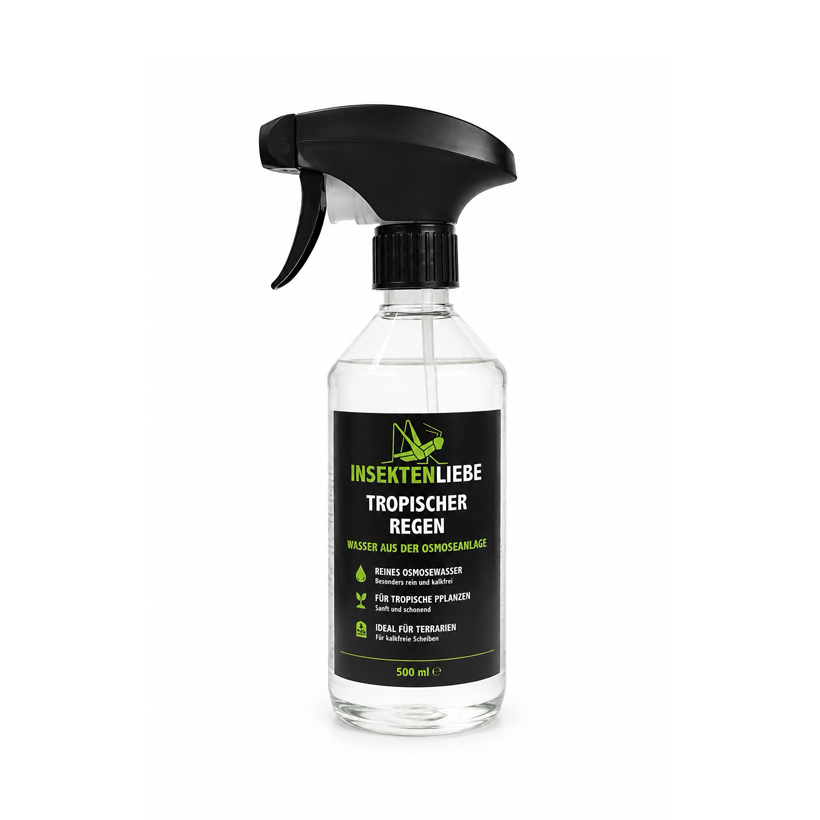
Insektenliebe Tropical Rain – ideal for humidifying the terrarium while also helping to prevent lime stains on glass and furnishings.
Conclusion
Hierodula spec. “Kalimantan Blue” combines the robust build of a large Hierodula with an extraordinary greenish to blue-green coloration. Another particularly interesting aspect is its designation of origin: Kalimantan on Borneo.
For housing, we recommend a tall, well-ventilated terrarium with plenty of places to perch and, at the same time, sufficient open space for shedding. During the day, a temperature of approximately 25–28 °C is a good guideline. Regular, light misting provides humidity and drinking water, while good ventilation ensures that the terrarium can then partially dry out again.
However, the correct name is just as important to us. “Kalimantan Blue” is not currently a scientifically described species name. For this reason, we deliberately list this extraordinary mantis as Hierodula spec. “Kalimantan Blue” and do not adopt supposedly accurate species names provided by other retailers.
Perfect combined with
-
Repto Flat LED
Original price was: 29,99 €.26,99 €Current price is: 26,99 €. incl. VAT, plus shipping