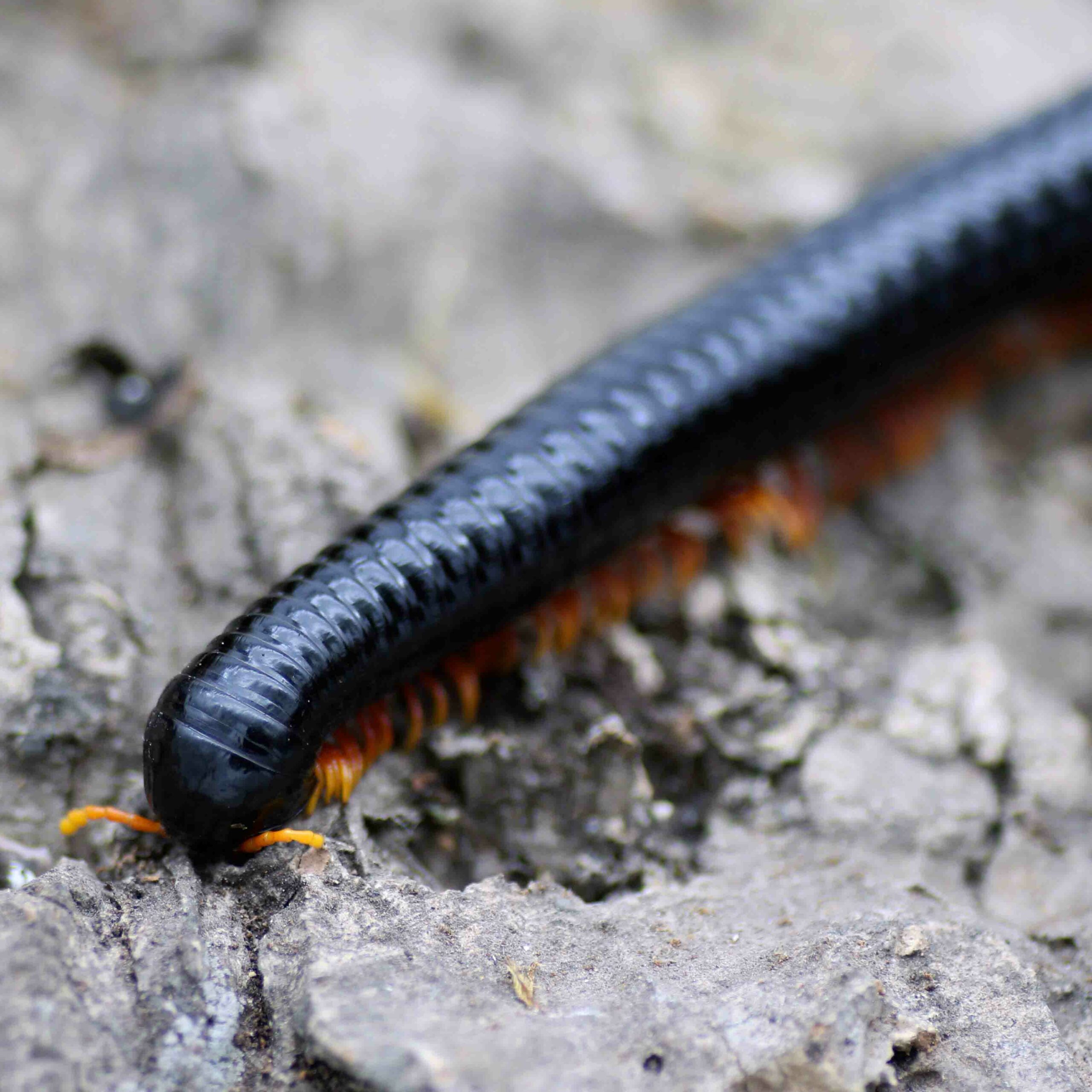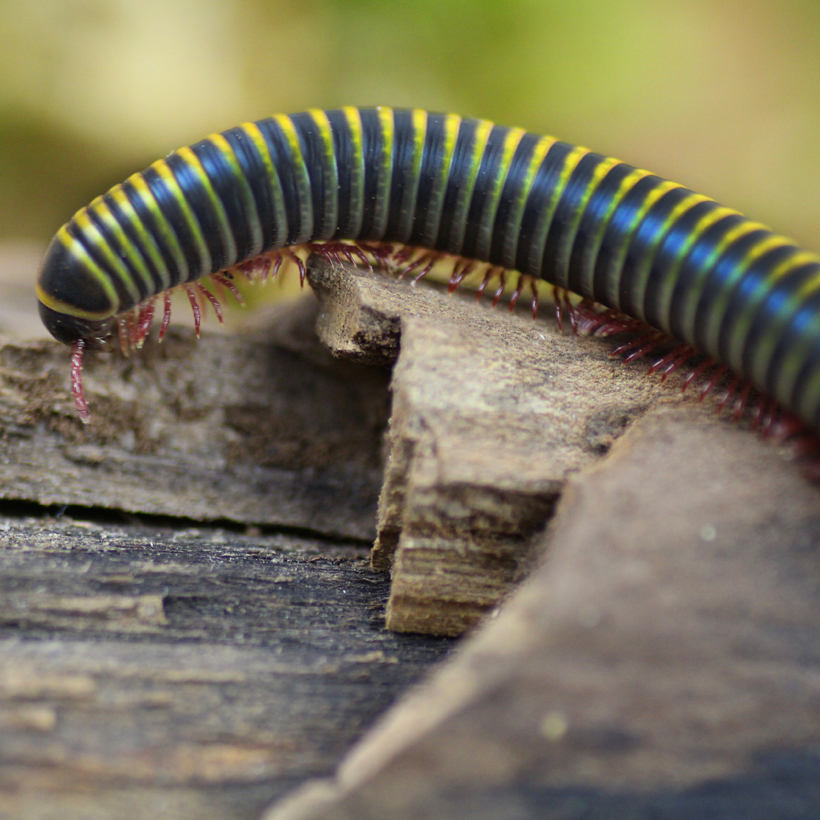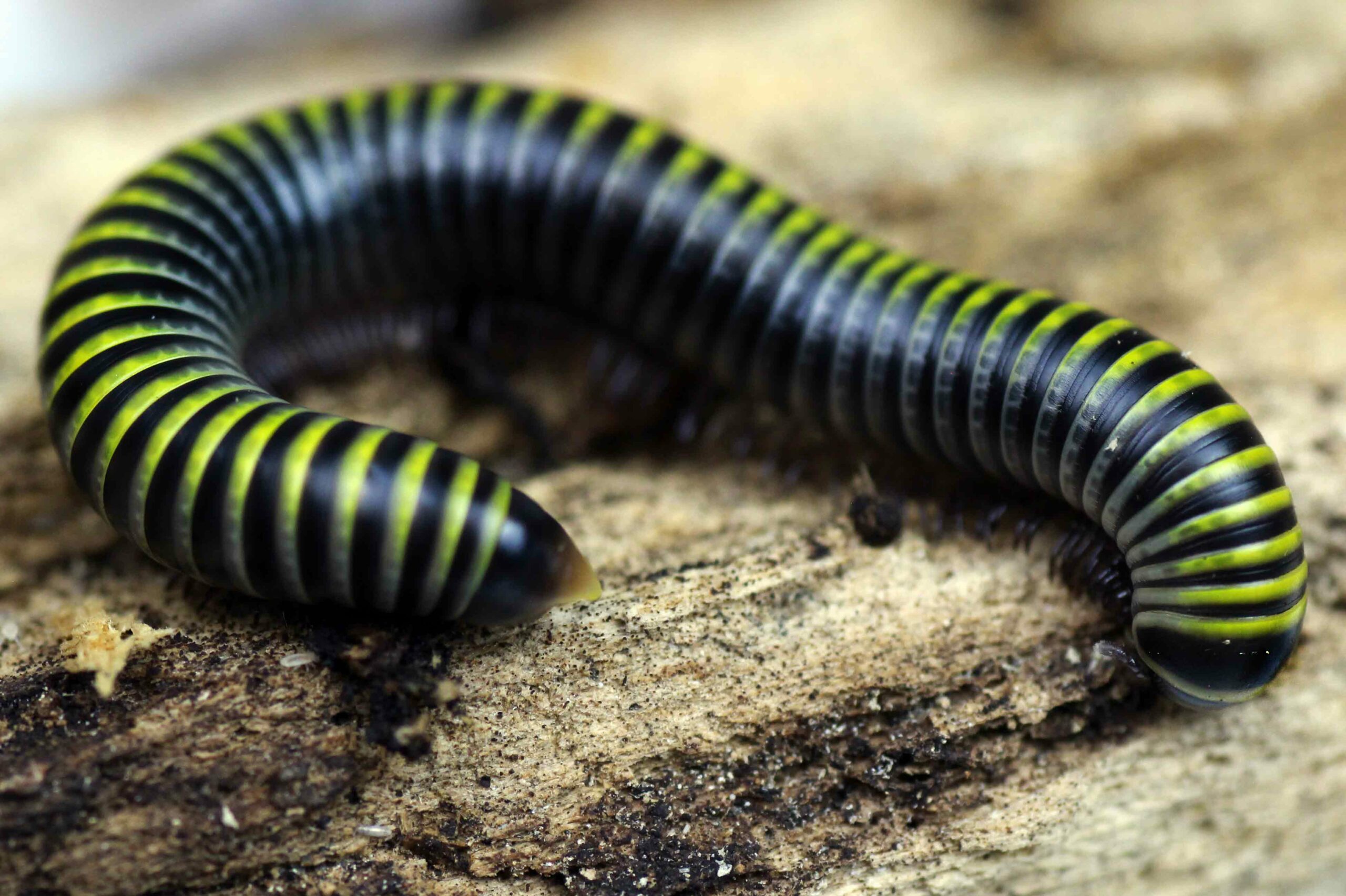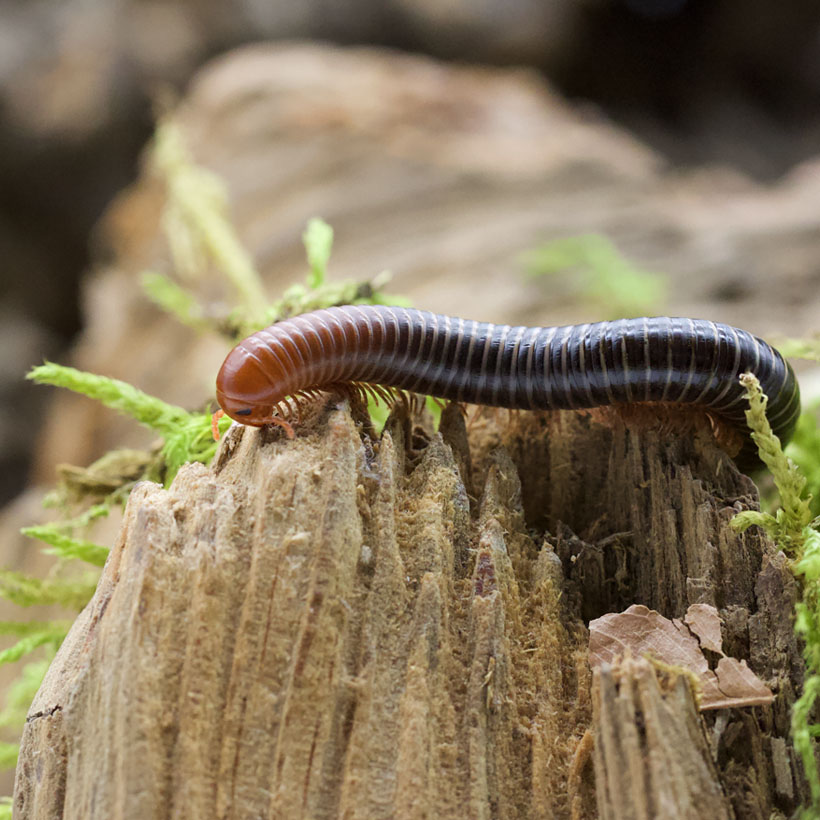
Pelmatojulus ligulatus “Yellow-banded millipede”
12,99 € incl. VAT, plus shipping
Out of stock

Medium

Nigeria

< 140 mm

25°C – 28°C
Brief description:
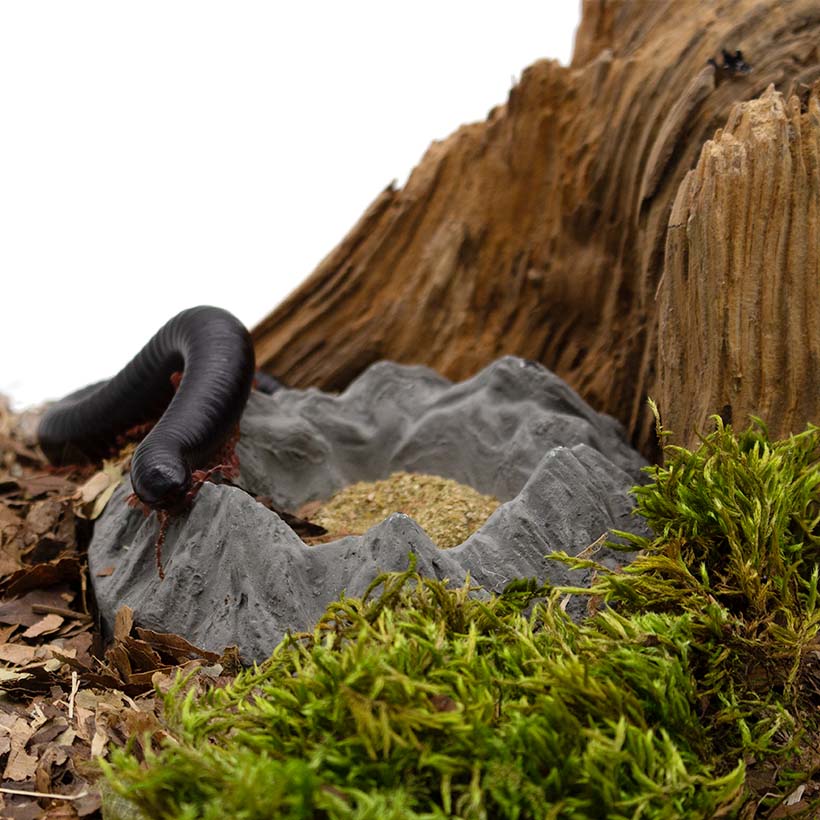
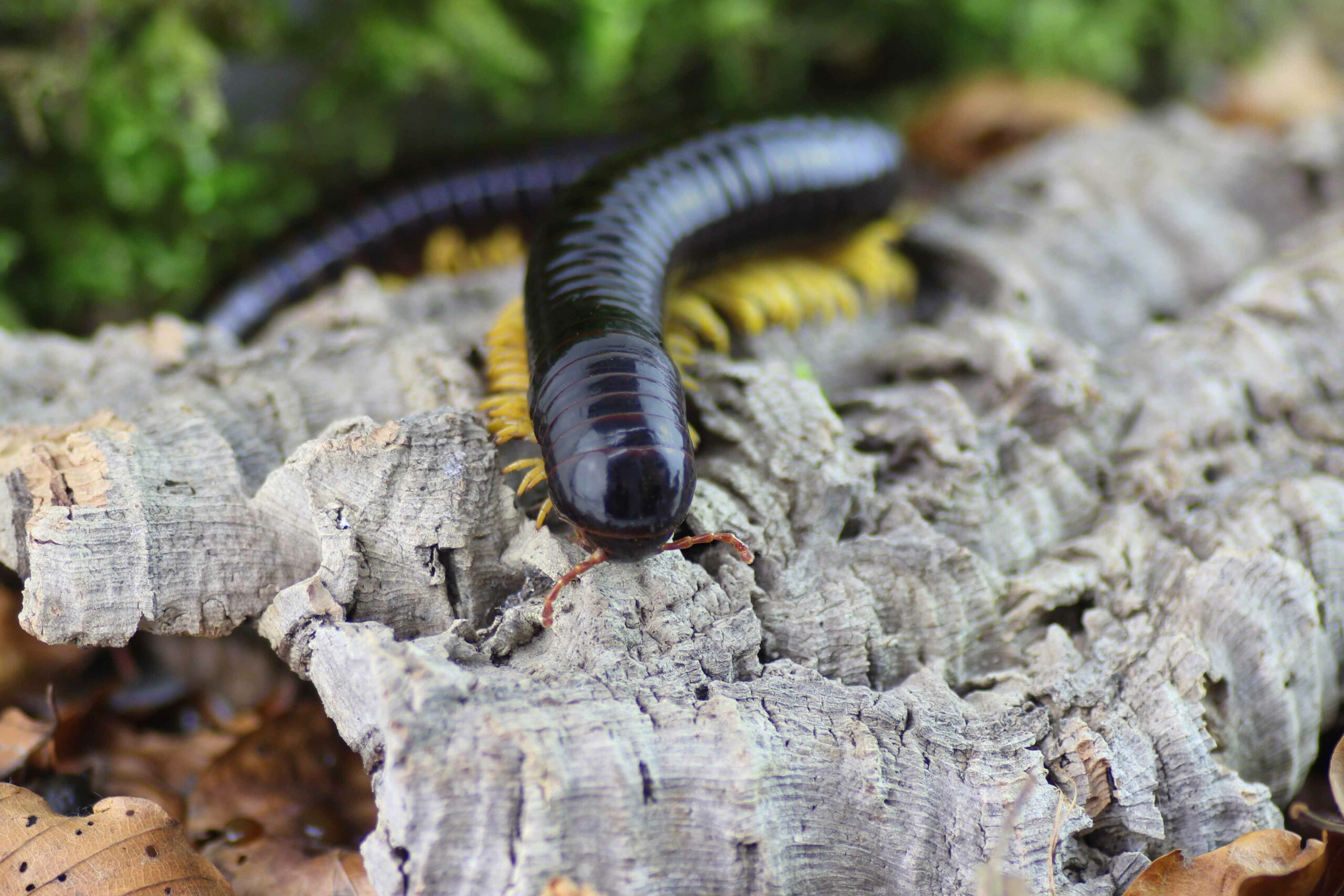
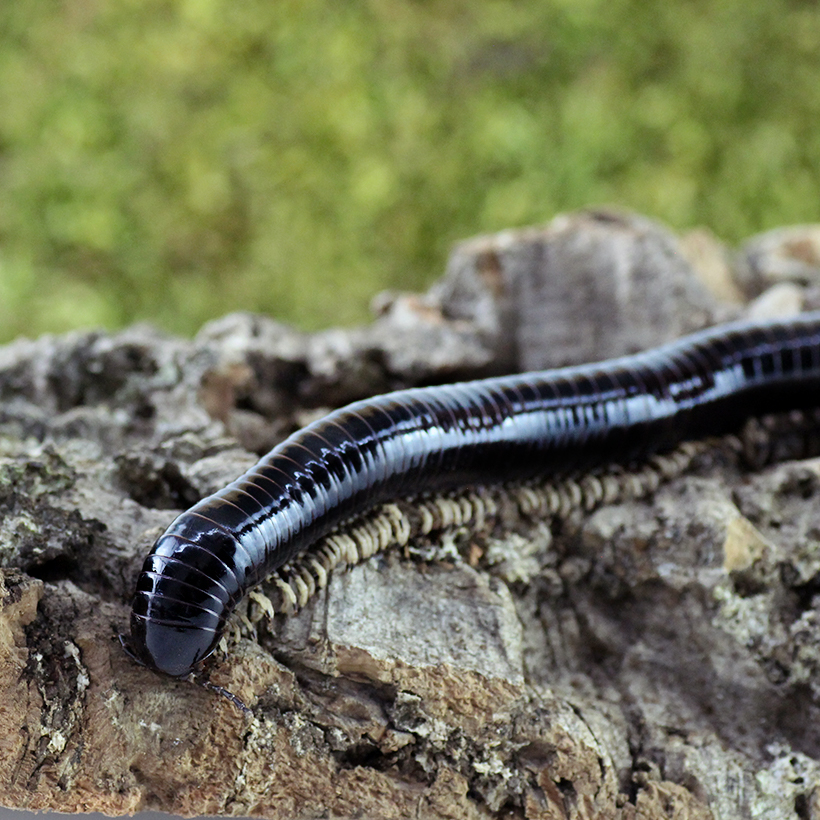
With a length of up to 14 cm, Pelmatojulus ligulatus is one of the medium-sized species. Its distribution area extends from Benin via Togo to Nigeria. Here it mainly inhabits secondary rainforests. P. ligulatus is only suitable for beginners to a limited extent, as a little experience in keeping is an advantage. Sufficient white rotten wood and foliage should always be provided. If you can ensure that you always have enough in stock, you will be very happy with this species. We have often succeeded in breeding them. The animals are sexually mature at around 2 years of age.
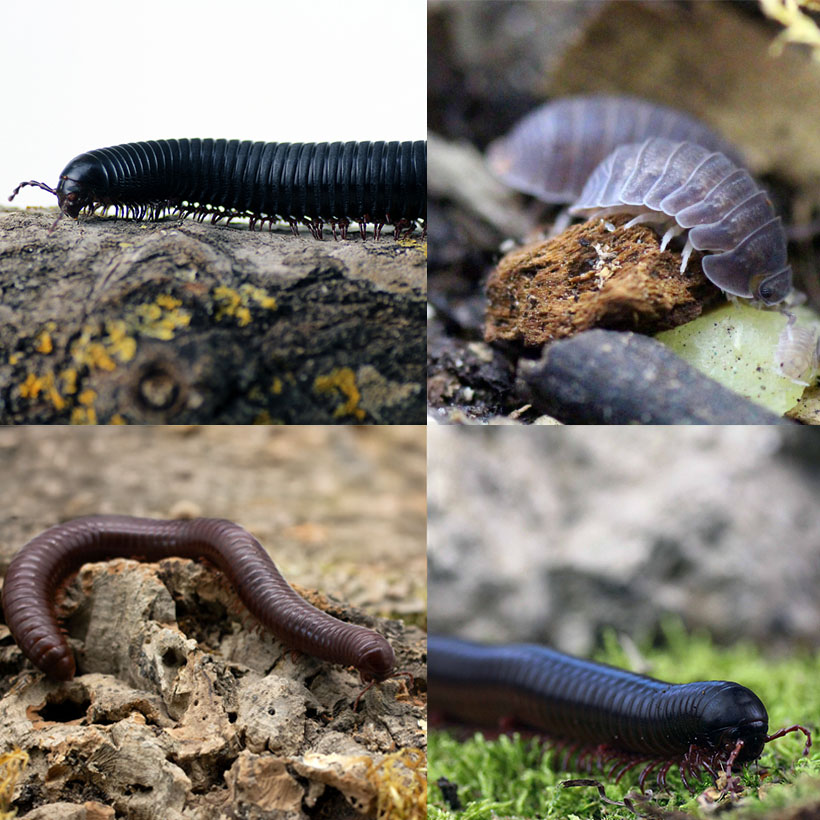
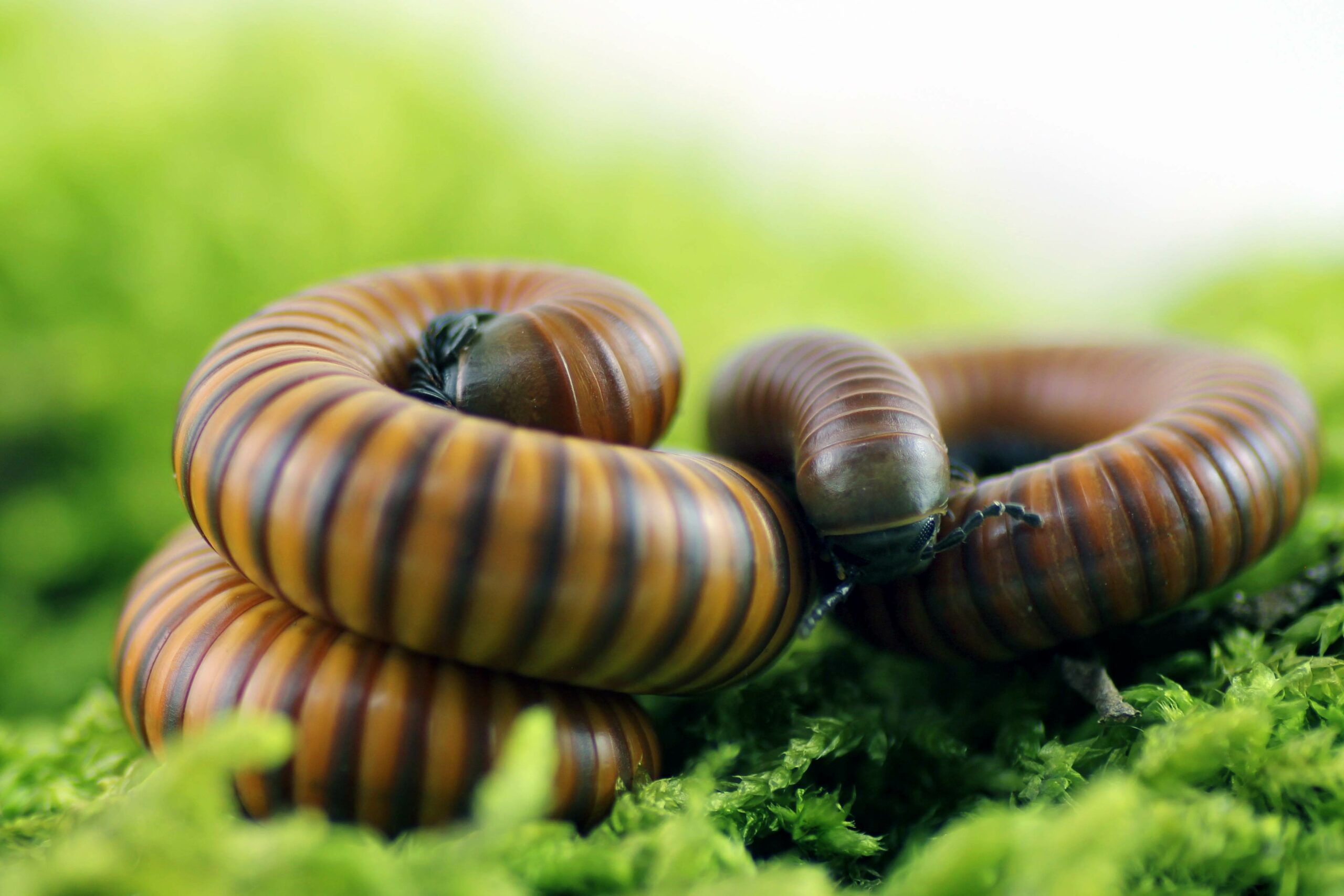
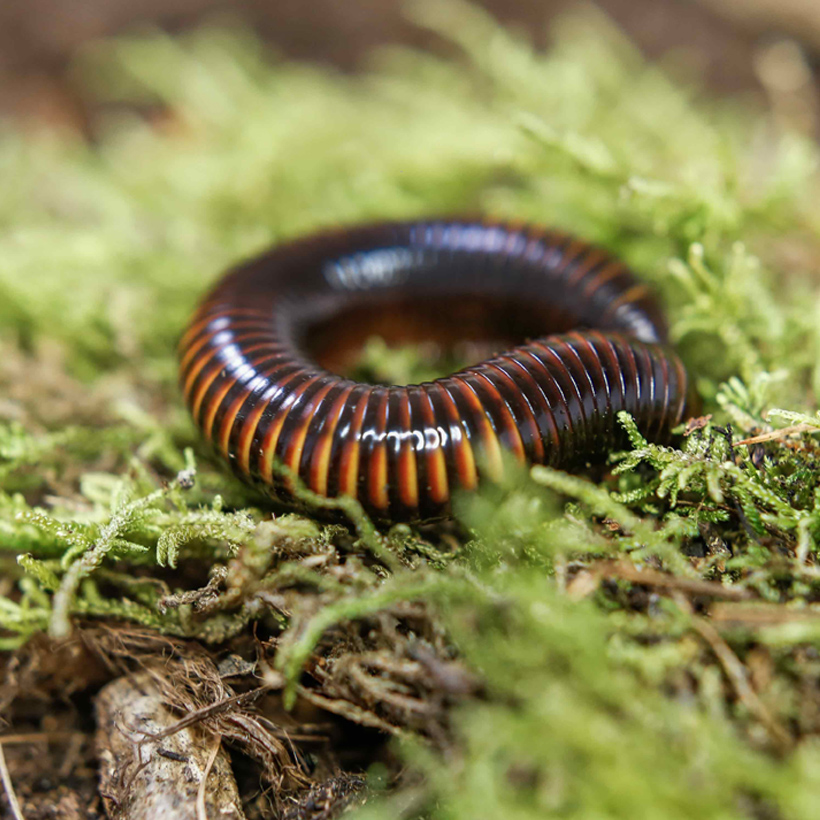
Pelmatojulus ligulatus is a fairly robust species with a width of 15 mm. The anterior section of the double segments is colored yellow to yellow-orange above the weir glands, the posterior section is dark brown to almost black. Its entire body is conspicuously shiny. The head and anal segments are dark brown in color. The antennae of P. ligulatus are red and its legs are reddish brown and quite short. In adult males, sole pads can be seen on the tarsi.
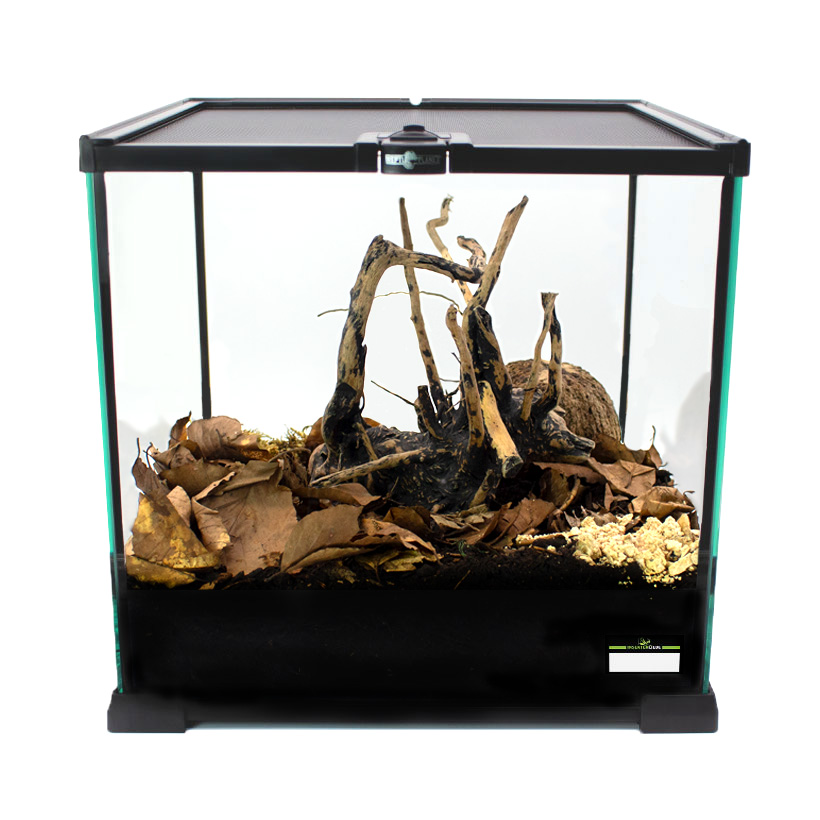
Pelmatojulus ligulatus can be kept in a tank with a minimum surface area of 30 x 40 cm.
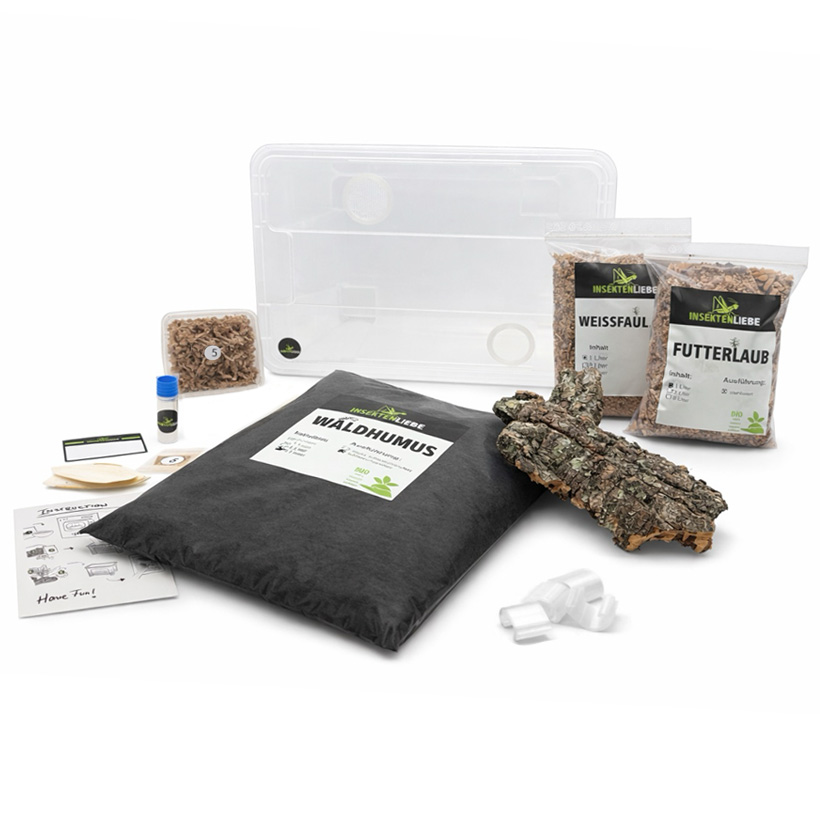
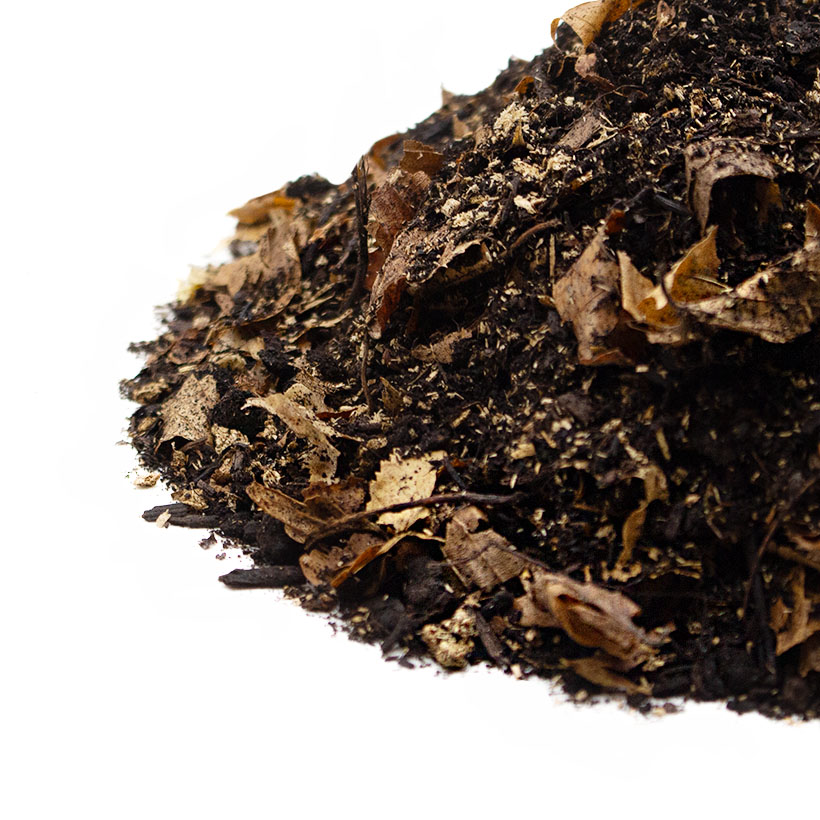
The substrate should be filled at least 10 cm high and covered with a layer of leaves. Foliage and white rotten wood form the main diet of P. ligulatus, although additional food in the form of flowers, vegetables and proteins is rarely accepted. The temperature in the terrarium should be around 25-28°C and the humidity should always be around 90%. Climbing facilities can be dispensed with as the species hardly ever climbs. Caves in the form of pieces of bark, coconut or nutshells and the like can be offered and are readily used. The animals are crepuscular and nocturnal, which is why additional lighting can be dispensed with.