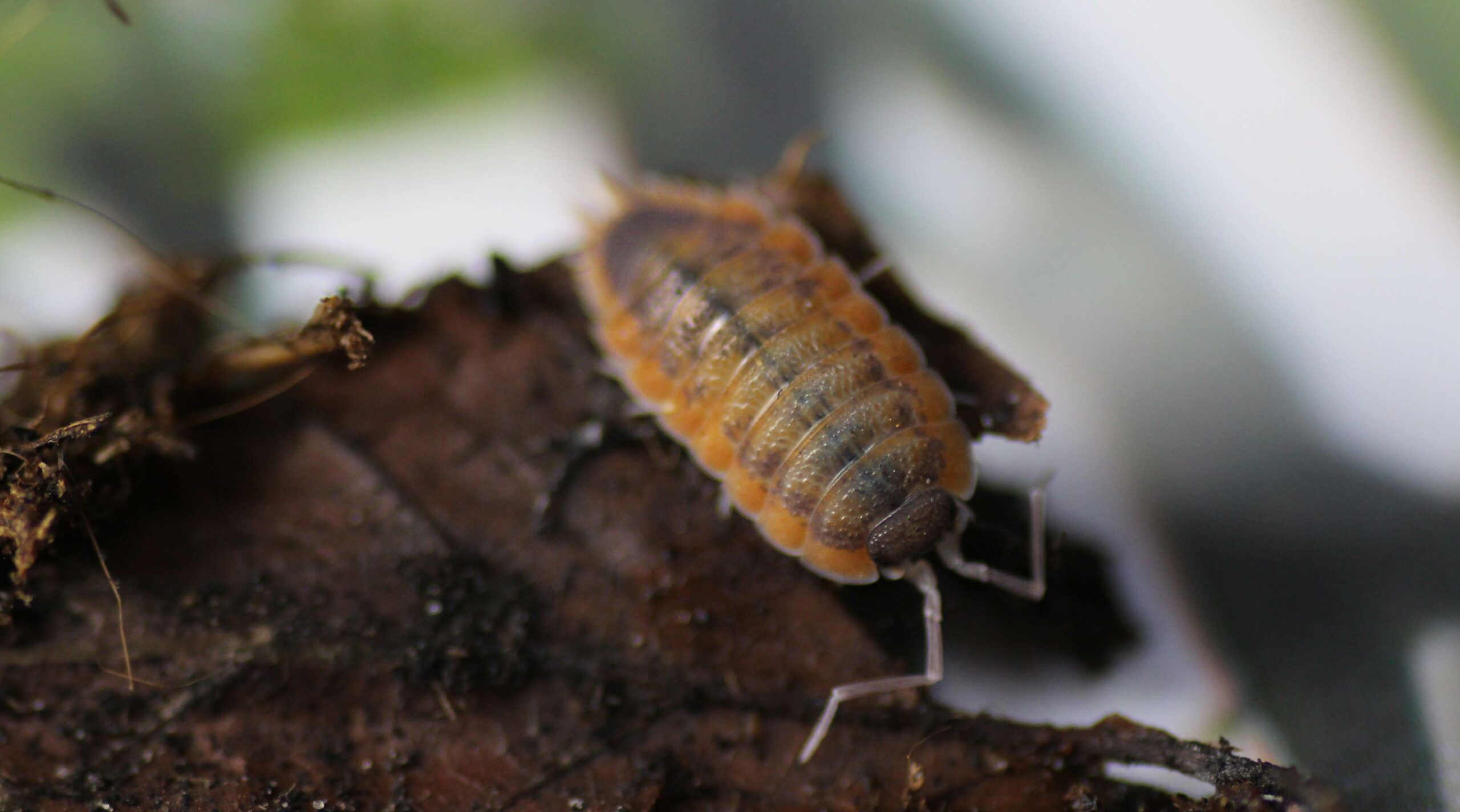


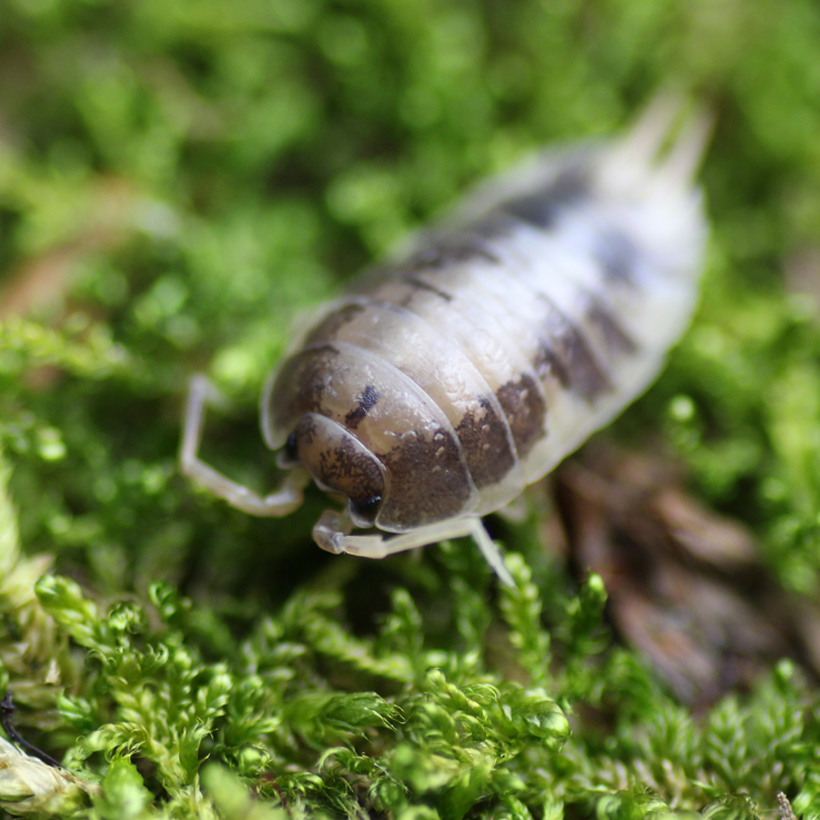
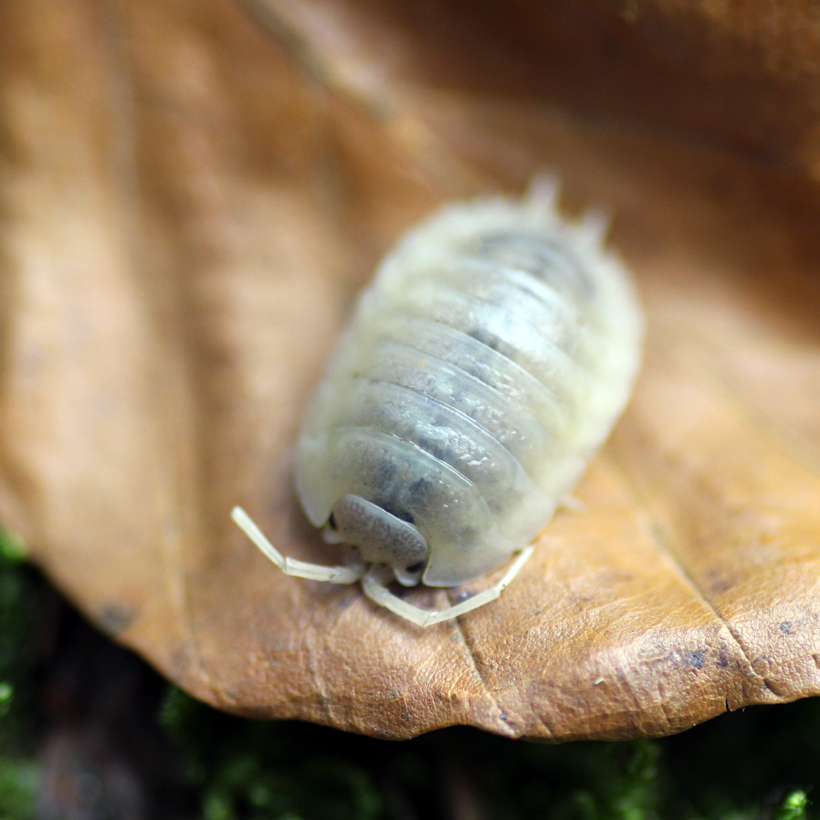
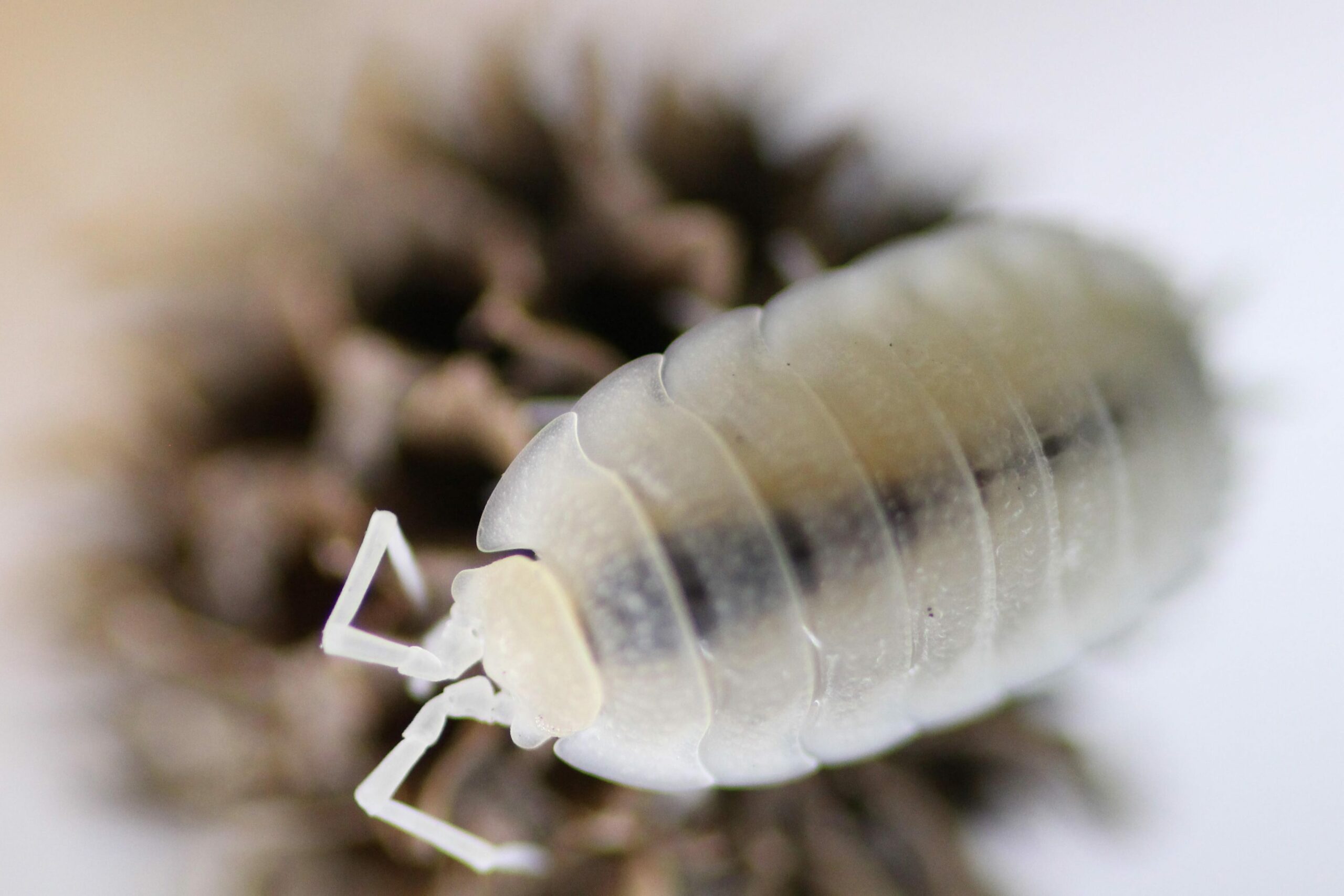
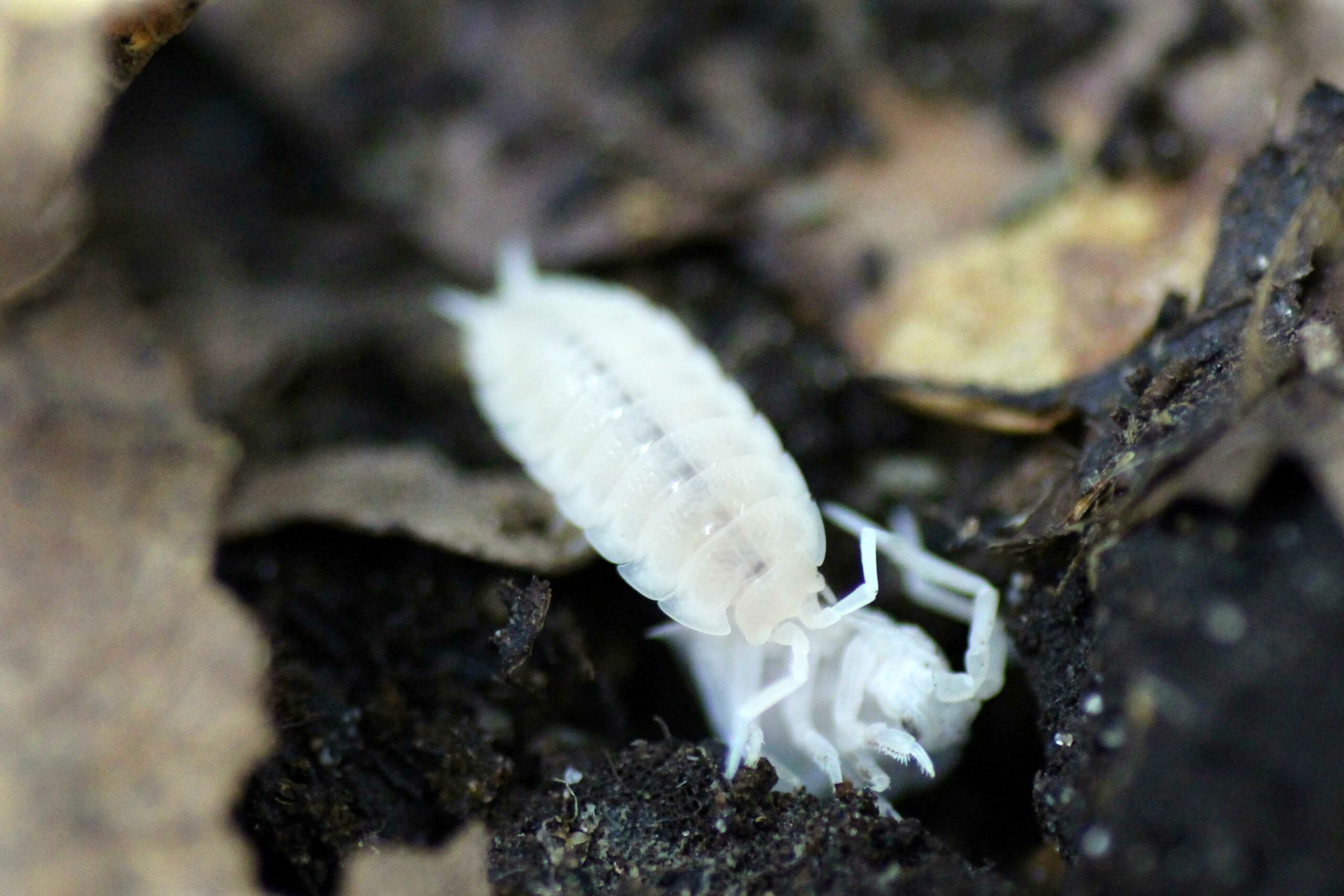
We are starting a new color breeding project with this individual. Since I have never heard of a color morph in the species Porcellio spec. Morocco, it is super exciting to successfully separate this mutation.
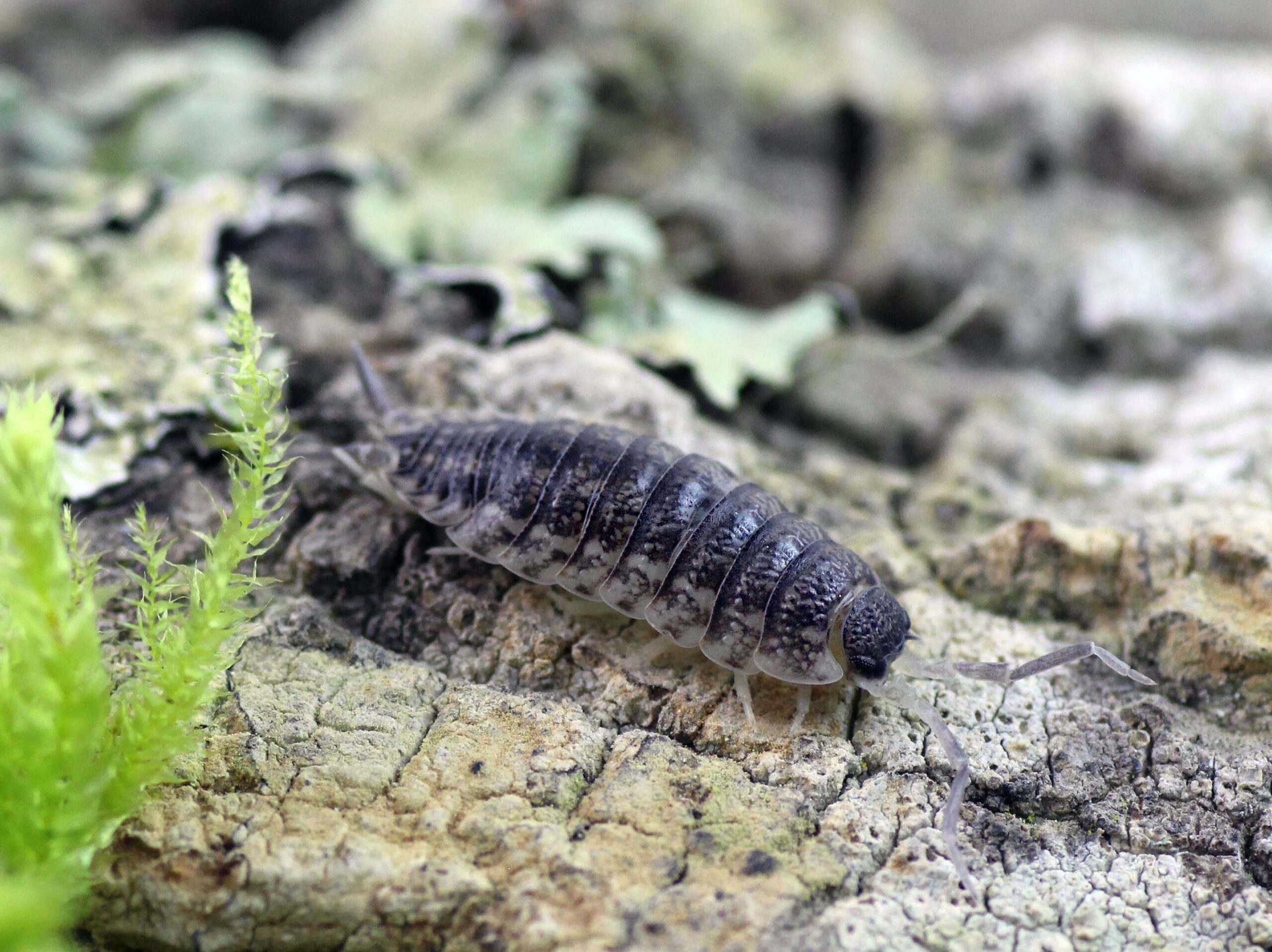
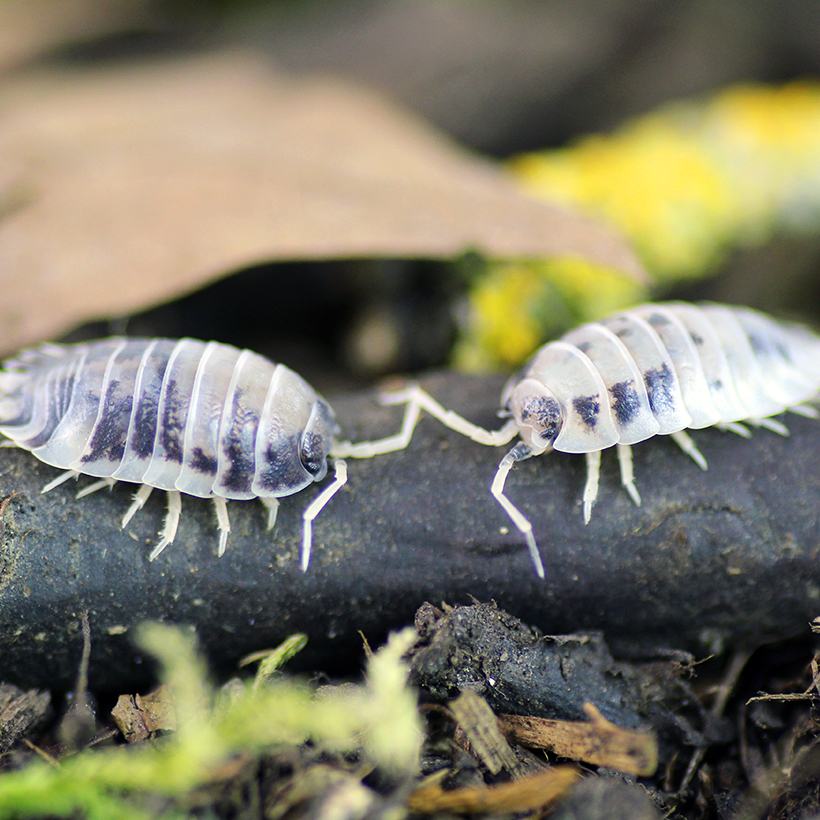
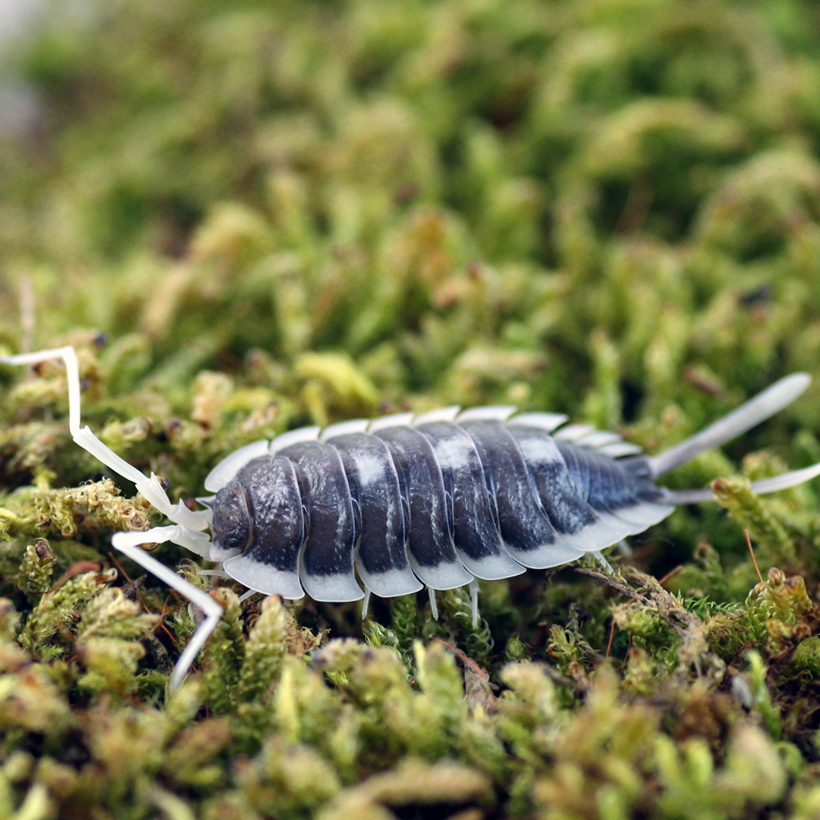
When I first noticed the animal, I thought that a Porcellio scaber had strayed into my P. spec. morocco box. At first glance I thought it was a mixture of P. scaber “Calico” and “Lava”. However, the size of the animal did not match this suspicion, as it is significantly larger and wider than woodlice.
I let you vote on Facebook for the name we should give this color morph. The comment with the most likes won. Our color morph is now called Porcellio spec. Morocco 8i. Depending on the context, the word “Achi” can have different meanings. In most cases, the word “Achi” is heard as a slang word among young people and they often mean the Arabic word “Akhi”. The word “Akhi” means something like “my brother” in German. The word “brother” does not necessarily mean a brother from the family, but often a “colleague” or “friend”.
If you would like to have a say in a name, just follow me on Facebook, where I often let you participate in decisions at Insektenliebe. Just click on the Facebook banner.

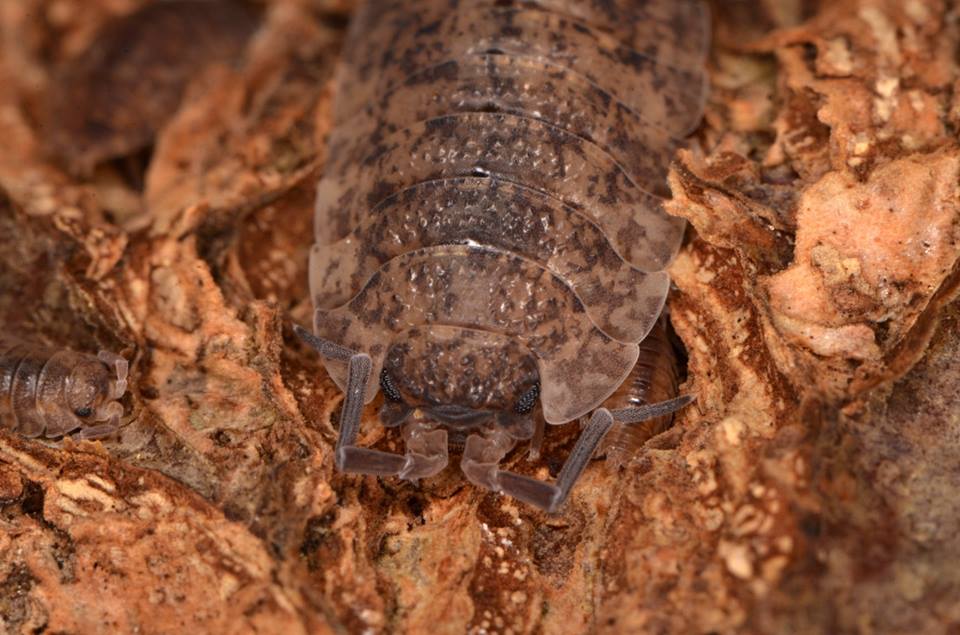
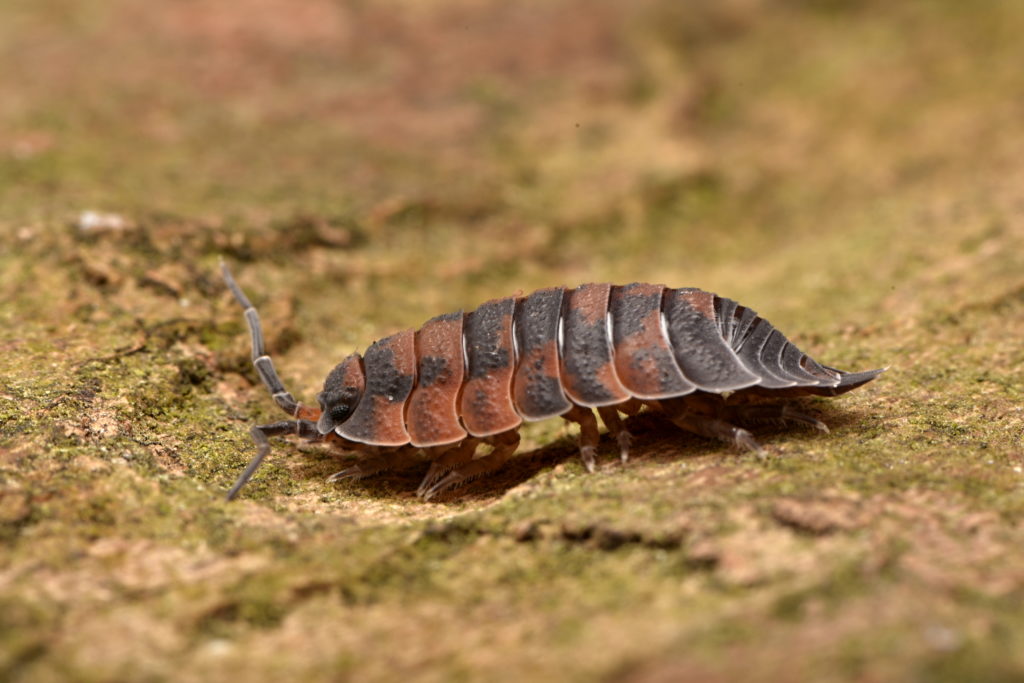
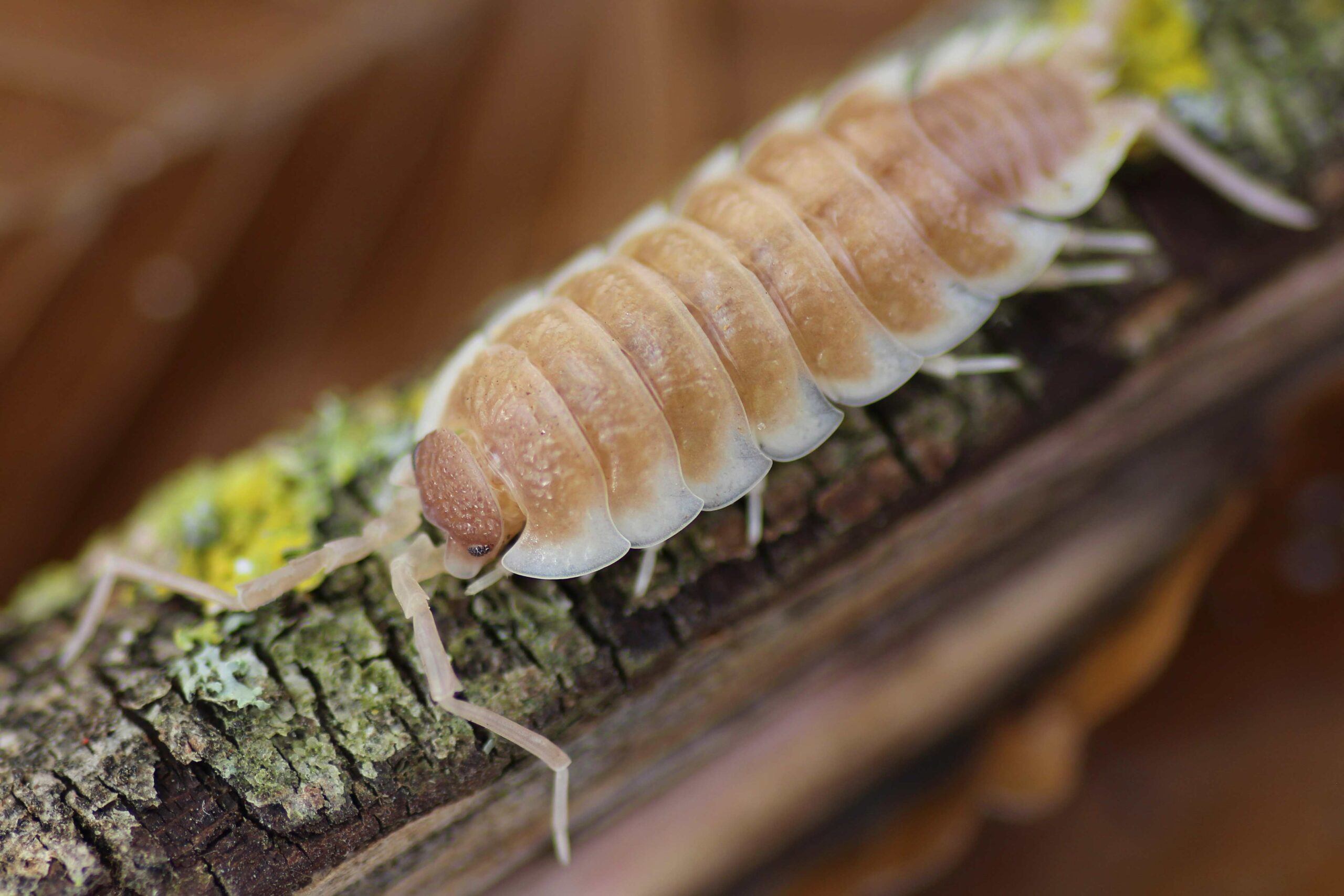
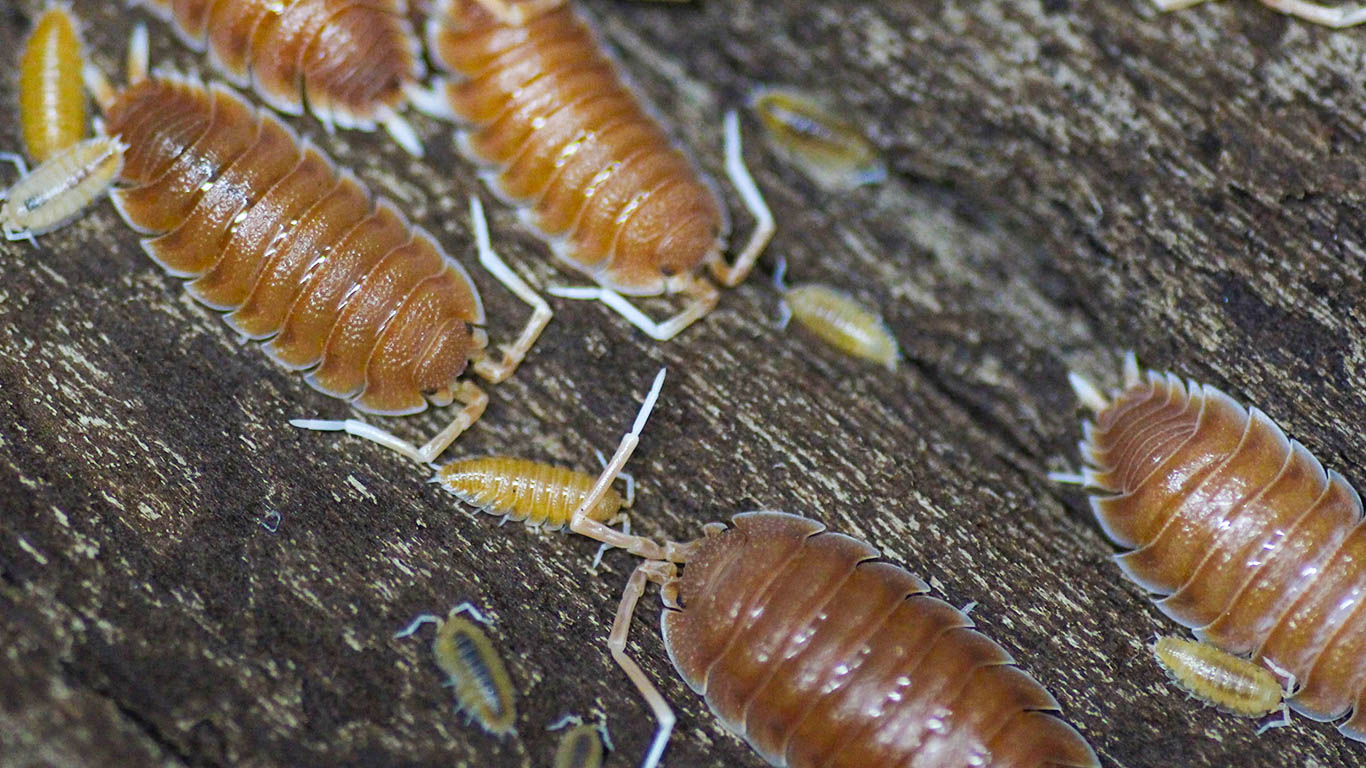
In comparison to the wild-colored P. spec. “Morocco”, the outer edge of the segment plates turns into a bright orange. I would describe this edge of the wild-colored Isopods more as a reddish-orange. Only the outline of the brownish basic coloration on the segment plates remains. The dark lines in the middle are the intestinal canal, which has nothing to do with the actual coloration.
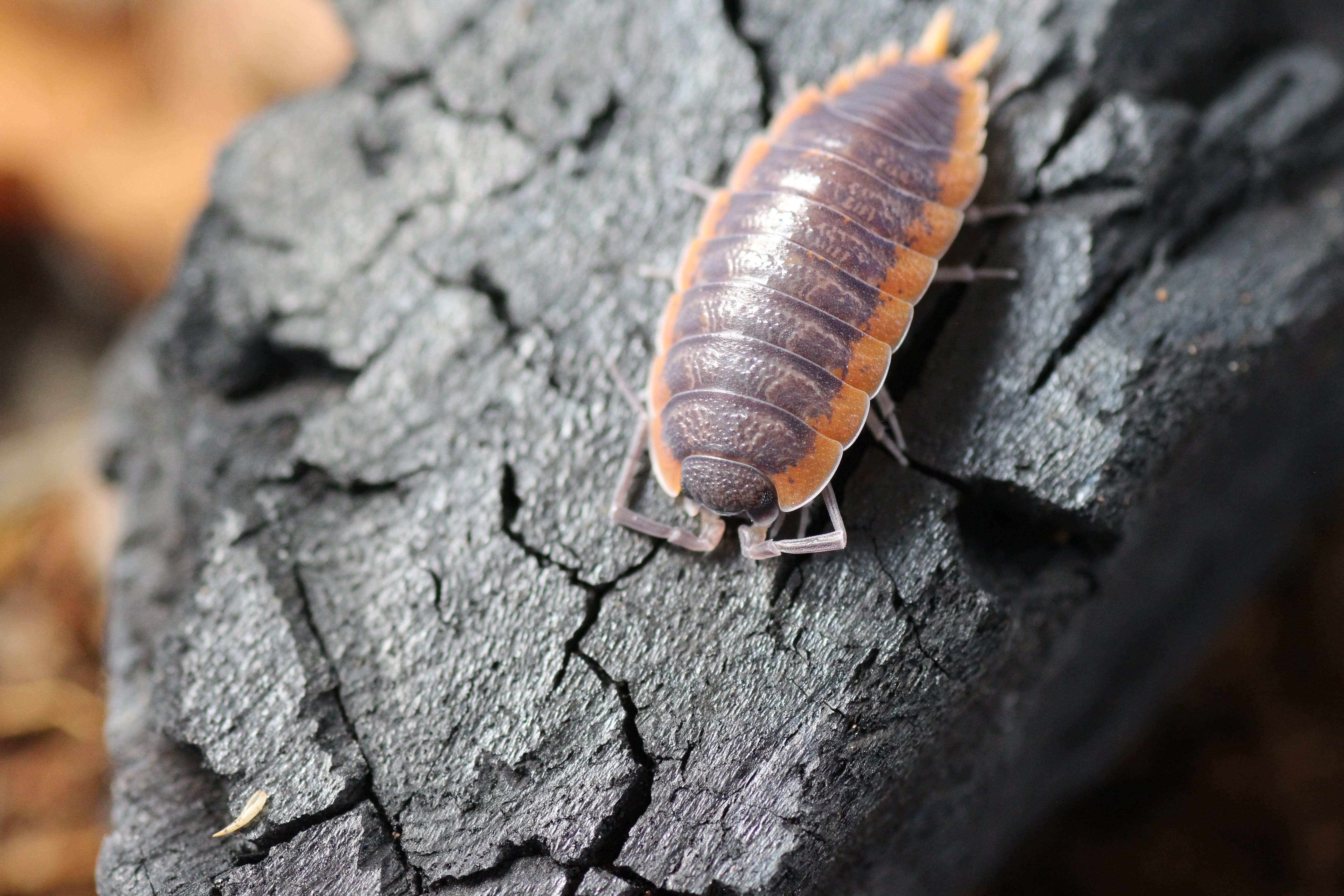
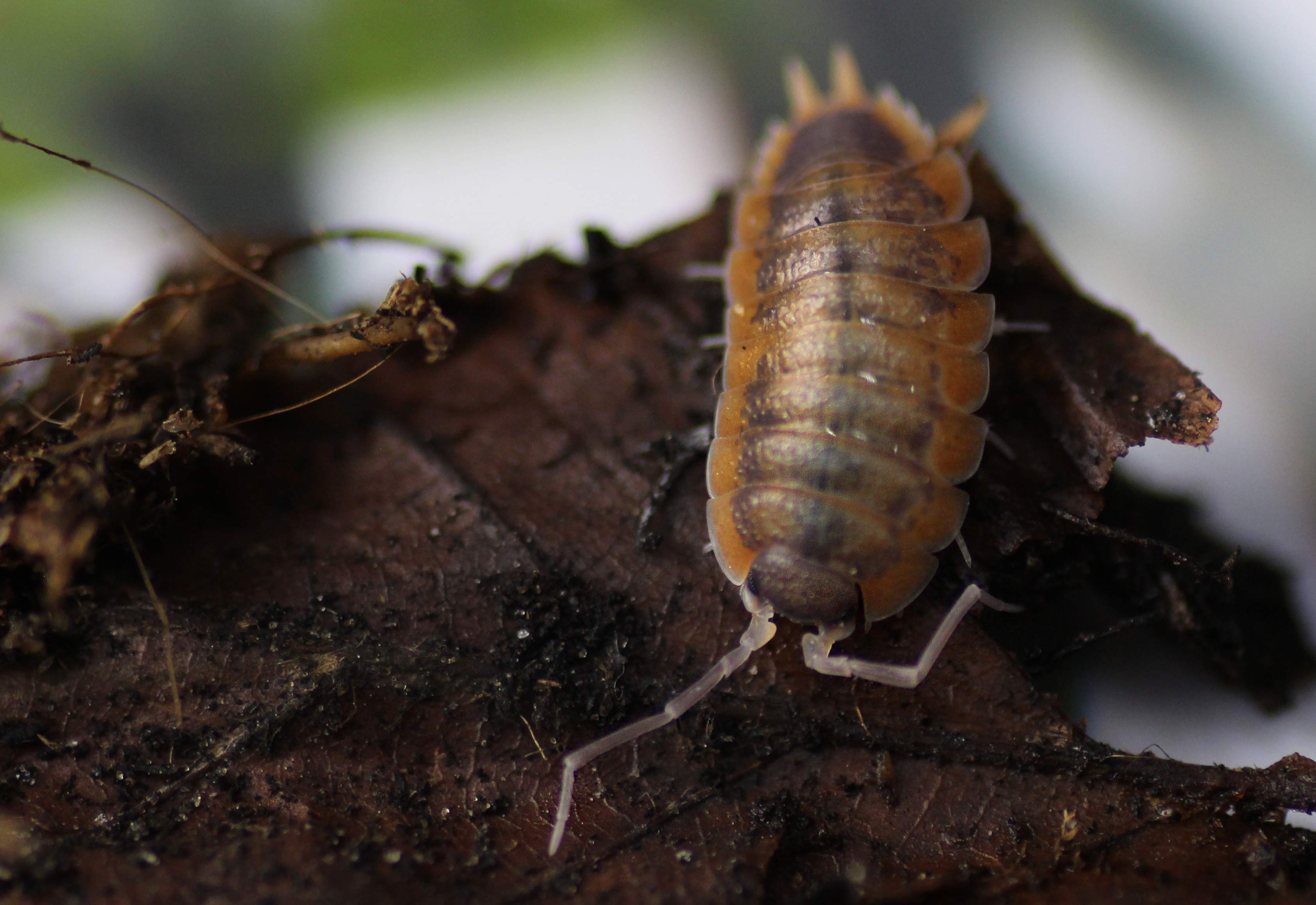
If we discover a mutation, then we set up a new Isopod complete set. So we take a box with a volume of 5 liters. Of course, this box is actually too oversized for an Isopod with a few sexual counterparts, but this size allows different climate zones for the inhabitants: a rather dry area, a moist moss corner and a tobacco-moist area in between. In my opinion, this is very important for successful breeding. The risk of losing such a rare mutation due to a husbandry error is simply too great for me. As it is a female, I have added three male P. spec. “Morocco” and am eagerly awaiting the first offspring.

Leave a Reply
You must be logged in to post a comment.