Color Breeding Magazine
Farbzucht Magazine is all about the colorful diversity of the world of isopods. We introduce you to special breeding lines, exciting mutations, and genetic backgrounds—explained in an easy-to-understand way, but with an eye for detail.
Whether you’re just starting out in the world of color breeding or are already selecting specimens, here you’ll find inspiration, knowledge, and new insights into the colorful side of terrarium keeping.
-
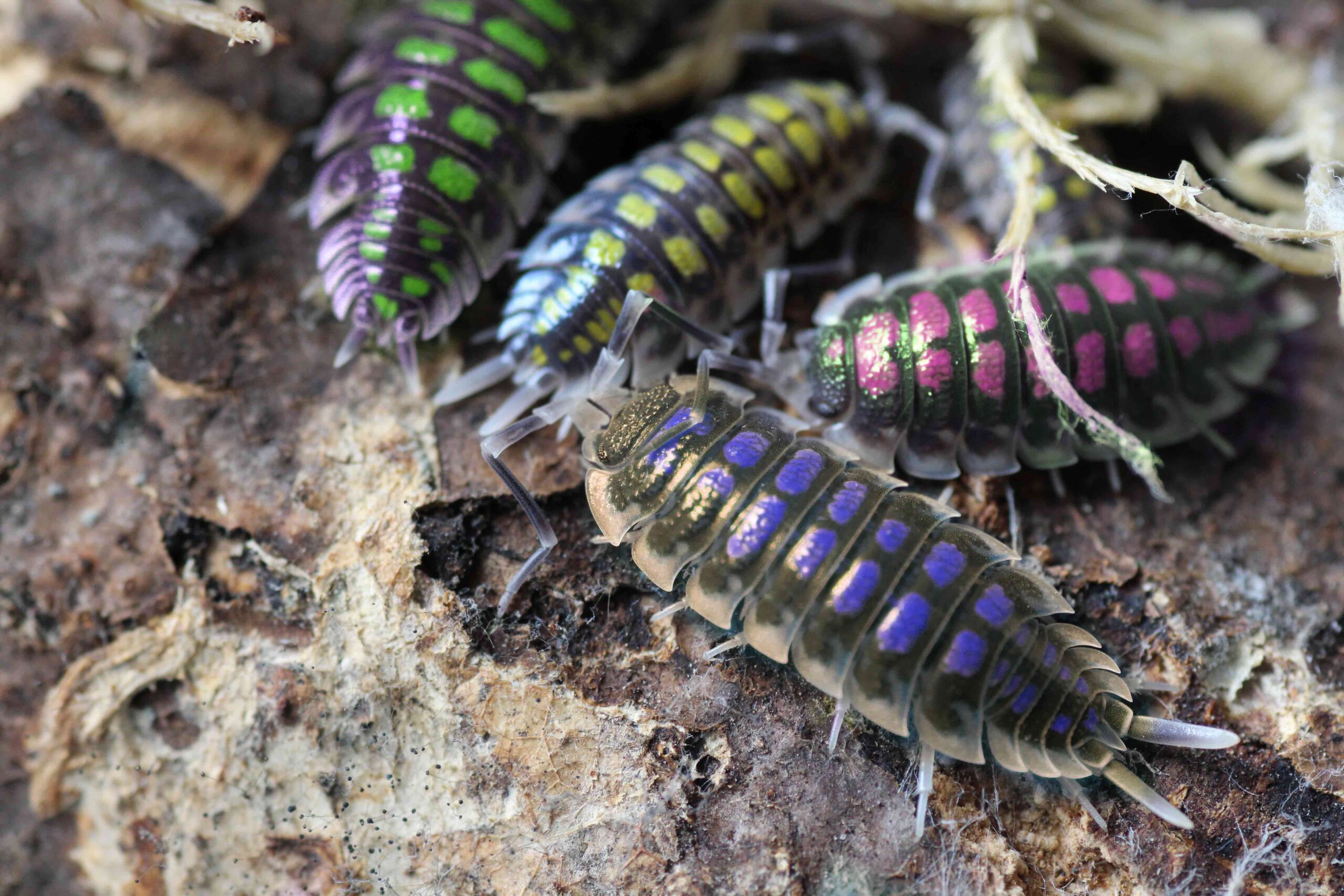
Breeding Varieties and Color Morphs – Designer Isopods
Updates on our latest breeding varieties. Today, isopods are available in a wide variety of bred colors and patterns, known…
-
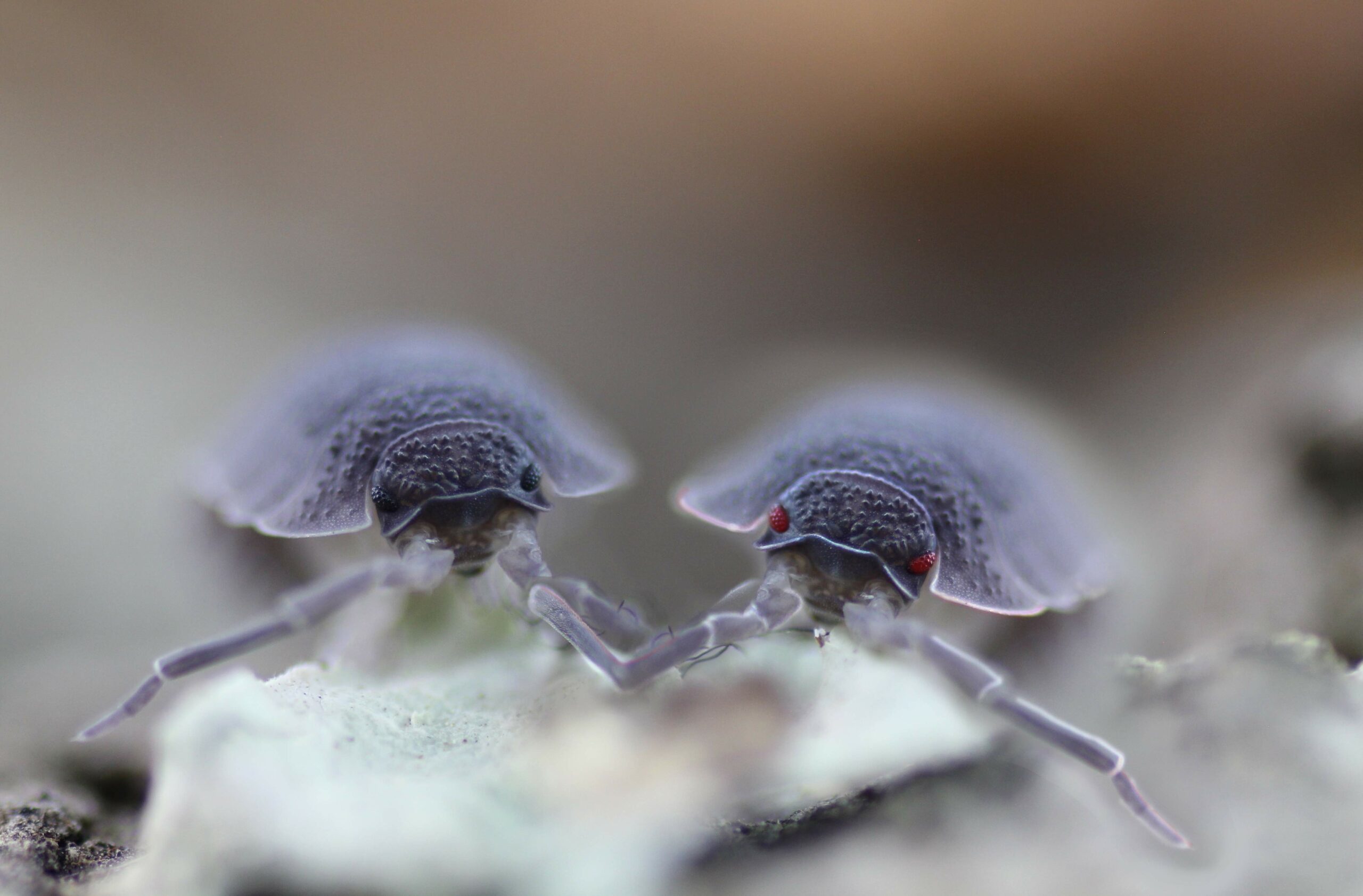
From the gray mouse to the designer morph
Today I would like to discuss the topic of designer morphs with you in more depth. For me, this is…
-
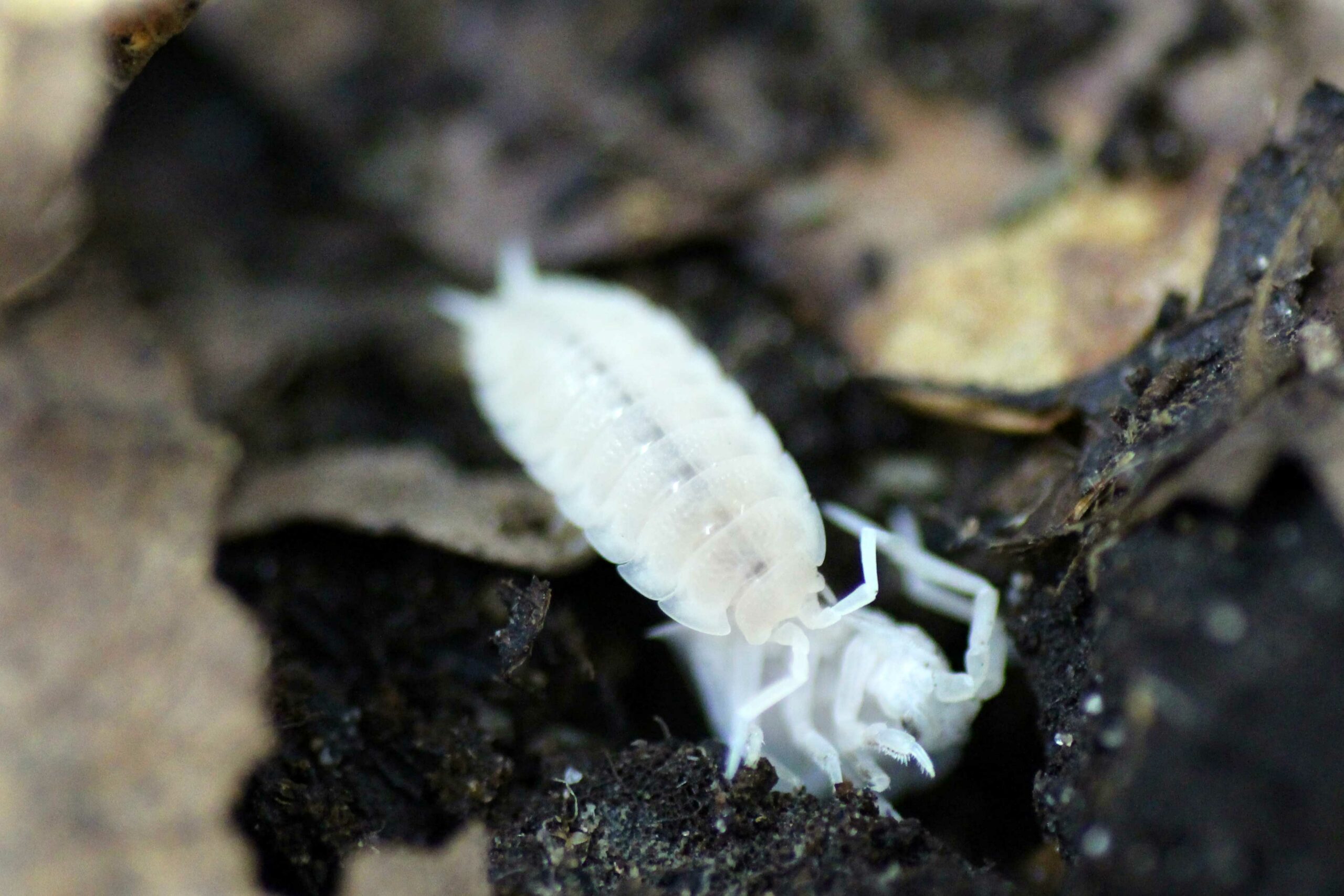
The secret of Isopods without eyes- Part 2
It’s been a few months since I got the all-white Isopods. I have therefore been able to do some research…
-

The secret of Isopods without eyes
In my new YouTube video “Unboxing Terraristika Hamm | Isopods without eyes?” you could marvel at my latest color morph.…
-

Porcellio spec. “Morocco 8i”
We are starting a new color breeding project with this individual. Since I have never heard of a color morph…
-
Offspring of the Oniscus asellus “Mardi Gras”
I have news about my Oniscus asellus “Mardi Gras”! First of all, a quick thank you to you for the…
-

Porcellio ornatus “sandstone”
A new color mutation has emerged! It’s always a great sight when you discover an animal that you’ve never seen…
-
Porcellio hoffmannseggi “brown”
Maybe it has already happened to one or the other of you. You buy an isopod breeding batch and color…
-

Oniscus asellus “Mardi Gras”
It all started with a huge wall lizard order. A customer had ordered 500 animals and we had nowhere near…