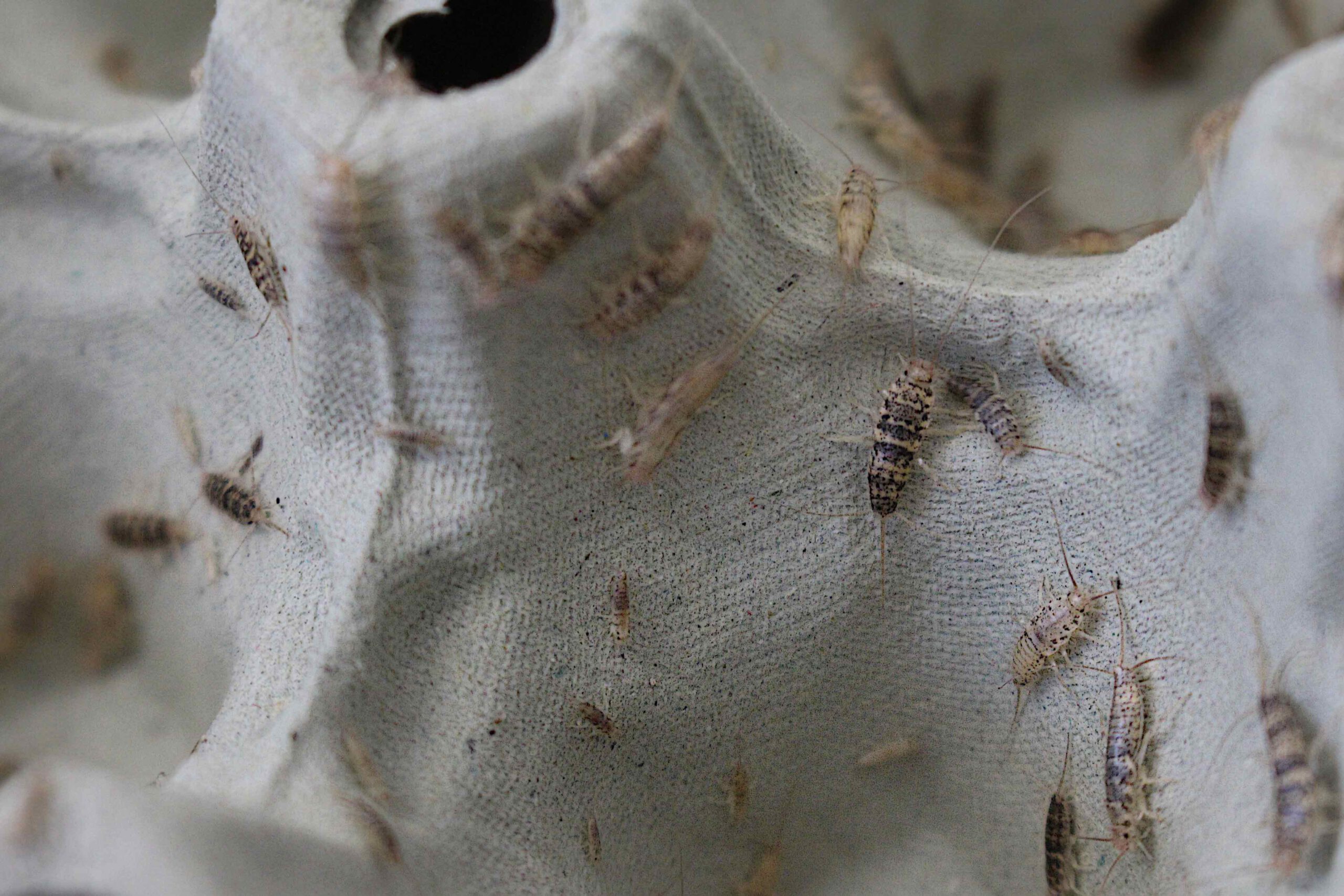


Breeding ovenfish is especially worthwhile if you regularly need small, agile feed insects. Thermobia domestica requires significantly more heat for productive breeding than a small supply of feed. Therefore, first plan a controlled location and let the colony grow undisturbed.
Raising Ovenfish: Here’s What You’ll Need
| Container | Escape-proof, ventilated box with smooth walls |
| Facilities | Empty egg cartons or similar hiding places |
| Heat | For breeding, approximately 34–36 °C, monitored and measured |
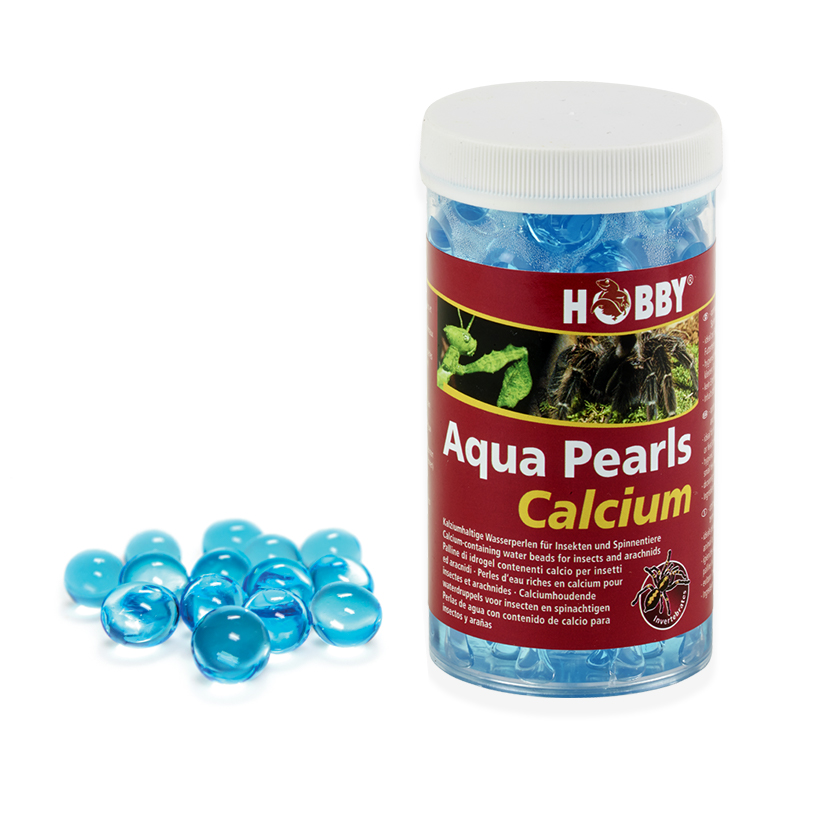
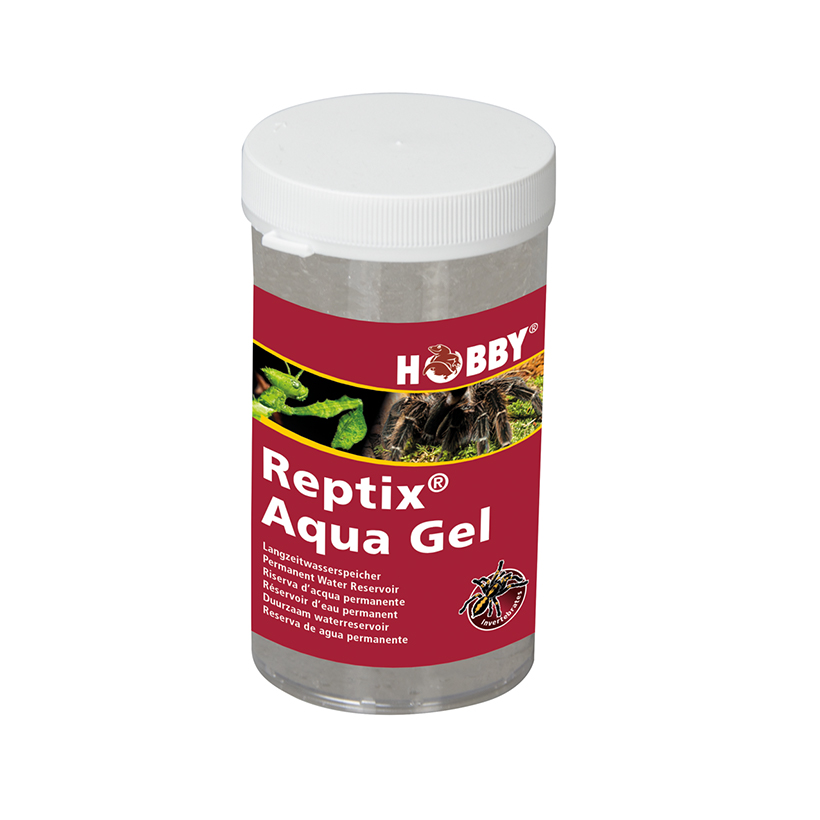
| Humidity | Secure water container; the floor and food stay dry |
| Food | Wheat bran with appropriate supplements |
| Egg-laying | A small piece of clean cotton wool |
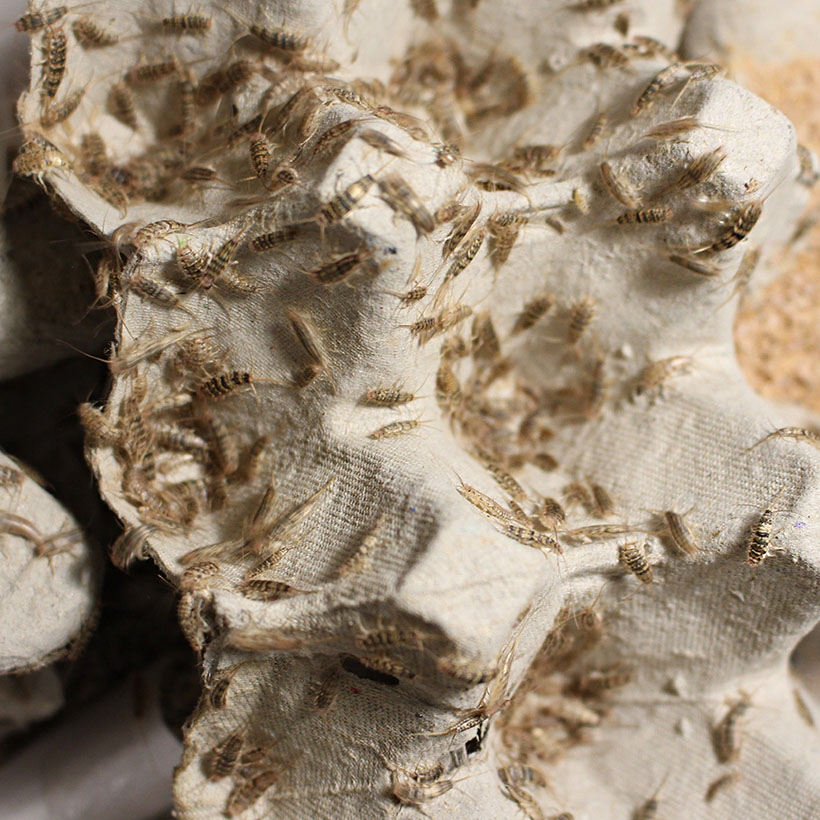
Thermobia domestica “Ovenfish”
Thermobia domestica “Oven Fish” – Small, soft, and highly sought after by many terrarium animals Thermobia domestica, better known as the oven spider, is one of the feed insects that,…
Setting Up a Breeding Tank for Ovenfish
Egg cartons increase the usable space and provide dark hiding spots. Arrange them so that you can carefully lift individual sections to remove them. A layer of moist soil is not necessary for this breeding setup. The lid and ventilation openings must be secure enough to keep even small young animals from escaping.
You can only achieve the high breeding temperature with a suitable, temperature-controlled setup. Measure the temperature directly inside the enclosure and avoid hot spots. The animals need places to retreat to. It’s not possible to recommend a specific heating capacity without knowing the dimensions of the enclosure and the room.
Moisture without a wet floor
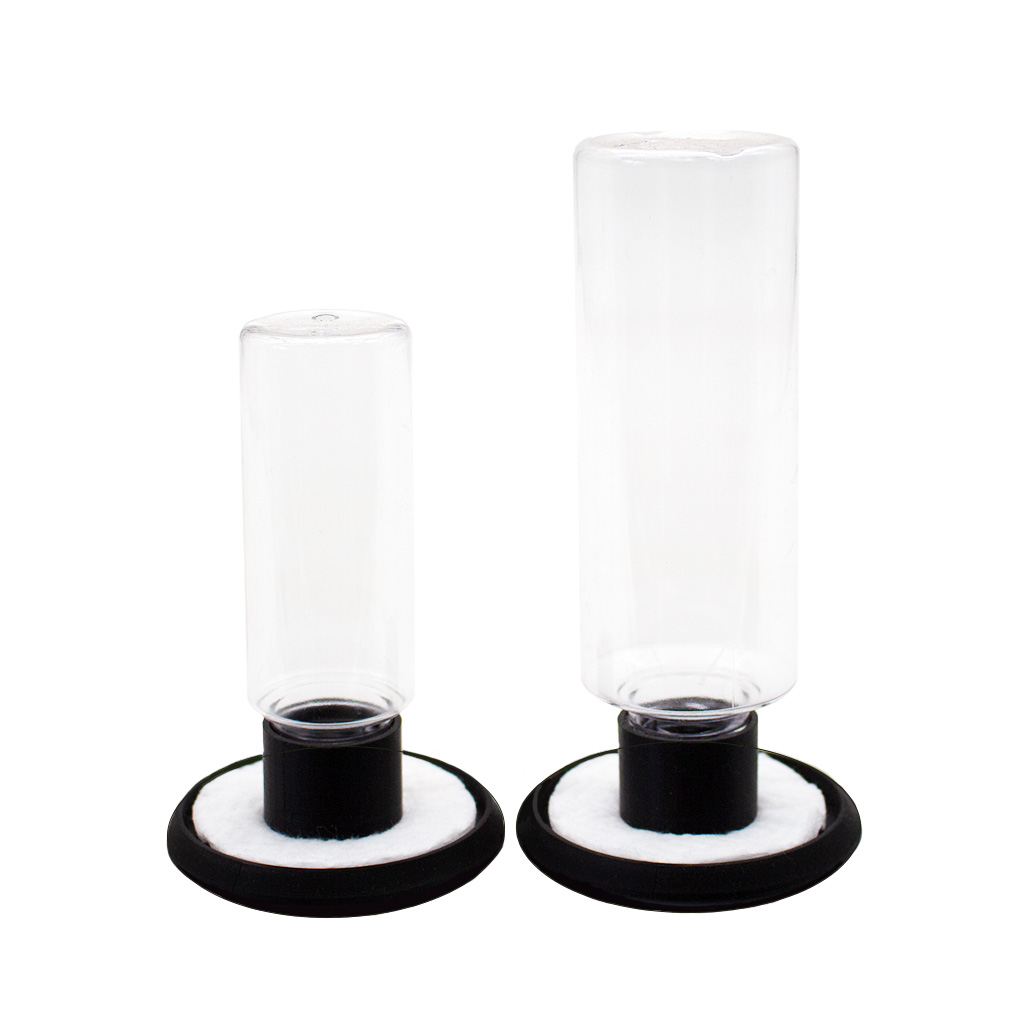
A water container with a securely fastened, fine-mesh cover can allow moisture to escape without animals falling in. Check the water level and the cover regularly. Paper towels alone do not provide a permanent, escape-proof, or bite-proof seal.
Keep food and cardboard boxes dry. If you notice condensation or mold, check the water supply and ventilation. Constantly spraying the entire box is not compatible with this dry breeding setup.
Food for your little fishies
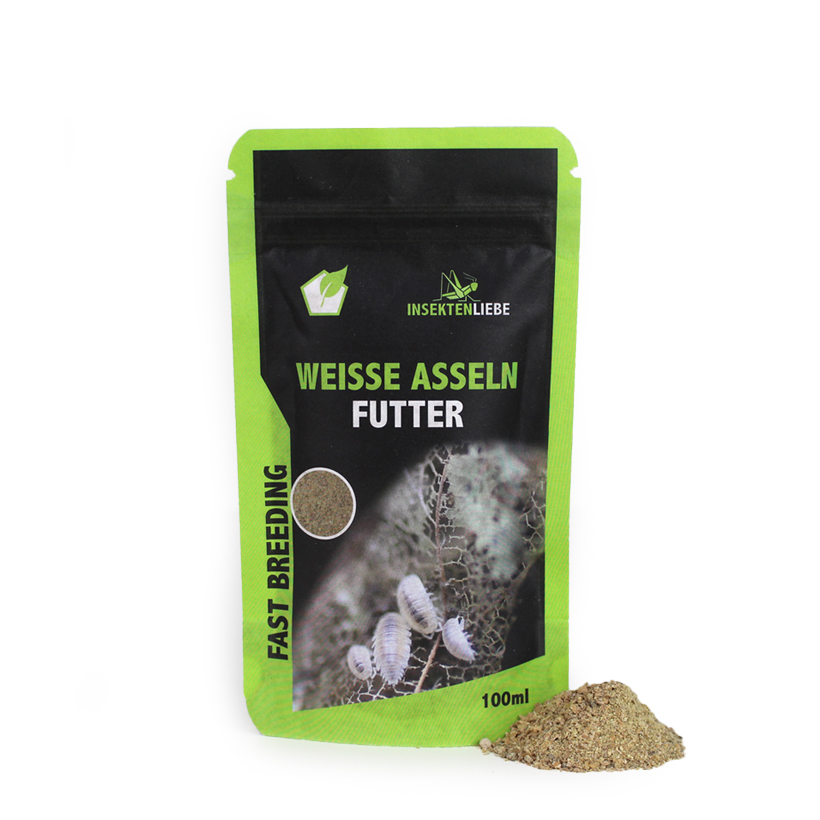
Wheat bran is a practical staple food. Feed it dry and supplement it with small amounts of suitable oat or fish flakes. A thin, easily controlled portion is better than a large pile where moisture and leftovers accumulate.
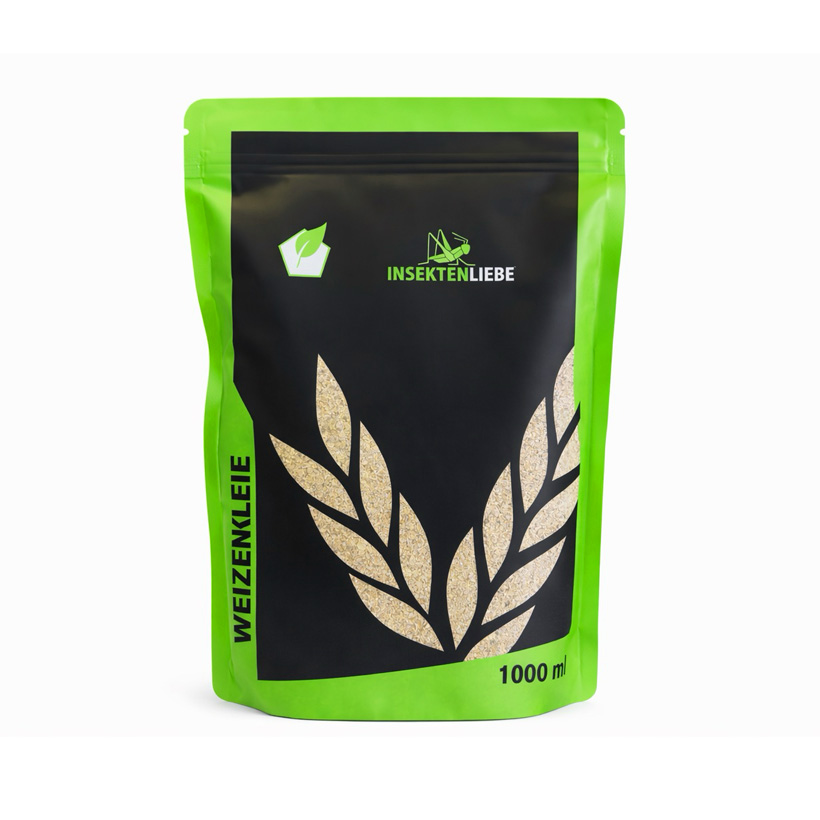
Wheat bran
1250 ml. Wheat bran, an inexpensive source of protein with a high fiber content!
In stock
Remove contaminated food and replenish as needed. Providing more food will not compensate for low temperatures. If your breeding results are poor, check the temperature and humidity first before purchasing additional products.
Eggs, Offspring, and Retrieval
Clean cotton wool is used as a place for laying eggs. With the right temperature, the eggs often take a few weeks to develop; you’ll need more patience until you have a large, healthy population. At first, remove as little as possible so that new young can grow.
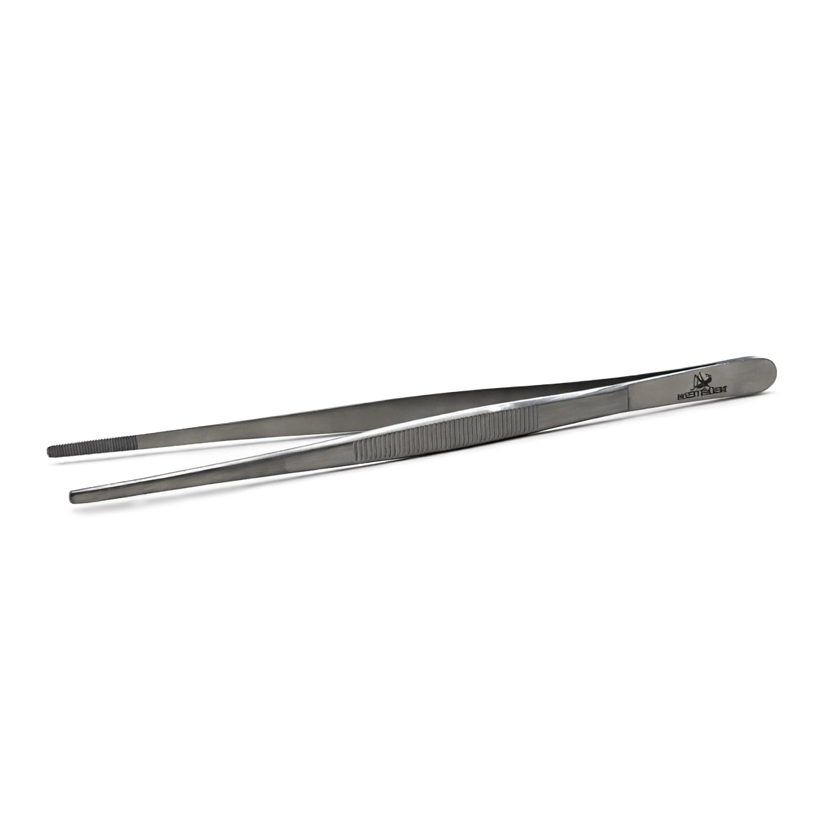
To catch them, hold a piece of egg carton over a smooth-sided cup and gently tap a few of them inside. Choose a size that’s appropriate for your jumping spider or mantis. A nimble prey must be within reach of the hunter and able to be subdued.
Even live fish shouldn’t be left in the terrarium indefinitely. Keep an eye on feeding and remove any excess animals, especially if your pet is about to molt. If you only need a few live food animals occasionally, it might be better to keep a small supply on hand rather than maintaining your own heated breeding setup.
Recommended Reading: How to Store Live Feed Properly
If you just want to keep a small stock, you’ll find the right care instructions here instead of a complete breeding guide.
Discover more feed animals
Here you’ll find a selection from our store. Before purchasing, make sure the specific species’ needs are compatible with your terrarium.
-

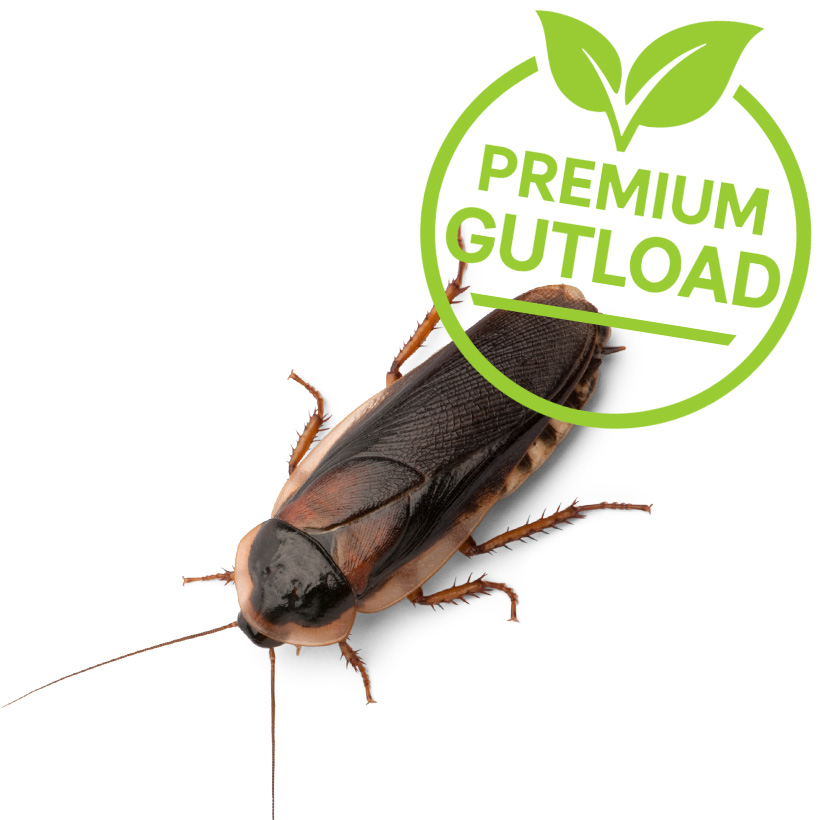
Blaptica dubia “Argentine forest cockroach”
Price range: 3,99 € through 39,99 € incl. VAT, plus shipping -
Cricket
Original price was: 3,99 €.2,99 €Current price is: 2,99 €. incl. VAT, plus shipping
Still unsure? Feel free to ask us your question in the comments section below the article.