Thermobia domestica “Ovenfish”
4,50 € incl. VAT, plus shipping
(from 2 SU = 5% Discount)
Sales Unit: 50 animals
(from 2 SU = 5% Discount)
Sales Unit: 50 animals

Simple

Cosmopolitan

< 12 mm

32°C – 37°C
Thermobia domestica “Oven Fish” – Small, soft, and highly sought after by many terrarium animals
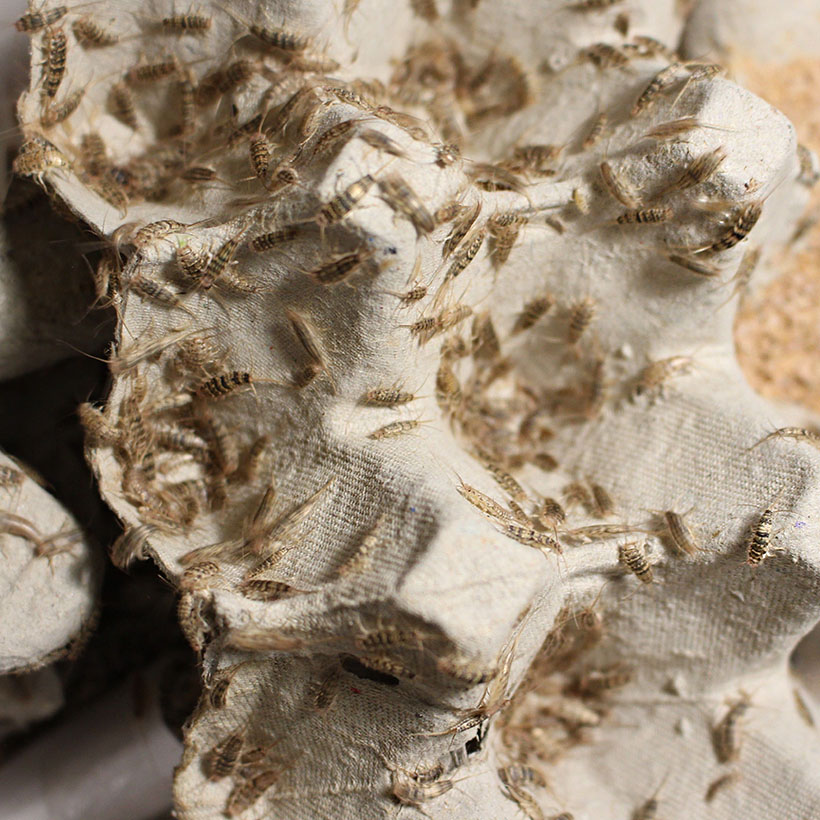
Thermobia domestica, better known as the oven spider, is one of the feed insects that, in our opinion, deserves much more attention. These small, nimble creatures grow to a body length of up to 12 mm and are ideal for jumping spiders, mantises, tarantulas, scorpions, and various amphibians and reptiles.
Their size is particularly interesting. Ovenfish fill the gap between small Drosophila and larger feed insects like goldflies. This allows you to consistently provide your pets with feed insects of the right size, even as they grow.
At the same time, ovenfish have soft bodies, making them an interesting alternative to more heavily armored feed insects.
The perfect size between Drosophila and larger feed animals
At some point, Drosophila become simply too small for many growing terrarium animals. At the same time, larger feed insects may still be too robust.
This is exactly where oven-baked fish come into play.
Measuring up to 12 mm in length, they serve as a convenient intermediate size. This allows you to gradually adjust the prey size, especially for growing jumping spiders and mantises.
Ideal for jumping spiders and mantises
Ovenfish move swiftly across the floor and over furniture. This causes many predators that react to movement to spot them quickly.
For jumping spiders, they therefore offer a nice change from flying prey. Mantises also enjoy eating them.
This way, you can alternate between Drosophila, ovenfish, and—later on—larger flies or other feed insects, adding more variety to the feeding schedule.
Also for tarantulas and scorpions
It’s not just jumping spiders and mantises that benefit from Thermobia domestica. These small feed animals are also suitable for tarantula hatchlings of a corresponding size and other smaller invertebrates.
Of course, you should always adjust the size of the live food to match the size of your pet.
The soft bodies of ovenfish are another advantage here, because these animals do not have a sturdy exoskeleton like adult cockroaches, for example.
Spending a Long Time in the Terrarium
An interesting characteristic of ovenfish is their endurance. Under the right conditions, uneaten specimens can survive in the terrarium for a long time.
This keeps the prey available for longer, and your pet will have another chance to hunt later on.
Nevertheless, we recommend keeping an eye on feeding and not simply stocking a small terrarium with large quantities of live food. This will help you keep better track of how much your pet is actually eating.
Keep the baked fish going yourself
If you don’t want to feed your oven-baked fish right away, you can also keep them for a longer period of time.
Their name alone reveals one of their most important characteristics: Thermobia domestica loves heat. Successful rearing requires significantly higher temperatures than for many other feed insects. On our product page, we specify a temperature range of 32–37 °C.
So if you just want to keep a few animals for a short time, you don’t need an elaborate breeding facility. For a productive breeding program of your own, however, a consistently high temperature plays a crucial role.
It’s worth breeding your own
If you keep a lot of jumping spiders, mantises, or tarantulas, it can definitely be worth setting up your own firefly breeding program.
Above all, the animals need warmth, dry hiding places, and suitable food. By adding many small crevices and structures, you can increase the usable space inside the breeding container.
Since oven-baked fish are small, you should also make sure to use a container that closes securely.
Once your culture is established, you can then take the amount you need as needed and feed it to your animals right away.
Variety is a must on the menu
Even if your pet particularly enjoys eating ovenfish, we generally recommend a varied diet.
Drosophila, mealworms, goldflies, cockroaches, and other suitable feed insects differ in size, movement, and structure.
This allows you to better tailor your pet’s diet to its age, size, and hunting behavior.
This is particularly useful when it comes to jumping spiders: While Drosophila work excellently for smaller animals, ovenfish up to 12 mm offer an interesting intermediate stage.
Advantages at a glance
- Body size up to about 12 mm
- Soft body
- Ideal for use between Drosophila and larger feed animals
- Suitable for jumping spiders
- Suitable for mantises
- Also of interest to tarantulas and scorpions
- Suitable for various amphibians and reptiles
- Quick movements encourage hunting behavior
- Can survive for long periods under the right conditions
- You can breed your own
- The optimal temperature for breeding is 32–37 °C
- Ideal for a varied diet
The Right Accessories for Your Live Feed Animals
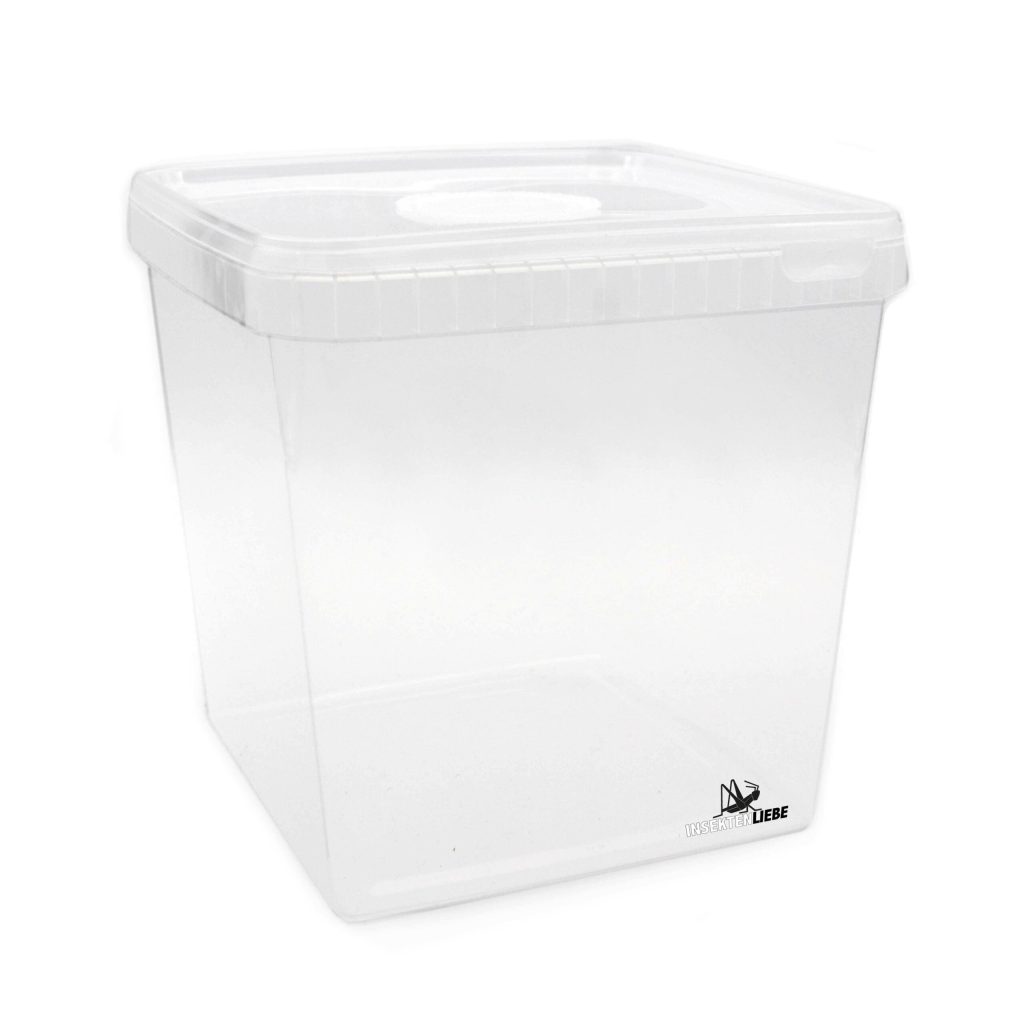
BraPlast container with gauze lid – a practical container for keeping and breeding ovenfish.
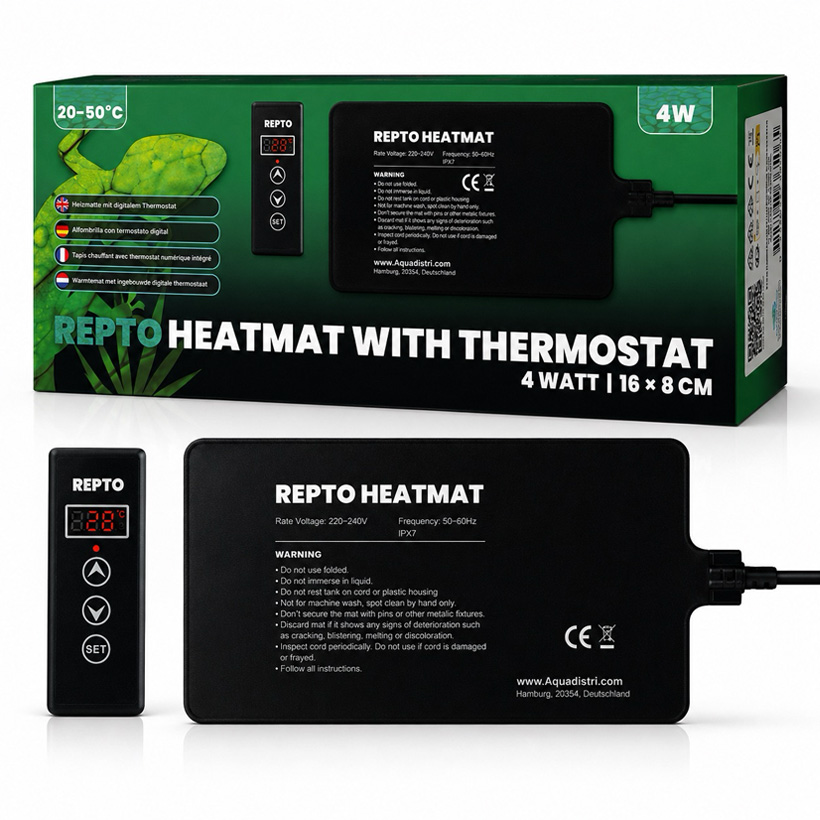
Repto Heatmat with thermostat – provides the high temperatures that ovenfish need for successful breeding.
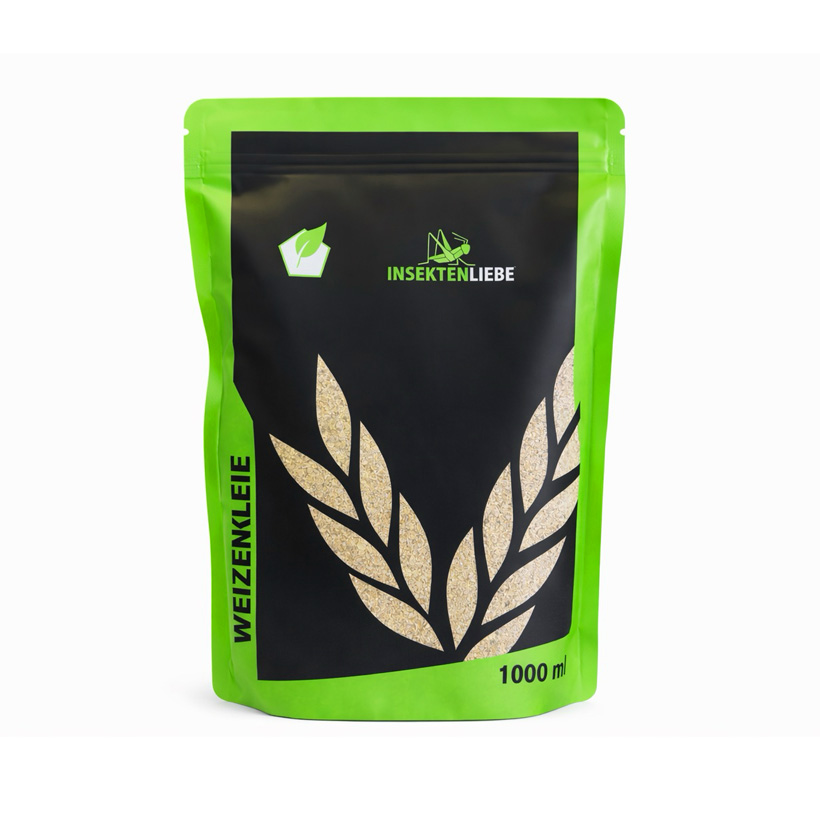
Wheat bran – serves as a dry staple food and can be offered continuously during breeding.
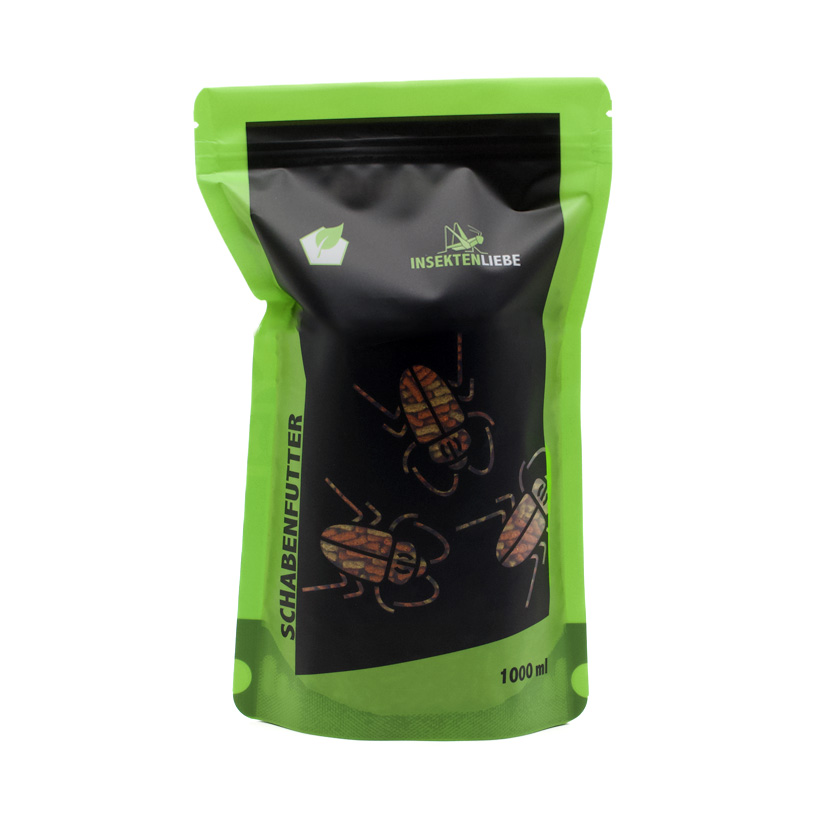
Cockroach food – complements the wheat bran and provides a more varied diet for your ovenfish.
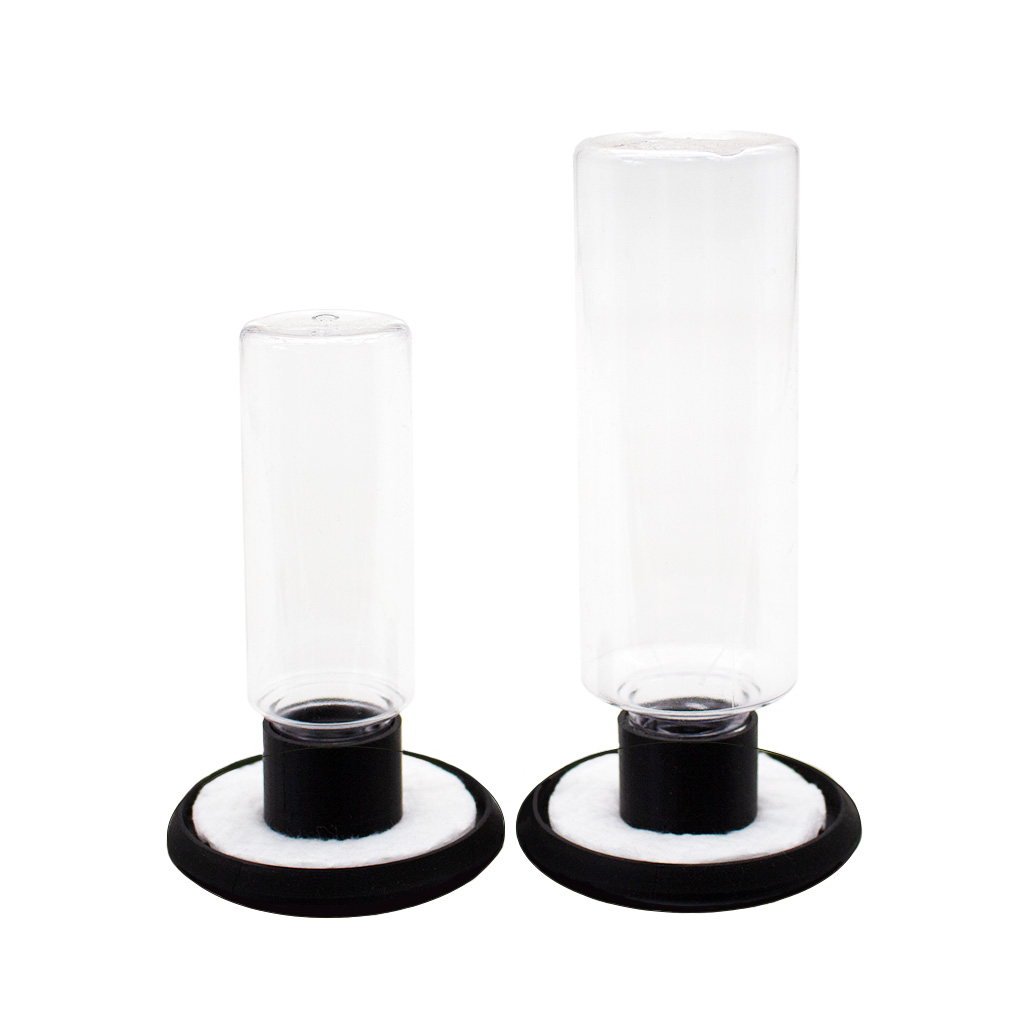
Magnetic Water Dispenser – enables controlled hydration without having to place an open water dish in the breeding box.
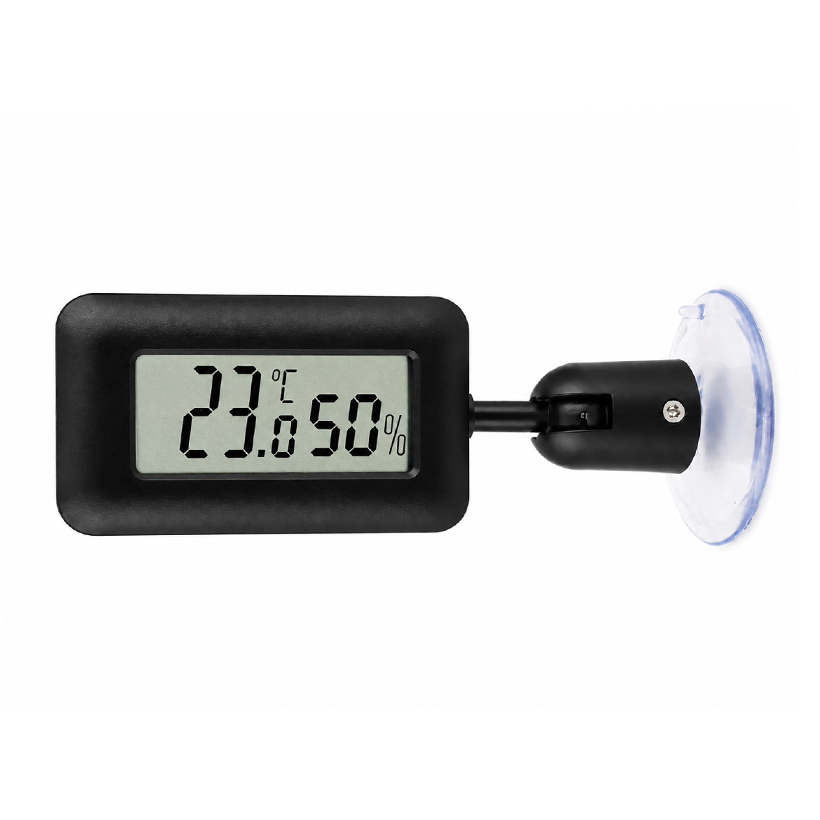
INSEKTENLIEBE Hygro-Therm – helps you reliably monitor temperature and humidity in your ovenfish breeding setup.
Conclusion
Thermobia domestica, commonly known as the “oven bug,“ is particularly useful when Drosophila begin to grow too small, but larger feed insects are not yet the ideal size.
Measuring up to 12 mm in length, with their soft bodies and nimble movements, ovenfish make attractive prey for many jumping spiders, mantises, tarantulas, and other terrarium animals.
If you regularly need large quantities, you can even start your own culture. One thing is especially important here: heat. At 32–37 °C, ovenfish find the conditions they need for successful breeding. This turns a convenient feed animal into a permanently available food source.