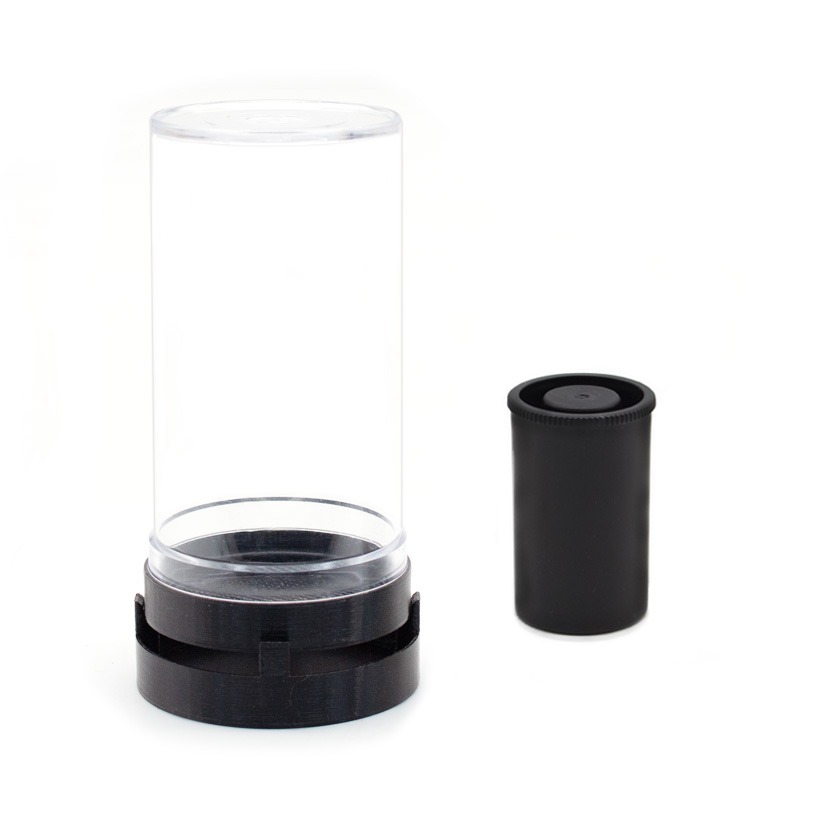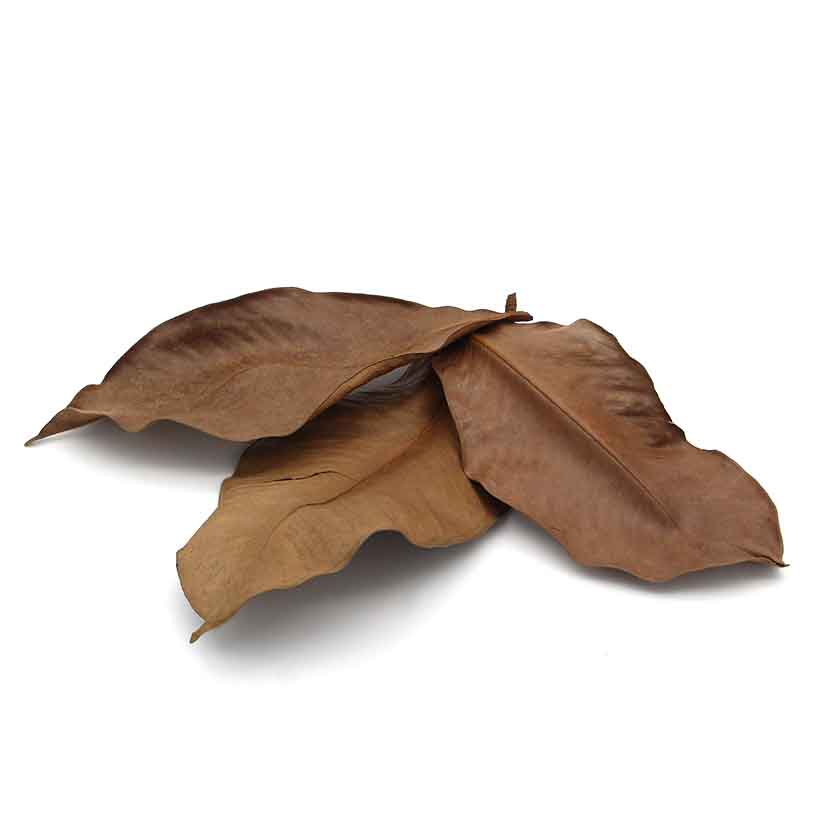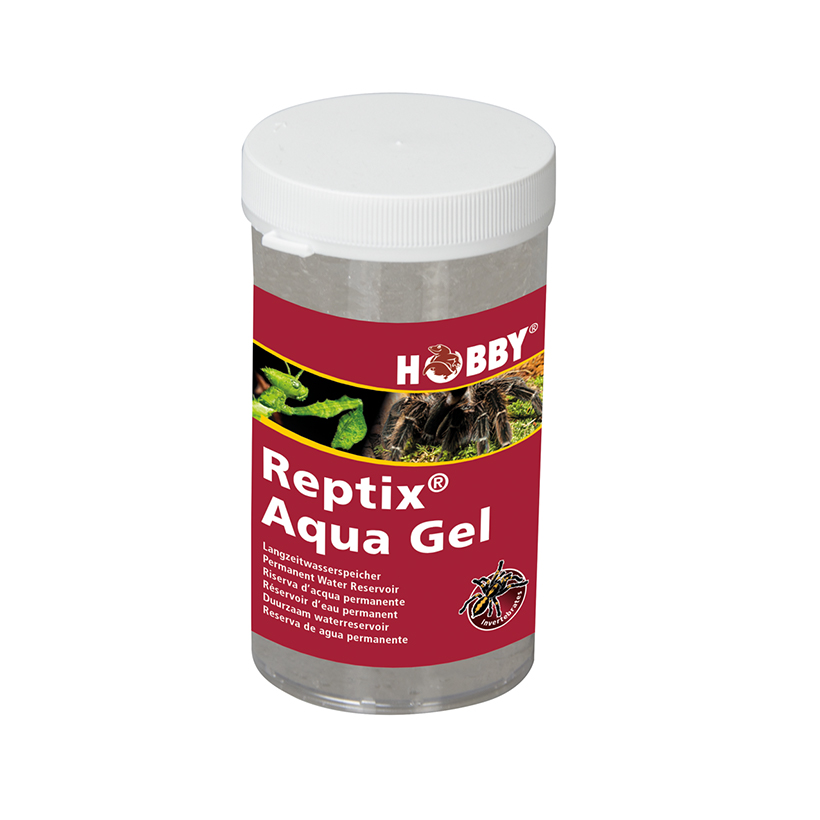

You can try raising springtails even in a small space. These tiny soil dwellers break down small organic debris and are useful for moist areas in a terrarium. The key is to provide a suitable environment, feed them sparingly, and use a substrate that doesn’t dry out.

An Overview of Springtails
| Animal group | Collembola—many species with different needs |
| For the culture described here | About 23–25 °C, out of direct sunlight |
| Location | Keep moist, with good air circulation; do not allow to dry out completely |
| Food | Very small amounts of suitable springtail food or pure brewer’s yeast |
| Use | Moist soil zones and a separate reserve crop |
This report describes a simple culture method for common small soil-dwelling organisms. It is not a guide for every species of colorful or tropical springtail. When purchasing, follow the care instructions provided for that specific culture. A culture that is thriving does not need to be immediately transferred to a different substrate.
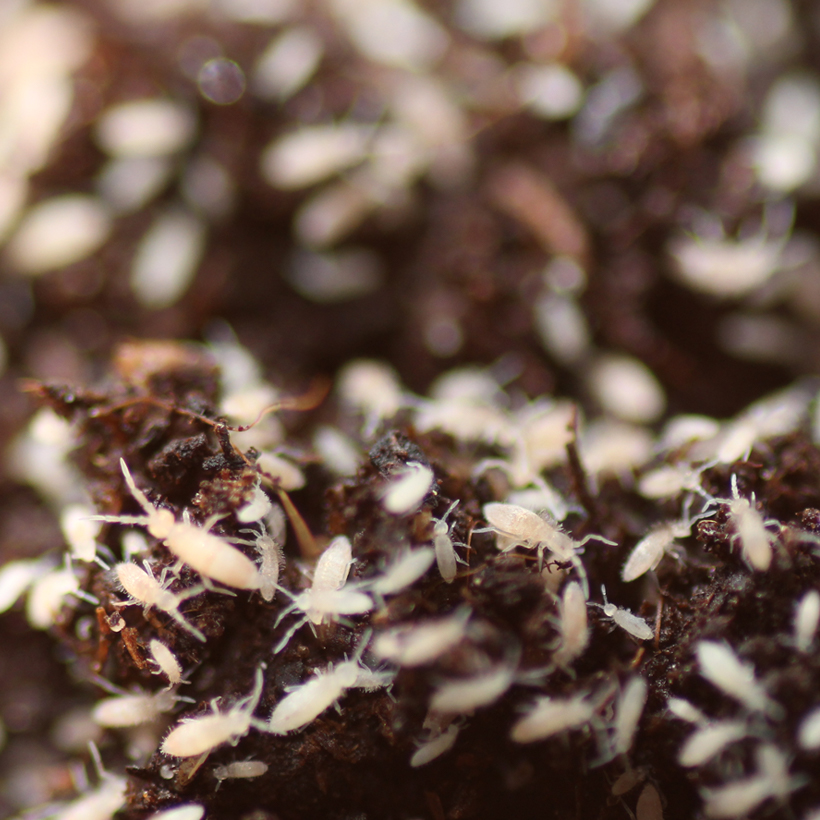
Tropical springtails
The perfect breeding mixture in a 500 ml can. Known as the soil police and mold killer
Raising Springtails: How to Get Started
To start with, a small, well-sealed container will suffice. Air circulation is important, but at the same time, the culture must not dry out too quickly. Starting with the supplied substrate is often the simplest solution. Keep it stable at first before taking out larger quantities.
As a second option, you can try growing a small subculture on clean, untreated hardwood charcoal. Do not use briquettes, barbecue lighter fluid, or charcoal with additives. Rinse off any dust, place the pieces in the box, and pour a little water onto the bottom. The top surfaces should be above the water.
Transplant only a portion of your springtails and keep the original culture as a reserve. This way, you can see if your strain grows well on charcoal. Not every species available thrives equally well on this substrate. Check the moisture level and ensure a good flow of fresh air regularly.
Feed sparingly and check for leftover food
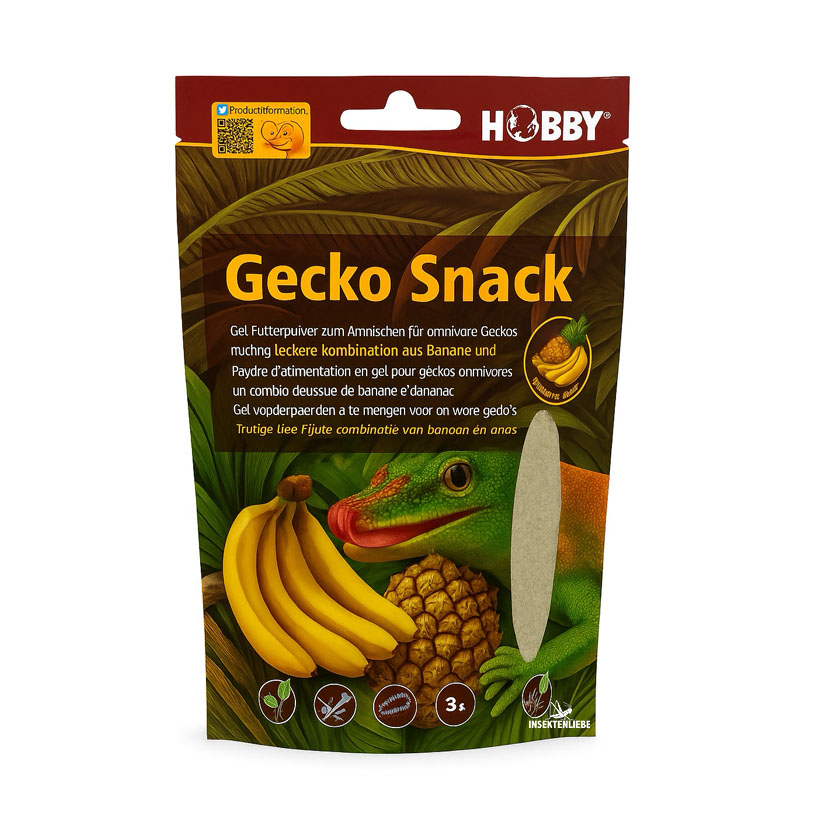
A small pinch is enough to start with. Don’t give them more food until the previous portion is mostly gone. Plain brewer’s yeast with no additives is a simple option. Our springtail food is a good alternative if you’d like to use a ready-made food.
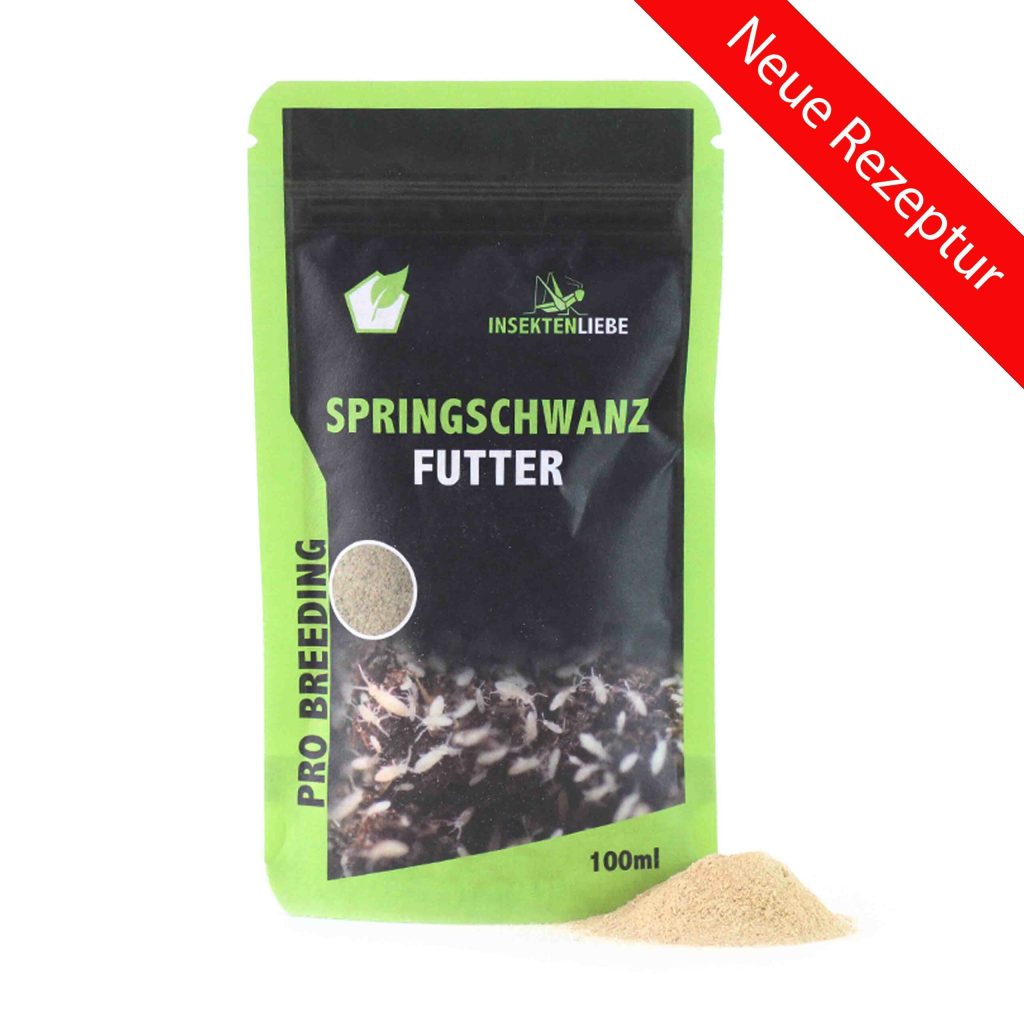
If there is a lot of food lying around or if a heavy mold growth develops, remove the leftovers and reduce the amount. The animals shouldn’t have to “scrape away” thick layers of mold. Too much food can overwhelm a small colony. Feeding in bulk on a long-term basis is therefore not recommended.
Transferring the animals to the terrarium
Carefully tap the animals off a colonized piece of charcoal into a clean cup. If you’re using soil, you can add some colonized substrate to the moist soil layer. You don’t need a lot of water for this. Be careful not to flood small terrariums when transferring the animals.
These aids can be useful for woodlouse boxes or damp areas of the substrate in mantis and jumping spider enclosures. However, the climate of the main animal remains the decisive factor. You shouldn’t make a dry terrarium more humid just for the springtails.
How much cleaning do springtails do?
Springtails help break down small organic debris. They do not reliably prevent mold and are no substitute for ventilation or removing larger food scraps. If the box remains too wet for an extended period, you’ll need to change the conditions.
They are not suitable as food for every young animal either. The animal’s size and hunting behavior are key factors. For larger mantises or jumping spiders, flies of an appropriate size are usually the more practical food source.
When can you remove animals from the breeding program?
If you want to breed springtails, first let the starter culture grow to a visible size. Later, remove small amounts and always set aside a reserve. If growth is slow, first check the amount of food, humidity, and temperature. A completely empty culture will not recover even with more food.
Recommended Reading: White Isopods as a Supplement
Learn the difference between these two types of substrate and see if white Isopods are a good fit for your terrarium.
Still unsure? Feel free to ask us your question in the comments section below the article.