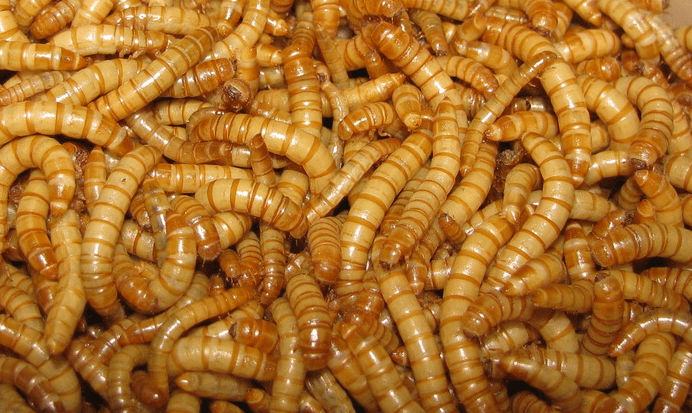


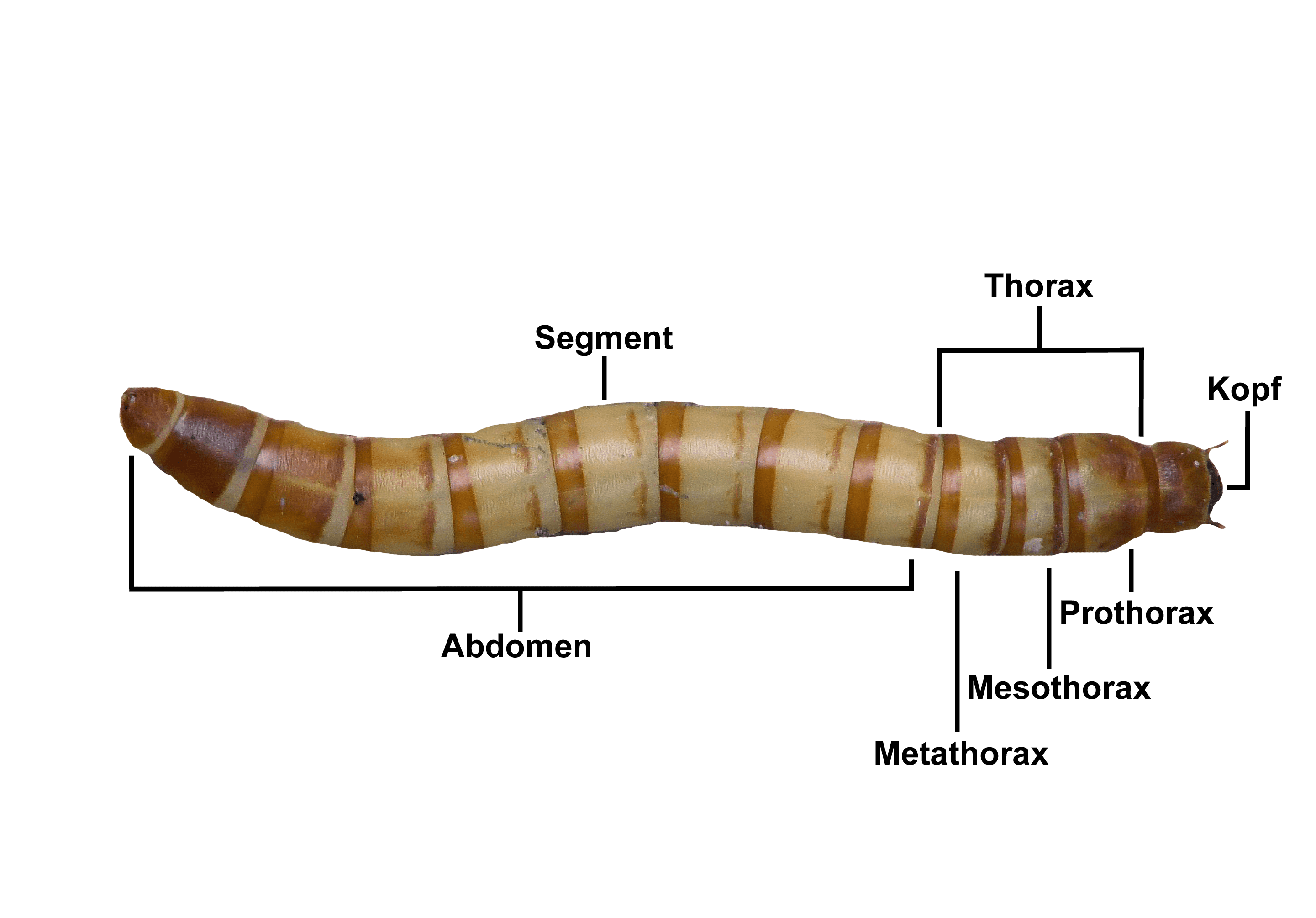
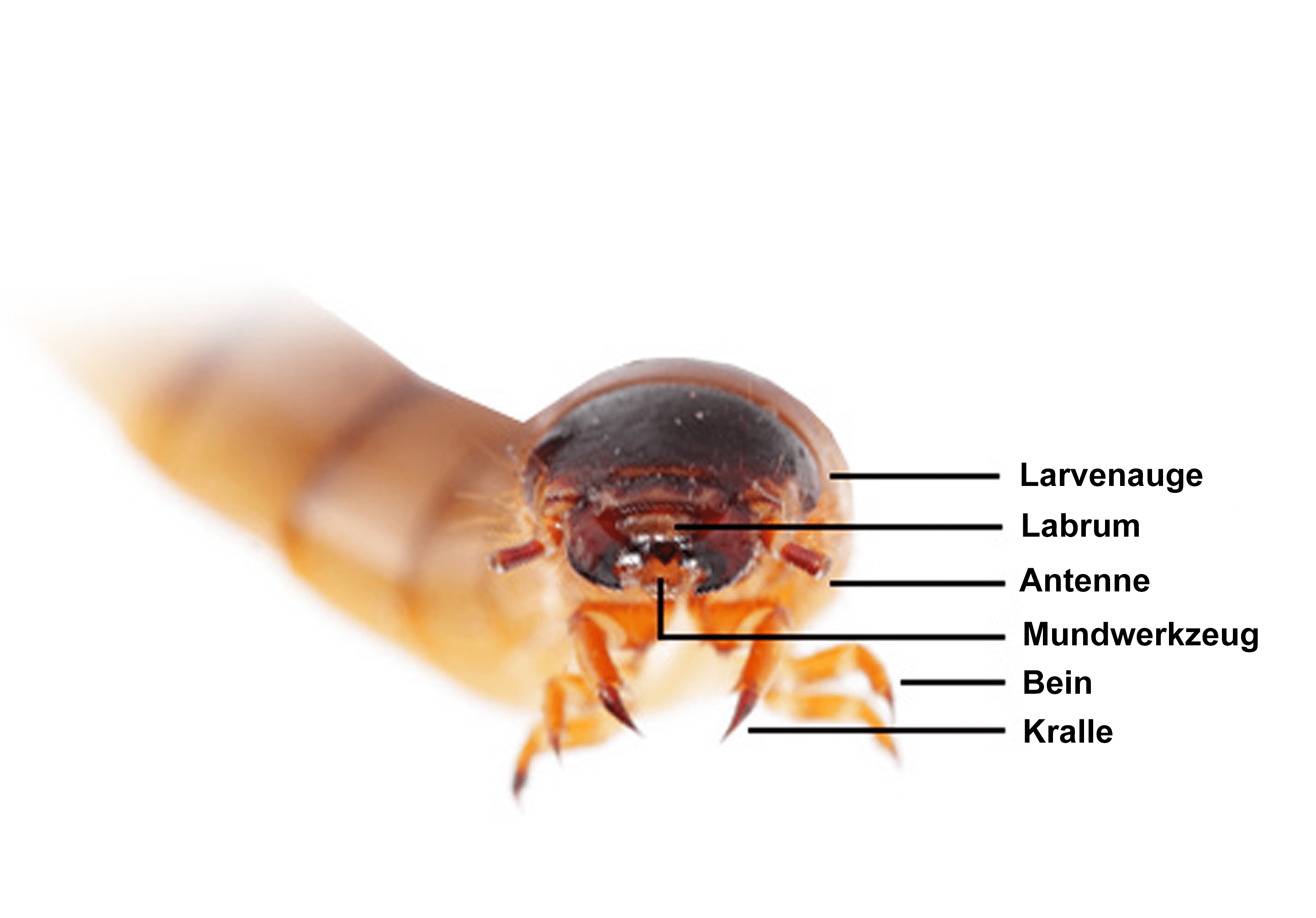
Would you like to raise mealworms and build up a small supply of feed on your own? With just a few ventilated boxes, dry feed, and a little patience, you can set up a manageable breeding operation. By the way, mealworms are the larvae of the meal beetle, Tenebrio molitor.
Should I breed mealworms or just store them?
If you only feed them occasionally, it’s not always worth raising your own. A small purchased supply takes up less space and requires less work. Raising your own becomes worthwhile if you need insects regularly and want to care for the larvae, pupae, and beetles separately.
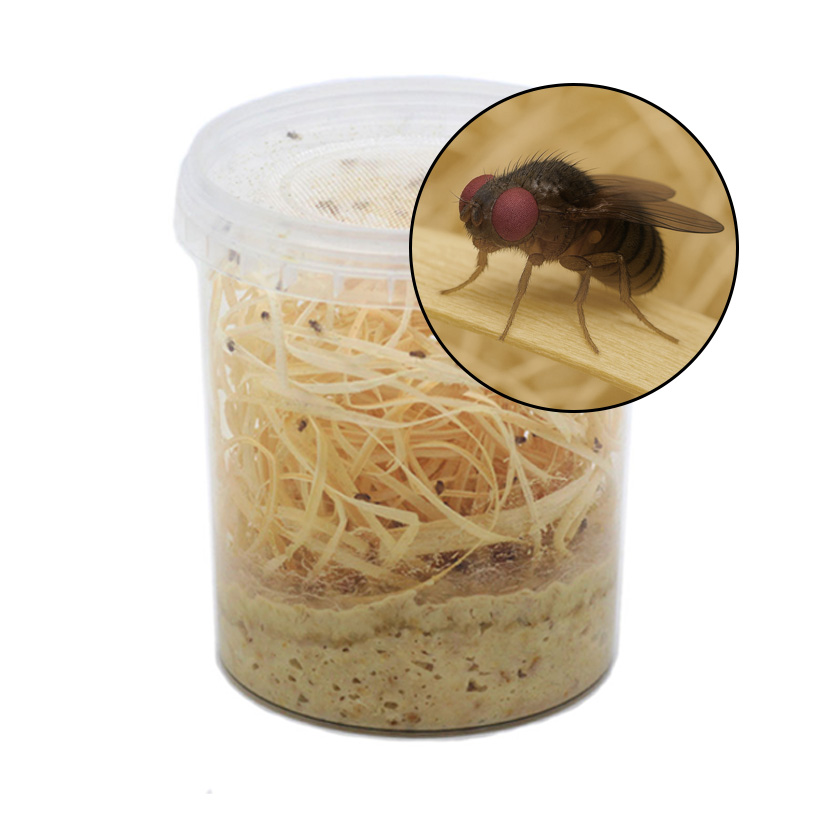
Mealworms are a supplement to the diet of suitable terrarium animals. For mantises or jumping spiders, they are not a universal substitute for flies and other appropriate prey. Pay attention to the size of your animal and offer a varied diet.
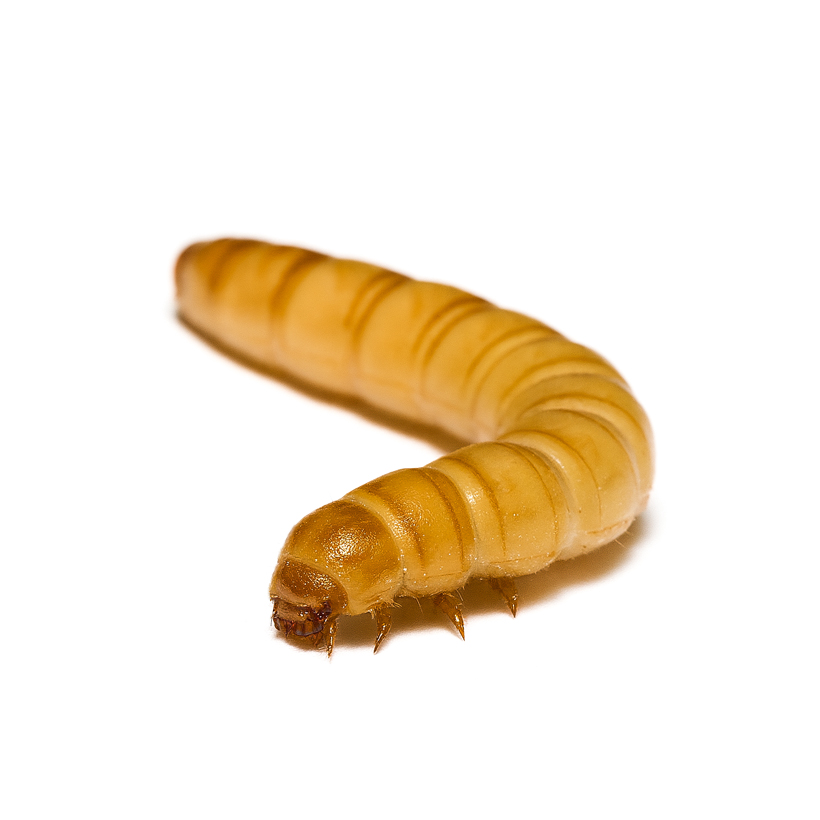
Mealworms
25 g Live mealworms – fresh in wheat bran Our mealworms (Tenebrio molitor) in fresh wheat bran are a protein-rich, natural food source for a wide range of pets and…
An Overview of Mealworm Farming
| Temperature | About 23–25 °C for a small breeding operation |
| Container | Smooth-walled, well-ventilated boxes with secure lids |
| Basic feed | Dried wheat bran; the beetles also eat oatmeal |
| Humidity | Small pieces of fresh carrot; no wet layer of substrate |
| Development | Egg, larva, pupa, beetle—the duration depends on the rearing conditions and diet |
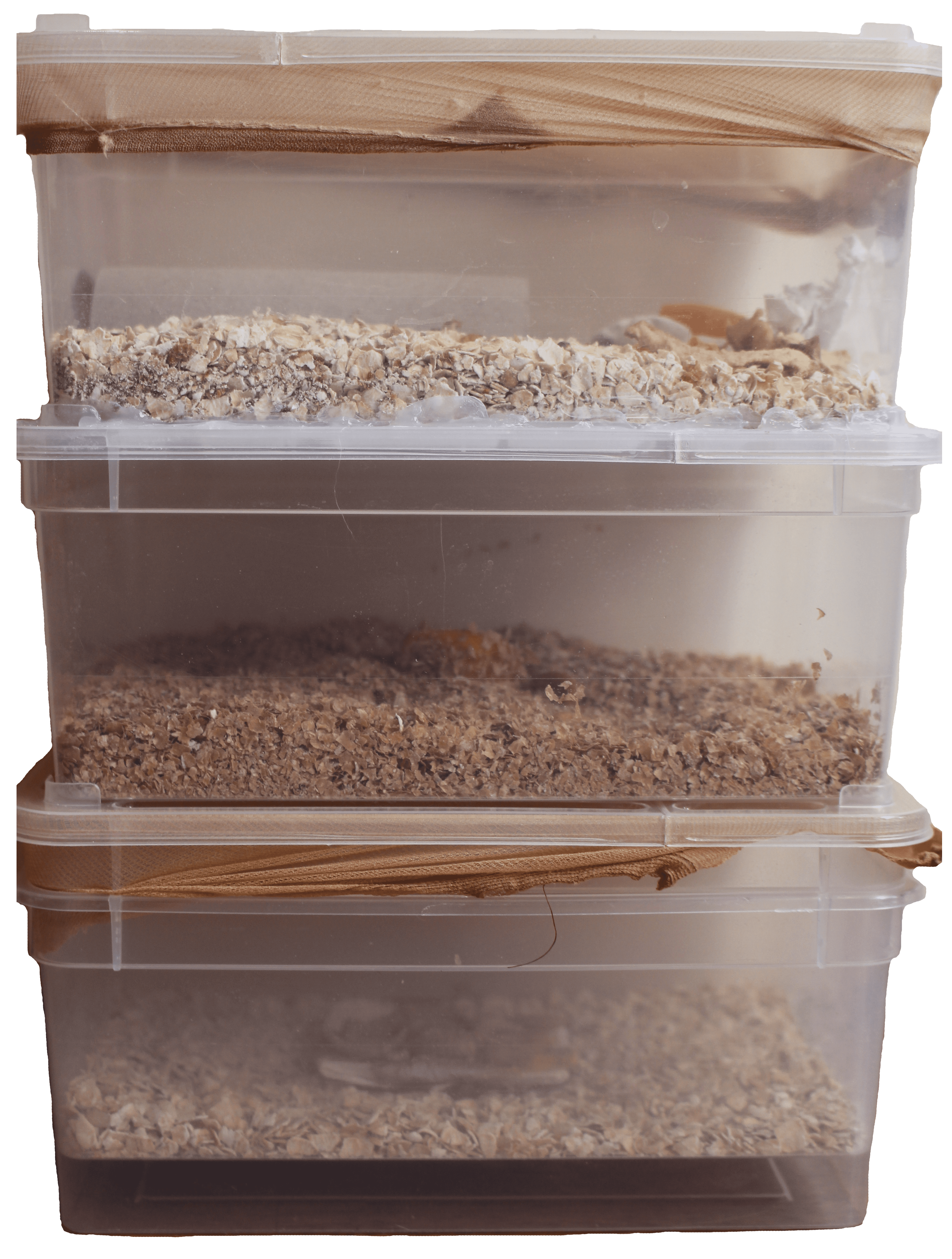
The boxes for your mealworms
Separate the larvae, pupae, and beetles so that the defenseless pupae aren’t eaten. An extra empty box makes cleaning and transferring them easier. For a small batch, simple plastic containers will suffice. Wood or cardboard are unsuitable for use as the actual outer walls.
A BraPlast container is one option. Make sure the lid has adequate ventilation; a sealed storage container with no air exchange isn’t sufficient. The contents should remain dry and well-ventilated. Store the containers separately from food and avoid direct sunlight.
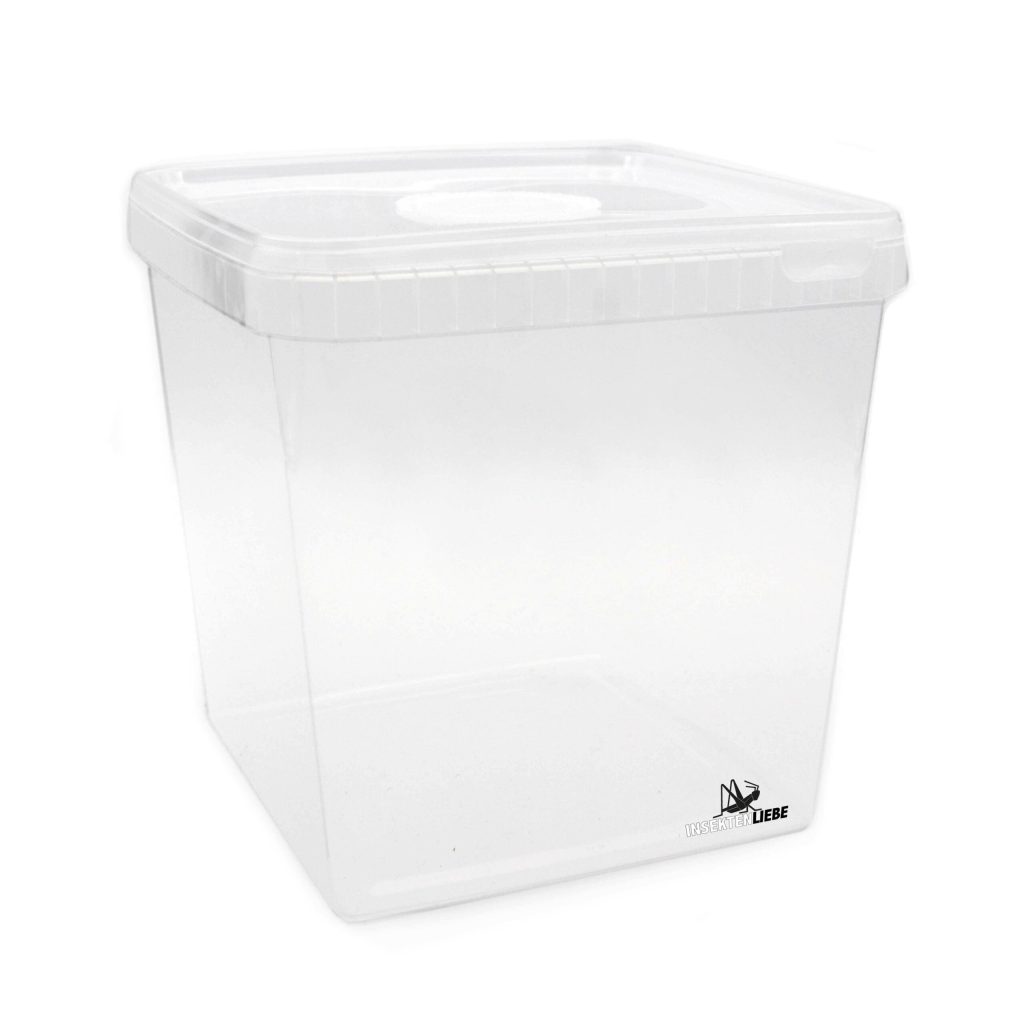
BraPlast can with gauze lid
BraPlast box with gauze lid – Safe breeding box for spiders, mantids and scorpions The BraPlast can with gauze lid is a practical and versatile housing box for many invertebrate…
Wheat bran and fresh feed
Wheat bran serves as the larvae’s staple food and substrate. Keep it dry and replenish it as needed. A small amount of fresh carrot provides moisture. Place it where it is easily accessible and remove any leftovers before they spoil.
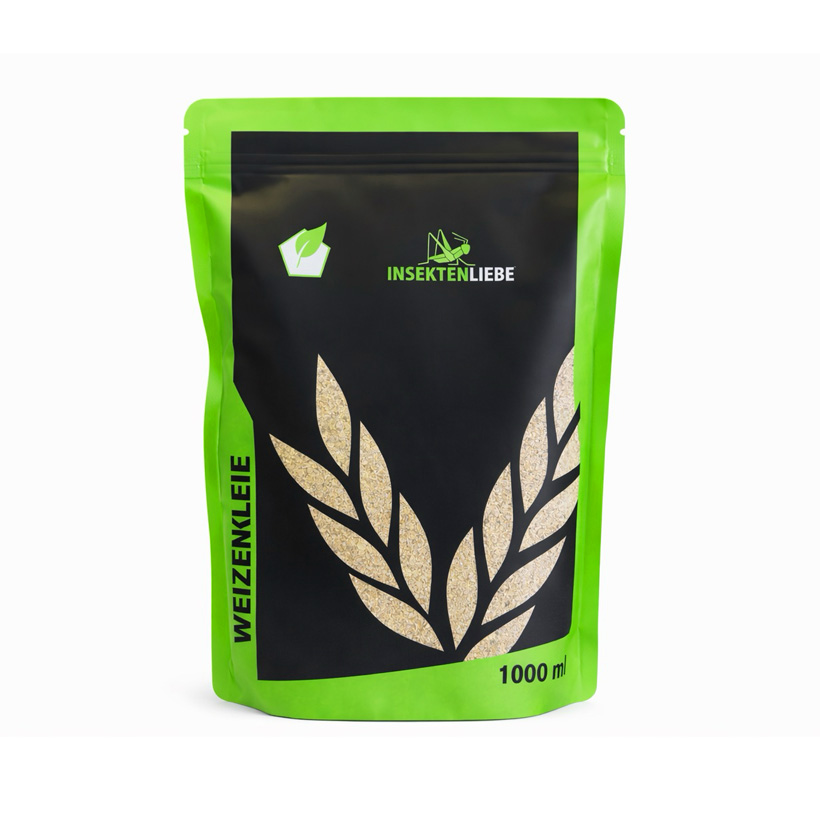
Wheat bran
1250 ml. Wheat bran, an inexpensive source of protein with a high fiber content!
In stock
Feed only as much wet food as your group will eat right away. Check on them daily instead of stashing away a large portion for several days. Wet vegetables can make the bran damp and promote mold growth. A water bowl isn’t necessary for this small breeding group.
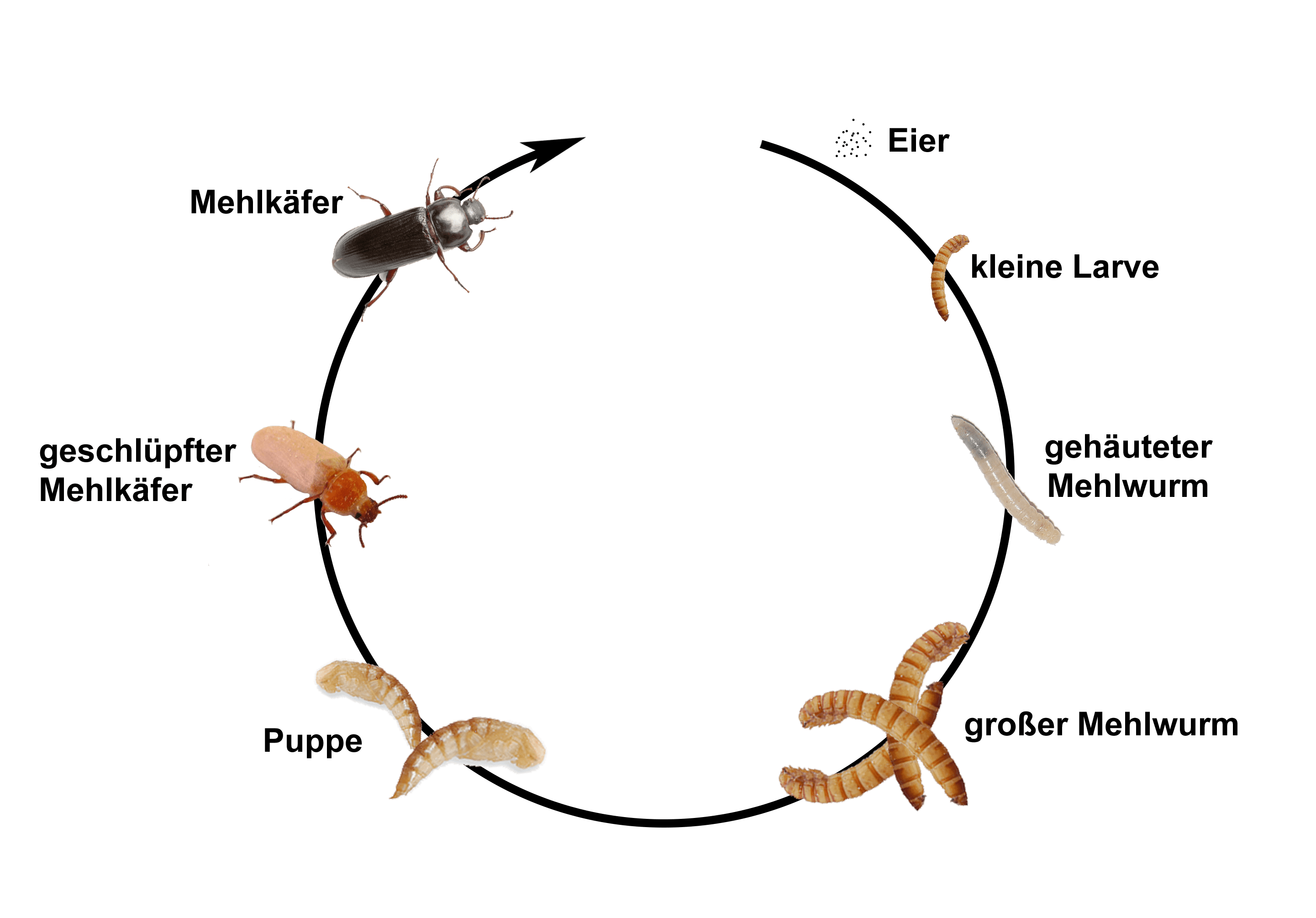
Raising Mealworms: From Egg to Beetle
The larvae molt several times as they grow. After pupation, the flour beetle emerges. Newly hatched beetles are light in color at first and gradually darken. Adult beetles no longer molt—molting is part of the larval development.
Carefully collect the pupae in a separate, dry box. Once they have emerged as beetles, place them with the other beetles. These beetles lay their eggs in the food substrate. If you regularly transfer the beetles to a fresh container, the remaining eggs and young larvae will be better protected as they develop.
Alternatively, you can use a system with a fine-mesh bottom under the beetle box. This requires a secure setup and a collection box. When you’re just starting out, regular relocations are often easier to manage. You shouldn’t plan on a specific development period.
Cleaning and Common Problems
Remove dead animals, food scraps, and heavily soiled material. Sift carefully so that small larvae are not lost. Cleaned boxes must be completely dry before refilling.
A large number of dark, dead larvae is not conclusive evidence of a single cause. Check humidity, temperature, feed quality, ventilation, and stocking density. Do not use any suspicious batches as a feed source until the cause has been determined.
Feeding Mealworms Properly
Offer a larva that is appropriate for the animal’s size in a controlled manner. Mealyworms that escape can burrow into the substrate. For mantises and jumping spiders, therefore, observe the feeding process and remove any prey that has not been consumed. During molting, the animal should be left undisturbed; do not force it to eat.
Recommended Reading: Just Stocking Up?
Here you’ll find a concise guide to caring for store-bought feed animals without having to set up your own breeding operation.
Discover more feed animals
Here you’ll find a selection from our store. Before purchasing, make sure the specific species’ needs are compatible with your terrarium.
-

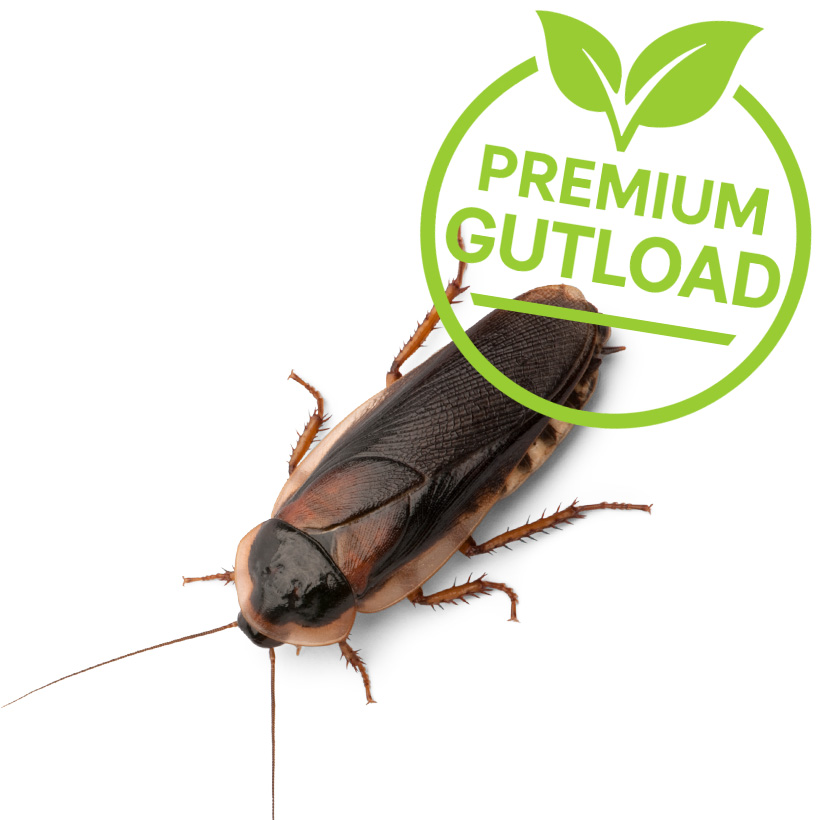
Blaptica dubia “Argentine forest cockroach”
Price range: 3,99 € through 39,99 € incl. VAT, plus shipping -
Cricket
Original price was: 3,99 €.2,99 €Current price is: 2,99 €. incl. VAT, plus shipping
Still unsure? Feel free to ask us your question in the comments section below the article.