

| Origin | Northern Thailand |
| Temperature | 16-23 °C |
| Size | up to 1.1 cm |
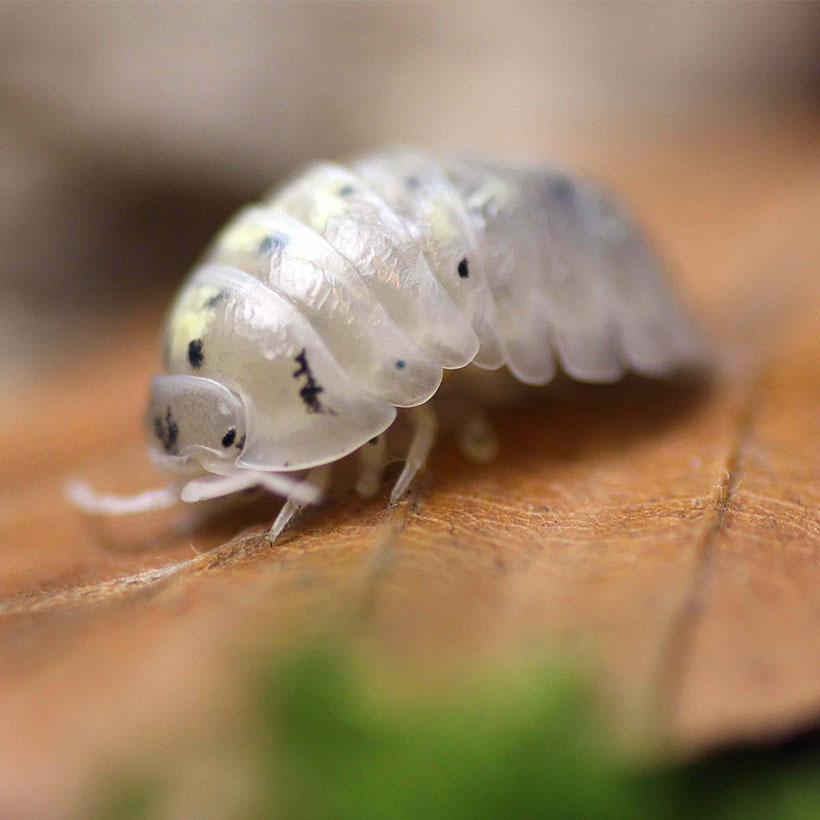
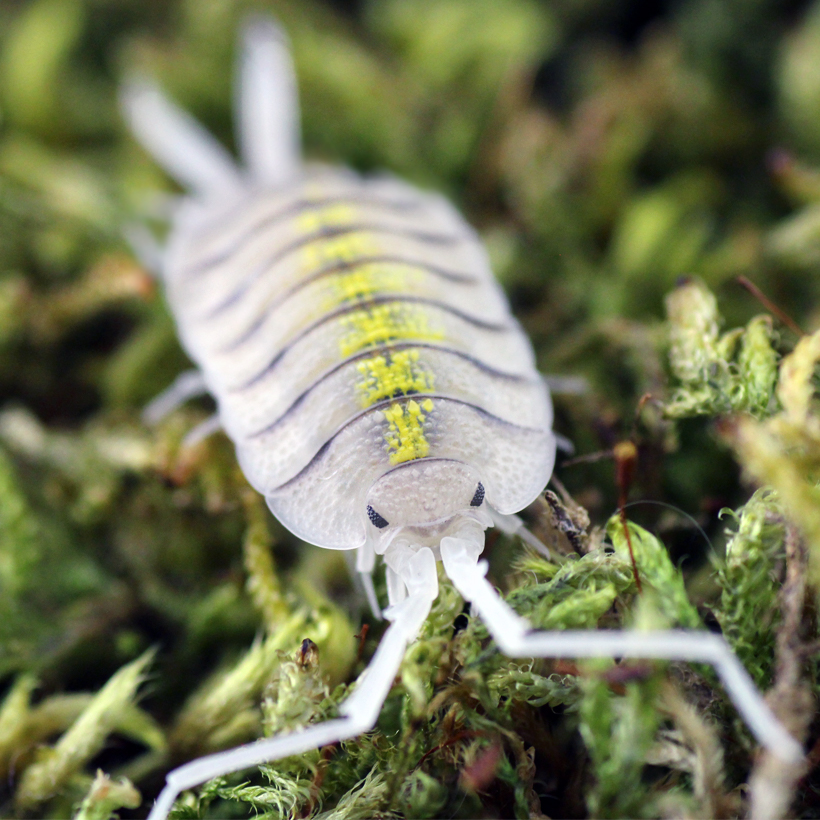
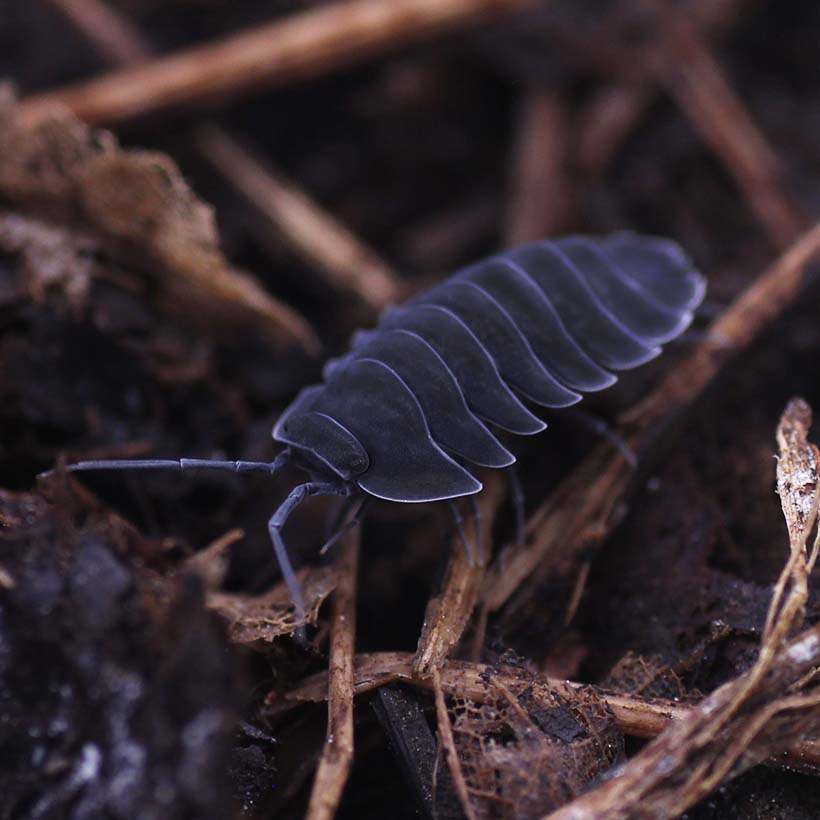
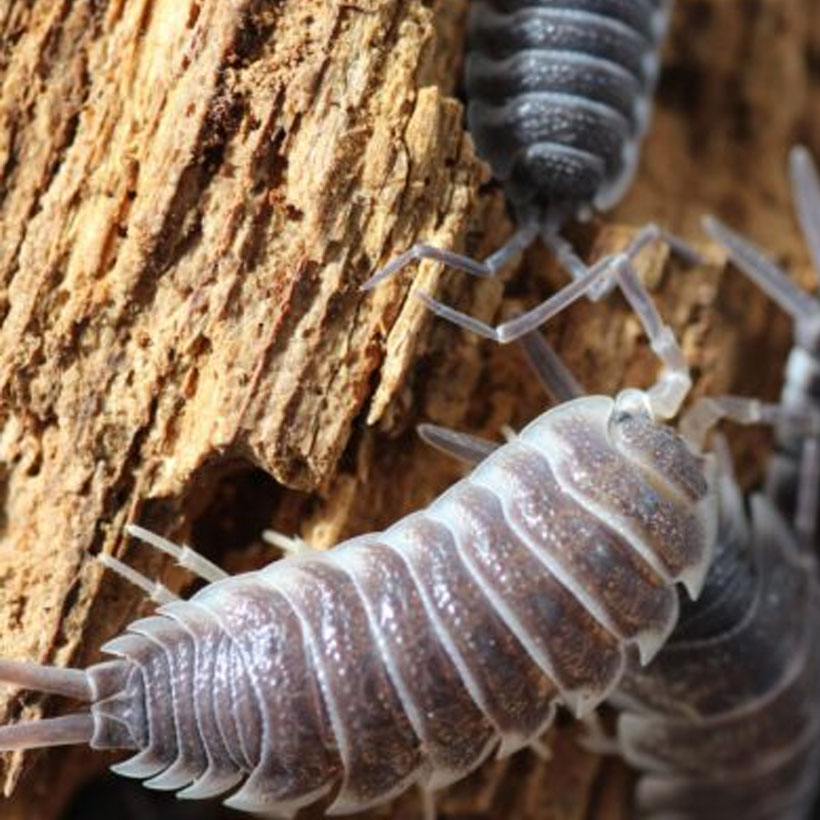
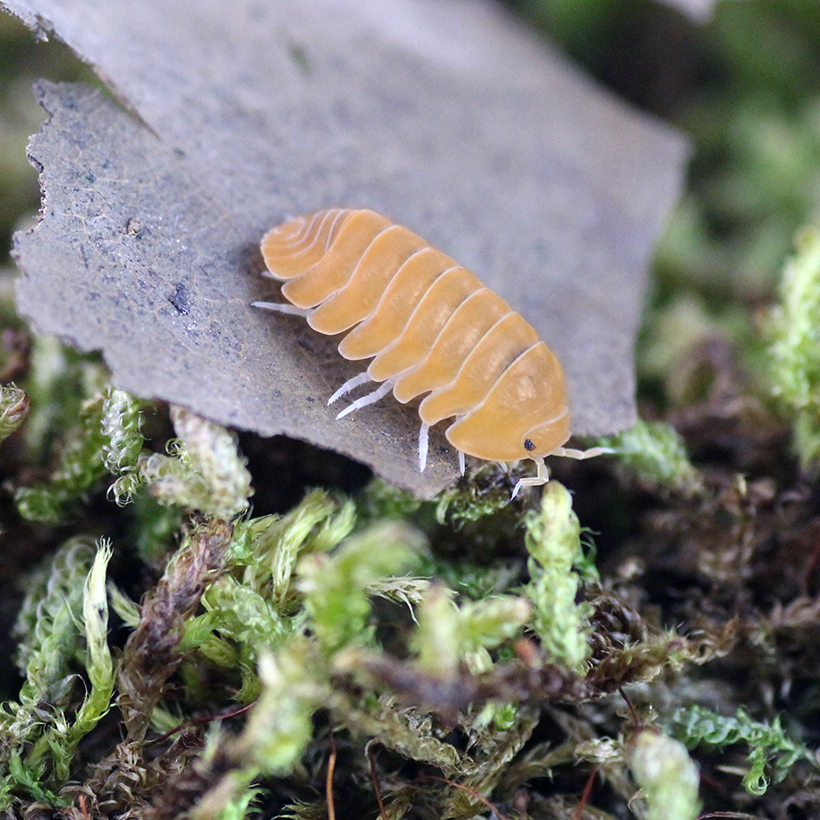
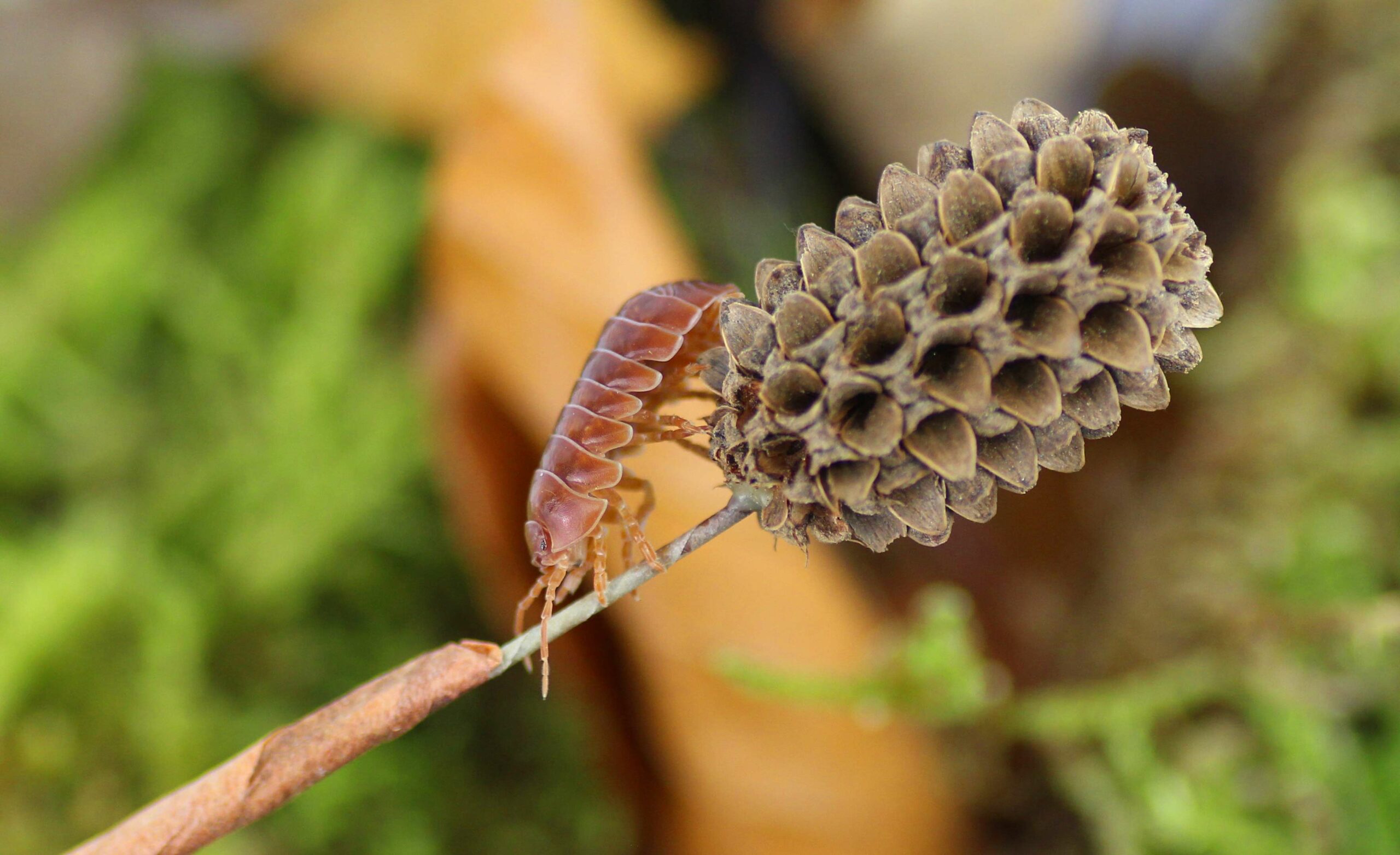
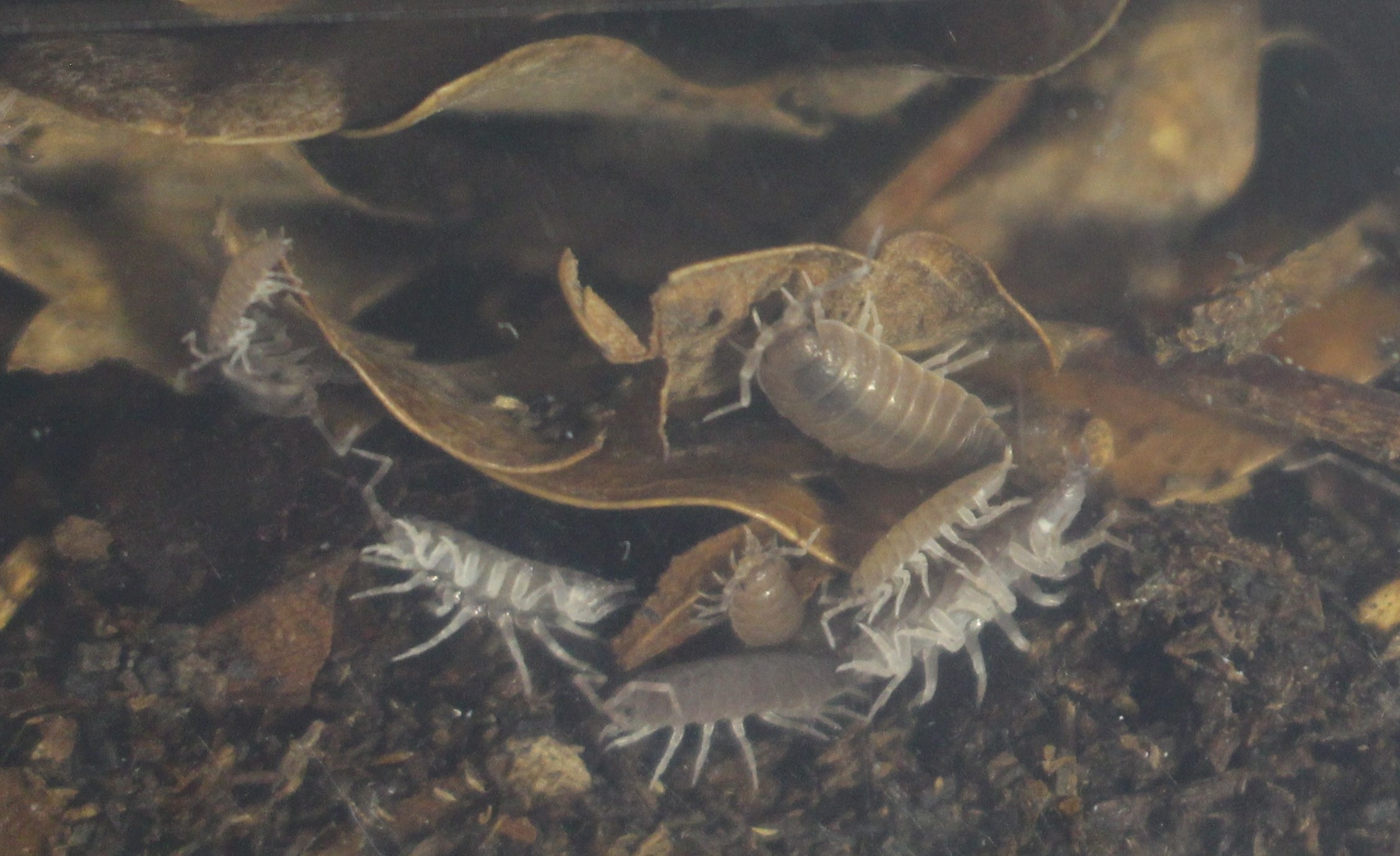
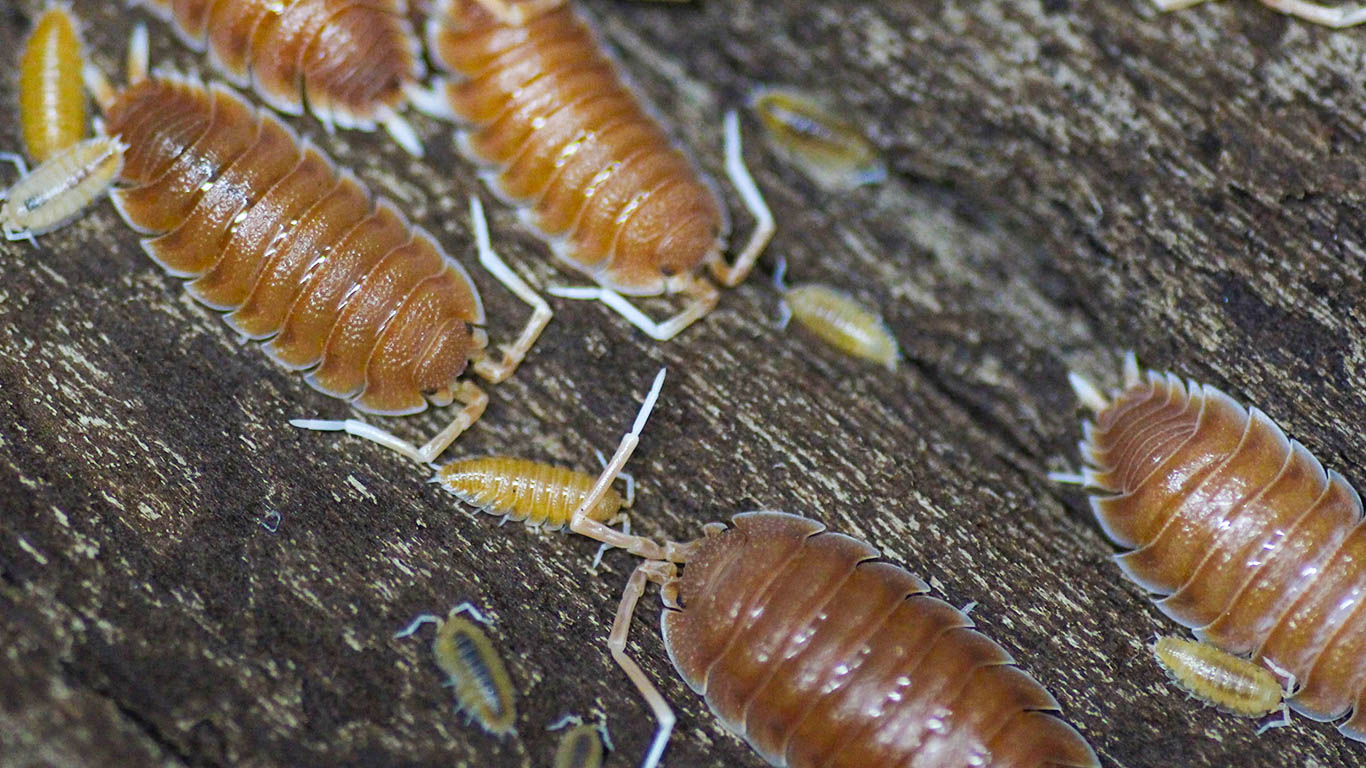
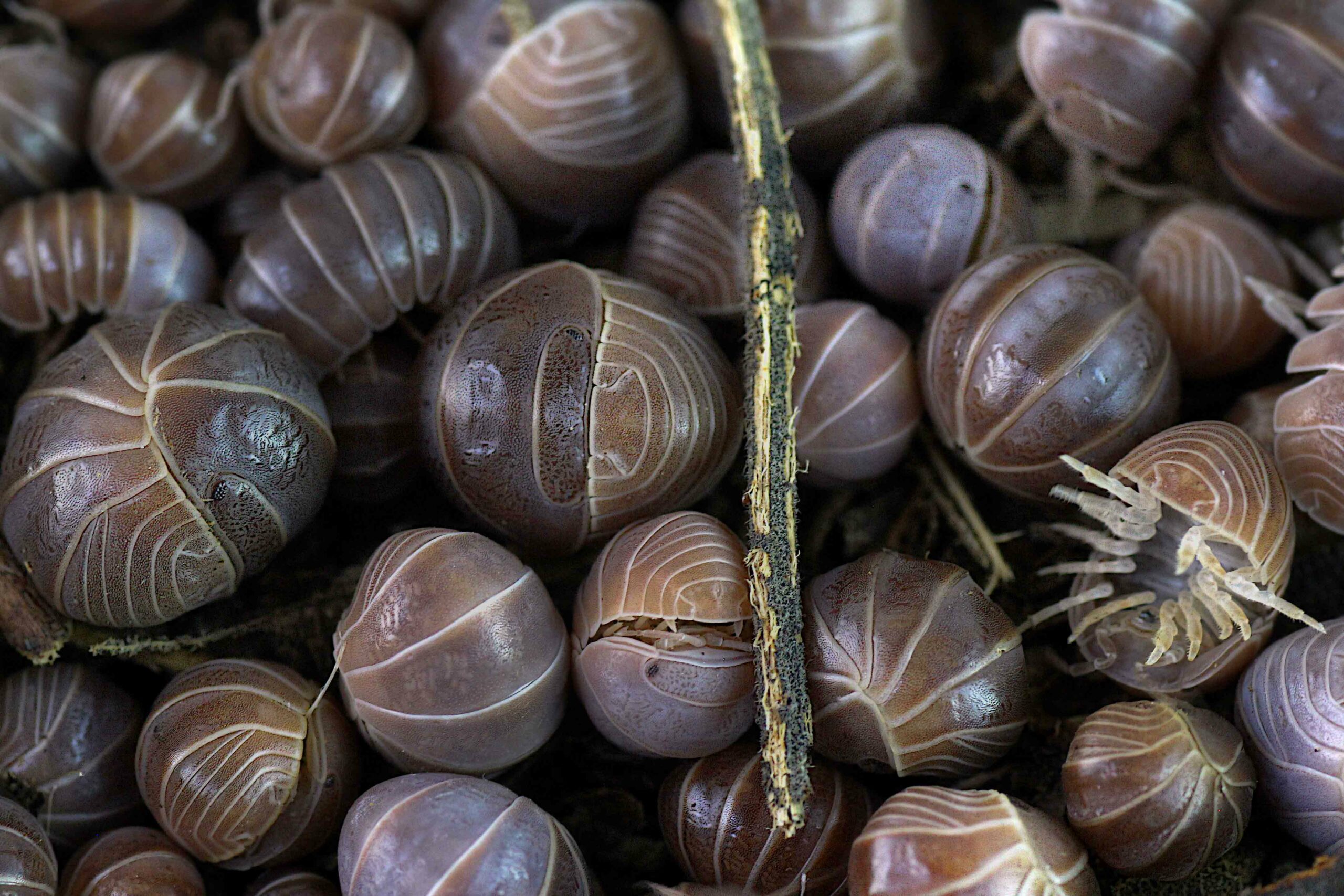
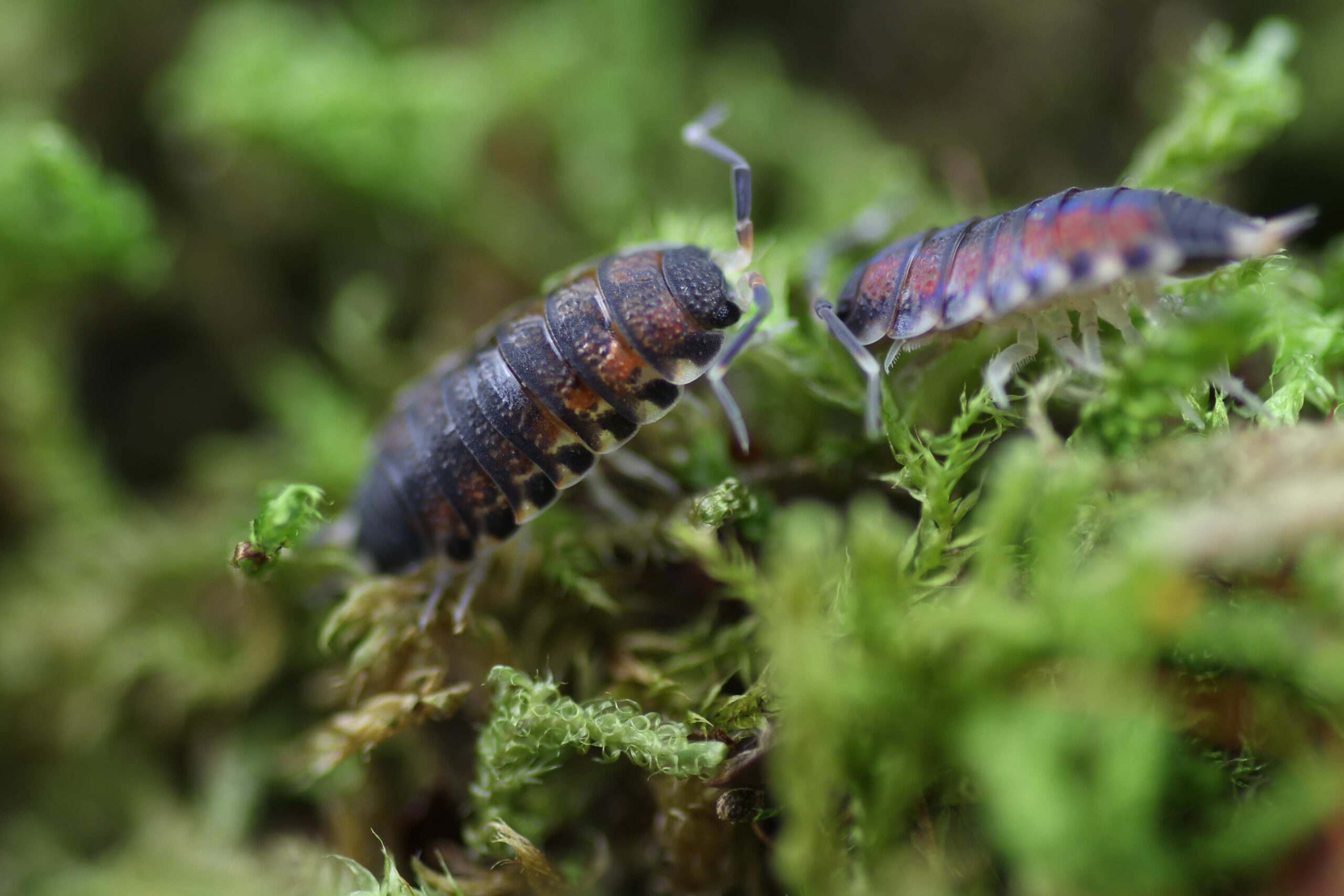
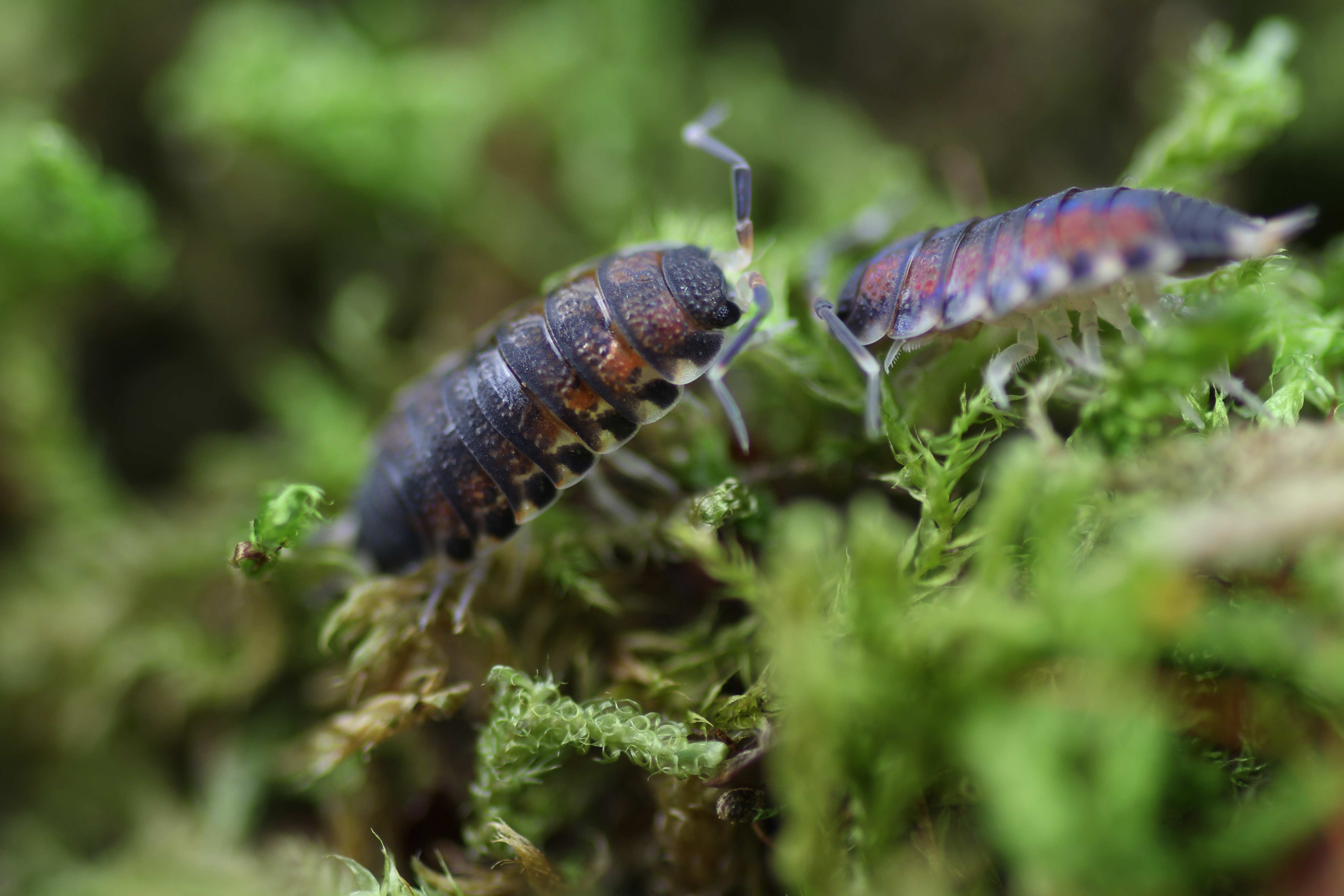
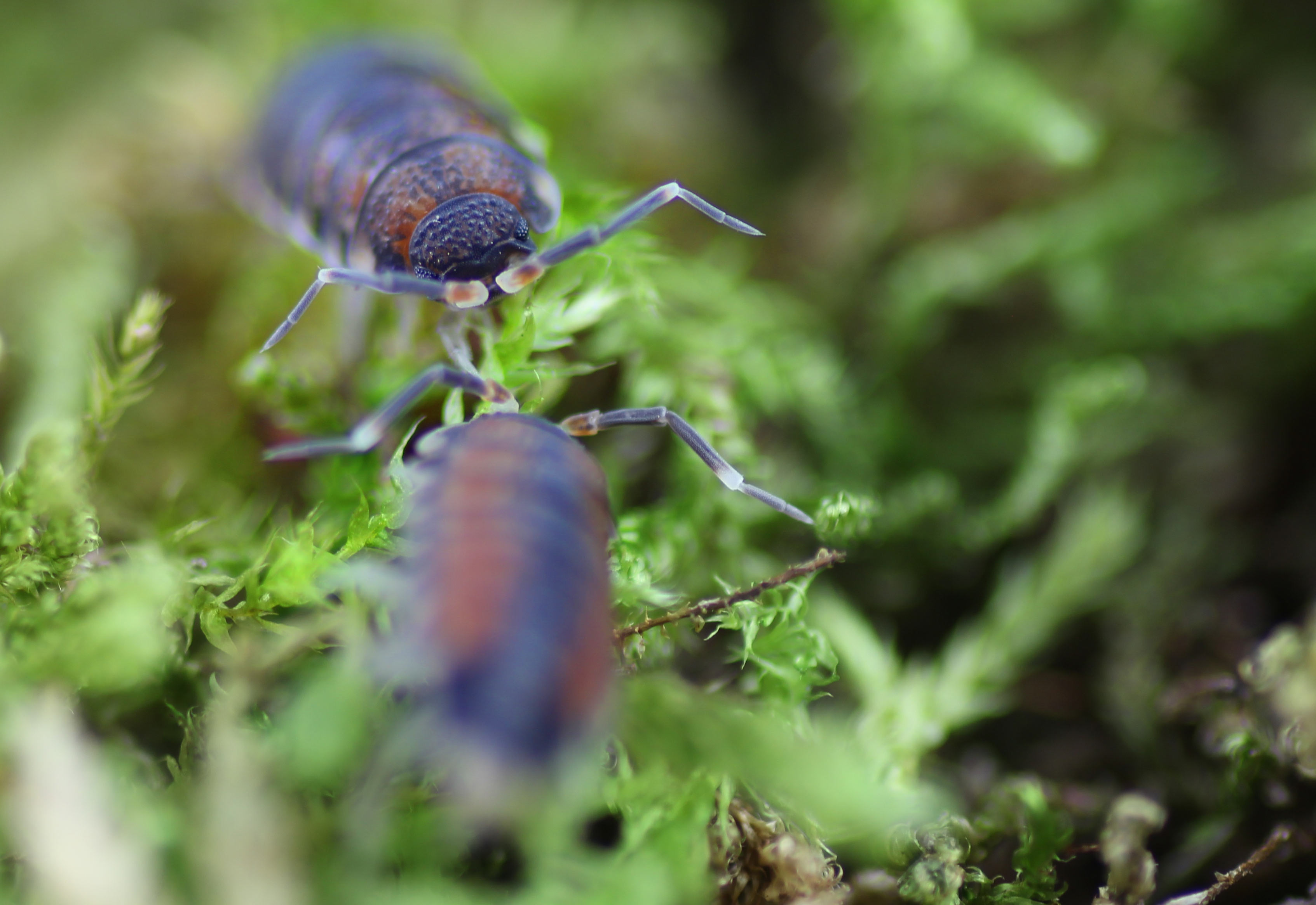
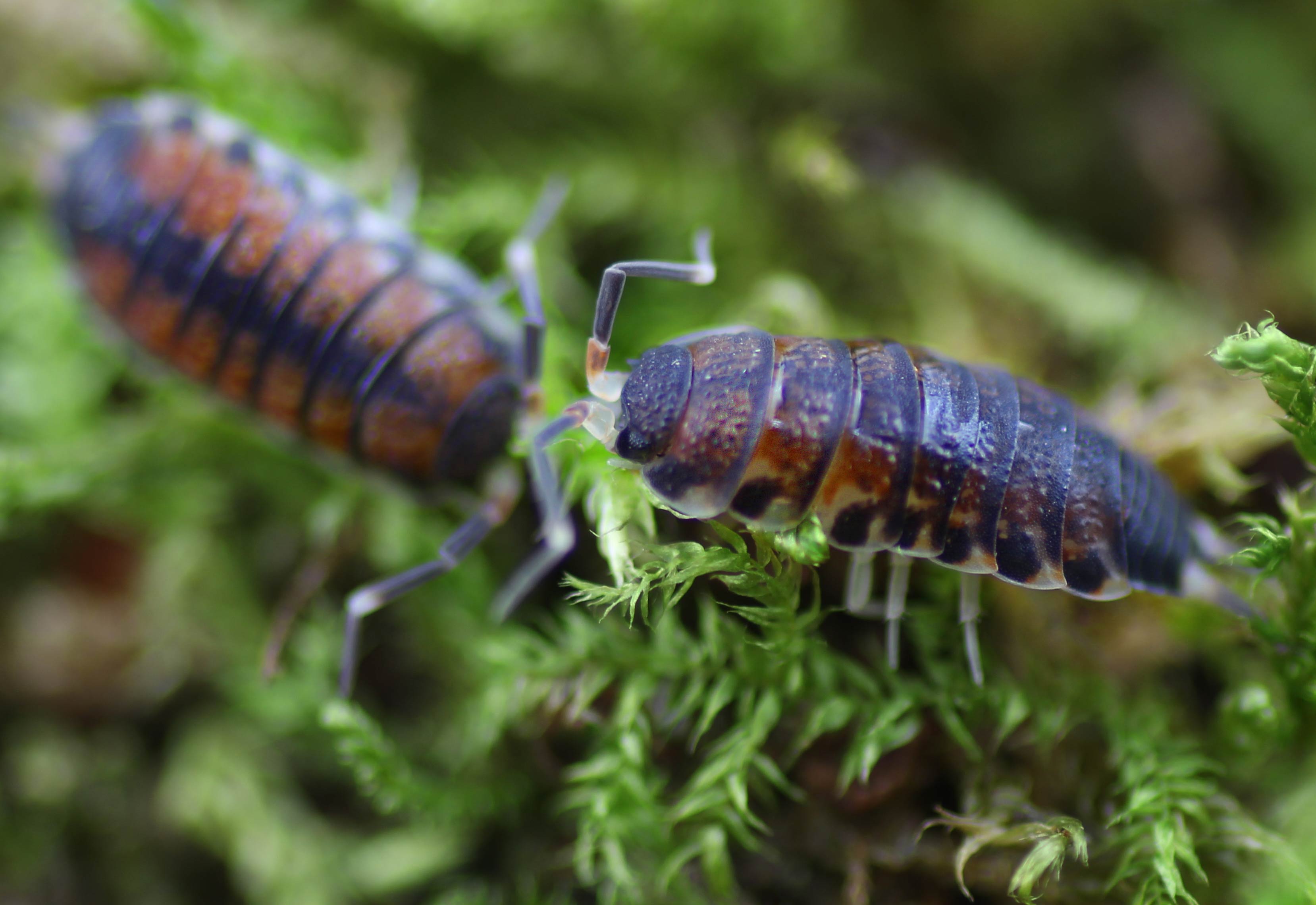
Cubaris murina is a showy and very active beginner species. When looking into the terrarium, you can always see animals running around on the substrate. As you can see in the short video, they search the substrate for anything that can be used. The industrious isopods are by no means choosy. Sometimes their rummaging through the upper surface layer is reminiscent of the behavior of wild boars.
Behavior:
I hardly ever find Philosciidae spec. “Northern Thailand” under an egg carton or under a piece of bark. This is very atypical compared to other isopod species that we usually breed. They run around busily in the box and examine everything that gets in their way. It is therefore not surprising that they are excellent for use as floor police. I can imagine that their carefree nature makes them rather unsuitable for a predator, but perhaps their behavior will change in the event of danger.
Breeding:
Breeding is fairly simple and fast. I can therefore recommend this species to any beginner. They are also very good for socializing or as a ground police force. The reproduction rate is relatively high and you will quickly have a sizeable group. The development time is about 3-4 months, depending on the temperature and food supply.
Cubaris murina
An easy-to-care-for Isopod species that is perfect for beginners in Cubaris keeping.
In stock
Special features:
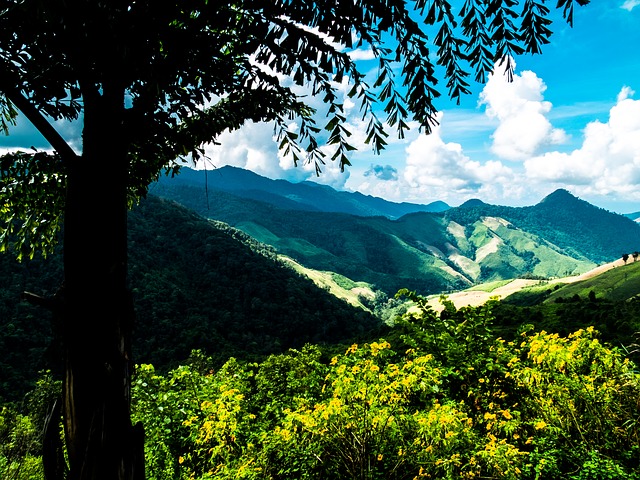
The north of Thailand is characterized by several mountain systems. Due to the higher altitudes, temperatures are usually significantly lower than in central Thailand, and there can even be night frosts on the mountains in winter. Humidity is relatively high, reaching 59% in the dry season (November-April) and 84% in the rainy season (May-October). This species can therefore also be used in rainforest terraria. Philosciidae spec. “Northern Thailand” exhibit sexual dimorphism similar to Porcellio silvestri. The males have two orange-colored lines along their segment plates, which are a darker gray than the basic coloration in the females.
Tip: They are a great species that is between the White Isopods (Trichorhina tomentosa) and the Cuban Isopods (Porcellionides pruinosus) in terms of size. They therefore also have a large area of application with a somewhat lower reproduction rate. As with all Isopod species, the food supply should be varied. However, we have not noticed any particular preferences.
More information will follow!