Phyllocrania paradoxa “ghost mantis”
Price range: 12,00 € through 17,00 € incl. VAT, plus shipping

Simple

Madagascar

< 50 mm

24°C – 28°C
Phyllocrania paradoxa – The famous ghost mantis
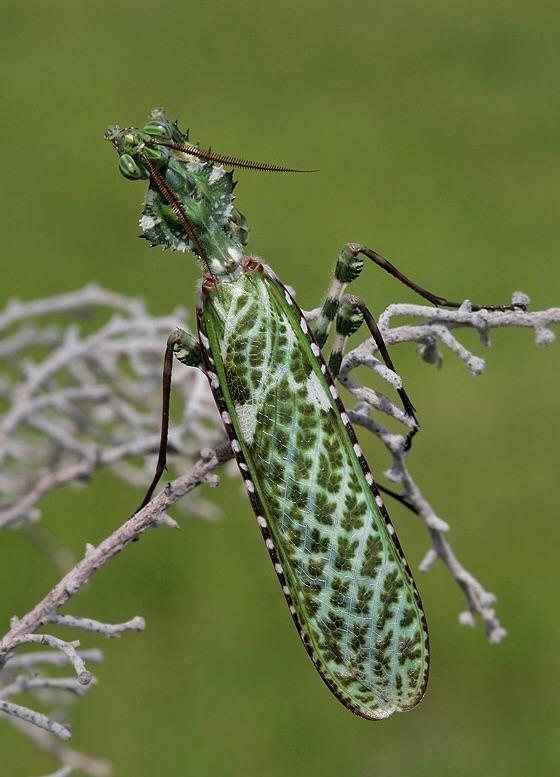
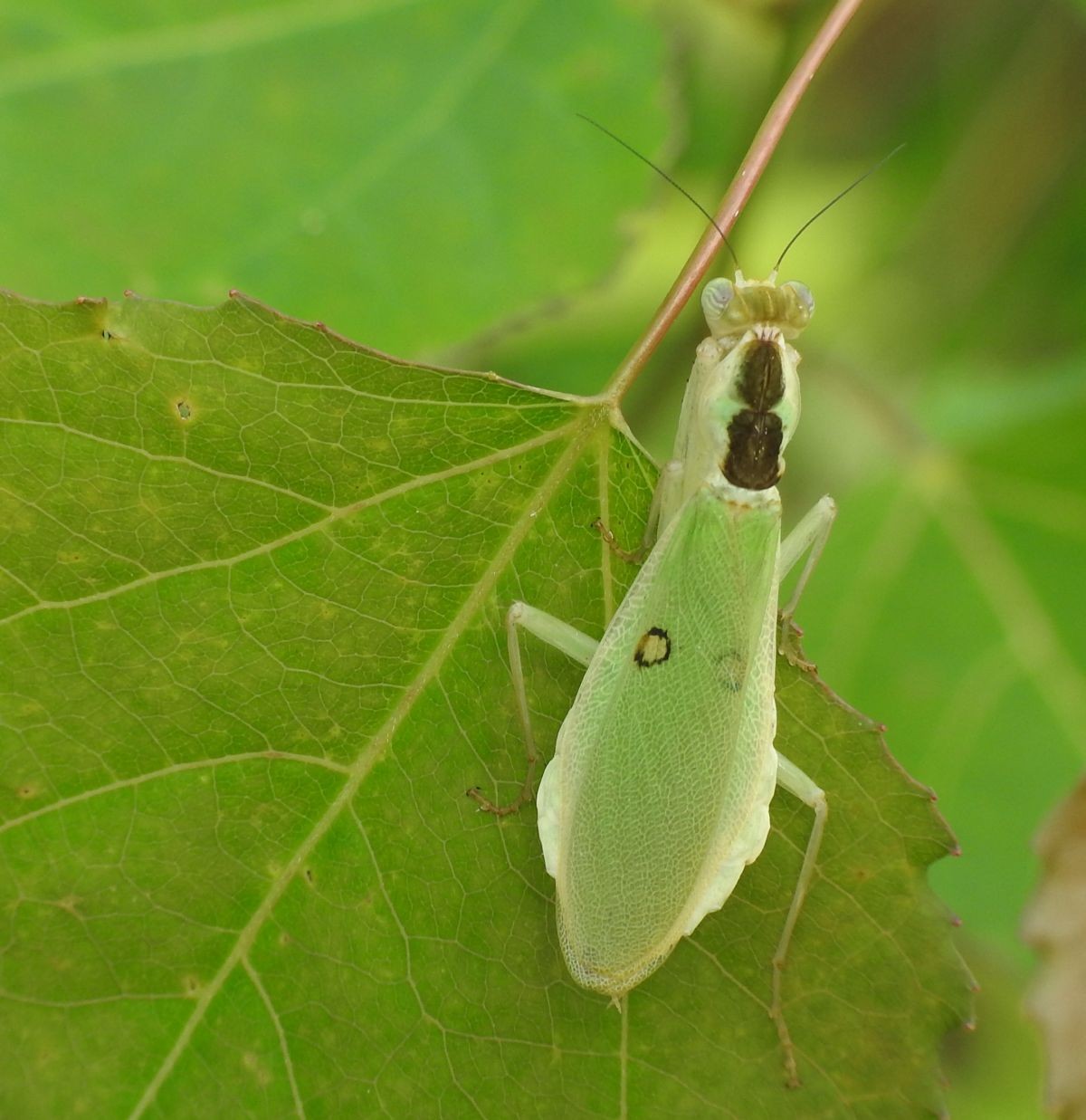
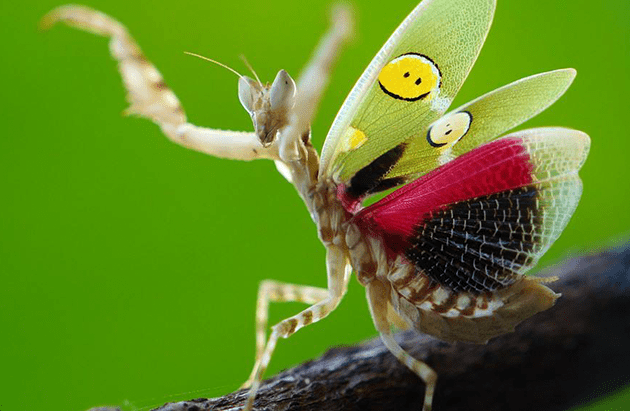
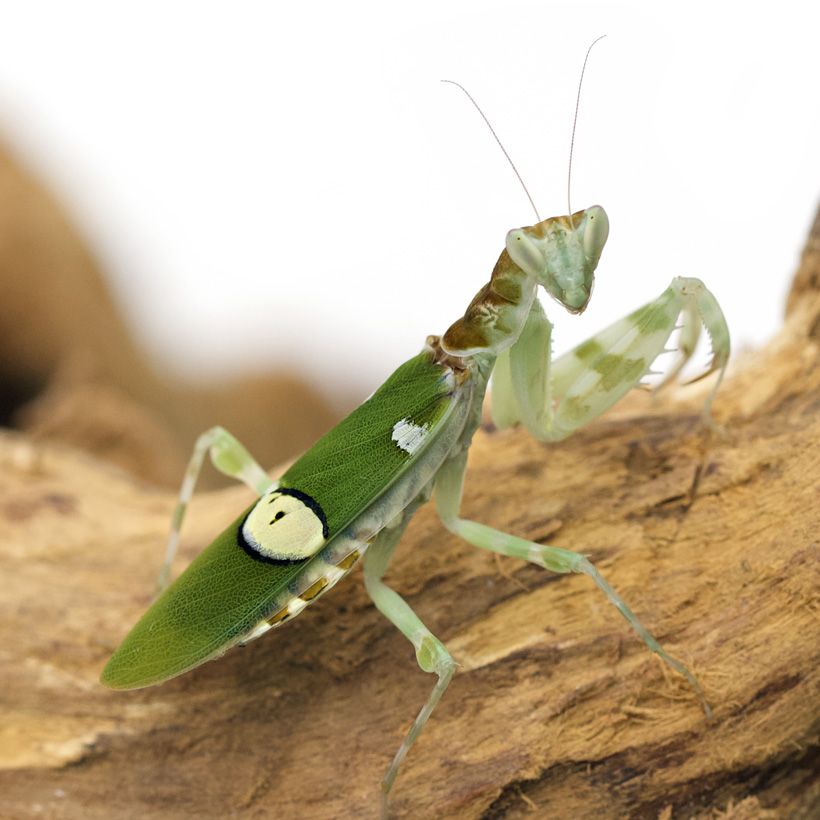
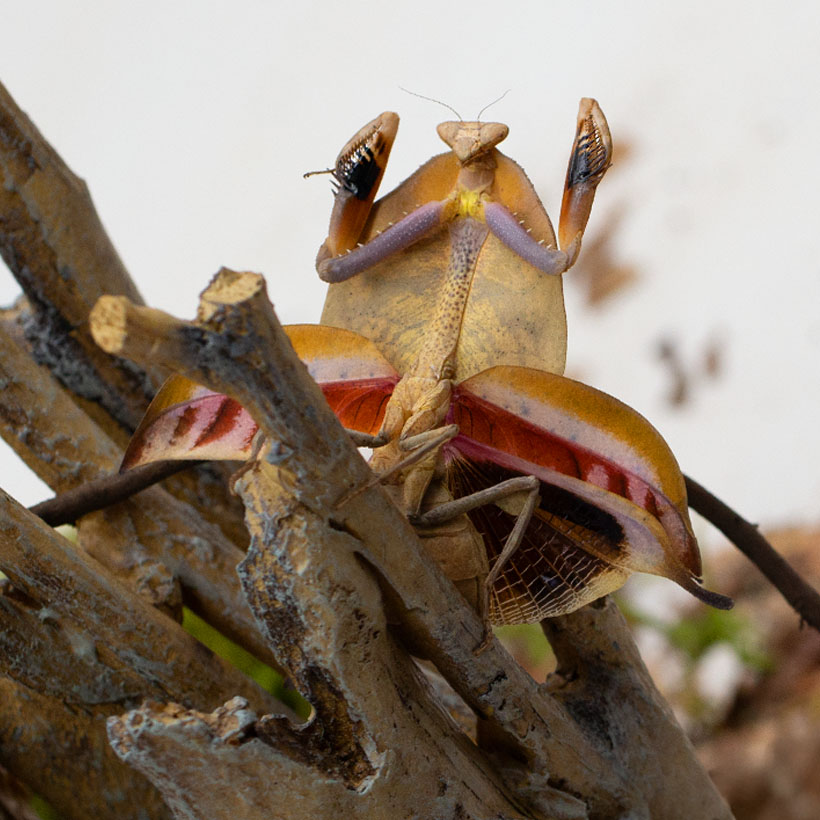
Phyllocrania paradoxabetter known as ghost mantishas been one of the most popular praying mantises in the terrarium hobby for many years. Even at first glance, it is noticeable that this species looks completely different from classic mantids.
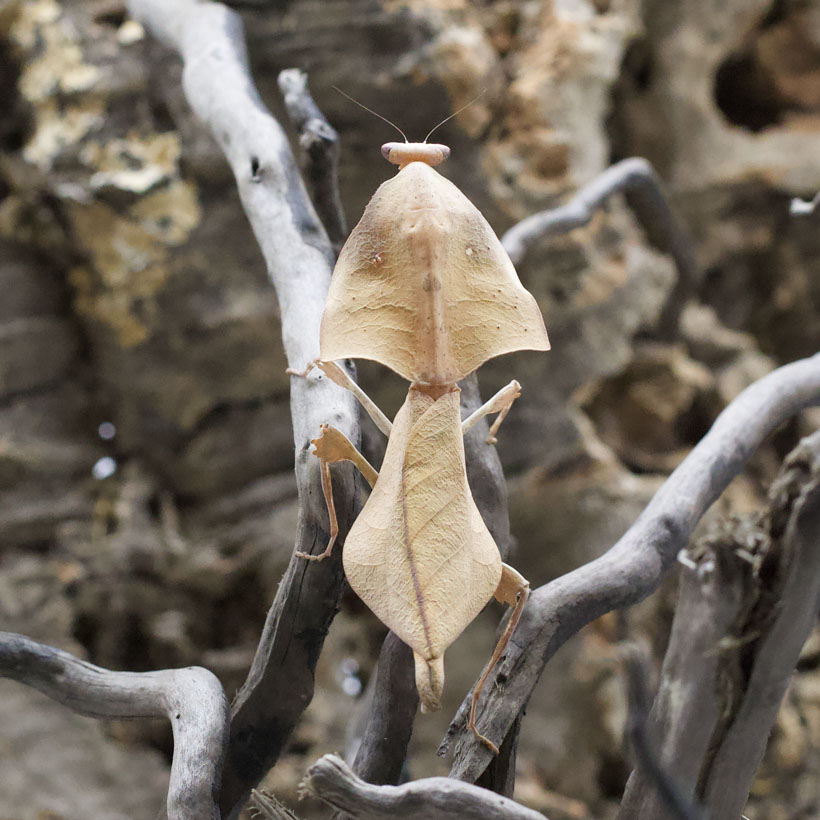
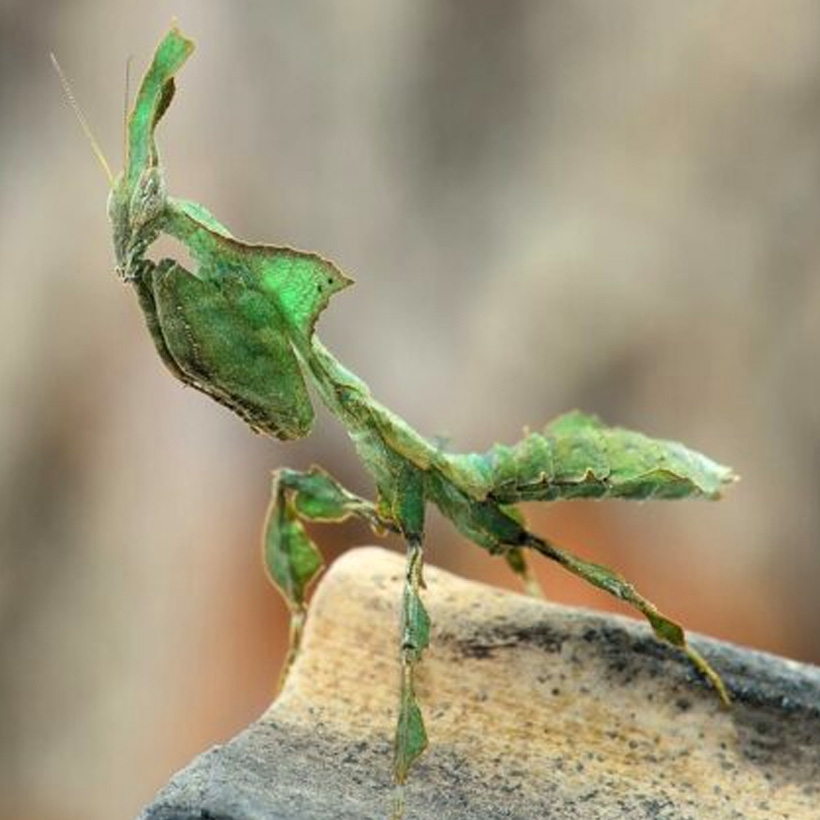
The entire body is reminiscent of a dried leaf. The numerous outgrowths on the head, chest and abdomen allow the animals to blend in with dry leaves, which means that they are often only discovered when they move, even in small terrariums.
The typical posture of the animals is particularly fascinating. While they sit motionless on branches, they look like a dead leaf caught in the wind.
It is precisely this perfect camouflage that makes Phyllocrania paradoxa one of the most extraordinary mantids of all.
Peaceful and constantly interesting
In contrast to many larger mantids, the ghost mantis is surprisingly peaceful. It is therefore one of the few species that can often even be kept in groups under suitable conditions.
Young animals in particular often sit together on branches or plants while they wait for prey to fly by. At the same time, each animal remains an independent hunter, which is why sufficient space and food are always important.
This results in very interesting observations because several animals can show different behaviors at the same time.
Typical rocking behavior
Like dry leaves in the wind, ghost mantids often move slowly back and forth. This further enhances camouflage, while potential predators find it even harder to recognize the animal’s outline.
This behavior appears surprisingly natural, especially when there is a slight movement of air. Many keepers therefore watch their animals for hours, even though they appear to be barely active.
If you take a closer look, however, you will constantly discover small movements and exciting details.
Terrarium and furnishings
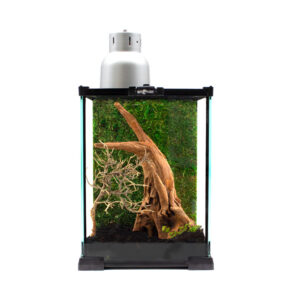
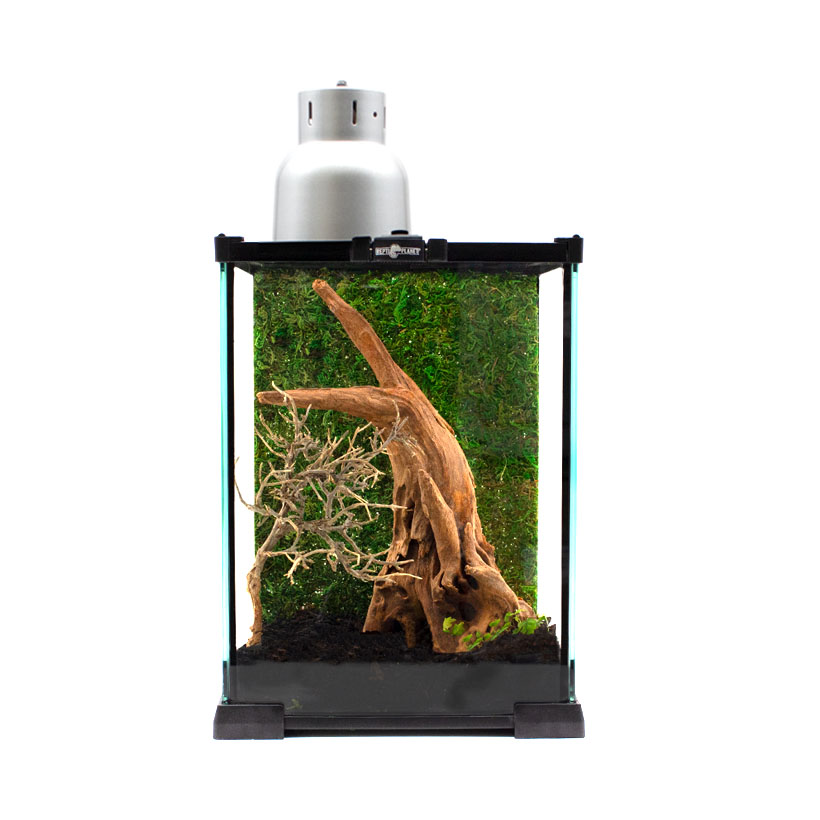
As the animals mainly sit in an elevated position, a well-ventilated high terrarium is particularly suitable. A smaller terrarium is sufficient for individual animals, whereas groups require considerably more space.
Particularly suitable:
- Repto Terra Sky
- Mantid terrariums
- Gazeterrariums
They have proven their worth for the facility:
- dry branches
- Repto Plant Vines
- Cork branches
- dry foliage
- fine twigs
The more structures there are, the more naturally the animals behave. At the same time, additional visual barriers are created, which significantly reduces stress in groups.
Climate and care
Phyllocrania paradoxa originates from various regions of Africa and is therefore comparatively adaptable. Nevertheless, the animals develop significantly better under stable conditions.
They have proven themselves:
- Temperature: 24-28 °C
- Humidity: 50-70 %
Regular light spraying ensures that the animals can drink while the terrarium is allowed to dry out a little between sprays.
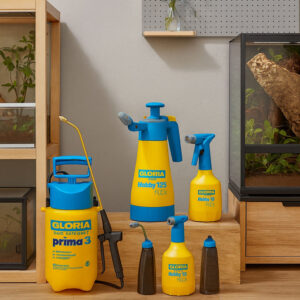
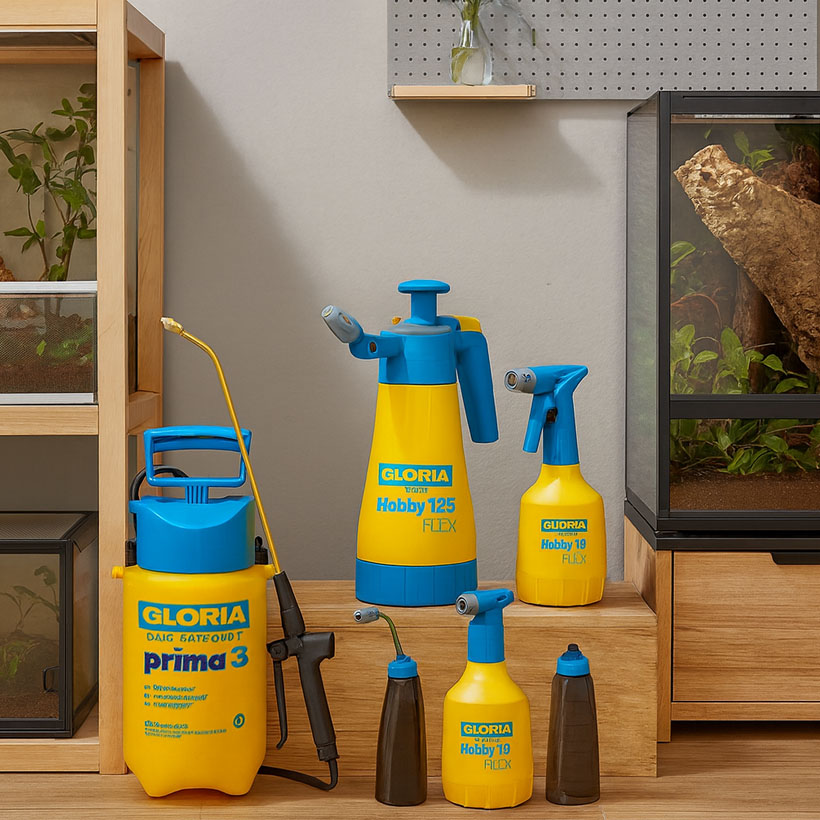
With a GLORIA fine sprayer can be used to distribute the moisture particularly finely, creating a balanced climate.
Feeding
The ghost mantis prefers moving and especially flying prey. This promotes its natural hunting behavior particularly well.
Very suitable are:
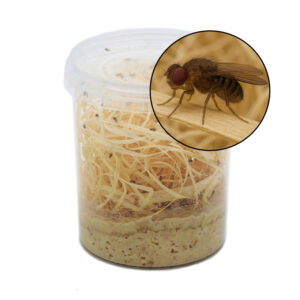
- Drosophila hydei
- Drosophila melanogaster
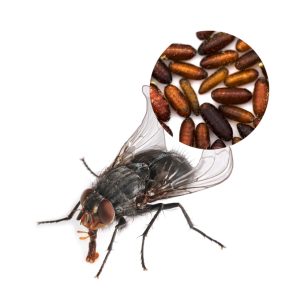
- Terfly
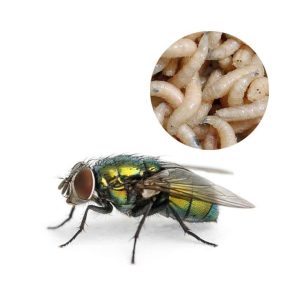
- Gold flies
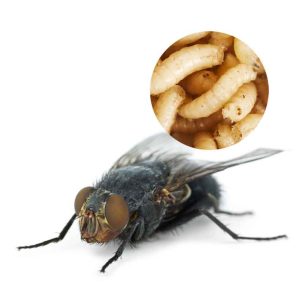
- Blowflies
Adults in particular often react immediately to flying food animals, whereas they often pay much less attention to ground-dwelling prey.
Offspring
This species often breeds successfully, which is why Phyllocrania paradoxa is also interesting for beginners.
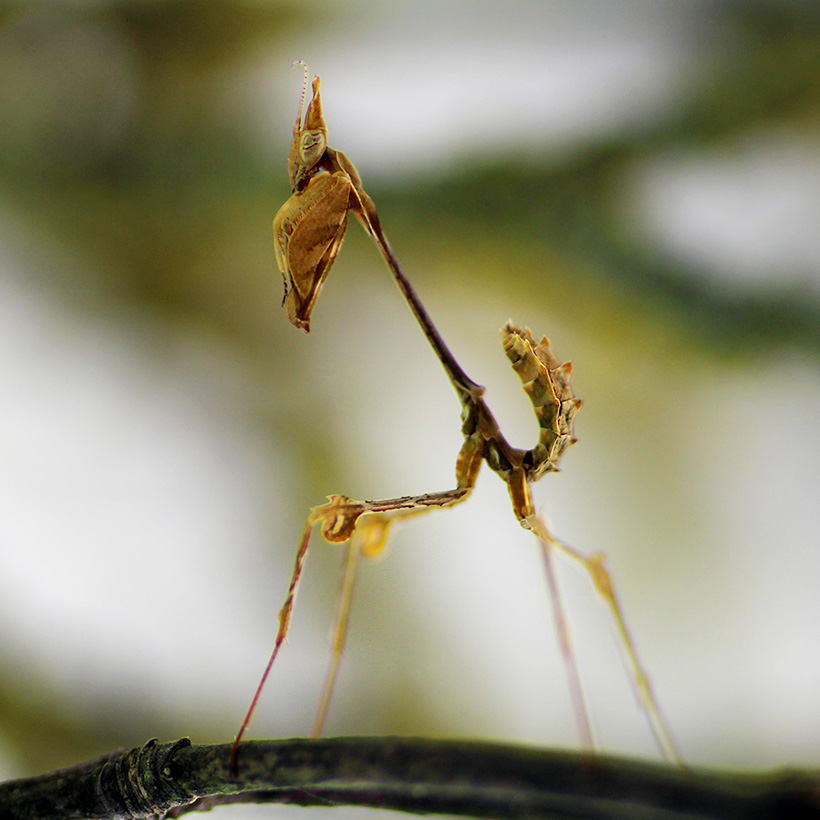
The females regularly lay oothecae, from which numerous young can hatch depending on the temperature and humidity. Even the small nymphs have the typical leaf camouflage, although the distinctive outgrowths are less pronounced at first.
With each molt, the camouflage becomes more perfect, while the animals come closer and closer to their adult appearance.
Important points on posture
- Well ventilated high terrarium
- Group housing often possible
- Many branches and visual barriers important
- Flying food animals preferred
- Medium humidity sufficient
- Fascinating leaf camouflage
Suitable accessories for your setup
For a near-natural terrarium, we recommend:
- Complete mantid terrarium set –ideal for ghost mantids
- Mini tree – Additional climbing areas
- river root – natural seats
- GLORIA fine sprayer – optimum humidity
- Terfly – ideal feeding animal
- Gold flies – promote natural hunting behavior
- blowflies – varied food
- Large fruit fly – perfect for young animals
This creates a natural and at the same time functional setup, while the animals can show off their extraordinary camouflage in the best possible way.
Conclusion
Phyllocrania paradoxa is one of the most popular mantids in the world for good reason. The perfect leaf camouflage, the peaceful nature and the possibility of keeping them in groups make the ghost mantis a very special species.
If you are looking for an unusual praying mantis that is easy to care for, interesting and beautifully camouflaged, you will love Phyllocrania paradoxa enjoy for a long time. Between dry leaves and branches, it impressively demonstrates how perfectly camouflage can work in nature.