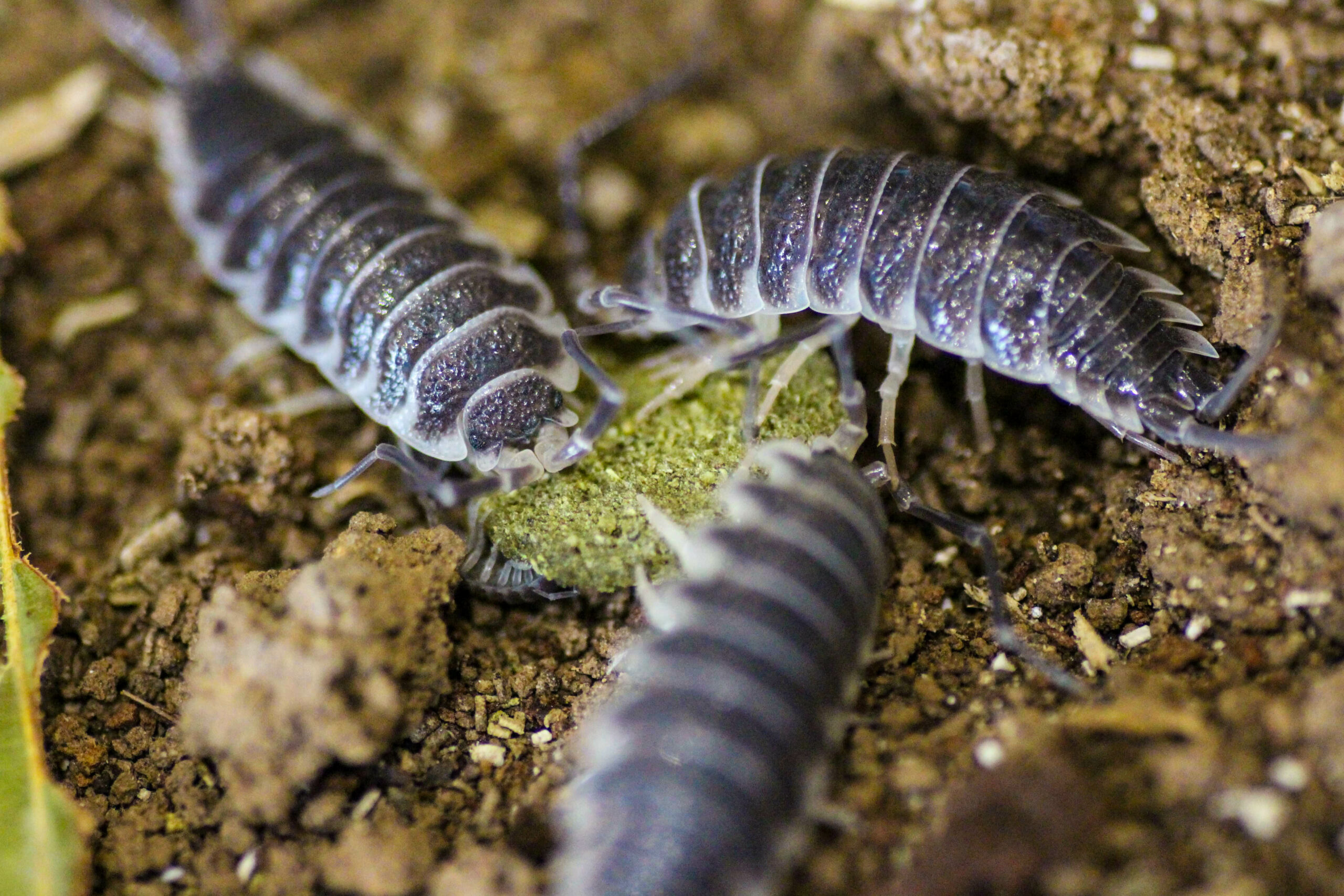


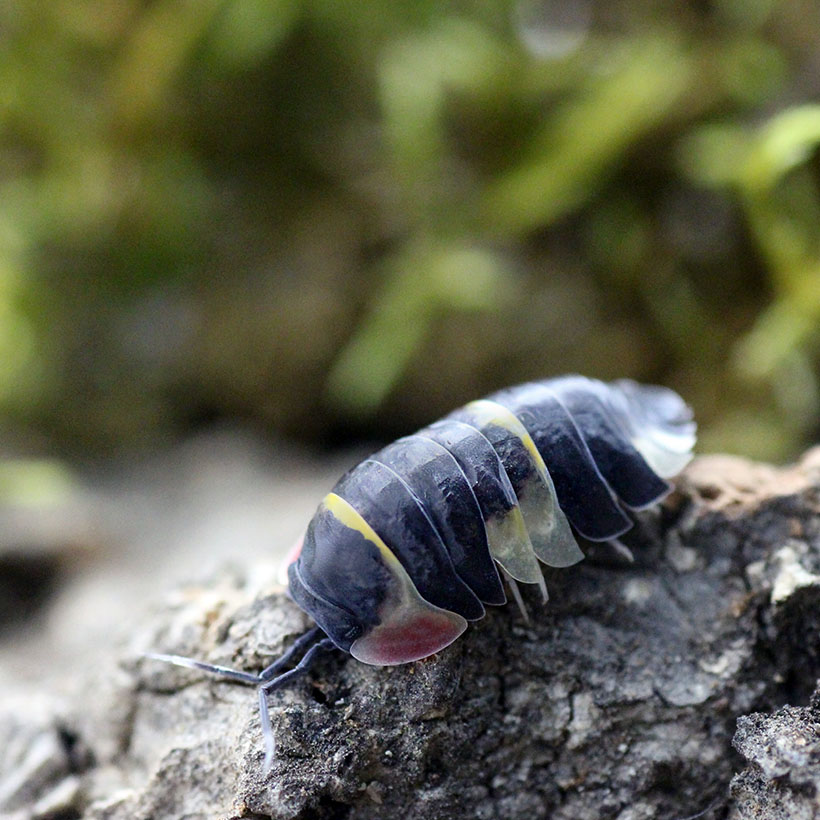
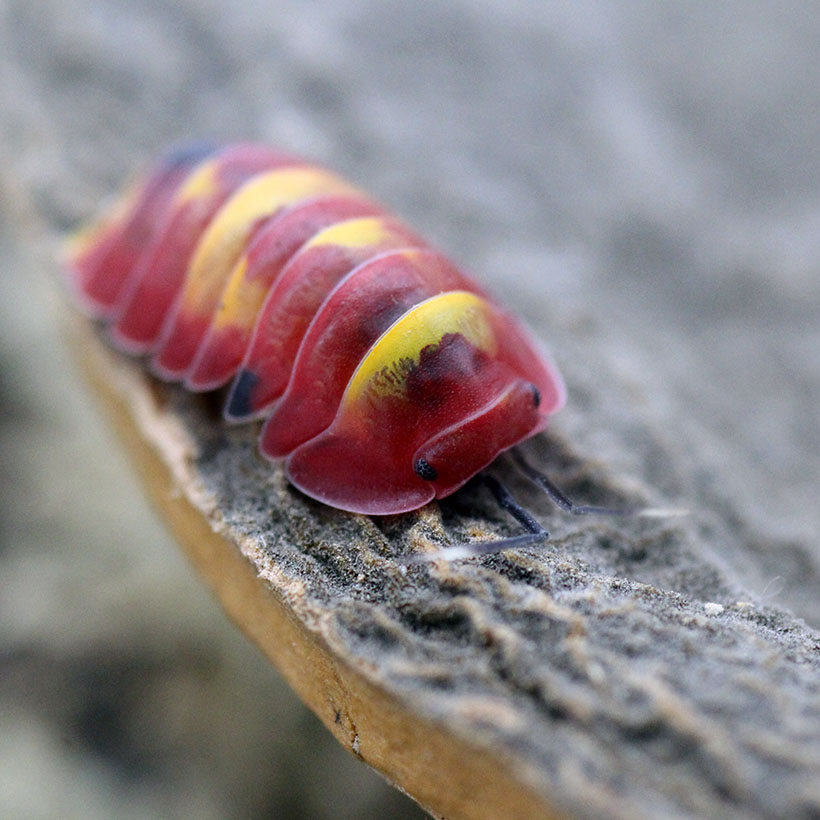
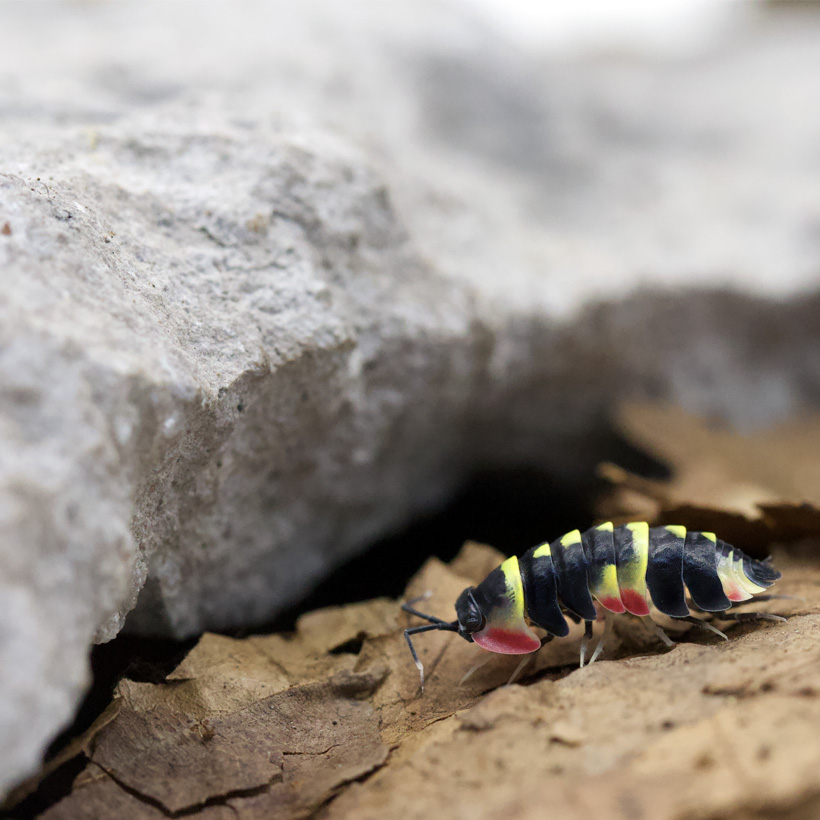
Even before the actual Isopod hype had reached the German terrians, Isopods were often used as additional inhabitants of a terrarium that housed reptiles, for example, as ground police. Reptile keepers hoped that this approach would have a positive effect on the artificial biological system that prevails in a terrarium. And indeed, the little Isopods are very industrious when it comes to simply using organic waste, small molds and other debris as food.
Since the introduction of the Cuban Isopod (Porcellionides pruinosus) at the latest, reproductive Isopod species have often been offered as food animals in terrariums. Their high calcium content makes them ideal food for amphibians and smaller reptiles and as long as they are not eaten, they keep the substrate tidy.
As Isopods are now much more than just useful companion animals or food animals and they are often kept in a species tank, many Isopod fans ask themselves what the ideal Isopod food should look like apart from leaves, dead wood and cuttlebone so that the Isopods can develop as well as possible. Below you will find many tips on how to feed your Isopods. However, I would like to start with some information on what Isopods use as food in nature.
What Isopods eat in nature
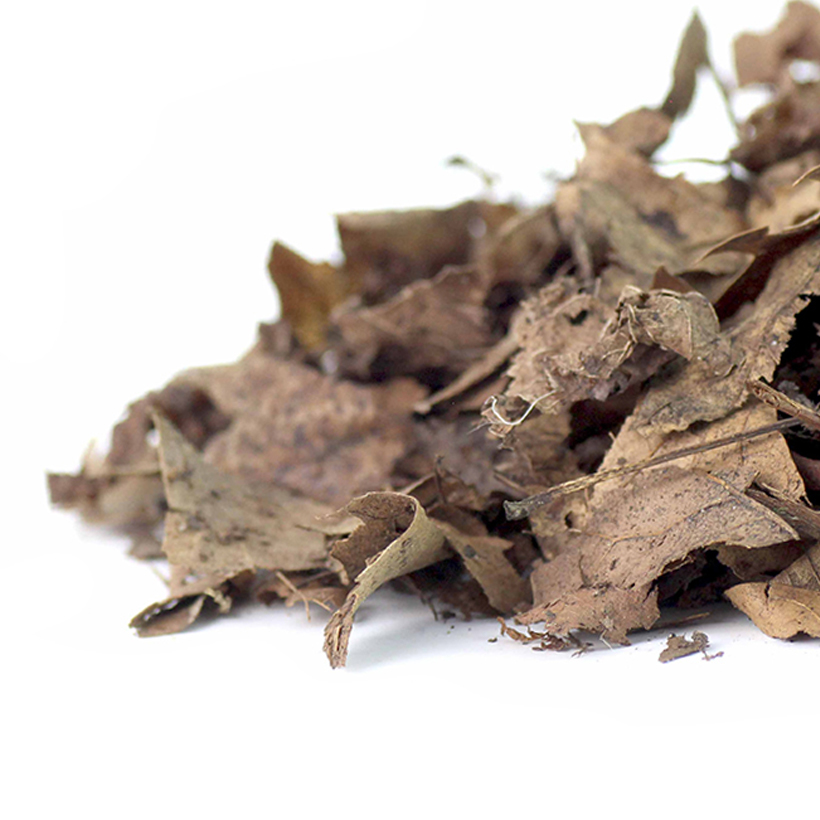
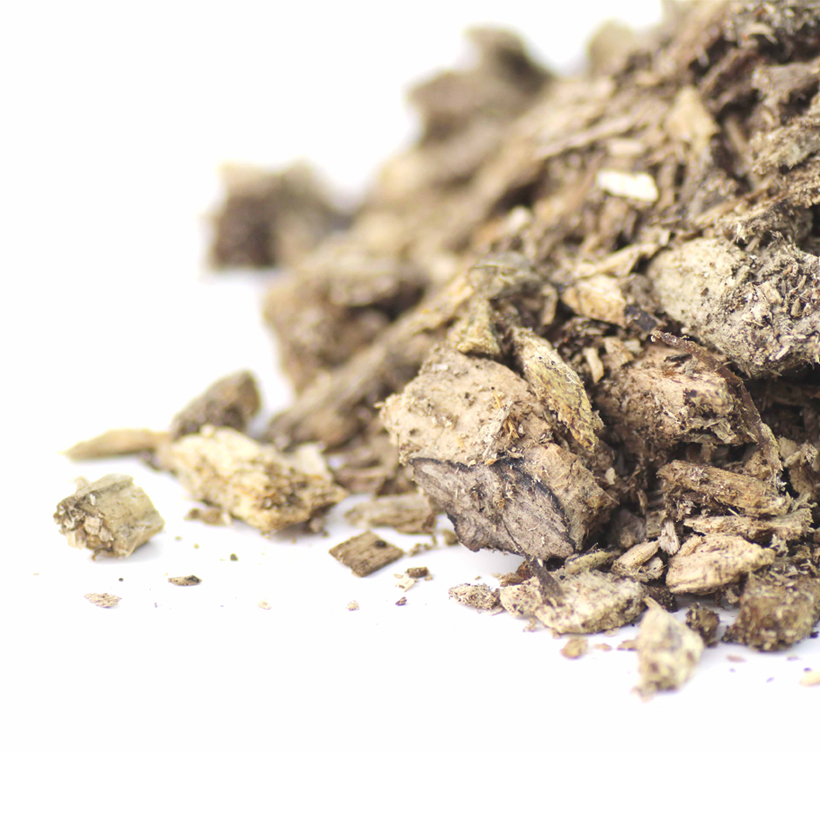
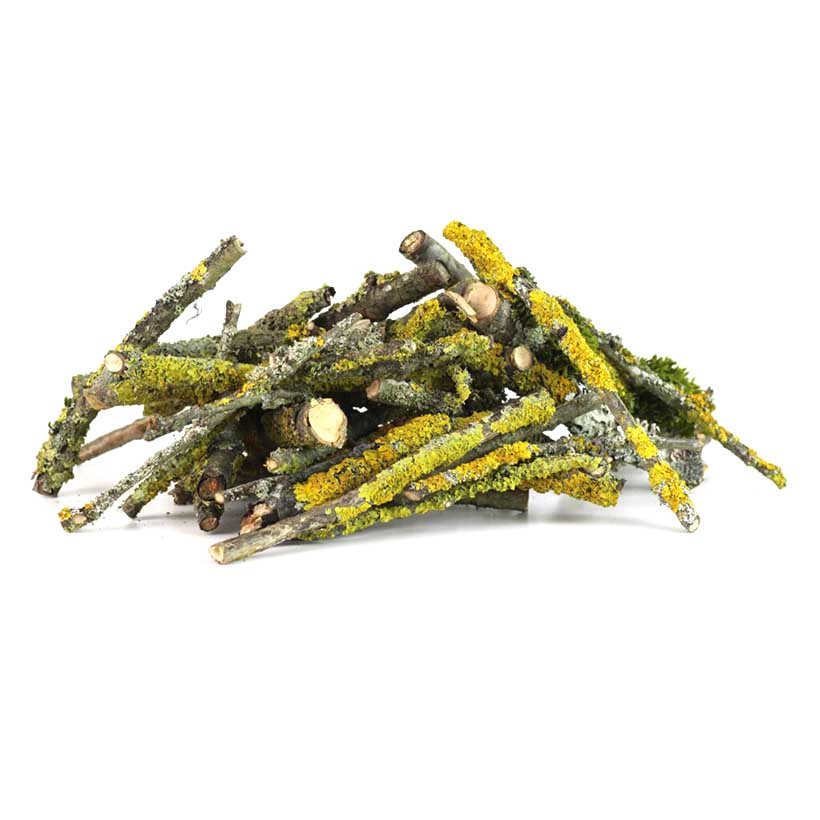
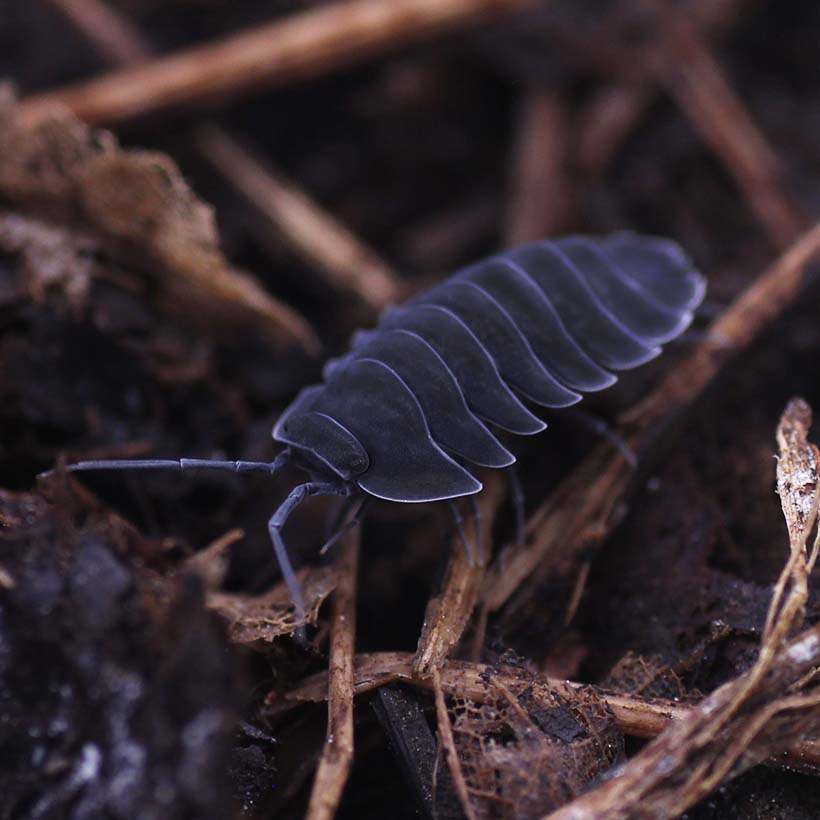
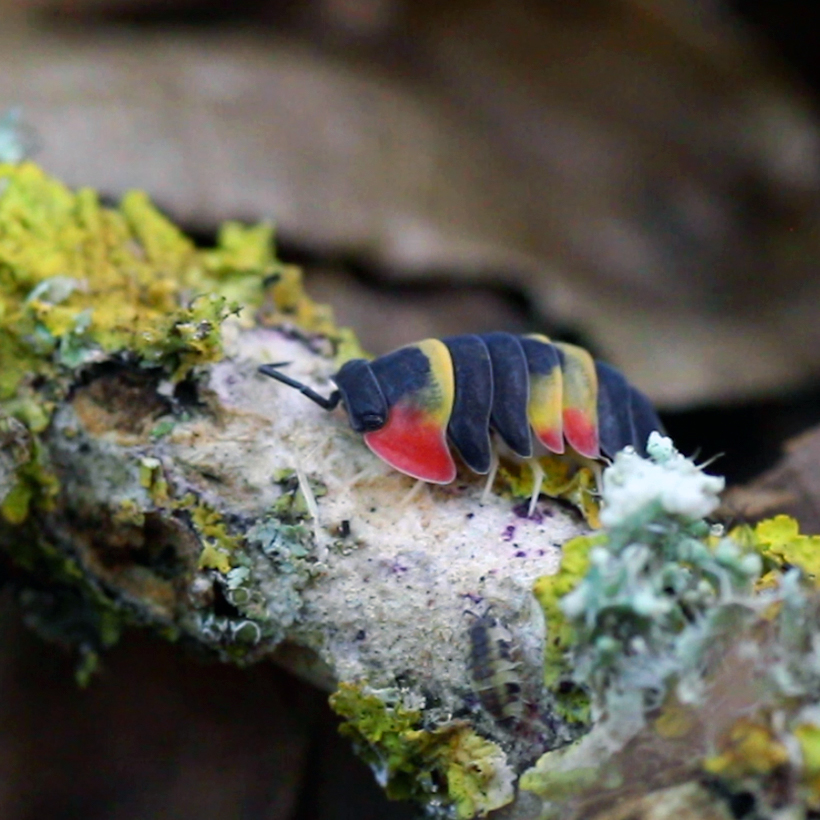
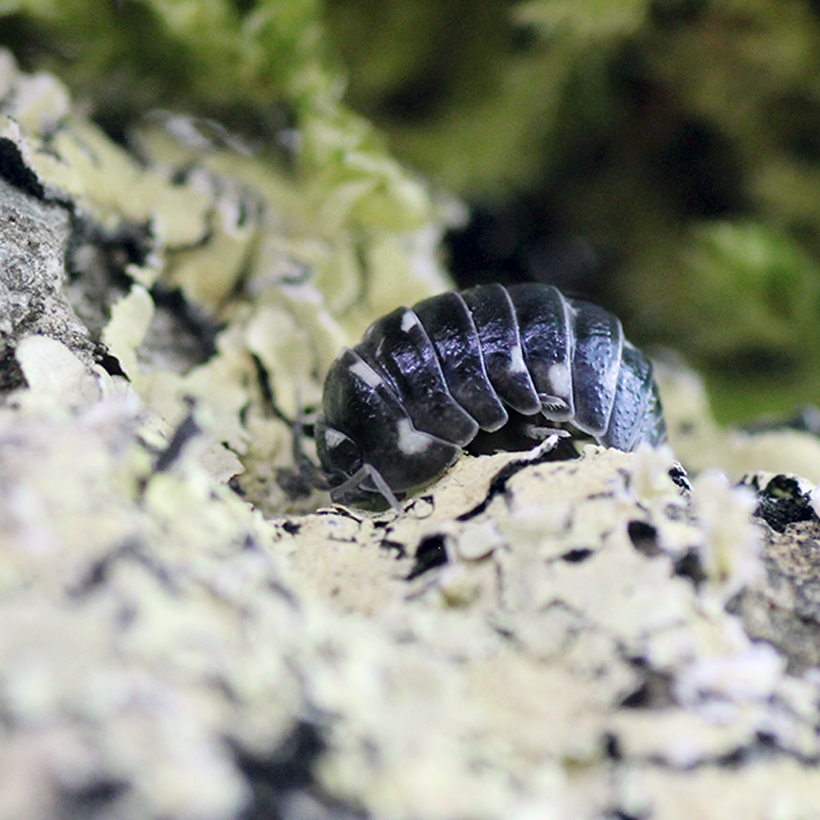
If you take a closer look at the natural habitat of Isopods, you can quickly see that chance plays a major role in Isopods finding food. Isopods are not in themselves great hunters that would go after living animals. They are rather the prey of other animals and often have to feed in a completely different way. In nature, for example, leaves fall from trees, which decompose and can then be used by Isopods as a rich source of food. Of course, dead wood, lichens and mosses in the natural habitat also play a major role in providing Isopods with sufficient food. Isopods cover their high calcium requirements with different types of rock, which they find in their natural habitats. From time to time, dead insects can also be found in this habitat, which the Isopods also like to feast on. However, it should be noted that plant food is the easiest and most important food for Isopods.

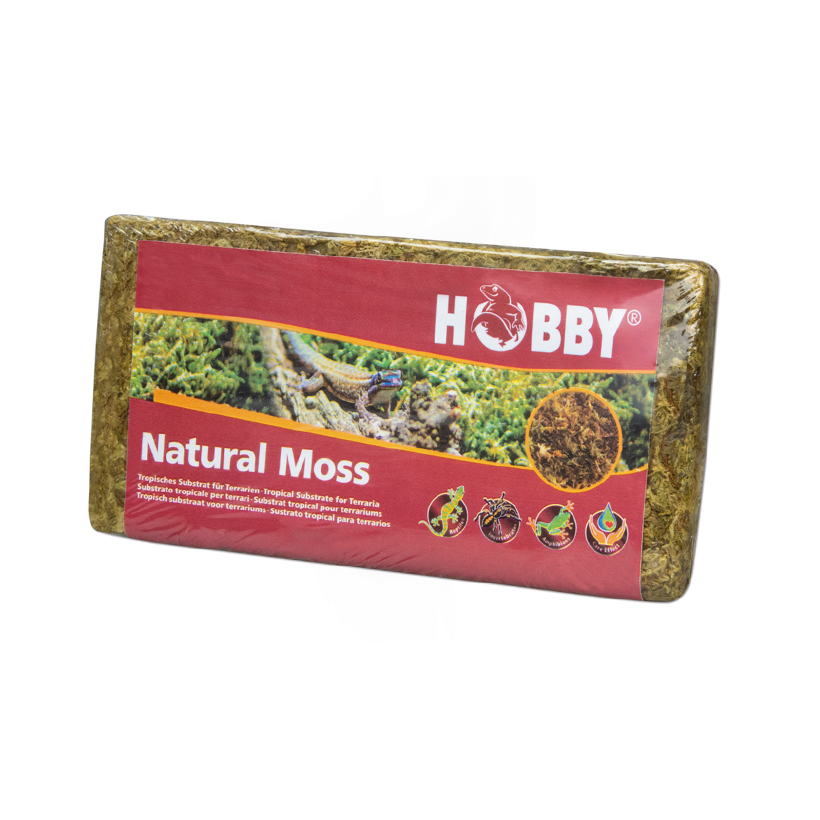
Hobby Natural Moss
Plants are also a hit in the terrarium
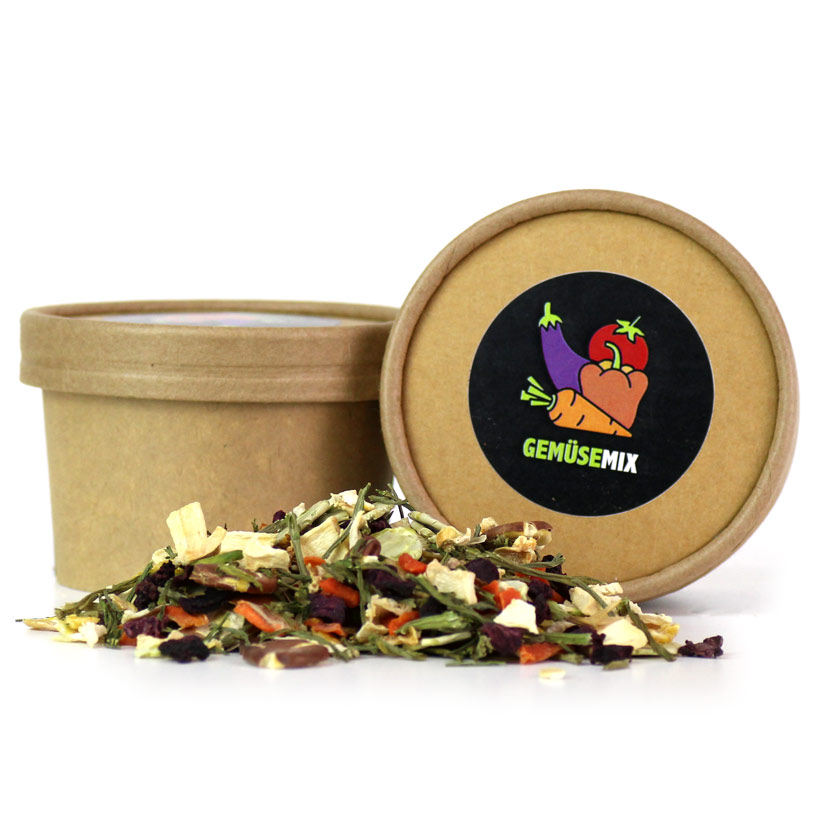
Nature should always be a role model for terrestrials. If you want to feed your Isopods as species-appropriately as possible, you should use Isopod food with a high plant content. You can feed your protégés a particularly balanced diet by adding oak or beech leaves and white rotten wood to the terrarium and preparing various vegetables such as sweet potatoes, zucchinis or carrots for them. Such feedings are also much more fun for the keeper, as they can do more for their Isopods than just put the usual types of food from the forest into the terrarium. From time to time, animal food – in the form of shrimps, for example – is also allowed.
Assel food from the trade
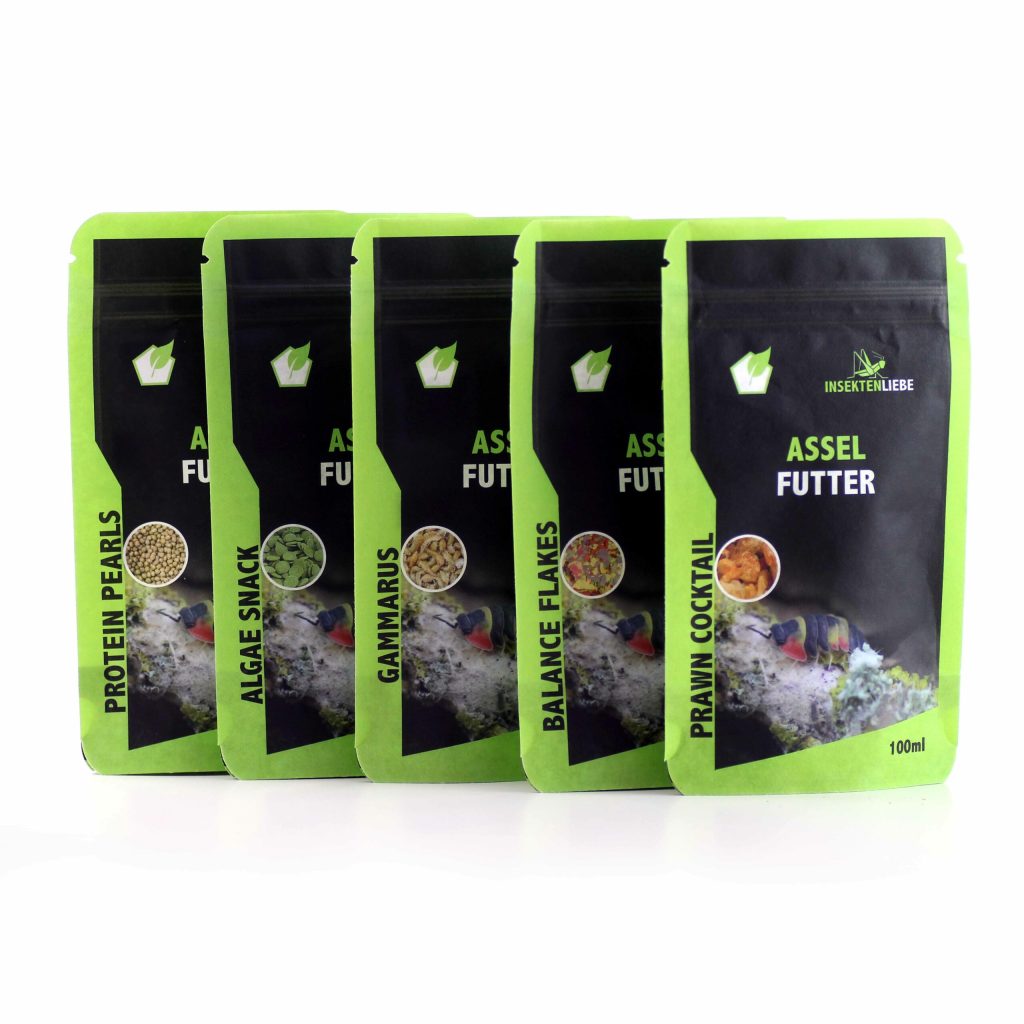
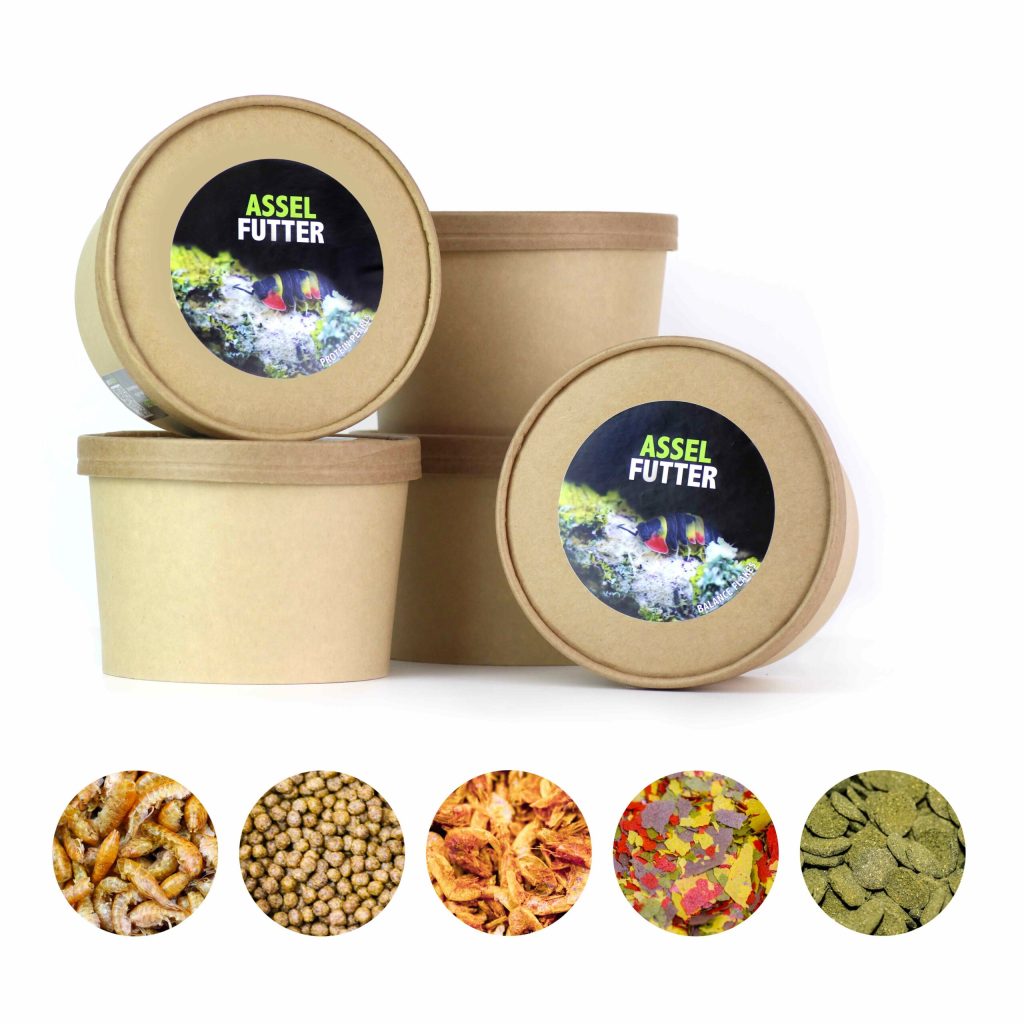
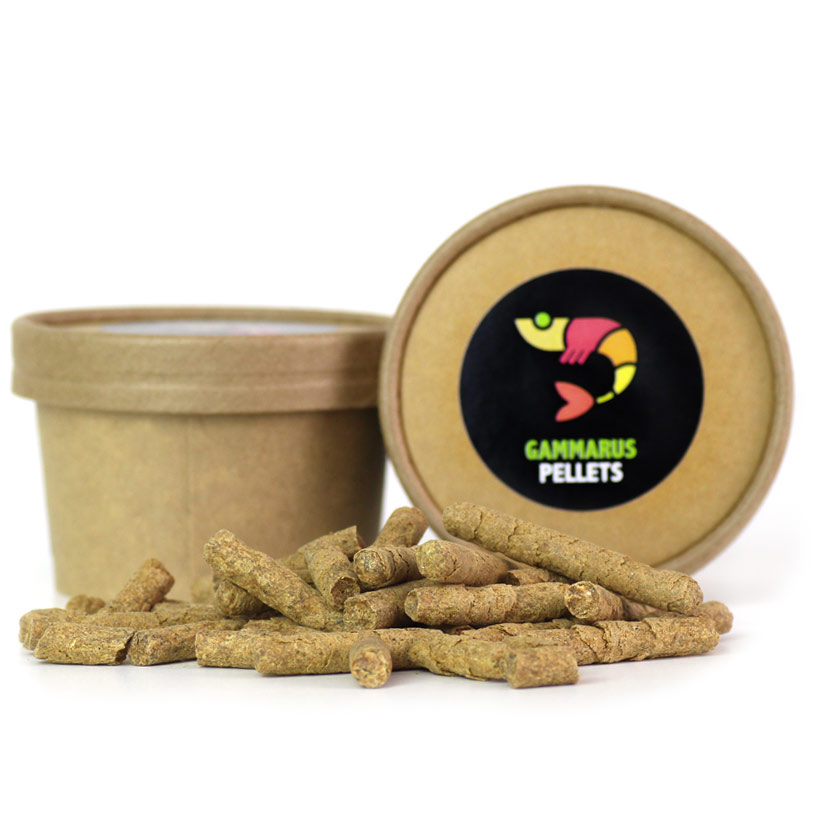
At the moment, there is very little to no food on the market that has been specially developed for Isopods. Most people therefore switch to fish flake food and use it to feed their Isopods at regular intervals. The range of fish food available is almost unmanageable. The ingredients and recipes vary accordingly. There are sometimes very “creative” explanations. In addition, there are all kinds of ingredients such as artificial attractants, questionable bacteria or nonsensical extracts that are more harmful than beneficial. It is best to choose food that is as close to nature as possible and only contains what the Isopods actually need.
The correct dosing of isopod feed
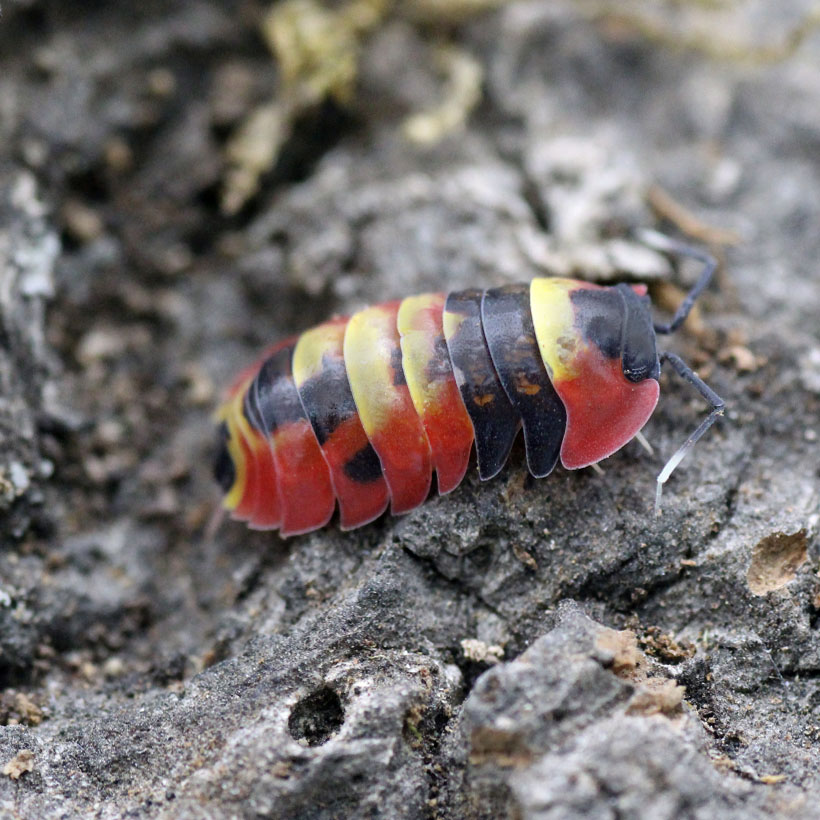
Just as important as choosing the right food for Isopods is maintaining the correct food dosage. Many Isopod keepers – especially newcomers – mean far too well with their protégés and put more food in the terrarium than the Isopods can eat in a short time. This approach can have serious consequences for the small habitat: Excessive contamination occurs and germs have free rein in the terrarium. In the worst case scenario, this can lead to the Isopods dying. Isopod keepers should therefore remember that such small animals as Isopods really don’t need a lot of food and it is best to only put as much food in the breeding box at once as the Isopods can eat quickly. I recommend feeding the Isopods protein-rich food every three days. It is best to alternate different types of food so that the Isopods get as many different ingredients as possible. The amount of protein ingested varies greatly from species to species. Porcellio ornatus, for example, greedily eat protein food, in contrast to Armadillidium klugii “Montenegro”, which only take it up very sparingly. Daily feeding is not usually necessary either. If too much food is added to the tank, it is advisable to remove the leftovers to prevent overfeeding.

Leave a Reply
You must be logged in to post a comment.