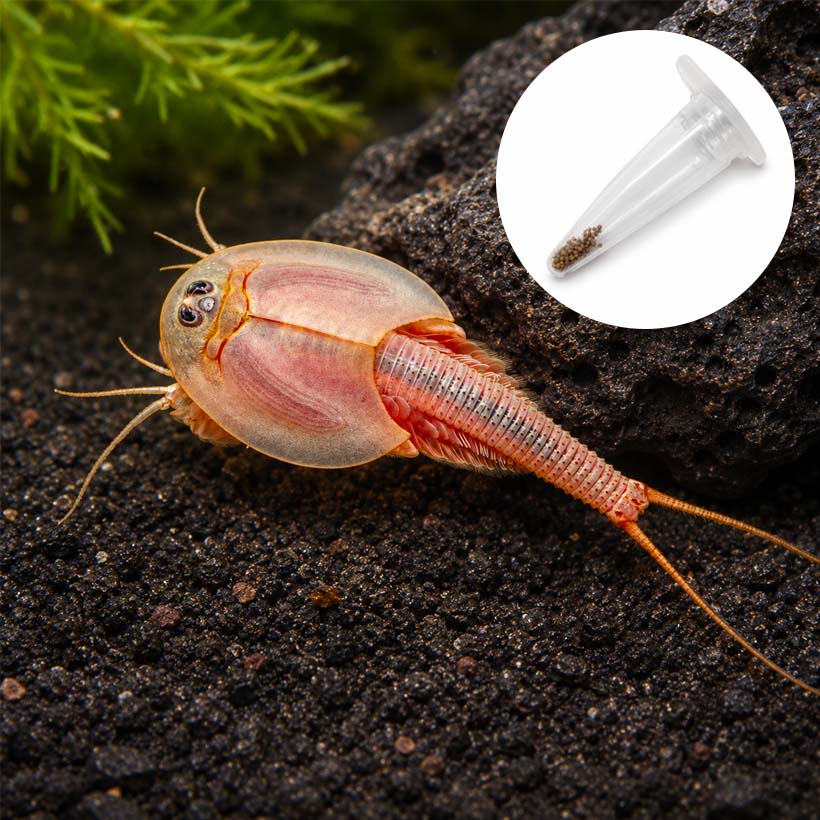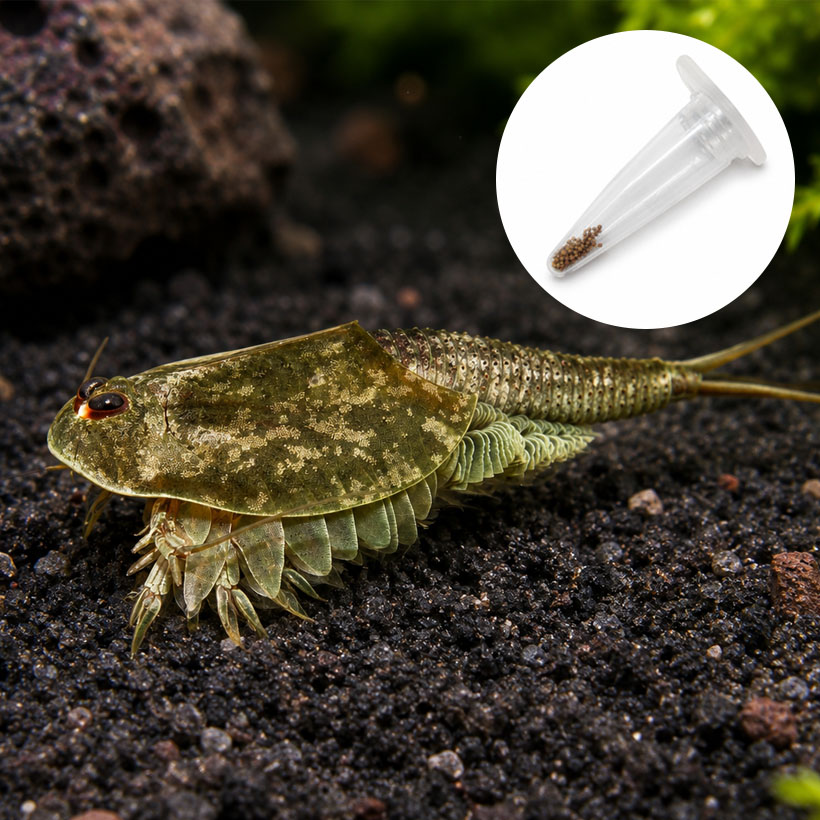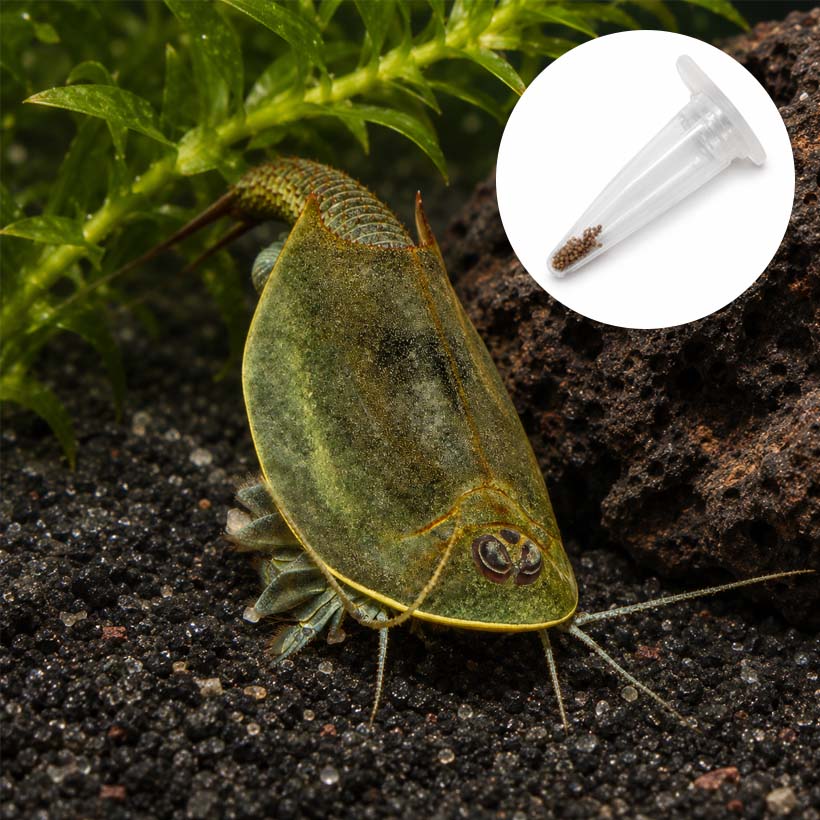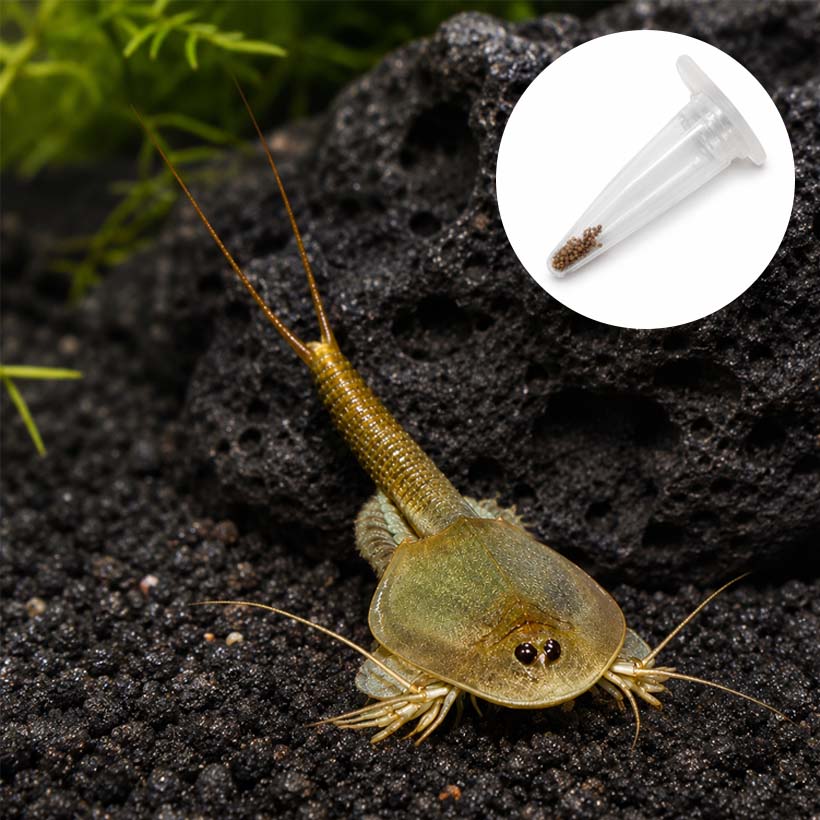
Triops cancriformis “Spanish Green” – 100 eggs
11,90 € incl. VAT, plus shipping
(from 2 SU = 3% Discount, from 3 SU = 7% Discount)
In stock

Simple

Spain

< 70 mm

22°C – 24°C
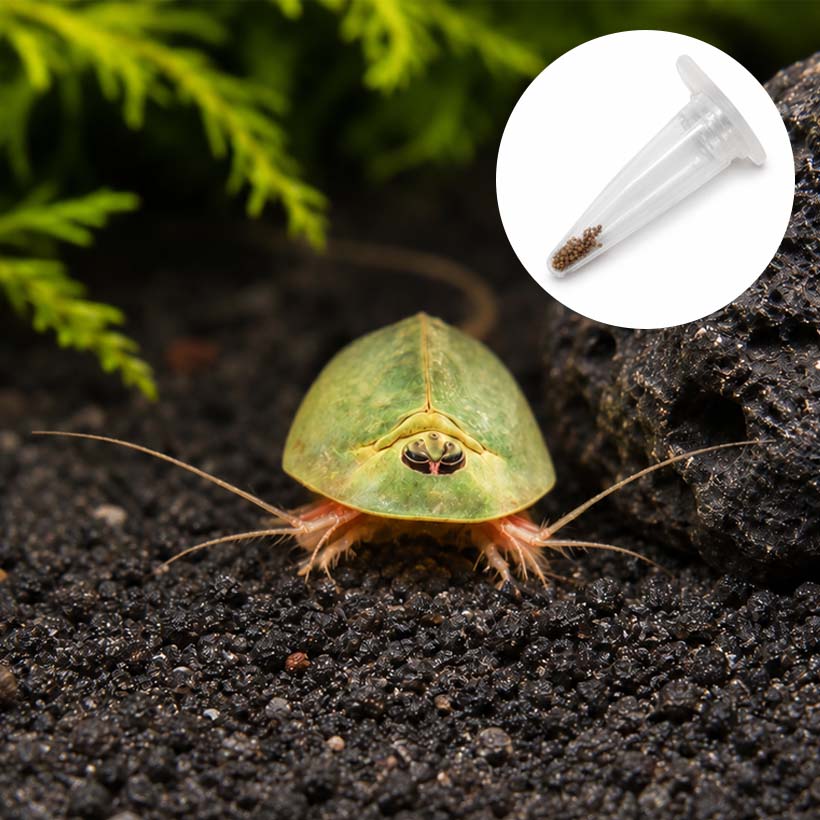
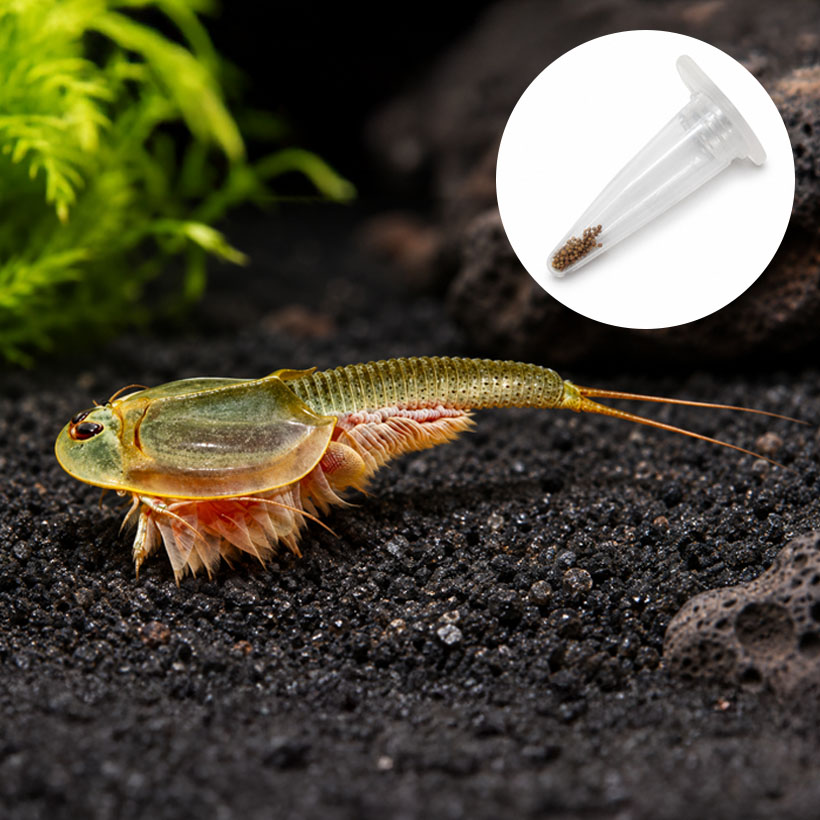
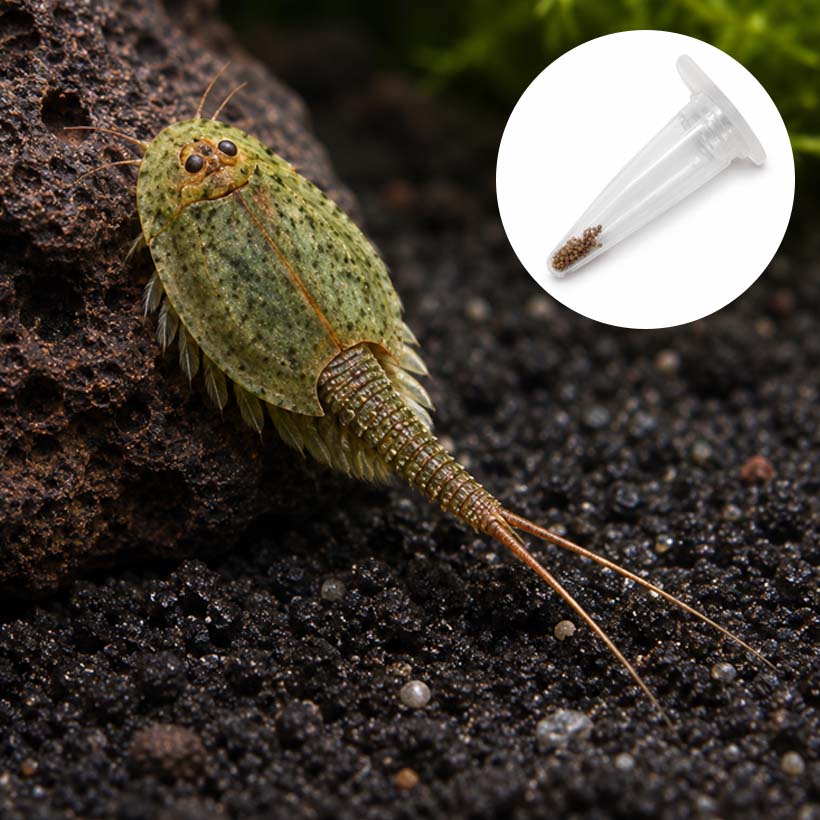
Triops cancriformis “Spain Green” – Prehistoric crustaceans with a shimmering green carapace
A broad carapace, long tail appendages, and a striking green sheen. Triops cancriformis “Spain Green” adds color to your prehistoric crustacean breeding setup. The green coloration of the growing animals really stands out under good lighting.
With the eggs, you can follow their development from the very beginning. At first, only tiny nauplii are visible. But with each molt, their form changes until the typical crabs are swimming through the water and searching the bottom for food.
100 eggs in a tube – without substrate
You’ll receive 100 eggs in a small tube, without sand or any other substrate. This allows you to use some of them for your first batch and save the rest for future experiments.
Keep the eggs dry until you’re ready to incubate them, and reseal the tube after removing them. Since not all eggs hatch at the same time, 100 eggs do not automatically equal 100 hatchlings.
Green Coloration and Lively Behavior
The shimmering green shell makes this variety particularly interesting. As the animals grow, you can also observe how their body shape and coloration develop.
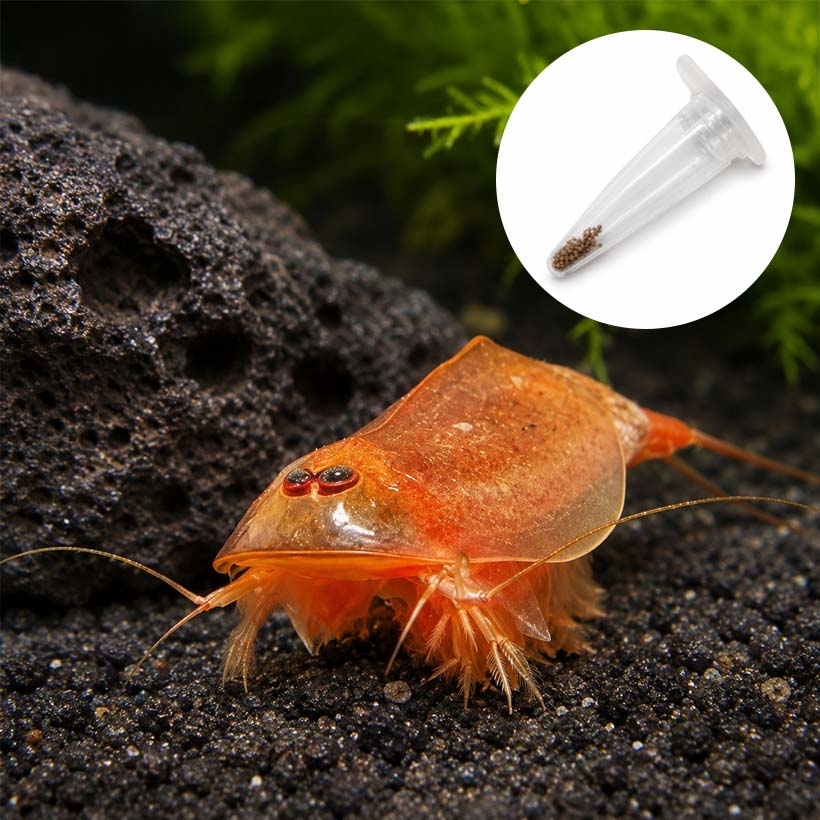
There’s also plenty to discover on the ground. That’s because triops search for food there and burrow through fine sand. Their many leaf-like legs are constantly moving and play an important role in swimming, breathing, and eating.
Breeders describe both males and females of the Spanish form. This can make their reproductive behavior particularly interesting later on. For further breeding efforts, properly fertilized dormant eggs are required.
How to Start Rearing
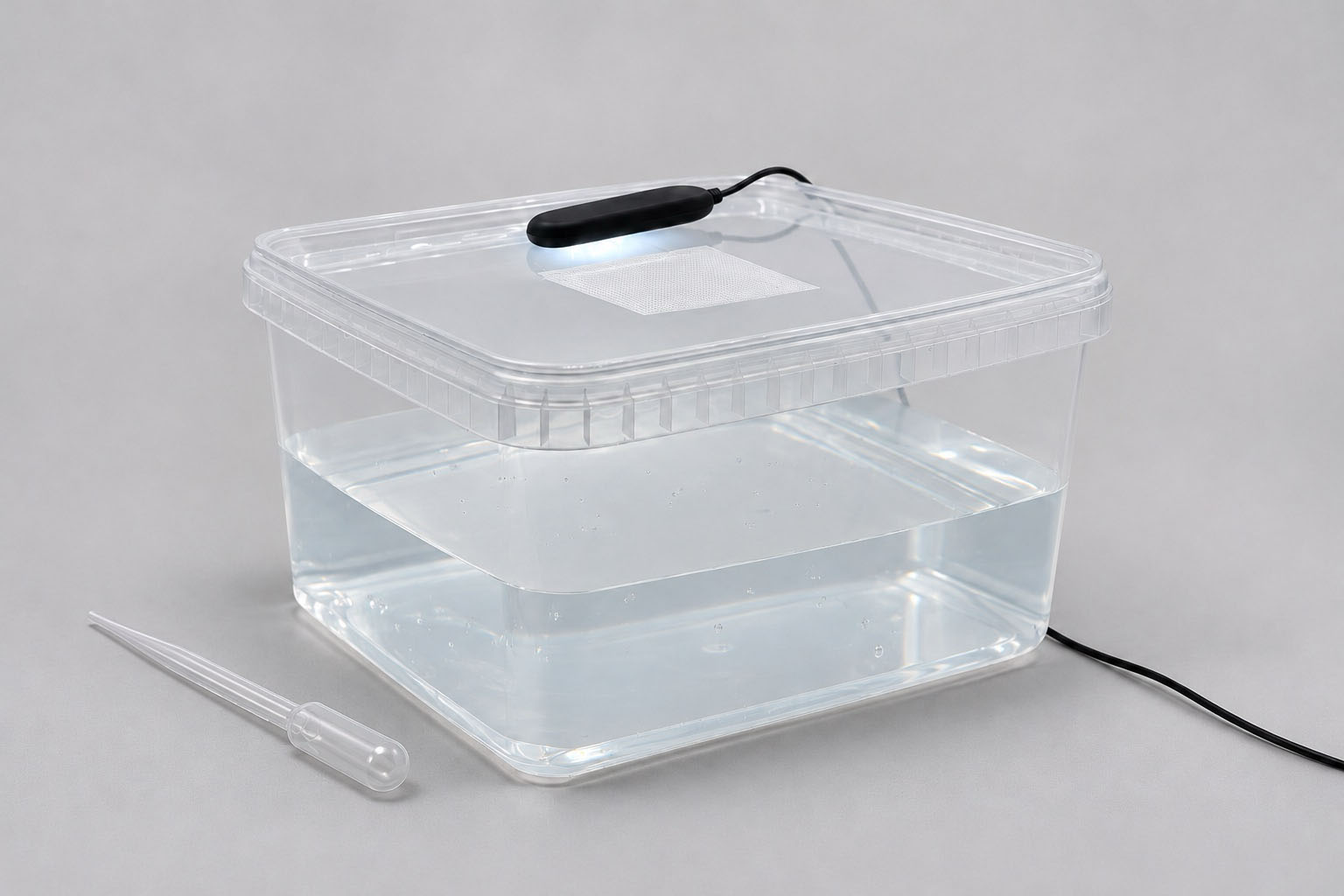
For hatching and the initial rearing, use a 3-liter BraPlast container with a gauze lid and 1 liter of pure reverse-osmosis water. Keep the container dry at first so you can secure the eggs.
- Prepare the water and lighting. Place 1 liter of pure reverse-osmosis water in a clean container and heat it to 22–24 °C, which is the recommended breeding temperature for this form. Check the temperature with a suitable water thermometer, even at night. Provide lighting for the culture for about twelve hours a day. An LED provides light but does not guarantee sufficient heat. Avoid direct sunlight.
- Attach the tape loop. Form a small ring out of a short piece of clear Tesa tape, with the sticky side facing out. Flatten it: Now it’s sticky on both the top and bottom. Stick the bottom side to the dry, clean bottom of the can and scatter the eggs onto the sticky top surface. Do not press them down, and do not stick any tape over the eggs.
- Pour in the water and observe. Slowly pour the prepared liter of reverse-osmosis water along the inner edge and place the gauze cover on top. The eggs lie exposed on the adhesive tape and are in contact with the water. Note the start date. You can recognize nauplii as tiny light-colored dots with jerky swimming movements. Do not add any food at this stage.
- Starting on day 3, add mineral water. Beginning on the third day after you start the process, add 100 ml of still Volvic or mineral water with the same mineral composition every day. The key date is the day you start the batch, not the day the eggs hatch. Bring the new water to the same temperature as the existing batch beforehand, and pour it slowly and carefully along the inner edge of the container.
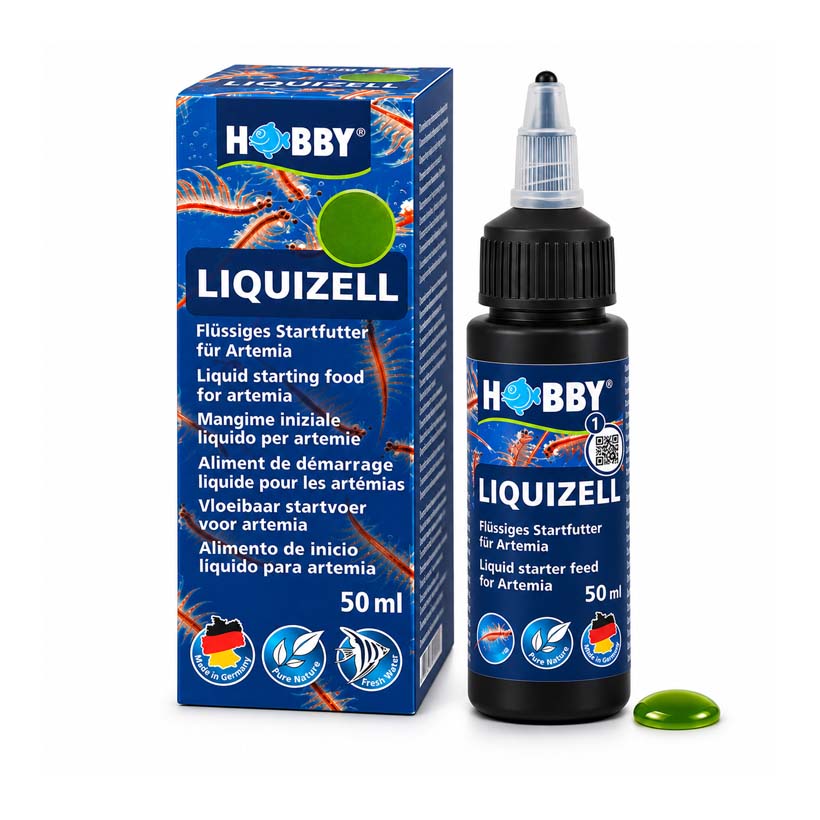
- Feed sparingly after hatching. As a general guideline, start with a tiny portion of the finest rearing food about one to two days after hatching. Fine liquid food such as HOBBY Liquizell can be dispensed sparingly using a pipette. Whole pellets, tablets, and sticks are too large for newly hatched nauplii. The amount depends on the number of animals, the volume of water, and the food concentration.
- Gradually acclimate them later. Plan the move to a larger freshwater tank well in advance, before the rearing container becomes full. Gradually acclimate the stronger juveniles by slowly adding small amounts of the new tank water.
More Space for Larger Triops
Plan for a care tank of about 10 liters or more for a few growing triops. This is a practical planning recommendation. How much space is actually needed depends on the number and size of your triops.
A wide bottom surface and fine, aquarium-grade sand allow for their typical foraging behavior. When transferring the young triops, first adjust the temperature. Then gradually acclimate them to the new tank water.
How often do you need to feed them?
Once the young triops start eating, a good general guideline is to start with two very small portions per day. However, adjust the amount based on their appetite and the type of food you’re using.
As they grow, switch from fine starter food to an appropriate main diet for triops. Remove any uneaten food so it doesn’t pollute the water. Regular checks and gentle partial water changes also help with their care.
Product and Care at a Glance
| Characteristic | Specification |
|---|---|
| Trade Name | Triops cancriformis “Spanish Green” |
| Contents of Package | 1 tube containing 100 eggs, without substrate |
| Appearance | Wide dorsal shield with a green coloration or green sheen |
| Water Temperature | Approximately 22–24 °C as a guideline for keepers |
| Later Care Tank | About 10 liters or more for a few animals; adjust according to the number of fish |
| Food | High-quality rearing food; later, suitable main food for triops |
Products for Raising Triops
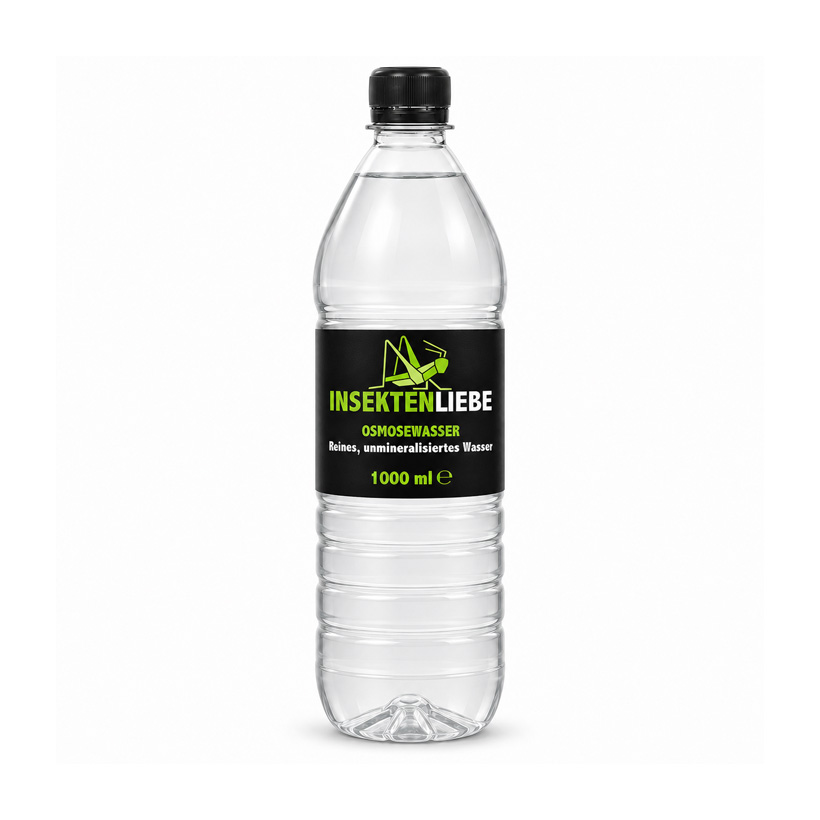
Insektenliebe Osmosis Water – A 1-liter bottle provides enough water to get this hatching batch started.
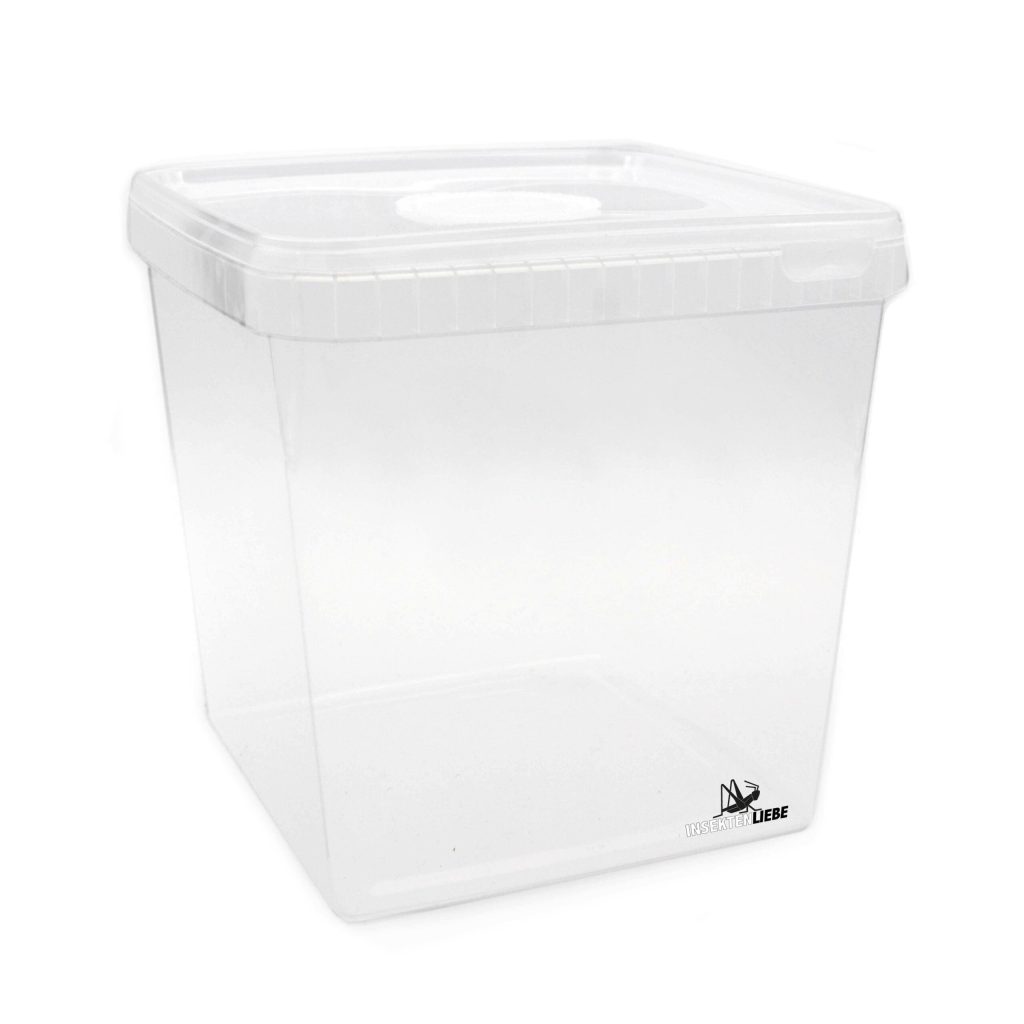
BraPlast container with gauze lid – Choose the 3-liter version for hatching and the initial rearing phase. To start, fill it with just 1 liter of water.
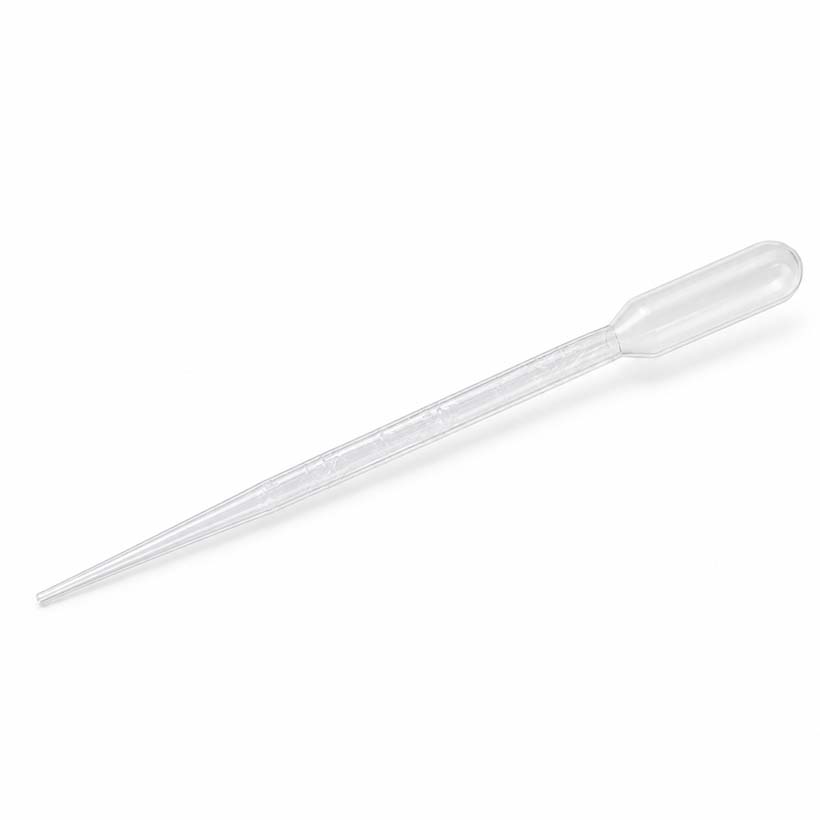
Pipette – Helps you dispense small amounts of fine baby food.
HOBBY Liquizell – A fine liquid food for the initial rearing period after hatching. As the triops grow, switch to larger, appropriate triops food.
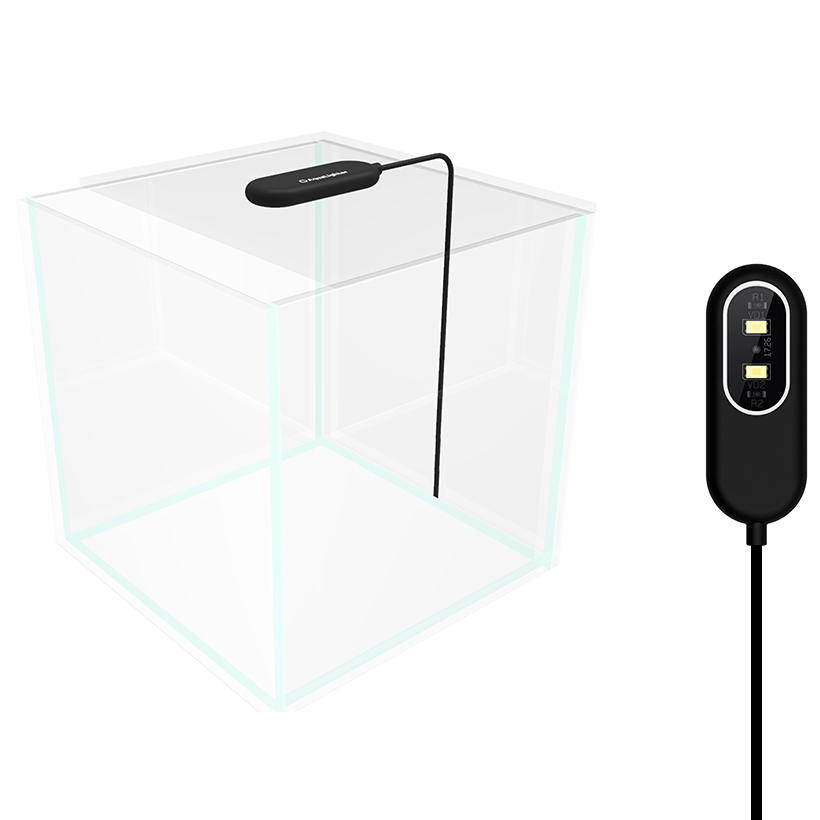
AquaLighter Pico Tablet LED – Illuminates the hatching area from above. You can monitor the water temperature separately using a water thermometer.
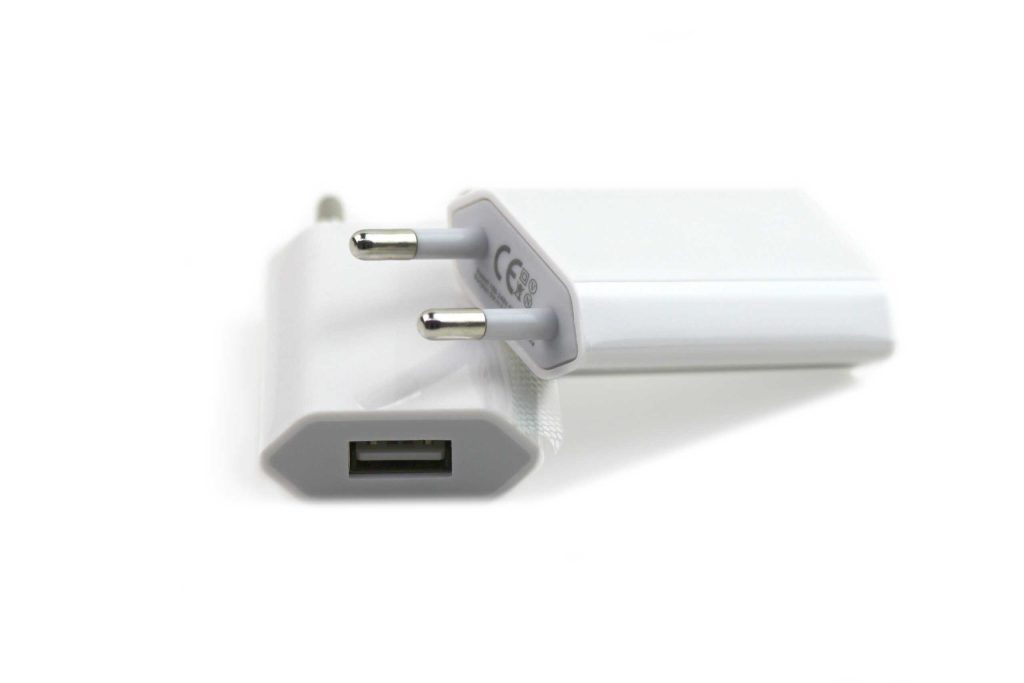
5V USB Adapter – Powers the LED via a wall outlet if you don’t already have a compatible USB power adapter.
Conclusion – A Green Eye-Catcher for Your Breeding Tank
Triops cancriformis “Spanish Green” combines striking coloration with lively behavior. Since you start with the eggs, you can follow their development step by step. With properly prepared breeding water, fine food, and plenty of space, this becomes an exciting observation project.