
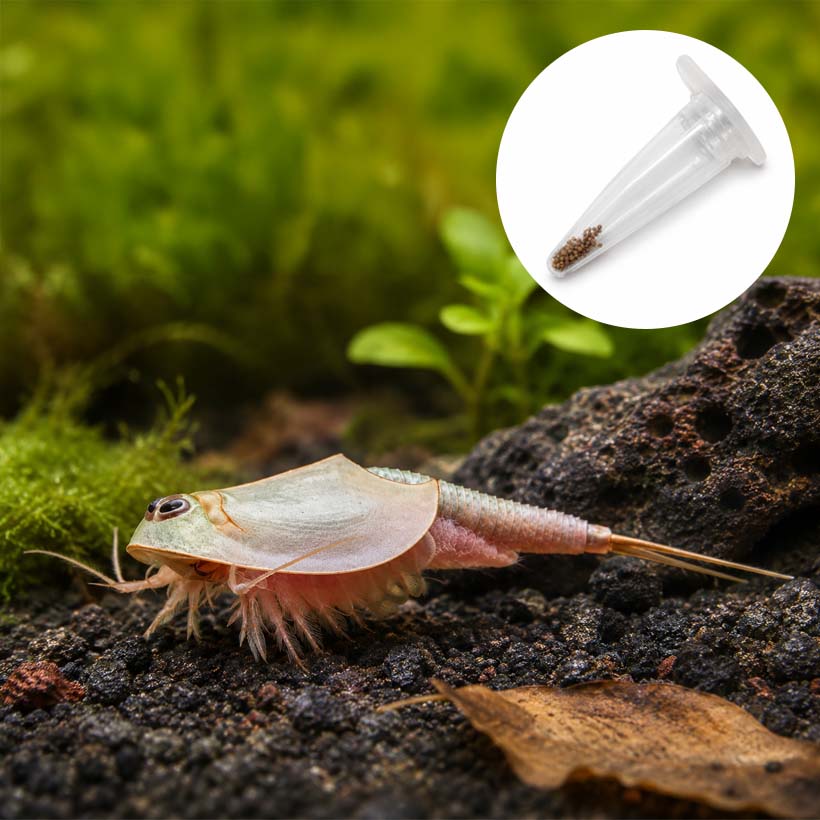
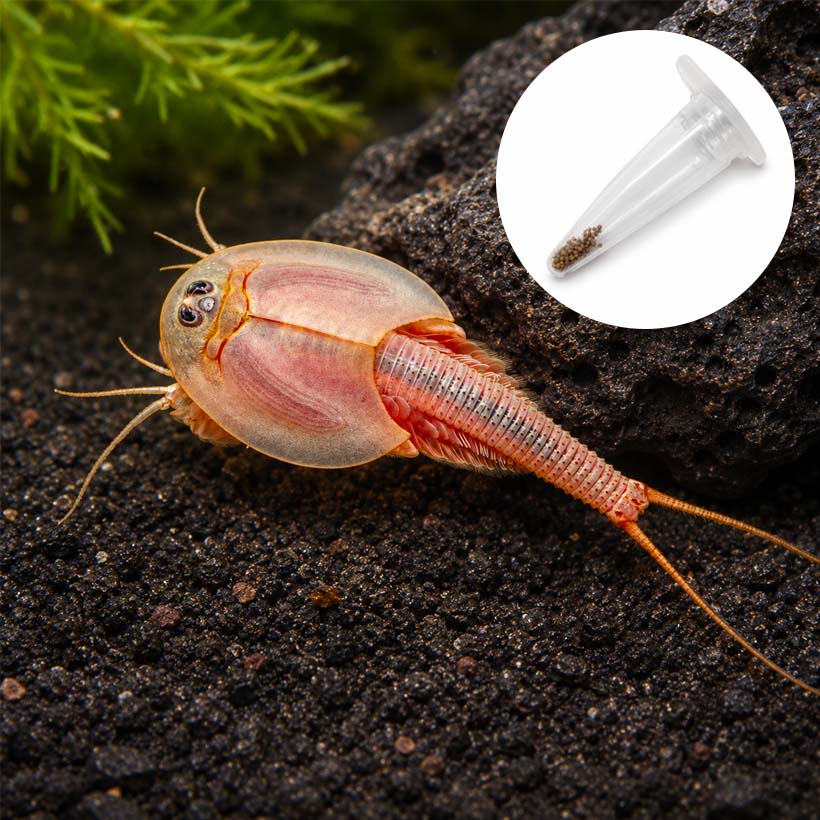
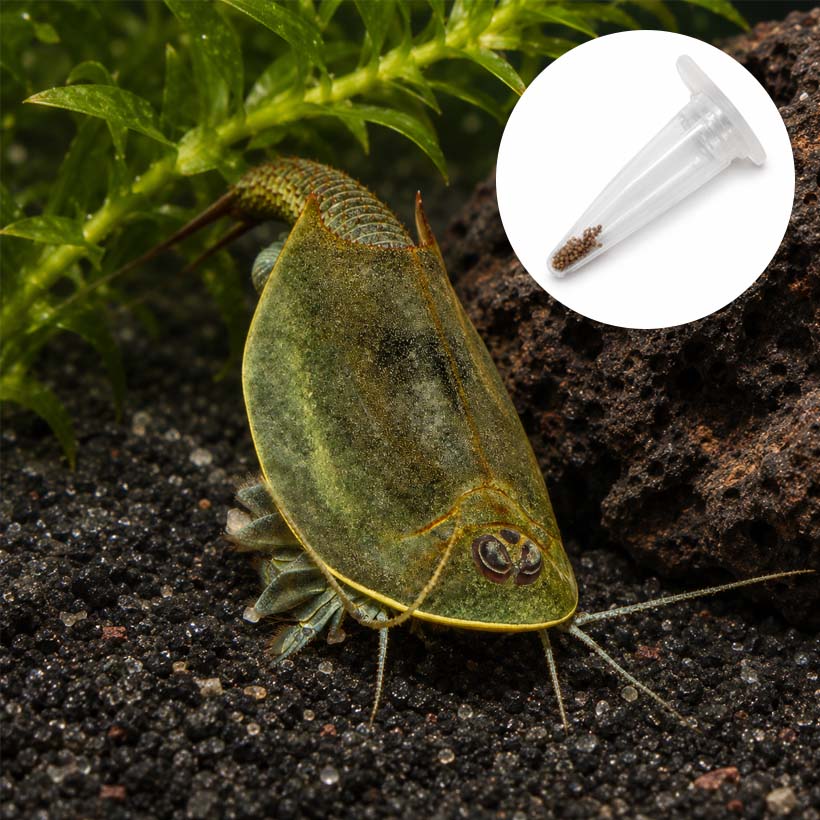
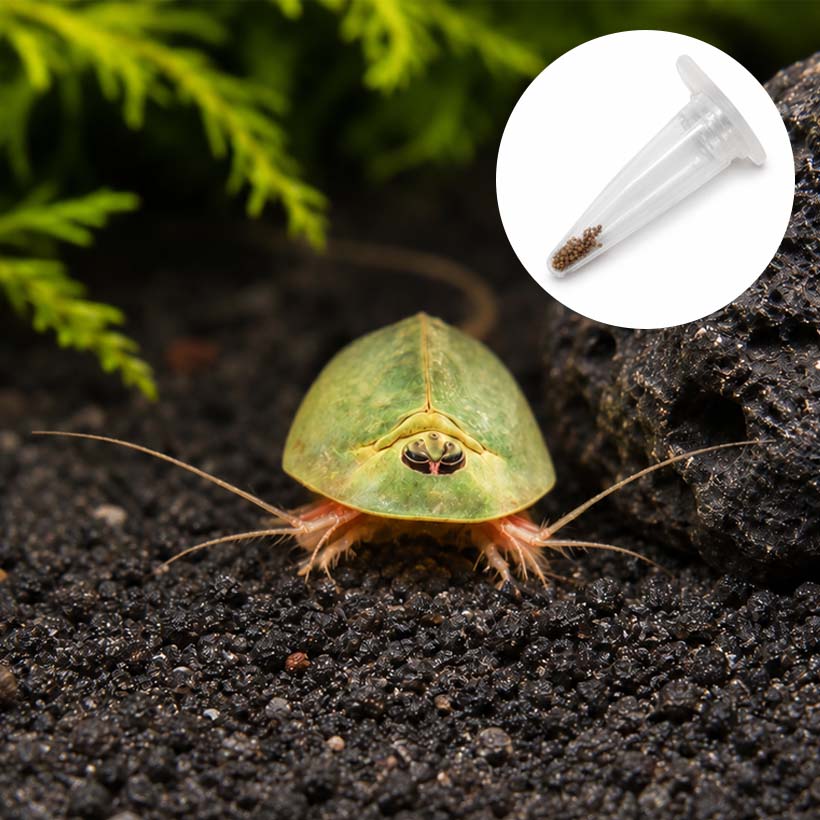
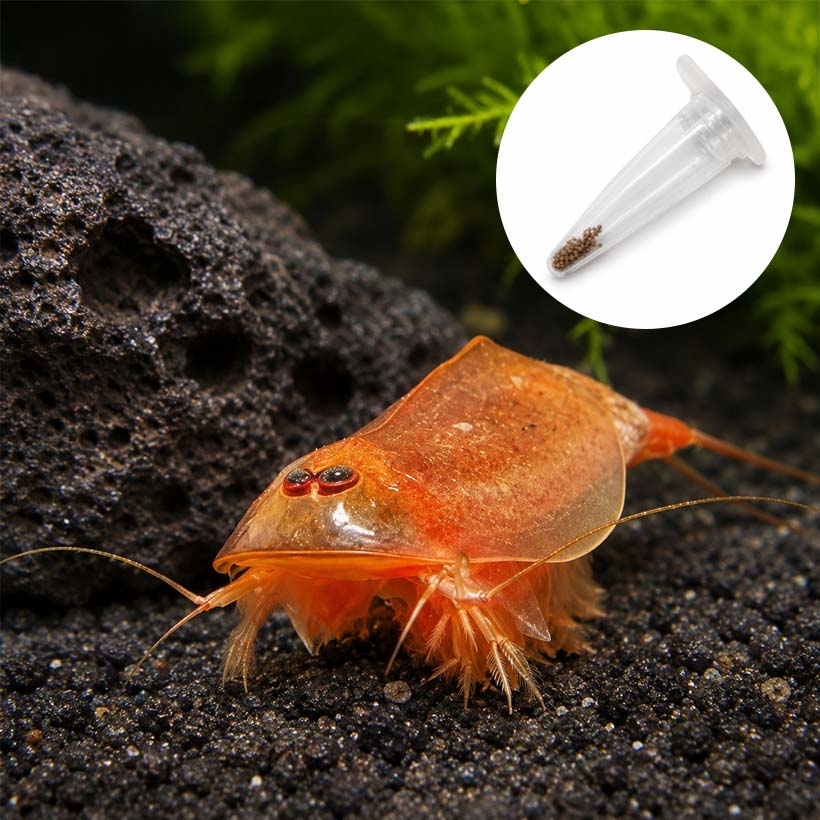
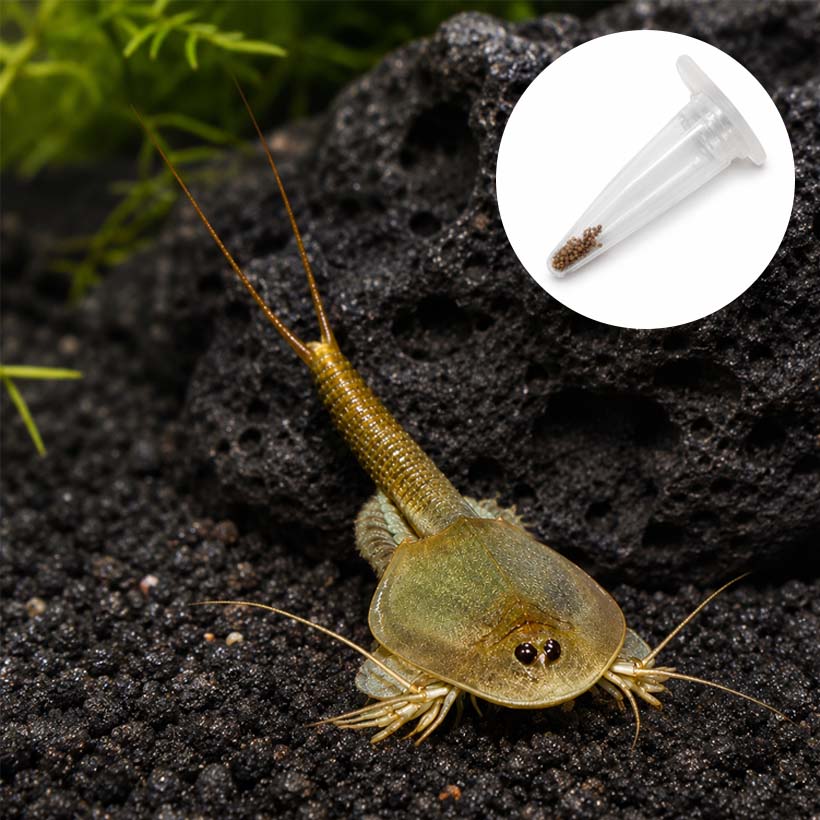
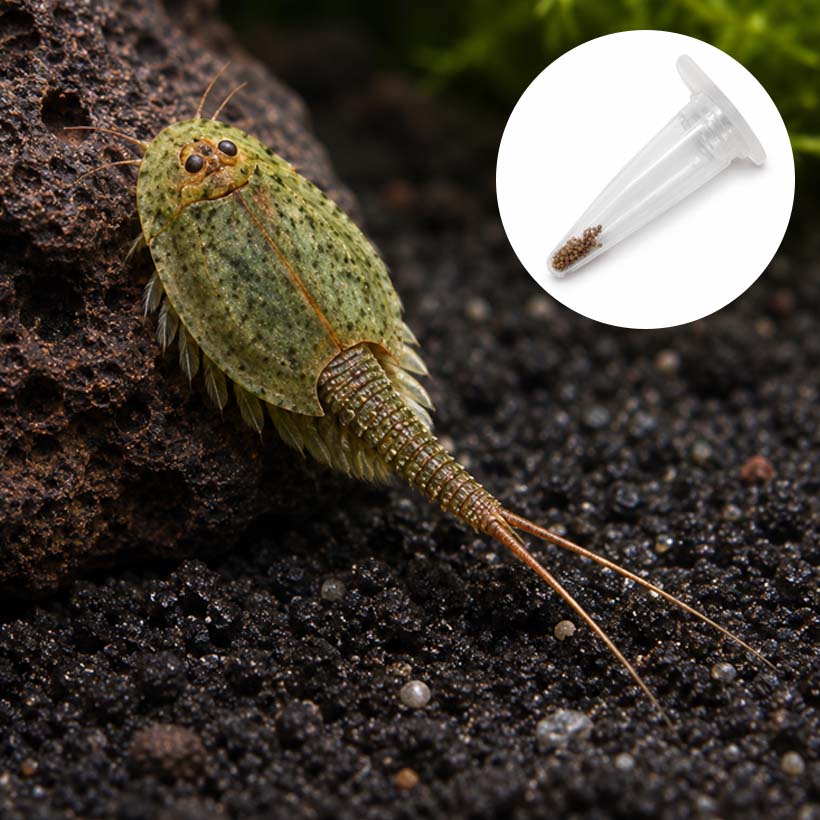
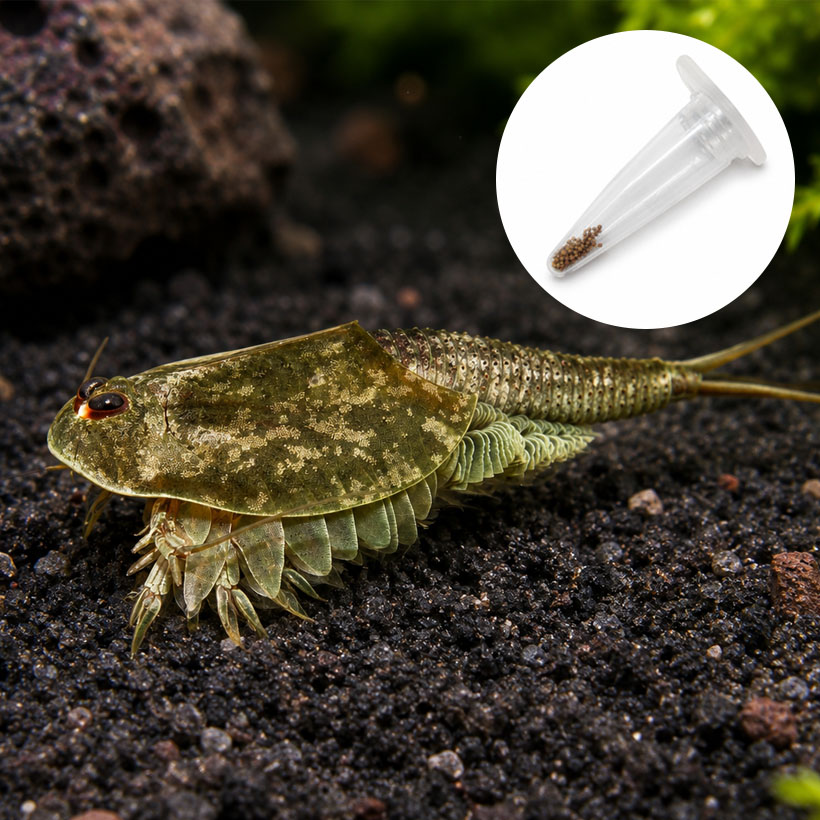
Triops & Fairy Shrimp Eggs
Triops & Fairy Shrimp Eggs – Your Breeding Journey Starts Here
With
Triops and fairy shrimp eggs
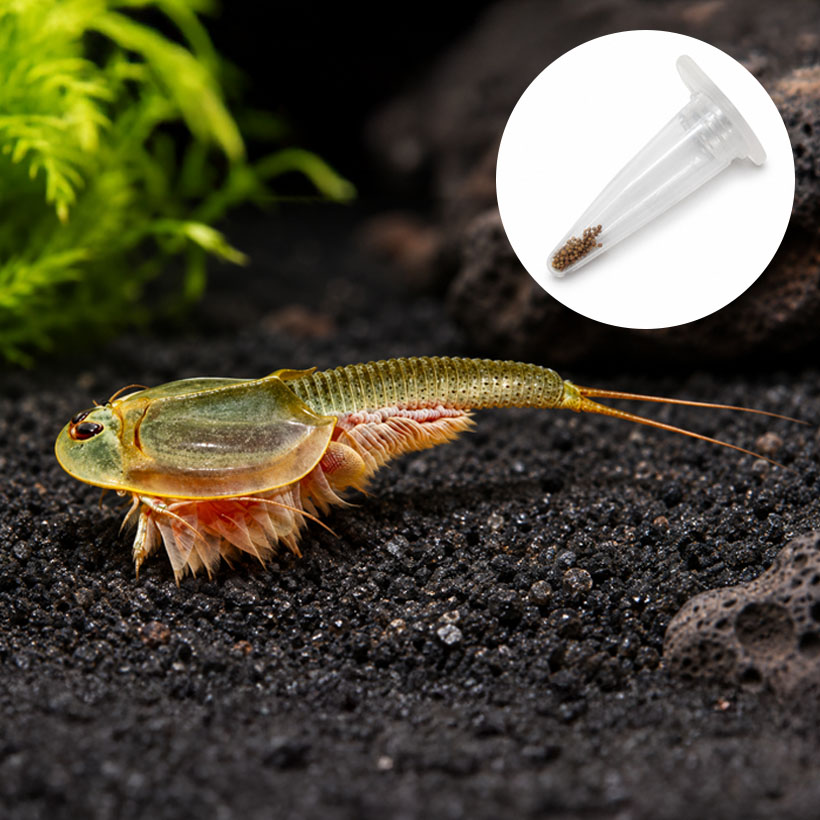
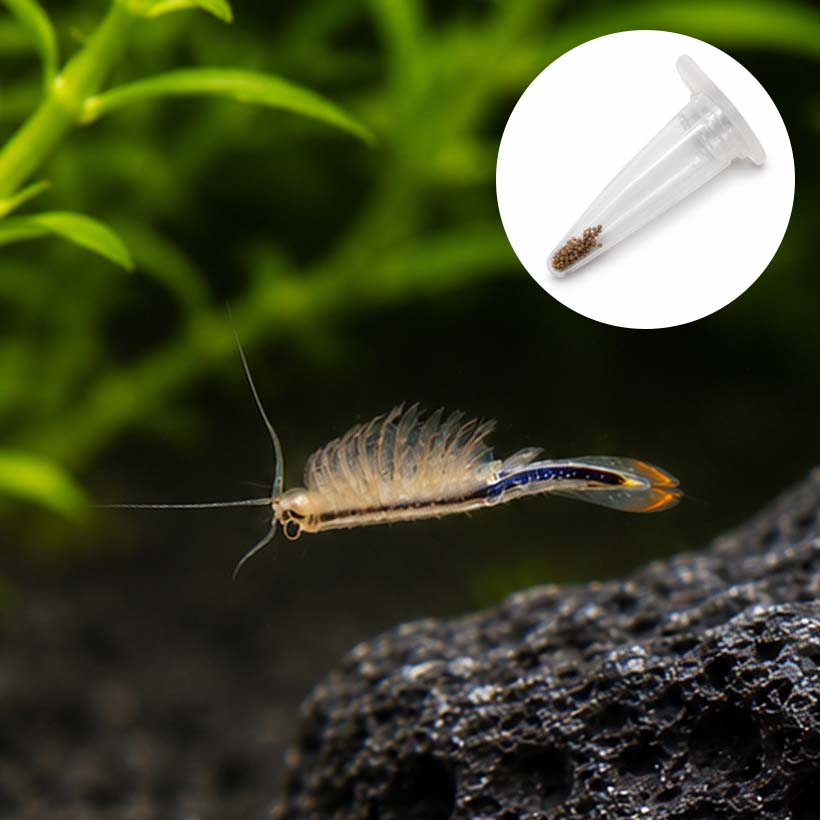
, you can observe the development of these aquatic creatures from the moment they hatch. At first, the larvae are little more than tiny dots in the water. But with each molt, their body shape and movements become more distinct. In this category, you’ll find various Triops species and color variations, as well as the eggs of beavertail fairy shrimp.
Which prehistoric shrimp eggs are right for you?
Triops are fascinating if you want to watch animals swimming and foraging on the bottom. Their broad carapace gives them their distinctive appearance. Fairy shrimp, on the other hand, do not have such a carapace and primarily move about freely in the water. Beavertail fairy shrimp are also notable for their broad, fan-like tail.
When making your selection, pay special attention to the required water temperature. Requirements vary depending on the species. Therefore, prepare the appropriate location and necessary equipment before you start incubating the eggs.
What does “pure eggs without substrate” mean?
Our eggs are delivered without sand or soil mix. You’ll receive the amount specified for the product in a small capsule. This allows you to dispense them precisely and, if needed, divide them among multiple batches.
The egg portion alone does not contain any food. Therefore, make sure to have suitable, very fine rearing food on hand. Furthermore, the number of eggs does not automatically correspond to the number of animals that will eventually be born: How many hatch and grow up depends, among other things, on the incubation process and subsequent care.
Here’s how to prepare for hatching
Before placing the eggs in water, make sure
you
have the following items ready:
– A clean container for hatching and initial rearing
– Water that meets the requirements of the chosen species
– Suitable lighting and a water thermometer
– Very fine rearing food and a pipette for dispensing
– A plan for a larger tank later on
When getting started, follow the instructions for the specific species. A Triops guide cannot simply be applied to fairy shrimp. Once you have prepared the water, temperature, and food, you can focus entirely on your first little swimmers.