Triops longicaudatus “Red” – 100 eggs
11,90 € incl. VAT, plus shipping
(from 2 SU = 3% Discount, from 3 SU = 7% Discount)
In stock

Simple

USA

< 60 mm

24°C – 26°C
Triops longicaudatus “Red” – Red Triops with Rapid Growth
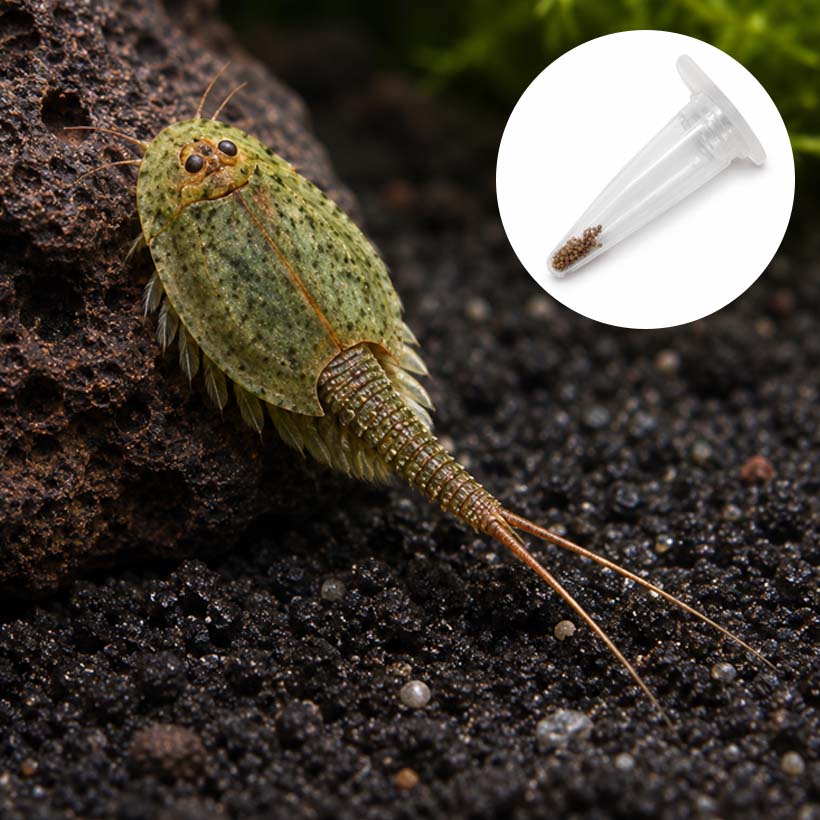
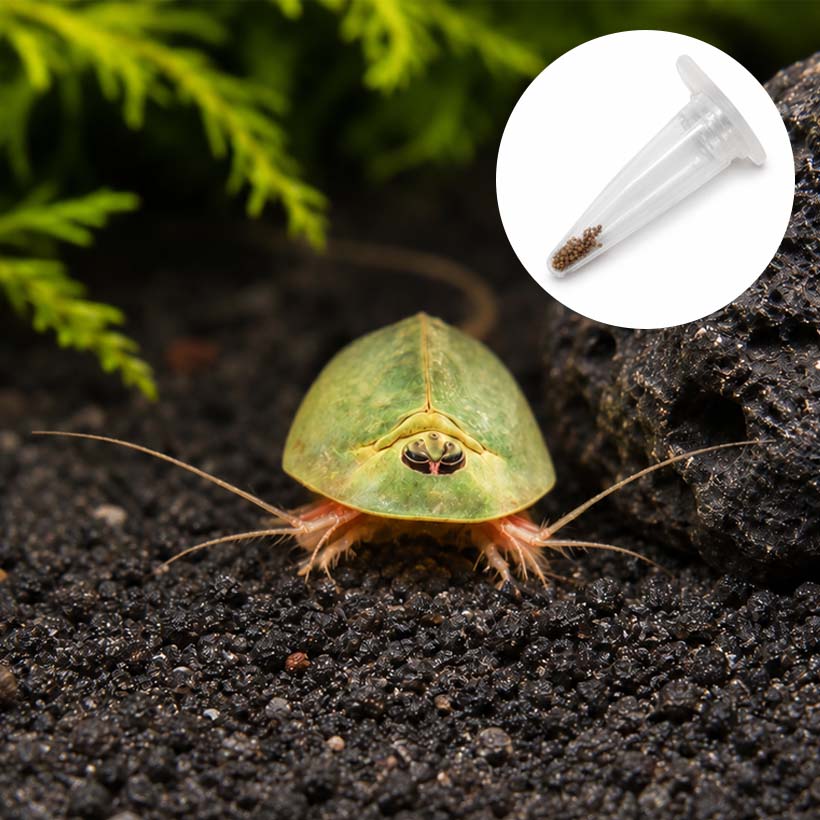
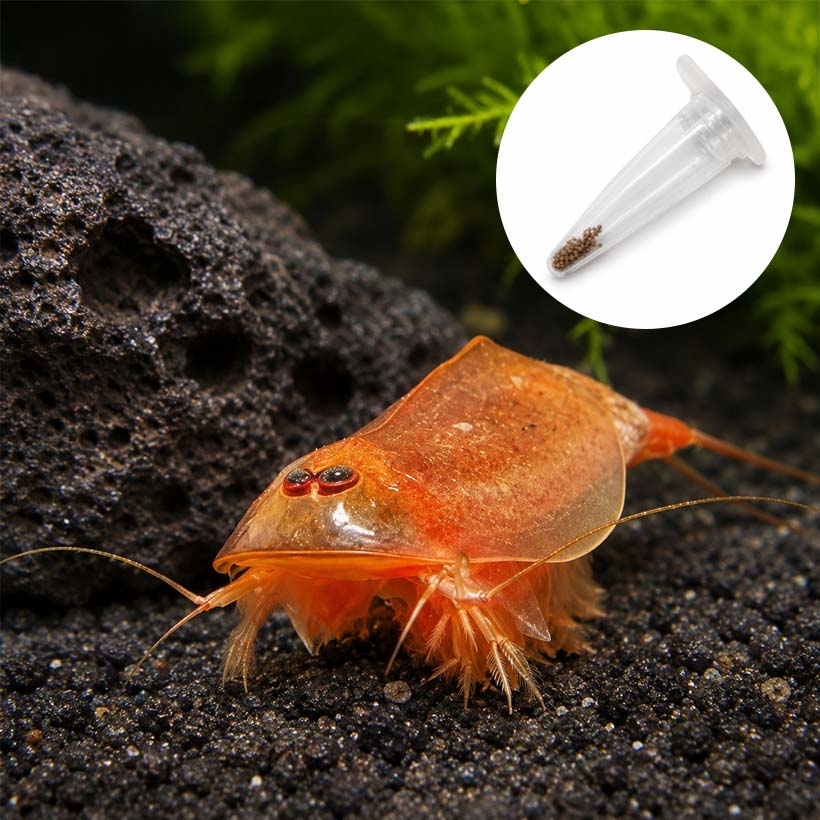
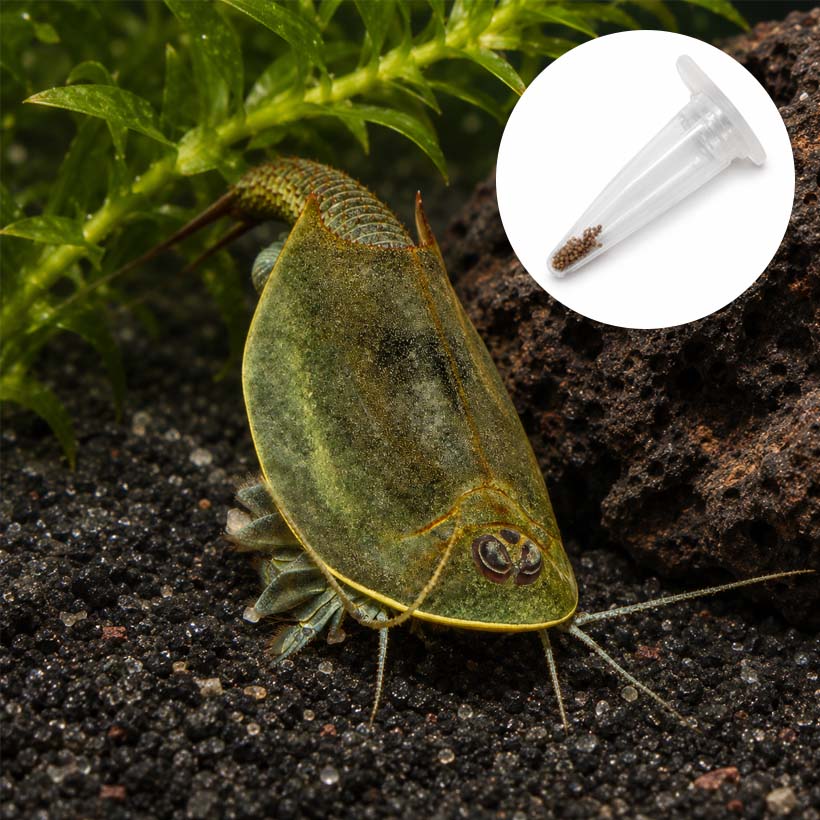
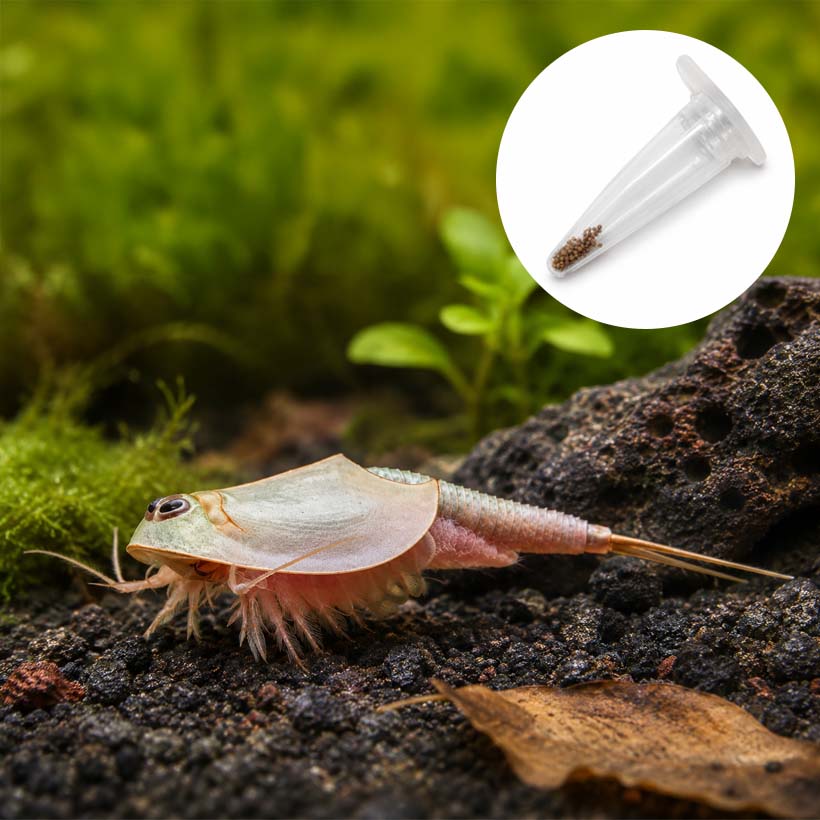
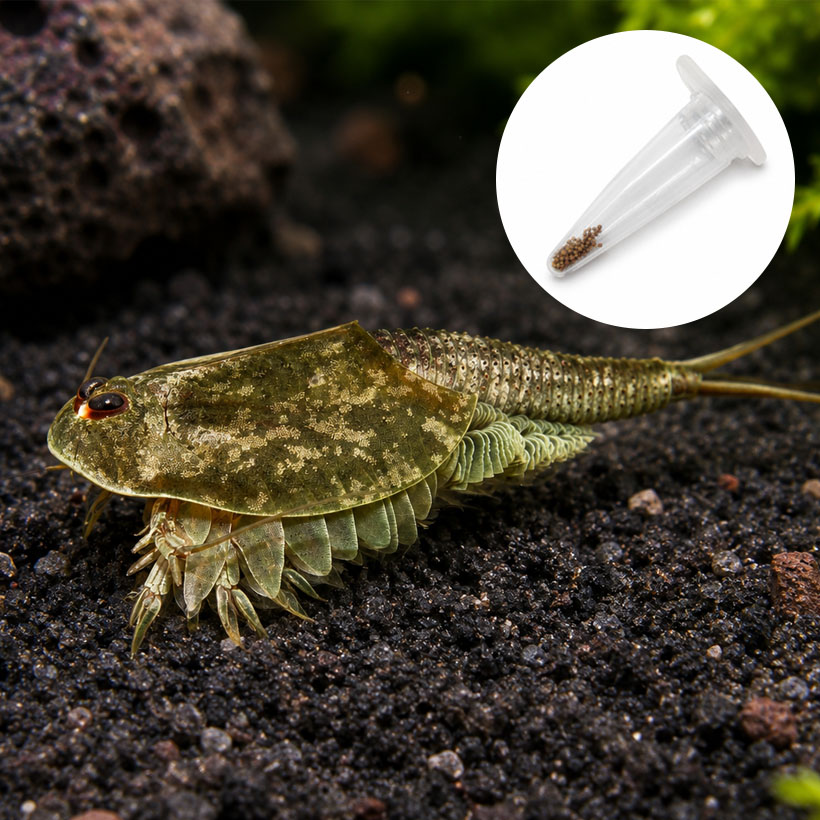
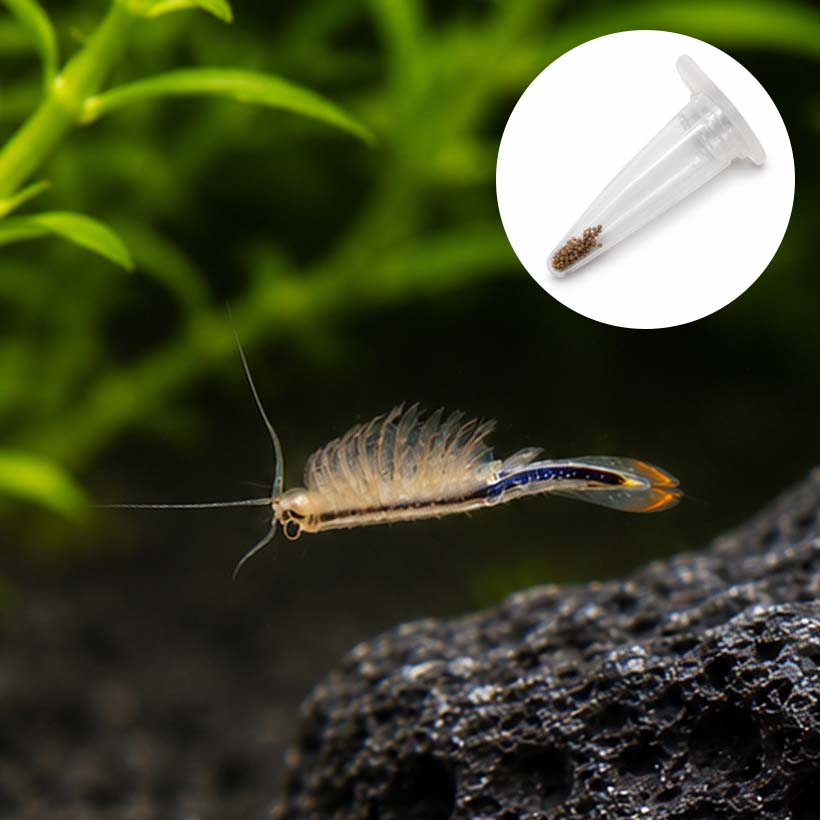
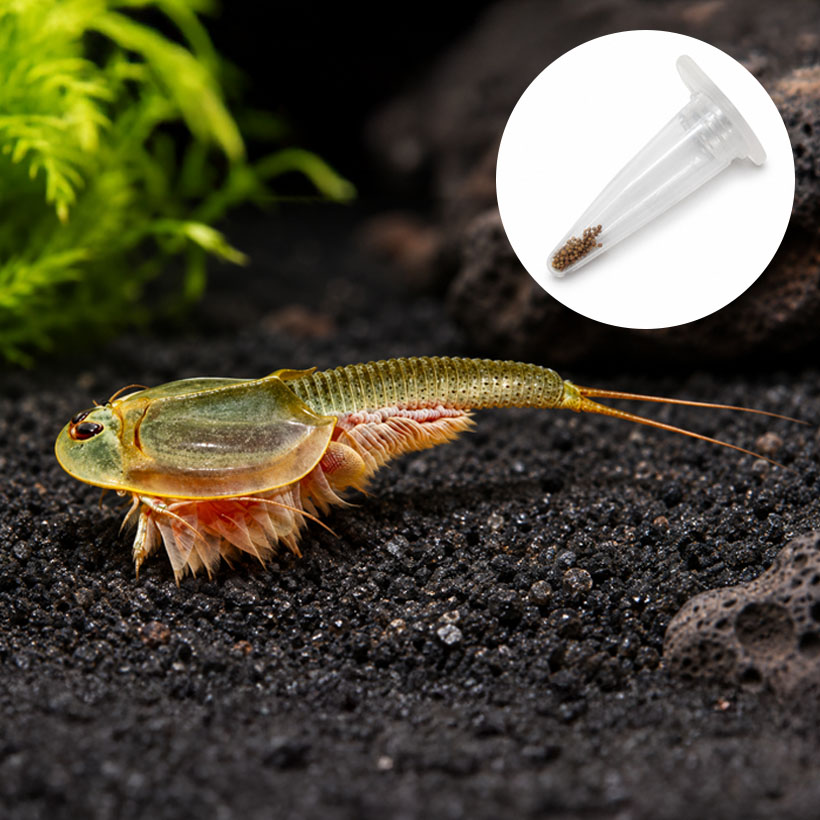
A translucent carapace, reddish hues, and long tail appendages. Triops longicaudatus “Red” combines striking coloration with the rapid development typical of the American triops. If you observe the animals daily, you can watch as tiny nauplii gradually transform into increasingly recognizable triops.
Feeding is particularly exciting. Because of their light-colored bodies, you can clearly see their movements beneath the shell. The red hues stand out even more against green Java moss or dark substrate.
What makes the red longicaudatus form special?
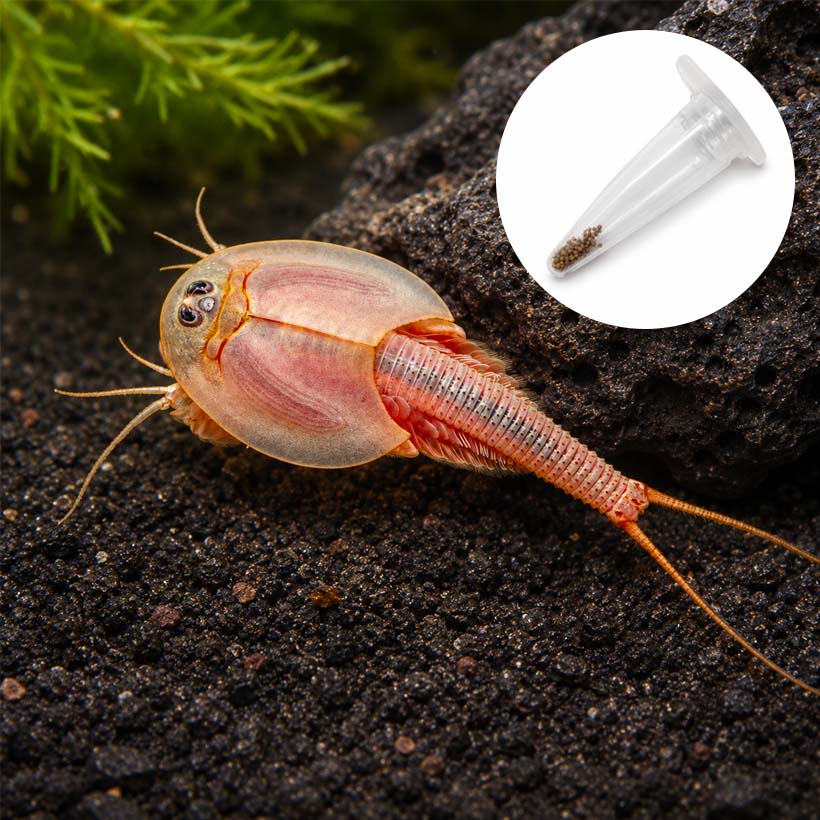
In this breed variant, dark pigmentation is greatly reduced. As a result, the reddish body fluid shines through the body and defines its appearance. In stores, this variant is therefore also sold as “Red” or “Albino.”
The color can range from a delicate pink to reddish or reddish-brown hues. Age, light, and the background all influence how the animals appear.
Combined with its rapid growth, this makes raising them a particularly varied experience. New molts, more clearly distinguishable body parts, and their increasingly vigorous bottom-dwelling behavior constantly provide new things to observe.
100 eggs in a tube—without substrate
You’ll receive 100 eggs in a small tube, without sand or any other substrate. This allows you to start with a small batch and save additional eggs for future experiments.
Keep the remaining eggs dry and reseal the tube after removing them. Since not all eggs hatch at the same time, 100 eggs do not automatically equal 100 young.
How to Start Rearing
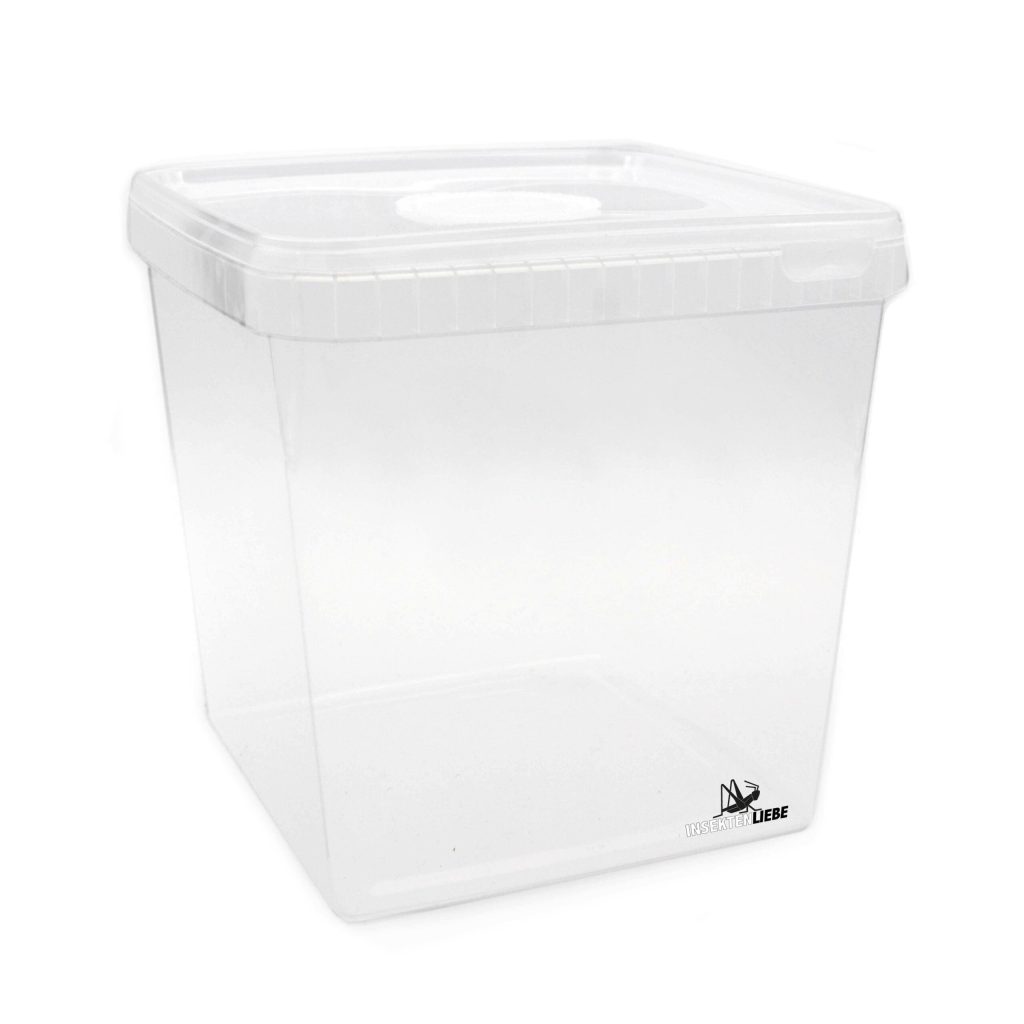
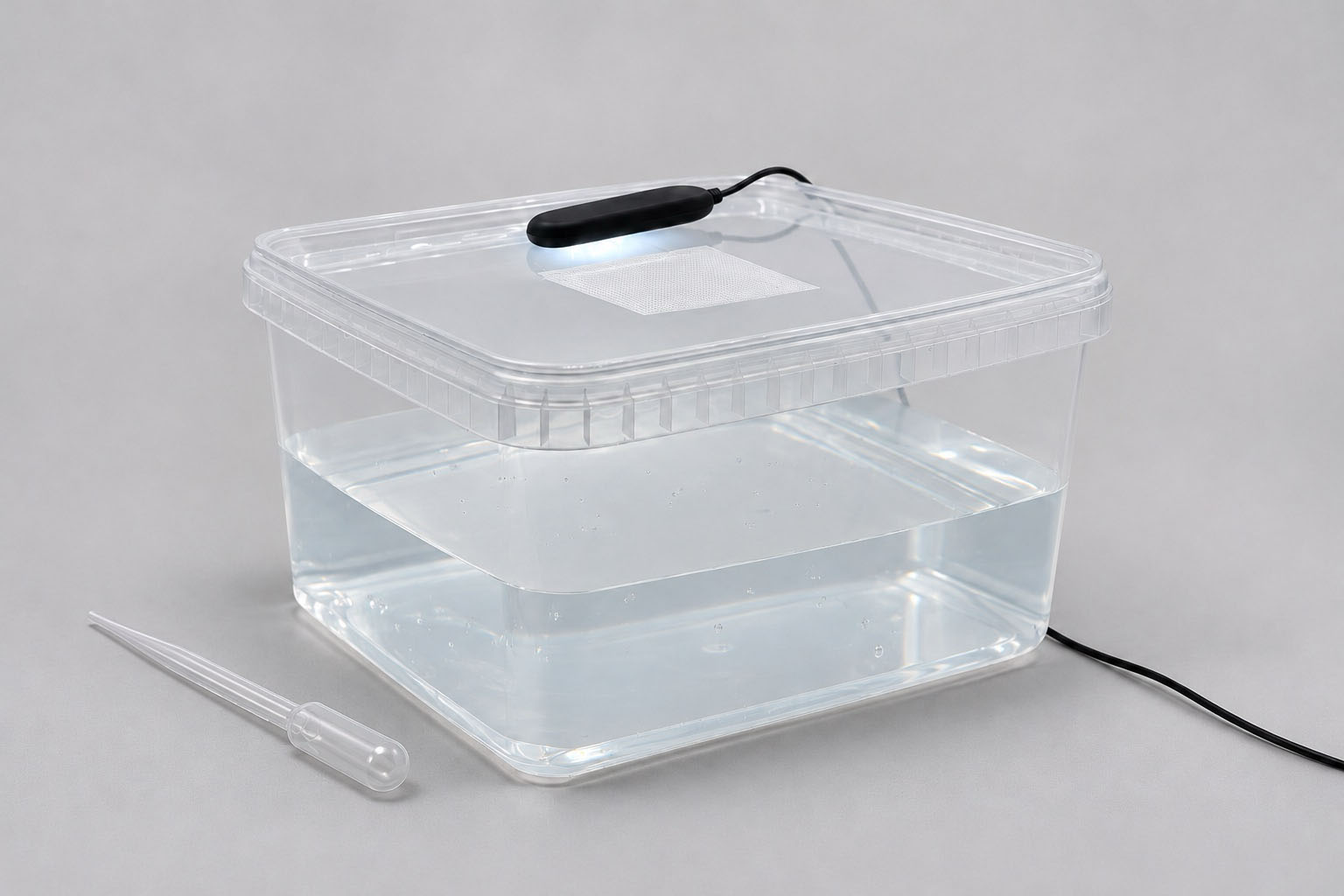
For hatching and initial rearing, use a 3-liter BraPlast container with a gauze lid and 1 liter of pure reverse-osmosis water. Keep the container dry at first so you can secure the eggs.
- Prepare the water and lighting. Place 1 liter of pure reverse-osmosis water in a clean container and heat it to 24–26 °C, which is the recommended breeding temperature for this commercial form. Check the temperature with a suitable water thermometer, even at night. Provide lighting for the culture for about twelve hours a day. An LED provides light but does not guarantee sufficient heat. Avoid direct sunlight.
- Attach the tape loop. Form a small ring out of a short piece of clear Tesa tape, with the sticky side facing out. Flatten it: Now it’s sticky on both the top and bottom. Stick the bottom side to the dry, clean bottom of the can and scatter the eggs onto the sticky top surface. Do not press them down, and do not stick any tape over the eggs.
- Pour in the water and observe. Slowly pour the prepared liter of reverse-osmosis water along the inner edge and place the gauze cover on top. The eggs lie exposed on the adhesive tape and are in contact with the water. Note the start date. You can recognize nauplii as tiny light-colored dots with jerky swimming movements. Do not add any food at this stage.
- Starting on day 3, add mineral water. Beginning on the third day after you start the process, add 100 ml of still Volvic or mineral water with the same mineral composition every day. The key date is the day you start the batch, not the day the eggs hatch. Bring the new water to the same temperature as the existing batch beforehand, and pour it slowly and carefully along the inner edge of the container.
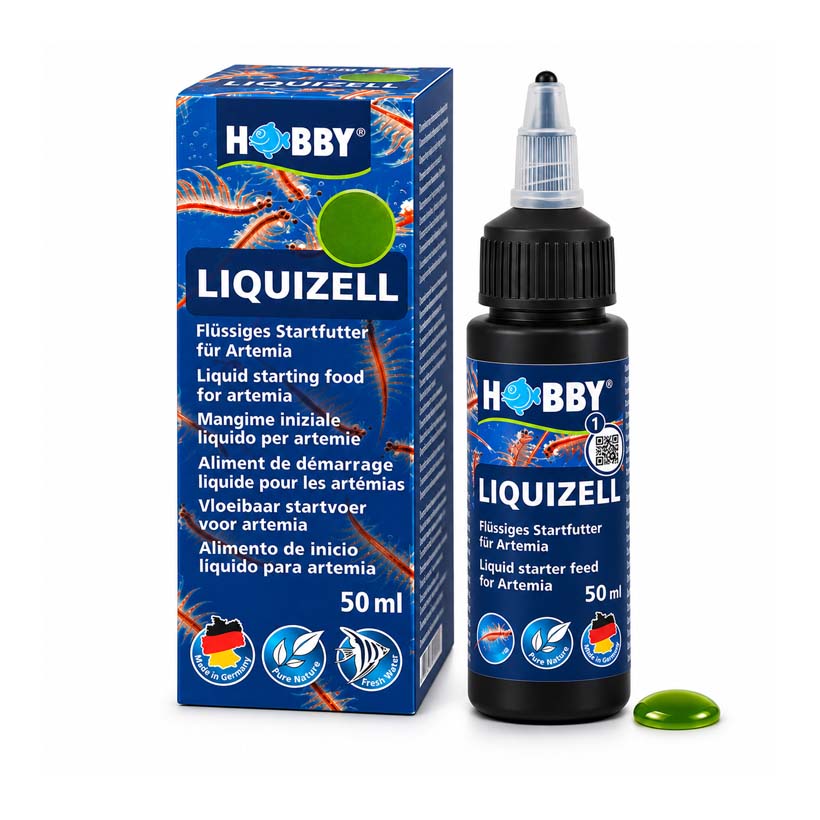
- Feed sparingly after hatching. As a general guideline, start with a tiny portion of the finest rearing food about one to two days after hatching. Fine liquid food such as HOBBY Liquizell can be dispensed sparingly using a pipette. Whole pellets, tablets, and sticks are too large for newly hatched nauplii. The amount depends on the number of animals, the volume of water, and the food concentration.
- Gradually acclimate them later. Plan the move to a larger freshwater tank well in advance, before the rearing container becomes full. Gradually acclimate the stronger juveniles by slowly adding small amounts of the new tank water.
Space for Growth and Foraging
For a few larger triops, set up a care tank with a capacity of about 10 liters or more. A larger water volume and more floor space can promote growth when combined with appropriate stocking levels, proper feeding, and good water quality. This allows the triops to grow larger than they would in a tank that is too small or overstocked.
Fine sand suitable for aquariums allows the fish to engage in their typical bottom-rummaging behavior. Leave enough open space around it so the fish can move around and avoid each other.
Because the young triops can grow quickly, you should set up their future tank early. When transferring them, gradually acclimate them to the new water and adjust the temperature as well.
How often do you feed the red triops?
As soon as the juveniles start eating, you can begin by offering two very small portions daily. Adjust this general Triops guideline based on the number and size of your animals, as well as the food you’re using.
As they grow larger, switch from fine rearing food to suitable main Triops food. Monitor their consumption and remove any uneaten food promptly. This will help you better estimate portion sizes and reduce the strain on the water.
Product and Philosophy at a Glance
| Characteristic | Specification |
|---|---|
| Breeding Form | Triops longicaudatus “Red” |
| Contents of Package | 1 tube containing 100 eggs, without substrate |
| Color | Pink to reddish or reddish-brown |
| Distinctive Feature | Translucent body and rapid development |
| Water Temperature | Approximately 24–26 °C as a guideline for keepers |
| Later Care Tank | About 10 liters or more for a few animals; adjust according to the number of fish |
| Food | Start with a high-quality rearing diet, then switch to a suitable main diet for triops |
Products for Raising Triops
Insektenliebe Osmosewasser – A 1-liter bottle provides enough water to get this hatching setup started.
BraPlast container with gauze lid – Choose the 3-liter version for hatching and initial rearing. To start, fill it with just 1 liter of water.
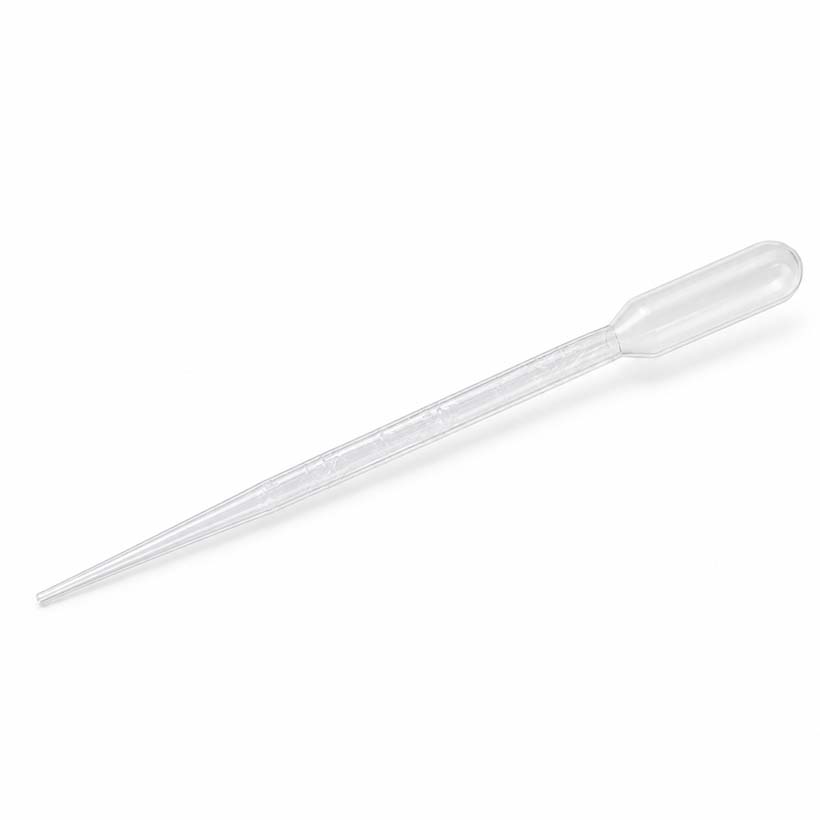
Pipette – Helps you dispense small amounts of fine baby food.
HOBBY Liquizell – A fine liquid food for the initial rearing period after hatching. As the triops grow, switch to larger, appropriate triops food.
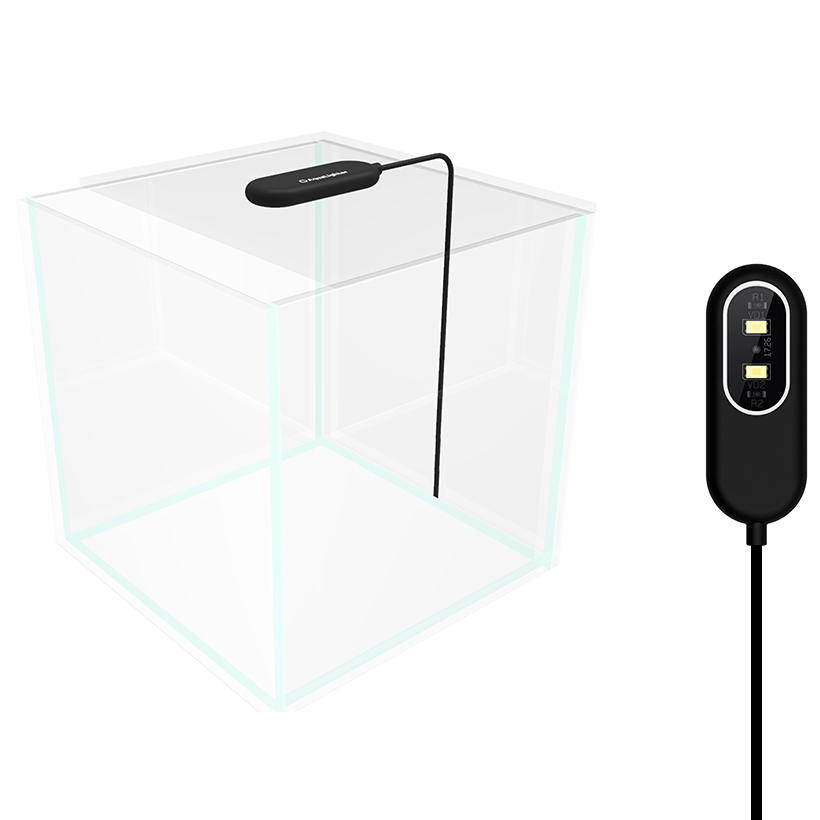
AquaLighter Pico Tablet LED – Illuminates the hatching area from above. You can monitor the water temperature separately using a water thermometer.
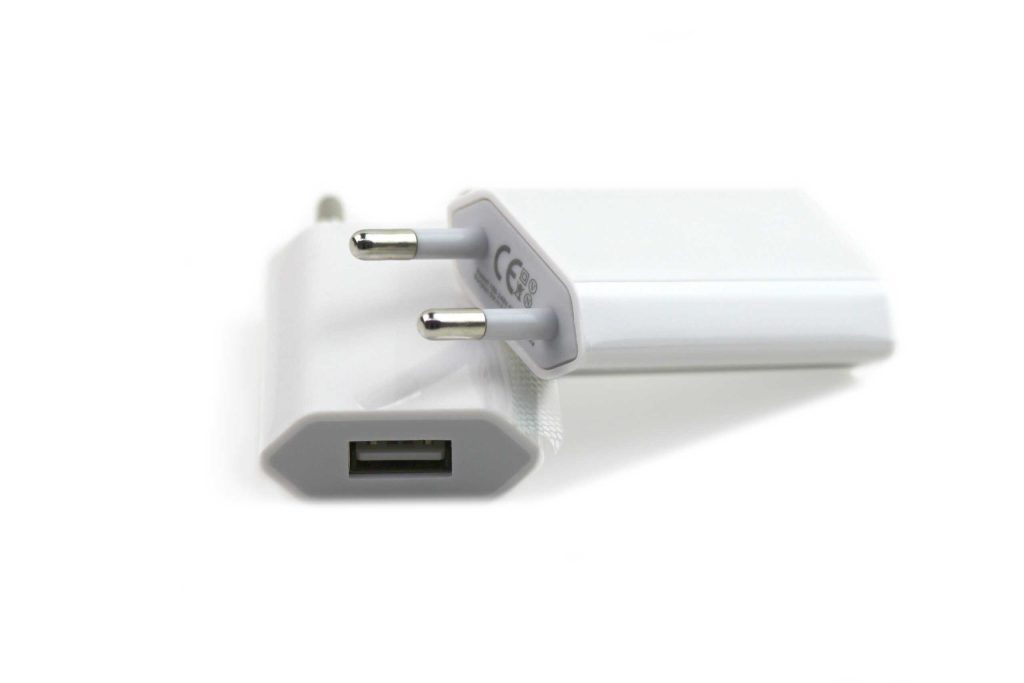
5V USB Adapter – Powers the LED via a wall outlet if you don’t already have a compatible USB power adapter.
Conclusion – Shades of Red and New Discoveries Every Day
Triops longicaudatus “Red” offers you an exciting combination of a translucent body, a red coloration, and rapid development. It’s especially fascinating to track the changes from molt to molt. With properly prepared breeding water, appropriate food, and enough space, you can watch the animals grow from nauplii to larger crustaceans.