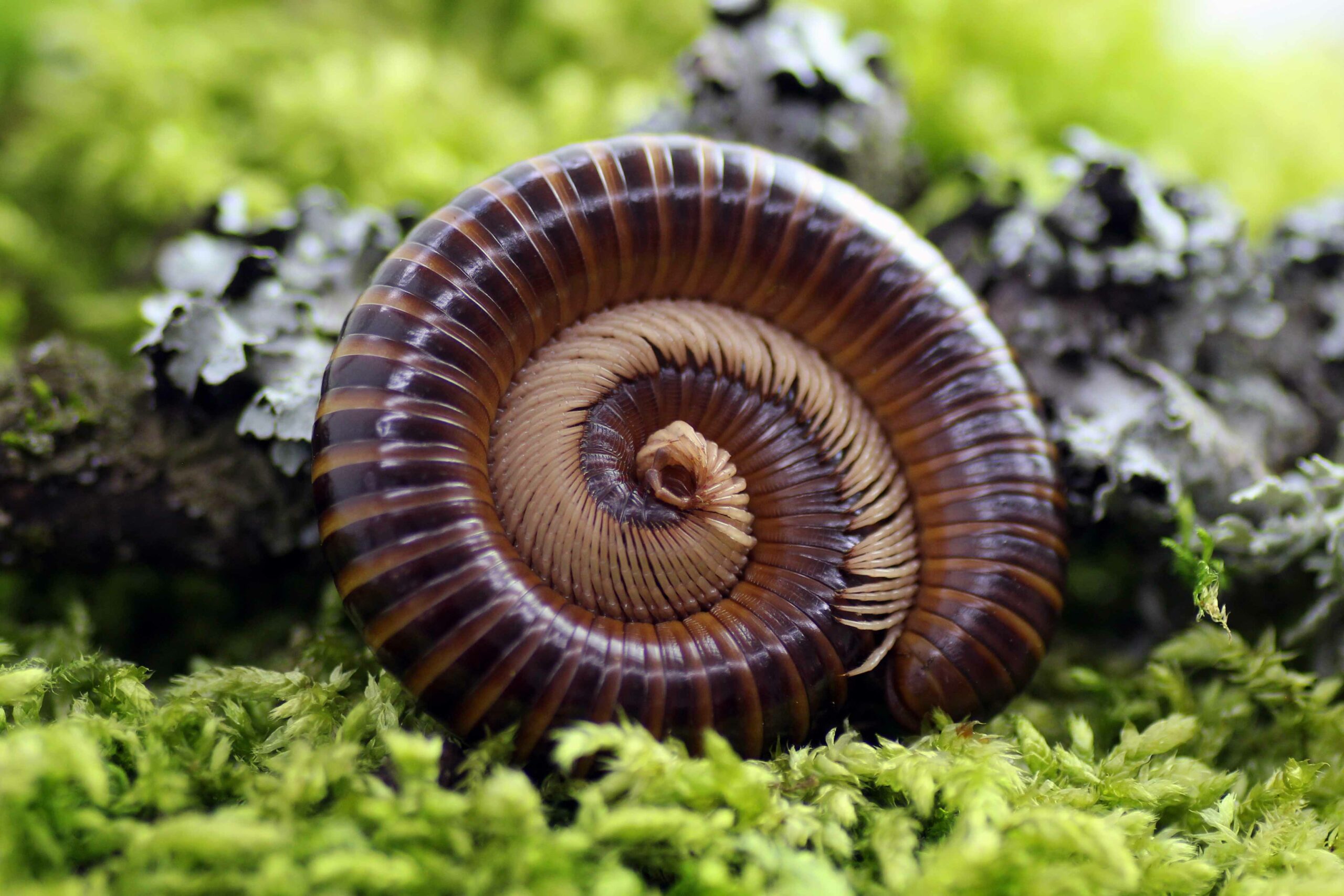
Telodeinopus assiensis “West African millipede”
14,50 € incl. VAT, plus shipping
(from 5 SU = 10% Discount, from 10 SU = 15% Discount)
(from 5 SU = 10% Discount, from 10 SU = 15% Discount)

Simple

Nigeria

< mixed

21°C – 25°C
Telodeinopus assiensis – The quiet giant from West Africa
If you are looking for an impressive but easy-care roommate for your terrarium, you will be delighted with Telodeinopus assiensisalso known as the West African millipedewill get their money’s worth. This impressive species combines a peaceful nature with a fascinating appearance, making it the ideal choice for beginners and experienced ownersholders alike.
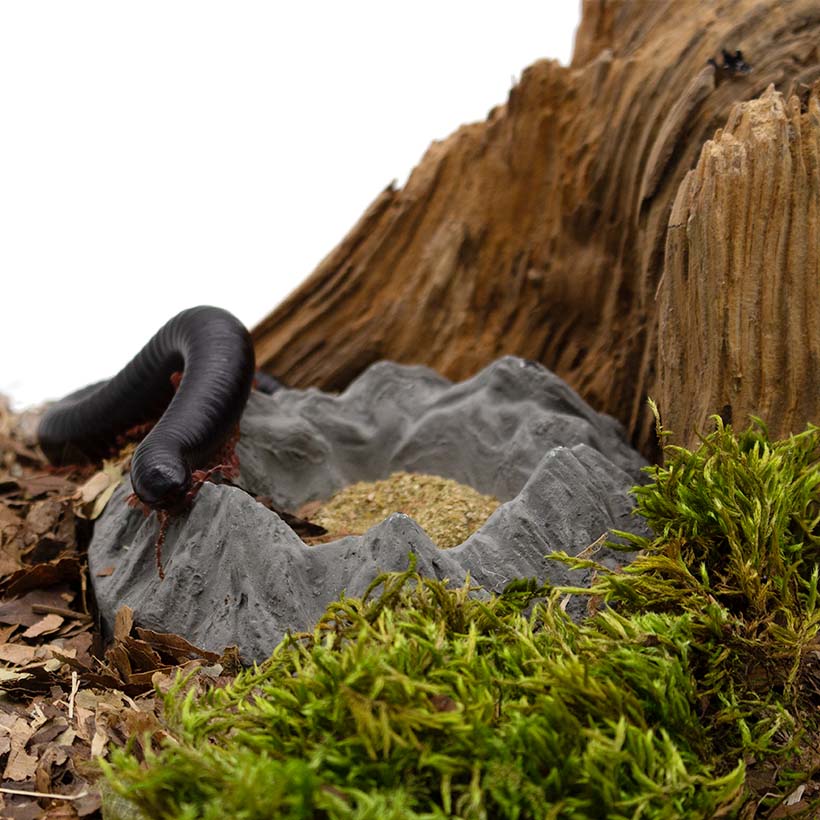
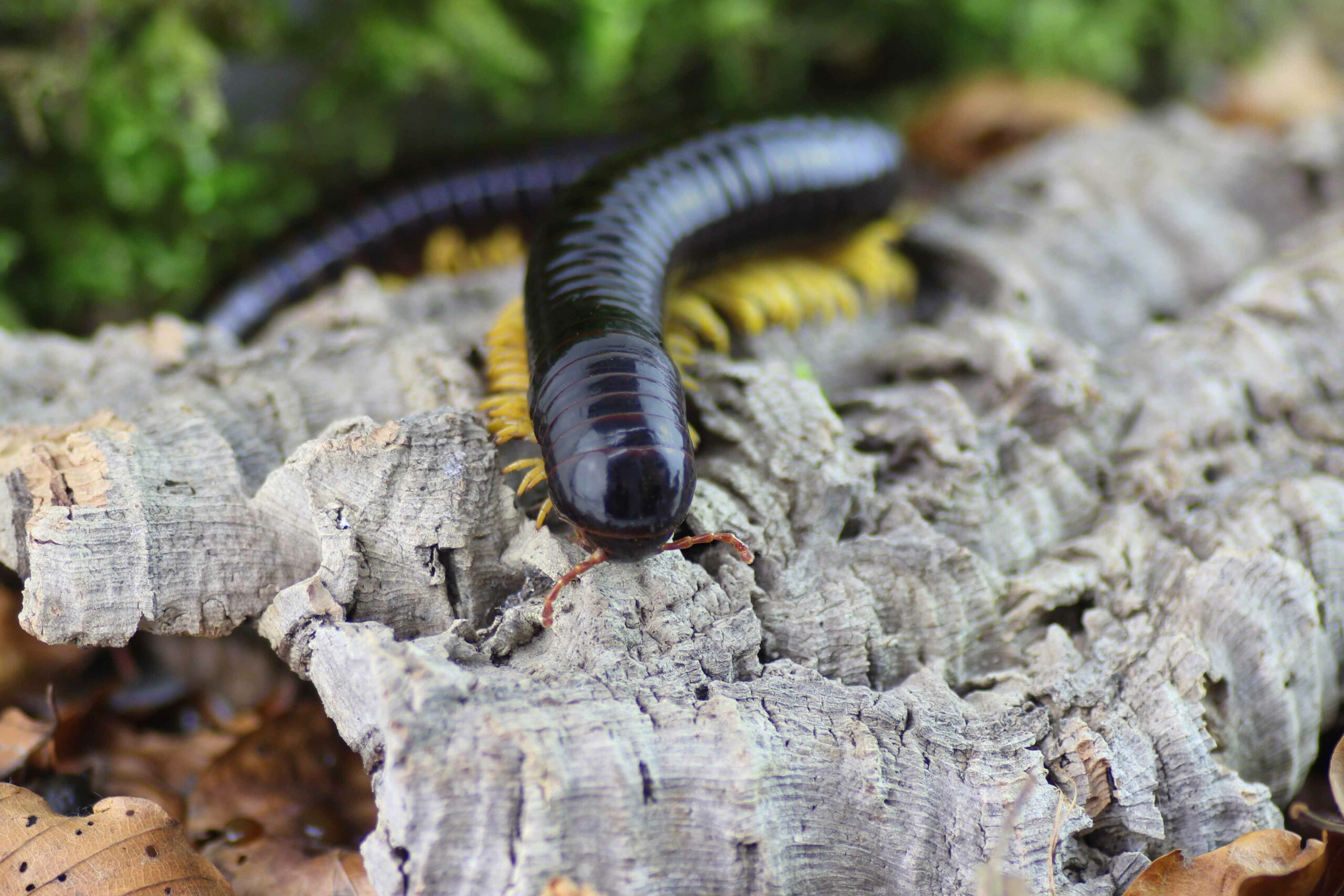
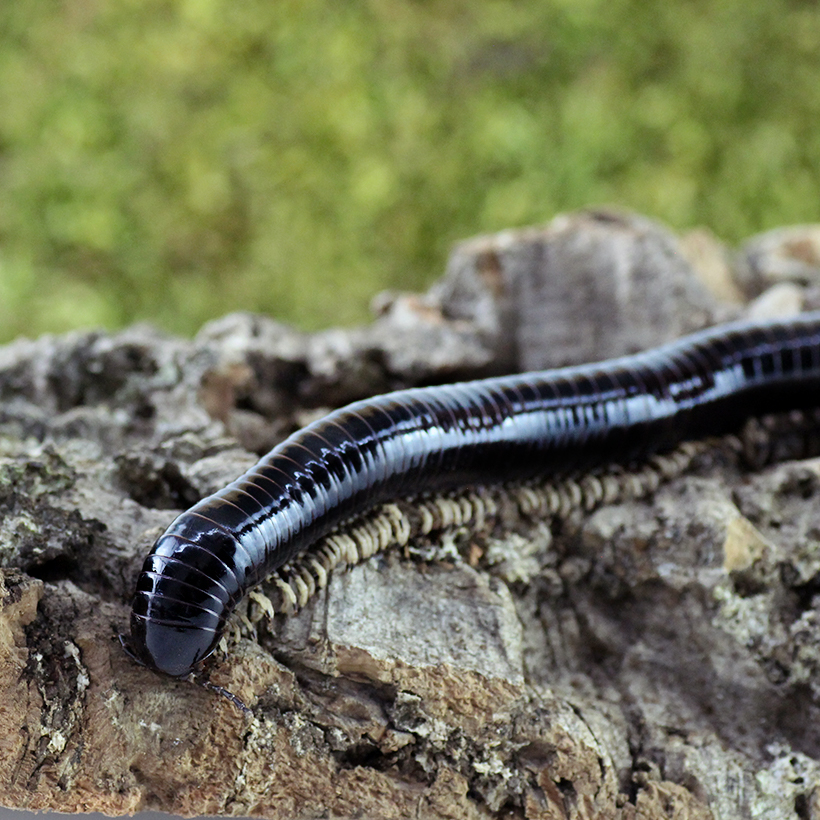
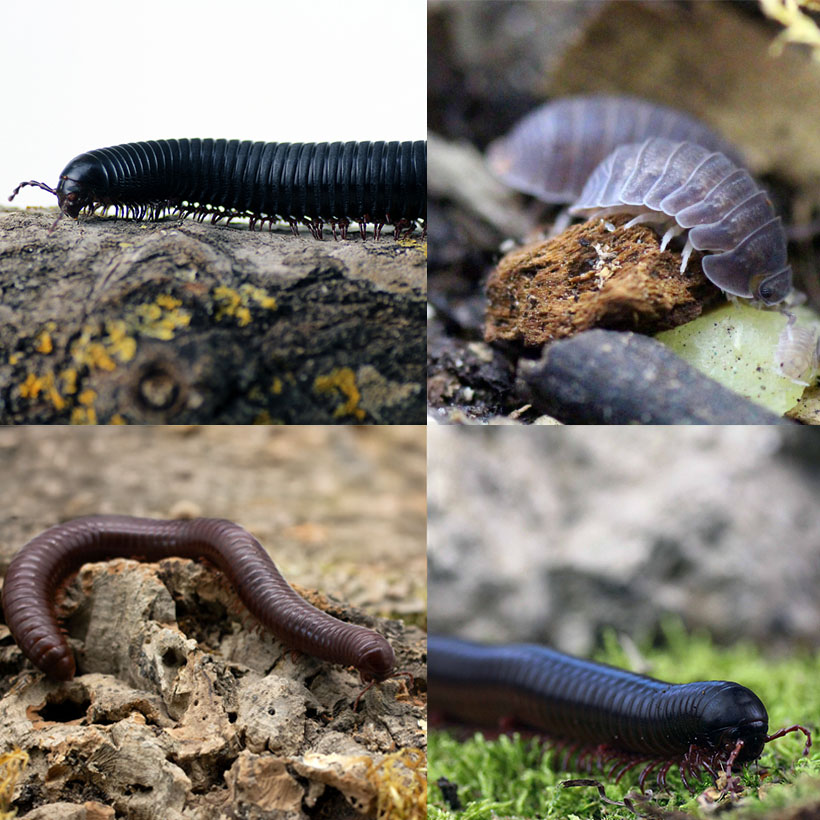
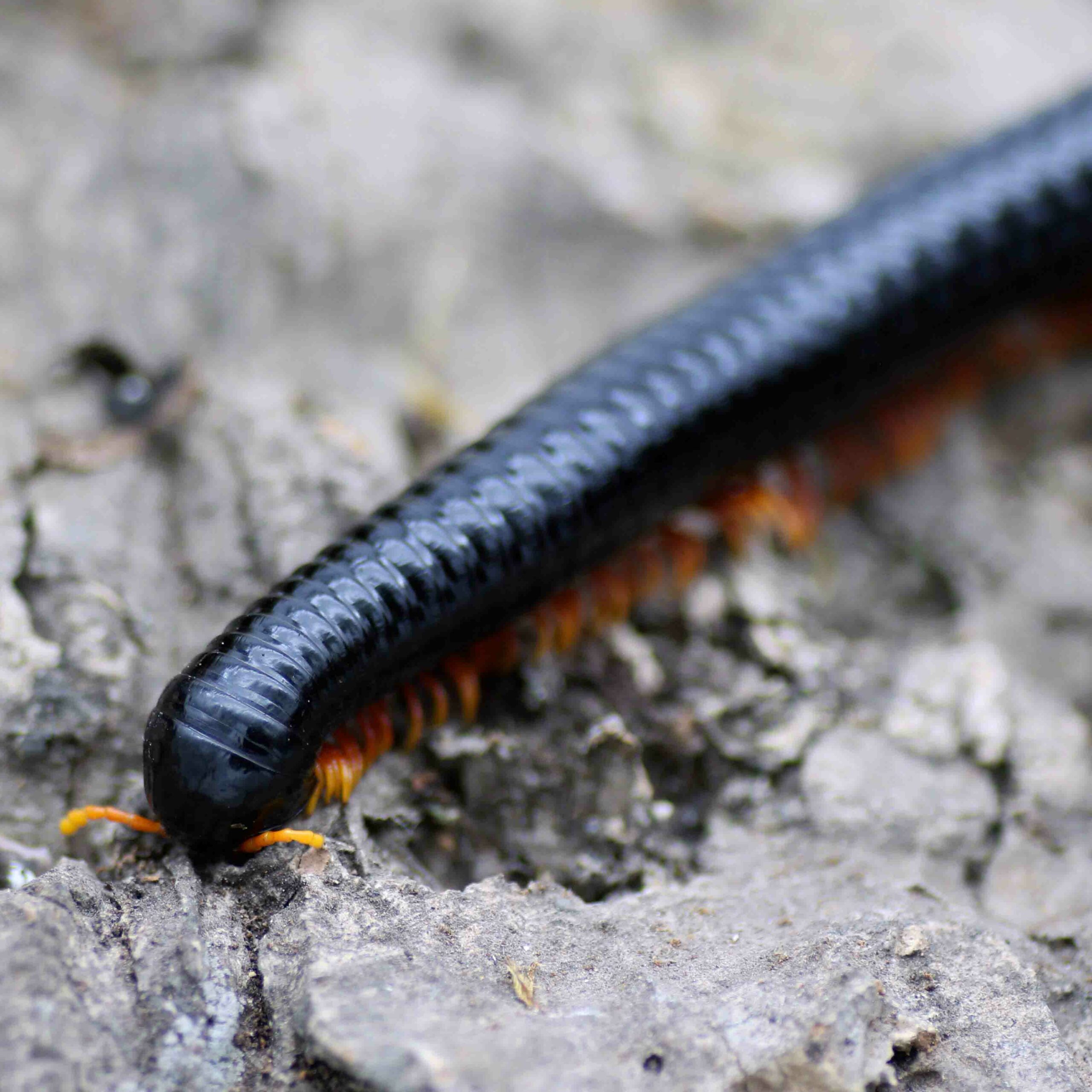
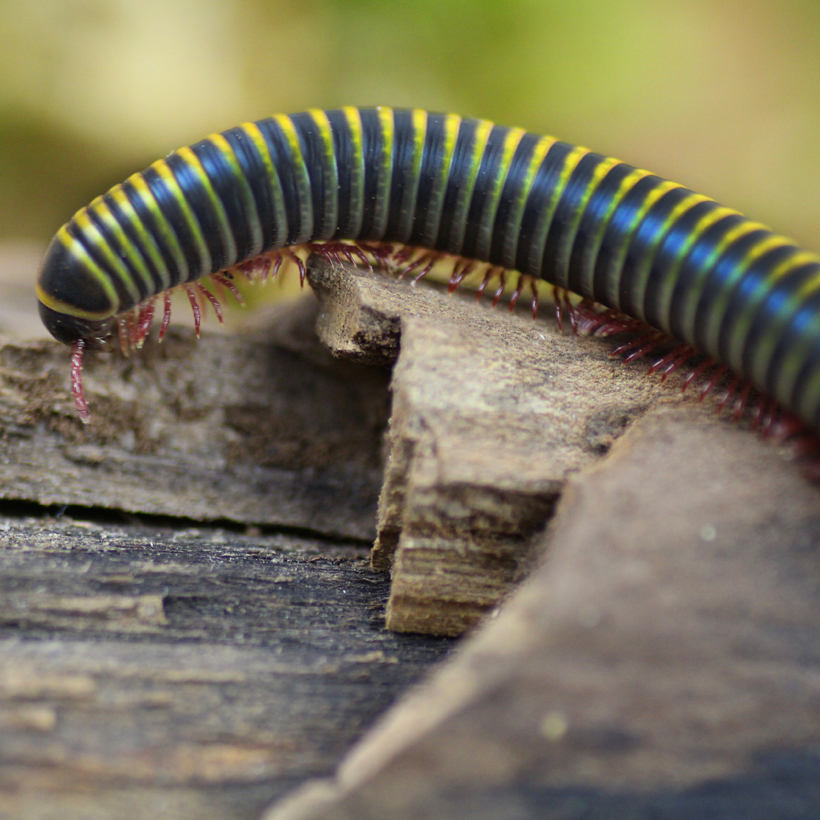
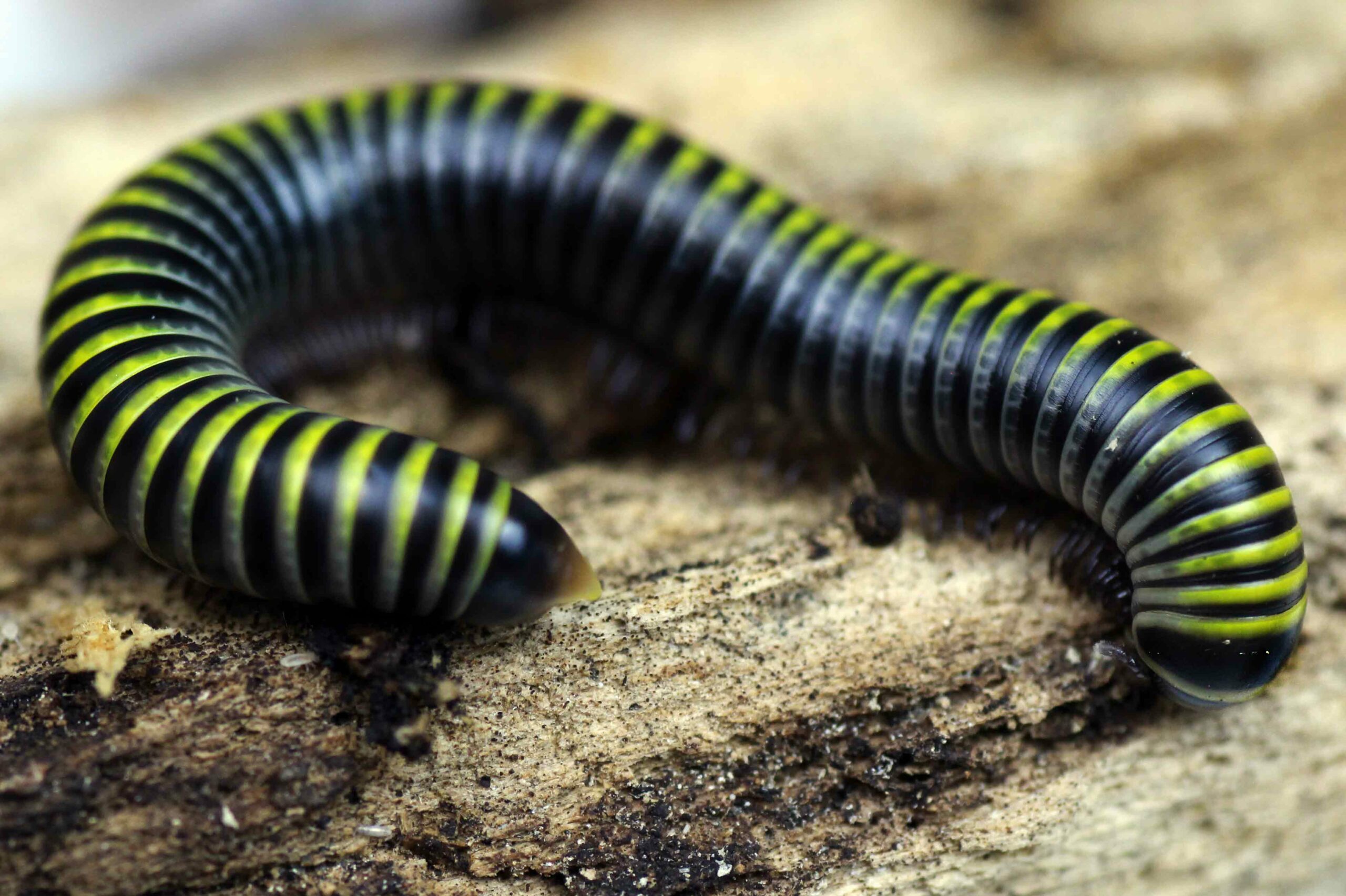
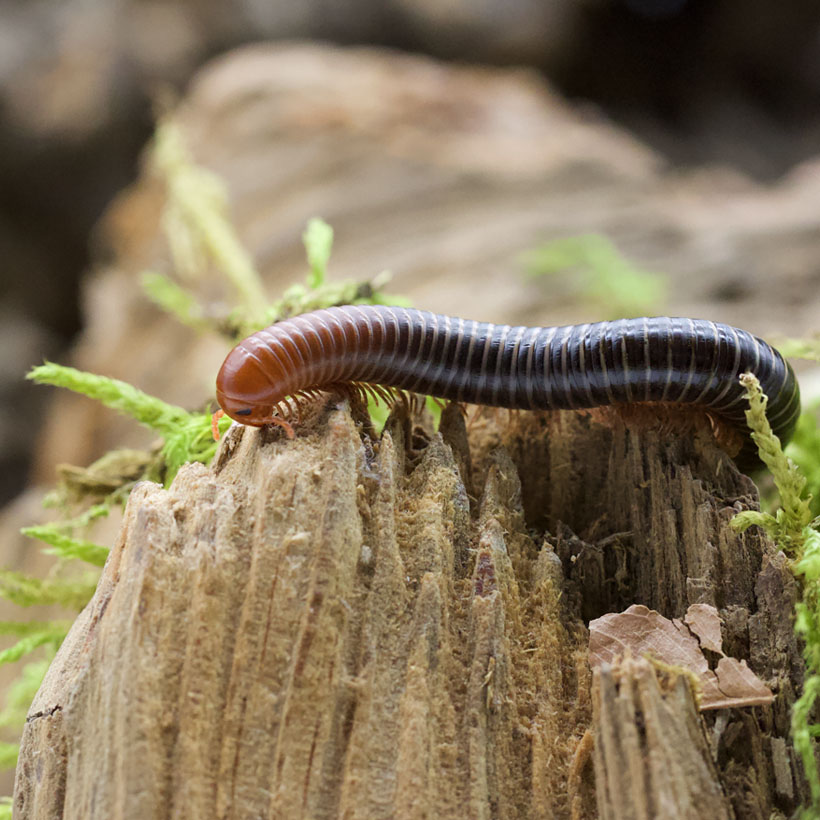
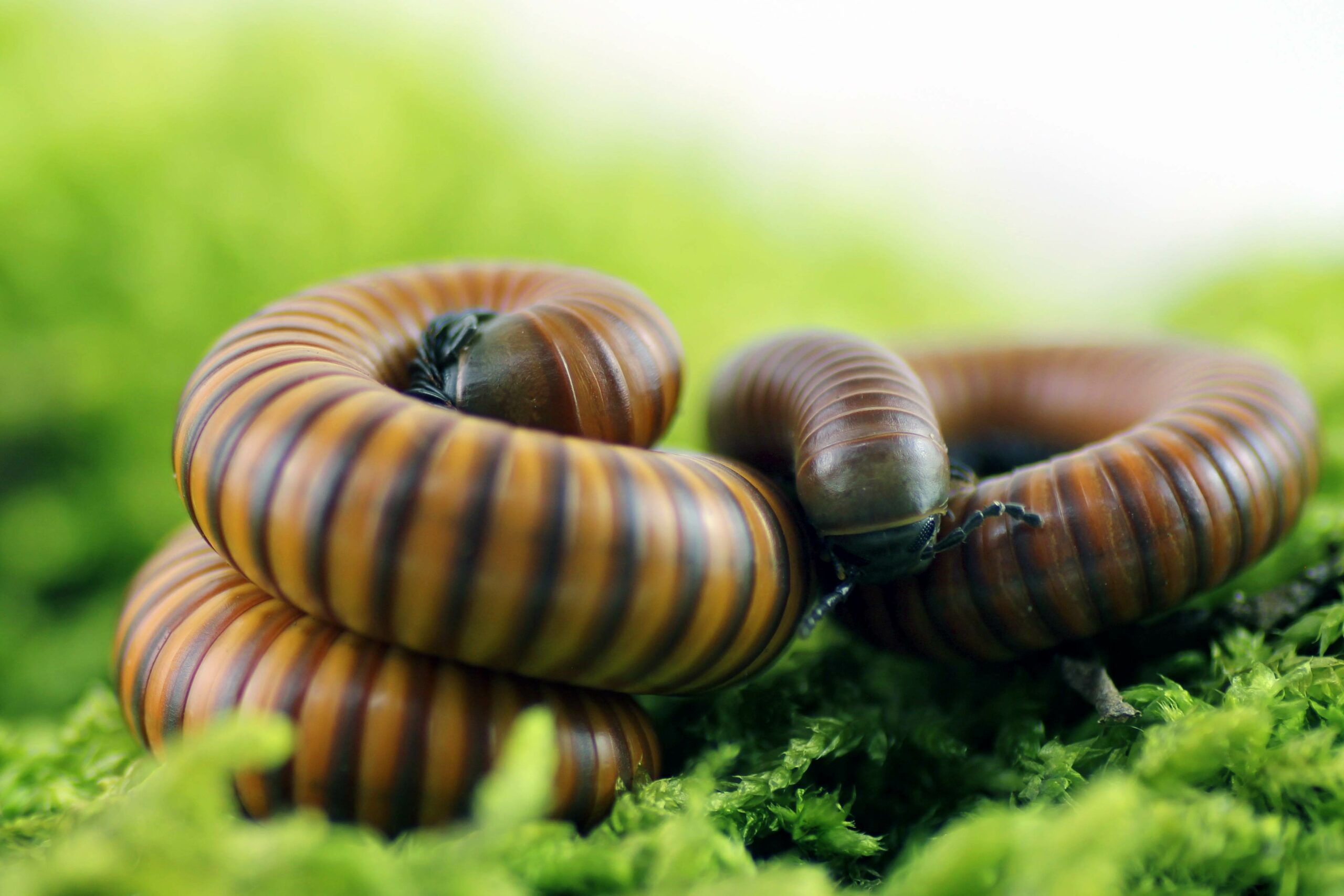
With a length of up to 15 cm and a strong, cylindrical body, Telodeinopus assiensis is one of the larger representatives of its order. The coloration varies depending on origin and age – from dark brown to grey to olive-green nuances with slight segmental markings. The legs are often somewhat lighter in color and stand out slightly from the body.
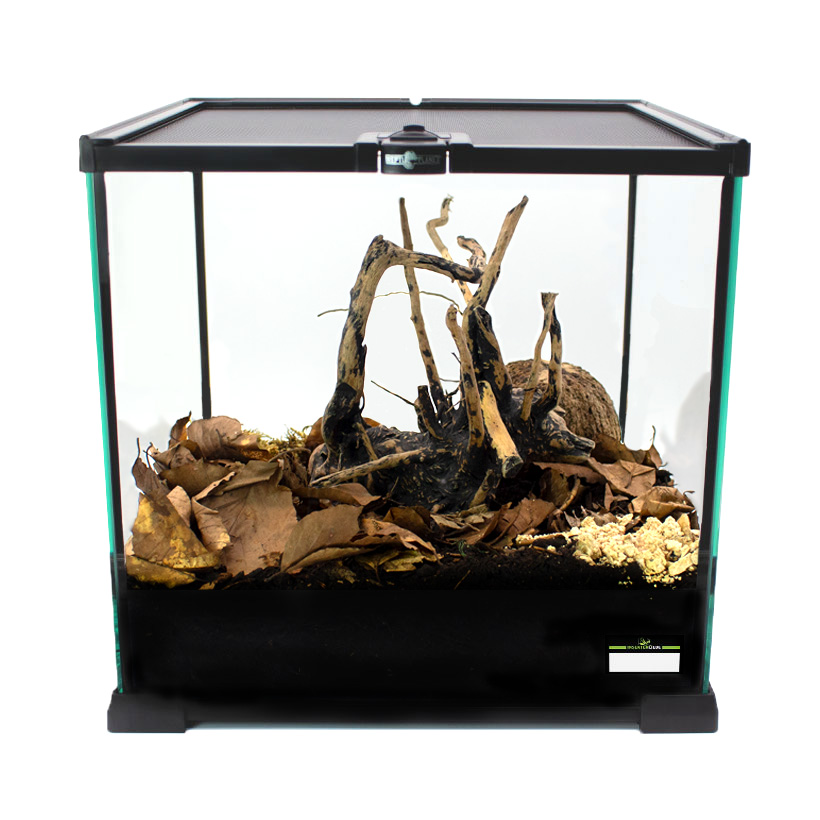
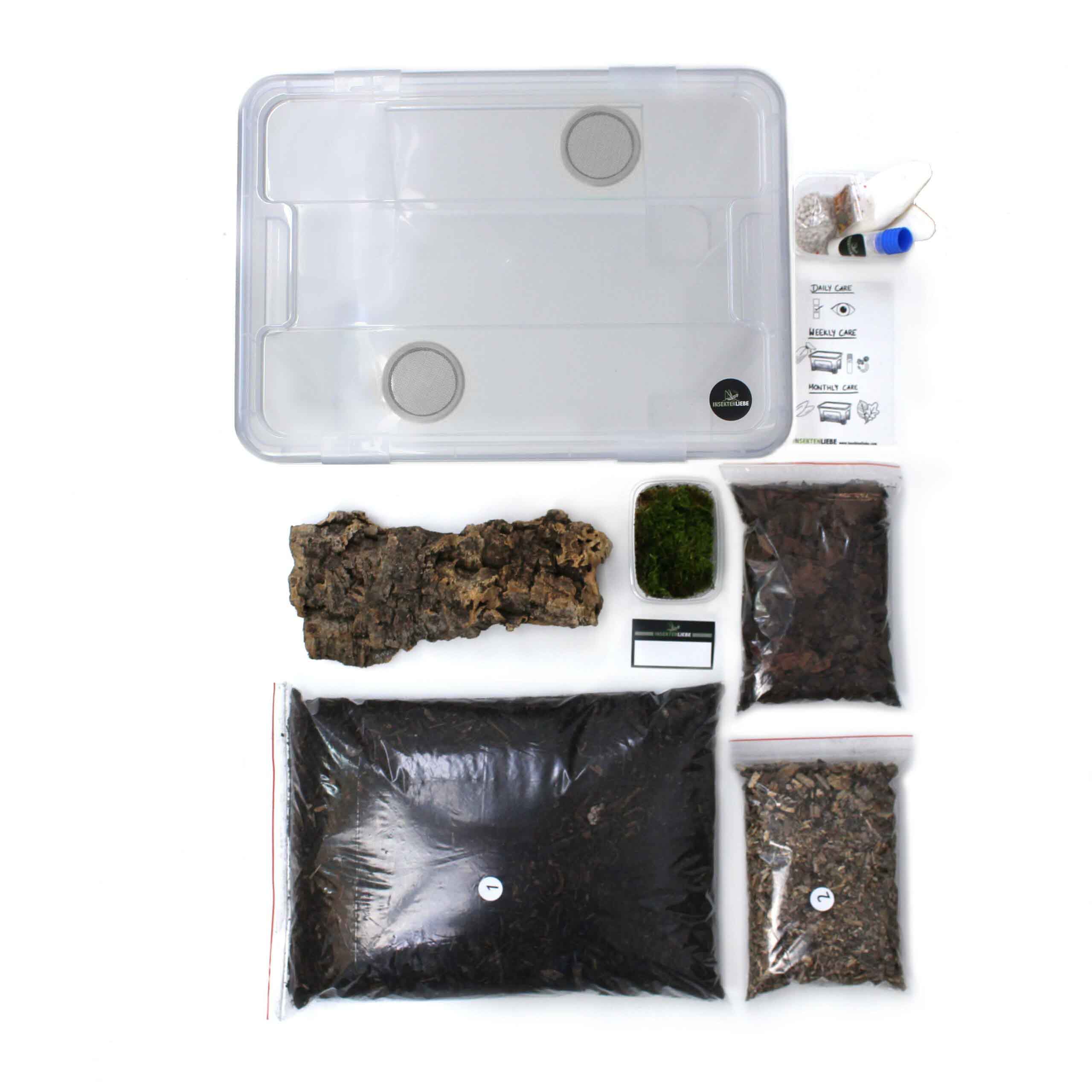
This species originally comes from the warm and humid forests of West Africa. There it lives hidden in leaf litter and wood mulch, where it burrows during the day and comes out at night to forage. In the terrarium, it therefore needs a well-structured substrate with at least 10-15 cm depthconsisting of leaf humus, white rotten wood and dry leaves. High humidity around 80-90 % and temperatures of 22-26 °C ensure an optimum climate.
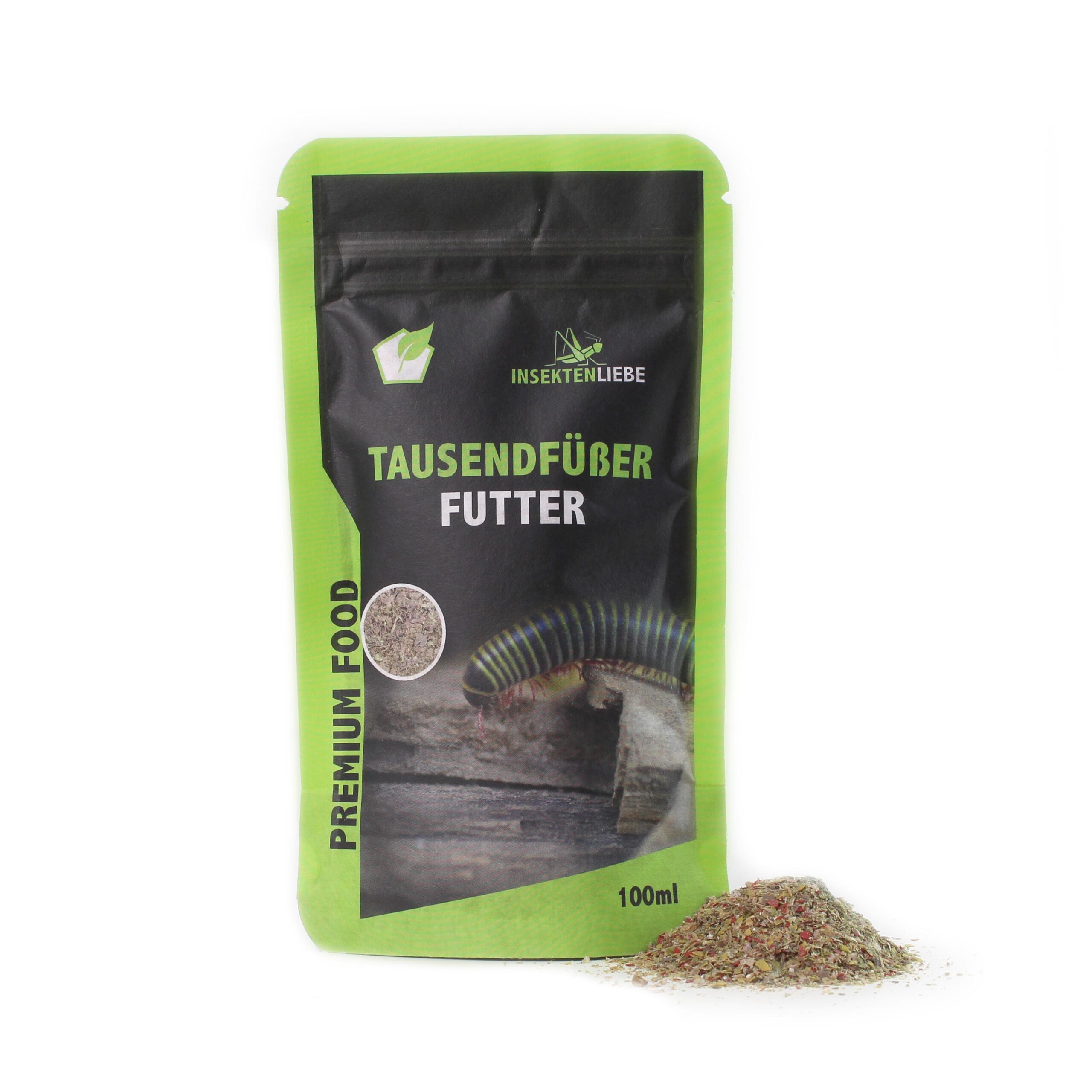
As with most diplopods, their diet is plant-based. A varied diet of wilted leaves, vegetables such as cucumber or sweet potato, cuttlebone and some protein-rich supplements (e.g. fish food flakes) keep the animals healthy and vital. They don’t just eat food – they utilize organic material and thus contribute to the natural cleaning of the terrarium.
Telodeinopus assiensis is a calm, gentle giant. It shows itself surprisingly often in the right environment and moves slowly but determinedly through its territory. It becomes particularly exciting when several animals are kept together – they are sociable as long as there is enough space and hiding places.
With a bit of luck, they will also breed successfully. The females lay their eggs in the substrate and after a few months tiny young animals hatch, which steadily increase in size through moulting. It often takes over a year for them to develop into adults – patience pays off.
Telodeinopus assiensis is more than just a “crawler”: it is a fascinating observation partner that brings peace, grounding and biological interest to any terrarium.