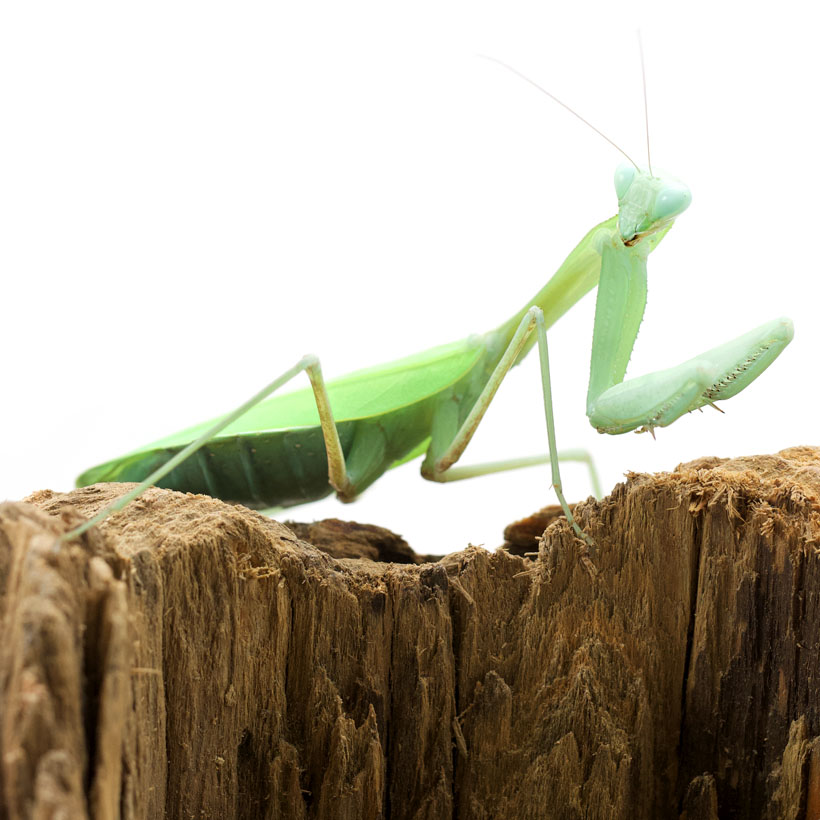
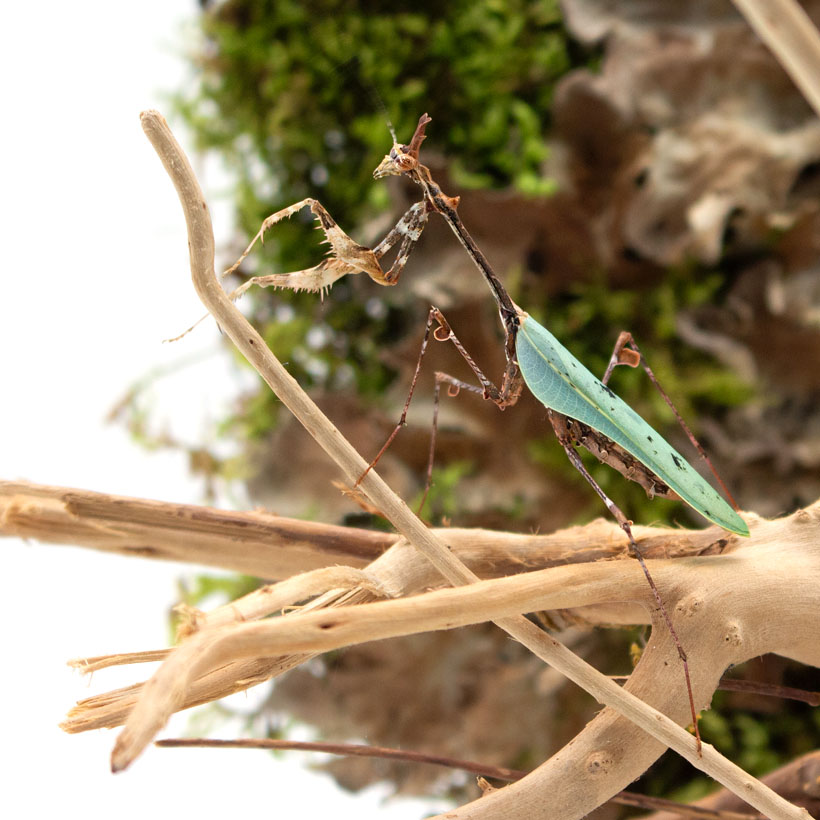
Sibylla-pretiosa-3-2.jpg

Medium

East Africa

5 CM

25-32 °C

Life cycle of Sibylla pretiosa: From larvae to magnificent hunters

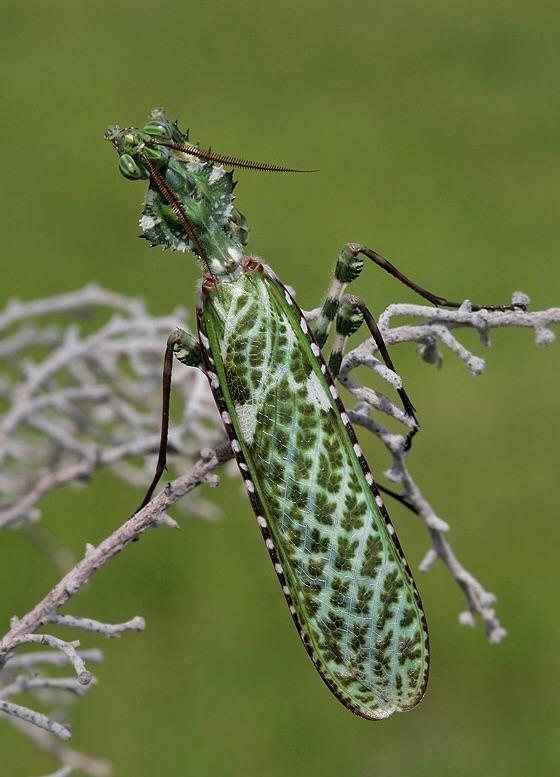
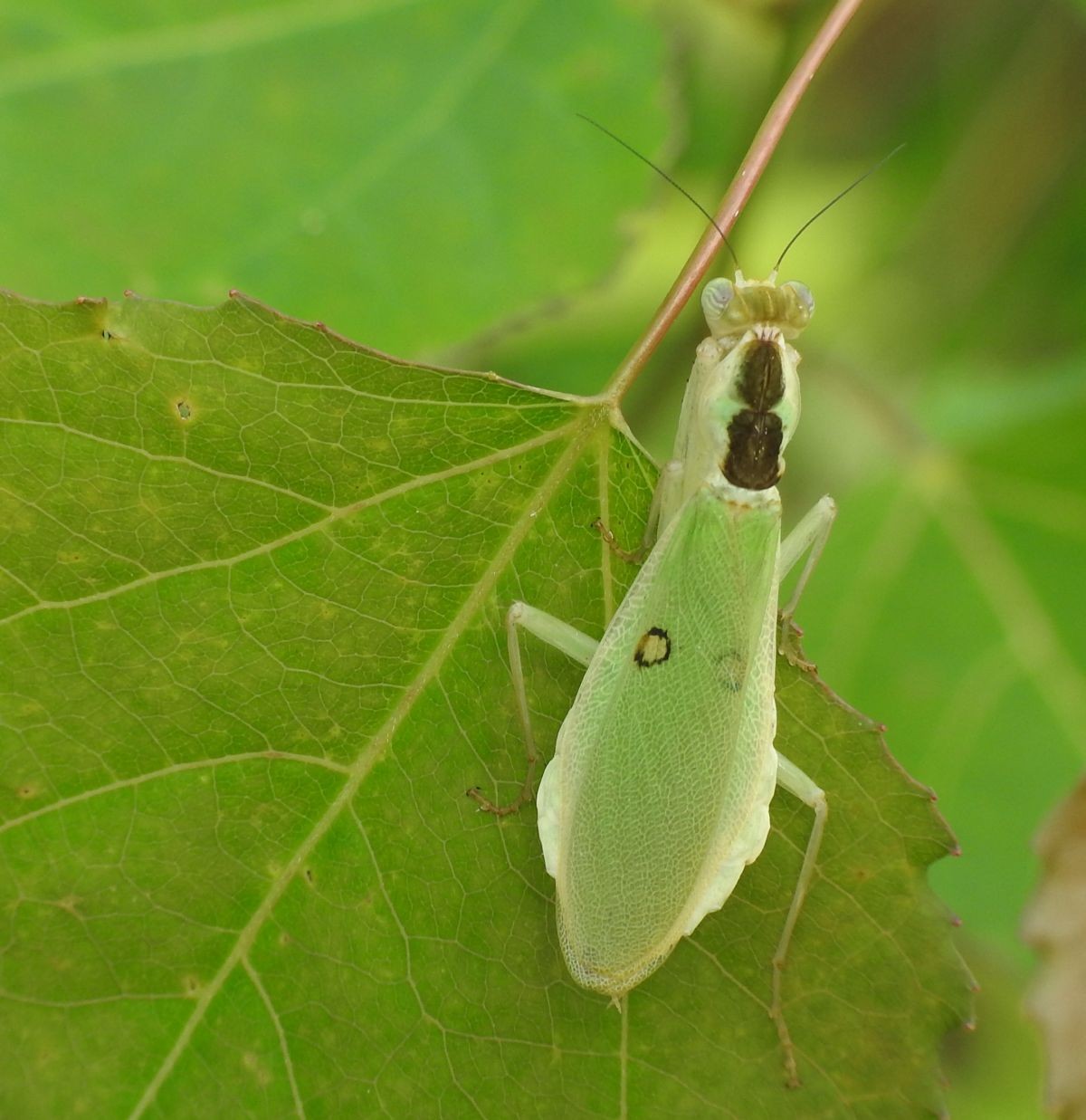
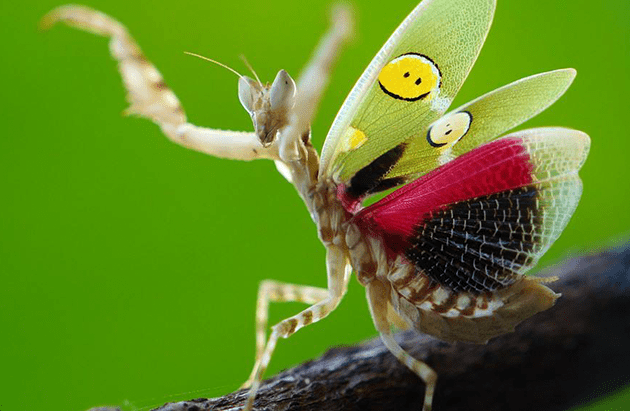
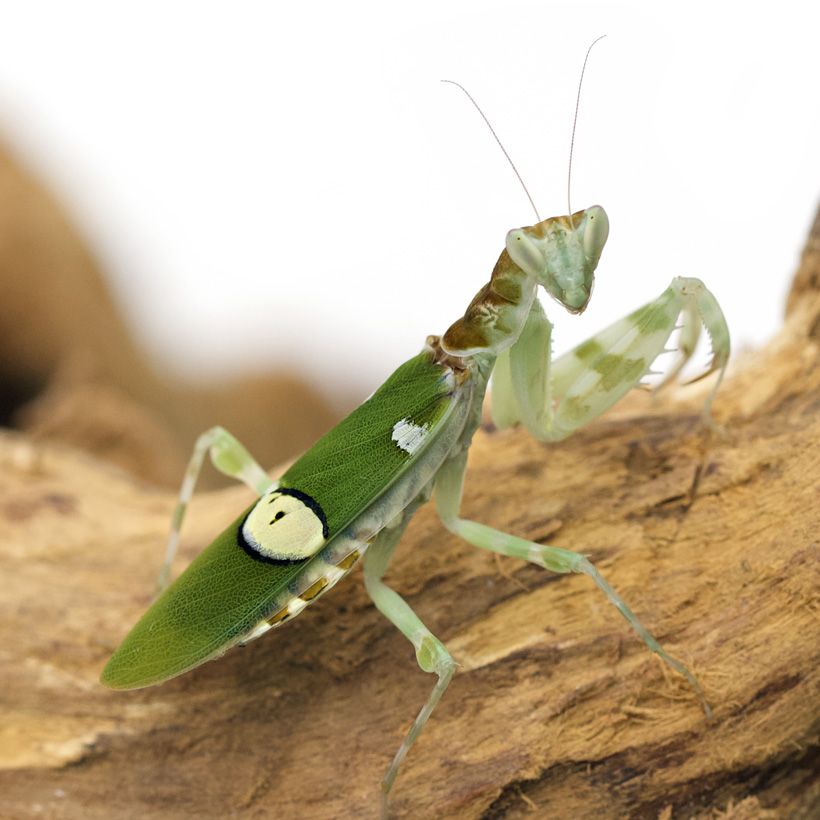
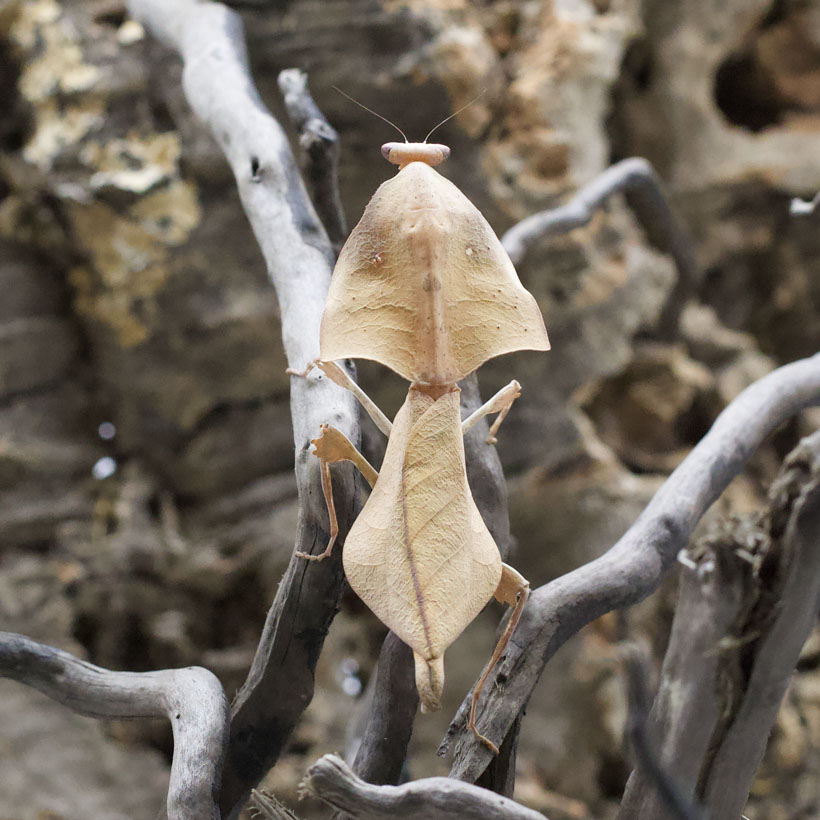
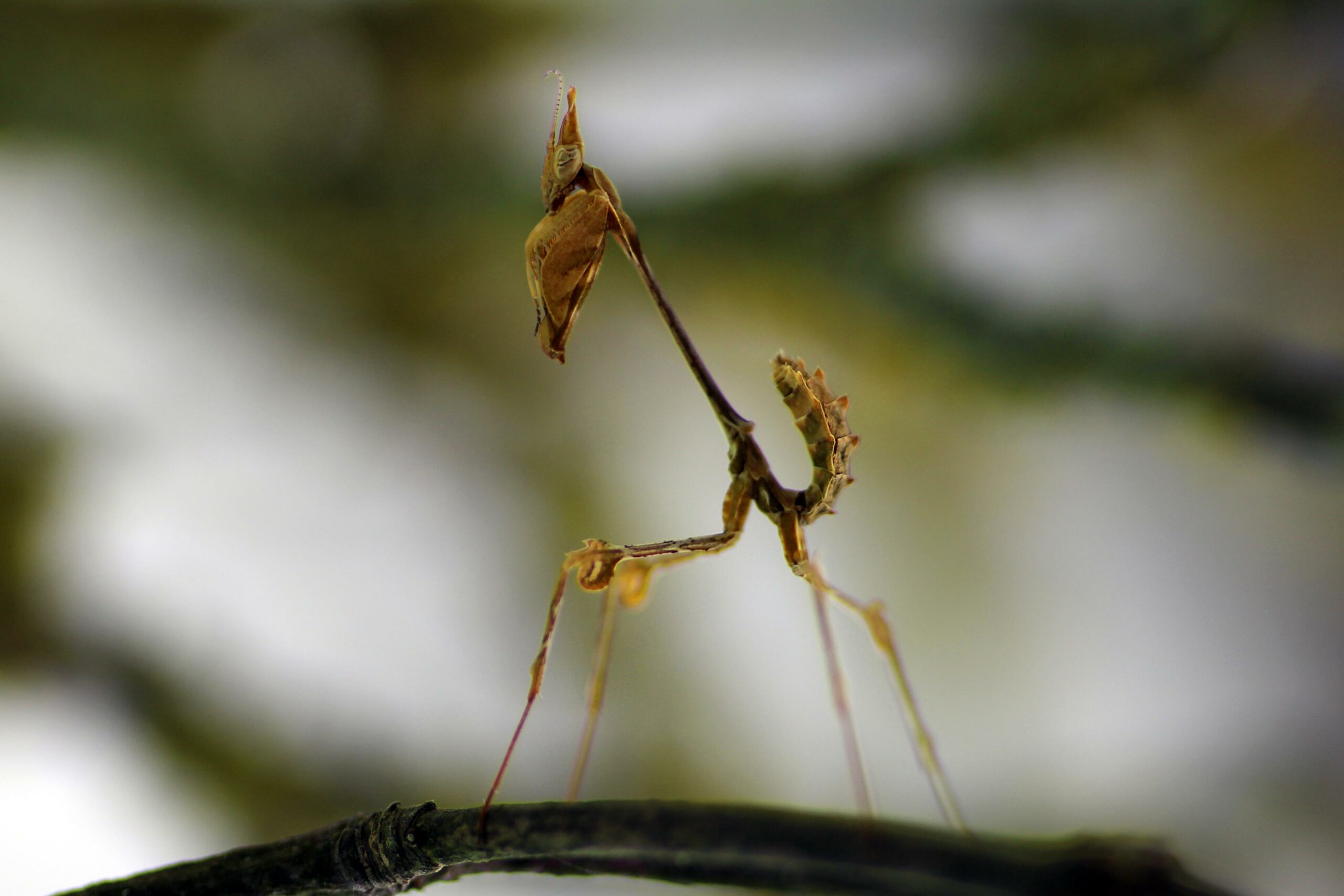
Sibylla pretiosa, also known as the cryptic mantis, is a fascinating species of mantid found in East Africa. It is mainly found in savannahs, where it lives on trees and shrubs. In the first two larval stages (L1/2), the cryptic mantis feeds on Drosophila hydei and Drosophila melanogaster. In the third and fourth stages (L4/5) they feed on ovenfish and Drosophila hydei, in the fifth and sixth stages (L5/6) their diet changes to gold flies and ovenfish and in the last two larval stages (L7/8) they prefer blowflies and chocolate cockroaches.

This species can move quite quickly, especially in the adult stage. In contrast to other species, Sibylla pretiosa also tolerates cockroaches, but it is recommended to choose flies as food for fertilized adults, as cockroaches as food can negatively affect the shape and foam of the oothecae.

Sibylla pretiosa can be kept well in groups, although it is advisable to separate the animals from the pre-subadult stage onwards in order to avoid cannibalism. The males can continue to live in groups. The females lay an ootheca approximately every seven days, even if it is not fertilized.
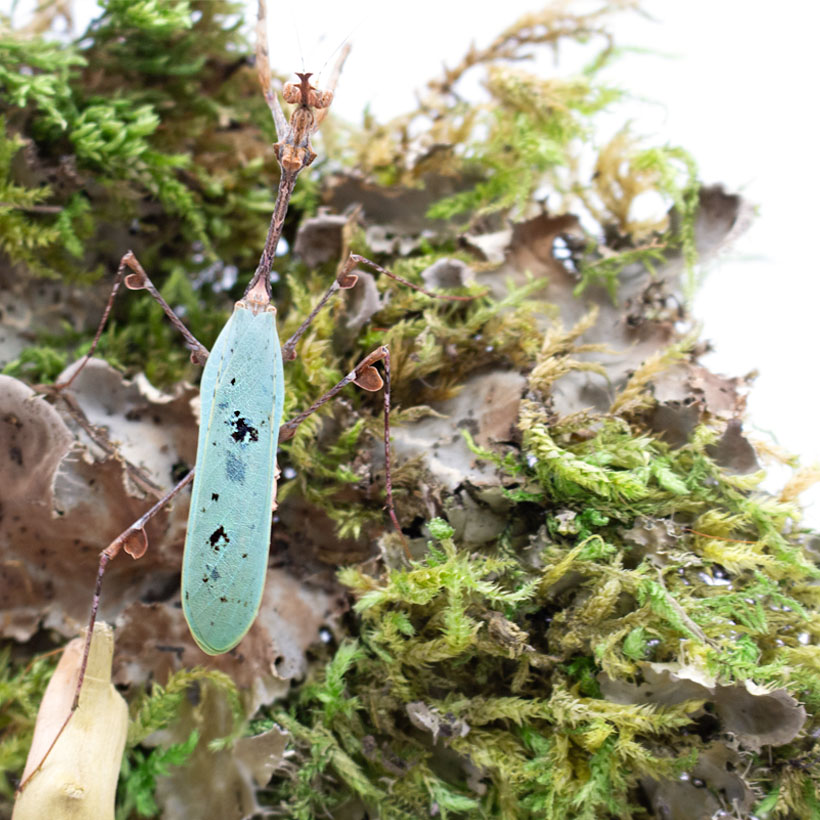
 

Sibylla Pretiosa

Depending on the size of the ootheca, around 25 to 40 young hatch only from the fertilized ootheca. Adult males show a flighty behavior. In the young larval stages it is important to keep the animals cool and moist, while in later stages warmer and somewhat drier conditions are appropriate. The optimum temperature and humidity conditions for the different stages are as follows:

L1/2, the temperature should be between 23 and 25 degrees Celsius and the humidity between 60 and 75 percent.
L3/4 it is 25 to 27 degrees Celsius and 60 to 75 percent humidity.
L5/6 the animals require 26 to 29 degrees Celsius and 60 to 70 percent humidity.
L7/8 it is 26 to 31 degrees Celsius and 55 to 70 percent humidity.

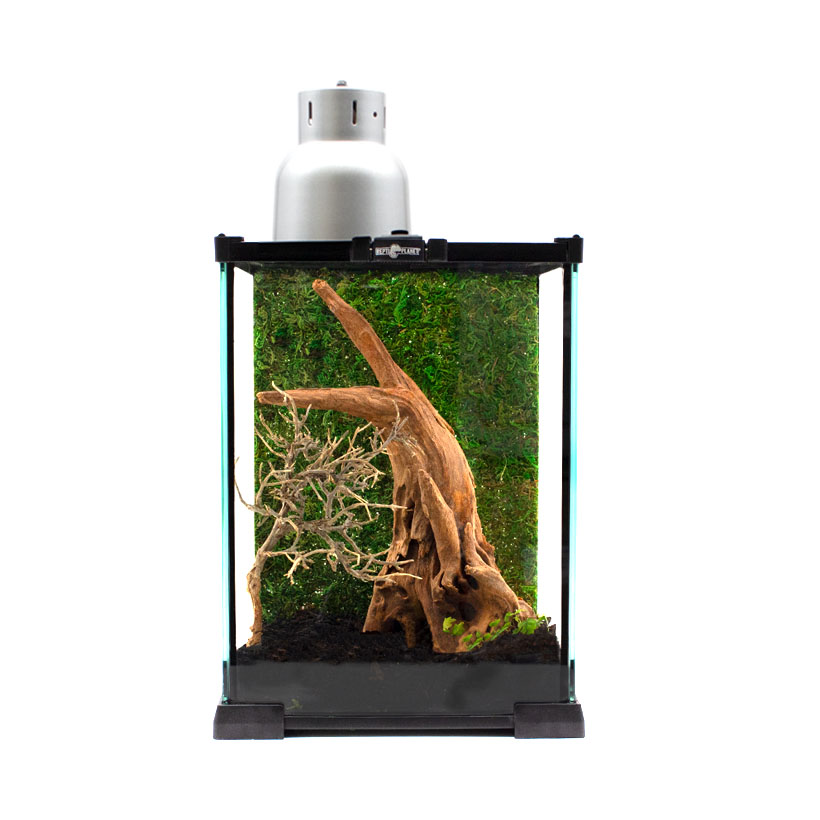
It is best to place the lamp in a corner of the terrarium so that there is a warm spot and a slightly cooler spot. The animal can then choose the perfect climate for itself.

The oothecae are often placed on the undersides of leaves or on flat surfaces. The oothecae should be kept at a temperature of 25 to 29 degrees Celsius and a humidity of around 60 to 70 percent. Good ventilation is essential for both the animals and the oothecae. Larvae of stages L1/2 are particularly sensitive to temperature and die quickly at temperatures above 27 degrees Celsius. It is advisable to lightly spray Sibylla pretiosa to allow them to drink.

The mating of the cryptic mantis is relatively uncomplicated. The male is easily attracted to mating and often observes the female. To ensure a successful mating, the female should be well fed. Mating of the female is recommended about three to four weeks after reaching the adult stage, while the male is ready for mating two to three weeks after the adult moult. Before mating, the male Sibylla pretiosa ‘s antennae tremble particularly strongly, which is an indication that it has recognized the female. Mating usually only takes about four to five hours, and the actual copulation lasts about 30 minutes to an hour. Problems with fertilization of the female are not known in this species.

The oothecae hatch in around four to six weeks, depending on the temperature. For moulting, the animals need sufficient downward space, at least twice the length of their body. Sibylla pretiosa belongs to the order Mantodea, the family Sibyllidae and the subfamily Sibyllinae

Products for Sibylla pretiosa!