Chlorocala africana africana
4,50 € incl. VAT, plus shipping

Simple

Zambia

< 30 mm

20°C – 28°C
Chlorocala africana africana – The bright green jewel beetle for your terrarium
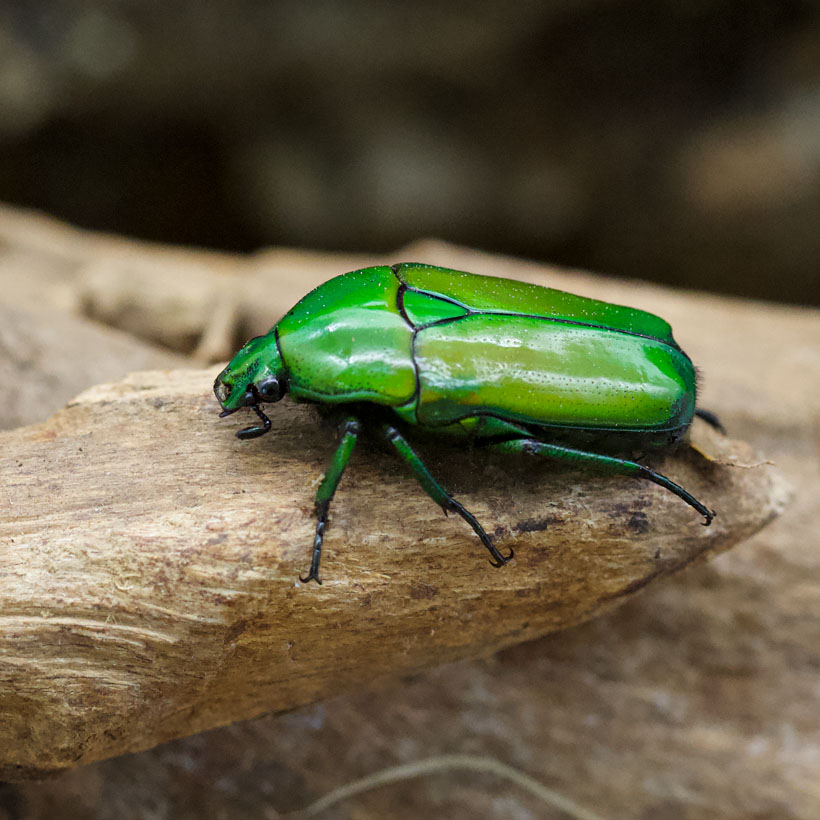
Chlorocala africana africana is one of the most fascinating rose chafer beetles on the African continents. With its shiny metallic shell, which can shimmer from emerald green to copper-gold depending on the light, this beetle immediately attracts everyone’s attention. But it’s not just its looks that are impressive – keeping and breeding are also comparatively easy, making it a popular choice for beginners and advanced keepers alike.
This medium-sized rose chafer is originally from West and Central Africa, where it lives in tropical regions and feeds mainly on sweet plant juices, overripe fruit and pollen. It is also frugal in the terrarium: ripe bananas, mango, melon or special beetle jelly are gratefully accepted. The animals are active during the day, very agile and easy to observe – especially when foraging or digging in the substrate.
With a body length of about 20 to 30 mm Chlorocala africana africana a compact, yet strikingly beautiful beetle. The males can be recognized by the slight indentation on the forehead, while the females have a smoother head shape. At an appropriate temperature (20-28 °C) and humidity (60-80 %), the animals feel comfortable and show active behavior.
Reproduction is easy under suitable conditions. The females lay their eggs in a loosely piled, humus-rich substrate with plenty of white rotten wood. After a few weeks, the larvae hatch and go through three stages of development (L1-L3) before they pupate in a self-made cocoon. The entire development from egg to finished beetle takes about 4 to 6 months under good conditions.
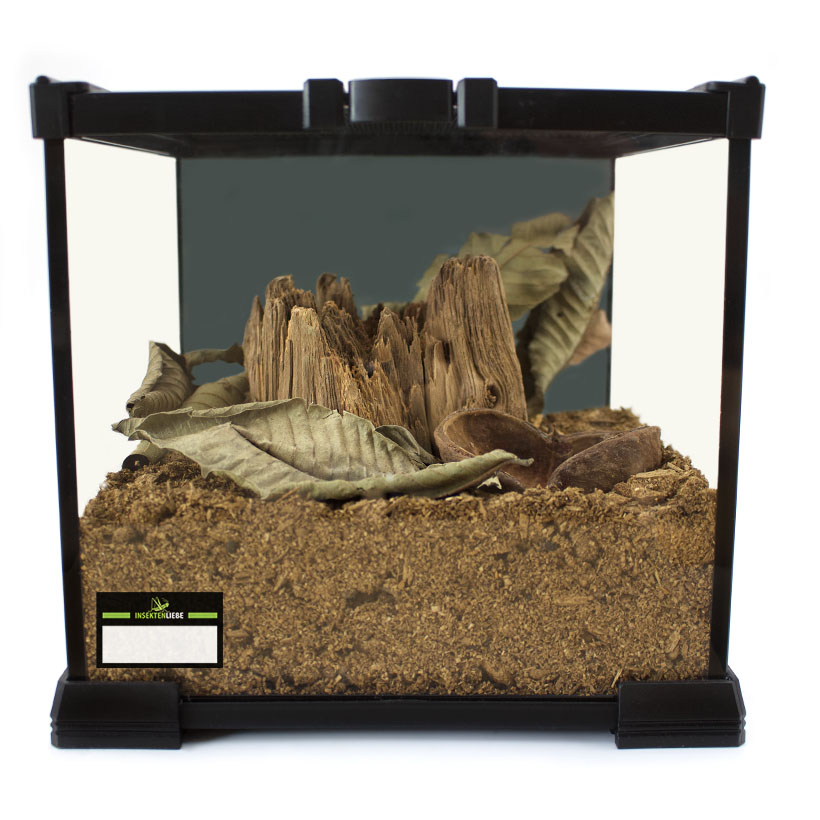
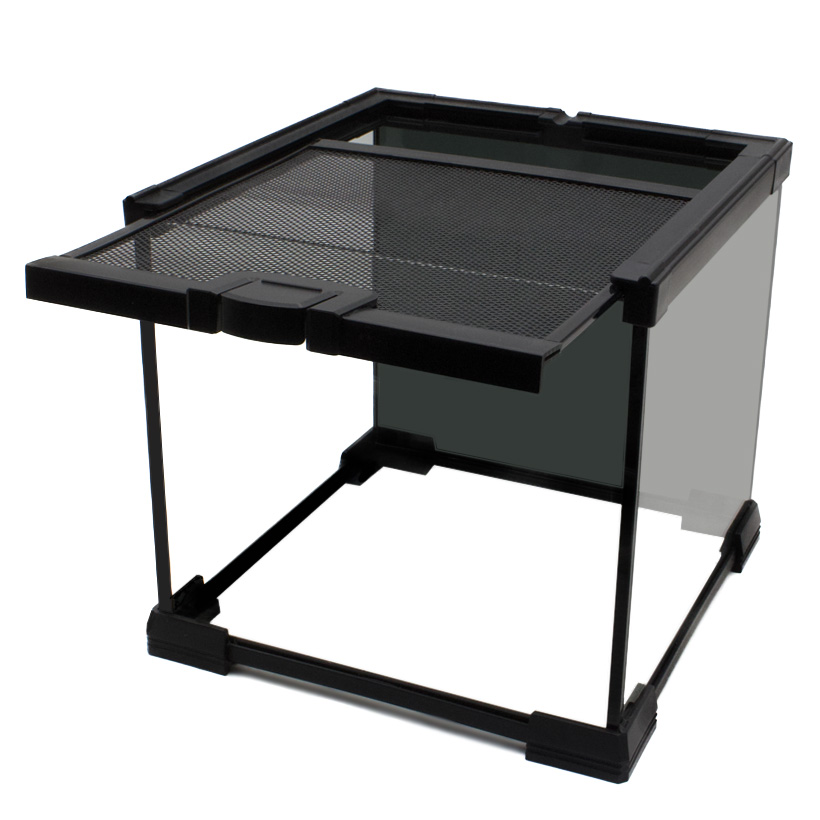
Chlorocala africana africana can be kept well in groups as long as there is sufficient food, space and places to retreat. Medium-sized terrariums with a base of at least 20 × 20 × 20 cm, loose deciduous forest substrate and a small feeding place are ideal. Climbing branches and decorative bark are also readily accepted.
Whether for observation, breeding or simply as a living ornament in the terrarium – this rose chafer will delight you with its splendid colors, peaceful behavior and easy care. A perfect introduction to the world of African beetles!